

Balanced Dice Sets for Tabletop Games Roll with Confidence
Updated on: 2025-12-04
This friendly guide helps you choose a polyhedral set that feels great, looks amazing, and suits the way you play. We’ll cover materials, readability, maintenance, and smart buying tips so you can roll with confidence. You’ll also find answers to common questions on care, balance, and table rules. Let’s make your next roll both fair and unforgettable.

If you’ve ever fumbled a roll or squinted at a tiny number, you already know that the right polyhedral set can make game night smoother and more fun. Whether you’re a forever GM or a first‑time adventurer, a reliable set streamlines play, matches your character’s vibe, and adds a little ceremony to every roll. Think of your dice as both a tool and a tiny piece of storytelling—each D20, D12, D10, D8, D6, and D4 doing its part to keep the session moving and the table smiling.
Benefits & Reasons: dice sets for tabletop games
Let’s talk about why a dedicated polyhedral set matters. At the table, consistency is everything. A coordinated set helps you grab the right die fast, keeps results clear, and builds trust in the roll. It also becomes part of your personal ritual—pulling them from a pouch, giving a quick shake, and letting fate decide. That little routine boosts immersion and makes big moments feel earned.
Material and roll feel
Material changes the way your dice sound, tumble, and wear over time. Resin and acrylic are lightweight, budget‑friendly, and come in endless colors and effects. They roll quietly and are gentle on most surfaces. Sharp‑edge resin, in particular, offers crisp faces that can reduce wobble and make numbers pop.
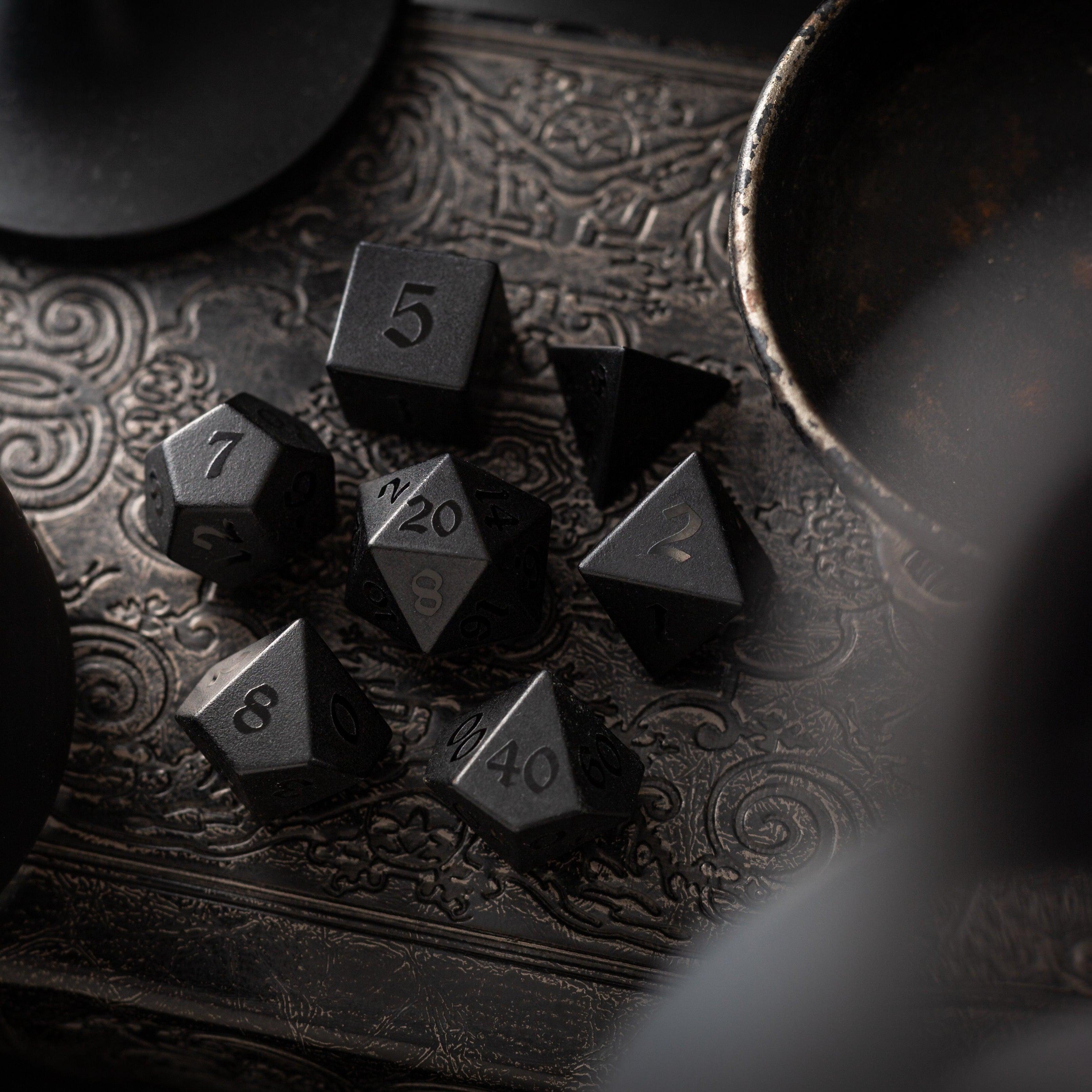
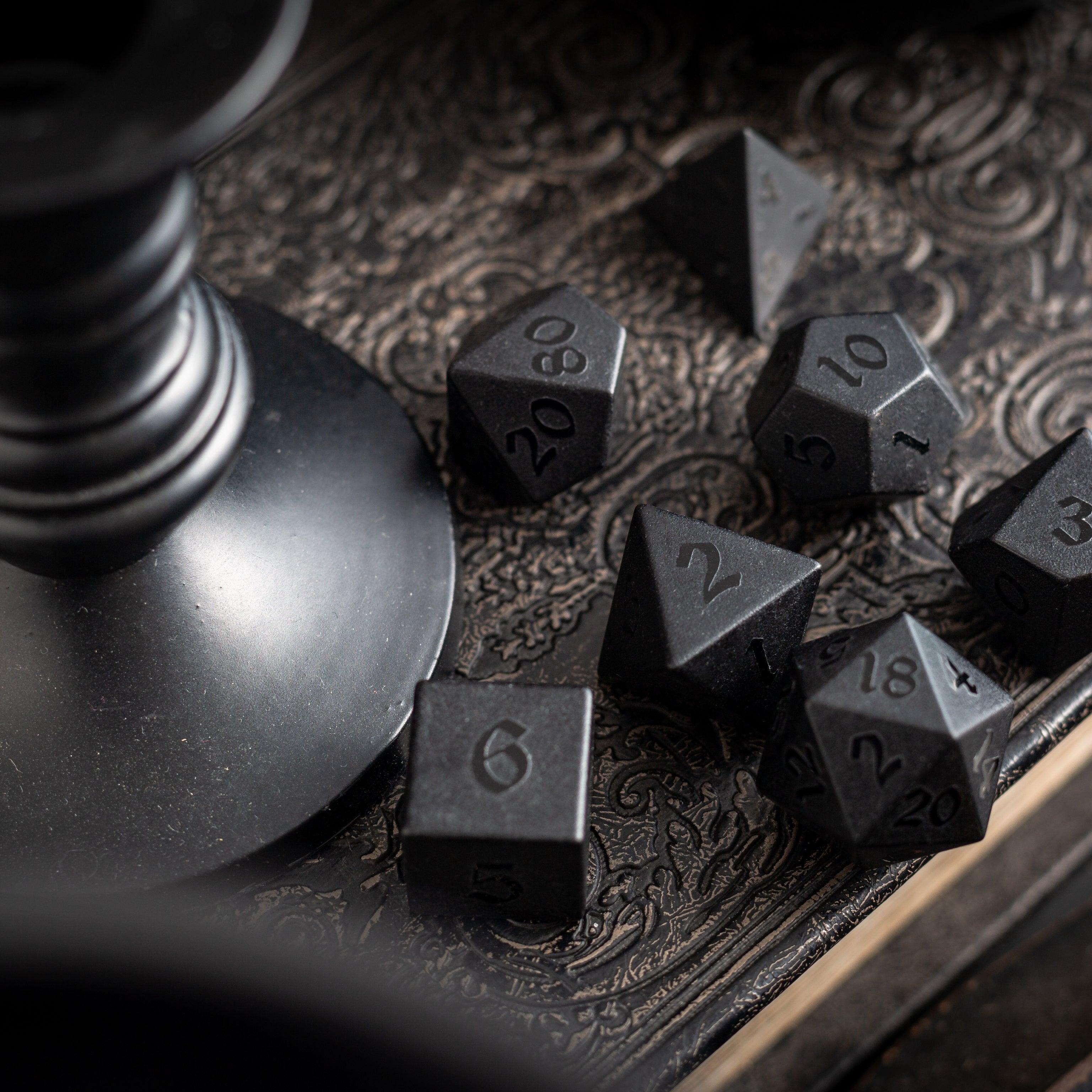
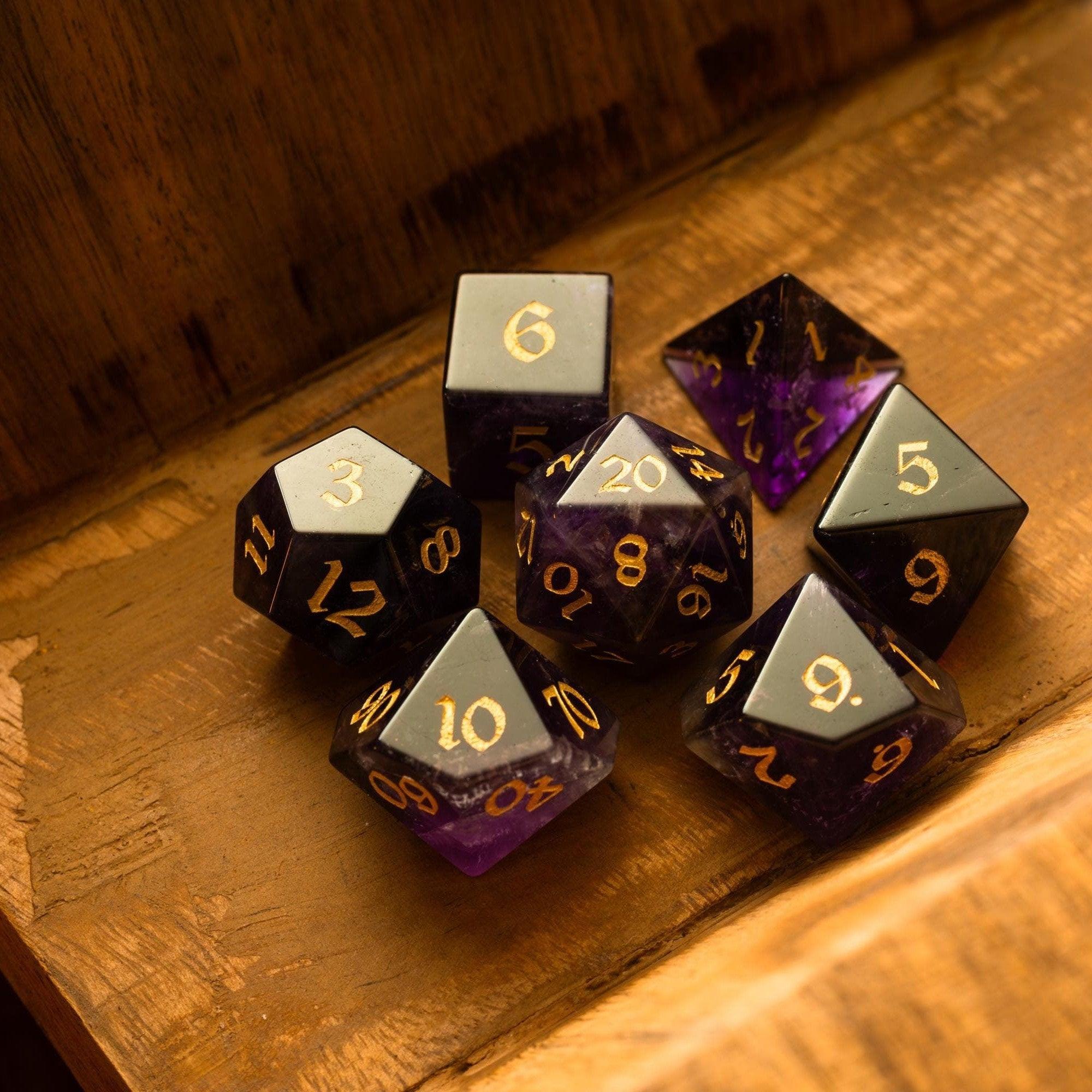
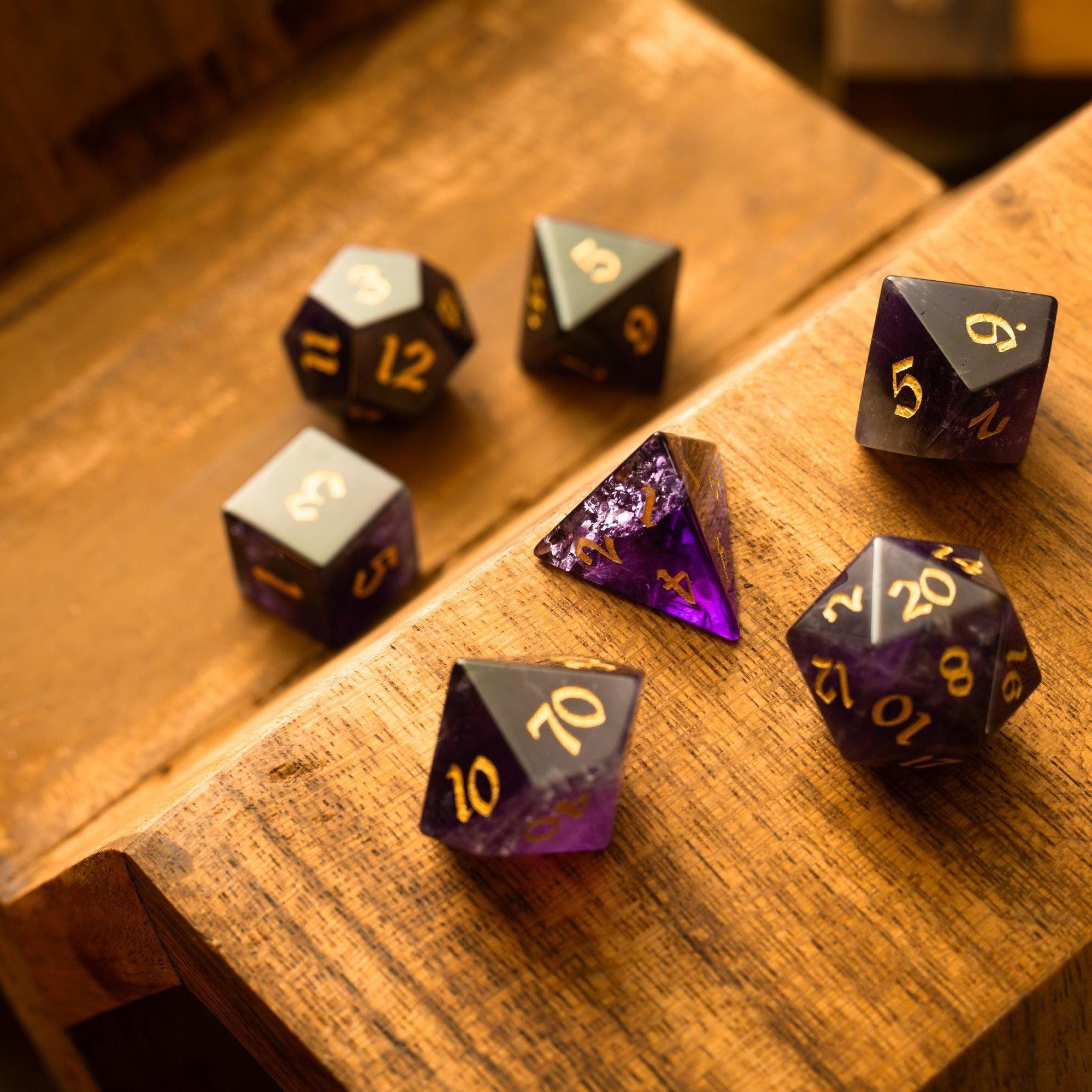
Stone and glass bring satisfying heft and brilliant finishes. You’ll feel every roll, which many players love. They’re durable when handled with care, but do use a tray or mat to protect both the dice and your table. If you want to explore natural textures and weightier rolls, browse curated picks like Gemstone dice. Prefer something elegant with clean facets? Consider the Dwarf Cut Green Glass set for a refined, readable look.
One more accessory to consider: a tower or tray keeps rolls contained, protects surfaces, and adds a little drama (in the best way). You can check out sturdy options under dice towers if you want consistent tumbles without chasing runaway crits.
Readability and design
Readable numerals and smart color contrast speed up play and reduce mistakes. High‑contrast inking (light numbers on dark dice or vice versa) and clear fonts make a bigger difference than most folks realize—especially at dim tables or late sessions. Sharp edges can also make faces look crisper. Glitter, foil, and embedded elements are beautiful, but make sure they don’t obscure numbers on your most‑used dice (D20 and D6 usually see the most action).
If you love flashy effects and still want clarity, look for designs that place visual flair in the center while keeping the number zones clean. Some sets add light‑catching details without sacrificing legibility, which is a great compromise if you want both “wow” factor and fast reads.
Theme and character expression
Your set can echo your character and campaign. Shadowy rogue? Dark, iridescent stones or smoky resin set the mood. Sun‑blessed cleric? Gold flecks, pearlescent swirls, or luminous glass deliver holy vibes. Alchemist or wild mage? Sets with kinetic sparkle add playful unpredictabilit, browse Liquid core dice for swirling motion that feels alive at the table.
Some materials look especially magical under direct light. Labradorite, for instance, throws blue‑green flashes that feel otherworldly. If that calls to you, take a look at the Labradorite gemstone set—it blends natural shimmer with practical numbering so you get showpiece looks and solid play performance.
Care and longevity
Great dice last longer with a few simple habits. Roll on a soft surface like a tray, mat, or fabric play area. Wipe your set with a soft, dry cloth after sessions to keep oils from dulling the finish. Store them in a padded case or a lined box so they don’t clack against each other on the go.
For stone and glass, avoid hard, uneven tables and deep bowls that force harsh impacts. For resin, keep them away from excessive heat and direct sunlight for long periods. If numbers start to fade, many sets can be re‑inked carefully with paint pens; wipe excess gently before it dries. A little care goes a long way toward keeping edges sharp and faces glossy.
Smart buying tips
Start with a full polyhedral set: D20, D12, two D10s (percentile and standard), D8, D6, and D4. If you’re a caster who tosses lots of D6s or D8s, add a handful of extras in matching styles to speed up damage rolls. Martial characters might want a couple more D8s or D10s depending on weapon dice. The key is consistency—having multiples of the same design keeps results easy to read at a glance.
Balance matters. Most reputable makers focus on even density and clean edges. If you’re curious, a quick home check uses a saltwater float test for lightweight dice (resin, acrylic) to see if any face is favored. It’s not perfect science, but it can reveal glaring issues. For heavier materials, visual inspections for bubbles, chips, or uneven faces are more practical.
Think about table etiquette too. Heavy sets sound and feel powerful, but roll them on a tray to prevent dents or noise fatigue. If your GM prefers contained rolls, a tower can end debates about “cocked” results and keep the action moving. And if you split your time between different campaigns, consider a small pouch or box for each set so you’re never digging for a missing D8 when initiative is called.
Ready to level up your rolls? Explore signature looks, premium finishes, and reliable everyday options—each crafted for clarity and feel. Whether you want shimmering motion, natural stone, or crisp‑edge resin, you’ll find a set that matches your table vibe and play style.
Friendly reminder: Roll on a protective surface, respect house rules, and keep small items away from young children.
Quick picks to explore: liquid motion effects under Liquid core dice, natural weight and polish in Gemstone dice, a faceted glass favorite like the Dwarf Cut Green Glass set, and roll‑saving accessories in dice towers.
FAQ
How many dice do I need for most RPGs?
A standard polyhedral set (D20, D12, two D10s, D8, D6, and D4) covers most systems. If your class or system leans on damage pools, add extra D6s or D8s so you can roll in one go. Many players carry two full sets: one for checks and saves, another for damage. That keeps play quick and avoids mixing styles if you want a tidy table aesthetic.
What material should I pick for balance and durability?
Resin and acrylic are light, affordable, and consistent—great all‑rounders for daily play. Sharp‑edge resin can offer very crisp faces with clean reads. Stone and glass bring weight and a premium feel; they’re durable when rolled on soft surfaces. Metal is solid and satisfying but can be loud and tough on tables without a tray. Whichever you choose, inspect faces for chips and keep them in a padded pouch or box for long‑term durability.
How do I care for premium resin or gemstone dice?
Use a tray or mat, wipe with a soft cloth after sessions, and store them separately so edges don’t rub. Avoid prolonged heat and direct sun for resin, and avoid hard, uneven surfaces for stone or glass. If numbering fades on resin, gentle re‑inking with a fine paint pen can refresh legibility—test on a small area first and wipe excess before it sets.
Are liquid core dice acceptable at most tables?
Usually, yes—most groups welcome them as long as they’re rolled on the table like any other set. The moving core is a visual effect; reputable makers design them to roll fairly. If your group has specific rules about accessories, ask the GM before a session. When in doubt, bring a backup set so you can switch quickly and keep the game flowing.













Leave a comment
This site is protected by hCaptcha and the hCaptcha Privacy Policy and Terms of Service apply.