The Best Races for Druid in D&D 5e (Race Guide for Nature’s Spellcasters)

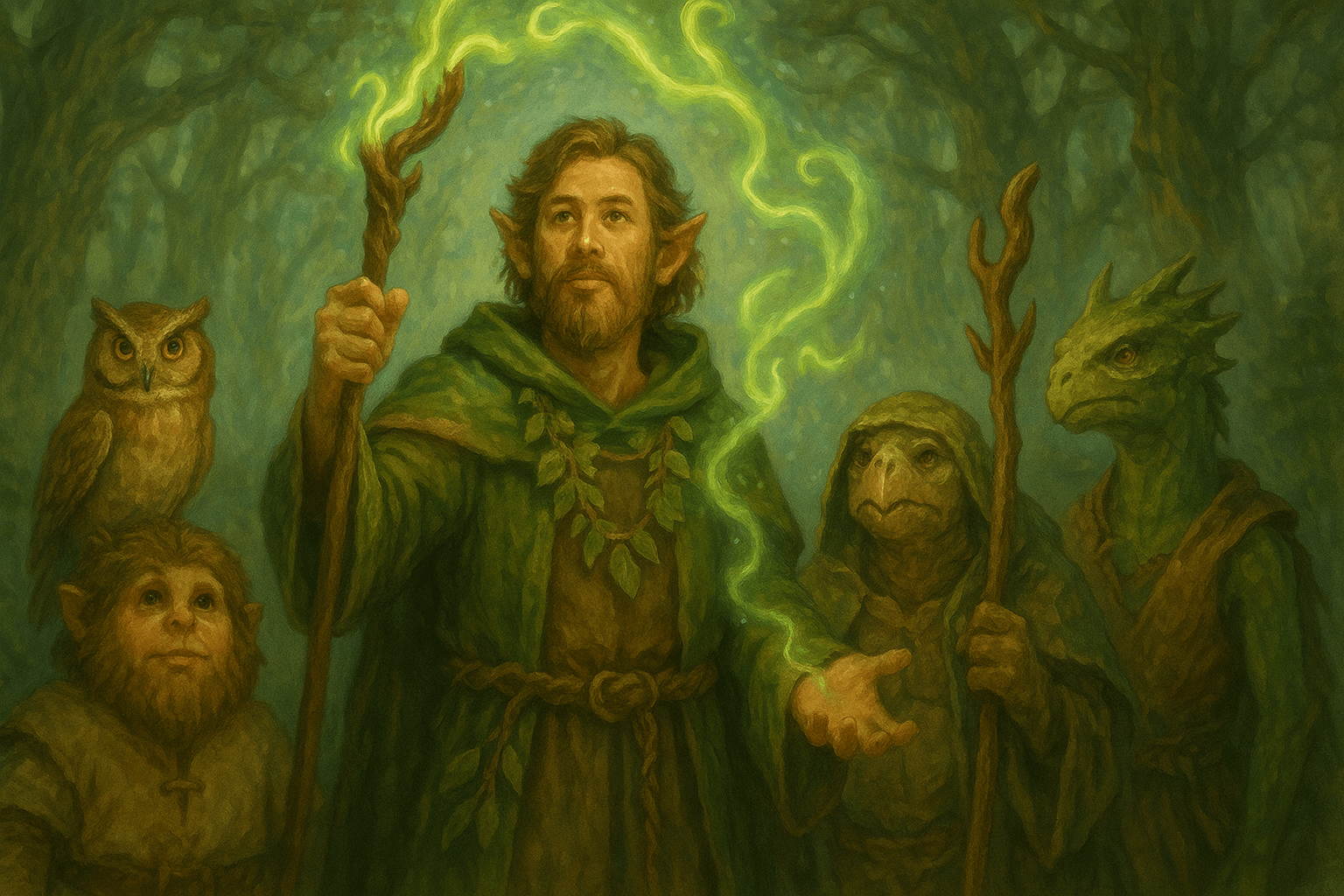
The Druid in Dungeons & Dragons 5e can heal allies, control the battlefield, explore the wilderness, and transform into beasts. Choosing the right race, now called a species in the updated rules, can make those abilities even more useful. Here are the best races for Druid 5e, including Firbolgs, Wood Elves, Hill Dwarves, Tortles, and Humans.
The right choice depends on how you want to play. We'll also explain where the original 2014 rules differ from the updated 2024 rules, labeled 5.5e on D&D Beyond.
What Makes the Druid Unique? (Core Abilities Explained)
Druids use Wisdom-based spells to heal, summon natural forces, and shape the battlefield. At level 2, they gain Wild Shape. Under the updated rules, transforming takes a bonus action, and the Druid retains their own hit points while gaining temporary hit points. The 2014 version works differently.
Key Stats for Druids:
- Wisdom: Your spellcasting ability. It affects spell attacks, saving throw DCs, and important skills such as Perception.
- Constitution: Adds hit points and helps you maintain concentration on spells like entangle.
- Dexterity: Helps with initiative, Dexterity saves, and Armor Class when your equipment allows it.
What Makes a Good Druid Race?
Look for abilities that support your chosen role: toughness for a frontline protector, movement and stealth for a scout, or extra magic for a support caster. Darkvision helps in caves, but species traits do not always work while you are transformed.
Important rules update: In the 2014 rules, many races give fixed ability score bonuses. In the updated character creation rules, bonuses come from your background instead. Older species can still be used with the updated rules, but you ignore their old species-based ability score increases. You no longer need a specific race for a Wisdom bonus.
Top 5 Best Races for Druid in 5e

1. Firbolg
Why it's great: Firbolgs make natural woodland protectors. Their magic supports exploration, while Hidden Step helps them escape danger.
- Firbolg Magic: Cast detect magic and disguise self through your species traits.
- Hidden Step: Briefly become invisible as a bonus action. The number of uses depends on which Firbolg version you use.
- Speech of Beast and Leaf: Communicate in a limited way with beasts and plants, though they cannot necessarily answer you.
Suggested build: Circle of the Moon for a protective shapeshifter, or Circle of the Land for a spellcaster with strong forest flavor. Older Firbolgs have +2 Wisdom and +1 Strength.

2. Wood Elf
Why it's great: Wood Elves make quick wilderness scouts who can stay away from enemies while maintaining spells.
- 35-foot speed: More room to retreat, reposition, or reach an ally.
- Fey Ancestry: Offers protection against being charmed.
- Wood Elf magic: In the updated rules, gain druidcraft, followed by longstrider and pass without trace at later levels.
Suggested build: Circle of the Land or the older Circle of Spores for a mobile caster. Under 2014 rules, Wood Elves instead receive +2 Dexterity, +1 Wisdom, and Mask of the Wild.

3. Hill Dwarf
Why it's great: Hill Dwarves are durable spellcasters, especially under the 2014 rules.
- Dwarven Toughness: Gain one additional hit point at level 1 and each level afterward.
- Dwarven Resilience: Protection against poison makes certain encounters less dangerous.
- 2014 bonuses: +2 Constitution and +1 Wisdom suit a tough spellcaster.
Suggested build: Circle of the Moon for frontline play, or the older Circle of Dreams for healing support. In the updated rules, Hill Dwarf is a cultural description rather than a separate species option; the standard Dwarf receives Dwarven Toughness.

4. Tortle
Why it's great: Tortles offer reliable protection without worrying about armor purchases.
- Natural Armor: A shell provides a base Armor Class of 17; a shield can increase it.
- Shell Defense: Retreat into your shell for extra protection, but at the cost of mobility and most actions.
- Hold Breath: Useful during river crossings and underwater exploration.
Suggested build: Circle of the Moon or Circle of the Land for a sturdy nature guardian. Natural Armor protects your normal Tortle form; it does not automatically replace the Armor Class of your Wild Shape beast. Check with your DM about the Tortle sourcebook permitted at your table.

5. Custom Lineage / Variant Human
Why it's great: These older options let you specialize early through a feat.
- Custom Lineage: In Tasha's Cauldron of Everything, gain a +2 ability score increase, a feat, and either Darkvision or a skill proficiency.
- Variant Human: Under 2014 rules, gain +1 to two different ability scores, a skill proficiency, and a feat.
- Updated Human: Under 2024 rules, gain an extra Origin feat and other Human traits; ability score bonuses come from your background.
Suggested build: Any Druid role. For 2014 characters, War Caster is a popular early feat for concentration. Under updated rules, consider Origin feats such as Alert or Tough; War Caster is generally a level 4 or later choice.
Honorable Mentions: Flavorful and Fun Race Options
These other top races for Druid in 5e offer useful features, especially when your campaign spends time in unusual environments.
Aarakocra
- Flight: Great for scouting and reaching difficult terrain. The original version has a 50-foot flying speed; the newer Monsters of the Multiverse version uses a flying speed equal to walking speed.
- Why it works: A Circle of the Land caster can use height to survey a battlefield. Ask your DM whether flying species are permitted.
Ghostwise Halfling
- Silent Speech: The older Ghostwise option can communicate telepathically with a nearby creature.
- Why it works: Useful for quiet scouting, stealth-focused adventures, or an eerie Circle of Spores character.
Sea Elf or Triton
- Aquatic abilities: Both have options suited to underwater travel, including a swimming speed and the ability to breathe underwater. Their other traits differ by source.
- Why it works: Great for seafaring stories, a coastal-themed Circle of the Land Druid, or the updated Circle of the Sea.
Custom Lineage and Tasha's Rules: Flexible Builds
Tasha's Cauldron of Everything offers optional ways to customize older racial ability increases. The updated rules go further by placing those increases in backgrounds. For many Druids, a good starting goal is high Wisdom, solid Constitution, and enough Dexterity to stay safe when you are not in Wild Shape.
That freedom makes unusual characters practical: a Tabaxi wilderness scout, a Gnome who studies fungi, or a Goliath who protects mountain wildlife. Check which books your DM allows.
Choosing a Druid's ancestry is only part of the experience. The setting should give that character opportunities to use their skills. Wondrous Expeditions – Forests can help Dungeon Masters make woodland journeys more interactive.
With forest encounters, story ideas, and environmental details, a trip between towns can become an adventure of its own. A Druid might investigate unusual tracks, negotiate with woodland creatures, or protect a threatened grove. These scenes give players a reason to use their nature skills beyond combat.
Choosing the Right Race for Roleplay and Story
Your Druid's race can suggest where their connection to nature began. Ask yourself:
- What environment shaped their beliefs: a deep forest, mountain range, wetland, or coast?
- Do they protect nature because of faith, tradition, personal loss, or simple curiosity?
- How do their species traits affect everyday life and their relationship with other people?
A Firbolg might guard an ancient woodland, a Tortle could watch over a nesting beach, and a Dragonborn might study volcanic landscapes. Every concept can feel meaningful in play.
Which Druid Race Should You Choose?
Best for beginners: Tortle for straightforward defense or Wood Elf for movement and useful magic. Best for Wild Shape: A sturdy Dwarf or a thematic Firbolg. Best for flexibility: Human or an allowed Custom Lineage build. Best for an ocean campaign: Sea Elf or Triton.
Remember that Wild Shape uses the beast's statistics for many features, so a species ability that is excellent in normal form may not provide the same benefit when transformed. Before building your character, confirm whether your group uses the original 2014 rules or the updated 2024 rules and which older options are available.
Let Nature Shape Your Character
The best races for Druid 5e bring something useful to your spells, exploration, or survival. Firbolgs and Wood Elves offer strong nature themes, Dwarves and Tortles provide defense, and Human options allow extra customization. Pick the combination that fits both your party and the story you want to tell.
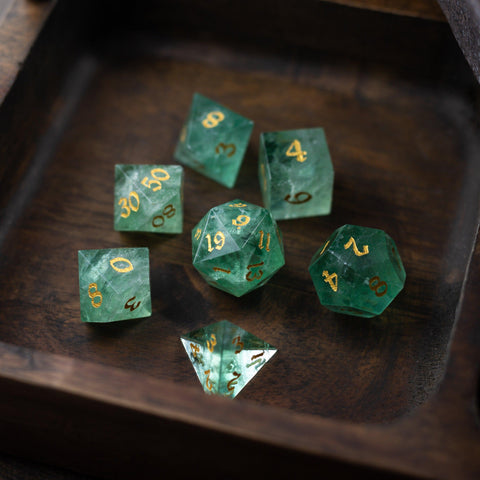
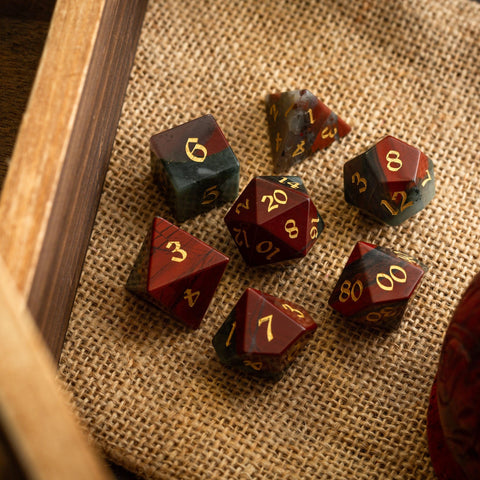
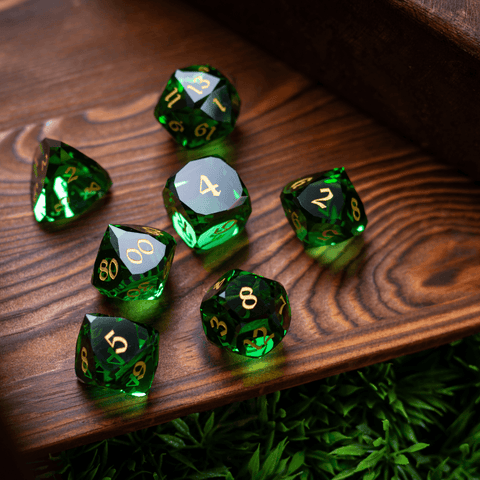
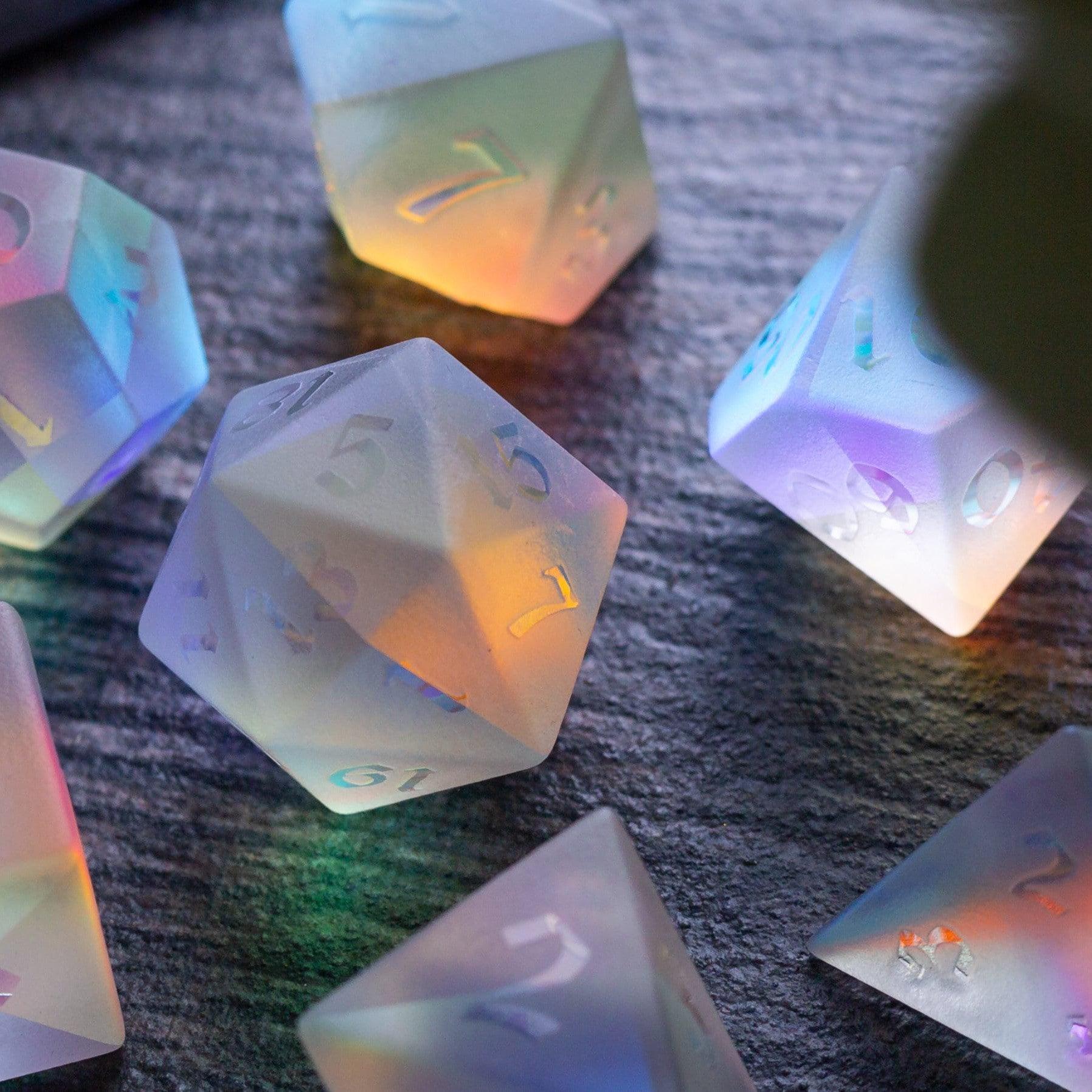
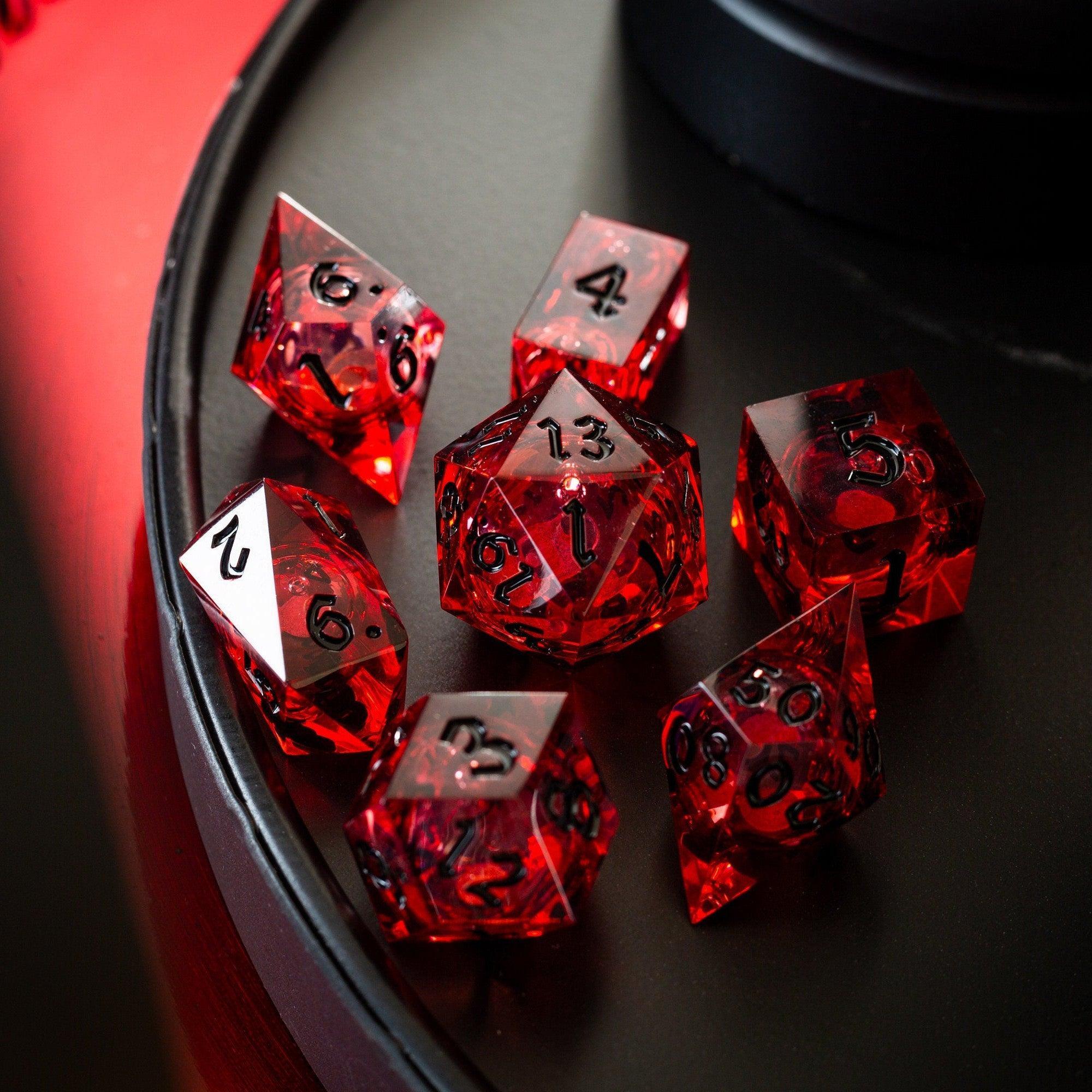
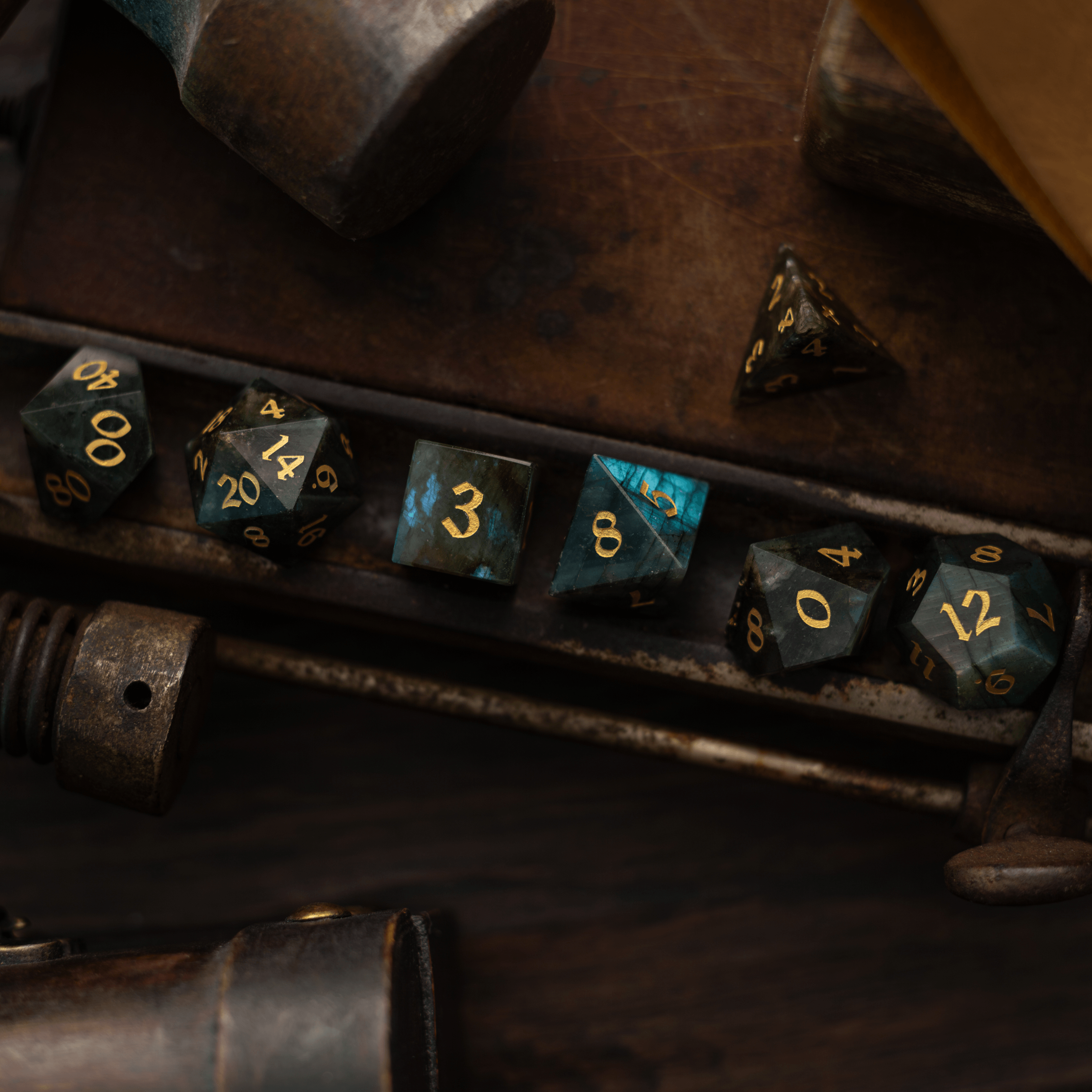
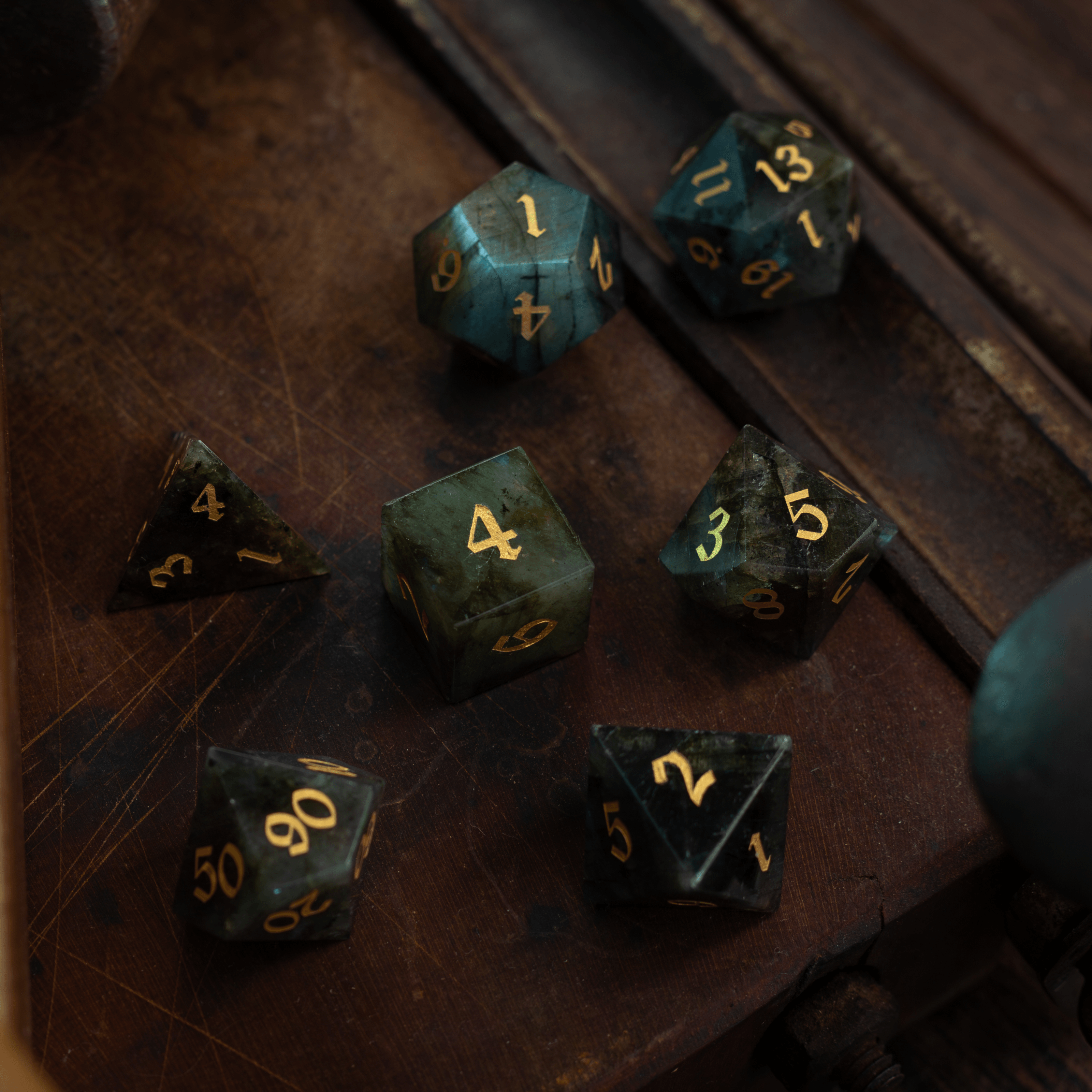
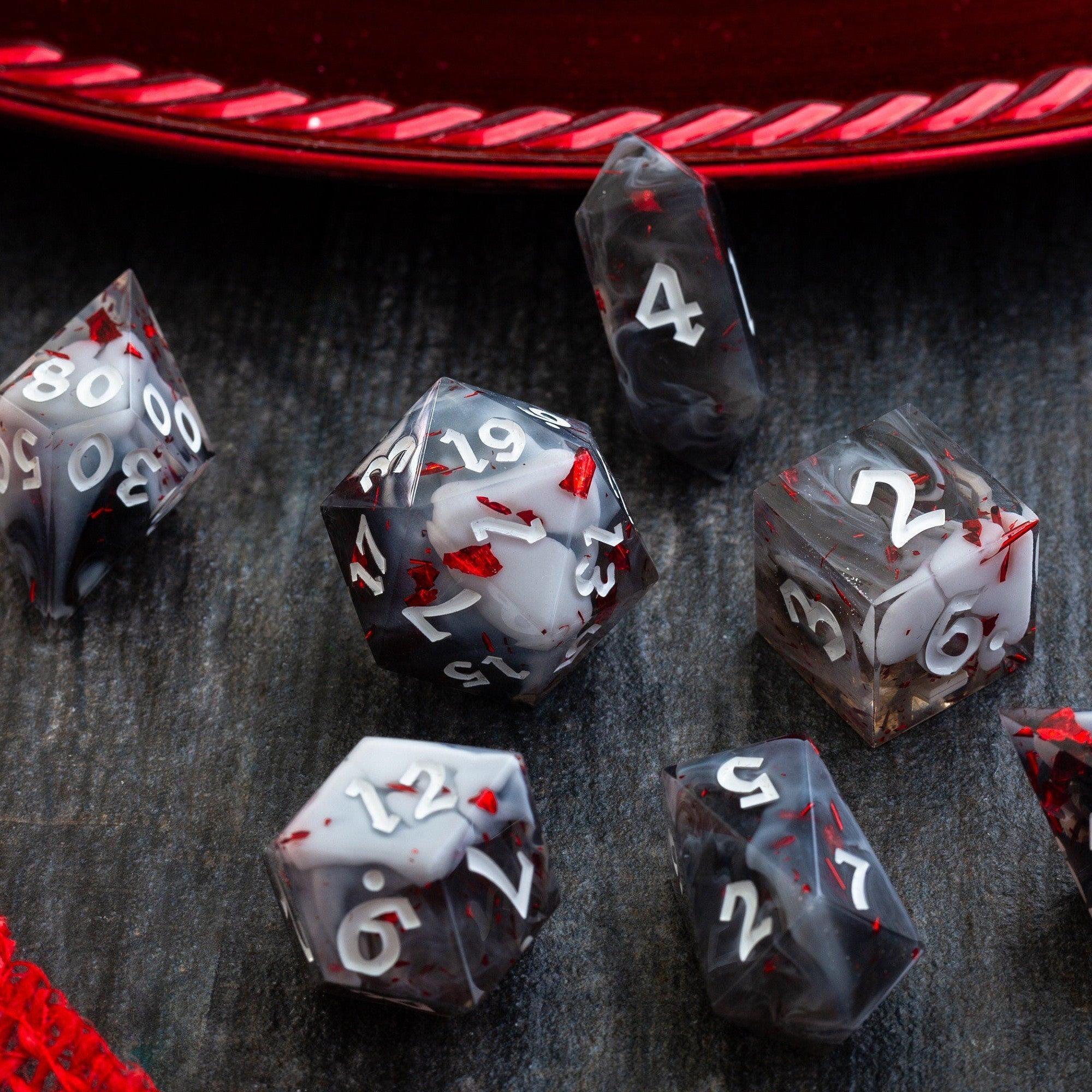
Ready to bring your nature-wielding hero to life at the table? Check out our Best Dice Sets for Druids | Nature-Inspired D&D 5e Dice Guide for dice that match your character's theme.







Leave a comment
This site is protected by hCaptcha and the hCaptcha Privacy Policy and Terms of Service apply.