

Tabletop Spell and Class Reference Hub: Quick Guide Essentials
Tabletop roleplaying games offer countless ways to build memorable characters, but understanding how classes and spellcasting fit together can feel overwhelming at first. Between different spell lists, class features, and progression systems, new players often spend more time flipping through rulebooks than enjoying the adventure.
A tabletop spell and class reference hub helps solve that problem. Instead of replacing official rulebooks, it serves as a practical guide that lets players and Dungeon Masters quickly find the information they need during character creation, session preparation, or gameplay.
While this guide focuses primarily on Dungeons & Dragons reference material, many tabletop RPGs organize classes and magic differently. Spell availability, class features, and progression always depend on the game system, edition, and official sourcebooks being used.
Why Quick-Reference Guides Improve Gameplay
Whether you're building your first hero or preparing for a long-running campaign, having a D&D spell reference nearby keeps the game moving smoothly.
Instead of searching through multiple chapters, players can quickly confirm:
-
Which classes cast spells
-
What ability score powers their magic
-
When spellcasting becomes available
-
The role each class fills within a party
-
Where to locate their class spell list
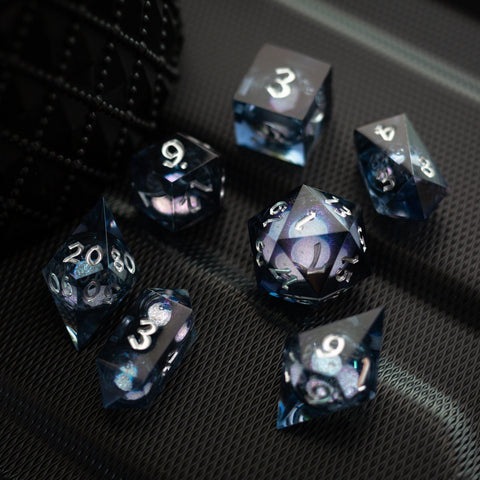
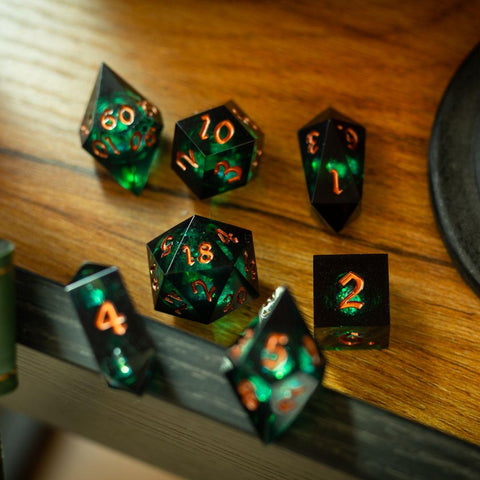
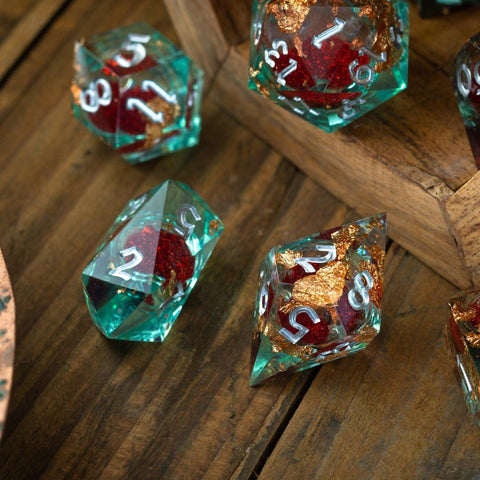
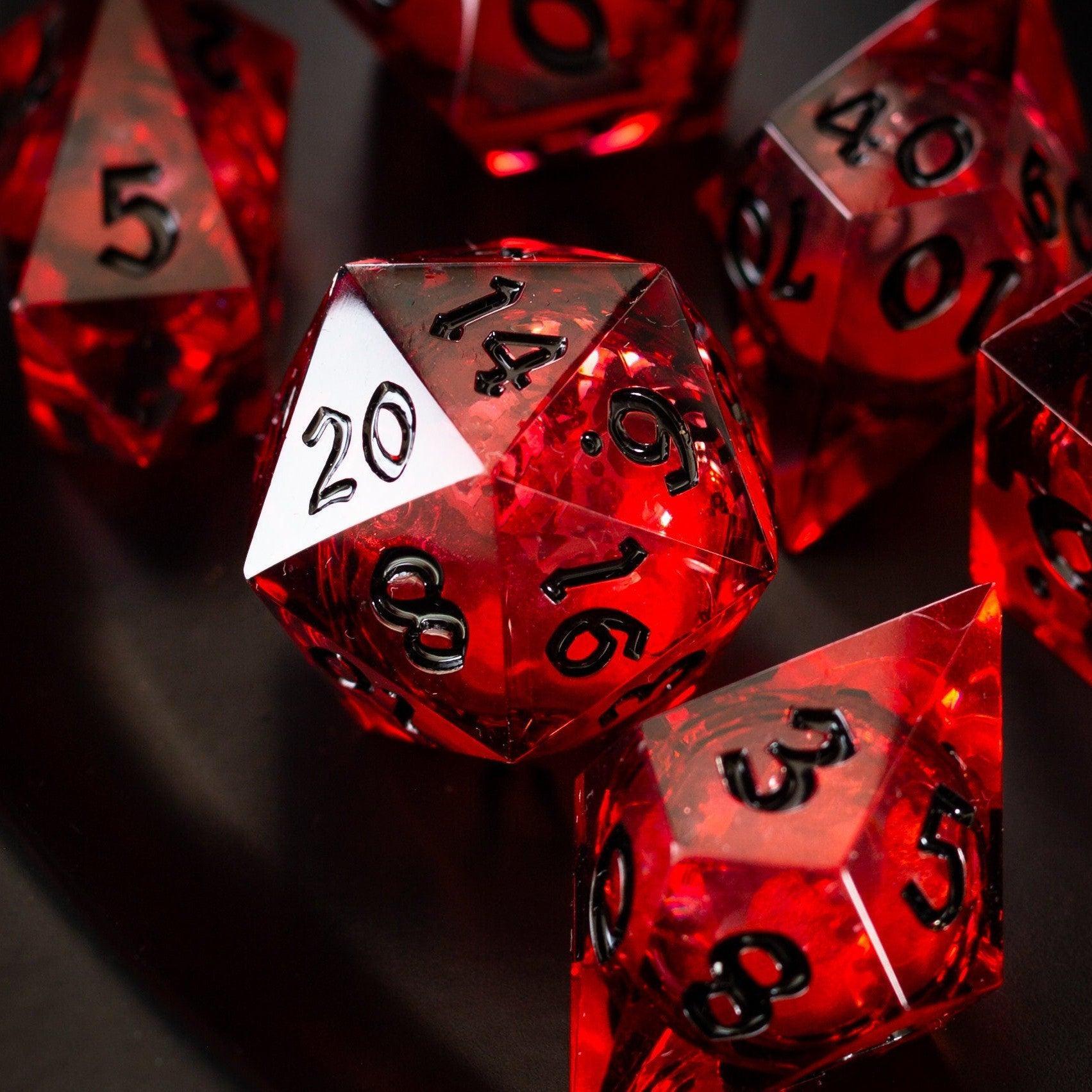
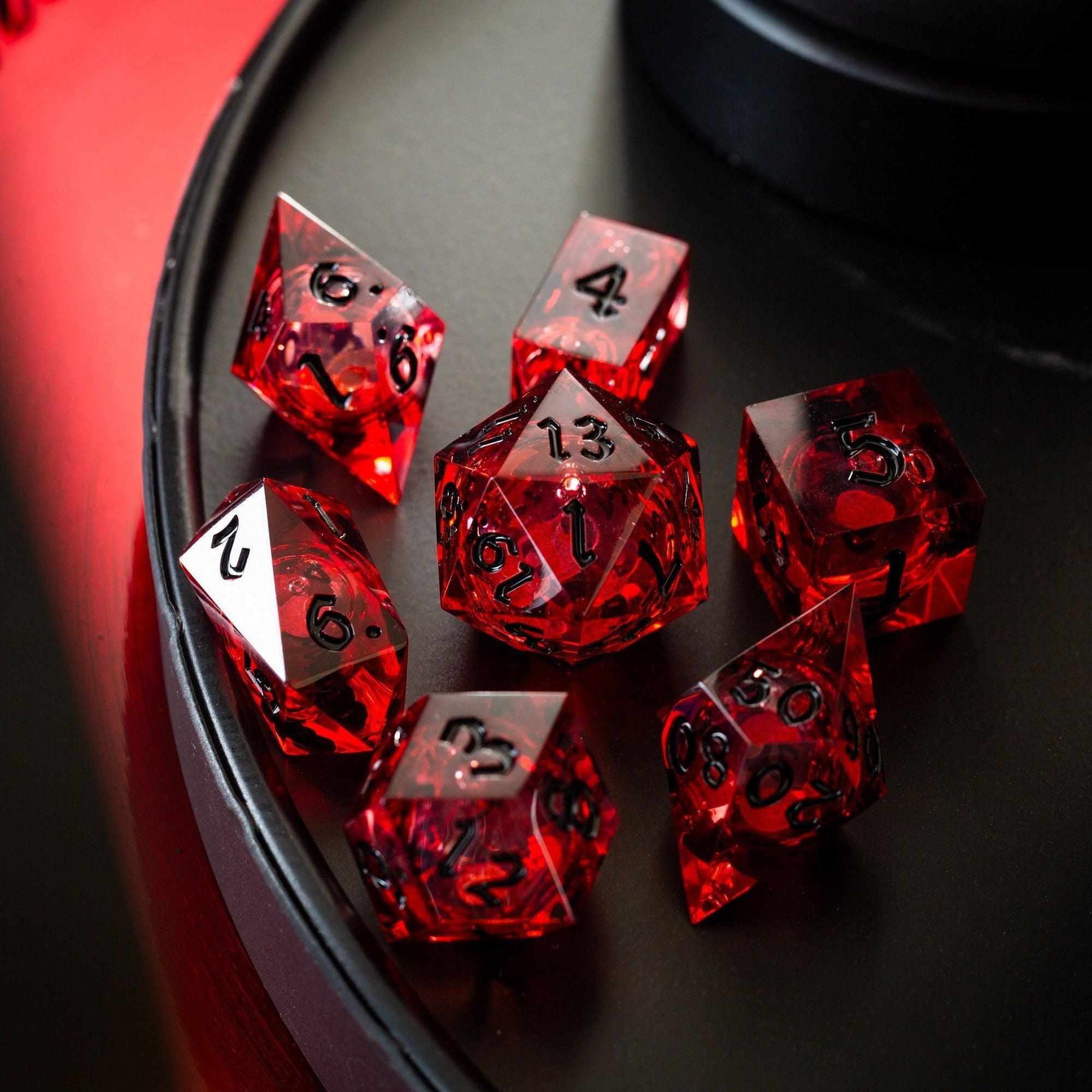
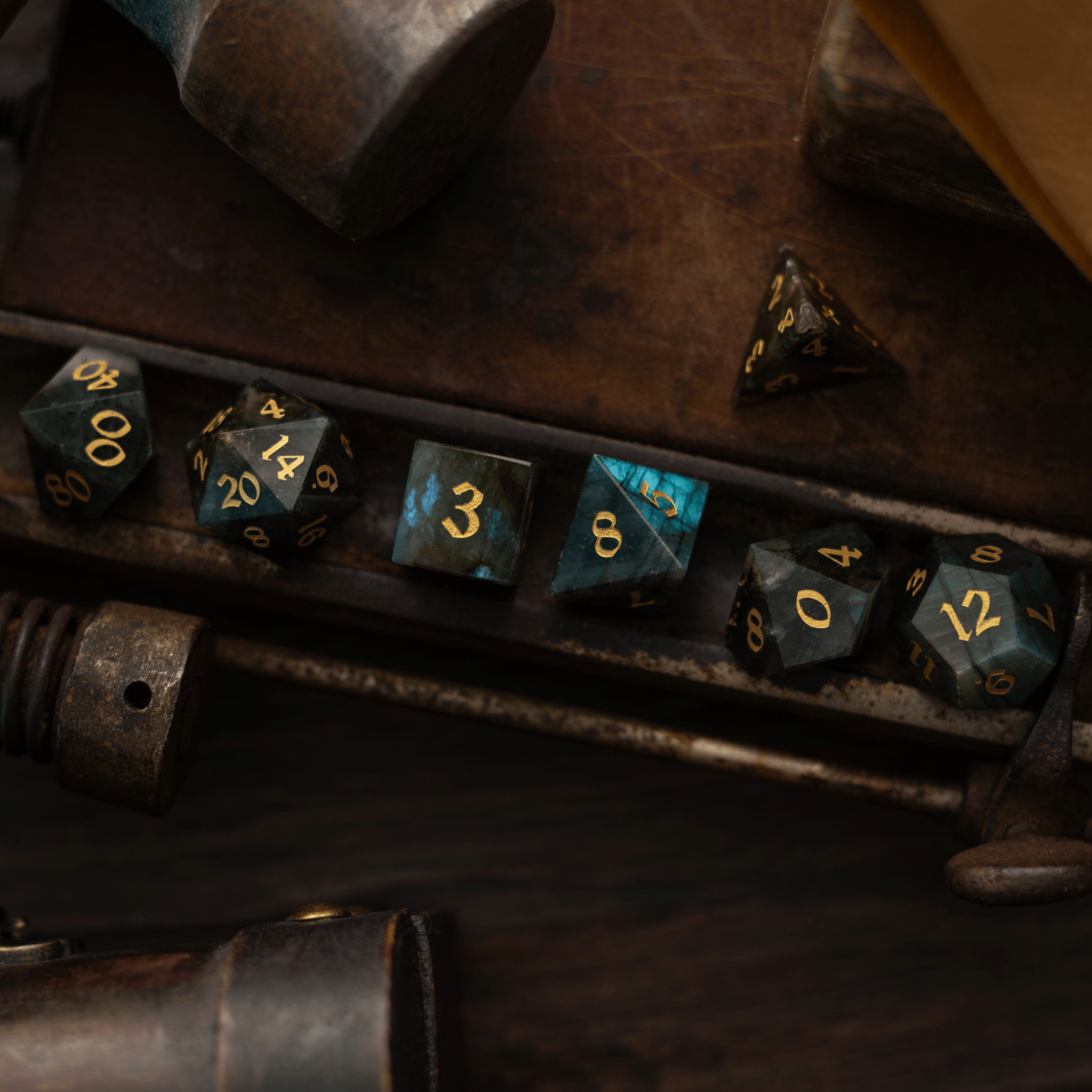
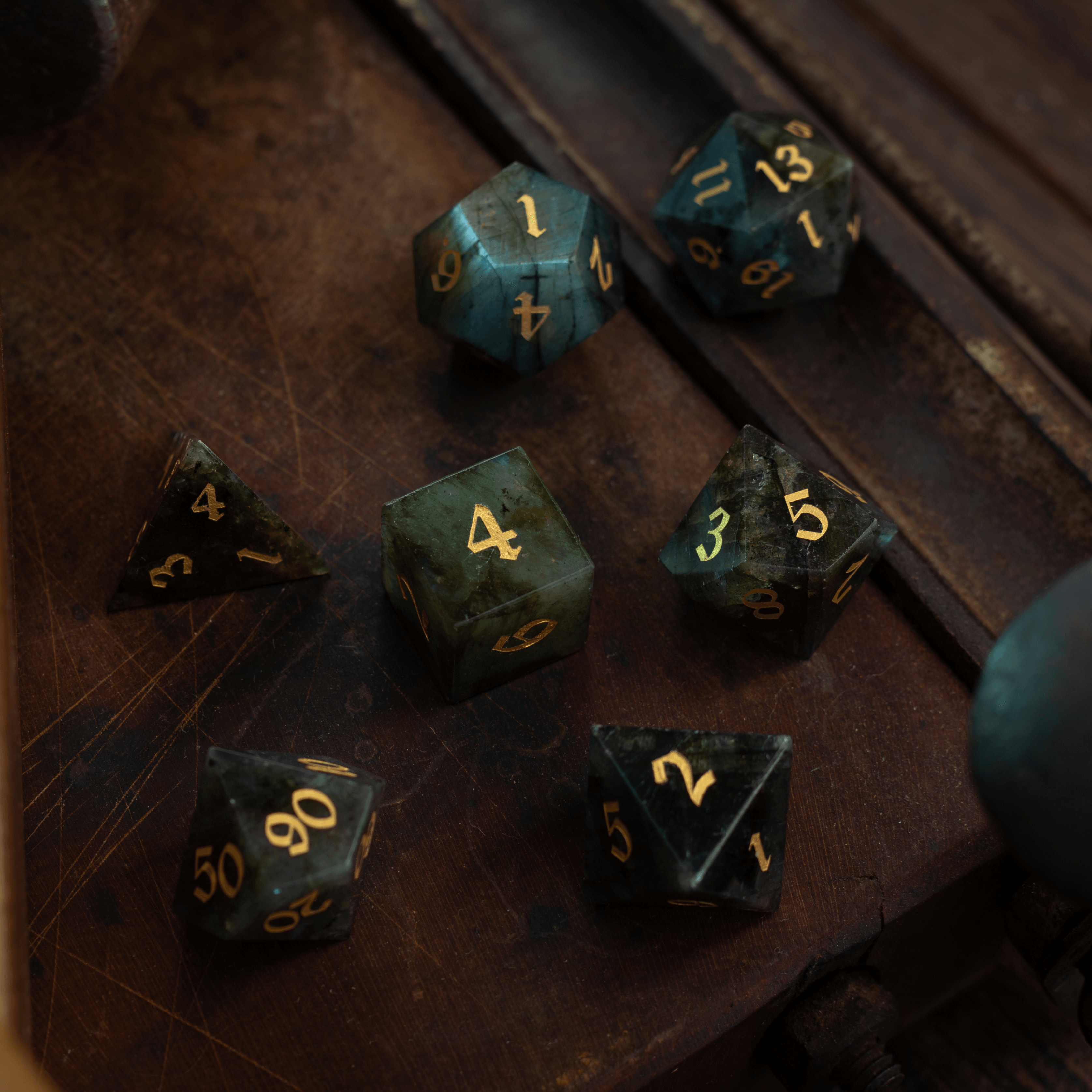
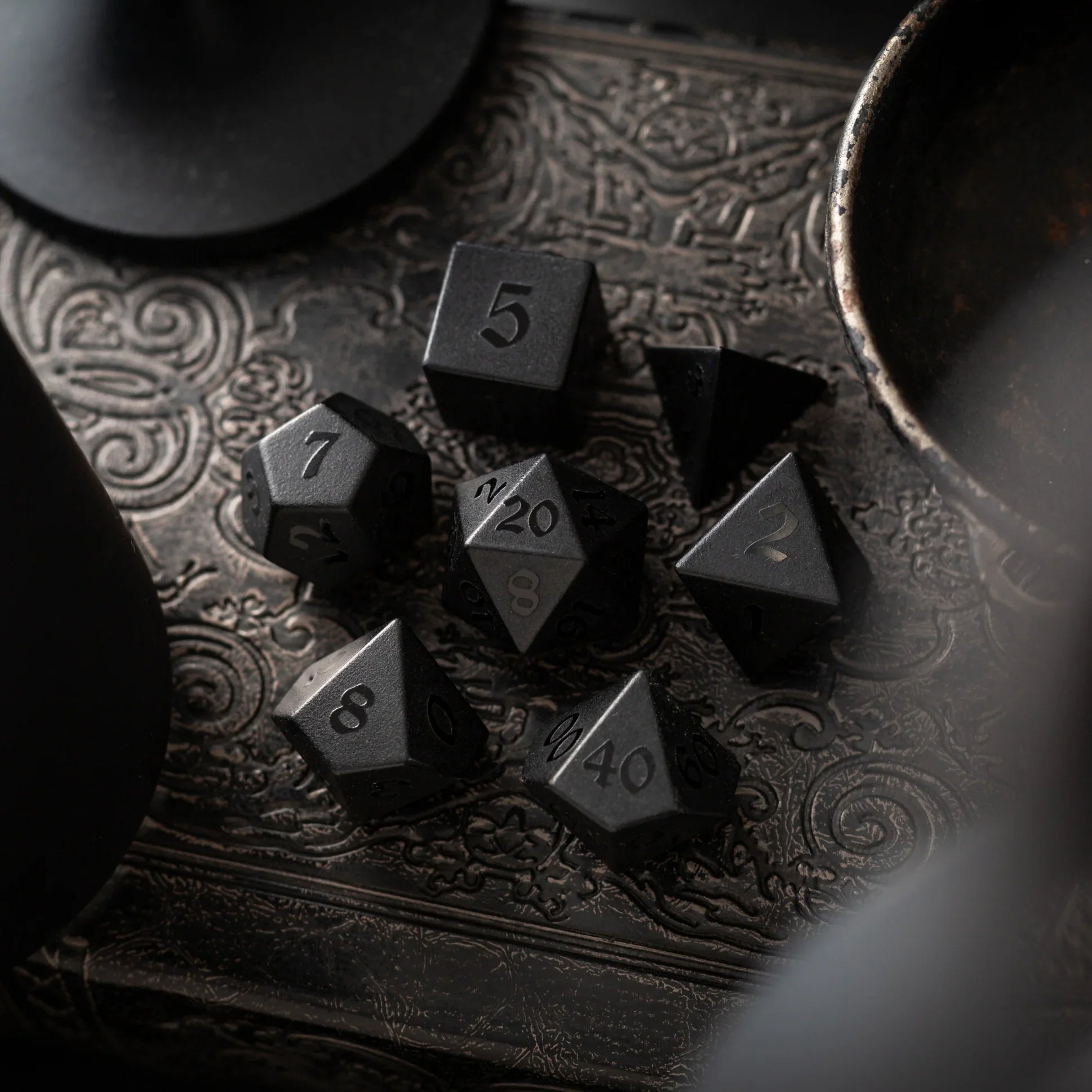
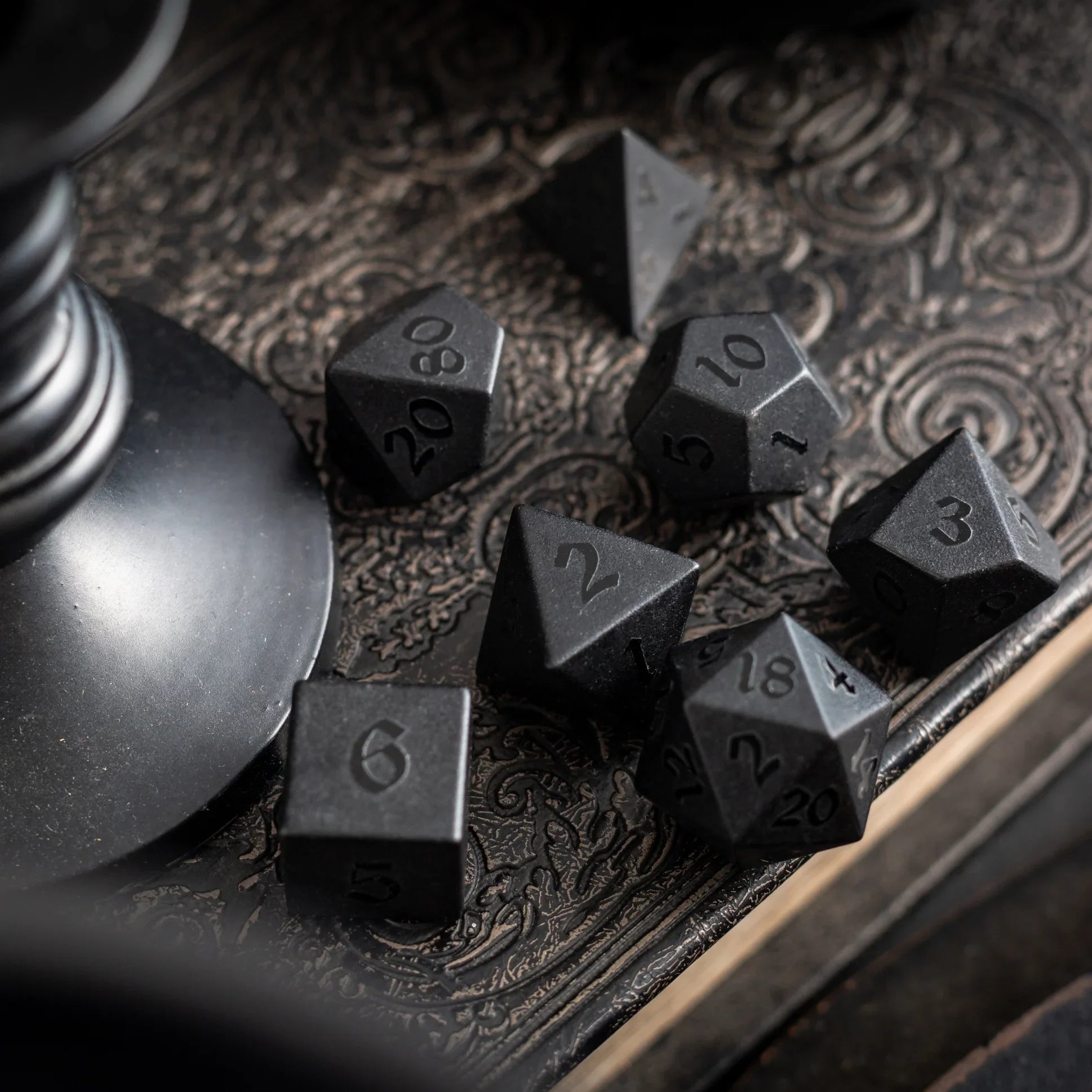
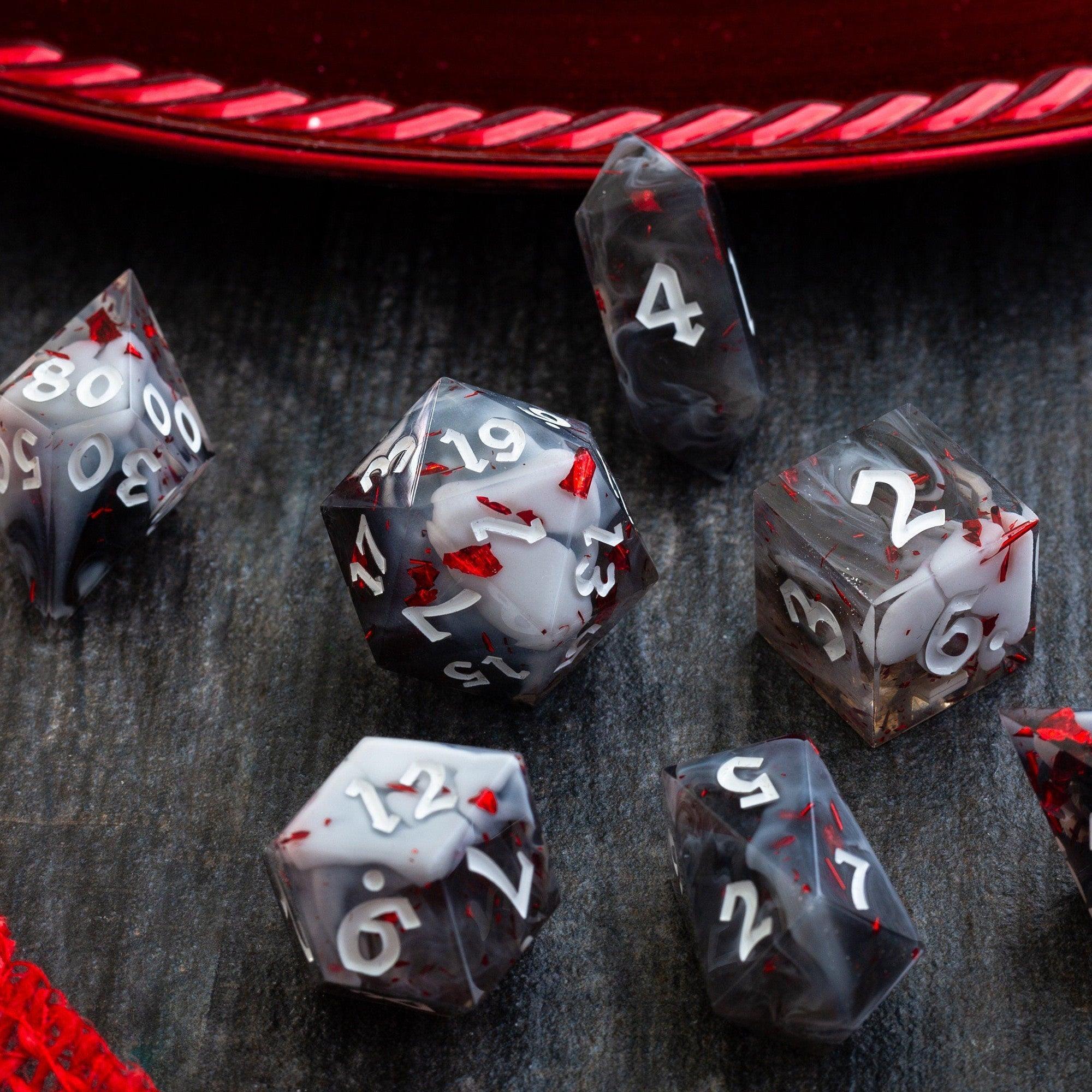
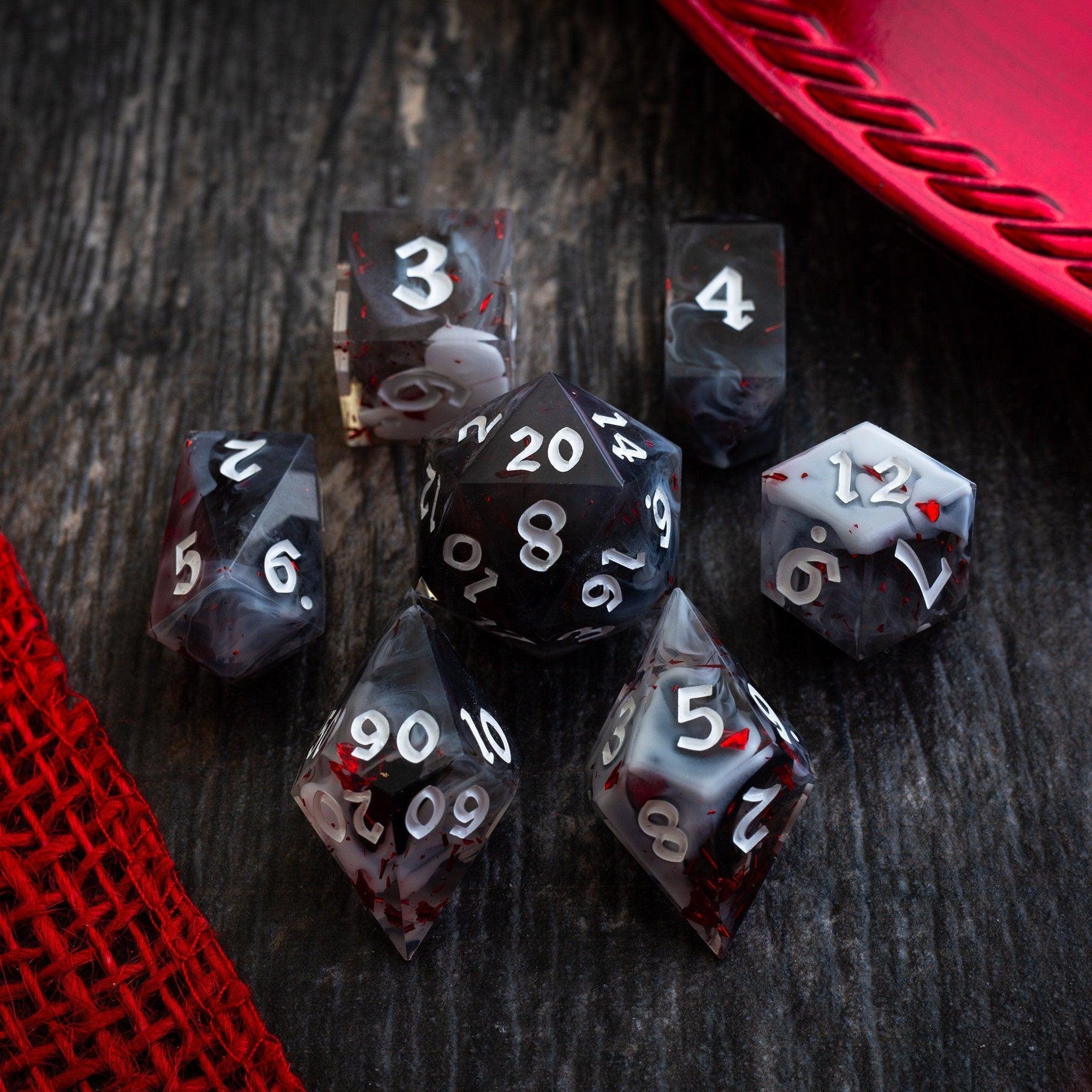
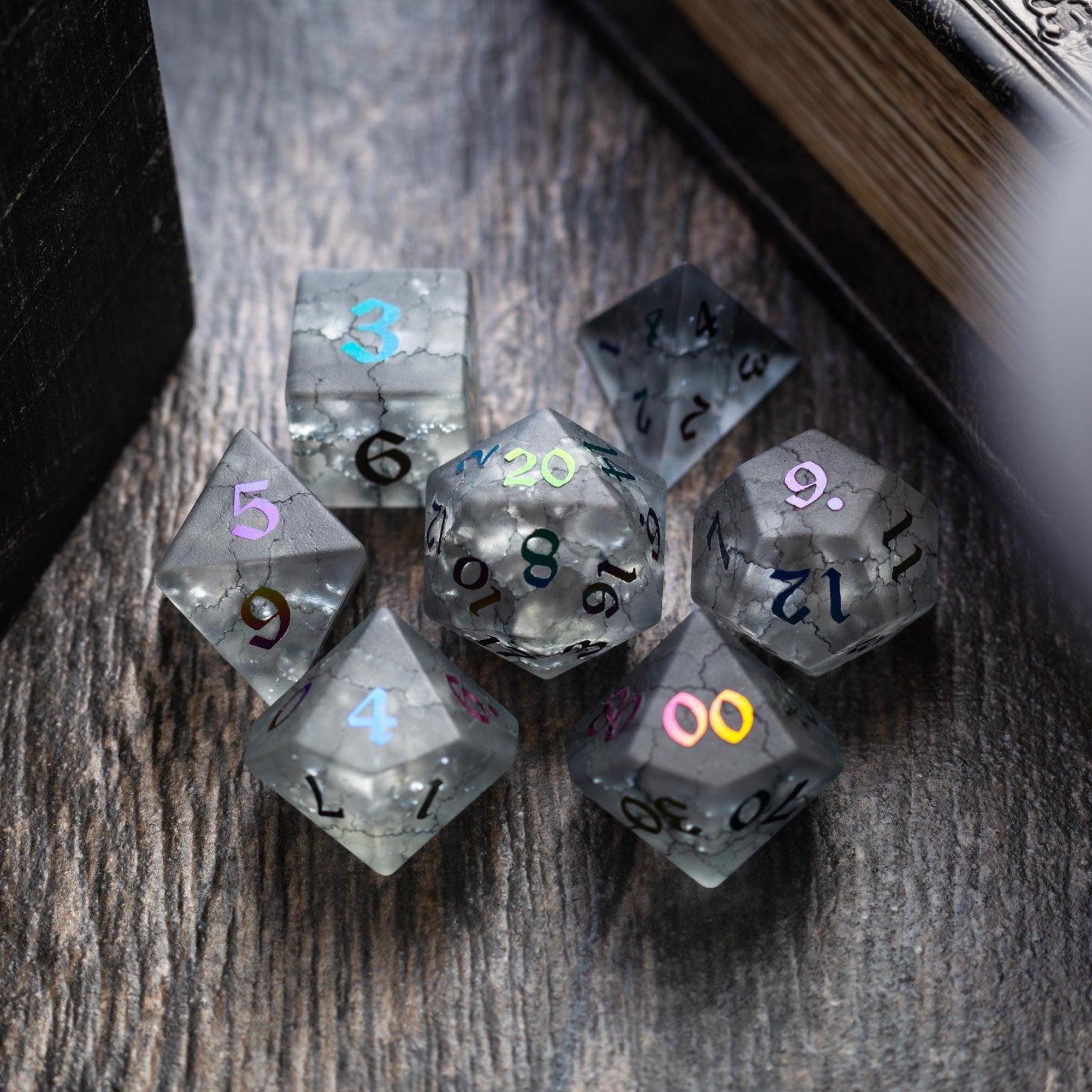
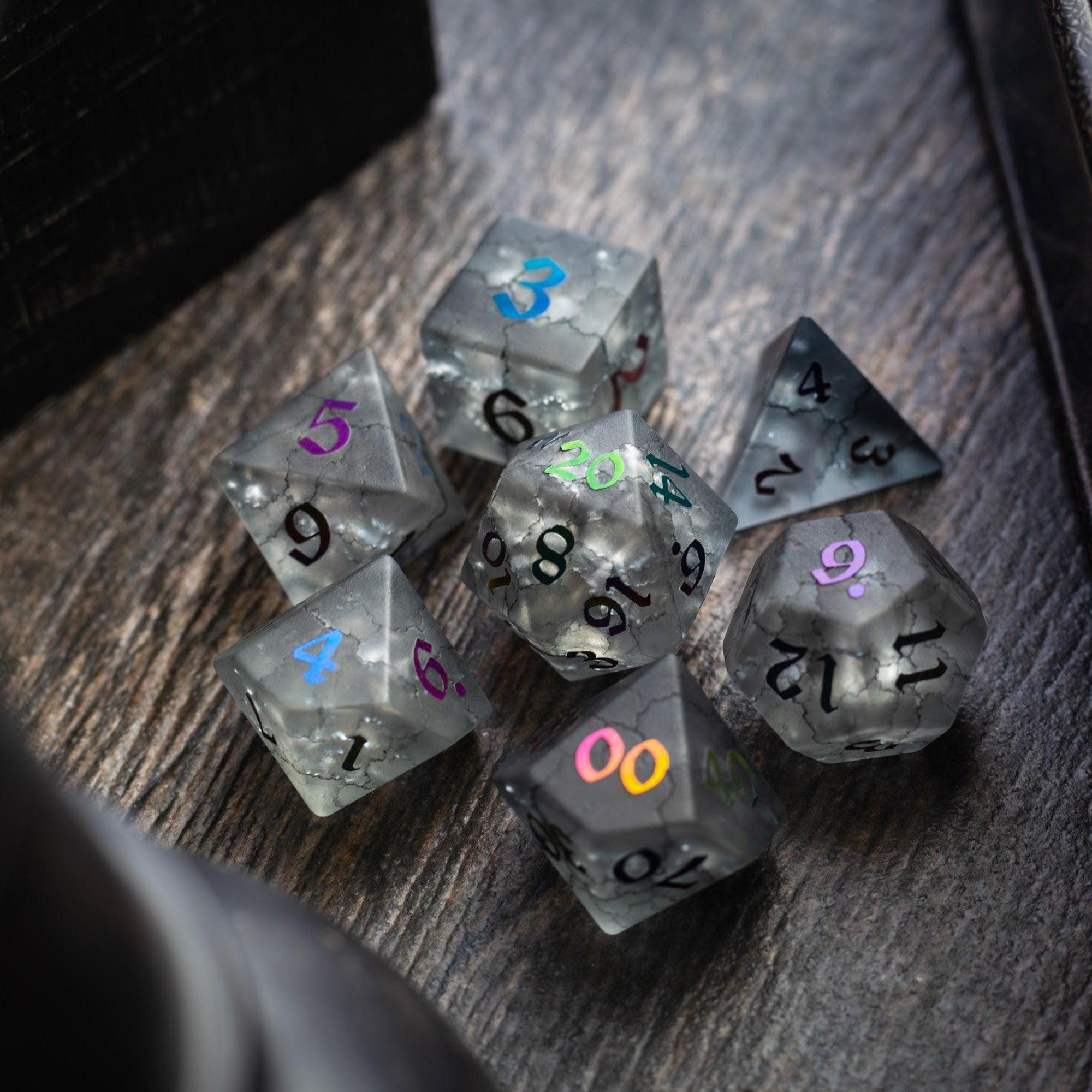
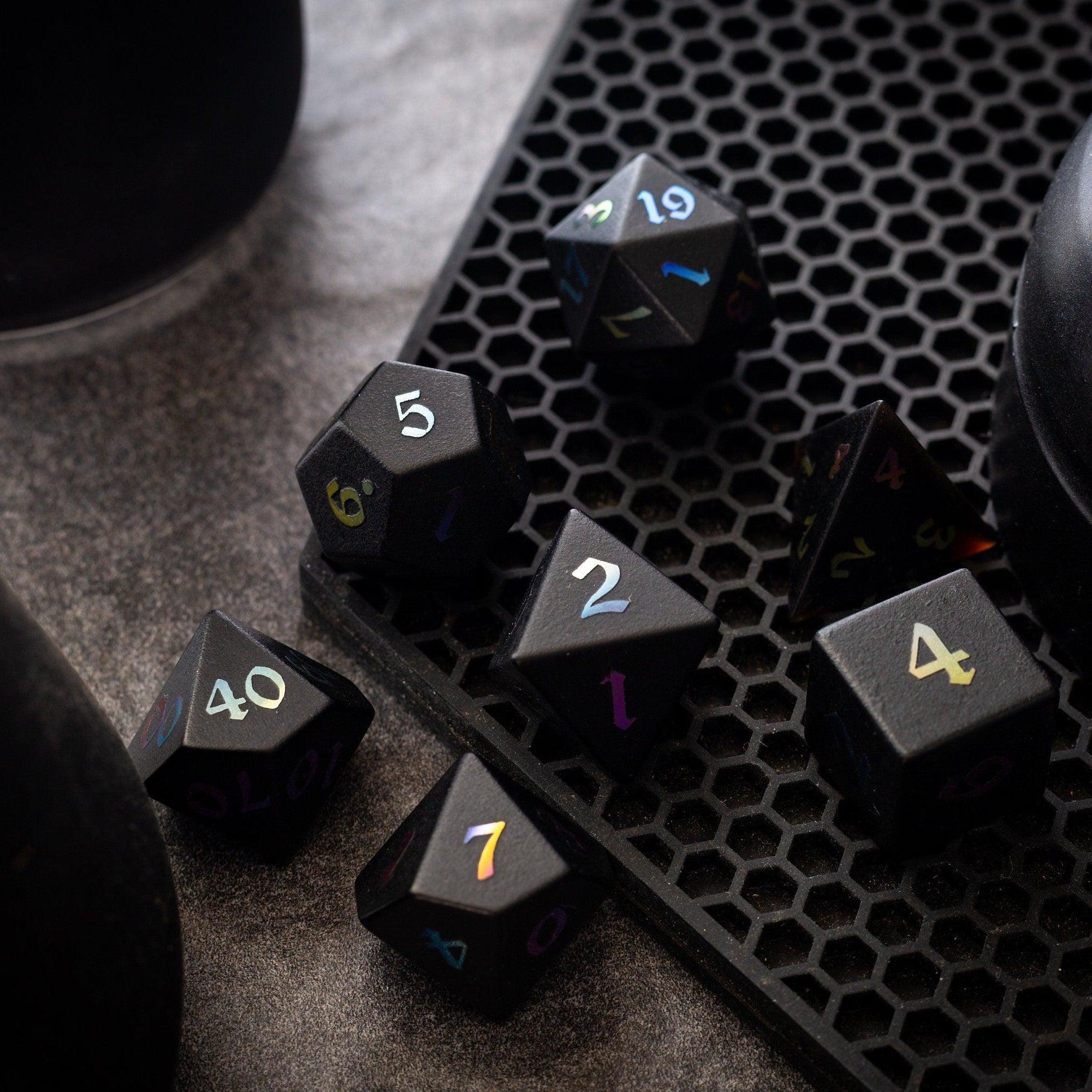
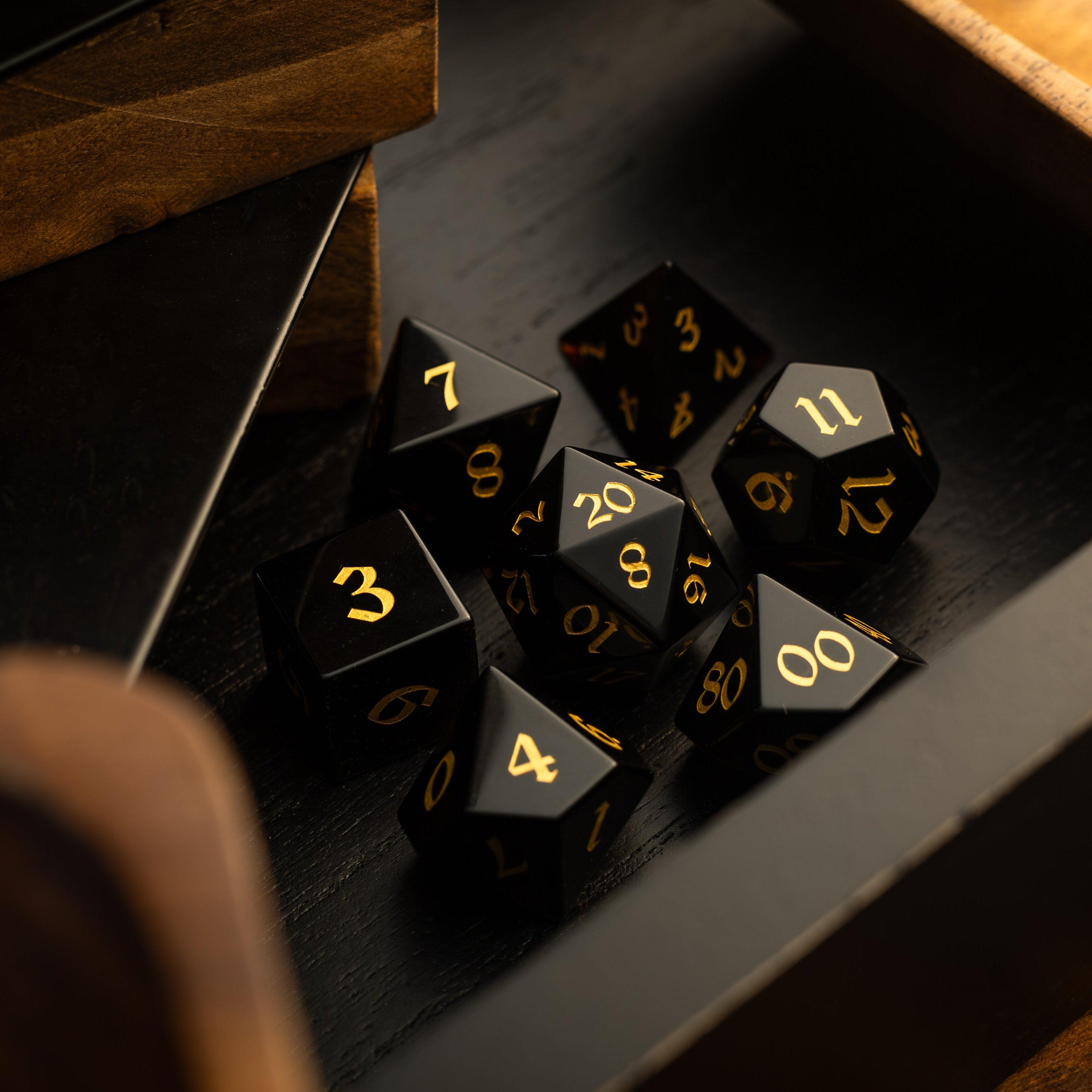
Dungeon Masters also benefit from organized references when helping new players or planning encounters. Keeping spell cards, character sheets, and premium gemstone, resin, or metal dice neatly arranged in a dice tray can reduce table clutter and make every turn easier to manage.
Understanding the Main Types of Character Classes
One of the easiest ways to organize a character class reference is by grouping classes according to how they interact with magic.
Martial Classes
Martial classes rely primarily on weapons, combat techniques, and physical abilities rather than spells.
Common martial-focused classes include:
-
Barbarian
-
Fighter
-
Monk
-
Rogue (except Arcane Trickster)
-
Most Fighter subclasses
These characters often excel at:
-
Frontline combat
-
Defense
-
Mobility
-
Weapon mastery
-
Physical challenges
Although they rarely prepare spells, martial characters possess unique class features that make them just as valuable as spellcasters.
Full Spellcasters
Full spellcasters gain the broadest access to magic throughout their progression.
Common examples include:
-
Bard
-
Cleric
-
Druid
-
Sorcerer
-
Wizard
These classes generally receive:
-
The largest number of spell slots
-
Access to high-level spells
-
Powerful utility options
-
Strong support abilities
-
Battlefield control
Each class approaches magic differently, making D&D spellcasting much more varied than simply casting damage spells.
Half-Casters
Half-casters combine martial combat with magical abilities.
The most recognizable examples are:
-
Paladin
-
Ranger
These classes develop spellcasting more gradually while maintaining strong combat abilities.
Half-casters often specialize in:
-
Buff spells
-
Healing
-
Survival
-
Weapon enhancement
-
Utility magic
This balance makes them popular choices for players who want both swordplay and spellcasting.
One-Third Casters
Some subclasses gain limited spellcasting without becoming dedicated magic users.
Examples include:
-
Arcane Trickster Rogue
-
Eldritch Knight Fighter
These subclasses gain fewer spell slots and smaller spell selections, but their spells complement their primary combat roles exceptionally well.
Understanding these distinctions is one of the most useful parts of any D&D class guide.
How Spell Lists Work
Every spellcasting class has access to specific spell lists determined by the game's rules.
For example:
-
Clerics emphasize divine magic.
-
Druids focus on nature-based spells.
-
Wizards study arcane magic.
-
Bards blend support, illusion, enchantment, and utility.
-
Paladins mix holy magic with martial combat.
-
Rangers combine wilderness skills with nature-themed spells.
Many spells may appear on multiple class lists, while others remain exclusive to a single class.
Exactly which spells are available depends on:
-
Game edition
-
Official rulebooks
-
Character level
-
Subclass
-
Optional supplements
A quick spellcasting guide can help players determine whether a spell belongs to their class before searching through hundreds of options.
Spell Schools Explained
Most tabletop RPG spells in Dungeons & Dragons belong to one of eight schools of magic.
These schools describe the spell's magical discipline rather than who can cast it.
| Spell School | General Purpose |
|---|---|
| Abjuration | Protection and wards |
| Conjuration | Summoning and teleportation |
| Divination | Knowledge and detection |
| Enchantment | Influence and charm |
| Evocation | Direct magical energy |
| Illusion | Deception and disguise |
| Necromancy | Life, death, and undeath |
| Transmutation | Changing creatures or objects |
Understanding spell schools makes browsing large spell lists much easier and helps players recognize what each spell is designed to accomplish.
Spell and Class Reference Table
The following tabletop spell and class reference hub provides a simplified overview of major Dungeons & Dragons classes.
| Class | Spellcasting Type | Primary Ability | Core Role | Notable Strength |
|---|---|---|---|---|
| Barbarian | None | Strength | Frontline | Durability |
| Bard | Full Caster | Charisma | Support | Versatility |
| Cleric | Full Caster | Wisdom | Healer & Support | Divine magic |
| Druid | Full Caster | Wisdom | Control & Utility | Nature spells |
| Fighter | None (unless Eldritch Knight) | Strength or Dexterity | Combat | Weapon mastery |
| Monk | None | Dexterity & Wisdom | Mobility | Speed |
| Paladin | Half-Caster | Charisma | Tank & Support | Divine smites |
| Ranger | Half-Caster | Wisdom | Exploration | Survival magic |
| Rogue | None (unless Arcane Trickster) | Dexterity | Skills | Precision attacks |
| Sorcerer | Full Caster | Charisma | Offensive Magic | Flexible casting |
| Warlock | Unique Pact Magic | Charisma | Utility & Damage | Short-rest spell slots |
| Wizard | Full Caster | Intelligence | Arcane Specialist | Largest spell selection |
This table serves as a quick overview rather than a replacement for official class descriptions.
Tips for Finding Class Features Quickly
Large character sheets can become difficult to navigate during busy encounters.
A few habits make finding important information much easier.
Organize Frequently Used Abilities
Highlight or bookmark:
-
Signature class features
-
Favorite spells
-
Bonus actions
-
Reactions
-
Frequently used equipment
Many players also keep spell cards beside their character sheet for faster access.
Track Ongoing Effects
Spell durations and conditions can become confusing during long combats.
Condition rings placed around miniatures provide an easy visual reminder of effects like:
-
Restrained
-
Poisoned
-
Blessed
-
Invisible
-
Concentrating
This simple organizational tool helps everyone remember active spell effects without repeatedly checking notes.
Separate Prepared Spells
If your class prepares spells daily, consider keeping:
-
Prepared spells together
-
Ritual spells in a separate section
-
Frequently cast spells near the front
Small organizational improvements often save several minutes each session.
Roll Efficiently
Spellcasters frequently roll damage, healing, and saving throw effects.
Using a dice tower helps keep rolls contained, while organized dice trays make it easier to locate the correct dice during fast-paced encounters.
Common Mistakes When Using Class References
Reference guides are incredibly useful, but players should avoid relying on them as complete rulebooks.
Common mistakes include:
-
Assuming every class prepares spells the same way
-
Forgetting subclass features
-
Ignoring spell components
-
Overlooking concentration requirements
-
Assuming every tabletop RPG uses identical class systems
-
Forgetting that different editions change spell progression
Always verify uncertain rules using the appropriate official sourcebook.
Quick Tabletop Reference Checklist
Before every session, spend a few minutes reviewing your character.
Use this checklist:
-
Know your class's primary features.
-
Review your available spells.
-
Confirm prepared spells if applicable.
-
Understand your spell slots.
-
Mark concentration spells.
-
Keep frequently used abilities easy to find.
-
Organize dice, spell cards, and character sheets.
-
Review any subclass abilities.
-
Refresh yourself on bonus actions and reactions.
-
Ask your Dungeon Master if any rules questions arise before play begins.
The more familiar you become with your class and spell options, the more naturally each game session unfolds. A reliable tabletop spell and class reference hub helps reduce rule lookups, speeds up combat, and gives players greater confidence when making decisions. Whether you favor a martial warrior, a versatile half-caster, or a dedicated spellcaster, understanding how your abilities work together allows you to focus on storytelling, teamwork, and memorable adventures. Pairing organized character sheets with practical tools like condition rings, dice trays, premium dice, and dice towers keeps the table running smoothly, allowing everyone to spend less time searching through rules and more time bringing their heroes to life.





Leave a comment
This site is protected by hCaptcha and the hCaptcha Privacy Policy and Terms of Service apply.