Expanding D&D Player Options for Deeper Campaigns Today
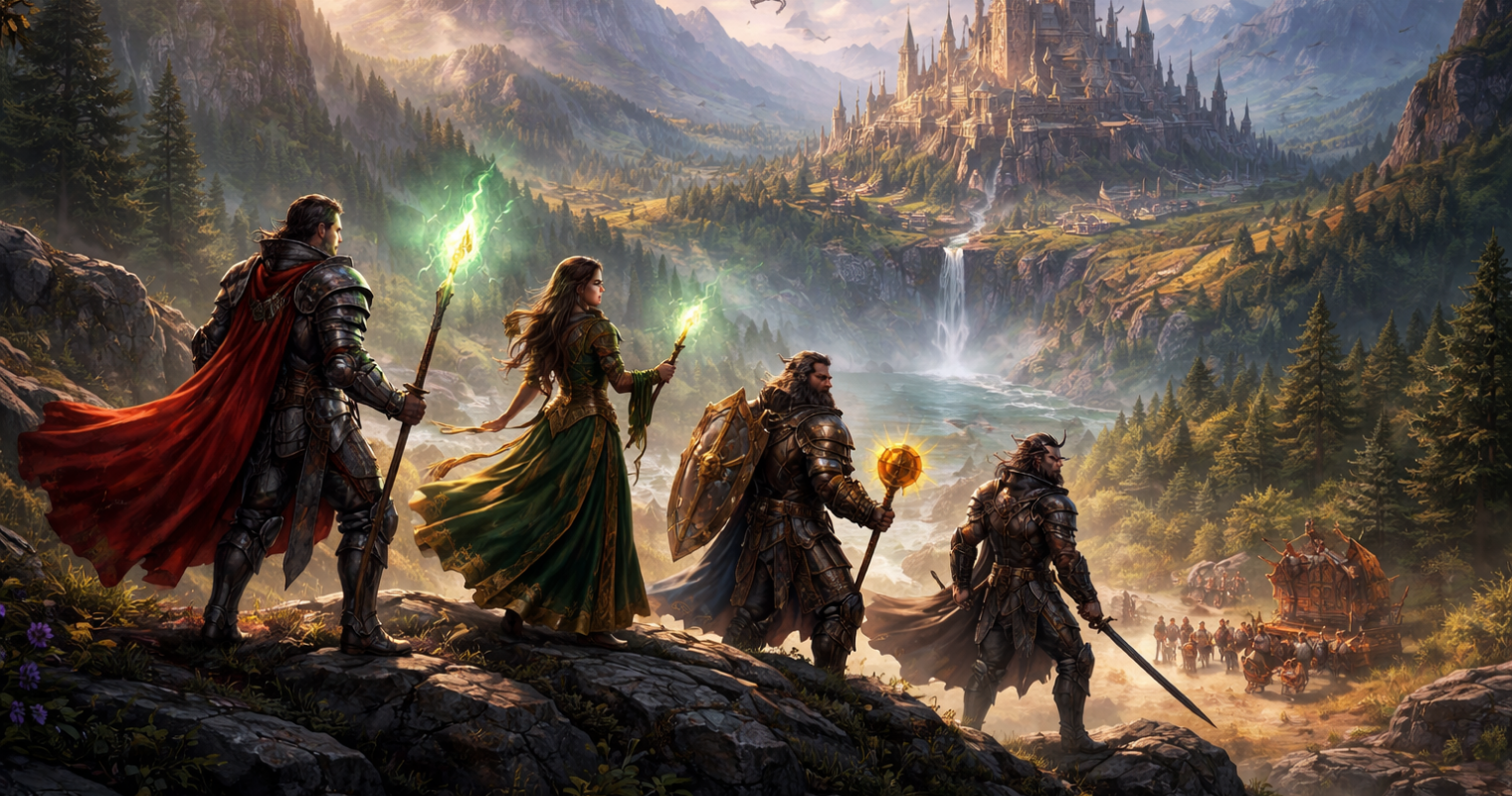
Dungeons & Dragons offers countless ways to create characters that feel unique, memorable, and connected to the story. While every adventurer begins with a character sheet, the choices players make throughout Dungeons & Dragons character creation often shape the campaign just as much as the adventures themselves.
Expanding D&D player options is not about building the strongest hero or finding the perfect combination of abilities. Instead, it is about creating characters with personality, goals, strengths, flaws, and meaningful relationships that enrich the entire party.
Whether you are a new player exploring your first campaign or a Dungeon Master helping experienced adventurers develop fresh ideas, understanding the many customization options available can lead to deeper roleplaying and more rewarding long-term storytelling.
Keep in mind that available character options vary depending on the edition of Dungeons & Dragons, the campaign setting, and the Game Master's approved sourcebooks or optional rules. Every table is different, and collaboration should always come before optimization.
Why Greater Character Customization Creates Deeper Campaigns
One of the greatest strengths of Dungeons & Dragons is that no two characters have to be alike.
Two players may choose the same class, yet their heroes can feel completely different because of their backgrounds, subclasses, feats, personalities, and motivations. This variety encourages richer storytelling and gives every player opportunities to contribute in different ways.
Expanding D&D character customization can help players:
-
Develop stronger personal story arcs
-
Create memorable party relationships
-
Discover creative solutions beyond combat
-
Stay engaged throughout lengthy campaigns
-
Give the Game Master more story hooks to explore
A campaign becomes more memorable when every character has personal goals that naturally fit into the larger adventure.
Exploring Classes, Subclasses, Backgrounds, Species, and Feats
The foundation of excellent D&D character builds begins with understanding the many choices available during character creation.
Character Classes
Classes define what a character excels at.
Some focus on martial combat, while others specialize in spellcasting, stealth, healing, exploration, or support.
Popular classes include:
-
Fighter
-
Wizard
-
Rogue
-
Cleric
-
Bard
-
Ranger
-
Paladin
-
Druid
-
Monk
-
Barbarian
-
Sorcerer
-
Warlock
Rather than asking which class is strongest, consider which one matches the type of hero you want to play.
D&D Subclasses
Subclasses add another layer of specialization.
A Fighter might become a Battle Master who uses tactical maneuvers, while another embraces the magical talents of the Eldritch Knight. Likewise, Clerics, Wizards, Rogues, and nearly every class have multiple paths that shape both gameplay and roleplaying.
Because D&D subclasses offer different strengths, none should be viewed as universally better than another. The best choice depends on the campaign, party composition, and the kind of story you want to tell.
Backgrounds
Backgrounds explain where characters came from before they became adventurers.
They often provide:
-
Skill proficiencies
-
Tool proficiencies
-
Languages
-
Story inspiration
-
Personality traits
-
Ideals
-
Bonds
-
Flaws
A former sailor approaches challenges differently than a noble, artisan, or scholar, even if they share the same class.
Species
Species influence both mechanical abilities and roleplaying opportunities.
Elves, dwarves, humans, dragonborn, halflings, tieflings, and many other playable species each bring unique traditions and perspectives to the world.
Depending on the campaign setting and approved rulebooks, additional species may also be available.
D&D Feats
D&D feats allow characters to specialize further as they advance.
Some improve combat abilities, while others enhance exploration, spellcasting, leadership, crafting, or social interaction.
When selecting feats, consider:
-
Your character's story
-
The party's needs
-
Your preferred play style
-
The campaign's themes
Feats should support your overall concept rather than simply increasing numbers on a character sheet.
Using Equipment, Roleplaying, and Optional Rules to Personalize Characters
Character customization extends well beyond statistics.
Equipment choices, personal habits, relationships, and roleplaying decisions often become the details players remember most.
Ask yourself questions like:
-
What does my character value?
-
What fears drive their decisions?
-
Why did they become an adventurer?
-
Who are they trying to protect?
-
What would tempt them to abandon their goals?
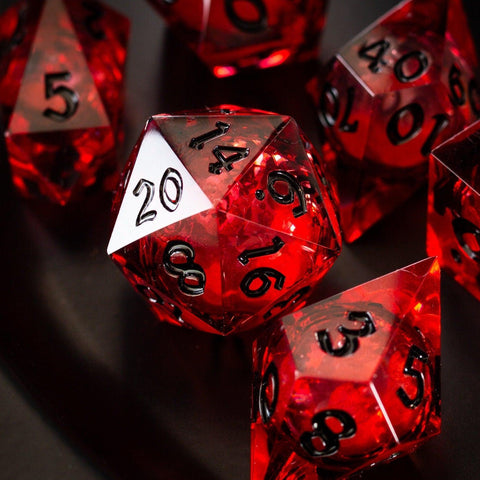
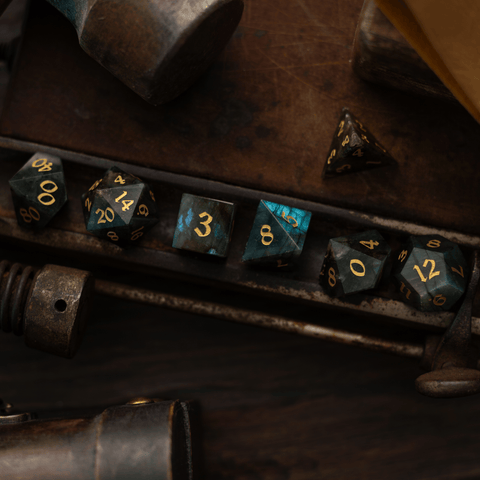
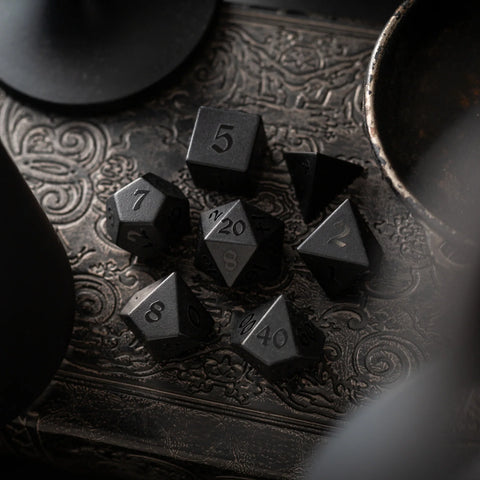
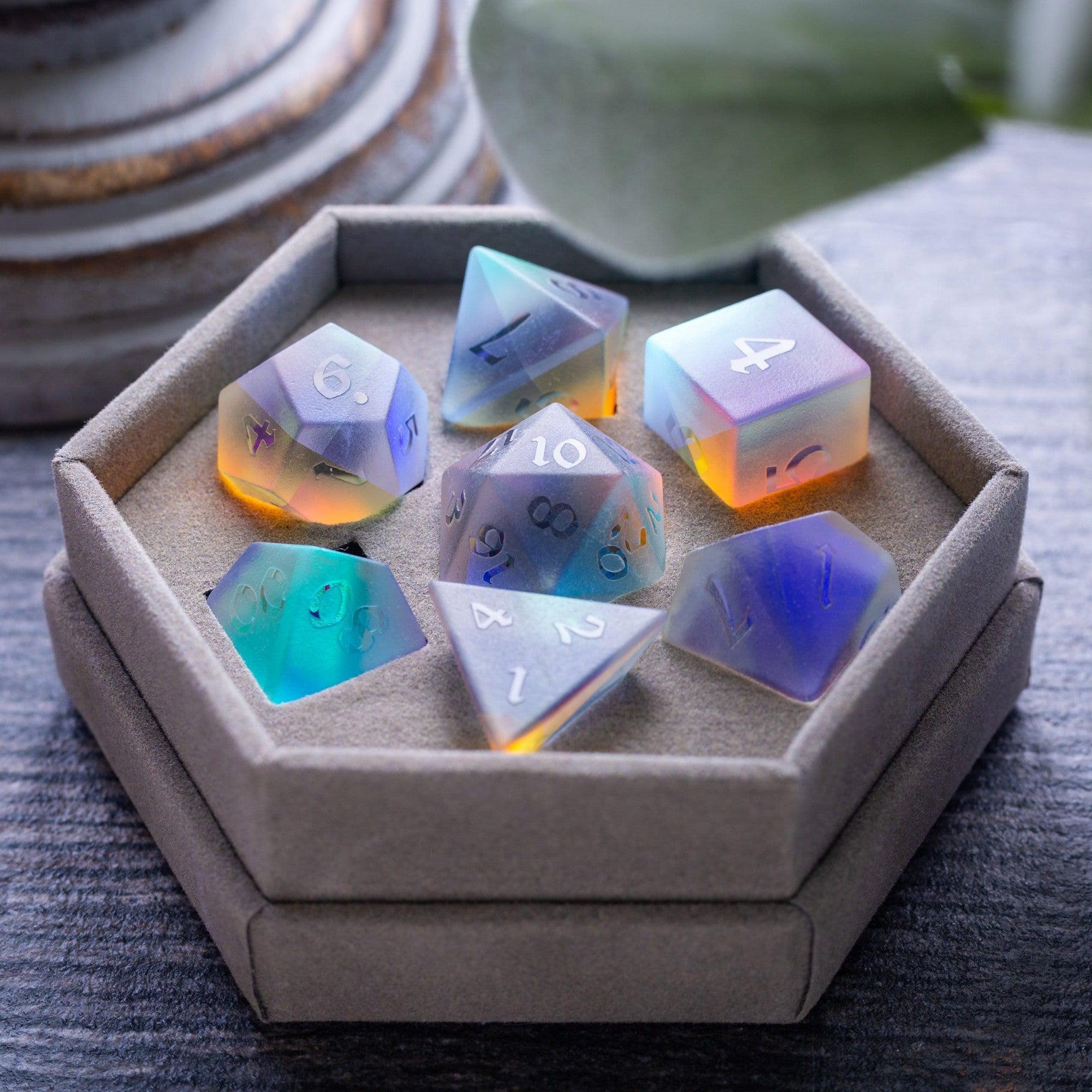
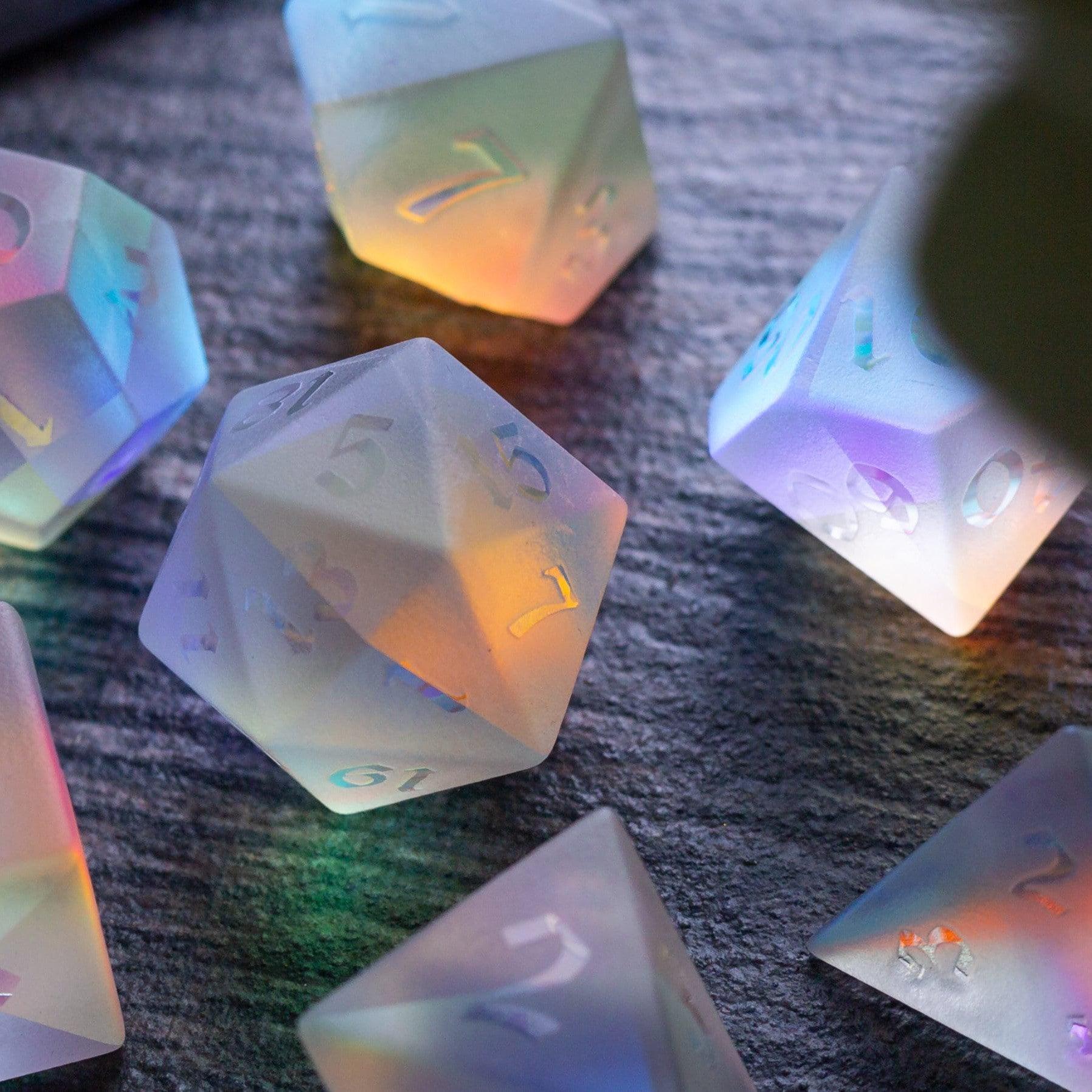
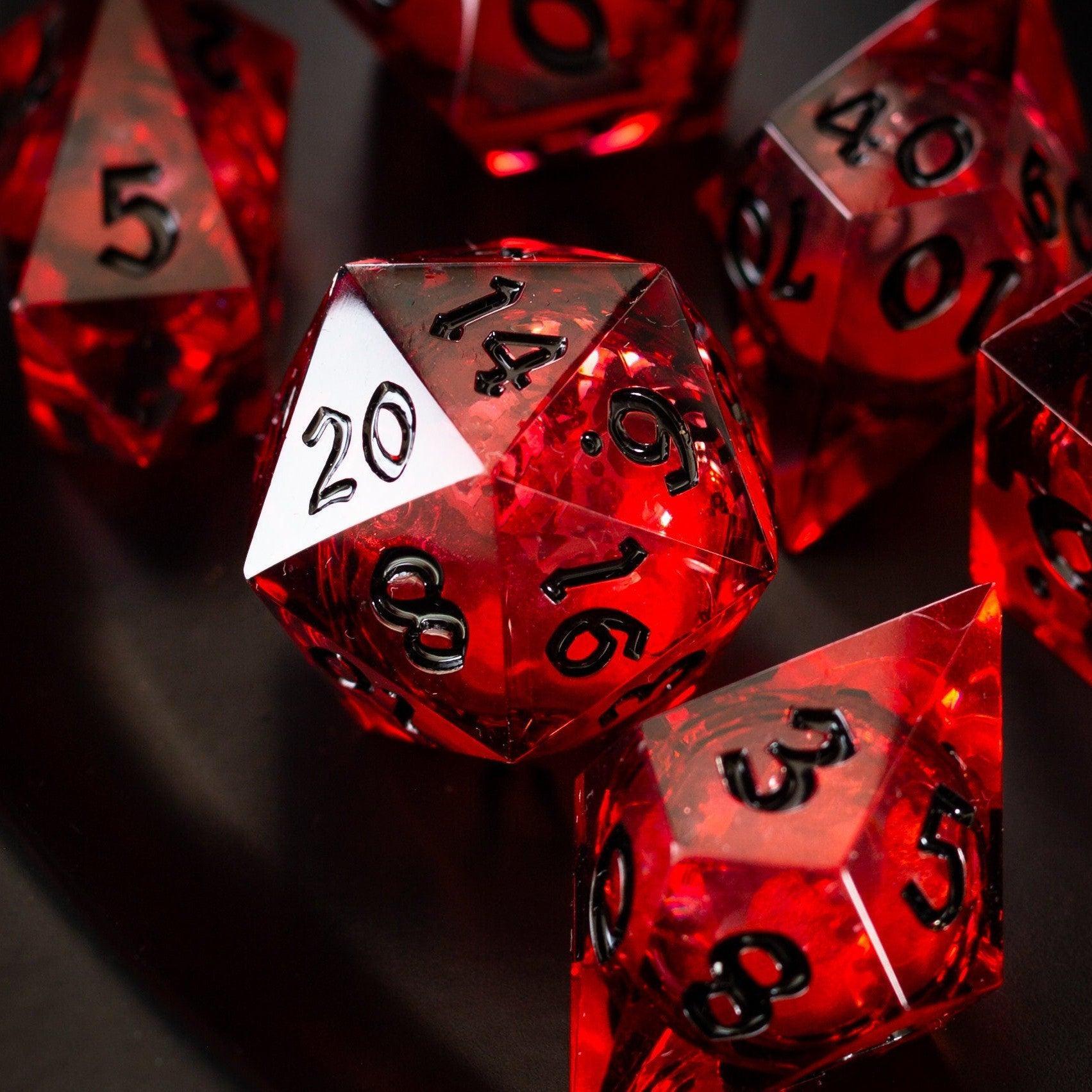
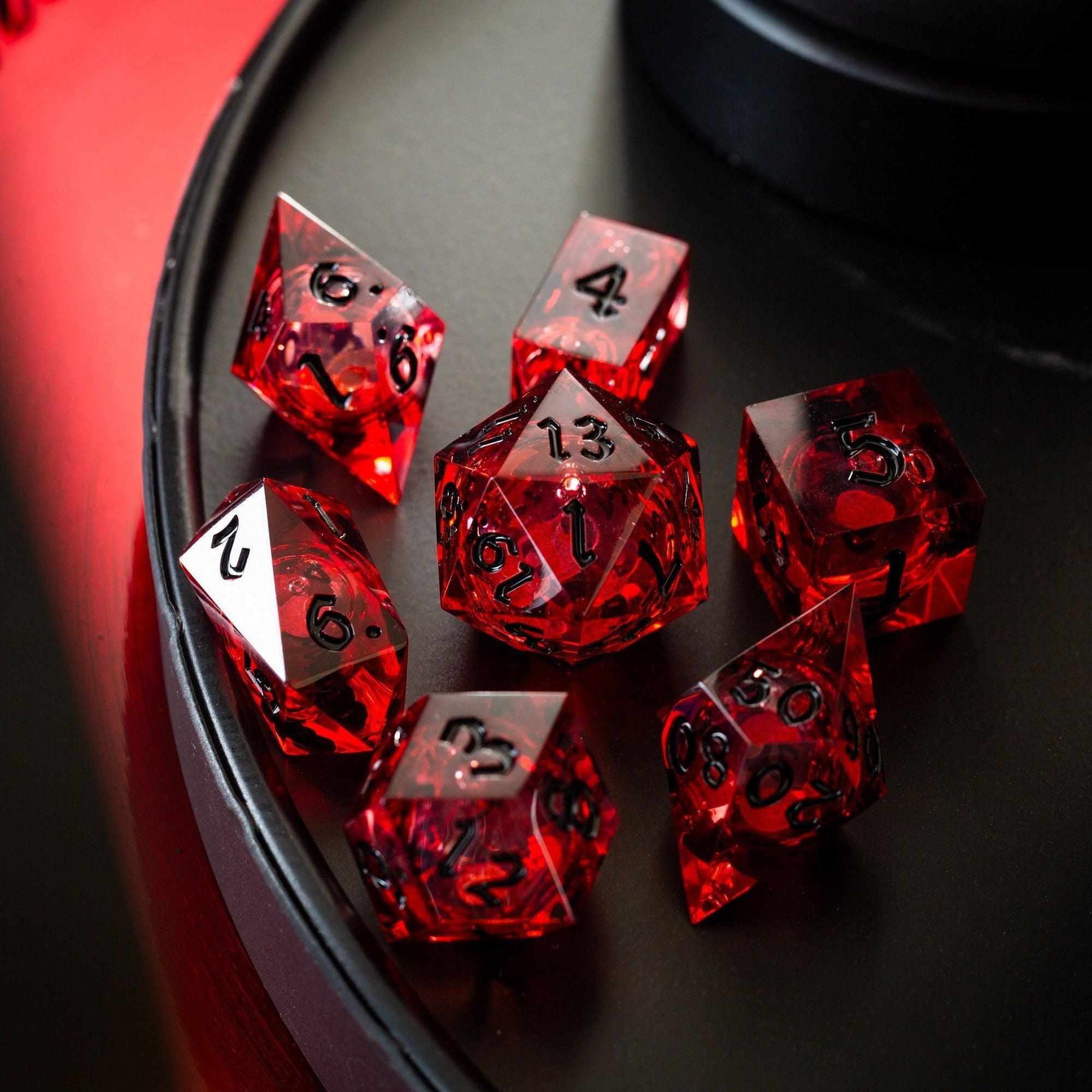
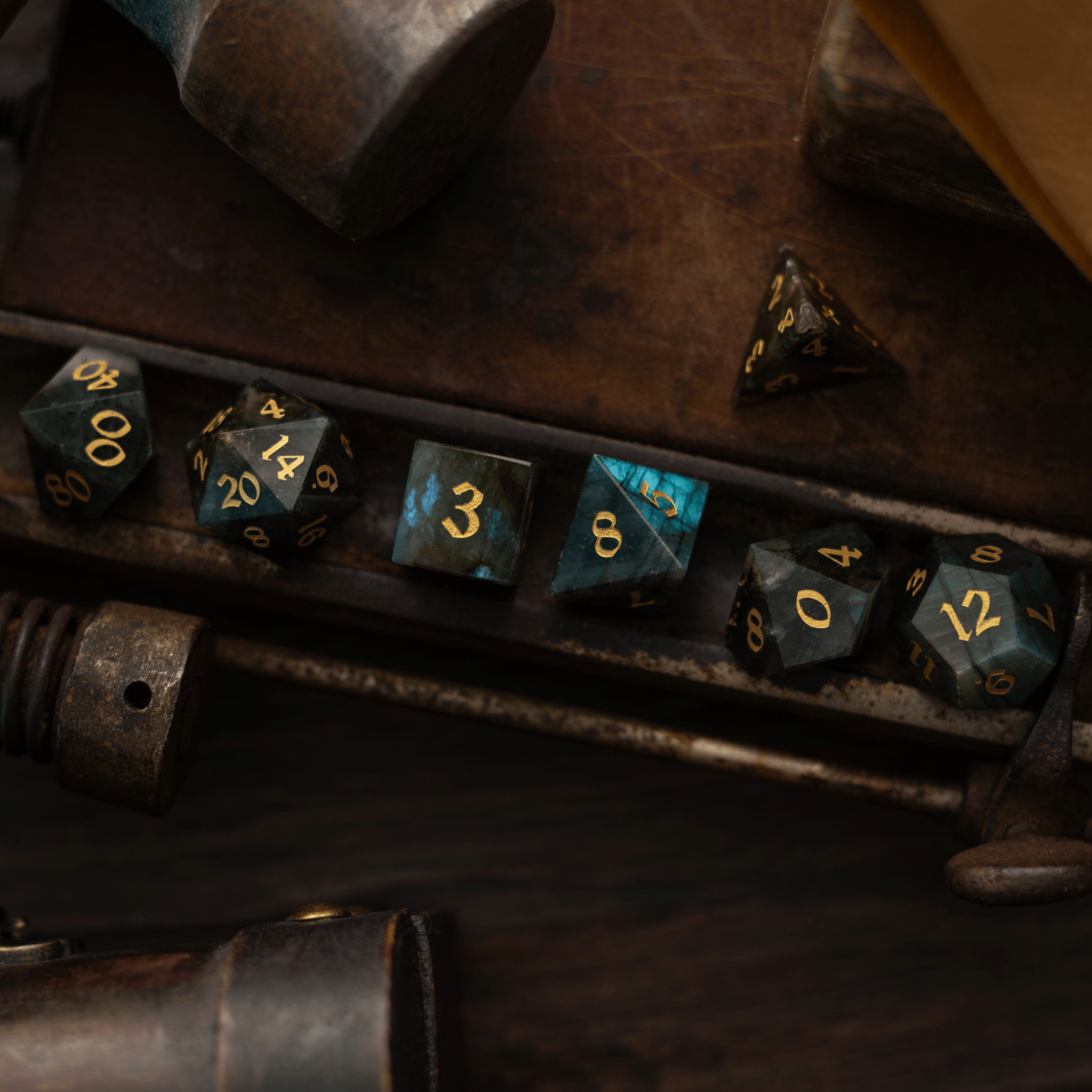
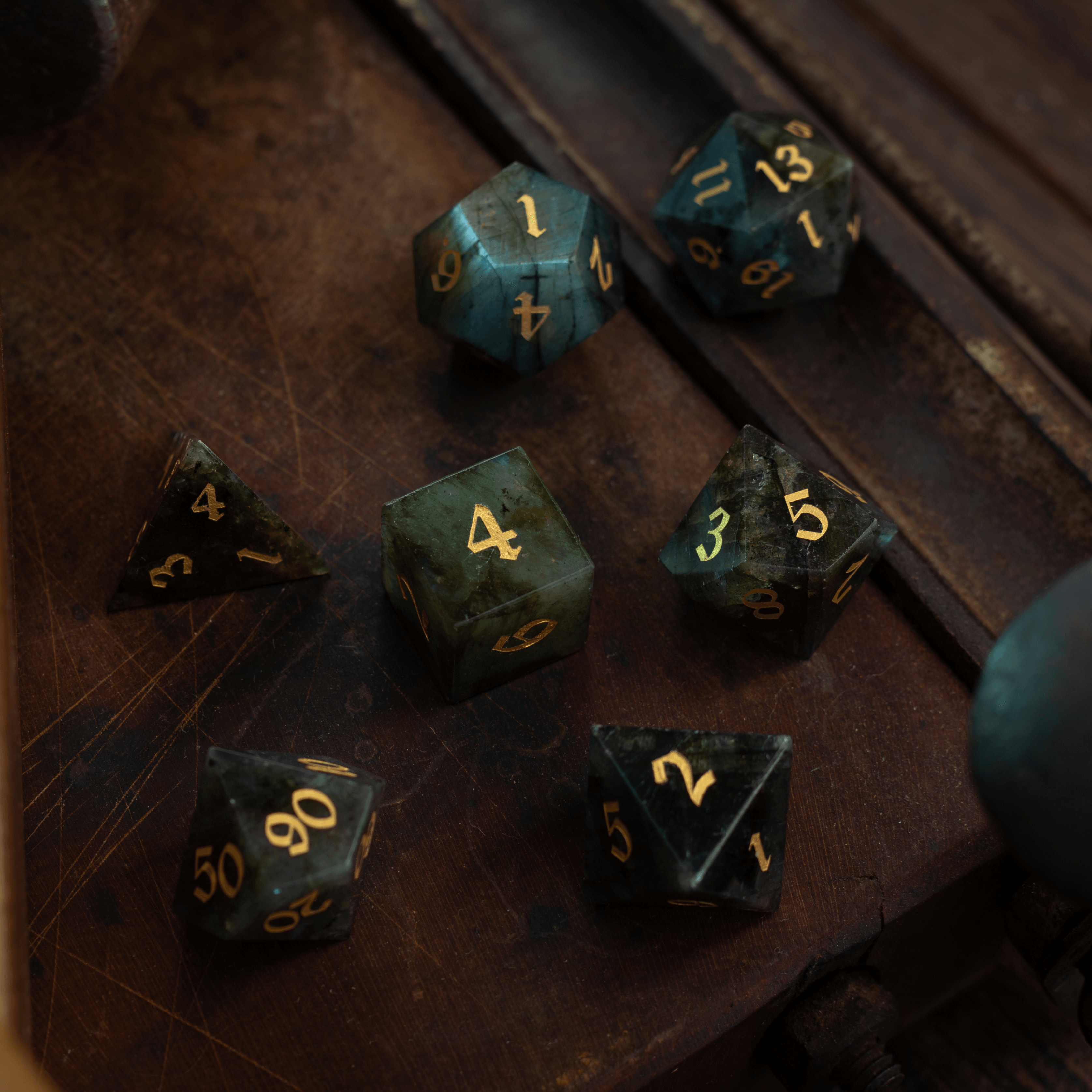
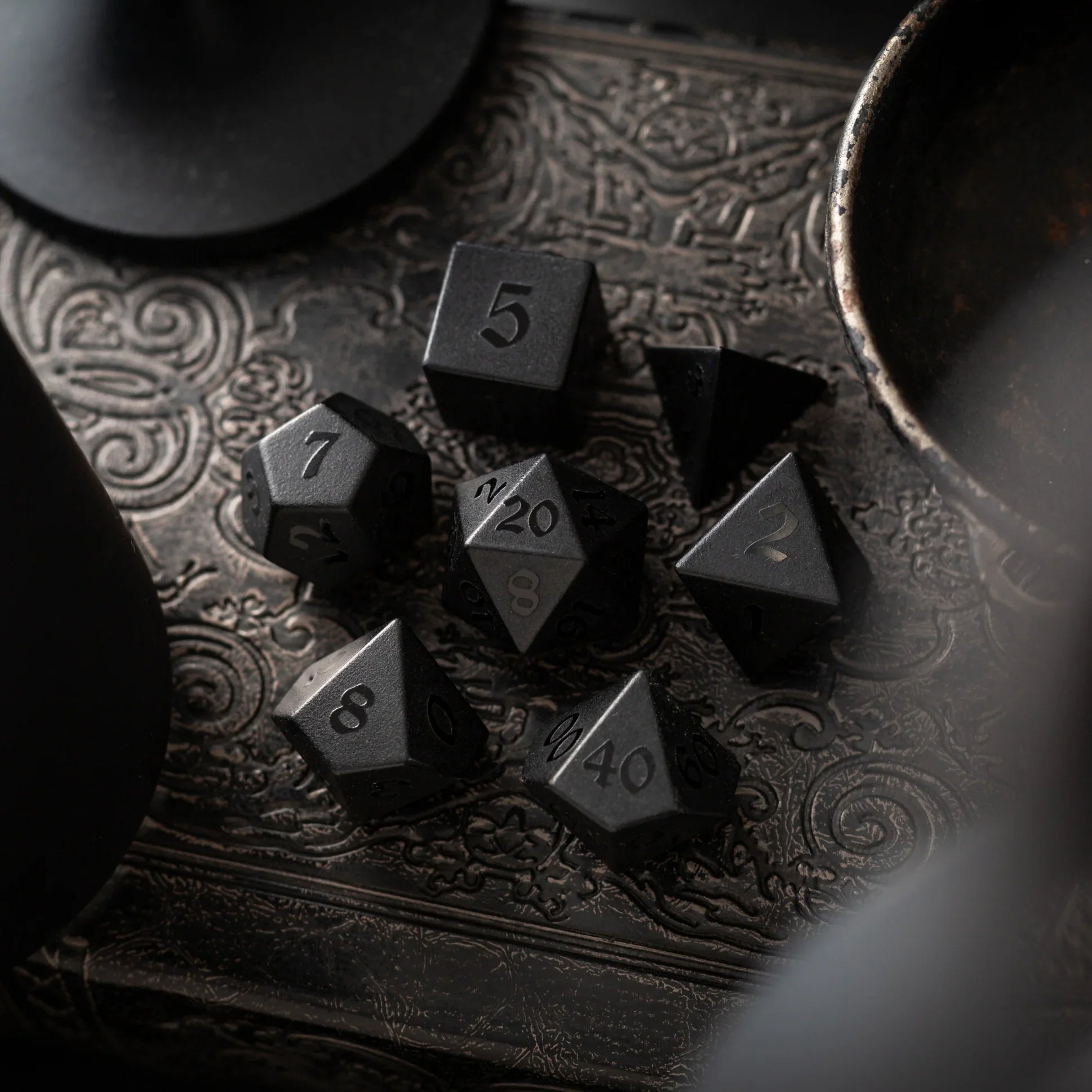
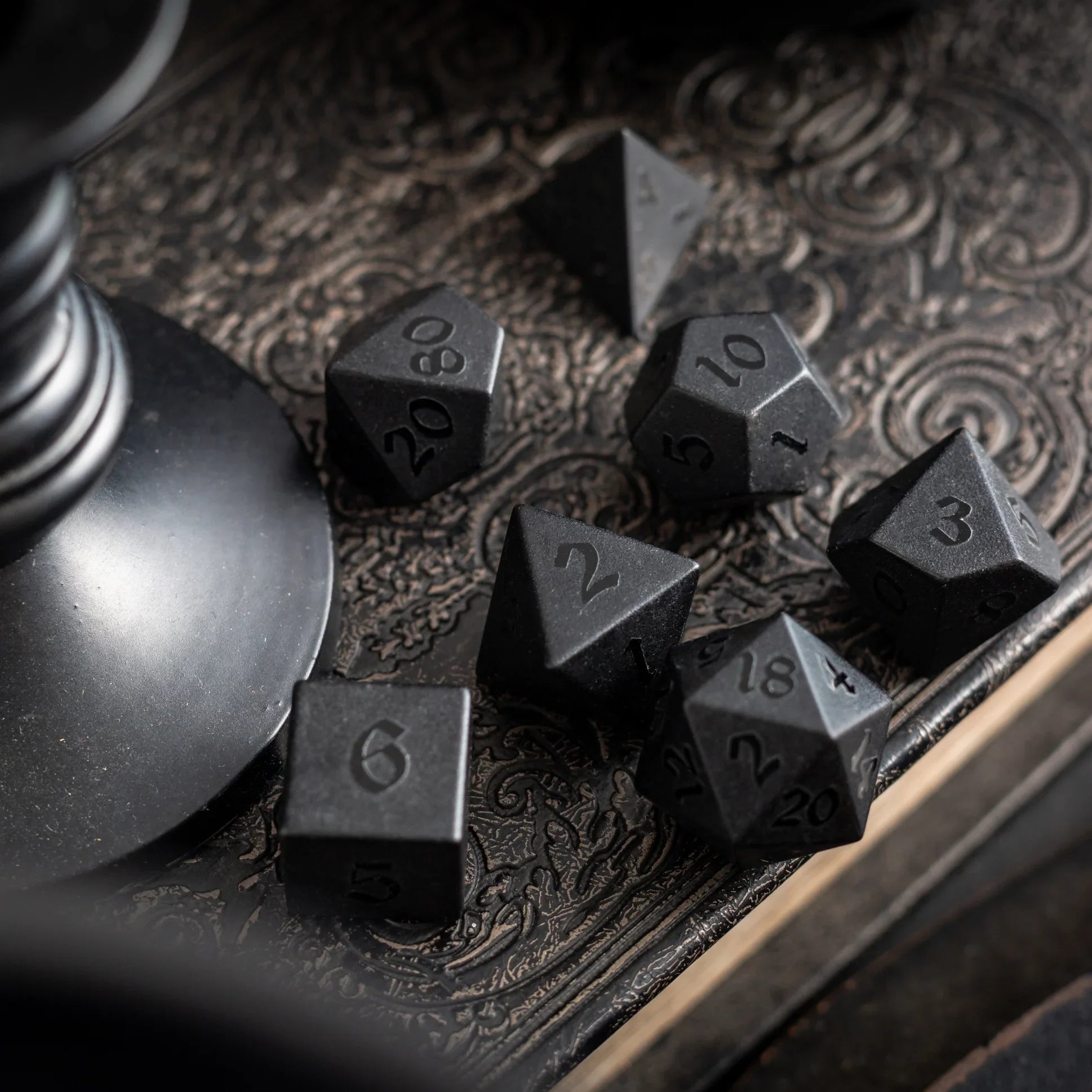
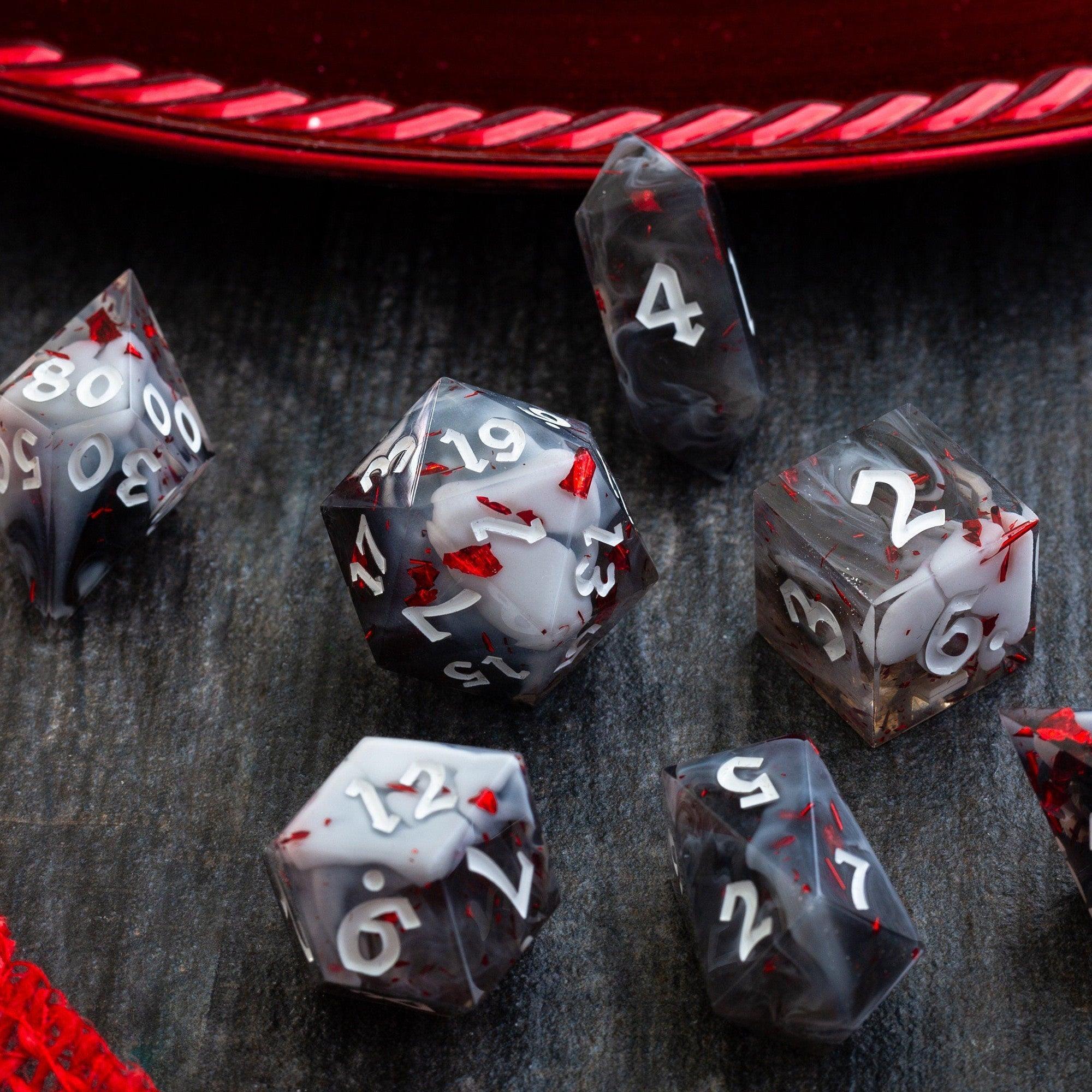
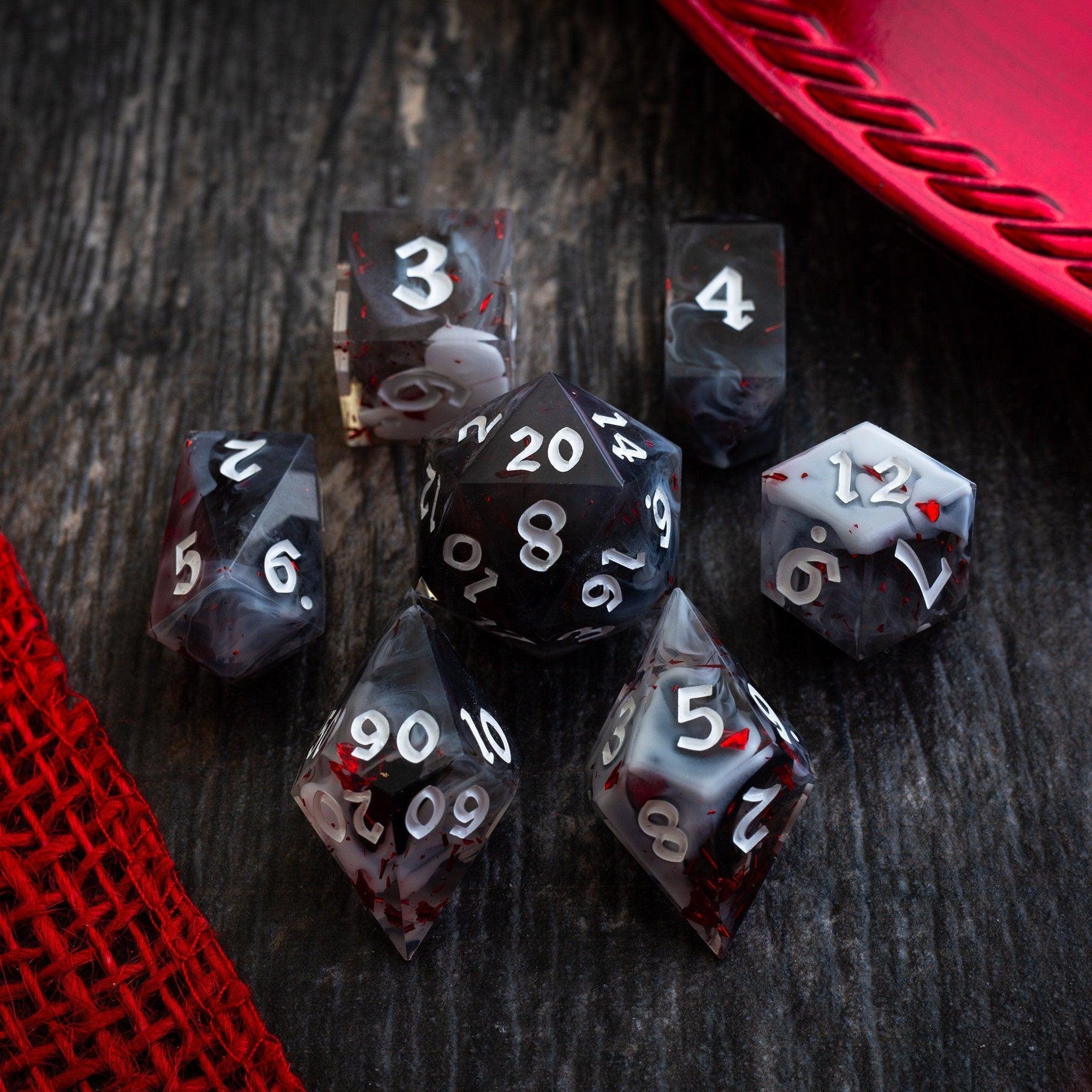
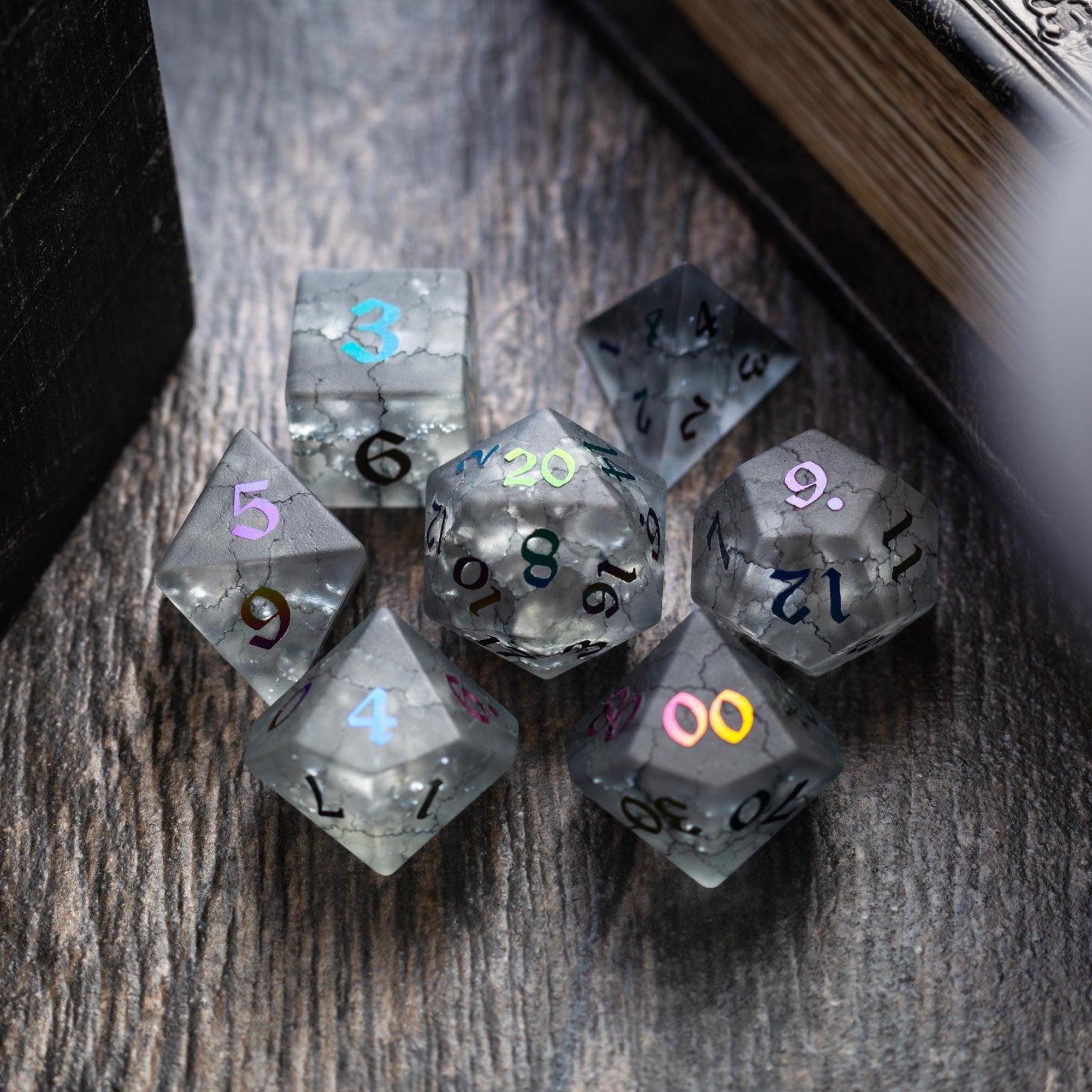
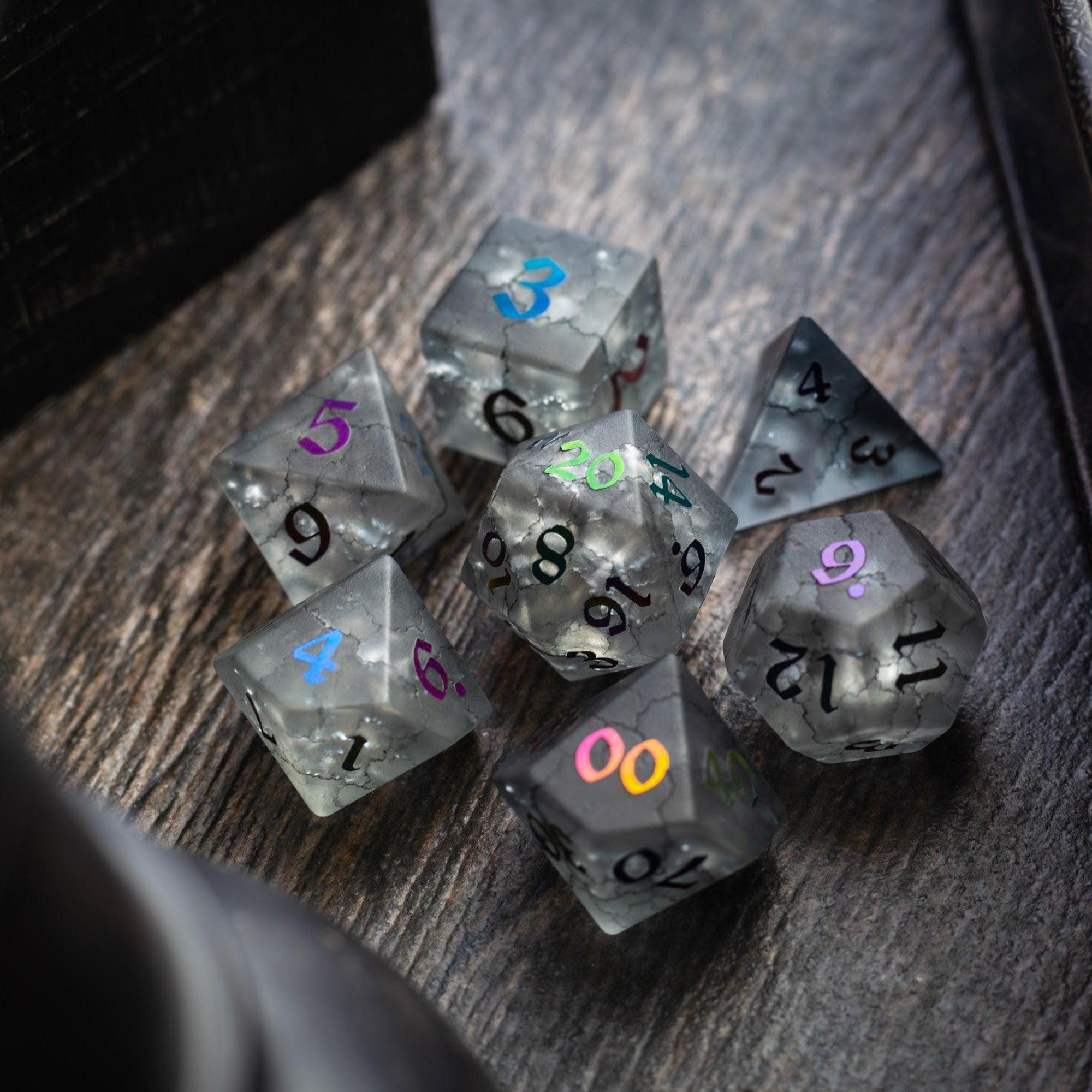
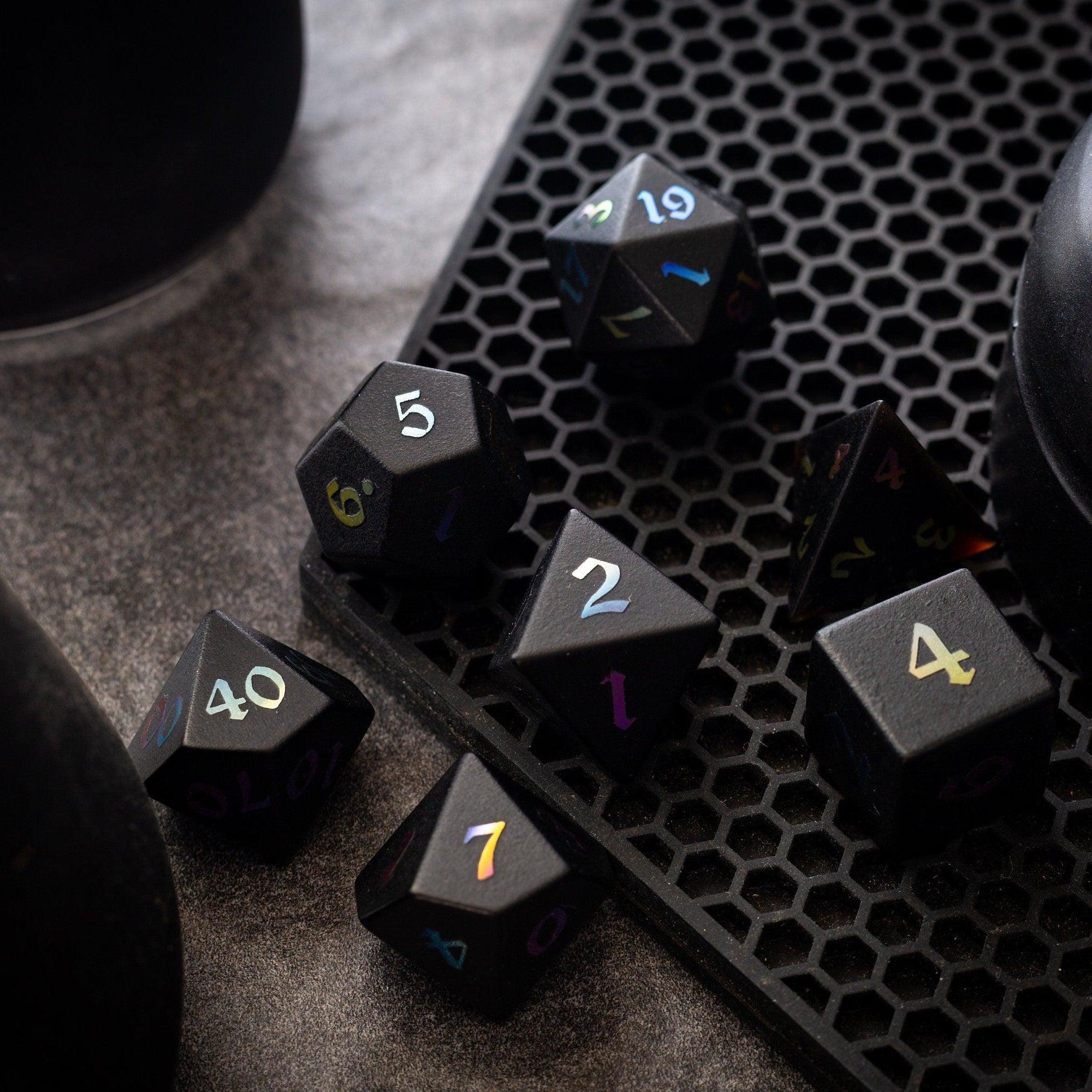
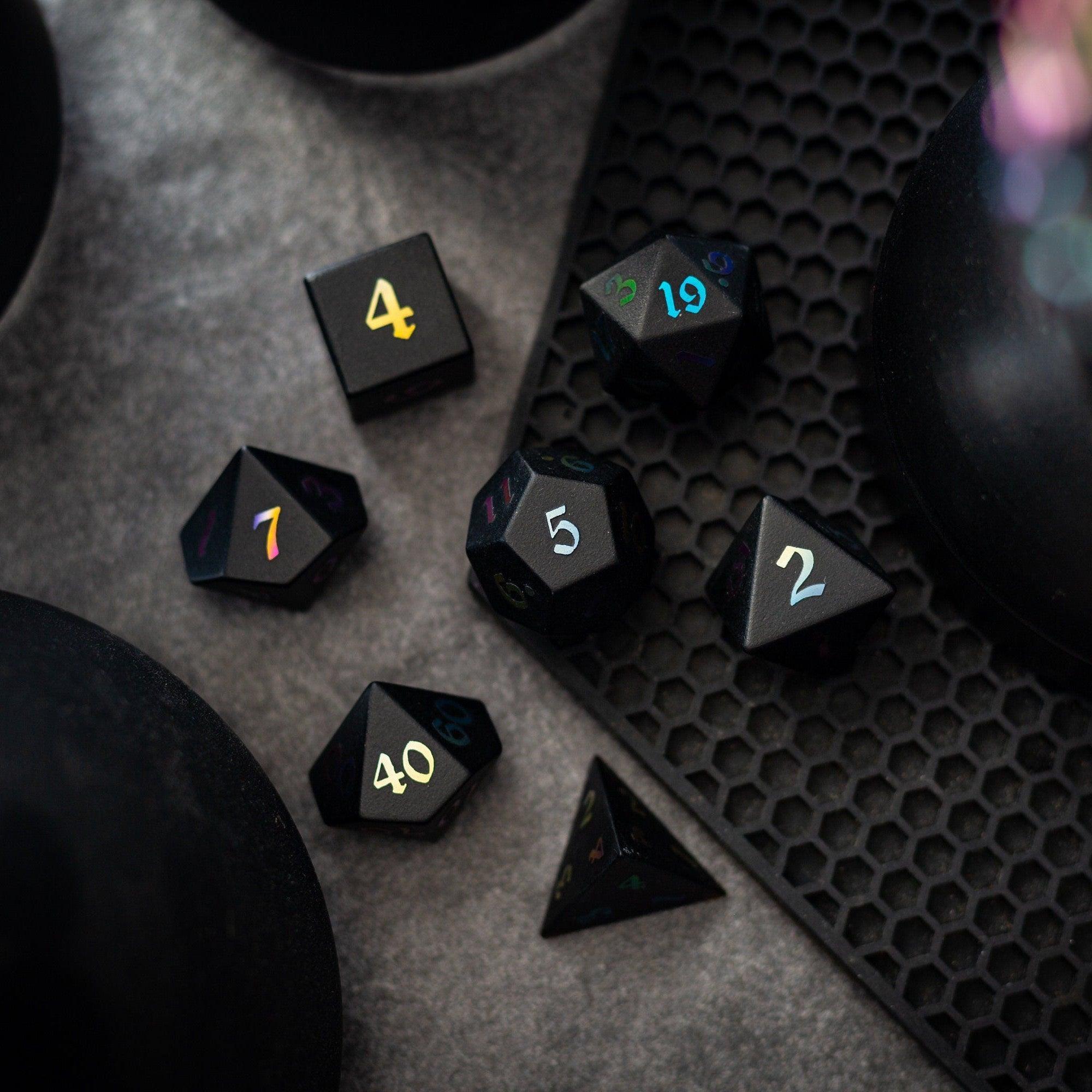
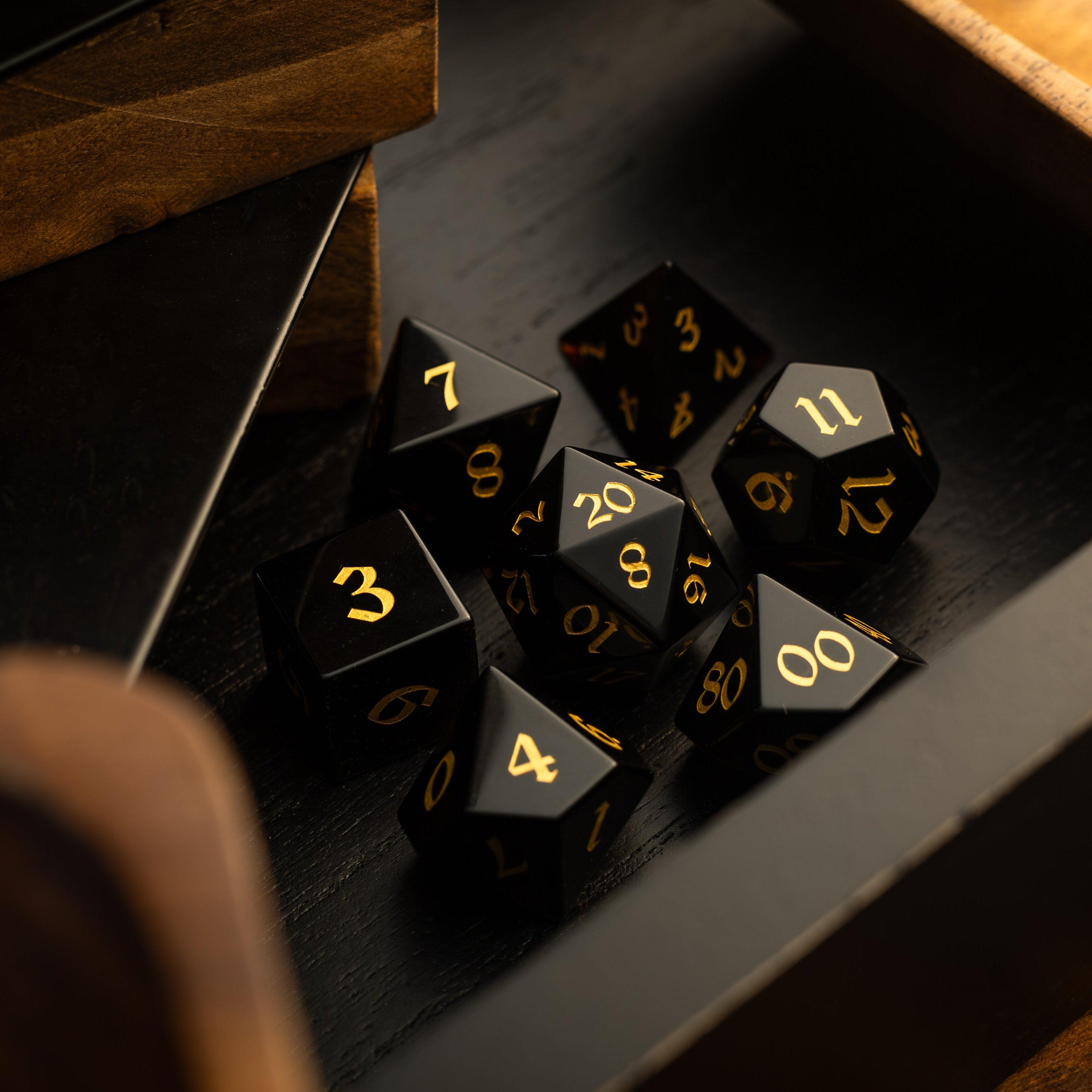
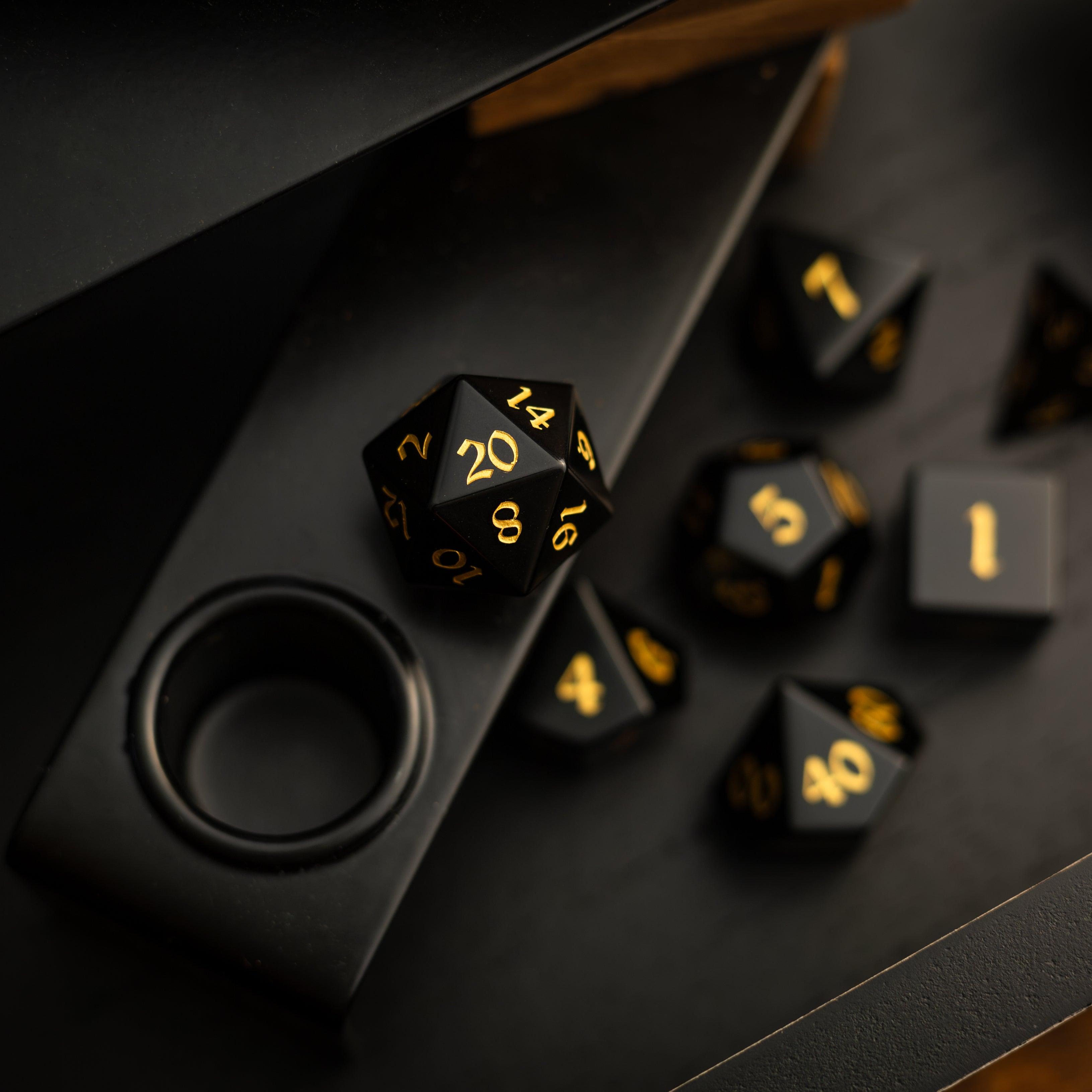
Even simple equipment choices can reinforce a character's identity. A noble paladin may carry beautifully engraved premium gemstone dice during sessions to reflect their regal theme, while a battle-hardened mercenary might favor sturdy metal dice that match their practical outlook. These touches add atmosphere without affecting the game's mechanics.
Optional rules can also expand customization. Depending on the edition and the Game Master's preferences, options such as multiclassing, variant features, or additional sourcebooks may be available. These should always be discussed before the campaign begins so everyone shares the same expectations.
Player Options Comparison Table
| Player Option | Purpose | Gameplay Impact | Roleplaying Potential | Ideal For |
|---|---|---|---|---|
| Class | Defines core abilities | High | High | Every player |
| Subclass | Adds specialization | High | High | Players seeking unique play styles |
| Background | Establishes history | Moderate | Very High | Story-focused players |
| Species | Provides unique traits | Moderate | High | Players exploring different cultures |
| Feats | Expands abilities | Moderate to High | Moderate | Players who enjoy customization |
| Equipment | Supports adventure style | Moderate | Moderate | Practical and thematic builds |
| Optional Rules | Adds flexibility | Varies | Varies | Groups comfortable with added complexity |
Every option contributes differently, and combining several thoughtful choices usually creates more memorable tabletop RPG characters than focusing on a single mechanic.
Helping Players Build Unique Characters Without Disrupting Party Balance
A successful party depends on cooperation.
While individual customization is exciting, characters should still contribute positively to the group.
Keep these principles in mind:
-
Build characters who have reasons to work together.
-
Avoid creating heroes who intentionally overshadow teammates.
-
Leave room for character growth.
-
Respect campaign themes established by the Game Master.
-
Remember that weaknesses often create the best stories.
Interesting flaws frequently produce better roleplaying than perfect statistics.
How Game Masters Can Encourage Creative Character Development
Great campaigns begin long before the first adventure.
A Session Zero gives everyone an opportunity to discuss expectations, campaign themes, and available character options.
Useful Game Master tips include:
-
Explain which sourcebooks and optional rules are allowed.
-
Encourage players to connect their backstories.
-
Ask each character to define at least one personal goal.
-
Create story hooks based on player backgrounds.
-
Reward creative problem solving alongside combat success.
Organized play also helps sessions run smoothly. Dice trays keep character sheets and accessories tidy, while dice towers reduce scattered rolls during busy encounters. When spell effects and conditions begin to pile up, condition rings make it easier for everyone to remember ongoing effects without slowing the game.
These small organizational tools help players stay focused on the story instead of searching for reminders.
Common Mistakes When Expanding Player Options
More choices do not always create better characters.
Watch for these common pitfalls:
Ignoring Party Cooperation
Characters with conflicting goals can create memorable moments, but they should still have reasons to remain part of the group.
Chasing Powerful Combinations
Building around raw effectiveness alone can leave characters feeling one-dimensional.
Overcomplicating New Characters
Beginners often enjoy simpler options while learning the game's fundamentals before exploring more advanced combinations.
Forgetting the Story
Mechanical choices become more meaningful when they reflect the character's personality and history.
Skipping Game Master Approval
Not every campaign uses the same rules or sourcebooks.
Always confirm which options are available before finalizing a character.
Quick Character Customization Checklist
Before beginning your next adventure, ask yourself:
-
Does my character have clear personal goals?
-
Does my class fit the story I want to tell?
-
Does my subclass reinforce my character concept?
-
Does my background explain who they were before adventuring?
-
Have I chosen feats that support my play style?
-
Will my character cooperate with the party?
-
Have I discussed optional rules with the Game Master?
-
Do my equipment choices reflect my character's personality?
The most memorable campaigns rarely depend on finding the strongest combination of class features or abilities. Instead, they grow from characters who evolve through shared victories, difficult choices, and lasting friendships around the table. Exploring new D&D campaign ideas, experimenting with thoughtful D&D character customization, and embracing meaningful roleplaying can help every adventure feel fresh while strengthening the group's shared story. As players and Game Masters continue discovering new possibilities together, balanced collaboration remains the key to creating unforgettable roleplaying guide experiences that keep everyone excited for the next session.

Leave a comment
This site is protected by hCaptcha and the hCaptcha Privacy Policy and Terms of Service apply.