
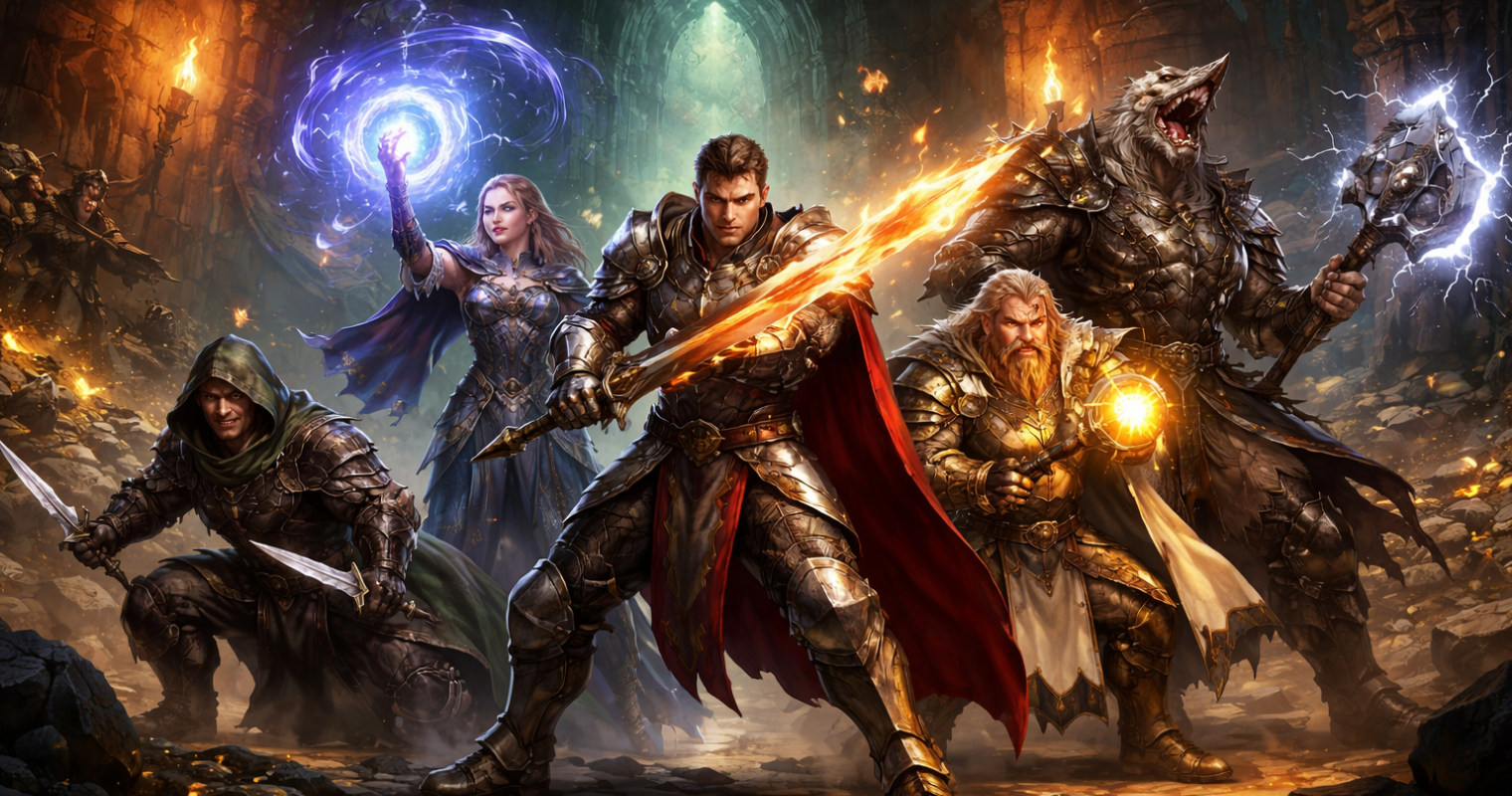
5e Class Guides for Mastering Your Role with Pro Tips
Whether you are preparing your first character or looking to improve an existing hero, understanding your class is one of the most rewarding parts of Dungeons & Dragons 5e. Every class brings something valuable to the party, from devastating combat abilities to creative problem solving and memorable roleplaying opportunities.
The best D&D 5e classes are not defined by damage numbers alone. A class shines when it complements the party, supports the story, and fits the player's preferred style of play. Subclasses, feats, equipment, and roleplaying choices all shape how a character develops, making every adventurer unique.
This D&D class guide explores the strengths, responsibilities, and playstyles of every class while offering practical advice to help you become a dependable teammate both in and out of combat.
Understanding the Role Each Class Plays Within a Party
Every adventure presents different challenges. Combat encounters, social interactions, dangerous exploration, and puzzle solving all reward different strengths.
While any party can succeed with creative players, most D&D character classes naturally lean toward certain responsibilities.
Martial Classes
Martial classes focus primarily on weapons, physical abilities, and battlefield control.
These include:
-
Fighter
-
Barbarian
-
Monk
-
Rogue
Common strengths include:
-
Reliable weapon damage
-
Strong durability or mobility
-
Tactical positioning
-
Resource-efficient combat
Spellcasting Classes
Full spellcasters solve problems through versatile magic.
These include:
-
Wizard
-
Cleric
-
Druid
-
Sorcerer
-
Bard
These classes often excel at:
-
Battlefield control
-
Healing
-
Utility magic
-
Buffing allies
-
Creative solutions outside combat
Hybrid Classes
Hybrid classes combine martial and magical abilities.
Examples include:
-
Paladin
-
Ranger
-
Warlock
-
Artificer
These classes often adapt well to changing situations while filling multiple party needs.
Remember that subclasses significantly influence each class. A Life Cleric and a Tempest Cleric share a class but contribute very differently during adventures.
A Quick Look at Every 5e Class
Barbarian
Barbarians thrive on durability and close combat power.
They often:
-
Protect vulnerable allies
-
Absorb enemy attacks
-
Deal consistent melee damage
Pro tip:
Choose your targets carefully. Standing in the right location often helps the party more than simply charging forward.
Bard
Bards support nearly every aspect of gameplay.
They contribute through:
-
Inspiration
-
Social interaction
-
Flexible spellcasting
-
Knowledge skills
Pro tip:
Look for opportunities to strengthen teammates rather than focusing only on offensive spells.
Cleric
Clerics offer far more than healing.
They can:
-
Protect allies
-
Control battlefields
-
Deal significant damage
-
Support exploration
Pro tip:
Save healing for moments when it truly changes the battle instead of trying to erase every point of damage immediately.
Druid
Druids adapt to changing situations using nature magic and Wild Shape.
They excel at:
-
Battlefield control
-
Exploration
-
Utility spells
-
Flexible combat roles
Pro tip:
Study your prepared spells before each session so you have answers for different challenges.
Fighter
Fighters are among the most dependable classes in Dungeons & Dragons 5e.
Strengths include:
-
Consistent damage
-
High survivability
-
Flexible weapon choices
-
Simple but rewarding tactics
Pro tip:
Master positioning and Action Surge timing to maximize your effectiveness.
Monk
Monks rely on mobility and precision.
They shine through:
-
High movement
-
Stunning Strike
-
Dexterity-based combat
-
Hit-and-run tactics
Pro tip:
Avoid remaining surrounded by enemies. Mobility is one of your greatest defenses.
Paladin
Paladins combine martial skill with divine magic.
Their strengths include:
-
Durable frontline combat
-
Party support
-
Divine Smite
-
Protective abilities
Pro tip:
Balance offensive smites with defensive spellcasting based on the needs of the encounter.
Ranger
Rangers specialize in survival, scouting, and ranged combat.
Common contributions include:
-
Tracking
-
Exploration
-
Reliable ranged attacks
-
Utility magic
Pro tip:
Work closely with the Game Master to make your exploration features part of the campaign experience.
Rogue
Rogues reward careful planning and teamwork.
They excel through:
-
Sneak Attack
-
Skill expertise
-
Stealth
-
Scouting
Pro tip:
Position yourself to trigger Sneak Attack consistently instead of fighting alone.
Sorcerer
Sorcerers shape magic through innate power.
Their advantages include:
-
Metamagic
-
High spell impact
-
Flexible spell modification
Pro tip:
Choose spells that remain useful throughout an entire campaign rather than focusing only on early levels.
Warlock
Warlocks combine limited spell slots with dependable magical abilities.
They contribute through:
-
Eldritch Blast
-
Invocations
-
Short rest recovery
-
Unique patron abilities
Pro tip:
Understand your invocation choices because they define much of your character's identity.
Wizard
Wizards possess unmatched spell variety.
They specialize in:
-
Problem solving
-
Battlefield control
-
Utility magic
-
Knowledge
Pro tip:
Preparation matters. The right spell prepared at the right time often solves encounters before combat even begins.
Artificer
Artificers combine invention with magic.
They offer:
-
Infusions
-
Magical support
-
Utility
-
Flexible problem solving
Pro tip:
Think about how your magical creations benefit the whole party rather than only yourself.
Practical Tips for Mastering Your Chosen Class
Regardless of which class you choose, a few habits consistently improve gameplay.
Learn Your Core Features
Understand your signature abilities before adding optional mechanics.
For example:
-
Fighters should know Action Surge.
-
Rogues should understand Sneak Attack.
-
Clerics should know Channel Divinity.
-
Wizards should understand spell preparation.
Mastering these basics creates confidence during every session.
Think Beyond Combat
Many adventures include exploration, negotiation, investigation, and problem solving.
Ask yourself:
-
How does my class gather information?
-
How can I support social encounters?
-
What tools do I have outside combat?
The strongest players contribute during every pillar of the game.
Plan Character Growth
Character optimization is not simply choosing powerful options.
Instead, consider:
-
Your campaign setting
-
Party composition
-
Story goals
-
Preferred playstyle
Subclasses, feats, and equipment should support the character you enjoy playing rather than following a universal build.
5e Class Comparison Table
| Class | Primary Role | Key Strengths | Learning Curve | Ideal Playstyle |
|---|---|---|---|---|
| Barbarian | Frontline Defender | Durability, melee damage | Easy | Aggressive tank |
| Bard | Support | Buffs, skills, versatility | Moderate | Flexible team player |
| Cleric | Support | Healing, defense, spells | Moderate | Balanced support |
| Druid | Controller | Utility, Wild Shape, spells | Moderate to High | Adaptable strategist |
| Fighter | Martial Combat | Reliable damage, flexibility | Easy | Tactical warrior |
| Monk | Mobile Striker | Speed, control | Moderate | Mobile skirmisher |
| Paladin | Hybrid Defender | Smite, protection | Moderate | Durable leader |
| Ranger | Scout | Exploration, ranged combat | Moderate | Tactical explorer |
| Rogue | Skill Expert | Sneak Attack, stealth | Easy to Moderate | Precision striker |
| Sorcerer | Spellcaster | Metamagic, burst magic | Moderate | Focused caster |
| Warlock | Hybrid Caster | Invocations, short rest recovery | Moderate | Consistent magical attacker |
| Wizard | Arcane Specialist | Spell variety, utility | High | Strategic planner |
| Artificer | Support Hybrid | Infusions, versatility | Moderate | Creative inventor |
No class is universally stronger than another. Effectiveness depends on player decisions, party needs, campaign style, and the Game Master's interpretation of the rules and adventure.
Building Teamwork Through Complementary Party Roles
The best parties succeed because everyone supports one another.
A balanced group often includes:
-
Frontline defenders
-
Damage dealers
-
Spellcasters
-
Skill specialists
-
Support characters
That does not mean every party requires every role. Creative teamwork often overcomes missing specialties.
Communication is equally important. Let teammates know your strengths so everyone can coordinate during encounters.
During longer sessions, accessories that keep the table organized also help teamwork. A sturdy dice tray keeps rolls contained, while condition rings make it easier for everyone to track ongoing effects such as blessings, concentration spells, or status conditions. Dice towers also provide consistent rolling during tense combat encounters without disrupting carefully arranged maps and miniatures.
Common Mistakes Players Make When Learning a New Class
Many new players encounter similar challenges.
Avoid these common mistakes:
-
Ignoring class features after leveling up
-
Forgetting support abilities while chasing damage
-
Preparing the same spells every session regardless of the adventure
-
Standing in poor battlefield positions
-
Overlooking teamwork opportunities
-
Expecting every encounter to favor your class
-
Neglecting roleplaying opportunities
Remember that every class has strengths and limitations. Learning when to rely on teammates is part of becoming a skilled player.
Quick Class Mastery Checklist
Before each session, ask yourself:
-
Do I understand my core class features?
-
Have I reviewed my subclass abilities?
-
Are my spells or equipment prepared?
-
Do I know how I contribute outside combat?
-
Have I coordinated with the rest of the party?
-
Do I understand my character's personality and goals?
-
Am I ready to adapt if the adventure changes unexpectedly?
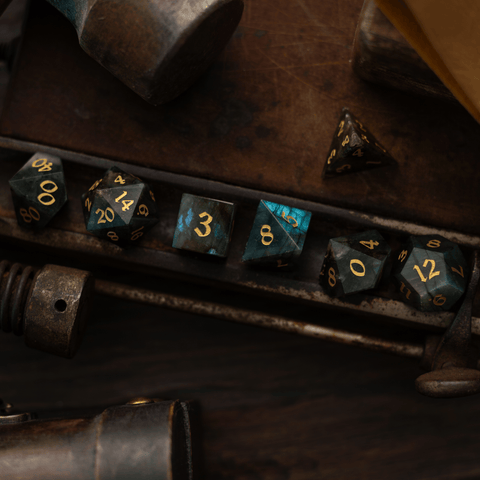
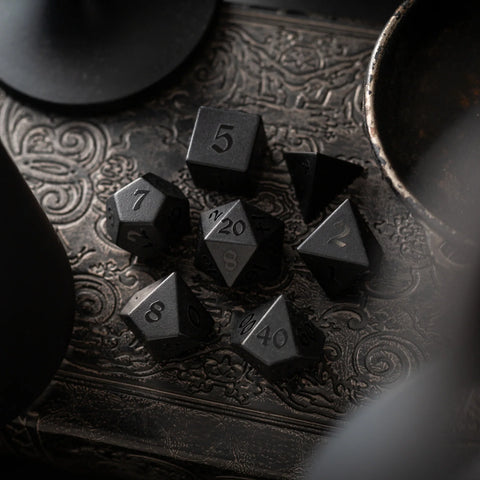
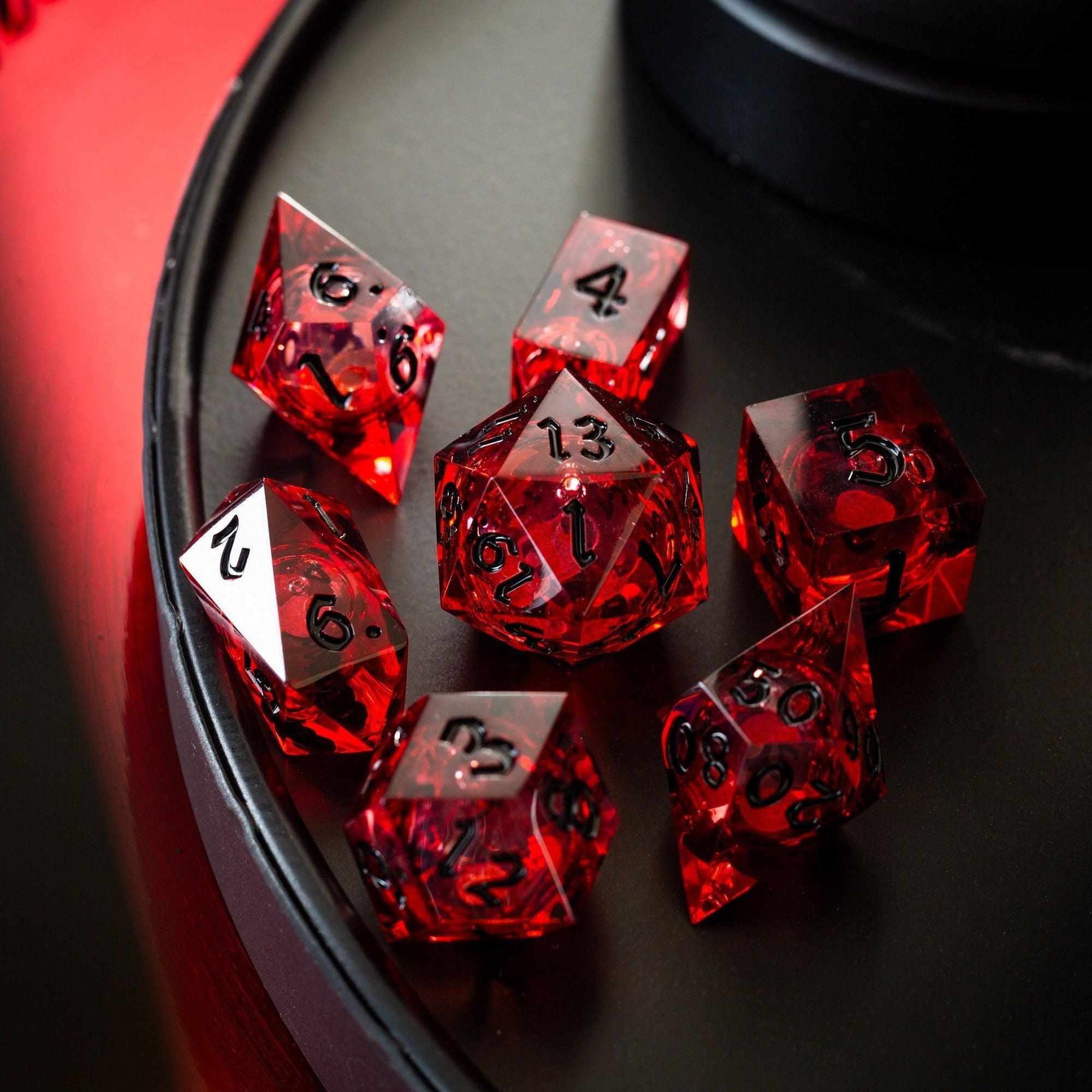
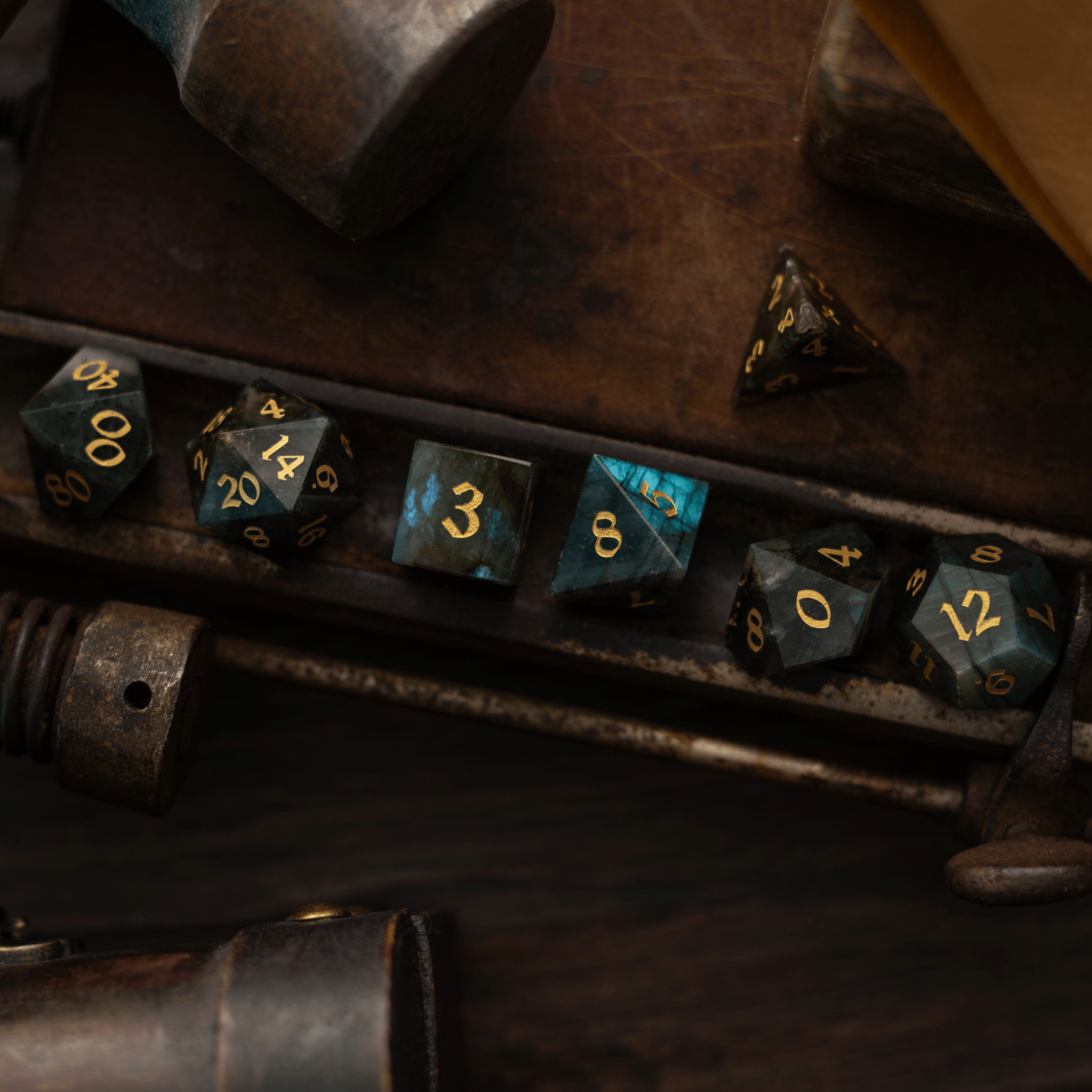
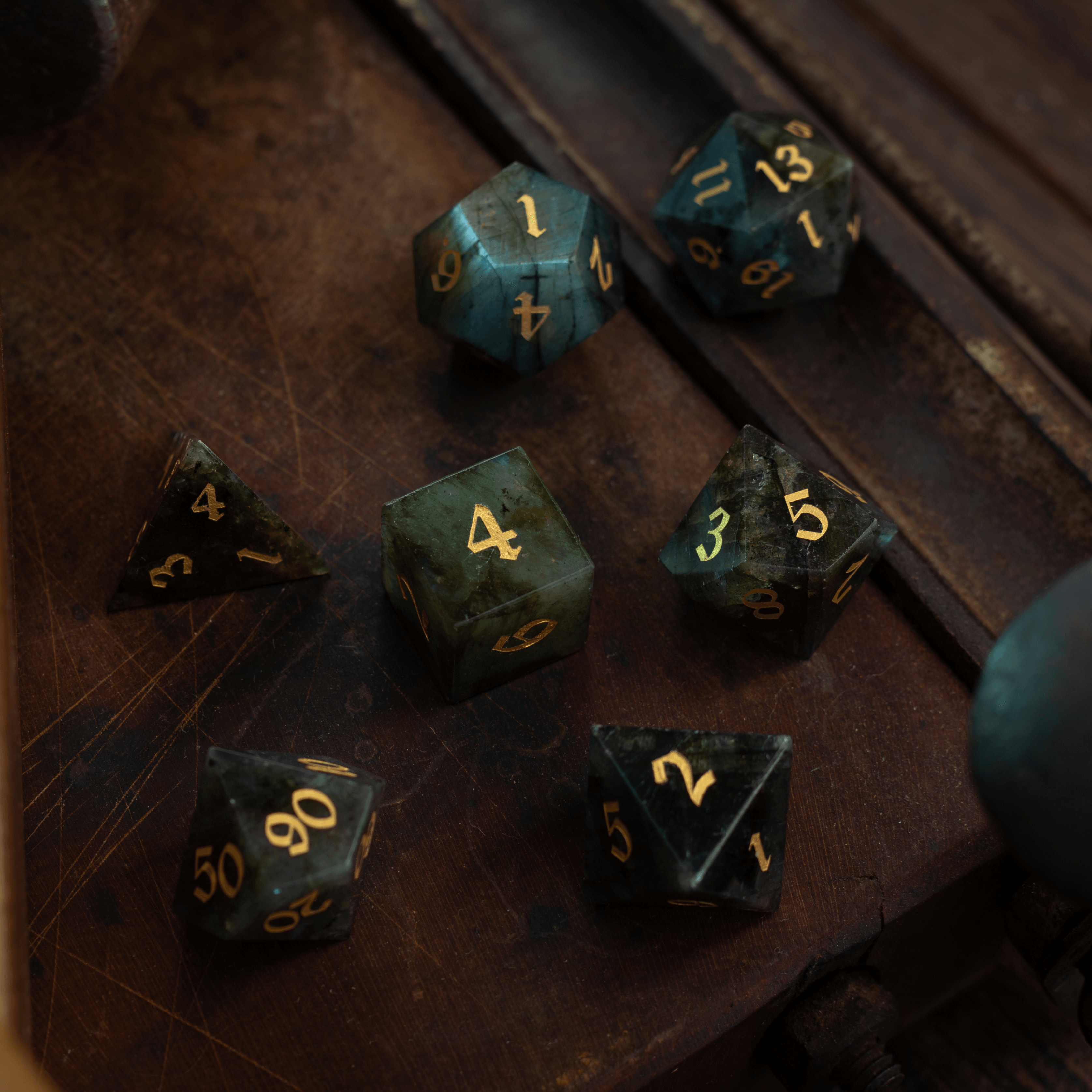
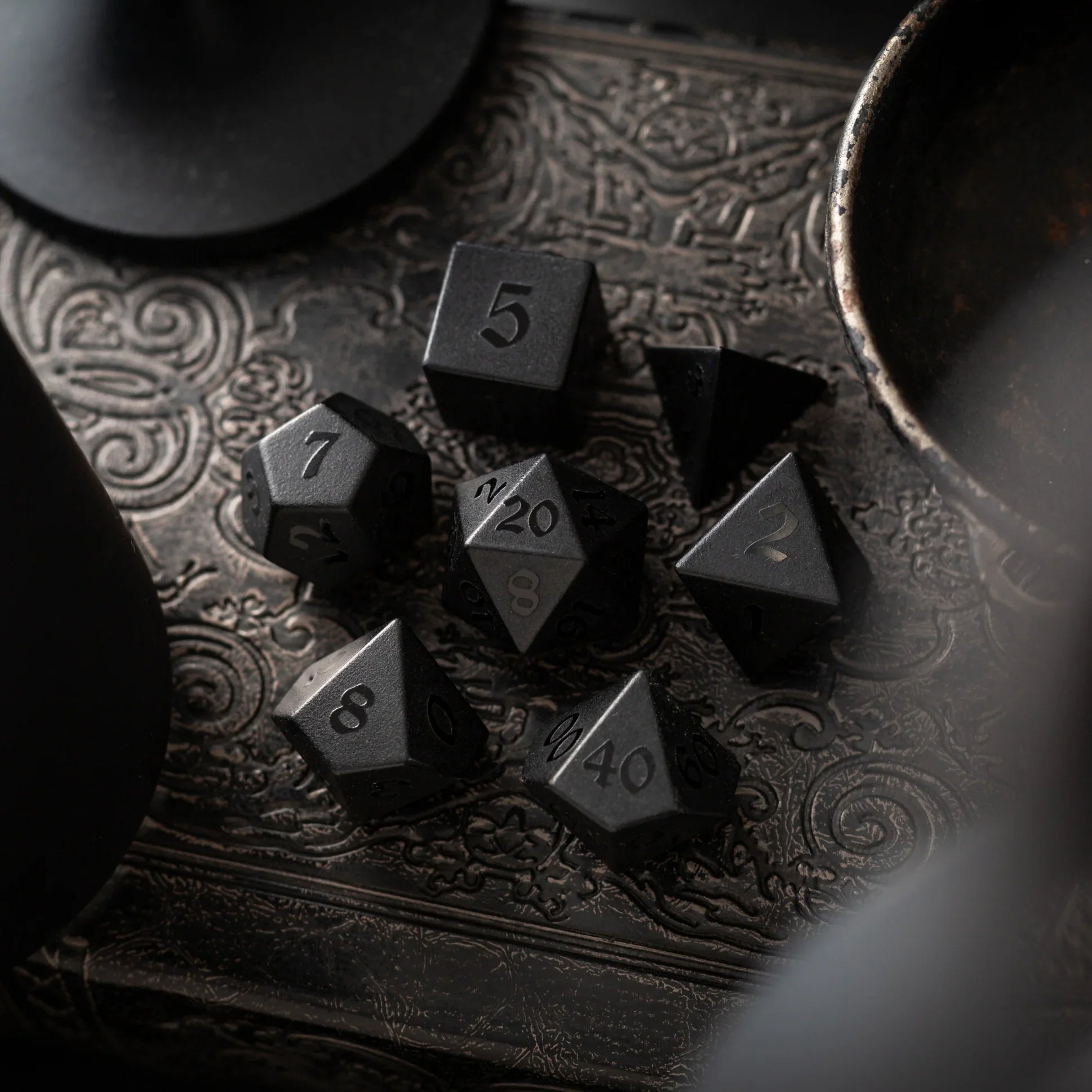
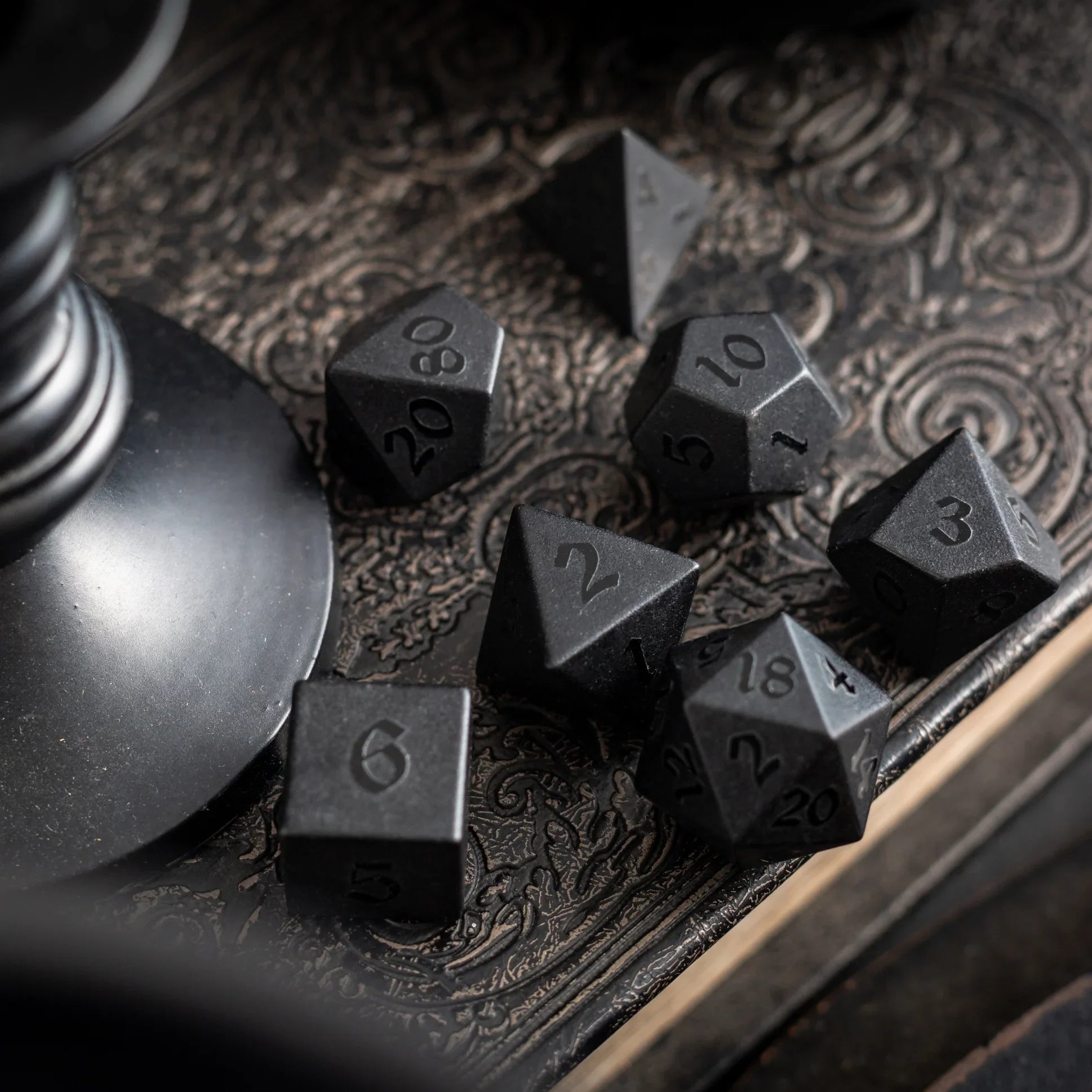
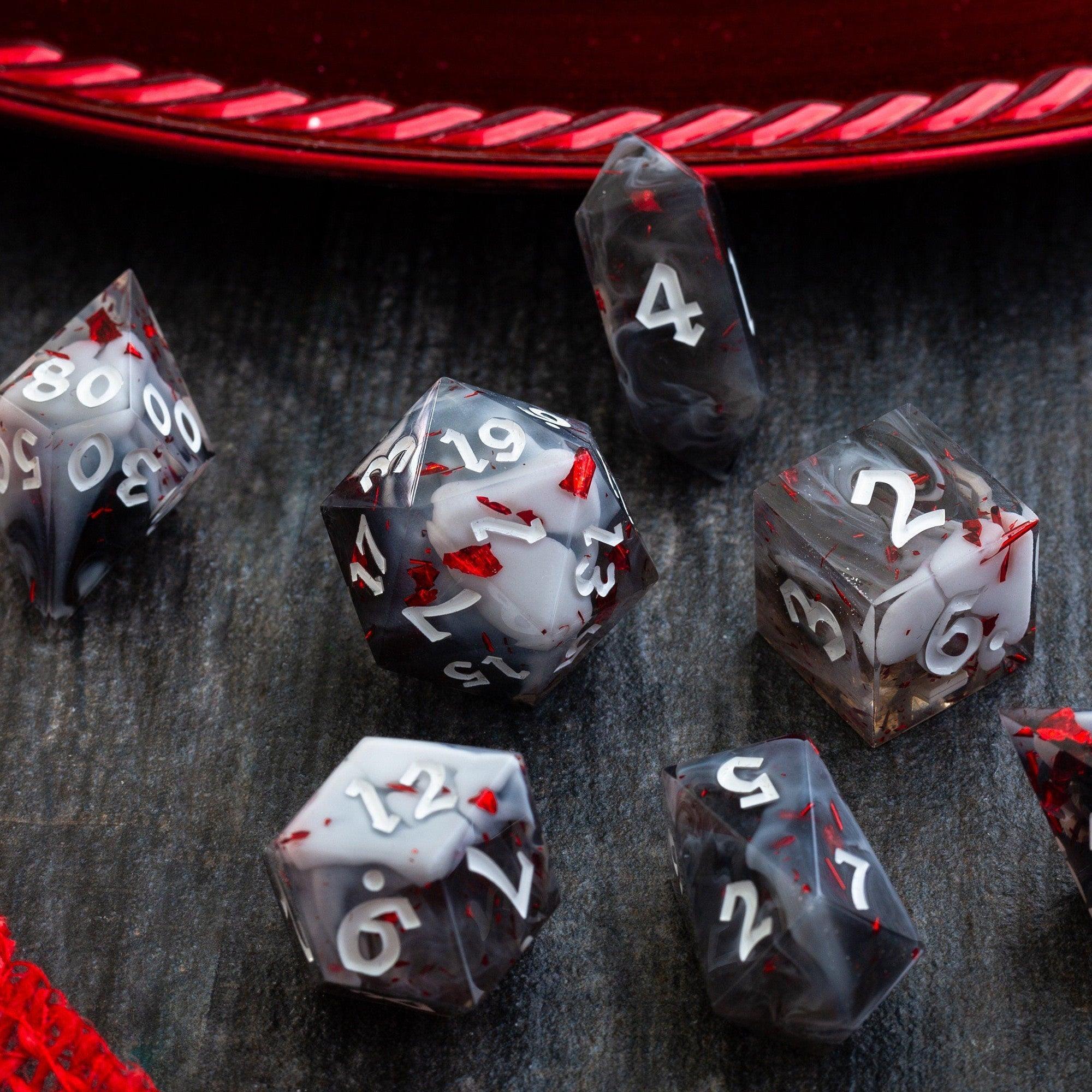
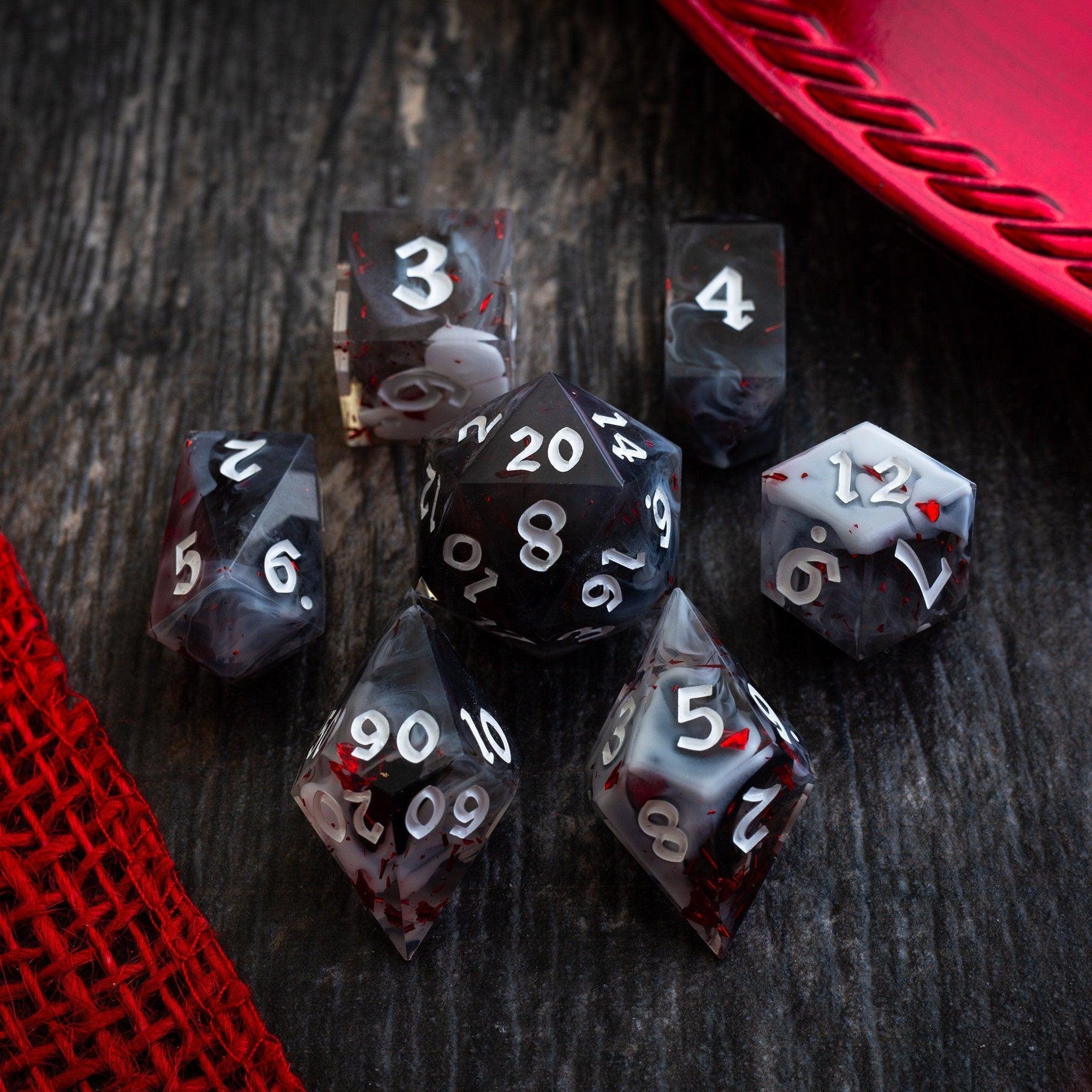
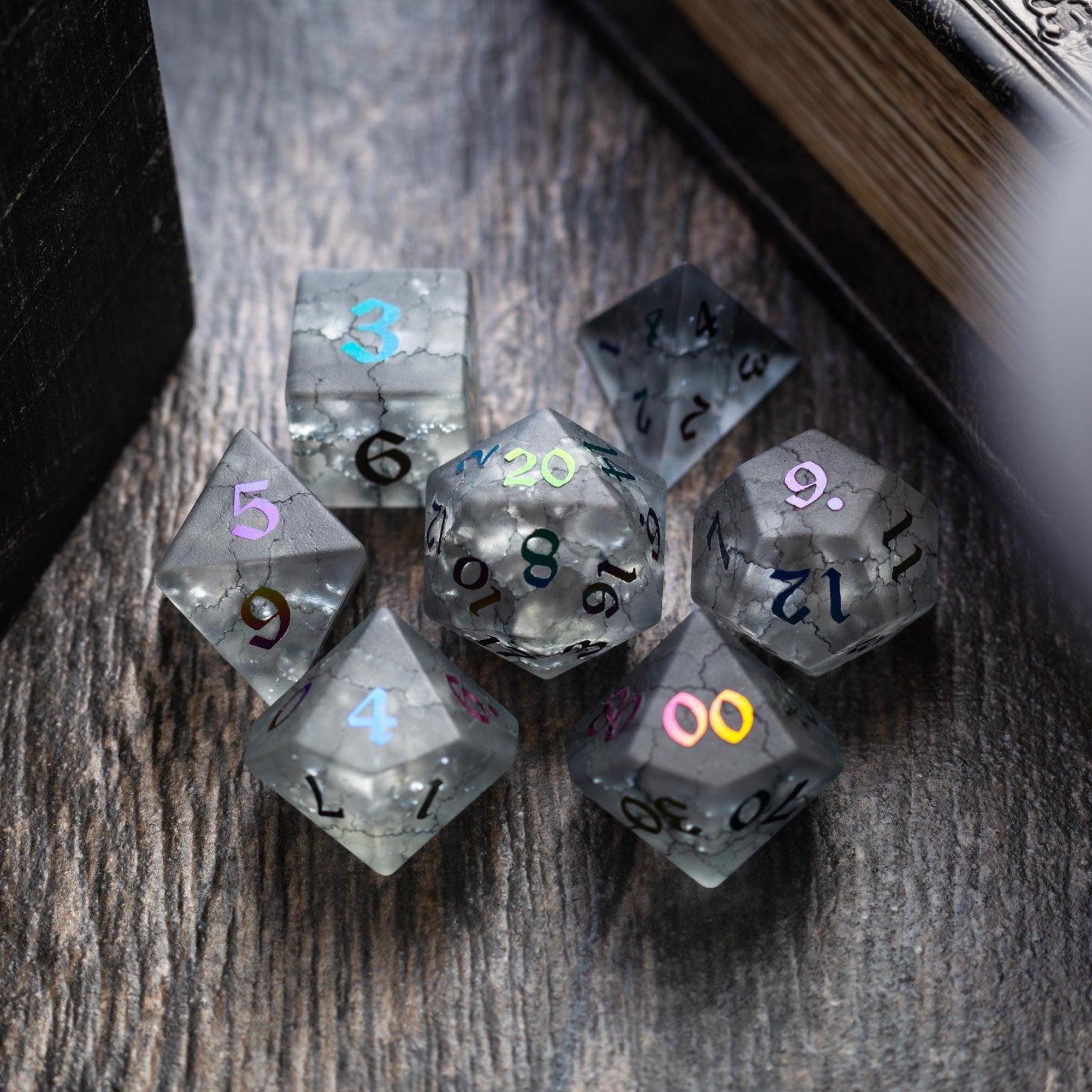
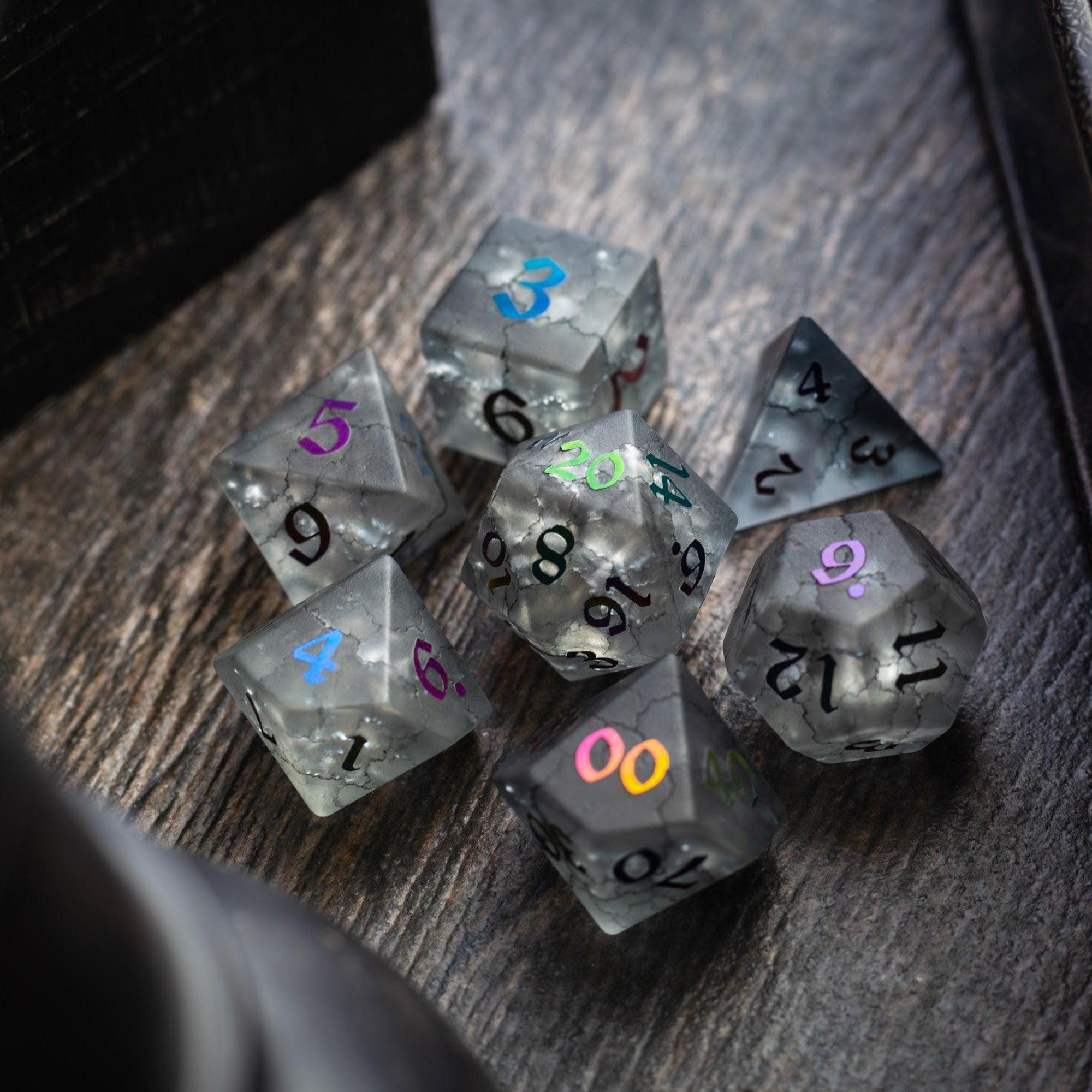
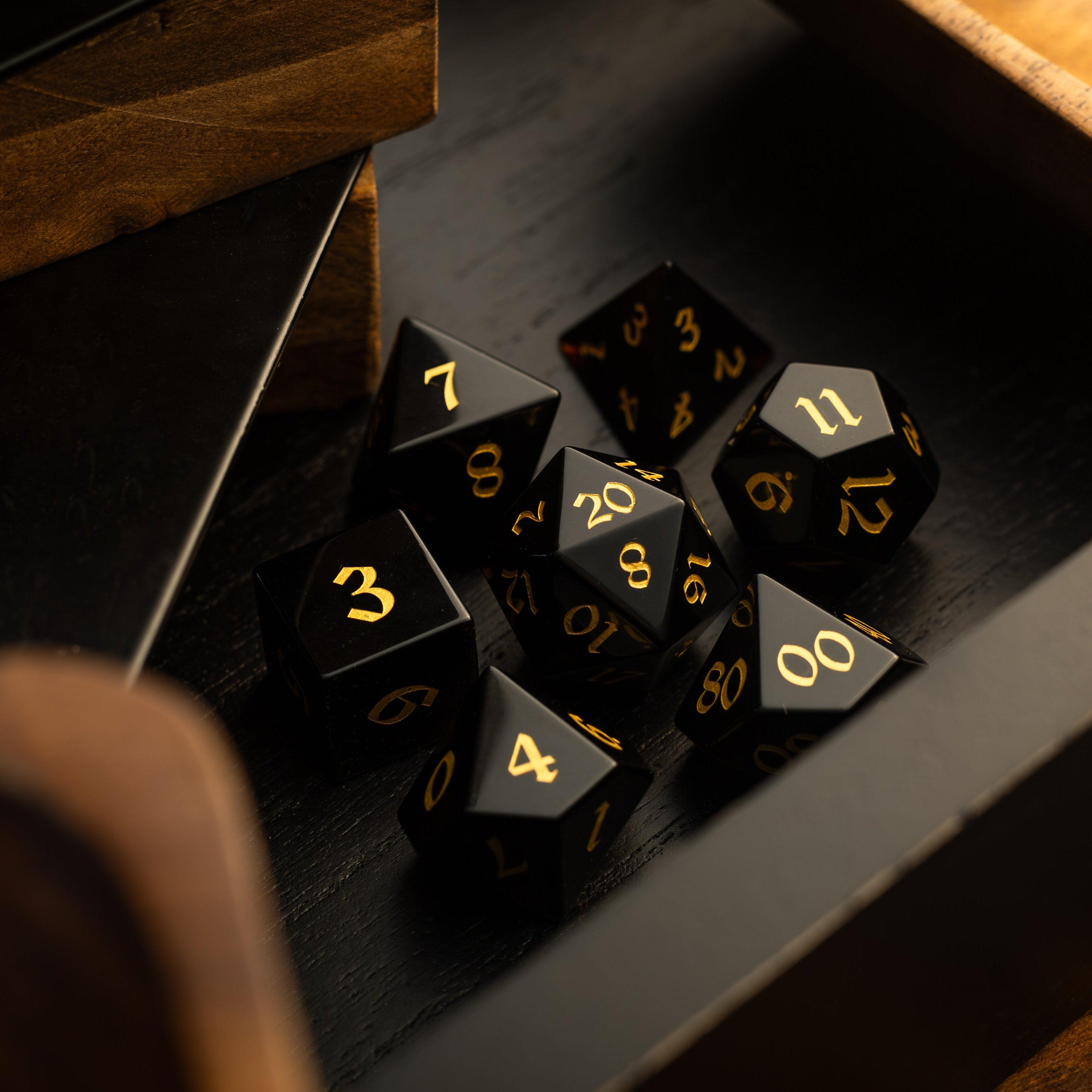
Keeping character sheets organized also helps reduce downtime. Many players pair premium gemstone, resin, or metal dice with their favorite character themes, making important rolls easier to read while adding personality to the table. Organized accessories, character sheets, maps, and miniatures allow everyone to stay focused on the adventure instead of searching for misplaced equipment.
Every class offers its own path to memorable adventures. A Fighter's determination, a Wizard's careful planning, a Bard's inspiring words, or a Rogue's clever timing can all become the defining moment of a campaign. Rather than searching for the "best" class, focus on understanding your character's strengths, embracing your role within the party, and working alongside your fellow adventurers. As your experience grows, your subclass choices, feats, equipment, and roleplaying decisions will naturally shape a hero that feels uniquely your own, creating stories your gaming group will remember long after the final dice have been rolled.








Leave a comment
This site is protected by hCaptcha and the hCaptcha Privacy Policy and Terms of Service apply.