
Tabletop RPGs for Beginners How to Start Playing Today
Understanding the Basics of Tabletop Role-Playing Games

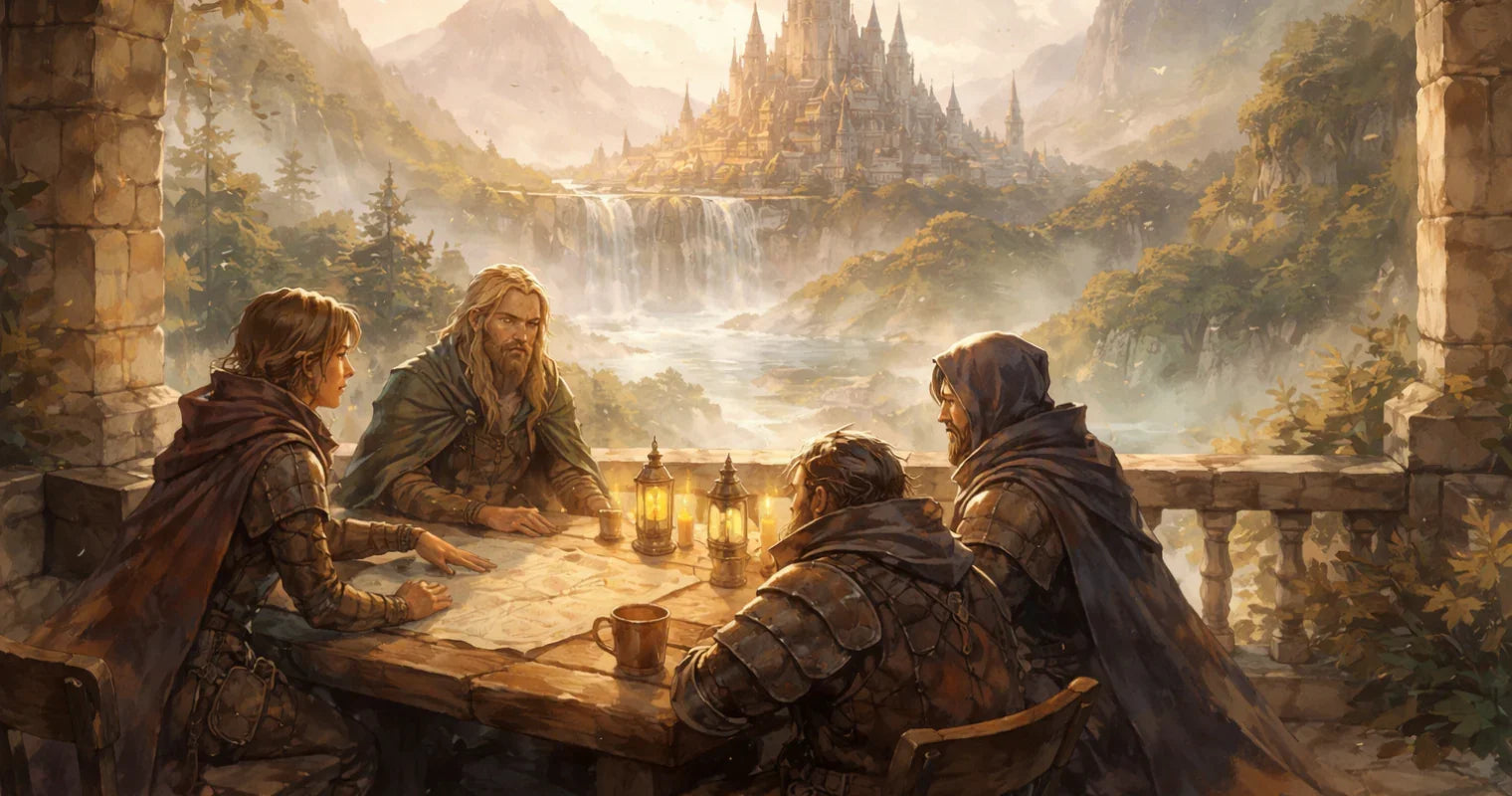
Tabletop RPGs represent a collaborative storytelling experience where players assume the roles of characters in an imaginary world. Unlike video games, these adventures rely on imagination, dice rolls, and the guidance of a Game Master (GM) who narrates the story and controls the environment. The beauty of this format lies in its flexibility and boundless possibilities, as the narrative unfolds through player choices and creative problem-solving.
At their core, tabletop role-playing experiences combine several key elements. Players gather around a table with character sheets, rulebooks, and most importantly, polyhedral dice that determine the outcomes of uncertain actions. The Game Master acts as both storyteller and referee, describing scenes, controlling non-player characters, and interpreting rules. Together, the group creates an interactive narrative where every decision matters and unexpected moments frequently surprise everyone at the table.
The appeal of engaging in tabletop role-playing games extends beyond mere entertainment. Many participants appreciate the social connection, the opportunity to explore different personalities, and the collaborative nature of worldbuilding. Whether you prefer high fantasy adventures, modern-day mysteries, or science fiction exploration, there exists a game system suited to your interests and play style.
Getting Started: Essential Steps
Step 1: Choose Your Game System
Begin by selecting a game system that aligns with your interests and the type of story you wish to experience. Dungeons and Dragons remains the most popular choice, known for its fantasy setting and extensive community resources. However, many other excellent systems exist, such as Pathfinder for those seeking more tactical gameplay, Vampire: The Masquerade for gothic horror, or Fate Core for narrative-focused adventures. Research several options and read reviews or watch introductory videos to find the system that resonates with you.
Step 2: Gather Essential Materials
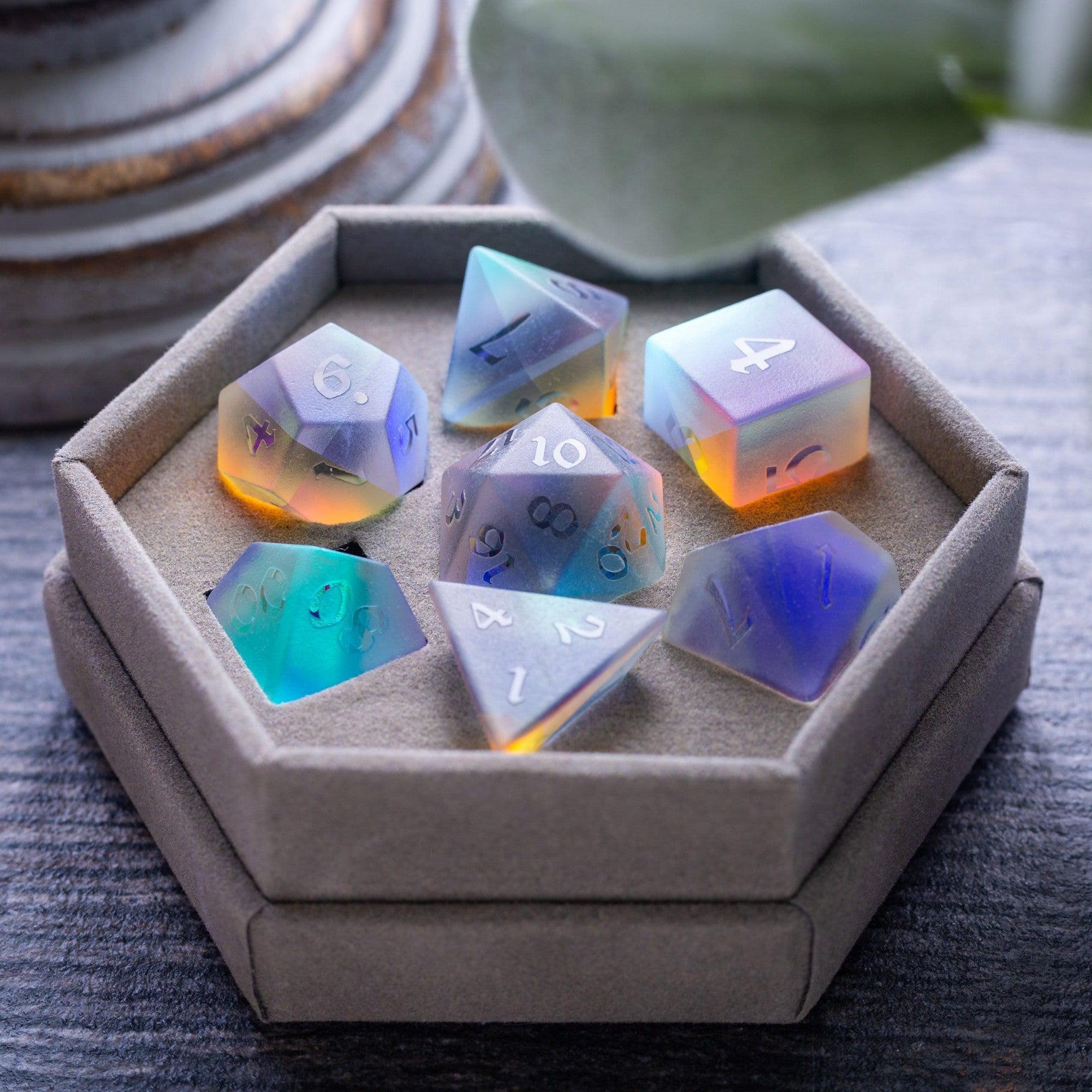
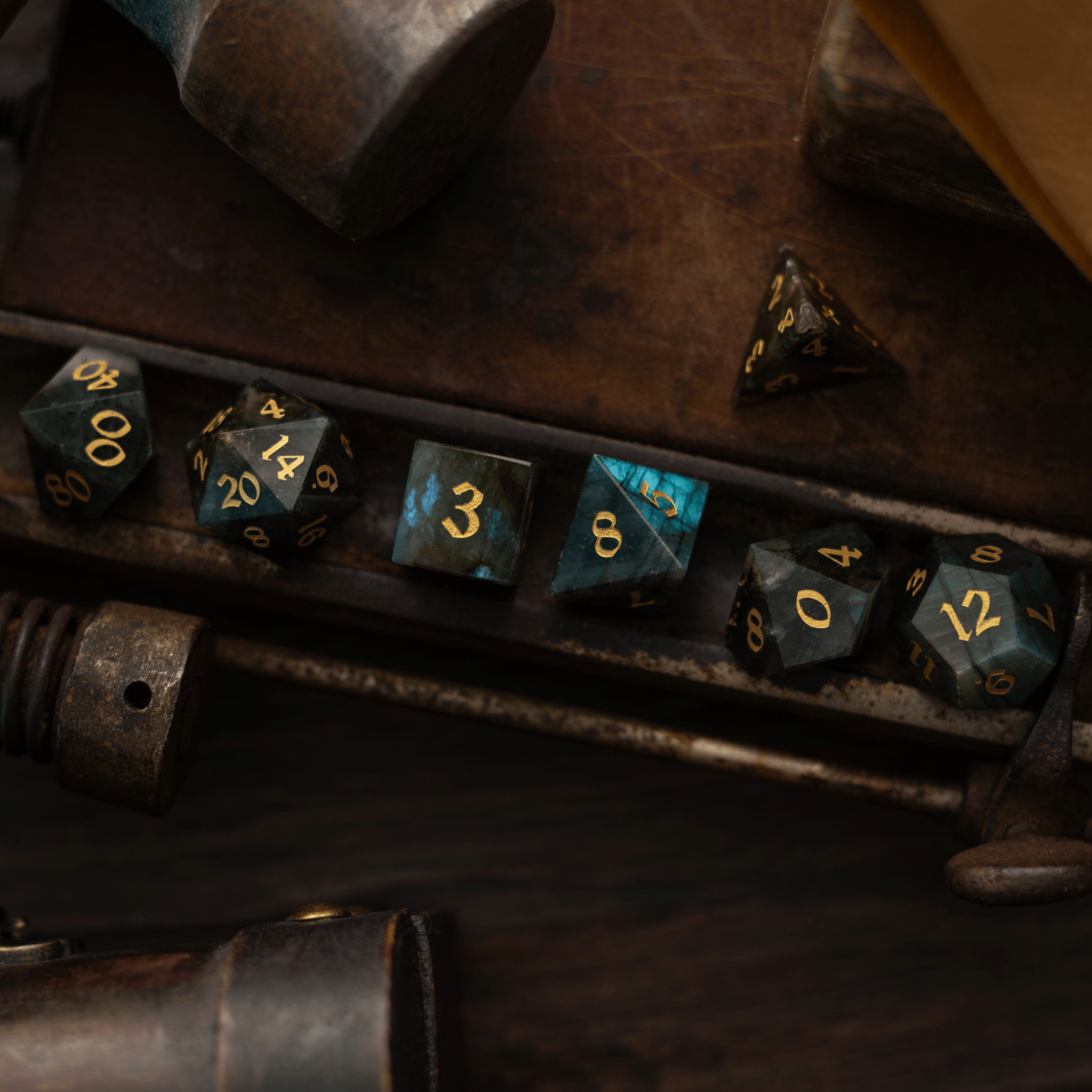
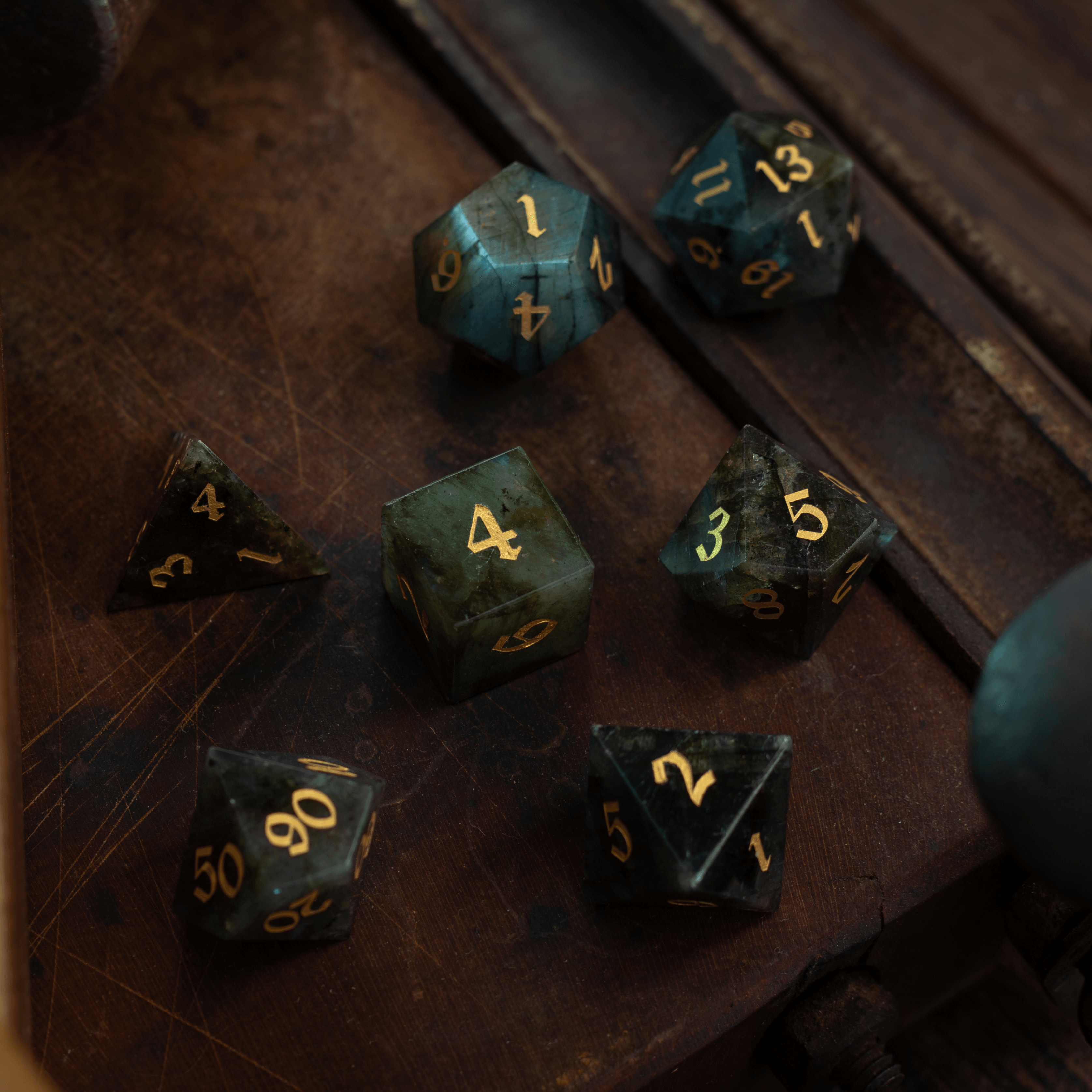
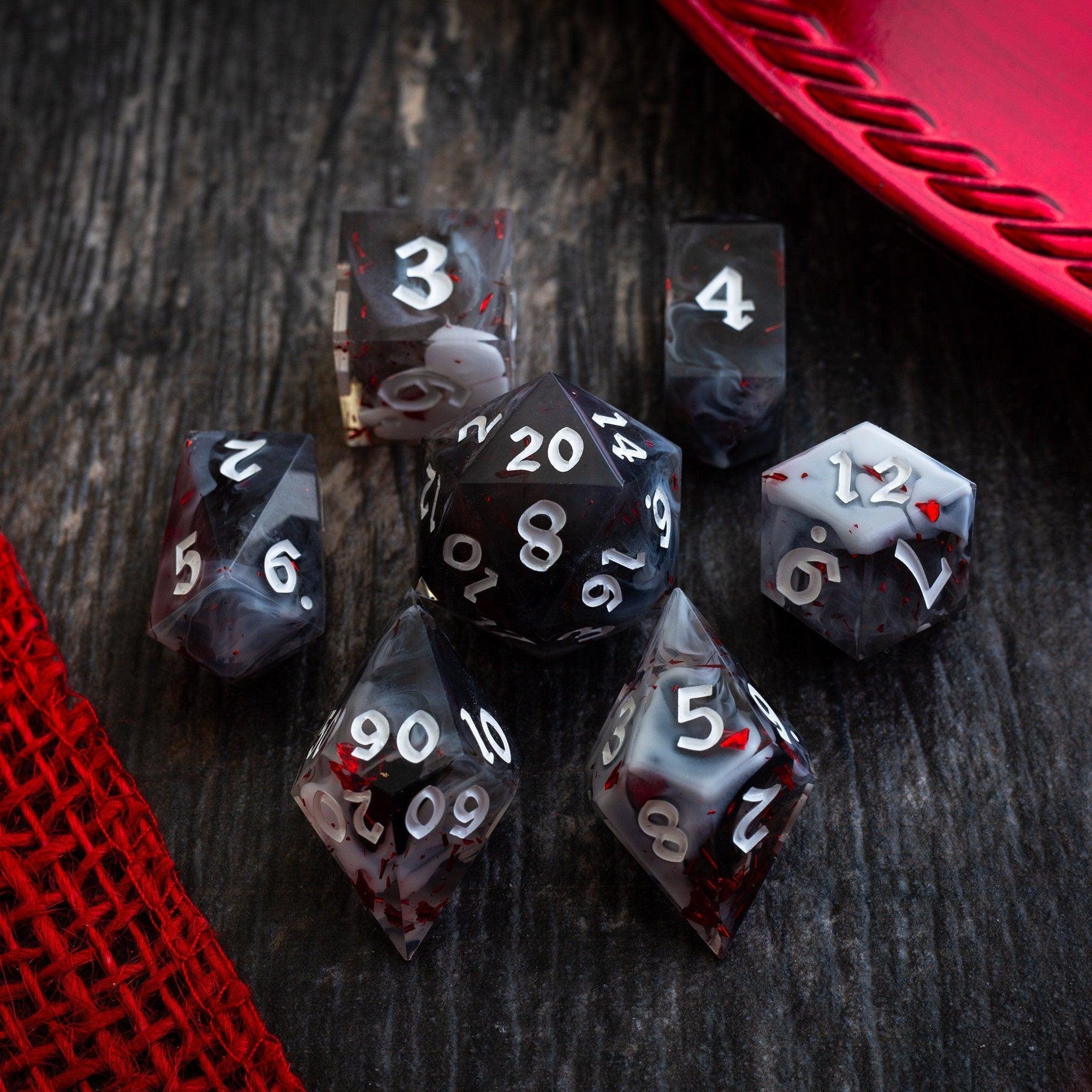
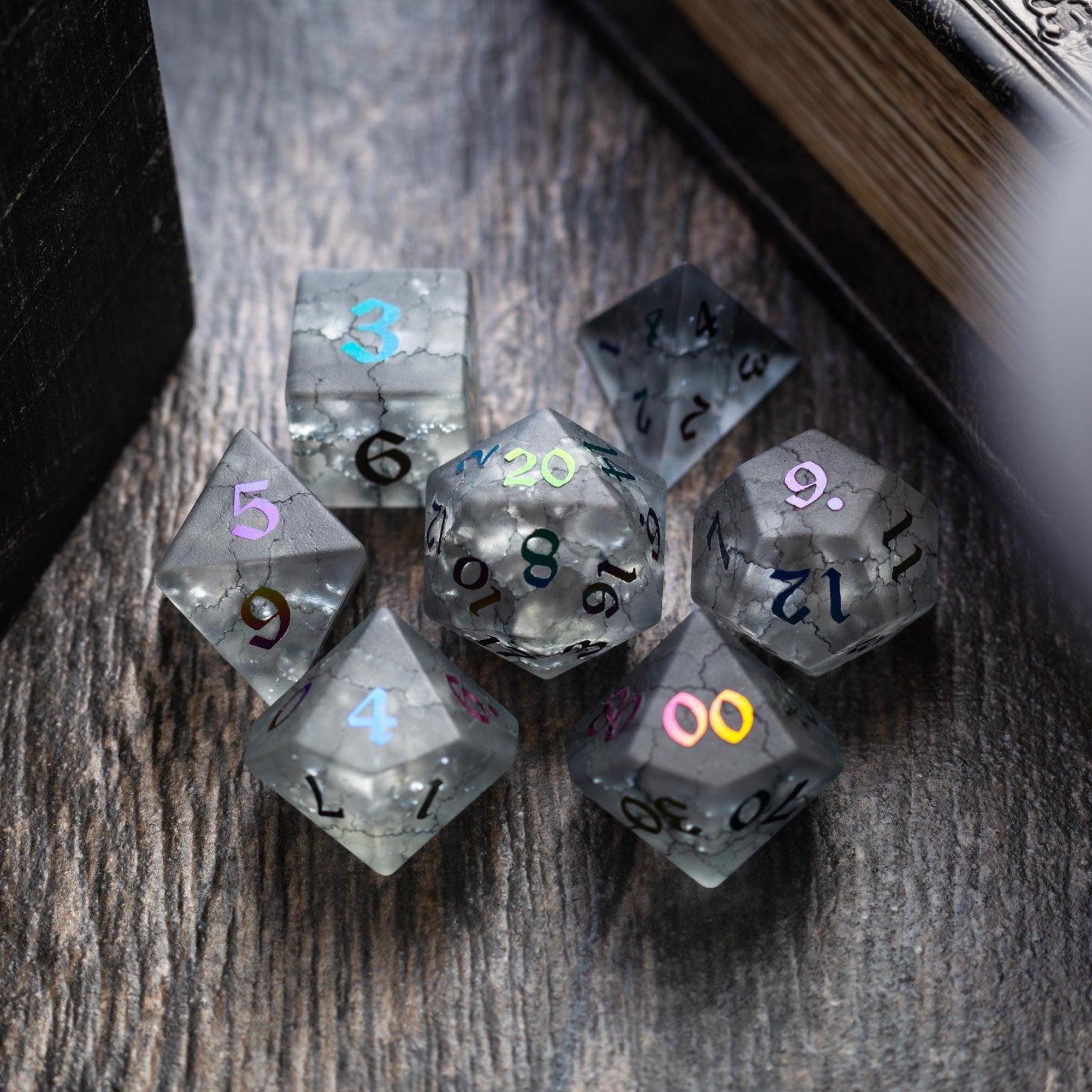
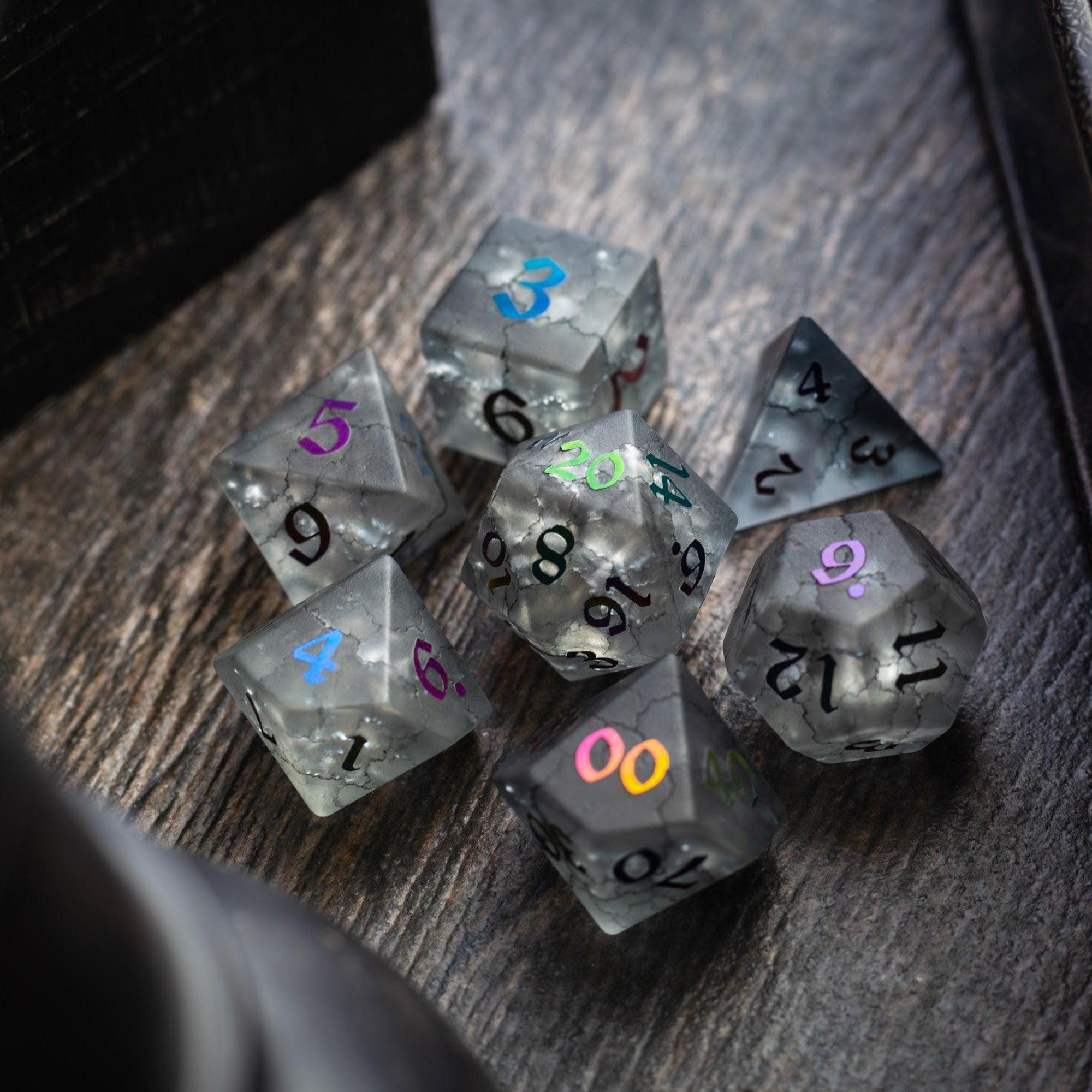
You will need a few key items to begin playing. A rulebook for your chosen system provides the foundational rules and mechanics. Character sheets offer spaces to record your character's abilities, skills, and inventory. Polyhedral dice sets, essential for resolving uncertain actions, come in various styles and materials. Many players enjoy collecting quality dice as part of the hobby. Consider investing in a comprehensive dice collection that includes the standard seven-piece set: d4, d6, d8, d10, d12, d20, and percentile die.
Step 3: Learn the Basic Rules
Familiarize yourself with fundamental mechanics before your first session. Understanding how dice rolls determine outcomes, how skills modify results, and how combat functions will significantly enhance your enjoyment. Most modern games are designed to be learnable through play, so do not feel pressured to memorize every rule before starting. The Game Master and experienced players can guide newcomers through mechanical questions as they arise during gameplay.
Step 4: Find or Create a Gaming Group
Tabletop role-playing games require a community. Consider reaching out to local gaming stores, online communities, or friends interested in exploring this hobby together. Many establishments host game nights where newcomers are welcome. Alternatively, online platforms enable you to join campaigns with people worldwide, offering flexibility for those with scheduling constraints or limited local options.
Creating Your First Character
Character creation represents one of the most exciting aspects of beginning your adventure. Your character serves as your avatar within the game world, and developing this persona involves both mechanical decisions and creative imagination. Most systems guide you through a step-by-step process that feels manageable for newcomers.
Begin by conceptualizing your character's basic concept. Consider their background, personality, motivations, and role within the group. Are you envisioning a cunning rogue, a wise cleric, a mighty warrior, or a mysterious wizard? Your concept provides direction as you make mechanical choices. Next, follow your game system's character creation process, which typically involves selecting a race, class, and abilities. These mechanical elements define what your character can do within the game world.
Assign ability scores, which represent your character's core attributes like strength, intelligence, and charisma. Choose skills and special abilities that reflect your character's background and intended playstyle. Finally, develop your character's personality through backstory elements, quirks, and goals. This creative layer transforms your character from a collection of statistics into a living, breathing personality that others will enjoy interacting with during gameplay.

Learning Game Mechanics and Rules
Understanding core mechanics helps you make effective decisions during play. Most tabletop role-playing systems use d20 rolls as their foundation, meaning you roll a twenty-sided die and add relevant modifiers to determine success or failure. When your character attempts something with uncertain outcomes, you roll and compare the result against a difficulty target set by the Game Master. Higher rolls indicate greater success, while lower rolls might result in creative failures that advance the story in unexpected directions.
Combat mechanics deserve special attention, as many campaigns include tactical battles. Combat typically occurs in rounds, with each player taking turns to act. Your character might attack enemies, cast spells, move across the battlefield, or use special abilities. Understanding the order of actions, how to calculate attack bonuses, and what your character's abilities do prevents confusion during exciting combat moments. Do not hesitate to ask questions or request clarification when mechanics prove unclear.
Beyond combat, systems include mechanics for social interaction, exploration, problem-solving, and countless other activities. The beauty of tabletop role-playing lies in how rules provide structure while still encouraging creative solutions. The Game Master ultimately arbitrates situations that fall outside standard rules, ensuring the story flows naturally while maintaining fairness and balance.
Finding Your Gaming Group
The community you play with profoundly influences your experience. Seek out groups that share similar interests, gaming styles, and schedules. Local game shops frequently host public gaming sessions where newcomers are explicitly welcomed. These venues provide opportunities to meet experienced players who enjoy introducing others to the hobby. Online communities on forums and social media platforms also connect players across distances, enabling flexible scheduling and access to groups you might not find locally.
When joining a group, communicate openly about your experience level and expectations. Experienced players generally appreciate the enthusiasm of newcomers and willingly help you learn. Establish regular meeting schedules that work for everyone, as consistency builds momentum and investment in ongoing narratives. The relationships you develop with fellow players often become as rewarding as the actual gameplay experience.
Consider the Game Master's style when evaluating potential groups. Some GMs emphasize tactical combat, while others focus on narrative and character development. Some campaigns involve significant player interaction and politics, while others concentrate on exploration and mystery-solving. Finding alignment between your preferences and your GM's approach ensures greater enjoyment for everyone involved. Quality gaming experiences depend heavily on good communication and mutual respect among all participants.
Frequently Asked Questions
What if I have never rolled dice for a game before?
No prior experience is necessary. Dice rolling in tabletop role-playing games is straightforward once you understand your game system's mechanics. You will quickly become comfortable with how to roll, interpret results, and apply modifiers. Quality polyhedral dice sets make the rolling experience enjoyable and add aesthetic pleasure to your sessions. Most new players find that their dice skills develop naturally through regular play.
How long do typical gaming sessions last?
Session length varies depending on your group's preferences and availability. Many casual groups meet for two to three hours weekly or biweekly, while some dedicated players commit to longer weekend sessions. Online games offer scheduling flexibility, allowing players in different time zones to participate. Discuss expectations with your group and establish session length that suits everyone's lifestyle and commitments.
Can I play if I am shy or anxious about group activities?
Absolutely. Tabletop role-playing games accommodate various personality types and communication styles. Your character serves as a form of indirect self-expression, allowing you to participate at a comfortable pace. Many shy individuals find that roleplaying actually helps them develop confidence in social situations. Choose groups with supportive, understanding players who respect everyone's comfort levels and participation styles. Remember that enjoying yourself matters far more than performing for others.
What makes quality dice important for tabletop gaming?
While any dice technically function for gameplay, quality dice enhance your experience significantly. Well-balanced polyhedral sets ensure fair outcomes, while beautiful designs add to the atmosphere and enjoyment of sessions. Handmade resin dice with intricate details create memorable moments when important rolls occur. Many players develop personal connections with their dice collections, making them meaningful components of their hobby investment.
How do I handle disagreements about rules during gameplay?
The Game Master has final authority on rule interpretations during sessions, though most GMs consult rulebooks when uncertain about specific mechanics. Create a collaborative atmosphere where players feel comfortable asking questions about rules without interrupting the narrative flow excessively. After sessions, groups can discuss rule questions more thoroughly and adjust interpretations for future sessions. This balance maintains both fun and fairness throughout your gaming experience.
Beginning your journey with tabletop role-playing games opens doors to creative expression, meaningful friendships, and unforgettable adventures. Start with a game system that excites you, gather your materials including a quality dice collection from Runic Dice, find your gaming community, and most importantly, give yourself permission to learn and enjoy the experience without pressure or perfectionism. Every experienced player began exactly where you are now, and the inclusive nature of this hobby ensures that newcomers are welcomed and supported. Your unique perspective and creativity will enrich every table you join, making you a valuable member of any gaming group from your very first session.











Leave a comment
This site is protected by hCaptcha and the hCaptcha Privacy Policy and Terms of Service apply.