
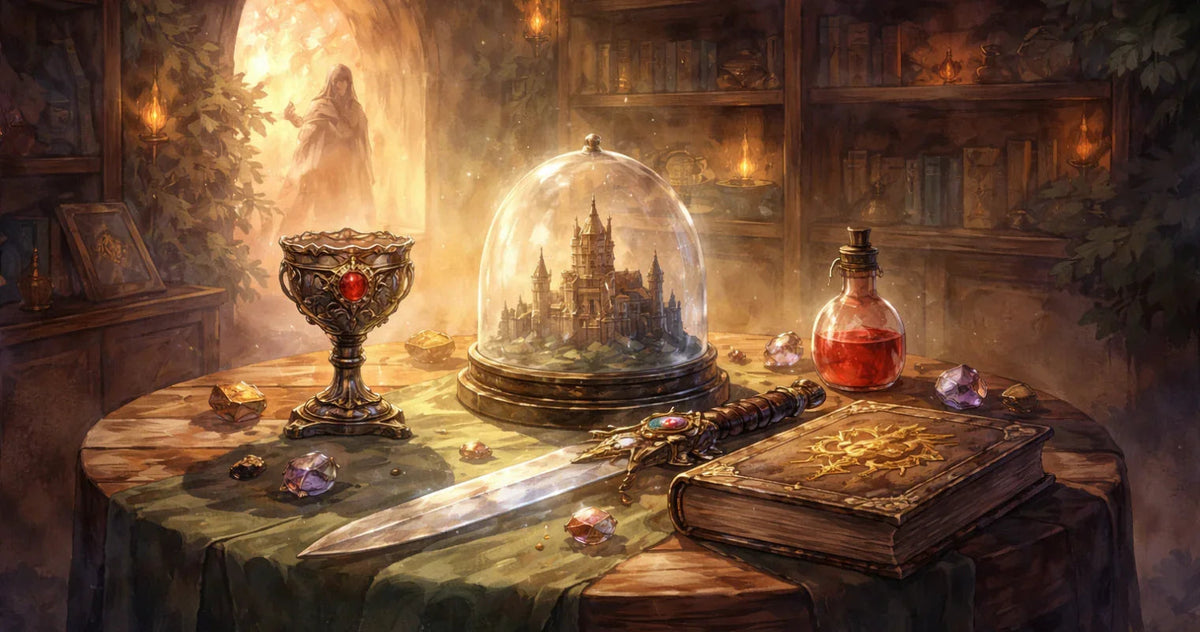
Dungeons and Dragons Collectibles: What to Collect, Display, and Use
Collecting has always fit naturally into Dungeons & Dragons. For some players, it starts with one favorite set of DND dice. For others, it begins with a rulebook full of notes, a painted miniature, a campaign journal, or a piece of fantasy art that brings back a memorable session.
Dungeons and Dragons collectibles can be practical, decorative, sentimental, or all three at once. A good collection does not need to be large or expensive. The most meaningful RPG collectibles are often the ones connected to a character, campaign, group, or moment at the table.
Whether you are a player, Dungeon Master, gift buyer, or longtime fantasy fan, this guide explains what counts as a D&D collectible, which items are popular, how to care for them, and what to consider before spending money on rare or limited pieces.
What Counts as a D&D Collectible?
A D&D collectible is any item connected to the game, tabletop roleplaying, fantasy storytelling, or a player's campaign memories. Some pieces are official Dungeons & Dragons merchandise, while others are licensed products, third-party accessories, handmade creations, or personal keepsakes.
Popular DND collectibles include:
- Dice sets
- Core rulebooks, adventures, and campaign settings
- Miniatures and terrain
- Character journals and campaign notebooks
- Fantasy maps, art prints, and posters
- Dice trays, towers, boxes, and vaults
- Pins, patches, apparel, mugs, and display pieces
- Campaign props, handouts, and player-made keepsakes
- Special editions, signed items, and limited releases
The strongest tabletop gaming collectibles usually have a clear reason for being in the collection. Some are useful every week. Others preserve a memory or simply look great on display.
Why D&D Players Love Collecting
D&D takes place mostly in the imagination, but physical objects give those stories something tangible. A miniature can represent a character that survived a long campaign. A worn book can hold years of notes. A set of dice can become tied to a favorite class, character, or gaming group.
Collectors are often drawn to D&D items because of personal expression, nostalgia, craftsmanship, practical use, character inspiration, and connection to the wider tabletop hobby. That is why two collections can look completely different and still feel equally complete.
A barbarian player might prefer heavy metal dice. A spellcaster fan may enjoy colorful resin or gemstone sets. A Dungeon Master may care more about maps, monsters, books, terrain, and tools that support future sessions.
Most Popular D&D Collectibles
Dice Sets
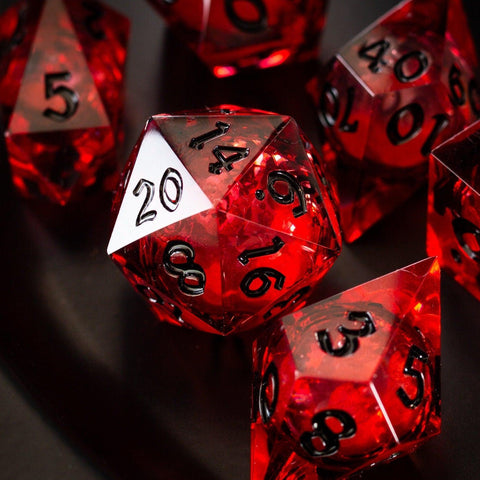
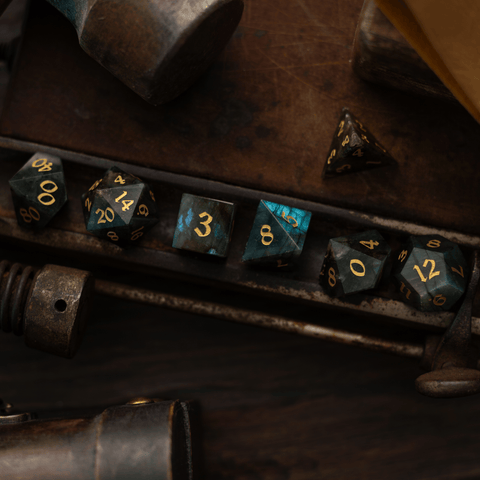
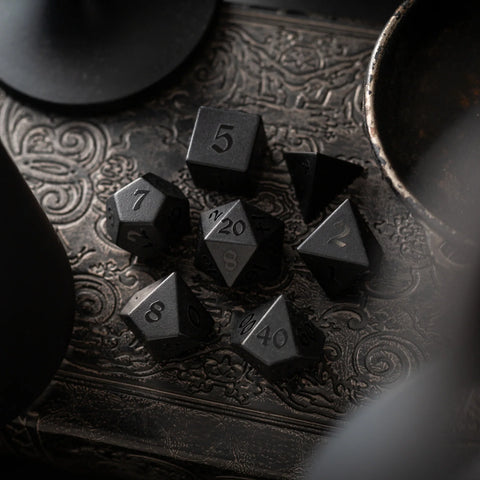
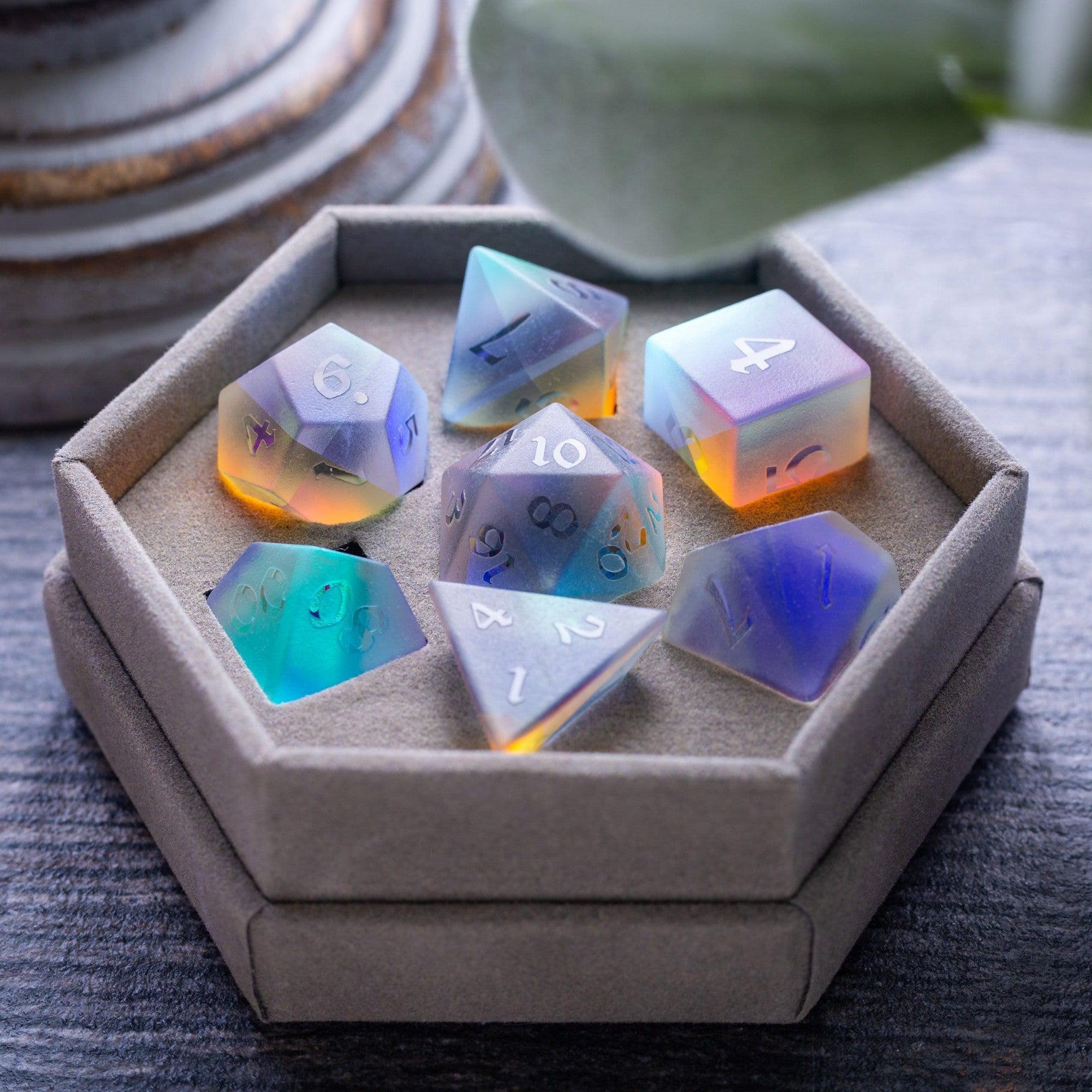
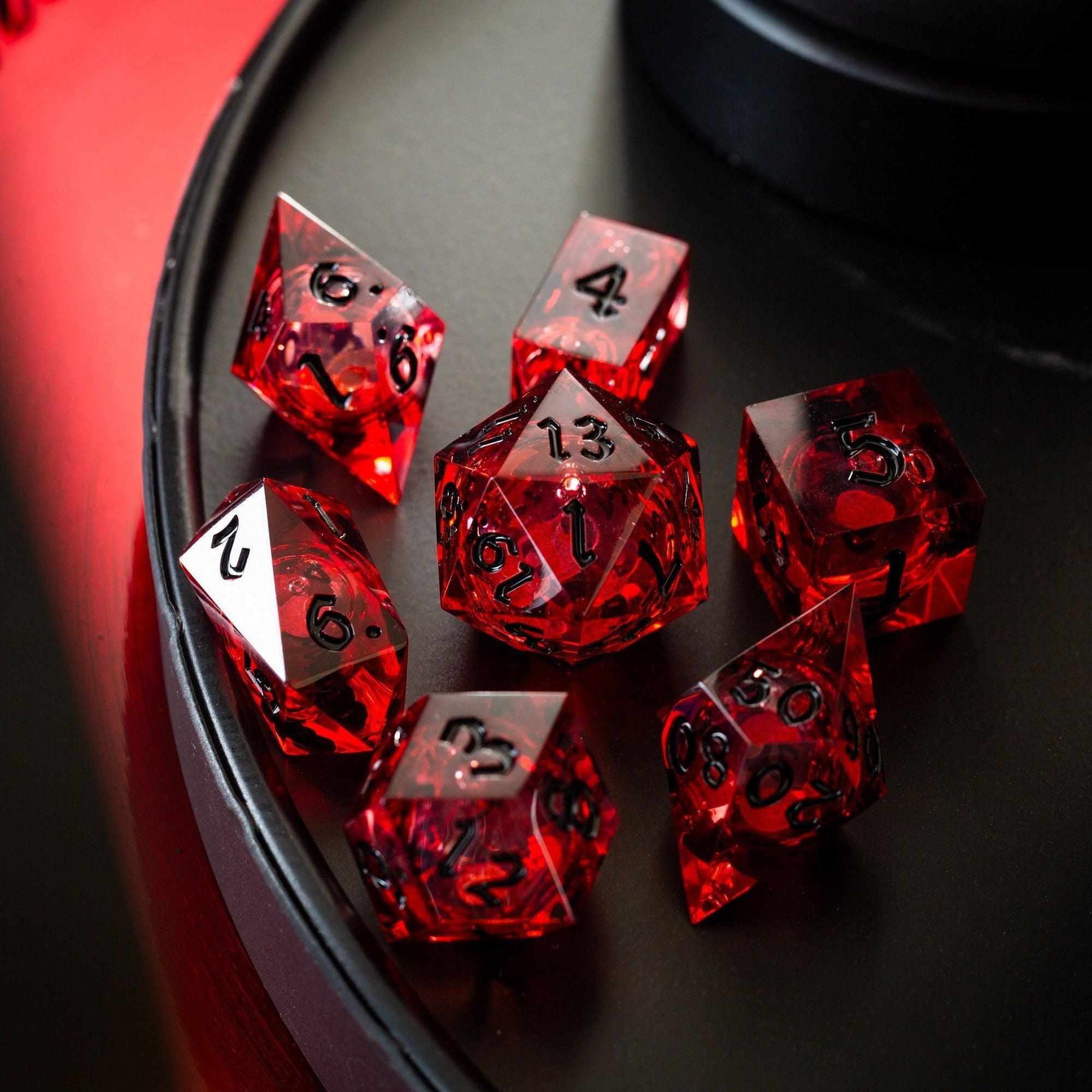
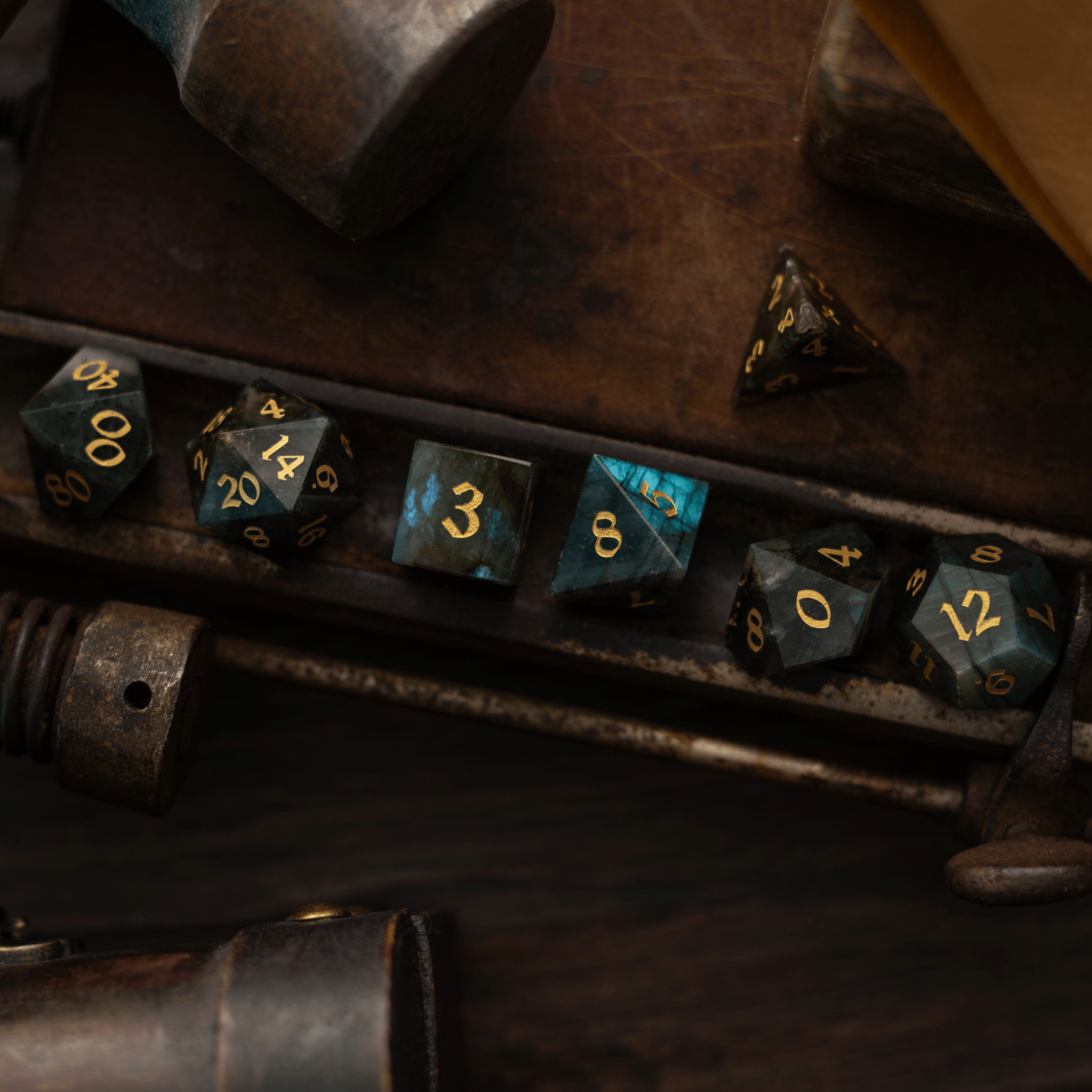
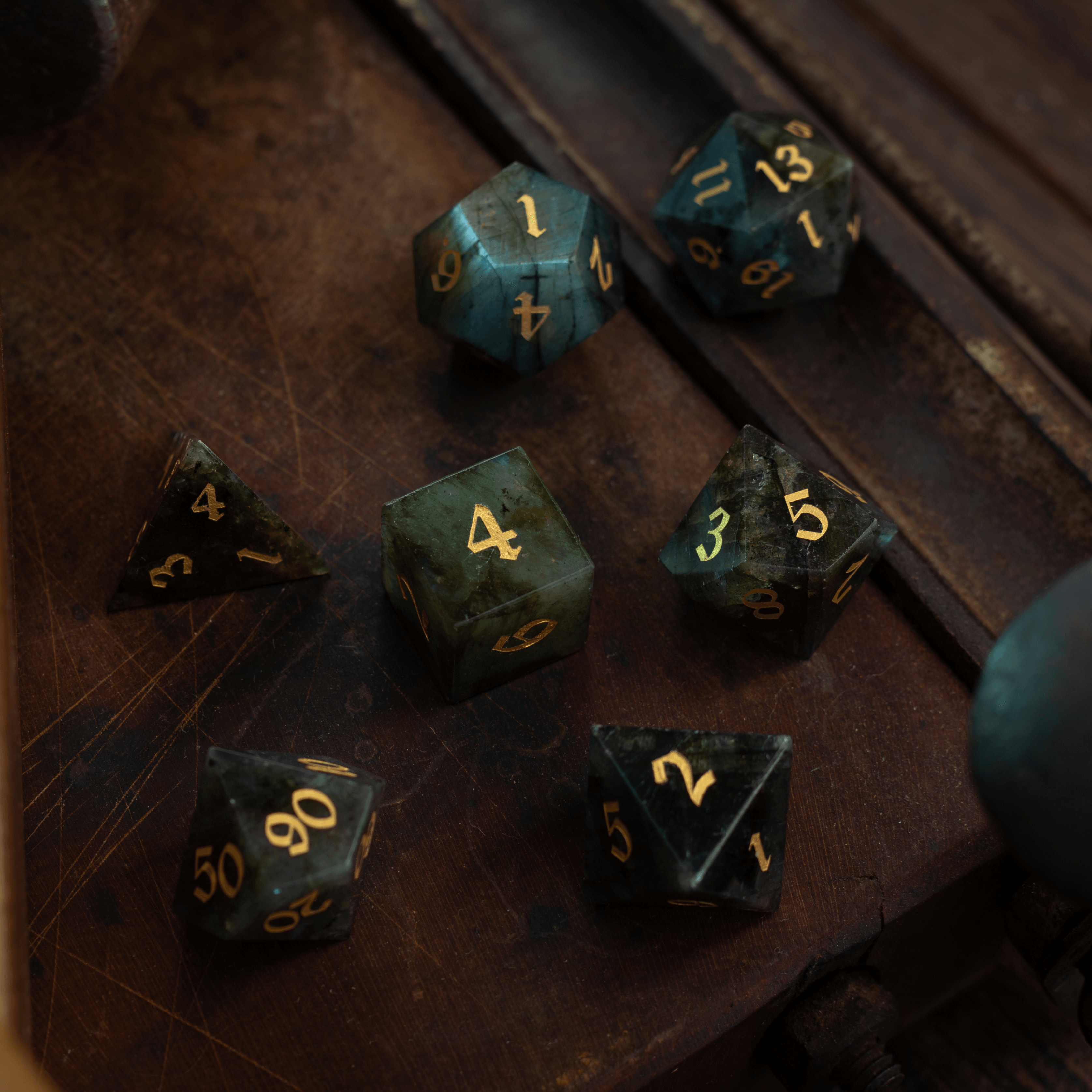
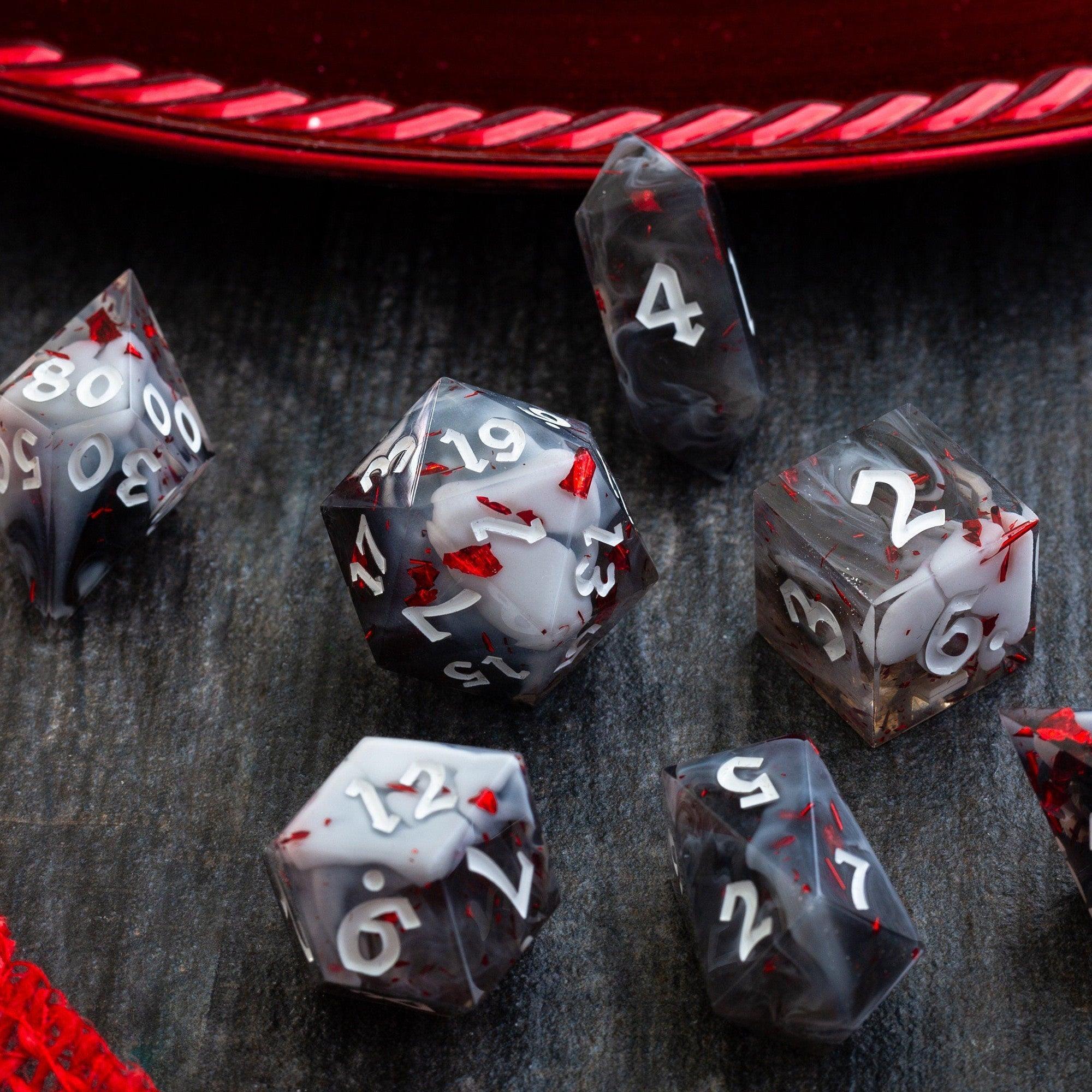
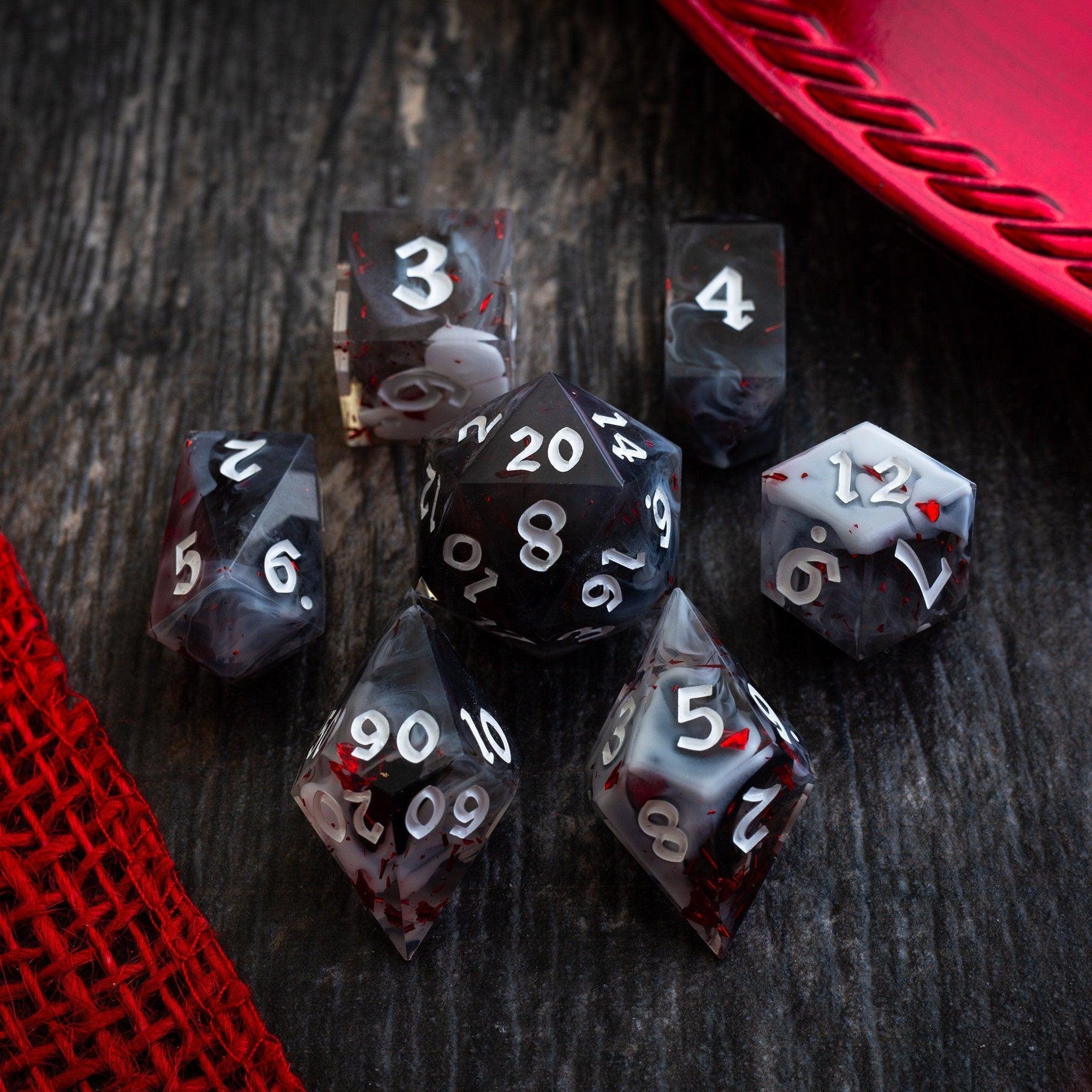
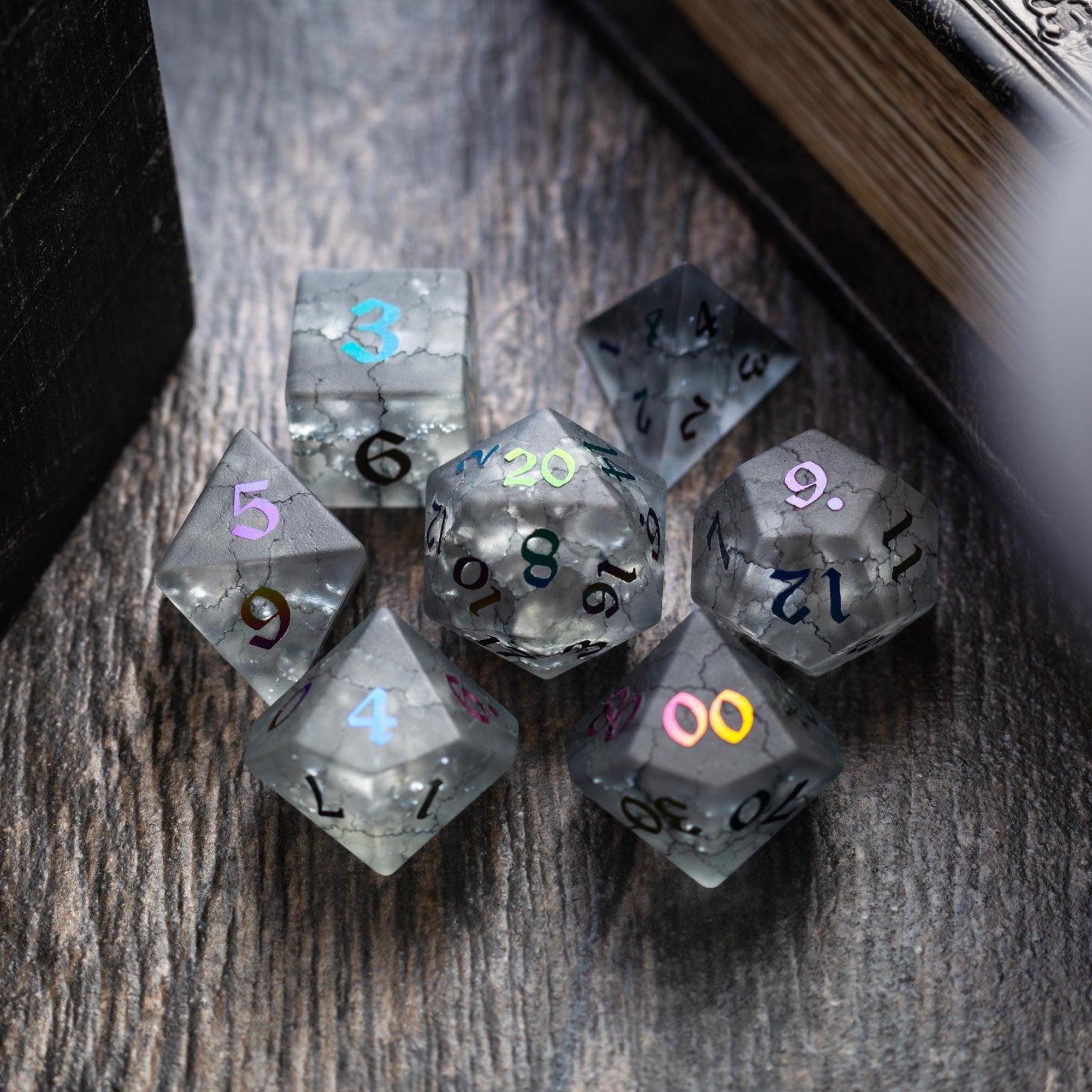
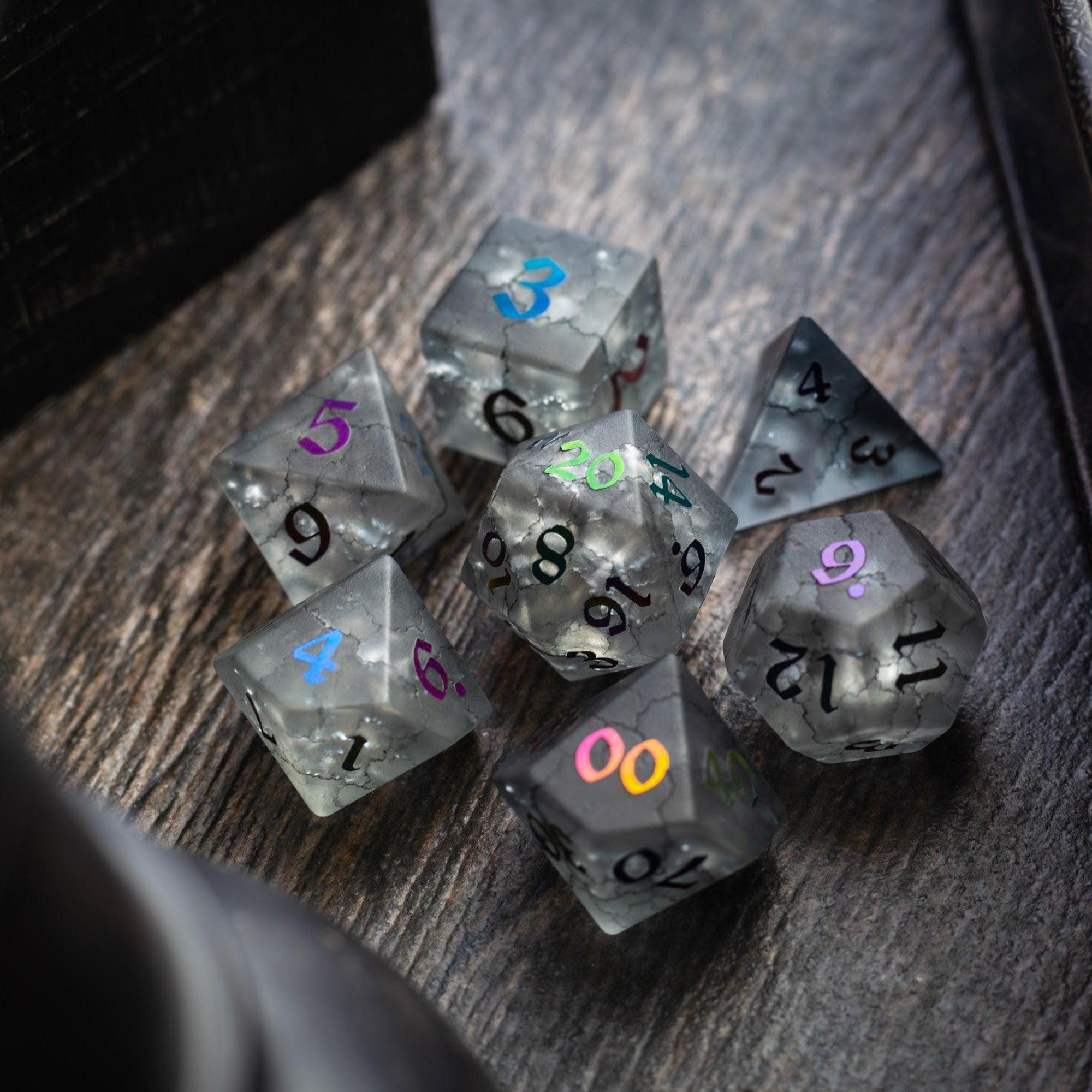
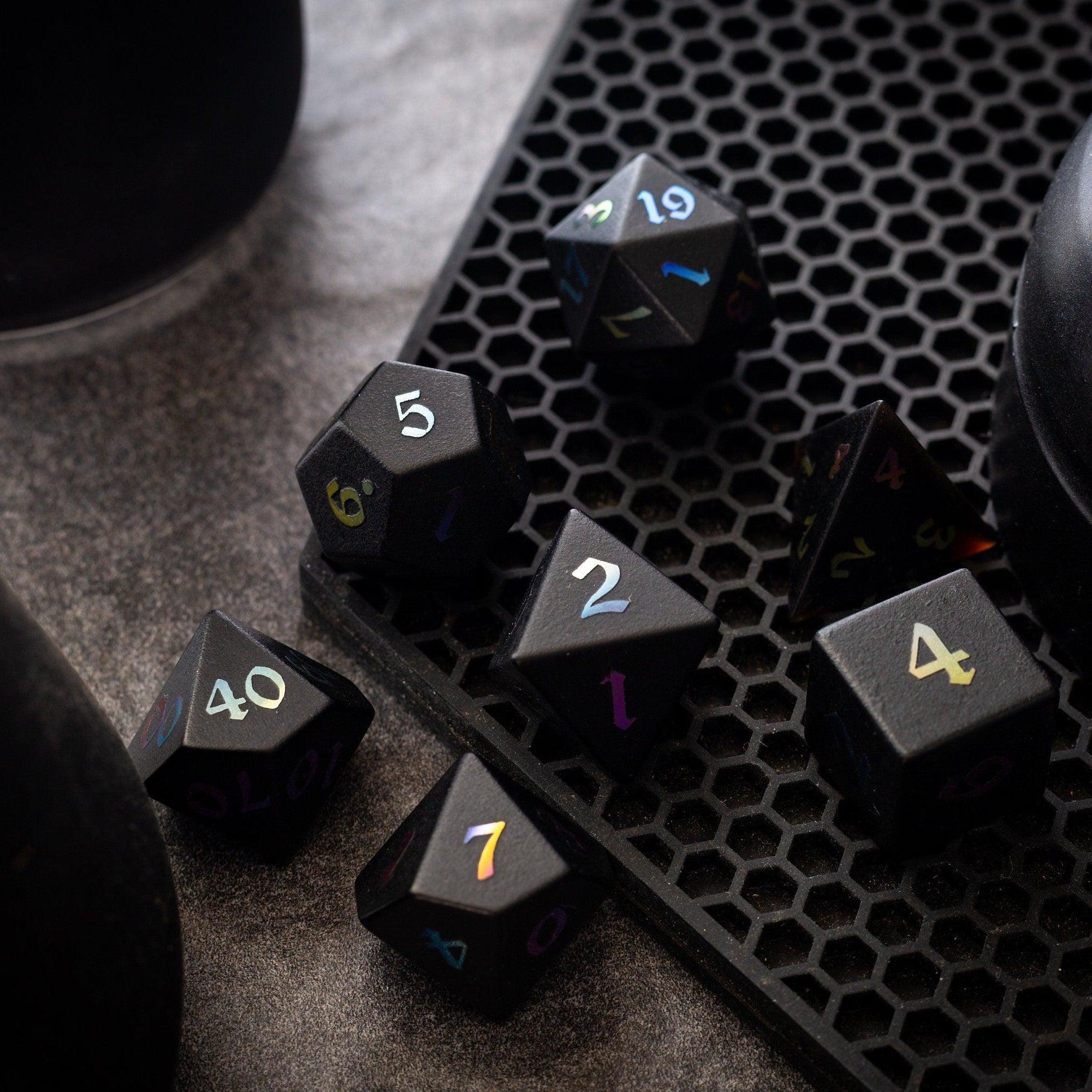
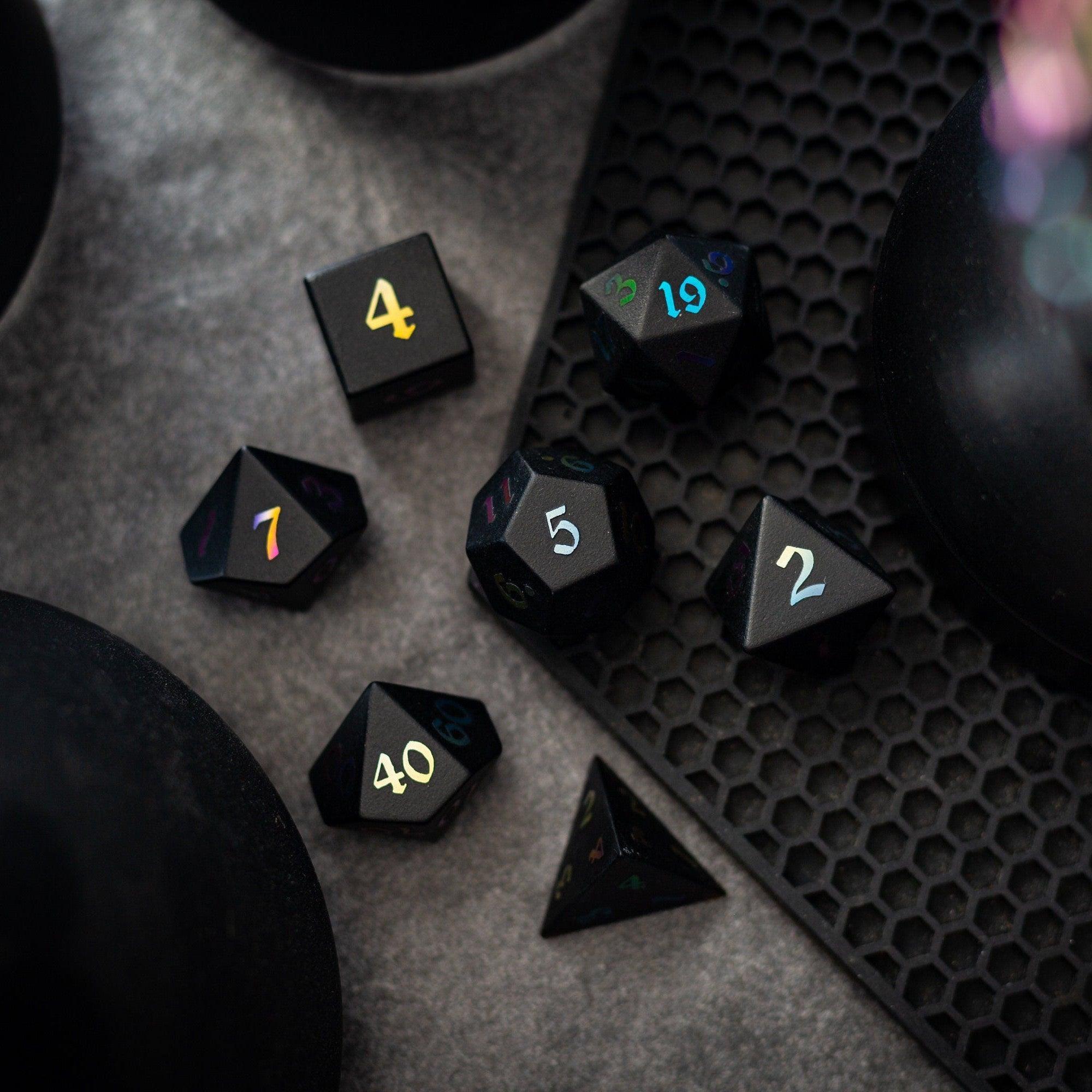
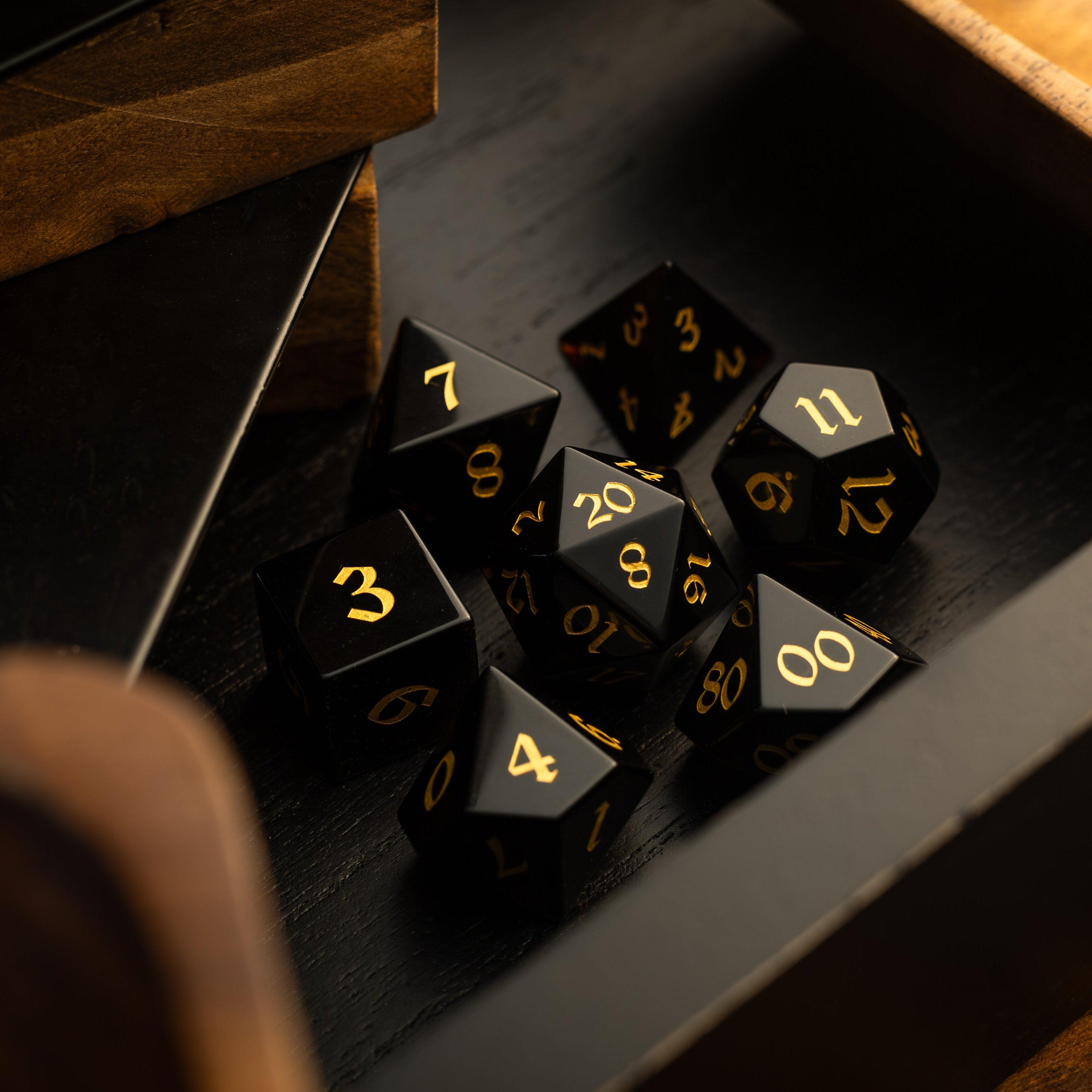
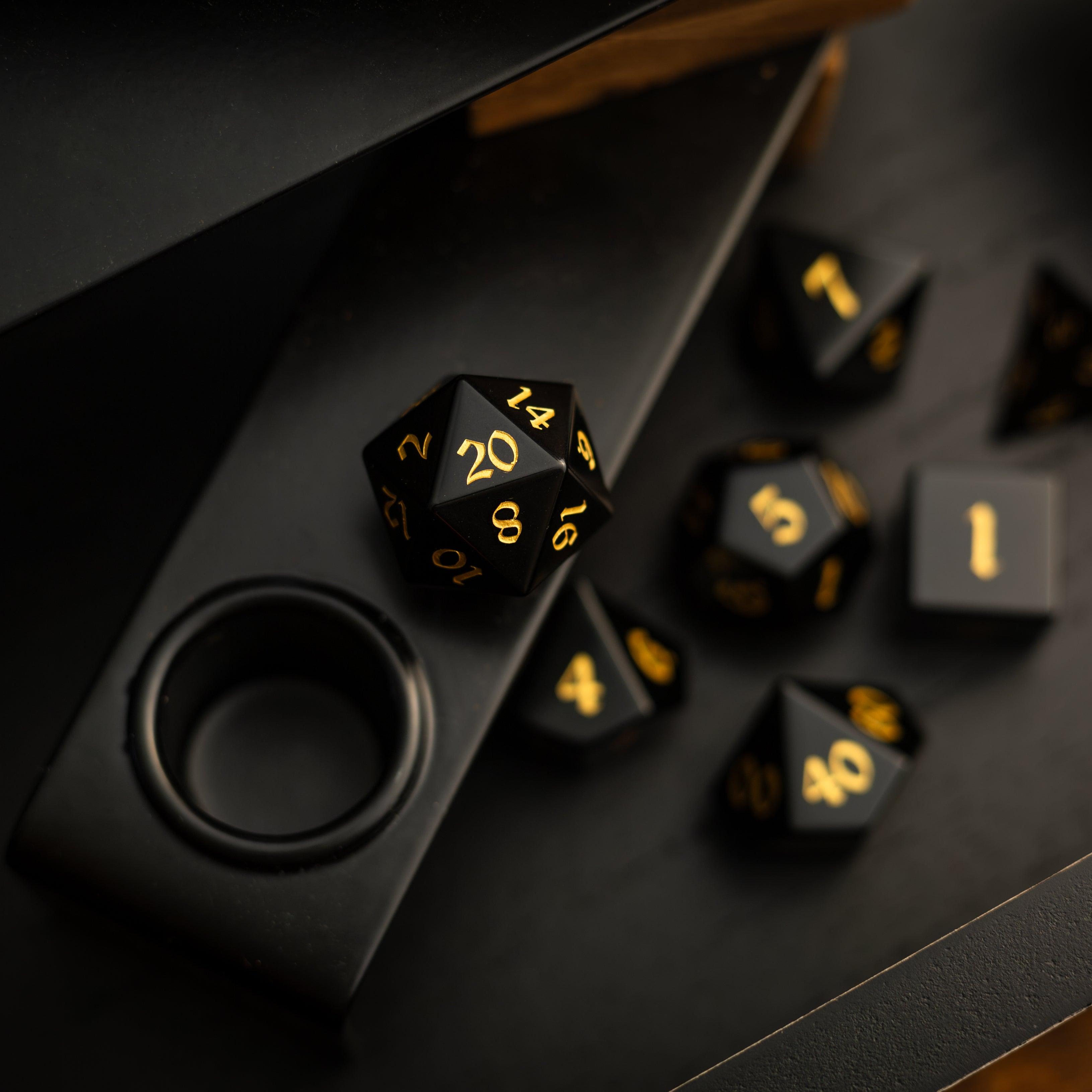
Dice are one of the easiest collectibles to start with because they are compact, useful, and available in many materials and styles. A standard seven-piece polyhedral set covers the familiar d4, d6, d8, d10, percentile die, d12, and d20 used in D&D play. Collectible dice sets can be organized by character, color, material, campaign, or simply by designs you enjoy.
Rulebooks and Campaign Books
Rulebooks, adventures, and setting books can be both working game tools and collectibles. Some people collect a single rules generation, while others keep books from older editions because of the art, history, adventures, or memories attached to them. Before buying an older book for play, check which edition it was written for so you know whether its rules match your current game.
Miniatures and Terrain
Miniatures are popular because they combine painting, display, and tabletop use. Player characters, monsters, bosses, buildings, and terrain pieces can make encounters easier to visualize. Painted figures may also become keepsakes after a campaign ends.
Art, Maps, and Campaign Memorabilia
Fantasy art, world maps, framed character sheets, commission pieces, handwritten notes, and retired campaign props can turn a game room into a record of past adventures. These fantasy collectibles may have little resale value but enormous personal value.
D&D Collectible Comparison Table
| Collectible Type | Best For | Regular Table Use | Care Needed |
|---|---|---|---|
| Gemstone Dice | Natural patterns and display | High | High |
| Metal Dice | Weight and durability | High | Medium |
| Liquid Core Dice | Moving visual effects | High | Medium |
| Rulebooks | Rules, lore, and collecting | High | Low |
| Miniatures | Painting and tactical play | Medium to High | Medium |
| Artwork and Maps | Display and campaign memories | Low to Medium | Low |
| Dice Trays and Towers | Table organization | High | Low |
Building a Collectible Dice Collection
For many players, dice are the gateway to collecting. One set becomes a main character set, a backup set, a DM set, and eventually a few display pieces. The useful part is that different materials really do have different handling and care needs.
Gemstone Dice
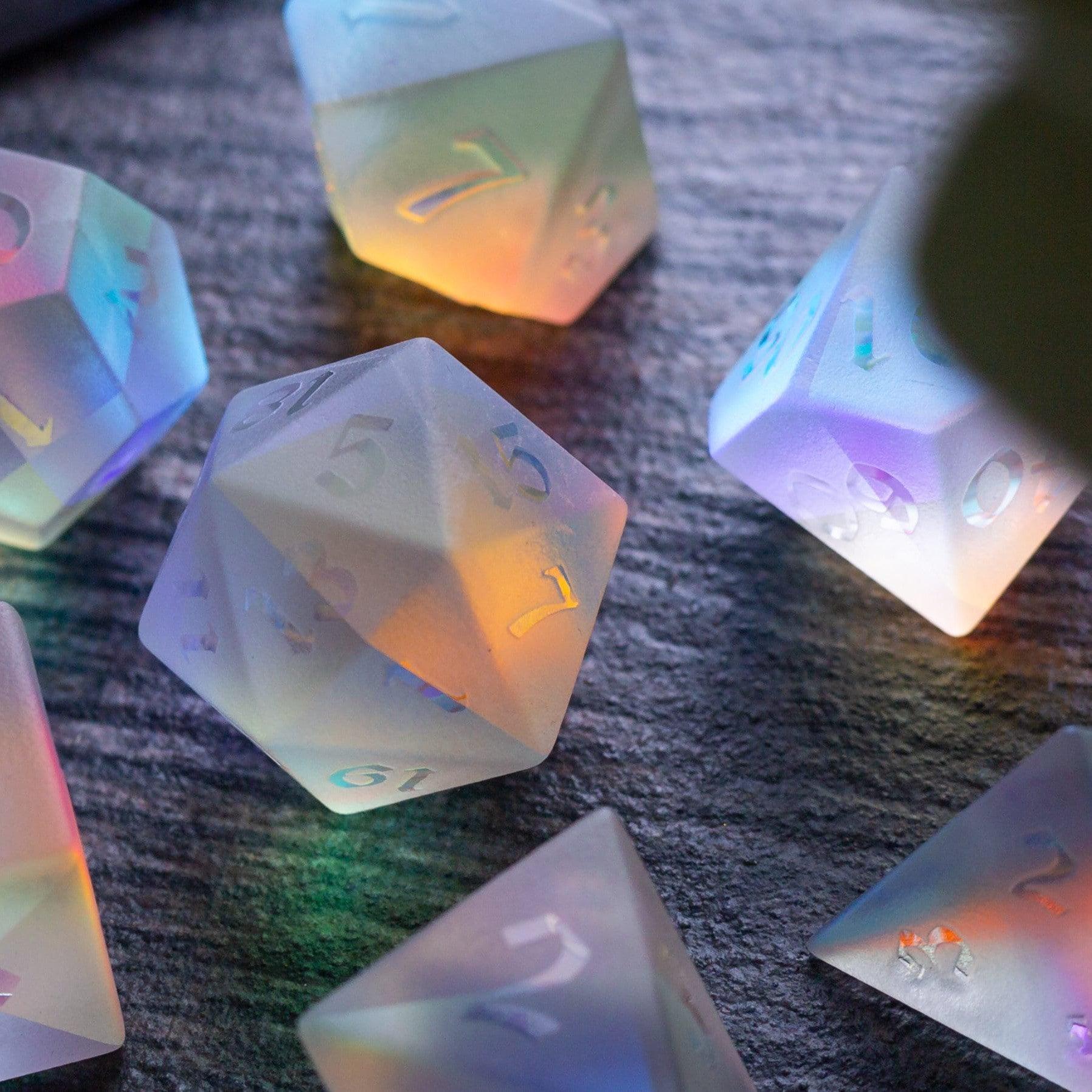
Gemstone dice are cut from natural or manufactured stone materials, depending on the product. Natural stone can show color variation, veins, inclusions, or small differences from piece to piece. Because many stones can chip if they strike hard surfaces or other dense dice, roll them on a padded tray and store them separately.
Metal Dice
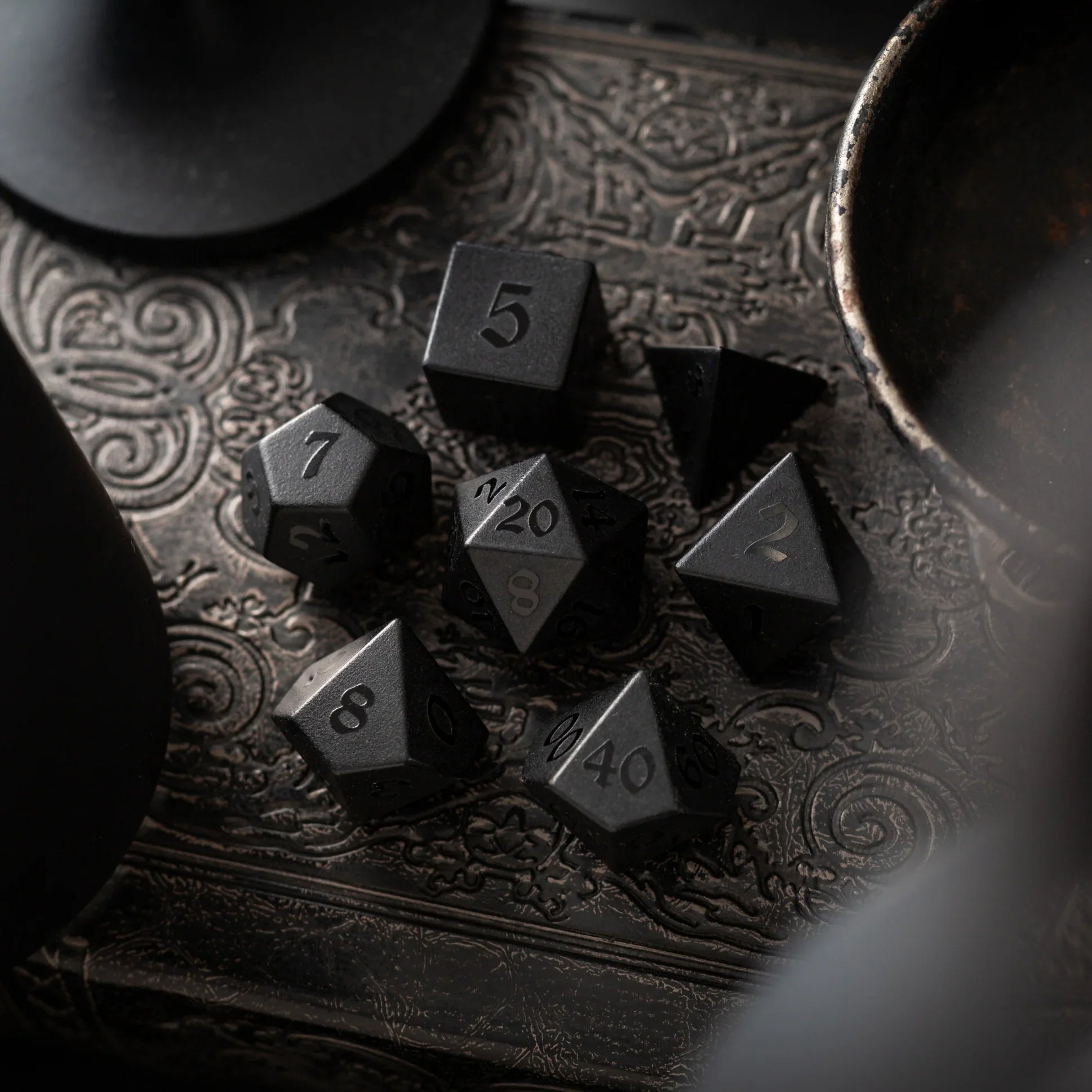
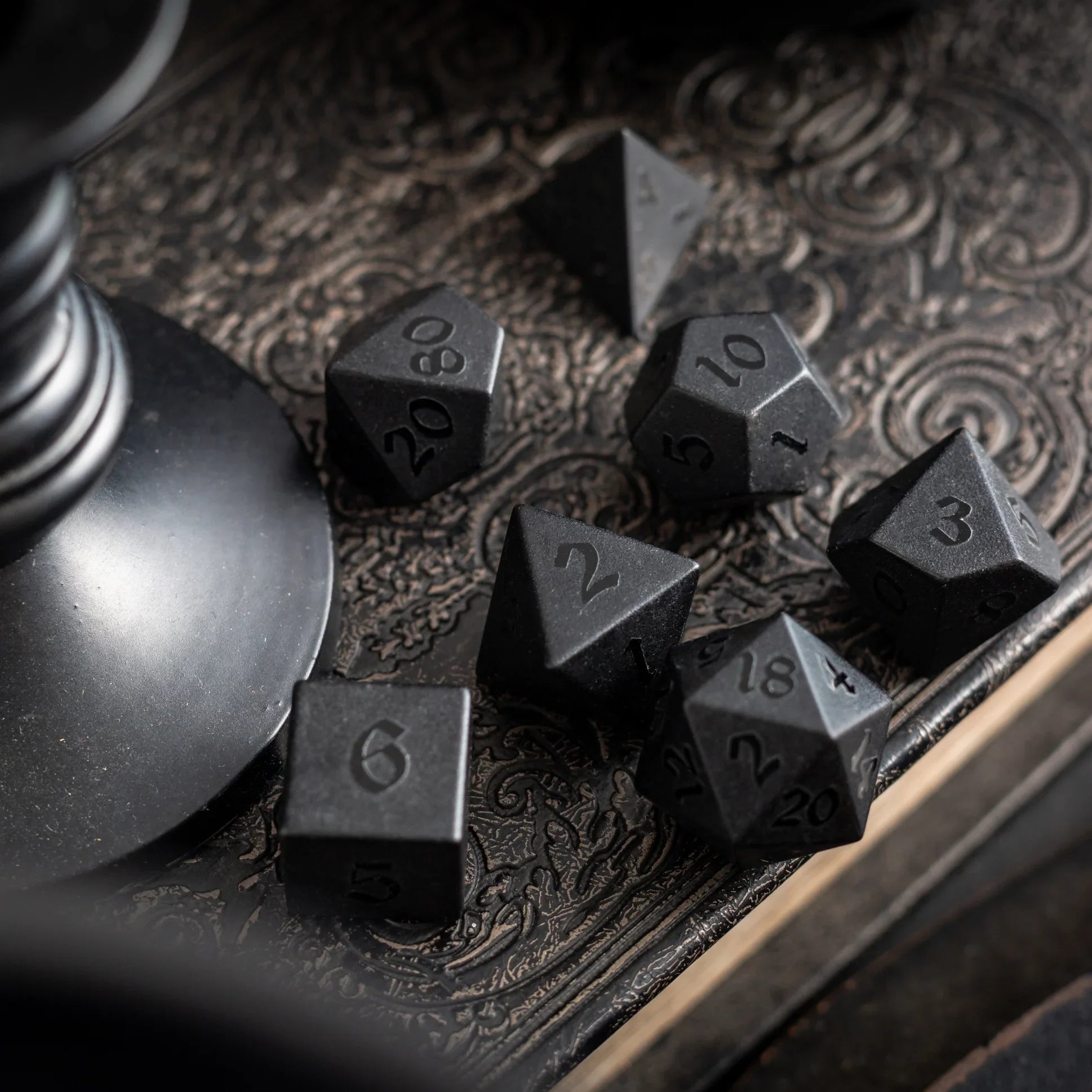
Metal dice are usually much heavier than common resin or acrylic dice. That weight can feel satisfying, but it can also mark wooden tables or damage more fragile dice if everything is stored together. A lined tray and separate storage are sensible choices.
Liquid Core and Resin Dice
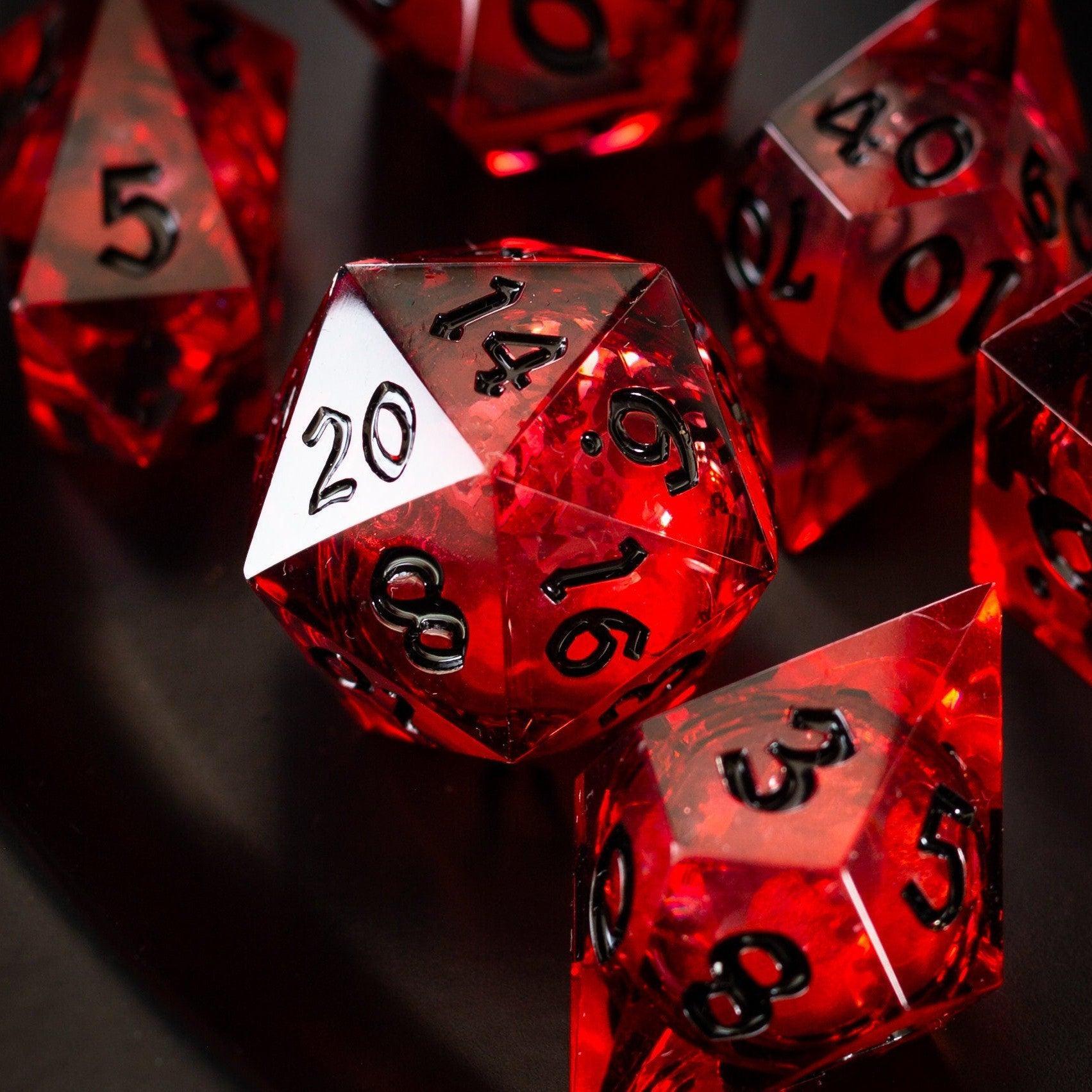
Liquid core dice use an internal chamber to create moving visual effects, while resin dice can feature pigments, glitter, layered colors, inclusions, and sharp-edge designs. Check each set for clear numbering and inspect it occasionally for cracks or damage, especially if it is frequently transported.
Rare DND Items and Limited Collectibles: What to Check Before Buying
Words such as “rare,” “limited,” and “collectible” can make an item sound more valuable than it really is. Before paying a premium, verify exactly what you are buying. Look for the manufacturer or creator, edition or release details, condition, original packaging if relevant, and evidence that a claimed signature or limited run is genuine.
Official branding also deserves a closer look. Not every fantasy product is official Dungeons & Dragons merchandise, and not every handmade accessory needs to be official to be worth collecting. The important thing is knowing whether you are buying an officially produced or licensed item, a third-party accessory, or a fan-made piece so you can judge it on the right terms.
If resale value matters to you, avoid assuming that scarcity guarantees future profit. Collectible markets change. Buy pieces you would still enjoy owning even if their resale price never rises.
How to Organize and Protect Your Collection
A little organization prevents damage and makes a collection easier to enjoy. Keep fragile dice separated from heavy metal sets, store books away from moisture and strong direct sunlight, and use protective cases for painted miniatures that may rub against one another during transport.
- Store gemstone dice in individual compartments or soft-lined boxes.
- Use a tray when rolling heavy metal or fragile stone dice.
- Keep frequently used books and accessories within easy reach.
- Separate painted miniatures from loose terrain during transport.
- Label campaign props and journals if you run several games.
- Rotate display pieces instead of crowding every item onto one shelf.
If you collect many dice sets, grouping them by material, color, character, or campaign can make choosing a set before a session much easier.
How to Start a D&D Collection Without Overspending
Start with one category you already care about. If you play every week, useful items such as dice, trays, books, or miniatures may make more sense than display-only pieces. If you mainly collect for nostalgia, campaign journals, old character sheets, maps, and retired miniatures may matter more.
- Choose one collecting theme.
- Set a realistic budget before shopping.
- Prioritize pieces you will use or genuinely enjoy.
- Check materials, dimensions, condition, and edition details.
- Protect fragile items from the beginning.
- Add slowly instead of buying everything at once.
For new collectors, premium dice sets are a practical starting point because they can be displayed, stored easily, and used during play. Books and miniatures are equally strong choices when they connect more closely to the way you enjoy D&D.
Build a Collection That Tells Your Table's Story
Dungeons and Dragons collectibles are most rewarding when they reflect the hobby you actually enjoy. Your shelves might hold old books, painted monsters, character journals, fantasy maps, special dice sets, or a strange prop your group still jokes about years later.
There is no required checklist. Collect slowly, protect what is fragile, verify claims when an item is sold as rare or limited, and keep the pieces that still make you want to sit down and play. That is what turns tabletop gaming collectibles from simple objects into reminders of the stories your group created together.

Leave a comment
This site is protected by hCaptcha and the hCaptcha Privacy Policy and Terms of Service apply.