
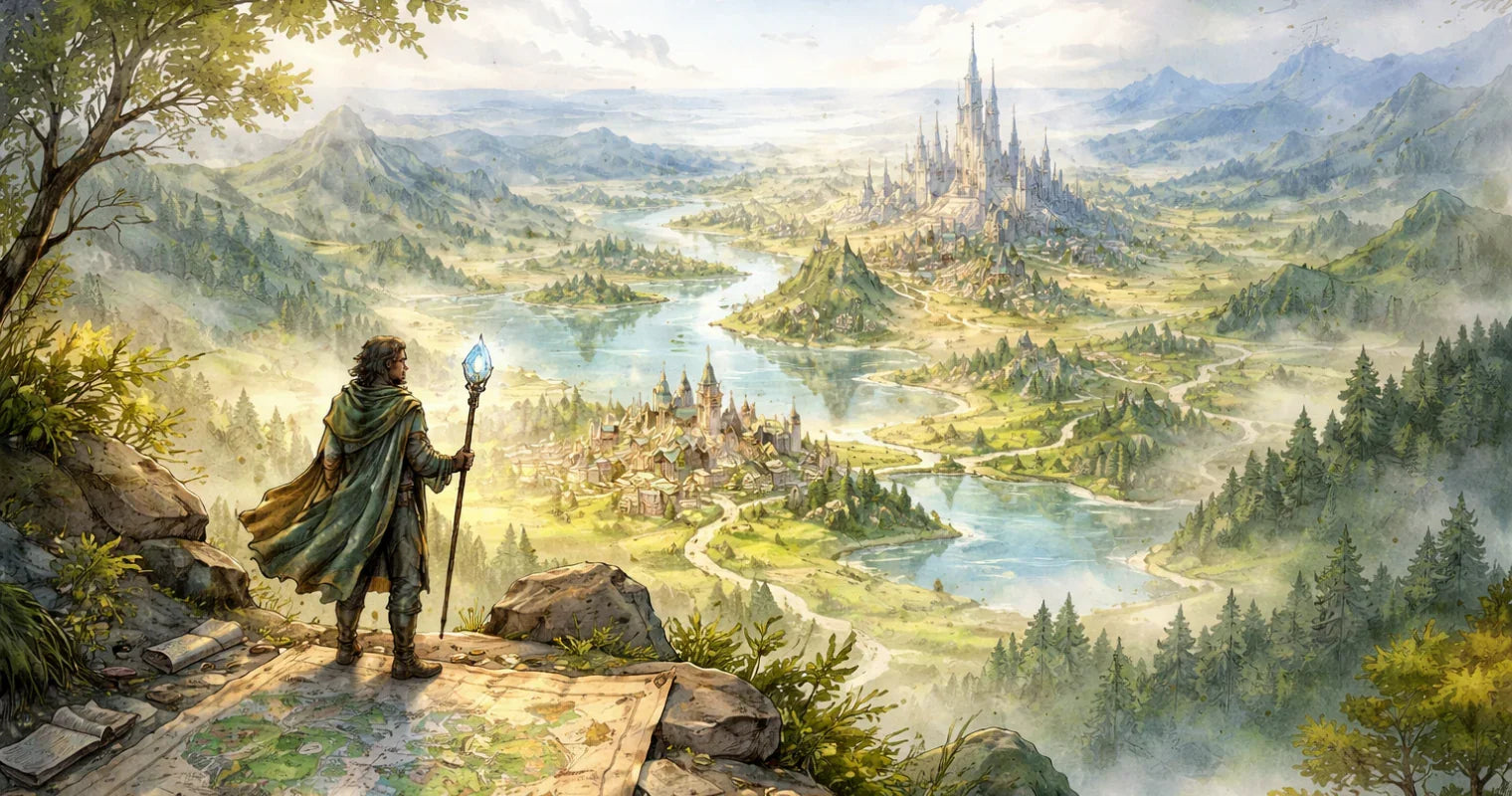
Dungeons and Dragons Worldbuilding Techniques for Campaigns
Creating Believable Geography and Landscapes

When you're building the physical foundation of your world, think about how geography influences everything else—travel times, trade routes, cultural boundaries, and military strategy. Your players will naturally ask "How do we get there?" and "What's between here and there?" so having thoughtful answers makes all the difference.
Start by sketching out your continents, mountain ranges, rivers, and coastlines. You don't need to be an artist; simple shapes work perfectly fine. Consider climate zones based on latitude, and remember that mountains block weather patterns. A desert on one side of a mountain range makes sense; rainfall on both sides doesn't. These realistic details might seem minor, but they're the bones of your world.
Think about how terrain affects your stories. Forests create natural barriers and mystery. Swamps are perfect for creepy encounters. Mountains isolate communities and breed unique cultures. Coastlines generate trade and piracy opportunities. Your landscape should tell stories and create obstacles that feel organic rather than arbitrary.
Don't overcomplicate your initial map. Start small with a region your party will actually explore in the next year of play. You can always expand later. Many excellent campaigns operate in a space the size of a medieval province, and that's plenty for dozens of sessions.
Developing Unique Cultures and Societies
Great worldbuilding techniques include creating societies that feel alive and distinct. Each culture should have recognizable traits—different values, clothing styles, food preferences, architecture, and communication patterns. Ask yourself: What do these people care about? What do they fear? How do they greet strangers?
Avoid the trap of making entire races monolithic. Not all dwarves think alike, and not every elf follows the same path. Give your cultures internal diversity, conflicting values, and generational differences. A young dwarf merchant might have wildly different goals from an elderly dwarf warrior, even if they share cultural roots.
Language matters too. You don't need to create full constructed languages (though some folks love that), but creating a few distinctive words or phrases for each culture adds flavor. Maybe one group uses formal, flowery speech while another is direct and blunt. These patterns help your players feel the cultural differences viscerally.
Consider how cultures interact with each other. Do they trade peacefully? Compete for resources? Share religious beliefs or fundamentally oppose each other? These relationships create tension and opportunity for your narrative. Political alliances, ancient feuds, and complex diplomacy all stem from how groups relate to one another.
Establishing Magic Systems and Rules
Your magic system is the foundation for how your world actually works. In D&D, spellcasting follows specific rules, but you should still think about how magic permeates society. Is it rare and feared? Common and regulated? Do most people have access to it, or is it the exclusive domain of a chosen few?
Decide on the consequences of magic use. Does casting a spell require expensive components? Can it be overused without risk? Are there magical academies, or do wizards learn through apprenticeship? How do ordinary people interact with magic in their daily lives? A world where magic is ubiquitous feels completely different from one where it's rare and precious.
Consider magical creatures and how they fit into your ecosystem. Do they live alongside humans peacefully, or are they hunted? Are there magical forests, cursed locations, or areas where magic works differently than normal? These variations create interesting exploration opportunities and memorable moments for your players.
Think about balance and storytelling implications. If your party has access to powerful magic early on, how does that change the narrative? If magic is strictly controlled by authorities, how does that tension play out? Your magic system should support the kinds of stories you want to tell, not work against them.
Crafting Compelling World History
Every world has a past, and understanding it helps you create meaningful present conflicts. You don't need a thousand-year timeline, but knowing major events shapes how cultures think and behave. Old wars create lingering resentments. Lost civilizations leave ruins and mysteries. Forgotten prophecies resonate through the ages.
When developing history, focus on events that matter to your story. What happened that explains the current political situation? Why do these two groups distrust each other? How did the current rulers come to power? These questions create depth and give your world a sense of consequence.
Leave gaps in your history intentionally. Mysteries are more fun than complete knowledge. Maybe nobody knows what destroyed the previous civilization. Perhaps ancient magic acts in ways modern scholars can't explain. These unknowns give your players room to discover things and feel like they're uncovering real secrets.
Connect history to your players' characters when possible. A player might be descended from an ancient kingdom, or their family might have been exiled generations ago. These personal connections make the world feel more relevant and invested in their individual stories.
Building Memorable NPCs and Factions
Your non-player characters are the faces of your world. They don't all need complex backstories, but the important ones should feel like real people with goals, fears, and motivations. Give them distinct voices, mannerisms, and opinions. Maybe one character always complains about the weather, or another laughs nervously when lying.
Factions create natural conflict and choice points for your party. Maybe there's a merchant guild competing with a thieves' consortium, or an old kingdom fighting against rebellious provinces. These groups give your players sides to choose, allies to support, and enemies to oppose. Good factions have legitimate perspectives even when they're antagonistic to the party.

Think about faction goals and how they might change. A group that starts as allies could become rivals if circumstances shift. This keeps your world dynamic and prevents everything from feeling static. Player choices should meaningfully impact these relationships.
Remember that NPCs don't exist just for your players. They have lives, goals, and problems unrelated to the party. An innkeeper still has a business to run even if adventurers aren't visiting. This gives your world texture and makes it feel like things happen with or without the party's involvement.
Benefits & Reasons for Strong Worldbuilding
Enhanced Player Immersion
When your world feels real and internally consistent, players naturally get more immersed. They stop questioning "Why would that be there?" and start accepting the setting as truth. This immersion makes victories feel earned and defeats feel meaningful. Strong fantasy worldbuilding creates an atmosphere where suspension of disbelief flows naturally.
Better Storytelling Foundation
A well-built world provides endless plot hooks and story opportunities. Your factions naturally create conflicts. Your history suggests mysteries to uncover. Your geography creates exploration opportunities. Rather than inventing stories from nothing each week, you're drawing from the rich foundation you've already created.
Easier Improvisation
When you understand your world deeply, improvisation becomes easier rather than harder. If a player asks an unexpected question, you can answer it consistently because you know how your world works. You're not making things up on the spot; you're remembering details from your established setting. This confidence makes your DMing feel more natural and authentic.
Player Agency and Consequence
A living world responds to player actions. When they join a faction, help a culture, or defeat an enemy, things change. These consequences make choices matter and give players real agency. Without a solid worldbuilding foundation, it's harder to track these impacts and show players that their decisions shaped the story.
Replayability and Longevity
A rich world supports longer campaigns and multiple playthroughs. Players can explore different regions, side with different factions, or take entirely different narrative paths. Each campaign reveals new aspects of your world, keeping both you and your players engaged over months or years of play.
Frequently Asked Questions
How much detail do I need before starting to play?
You need far less than you think. Start with a map of a single region, maybe three or four factions, basic cultural notes, and a few important NPCs. You can develop everything else through play. In fact, many experienced DMs prefer discovering their world alongside players rather than pre-planning everything. Start playable, then build outward as your campaign progresses.
What's the best way to organize my worldbuilding notes?
Use whatever system works for your brain. Some folks use notebooks, others prefer digital documents, and some use dedicated worldbuilding software. The important thing is that you can find information when you need it. Consider organizing by location, faction, NPC, or timeline depending on how your mind works. There's no wrong approach—just pick something you'll actually maintain.
Can I borrow ideas from published settings or other media?
Absolutely. Most worldbuilders draw inspiration from books, movies, games, and real history. The key is making those ideas your own through modification and combination. If you take a concept from multiple sources and blend them with your own creations, you've made something new. Your players likely won't notice (or care) if an element was inspired by something else as long as it fits your world and serves your stories.
How do I handle players wanting to explore places I haven't detailed yet?
This is where improvisation meets worldbuilding. You've already established your world's rules, cultures, and geography, so you can extrapolate. If a player wants to visit a town you haven't detailed, sketch it out based on the region's characteristics and what makes sense logically. Your prep work means improvisation feels consistent rather than random. You're not making up a disconnected location; you're exploring an extension of what you've already built.
Remember, effective D&D worldbuilding isn't about creating a perfect, complete world before you play. It's about building enough structure that your improvisation feels natural and your stories flow from the world rather than imposed upon it. Start small, play often, and develop your setting through use. The best worlds grow organically through the intersection of your vision and your players' choices. With these techniques in mind, you're ready to create something truly memorable.
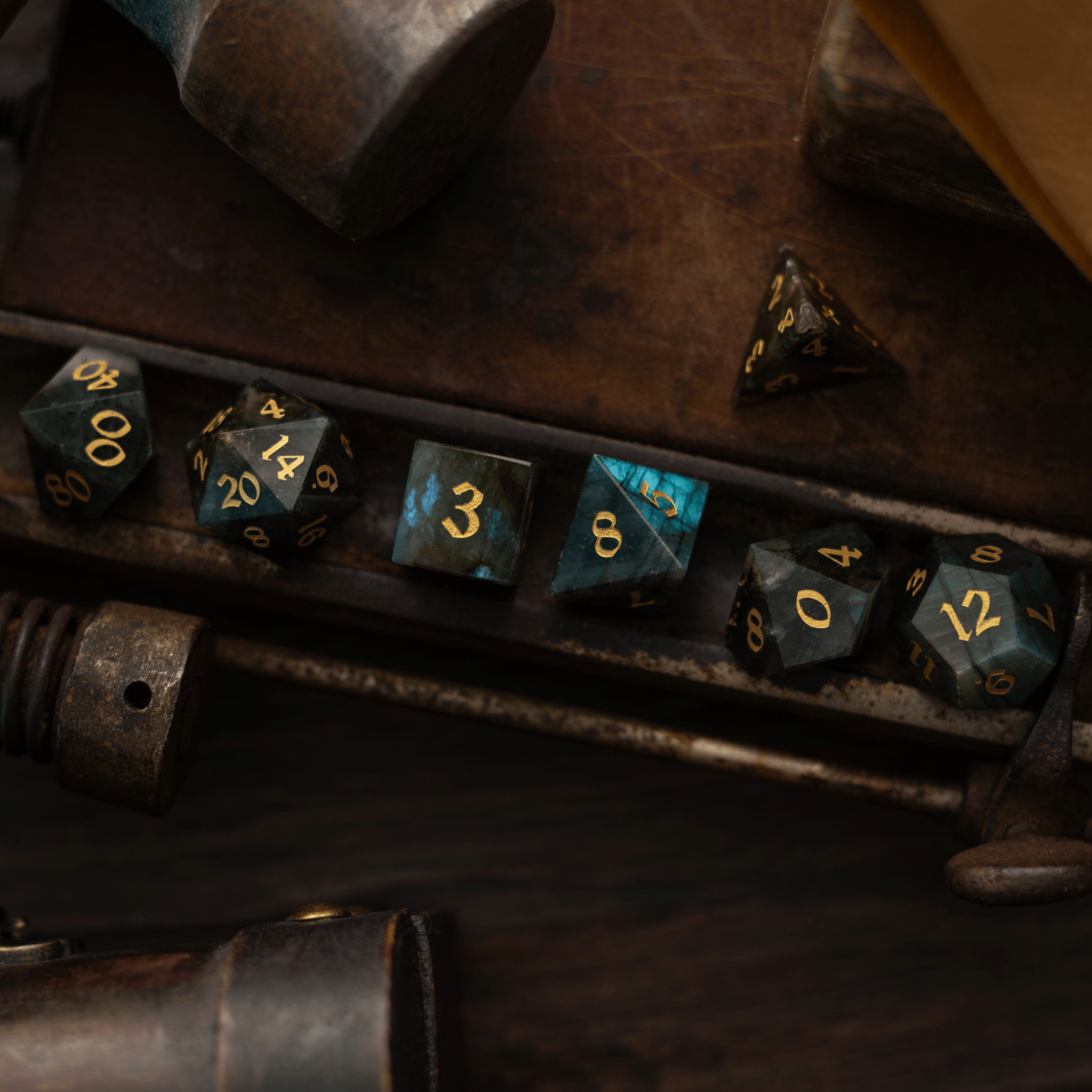
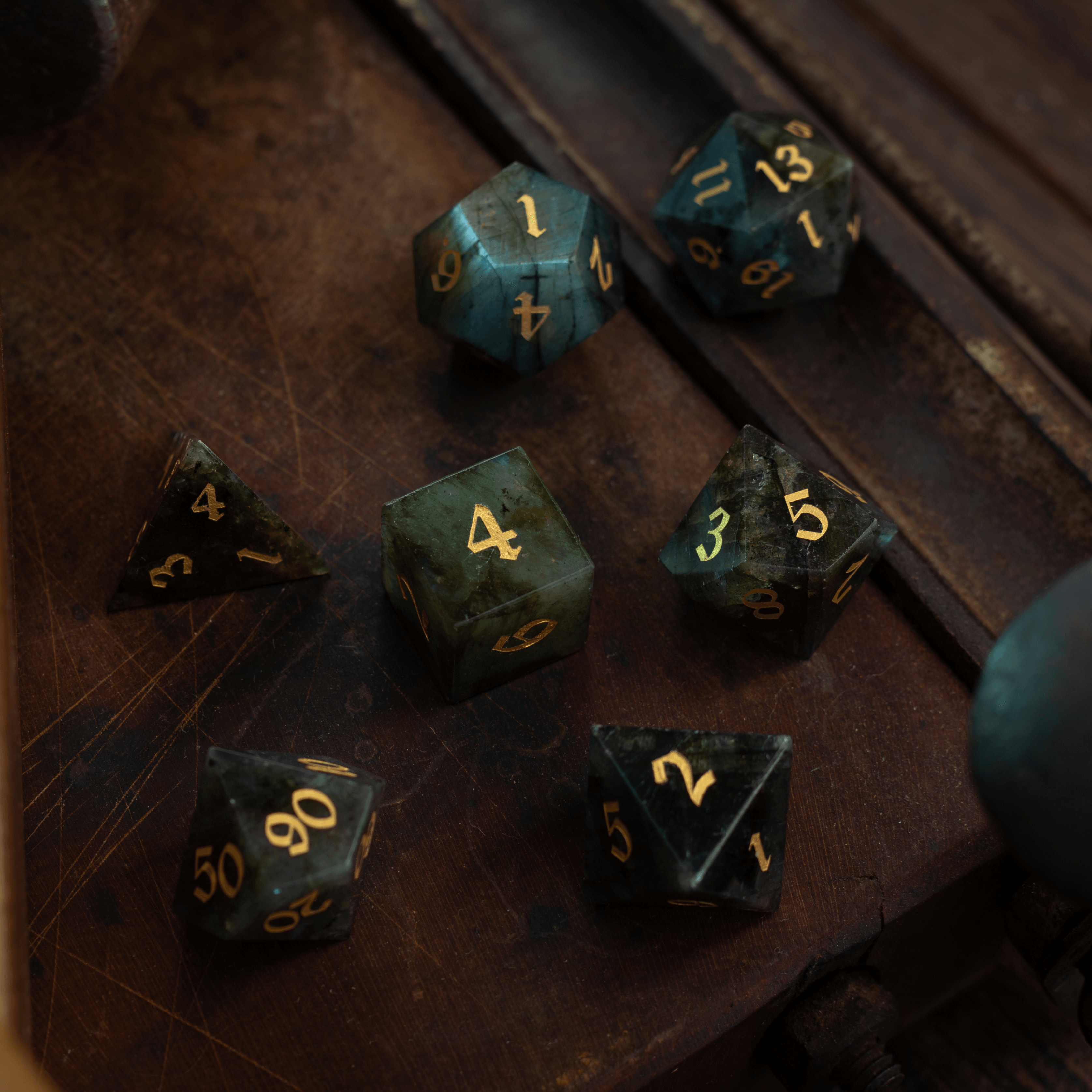
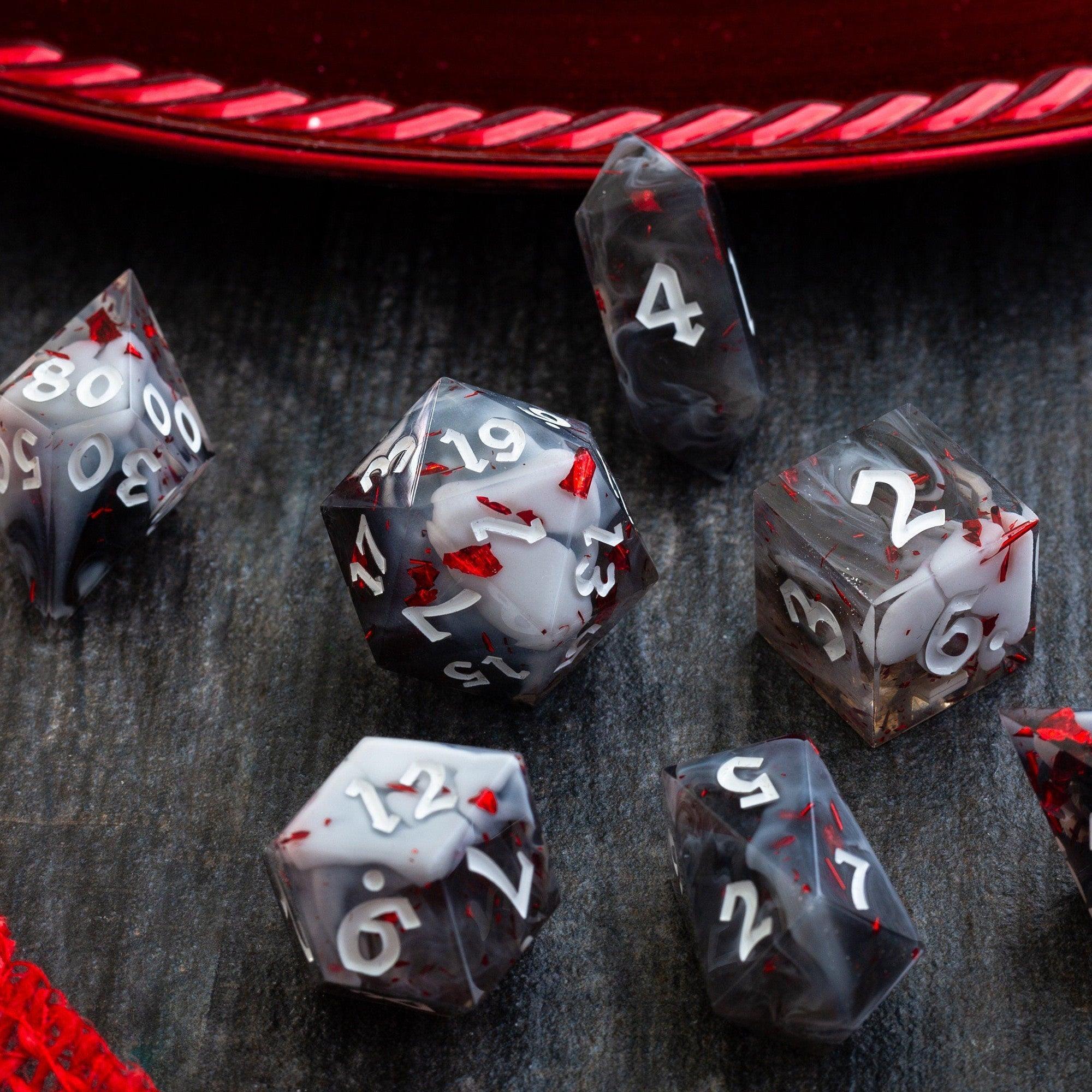
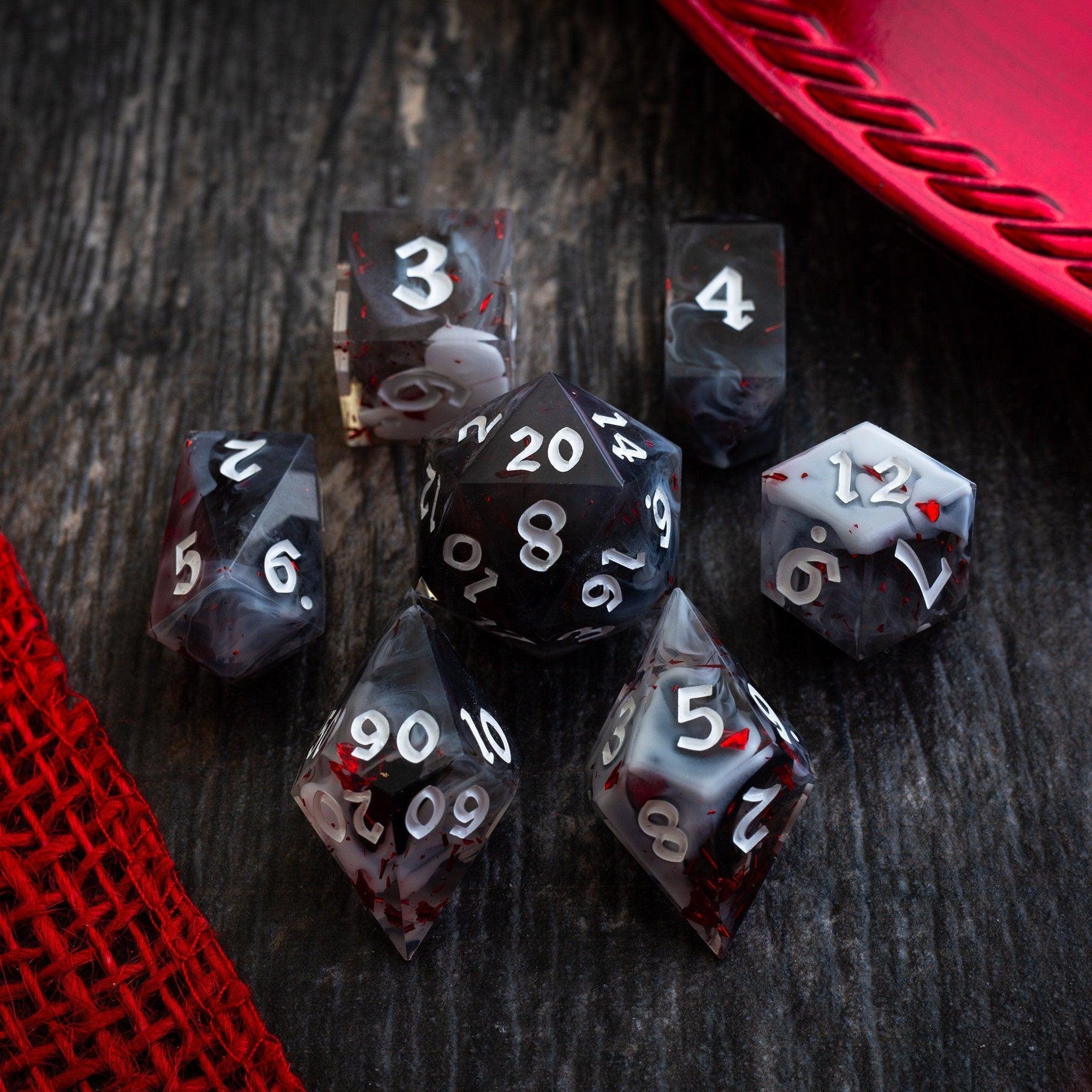
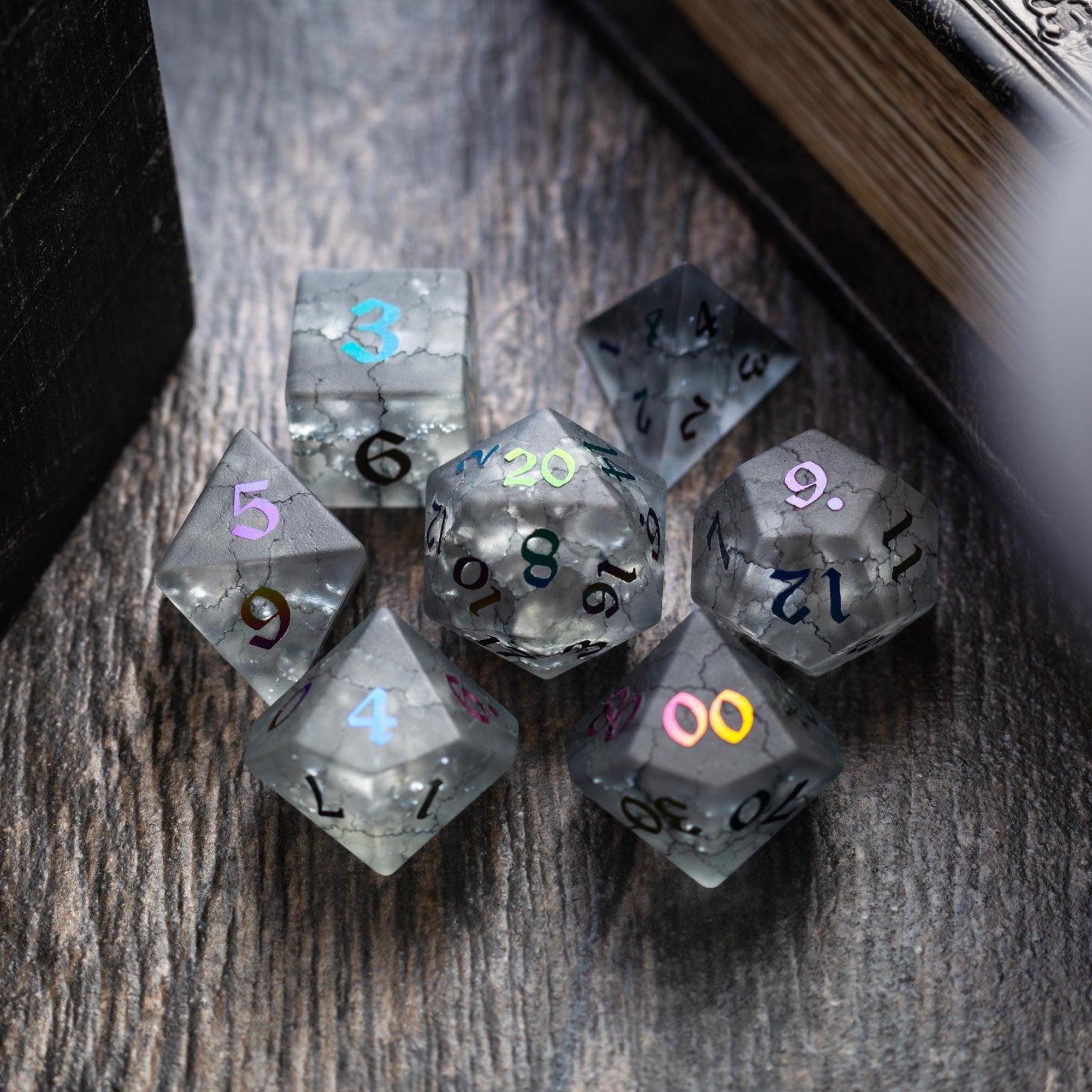
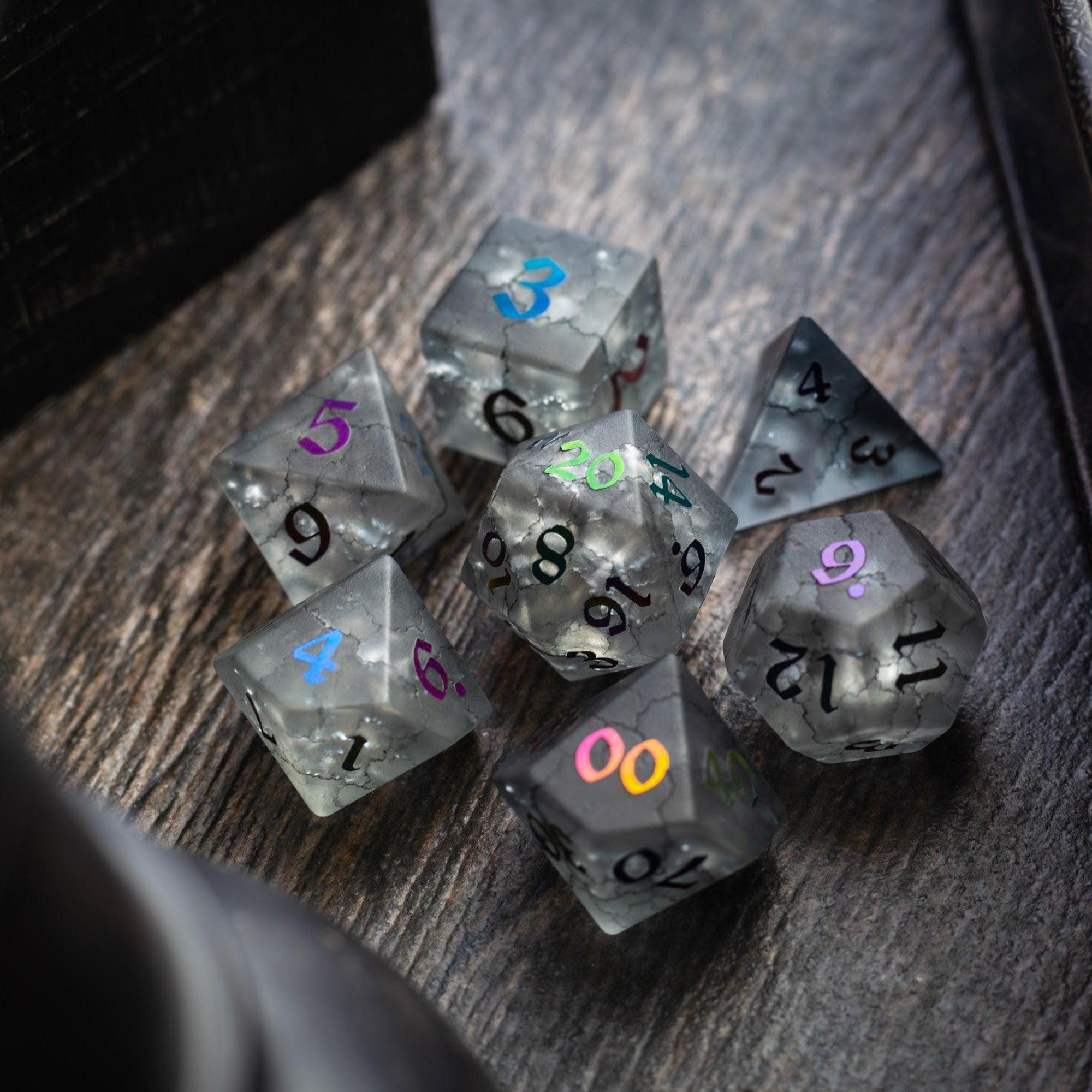
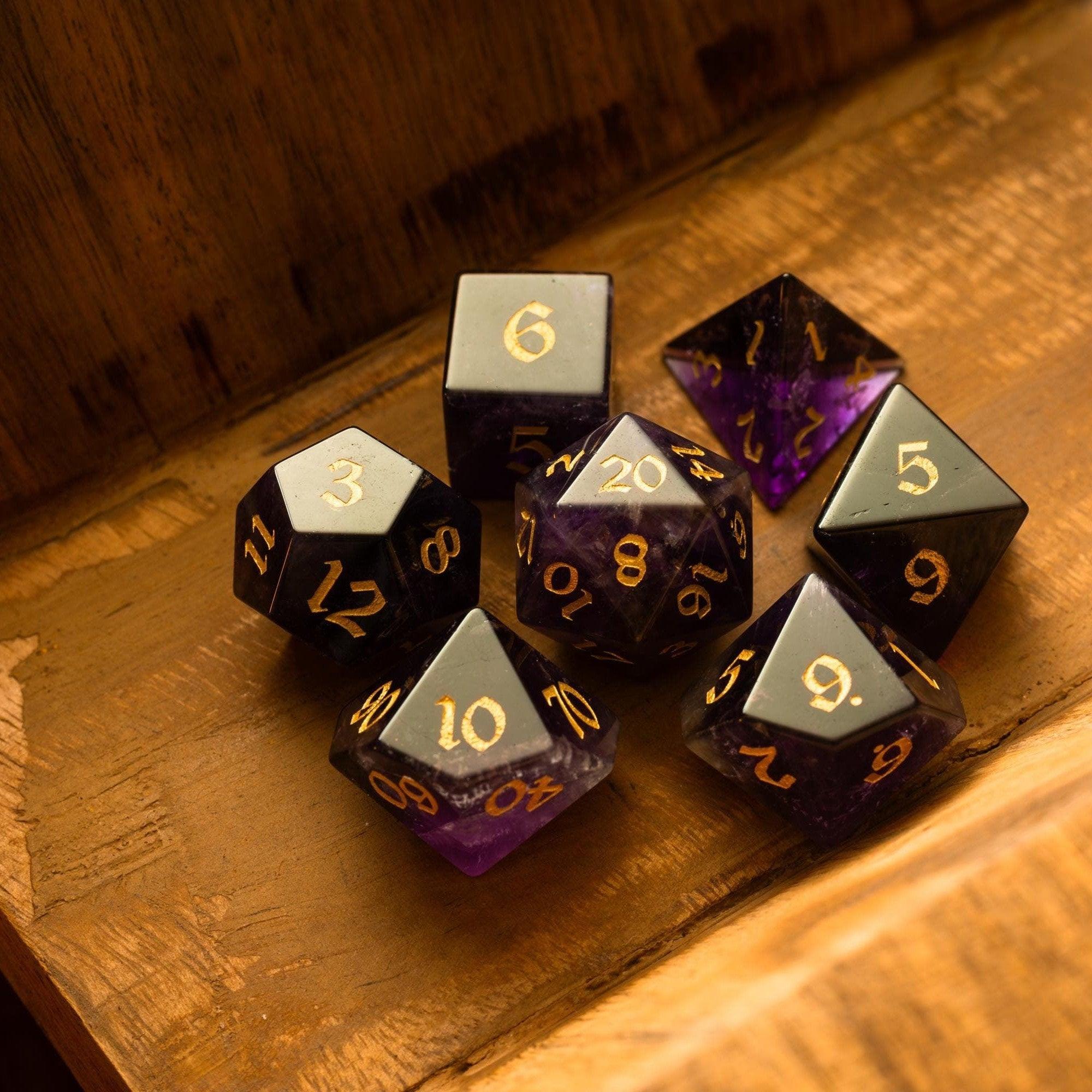
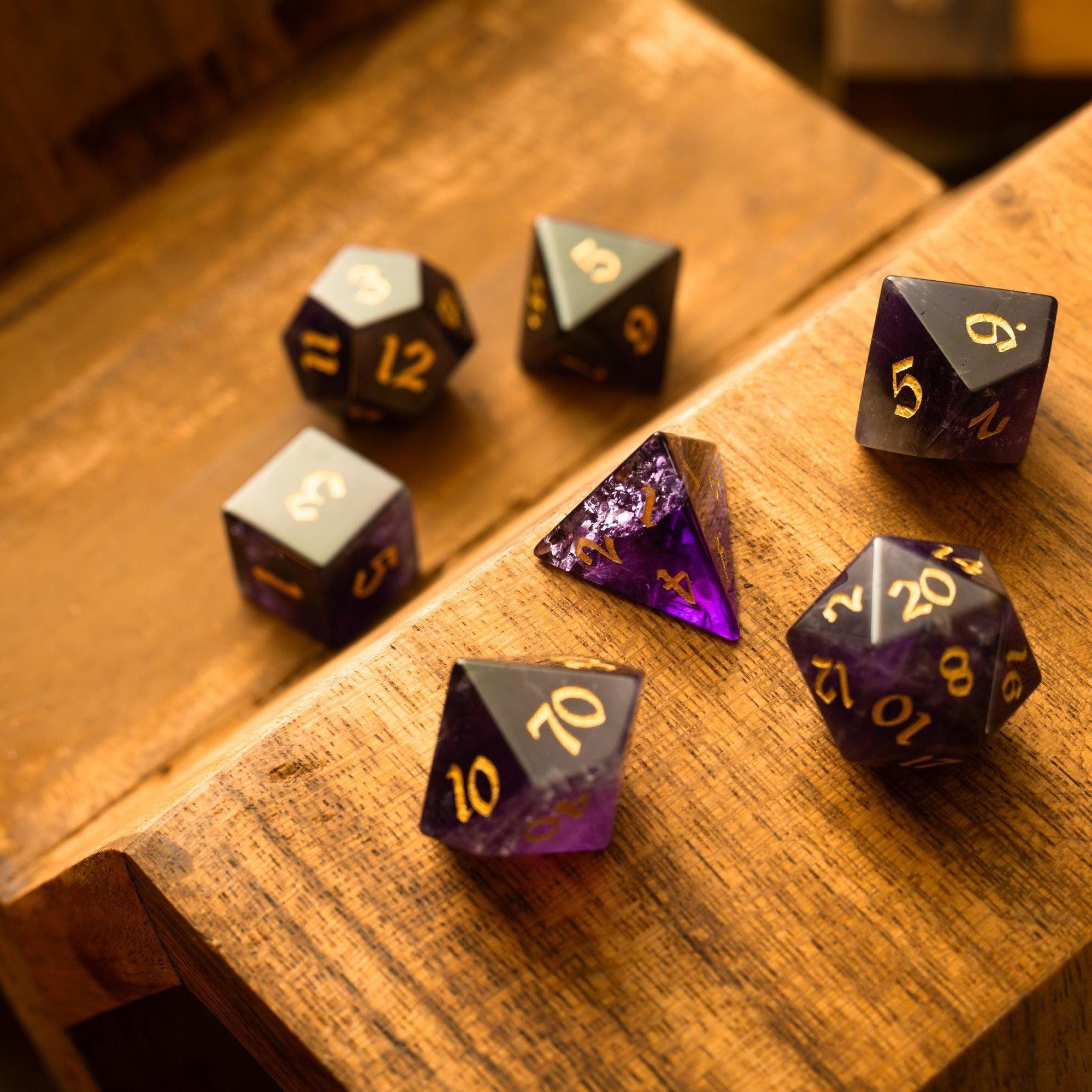
When you're diving into your next campaign, consider investing in quality dice that match the tone of your world. Premium gemstone dice sets can enhance the tactile experience of your game, making rolls feel more intentional and immersive. Explore our full collection to find dice that resonate with your world's aesthetic. Whether you prefer amethyst gemstone dice or liquid core designs, the right dice elevate your storytelling experience and help bring your imagined world to life at the table.









Leave a comment
This site is protected by hCaptcha and the hCaptcha Privacy Policy and Terms of Service apply.