

Tabletop RPG Troubleshooting Tips for Smoother Sessions
Tabletop adventures shine when everyone feels heard, included, and confident about what happens next. Still, even kind groups run into friction: a rule feels unclear, pacing drifts, or one voice dominates the scene. This article focuses on gentle, actionable methods you can apply with little preparation. The guidance respects different playstyles and schedules. Whether you are a new Game Master (GM) or an experienced player, you will find small adjustments that create a calmer table and more memorable stories.
Tabletop roleplaying troubleshooting and tips for smoother sessions
Most problems at the table are not about rules; they are about clarity and expectations. A quick, shared understanding—of tone, stakes, spotlight, and safety—prevents many issues. When something does go sideways, it helps to use short, neutral language. Try phrases like, “Let’s pause and check what we each heard,” or “Would it be okay if we hold that rule lookup for later and make a quick ruling now?” This gives everyone room to breathe while protecting the flow of play.
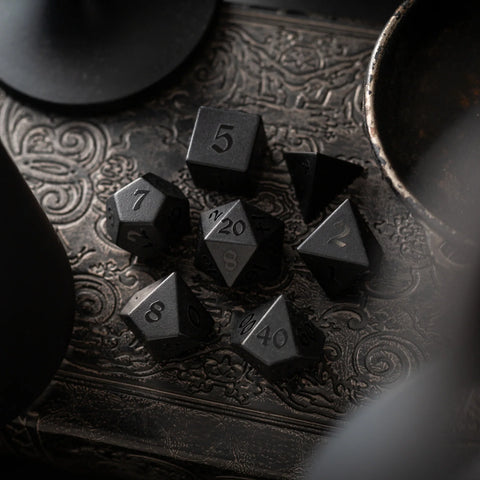
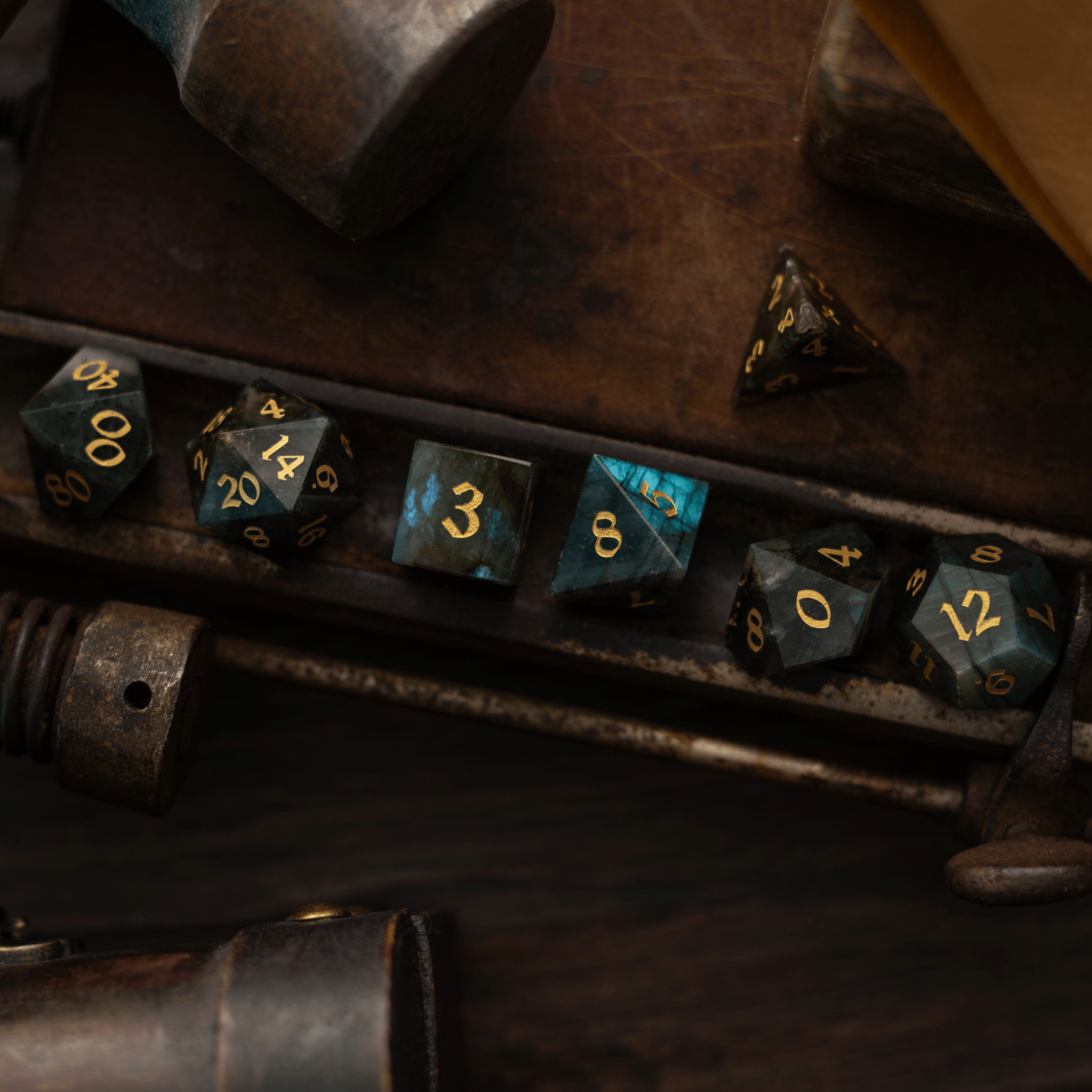
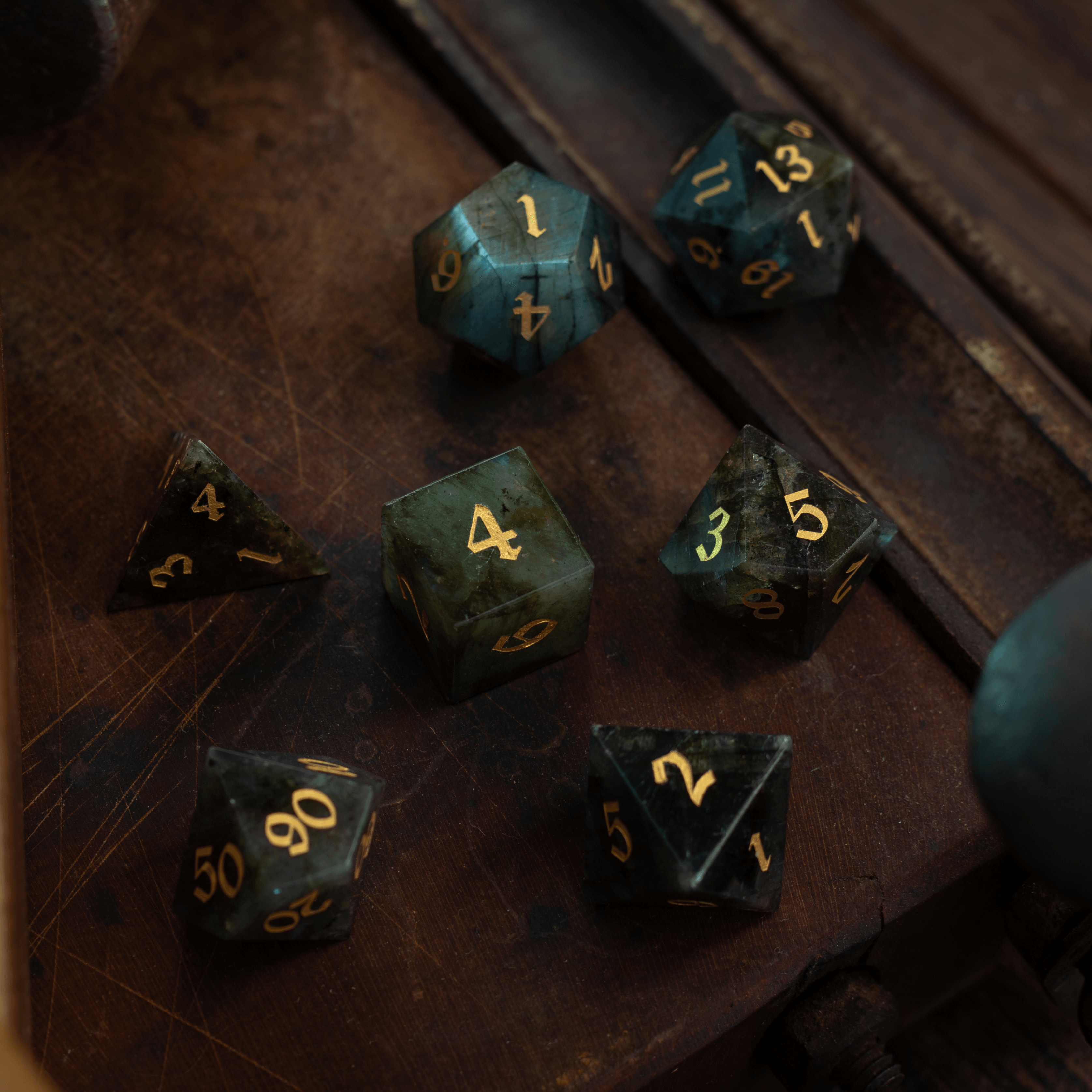
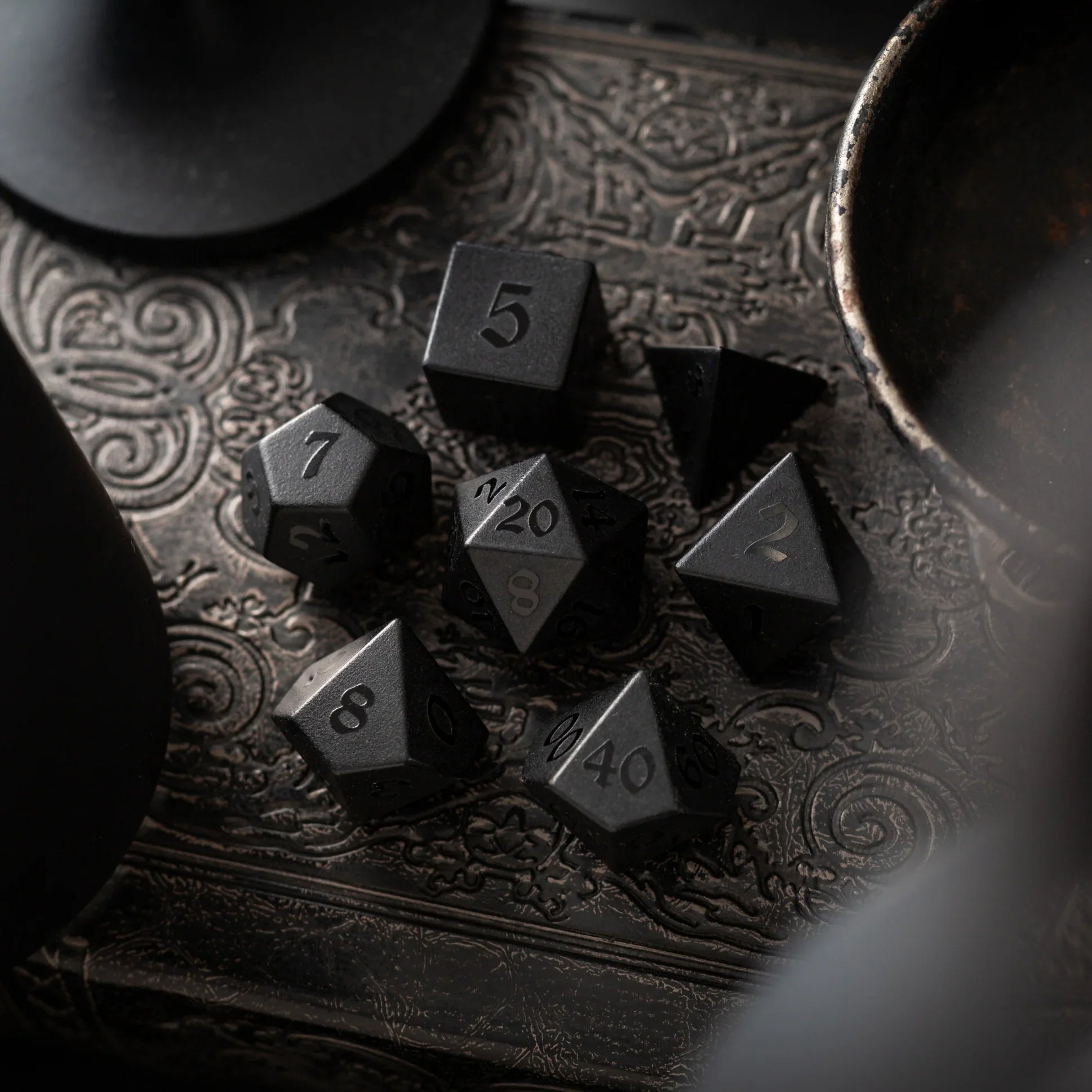
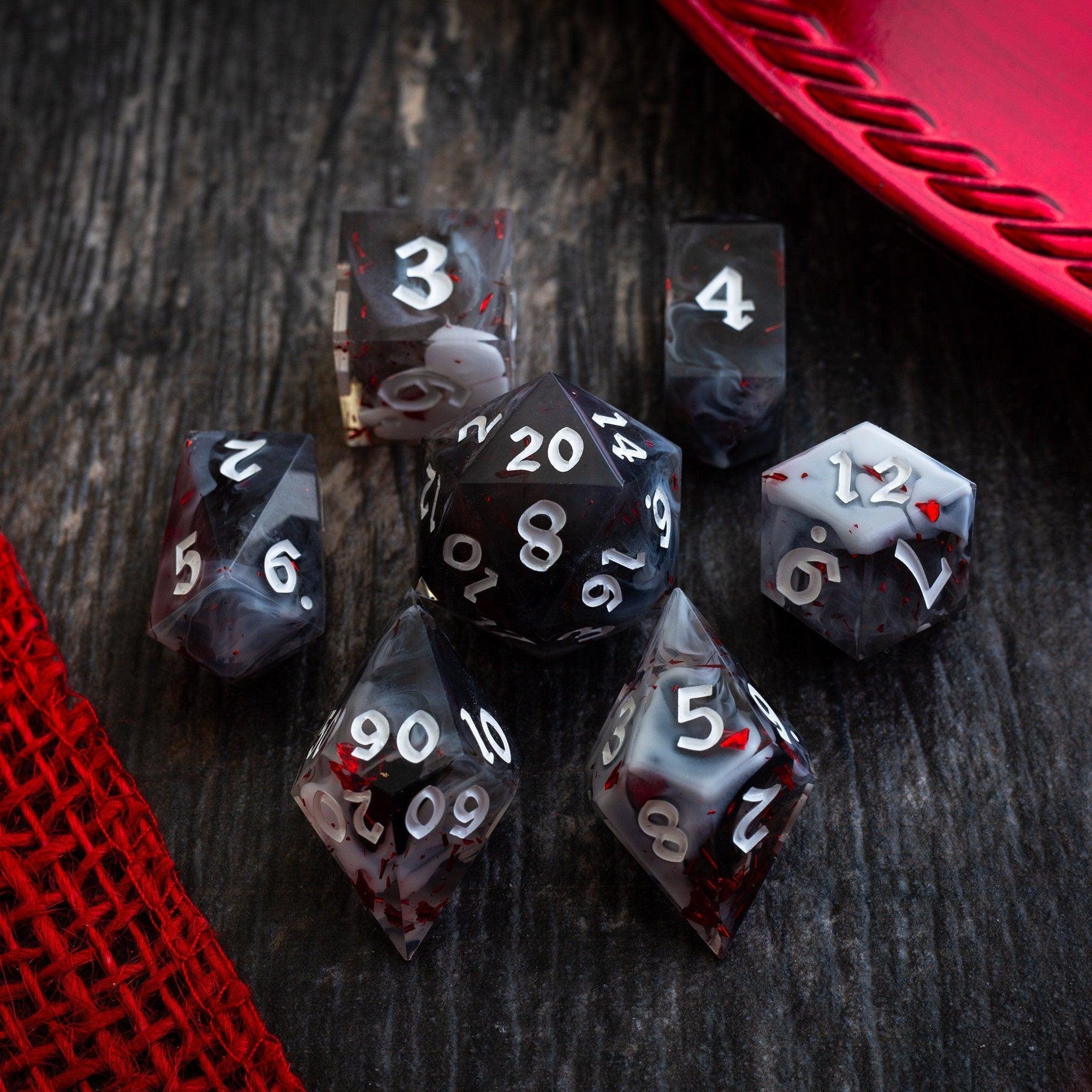
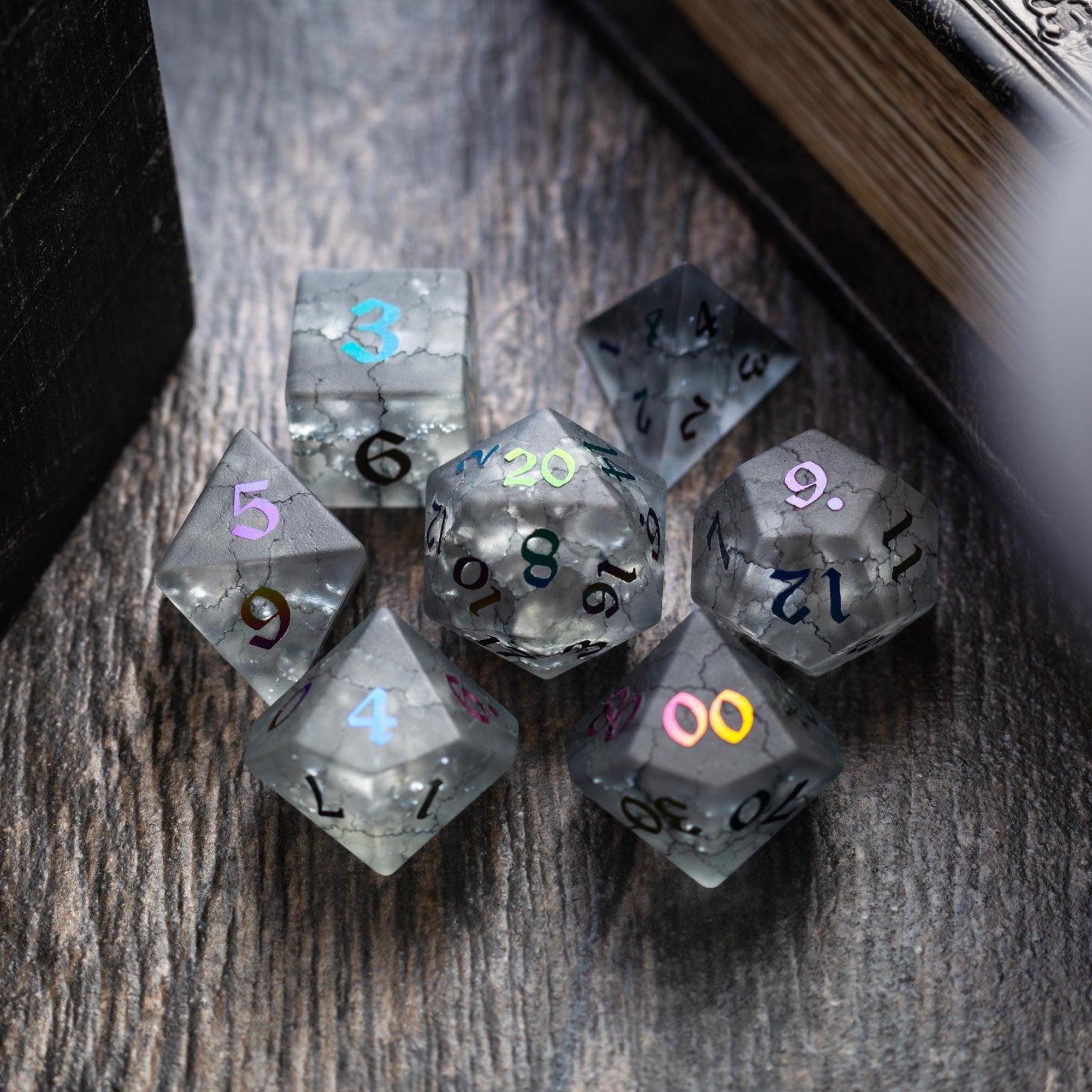
Tools matter too. Clear, readable dice and tidy surfaces reduce confusion. If visibility is a concern, consider high-contrast sets like gemstone dice or playful, eye-catching options such as liquid core dice. Many groups also benefit from dice towers to keep rolls fair and contained. Simple physical upgrades often remove small frictions that add up over a session.
Finally, be kind to your future self. Keep a living note of house rulings, pronouns, table norms, and session goals. Sharing this note before each game sets the tone and reduces repeated conversations. A small, consistent process is more important than a perfect one.
How-To Steps: A Calm Plan for Smooth Sessions
-
Start with a session zero. Agree on tone, lines and veils, table norms, and character hooks. Record decisions in one page you can share and update.
-
Set a simple agenda. Aim for a three-beat plan: recap, spotlight scenes, and a closing debrief. A short plan keeps focus without pressure.
-
Use quick rulings. When a rule is unclear, make a fair call, note the page, and move on. Revisit after the game to confirm the final ruling.
-
Share the spotlight. Invite quiet players by name with soft prompts like, “Would you like to act now or after Jamie?” Rotate who opens scenes.
-
Check in mid-session. Take a two-minute break to ask, “Is the pace okay?” Adjust difficulty, scene length, or music based on feedback.
-
Debrief gently. End with two questions: “What felt fun?” and “What can we tweak?” Apply one small change next time.
Common Problems and Gentle Fixes
Rules friction: If the table stalls on a rule, offer a temporary call that benefits the fiction, not just the mechanics. For example, “Let’s count that as an advantage this time, and we will look it up afterward.” Thank players for their patience, and write the final ruling in your shared notes.
Pacing dips: When scenes drag, reduce decision load. Offer two or three clear options. Add a sensory detail or a ticking clock. Keep rolls meaningful by tying them to consequences in the story.
Spotlight imbalance: Use a visible order for turns in complex scenes. Provide “outs” for dominant speakers: “Let’s bookmark that idea. I want to hear from others, then we can return to you.” Invite quiet players into low-risk choices first, like describing a clue or setting a scene detail.
Analysis paralysis: Replace open questions with bounded prompts. Instead of “What do you do?” try “Do you head to the library, stake out the docks, or try to draw out the rival?” Small choices build momentum and confidence.
Physical clutter: Keep the table clear and dice readable. Consider a dedicated tray or tower. If you enjoy changing sets to match themes, browsing new arrivals can also keep the table fresh and organized with consistent styles.
Building a Healthy Table Culture
Culture is the quiet rules we practice: how we listen, how we disagree, and how we celebrate each other’s ideas. A kind culture forms when the group models curiosity and consent. Ask before touching another player’s notes or minis. Confirm names and pronouns every few sessions. Treat corrections as care, not criticism.
Plan for consent in content. Lines and veils, an X-card, or “pause” language offer graceful exits from discomfort. Keep these tools visible and normalize their use by modeling them yourself. When someone sets a boundary, thank them and pivot without debate.
Celebrate creativity in many forms. Some players love tactical play; others shine when describing scenes or roleplaying. Rotate the kinds of challenges you include. Spread rewards—loot, narrative boons, or character moments—so each person feels seen. Kindness scales: small, steady habits make a robust, welcoming table.
FAQ
How do I handle a rules disagreement without slowing play?
Offer a quick, neutral ruling and keep going. Use language like, “For now, I will rule it this way so we can stay in the scene. We will check the book after.” This acknowledges the concern while protecting the story’s pace. After the session, look up the rule, share the citation, and add it to your house notes. Consistency prevents repeat debates and builds trust in your calls.
What if a player is shy or keeps getting talked over?
Invite participation with a gentle, specific prompt and a clear turn order. Try, “Sam, would you like to go before or after Lena?” Protect their space by bookmarking other comments and returning the floor. Offer low-pressure choices early, identifying a clue, setting a mood, or naming an NPC. Over time, pair them with scenes tailored to their interests, and recognize their contributions with sincere, concise praise.
How can I reduce prep time while keeping sessions exciting?
Think in reusable frameworks. Prep three types of scenes (social, discovery, challenge) with a few flexible hooks. Stock a short list of names, locations, and secrets. When in doubt, reskin an encounter rather than building from scratch. Use props that pull double duty, like readable dice, trays, or towers. High-contrast sets such as sturdy gemstone options or bright liquid cores, stay legible under different lights and support fast table reads.














Leave a comment
This site is protected by hCaptcha and the hCaptcha Privacy Policy and Terms of Service apply.