
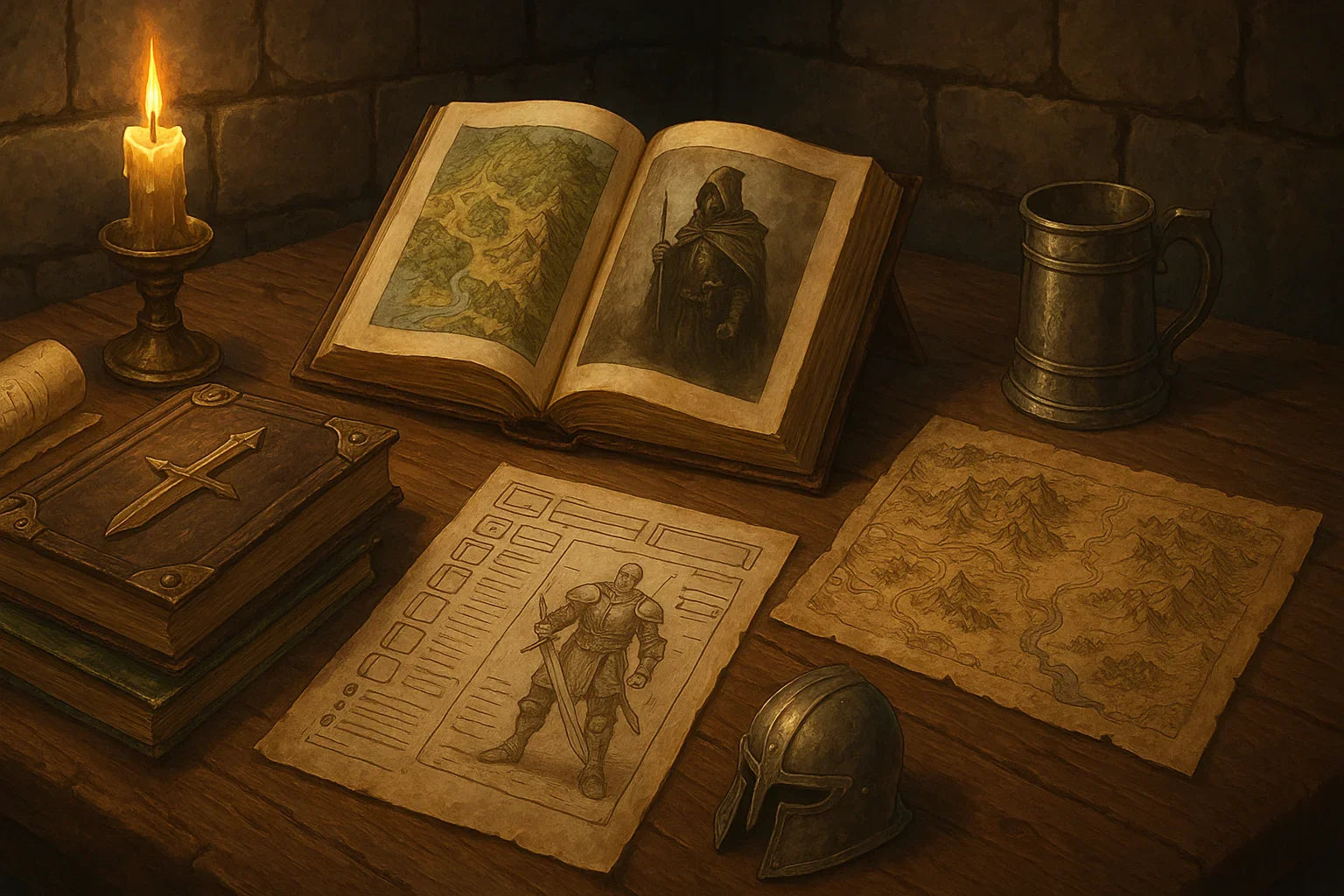
Tabletop RPG Resources: Guide for Better Campaign Sessions
Updated on: 2025-11-28
- Why tabletop role-playing game resources matter for a smoother session
-
How to build a tabletop role-playing game resources kit
- Step 1: Clarify your campaign vision
- Step 2: Select RPG adventure modules
- Step 3: Prepare tabletop game maps and tokens
- Step 4: Assemble rules and cheat sheets
- Step 5: Build a session zero toolkit
- Step 6: Organize digital files and backups
- Step 7: Pack physical essentials
- Step 8: Elevate with quality dice and accessories
- Best tabletop role-playing game resources for beginners
- Free online tabletop RPG resources list
- Organizing and sharing tabletop game maps and tokens
- Common questions answered about tabletop role-playing game resources
Why tabletop role-playing game resources matter for a smoother session

Strong tabletop role-playing game resources transform preparation and play. They reduce friction, maintain momentum, and help everyone at the table stay engaged. When you have the right RPG adventure modules, tabletop game maps and tokens, and a clear method for organizing tools, you spend less time searching and more time telling stories.
Resources also support different play styles. Some groups enjoy tactical maps, others prefer theater-of-the-mind, and many mix both. A balanced kit allows you to improvise while still having structure. With a thoughtful setup, even challenging encounters become smoother, and downtime between scenes stays kindly brief.
Whether you are new or experienced, building a dependable toolkit is a kind approach to your future self and your players. The sections below walk through the best tabletop role-playing game resources for beginners, show where to find budget options, and offer a step-by-step way to assemble everything with care.
How to build a tabletop role-playing game resources kit
Step 1: Clarify your campaign vision
Begin by defining genre, tone, and desired complexity. Write down two or three themes, the intended session length, and how tactical you want combat to be. These simple notes will guide every choice that follows and keep your tabletop role-playing game resources focused on what your group enjoys.
Step 2: Select RPG adventure modules
Choose modules that match your vision and time budget. Short, episodic modules are gentle for new groups and make it easier to swap content as players explore. For longer arcs, select a campaign-length module but bookmark optional side quests so you can adjust pacing naturally.
Step 3: Prepare tabletop game maps and tokens
Gather modular dungeon tiles, regional maps, and tokens for common foes. For narrative sessions, create simple zone maps with clear landmarks rather than grid-heavy layouts. Keep a neutral set of tokens you can relabel on the fly. This flexibility helps you improvise encounters without slowing the table.
Step 4: Assemble rules and cheat sheets
Print or save quick references for common conditions, turn order, travel rules, and skill checks. A one-page overview for each player reduces rule lookups and encourages confident choices. Add a short list of house rules so everyone knows how your table handles edge cases.
Step 5: Build a session zero toolkit
Create a lightweight document that covers safety tools, lines and veils, player goals, and character connections. A thoughtful session zero sets expectations with kindness and ensures your tabletop RPG resources support inclusive, comfortable play for the whole group.
Step 6: Organize digital files and backups
Use consistent folders for modules, maps, tokens, handouts, and campaign notes. Keep clear file names and store a duplicate backup. Syncing to the cloud helps if you run games in different locations. Having a dependable file structure saves time and prevents last-minute scrambles.
Step 7: Pack physical essentials
For in-person sessions, a gentle checklist helps: pencils, index cards, sticky notes, measuring tools, and a small box for minis or tokens. If you run on the go, a compact binder with sheet protectors makes setup quick and tidy.
Step 8: Elevate with quality dice and accessories
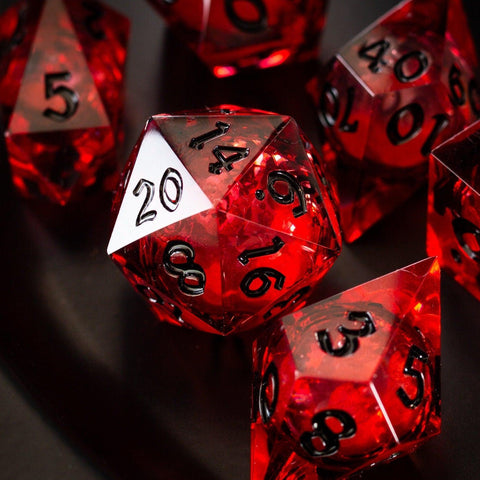
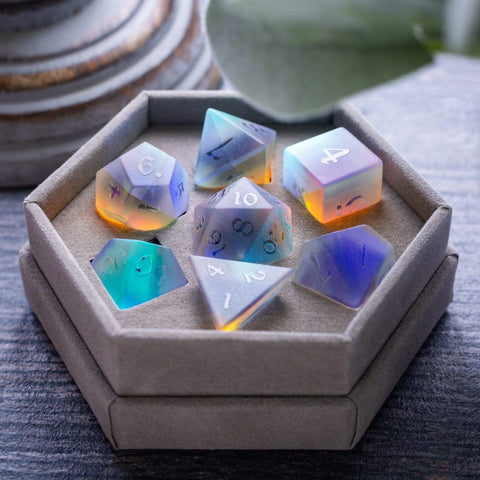
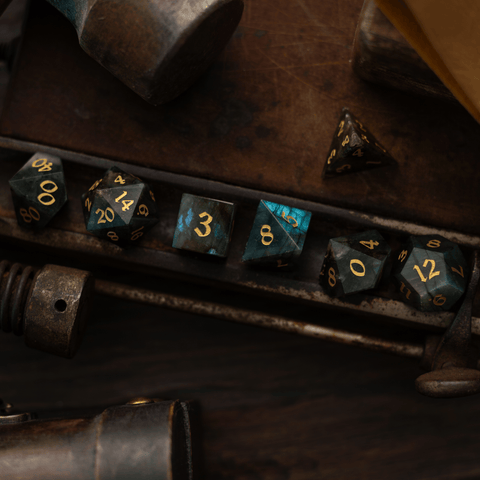
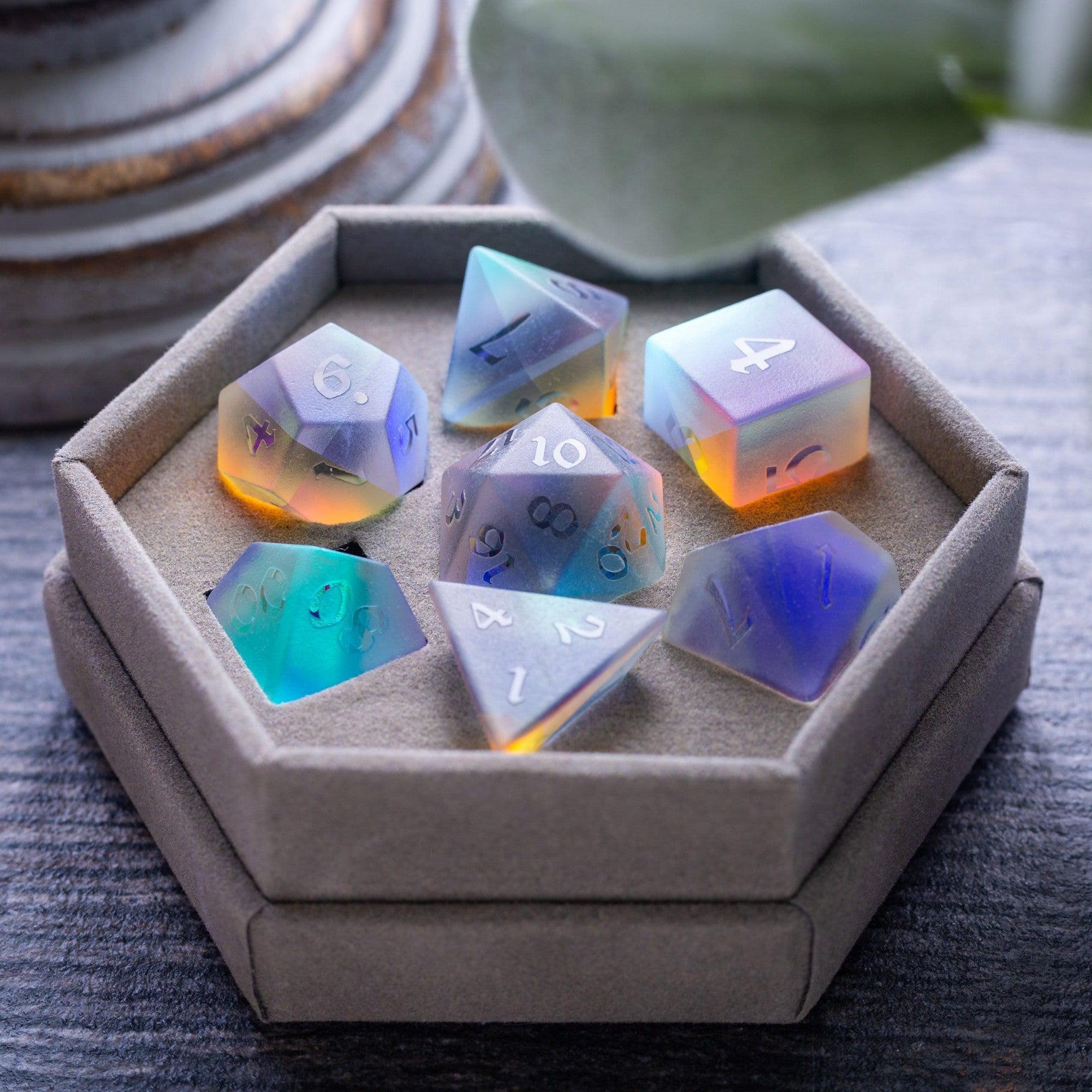
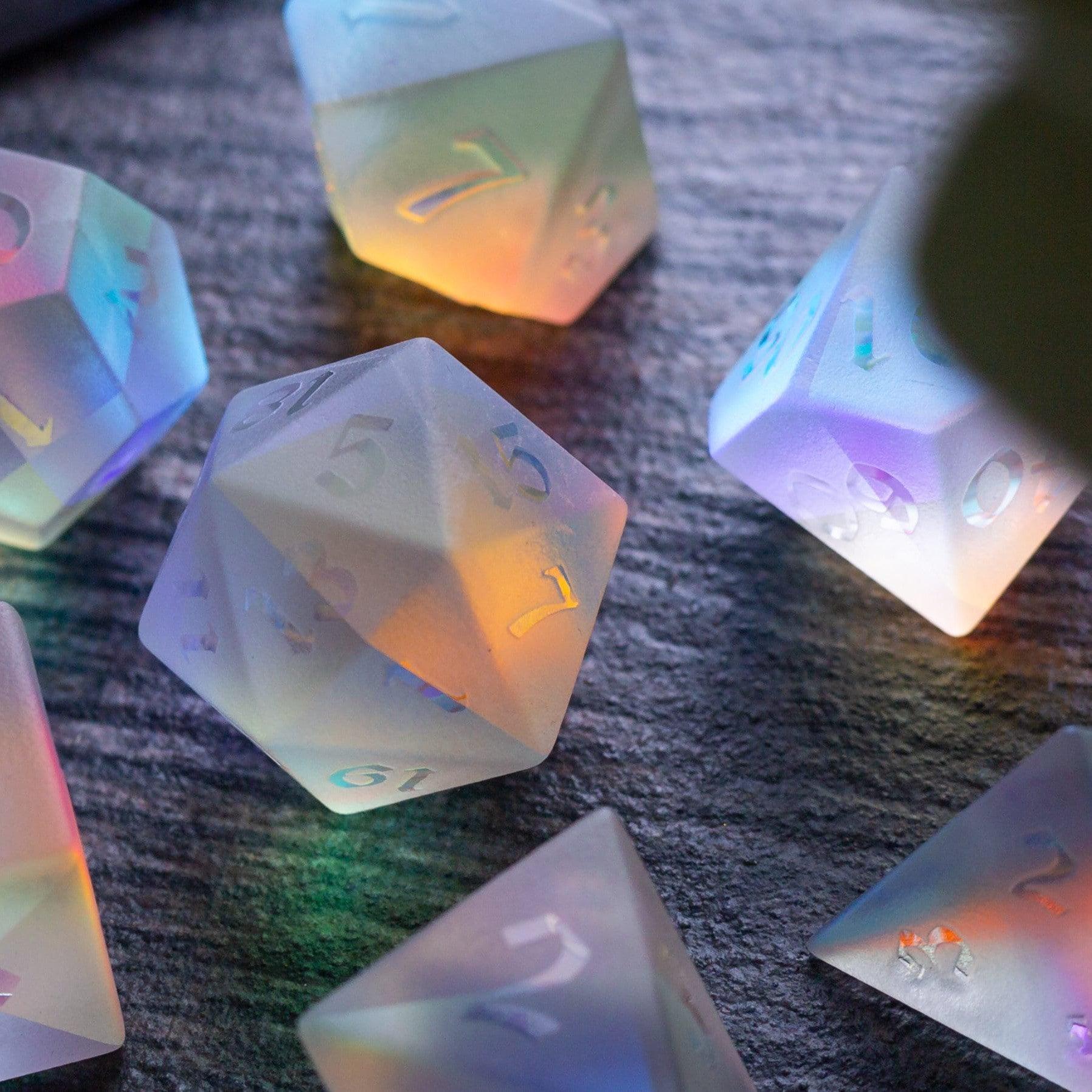
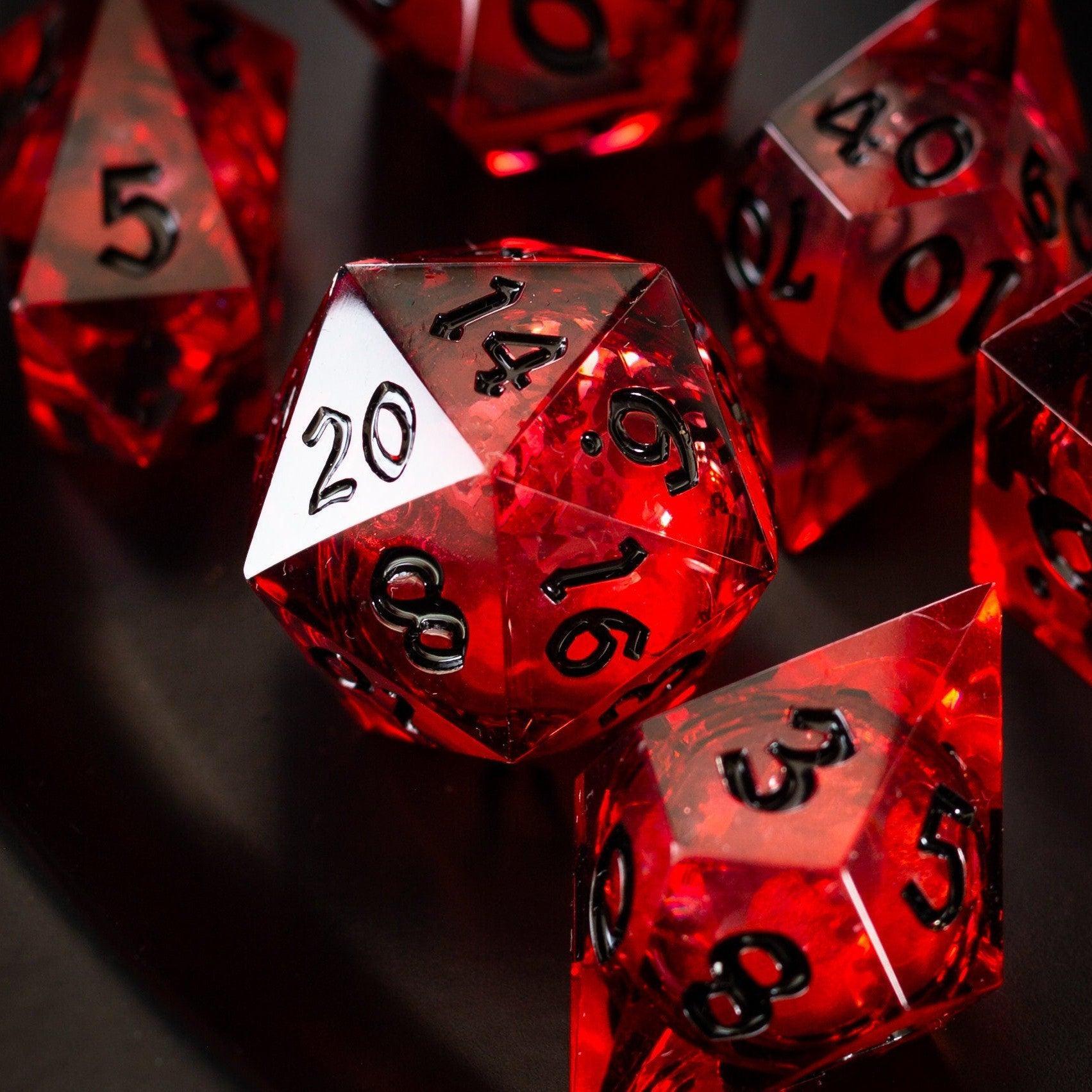
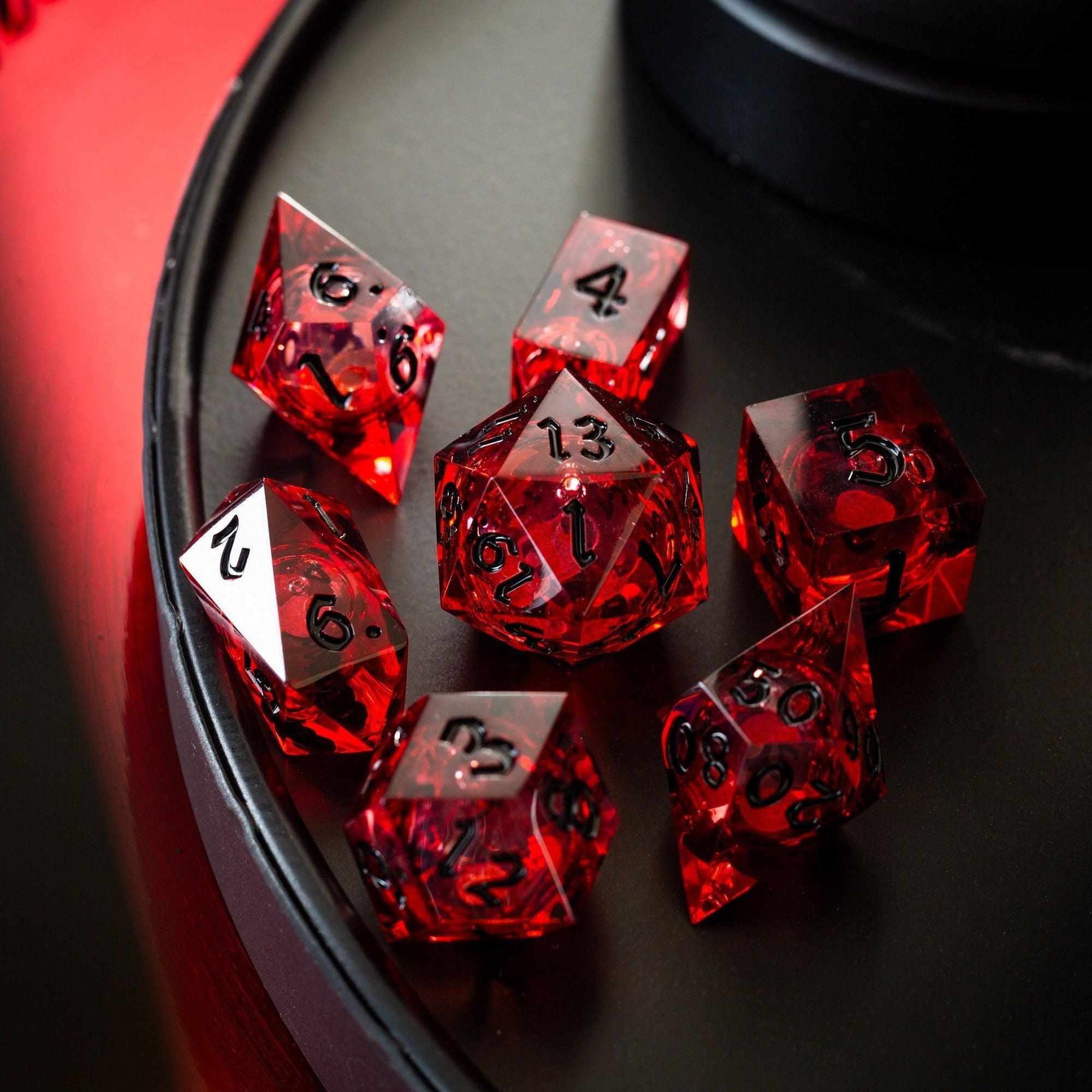
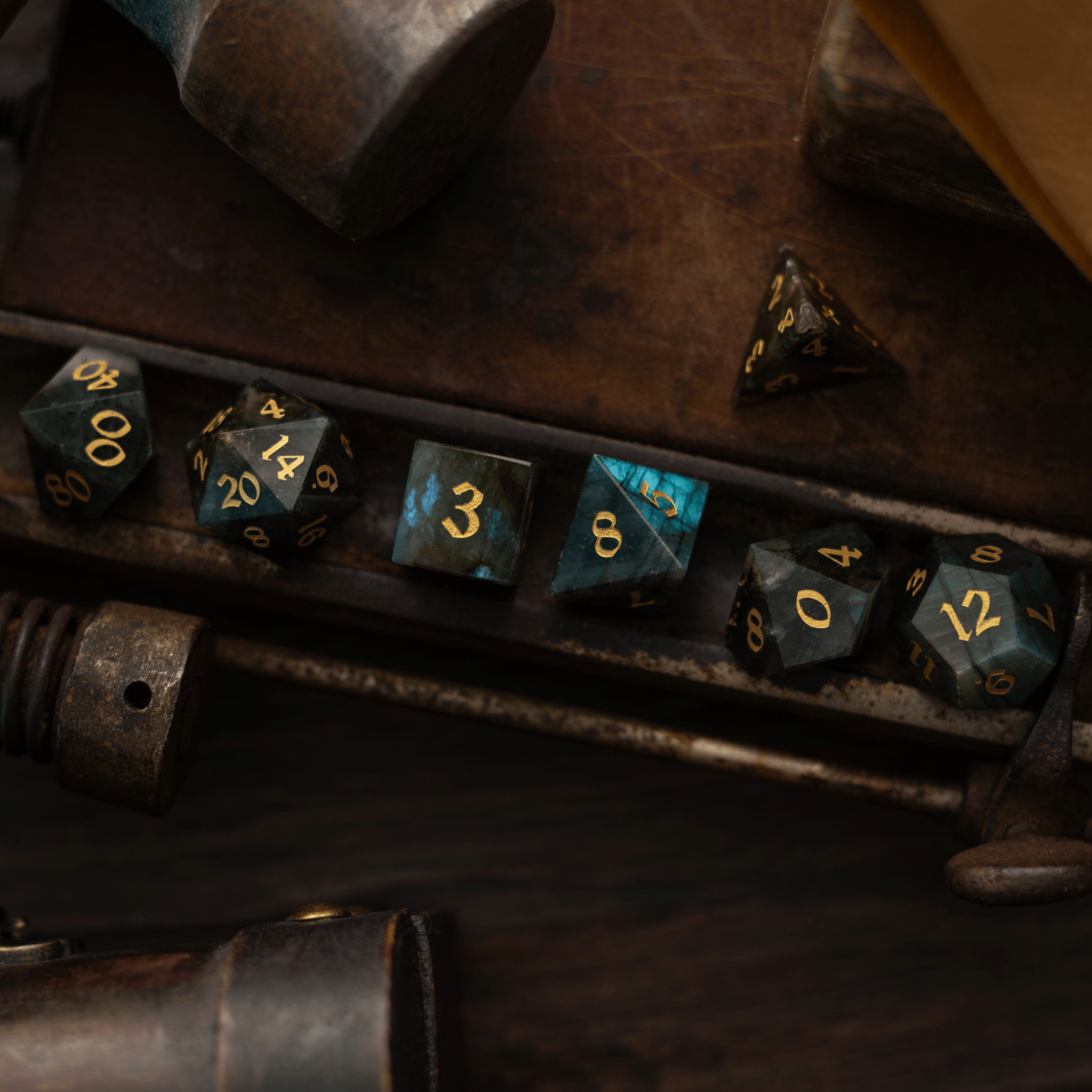
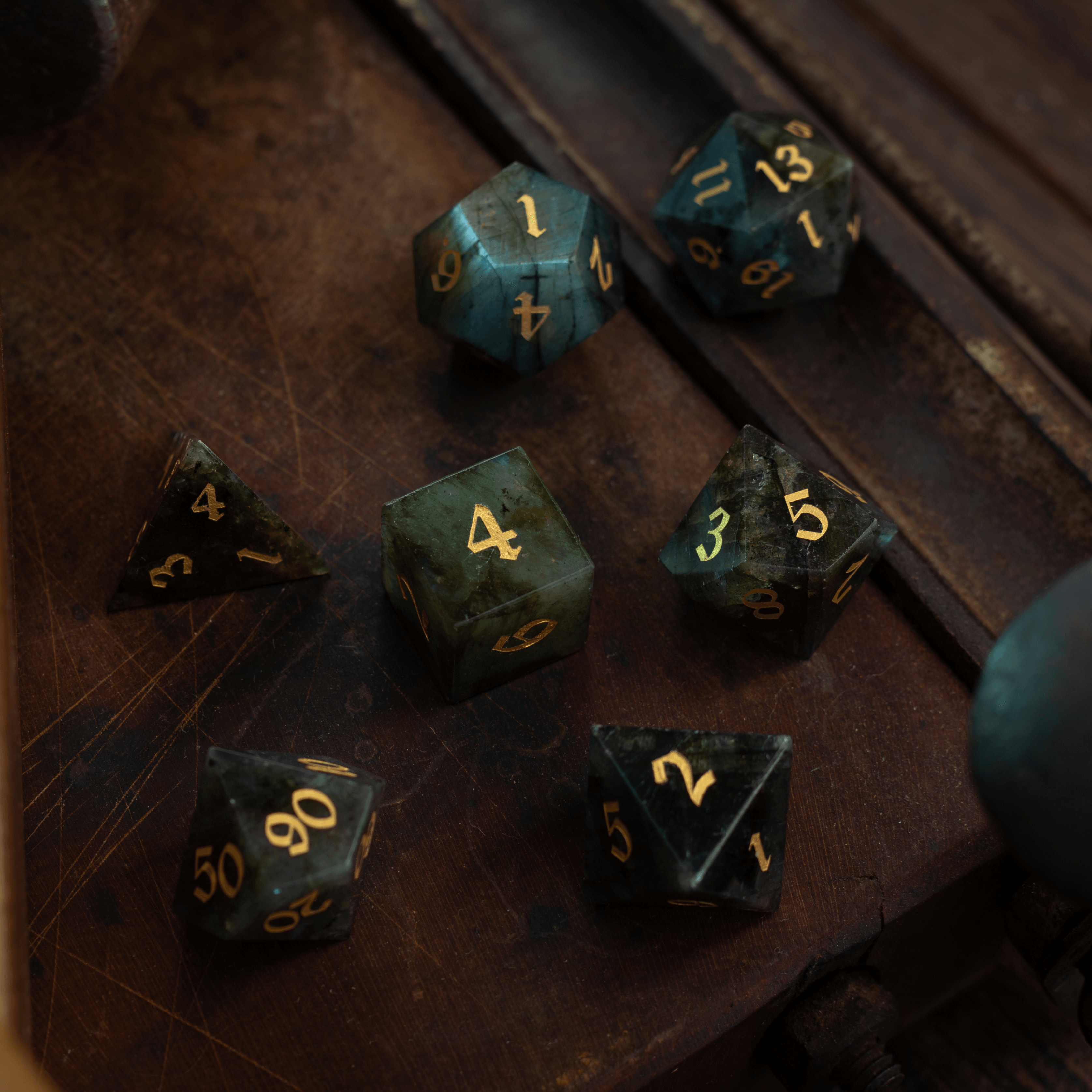
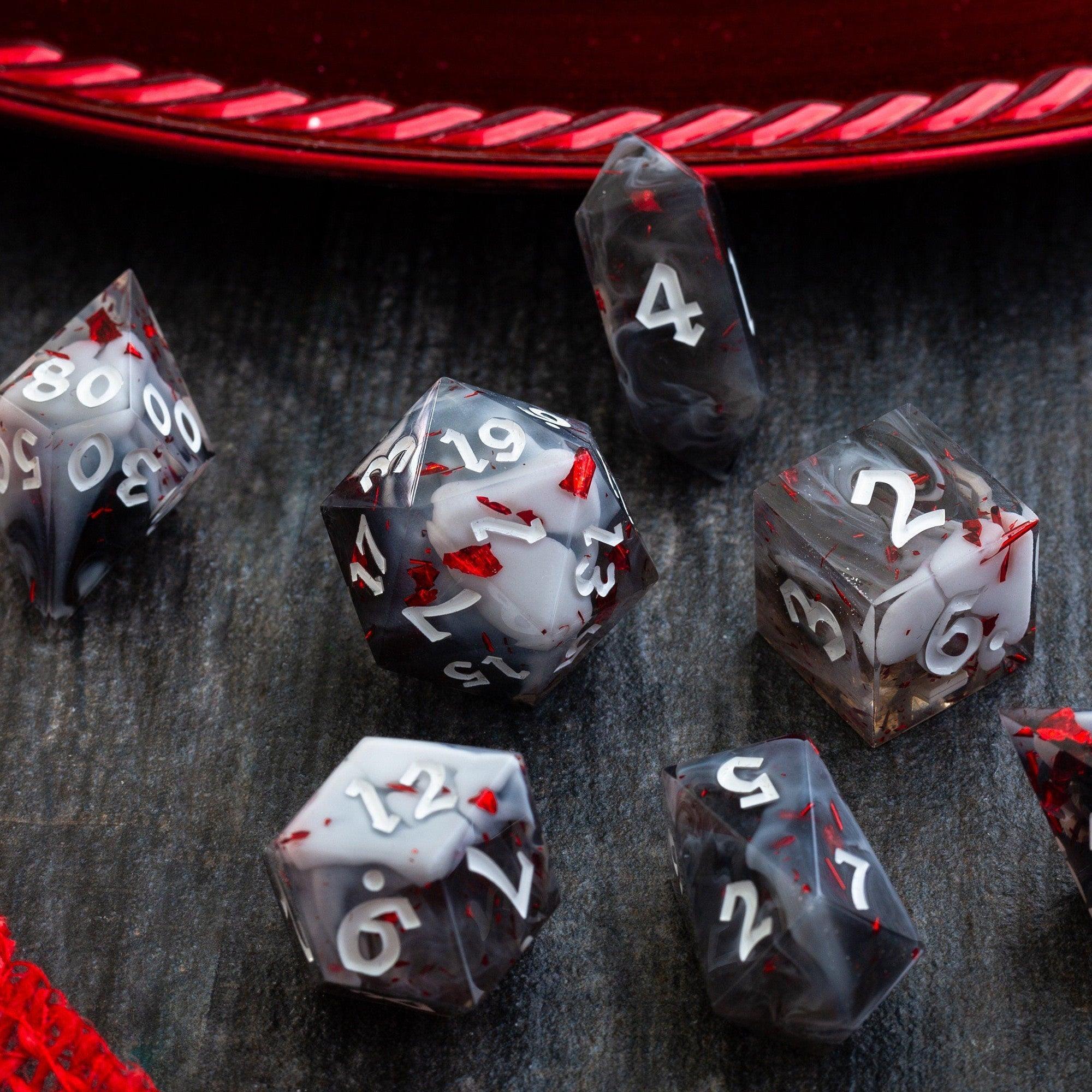
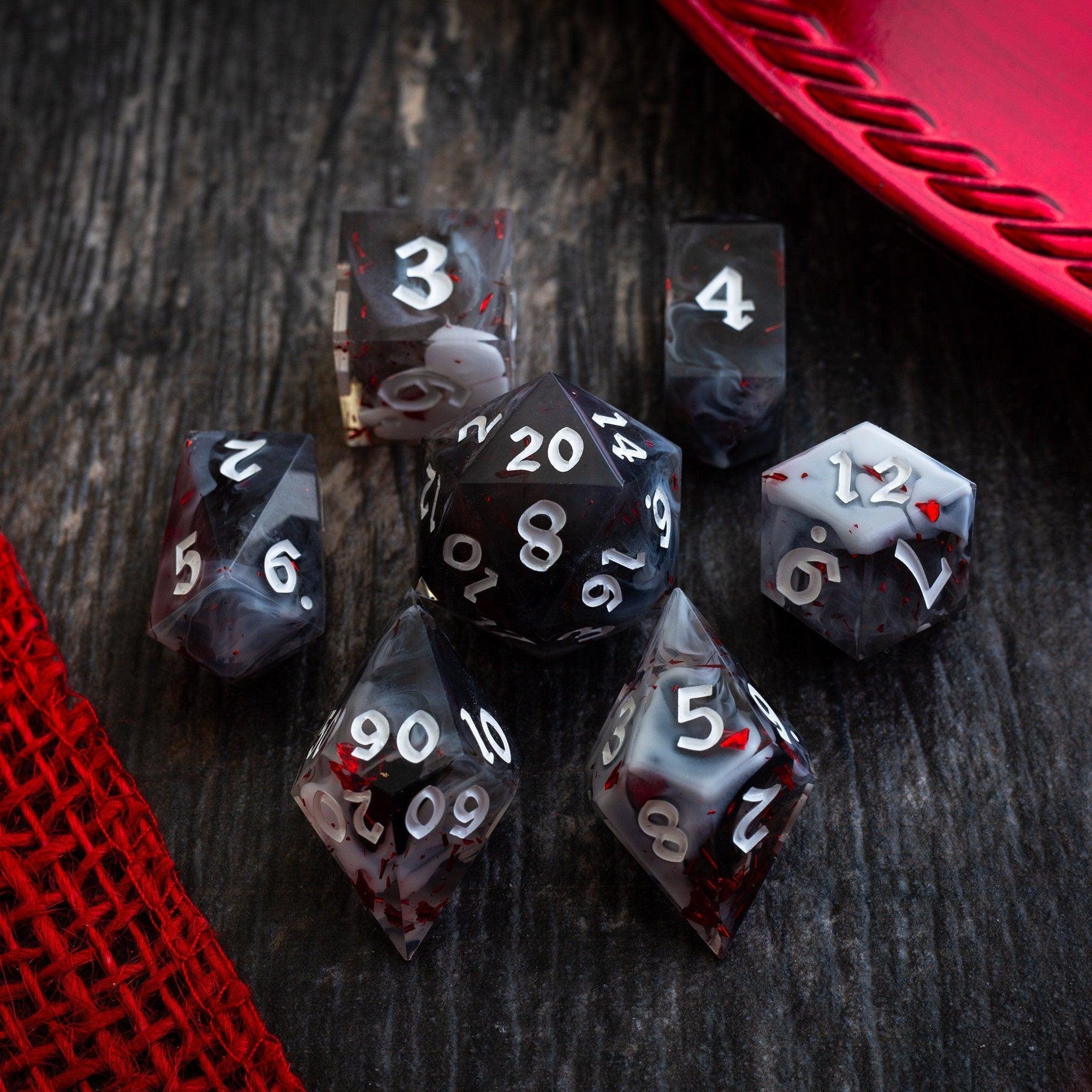
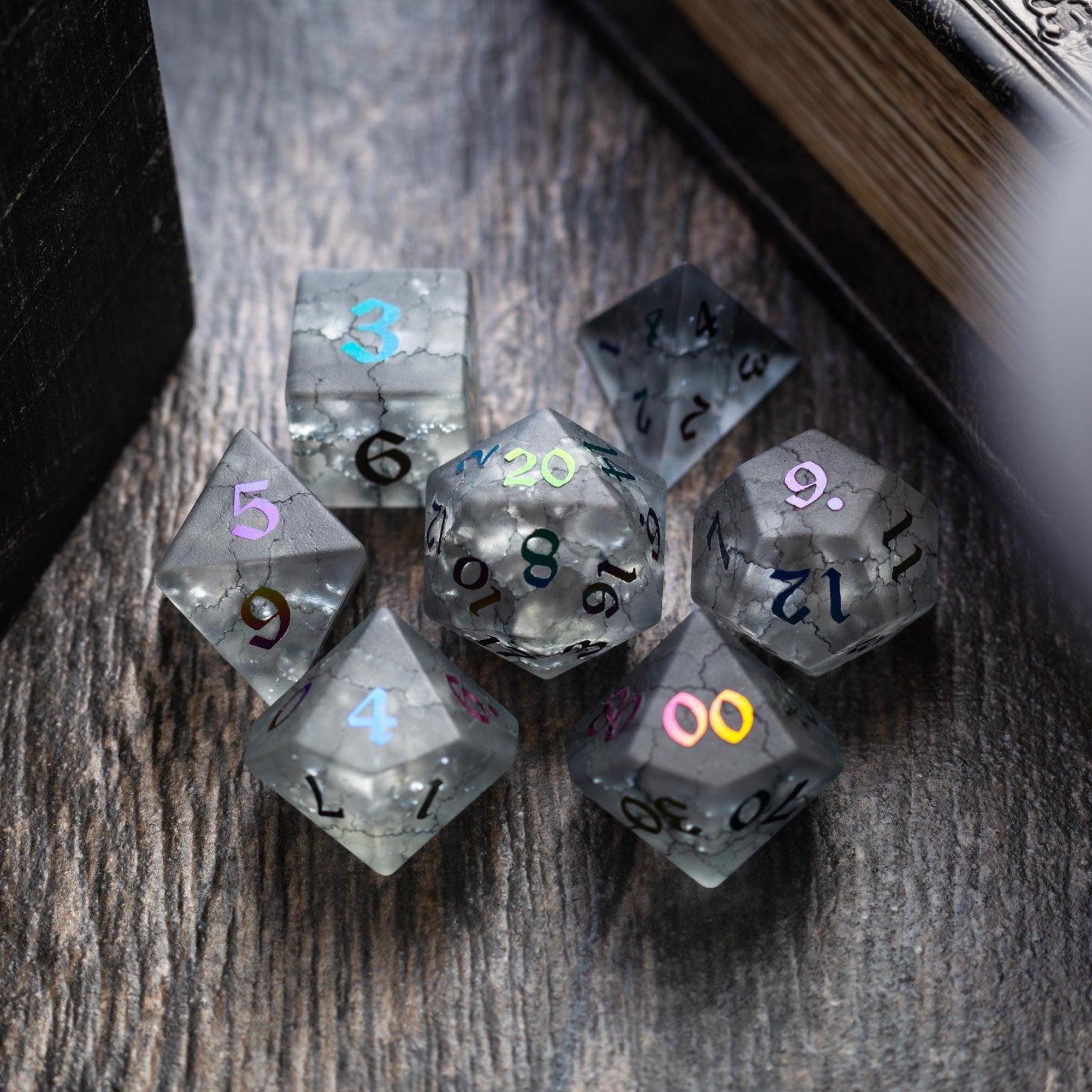
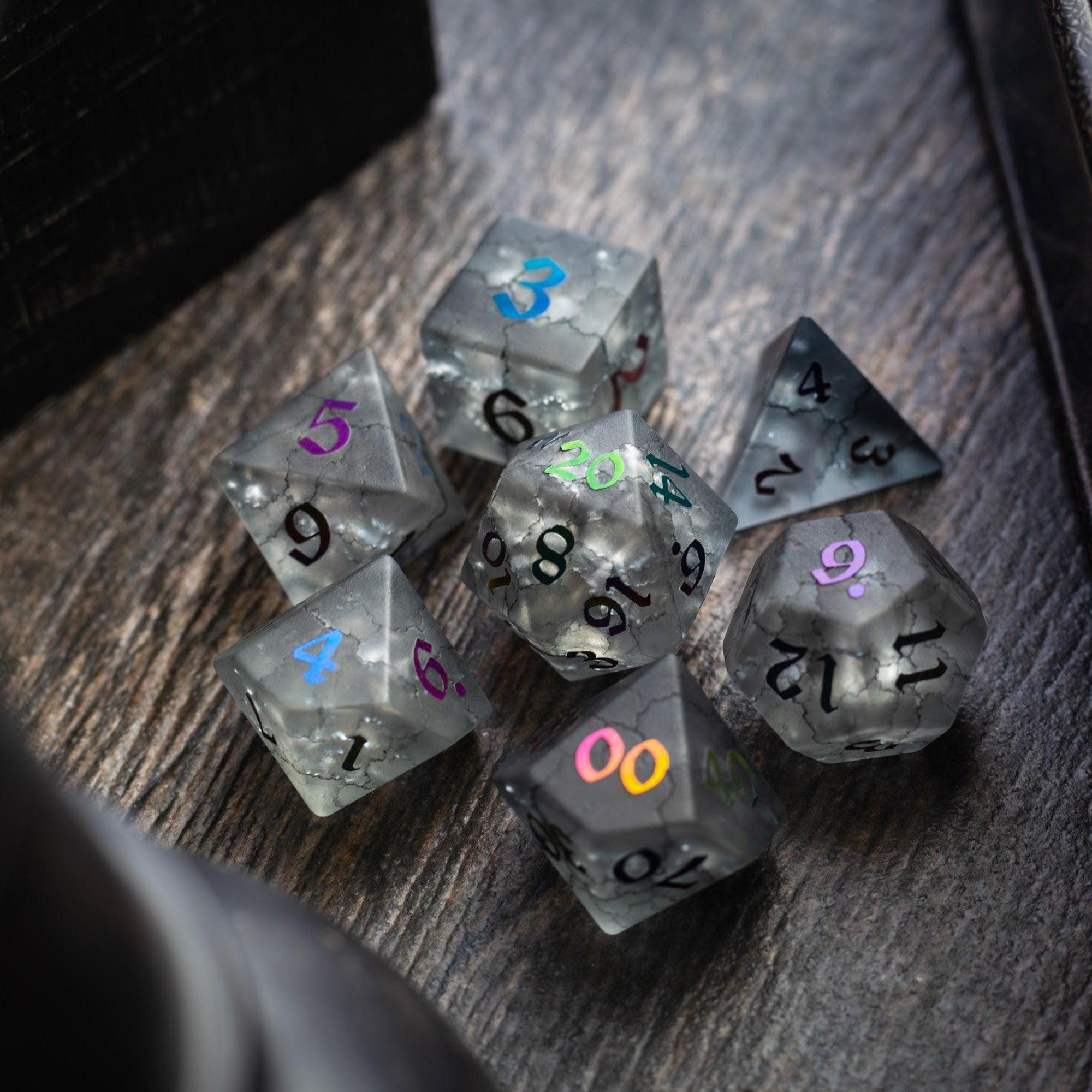
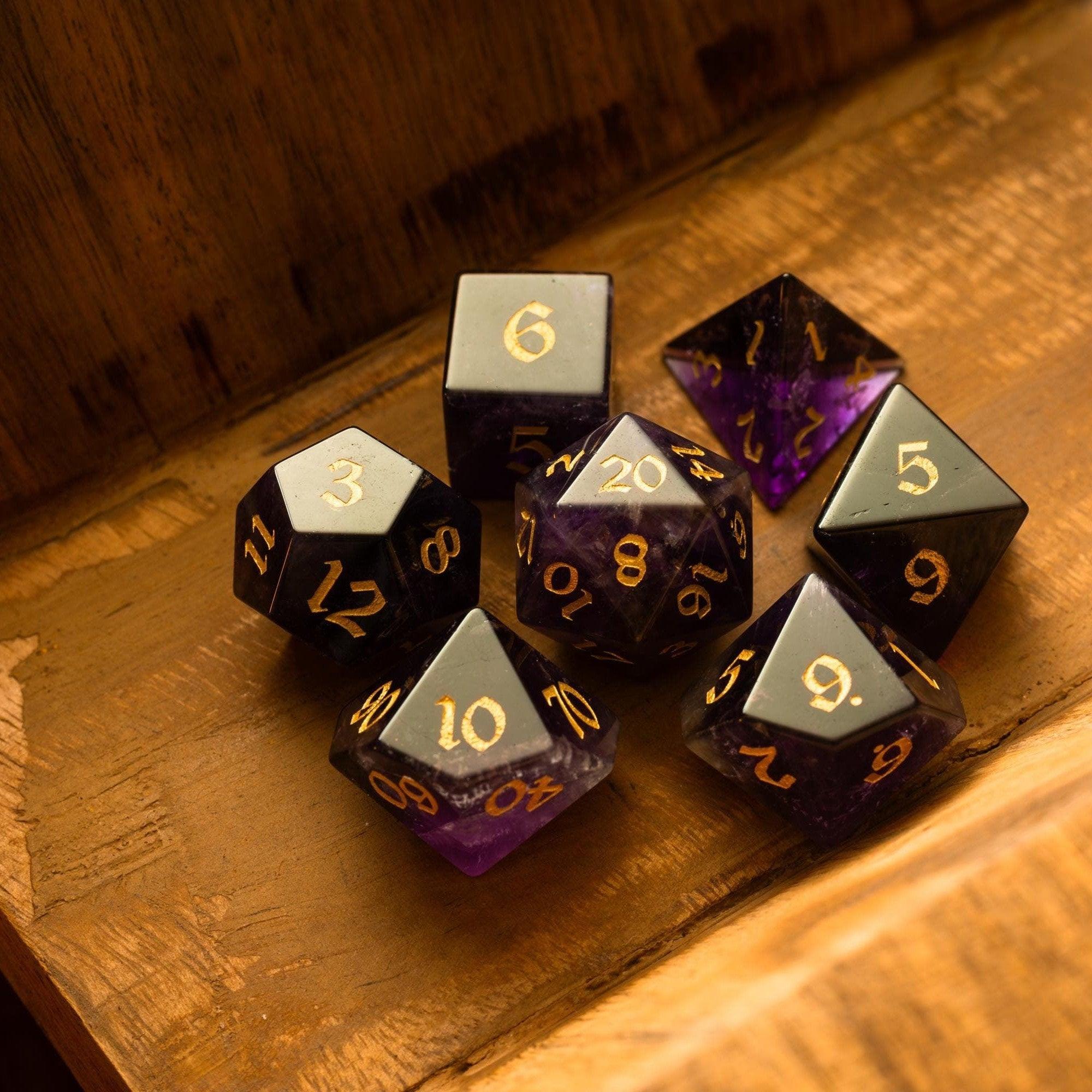
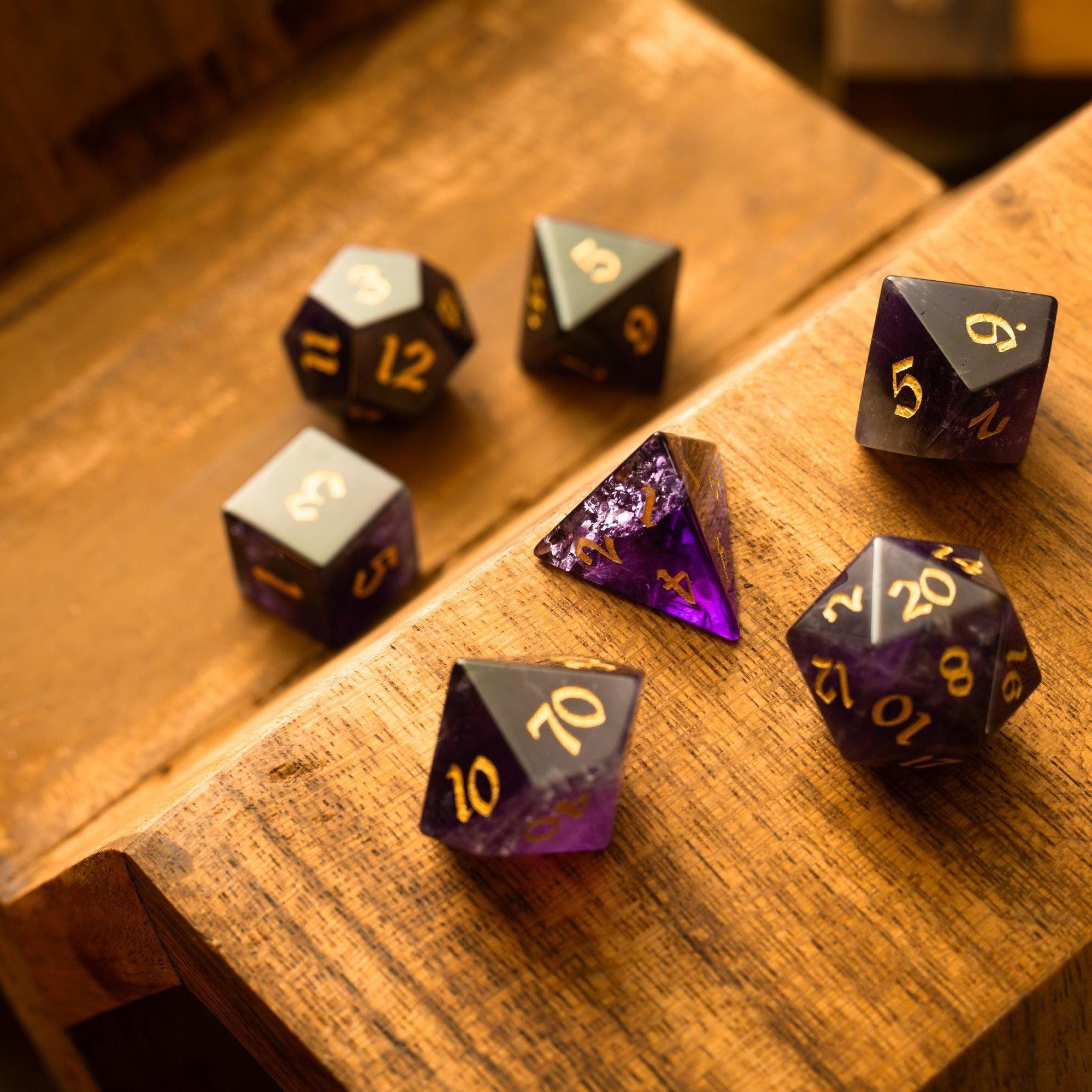
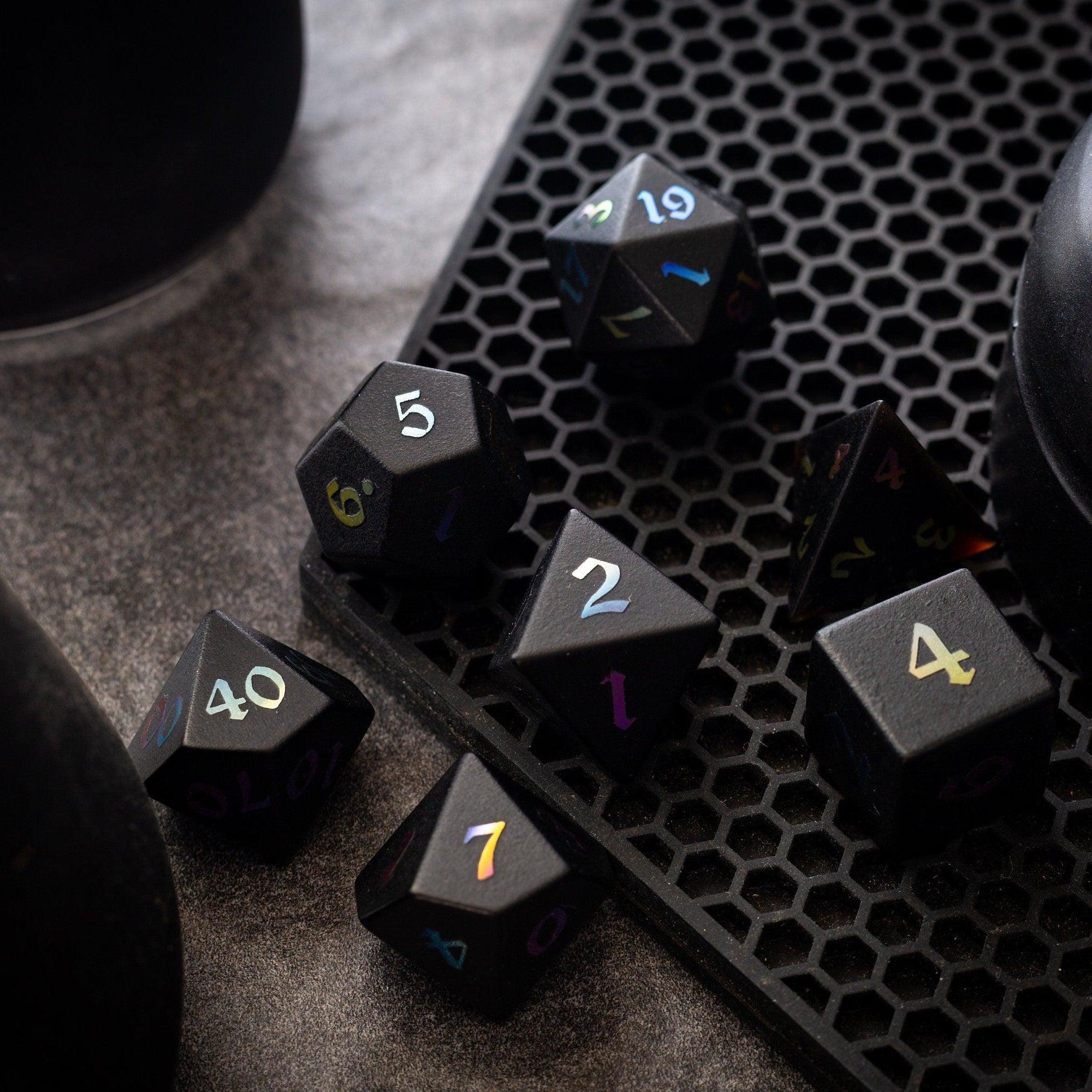
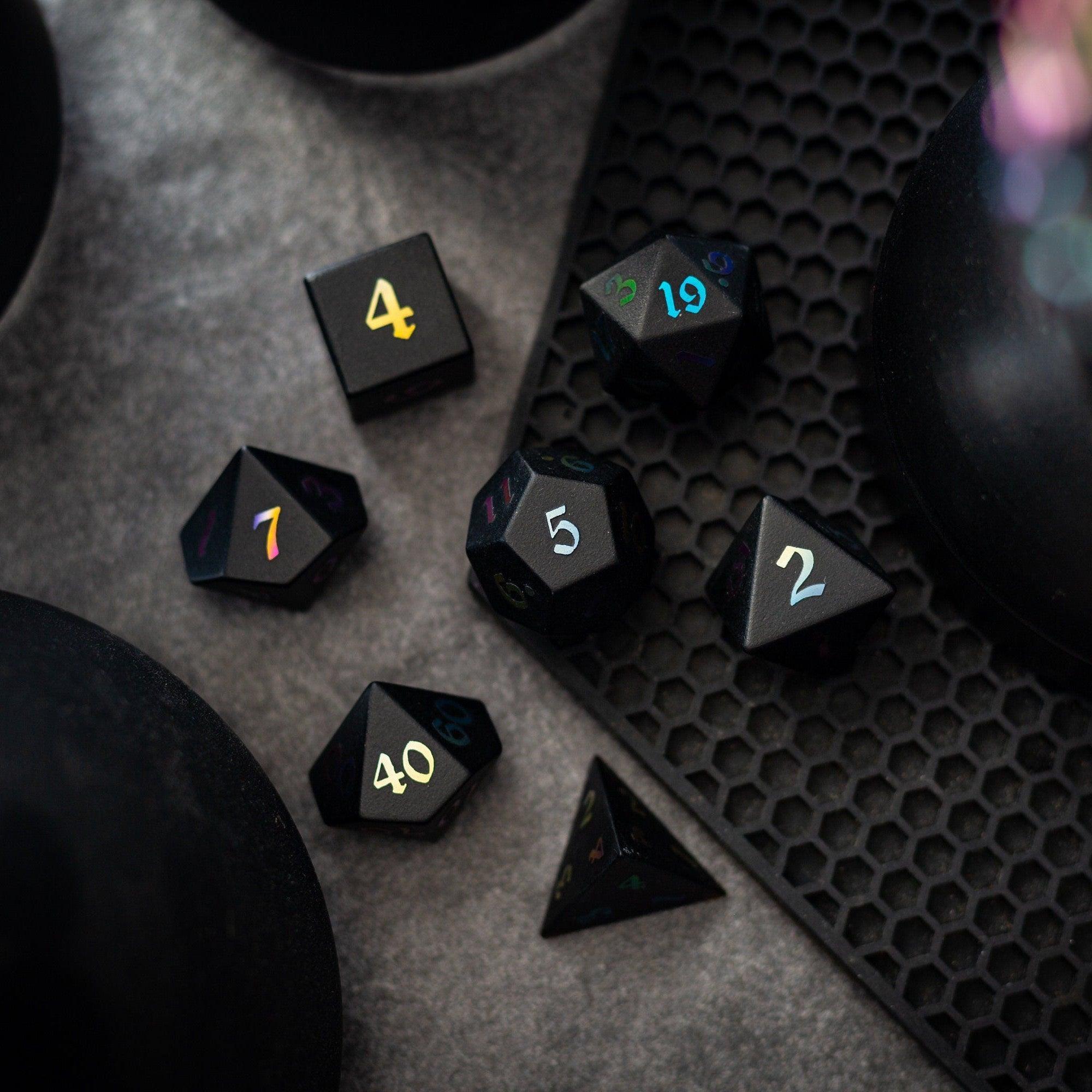
Dice are more than randomizers; they set a mood and invite attention. If you wish, explore curated collections for a set that supports your campaign’s tone. A refined set, such as a luminous gold gemstone set, can gently highlight milestone rolls. For dramatic effects at the table, category pages like liquid core dice offer motion and sparkle. Story-forward groups may appreciate a character-themed option like labradorite gemstone dice that feel special when a hero shines.

Best tabletop role-playing game resources for beginners
New game masters and players benefit from clear, forgiving tools. The best tabletop role-playing game resources for beginners share three traits: simplicity, flexibility, and strong guidance. Consider the following categories as you build your first kit:
- Starter adventure modules: Seek one-shots or short arcs with clear scenes and safety notes. Choose adventures that list creature abilities inline to reduce cross-referencing.
- Maps with clear readability: Use high-contrast, uncluttered designs. A small regional map plus two or three encounter maps will carry a session without overwhelming anyone.
- Universal tokens: Simple creature silhouettes and numbered markers can represent many foes. Colored rings or clips help track conditions without extra effort.
- Player aids: Pre-filled character sheets, a one-page rules summary, and printable conditions cards keep everyone engaged.
- GM trackers: A compact initiative tracker, a clock or progress tracker for time-sensitive scenes, and a session recap template support continuity.
As you grow, you can add campaign planners, terrain pieces, and specialized tokens. It is kind to keep upgrades gradual so players adapt smoothly.
Free online tabletop RPG resources list
Creating a generous toolkit does not need to cost much. The following free and inexpensive options can help you assemble a dependable foundation:
- System reference documents and quickstarts: Many systems offer free rules summaries and beginner packets with pre-generated characters.
- Community one-shots: Supportive creators share short adventures with clear read-aloud text and minimal prep.
- Map generators: Procedural tools produce dungeons, towns, and regions. Export a few variations and label them for later use.
- Token makers: Simple avatar creators and icon sets provide reusable tokens for heroes and foes.
- Audio and ambience: Royalty-free playlists and soundboards can add subtle atmosphere without dominating the table.
- Campaign organizers: Free note-taking apps help you tag NPCs, locations, and hooks, then filter them during play.
When curating a free online tabletop RPG resources list, focus on clarity and terms of use. It is considerate to credit creators, even when not required, and to keep downloaded files labeled so you remember licensing details.
Organizing and sharing tabletop game maps and tokens
Preparation feels lighter when your files are easy to find. Create folders for world maps, towns, dungeons, and encounter scenes. Keep a parallel folder for tokens and name them with the creature or role. If you maintain a consistent format, such as “Map_Region_Name_Scale” and “Token_Creature_Size,” you can retrieve what you need in moments.
For remote play, export a player-safe version of each map without hidden notes. Share tokens and handouts in advance so players can set up characters and equipment. For in-person games, store printed maps in sheet protectors and bring dry-erase markers for quick adjustments. This gentle preparation keeps the story flowing.
Common questions answered about tabletop role-playing game resources
What are essential resources for a tabletop RPG campaign?
Core rules, an adventure module or outline, encounter-ready maps, flexible tokens, and a simple organizational system are the essentials. Add a session zero document, initiative and condition trackers, and a recap template. These items support consistent pacing and help everyone stay aligned.
Where can I find free or inexpensive tabletop RPG resources online?
Look for official quickstart guides, community one-shots, open-license map generators, and token creators. Many toolmakers offer free tiers that are generous for home tables. Organize downloads by category and note any attribution requests so your use remains respectful.
How many RPG adventure modules should I prepare?
For a new campaign, one core module and one backup one-shot are often enough. The one-shot acts as a flexible pivot if schedules change or the group wants a lighter session. Over time, keep two to three short modules on hand for side quests and pacing breaks.
Do I need grid battle maps, or can I run theater of the mind?
Both approaches can work well. If you prefer theater-of-the-mind, use simple zone maps with clear landmarks and distances. For tactical play, a few reusable grids and condition markers keep things clear without requiring a large collection.
How can I keep prep time manageable?
Set a gentle time box for weekly prep and rely on modular resources. Reuse maps by reskinning them and keep tokens generic. A consistent folder system and one-page cheat sheets will reduce search time and support steady pacing during sessions.


Leave a comment
This site is protected by hCaptcha and the hCaptcha Privacy Policy and Terms of Service apply.