

Strategic Class-Based Builds for Peak Character Performance
Updated on: 2025-11-28
Table of Contents
- Product Spotlight for Class Based Character Optimization
- Step-by-Step How-To for Class Based Character Optimization
- Personal Experience With Class Based Character Optimization
- Summary & Recommendations for Class Based Character Optimization
- What is class-based character optimization?
- How do you optimize characters for different classes in games?
- What are common mistakes in class-oriented character optimization?
If you’ve ever opened a character sheet and wondered where to put your next point, you’ve brushed up against class based character optimization. The idea is simple: pick the outcomes you care about, then align stats, features, gear, and choices so your class does that job better and more consistently. In the first 100 words, let’s set expectations. We’ll use class-specific character optimization to target what your class actually needs, and class-oriented character optimization to shape everything around that role. You’ll get practical advice on character builds by class and actionable steps for class-based stat optimization you can use in any system.
Product Spotlight for Class Based Character Optimization
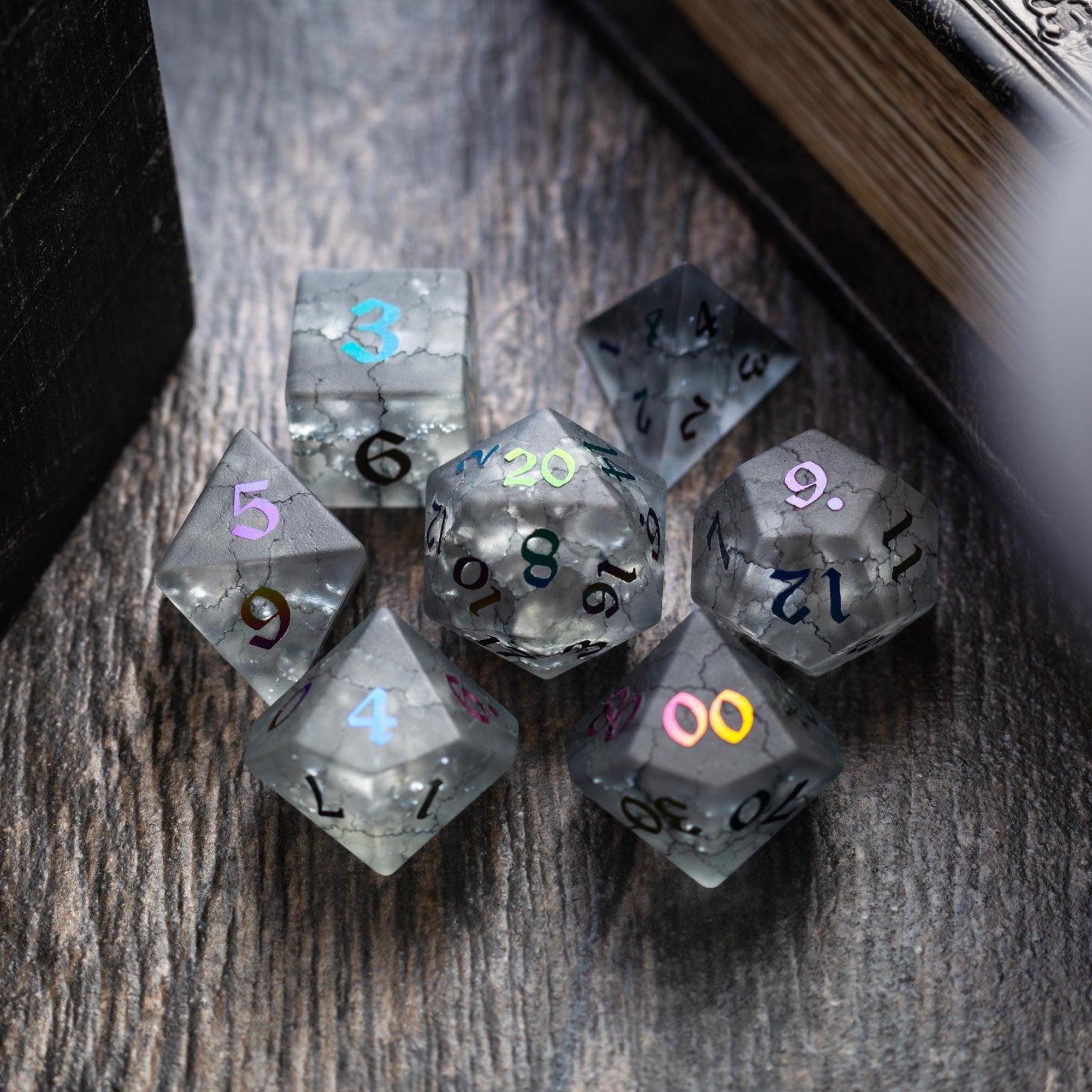
When you’re tuning a build, tools matter—both the numbers on your sheet and the tactile gear you bring to the table. If you like your table gear to match your build’s vibe, the Dwarf-Cut Purple Amethyst Gemstone Set fits perfectly with arcane casters, support-focused priests, or any character that leans into focus and clarity. The stone-weight and sharp edges make rolls feel deliberate—ideal when you’re testing a new allocation or fine-tuning a rotation.
Three quick benefits that align with class based character optimization:
- Clear tactile feedback helps you track sequences when practicing a new combo path for a build.
- Distinct coloration makes it easy to set aside “attack” vs. “utility” dice if you pre-roll or separate phases.
- Durability supports long campaigns where you iterate on character builds by class over many sessions.
If you want to browse more stone-forward options that pair well with methodical, control-heavy playstyles, check out the curated gemstone dice.
Step-by-Step How-To for Class Based Character Optimization
Here’s a simple process you can apply in any RPG that uses classes. It’s flexible, quick to run, and made for real play, not theory-only builds.
Step 1: Define the Class Role and Win Condition
Start by writing a one-sentence job description for your class. For example: “Single-target physical damage dealer who brings reliable off-turn control,” or “Front-line defender that converts hits into advantage for allies.” You’re clarifying what success looks like. This is the heart of class-specific character optimization.
- Write two metrics you care about. Example: “Time-to-defeat single target” and “Chance to maintain control.”
- Pick one stretch goal. Example: “Raise survivability without losing damage.”
- Note constraints from your table: party composition, encounter style, and house rules.
Why this matters: Without a defined role, “optimize” becomes vague. With a role, every choice becomes a yes/no against your win condition, which is the core of best practices for class-based character optimization in video games and tabletop alike.
Step 2: Apply Class-Based Stat Optimization
Next, connect stats to outcomes. This is classic class-based stat optimization: invest where returns are highest for your class and role. A few common mappings:
- Fighter or Barbarian (front-liners): Prioritize Strength/primary attack stat, then Constitution or mitigation tools. Look for features that convert accuracy into extra attacks or riders.
- Rogue or Skirmisher (burst/control): Max agility/dexterity equivalents for accuracy and initiative, then invest in crit scaling or advantage generation.
- Wizard or Caster (control/utility): Max spell stat for save DCs and reliability. Secondary into resource economy (slots, cooldowns, or mana-like pools).
- Cleric or Support (buffs/heals): Spell stat or wisdom-equivalent for reliability, then durability so you stay active longer. Measure value as “ally actions enabled.”
- Ranger or Hybrid (versatile damage): Balance primary stat with the feature that unlocks your rotation (pet scaling, favored target, or stance management).
Pro tip: When comparing two stats, estimate “damage or value per round” for three scenarios—low, average, and high difficulty. If a stat only shines in rare cases, it’s probably not your main investment. This keeps your class-oriented character optimization grounded in reality.
Step 3: Stack Synergies, Features, and Gear
Once core stats are set, stack features that multiply one another. This is where character builds by class come alive.
- Pick one primary keystone. Example: “Crit-based bleed,” “Save-or-suck control,” or “Reaction attacks.”
- Choose two to four enablers. Example: flat advantage sources, attack economy boosters, or DC increases.
- Round out with quality-of-life picks: mobility, resource recovery, and action smoothing.
Gear and table accessories can support your flow. If your build thrives on show-stopping moments—like crit windows or big spell turns—consider a set with visual pop so those rolls stand out. The Blood Red Glitter Liquid Core has dramatic motion that makes highlight rolls feel epic. That’s a small but real reinforcement when you’re practicing tight turn sequences.
Step 4: Playtest, Measure, and Iterate
Optimization is a loop, not a one-off. Try this after two to three sessions:
- Log a few encounters. Note your top three actions each fight and the results.
- Measure against your metrics. Did your control hold? Did your burst land when it mattered?
- Swap one variable at a time: a feat, a spell slot, or a rotation order. Keep what moves the needle.
This is how you answer “How do you optimize characters for different classes in games?”—you test in your actual environment. If a build is fun but underperforming, keep its spirit and rewire the engine. That’s sustainable class based character optimization.
Personal Experience With Class Based Character Optimization
At my table, I once ran a control-focused caster who couldn’t land key saves on tougher foes. I loved the playstyle but felt ineffective. Instead of scrapping the character, I reframed my win condition from “lock down every enemy” to “reliably tilt two key enemies.” That shift changed my picks: I tightened my spell list to high-DC saves, invested in a feature that nudged DC upward, and dropped a cute mobility trick.
I also changed how I tracked big moments. I reserved a specific die for “signature spells,” and it helped me focus on the turns that mattered most. A splashy set like the Labradorite Gemstone Dice turned those turns into rituals—roll, breathe, assess. Within two sessions, the build clicked. I didn’t copy a meta template; I applied best practices for class-based character optimization in video games to a tabletop flow and measured results. The class stayed fun, and the numbers finally backed it up.
Summary & Recommendations for Class Based Character Optimization
Class based character optimization isn’t about turning your sheet into homework. It’s about focusing your decisions so your class does its job well and consistently. Here’s the short list you can use before your next session.
- Write your one-sentence role and two metrics that define success.
- Map stats to outcomes. If a stat doesn’t raise your metrics, lower its priority.
- Pick one keystone mechanic and two to four enablers. Avoid spreading thin.
- Playtest in real encounters and change one variable at a time.
- Favor reliability over rare ceiling moments, unless your party composition wants spike play.
- Keep the build fun. If you dread your turn, optimize the feel as much as the math.
If you like your table gear to match your refined build, you can explore fresh arrivals that pair with your theme and mood in the new collection. It’s a small touch, but ritualizing key rolls improves focus, and focus improves outcomes.
You now have a reusable framework for how to optimize a character by class in RPGs. Save these steps, run the loop after every couple of sessions, and watch your character builds by class grow sharper without losing their heart.
What is class-based character optimization?
It’s the process of aligning your stats, features, gear, and choices with the specific job your class is meant to perform. Instead of chasing every cool option, you invest where returns are highest for your role. In short: define what “winning” looks like for your class, then build toward it with repeatable choices.
How do you optimize characters for different classes in games?
Use a four-step loop: define your role, apply class-based stat optimization, stack synergies around one keystone, then playtest and iterate. For example, a defender boosts durability and control riders, while a caster maxes save DCs and resource economy. Test changes in actual play and keep what improves your two core metrics.
What are common mistakes in class-oriented character optimization?
Three big ones: trying to cover every role, overvaluing rare high rolls instead of consistent output, and changing too many variables at once so you can’t see what helped. Avoid all three by naming your win condition, prioritizing reliability, and iterating with one change per test window.

















Leave a comment
This site is protected by hCaptcha and the hCaptcha Privacy Policy and Terms of Service apply.