

From Zero to Campaign: Practical Tabletop Roleplaying Guide
Updated on: 2025-12-01
- A tabletop roleplaying guide for welcoming new players
- Tabletop roleplaying guide: What it is and how it works
- Tabletop RPG starter guide: Tools, dice, and comfort aids
- How to run a tabletop RPG: A gentle step-by-step
- Benefits and reasons to start with a tabletop roleplaying guide
- FAQ: tabletop roleplaying guide for beginners
A tabletop roleplaying guide for welcoming new players
A tabletop roleplaying guide can make your first steps simple and friendly. If you are curious about collaborative stories, dice, and character-driven adventures, this beginners guide to tabletop roleplaying games will help you understand the basics without jargon. Within the first few sections, you will learn what tabletop roleplaying is, how it works, and how to run a tabletop RPG in a way that feels calm and inclusive. This article also acts as a comprehensive tabletop roleplaying guide for beginners, offering gentle advice on pacing, safety, and materials so everyone can enjoy the table together.
Tabletop roleplaying guide: What it is and how it works
At its core, a tabletop RPG guide focuses on shared storytelling. One person describes the world and plays its inhabitants, while the others portray their own characters within that world. Together, you explore scenes, solve problems, and react to events. When outcomes are uncertain, you roll dice to add excitement and fairness. This balance of choice and chance creates memorable moments that feel personal and surprising.
Core concepts in a tabletop role-playing guide
If you are asking what is tabletop roleplaying and how does it work, it may help to think of three key pillars:
- Conversation: Players describe what they want to do; the game facilitator clarifies outcomes and consequences.
- Adjudication: Rules provide structure. They suggest when to roll, how to interpret results, and how characters progress.
- Imagination: Scenes unfold through words, not screens. Maps, tokens, or music are optional, not required.
Roles at the table and how they collaborate
Most games include a facilitator (often called a Game Master or GM) and players. The GM presents the situation, plays non-player characters, and applies rules. Players make choices for their characters and collaborate to solve challenges. A good tabletop role-playing guide emphasizes consent, clarity, and pacing, so everyone feels safe to contribute.
Dice and probability in tabletop RPGs
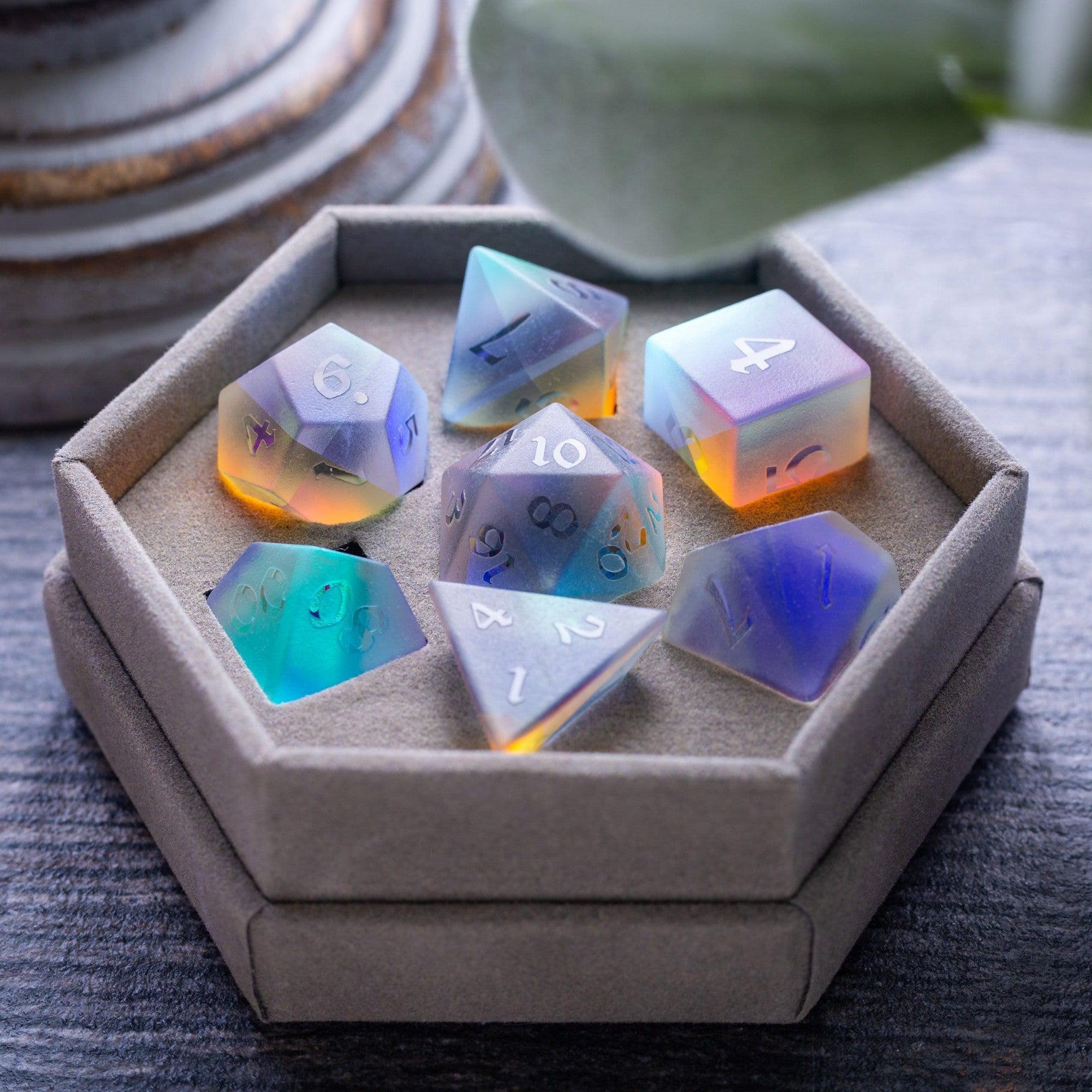
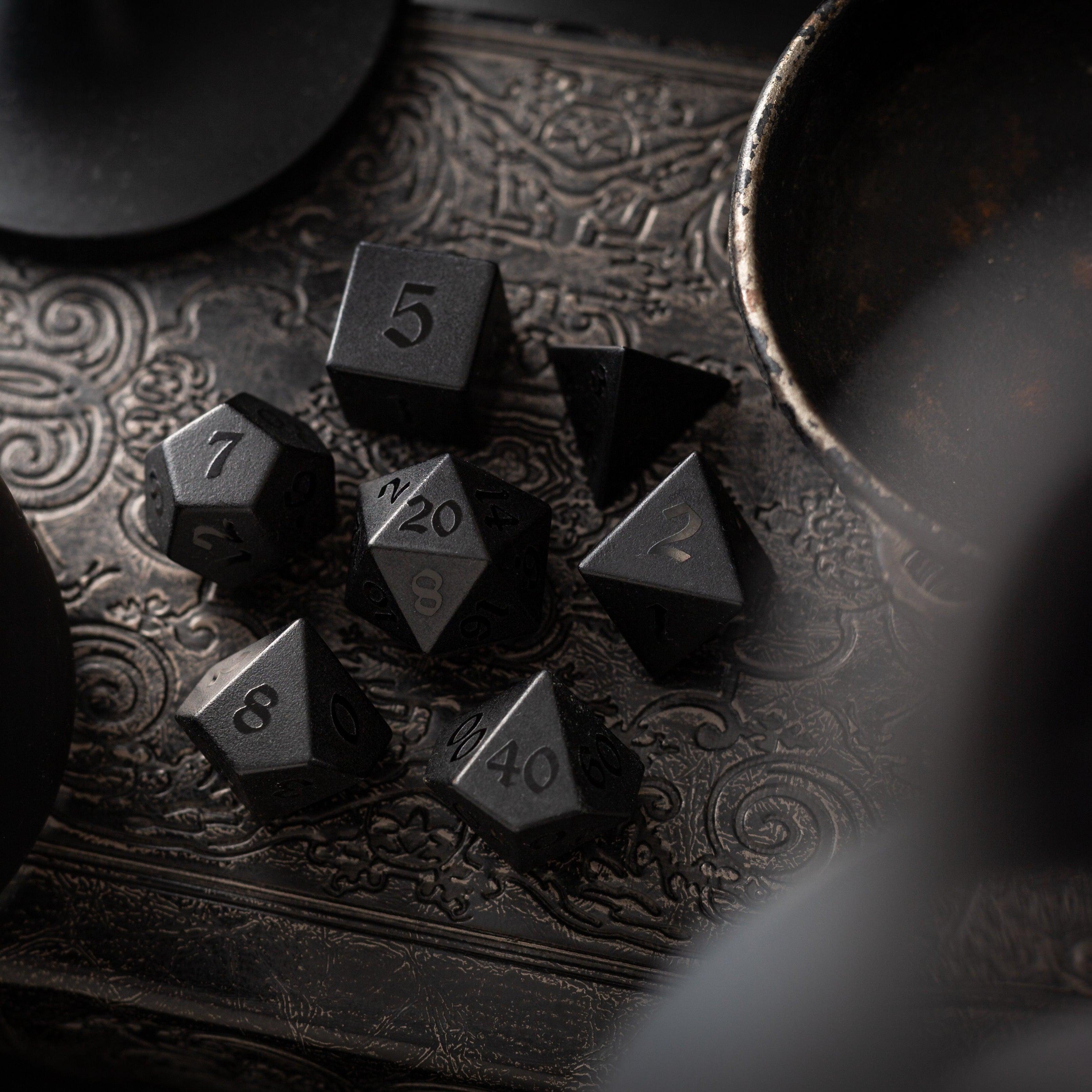
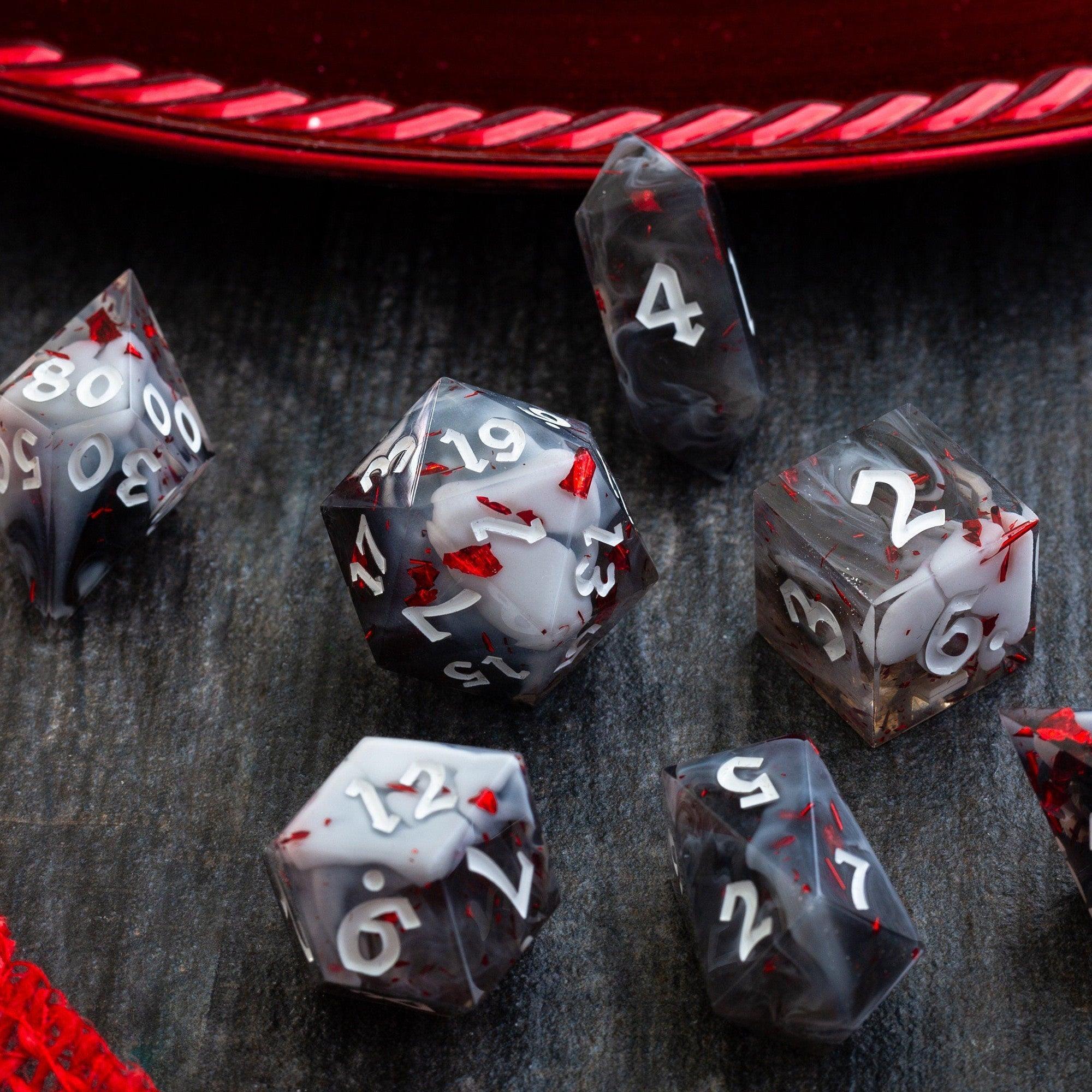
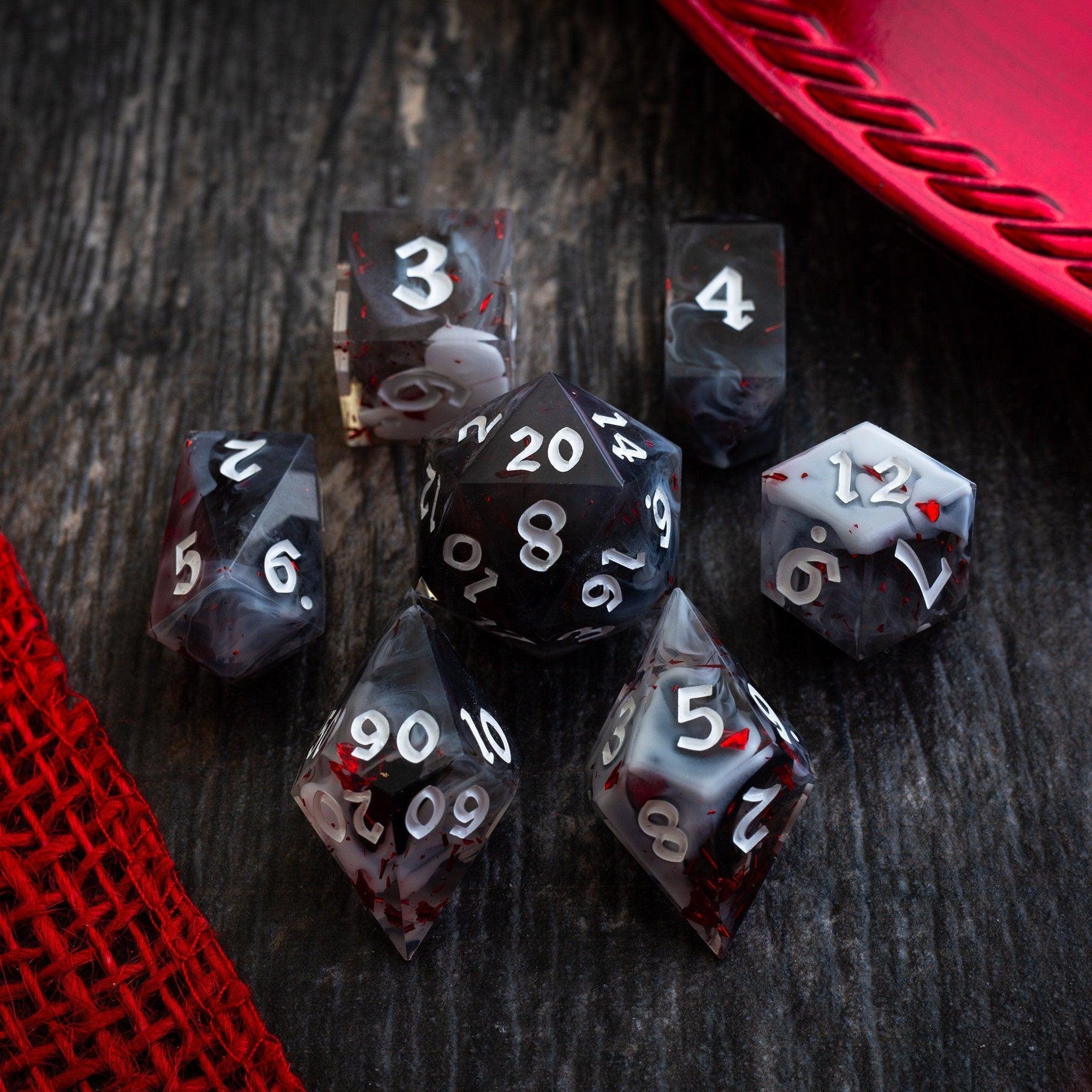
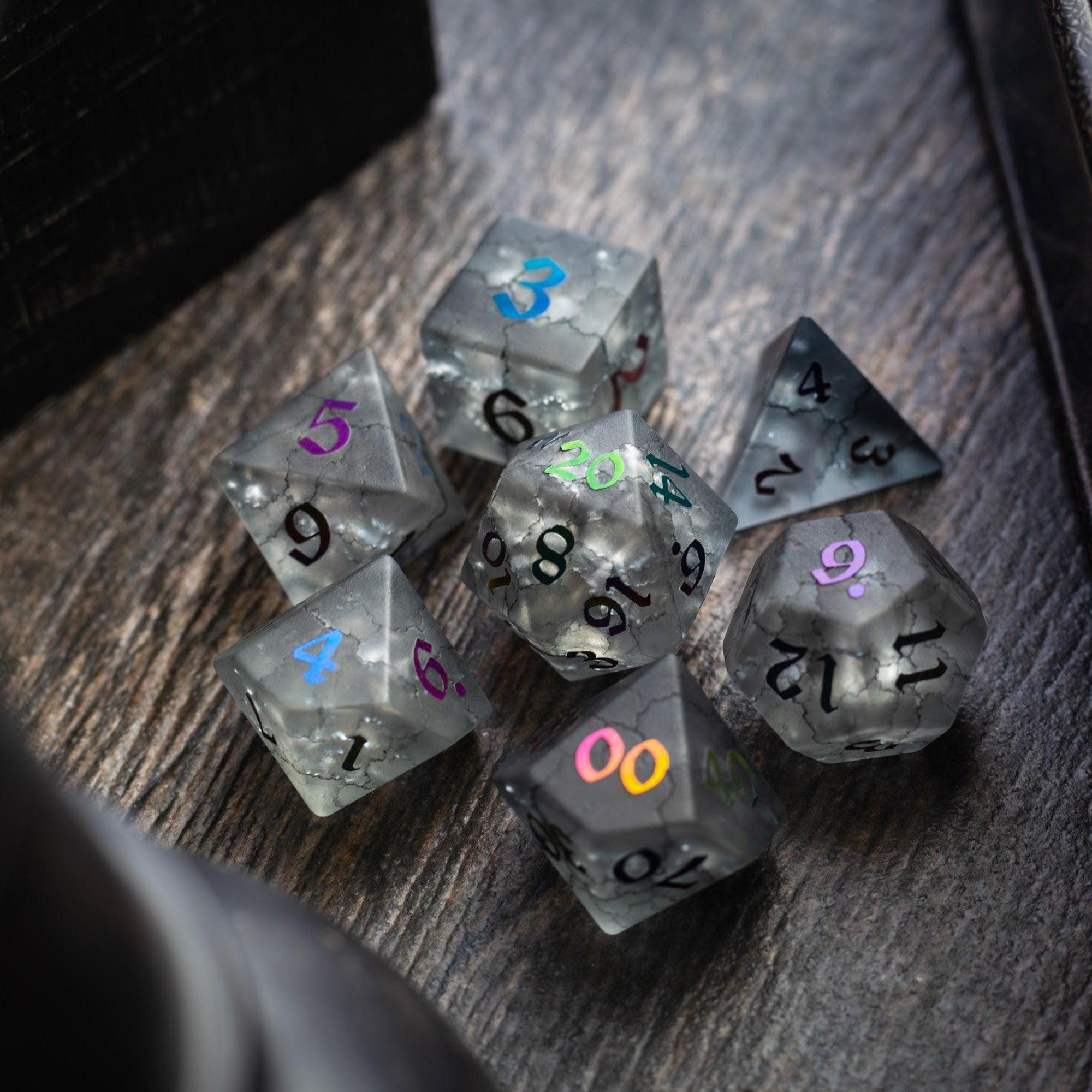
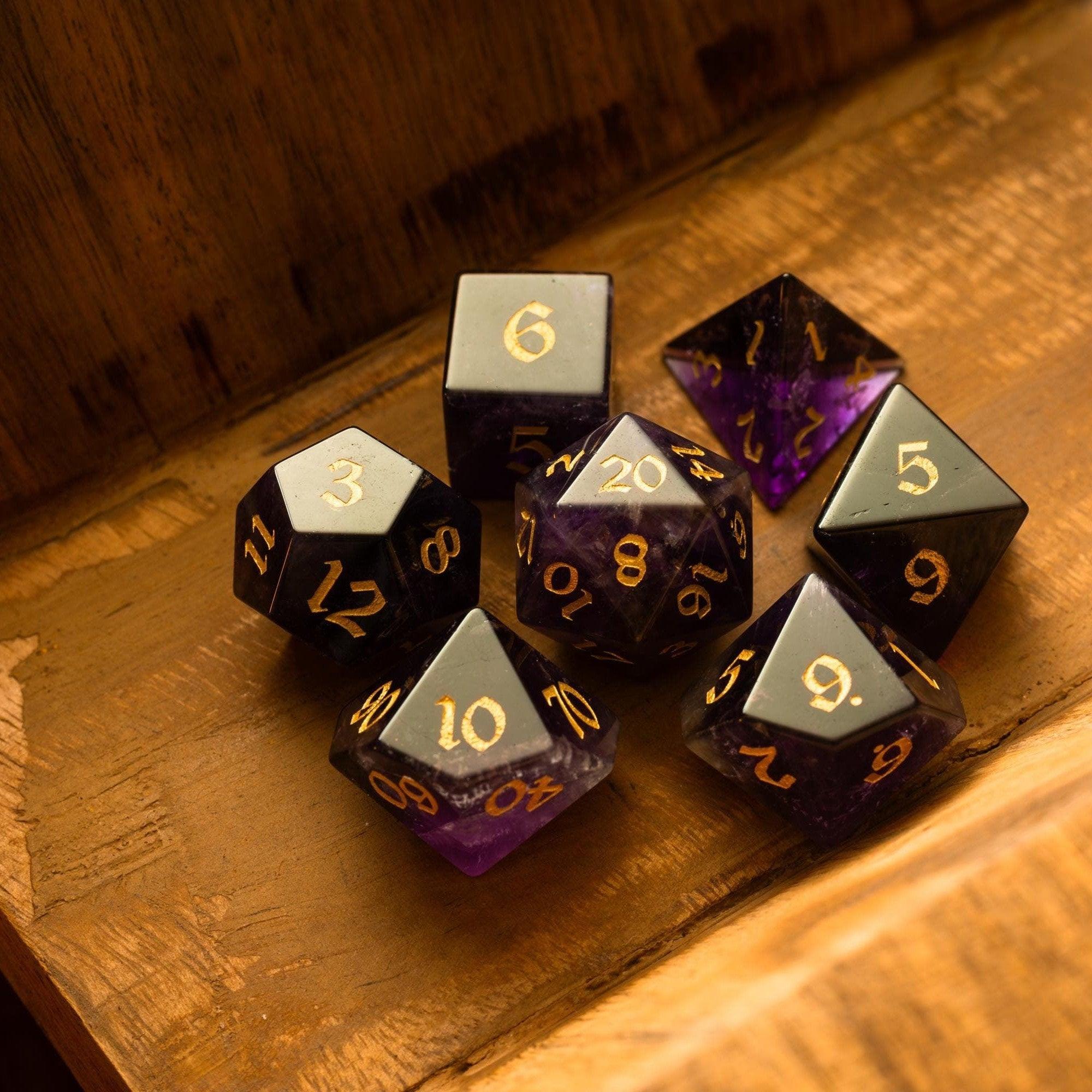
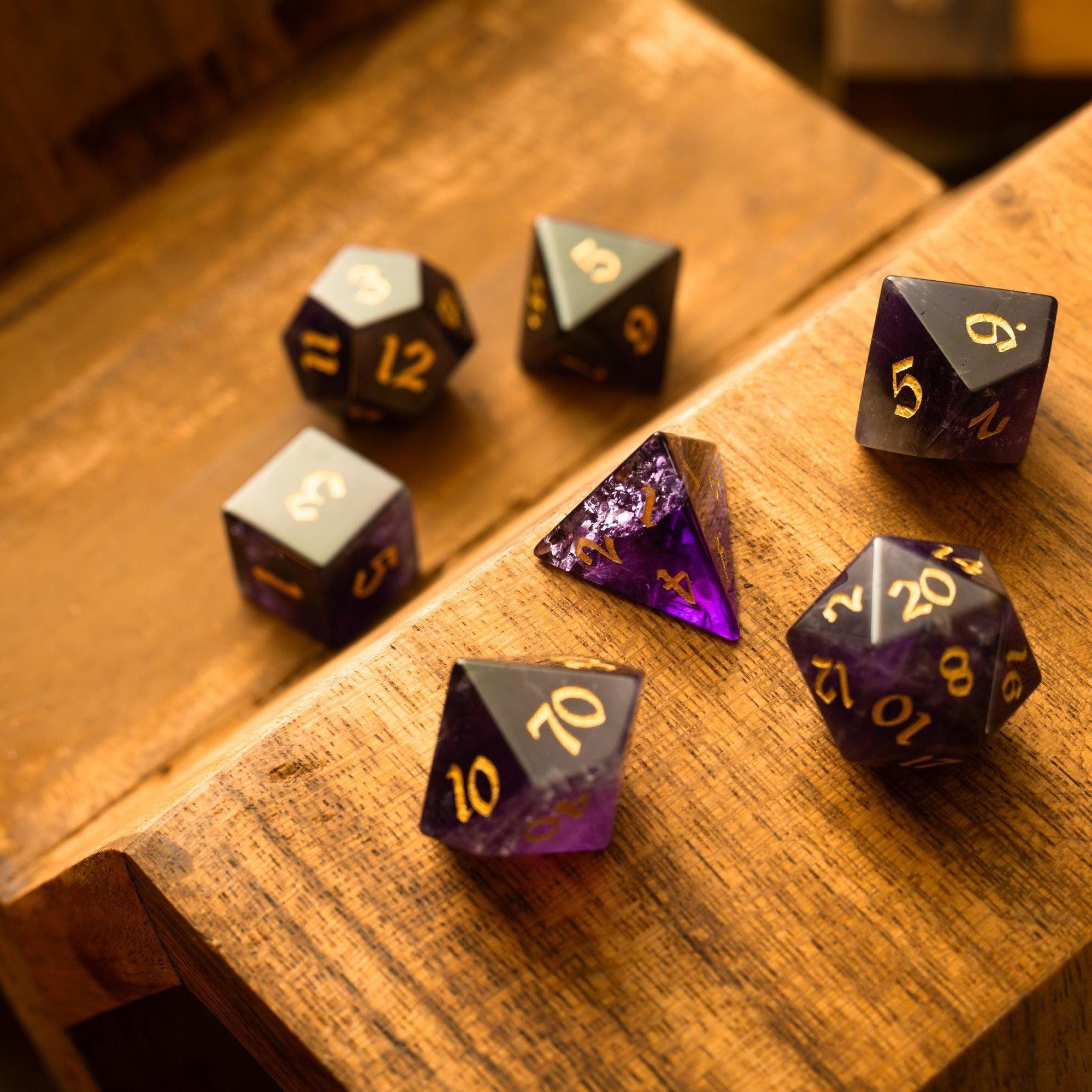
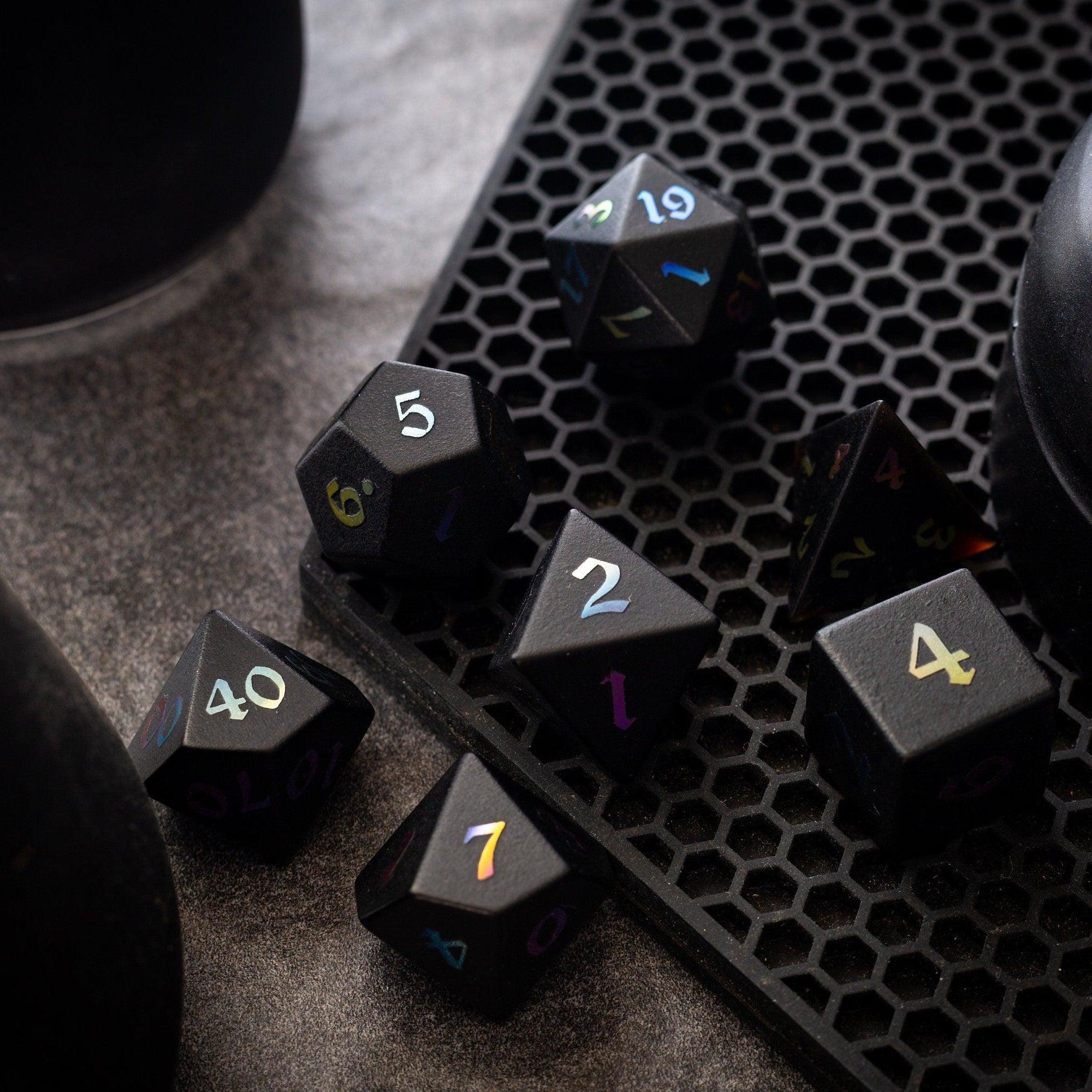
Dice add uncertainty that feels fair and exciting. Different systems use different dice, but the idea is similar: you roll, add a number, and compare the total to a target. Many groups enjoy collecting sets that are easy to read and pleasant to roll. Dice that feel good in hand can make even small moments feel special.
Tabletop RPG starter guide: Tools, dice, and comfort aids
Essential materials for a new group
You can begin with very little. A basic ruleset (often available in a quick-start form), a few pencils, paper or digital sheets, and one set of polyhedral dice per player are enough. As a tabletop RPG starter guide, this section suggests starting simple and building up as you discover what you enjoy. Keep your table organized, write names on tent cards, and use a shared note document so everyone stays on the same page.
Nice-to-have upgrades for smoother play
- A dedicated dice set for each player to keep the game moving and reduce passing around the table. Consider browsing the Dice collections for options.
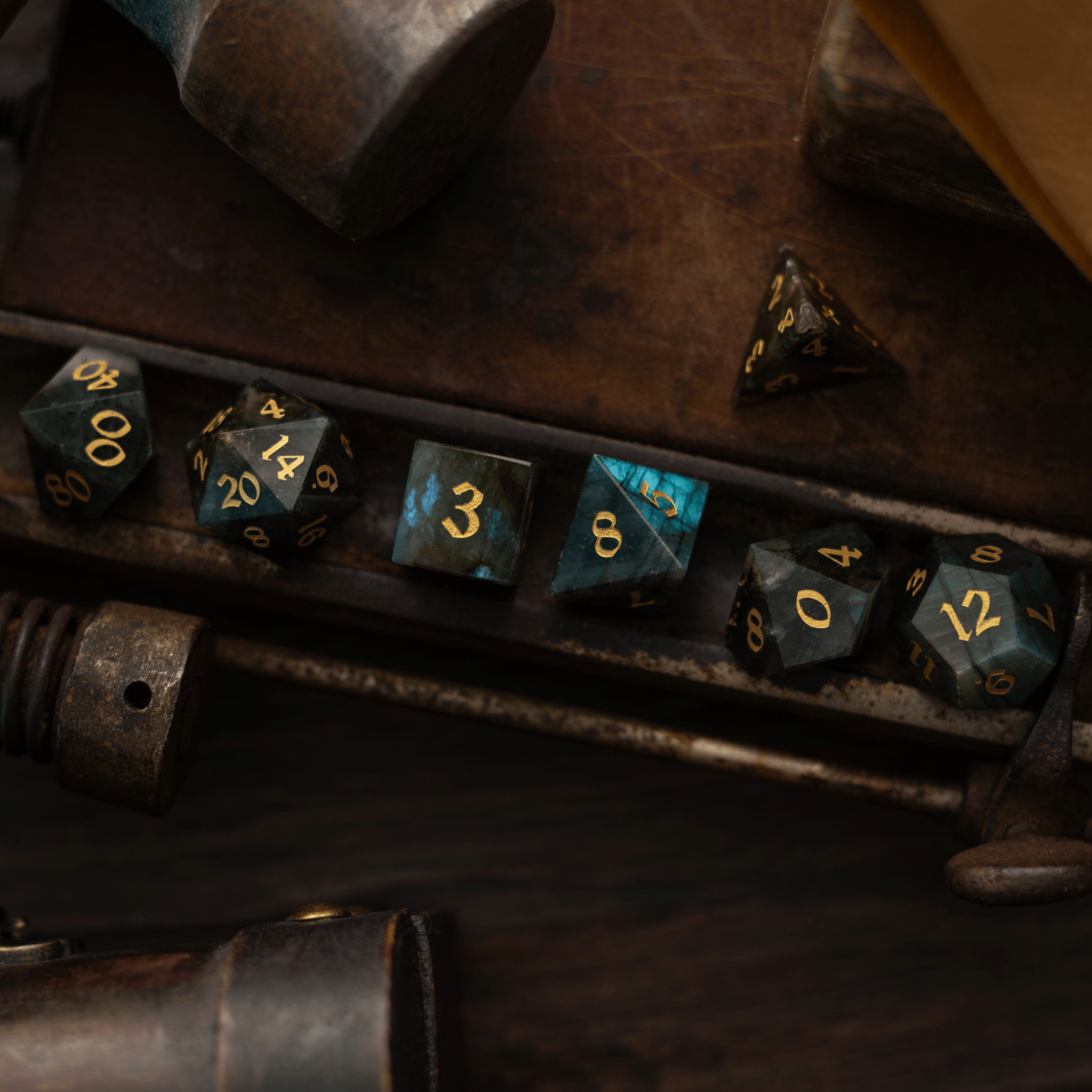
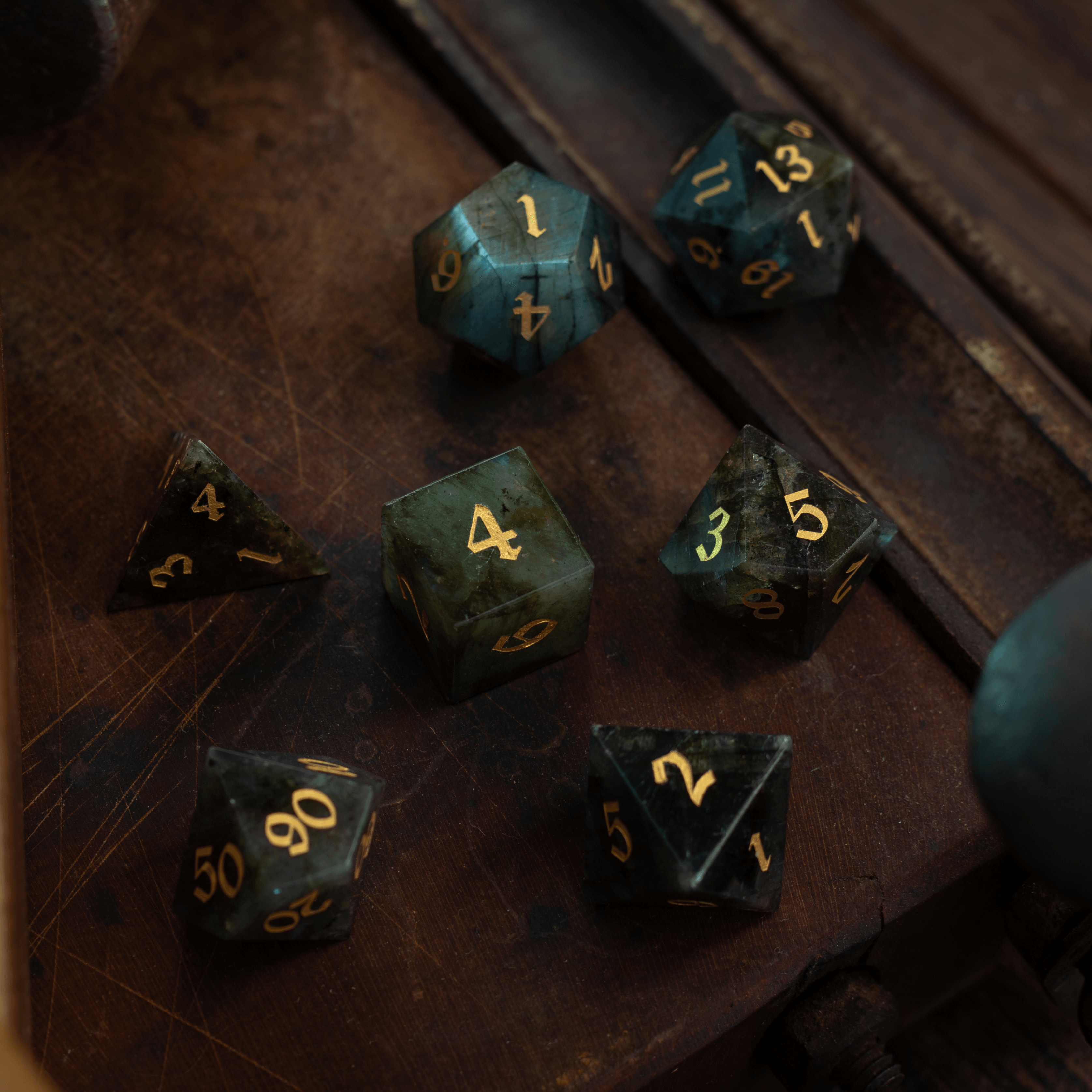
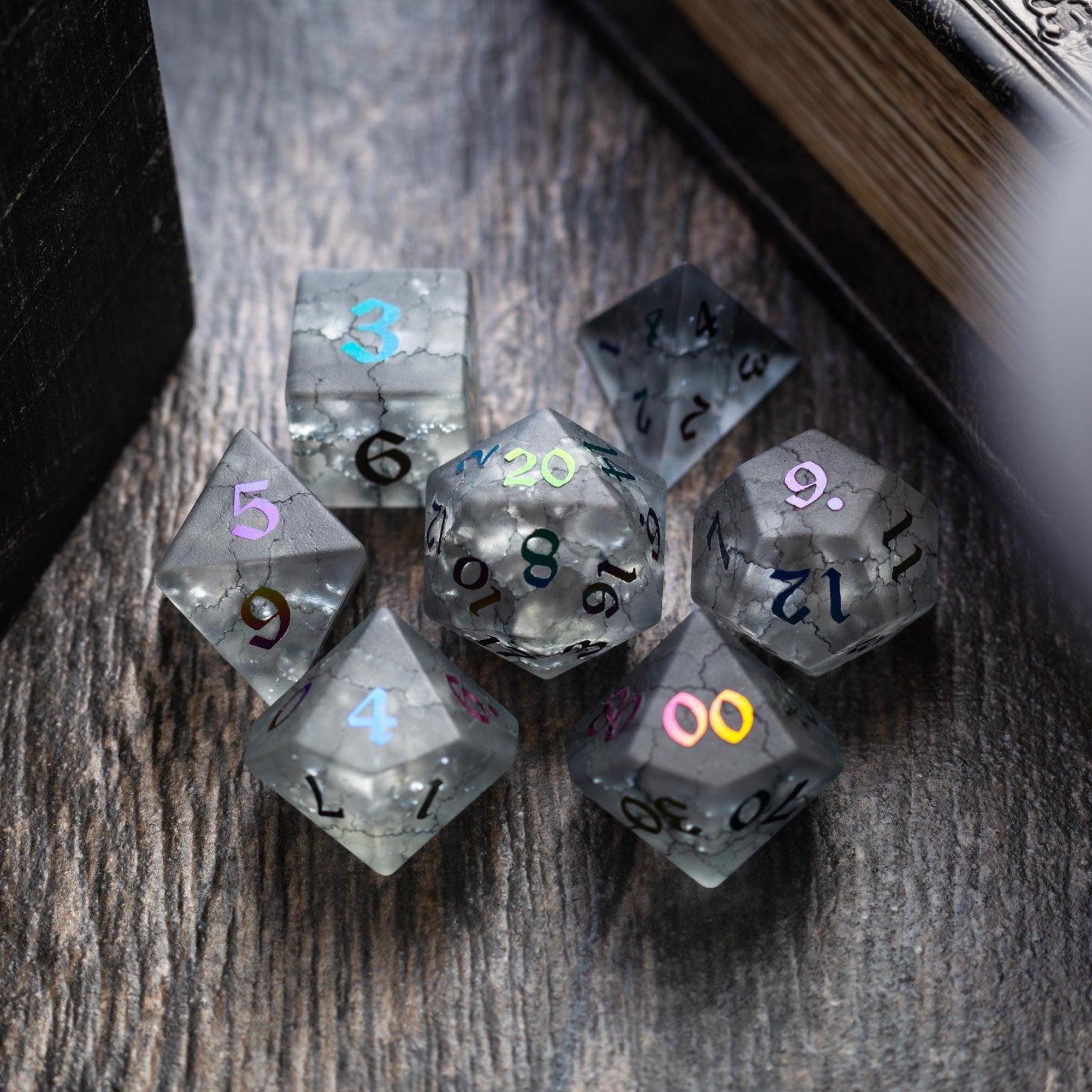
- Gemstone or themed sets for special rolls or character milestones, such as a Labradorite dice set that pairs well with mystical characters.
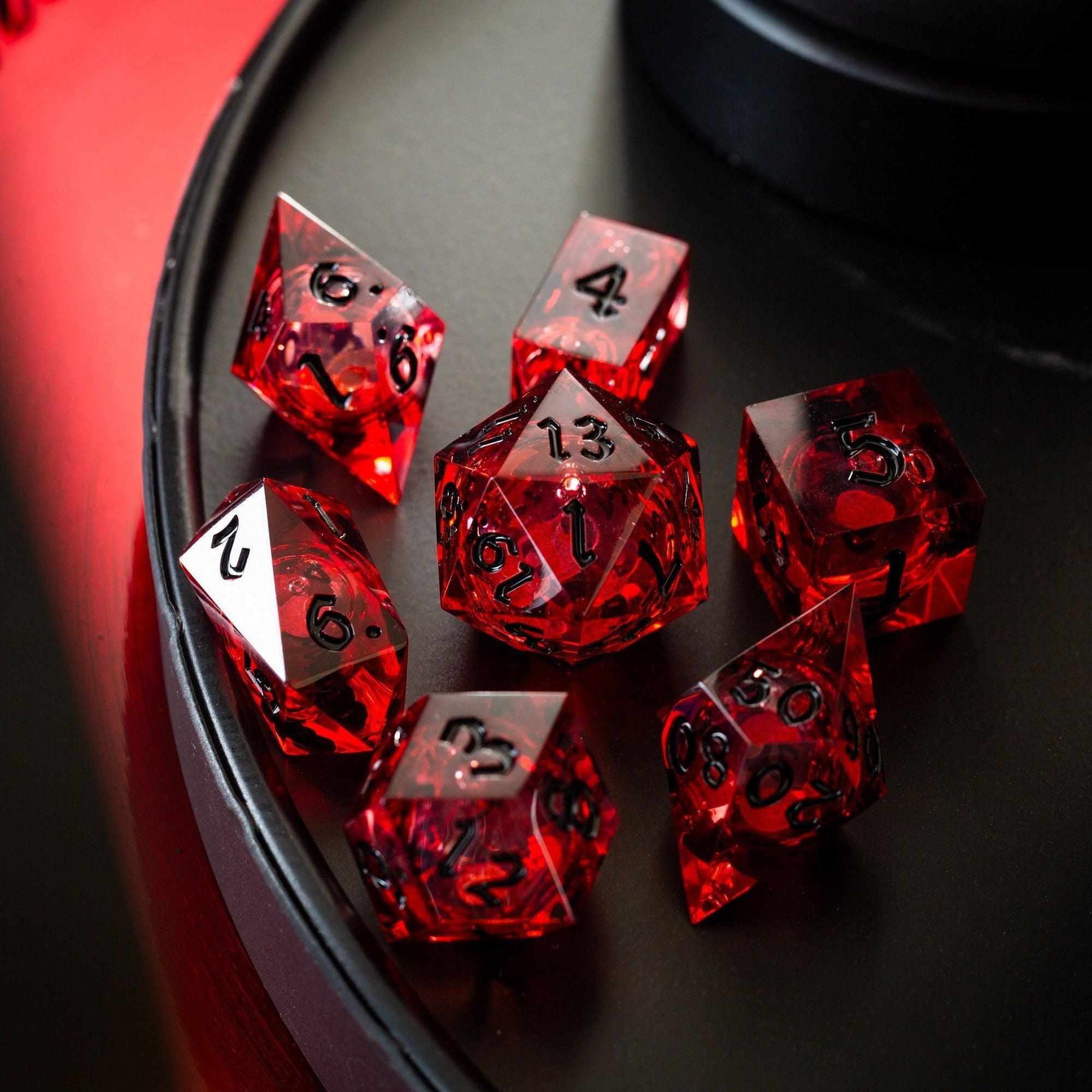
- Expressive specialty dice for dramatic moments, like a shimmering Liquid core set to mark critical scenes.
- A striking table centerpiece for session intros or finales, such as elegant Gold gemstone dice that make big rolls feel ceremonial.
Upgrades are optional. If something adds comfort, clarity, or joy, it is worth considering. If it distracts, it can wait.
Safety and comfort tools for a respectful game
Safety tools are simple agreements that help everyone feel comfortable. Lines and veils, pause signals, and open-door policies welcome honest communication. A tabletop roleplaying guide is not only about rules and dice; it is also about trust and empathy. A few minutes checking in before and after a session can set a supportive tone for the entire campaign.
How to run a tabletop RPG: A gentle step-by-step
This section offers a clear path for how do you start a tabletop roleplaying game session, especially if you are guiding a group for the first time. It is written to be simple, calm, and reusable for many systems.
Step 1: Choose a ruleset that fits your group
Pick a system that matches your group’s tastes and the time you have. Do you prefer heroic fantasy, cozy mysteries, or sci-fi? A short starter adventure often includes a streamlined rules summary. As you read, note how characters act, how conflicts resolve, and what the game encourages you to do at the table.
Step 2: Invite players and set expectations
Share a short invite with the game’s premise, session length, and desired tone—lighthearted, serious, or somewhere in between. Ask players what they hope to experience. Align on a schedule, typical breaks, and accessibility needs. Gentle clarity helps everyone relax.
Step 3: Build characters together
Make characters in a group setting so players can connect their backstories. Encourage ties between characters and the world. Keep rules questions on a shared note so you can resolve them together after the session, if needed. This approach keeps the energy moving while protecting your session time.
Step 4: Prepare a short, flexible adventure
Plan three to five scenes with clear goals. Offer at least two paths forward in each scene so players feel agency. Prepare only what you need to describe the mood, key locations, and possible outcomes. A flexible outline is easier to adapt than a rigid script.
Step 5: Run a comfortable session zero
Before your first full adventure, hold a brief session zero. Review table safety, talk about themes, and agree on content boundaries. Share house rules that simplify play, like rolling damage with the attack or tracking conditions on tokens. Check in on tone and pacing preferences.
Step 6: Start your first session with clarity
Open with a summary: who the characters are, where they are starting, and what is at stake. Describe sensory details in small, manageable strokes. Ask, “What do you do?” and give players time to respond. Explain when to roll and why. Celebrate small wins to build momentum and confidence.
Step 7: Close with feedback and next steps
End five minutes early to invite feedback. Ask what felt smooth, what felt unclear, and what players want more of. Use this to adjust future sessions. A tabletop roleplaying guide works best when it adapts to your unique table.
Benefits and reasons to start with a tabletop roleplaying guide
Beginning with a structured tabletop roleplaying guide offers practical and emotional benefits. It reduces uncertainty, supports fairness, and keeps everyone on the same page. It also builds trust, which may be the most important resource at any table. With shared expectations, players tend to feel braver about roleplaying, and facilitators can focus on listening, pacing, and discovery.
- Clarity: A guide sets expectations early, which lowers anxiety and speeds up decision-making.
- Accessibility: New players feel included when terms and rules are explained in plain language.
- Consistency: A written reference helps resolve rules questions without halting play.
- Safety: Gentle check-ins and boundaries foster a respectful environment.
- Momentum: Simple scene structures and short prep keep sessions moving.
When combined with a tabletop RPG guide that emphasizes collaboration, your group can find a rhythm that works for everyone. Many groups report that a few thoughtful habits—like summarizing at the start of each session and ending with a quick debrief—do more to improve the experience than any complex mechanic. Small steps can have a big impact.
FAQ: tabletop roleplaying guide for beginners
What is tabletop roleplaying and how does it work?
It is a collaborative storytelling game where players portray characters and a facilitator presents the world. You speak in character, describe actions, and roll dice when outcomes are uncertain. Rules guide how to resolve conflicts, but creativity and conversation drive the story.
How do you start a tabletop roleplaying game session without stress?
Keep it simple. Share a brief premise, set a kind tone, and use a short adventure outline. Begin with a session zero to align on safety and expectations. Start with a clear opening scene and a straightforward goal so everyone can ease into play.
Which dice do I need for a beginner-friendly tabletop RPG starter guide?
Most popular systems use a set of polyhedral dice that includes a d4, d6, d8, d10, d12, and d20. One full set per player keeps play smooth. Choose dice that are easy to read and comfortable to roll. Style is personal, so consider color contrast and hand feel.
Can I run a game if I have never GMed before?
Yes. A calm, clear approach works well. Use a short rules summary, plan a few flexible scenes, and focus on listening. Ask players what they enjoy, and adjust as you go. You do not need to be an expert to create a memorable session.






Leave a comment
This site is protected by hCaptcha and the hCaptcha Privacy Policy and Terms of Service apply.