
Tabletop RPG Character Optimization A Practical Guide
Updated on: March 5, 2026
Mastering tabletop RPG character optimization involves understanding core mechanics, balancing strengths and weaknesses, and making thoughtful choices that enhance both gameplay and storytelling. This guide explores practical strategies, common misconceptions, and approaches that help players create more effective and enjoyable characters. Whether you are new to role-playing games or seeking to refine your skills, these insights will help you navigate character creation with greater confidence and purpose.
- Myths vs. Facts About Character Building
- Understanding the Fundamentals of Character Mechanics
- Strategic Approaches to Ability Scores and Attributes
- Creating Synergy Between Skills and Powers
- Personal Experience and Learning Through Play
- Final Thoughts and Key Takeaways
- Frequently Asked Questions
Myths vs. Facts About Character Building

When exploring tabletop RPG character optimization, players often encounter several widely held beliefs that may not reflect reality. Let us examine some common misconceptions and the truths behind them.
- Myth: The most powerful character is always the one with the highest ability scores. Fact: While strong attributes matter, character effectiveness depends on how well abilities align with your chosen role, your team composition, and how you leverage your specific strengths within the game's rules.
- Myth: Optimization means sacrificing roleplay and narrative depth. Fact: Strategic character building and compelling storytelling work together naturally. A well-optimized character often becomes more engaging because players feel confident and can focus on developing interesting personalities and motivations.
- Myth: There is only one correct way to build a character for each class. Fact: Multiple valid approaches exist for nearly every character type. Different playstyles, campaign settings, and party needs create opportunities for diverse and equally effective builds.
- Myth: New players should avoid optimization entirely and focus only on fun. Fact: Understanding optimization basics helps new players feel more capable and enjoy the game more fully. You can learn mechanical efficiency while developing your character's personality simultaneously.
- Myth: Optimization requires extensive mathematical calculations and spreadsheets. Fact: While some players enjoy detailed analysis, basic optimization comes down to understanding your character's purpose and making intentional choices that support that purpose.
Understanding the Fundamentals of Character Mechanics
Effective character development begins with understanding how game mechanics work. Each tabletop RPG system has core rules governing ability scores, skills, attributes, and how these interact during gameplay. Taking time to understand these fundamentals creates a foundation for making better decisions.
Most systems organize character abilities into core attributes such as strength, dexterity, constitution, intelligence, wisdom, and charisma. Each attribute influences different aspects of gameplay. Strength affects physical power and carrying capacity, while charisma influences social interactions and influence. Intelligence typically governs knowledge and problem-solving, whereas wisdom relates to perception and insight.
Beyond raw attributes, skills represent trained abilities that characters develop through experience and focus. Skills allow your character to excel in specific areas, from combat techniques to social persuasion to magical knowledge. Selecting skills that complement your character's role and attributes creates meaningful synergies that improve overall effectiveness.
Understanding how your character's abilities interact with game mechanics helps you recognize opportunities where your strengths shine brightest. This knowledge allows you to make choices aligned with both your character concept and practical effectiveness in gameplay.
Strategic Approaches to Ability Scores and Attributes
One of the most important decisions in tabletop RPG character optimization involves distributing your ability scores. Different systems use various methods, from rolling dice to point allocation, and each approach offers different strategic considerations.
When you have flexibility in determining attributes, consider your character's primary role first. A character designed for combat effectiveness might prioritize strength or dexterity depending on their fighting style. A spellcaster might value intelligence or wisdom more highly. A character focused on leadership and social situations benefits from high charisma.
However, do not neglect secondary attributes entirely. Constitution provides crucial hit points that help any character survive dangerous situations. Even characters not relying on physical combat benefit from reasonable physical resilience. Wisdom helps all characters notice threats and understand situations better. Intelligence supports learning and knowledge-based challenges that arise in many campaigns.
A balanced approach often proves more practical than extreme specialization. A character with one exceptionally strong attribute but very weak others becomes vulnerable in situations outside their specialty. A more moderate distribution of abilities keeps your character functional across different scenarios while still allowing for meaningful strengths in your chosen area.

Creating Synergy Between Skills and Powers
True character optimization goes beyond individual ability scores and considers how different elements work together. The most effective characters have abilities, skills, and choices that complement and enhance one another.
For example, a character might combine a high dexterity score with skills in stealth and acrobatics, plus tactical abilities that reward mobility. These elements reinforce each other. Your high dexterity improves both your stealth rolls and acrobatic maneuvers. Your trained skills build on that natural ability. Your tactical powers leverage your mobility advantage in creative ways.
Similarly, a character built for persuasion and social influence might combine high charisma, skills in persuasion and deception, and abilities that specifically enhance social interactions. Each element strengthens the others, creating a character much more effective at social challenges than the individual pieces suggest.
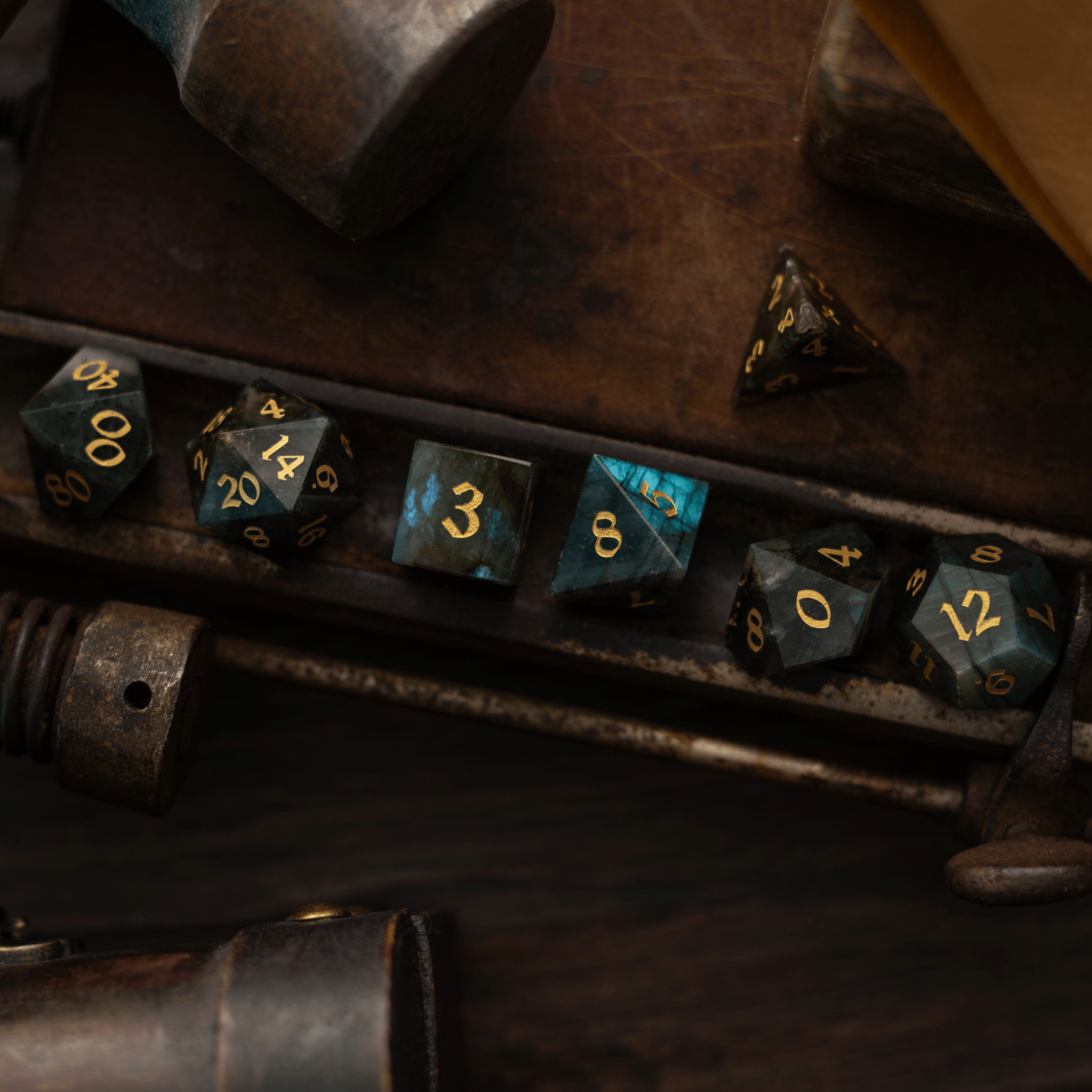
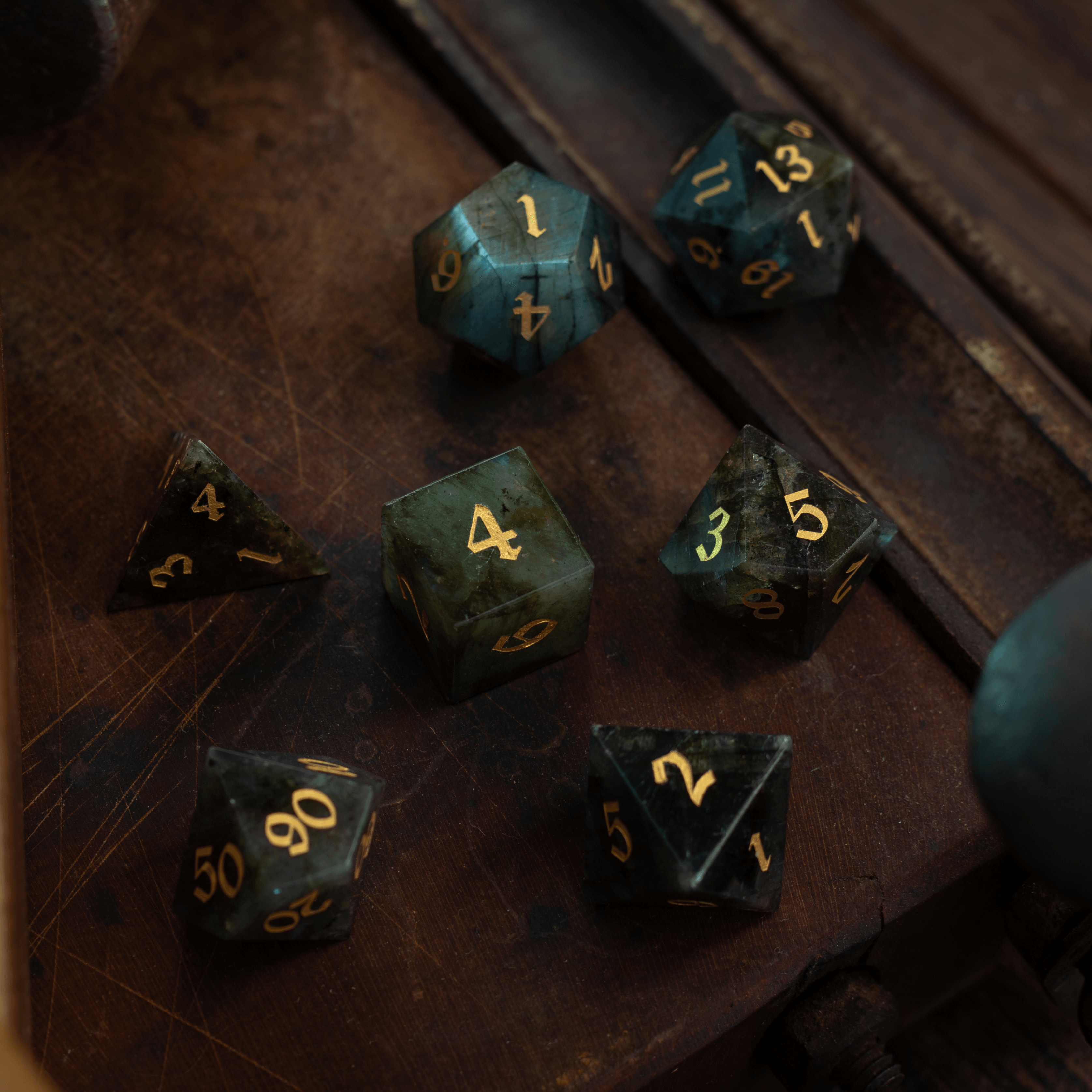
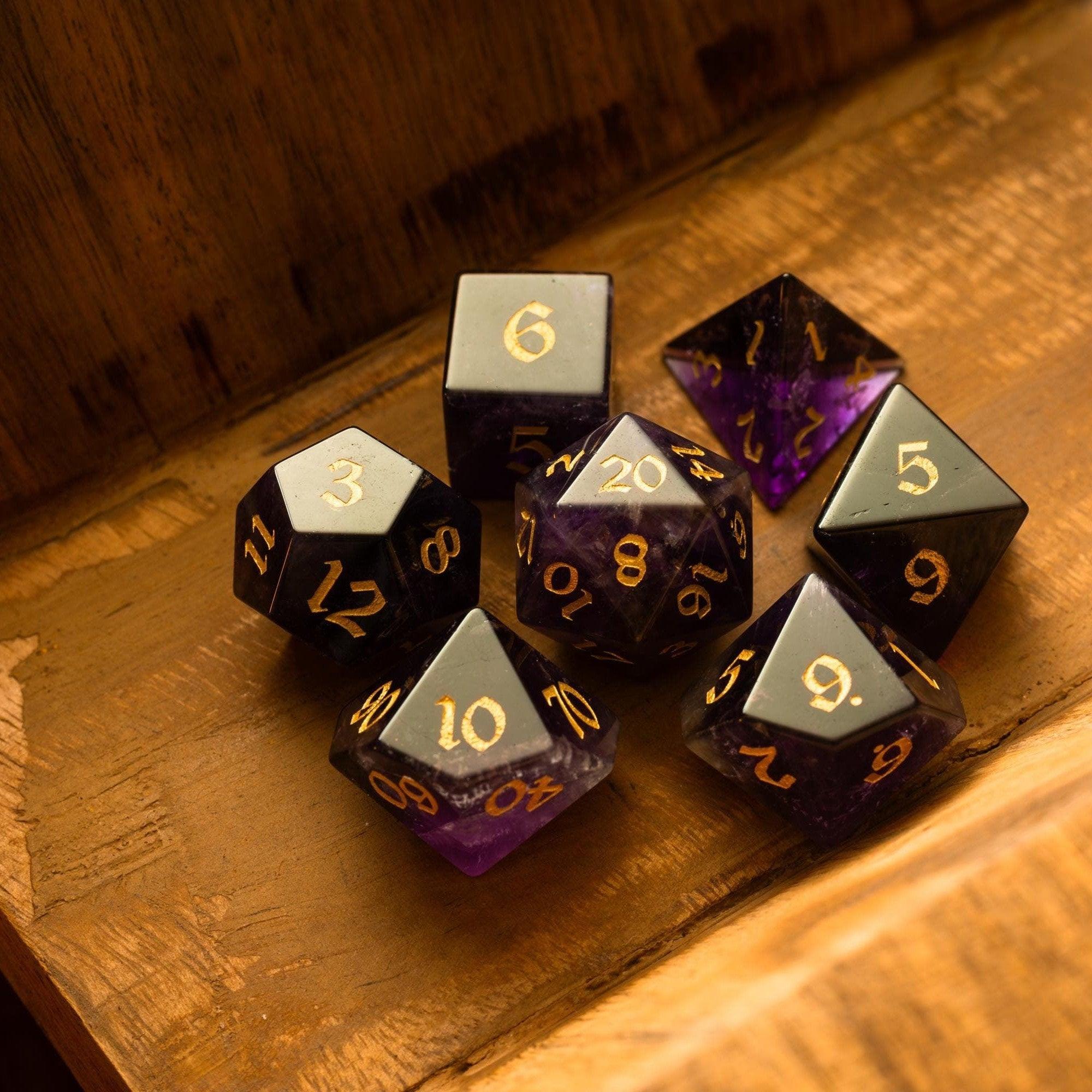
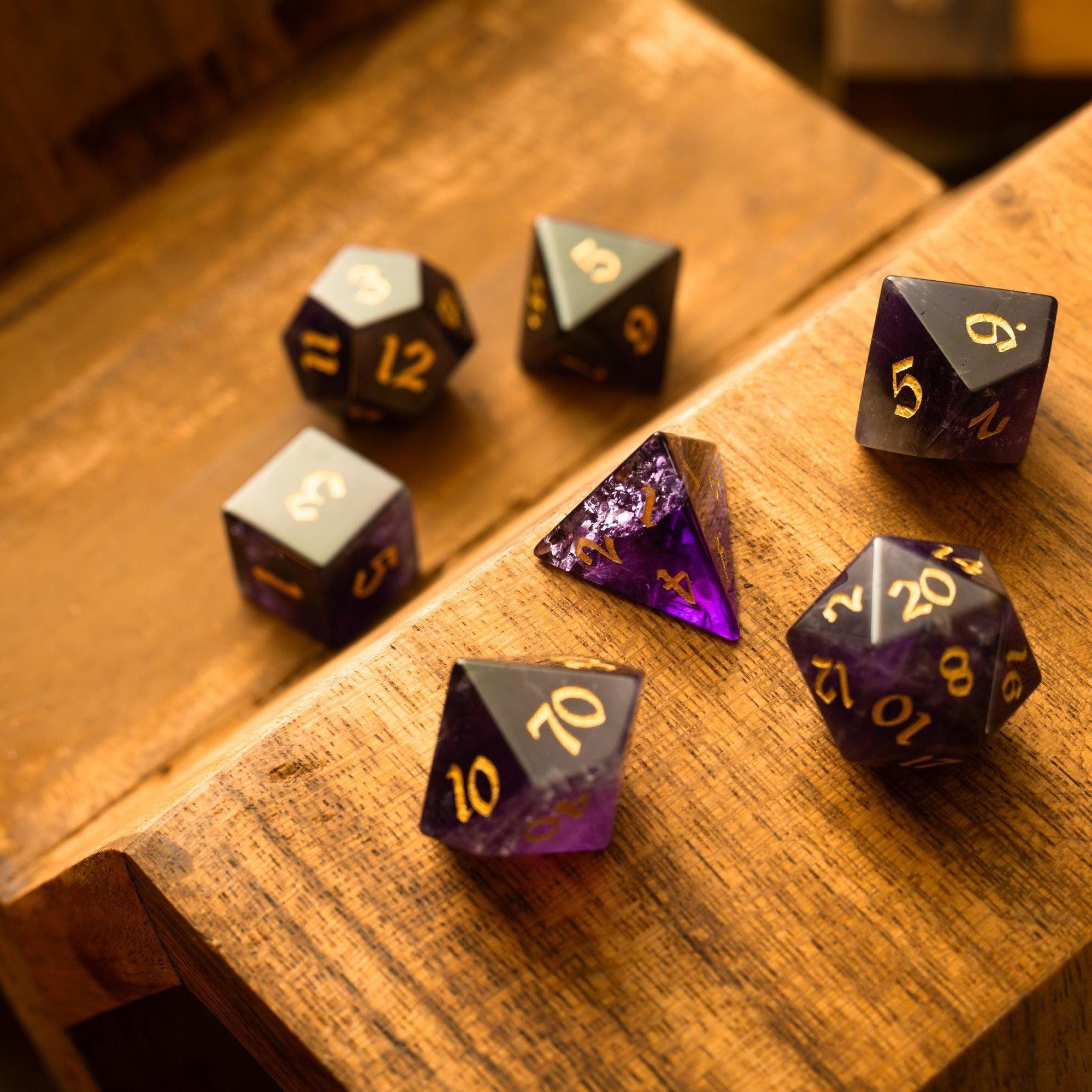
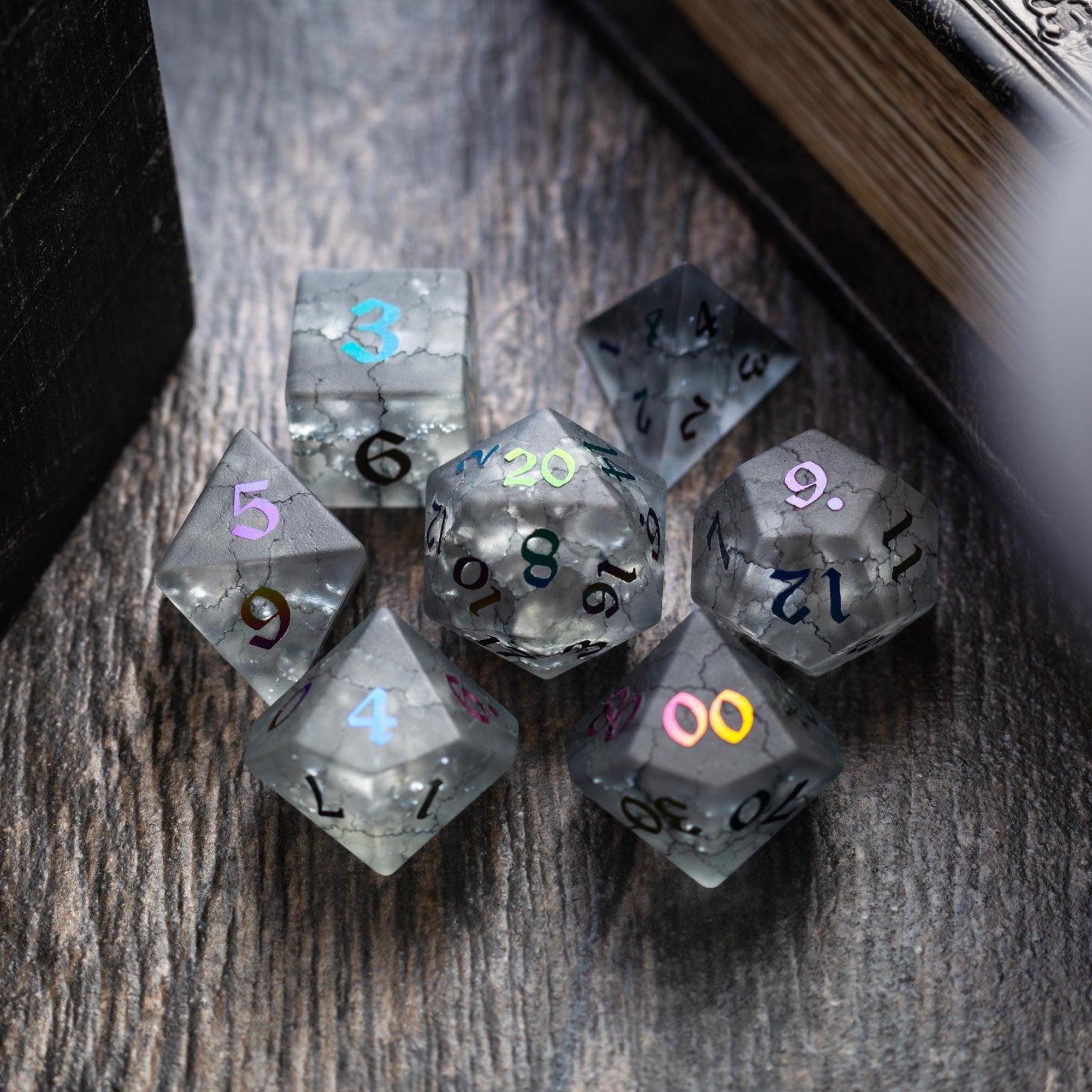
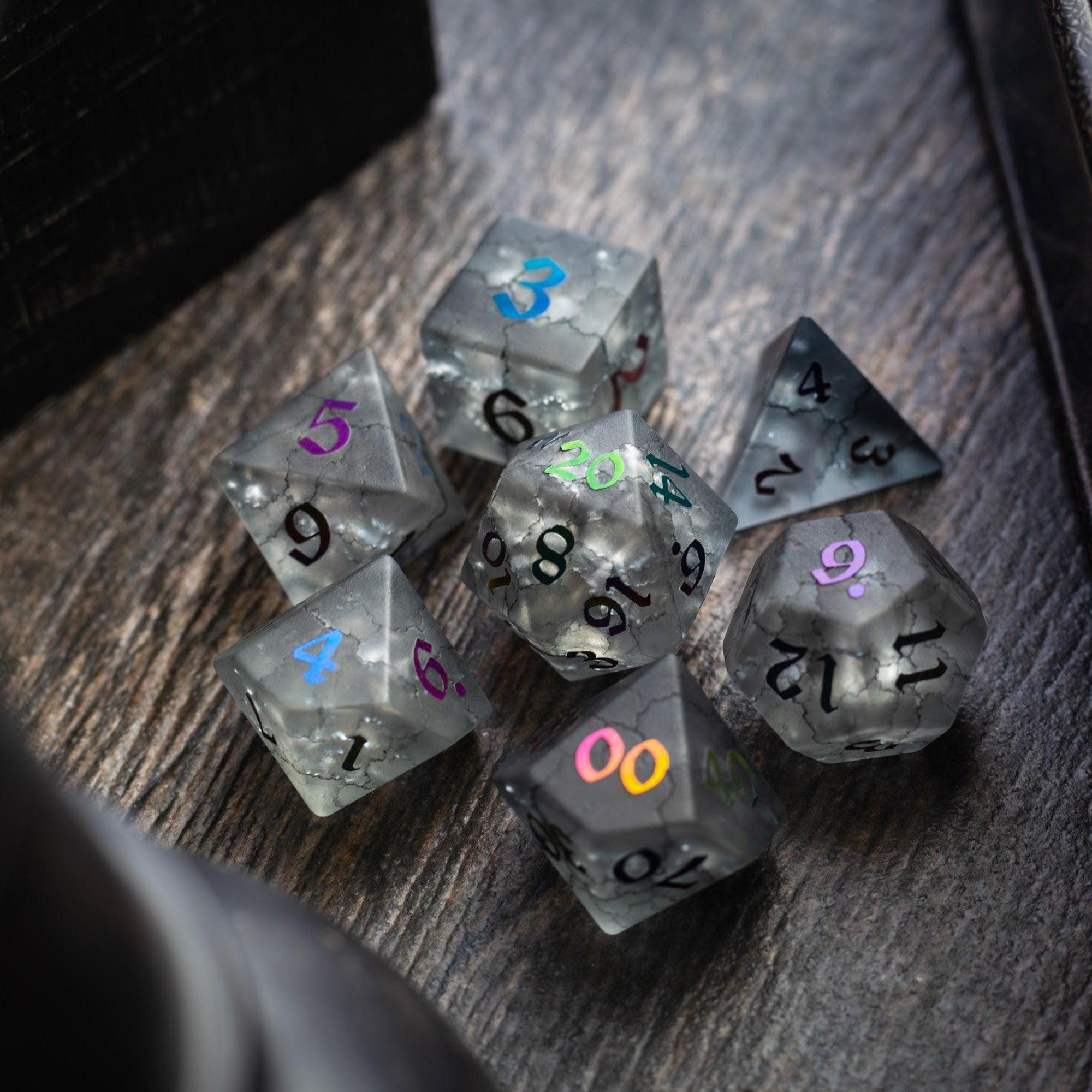
When building your character, look for opportunities to create these synergies. Visit our gemstone dice collections where many players find quality dice for their campaigns. Choose abilities and skills that reinforce each other. Select powers that leverage your natural strengths. Make equipment choices that enhance your core abilities. This interconnected approach creates characters substantially more effective than those with scattered, disconnected choices.
Consider your position within your adventuring party as well. Your group likely contains multiple character types with different roles. A well-optimized party has complementary strengths that cover different needs. Understanding where your character fits helps you make optimization choices that benefit both your individual performance and the group's overall effectiveness.
Personal Experience and Learning Through Play
My first encounter with intentional character optimization happened during a campaign where I played a ranger character built somewhat randomly without much forethought. During early sessions, I struggled to contribute meaningfully in both combat and exploration. My ability scores seemed scattered, my skills did not support my intended role effectively, and I felt frustrated watching other players' characters shine in situations where mine seemed irrelevant.
Rather than creating a new character, I discussed optimization strategies with experienced players in our group. They helped me recognize how my character's abilities could work together better. We identified a few key skill selections that would transform my effectiveness. We discussed how to position myself tactically in combat to leverage my strengths. Through these conversations and subsequent play, my ranger became progressively more effective and far more enjoyable to play.
That experience taught me that optimization is not intimidating or exclusive. It is simply making intentional choices aligned with a clear purpose. It does not require mathematical genius or extensive preparation. It requires understanding your character's role, learning how your game system works, and making thoughtful decisions that support your character's effectiveness.
Since then, I have watched many new players experience similar transformations. When they understand basic optimization principles, they feel more confident, enjoy their characters more deeply, and contribute more meaningfully to their group's adventures. I encourage you to view optimization as a path toward greater enjoyment rather than a burden or necessary complication.
Final Thoughts and Key Takeaways
Effective tabletop RPG character optimization balances mechanical understanding with creative character development. You are not choosing between being effective and being interesting. Strategic character building actually enhances your ability to engage with the world your game master creates.
Remember that optimization is a spectrum, not a binary choice. You can engage with optimization at whatever level feels comfortable and enjoyable. Some players love deep mechanical analysis, while others prefer basic principles and intuitive choices. Both approaches are valid. The key is understanding enough to make intentional decisions rather than random selections.
Invest time in learning your game system's mechanics. Understand how your character's abilities interact. Make choices that reinforce your character's intended role. Build abilities that work together synergistically. Consider how your character fits within your adventuring party. Most importantly, stay engaged with what makes your character interesting and enjoyable to play.
Your journey with character development will evolve as you gain experience. Early characters might be simpler, focusing on understanding basics. Later characters can explore more complex synergies and specializations. This progression is natural and healthy. Every campaign provides learning opportunities that improve future character creation.
Whether you are rolling up your first character or your fiftieth, approach the process with curiosity and intentionality. Think about who your character is and what they do well. Make choices that support those visions. Learn from other players. Adjust your approach based on your experiences at the table. This thoughtful engagement transforms character creation from a checkbox on a character sheet into an engaging part of your gaming experience.
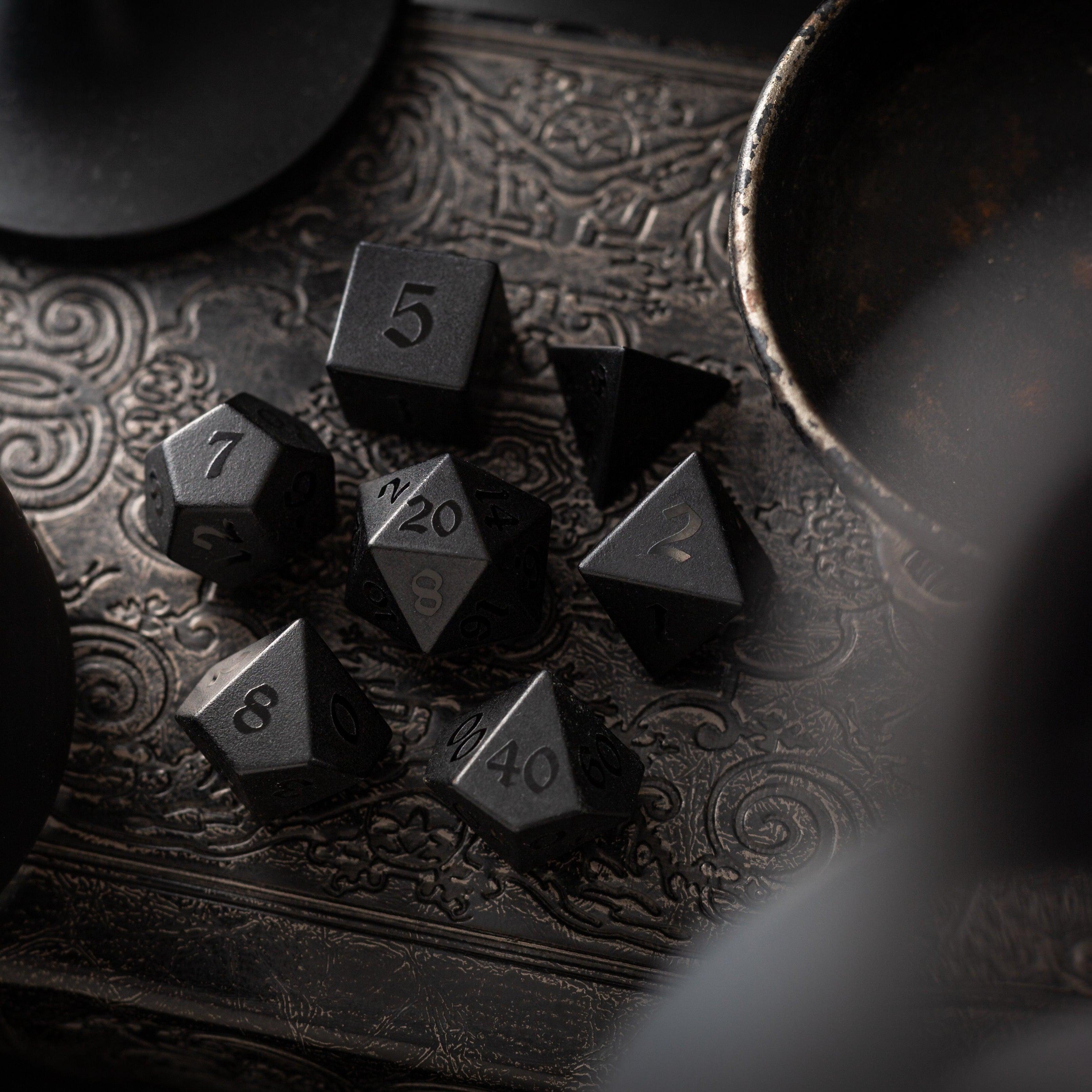
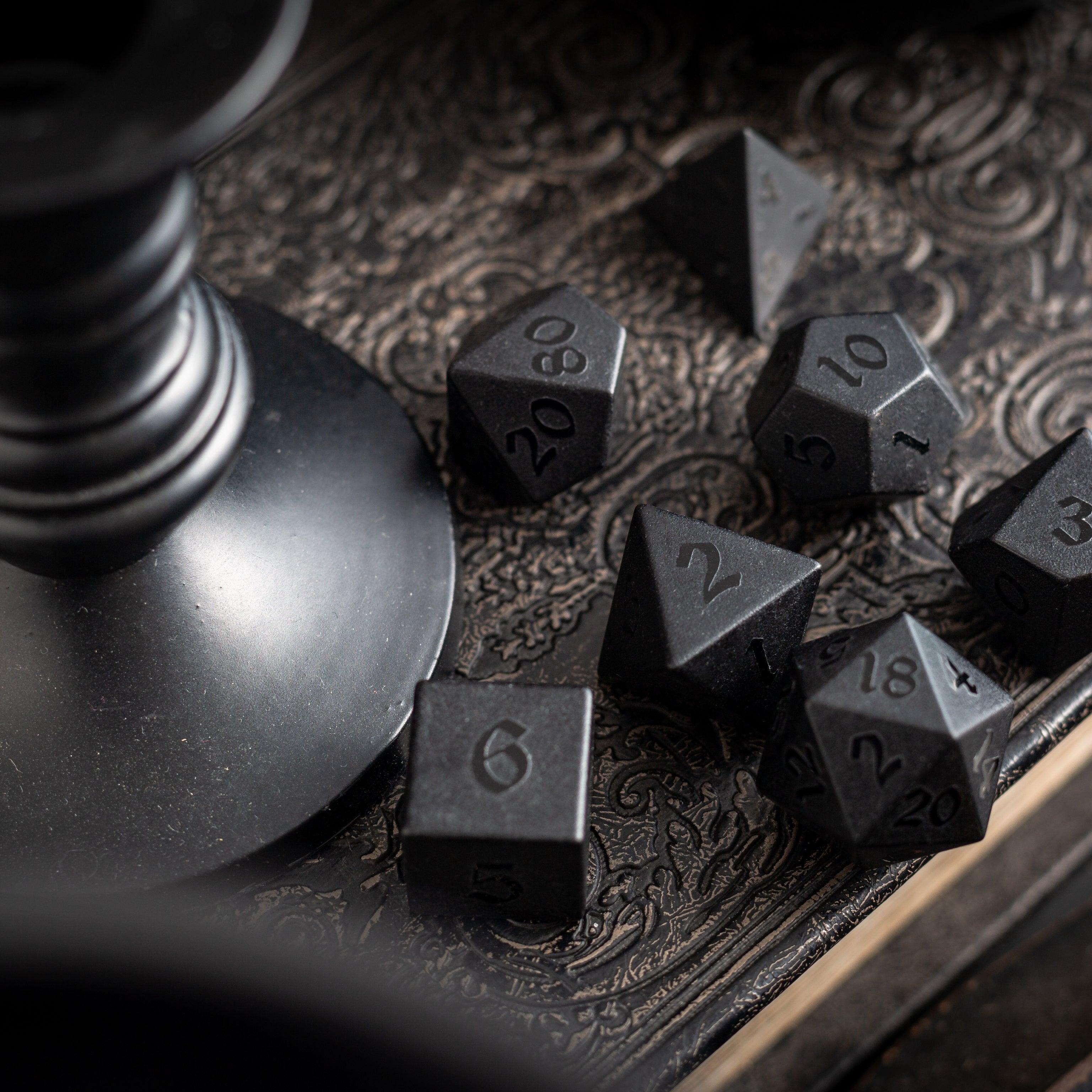
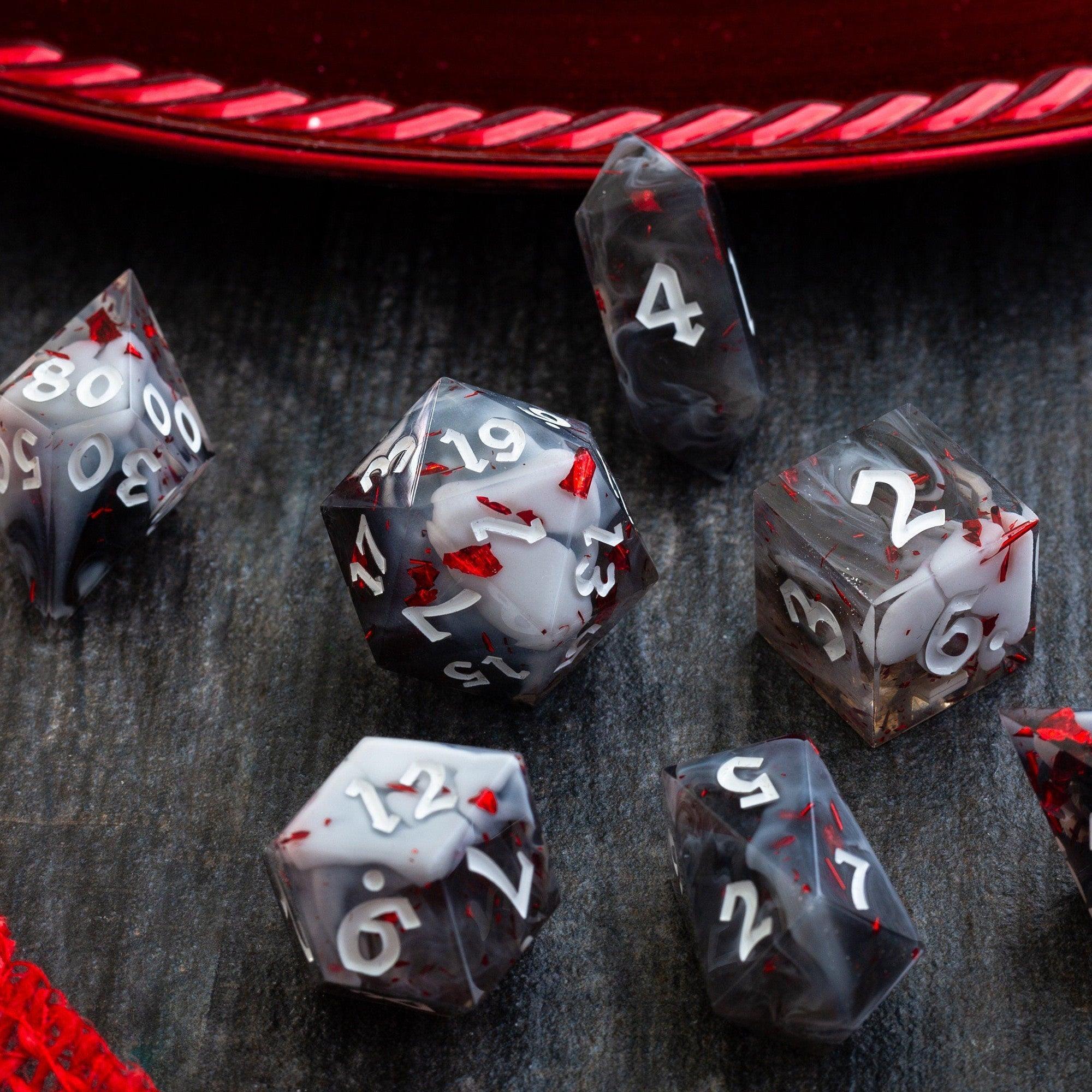
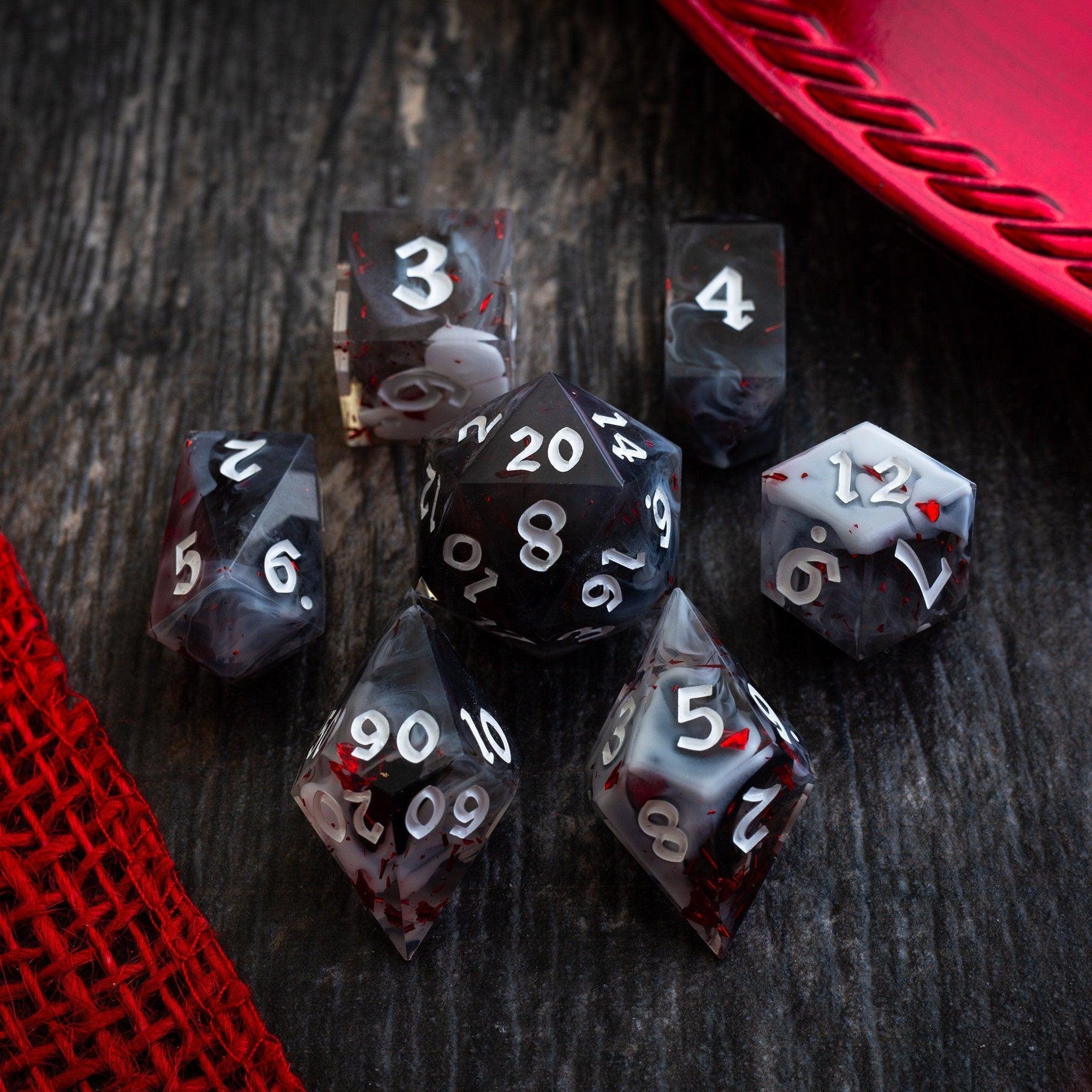
Consider exploring our diverse dice collections to find the perfect companions for your adventures. Quality dice can enhance the tactile experience of your tabletop sessions while you focus on bringing your optimized character to life.
Frequently Asked Questions
What is the best way to optimize a character for a specific game system?
The best approach depends on your specific game system's rules and your character's intended role. Start by reading your system's character creation rules thoroughly. Identify your character's primary purpose, whether combat, spellcasting, social influence, or exploration. Then prioritize attributes and skills that directly support that role. Study how different choices interact within your system's mechanics. Discuss optimization strategies with your game master and fellow players. Finally, make intentional choices that align with both your character concept and your understanding of mechanical effectiveness. Different systems reward different optimization approaches, so learning your specific system matters greatly.
Can I optimize a character while still maintaining their personality and story?
Absolutely. Optimization and characterization work together naturally when approached correctly. Understanding your character's mechanical strengths helps you roleplay them more effectively. A character optimized for persuasion becomes more interesting to play because you feel confident in social situations, allowing you to explore their personality more fully. Consider your character's background, motivations, and personality as part of your optimization process. Ask yourself why your character has their particular strengths and weaknesses. A character optimized for stealth might be someone who grew up in urban environments. A character strong in magic might have studied from childhood. Connecting mechanical choices to character history creates more cohesive and interesting characters.
How do I optimize my character if I am relatively new to tabletop RPGs?
Start with fundamentals rather than complex strategies. Learn your game system's basic rules and understand how ability scores and skills work. Ask your game master or experienced players for guidance on character roles and how different choices affect gameplay. Make simple, intentional decisions rather than random selections. Choose attributes and skills that clearly support your character's intended role. Do not worry about perfect optimization as a new player. Focus on understanding how your choices matter and how your character functions in the game world. As you gain experience through actual gameplay, you will naturally develop better optimization instincts. Remember that many experienced players started exactly where you are, learning through play and gradually improving their character creation skills.







Leave a comment
This site is protected by hCaptcha and the hCaptcha Privacy Policy and Terms of Service apply.