D&D and Magic: The Gathering Crossover Guide: Merge Realms for Epic Campaigns
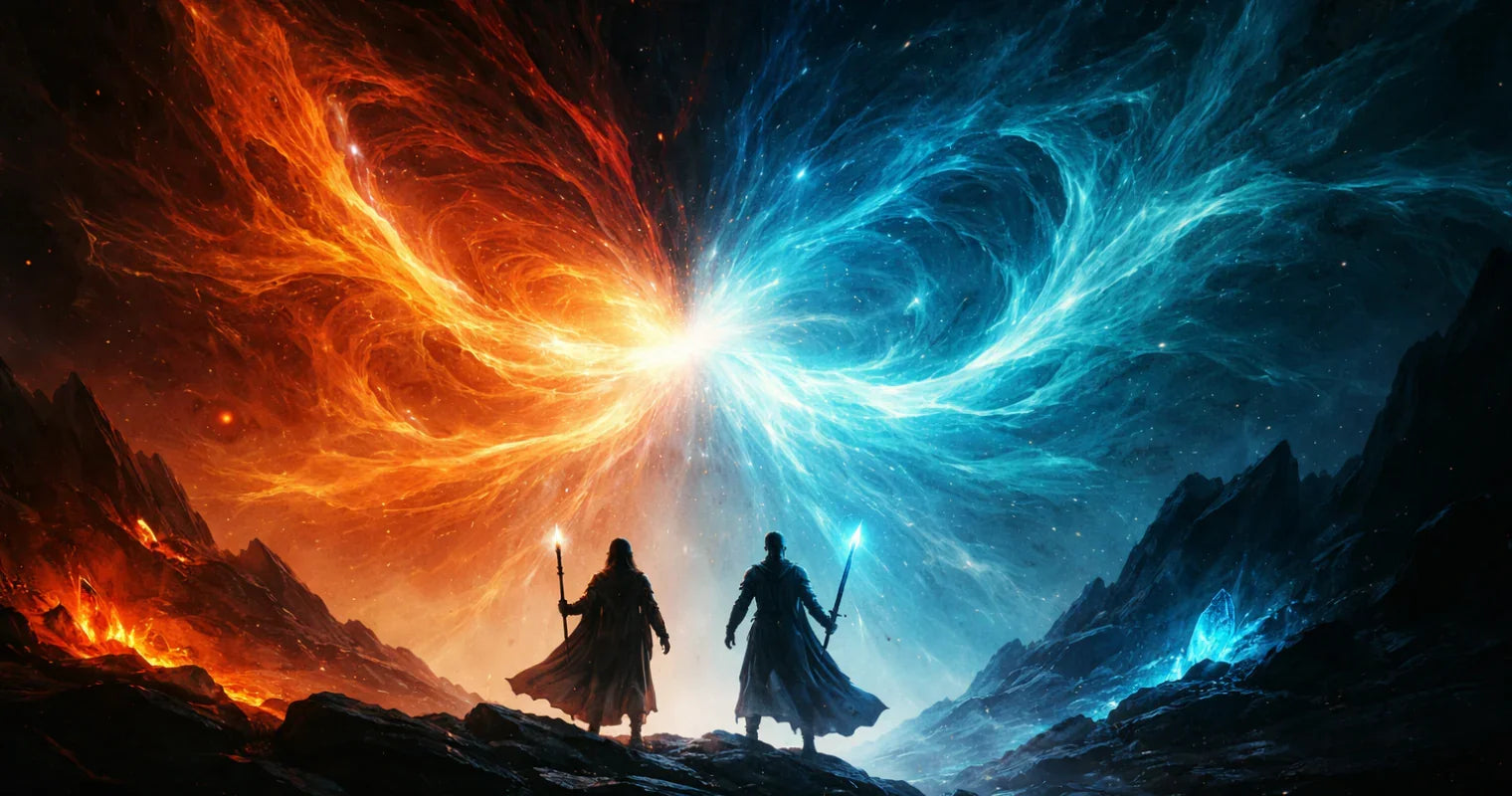
When Two Fantasy Multiverses Collide
Dungeons & Dragons and Magic: The Gathering both thrive on worlds filled with dangerous magic, legendary creatures, powerful factions, ancient mysteries, and conflicts that can reshape entire civilizations.
That shared fantasy foundation makes a D&D Magic crossover an exciting campaign concept. In this guide, that phrase specifically means a crossover between Dungeons & Dragons and Magic: The Gathering, not a guide to D&D spellcasting or homebrew magic systems.
The challenge is making the crossover feel like a real campaign instead of a collection of references.
Simply dropping famous locations, creatures, and characters into the same adventure rarely creates a satisfying story. A successful Dungeons and Dragons Magic crossover needs a clear reason for the worlds to connect, a manageable scope, characters with personal stakes, and a central conflict that matters even to players who do not know every piece of Magic lore.
Official D&D material has already explored Magic settings. Guildmasters’ Guide to Ravnica brought Ravnica into a hardcover D&D setting book, while Strixhaven: A Curriculum of Chaos supports adventures at Magic’s famous magical university. Wizards of the Coast also published Plane Shift supplements for several Magic settings, although those supplements were presented differently from fully developed hardcover D&D setting books and included material that did not receive the same level of playtesting as standard published rules.
The best approach is to use these worlds and ideas as foundations, then build a campaign centered on your own player characters.
Why a D&D and Magic Crossover Works
D&D and Magic approach fantasy differently, but their strengths fit together surprisingly well.
D&D provides the roleplaying framework. Players create individual heroes, explore locations, negotiate with factions, fight monsters, and make decisions that change the story.
Magic settings provide strong themes and identities. The Magic the Gathering planes can feature distinctive cultures, magical traditions, political struggles, creatures, and philosophies.
Together, they can support a campaign involving:
-
Planar travel and unstable portals
-
Magical factions with competing goals
-
Powerful artifacts
-
Ancient civilizations
-
Political conflict
-
Catastrophic magical events
-
Strange monsters and supernatural threats
-
Heroes shaped by completely different worlds
The main challenge is scale.
Magic stories can involve enormous threats and conflicts across multiple planes. A D&D campaign, however, works best when the player characters remain central. If legendary figures and massive factions solve every important problem, the party becomes an audience instead of the heroes.
Your crossover should borrow the scale of a multiverse without losing the personal focus of a tabletop campaign.
Start with One Strong Crossover Concept
The easiest mistake is starting too big.
You do not need six planes, twelve factions, three legendary villains, and a multiverse-ending disaster in the first session. Begin with one disruption that changes the characters’ world.
Possible D&D campaign ideas include:
-
A planar portal suddenly opens between two worlds.
-
A powerful artifact is shattered and scattered across different planes.
-
A faction begins stealing magical energy from another realm.
-
A city becomes trapped between two realities.
-
A magical disaster pulls strangers from different worlds together.
-
A dangerous creature crosses into a world unprepared for it.
-
A mysterious traveler recruits the party to stop a growing planar crisis.
For example, imagine a city where strange architecture begins appearing overnight. Streets lead to districts that should not exist. Unfamiliar creatures emerge from alleyways. Two factions claim the same territory because, from their perspectives, the city belongs to both worlds.
That is enough to begin a campaign.
The larger multiverse can wait.
Choosing Which Worlds to Combine
A strong crossover RPG campaign usually works because its settings create meaningful contrast or share compatible themes.
Instead of choosing worlds only because they are famous, think about the type of adventure you want to run.
You might combine themes such as:
-
Gothic horror with cursed domains
-
Arcane cities with magical guilds
-
Wilderness survival with monster-filled frontiers
-
Divine conflict with heroic fantasy
-
Magical technology with invention-driven societies
-
Ancient ruins with lost civilizations
-
Political intrigue with competing organizations
A guild-centered urban setting, for example, naturally supports investigation, faction politics, and shifting alliances. A dangerous frontier creates a very different campaign focused on exploration, survival, and discovery.
Choose one primary world first. This establishes what the characters consider normal. Then introduce the second realm as a disruption.
That contrast makes the crossover feel meaningful.
Crossover Scope Comparison
| Campaign Scope | What It Includes | Main Strength | Main Risk |
|---|---|---|---|
| Single-Plane Adventure | One Magic-inspired setting | Strong focus and clear identity | Limited crossover variety |
| Two-World Conflict | Two connected realms | Meaningful contrast | One world may dominate |
| Planar Expedition | Several worlds visited briefly | Variety and exploration | Can feel episodic |
| Multiverse Crisis | Many planes and factions | Epic scale | Can overwhelm the characters |
| Homebrew Fusion World | Elements blended into one setting | Creative freedom | Requires careful consistency |
For a first Magic: The Gathering D&D campaign, a single-plane adventure or two-world conflict is often the easiest structure to manage.
Use Color Philosophies as Storytelling Tools
One of Magic’s most useful ideas for campaign design is its five-color philosophy.
You do not need to reproduce card mechanics. Instead, use the colors as broad ways of thinking about goals, power, society, and personal values.
-
White may emphasize order, unity, protection, or structure.
-
Blue may value knowledge, planning, improvement, or transformation.
-
Black may pursue ambition, independence, survival, or power.
-
Red may represent freedom, emotion, passion, or impulse.
-
Green may value nature, tradition, instinct, or destiny.
These are not simple good-and-evil categories.
A protective organization inspired by white philosophy might genuinely keep people safe while becoming increasingly controlling. A blue-aligned scholar might seek knowledge to save lives but ignore ethical boundaries. A red-inspired rebel could fight tyranny while creating dangerous chaos.
This gives your Magic-inspired D&D factions understandable motivations.
The best conflicts happen when every side believes it has a reason to act.
Turning Magic Factions into D&D Organizations
When adapting a Magic faction, focus on how it functions during a roleplaying campaign.
Define:
-
Its main goal
-
The methods it uses
-
Who leads it
-
What resources it controls
-
Who opposes it
-
Where its members disagree
-
What it wants from the player characters
Do not try to convert card mechanics directly into D&D rules.
A faction associated with magical experimentation might become an arcane college, artificer guild, or secret research organization. A nature-centered group might become a druidic alliance, ranger network, or society of ancient guardians.
Internal conflict also makes factions more believable.
Perhaps one branch wants peaceful cooperation between worlds while another believes the portal must be destroyed. The party can then influence which side gains power.
Creating Characters Who Belong in the Crossover
Players should not need an encyclopedia of Magic lore to create useful characters.
Give them simple origins that connect directly to the campaign:
-
A native of the primary setting
-
A traveler displaced by a planar accident
-
A scholar studying other worlds
-
A guardian assigned to protect a portal
-
An agent working for a major faction
-
A survivor of a magical catastrophe
-
A treasure hunter seeking a lost artifact
-
A warrior pursuing an enemy across realms
Every character should have four things:
-
A connection to the main conflict.
-
A reason to cooperate with the party.
-
Something they want from another world.
-
A personal stake beyond simple curiosity.
A fighter might want to find a missing sibling pulled through a portal. A wizard could seek knowledge that exists only in another realm. A cleric might believe the planar disruption threatens a sacred duty.
Personal goals make an epic story easier to care about.
Adapting Iconic Creatures and Concepts
Dragons, elementals, vampires, angels, demons, constructs, spirits, plant creatures, and eldritch horrors can all support a fantasy crossover campaign.
The safest approach is to begin with existing D&D mechanics.
When adapting a creature:
-
Start with an appropriate D&D stat block.
-
Change its appearance and story where needed.
-
Add only one or two distinctive abilities.
-
Keep its difficulty appropriate for the party.
-
Preserve the creature’s central fantasy.
-
Test major homebrew mechanics before a boss encounter.
A monster does not need to reproduce every ability associated with a card. D&D combat and Magic card mechanics serve different purposes.
Ask a simpler question: What should fighting this creature feel like?
If the answer is “an unstoppable predator that grows more dangerous as the battle continues,” build around that experience rather than trying to translate card text line by line.
Making Planar Travel Feel Meaningful
A D&D planar campaign becomes repetitive if every portal is simply a doorway to new scenery.
Each destination should change something important.
A new plane might introduce:
-
Different social rules
-
Environmental hazards
-
Scarce resources
-
Unfamiliar magical traditions
-
New political relationships
-
Cultural expectations
-
A different understanding of the central conflict
Give each destination one defining problem.
Perhaps magic behaves unpredictably near a damaged portal. Maybe outsiders are immediately suspected of serving an enemy faction. Perhaps a resource that is common in one world becomes incredibly valuable in another.
A useful formula is simple:
One destination. One defining conflict. One memorable local ally. One new complication.
Then connect the party’s decisions back to the larger story.
Balancing Epic Scale with Player Agency
The larger the crossover becomes, the more important player agency becomes.
Powerful factions and legendary figures can provide information, create complications, or establish the stakes. They should not solve the campaign for the party.
To keep the characters central:
-
Let important NPCs provide knowledge rather than answers.
-
Give the party control over the critical artifact or decision.
-
Make alliances depend on player actions.
-
Allow failure to change later events.
-
Let the party decide which factions gain access to planar travel.
-
Keep the final confrontation focused on player choices.
A great crossover does not ask, “Which famous character saves the multiverse?”
It asks, “What will the party sacrifice to decide what happens next?”
Designing Crossover Encounters
Crossover encounters should combine the strengths of both settings while still working as D&D adventures.
Planar Instability
The battlefield shifts between two environments during combat. Cover, hazards, or terrain can change as reality flickers.
Faction Negotiation
Two organizations want the party’s support, but their philosophies are incompatible. Neither choice is completely safe.
Artifact Heist
Several groups pursue the same magical object. The encounter can combine infiltration, negotiation, pursuit, and combat.
Creature Displacement
A dangerous creature appears in a world where local defenders do not understand its abilities.
Portal Defense
The party must protect, stabilize, or close a gateway while enemies arrive from the other side.
Mixed-Realm Dungeon
A location has been physically altered by planar overlap. Architecture, hazards, creatures, and clues from different worlds exist in the same dungeon.
The strongest encounters offer more than enemies to defeat. Give players information to discover, factions to influence, and consequences to consider.
Common Crossover Campaign Mistakes
Too many planes too quickly can make every location feel disposable. Start with one or two and expand only when the story requires it.
Expecting everyone to know Magic lore can leave players confused. Explain only the information their characters need.
References without meaningful choices become background decoration. Every major crossover element should affect the adventure.
Famous NPCs can overshadow the party. Keep them in supporting roles.
Directly copying card mechanics can create awkward D&D encounters. Adapt the fantasy behind the mechanic instead.
Constant tone changes can make the campaign feel disconnected. Establish a central mood even when locations change.
Too many factions create names without relationships. Introduce organizations gradually.
Consequence-free portals make worlds feel like interchangeable levels. Give planar travel costs, risks, restrictions, or political consequences.
Finally, avoid world-ending stakes before players care about the worlds. Save the largest threats until the party has something meaningful to lose.
Supporting the Crossover Theme at the Table
[Image: Dungeon Master planning a crossover campaign with maps, cards, notes, and dice]
A complicated crossover benefits from clear table organization.
Condition rings can track curses, ongoing planar effects, magical instability, or temporary conditions. MTG life counters can sometimes serve as visible trackers for suitable campaign resources, faction influence, or structured side activities. Dice trays can keep a crowded table organized when maps, cards, miniatures, and campaign notes are competing for space.
Visual differences can also help reinforce the campaign’s worlds.
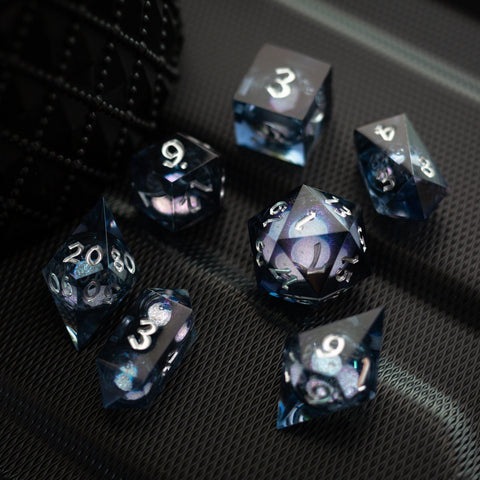
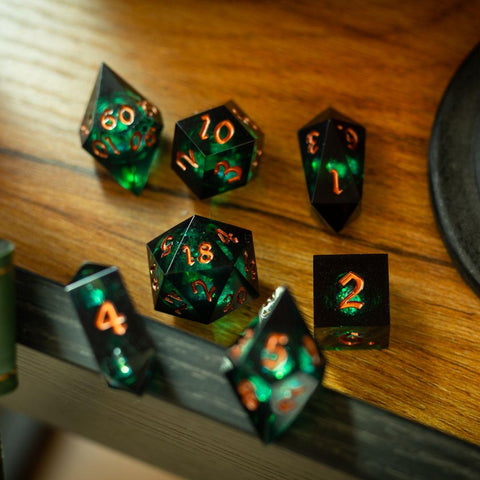
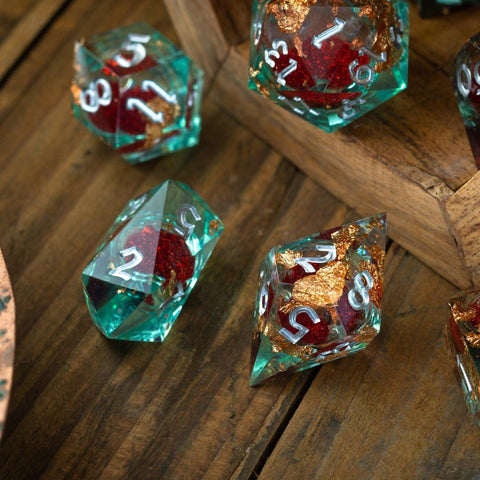
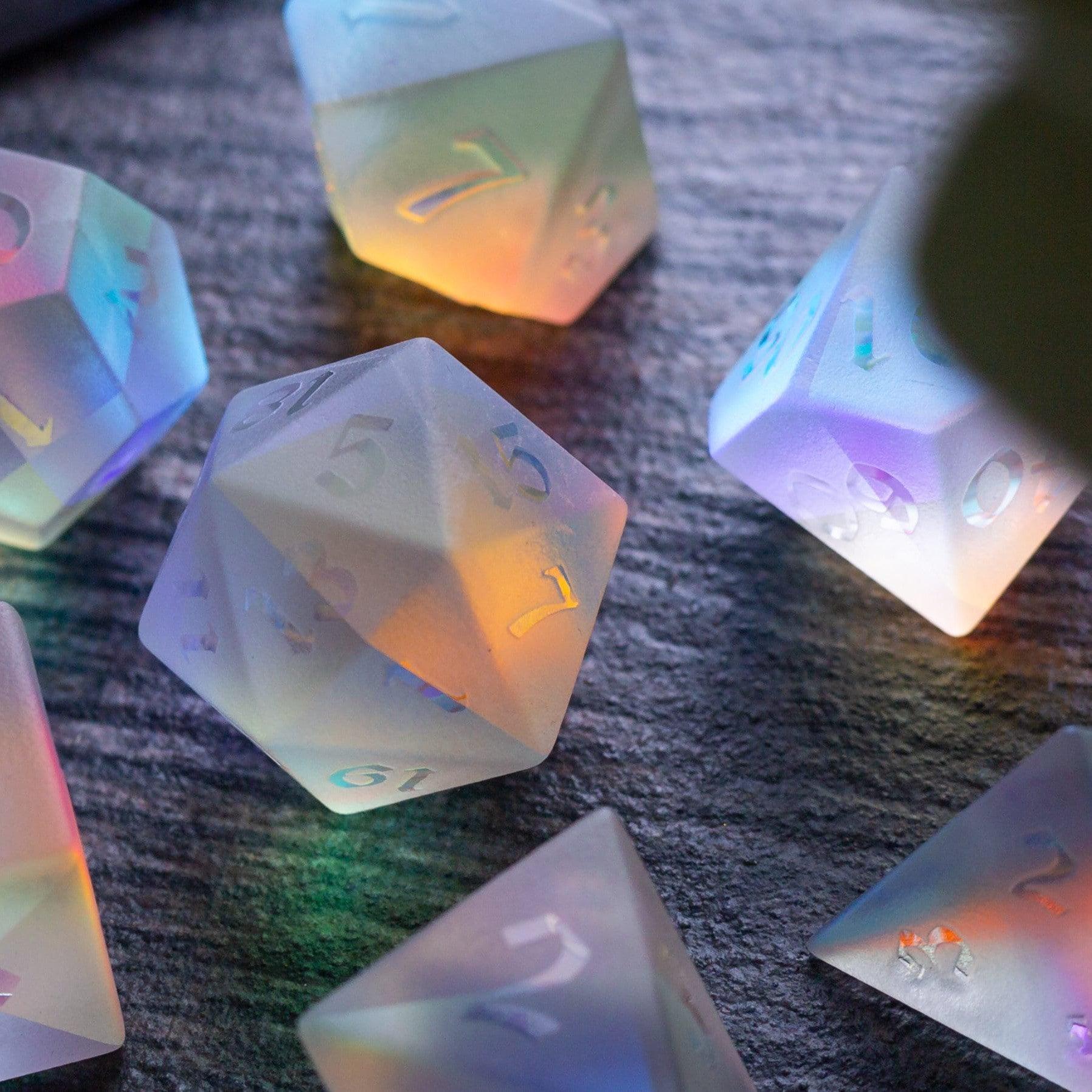
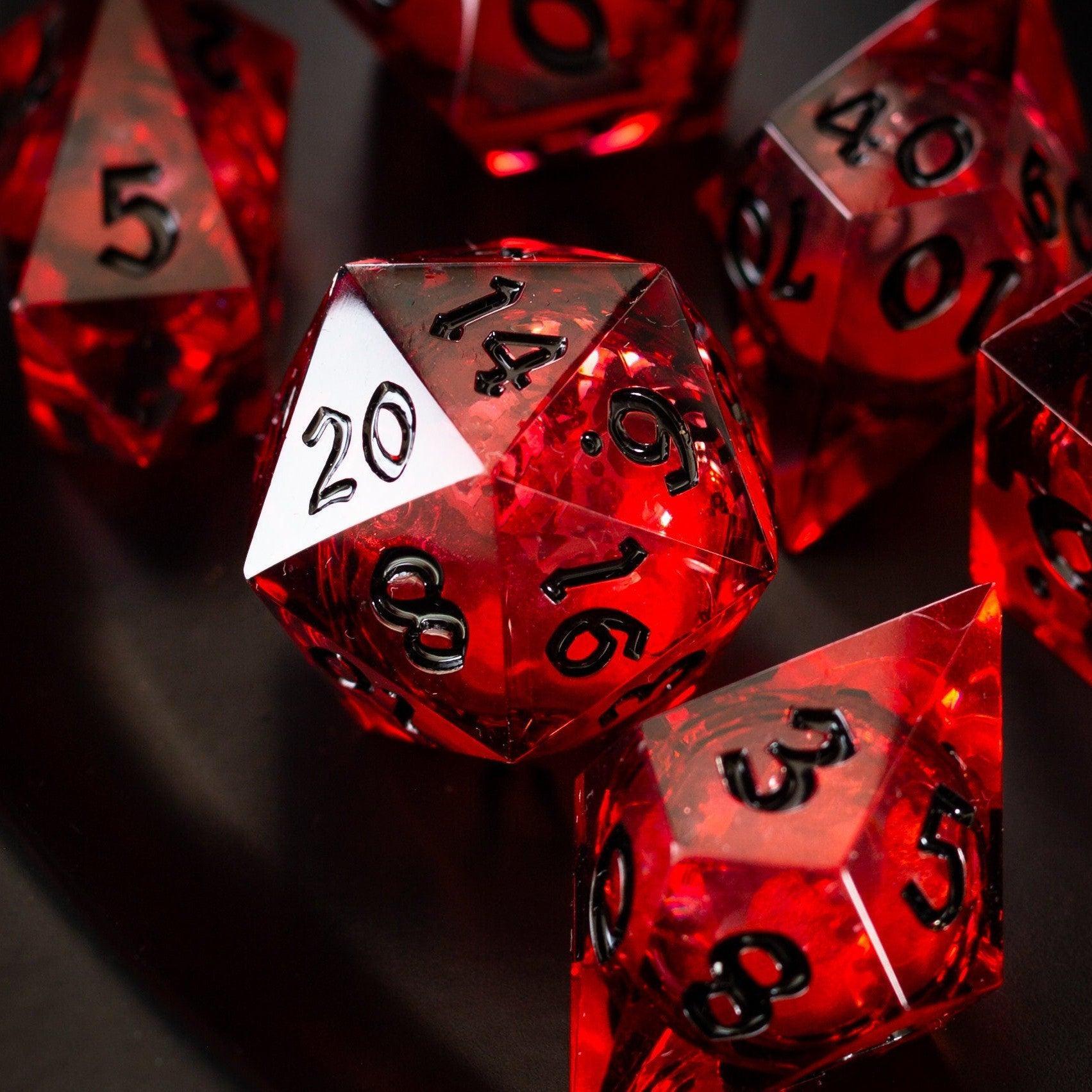
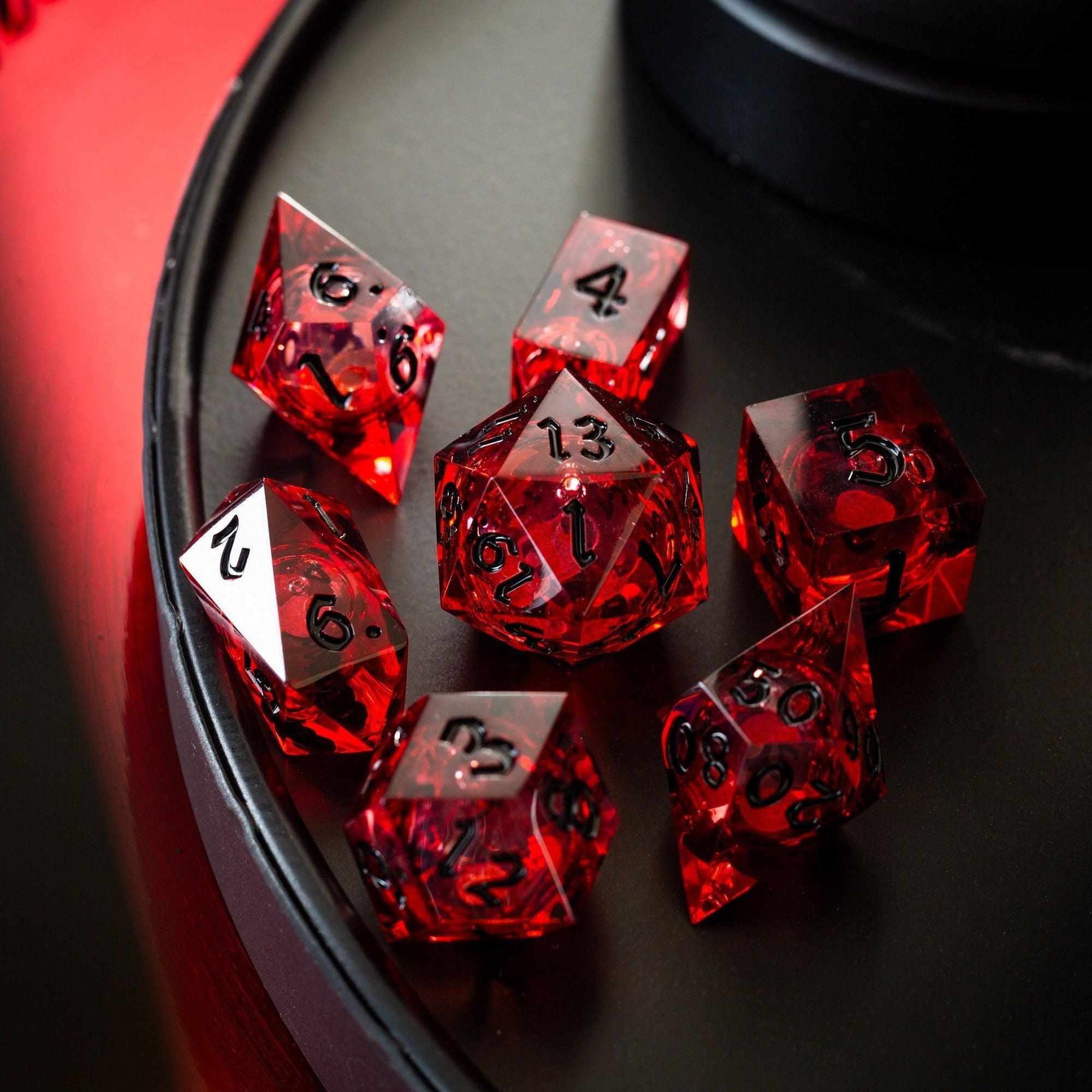
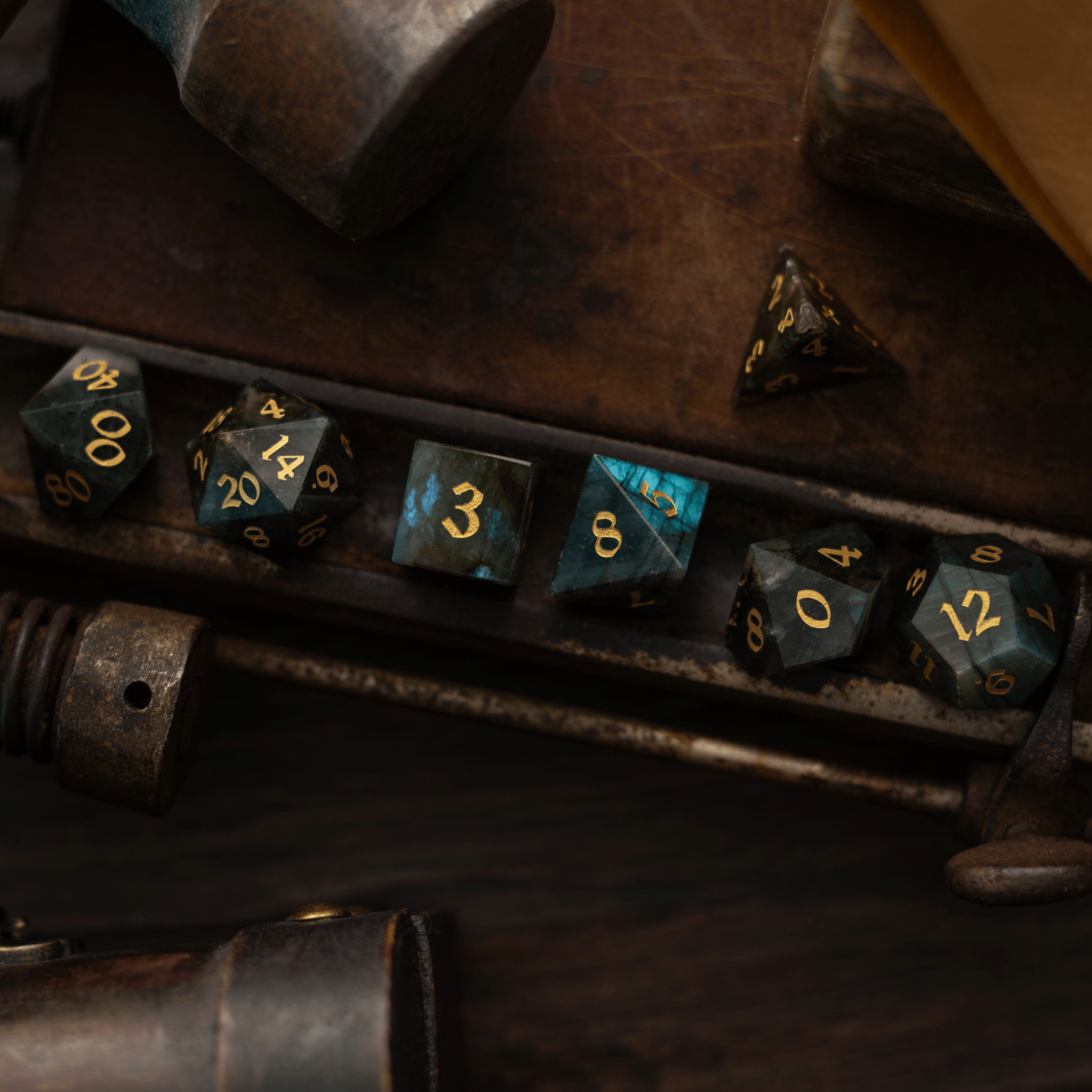
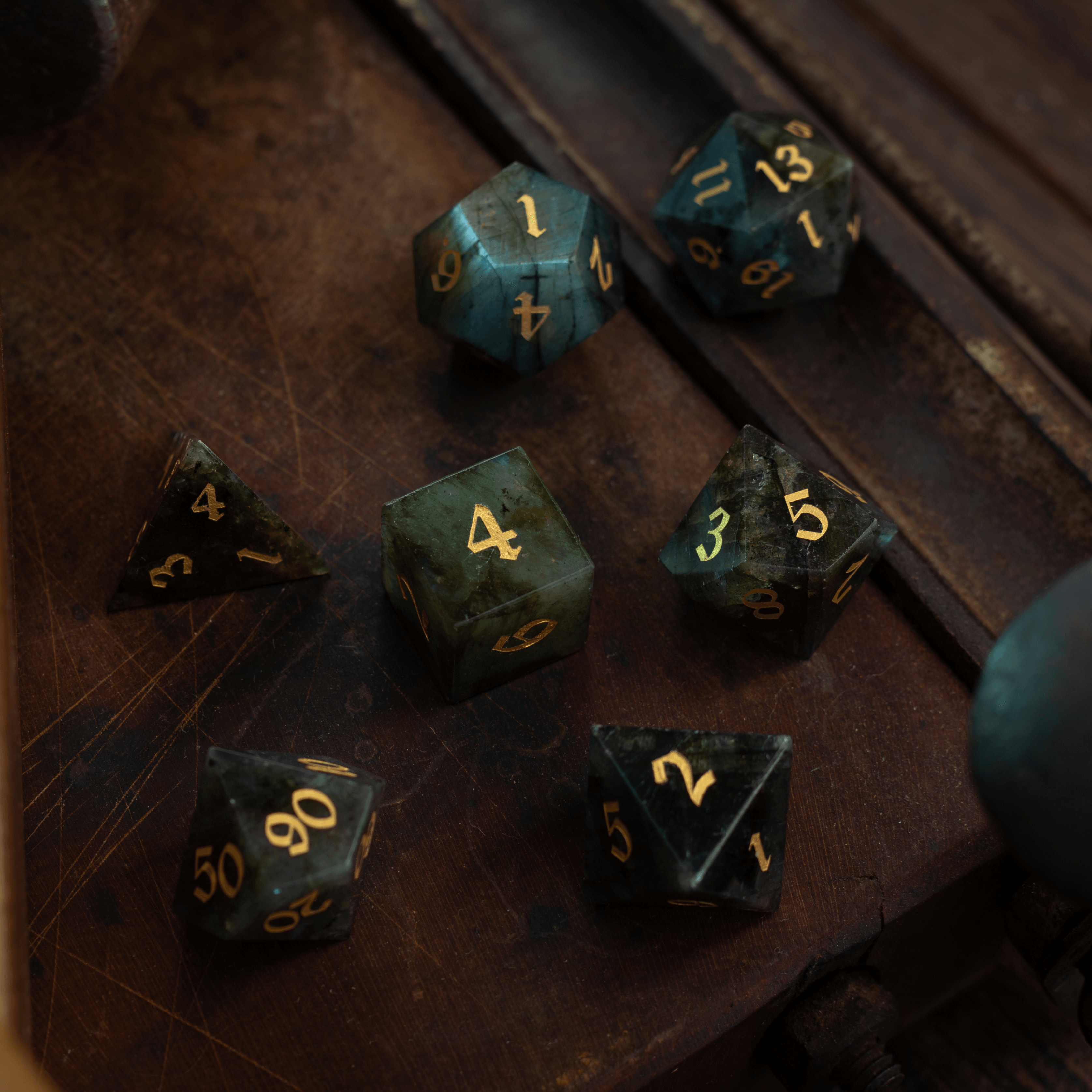
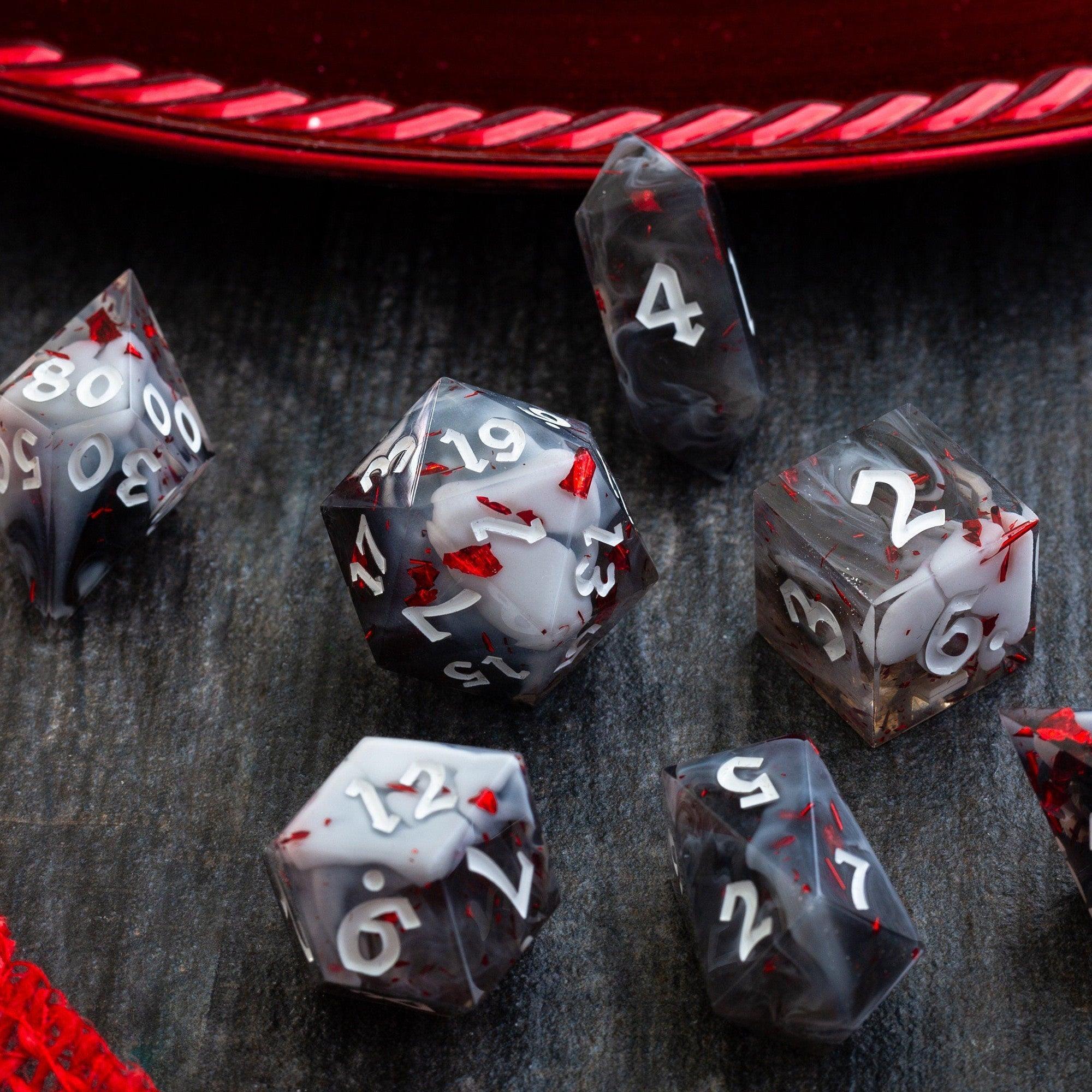
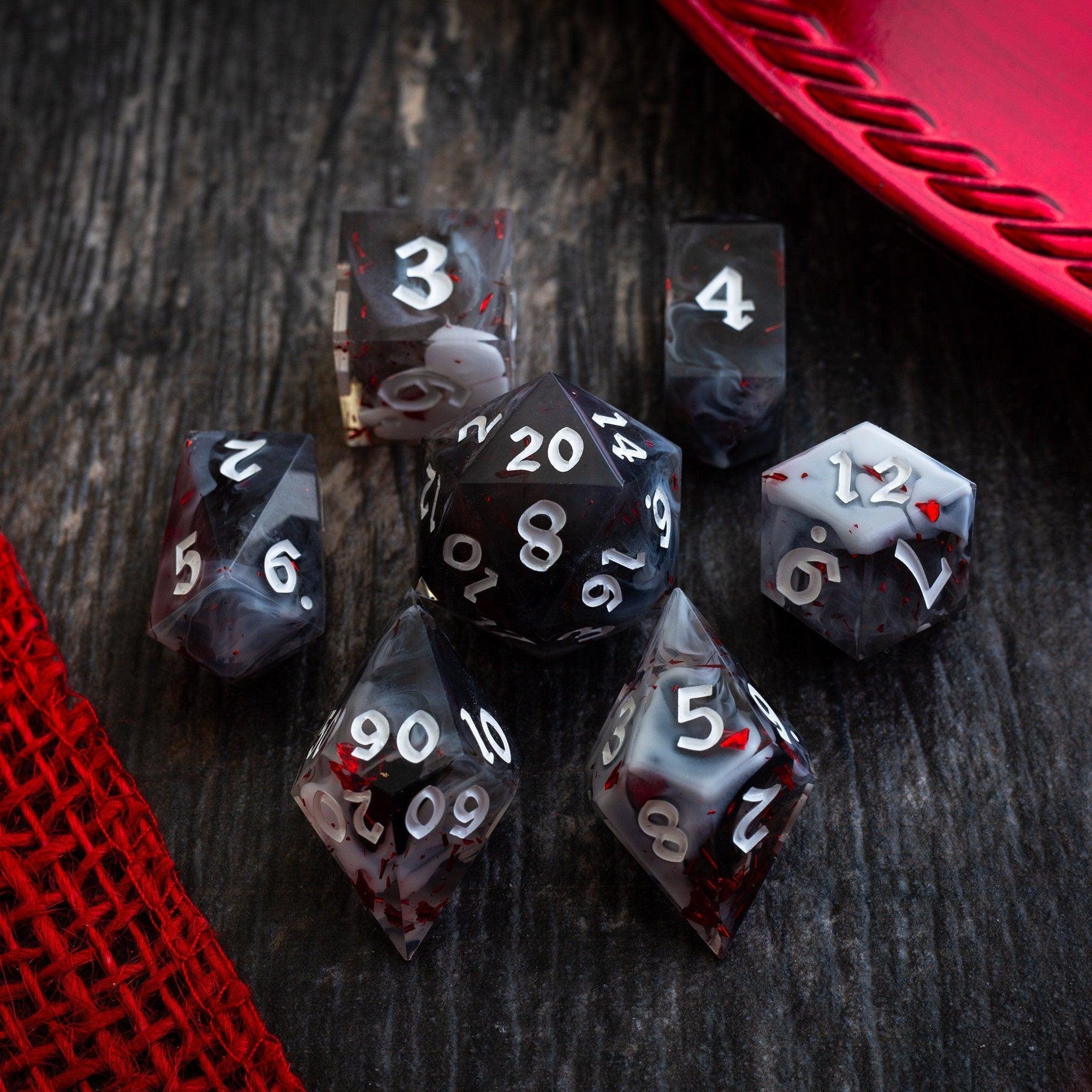
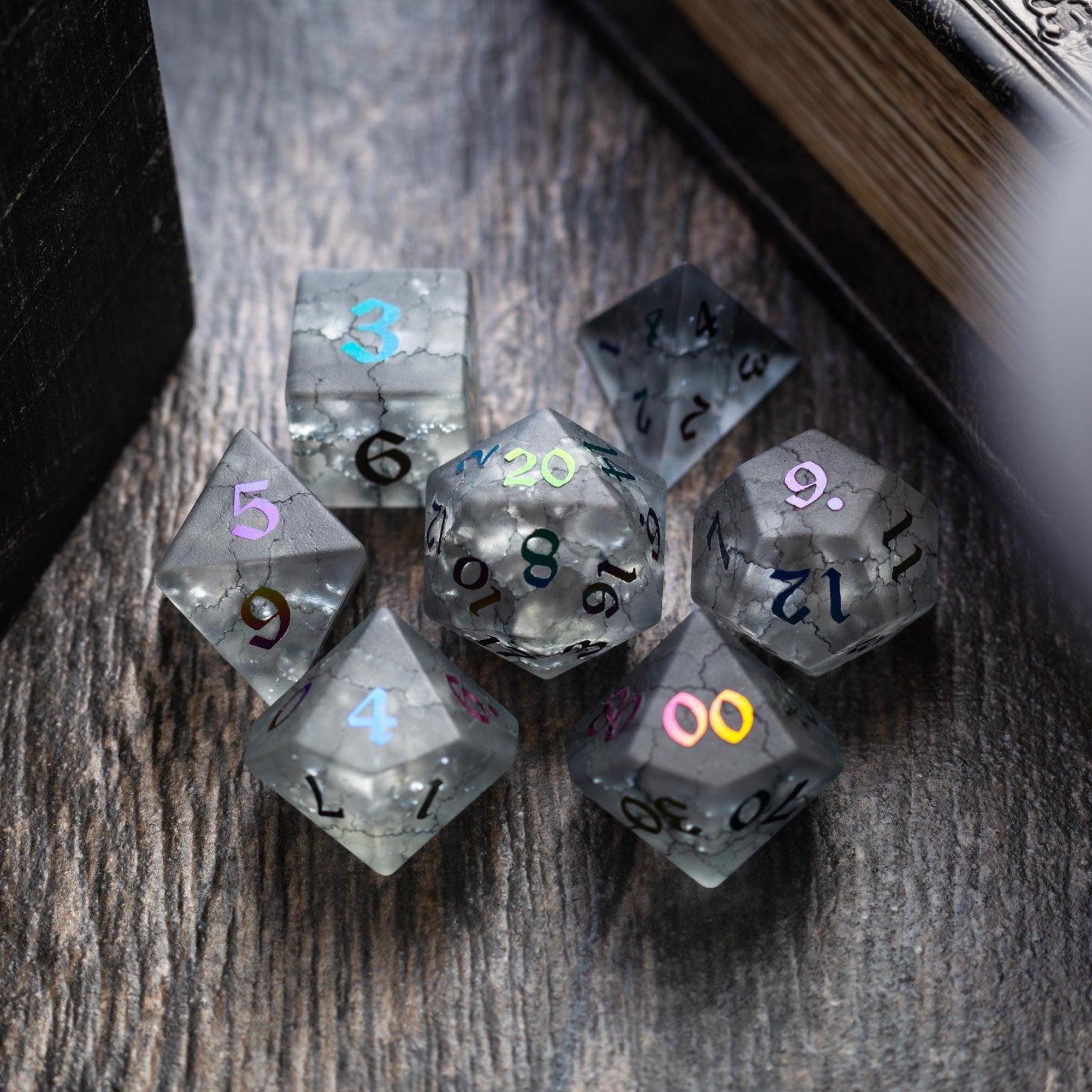
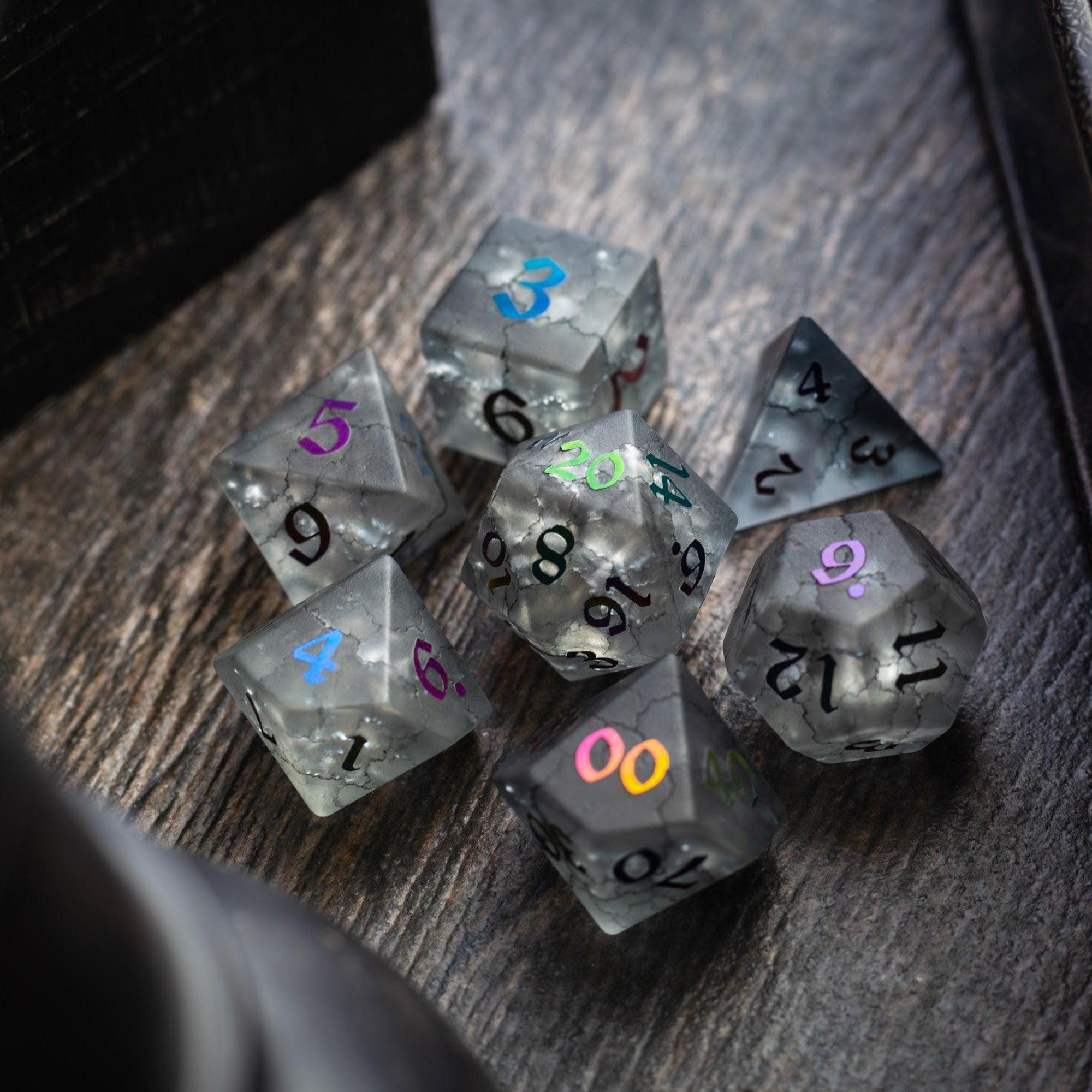
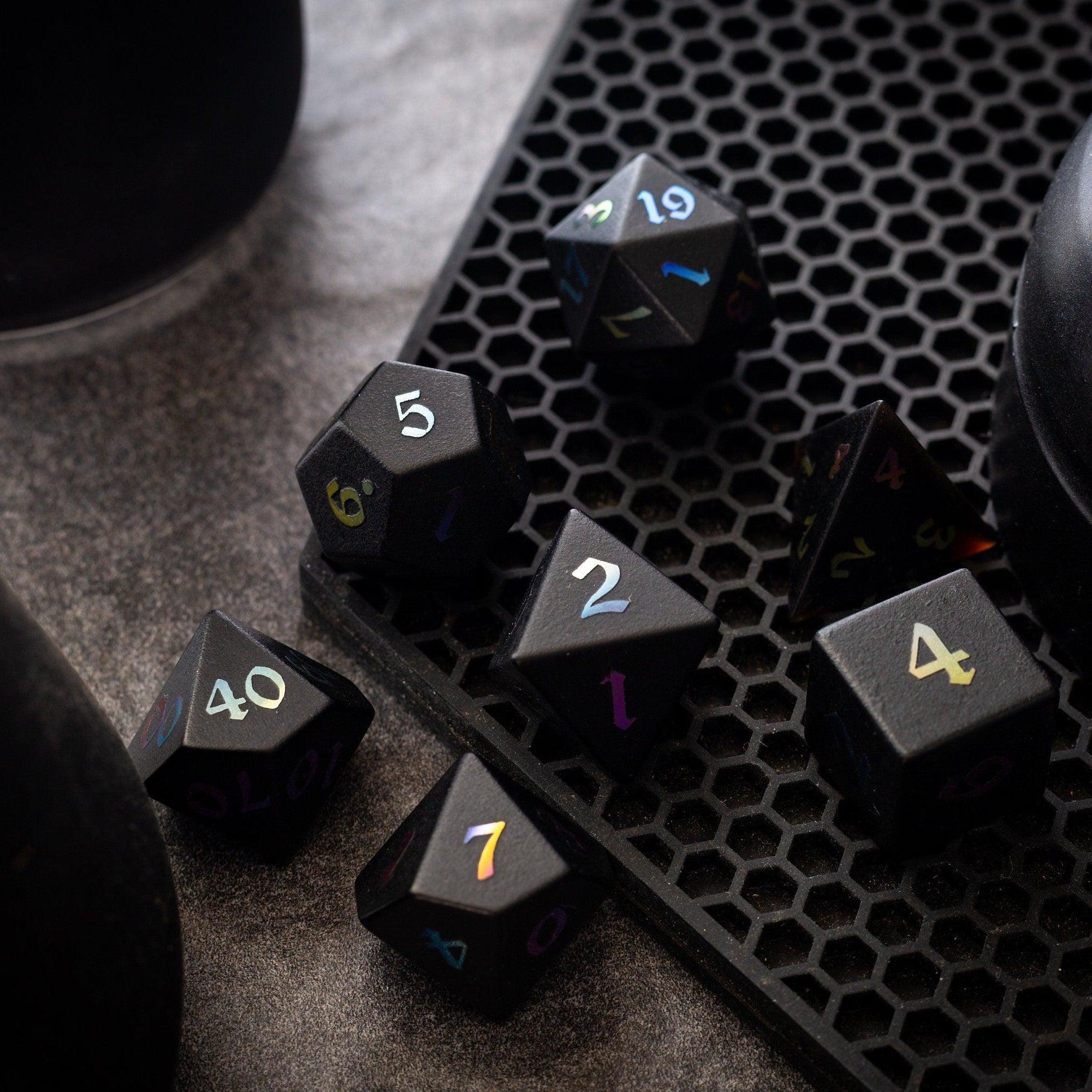
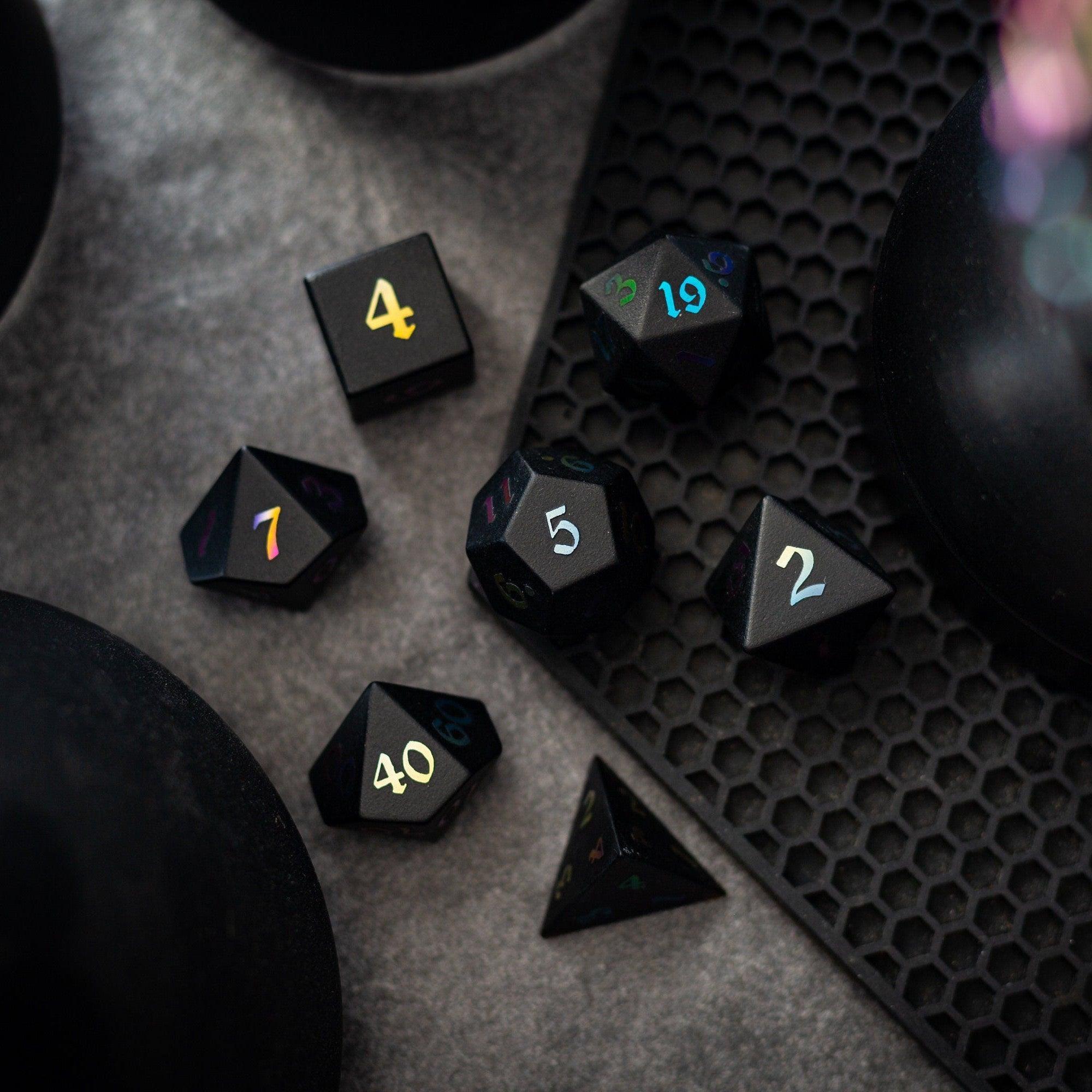
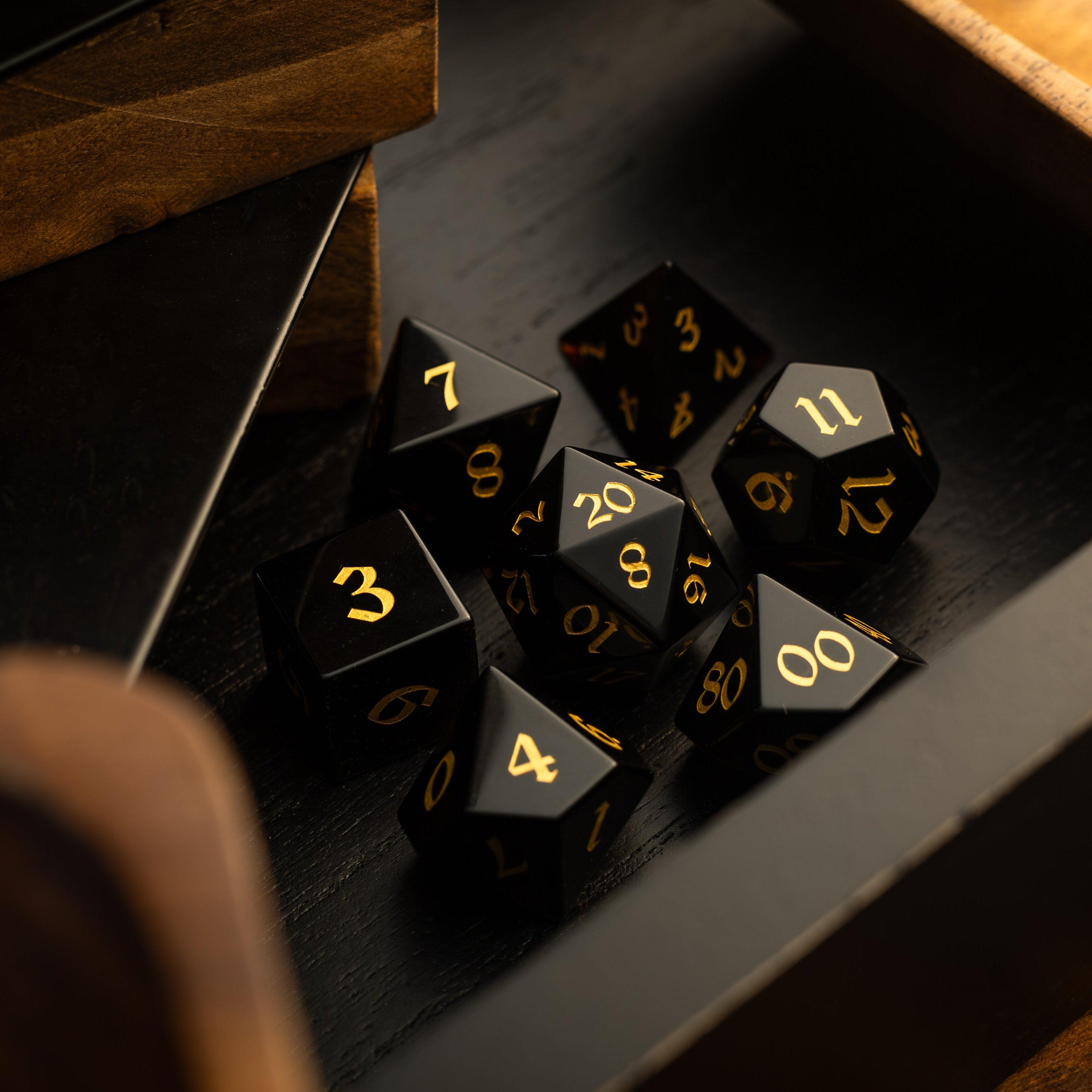
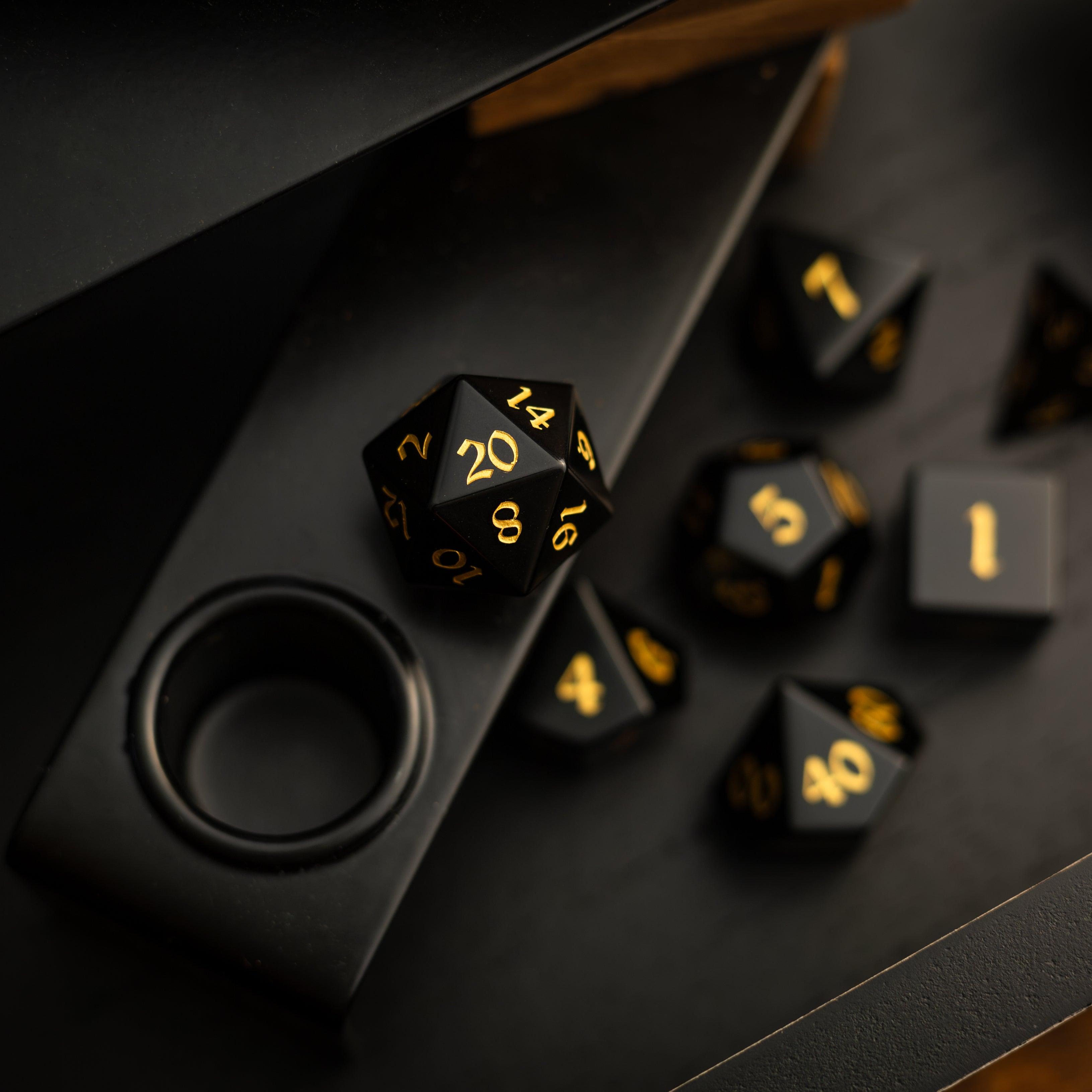
A shimmering liquid core set might fit a character changed by unstable planar energy. Gemstone or glass dice can complement an artifact-focused adventure or arcane city, while darker metal or resin dice can suit a gothic realm or ruthless faction.
Dungeon Masters can even assign different dice styles to different realms or encounter types. The purpose is not to add more rules. It is to give the table a simple visual language.
Campaign journals are especially useful for tracking:
-
Planes visited
-
Portal locations
-
Faction relationships
-
Important artifacts
-
Unresolved threats
-
Choices that may affect another world later
The more complicated the multiverse becomes, the more valuable simple organization becomes.
A Simple Crossover Campaign Blueprint
Step 1: Choose the Primary World
Decide where the campaign begins. This world establishes the characters’ understanding of normal life.
Step 2: Introduce One Disruption
Create a portal, artifact, invasion, magical accident, or other event that connects the realms.
Step 3: Connect the Characters
Give every player a personal reason to care about the disruption.
Step 4: Introduce One Major Faction from Each Realm
Keep the political landscape understandable. More factions can appear later.
Step 5: Build Three Types of Encounters
Prepare at least one combat challenge, one exploration challenge, and one roleplaying conflict connected to the crossover.
Step 6: Reveal the Larger Conflict Gradually
Allow the campaign to expand as the characters gain knowledge, allies, and power.
Step 7: End with a Meaningful Choice
The final decision should affect both worlds.
Perhaps the party must decide whether the connection between the realms should remain open. Maybe saving one city empowers a dangerous faction. Perhaps destroying the artifact ends the crisis but permanently separates allies who came from different worlds.
The final choice should belong to the players.
Let the Realms Collide, but Keep the Heroes at the Center
The most memorable D&D Magic crossover campaign is not necessarily the one with the most planes, creatures, factions, or recognizable names.
It is the one with a focused conflict.
Distinctive worlds matter. Memorable factions matter. Planar travel and strange creatures can create incredible adventures. But the campaign becomes meaningful when the player characters have something personal at stake and the power to change what happens.
Start with one connection between two realms.
Give that connection a consequence.
Build factions with understandable goals. Create encounters that require more than combat. Let planar travel change the story instead of simply changing the scenery. Most importantly, make the players responsible for the choices that determine the fate of the worlds.
That is what makes a D&D crossover campaign feel epic.
Not simply visiting famous realms, but becoming the heroes whose decisions change them.




Leave a comment
This site is protected by hCaptcha and the hCaptcha Privacy Policy and Terms of Service apply.