
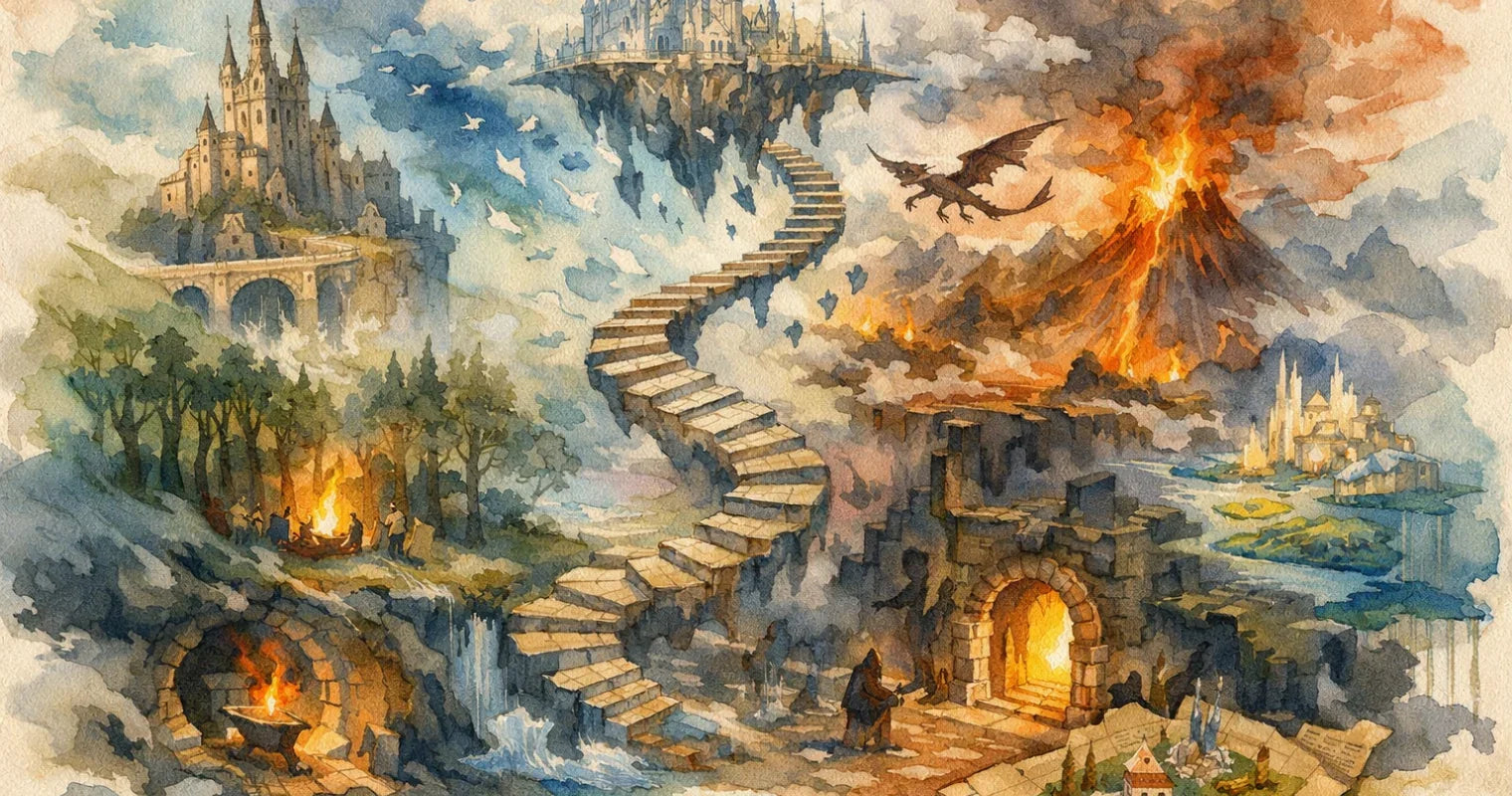
Tabletop Roleplaying Games: Crafting Better Campaigns Through Storytelling and Strategy
Tabletop roleplaying games have always been about more than rolling dice and defeating monsters. The campaigns players remember for years are the ones filled with difficult decisions, memorable allies, surprising twists, and worlds that feel alive. Whether you're leading your first fantasy RPG or refining your tenth long-running adventure, successful campaign design comes from balancing preparation with flexibility.
A great tabletop RPG campaign isn't built by writing hundreds of pages of lore before Session One. Instead, it grows naturally as players explore the world, shape its future, and create stories together. Good campaign planning provides direction without limiting creativity, allowing every session to feel both structured and spontaneous.
This guide explores practical Dungeon Master tips and storytelling techniques that apply across tabletop roleplaying games, including Dungeons & Dragons, Pathfinder, and many other fantasy RPG systems.
What Makes a Great Tabletop RPG Campaign?
Every memorable tabletop RPG campaign combines four essential ingredients:
-
A believable world
-
Meaningful player choices
-
Flexible storytelling
-
Consistent preparation
Many new Game Masters believe they need every town, kingdom, and villain fully designed before the campaign begins. In reality, players often remember the unexpected moments far more vividly than carefully scripted scenes.
Think of your campaign as a living story rather than a novel. You create the setting, but your players determine how events unfold.
Strong RPG storytelling gives players freedom while ensuring their decisions matter.
Start with a Strong Campaign Foundation
Every successful campaign begins with clear expectations.
Before anyone creates a character, decide what kind of adventure everyone wants to experience.
Define Your Campaign Theme
Ask yourself questions like:
-
Is this heroic fantasy or dark survival?
-
Will exploration be the primary focus?
-
Is political intrigue central to the story?
-
Will humor play a major role?
-
How dangerous is the world?
A consistent theme helps players build characters that naturally fit together.
Establish the Setting
Your setting doesn't need thousands of years of history.
Instead, focus on:
-
A memorable starting town
-
Nearby wilderness
-
Important factions
-
Local rumors
-
Immediate threats
The rest of the world can develop naturally as the campaign expands.
Hold a Session Zero
Session Zero creates shared expectations before play begins.
Discuss topics such as:
-
Character concepts
-
Campaign tone
-
House rules
-
Attendance expectations
-
Player boundaries
-
Party goals
This early conversation prevents misunderstandings and helps everyone feel invested from the beginning.
Creating a Living World
One mistake many Game Masters make during campaign planning is trying to create an entire continent before the first session.
Instead, build outward from where the players begin.
Focus first on locations they'll actually visit.
Bring Locations to Life
Interesting settings include more than descriptions.
Ask yourself:
-
What makes this place unique?
-
Who lives here?
-
What problems exist?
-
What secrets remain hidden?
Even a small village becomes memorable when every location serves a purpose.
Create NPCs Players Remember
Players rarely remember dozens of names.
They remember personalities.
Give important NPCs:
-
Distinct motivations
-
Recognizable speech patterns
-
Personal goals
-
Memorable appearances
-
Relationships with the party
Recurring characters make the world feel connected over many sessions.
Let History Shape the Present
History shouldn't exist only in your notes.
Old wars, forgotten civilizations, and ancient mysteries should influence current events, encouraging exploration while rewarding curious players.
Building Adventures That Players Remember
A great adventure offers more than combat encounters.
Players become invested when every challenge offers meaningful choices.
Include a mixture of:
-
Exploration
-
Investigation
-
Diplomacy
-
Tactical combat
-
Moral dilemmas
-
Hidden discoveries
For example:
Instead of asking players to clear goblins from a ruined fortress, reveal that the goblins are protecting refugees from an even greater threat. Suddenly, the adventure becomes about negotiation, difficult choices, and long-term consequences rather than simply winning a fight.
Every decision should have the potential to influence future sessions.
Campaign Elements That Strengthen Every Story
| Campaign Element | Why It Matters | Tips for Success |
|---|---|---|
| Worldbuilding | Creates immersion | Reveal details gradually through exploration |
| NPCs | Encourage roleplay | Give each memorable traits and motivations |
| Combat | Adds excitement | Vary objectives beyond defeating enemies |
| Exploration | Rewards curiosity | Include secrets, puzzles, and hidden lore |
| Player Choices | Builds investment | Let decisions permanently influence the world |
Balancing Combat, Exploration, and Roleplay
Every fantasy RPG offers multiple ways to engage players.
Campaigns become repetitive when they rely too heavily on a single style of play.
Aim for a healthy balance between:
Tactical Encounters
Combat should solve problems, reveal story developments, or introduce new complications rather than exist simply because monsters are nearby.
Investigation
Mysteries encourage players to ask questions and interact with the world.
Hidden clues often generate more memorable discussions than straightforward battles.
Character Interaction
Give players opportunities to build friendships, rivalries, and alliances through conversation.
Problem Solving
Not every obstacle requires violence.
Locked gates, political disputes, dangerous terrain, and magical puzzles encourage creativity.
Downtime
Quiet moments between adventures allow characters to develop naturally while strengthening long-term RPG storytelling.
Keeping Players Engaged
Long campaigns succeed because players care about what happens next.
You can encourage investment by connecting adventures to the characters themselves.
Consider including:
-
Personal character goals
-
Family members
-
Rivals
-
Returning villains
-
Favorite NPCs
-
Moral choices with lasting consequences
When players recognize that their decisions genuinely change the world, they naturally become more involved.
Interesting rewards also help.
Not every reward needs to be magical treasure.
Players often value:
-
New allies
-
Titles
-
Reputation
-
Property
-
Knowledge
-
Story discoveries
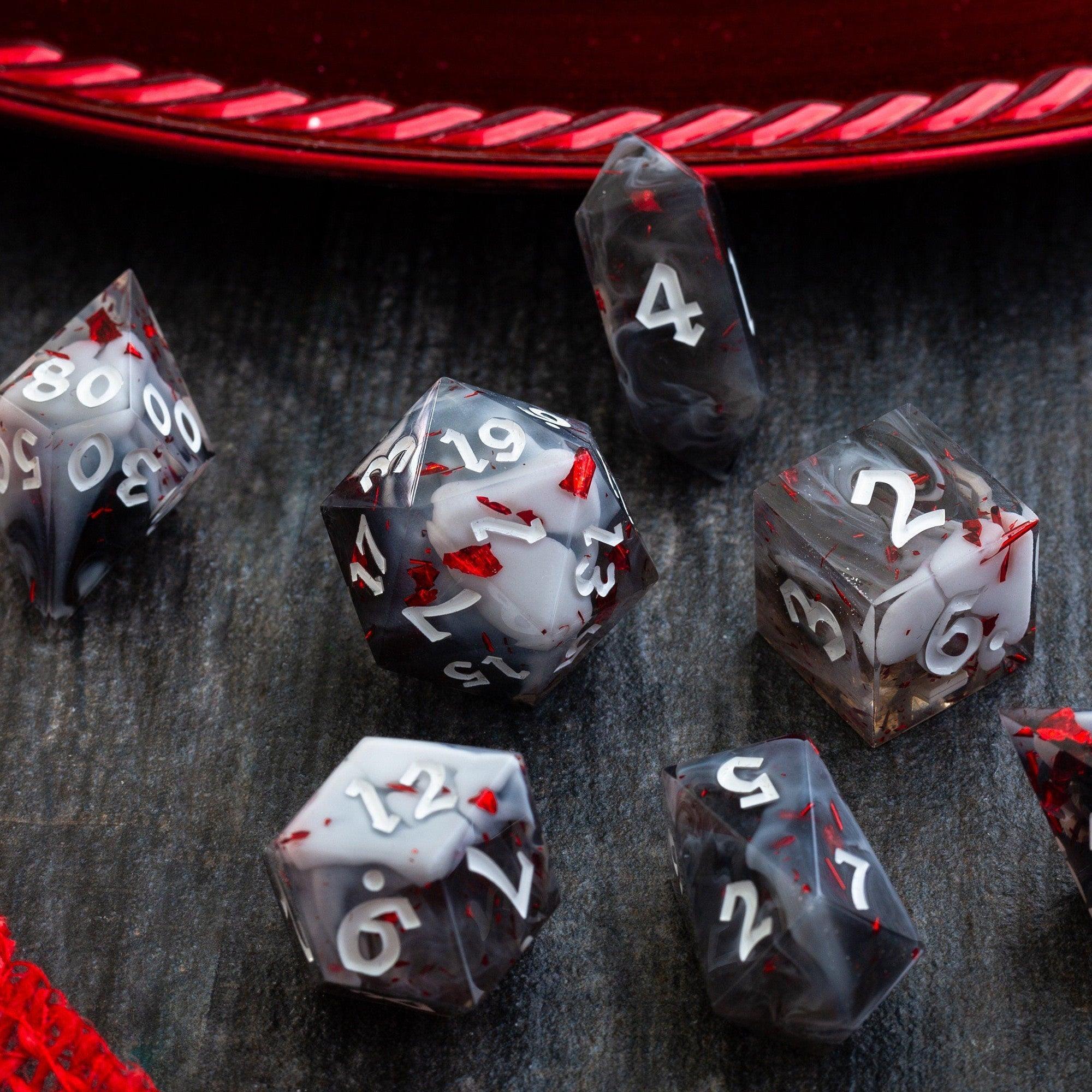
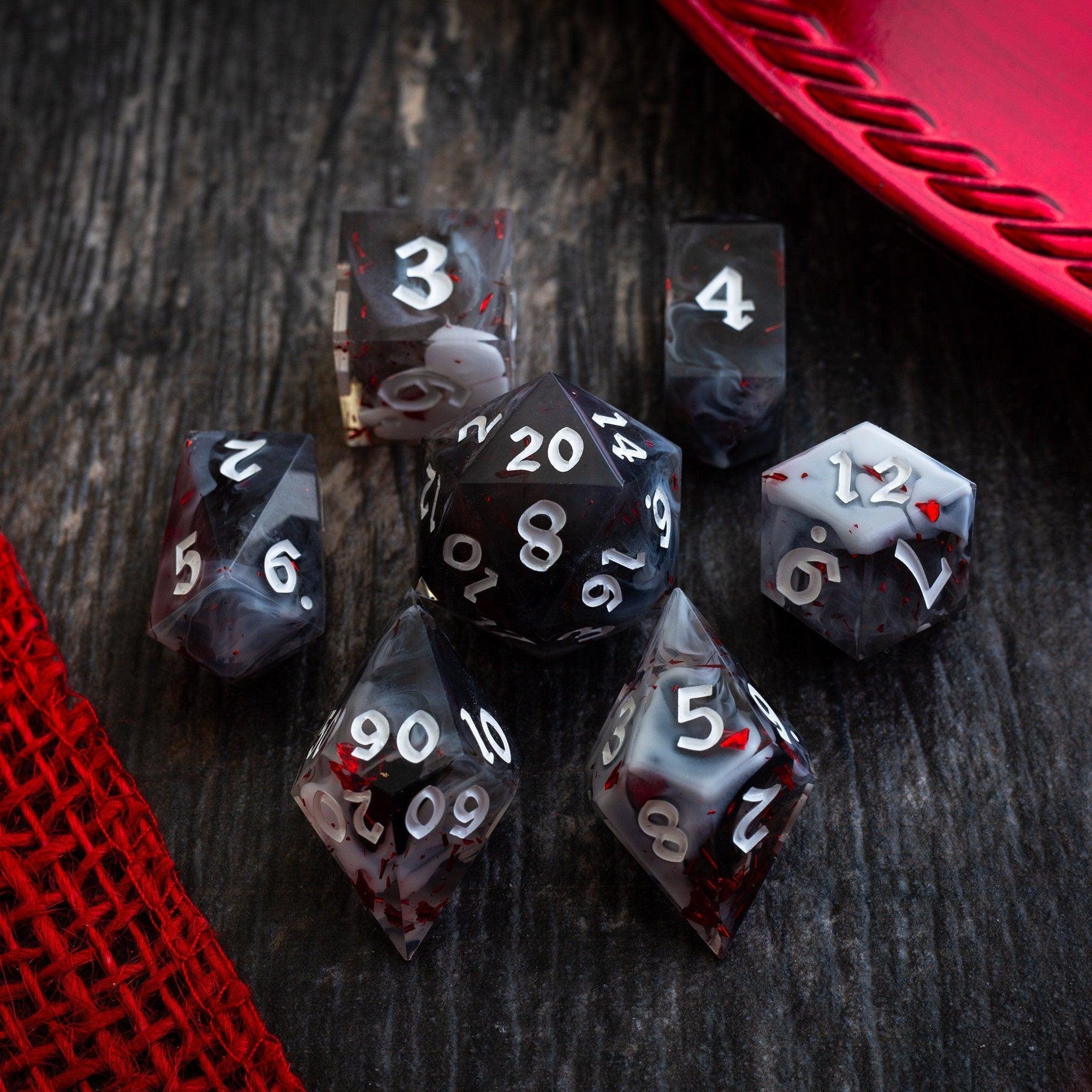
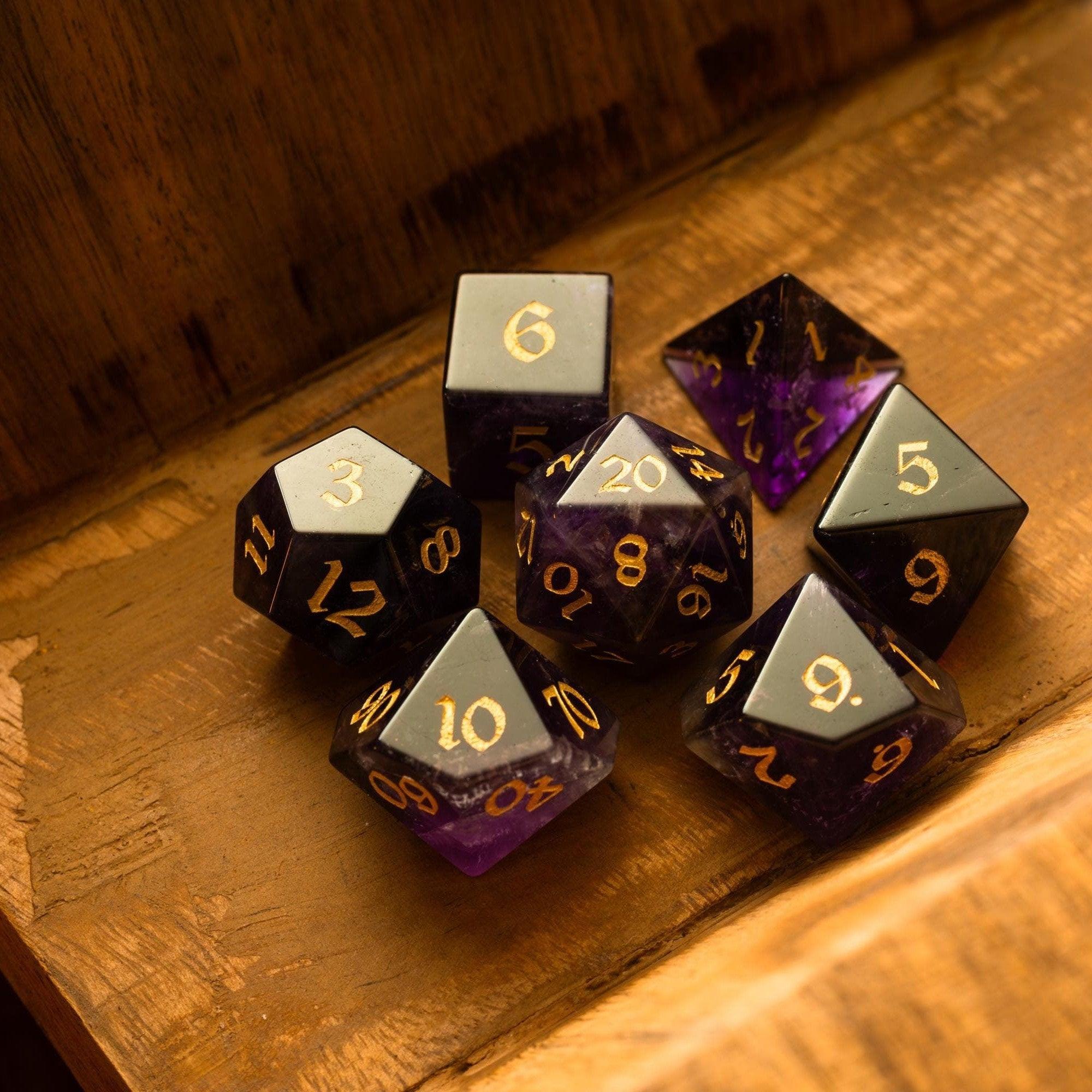
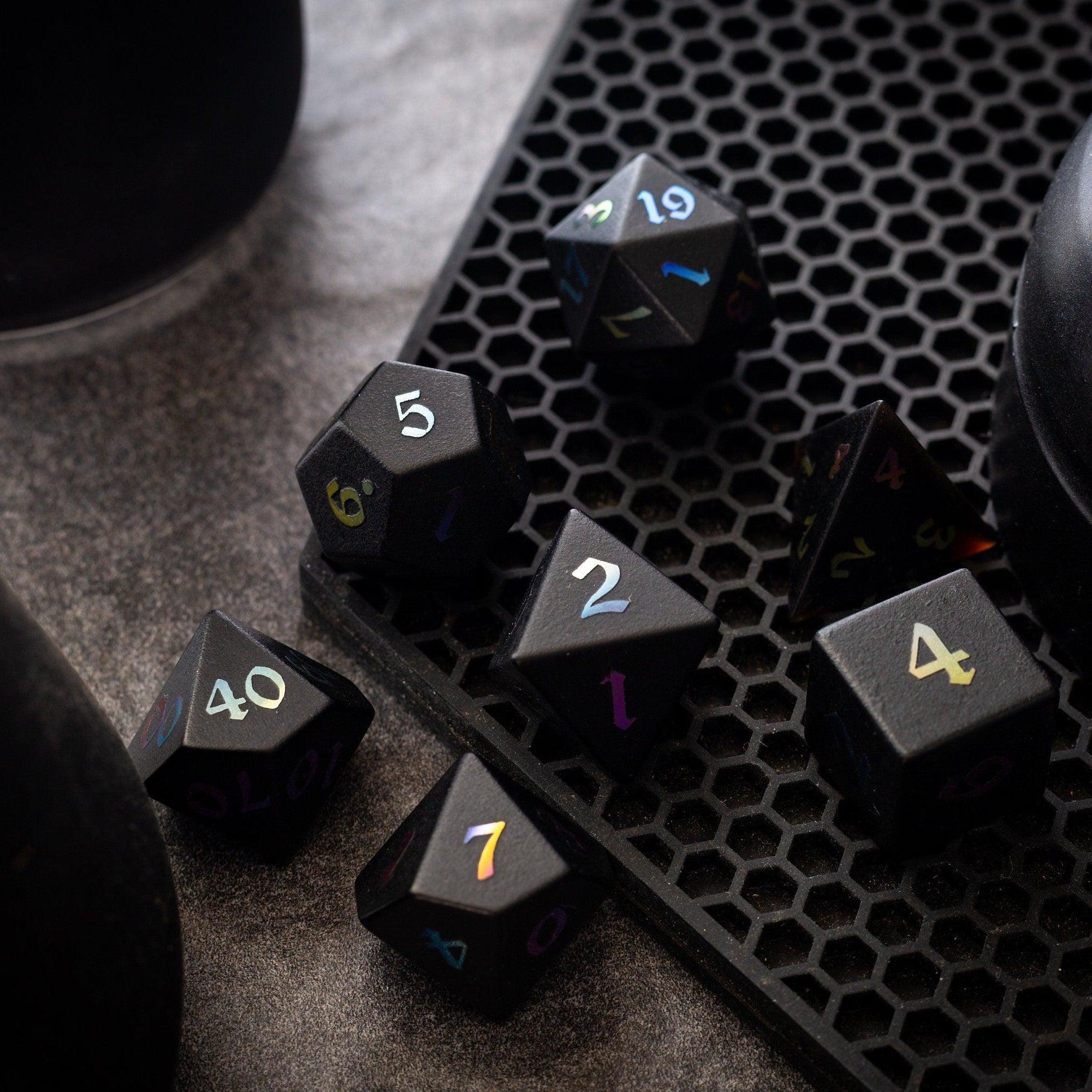
Physical accessories can also support immersion without distracting from gameplay. A sturdy campaign notebook helps keep track of recurring characters, faction relationships, and evolving storylines, while organized dice trays reduce clutter during busy encounters. For dramatic boss battles, a dice tower can turn an important roll into a memorable moment shared by the whole table.
Preparing Efficiently
One of the best Dungeon Master tips is surprisingly simple:
Prepare situations instead of scripts.
Players rarely follow the exact path you expect.
Rather than planning every conversation, prepare:
-
NPC motivations
-
Encounter goals
-
Interesting locations
-
Possible complications
-
Likely consequences
This approach makes improvisation much easier.
Stay Organized
Simple notes often outperform lengthy documents.
Keep track of:
-
Important NPCs
-
Current quests
-
Player goals
-
World events
-
Unresolved mysteries
Campaign journals make continuity much easier, especially during long-running tabletop gaming campaigns.
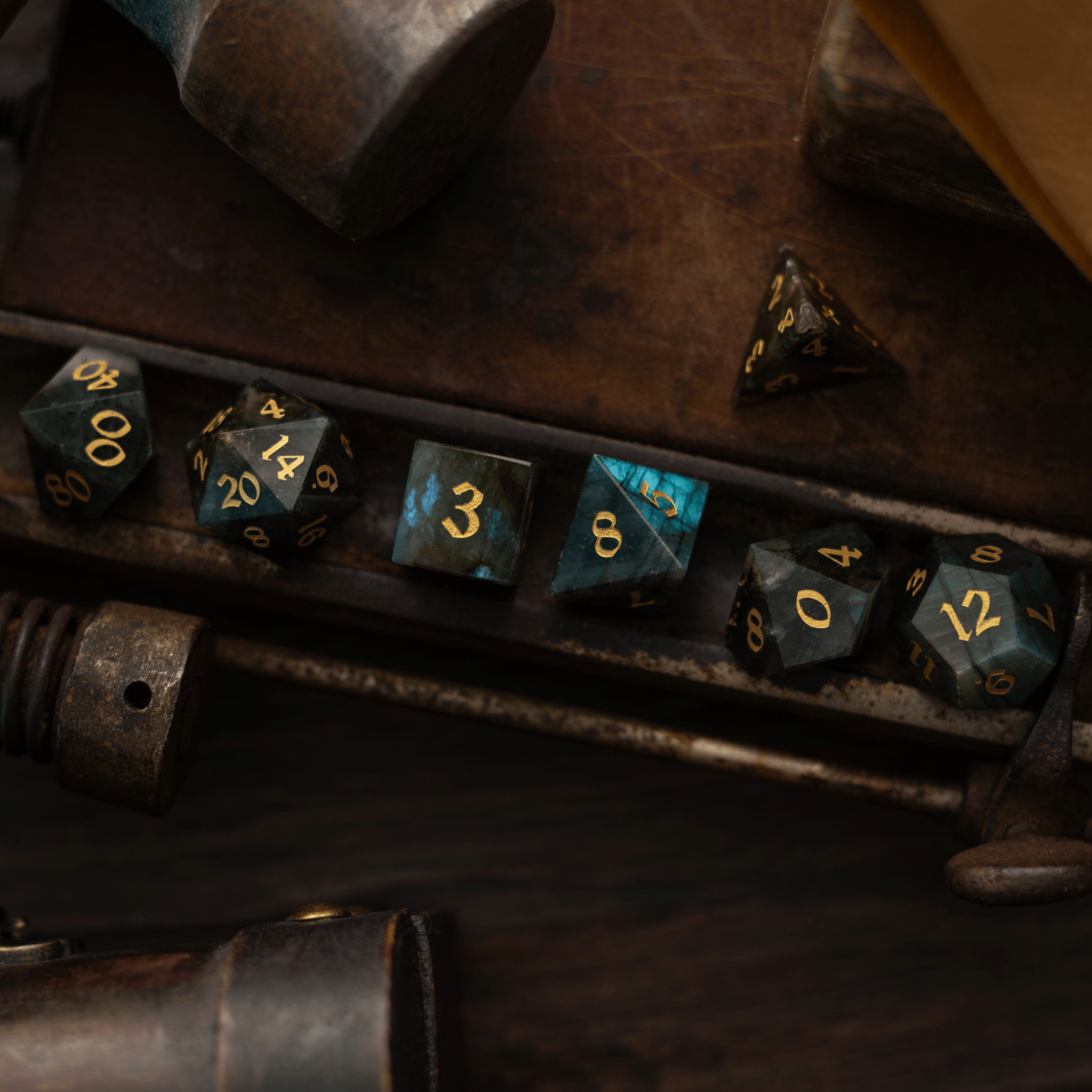
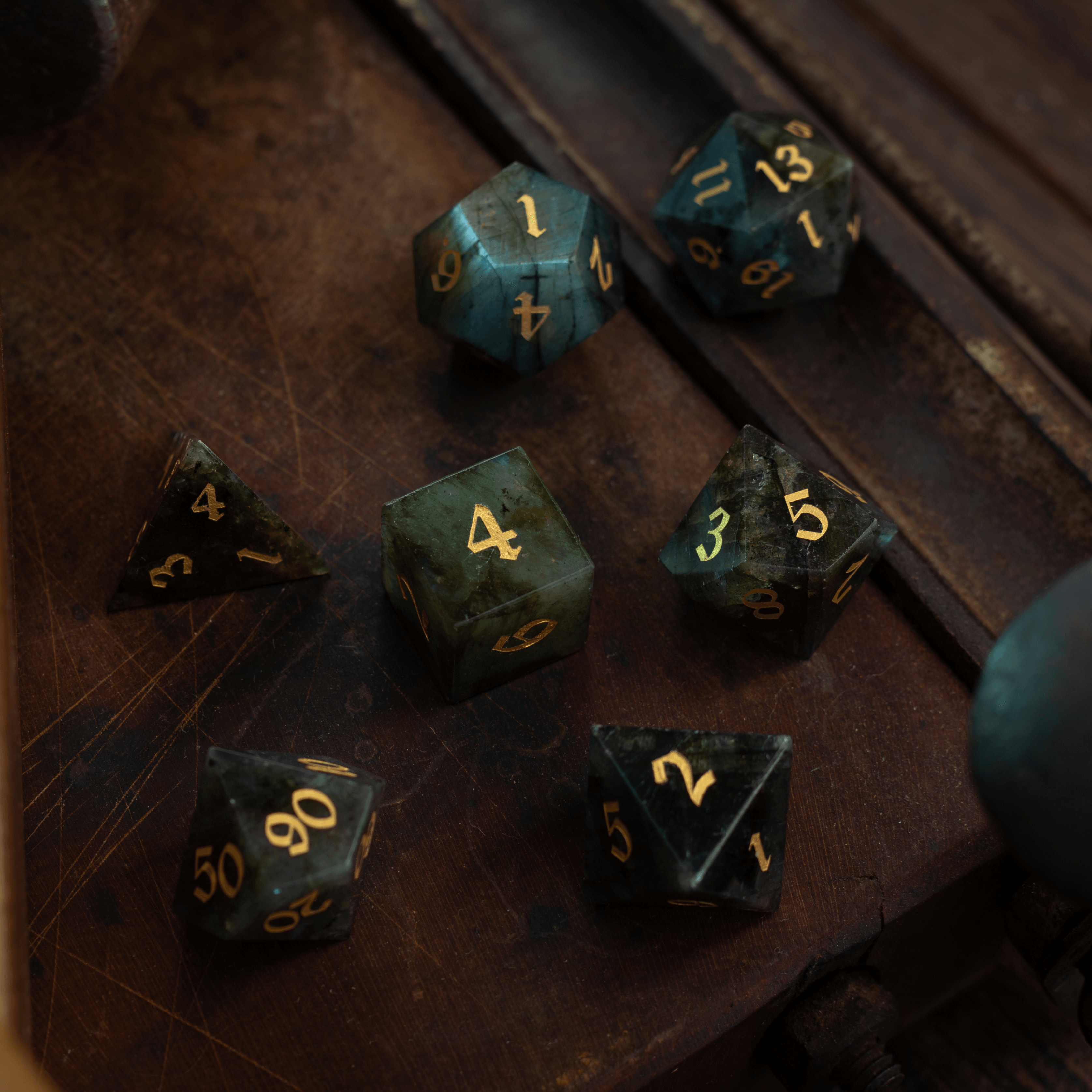
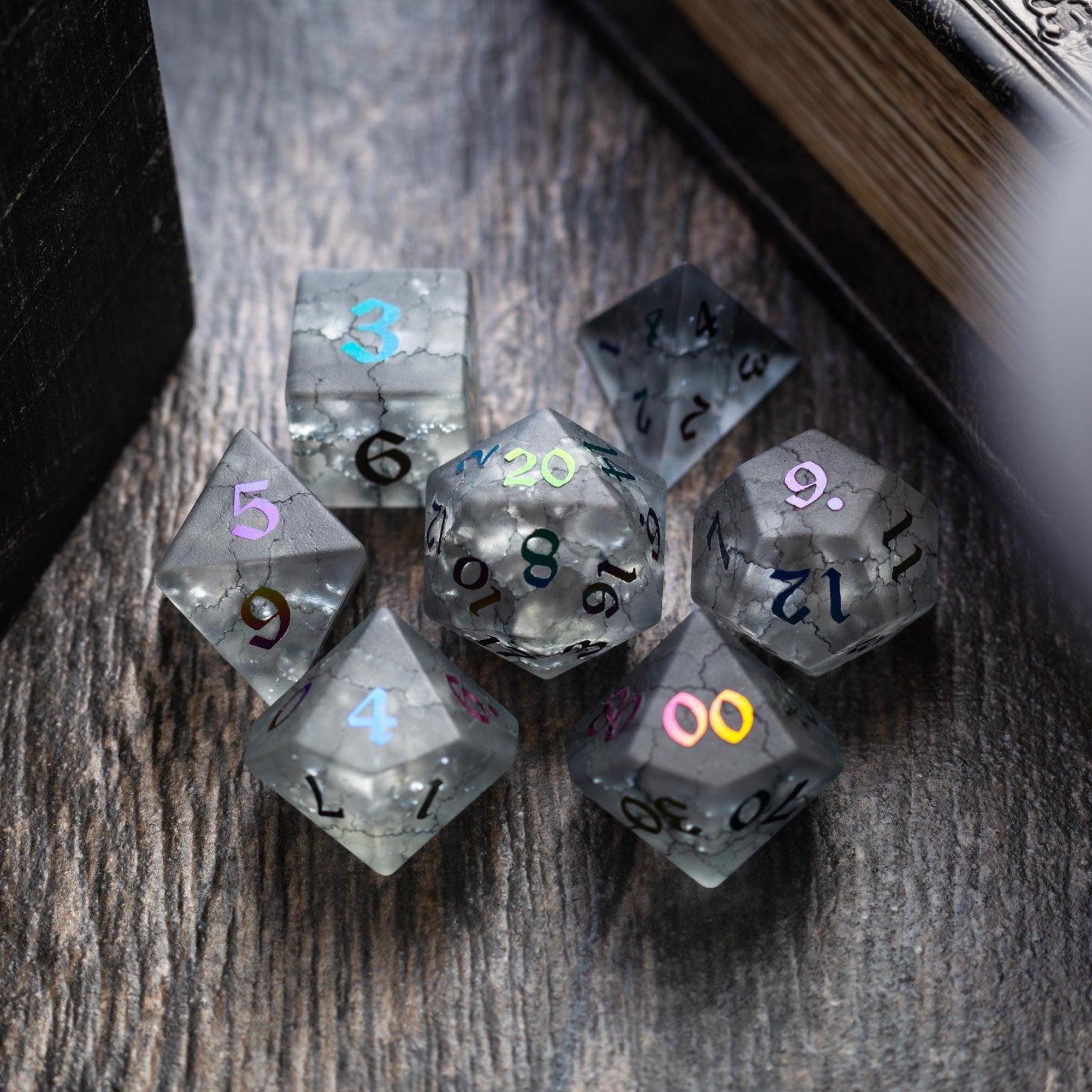
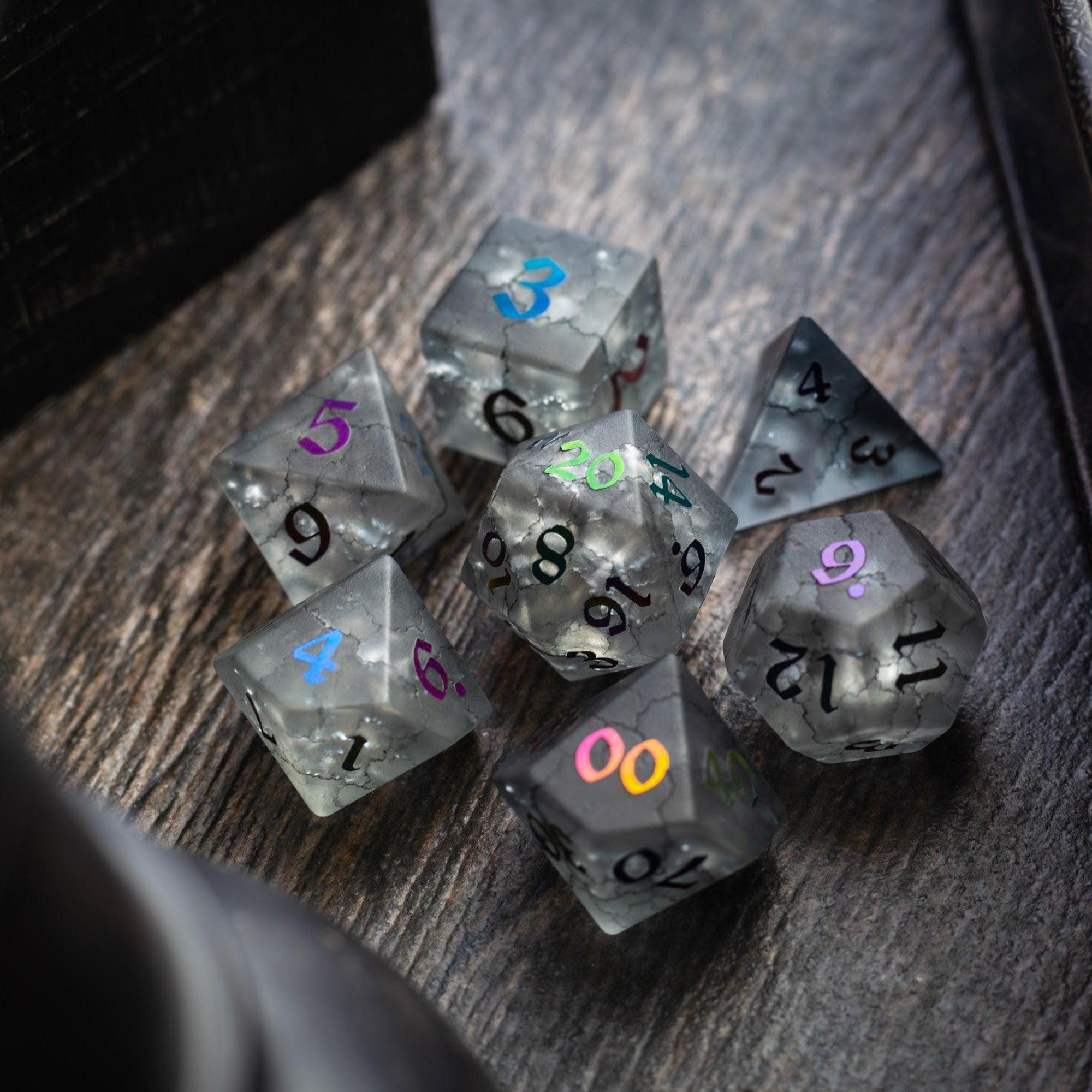
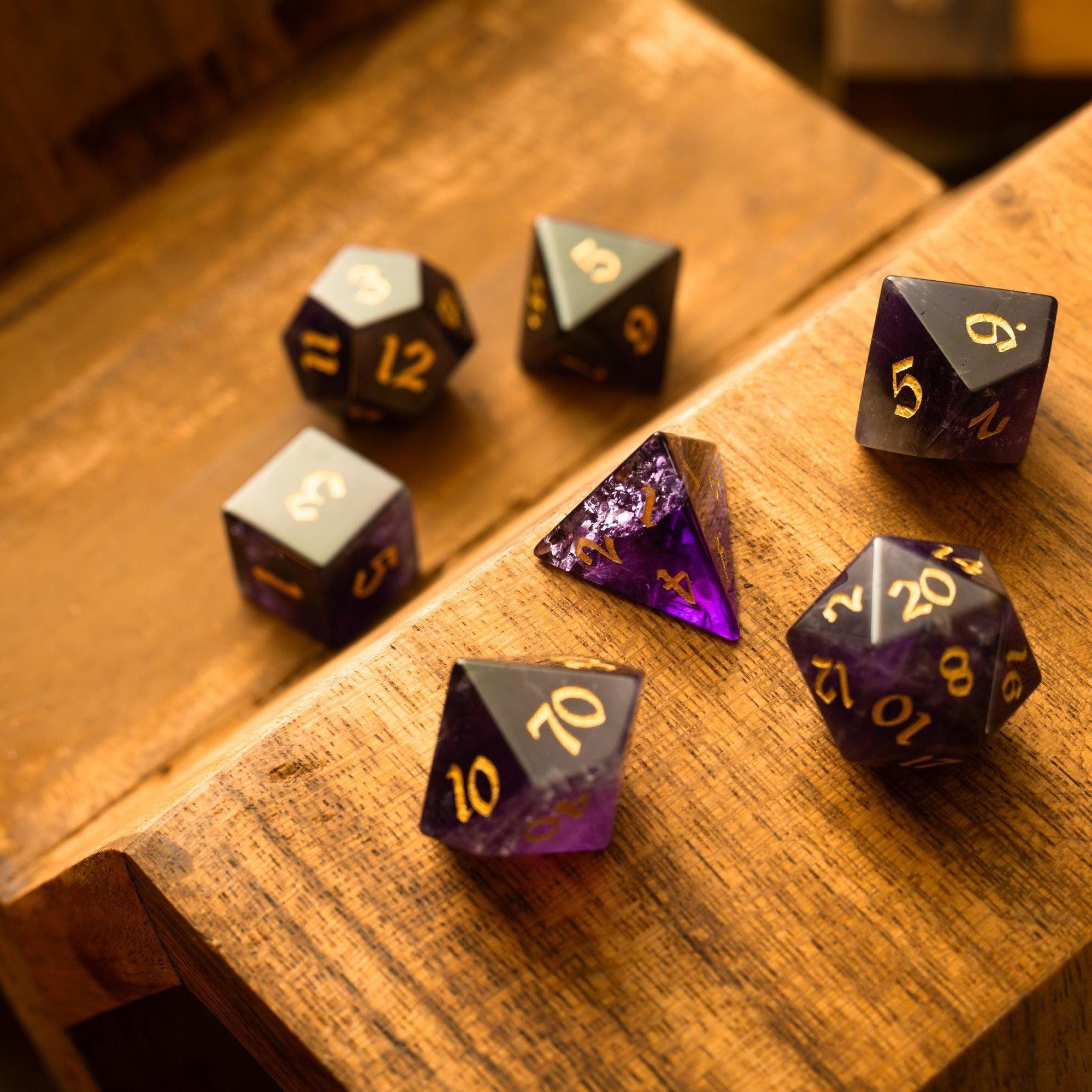
If your group enjoys collecting distinctive dice, reserving premium gemstone dice or sharp-edge dice for milestone encounters can make important moments feel even more significant without changing the mechanics of the game.
Encouraging Collaborative Storytelling
The best campaigns belong to everyone at the table.
Players should help shape the world alongside the Game Master.
Invite contributions through:
-
Character backstories
-
Personal ambitions
-
Family histories
-
Organization memberships
-
Hometown descriptions
-
Creative solutions
If a player invents an old mentor or forgotten village, consider weaving those ideas into future adventures.
Collaboration creates emotional investment that no amount of preparation can replace.
Common Campaign Mistakes
Even experienced Game Masters occasionally fall into habits that weaken their campaigns.
Railroading Players
Players should influence the story instead of merely following it.
Offer meaningful decisions whenever possible.
Overpreparing
Writing hundreds of pages often leads to unused material.
Prepare only what players are likely to encounter next.
Ignoring Player Interests
Pay attention to what excites your group.
If players become fascinated by a mysterious merchant, expand that storyline.
Inconsistent Pacing
Alternating action, investigation, exploration, and quieter character moments keeps campaigns feeling fresh.
Too Many NPCs
A handful of memorable characters creates stronger connections than dozens of forgettable ones.
Forgetting Character Growth
Characters should evolve beyond gaining levels.
Their beliefs, relationships, and reputations should change alongside the world.
Growing Your Campaign Over Time
The best campaign design embraces change.
As characters grow stronger, the world should respond.
Villains adapt.
Kingdoms change.
Alliances shift.
Old decisions return in unexpected ways.
Perhaps the village the party saved becomes a thriving city years later.
Maybe an enemy they spared becomes an unlikely ally.
Or a forgotten mystery from Session Two becomes the centerpiece of the campaign finale.
Allow your world to evolve naturally.
As campaigns expand, even small touches can reinforce the sense of progression. A player who begins with colorful resin dice may eventually celebrate a legendary character's greatest achievements with an elegant set of metal, glass, or liquid core dice. These traditions become part of the group's shared memories, much like favorite NPCs or unforgettable victories.
Campaigns become unforgettable because players continually surprise the Game Master.
Rather than resisting those surprises, build upon them.
Building Stories Worth Remembering
Great tabletop roleplaying games aren't defined by perfect preparation or elaborate rule mastery. They're built through collaboration, creativity, and the willingness to let the story grow alongside the people telling it.
Strong campaign planning provides direction while leaving room for unexpected discoveries. Rich worlds develop one session at a time, memorable characters emerge through shared experiences, and meaningful choices transform simple adventures into legendary tales.
Whether you're running your first fantasy RPG or refining years of experience behind the screen, remember that every session is another opportunity to create stories your group will talk about long after the final dice have been rolled. Thoughtful preparation, flexible storytelling, and genuine collaboration will always be the foundation of campaigns worth remembering.










Leave a comment
This site is protected by hCaptcha and the hCaptcha Privacy Policy and Terms of Service apply.