Dungeons & Dragons Spell Effects: How Magic Changes Every Combat Encounter
Many new spellcasters approach combat with one goal: deal as much damage as possible.
There's nothing wrong with launching a Fireball into a group of enemies or blasting a monster with Guiding Bolt. Damage is exciting, easy to understand, and often effective.
However, some of the strongest Dungeons & Dragons spells don't deal damage at all.
A well-placed Web can stop an entire enemy charge. A timely Counterspell can prevent a devastating magical attack. A simple Bless can improve an entire party's chances of success throughout a battle.
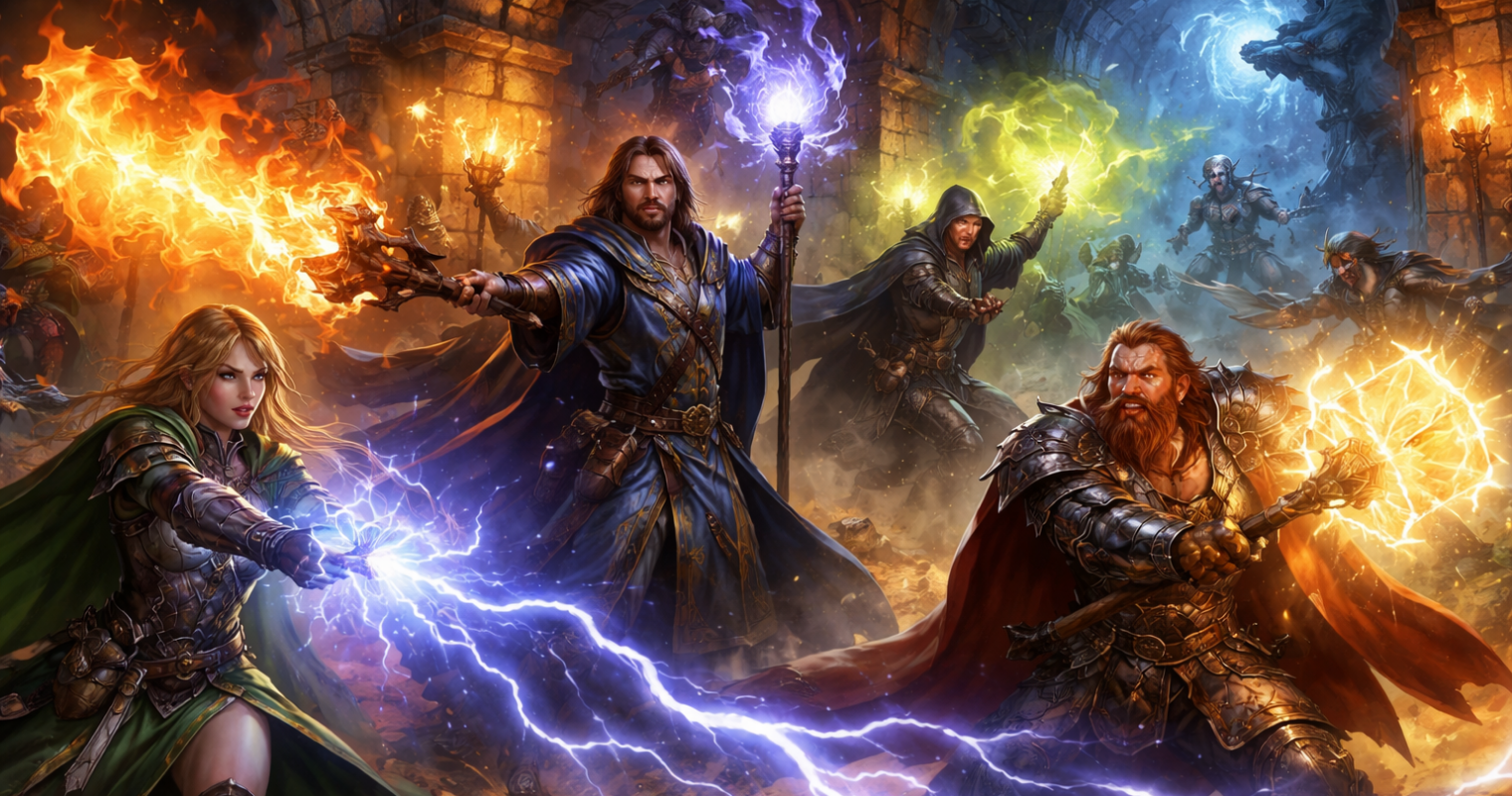
Understanding D&D spell effects is one of the biggest steps toward becoming a better spellcaster. When you learn to think beyond damage numbers, you'll discover that magic can reshape the battlefield, control enemy actions, protect allies, and completely change the outcome of an encounter.
This spellcasting guide explores how different spell effects work and how to use them strategically in combat.
Understanding Spell Effects
In fantasy RPGs, spell effects are the results created by a spell beyond its basic description.
Some spells deal damage. Others influence movement, create obstacles, impose conditions, strengthen allies, or weaken enemies.
Common categories of spell effects in combat include:
-
Direct damage
-
Conditions
-
Movement control
-
Buffs
-
Debuffs
-
Utility effects
Many players focus only on reducing enemy hit points. Experienced spellcasters understand that controlling what enemies can do is often even more valuable.
For example:
-
Dealing 30 damage is useful.
-
Preventing four enemies from attacking for an entire round may be even better.
That's why understanding D&D combat magic requires looking at the entire battlefield, not just damage dice.
The Five Major Types of Combat Spell Effects
Damage Effects
Damage spells are the most recognizable form of combat magic.
Popular examples include:
| Spell | Primary Function |
|---|---|
| Fireball | Area damage |
| Guiding Bolt | Single-target damage with advantage support |
| Lightning Bolt | Line damage |
| Magic Missile | Guaranteed damage |
When Damage Is the Best Solution
Damage spells shine when:
-
Enemies are already weakened
-
Multiple foes are grouped together
-
Combat needs to end quickly
-
Battlefield control isn't necessary
For example, a Fireball hitting six enemies can remove threats before they ever reach your party.
Damage remains an important part of fantasy RPG spells, but it shouldn't be the only tool in your arsenal.
Battlefield Control Effects
Battlefield control spells influence where creatures can move and fight.
Common examples include:
-
Web
-
Entangle
-
Grease
-
Various Wall spells
These spells often create difficult terrain, restraints, barriers, or hazards.
Why Battlefield Control Matters
Imagine a narrow dungeon corridor.
Without control:
-
Six enemies rush forward.
-
All six attack your front line.
With a Web spell:
-
Four become restrained.
-
Only two reach the party.
Suddenly the encounter becomes much easier.
Common Battlefield Control Tactics
Chokepoints
Force enemies through narrow areas.
Examples:
-
Doorways
-
Bridges
-
Hallways
Movement Denial
Prevent enemies from reaching vulnerable allies.
Examples:
-
Entangle
-
Web
-
Wall of Stone
Enemy Positioning
Control where enemies stand.
This helps:
-
Area damage spells
-
Sneak attacks
-
Defensive formations
Buff Effects
Buff spells improve allies rather than harming enemies.
Popular examples include:
-
Bless
-
Haste
-
Heroism
-
Shield of Faith
New players often underestimate buffs because they don't create dramatic damage numbers.
In reality, buffs can produce enormous value.
Example: Bless
Bless grants bonuses to attack rolls and saving throws.
Over an entire combat encounter, those extra rolls can:
-
Increase hits
-
Prevent failed saves
-
Reduce incoming damage
Example: Haste
Haste provides:
-
Extra movement
-
Better defense
-
Additional actions
Cast on a fighter, it can dramatically increase the party's effectiveness.
A strong buff spell often contributes more total value than a single damage spell.
Debuff Effects
Debuffs weaken enemies and reduce their effectiveness.
Popular choices include:
-
Bane
-
Slow
-
Hold Person
-
Blindness/Deafness
Why Debuffs Are Powerful
Debuffs reduce enemy options.
A monster that attacks less accurately causes less damage.
A slowed enemy cannot maneuver effectively.
A paralyzed foe becomes vulnerable to devastating attacks.
Example: Slow
Slow can:
-
Reduce movement
-
Lower defenses
-
Limit actions
Instead of defeating one enemy, you weaken an entire group.
This makes debuffs one of the most tactically rewarding forms of D&D spell tactics.
Utility Effects During Combat
Utility spells are often overlooked because they don't fit traditional combat categories.
Examples include:
-
Misty Step
-
Counterspell
-
Feather Fall
-
Fly
Why Utility Matters
Combat isn't just about attacks.
It's about positioning, survival, and adaptability.
Misty Step
Instant repositioning can:
-
Escape danger
-
Reach objectives
-
Avoid opportunity attacks
Counterspell
One reaction can completely negate an enemy spell.
Fly
Vertical movement creates tactical advantages unavailable to most creatures.
Utility magic often turns impossible situations into manageable ones.
Quick Reference Table
| Spell Effect Type | Purpose | Best Situation |
|---|---|---|
| Damage | Remove threats quickly | Multiple weakened enemies |
| Battlefield Control | Restrict movement | Large enemy groups |
| Buffs | Strengthen allies | Long encounters |
| Debuffs | Reduce enemy effectiveness | Powerful opponents |
| Utility | Improve flexibility | Unexpected situations |
Conditions That Change Battles
Many D&D spell effects apply conditions.
Conditions frequently have a larger impact than raw damage.
Restrained
Effects:
-
Speed becomes 0
-
Attack disadvantage
-
Easier to hit
Common sources:
-
Web
-
Entangle
Paralyzed
One of the strongest conditions in the game.
Effects:
-
Cannot move
-
Cannot act
-
Vulnerable to devastating attacks
Common source:
-
Hold Person
Frightened
Effects:
-
Limits movement
-
Reduces effectiveness
Blinded
Effects:
-
Attack disadvantage
-
Reduced awareness
Charmed
Effects:
-
Changes social interactions
-
Can alter combat behavior
Incapacitated
Effects:
-
Removes actions entirely
A condition that denies actions is often stronger than several rounds of direct damage.
How Different Spellcasting Classes Use Spell Effects
Wizard
Wizards excel at:
-
Battlefield control
-
Utility
-
Tactical flexibility
Common approaches:
-
Web
-
Wall of Force
-
Counterspell
Wizards often shape encounters before enemies can react.
Sorcerer
Sorcerers specialize in:
-
Burst damage
-
Flexible casting
-
Metamagic enhancements
Their spell effects often focus on explosive momentum and rapid execution.
Cleric
Clerics combine:
-
Healing
-
Buffs
-
Defensive magic
They keep parties alive while improving overall effectiveness.
Druid
Druids are masters of:
-
Terrain manipulation
-
Area control
-
Nature-based restrictions
Many druid spells alter how the battlefield functions.
Bard
Bards excel at:
-
Debuffs
-
Support
-
Control
They frequently win encounters by improving allies and disrupting enemies.
Common Spellcasting Mistakes
Even experienced players occasionally make these errors.
Casting Damage Spells Every Turn
Not every problem requires damage.
Sometimes control is the stronger option.
Ignoring Concentration
Many powerful spells require concentration.
Always consider:
-
Incoming attacks
-
Positioning
-
Defensive options
Poor Positioning
Spellcasters often stand where enemies can easily reach them.
Use cover whenever possible.
Wasting Spell Slots
Avoid spending high-level slots on minor threats.
Resource management matters.
Forgetting Utility Options
Many spellcasters prepare utility spells but never cast them.
Flexibility often wins encounters.
Spell Effect Combos and Teamwork
The strongest magic often works alongside allies.
Setting Up Sneak Attacks
A restrained enemy from Web becomes easier for rogues to exploit.
Creating Chokepoints
A wall spell combined with a fighter holding a doorway can stop an entire enemy force.
Protecting Allies
Buffs such as Bless improve party survivability throughout combat.
Combining Area Effects
A druid's terrain control can funnel enemies into a wizard's damaging spell.
Effective teamwork transforms individual spells into encounter-winning strategies.
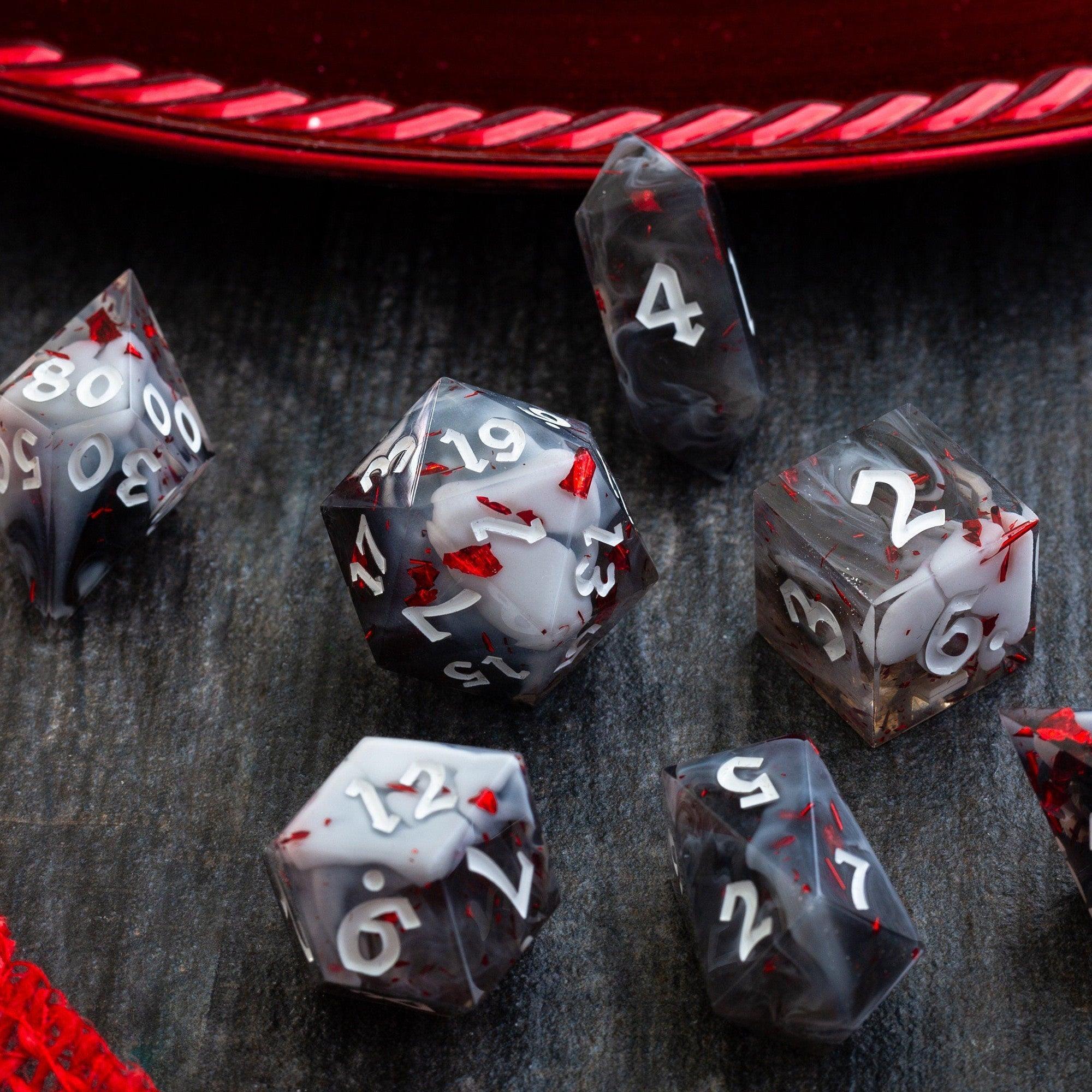
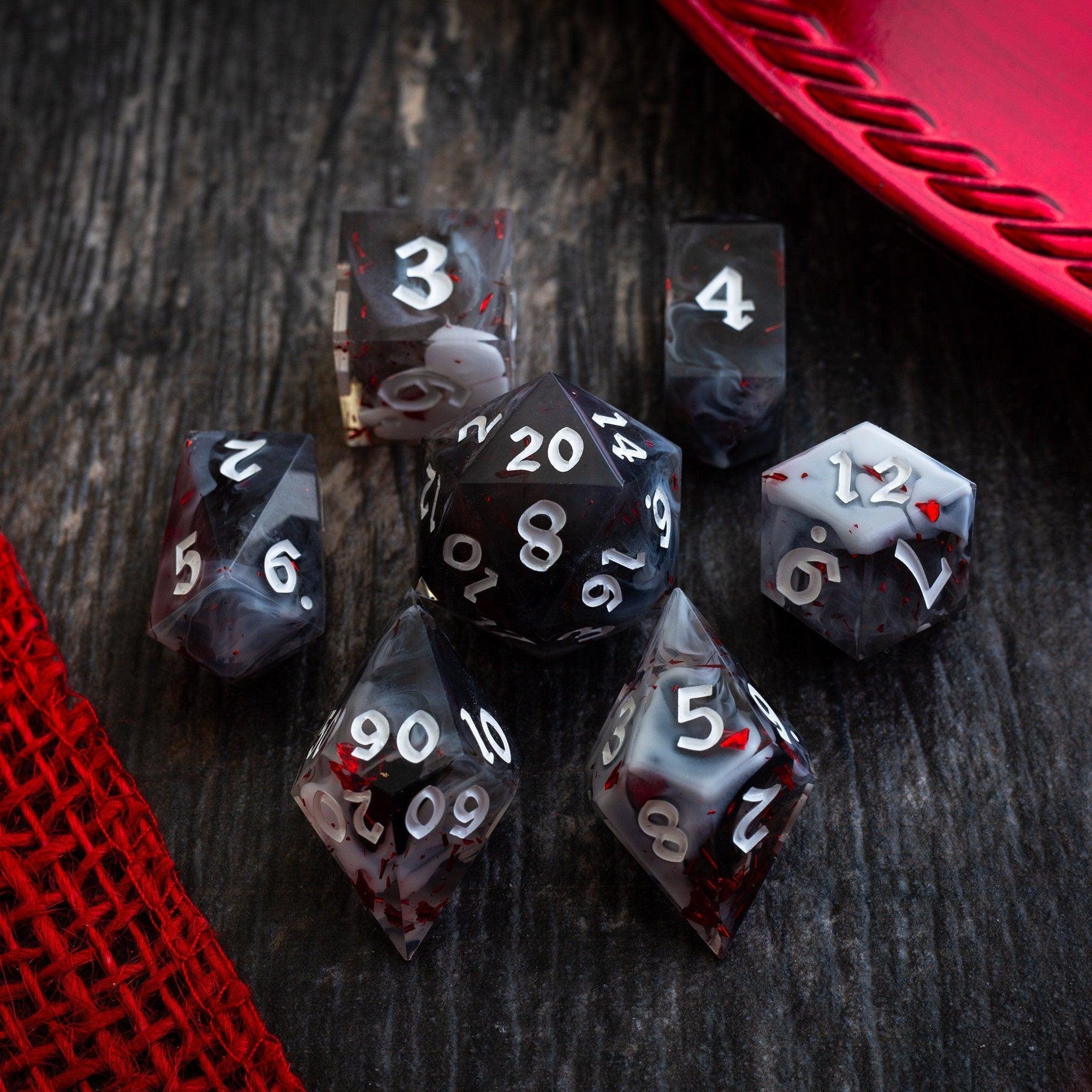
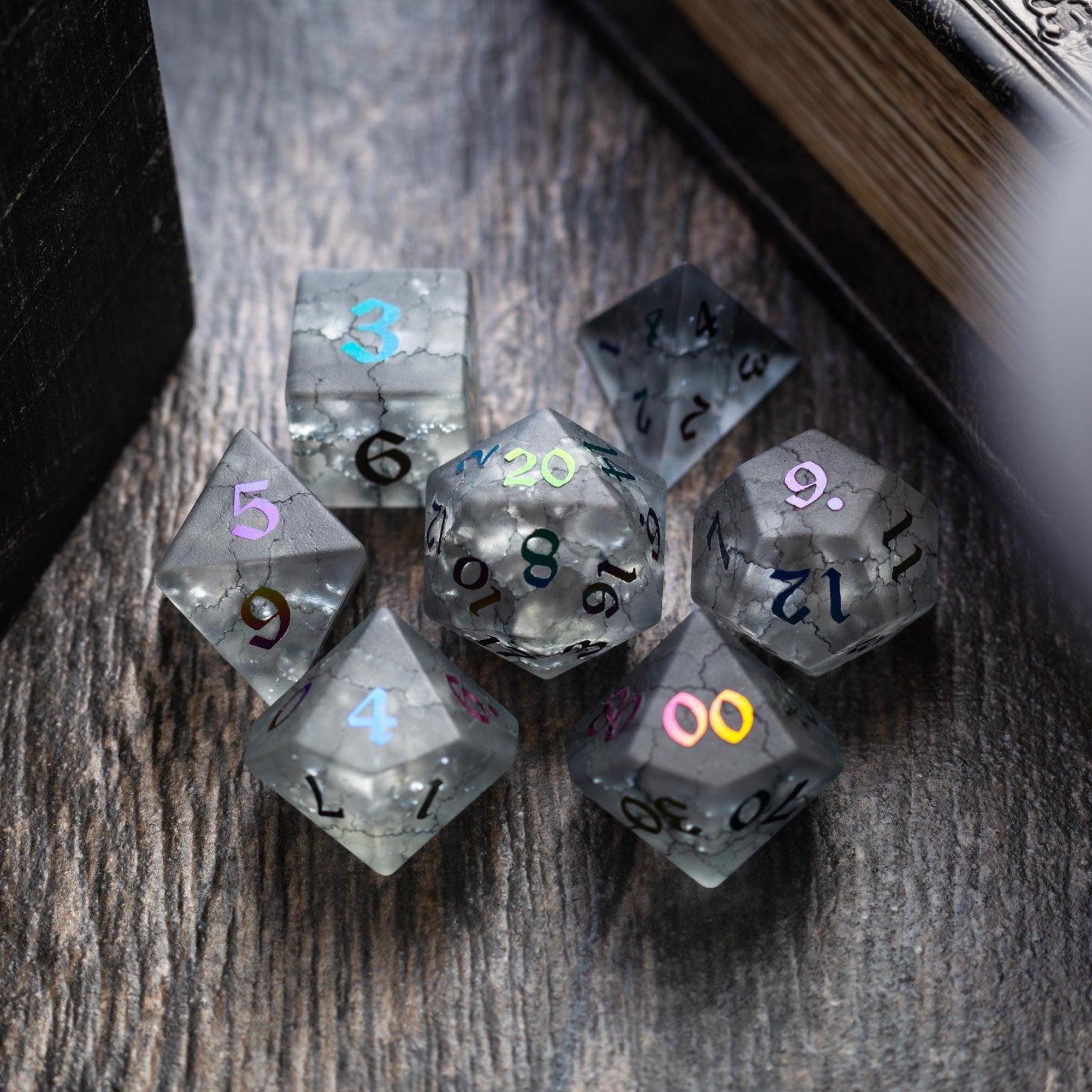
Dice and Spellcasting
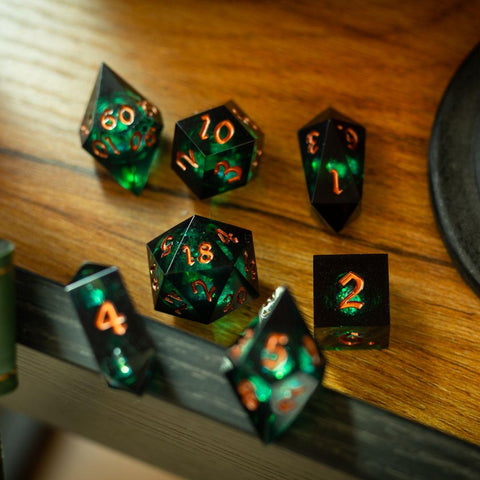
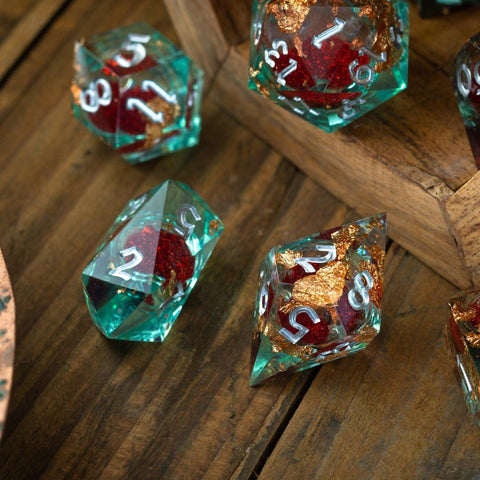
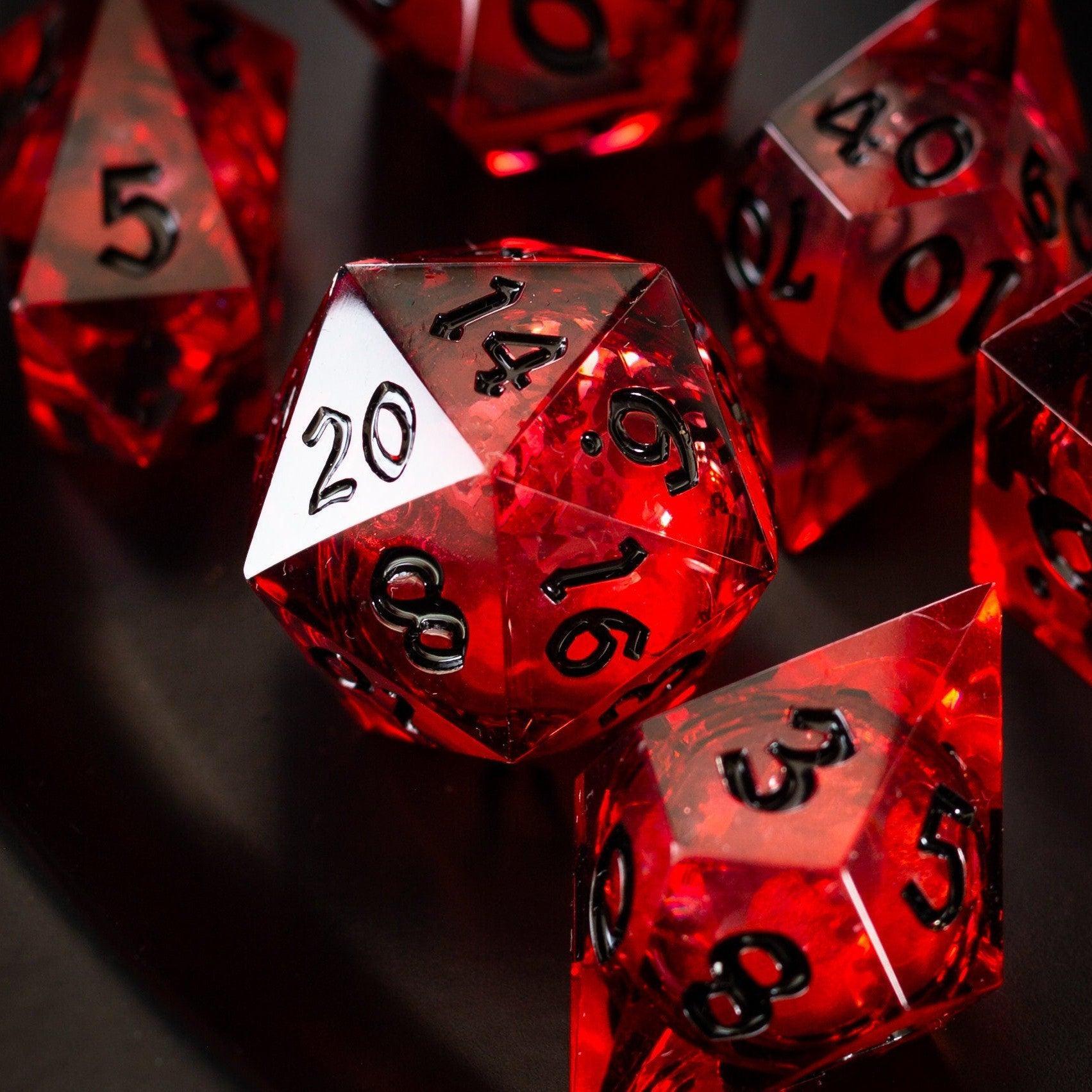
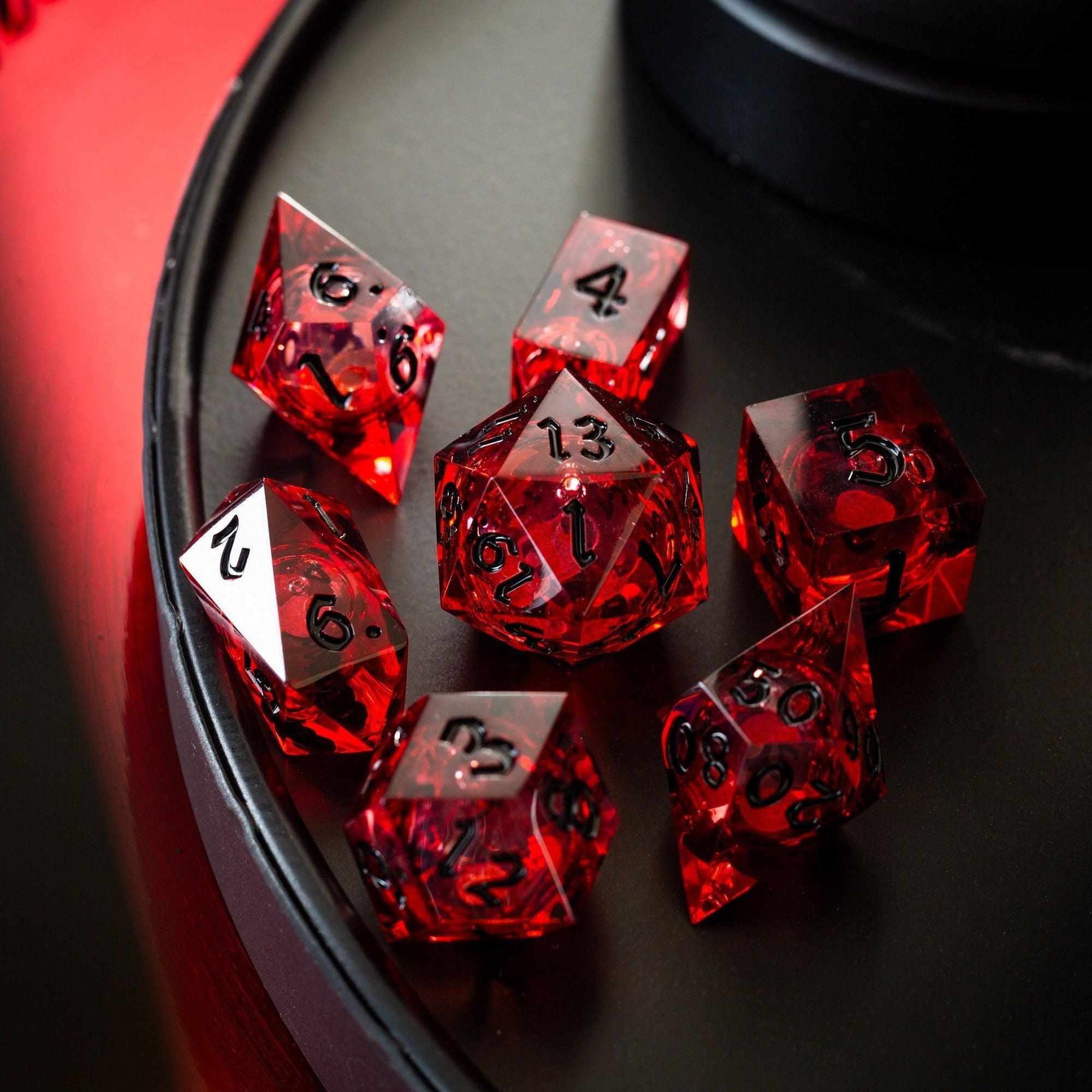
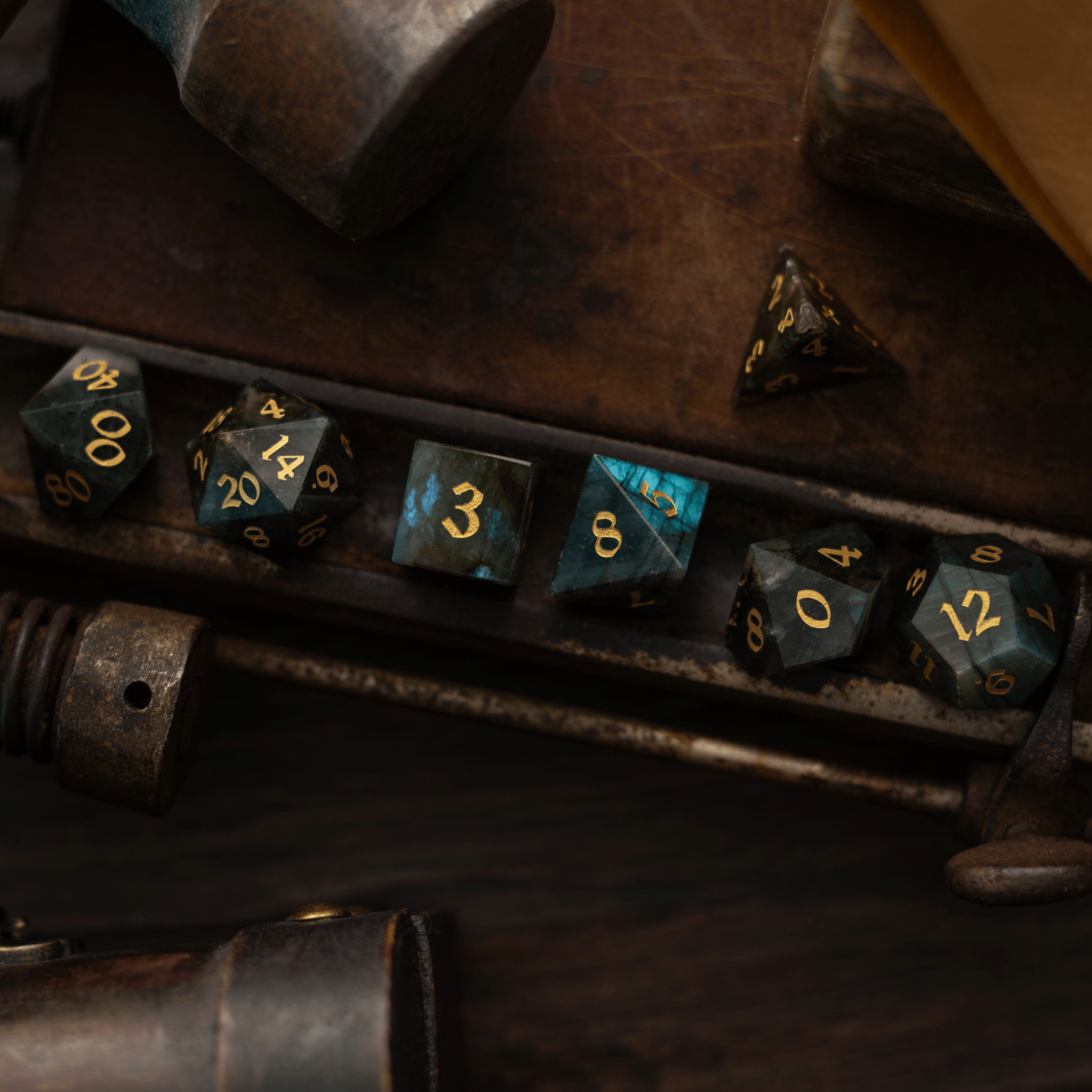
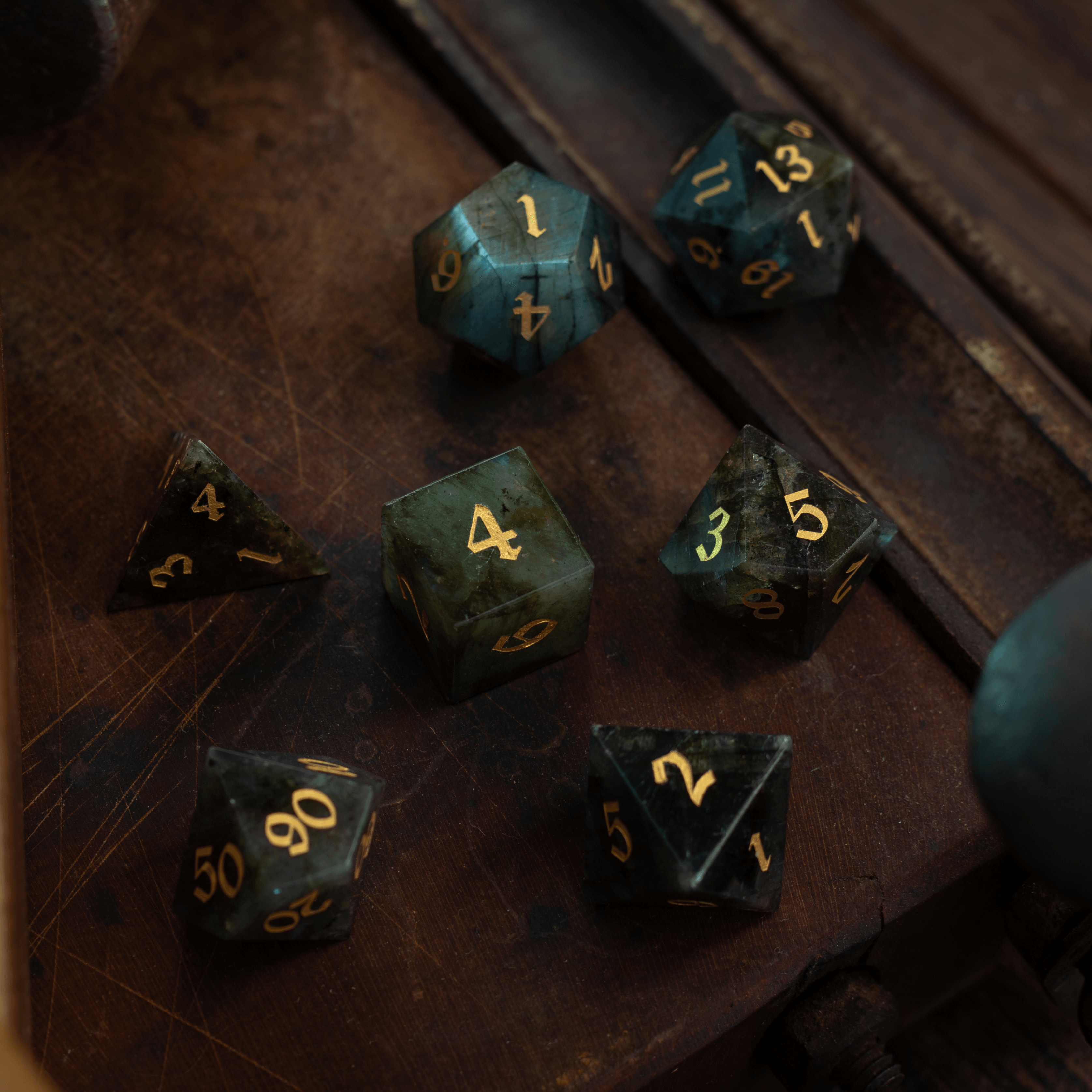
Spellcasters often roll a wide variety of dice during a session, from d20 attack rolls to handfuls of damage dice. Having dice that are easy to read can help keep turns moving quickly during complex encounters.
Dice Recommendations from Runic Dice
Silver Glitter Liquid Core Dice
A shimmering magical appearance that fits Wizards and Sorcerers who specialize in arcane energy and flashy spell effects.
Green Glitter Liquid Core Sharp Edge Dice
Perfect for Druids and nature-focused casters. The floating core creates a mystical look that feels connected to living magic.
Opalite Gemstone Dice
Soft, ethereal colors pair well with Clerics, celestial spellcasters, and characters who channel divine power.
Dark Nox Forge Fire Glass Dice
A dramatic choice for fire mages, battle casters, and characters who wield destructive elemental magic.
Space Bear Resin Dice
A whimsical yet magical option that suits Bards, eccentric Wizards, and players who enjoy imaginative spellcasting themes.
Advanced Spellcasting Tips
Resource Management
Not every encounter deserves your strongest spell slot.
Ask yourself:
-
Is this the main threat?
-
Will a lower-level spell solve the problem?
Protect Your Concentration
Concentration spells often provide ongoing value.
Consider:
-
Cover
-
Distance
-
Defensive spells
Protecting concentration frequently matters more than casting another spell.
Understand Action Economy
Every action matters.
If a spell removes enemy actions, it may create more value than direct damage.
Counterspell Timing
Don't automatically counter the first spell you see.
Save reactions for truly dangerous effects.
Learn Enemy Weaknesses
Pay attention to:
-
Saving throw weaknesses
-
Resistances
-
Movement limitations
Choosing the right spell is often more important than choosing the strongest spell.
The True Power of Spellcasting
The most effective spellcasters don't win battles by dealing the most damage. They win by changing the battlefield itself.
A well-timed Web can stop an assault. A carefully placed Bless can turn failed rolls into successes. A strategic Counterspell can prevent disaster before it happens. These moments demonstrate why understanding spell effects in combat is so important.
As you continue exploring Dungeons & Dragons spells, focus on what a spell allows your party to accomplish rather than how many hit points it removes. When you learn to combine damage, control, buffs, debuffs, and utility magic, you'll discover that the real strength of D&D combat magic lies in shaping the encounter itself.
That's when spellcasting becomes more than a list of abilities. It becomes a tool for creativity, teamwork, and tactical mastery on the battlefield.











Leave a comment
This site is protected by hCaptcha and the hCaptcha Privacy Policy and Terms of Service apply.