
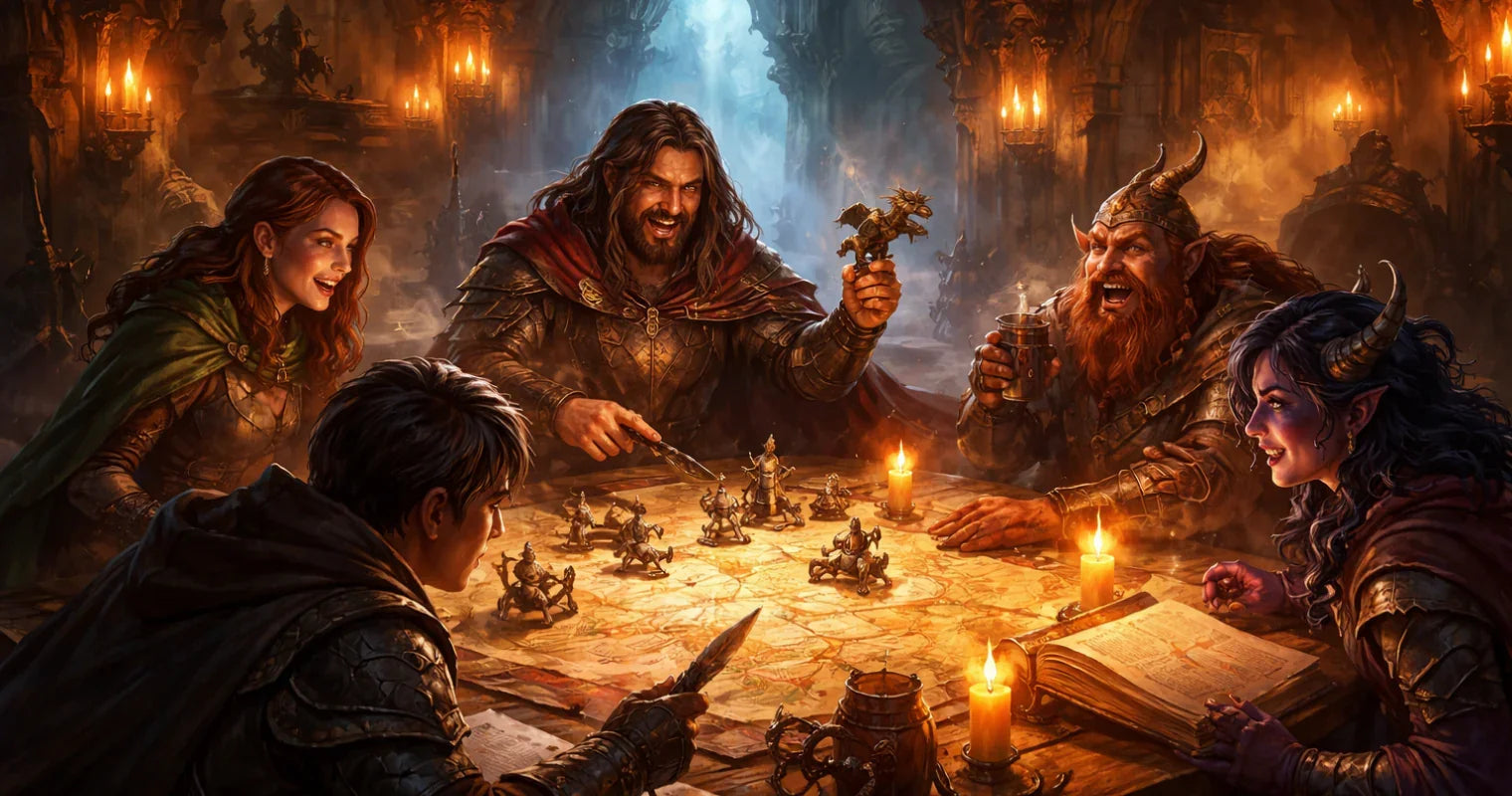
Enhancing Player Engagement in D&D: Practical Tactics for More Memorable Sessions
Some Dungeons & Dragons campaigns become the stories players talk about for years. Others slowly lose momentum as sessions begin to feel repetitive or disconnected. The difference often isn't a complicated plot, perfectly balanced encounters, or mastery of every rule.
The most memorable adventures happen when every player feels involved.
Whether someone loves tactical combat, dramatic roleplaying, clever puzzles, or exploring mysterious ruins, engaged players help create unforgettable moments together. The best Dungeon Masters understand that their role is less about telling a story and more about creating opportunities for everyone at the table to help shape it.
This guide shares practical player engagement DnD strategies that work for beginners and experienced groups alike. These Dungeons and Dragons tips can help transform ordinary sessions into adventures your players look forward to every week.
Why Player Engagement Matters
An engaged group naturally creates better stories.
When players feel connected to the campaign, they are more likely to:
-
Stay excited between sessions
-
Participate confidently during roleplay
-
Work together as a team
-
Remember important story details
-
Invest emotionally in their characters
-
Keep long-running campaigns alive
Many D&D campaign tips focus on worldbuilding or encounter balance, but player engagement is what brings those elements to life. Even a simple dungeon crawl can become memorable when every player feels like their choices matter.
1. Give Every Character Time to Shine
One of the fastest ways to lose engagement is allowing one character to dominate every session.
Every class has strengths, and every player deserves moments where those strengths become essential.
Rotate Spotlight Moments
Think about recent sessions.
Did the rogue get opportunities to scout?
Did the bard influence important conversations?
Did the ranger have meaningful exploration challenges?
Did the wizard solve unique magical problems?
If one player has been in the spotlight for several sessions, intentionally build the next adventure around someone else's abilities.
Create Character-Driven Scenes
Not every memorable moment needs combat.
Examples include:
-
A cleric meeting members of their faith.
-
A fighter reconnecting with an old mentor.
-
A druid protecting an ancient forest.
-
A warlock receiving mysterious messages from their patron.
These scenes remind players that their characters exist beyond combat statistics.
Personal Quests Build Investment
Small personal goals make larger stories more meaningful.
Perhaps the paladin searches for a sacred relic while the rogue investigates an old family mystery.
Individual stories naturally become part of the campaign without taking attention away from the group.
2. Design Encounters for Different Playstyles
Every player enjoys different parts of tabletop roleplaying.
Building variety into each session keeps everyone involved.
Try including a mix of:
-
Combat encounters
-
Exploration challenges
-
Social interaction
-
Investigation
-
Puzzle solving
-
Resource management
-
Environmental obstacles
One session might begin with diplomatic negotiations before shifting into exploration and ending with a dramatic battle.
Another could revolve around uncovering clues inside an abandoned castle before escaping a collapsing ruin.
Variety helps every player find moments where they naturally contribute.
3. Reward Creative Thinking
Some of the greatest moments in fantasy tabletop games happen when players surprise the Dungeon Master.
Instead of rewarding only optimized character builds, celebrate imaginative solutions.
Creative examples include:
-
Freezing a bridge with magic to stop pursuing enemies.
-
Using illusion spells to avoid combat entirely.
-
Convincing rival factions to fight each other.
-
Turning furniture into improvised cover.
-
Combining abilities for unexpected teamwork.
When players see creative ideas succeed, they become more willing to experiment instead of repeating the same actions every encounter.
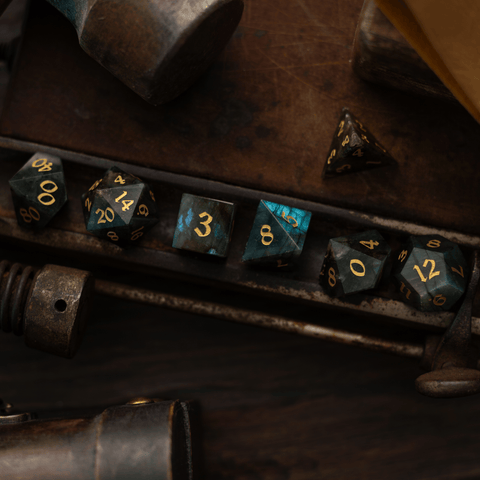
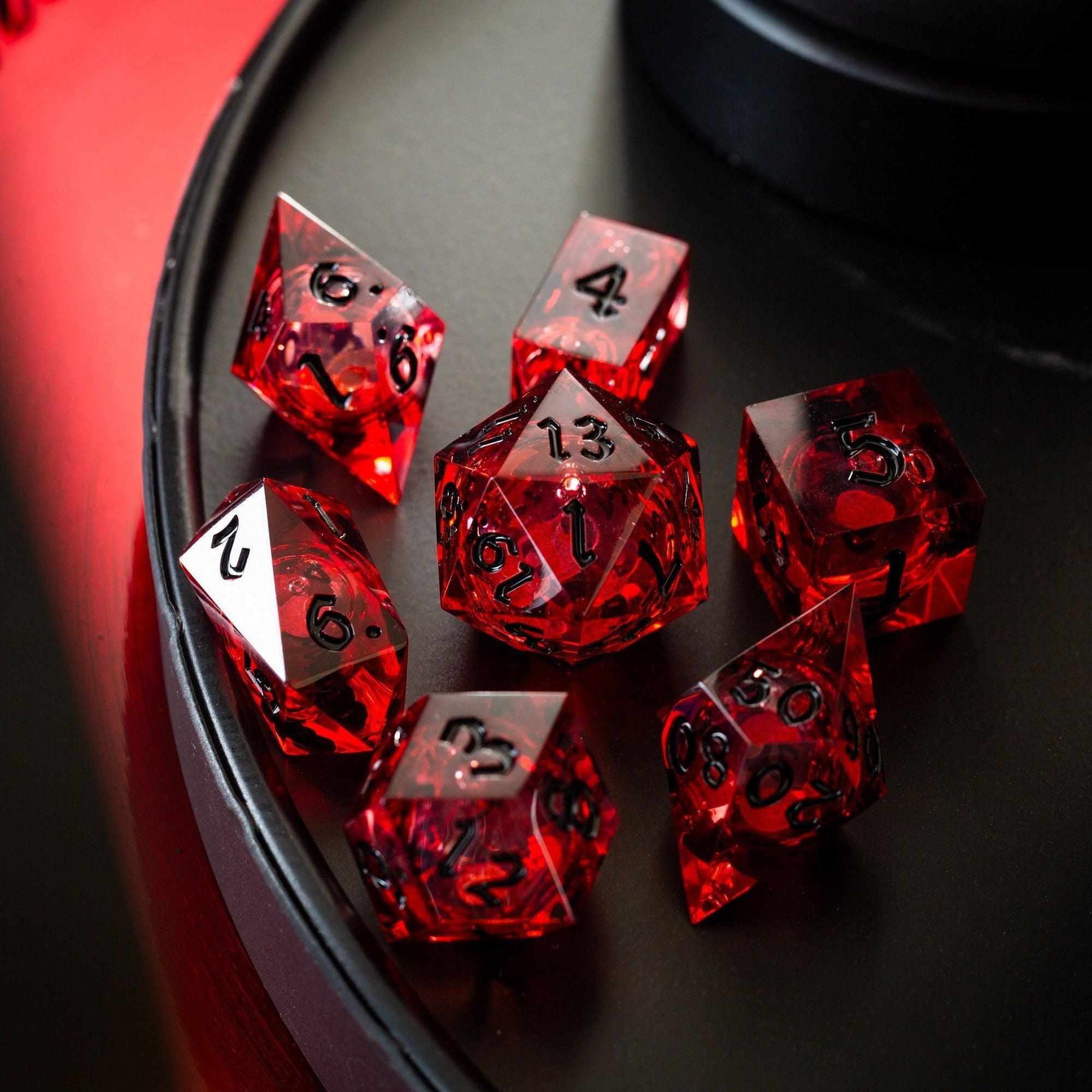
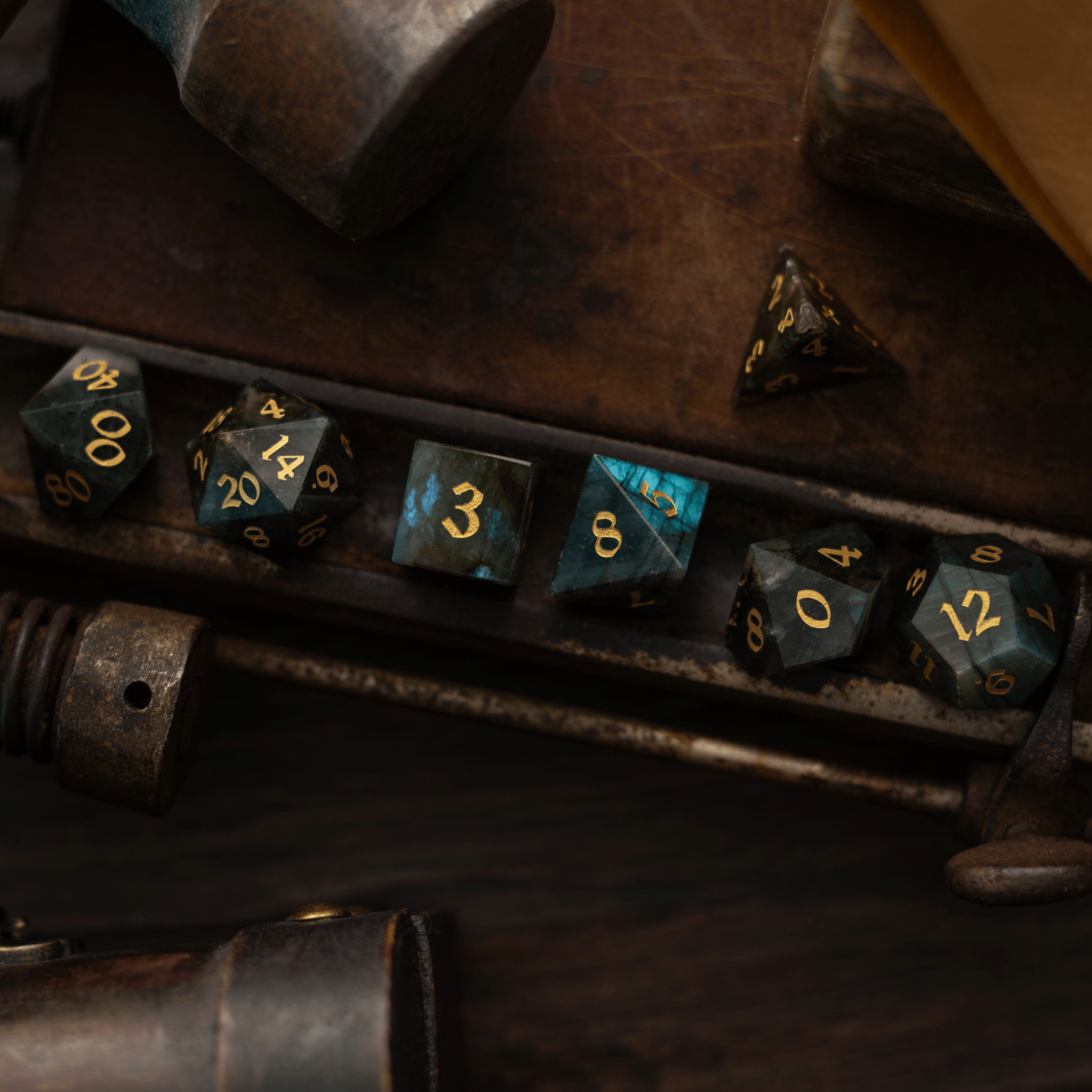
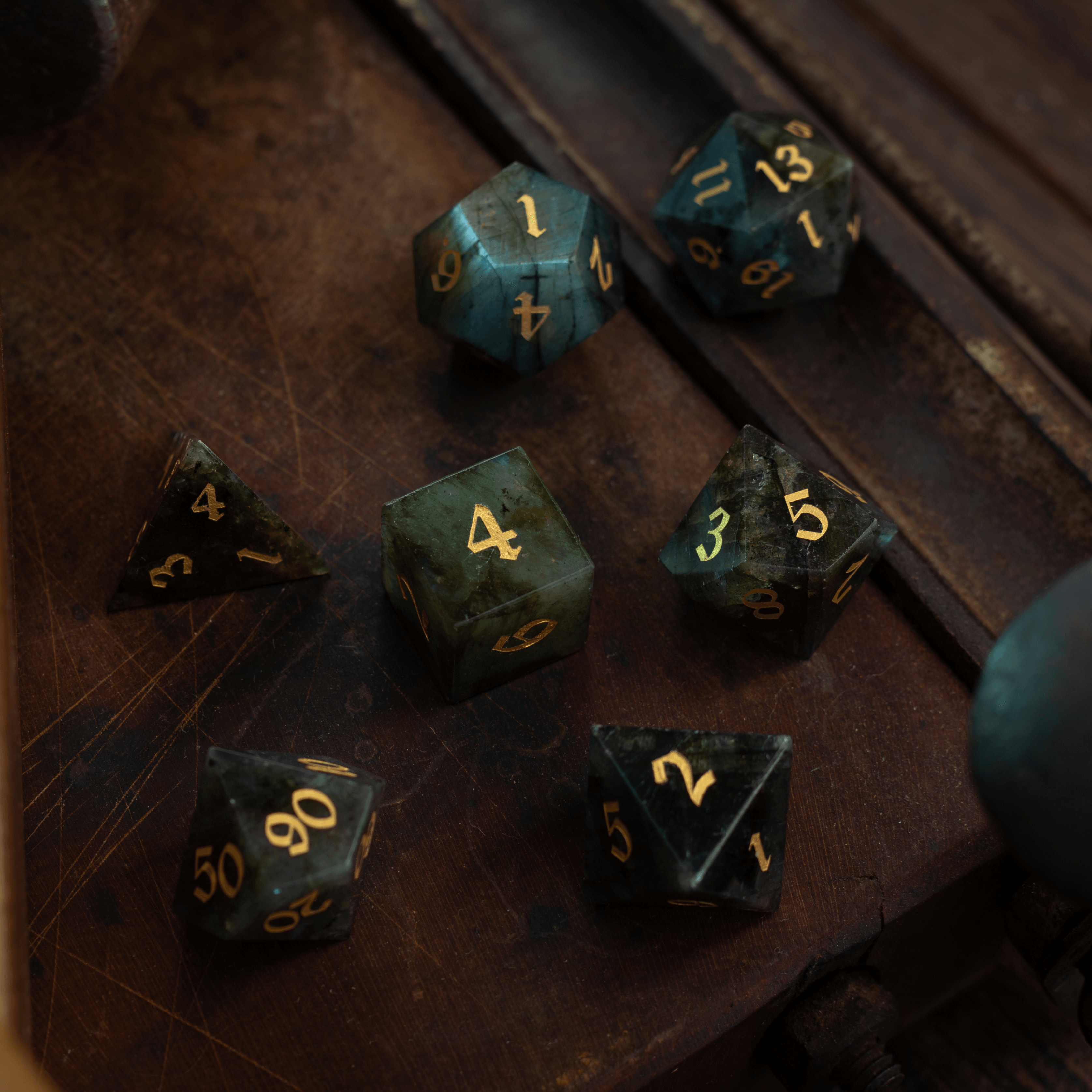
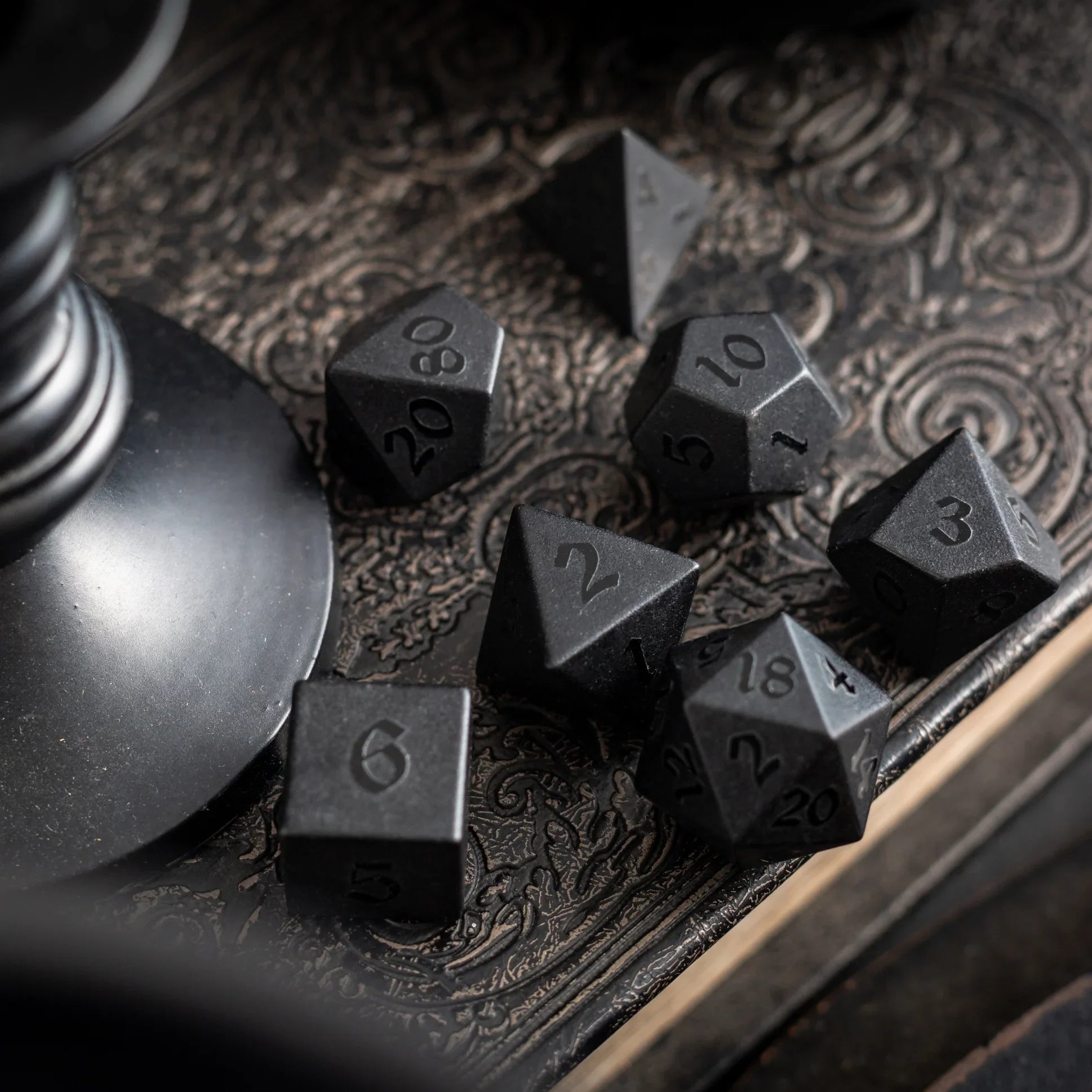
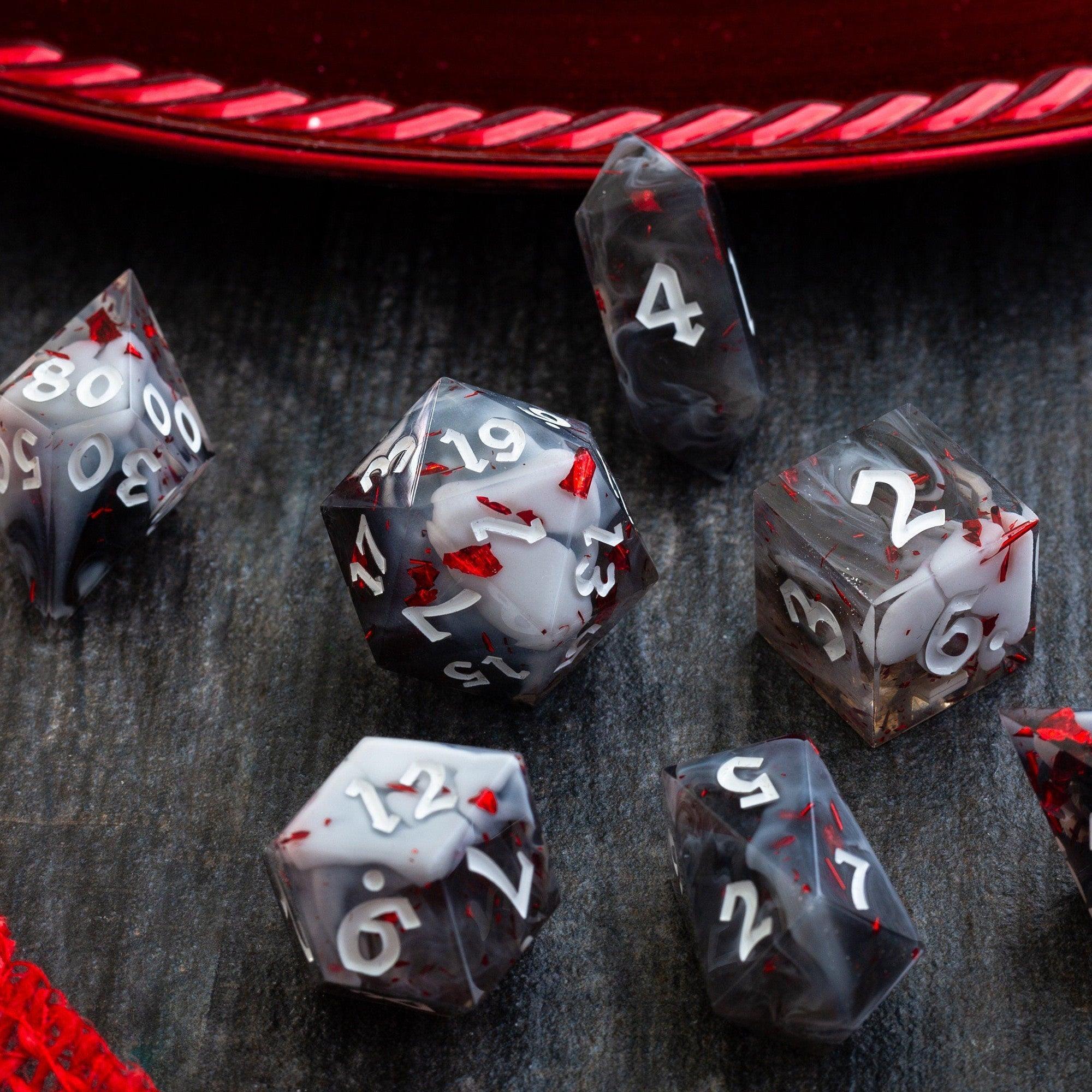
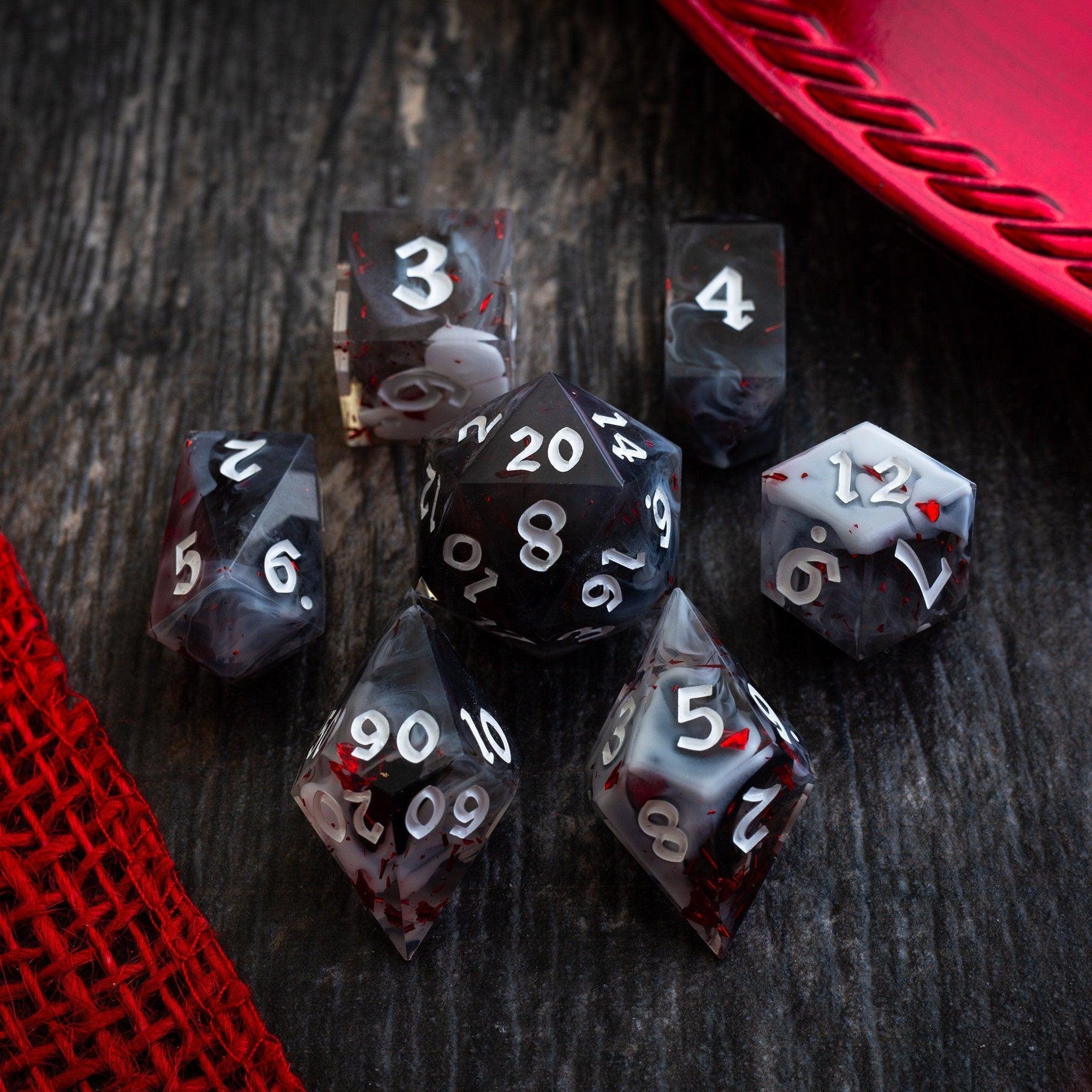
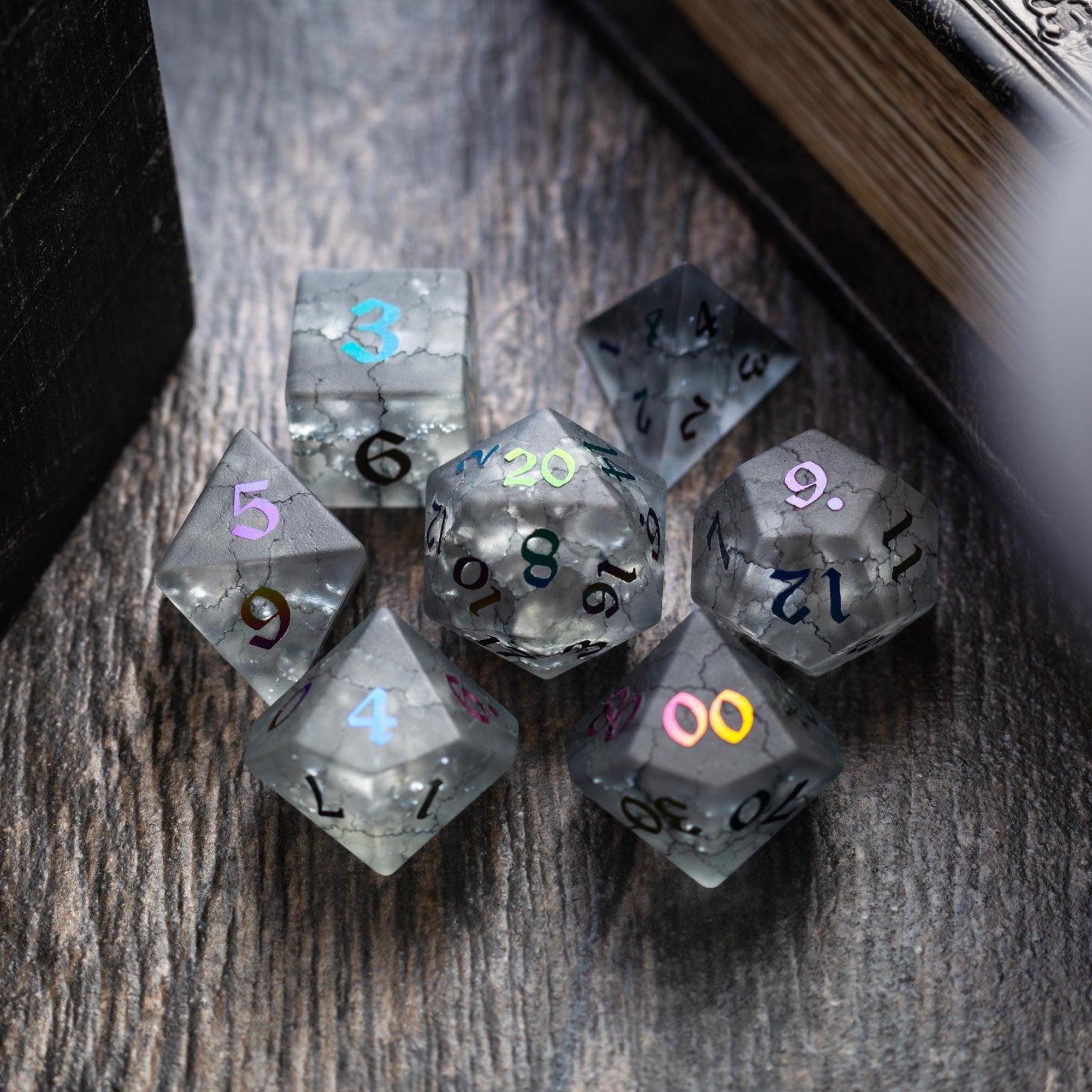
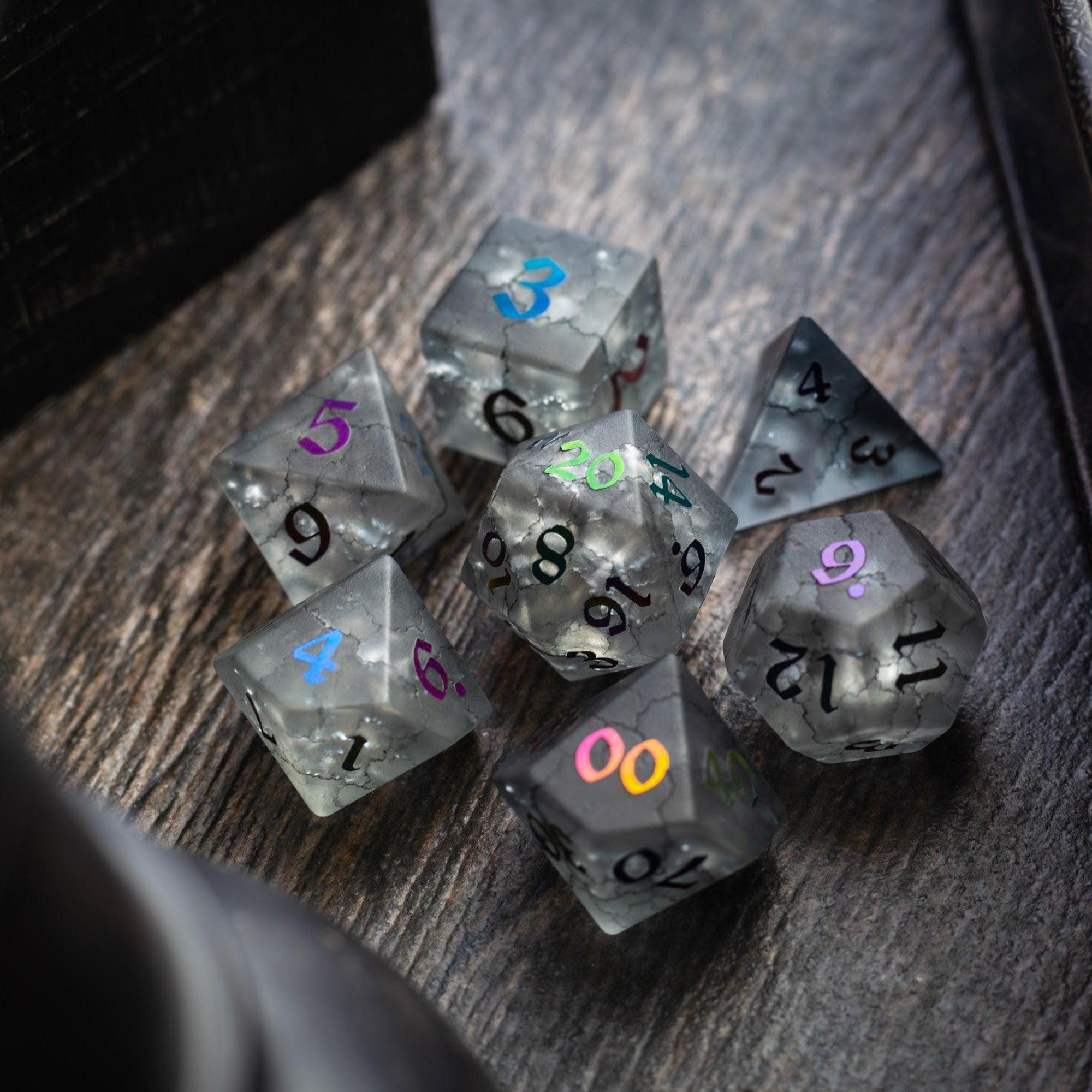
Character immersion often grows alongside these moments. Some players even enjoy matching a favorite spellcaster with a gemstone or liquid core dice set because it reinforces the fantasy of casting powerful magic without changing the mechanics of the game.
4. Keep Combat Moving
Combat often takes the largest portion of a session.
If battles become slow, attention naturally drifts.
Encourage Faster Turns
Players can:
-
Plan actions before their turn
-
Know their abilities
-
Roll attack and damage dice together when appropriate
-
Keep spell descriptions ready
Clear expectations help maintain momentum.
Build Dynamic Battlefields
Interesting environments encourage tactical thinking.
Consider including:
-
Crumbling bridges
-
Moving platforms
-
Magical hazards
-
Collapsing ceilings
-
Elevation changes
-
Interactive objects
Battles become more memorable when positioning matters.
Add Multiple Objectives
Not every fight should end by defeating every enemy.
Alternative goals include:
-
Rescue prisoners
-
Escape before reinforcements arrive
-
Protect civilians
-
Disable magical devices
-
Retrieve an artifact
These objectives encourage teamwork and meaningful decisions.
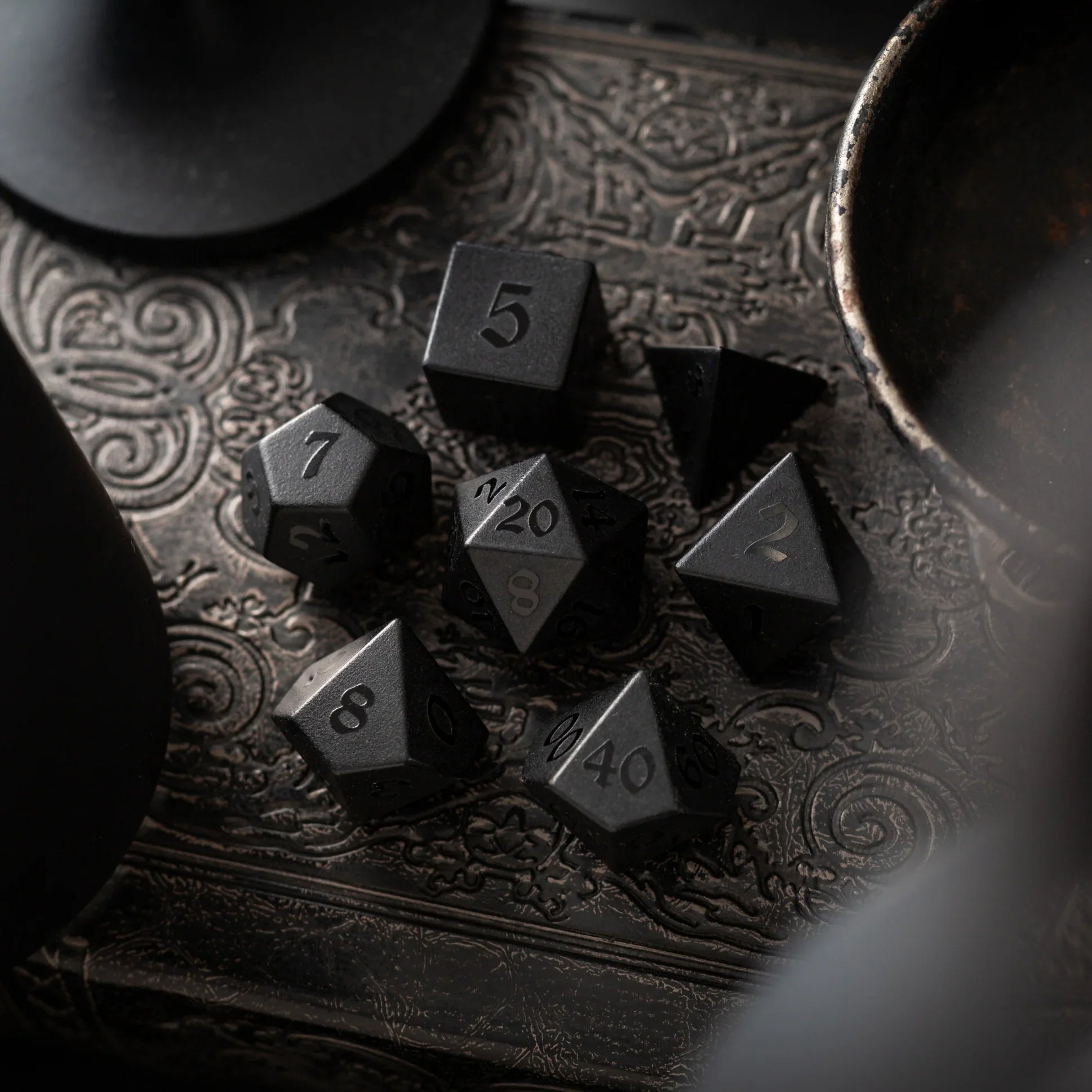
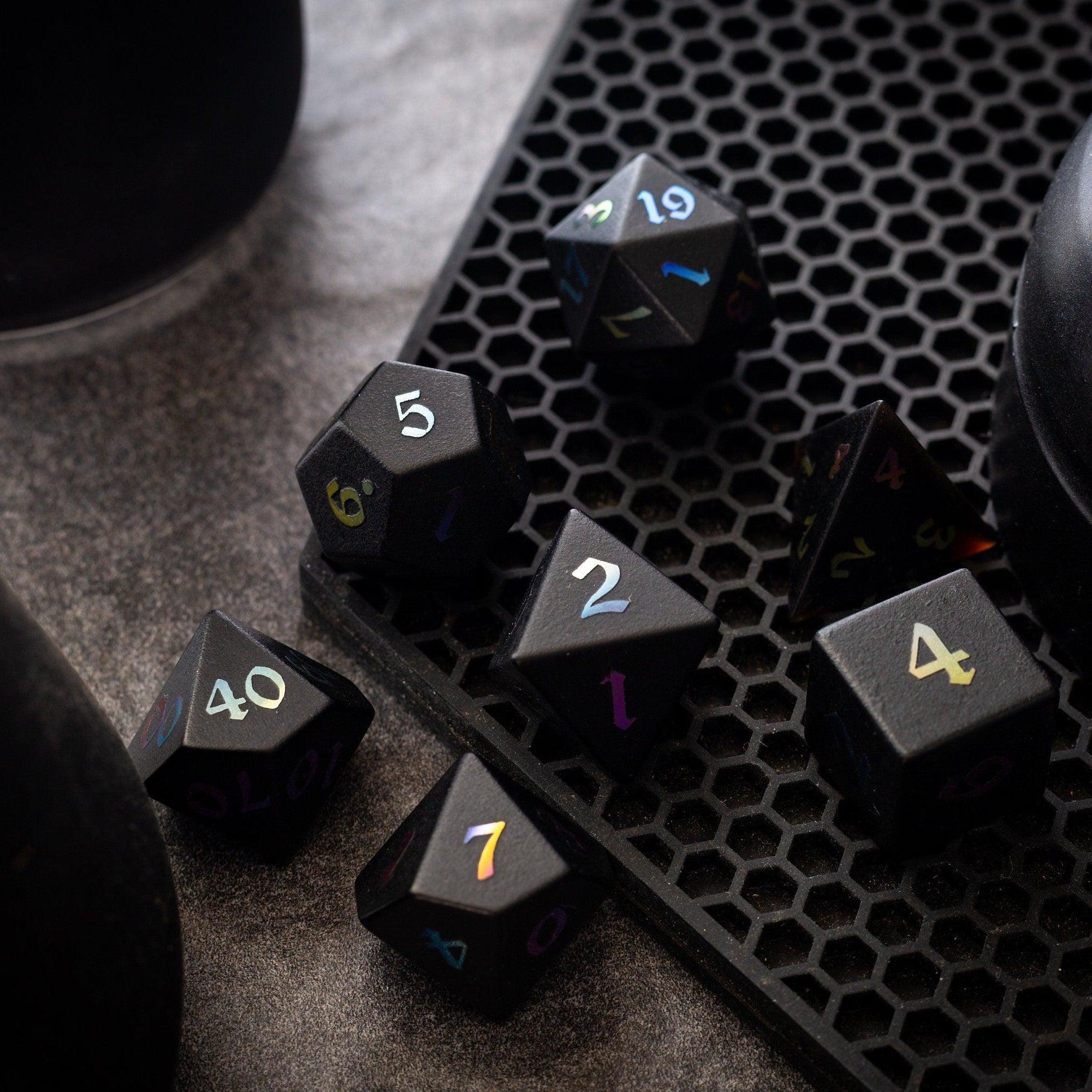
During fast-paced encounters, many groups appreciate readable resin or metal dice because bold numbering can make rolling quicker when several actions happen in rapid succession.
5. Connect Characters to the Story
Players care more when the campaign feels personal.
Use Character Backstories
Every background contains story hooks.
Old rivals.
Lost family members.
Broken promises.
Forgotten kingdoms.
Even small references remind players their history matters.
Build Meaningful NPC Relationships
Players often remember memorable NPCs more vividly than major villains.
Helpful mentors.
Friendly innkeepers.
Rival adventurers.
Former companions.
Recurring characters create continuity that strengthens emotional investment.
Give Villains Personal Stakes
A villain becomes more compelling when they threaten something important to the characters rather than simply trying to conquer the world.
Personal conflicts naturally create stronger roleplaying opportunities.
6. Encourage Roleplaying Naturally
Some players immediately speak in character.
Others need encouragement.
Avoid forcing dramatic performances.
Instead, ask simple questions like:
-
What does your character think?
-
How do you respond?
-
Why does this matter to you?
-
What are you hoping to accomplish?
These prompts invite participation without making anyone uncomfortable.
Reward thoughtful roleplaying through story consequences instead of mechanical bonuses alone.
If a player earns an NPC's trust through genuine conversation, that relationship should continue to matter later in the campaign.
These kinds of DnD roleplaying tips help quieter players become more comfortable over time.
7. End Every Session with Momentum
A strong ending builds excitement before the next game.
Great session endings include:
-
Discovering a hidden chamber
-
Revealing an unexpected betrayal
-
Finding an ancient map
-
Hearing mysterious footsteps nearby
-
Receiving an urgent message
-
Opening a sealed magical vault
Players naturally spend the week discussing possibilities when the story leaves them wanting more.
Practical Reference Table
| Common Problem | Practical Solution | Result |
|---|---|---|
| Quiet players | Give direct story hooks connected to their background | More participation |
| Slow combat | Set turn expectations and prepare actions early | Faster encounters |
| Weak roleplay | Ask character-focused questions | Better immersion |
| Passive players | Present meaningful choices with visible consequences | Greater investment |
| Uneven spotlight | Rotate scenes intentionally between characters | Balanced participation |
Common Mistakes That Hurt Player Engagement
Even experienced Dungeon Masters occasionally fall into habits that reduce engagement.
Common mistakes include:
-
Focusing on one character for too long
-
Allowing lengthy rules debates
-
Repeating similar encounters every session
-
Ignoring creative player ideas
-
Designing combat with only one objective
-
Removing meaningful player choices
Fortunately, every one of these habits can be improved through thoughtful planning and communication.
Keeping Different Types of Players Engaged
Different players enjoy different experiences.
Story-focused players appreciate:
-
Emotional NPCs
-
Character growth
-
Dramatic choices
Tactical players enjoy:
-
Interesting battlefields
-
Difficult decisions
-
Resource management
Explorers enjoy:
-
Hidden secrets
-
Ancient ruins
-
Open-world discovery
Puzzle lovers appreciate:
-
Riddles
-
Investigation
-
Logical challenges
New players often need:
-
Clear options
-
Encouragement
-
Gentle guidance
Quiet players benefit from:
-
Direct invitations to participate
-
Smaller roleplaying moments
-
Personal story hooks
Veteran players often enjoy:
-
Unexpected twists
-
Complex moral choices
-
Opportunities to mentor newer players
Balancing these preferences creates stronger sessions for everyone.
Simple Table Habits That Improve Every Session
Small organizational habits often have a surprisingly large impact.
Helpful practices include:
-
Keeping character sheets organized
-
Tracking initiative clearly
-
Preparing encounter notes ahead of time
-
Using readable maps
-
Keeping frequently used dice within easy reach
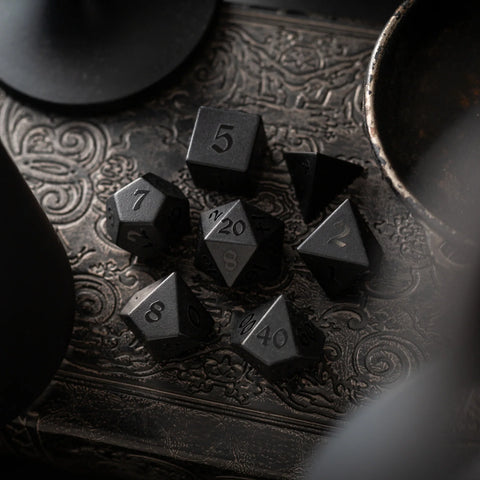
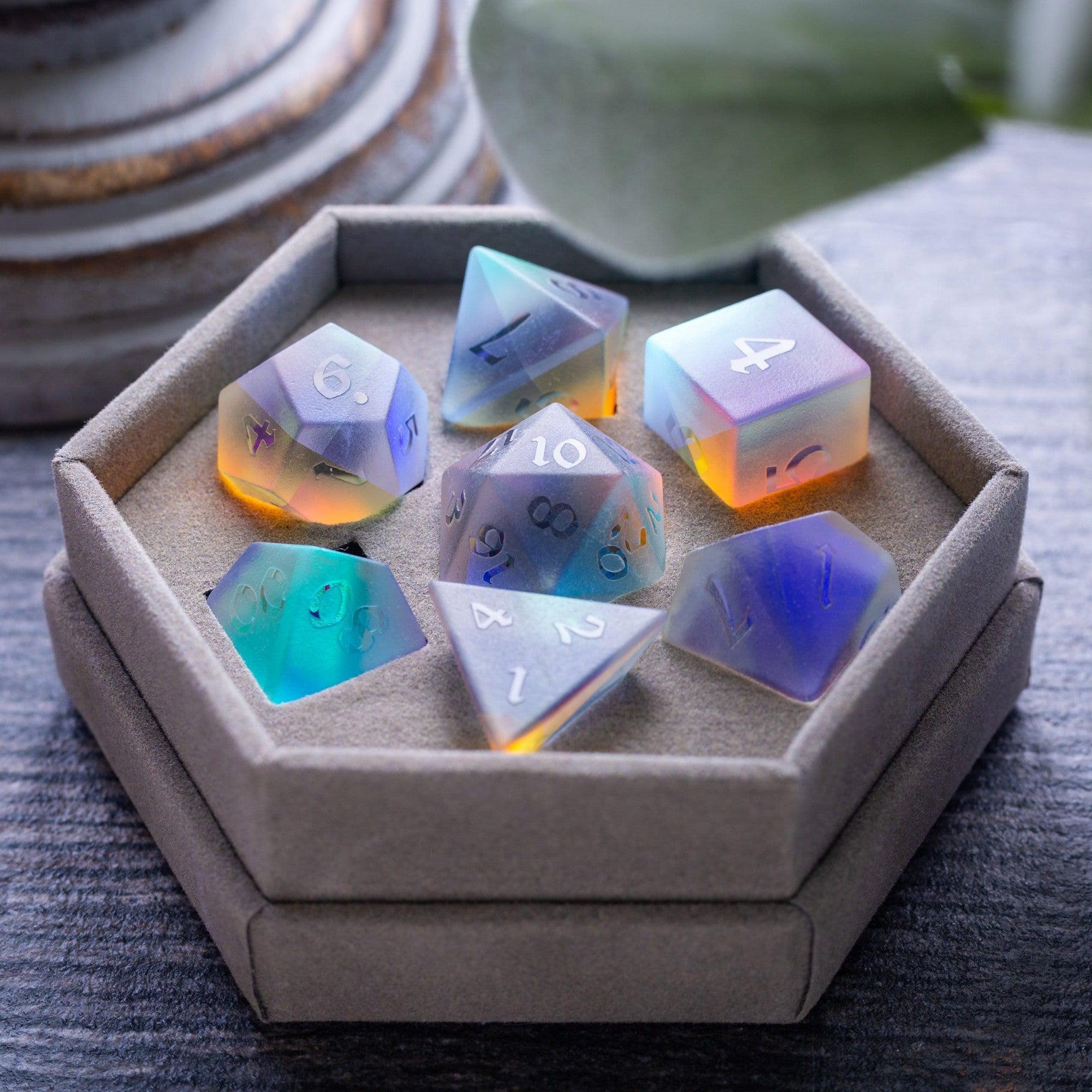
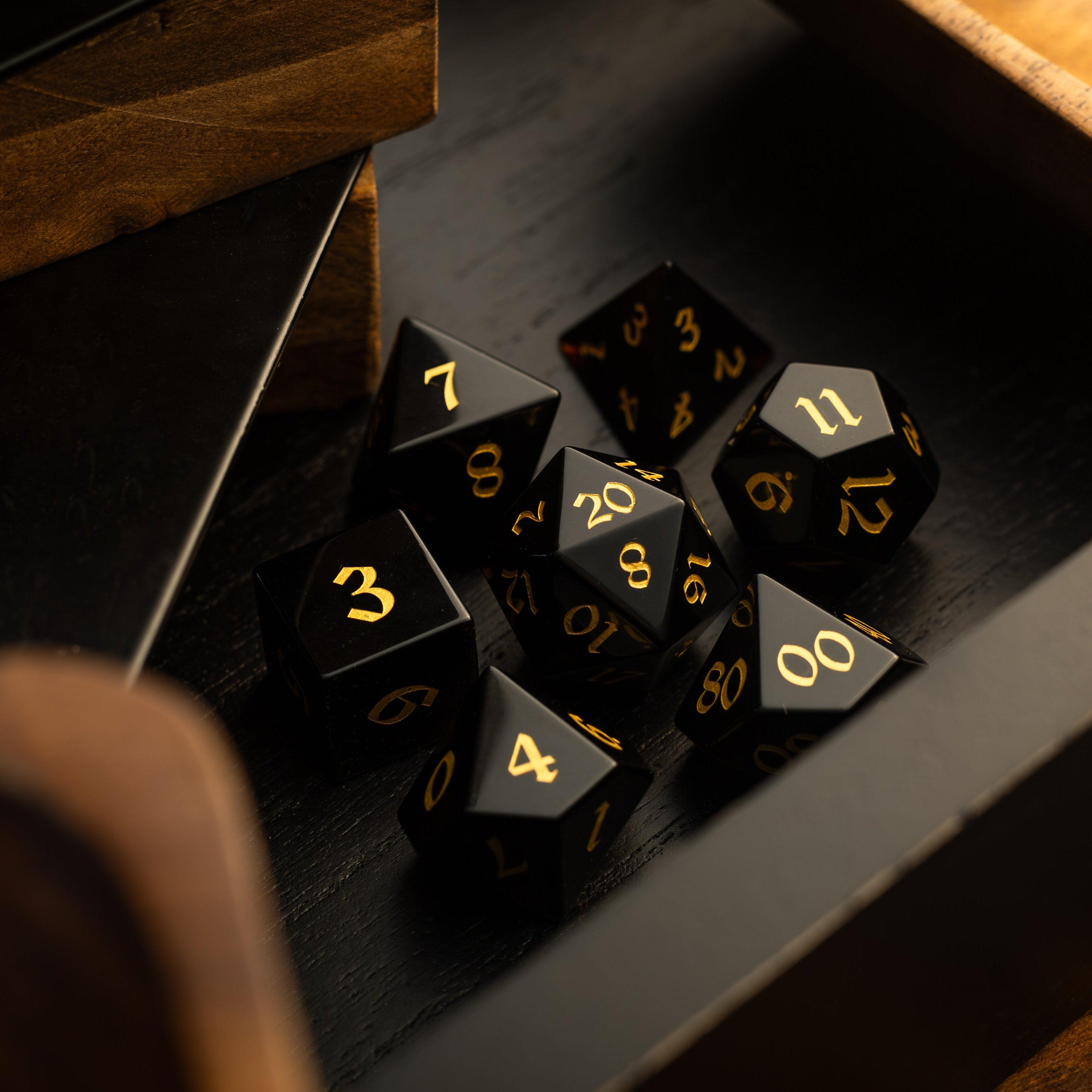
Many groups also enjoy rotating between different dice styles depending on the campaign or character. Resin, gemstone, liquid core, metal, glass, and sharp-edge dice each create a slightly different table experience, and matching a favorite set to a particular hero can become part of the group's traditions without distracting from the game itself.
Advanced Dungeon Master Tips
Experienced Dungeon Masters often succeed because they adapt rather than following rigid plans.
Read the Table's Energy
If conversation becomes quiet, introduce a surprise.
If players become overwhelmed, slow the pace.
Pay attention to enthusiasm rather than strictly following prepared notes.
Embrace Improvisation
Players rarely solve problems exactly as expected.
Treat unexpected ideas as opportunities instead of obstacles.
Improvised moments often become campaign highlights.
Share Narrative Control
Invite players to help describe victories.
Ask how spells appear.
Let them describe finishing blows or memorable celebrations.
Shared storytelling increases investment.
Create Memorable Recurring NPCs
Interesting NPCs don't need complicated mechanics.
Distinct personalities, recognizable voices, and consistent motivations make characters memorable long after individual sessions end.
Know When to Speed Up
If everyone understands the outcome of a scene, move forward.
Long travel sequences or repetitive conversations can often be summarized to maintain pacing.
Likewise, don't rush emotional moments that players clearly enjoy. Giving important scenes room to breathe helps them leave a lasting impression.
Building Adventures Your Players Will Never Forget
Great campaigns aren't remembered because every encounter was perfectly balanced or every rule was applied flawlessly.
They're remembered because players laughed together after impossible victories, worried about beloved NPCs, argued over difficult decisions, and celebrated each other's successes.
The best D&D Dungeon Master guide is ultimately one that helps every player feel like an important part of the story. By rotating the spotlight, encouraging creativity, varying encounter design, maintaining strong pacing, and creating meaningful choices, you can build adventures that keep players excited from one session to the next.
Whether you're running your first campaign or refining years of experience, these DnD session ideas can help create richer stories, stronger friendships, and unforgettable adventures that remind everyone why tabletop roleplaying remains one of the most rewarding ways to share a fantasy world together.






Leave a comment
This site is protected by hCaptcha and the hCaptcha Privacy Policy and Terms of Service apply.