

Tabletop Game Starter Kits for Faster Game Nights
Updated on: 2025-12-22
- Product Spotlight: tabletop game starter kits
- Myths vs. Facts
- Frequently Asked Questions
- Final Recommendations

If you’ve ever stared at a shelf of boxes wondering where to start, you’re not alone. Choosing tabletop game starter kits can feel like picking a first camera or guitar—you want something welcoming that won’t limit you as you learn. In this friendly guide, I’ll show you how to spot beginner bundles that teach quickly, scale as your group grows, and deliver satisfying sessions right out of the box. Think of it as a practical checklist with a few smart upgrades so your first game night feels smooth, not stressful.
Product Spotlight: tabletop game starter kits
Great entry bundles do three things well: they teach fast, they keep setup light, and they make players feel accomplished after the very first session. Whether you lean toward cooperative adventures or competitive strategy, look for kits that pair focused rules with quality components you’ll keep using as your collection grows.
Here’s a simple checklist to size up any beginner-ready set or bundle you assemble yourself:
- Clear learn-to-play guide: A two-page quick start or a tutorial scenario beats a dense rulebook for your first night.
- Short playtime: Aim for 45–90 minutes. That’s enough time to learn, finish, and want a rematch.
- Replayable content: Modular maps, variable setups, or scenario decks keep the game fresh.
- Approachable complexity: New players should be making fun choices in 10 minutes, not hunting rules.
- Quality dice or tokens: Crisp, readable components prevent confusion and speed up turns.
- Compact storage: Insert trays, labeled baggies, or a sturdy box keep everything table-ready.
- Upgrade path: Optional expansions, extra character sheets, or advanced modes extend the life of your first kit.
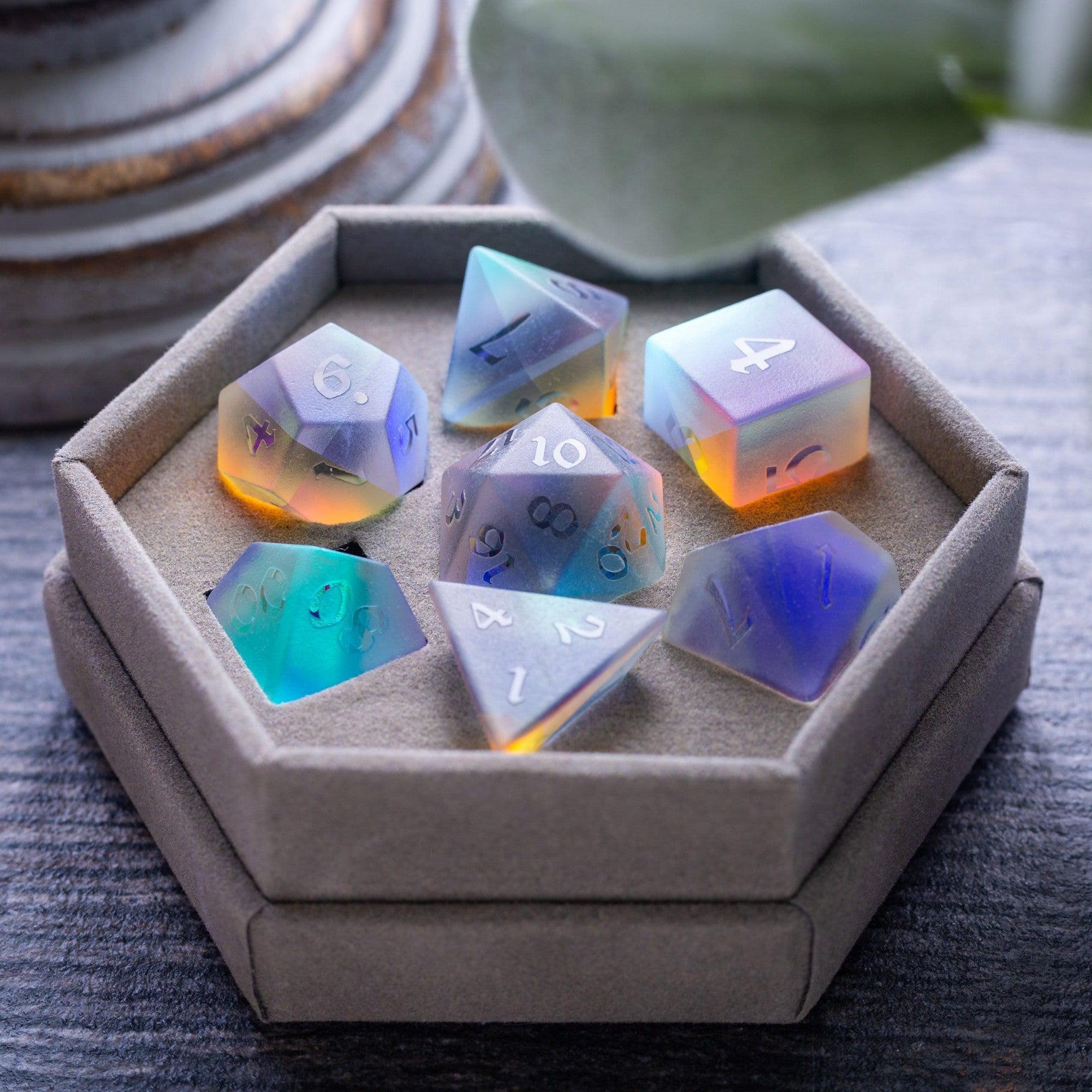
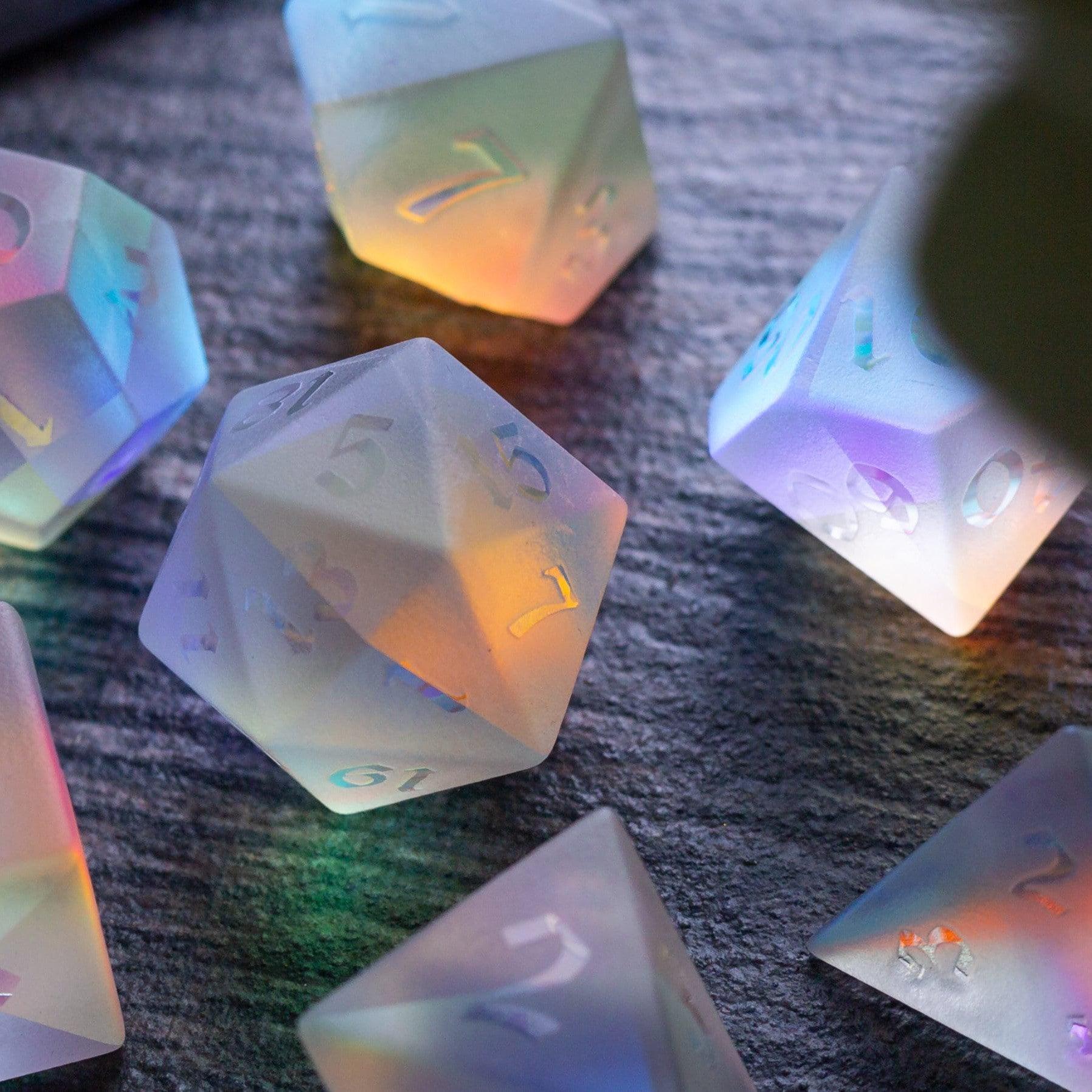
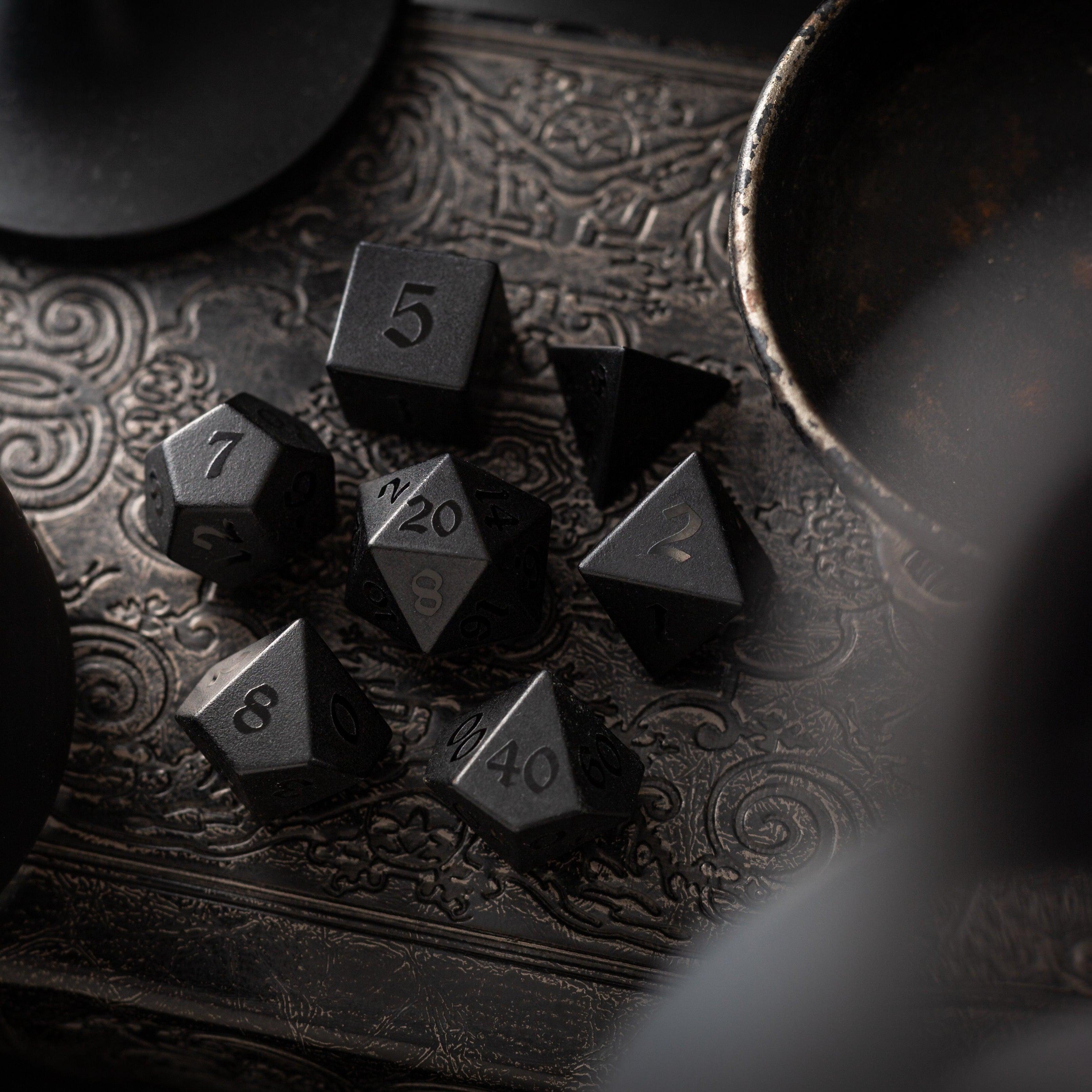
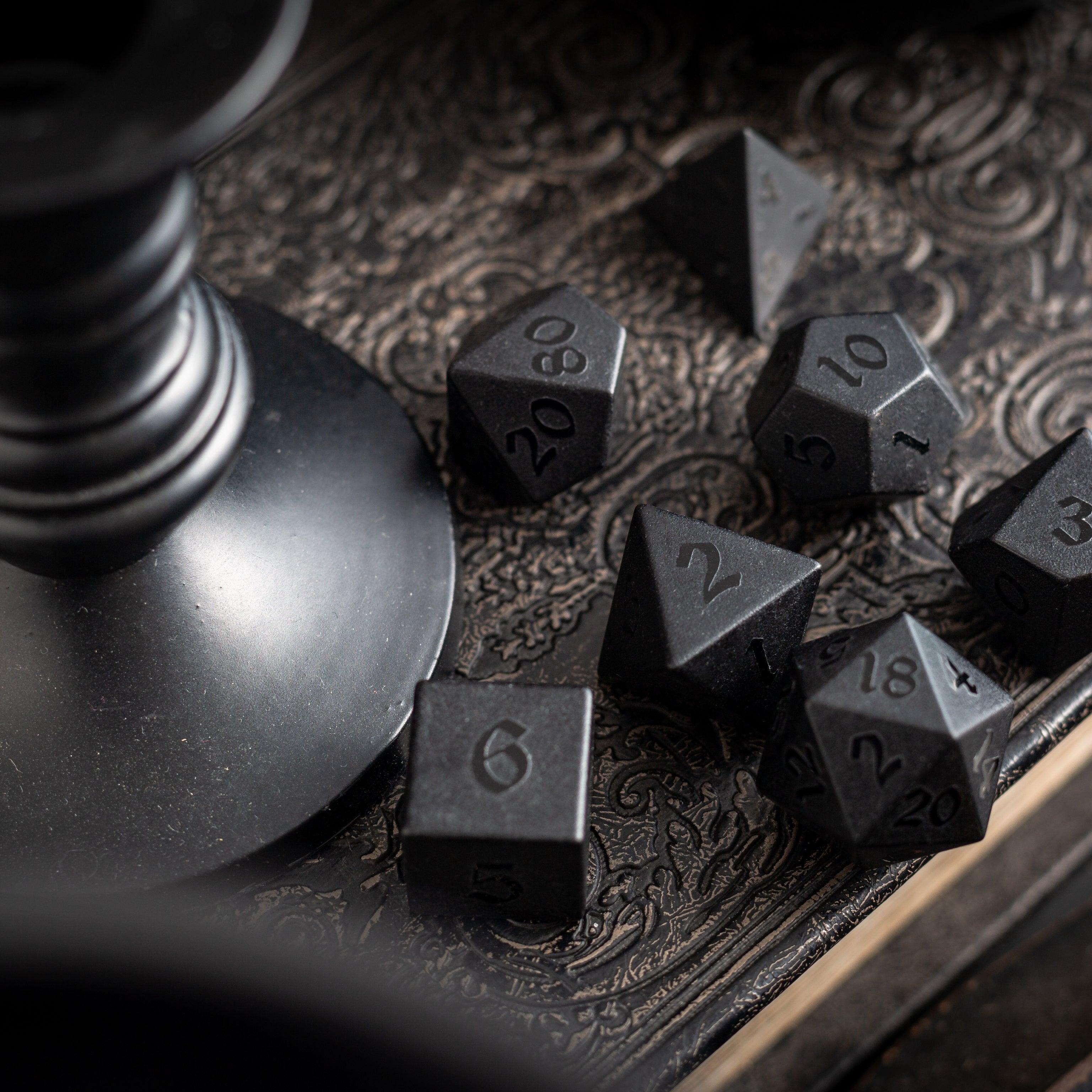
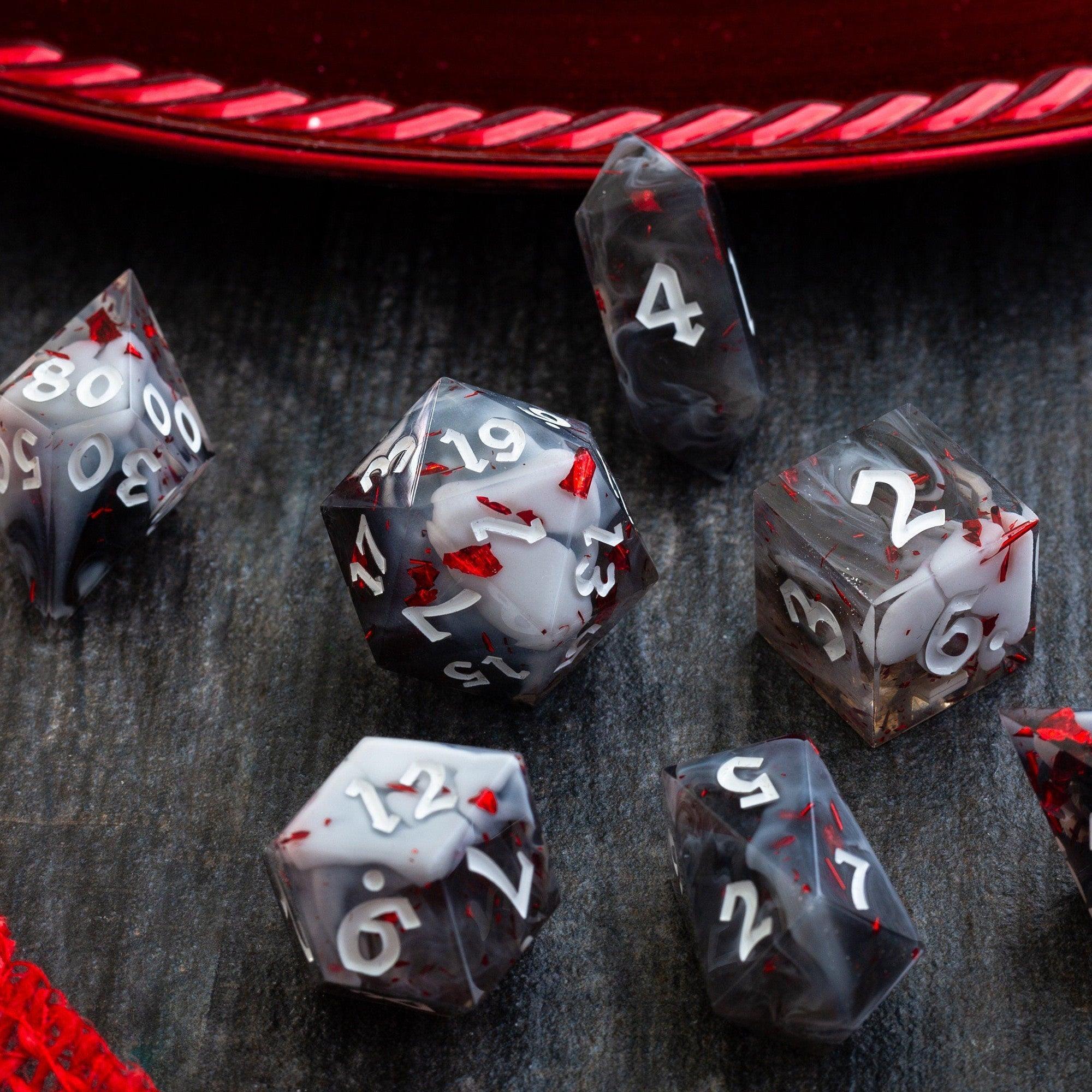
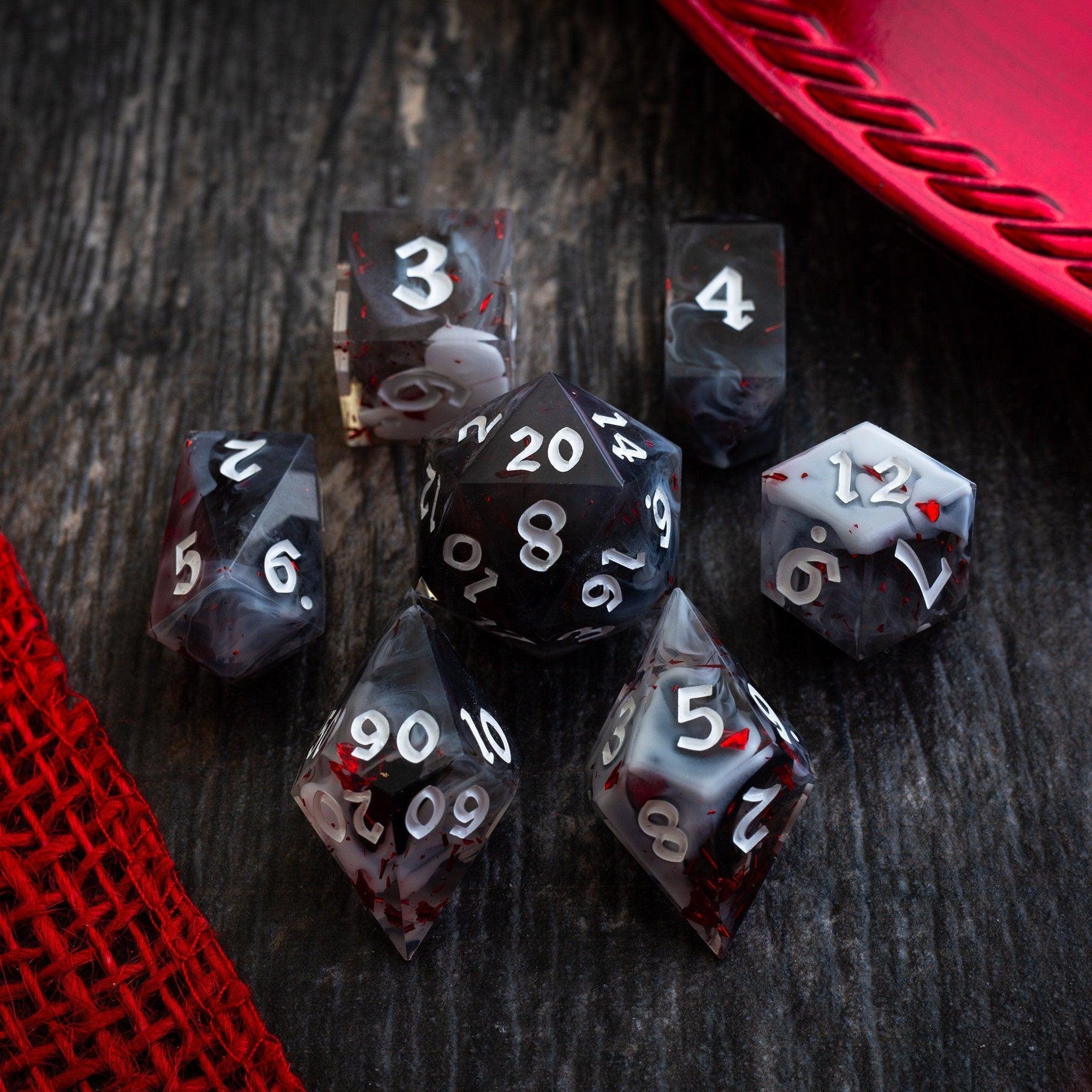
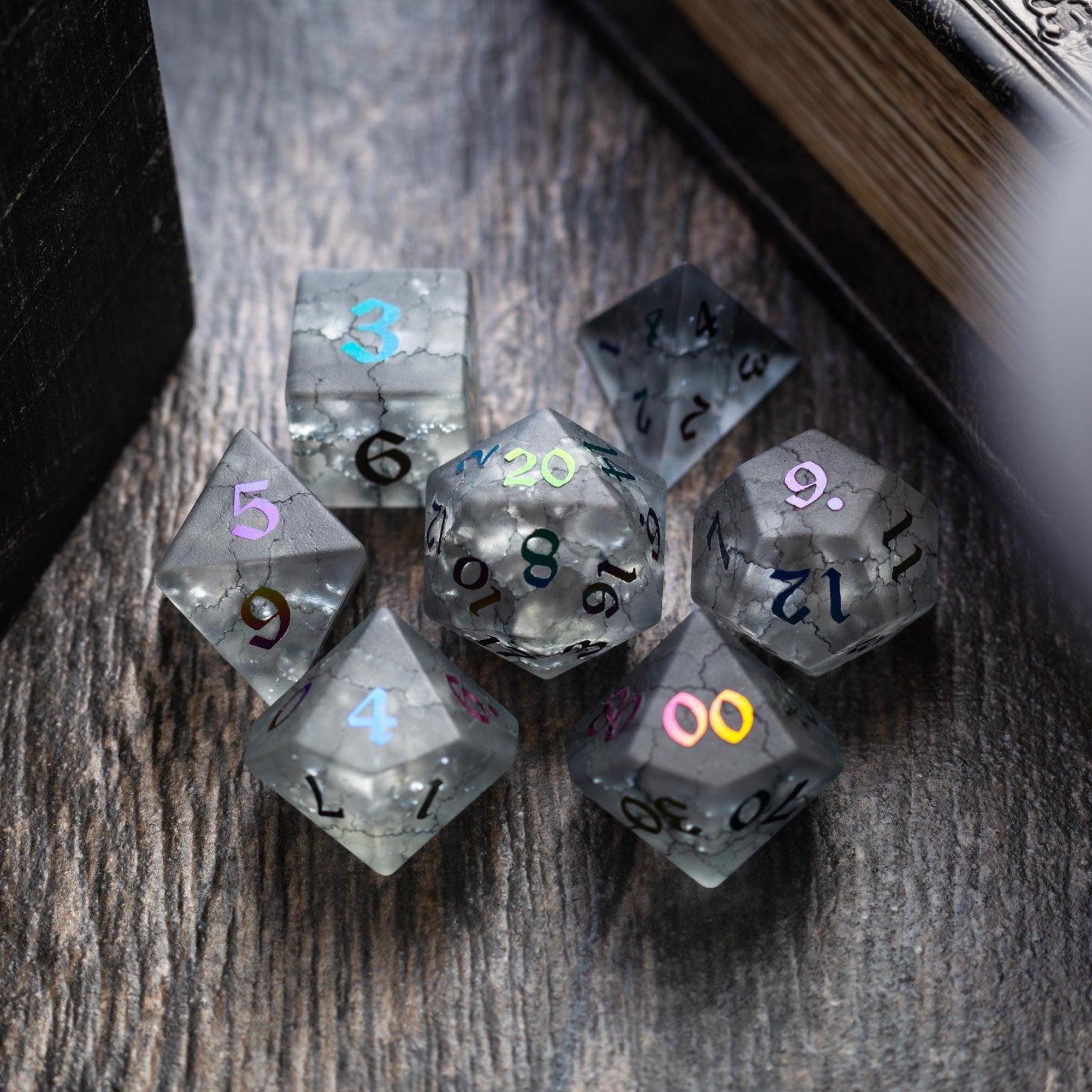
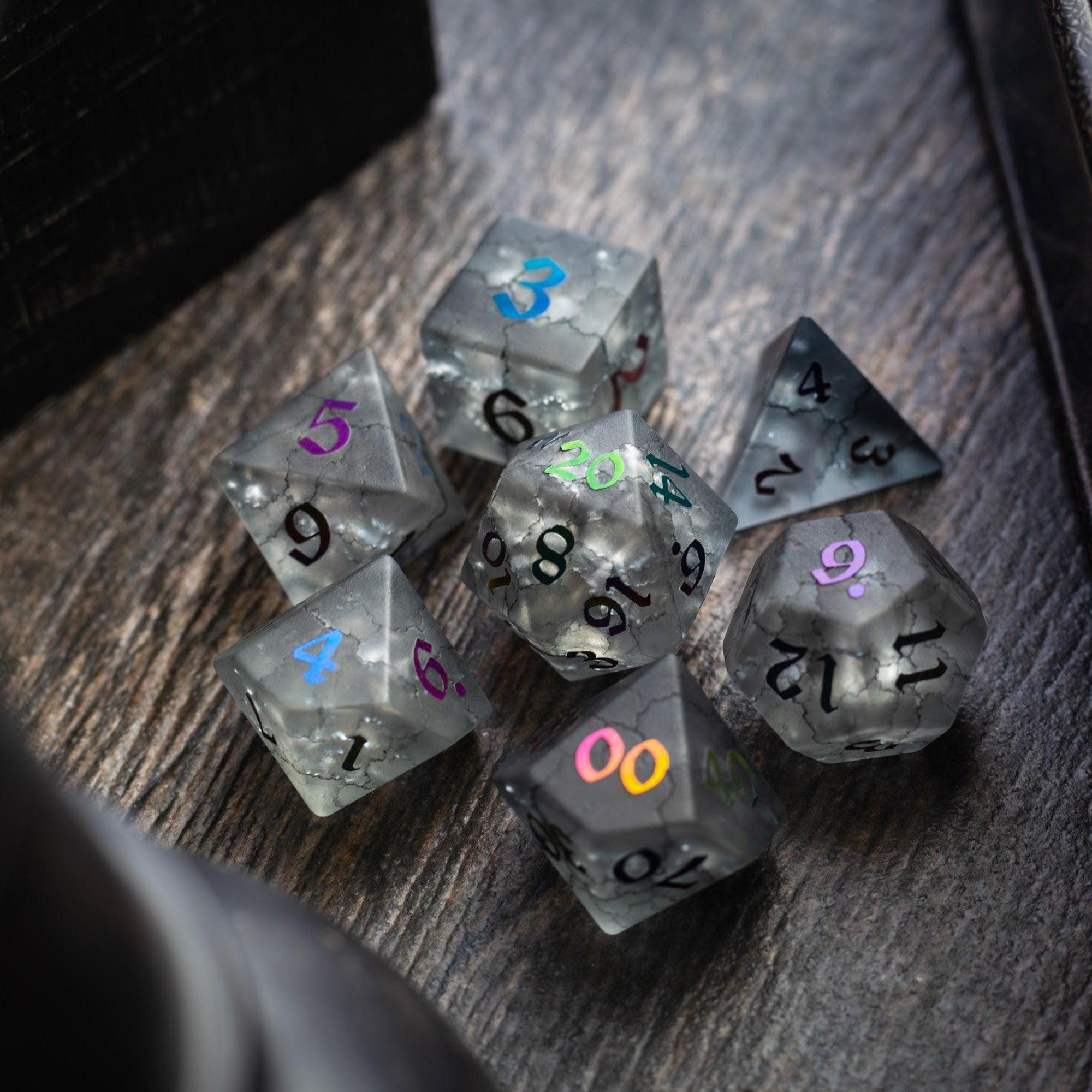
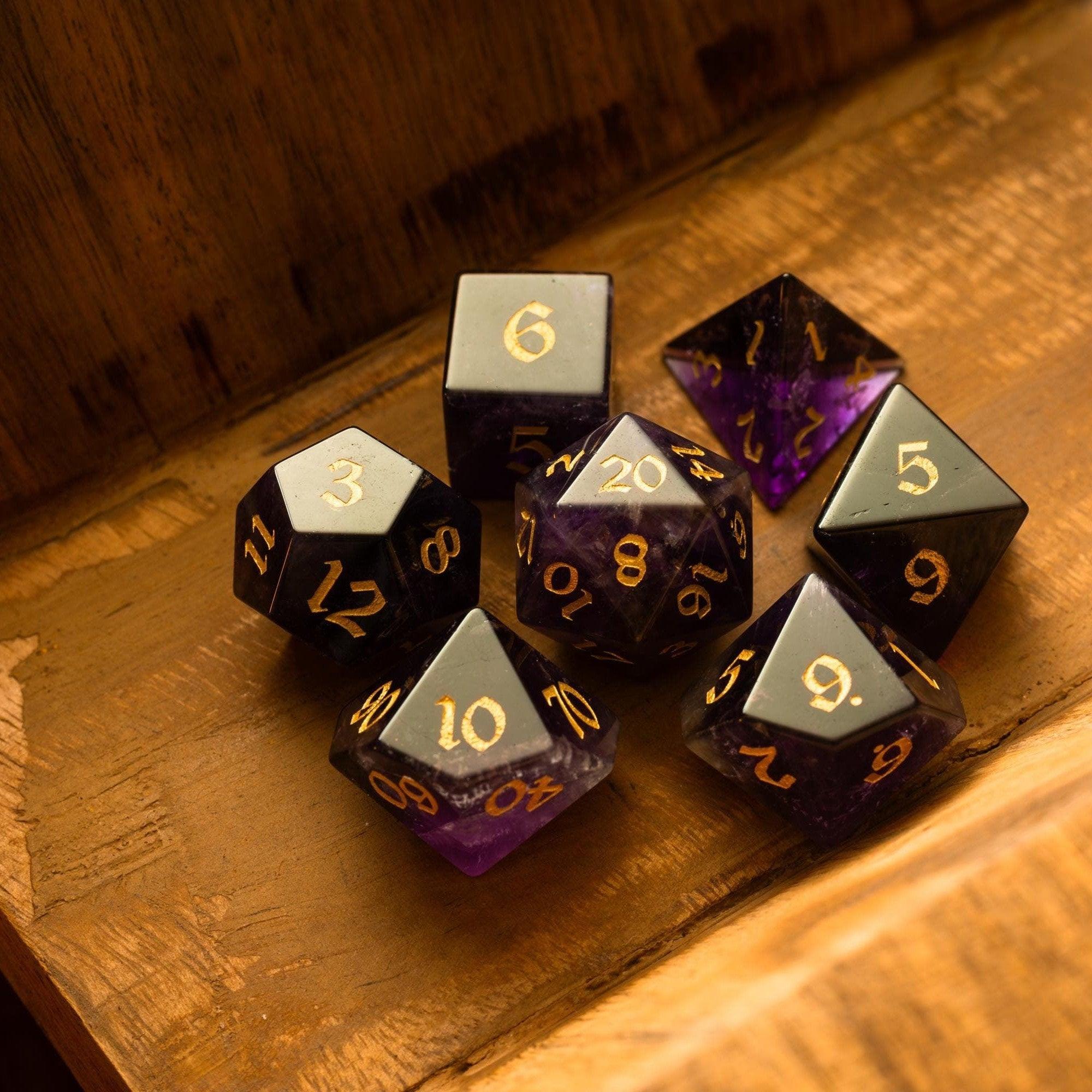
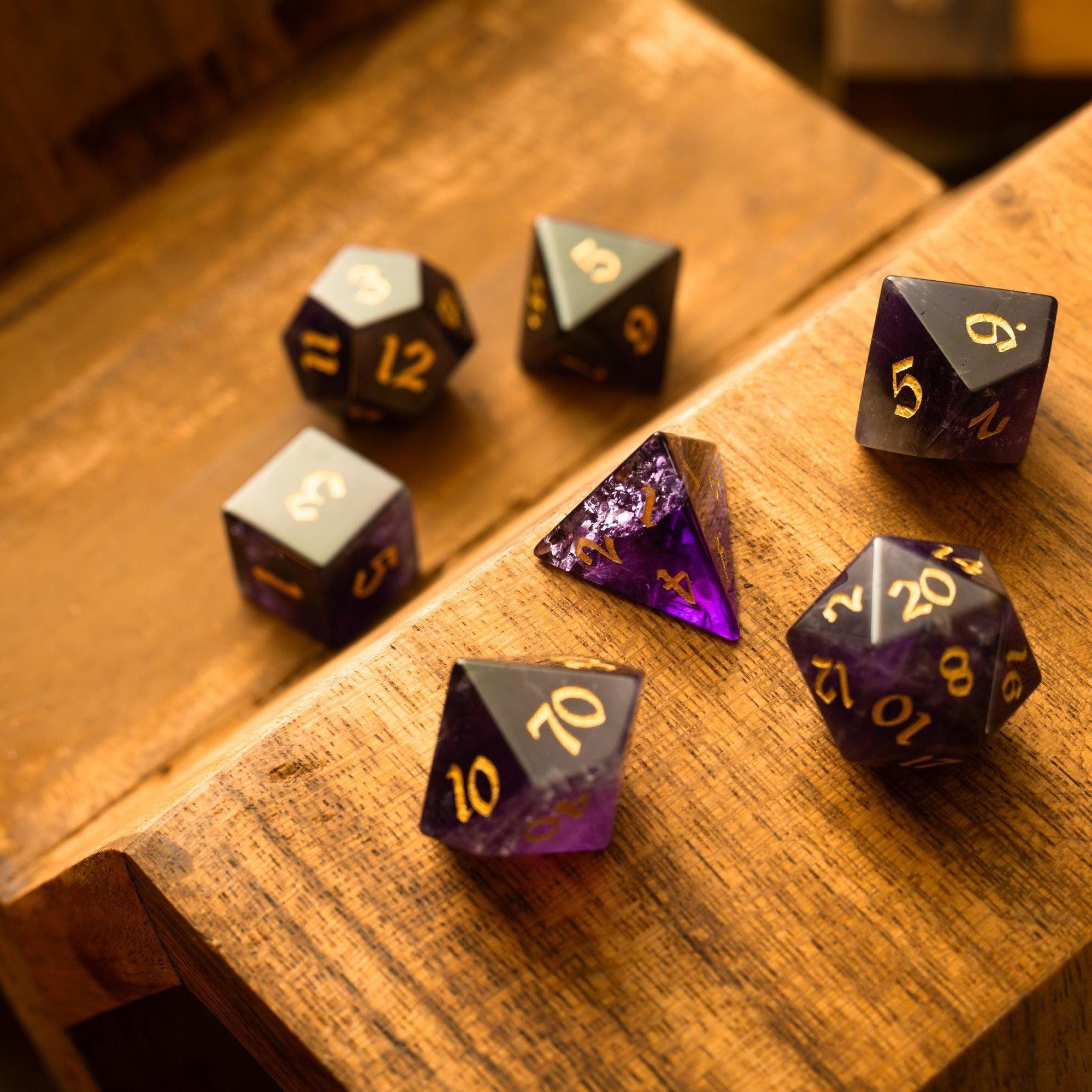
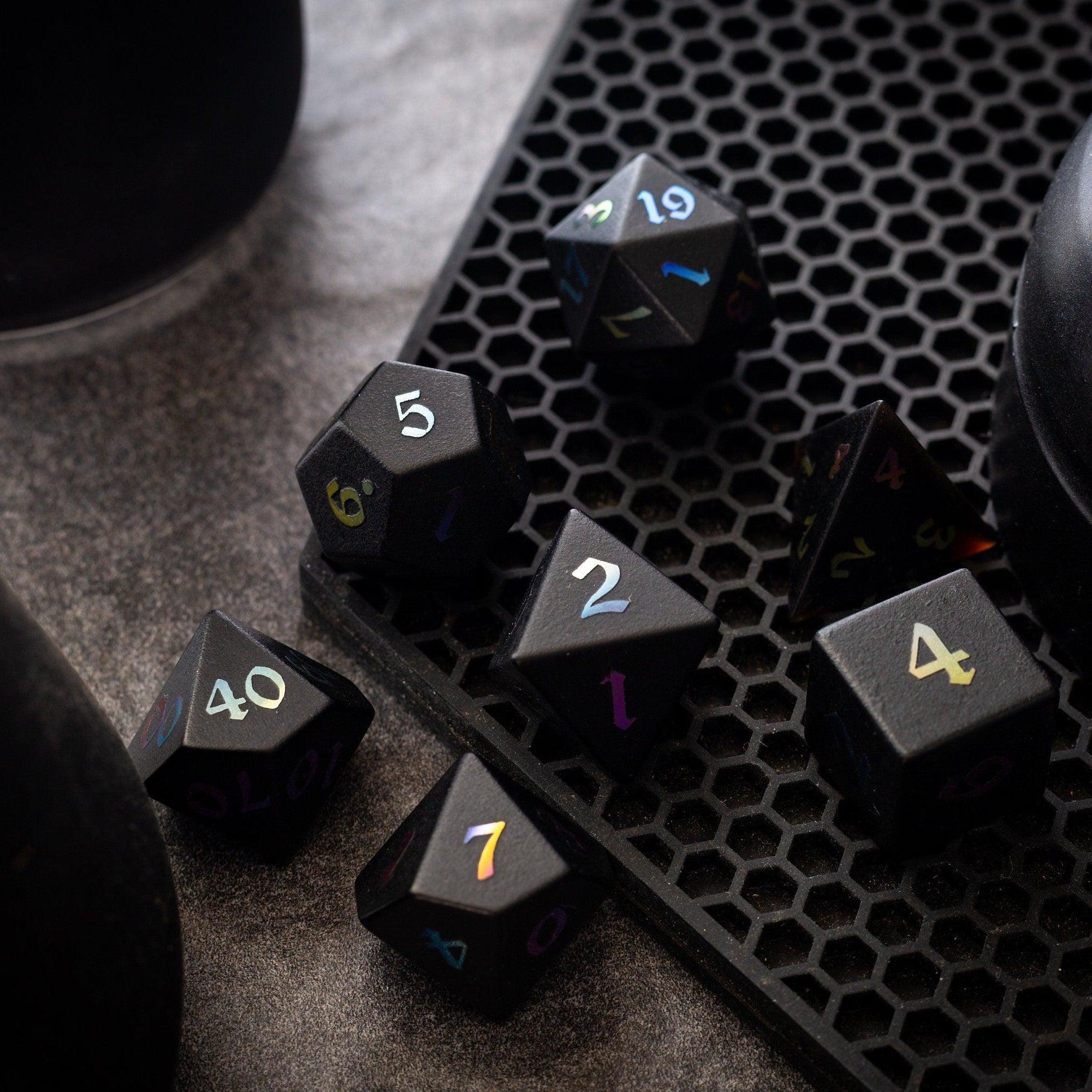
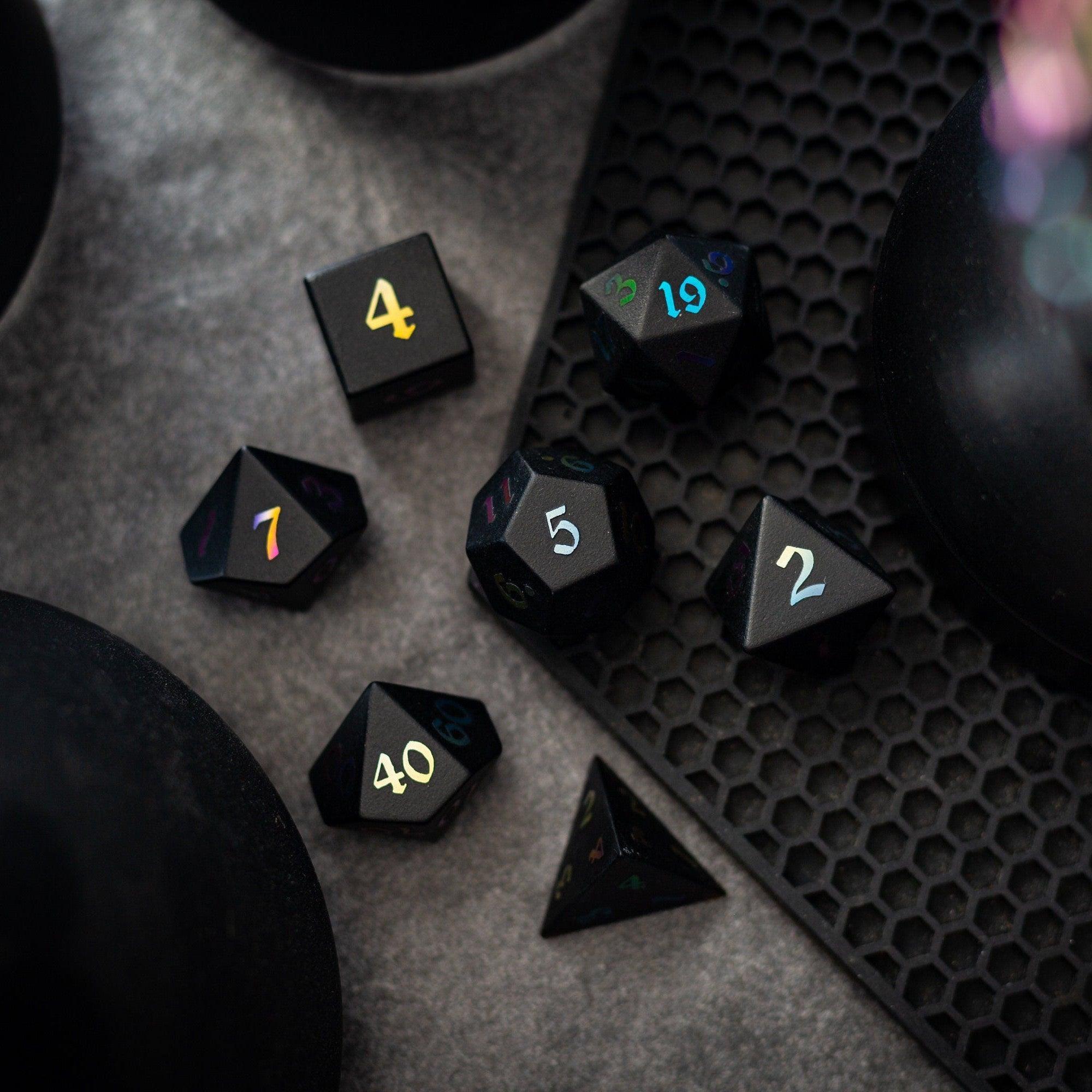
Let’s talk dice for a second, because they’re the heartbeat of many RPGs and skirmish titles. Readability and tactile feel are your priorities at the start. High-contrast numerals and a consistent roll feel help new players focus on the story and strategy, not on squinting at results. If you want a durable, eye-catching set that becomes part of your table’s identity, explore premium options like gemstone dice. They add a touch of ceremony to every roll and often double as excellent gifts for a new GM.
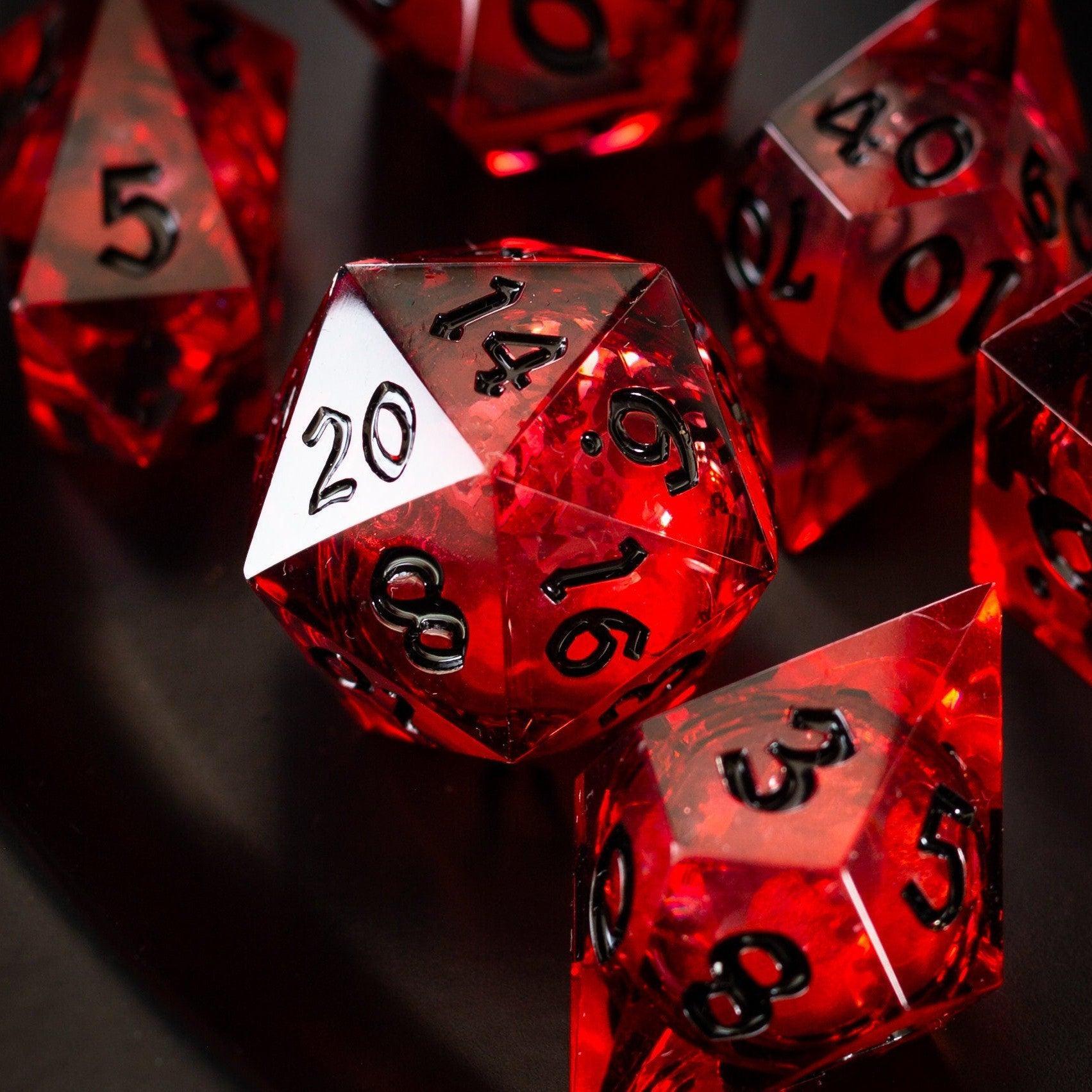
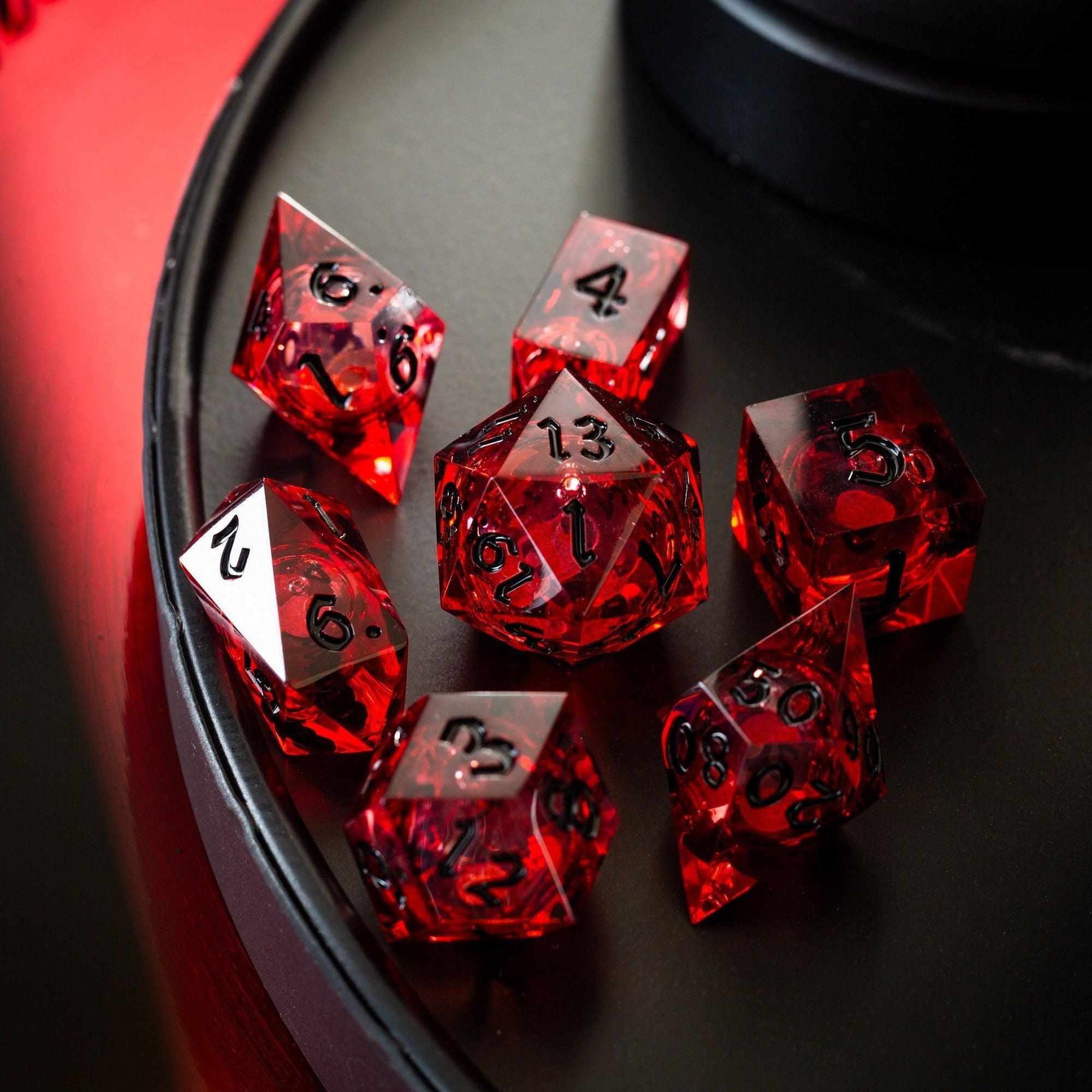
Prefer a little flair and movement in your roll? Animated cores can be a conversation starter and keep the energy high at the table. Check out liquid core dice for sets that pop on camera and in person. They’re a fun way to reward a group after a few successful sessions—or to mark a special character in your campaign.
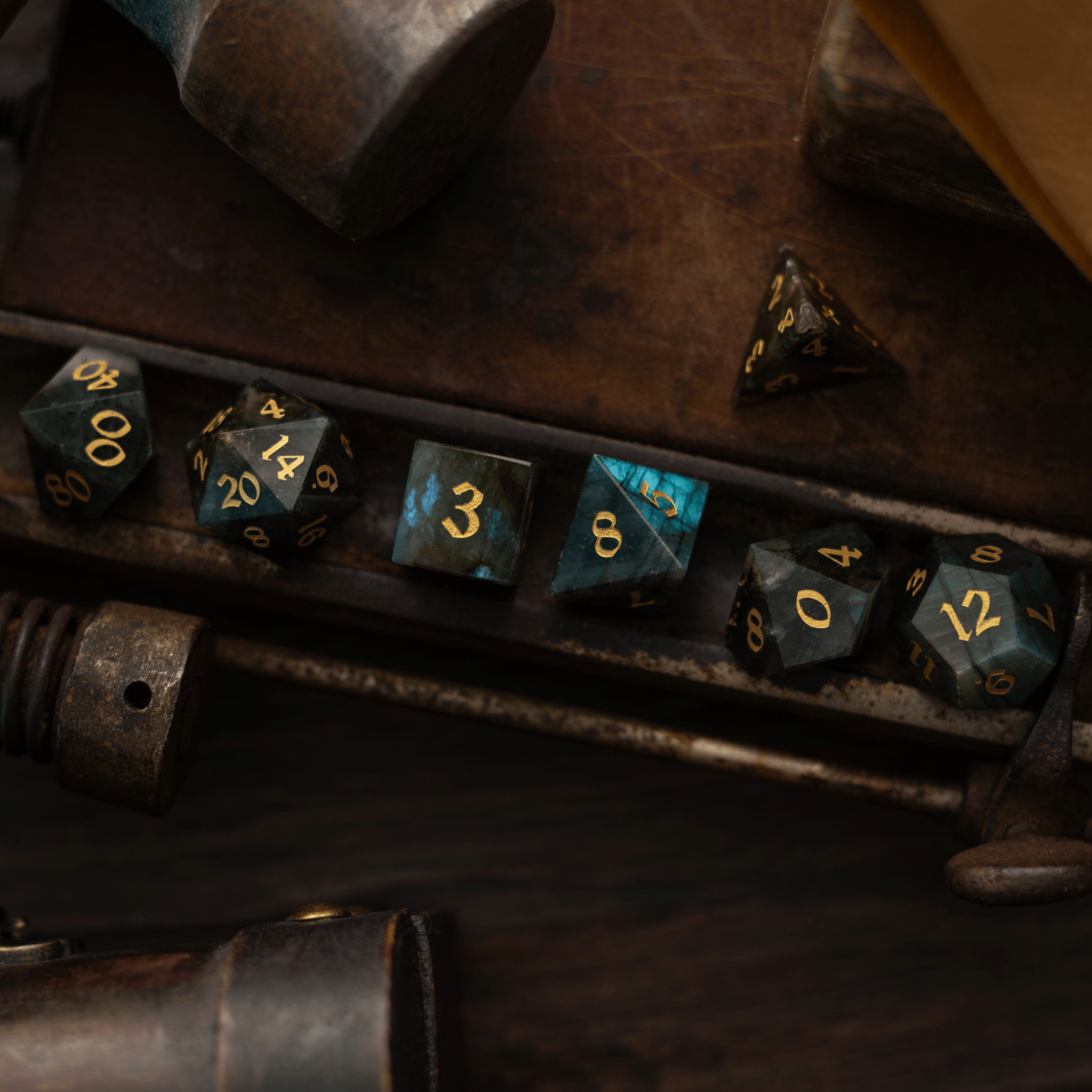
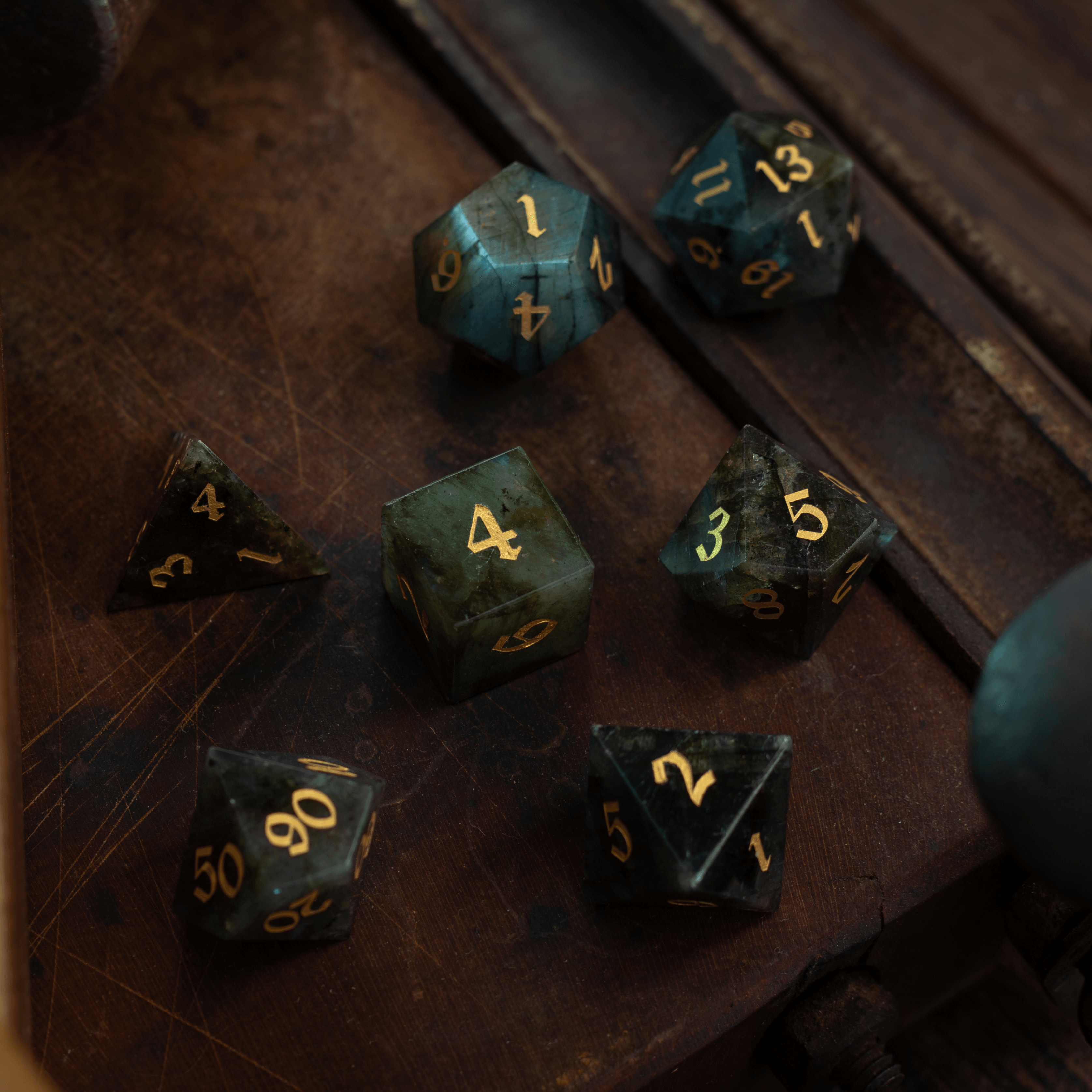
If you’re building a custom beginner bundle, a great pattern is “rules + story + essentials + one special piece.” For example, pair a short adventure or tutorial scenario with a standard polyhedral set, pencils, character sheets, and a single wow-factor item. That special item might be a statement set like the Labradorite set, which includes storage that’s table-ready, or a handy accessory like portable dice towers to keep rolls fair and tidy in tight spaces.
Don’t underestimate the power of organization. New players appreciate when everything has a place. A simple kit bag, labeled tuck boxes, and a zip folder for sheets can turn setup from 15 minutes into two. If you’re the host, maintain a “session zero” checklist: pre-sharpened pencils, extra paper, rule summary cards, and a mini tutorial written in your own words. That five-minute investment can make a first game feel welcoming and smooth.
Finally, think about table culture. A great intro kit nudges engagement without overwhelming players. Condition markers, turn order reminders, and concise reference cards prevent rules bottlenecks. If your kit leans roleplay, include safety tools and tone-setting prompts. If it leans tactics, add measuring aids, color-coded tokens, and a turn tracker. In every case, choose components that reduce friction so your group can focus on decisions, laughter, and the little triumphs that keep people coming back.

Myths vs. Facts
- Myth: “You need the most expensive gear to have fun.” Fact: Clear rules, readable components, and good pacing matter far more than price.
- Myth: “Starter bundles are only for kids.” Fact: Adults new to game nights benefit from gentle learning curves and quick wins too.
- Myth: “If a game has miniatures, it’s too complex for beginners.” Fact: Many figure-based titles have excellent tutorial missions that teach step by step.
- Myth: “You must learn every rule before you play.” Fact: Learn the basics, start rolling, and look up edge cases as they appear.
- Myth: “Fancy dice are just cosmetic.” Fact: High-contrast, well-balanced sets improve readability and confidence at the table.
- Myth: “One kit fits every group.” Fact: Player count, attention span, and theme preferences vary—build for your table, not a one-size-fits-all list.
Frequently Asked Questions
What should a beginner bundle include?
Start with a learn-to-play guide or tutorial scenario, a compact rules reference, and components that are easy to read: a standard polyhedral set, tokens, pencils, and pre-made sheets if it’s an RPG. Add modular content for replay—scenario cards, map tiles, or a short campaign. Finish with organization: baggies, a storage tray, and a small notebook. If you’re gifting, include one special item that makes the kit feel personal, like a memorable dice set or a tidy rolling accessory.
Are metal or gemstone dice good for first-time players?
They can be, yes—especially if readability is strong and you have a stable rolling surface. Heavier materials feel satisfying and can make rolls feel intentional, which some newcomers love. Protect your table with a mat or tower and store the set securely. If you’re unsure, begin with a clear, high-contrast resin or stone set and upgrade as your group discovers their preferences.
How many players can a starter box support?
Most intro-focused games or RPG sets are comfortable at 2–5 players. Smaller tables learn faster because turns come around quickly and rules questions get answered sooner. If your group is larger, consider running two parallel tables or choosing a title that scales with minimal downtime. When building your own bundle, include enough dice and pencils so no one has to borrow every roll.
When should I upgrade components?
Upgrade after three signals: your group plays regularly, someone shows ownership (bringing snacks, taking notes, or planning sessions), and you notice friction that better tools solve. Examples include adding a tower to prevent cocked rolls, swapping to higher-contrast dice for visibility, or introducing tuck boxes to speed setup. Make one upgrade at a time so you can feel the impact and avoid overspending.
Final Recommendations
To make your first game nights shine, keep things focused and friendly. Choose an intro set with a tutorial, aim for 45–90 minute sessions, and prioritize readable, reliable components. Organize everything so setup is painless. Add one special piece that makes your table feel unique and celebratory—it can be an elegant dice set, a rolling accessory, or a storage upgrade. After a few sessions, ask your group what they liked and what slowed them down. Improve one thing at a time, and don’t be afraid to simplify rules or use house summaries while people learn.
The right starter bundle isn’t about having every option on day one. It’s about removing friction so players explore, laugh, and finish a session proud of what they achieved. Build for your table today, with a clear path to grow tomorrow, and your game nights will have momentum from the very first roll.


Leave a comment
This site is protected by hCaptcha and the hCaptcha Privacy Policy and Terms of Service apply.