
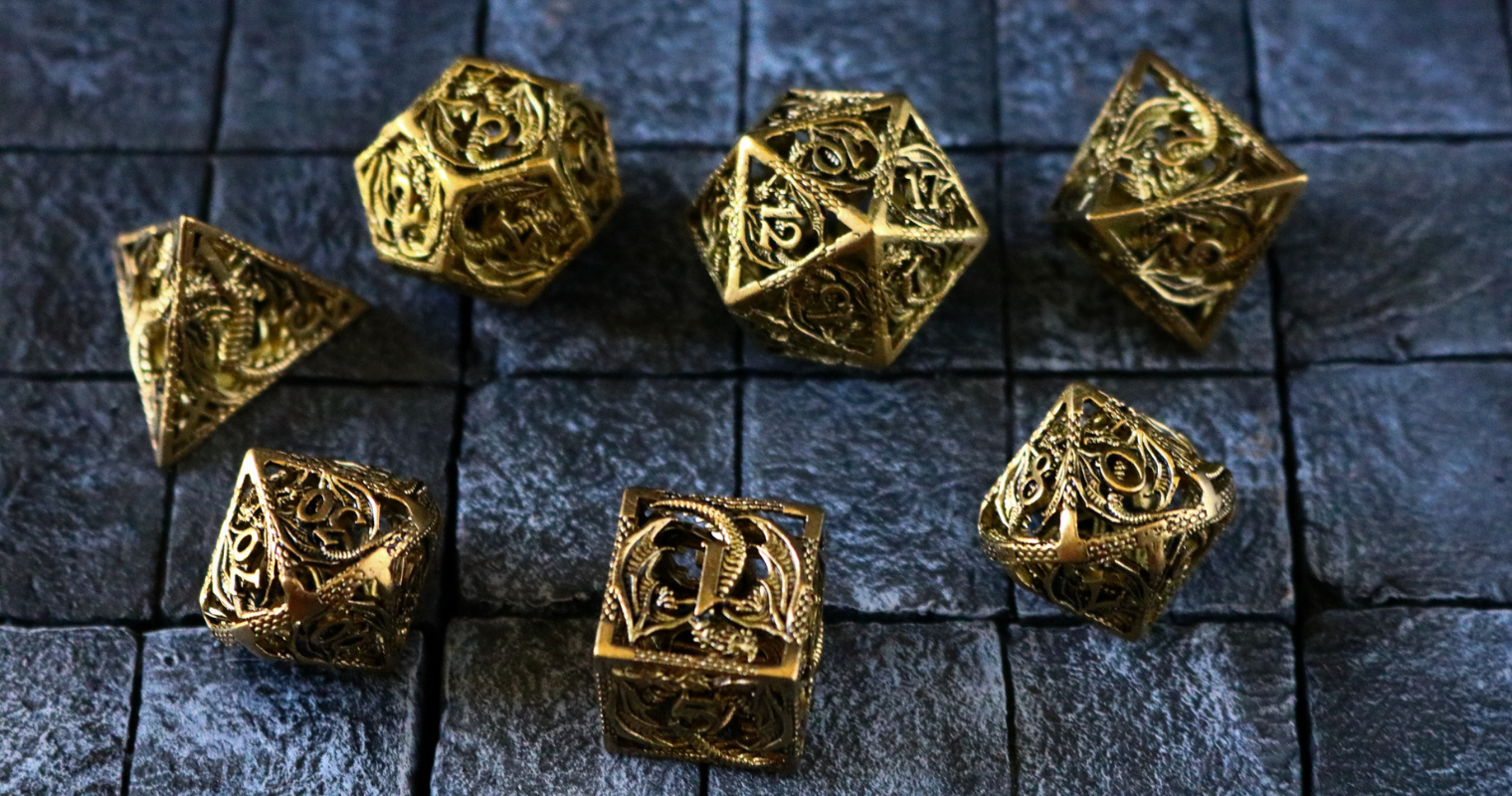
Metal D20 Dice A Guide to Precision Rolling and Style
Updated on: 2025-12-22
Level up your rolls with a precision-built twenty-sider that feels substantial, lands cleanly, and looks incredible at the table. Upgrading from light plastic to a weighted die provides better tactile control, sharper faces for legibility, and long-term durability. This guide shows how to choose, care for, and use premium options for consistent, satisfying results, with clear steps and answers to common questions. You’ll walk away with confidence and a simple plan to pick the right finish, protect your table, and roll like a pro.
- Why metal D20 dice elevate your game
- Myths vs. Facts
- Step-by-Step Guide
- Summary & Key Takeaways
- Frequently Asked Questions

Your dice are the most touched tool at the table. If you’ve ever had a roll skid off a light cube or felt a result you couldn’t read without squinting, you know small frustrations add up. A heavier, precision-cut twenty-sider solves that. The right die anchors each roll, gives a satisfying clack, and provides crisp, easy-to-read faces—without sacrificing fairness or speed. In this guide, we walk through what matters, how to choose confidently, and how to protect your surfaces while keeping every throw enjoyable.
Ready to browse options now? Explore curated finishes and weights in the Metal Dice Collection and compare styles side by side before you decide.
Why metal D20 dice elevate your game
Players often describe the first roll of a solid twenty-sider as a lightbulb moment: the weight plants the die, the edges bite the felt, and the number pops. That tactile confidence translates into more deliberate rolls and fewer rerolls due to cocked results. Because these dice use denser materials and defined geometry, they maintain face integrity over time, so the 20th roll feels like the first.
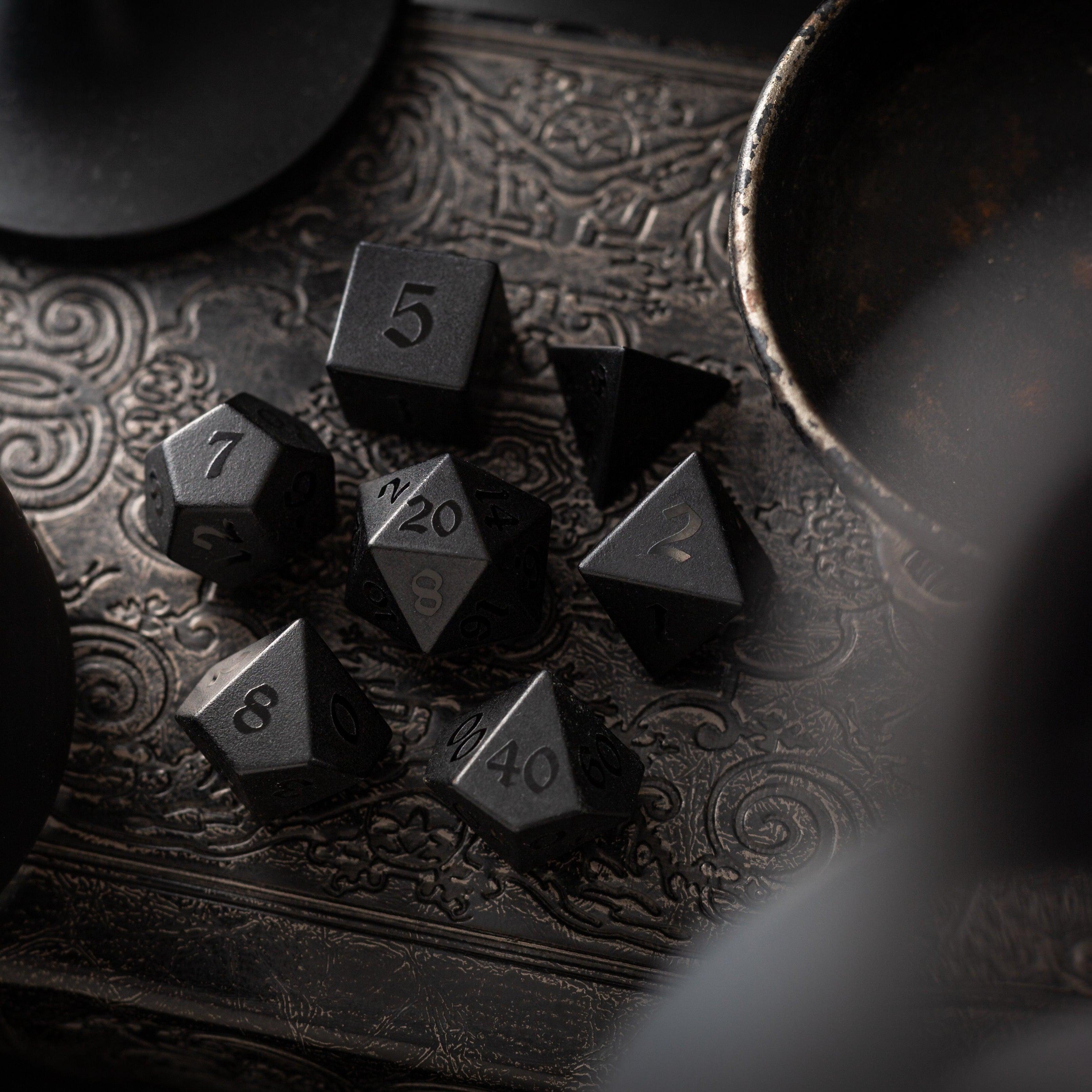
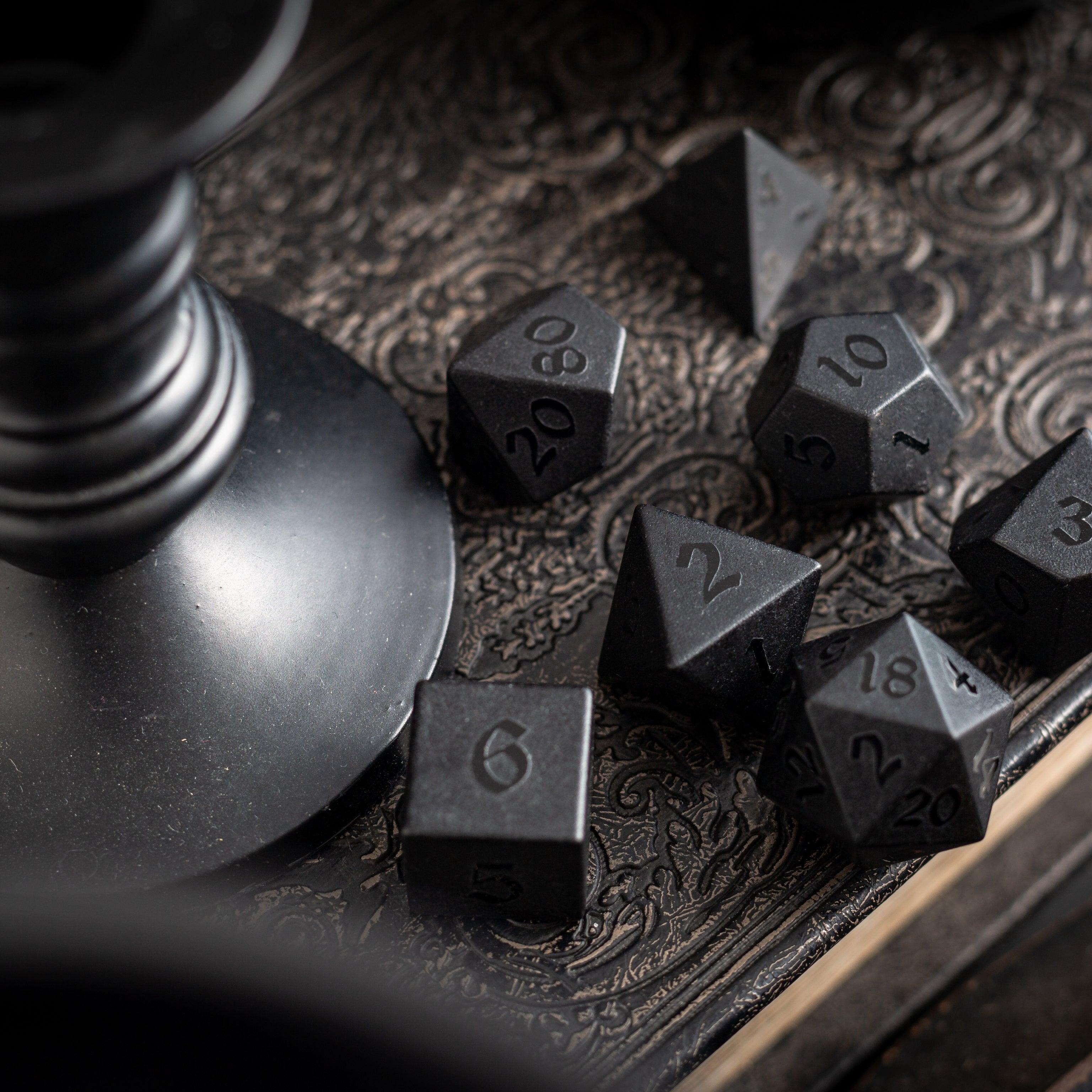
Visual impact matters too. Whether you prefer a brushed gunmetal sheen, antique bronze, or inked numerals that stand out under dim light, a premium twenty-sider signals intention. It’s not about superstition; it’s about consistent, comfortable use that keeps the game moving. Pair your die with a soft rolling surface or a tower to channel that energy into a readable, fair result every time. If you want controlled drops on any table, consider using dice towers for uniform rolls and compact setups.
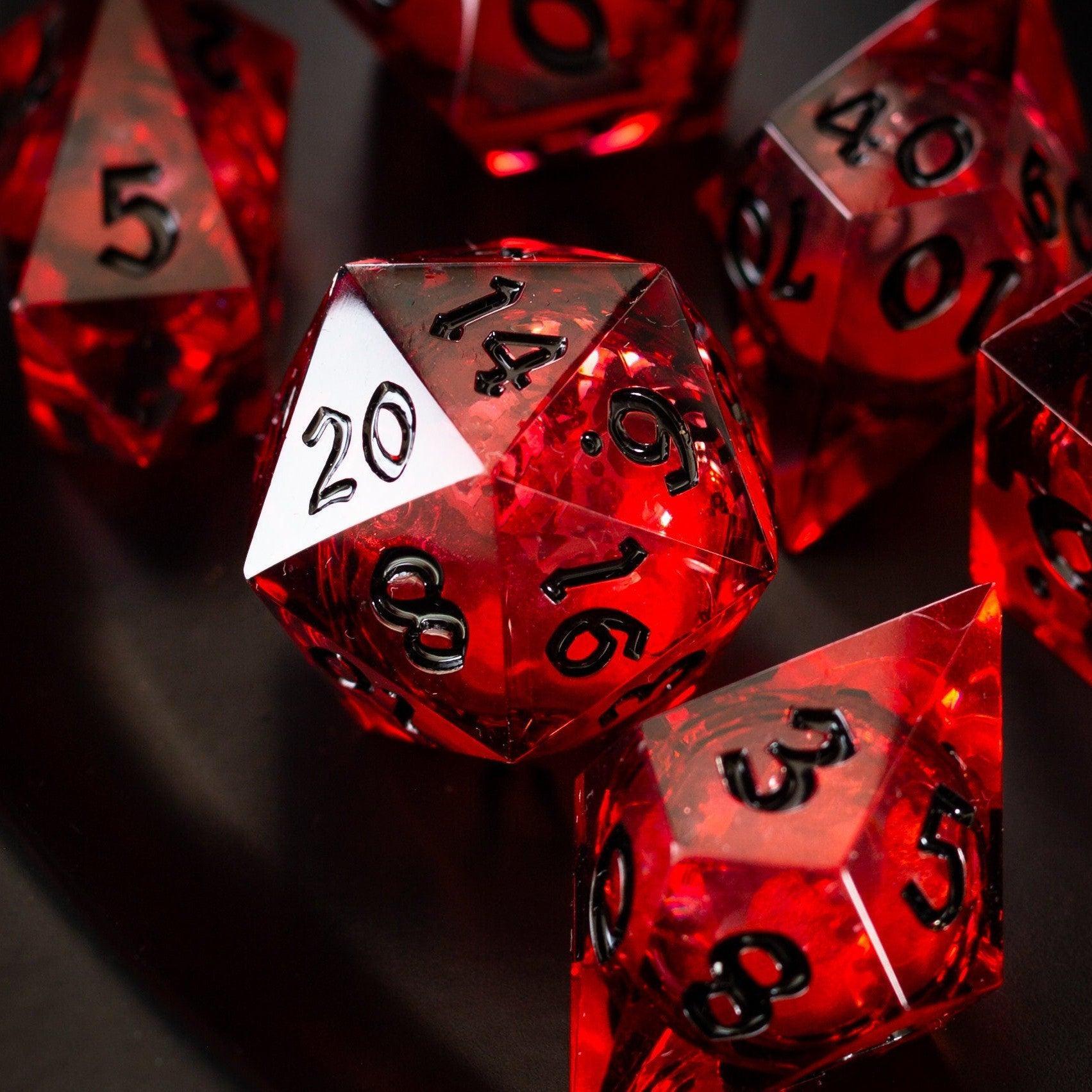
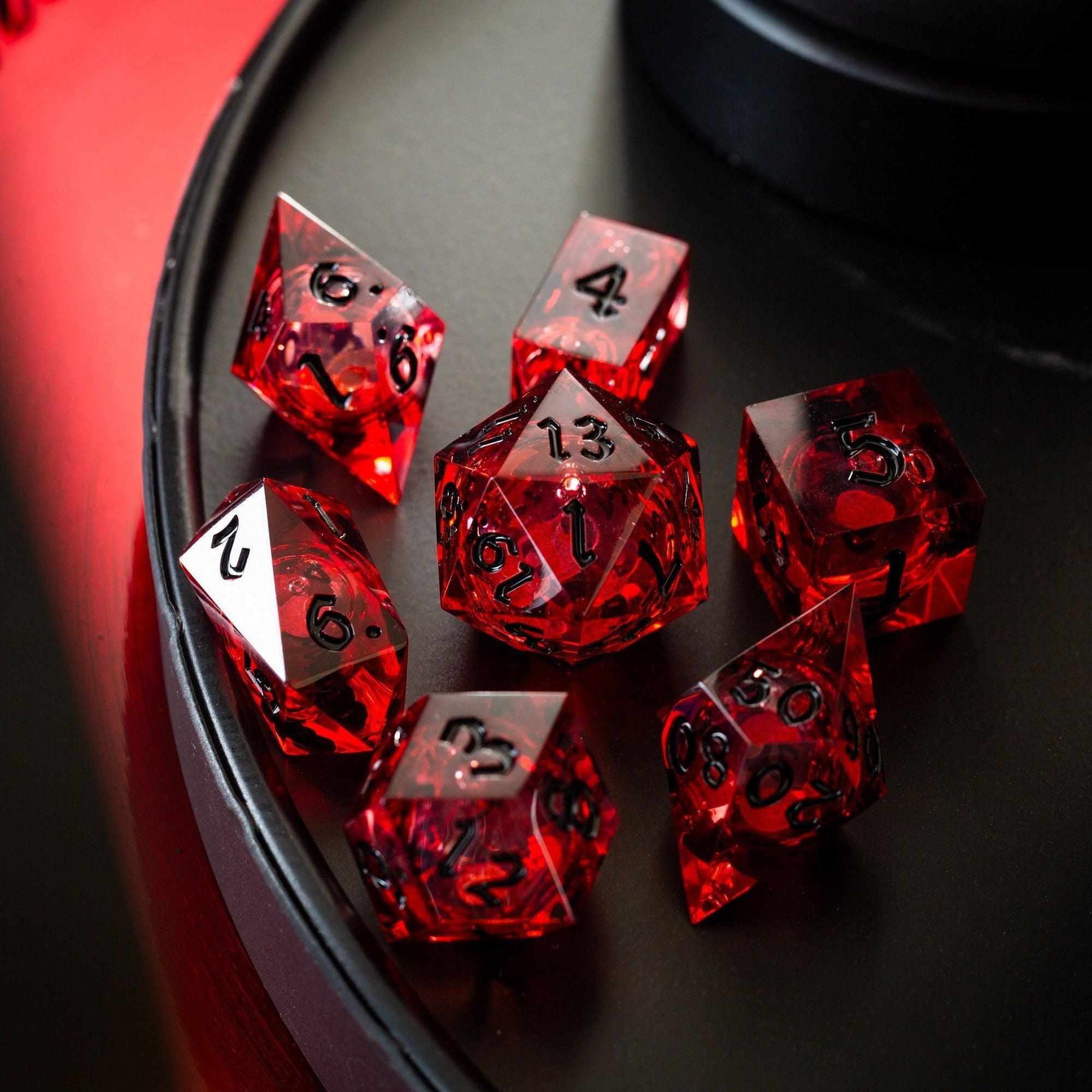
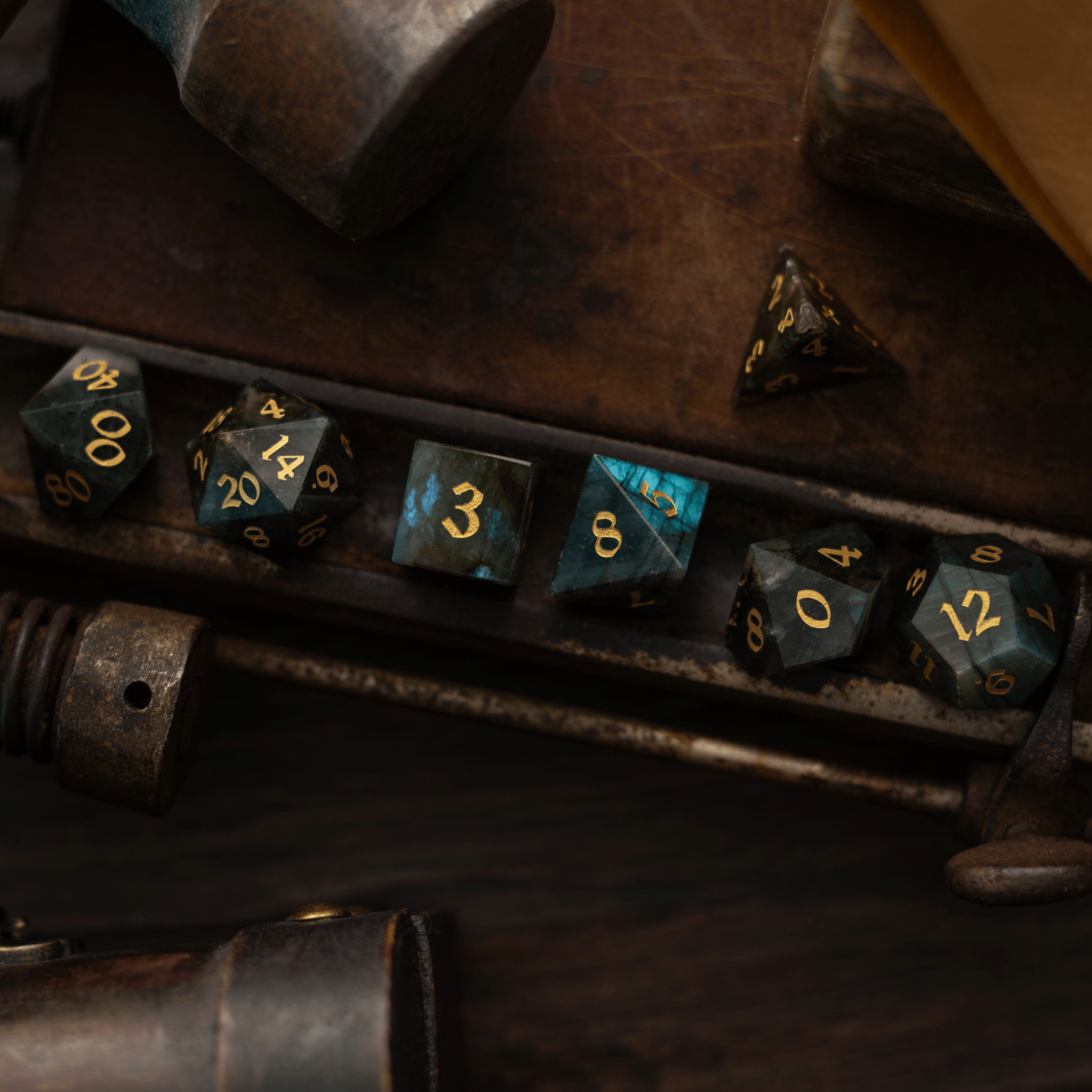
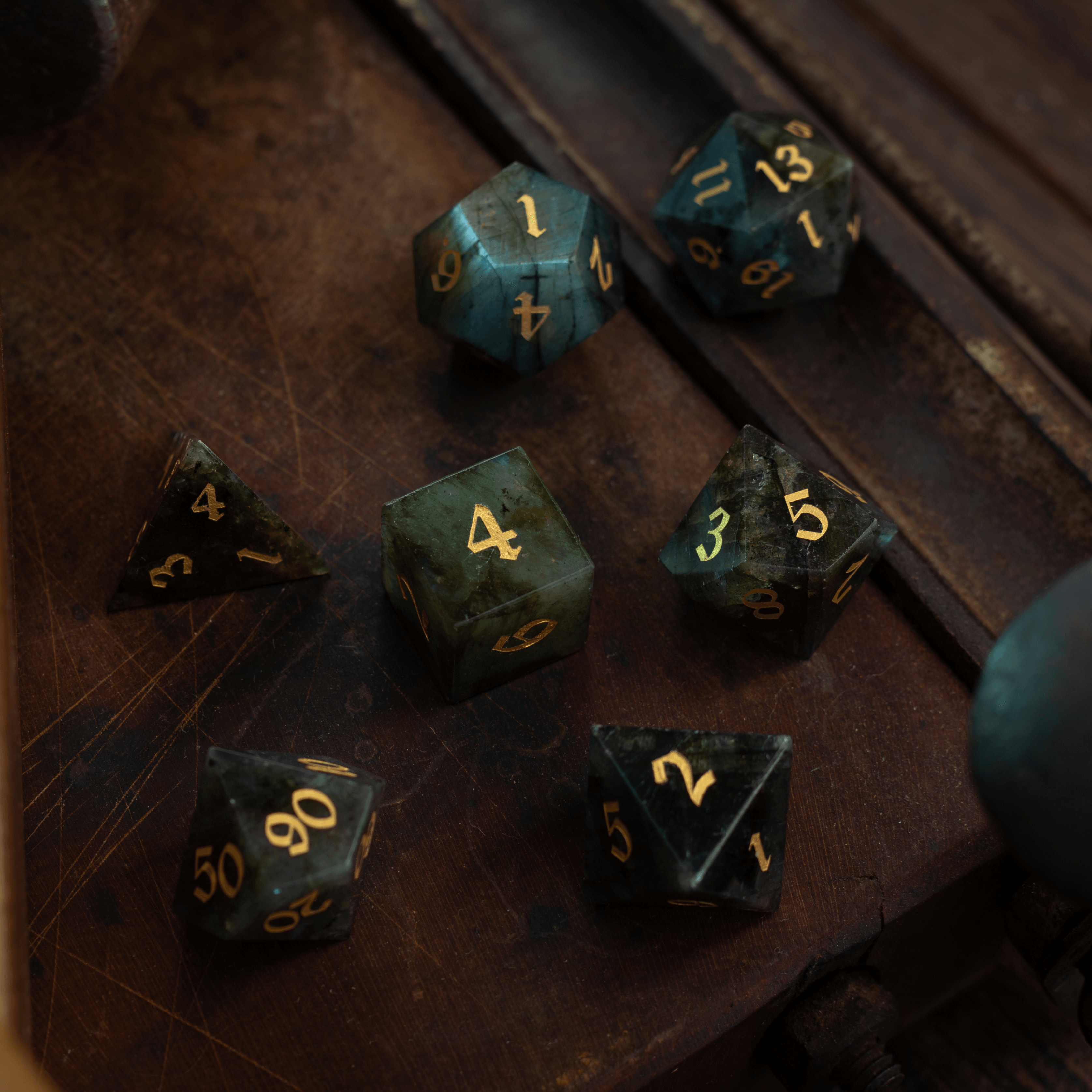
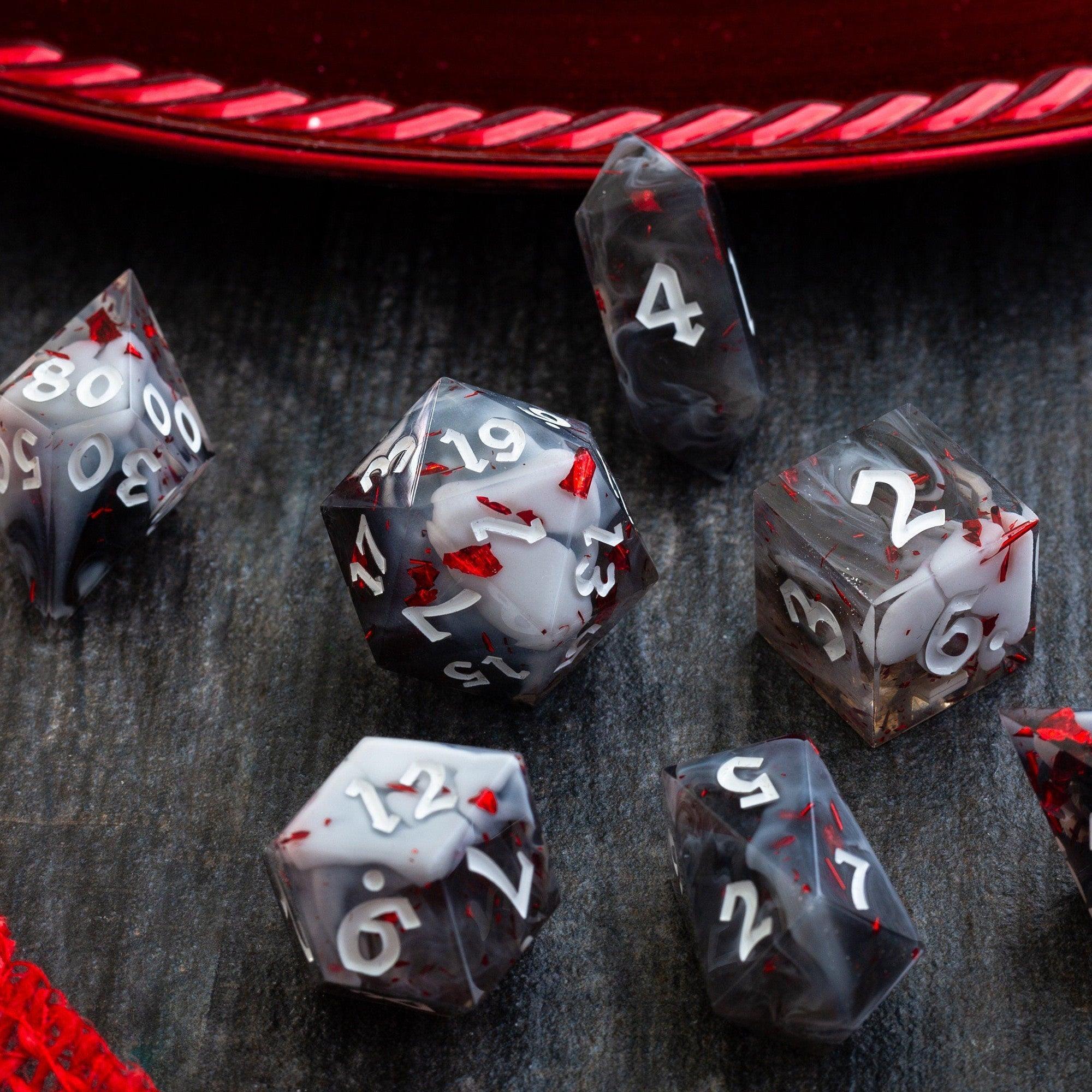
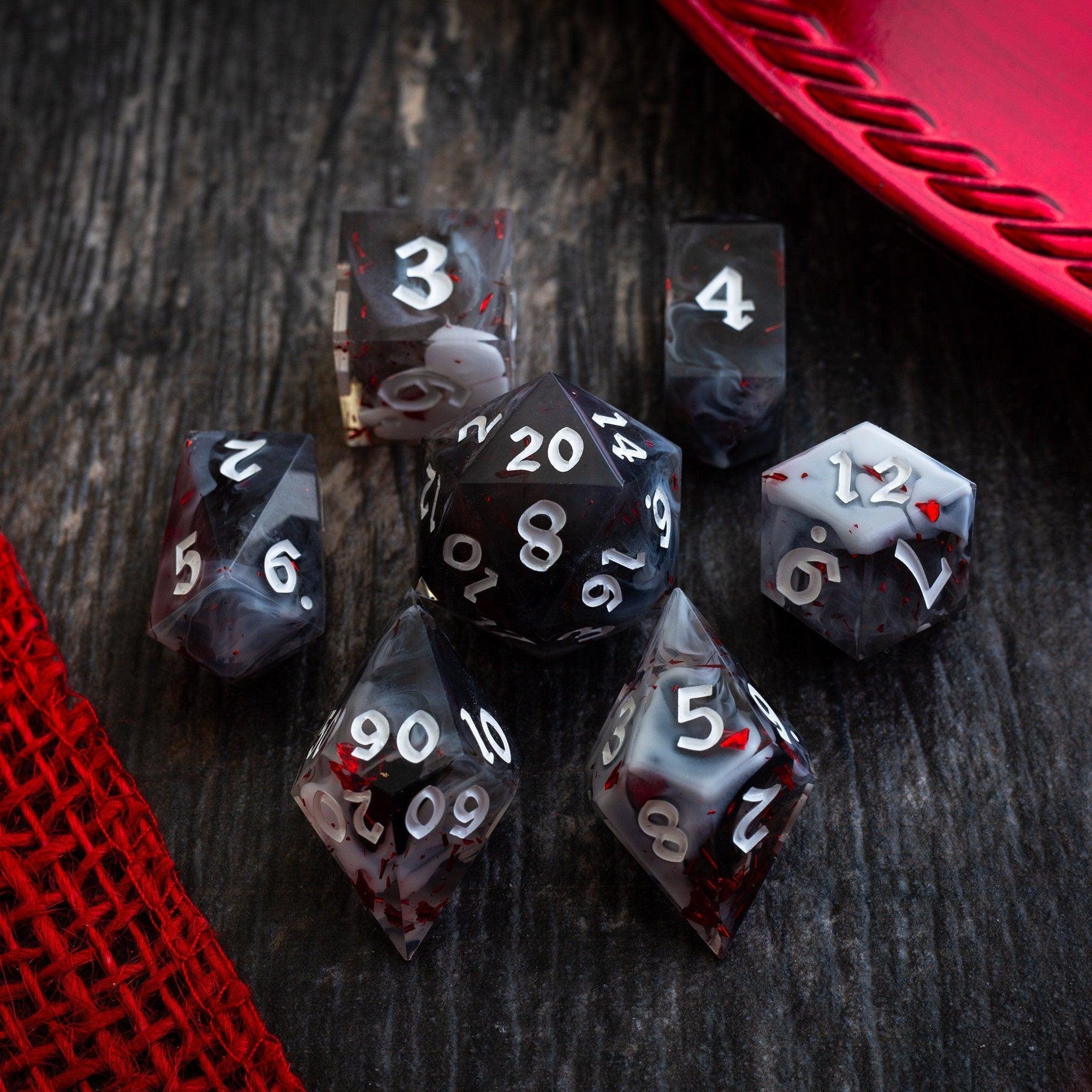
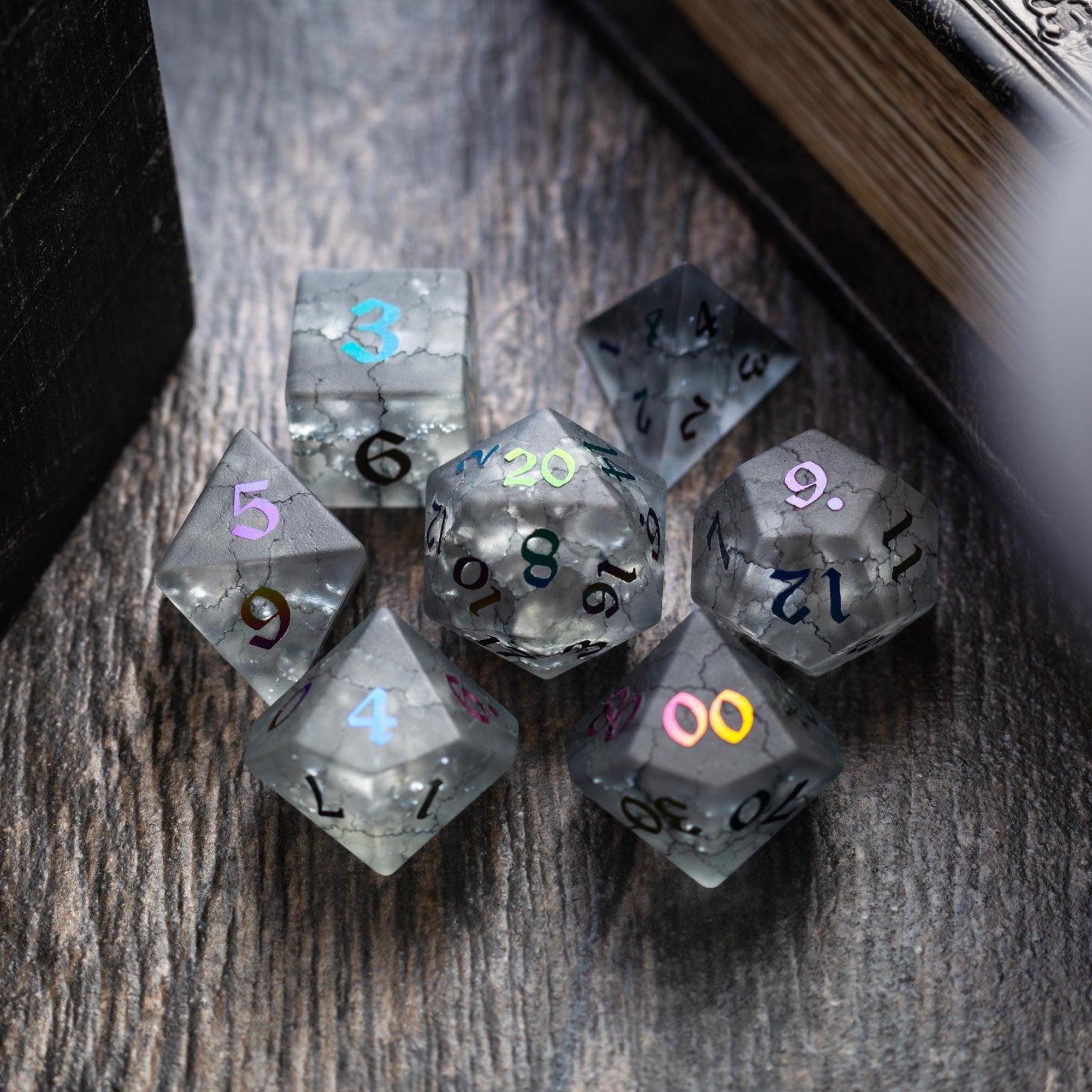
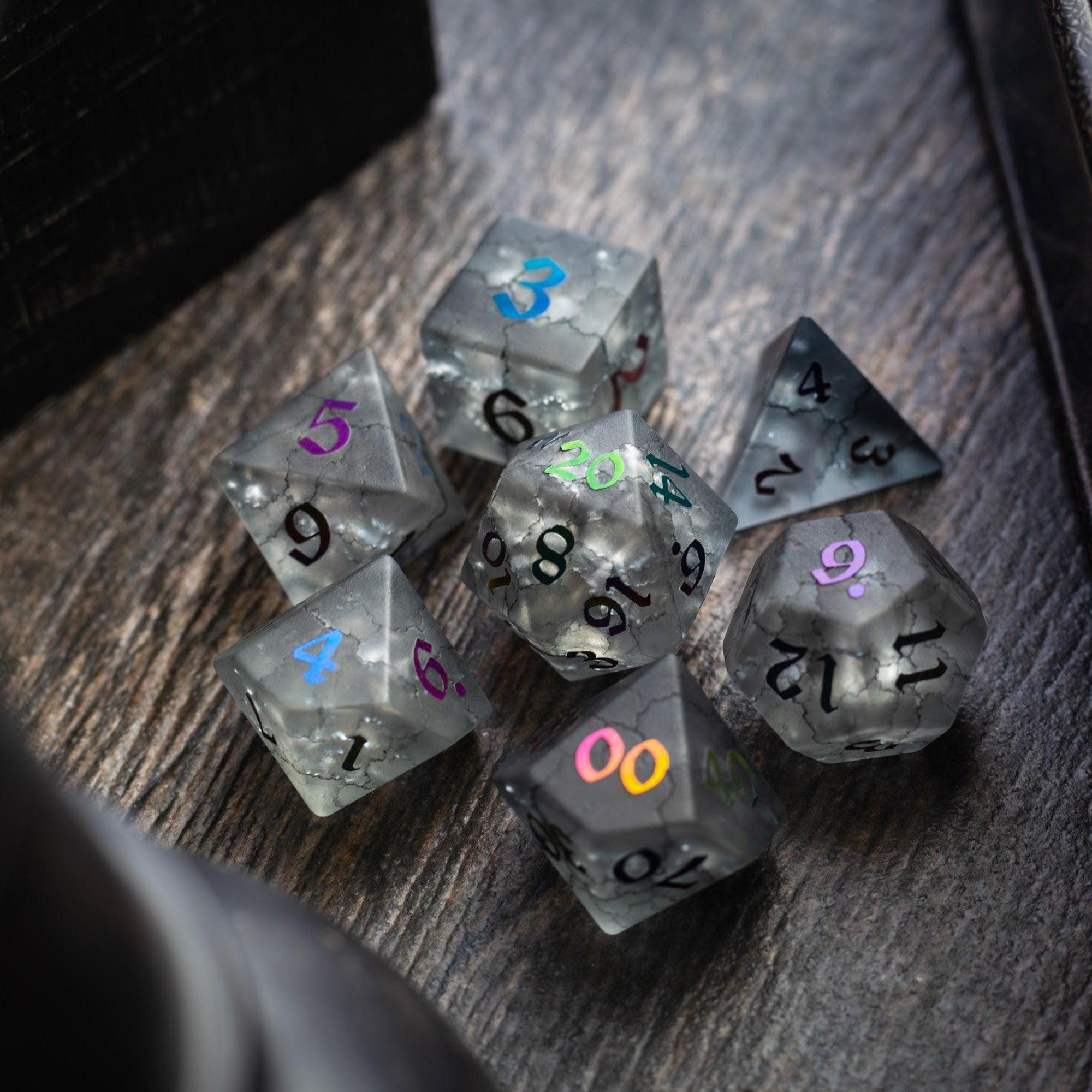
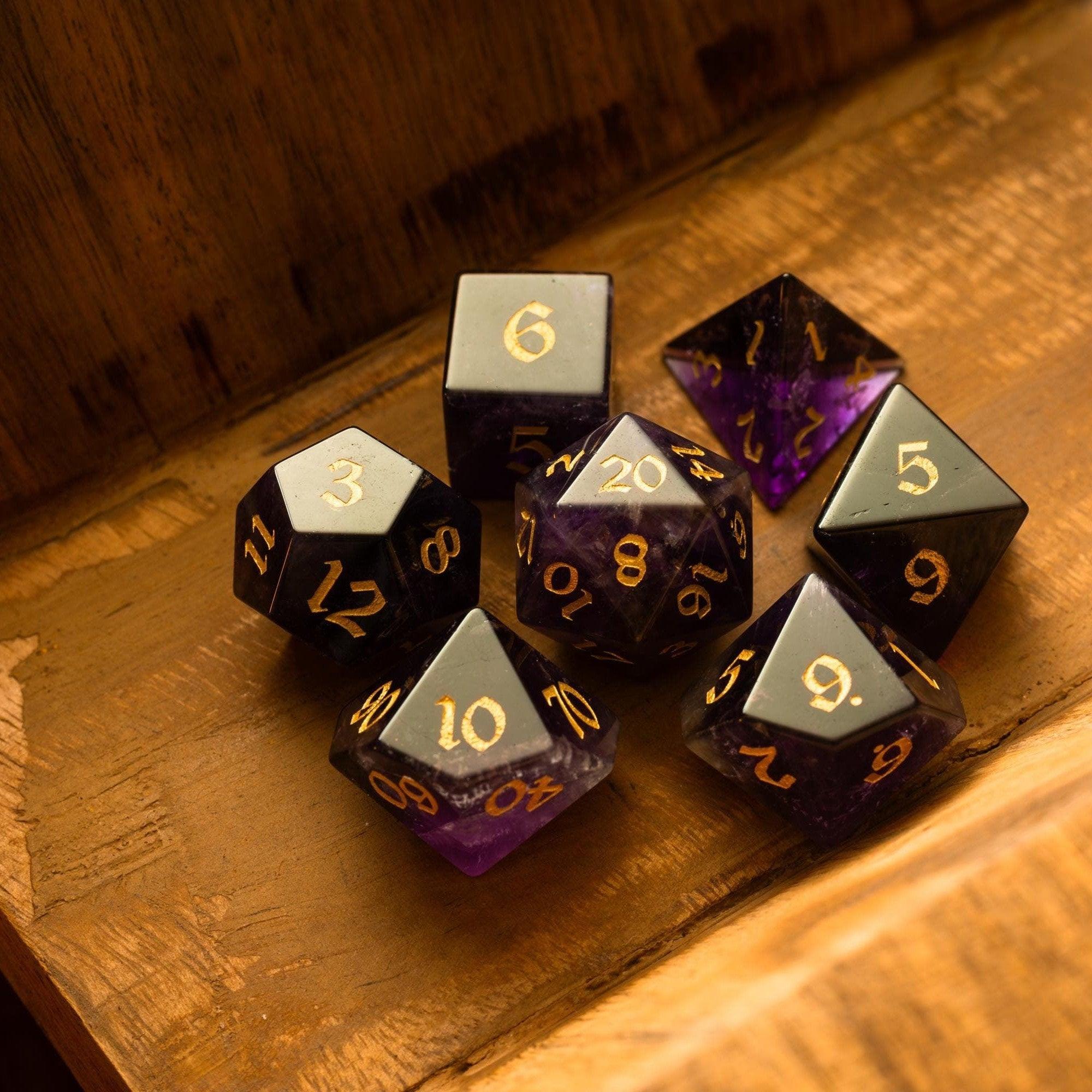
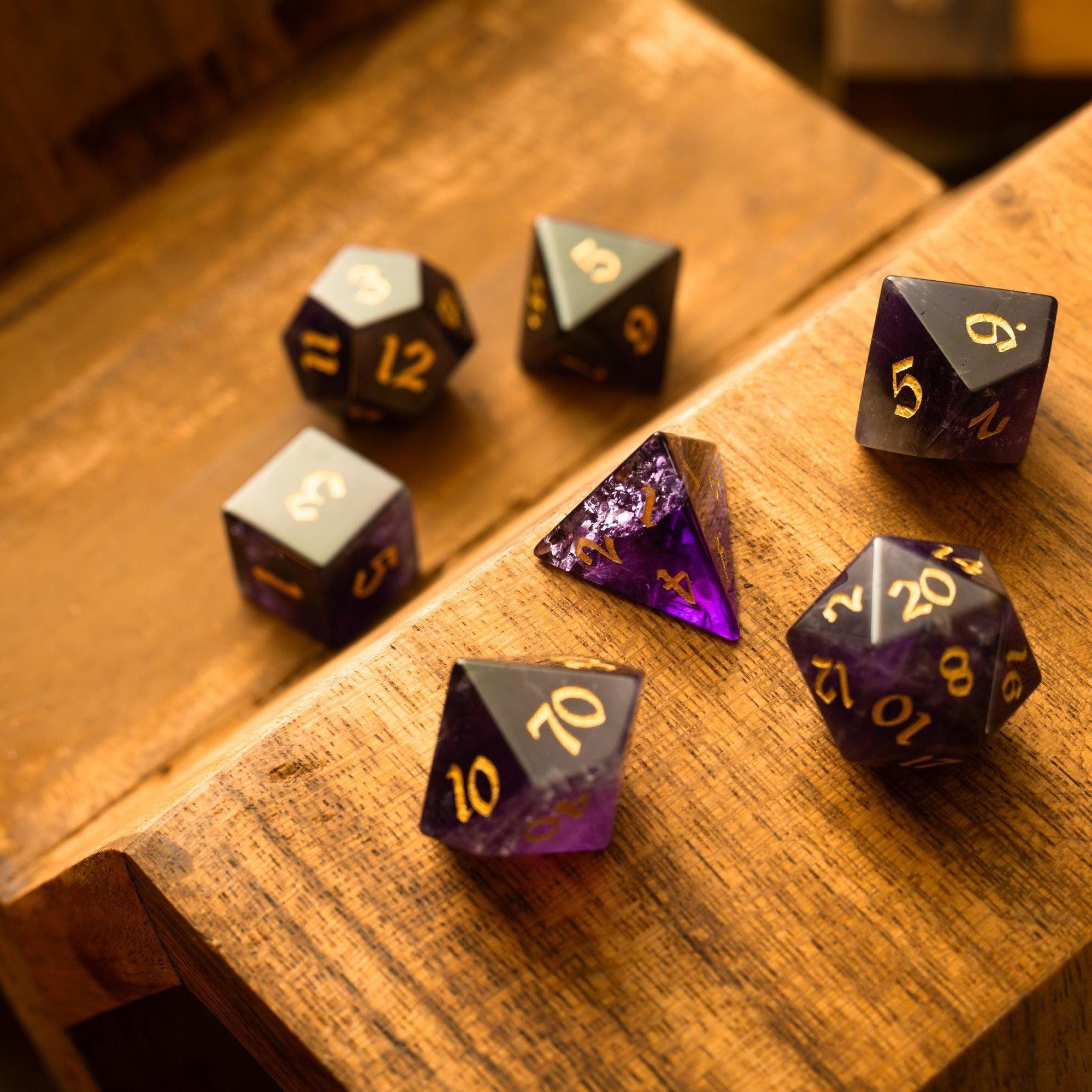
Curious about alternative showpieces for your dice arsenal? Distinct materials can complement a metal main die for advantage rolls or inspiration throws. For instance, a shimmering liquid-core option brings mesmerizing motion without sacrificing clarity—browse liquid core dice to explore that look. Prefer a natural stone vibe for special checks? An elegant gemstone twenty-sider can be a striking companion to your daily roller; the amethyst set offers crisp edges and rich color depth when you want to switch things up.
Myths vs. Facts
-
Myth: Heavier dice roll unfairly.
Fact: Fairness depends on geometry and consistency. Quality dice use even mass distribution and sharp, uniform faces to support random outcomes. -
Myth: A solid die always damages the table.
Fact: Use a soft tray, felt mat, playmat, or a tower to protect surfaces. Responsible rolling preserves your table and your dice. -
Myth: The weight makes rolls too short to be random.
Fact: Controlled doesn’t mean biased. A firm toss across a padded surface produces multiple tumbles and readable results without skittering. -
Myth: You can’t read numbers on darker finishes.
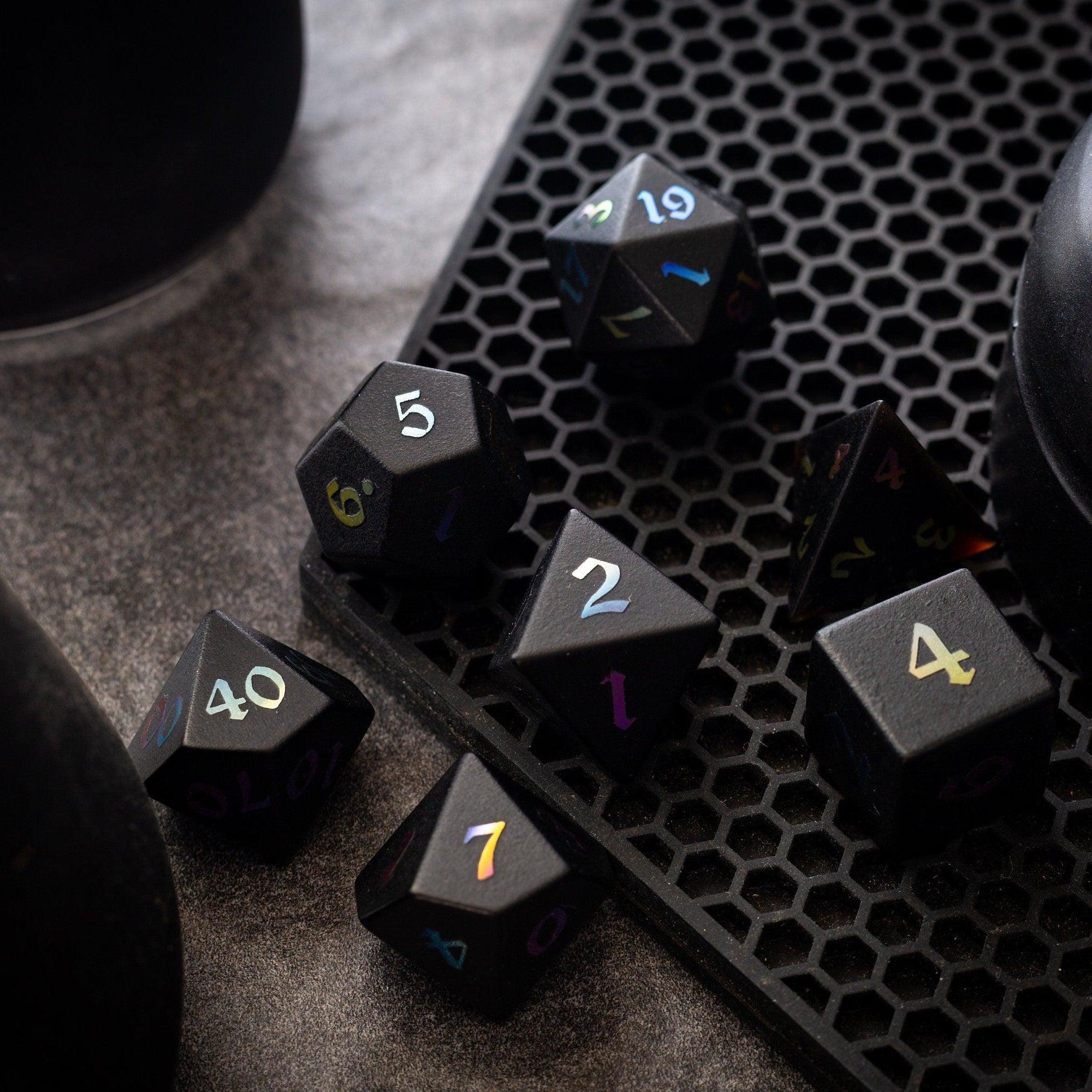
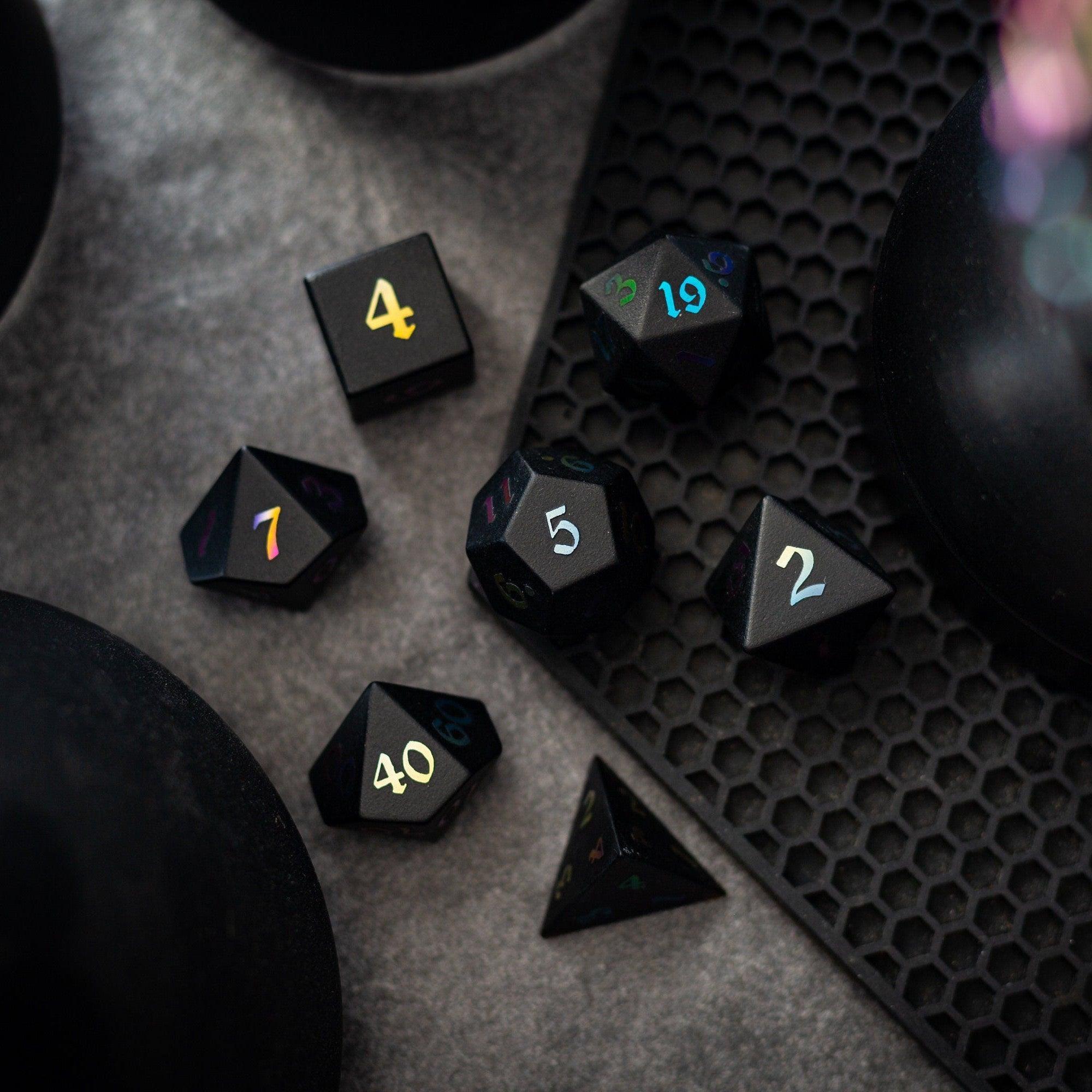
Fact: Contrast-inked numerals, matte faces, and clean edge bevels improve legibility, even in low light. -
Myth: Premium dice are high-maintenance.
Fact: Routine care is simple: roll on soft surfaces, keep the die dry, store in a pouch or box, and wipe occasionally with a microfiber cloth. -
Myth: One die works for every scenario.
Fact: It’s smart to have a primary daily roller and a couple of specialty companions for advantage/disadvantage or spotlight moments.
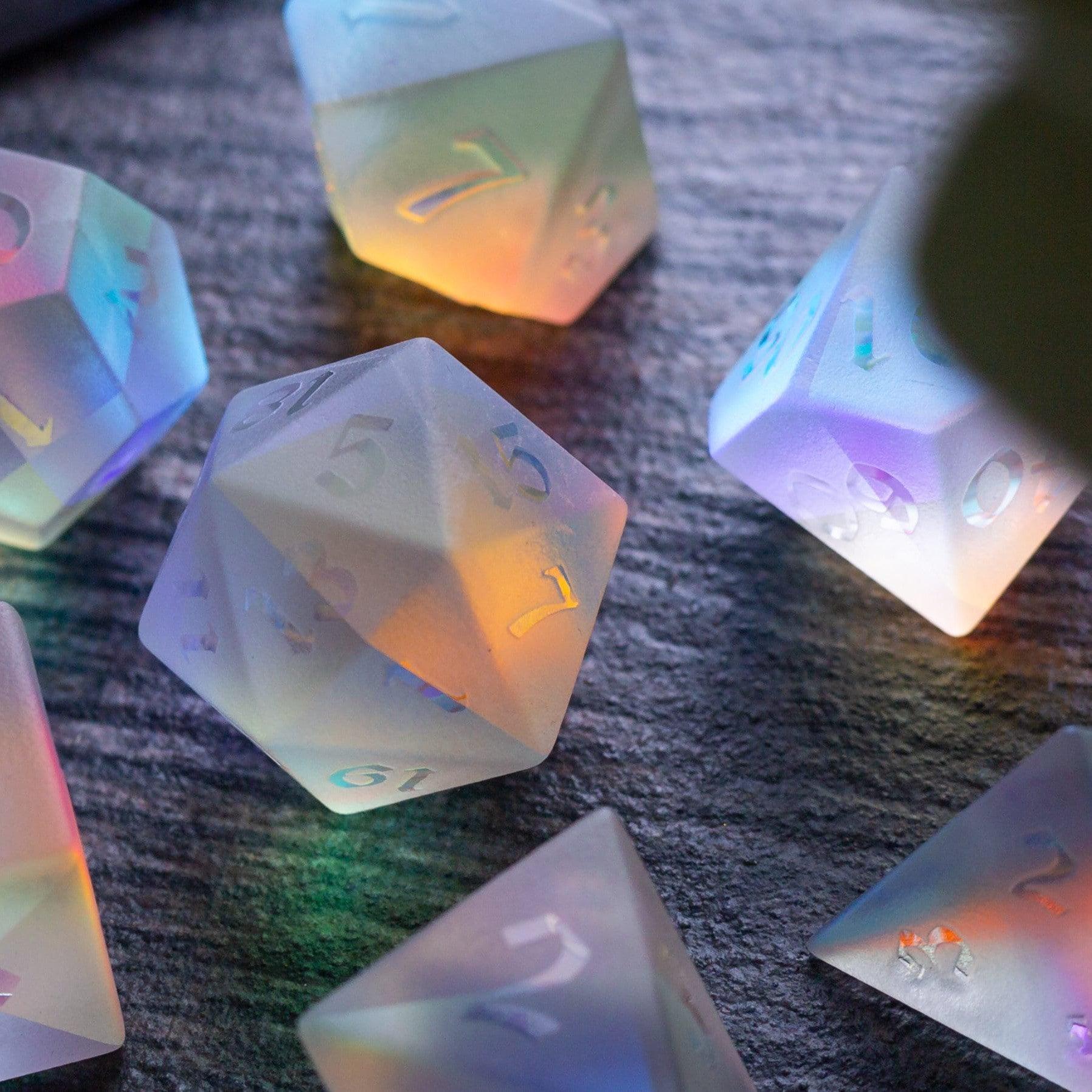
If you love standout aesthetics alongside functional clarity, natural-stone twenty-siders offer a unique table presence while staying practical. Explore more statement pieces in the gemstone collection and build a versatile kit that covers every encounter.
Step-by-Step Guide
- Define your goals. Decide what you want most: heft, legibility, table presence, or all three. This keeps you focused while shopping.
- Pick a finish that fits your setup. Matte and brushed finishes hide fingerprints; polished or plated looks pop under light. Ensure the numeral color contrasts with the faces.
- Check size and edge style. Standard twenty-siders feel familiar; oversized dice amplify presence but need more roll space. Sharper edges enhance clarity and reduce skid on mats.
- Plan for a rolling surface. Use a felt-lined tray, playmat, or tower to protect tables and channel the roll. Towers also help when space is tight.
- Test your grip and throw. Practice a consistent, gentle toss that crosses your surface. You’re looking for multiple tumbles and a clean stop, not force.
- Maintain your die. Keep it dry, avoid dropping onto hard floors, and store separately to prevent cosmetic scuffs. A soft pouch or lined box is ideal.
- Build a small rotation. Pair your main roller with one or two specialty dice for advantage/disadvantage or dramatic moments. A different material can serve as a clear visual cue for special checks.
- Make it yours. Match finishes to your character theme or campaign tone to create a ritual you look forward to each session.

When you’re ready to pick the centerpieces for your kit, compare finishes, numbering styles, and weights side by side in the Metal Dice Collection. Scan photos for numeral contrast, then read product details for size and edge profiles. If you enjoy having a visually distinct “crit die” for dramatic reveals, complement your main roller with a glass or resin showpiece that catches the light—sets like these become instant table talkers.
Summary & Key Takeaways
- A denser twenty-sider offers controlled tumbles, crisp legibility, and lasting durability that keeps your game flowing.
- Protect surfaces with a tray, mat, or tower to preserve both the table and the die’s finish.
- Choose contrast-inked numerals and a finish that matches your environment for easy reading.
- Maintain with simple care: gentle rolls, soft storage, wipe clean—no special tools required.
- Build a small rotation for advantage rolls or special moments, and pick one centerpiece that expresses your style.
Want a quick start? Browse the latest arrivals for standout centerpieces in the Metal Dice Collection or explore a vivid companion like the shimmering liquid core dice. If you’re drawn to natural textures, consider an elegant stone option such as the amethyst set to pair with your daily roller.
Frequently Asked Questions
Are premium twenty-siders balanced?
Yes. Quality design focuses on uniform geometry and consistent mass distribution, the core factors behind fair results. Reputable makers machine or mold with tight tolerances and use defined edge profiles to reduce skid. This is as important for metal D20 dice as it is for any material: shape and consistency are what drive randomness.
Will a heavy D20 damage tables?
Not if you roll responsibly. Use a felt tray, playmat, or dice tower to absorb impact and prevent scuffs. Avoid rolling on bare glass, soft wood, or stone surfaces. A controlled toss across a padded area keeps both your furniture and your die in great condition.
Which dice materials fit different playstyles?
If you prefer a firm, planted roll with bold numerals, a dense twenty-sider is a great daily driver. If you want visual flair for special moments, pair it with a striking companion: a liquid-core for shimmer, a gemstone for natural depth, or a glass look for crisp translucence. You can mix materials without losing consistency by reserving specialty dice for advantage/disadvantage or roleplay highlights.



Leave a comment
This site is protected by hCaptcha and the hCaptcha Privacy Policy and Terms of Service apply.