

Tabletop Dice Collection Curate the Perfect Polyhedral Set
Updated on: 2026-01-05
Ready to grow a thoughtful tabletop dice collection that feels personal, playable, and proudly display-worthy? In this guide, you’ll learn how to avoid common pitfalls, compare materials, and shop smarter without losing the fun of the hunt. We’ll cover balance, readability, storage, and styling so you can curate sets that roll well and look amazing. You’ll also find quick tips and answers to frequent questions to help you choose the right sets for your table and your style.

Dice aren’t just game tools—they’re tiny works of art that spark stories at the table. Whether you love glittering liquid cores, cool-to-the-touch gemstones, or a timeless resin set, building a meaningful assortment is about more than buying whatever’s trending. It’s about choosing pieces that fit your playstyle, your character roster, and the surfaces you roll on. In the next sections, I’ll show you how to avoid buyer’s remorse, weigh the trade-offs of different materials, and pick sets you’ll reach for again and again.
Common Mistakes to Avoid
- Buying only on impulse. New drops are exciting, but a quick “add to cart” can lead to overlap in colors or themes. Give yourself a 24-hour pause, then decide if the set fills a gap in your lineup.
- Ignoring readability. High-contrast numbering matters. Low-contrast inks, micro-glitter overload, or highly reflective glass can make numbers hard to read in dim light.
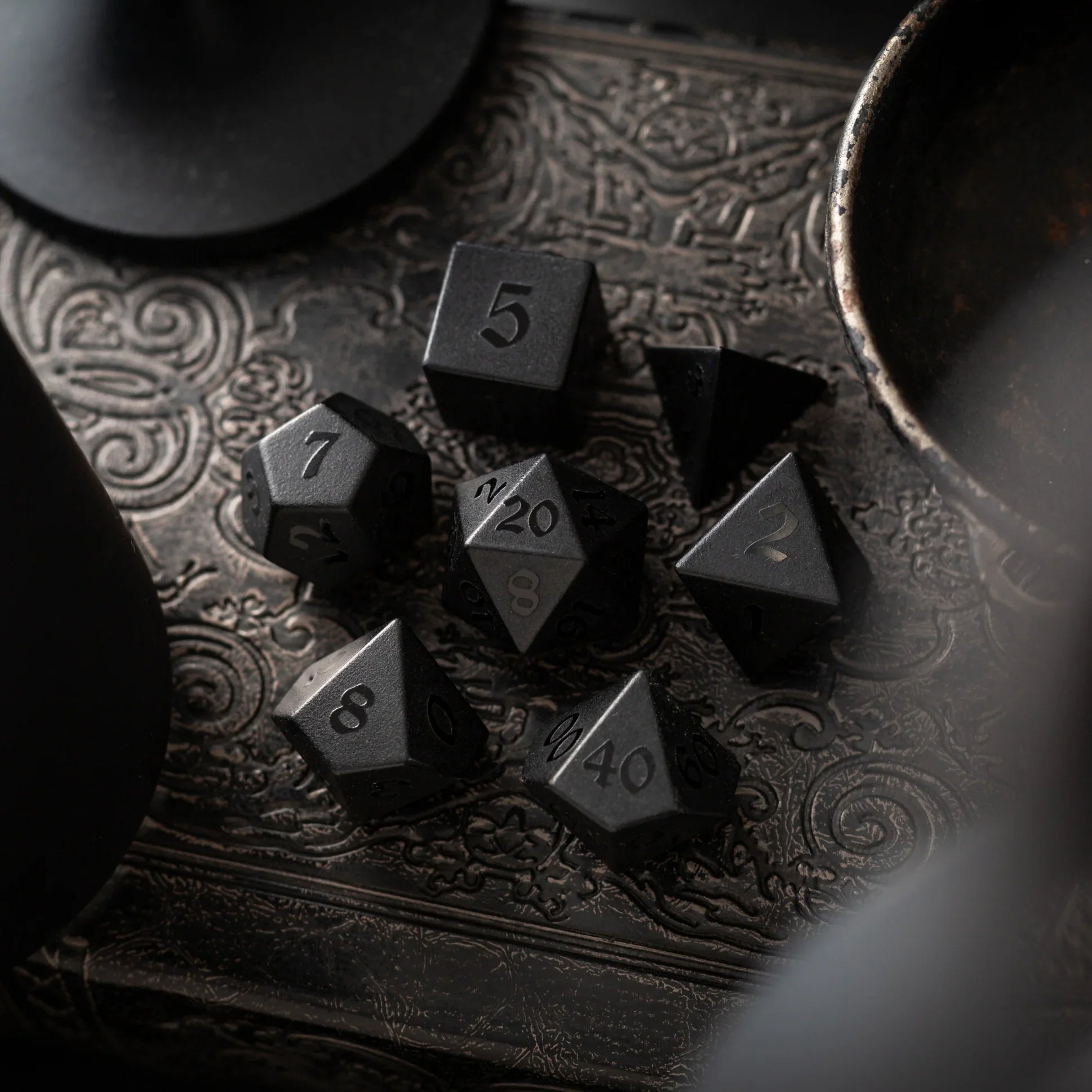
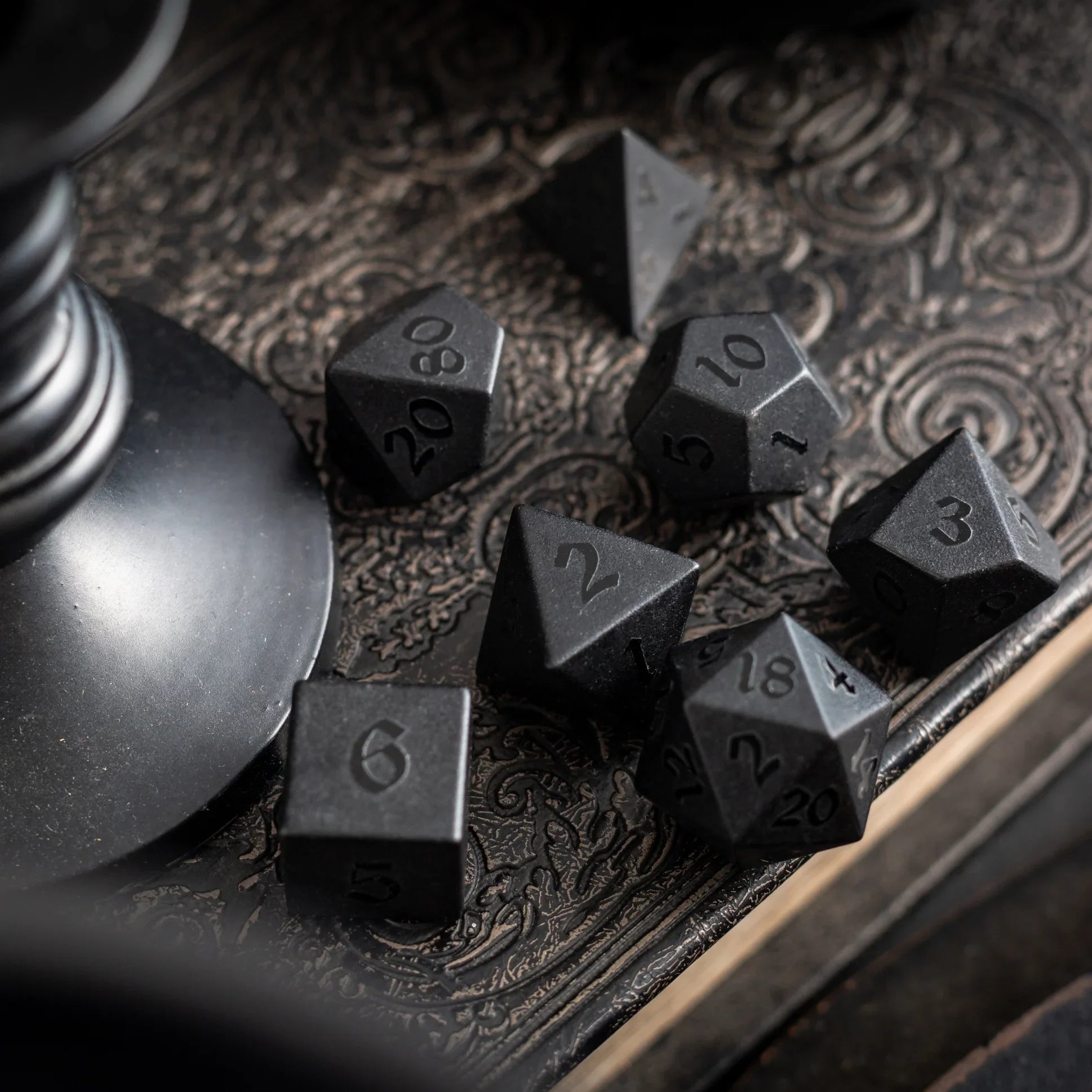
- Overlooking table safety. Sharp-edged or heavy metal dice can scratch wood or chip on hard surfaces. Always pair them with a padded tray or mat.
- Chasing every trend. Liquid cores, inclusions, and foils are dazzling, but too many niche pieces can crowd out everyday workhorses. Balance showpieces with reliable daily rollers.
- Not planning a theme. A loose theme—like “gemstone glow,” “stormy swirls,” or “forest and earth”—helps you curate instead of hoard.
- Skipping storage. Tossing sets into a bag can lead to scuffs or chipped edges. Use padded cases, segmented trays, or display boxes to keep your favorites pristine.
- Forgetting your playstyle. If you play spellcasters, extra d6s or d8s are handy. If you DM, legible, no-fuss sets beat anything overly flashy.
- Disregarding weight and feel. A chunky “chonk” d20 feels epic but can roll off small trays. Try a mid-weight option if your space is limited.
- Not checking edge quality. Ultra-sharp edges can be precise and pretty, but rough or uneven edges can snag bags or scratch surfaces.
- Mixing materials without a plan. You can absolutely mix resin, metal, and gemstones, but tailor your rolling surface to the heaviest set you own.
Pros & Cons Analysis
Resin
- Pros: Wide range of styles and colors; budget-friendly; lightweight; gentle on trays; great for daily play.
- Cons: Cheaper resin can show mold lines or bubbles; extreme heat can warp; low-contrast ink fills reduce legibility.
Sharp-Edge Resin
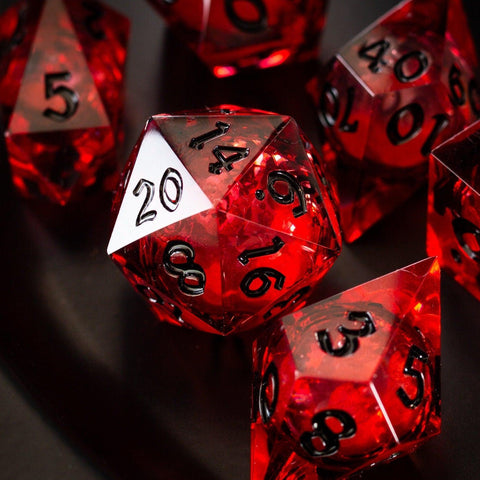
- Pros: Crisp faces; clean, precise look; often prized for collectability and photographic appeal.
- Cons: Prone to chipping if tossed loosely; needs padded storage; edges may scuff soft wood without a mat.
Metal
- Pros: Heft feels satisfying; durable; great table presence; often very readable.
- Cons: Can dent or scratch surfaces; loud on hard trays; heavier sets may damage thin dice towers.
Glass and Crystal
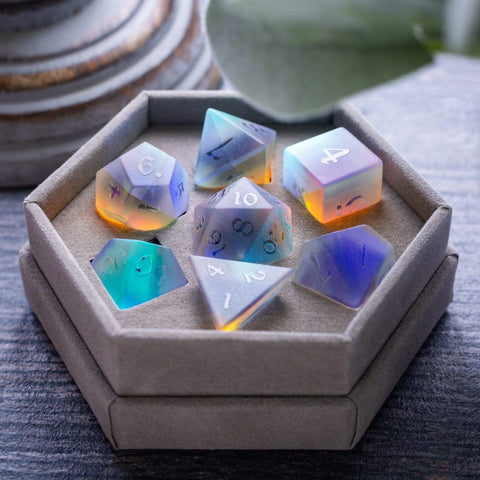
- Pros: Luminous sparkle; premium look; holds crisp facets; incredible shelf appeal.
- Cons: Needs gentle handling; can chip on hard or uneven surfaces; reflections can reduce number visibility.
Gemstone
- Pros: Natural beauty and depth; cool hand feel; durable with proper care; showcase pieces that elevate any lineup.
- Cons: Heavier than resin; can chip if dropped; requires padded rolling and storage; typically higher price point.
Liquid Core
- Pros: Mesmerizing motion; eye-catching centerpiece; social “wow” factor at the table.
- Cons: Slightly more delicate; extreme temperature swings aren’t ideal; some designs can be tougher to read.
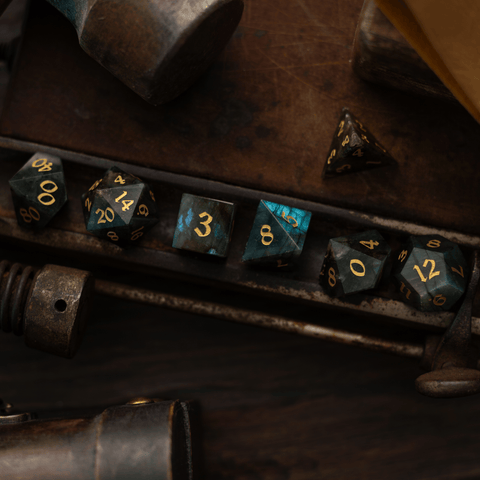
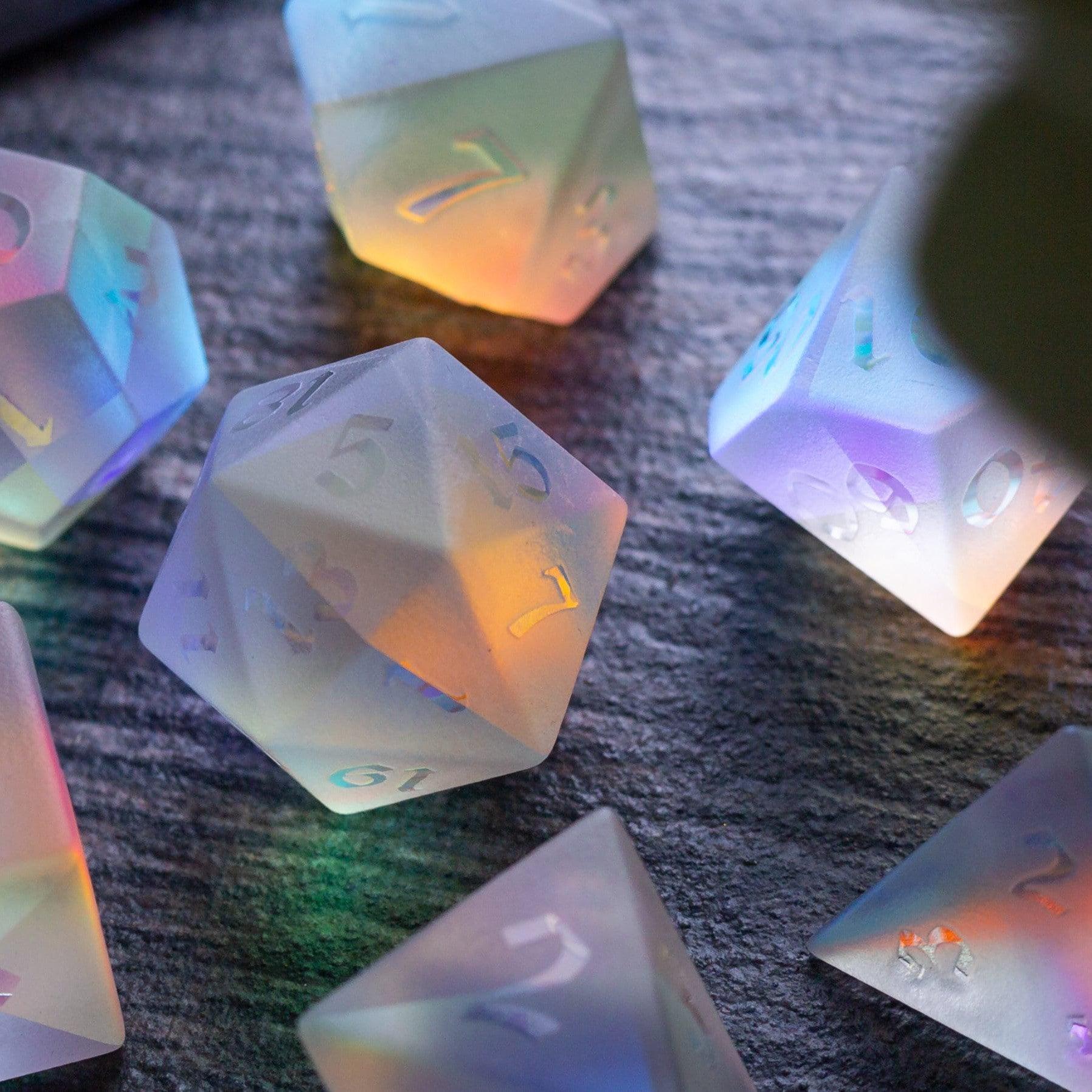
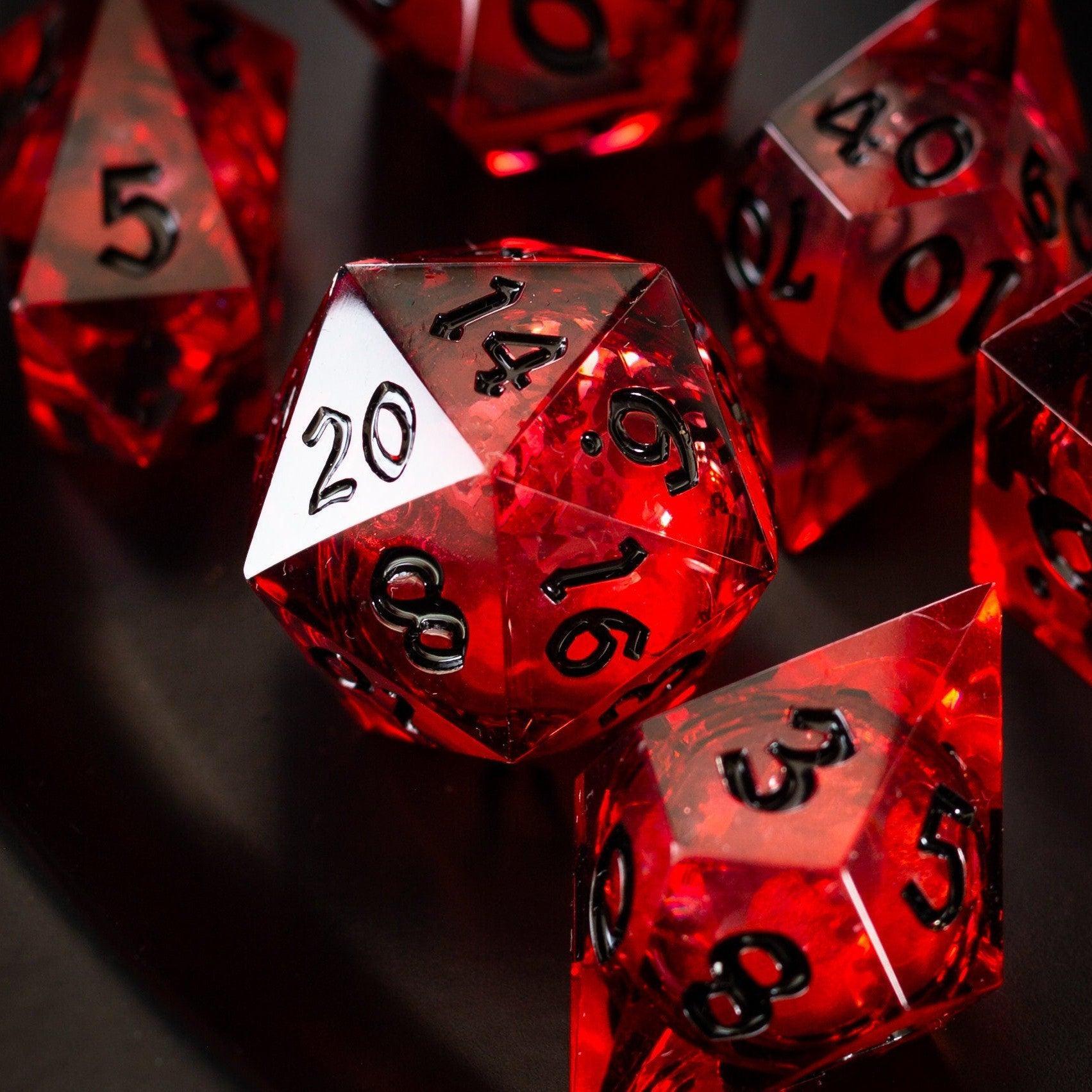
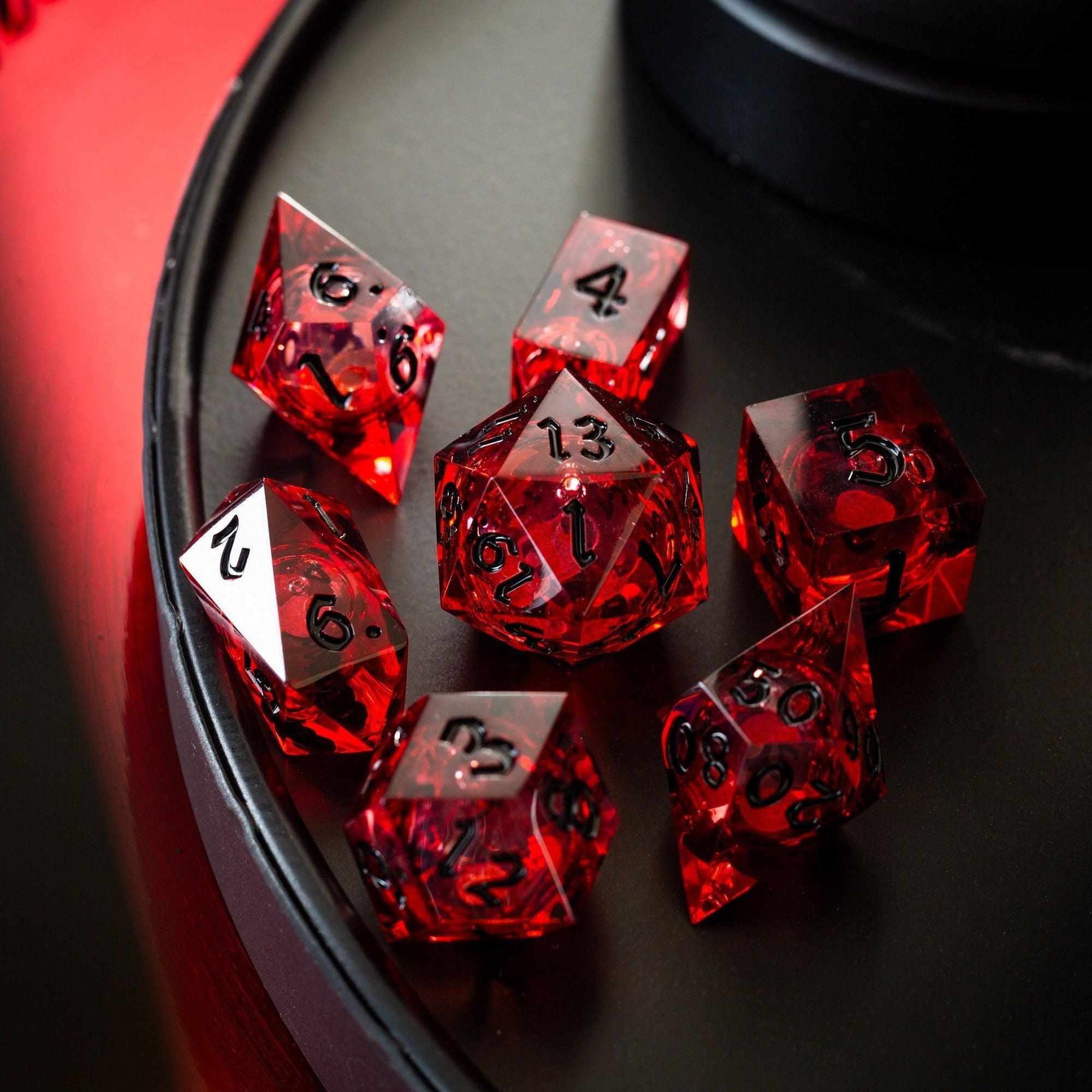
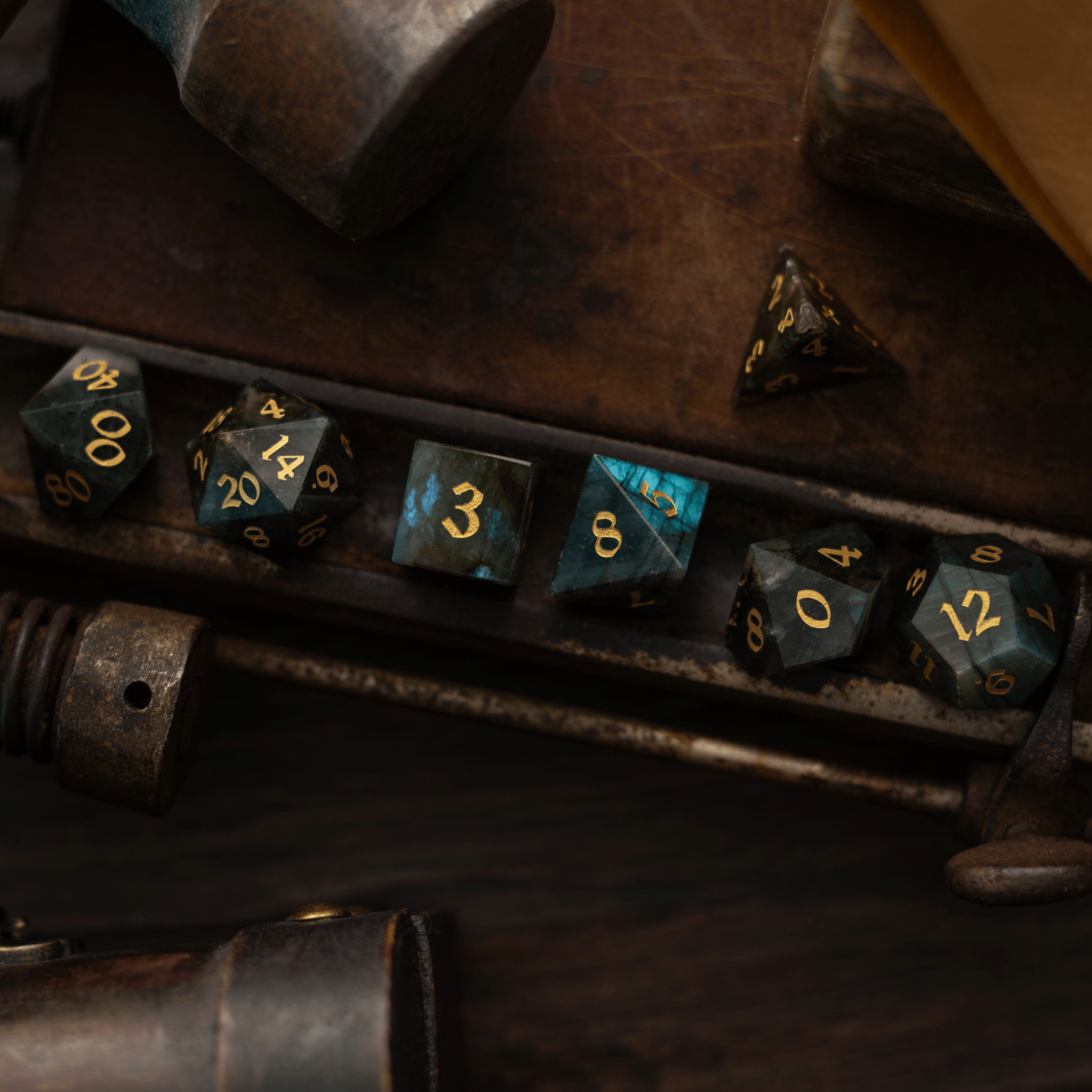
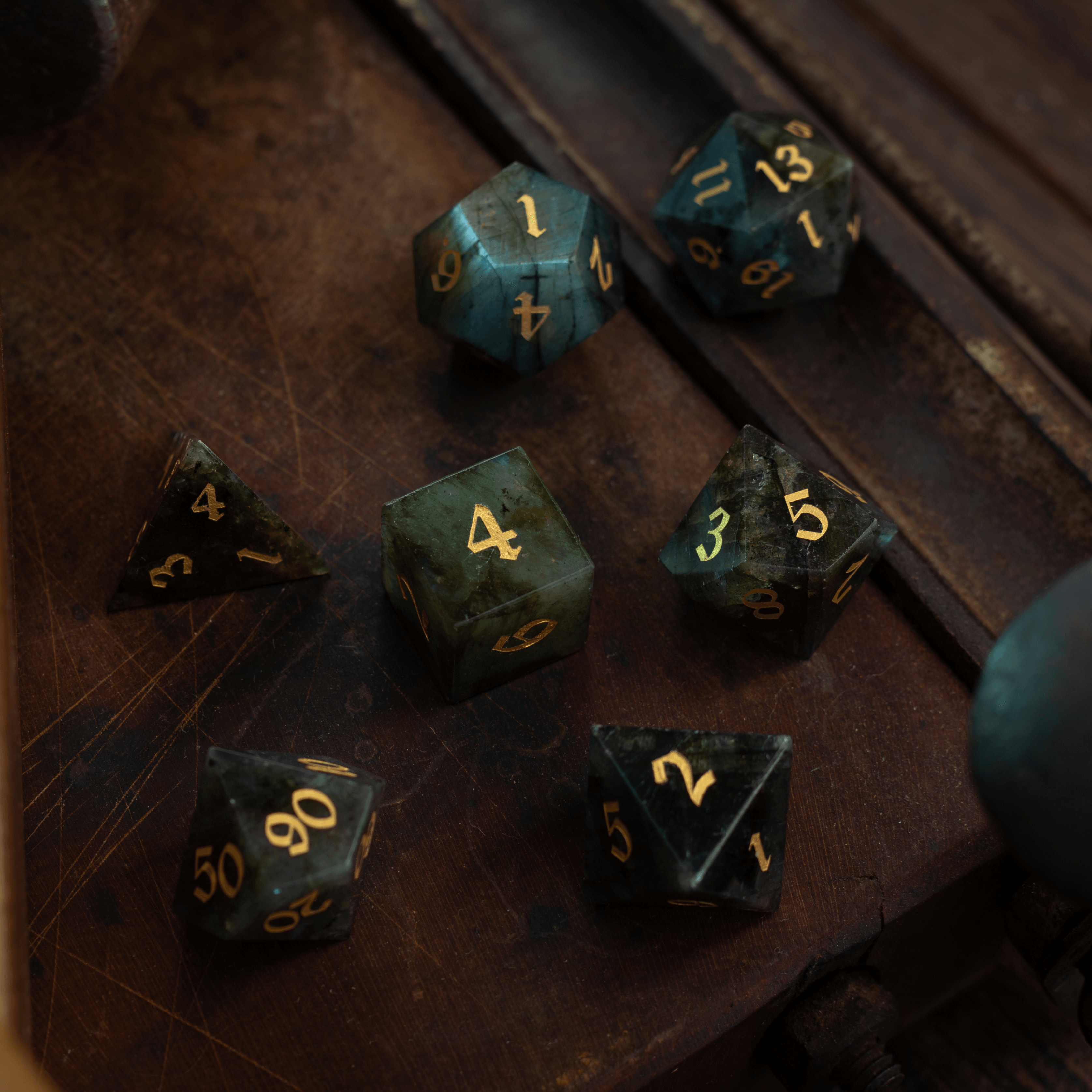
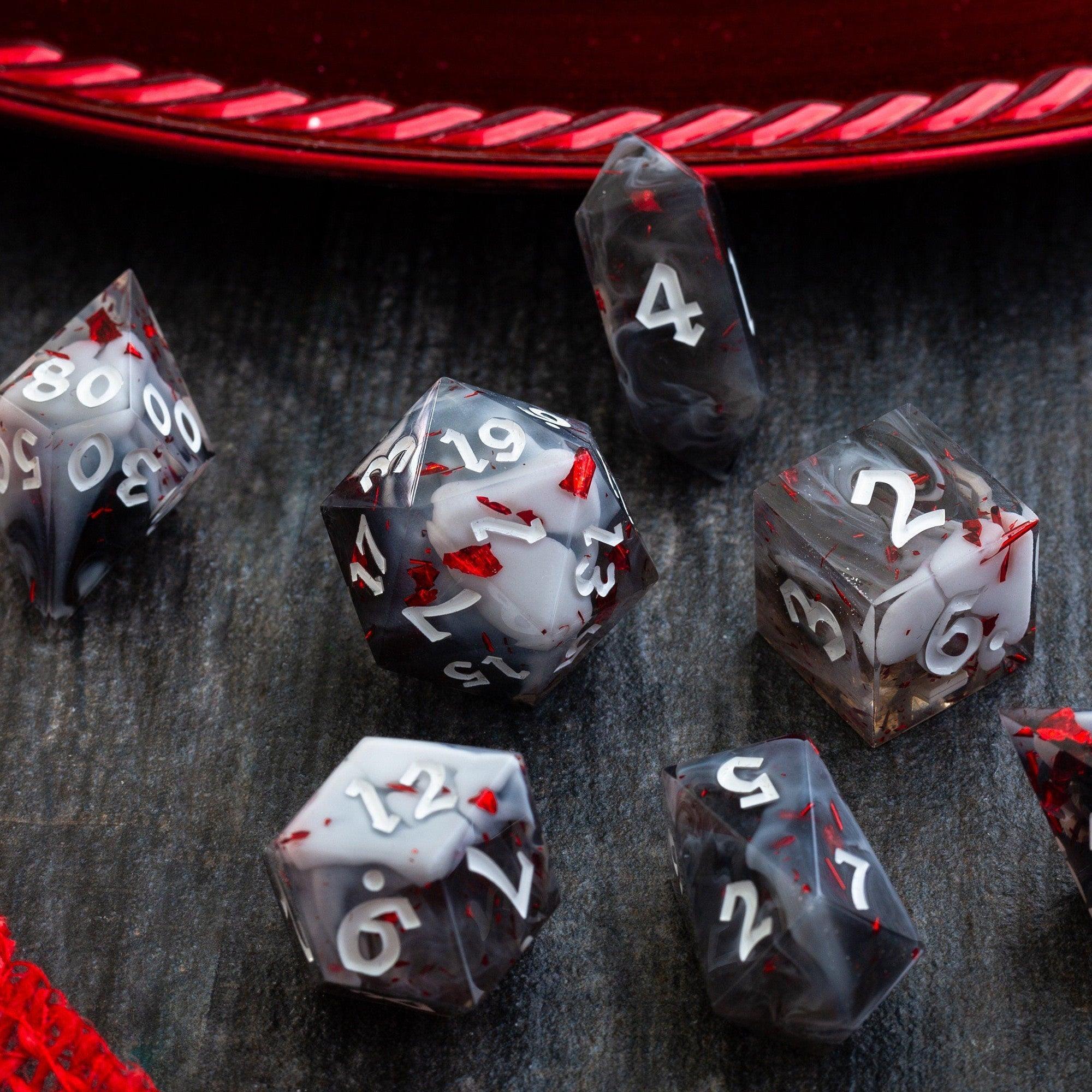
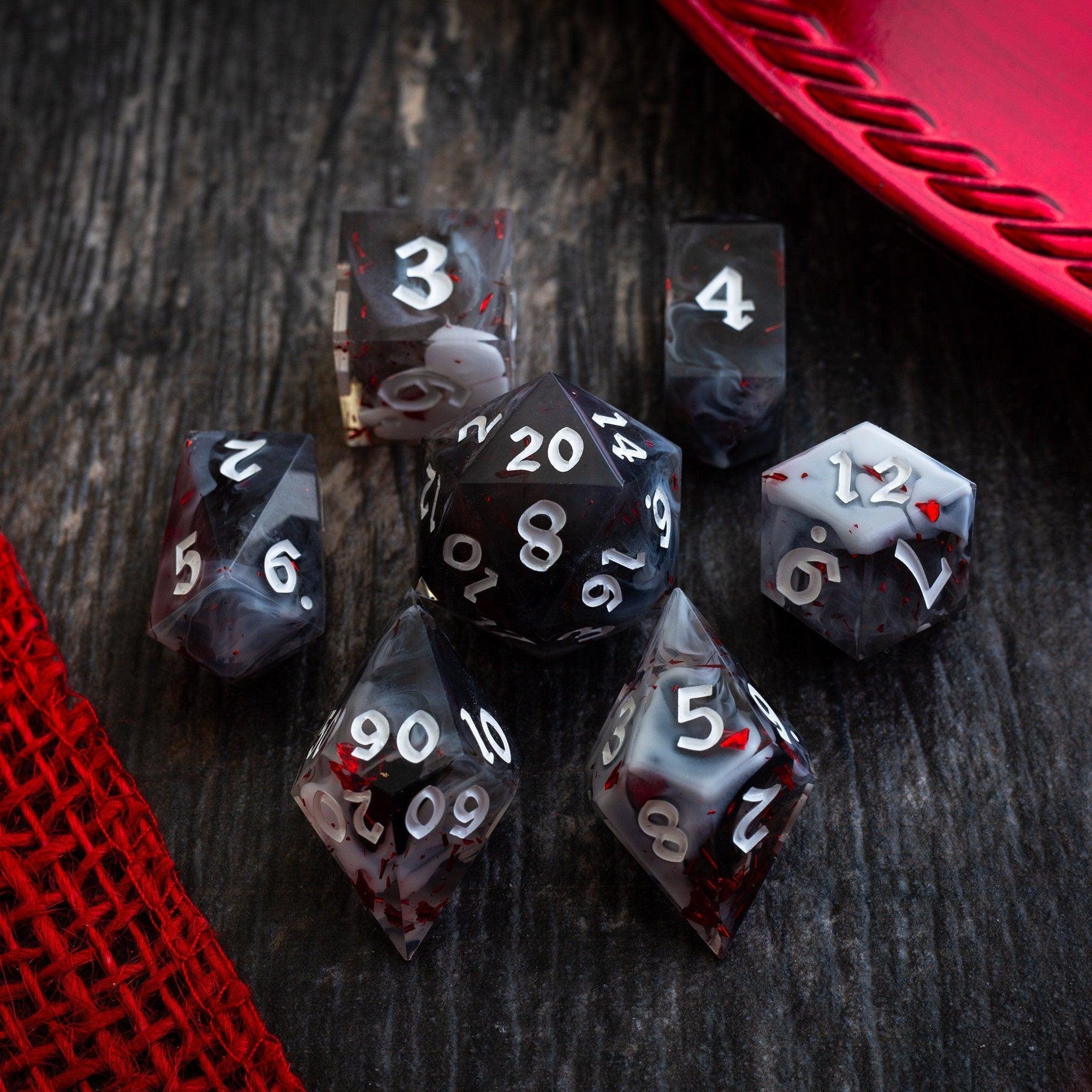
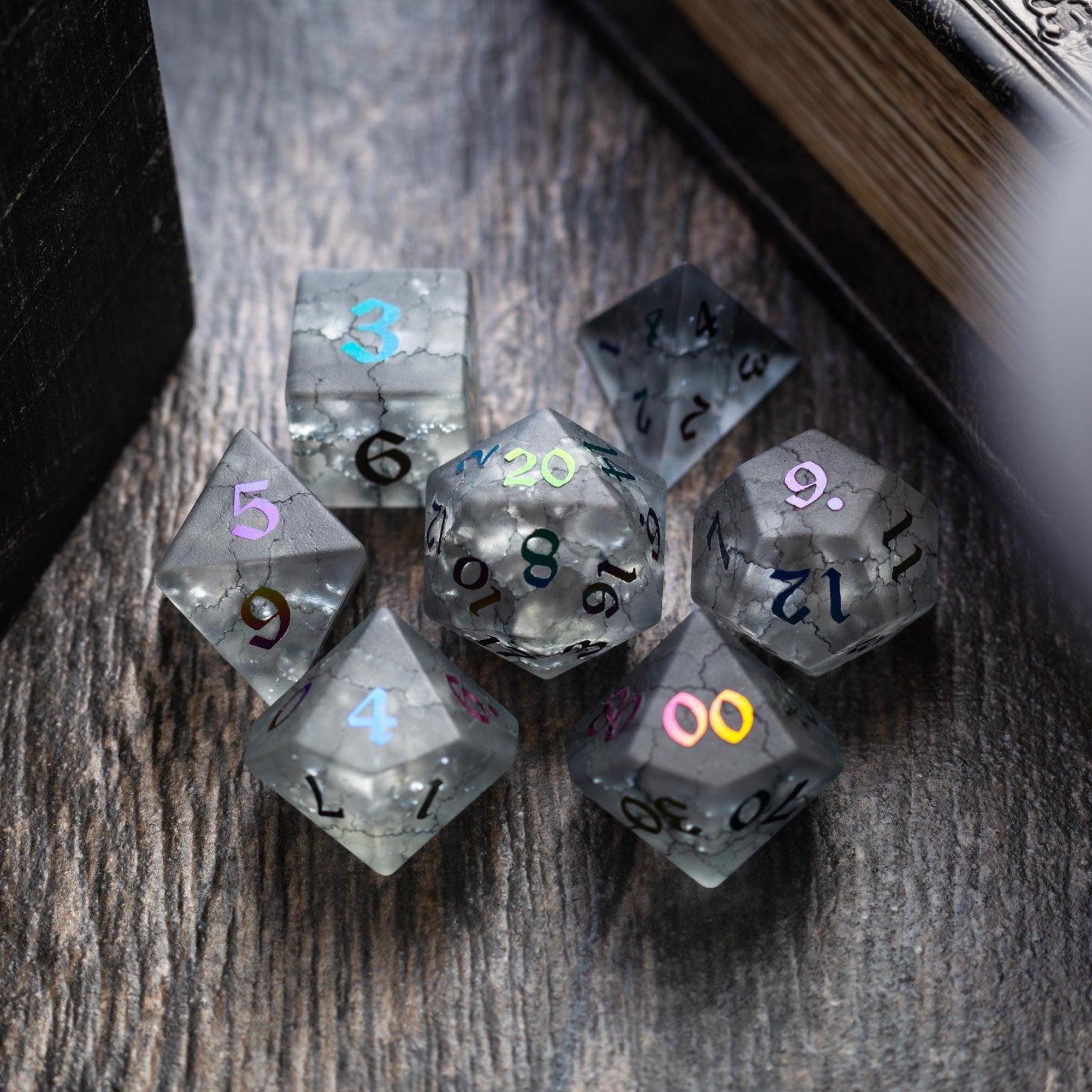
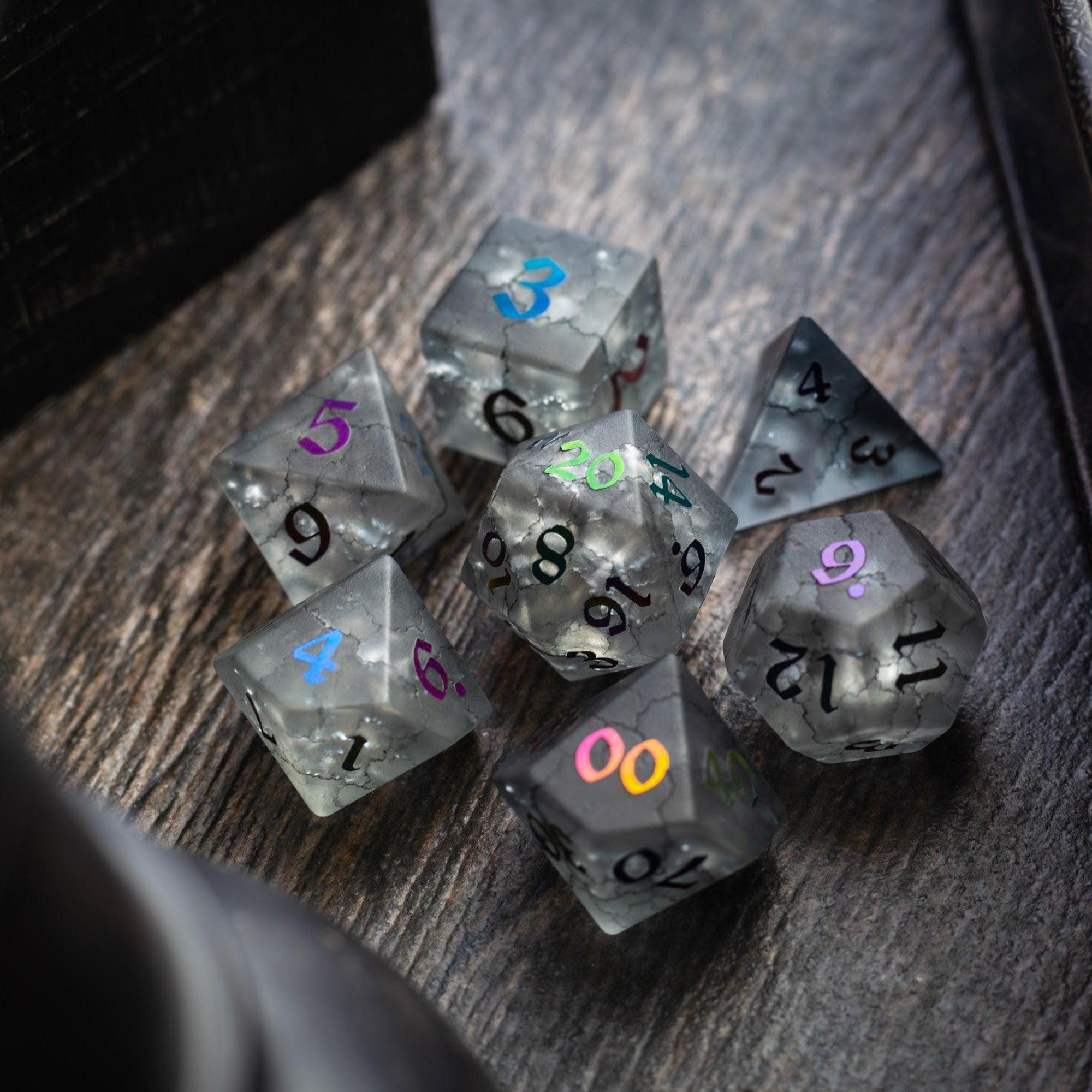
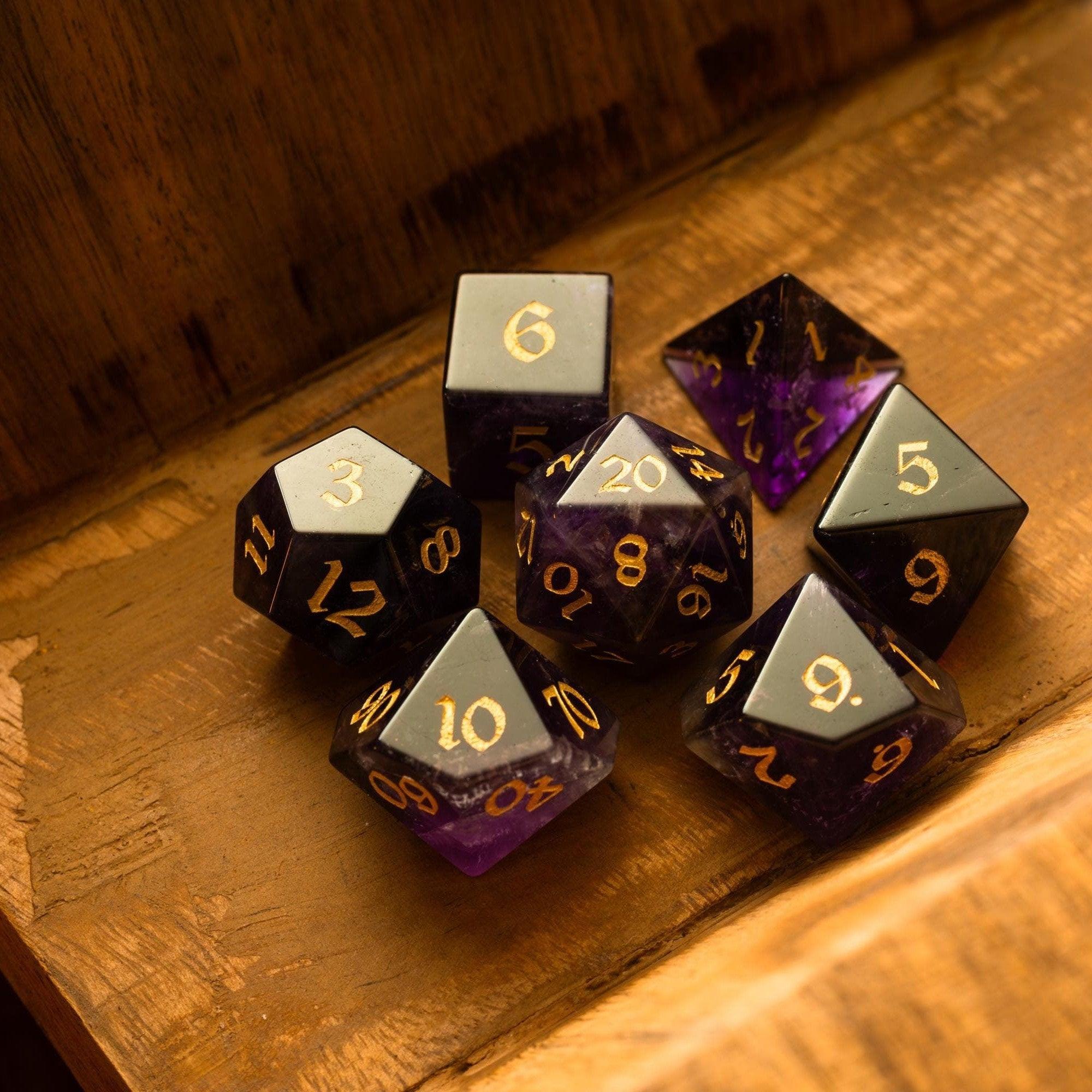
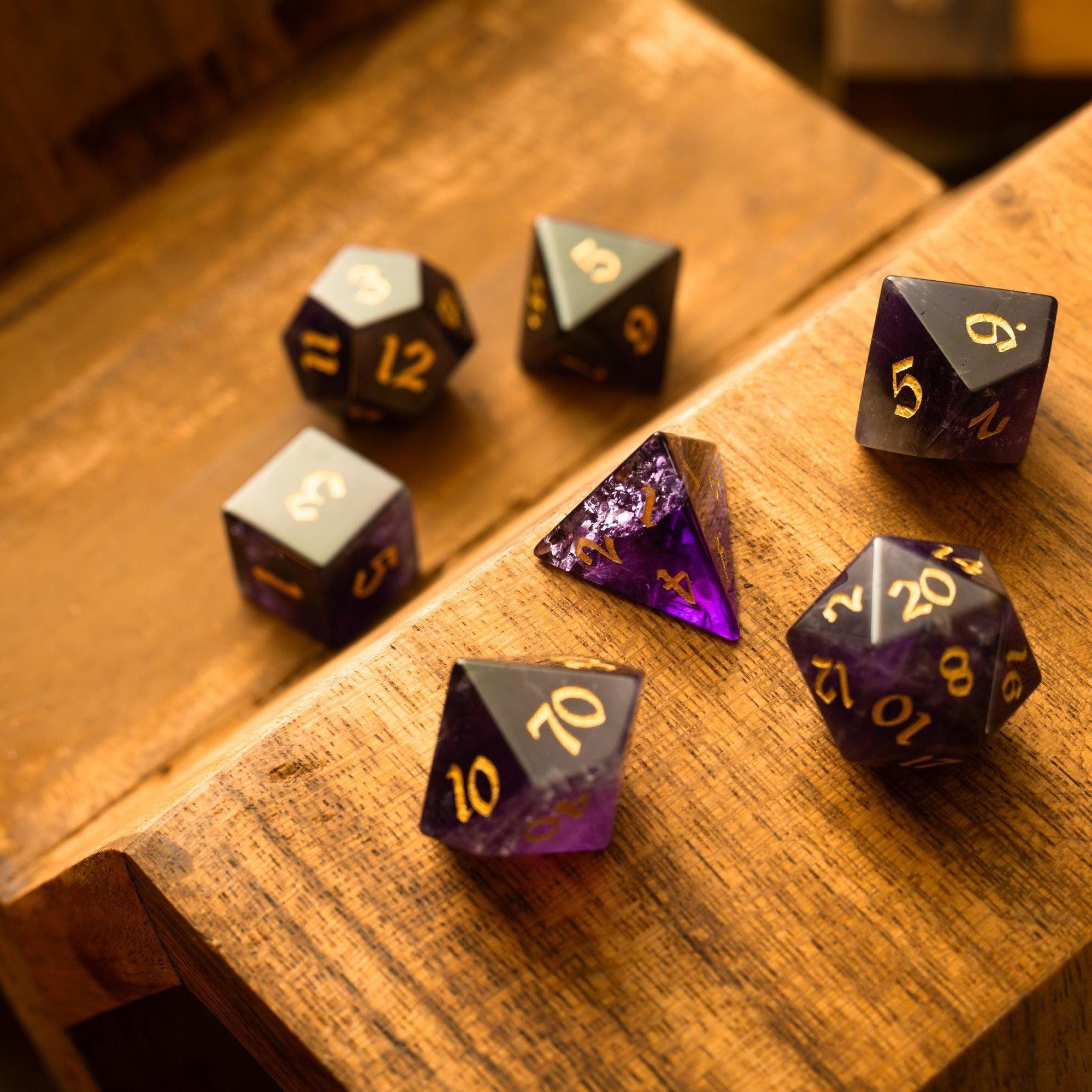
If you’re leaning into natural stones, browse curated options like Gemstone dice to compare finishes and numbering. Love kinetic sparkle? Explore Liquid core sets and choose high-contrast fonts for game-night legibility. For a premium centerpiece with a cohesive theme, consider statement pieces such as a Labradorite set; then round out your lineup with durable everyday rollers.

Quick Tips
- Set a theme. Pick two or three color families or motifs (astral, arcane, nature, infernal) and filter purchases through that lens.
- Balance show and go. For each display stunner, add a reliable daily driver with bold, readable numbers.
- Prioritize contrast. Choose ink colors that pop against the base—white on dark, black on pearl, or metallic ink on matte.
- Mind the surface. Roll heavy or sharp sets on a padded mat or tray to protect edges and tables.
- Audit quarterly. Reassess what you actually use. Rotate a few sets out, and keep a “session kit” ready to grab.
- Test balance simply. The salt-water float test or a large number of trial rolls can flag unusual bias without special tools.
- Label cases. Use small labels to track size, material, and theme so you can pack for game night fast.
- Create a signature set. Pick one go-to d20 that anchors your vibe, then coordinate accent sets around it.
- Plan storage first. Buy a tray or case before a big haul so new sets have a safe home on day one.
- Think campaign needs. If your group loves treasure tables or fireballs, keep extra d6s and percentile dice handy.
Wrap-Up & Key Insights: Building Your Tabletop Dice Collection
Curating dice is part art, part practicality. The secret is to blend everyday usability—contrast, comfort, and table safety—with a few showpieces that make you smile every time you roll. Start with a style guide for yourself, choose one or two premium headliners, then add dependable sets that match your most-played characters and systems.
When you’re ready to refine your lineup, compare material families side by side and set a lightweight storage plan. If you want a wide-angle view of what’s available right now, browse Shop all collections to explore themes, finishes, and formats that fit your table. With a little intention, your tabletop dice collection becomes a cohesive, joy-sparking part of every session—one that looks great on display and performs when it counts.
Q&A
How many sets do I really need?
There’s no magic number. A practical baseline is three to five sets: one high-contrast daily driver, one thematic or character-forward set, one showpiece for special occasions, and a couple of backups with extra d6s or d10s for damage rolls and percentile checks. After that, grow slowly around themes you love—nature tones, deep-space glitters, or gemstone elegance—so your shelf stays curated rather than crowded.
Are sharp-edge dice safe for wooden tables?
They can be, as long as you use a protective surface. A felt-lined tray or neoprene mat keeps edges crisp and tables unmarked. Avoid rolling directly on soft woods or glass. If you like crisp edges and luminous materials, consider pairing them with a dedicated tray and a soft pouch for transport. This protects both the dice and the furniture, and it keeps edges from dulling over time.
What’s the best way to store and display my sets?
Think in layers: a travel case for weekly sessions, a display box or shadow shelf for home, and small pouches or sleeves for individual sets. Separate heavy from delicate pieces so metals and gemstones don’t knock resin corners. For an eye-catching shelf, group by theme or palette—cosmic, arcane, forest—so your display tells a visual story while keeping everything easy to grab for game night.
How do I check if a set is reasonably balanced?
Perfect balance is a high bar, but you can spot major issues with simple checks. Try a large batch of test rolls (100+ for a d20) and scan for outliers. Or use a gentle salt-water float test to see if a face consistently drifts up. Keep in mind that hand-poured and natural materials can vary slightly; most gamers prioritize readability and durability first, then retire any die that shows strong bias.


Leave a comment
This site is protected by hCaptcha and the hCaptcha Privacy Policy and Terms of Service apply.