Guide to Fantasy Race Options and Lineages for Campaigns
Updated on: 2026-01-05
Designing a memorable tabletop character feels rewarding when ancestry, heritage, and mechanics align with your story. This guide explains key concepts, offers practical tips, and highlights gentle ways to balance roleplay flavor with rules. You will find a simple checklist, common pitfalls to avoid, and answers to frequent questions. If you enjoy themed accessories, you will also see how a well-chosen dice set can support your character’s identity.
- Introduction
- Understanding fantasy race options and lineages
- Common Mistakes
- Buyer’s Checklist
- FAQ Section
- Wrap-Up & Final Thoughts

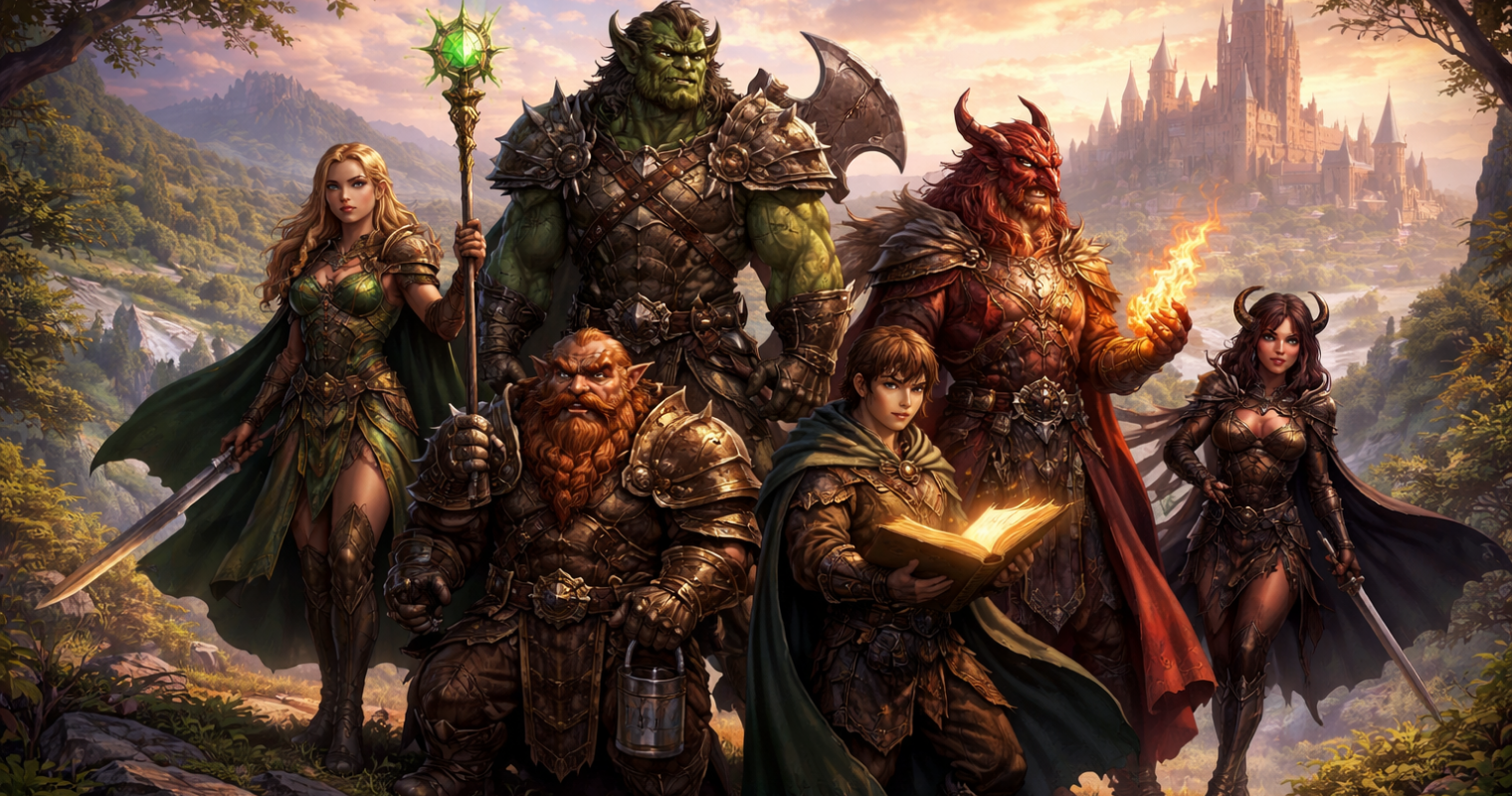
Many players enjoy building characters whose backgrounds and abilities feel coherent and inviting. Selecting fantasy race options and lineages early in the process can guide the rest of your choices, from class synergy to cultural details. It may also inspire the theme of your gear, your character voice, and even your dice. Whether you prefer high-heroic archetypes or grounded adventurers, a thoughtful approach can make your table time smoother and more fun for everyone. In the sections below, you will find concise suggestions, a friendly checklist, and a short FAQ to help you navigate ancestry, heritage, and mechanical traits with confidence and care.
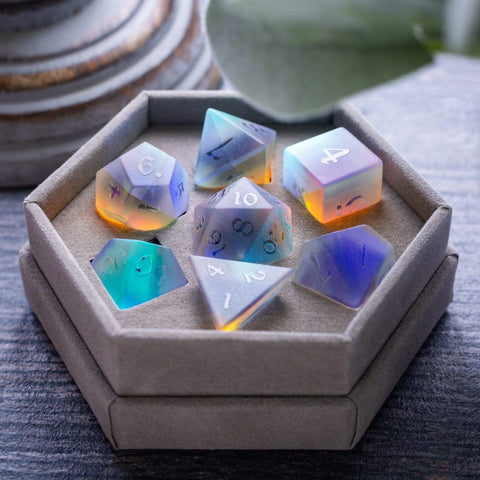
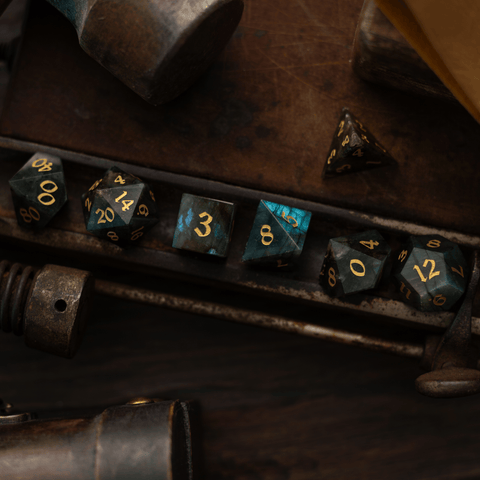
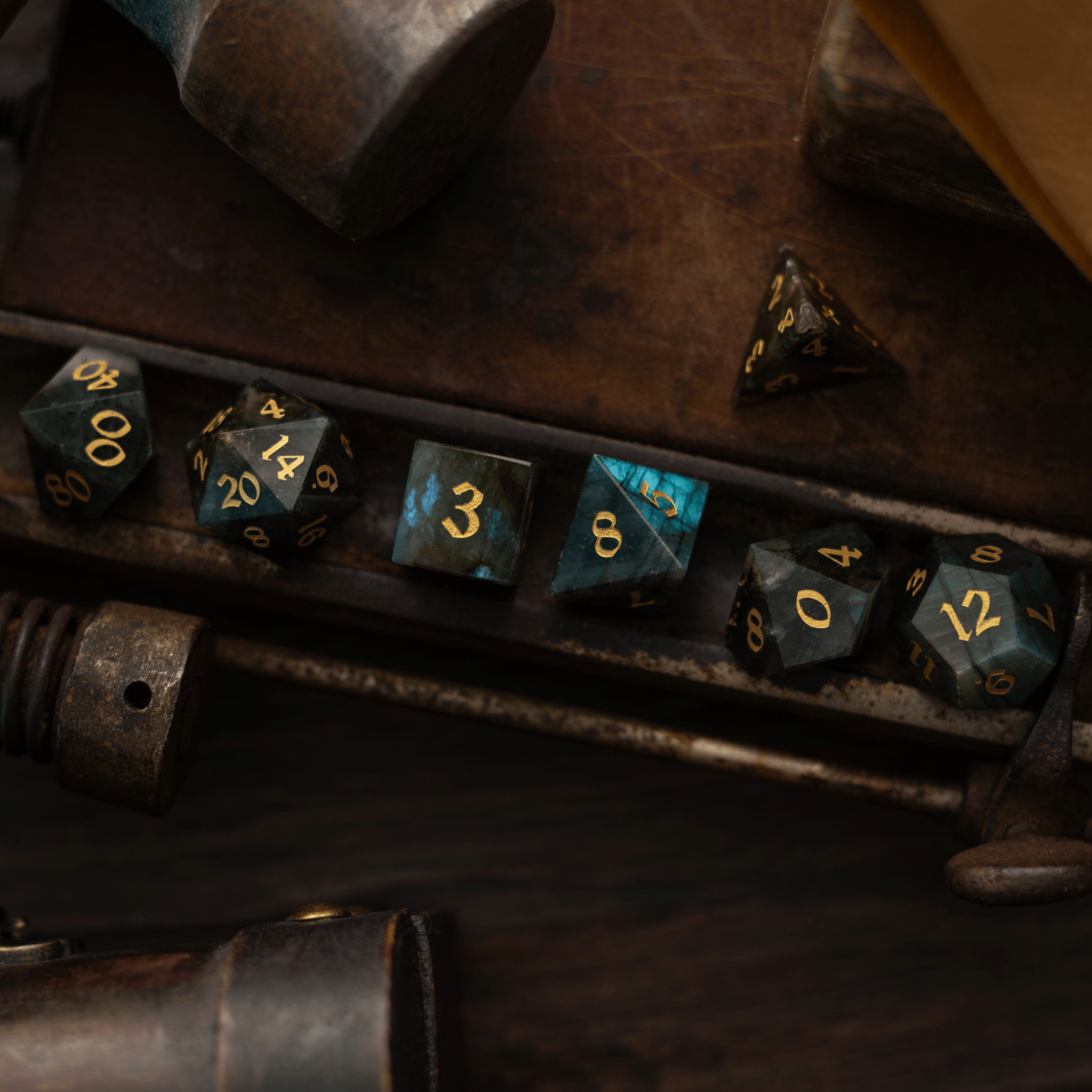
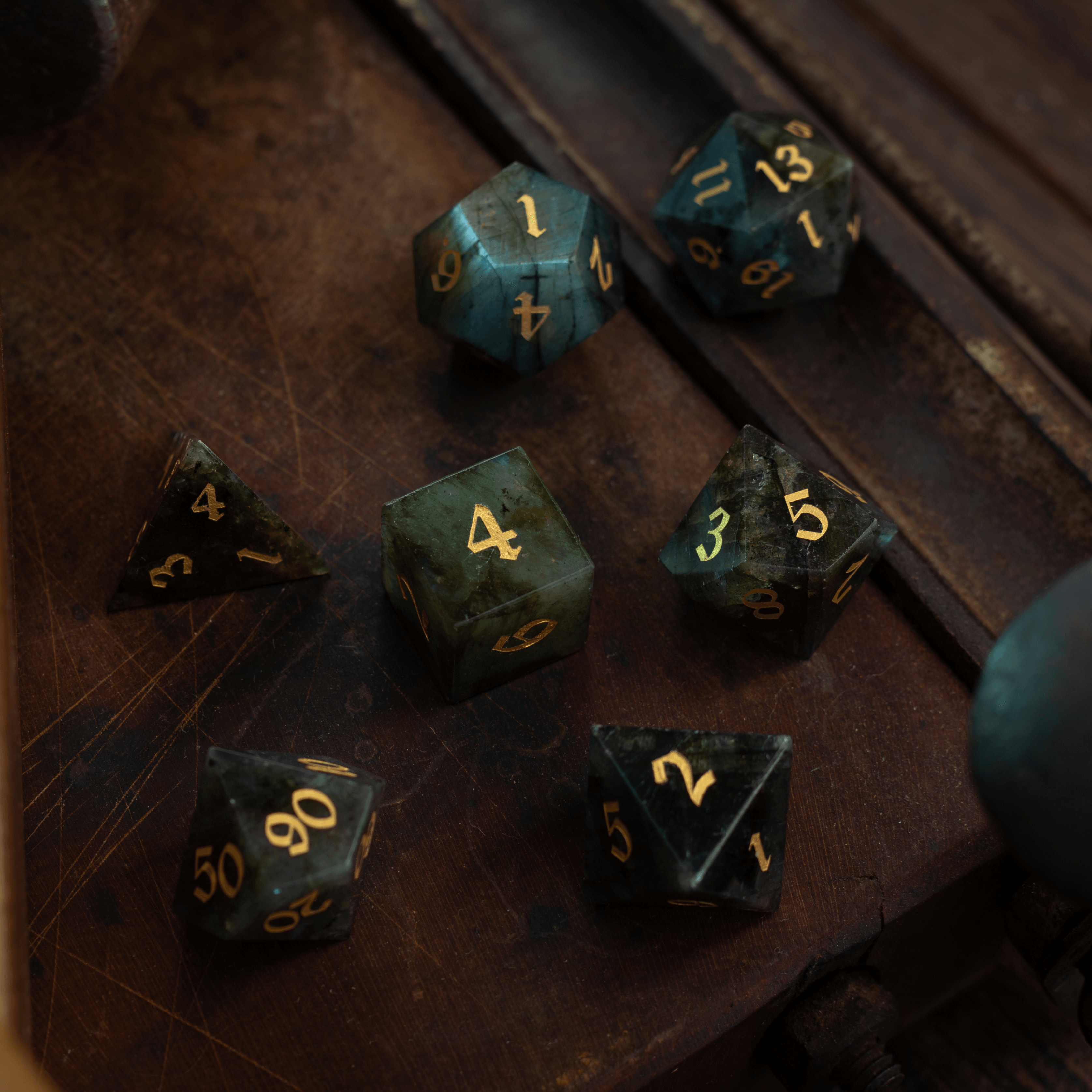
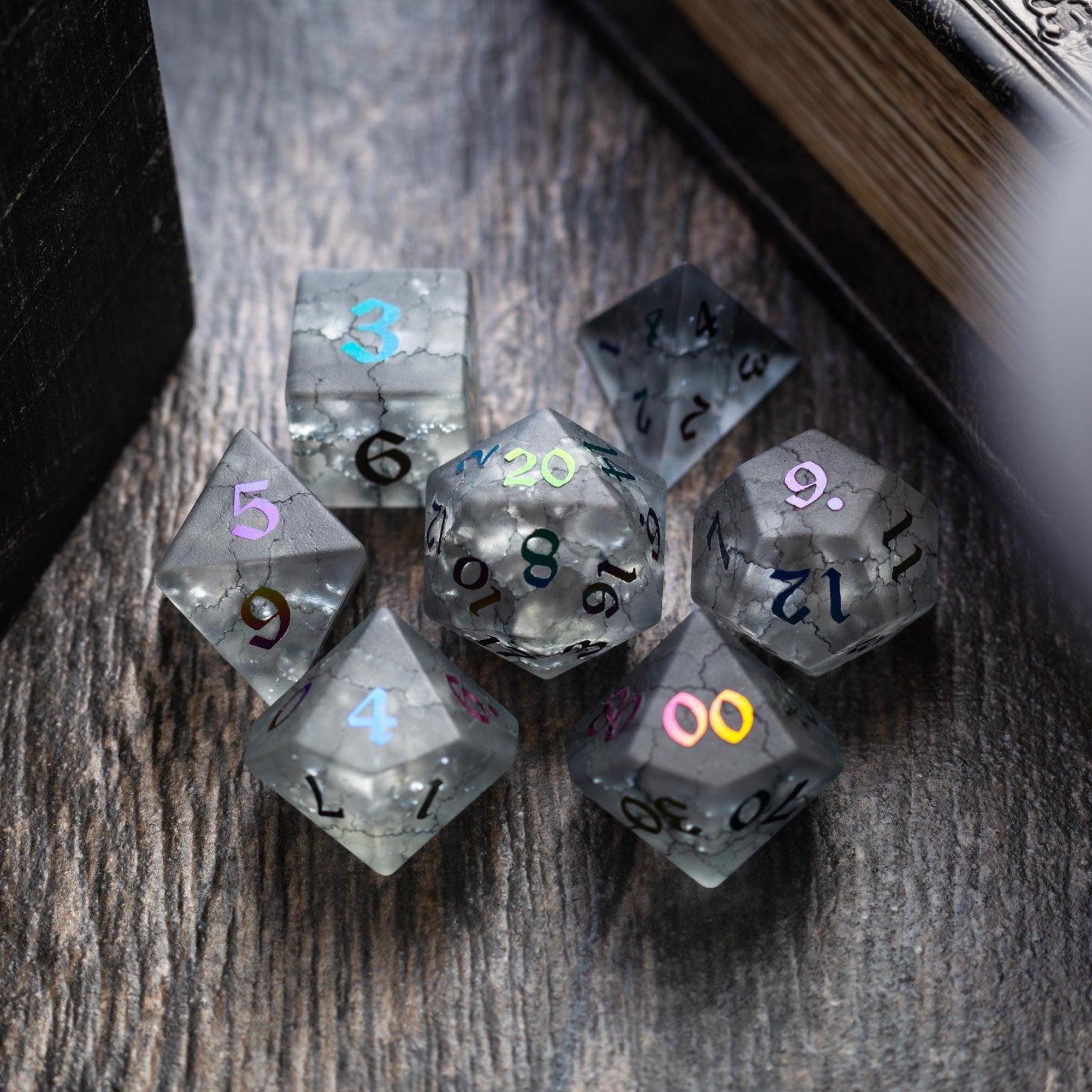
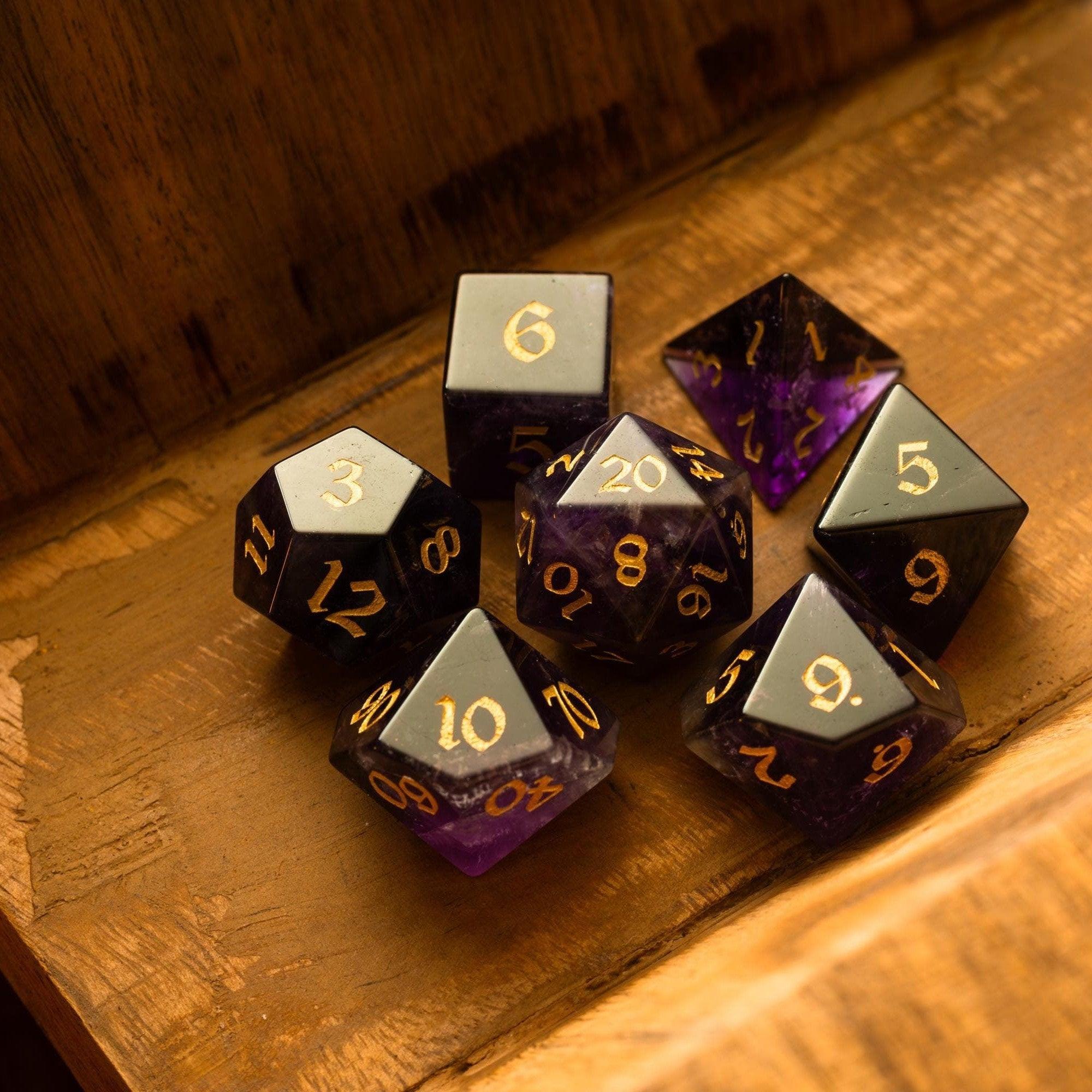
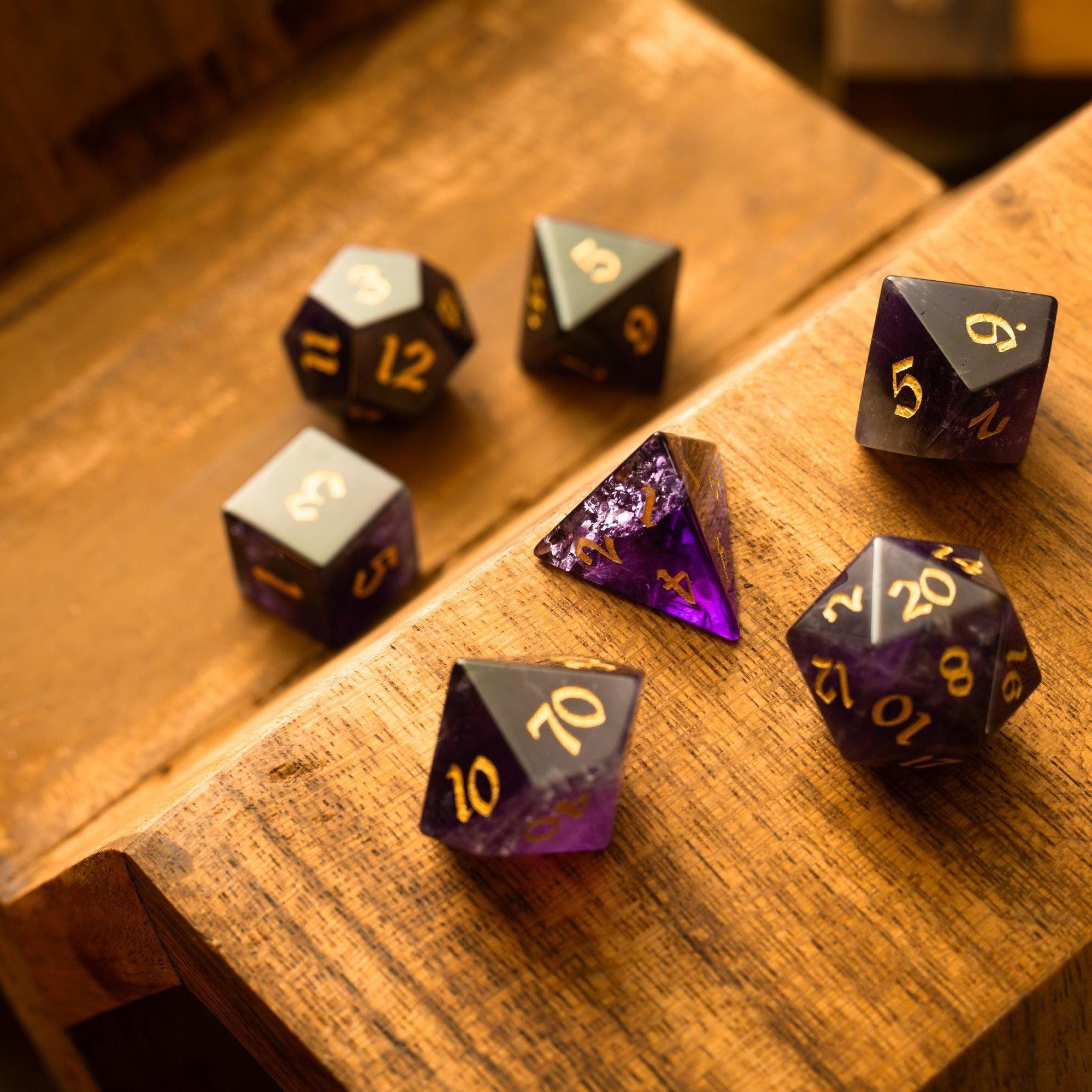
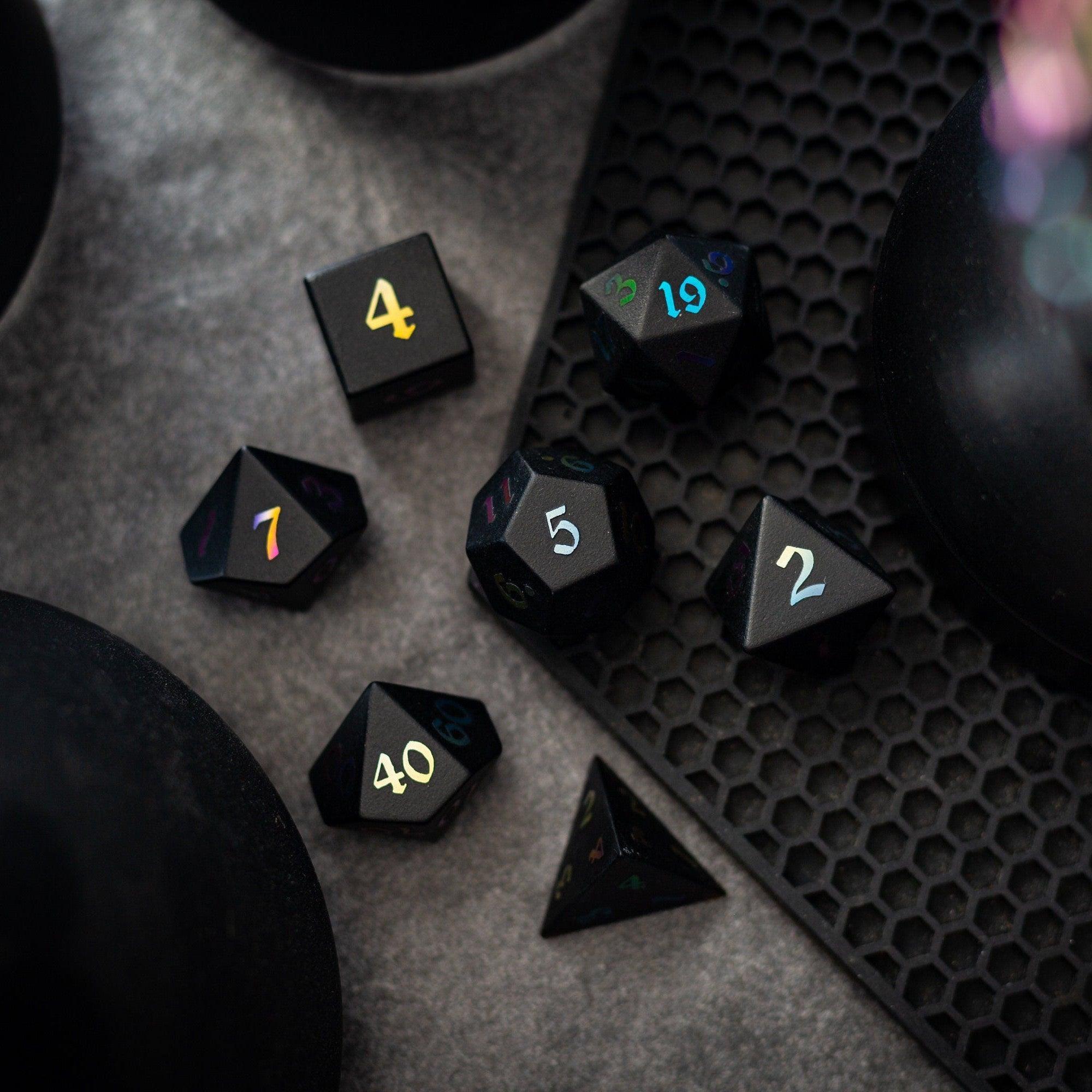
If you like pairing your build with a visual touch, you might enjoy color-matched or material-focused dice. For a refined, classic look that complements stoic or tradition-bound characters, consider browsing our gemstone dice. Many players find that a consistent aesthetic helps them stay in character and remember key traits at a glance.
Understanding fantasy race options and lineages
Different tabletop systems use varied terms—race, ancestry, species, heritage, lineage—to describe origin and innate characteristics. While the language can vary, the underlying goals are similar: define a character’s biological traits, cultural defaults, and thematic hooks. Some frameworks separate inherited features (like darkvision or elemental resistance) from social or regional aspects (such as dialects, customs, and tool familiarity). Others let you pick a flexible lineage template that overlays or replaces innate features with magical or story-driven transformations.
Approaching these choices with care may lead to characters who feel vivid but respectful. It can be helpful to think in layers:
- Innate traits: Sensory abilities, movement modes, resistances, and size.
- Heritage details: Family practices, regional quirks, and learned tools or languages.
- Personal story: The unique experiences that set your character apart from typical expectations.
When these layers support one another, roleplay moments become easier. For example, a subterranean explorer with steady footing might pair well with a practical background and a cautious temperament. A sky-borne scout could favor high mobility and light gear choices. Making small, consistent decisions about food, fashion, or taboos can further deepen your portrayal.
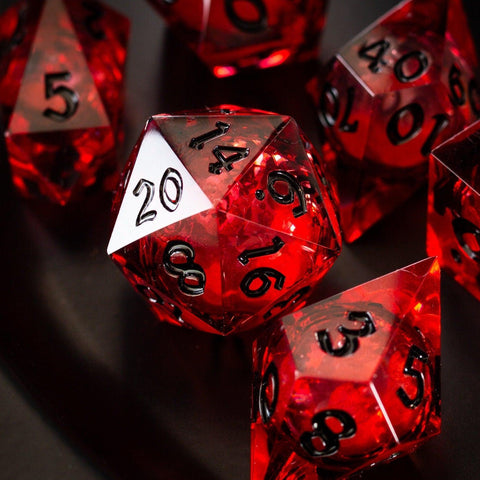
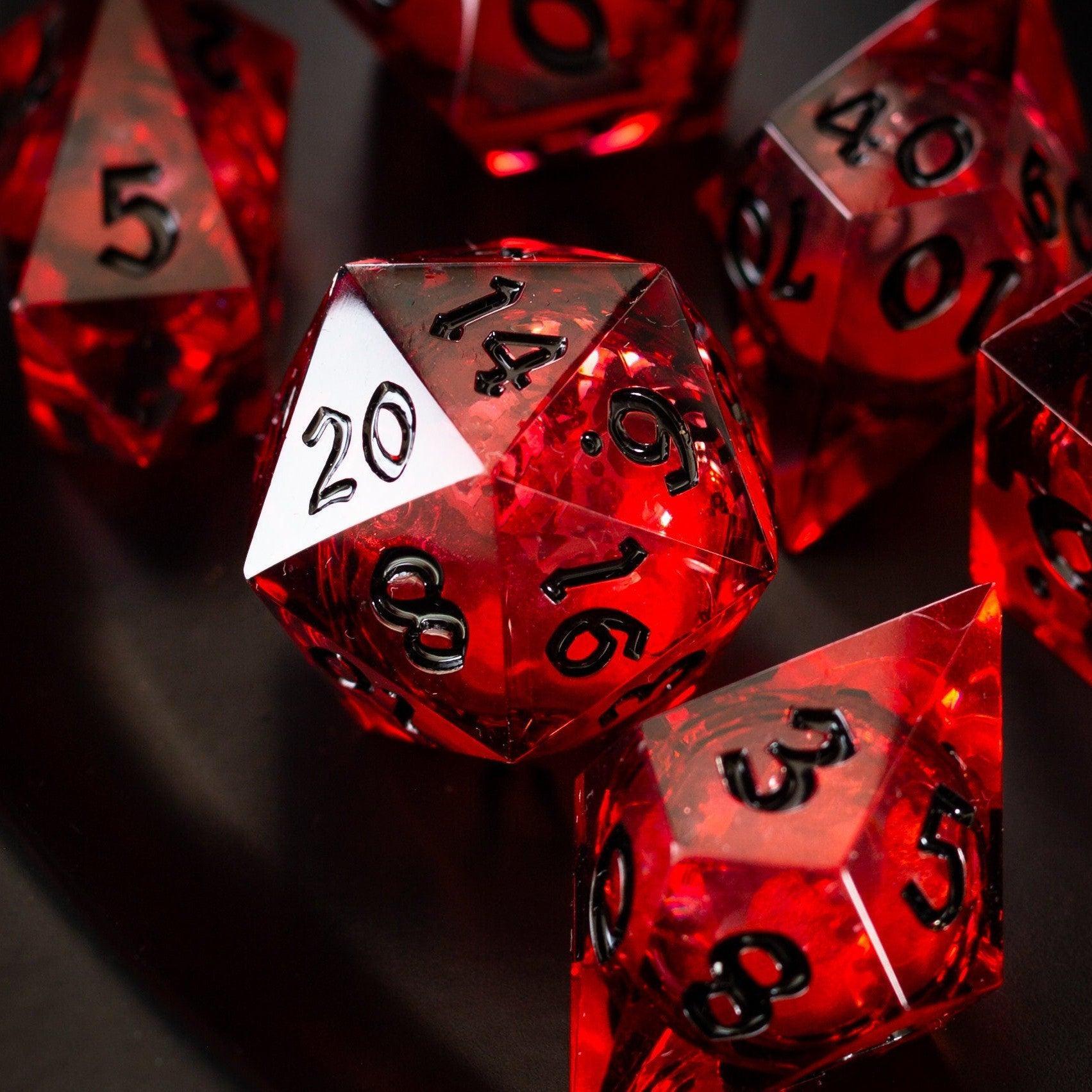
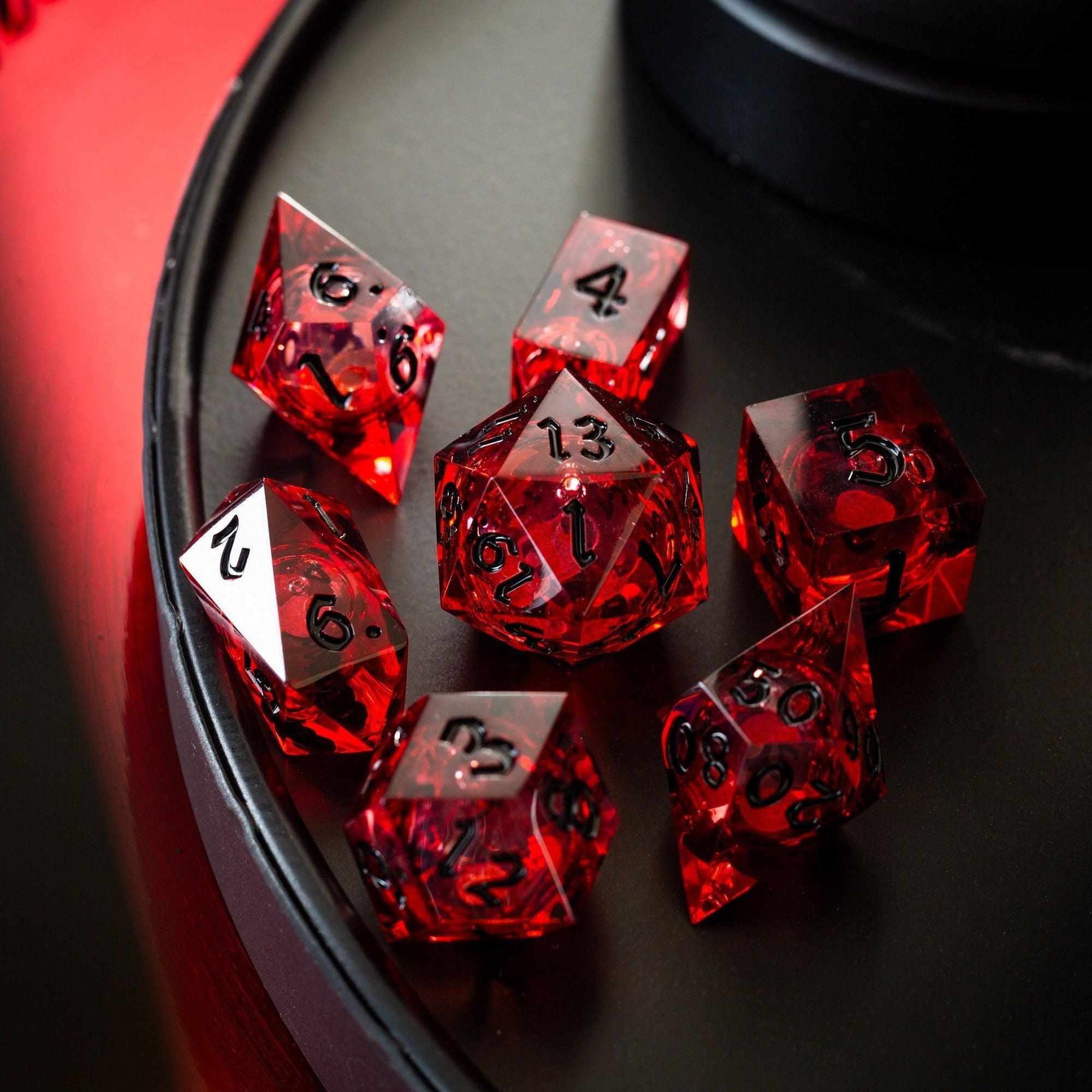
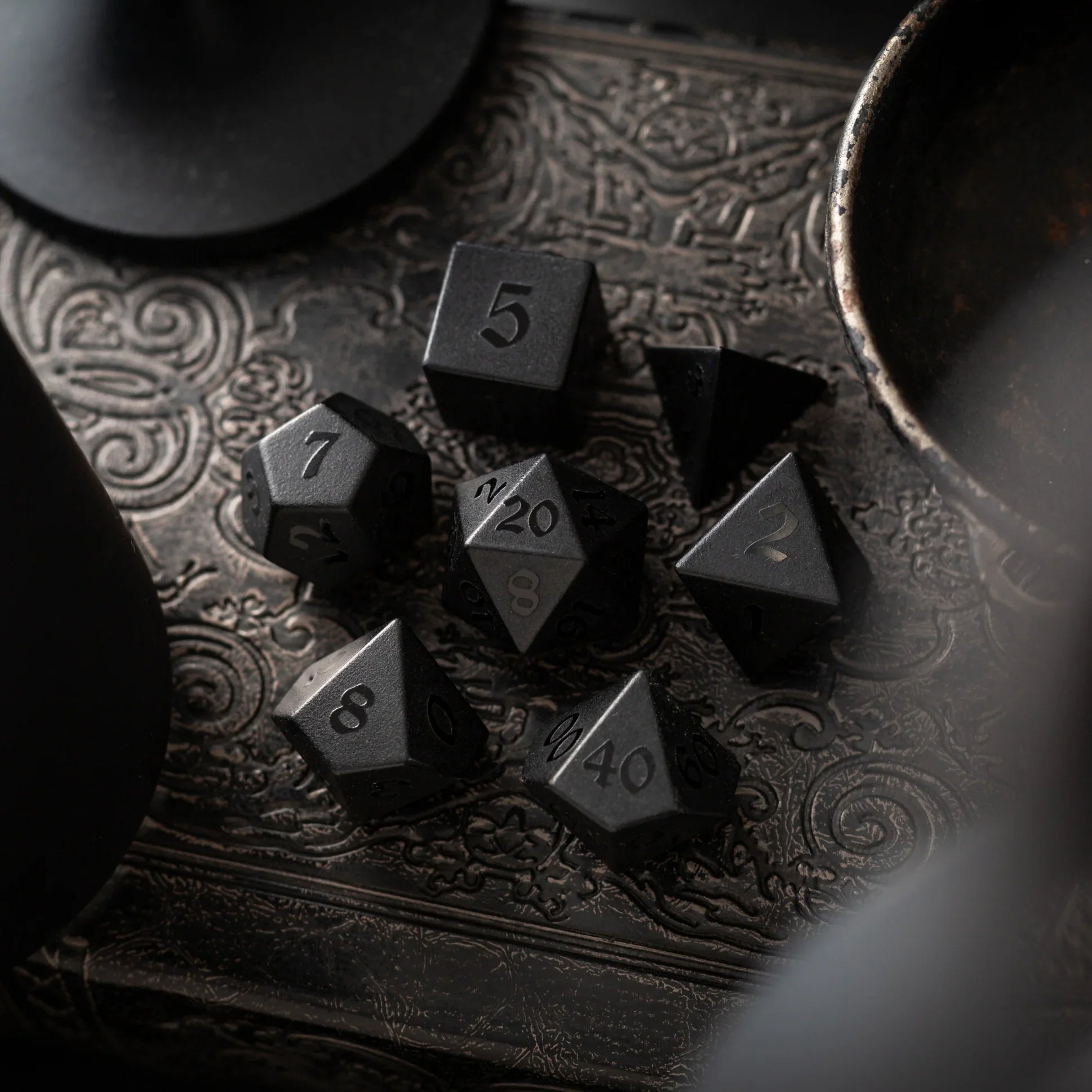
Mechanically, it is kind to consider the tone of your group. If your table prefers heroic fantasy, innate advantages can be a way to spotlight daring feats. In a low-magic campaign, gentle, grounded traits may blend better with the setting’s mood. Accessories can reinforce these signals. Effervescent sets—like shimmering or liquid cores—can suggest arcane influence, while matte or stone-like sets can communicate steadiness. To match an otherworldly caster or a character touched by strange energies, you may enjoy the subtle motion of liquid core dice, which many players associate with mystical themes.
Common Mistakes
- Over-focusing on mechanics only: High numbers are exciting, yet story beats often matter more at the table. A balanced build tends to be more satisfying than a narrow spike.
- Ignoring table tone: A high-powered lineage in a gritty campaign may create friction. Checking with the group can help align expectations.
- Flattening culture: Treating a heritage as a monolith can feel limiting. Gentle variety—regional sayings, personal rituals, or mixed influences—adds nuance.
- Skipping ability synergy: If your character’s primary actions rely on certain stats, select ancestry features that support those actions without overshadowing teammates.
- Forgetting sensory traits in play: Darkvision, tremorsense, or similar features affect exploration. Noting them on a small card or your phone can prevent missed opportunities.
- Clashing aesthetics: If your miniature, dice, and description suggest very different moods, table immersion can suffer. A single theme cue usually helps.
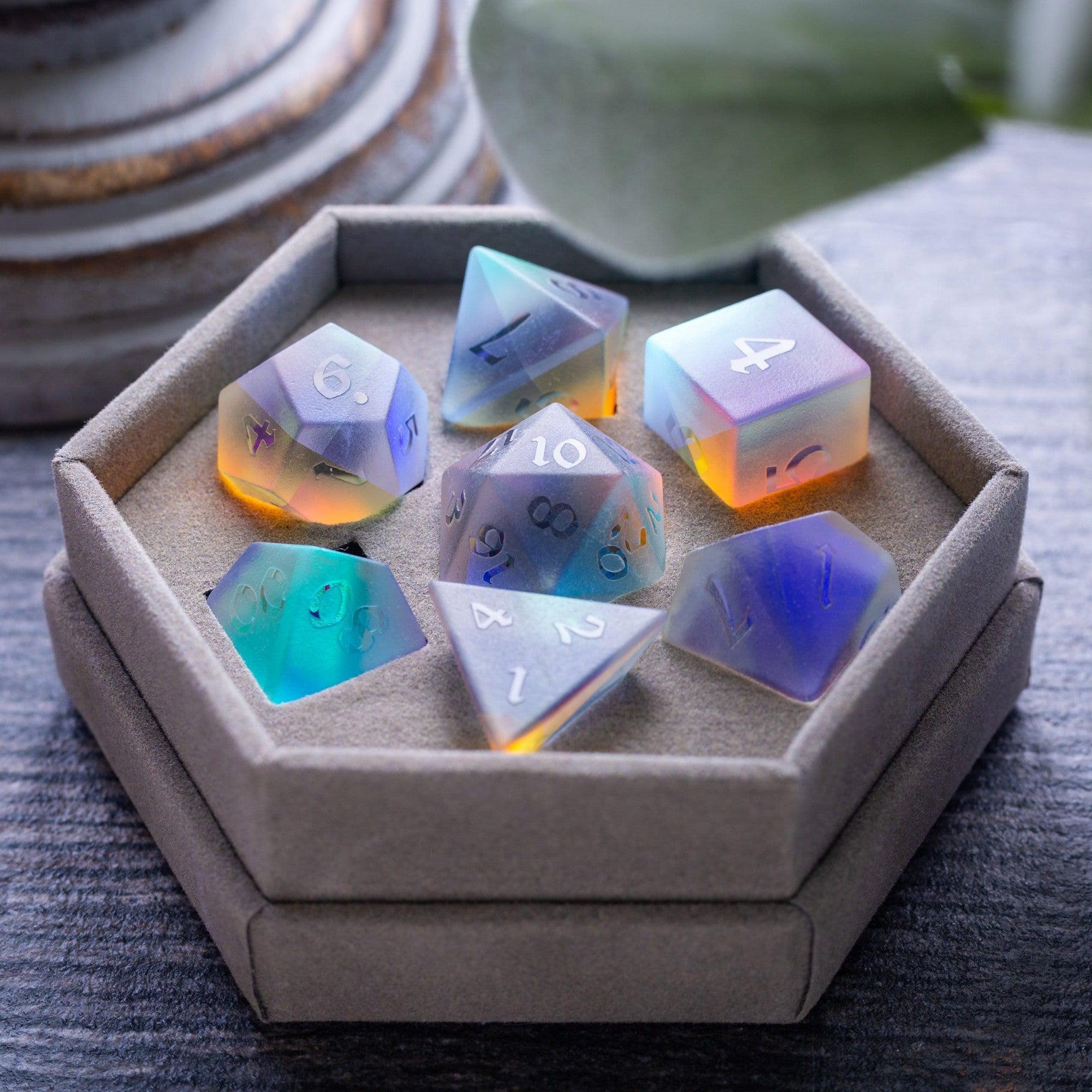
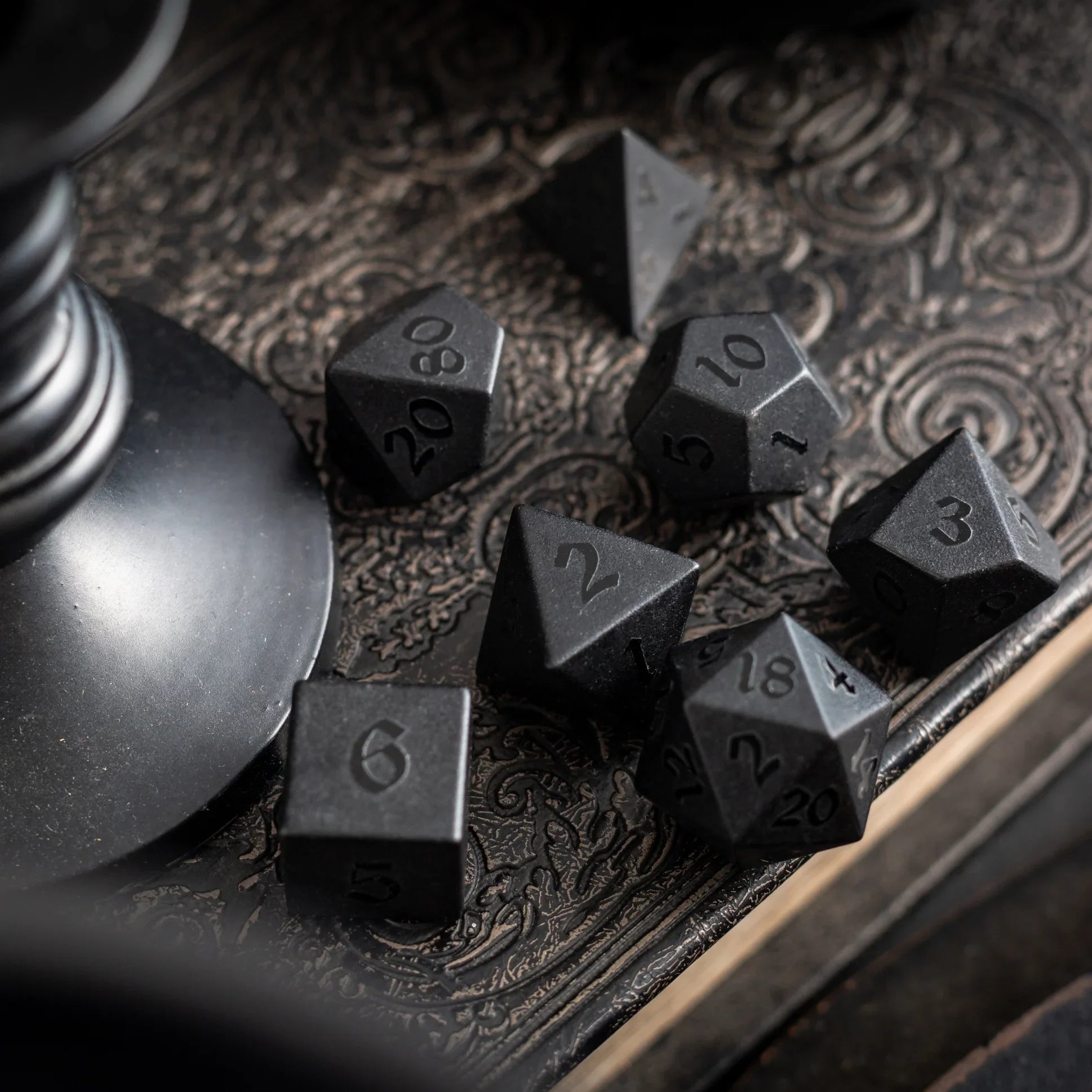
It can also help to confirm any special features with your GM before play. Clarifying once prevents confusion later and keeps the game moving smoothly. When you want a style that signals tradition, a metal-accented or cut-glass look—such as the refined dwarf-cut gold set—can align nicely with disciplined or craft-forward characters.

Buyer’s Checklist
This quick list aims to support a calm, thoughtful selection process. It may be printed, copied to your notes app, or discussed with your group.
- Campaign tone and power level: Does your table lean heroic, gritty, whimsical, or mysterious?
- Core role: What does your character do most often—scout, protect, cast, negotiate, heal, or investigate?
- Innate traits match: Do sensory abilities, movement options, or resistances support your role?
- Heritage flavor: Which customs, tools, or languages enrich your portrayal without locking you into stereotypes?
- Lineage flexibility: Would a transformation or template better suit your concept, or is a classic ancestry the right fit?
- Synergy with class: Do ability score tendencies and features assist your chosen class without overshadowing others?
- Table comfort: Have you checked that your concept respects your group’s boundaries and setting?
- Theme anchors: Choose two or three signature cues—colors, motifs, or materials—to keep your portrayal consistent.
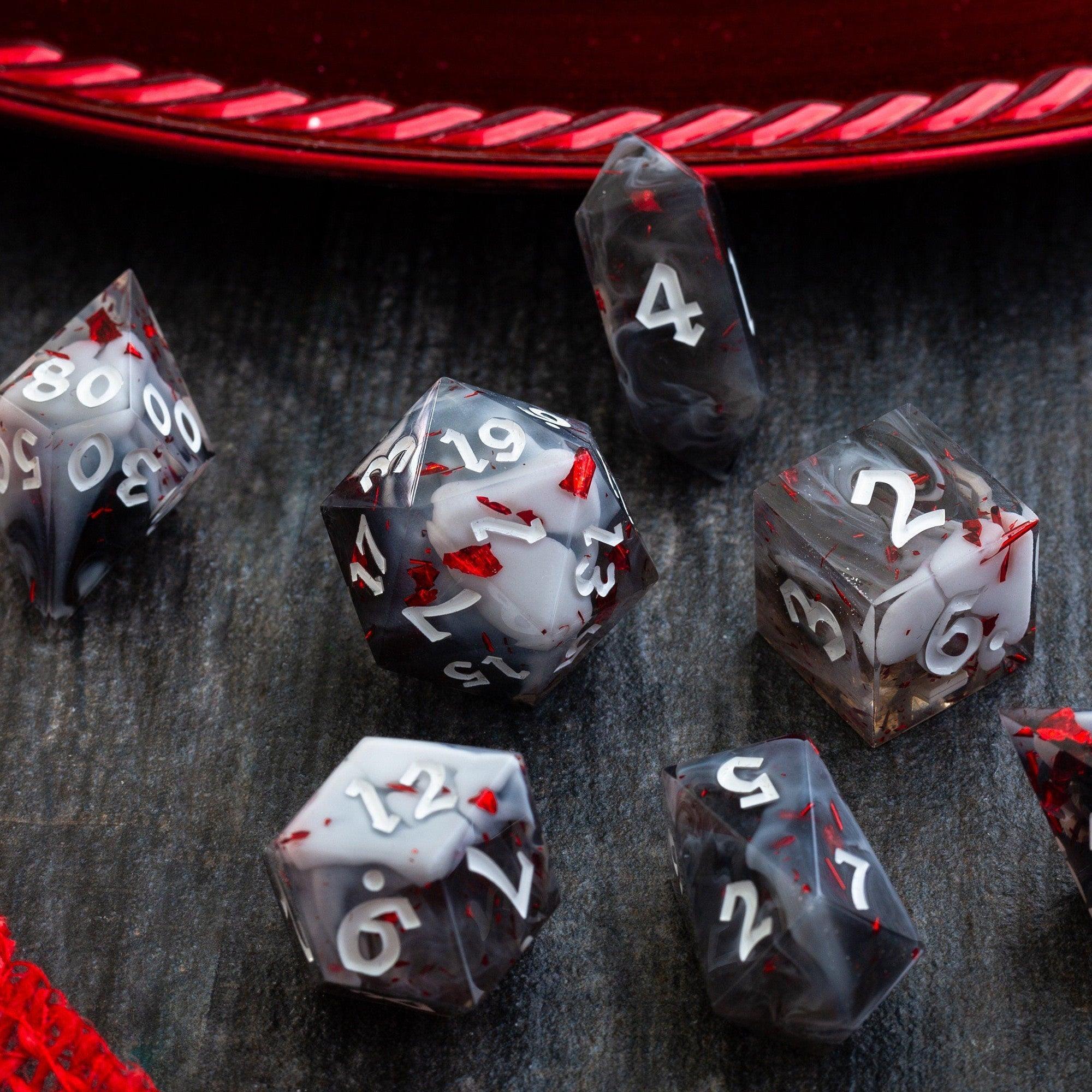
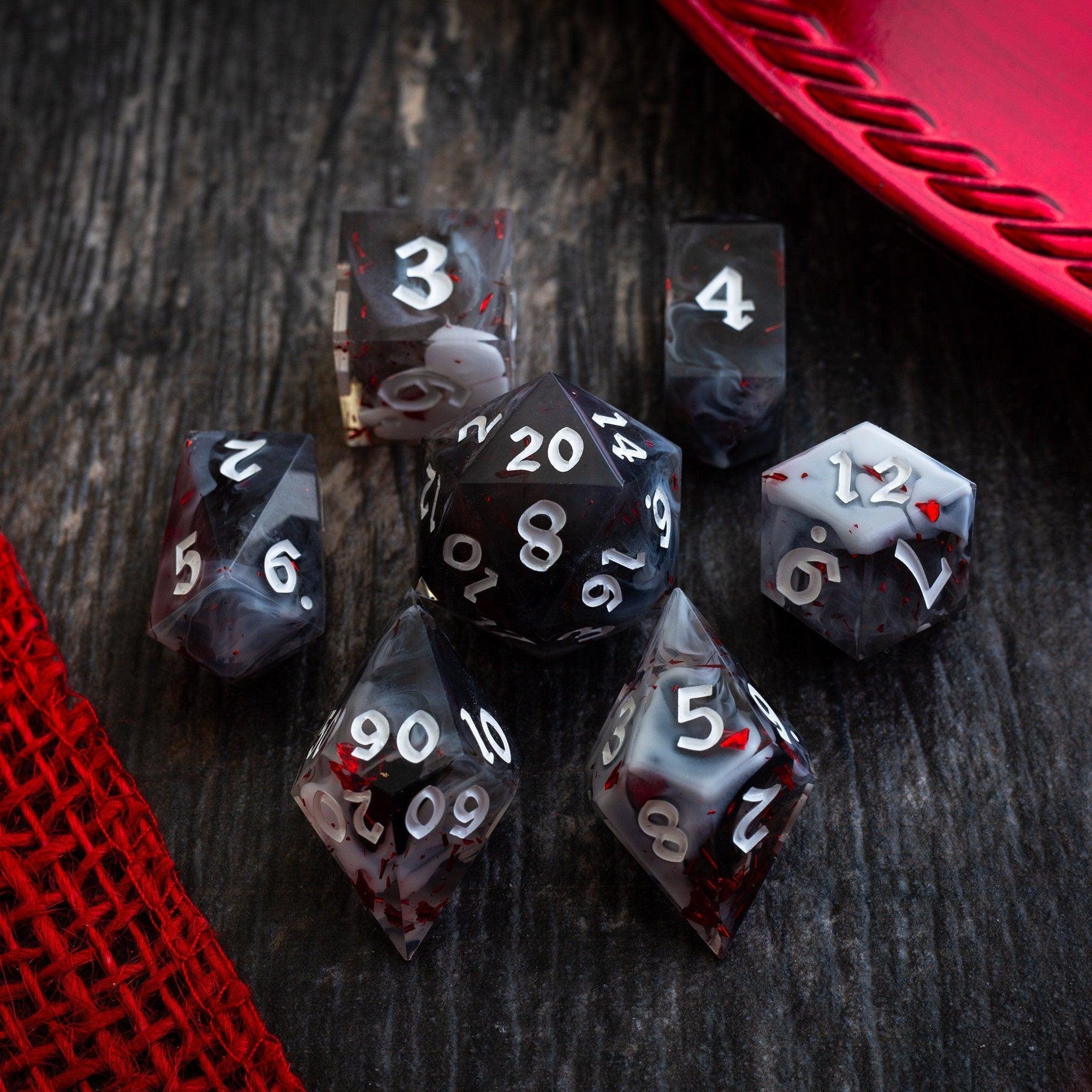
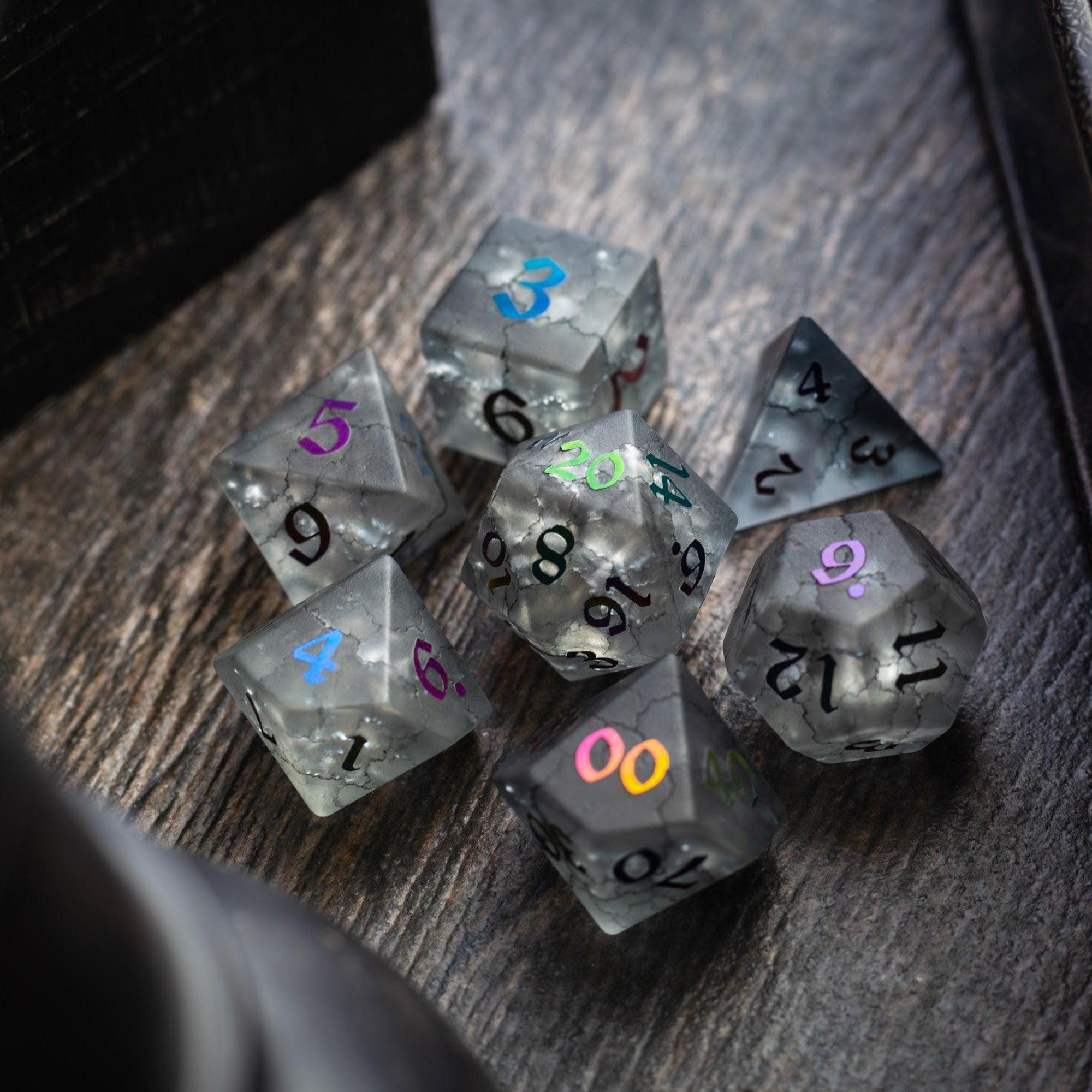
- Accessory harmony: If you like visual props, consider a set that matches your character’s story arc; for example, a cosmic traveler might enjoy the dreamy glow of the Starlit Rift resin set.
- Final review: Say your character’s one-sentence pitch out loud. Does it sound coherent and fun?
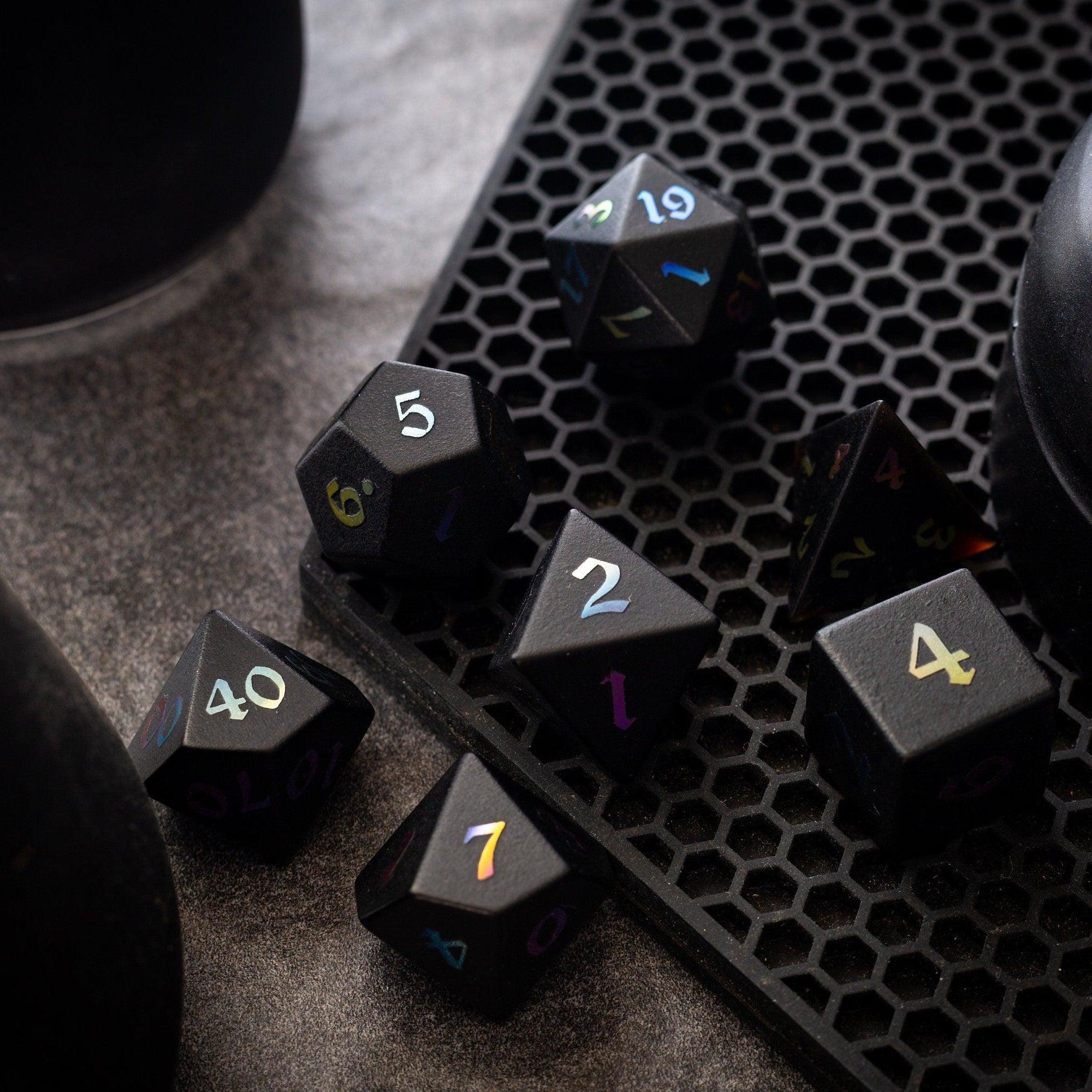
If you prefer tradition with a hint of shine, classic cut or stone-inspired styles pair well with grounded ancestry concepts. This can be a gentle way to keep fantasy race options and lineages aligned with the personality you want to portray at the table.
FAQ Section
What is the difference between ancestry and lineage?
In many systems, “ancestry” or “species” describes inherited, physiological traits—things like size, senses, and movement. “Lineage” often refers to a template or story-based transformation layered onto any ancestry, such as a magical influence or a unique origin that changes abilities over time. Some rulesets combine these ideas or use different terms. It may help to think of ancestry as your base, and lineage as an overlay that reflects a special heritage or event. When both are present, they typically work together to create a coherent blend of traits and narrative hooks.
How do I choose a heritage that fits my table?
It may be helpful to start with the campaign’s tone, then consider your role in the group. Pick innate features that support your main actions—scouting, defending, or casting—while keeping your impact gentle and cooperative. Next, add cultural elements that give flavor without boxing your character into narrow assumptions. Small details like proverbs, craft traditions, or festival foods can say a lot. A brief chat with your group can confirm comfort and fit. If you enjoy props that echo your theme, a refined set like the gemstone dice collection may complement characters grounded in earth, craft, or longevity.
Do themed dice actually help with immersion?
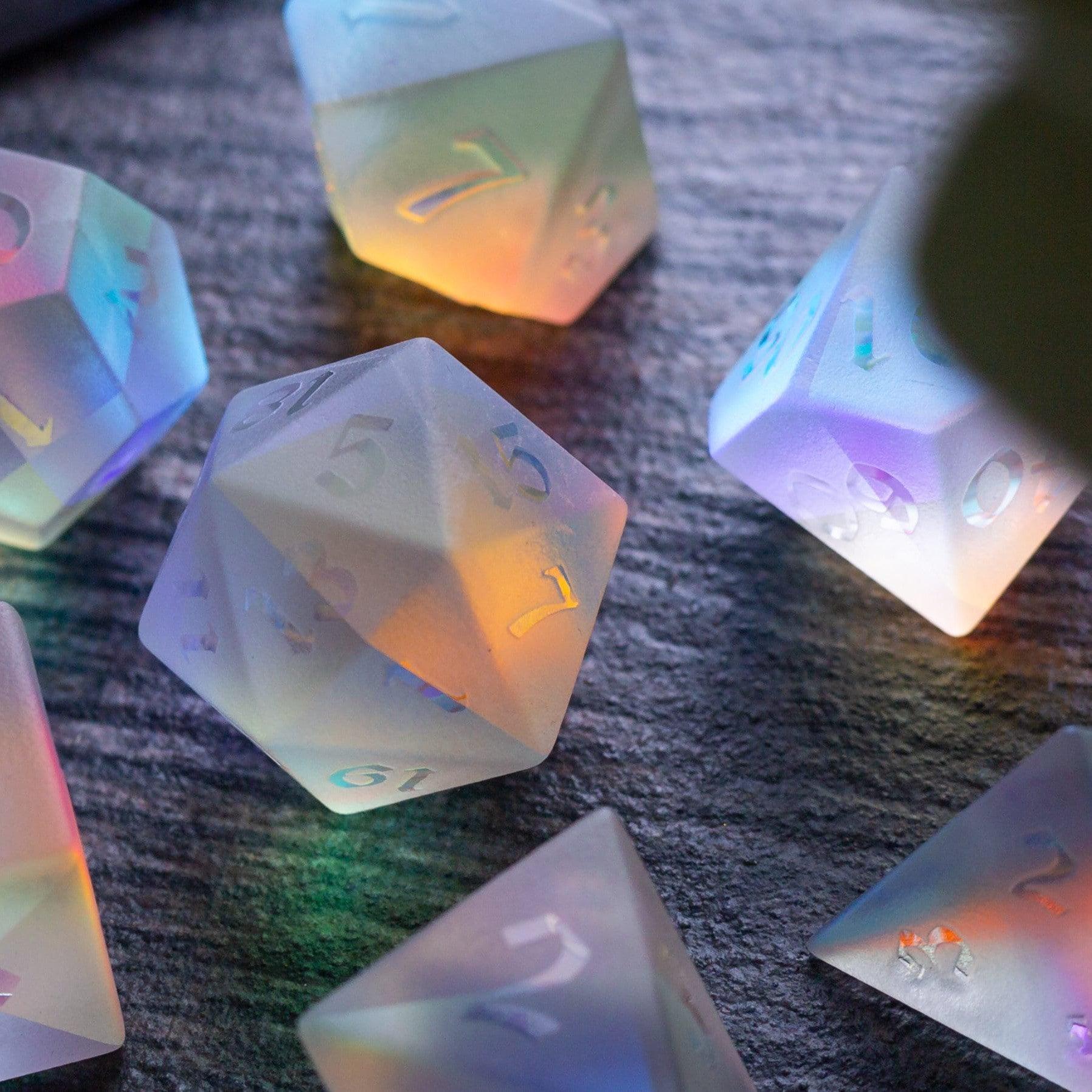
Many players find that a tactile or visual cue keeps them in character. A shimmering set may remind you to describe magic as swirling light; a muted, stone-like set can nudge you to roleplay restraint and steadiness. Matching materials or colors to your concept creates a small but consistent signal throughout the session. If you prefer something with a touch of motion to suggest unstable power or cosmic tides, the gentle shimmer of liquid core dice can be a pleasant choice. While dice do not change your statistics, they can support the story you are telling together.
Wrap-Up & Final Thoughts
Aligning innate traits, heritage flavor, and group tone can turn a good character into a great one. A mindful blend encourages teamwork, sparks vivid scenes, and makes advancement feel natural. If you enjoy tying everything together with a visual flourish, a well-matched set can be a kind, subtle reminder of your character’s roots and aspirations. We hope this guide offers a calm, practical path to your next build. If you are exploring themes of stars, rifts, or dreamlike travel, the luminous Starlit Rift resin set may be a lovely finishing touch. May your rolls tell a story you are proud to share.


Leave a comment
This site is protected by hCaptcha and the hCaptcha Privacy Policy and Terms of Service apply.