
Tabletop Aids for Players and GMs - Practical Tips
Updated on: 2025-12-25
This guide shows how the right accessories streamline play, reduce prep, and create a smoother table for everyone. You’ll learn practical tips for choosing tools that improve clarity, pace, and immersion. We spotlight a durable, legible dice set and share smart ways to use trackers, trays, and organizers to cut downtime. You’ll leave with a simple plan to outfit your table without clutter or overspending.
If you’ve ever paused a session to find a pencil, re-count initiative, or reread an ability for the third time, you already know why smart tools matter. Thoughtful player and game master aids for tabletop games keep your table organized, your pacing tight, and your focus on the story. The goal isn’t buying more stuff—it’s choosing a few reliable pieces that cut friction and boost fun, week after week.
Player and game master aids for tabletop games
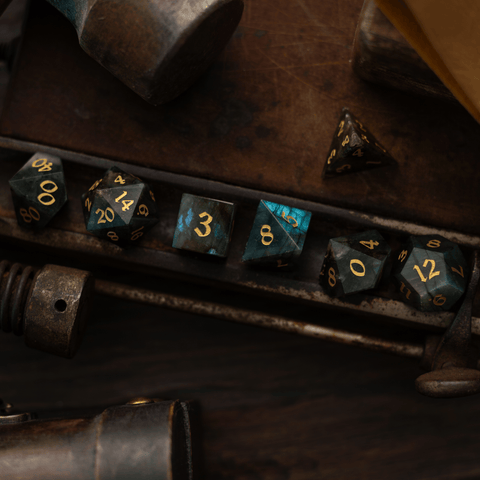
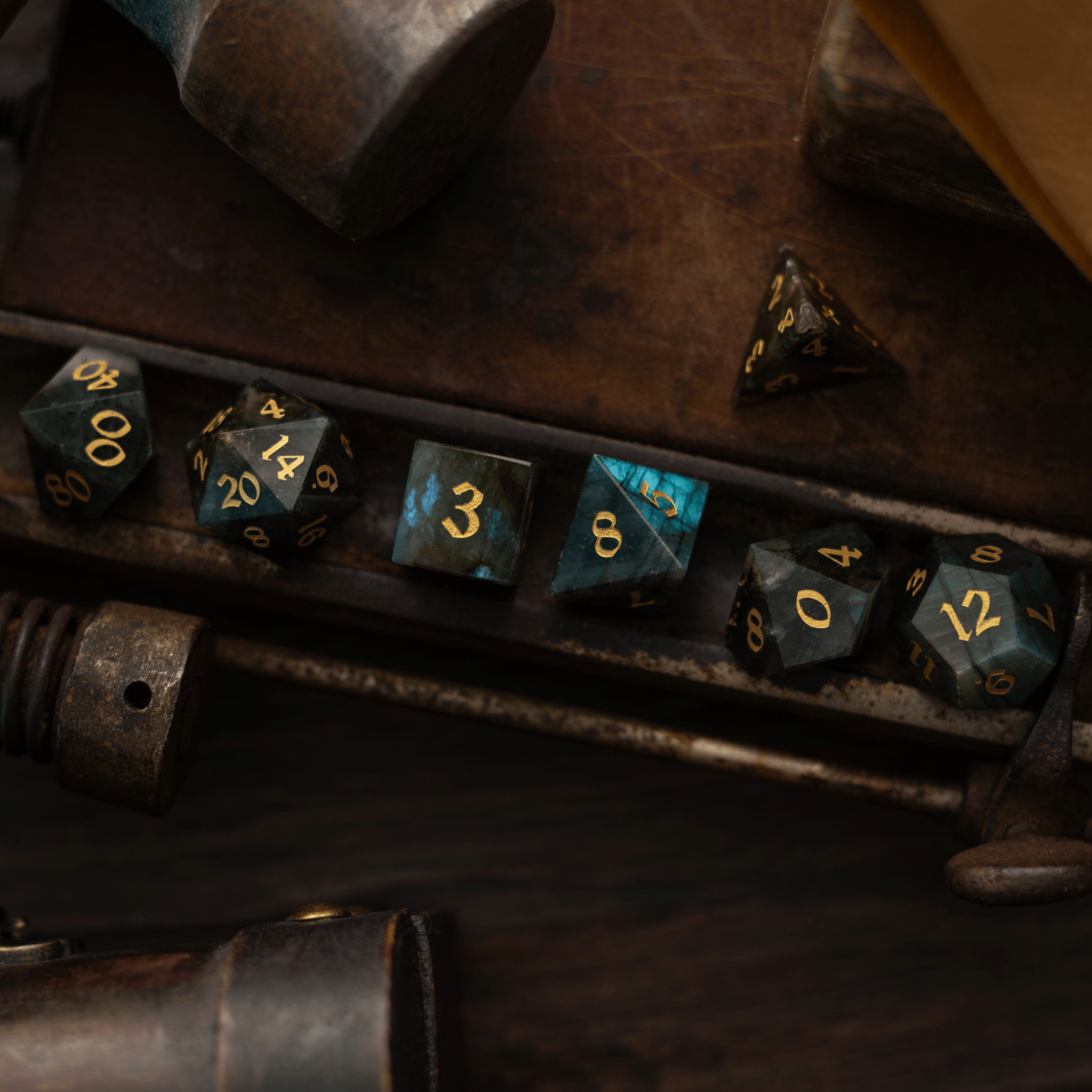
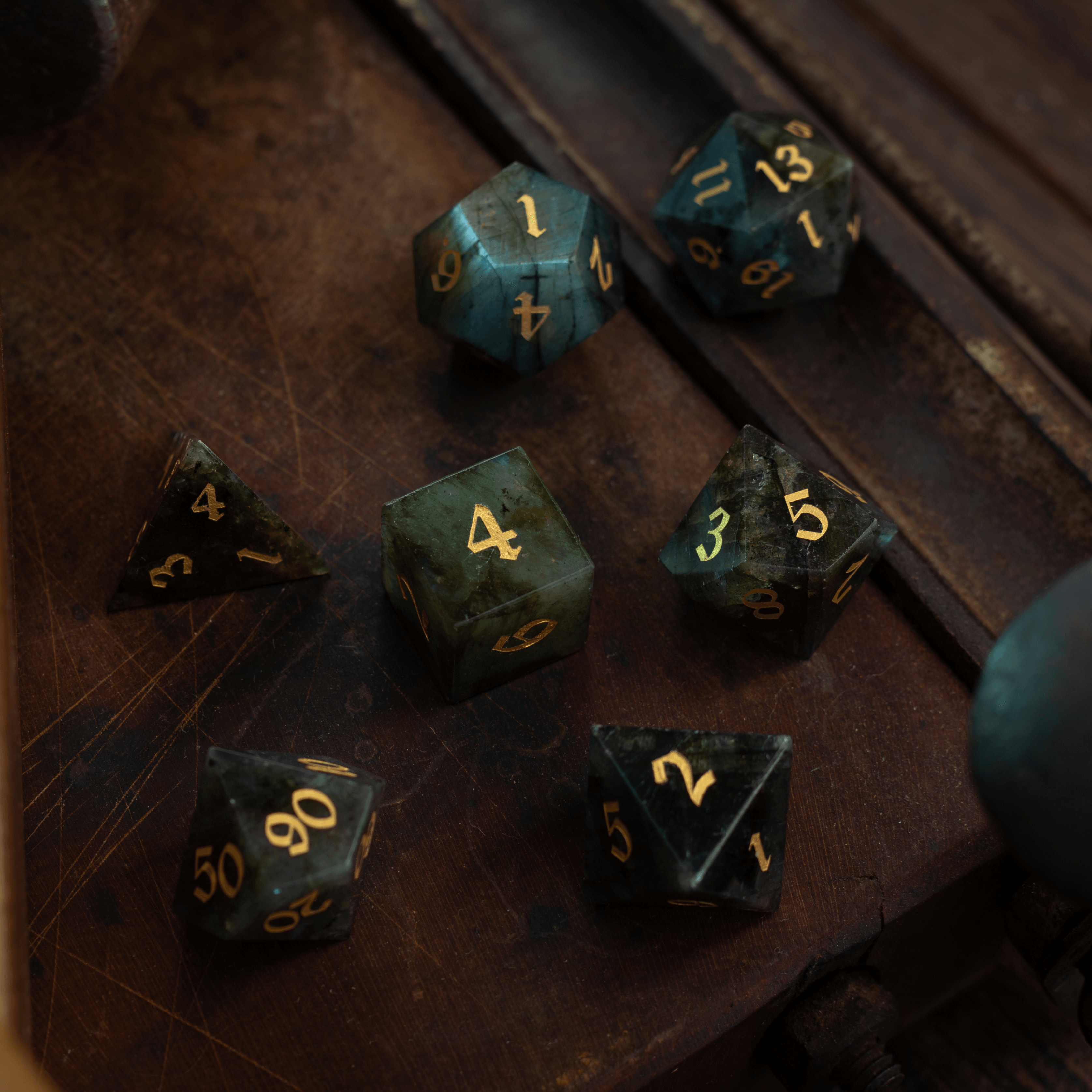
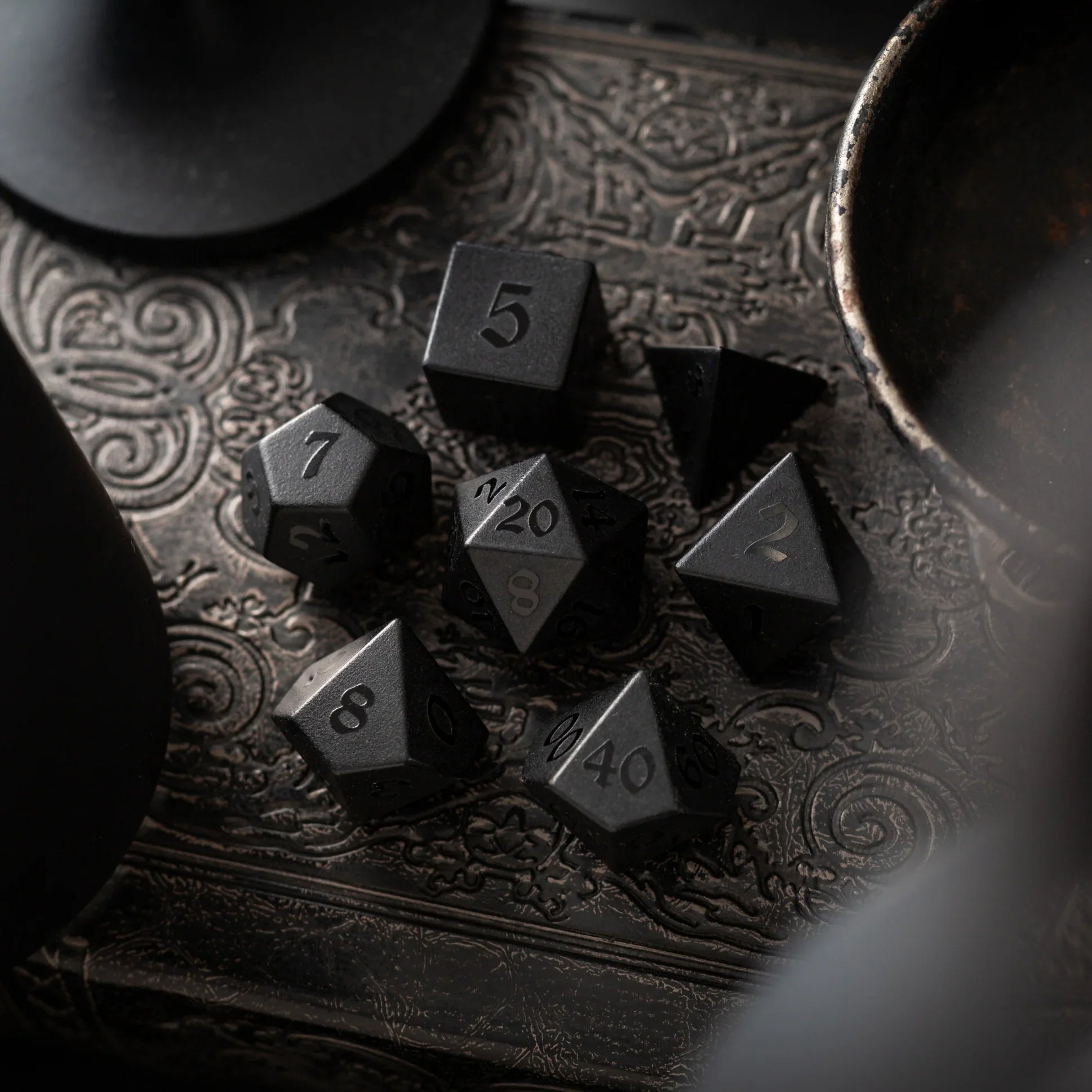
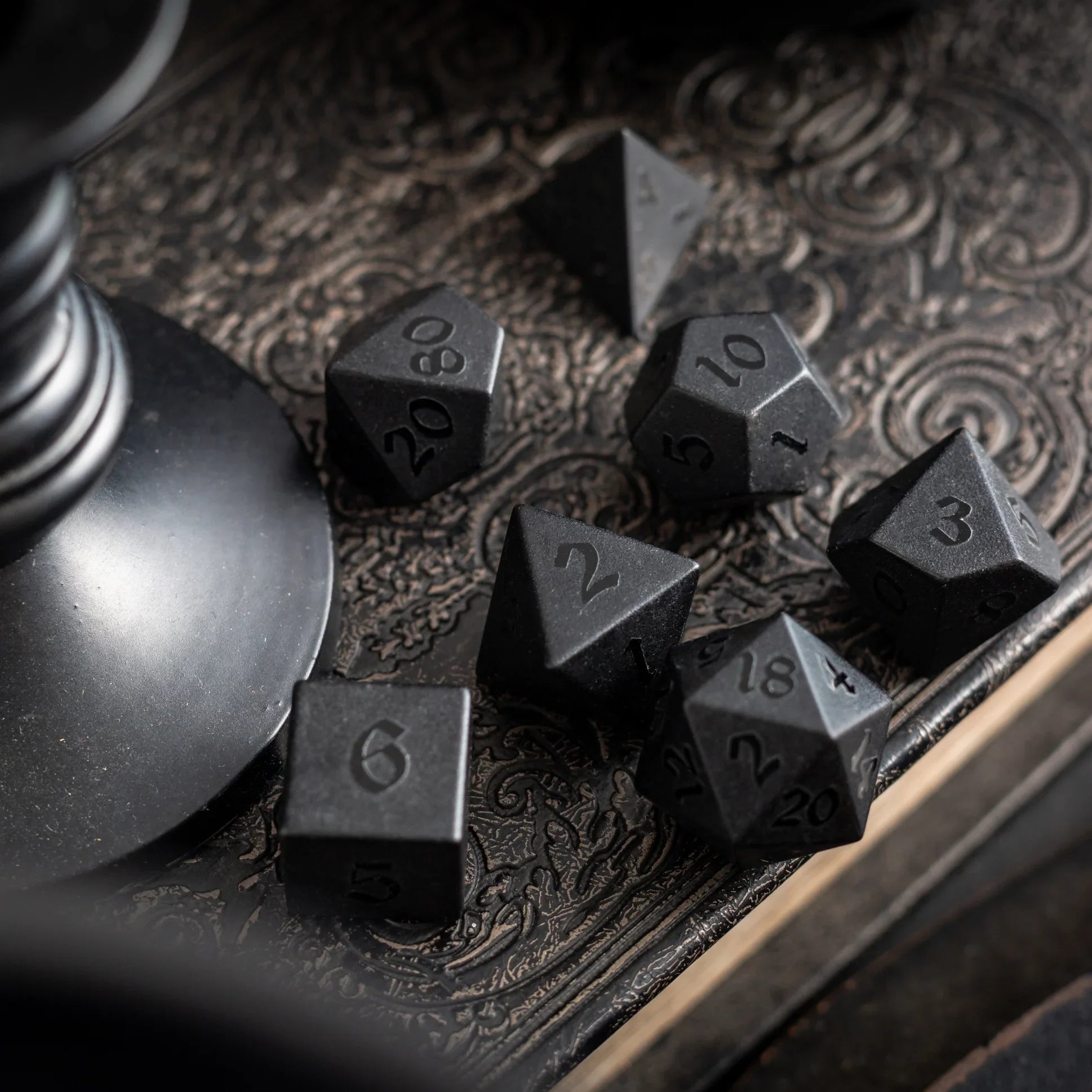
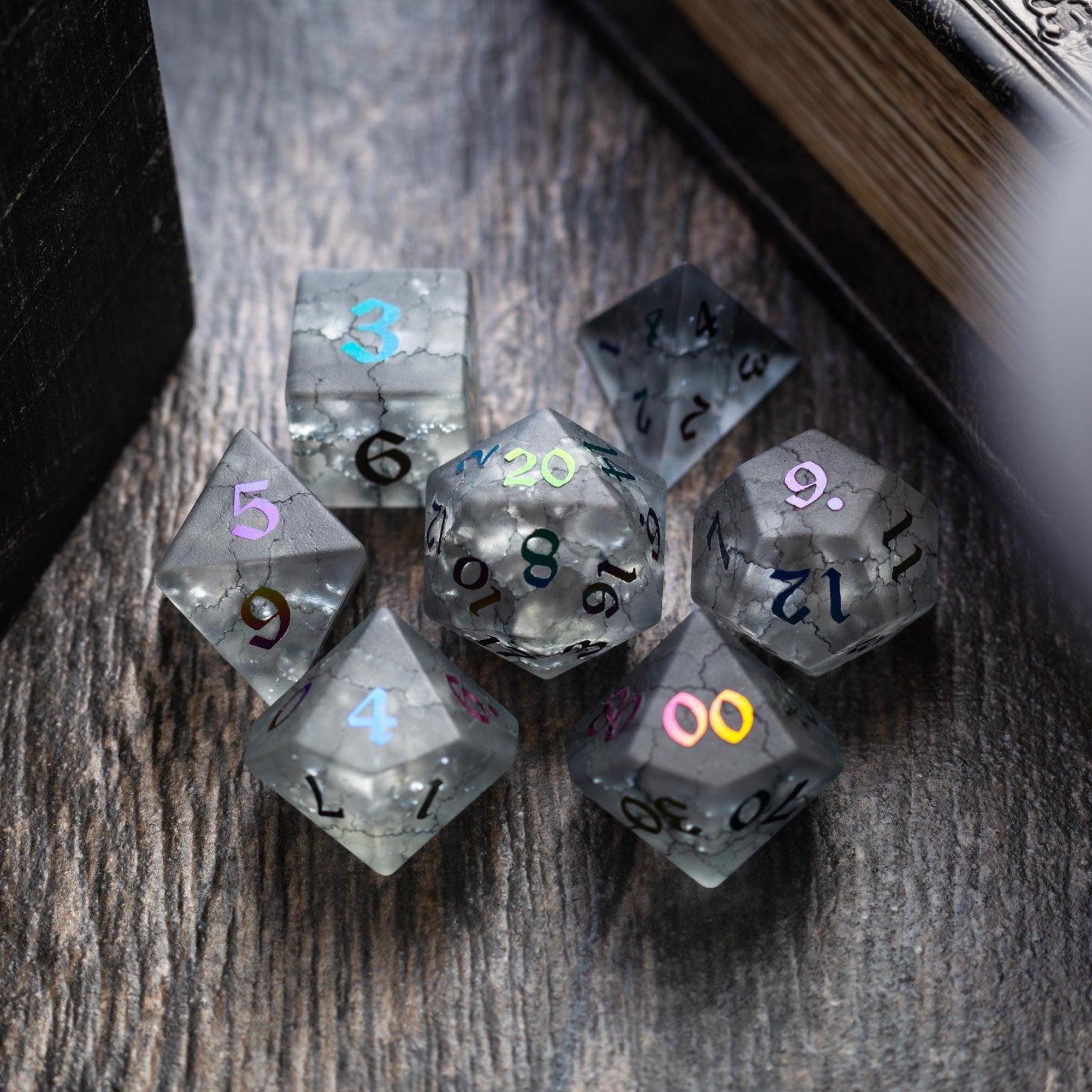
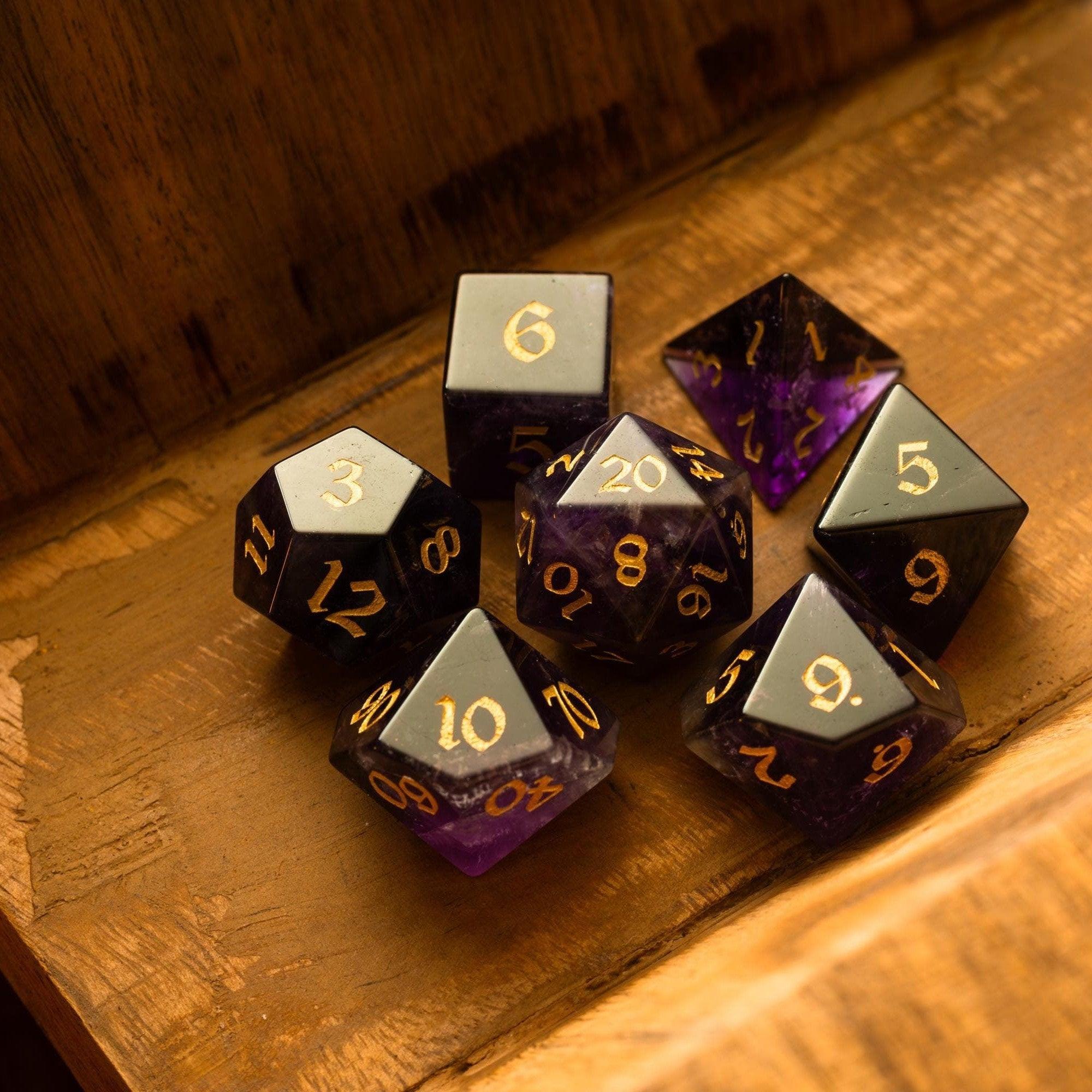
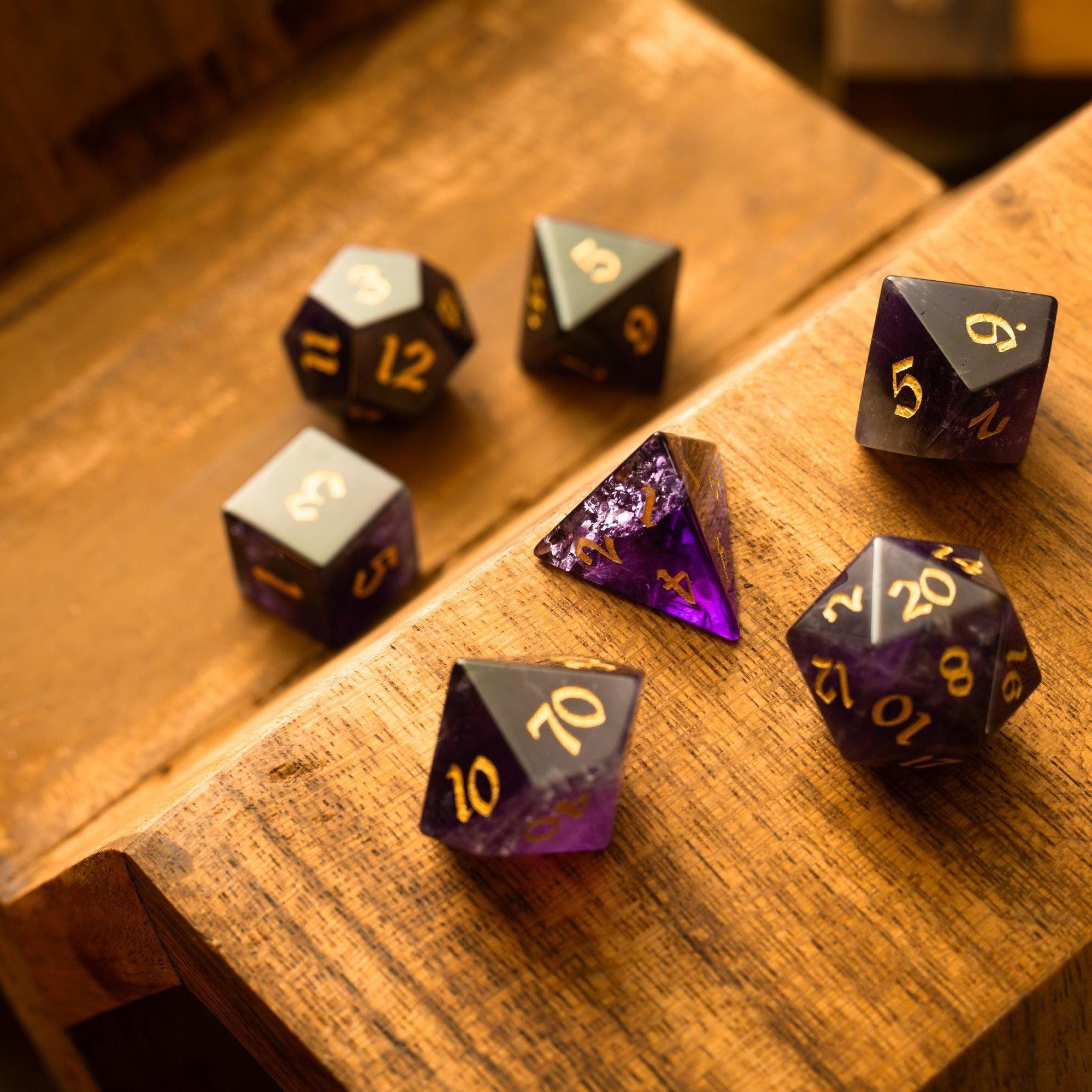
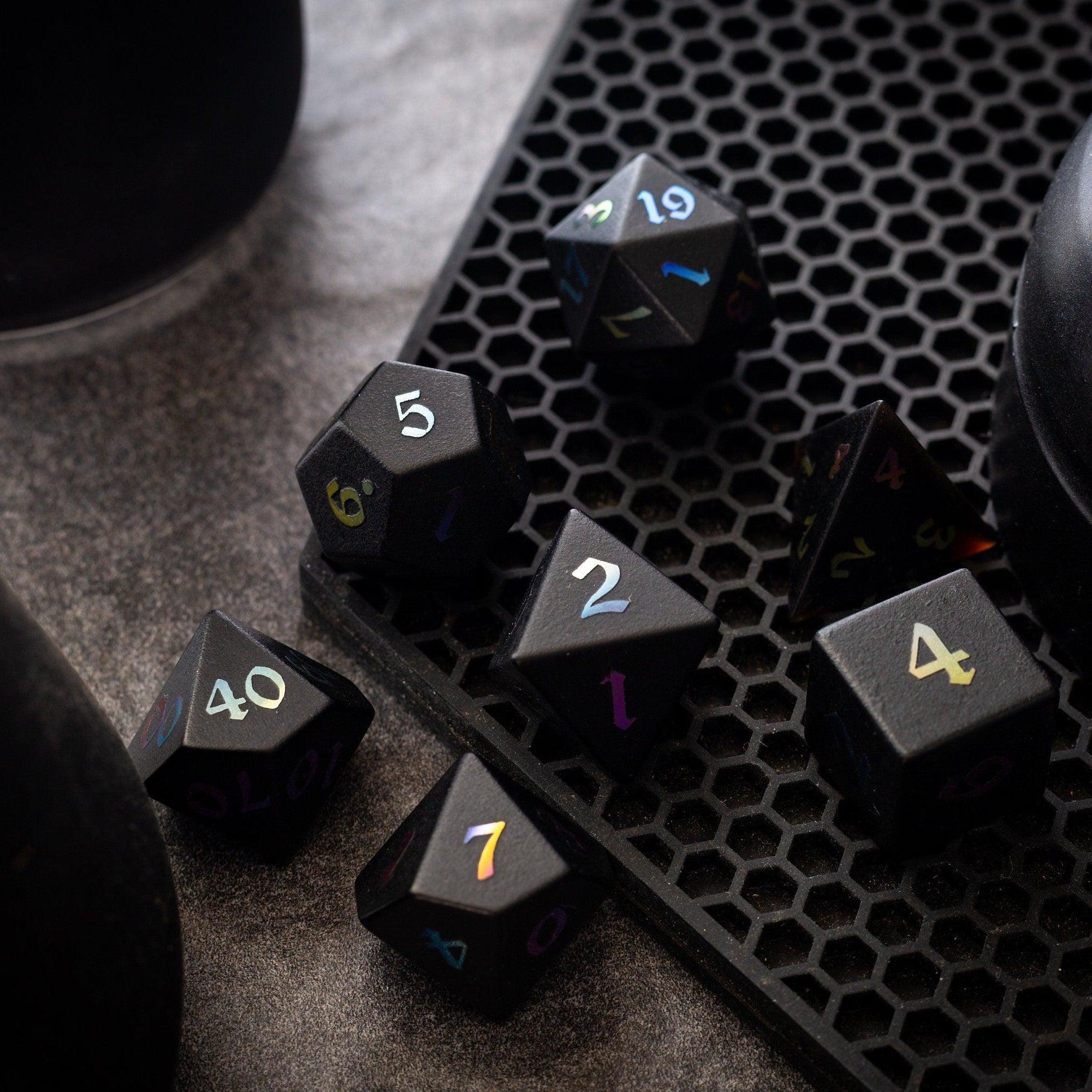
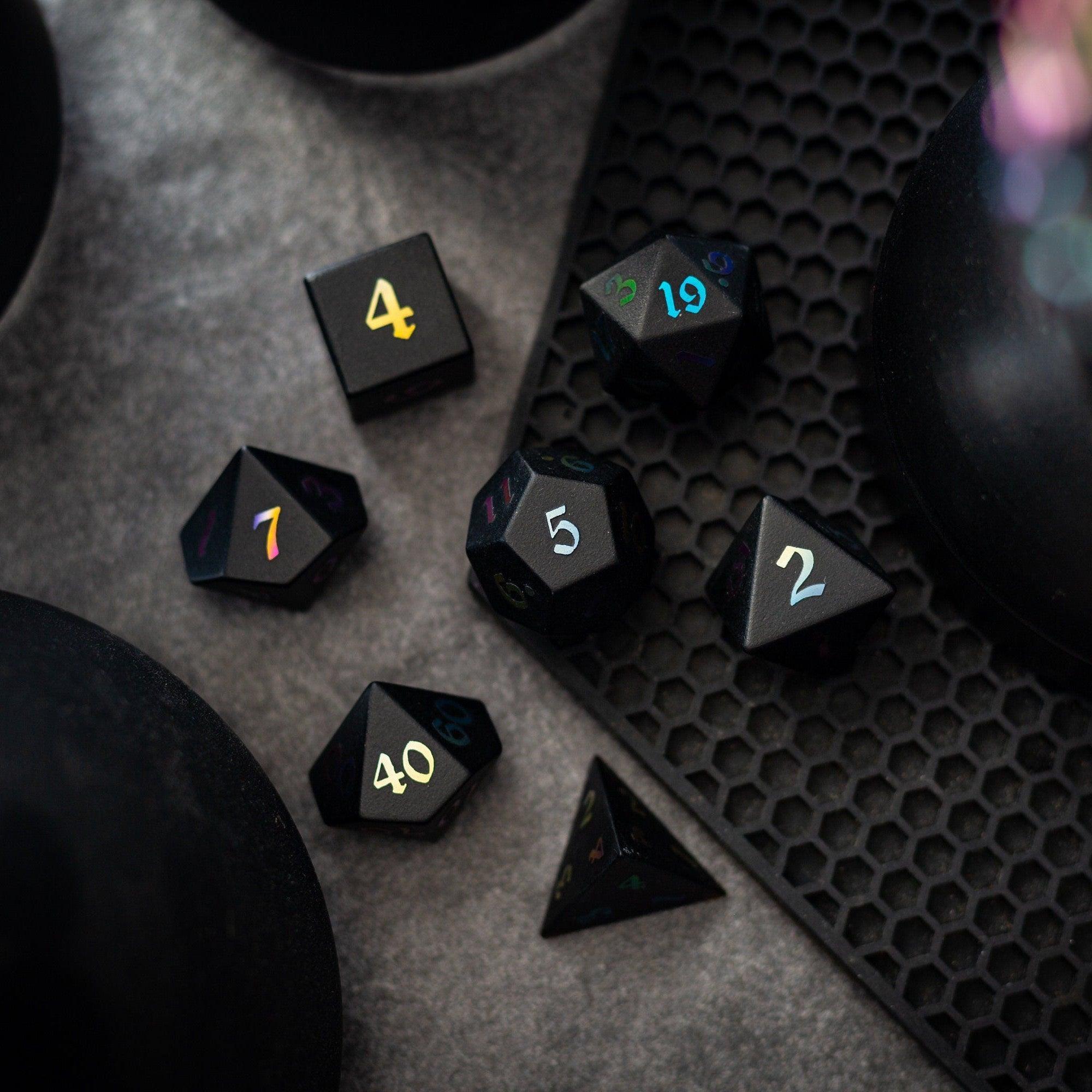
When you think “aids,” you might picture trackers, binders, or apps. But start with the item you touch the most: the dice. Clear, consistent dice make rolls faster to read, easier to verify, and more satisfying. A great example is the Labradorite set. It’s a standout choice for groups who want beauty and practicality in one package—no gimmicks, just reliable performance with table presence.
Why highlight dice first? Because legibility and tactile feedback influence every check, save, and damage roll. You can have the best initiative tracker in the world, but if your dice are hard to read or roll inconsistently, the game slows down. The labradorite material feels solid in hand, and the included box simplifies storage and transport. That means less rummaging at the start of the night and fewer “where’d my d8 go?” interruptions mid-combat.
Why it helps your table
- Faster reads: Crisp numbering reduces misreads and re-roll debates.
- Consistency: Weight and balance feel predictable across the set.
- Durability: A sturdy set resists nicks that can alter rolls or blur faces.
- Organization: The matching box keeps the full polyhedral lineup together between sessions.
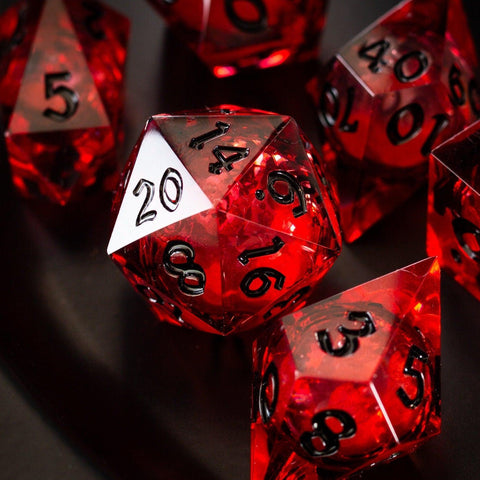
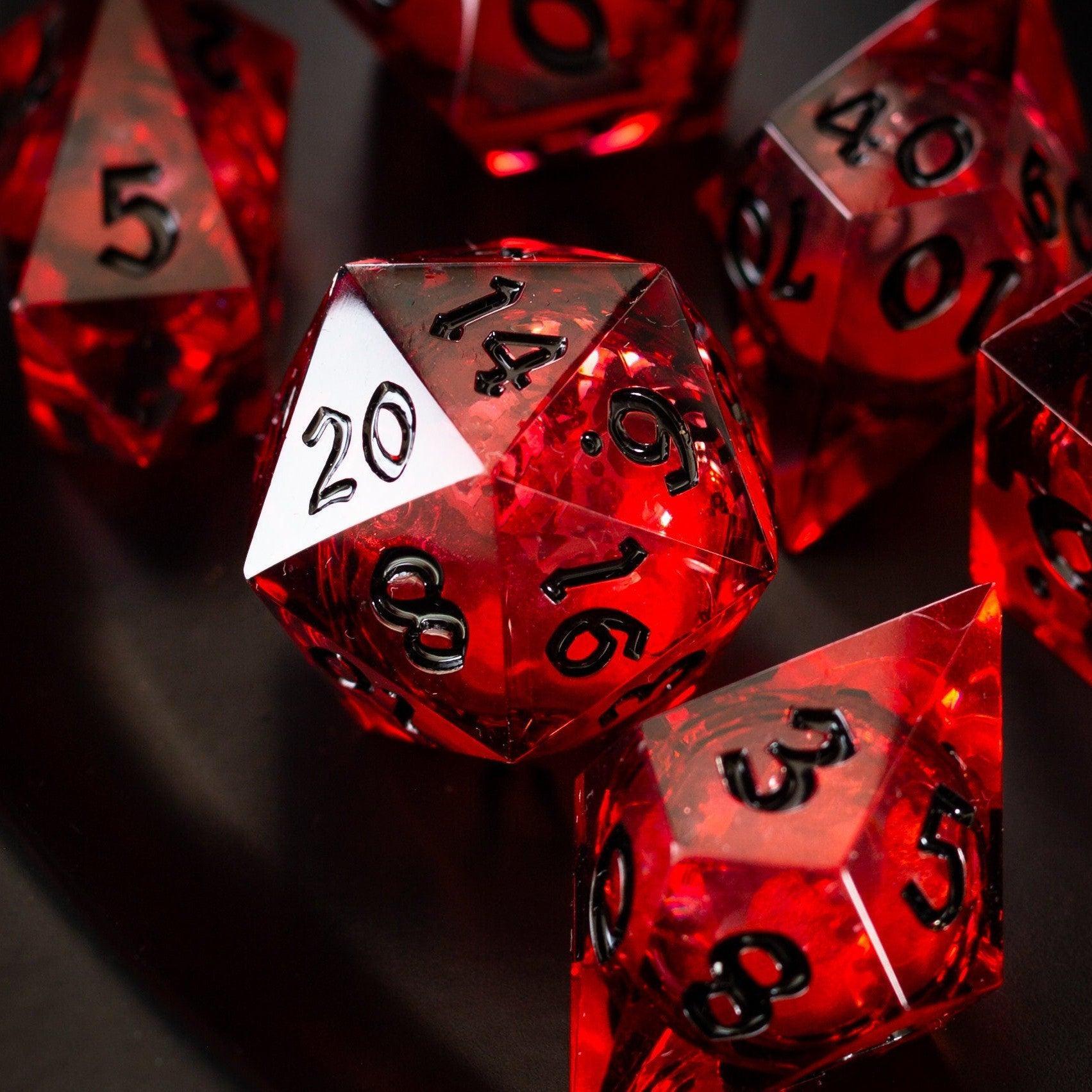
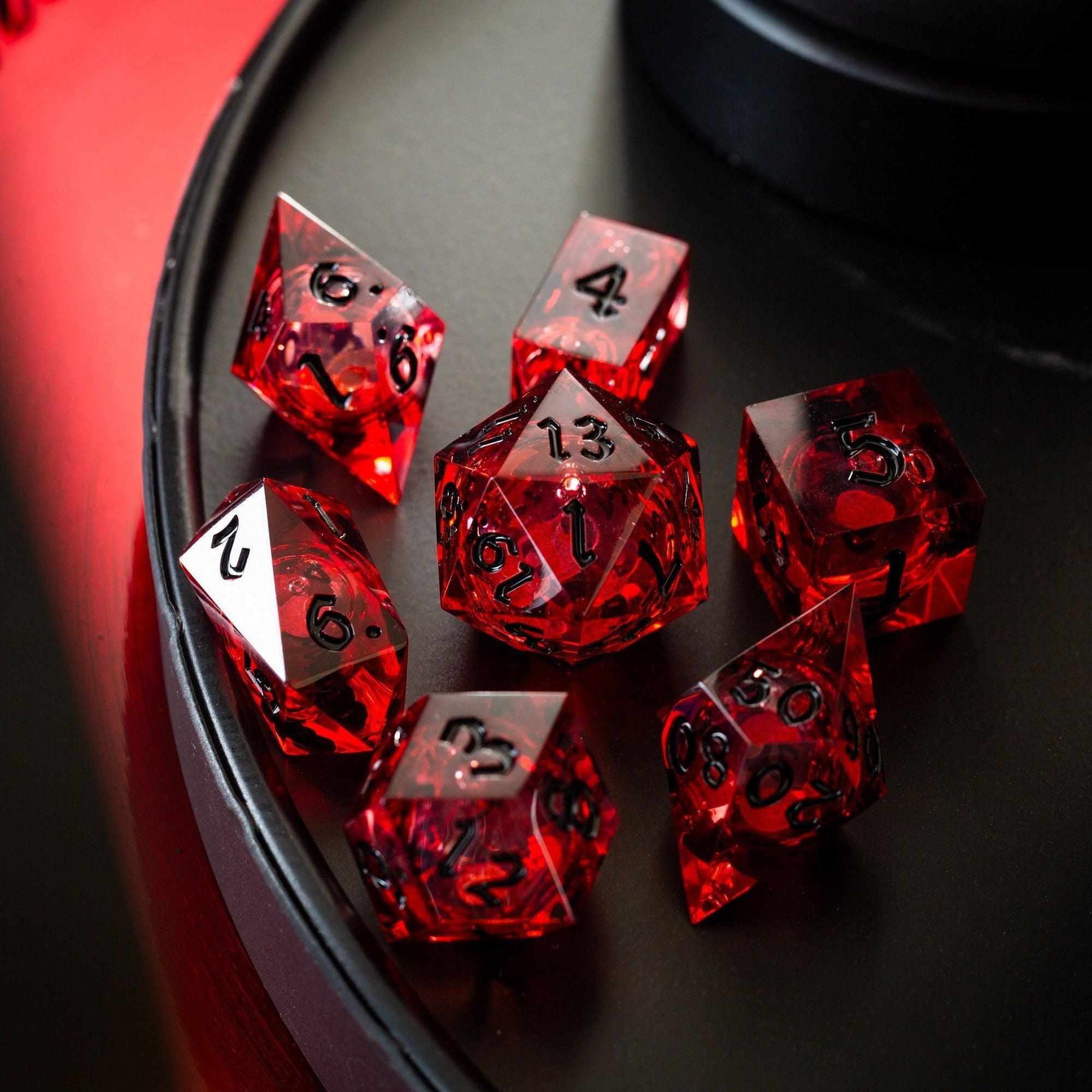
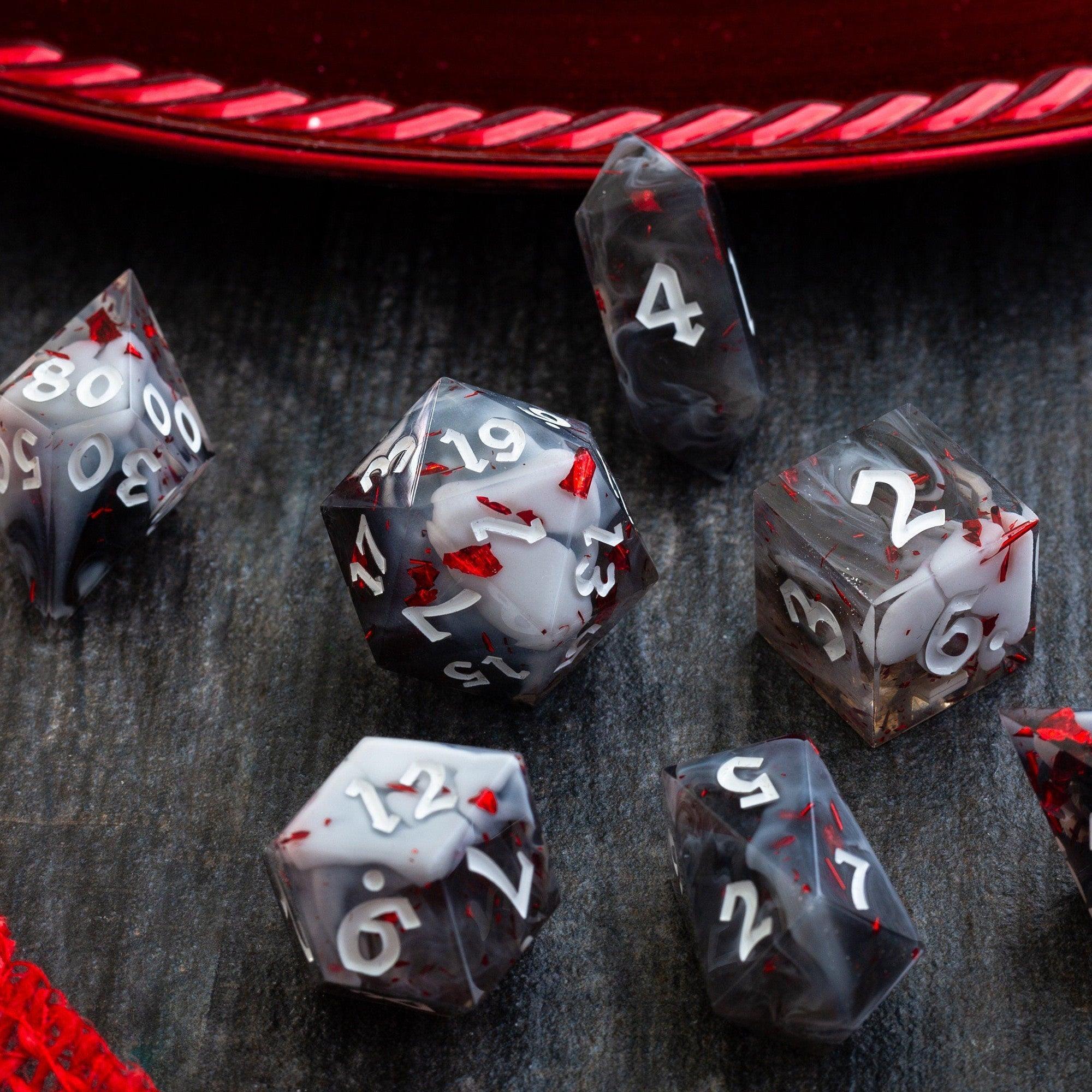
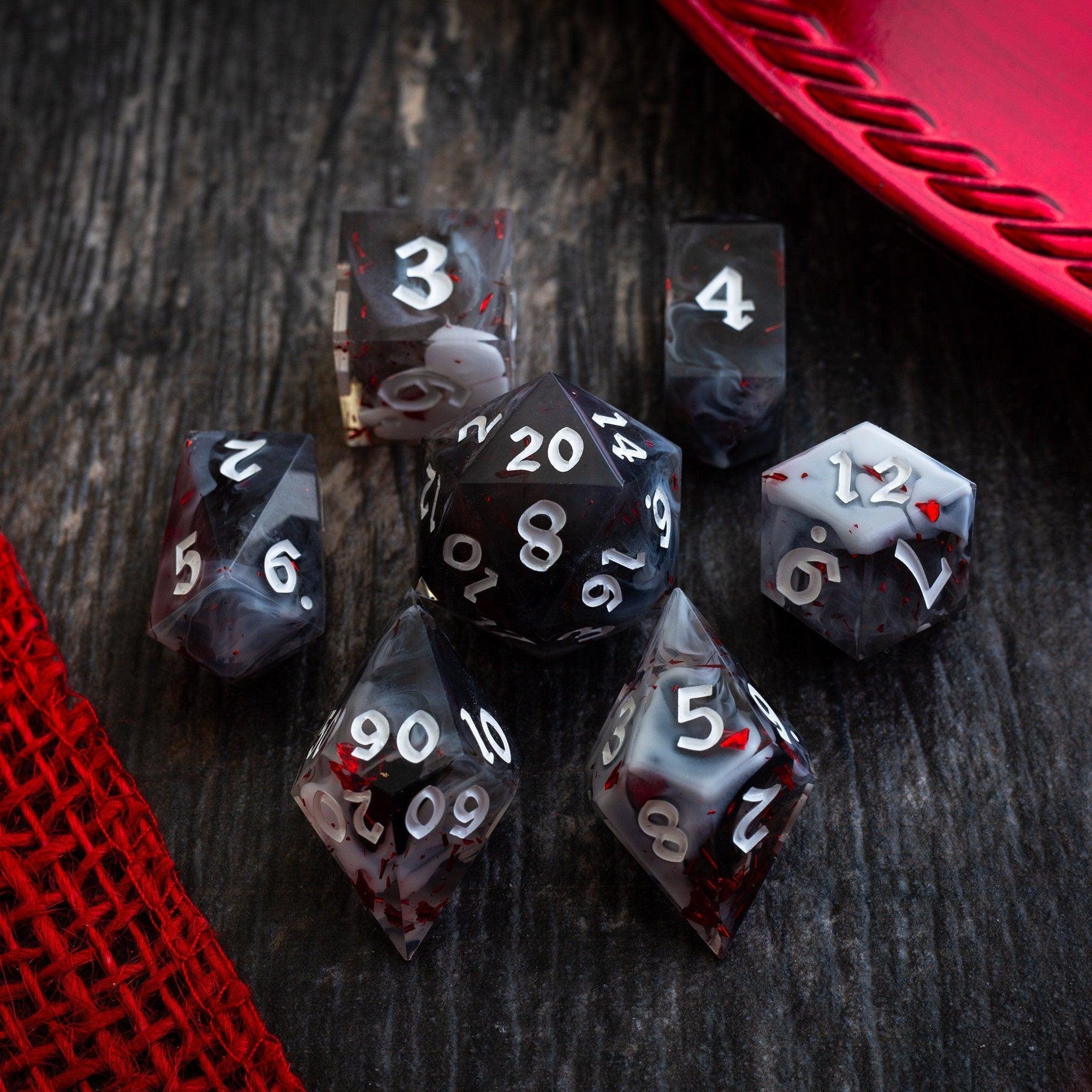
Prefer something with a dynamic visual effect for big moments? Liquid cores can double as a table “signal”—when the sparkle swirls, everyone pays attention. Explore the Liquid core dice collection to add a little ceremony to critical rolls without sacrificing readability.
How to use it beyond rolling
- Roll-to-organize: Keep your d20 on top of the box as a quick “It’s your turn” marker. When you pass the box, you pass initiative.
- Pre-session ritual: Lay out all dice before start time as a subtle cue that the game’s about to begin. Rituals help latecomers slip into focus faster.
- Post-combat audit: At the end of a fight, return dice to the box while you tally XP or treasure. It keeps the battlefield tidy and signals “scene change.”
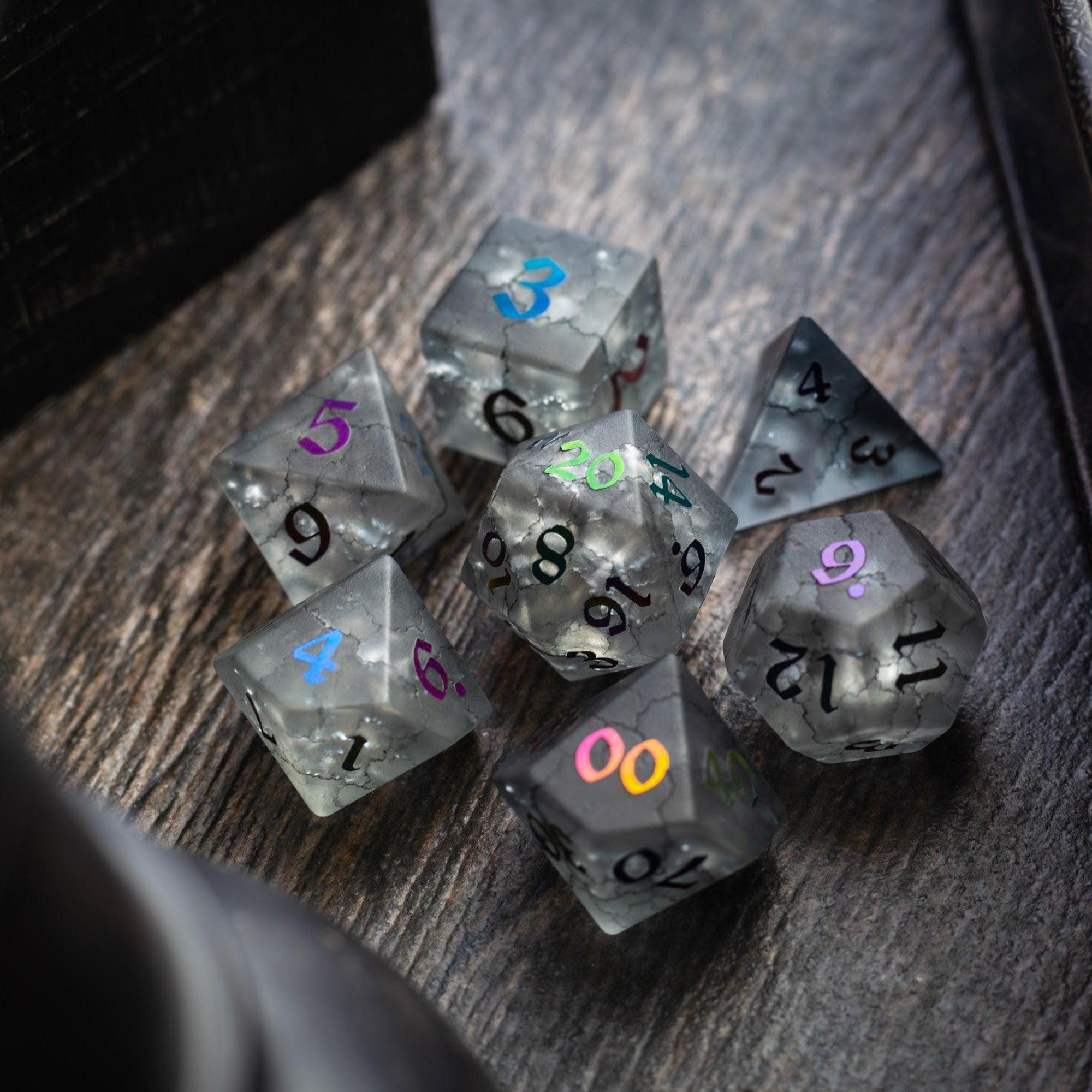
If you enjoy sharp-edge resin with high contrast, the Starlit Rift resin set offers striking clarity for quick reads under different lighting. And if you’re building a table kit from scratch, browse core categories via Shop collections to mix a readable primary set with a thematic backup.
Did You Know?
- High-contrast numbering saves more time than any single tracking sheet—your eyes process results faster, and calls are clearer across a busy table.
- Trays reduce cocked rolls and keep minis safe. A tray with a slight lip also dampens sound, which helps in small apartments or late-night sessions.
- Initiative tokens (coins, color chips, or numbered markers) speed up turn order more than paper lists because they’re visible to everyone at once.
- Compact index cards still outperform most digital notes for quick NPCs or loot—one card per topic, filed back into a small box between games.
- Visible clocks and timers are less about pressure and more about signaling stakes. When the timer’s out, it’s scene change time—no arguments, no awkward fade.
- Legibility matters more than theme. A simple, readable set paired with a thematic backup gives you style without slowing play.
Pros & Cons Analysis
Pros
- Faster decisions: Clear dice, visible trackers, and tidy surfaces reduce “wait, what happened?” moments.
- Shared understanding: Physical tokens and upright cards externalize information so everyone sees the same state.
- Lower cognitive load: When tools hold the details, your brain stays on story, character choices, and pacing.
- Consistency: Rituals—same tray, same initiative method, same storage—create rhythm, which builds momentum.
- Immersion: A well-made set (gemstone or resin) becomes a table totem. People treat it with care and match that energy in play.
Cons
- Overbuying risk: Too many gadgets becomes clutter. Start small and add only what solves a specific friction point.
- Portability trade-offs: Heavier materials feel great but add weight to your bag. Pair with a compact case or keep a travel set.
- Table space: Trays and towers can sprawl. Agree on a table layout—rolling area, GM zone, player zone—before you unpack.
- Learning curve: New trackers add rules overhead. Keep systems simple and consistent across sessions.
Looking for a visual showpiece that still reads cleanly? Check out the Liquid core dice lineup for attention-grabbing rolls that remain easy to call. If you want a contrasting backup for night games, the Starlit Rift resin set pairs well with a gemstone primary, and the Labradorite set remains a dependable anchor for weekly campaigns. You can mix materials while keeping a consistent font size and face layout so results look familiar across sets.
FAQ Section
What are the most useful accessories for new GMs?
Start with the basics that impact every scene: a readable dice set, a compact rolling tray, a simple turn tracker, and index cards. A clear set with good contrast speeds up all checks. A tray cuts cocked rolls and keeps dice from scattering into minis or snacks. For turns, use numbered tokens or a small row of cards—everyone can see them at a glance. Index cards hold NPC names, scene goals, and treasure. Keep it simple and repeat the same system each session.
How do I keep sessions moving without rushing players?
Use visible tools to show the state of play. Drop round counters or “escalation” markers on the table so the stakes are obvious. Keep a small timer only for scenes that benefit from urgency, like chases or rituals. Between turns, cue the next player while you resolve the current action. Finally, keep your reference notes on a few cards, not a thick binder—less page-flipping equals more spotlight time for your group.
How do I choose dice that are readable and fair?
Prioritize contrast and font size first. Test readability under warm and cool lighting if your space changes between sessions. Roll on a flat tray to avoid edges biasing the outcome. Balance is mainly about consistent manufacturing and undamaged faces; avoid chipped or deeply scratched edges. For a reliable, legible option with strong table presence, the Labradorite set is a solid weekly driver. If you want something flashier for big rolls, keep a second set like the Starlit Rift resin set for spotlight moments.
Do resin or gemstone dice damage tables or mats?
On a bare, soft wood surface, any hard edge can leave marks over time. A tray or playmat solves this. Resin is lighter and usually gentler on mats; gemstone is heavier and feels premium but benefits most from a tray with a bit of padding. If you share a small table, choose a compact tray with a low lip to save space while protecting surfaces.



Leave a comment
This site is protected by hCaptcha and the hCaptcha Privacy Policy and Terms of Service apply.