Subclass Playtesting Guide: How to Balance D&D Subclasses for Better Campaigns

Creating a homebrew subclass is one of the most exciting parts of D&D character creation. Maybe you want a rogue who steals memories, a cleric powered by starlight, or a fighter who channels ancient monster-hunting techniques. Custom subclasses can make a campaign feel personal, fresh, and full of surprises.
But even the coolest idea needs testing before it becomes part of an ongoing campaign.
Subclass playtesting helps you find out whether your design is fun, fair, and easy to use at the table. A homebrew subclass should feel powerful enough to excite the player, but not so strong that it overshadows the rest of the party. The goal is not to make the strongest character possible. The goal is to create balanced character builds that lead to better stories, better choices, and better sessions.
Why Subclass Playtesting Matters
A subclass can look balanced on paper and still cause problems during actual play. Some features seem harmless until they stack with spells, feats, magic items, or party abilities. Other features sound amazing but rarely matter in real encounters.
Good subclass playtesting helps you:
-
Catch overpowered abilities before they disrupt the campaign
-
Strengthen weak features that do not feel rewarding
-
Make sure the subclass has a clear identity
-
Protect party balance
-
Improve player enjoyment
-
Keep the Dungeon Master from constantly adjusting encounters around one character
This is especially important in long campaigns. A feature that feels fine in a one-shot might become frustrating after ten sessions. A custom subclass should still feel good after the novelty wears off.
Comparing Against Official Subclasses
The easiest way to check subclass balance is to compare your homebrew subclass against official subclasses for the same class.
If you are creating a fighter subclass, compare it to Battle Master, Champion, or Eldritch Knight. If you are building a wizard subclass, look at how official wizard traditions handle damage, utility, defense, and feature timing.
Pay close attention to:
-
When features are gained
-
How often abilities can be used
-
Whether features require an action, bonus action, reaction, or no action
-
How much damage or defense they add
-
Whether the subclass solves problems outside combat
-
How much complexity it adds to the character sheet
Official subclasses are not perfect, but they are useful benchmarks. A homebrew subclass does not need to copy them, but it should live in the same general power range.
For example, if your custom rogue subclass deals extra damage every turn without spending a resource, compare that to Sneak Attack and other rogue subclass features. If your cleric subclass grants heavy armor, strong bonus spells, bonus damage, and defensive reactions all at early levels, it may be doing too much too soon.
Common Homebrew Balance Problems
Most subclass balance problems come from a few familiar places.
Too Much Damage
Damage is one of the easiest things to overdo. A small bonus can become a big issue when it applies every round.
Watch out for features that:
-
Add damage without limits
-
Stack with already strong class features
-
Trigger too often
-
Improve critical hits too aggressively
-
Outperform similar official subclasses every combat
A subclass can be strong in combat, but it should not make other damage-focused characters feel unnecessary.
Excessive Action Economy
Action economy is one of the biggest parts of tabletop game design. A feature that gives extra attacks, free movement, bonus spellcasting, or repeated reactions can quickly become too powerful.
Ask yourself: does this subclass get to do more than everyone else every turn?
If the answer is yes, the feature may need a limit.
Unlimited Resources
Unlimited abilities are not always a problem, but unlimited power spikes usually are. If a subclass can use its strongest feature every encounter with no real cost, it may dominate the game.
Consider tying major abilities to:
-
Proficiency bonus uses per long rest
-
Short rest recovery
-
Spell slots
-
Class resources
-
Specific conditions or setup
Overlapping Class Identities
A homebrew subclass should add flavor without stealing another class’s role. A rogue subclass can have magical tricks, but it should not become a better wizard. A fighter subclass can gain healing flavor, but it should not replace the cleric.
Strong subclass design supports the base class instead of turning it into something completely better than another class.
Features Gained Too Early
Feature timing matters. A powerful ability at level 3 can cause more problems than the same ability at level 10. Early subclass features should define the playstyle, not fully unlock the subclass’s strongest tools.
Running Effective Playtests
The best way to test custom subclasses is to run them through different types of scenes.
Combat is important, but it is not the only test. A subclass should also be checked during exploration, social interaction, downtime, and problem-solving.
Try testing at multiple levels:
-
Low level, such as 3rd or 4th level
-
Mid level, such as 7th or 8th level
-
Higher level, such as 11th or 12th level
You do not need to run a full campaign to test every idea. A few focused playtest encounters can reveal a lot.
Useful playtest scenes include:
-
A standard combat against several weaker enemies
-
A boss fight against one dangerous enemy
-
A social scene where the subclass may use utility features
-
An exploration challenge involving travel, traps, or hazards
-
A resource-draining adventuring day with multiple encounters
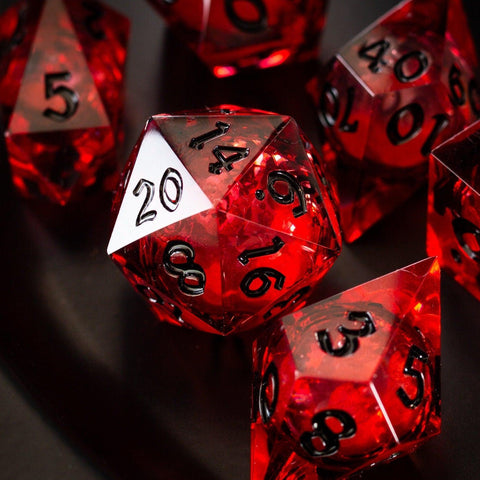
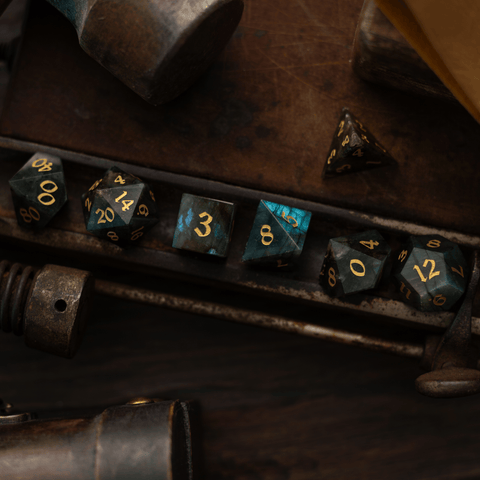
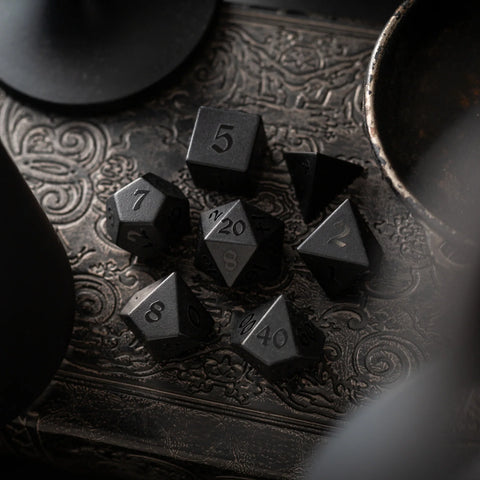
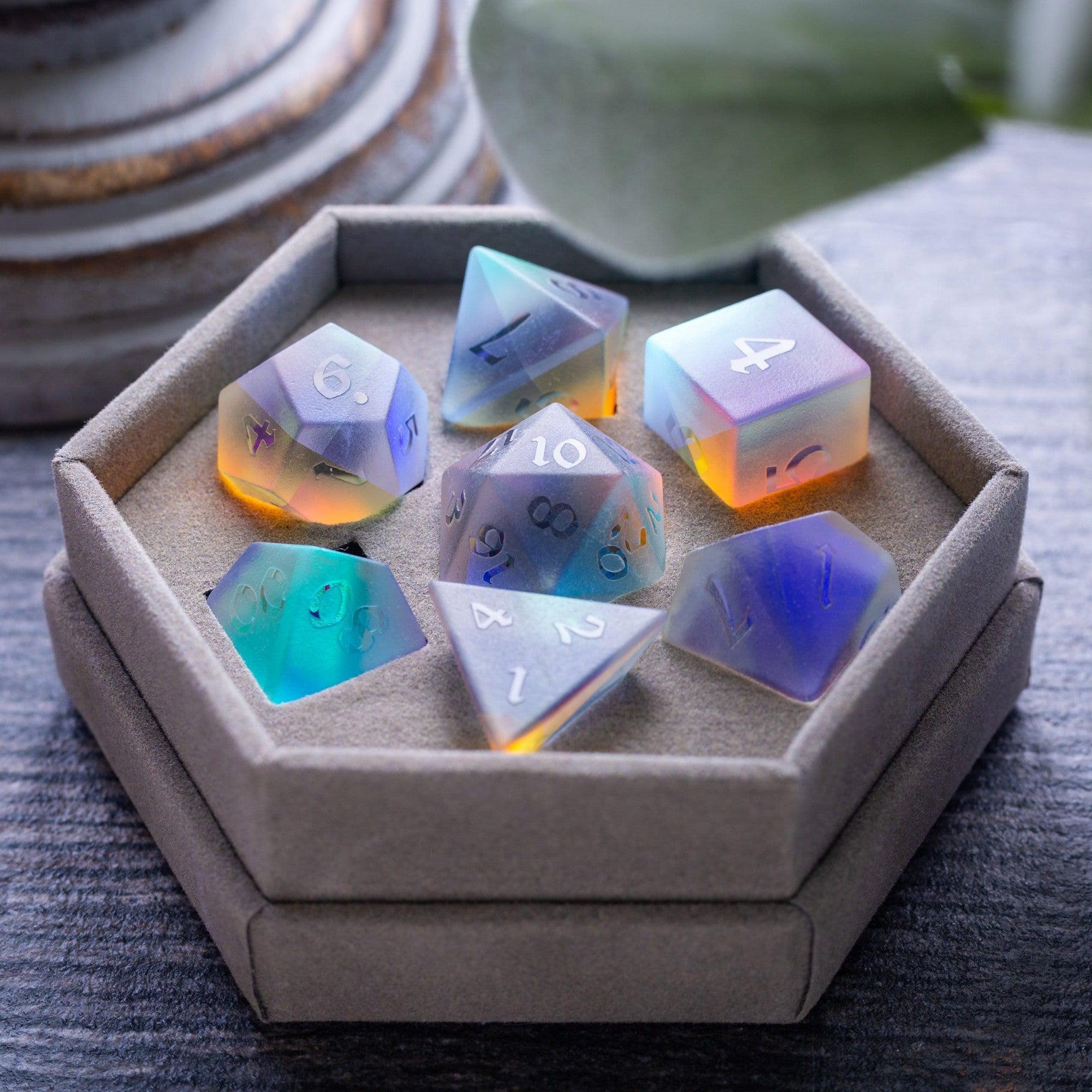
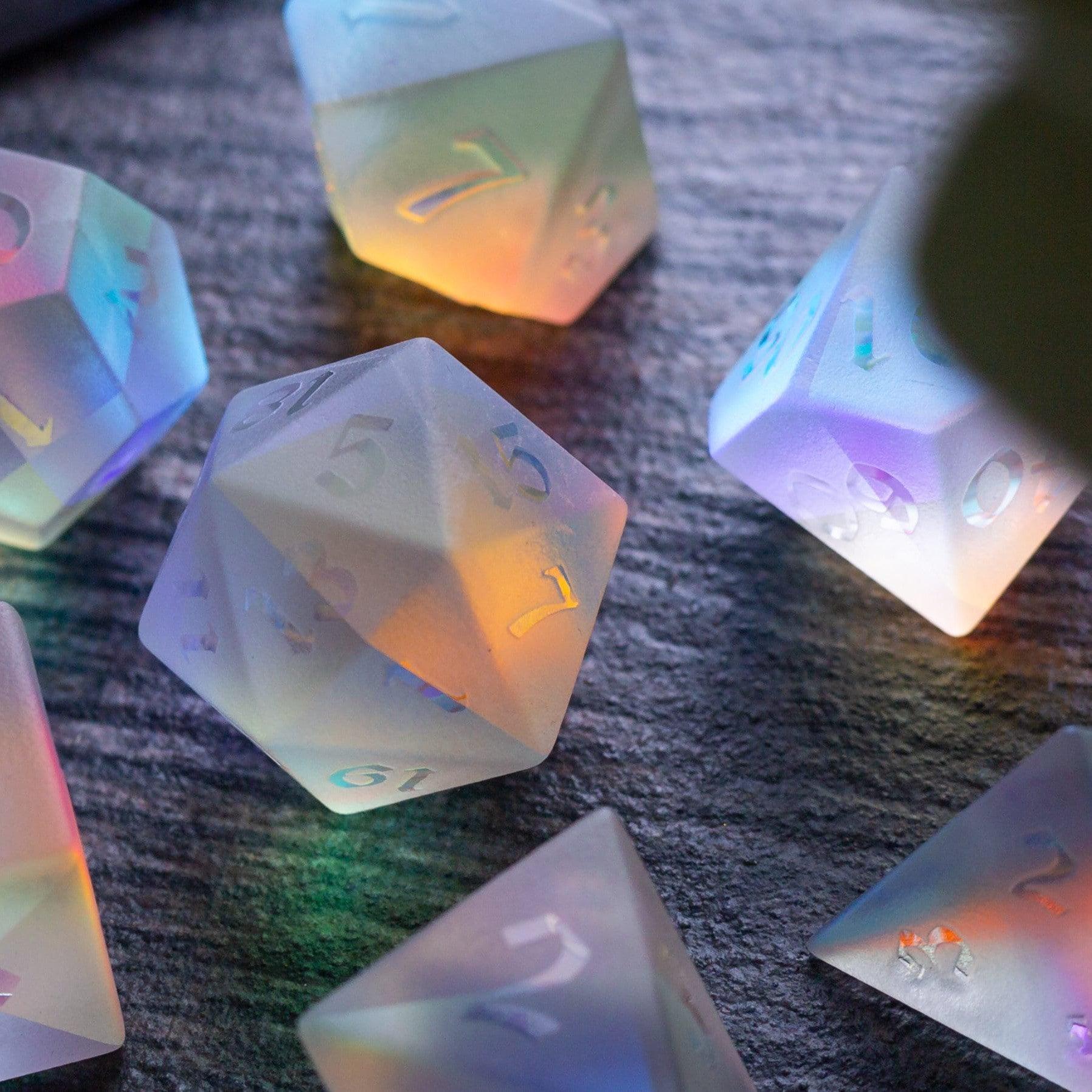
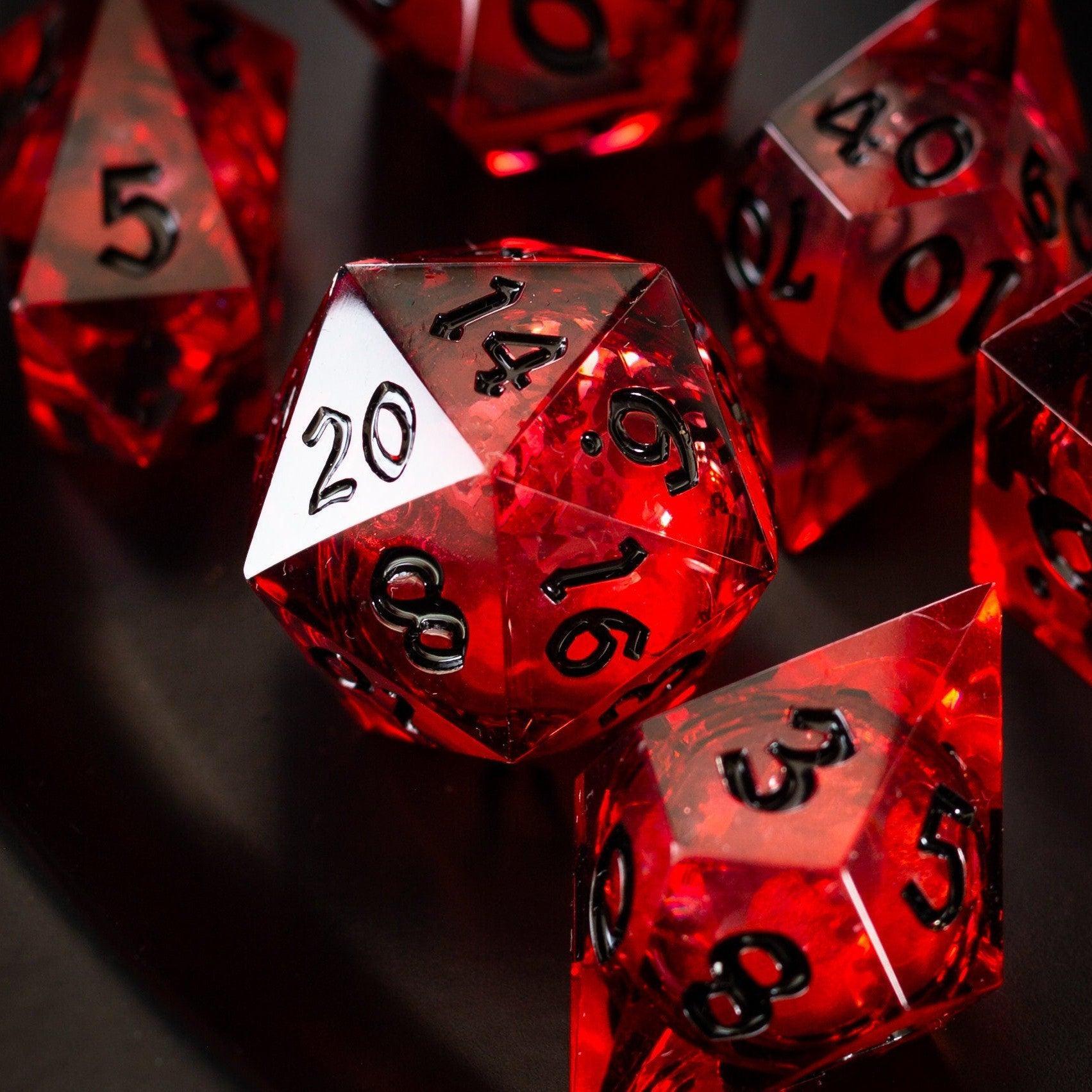
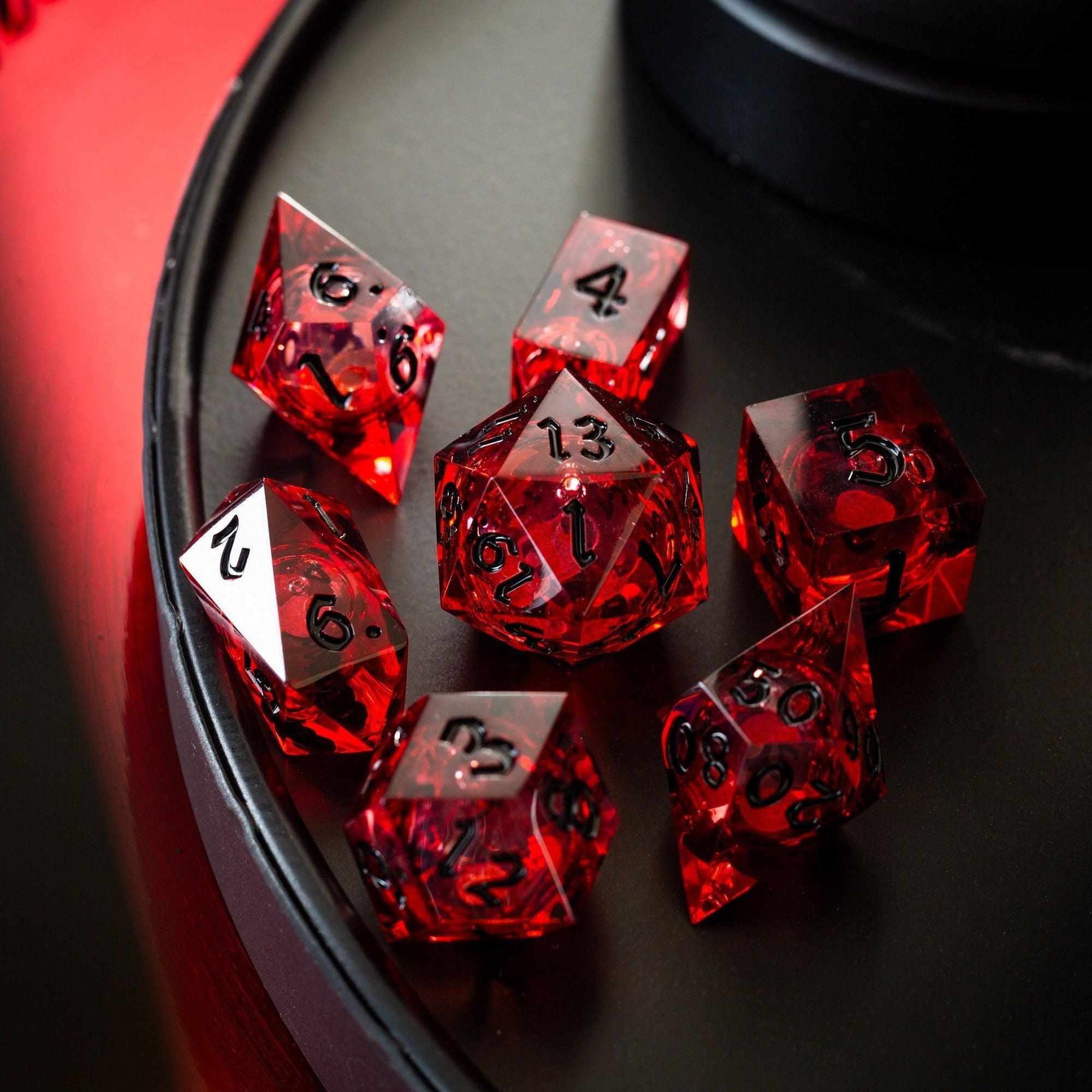
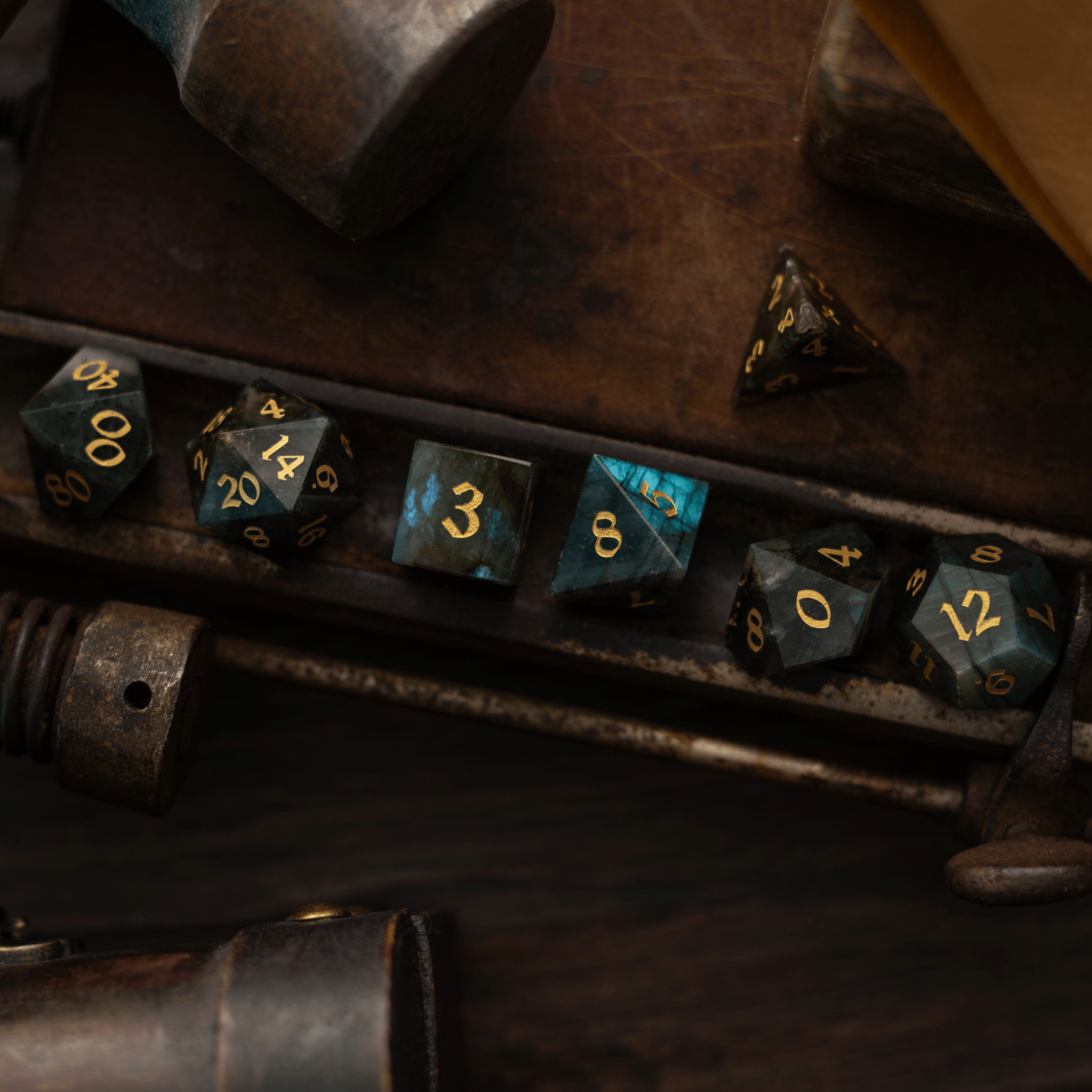
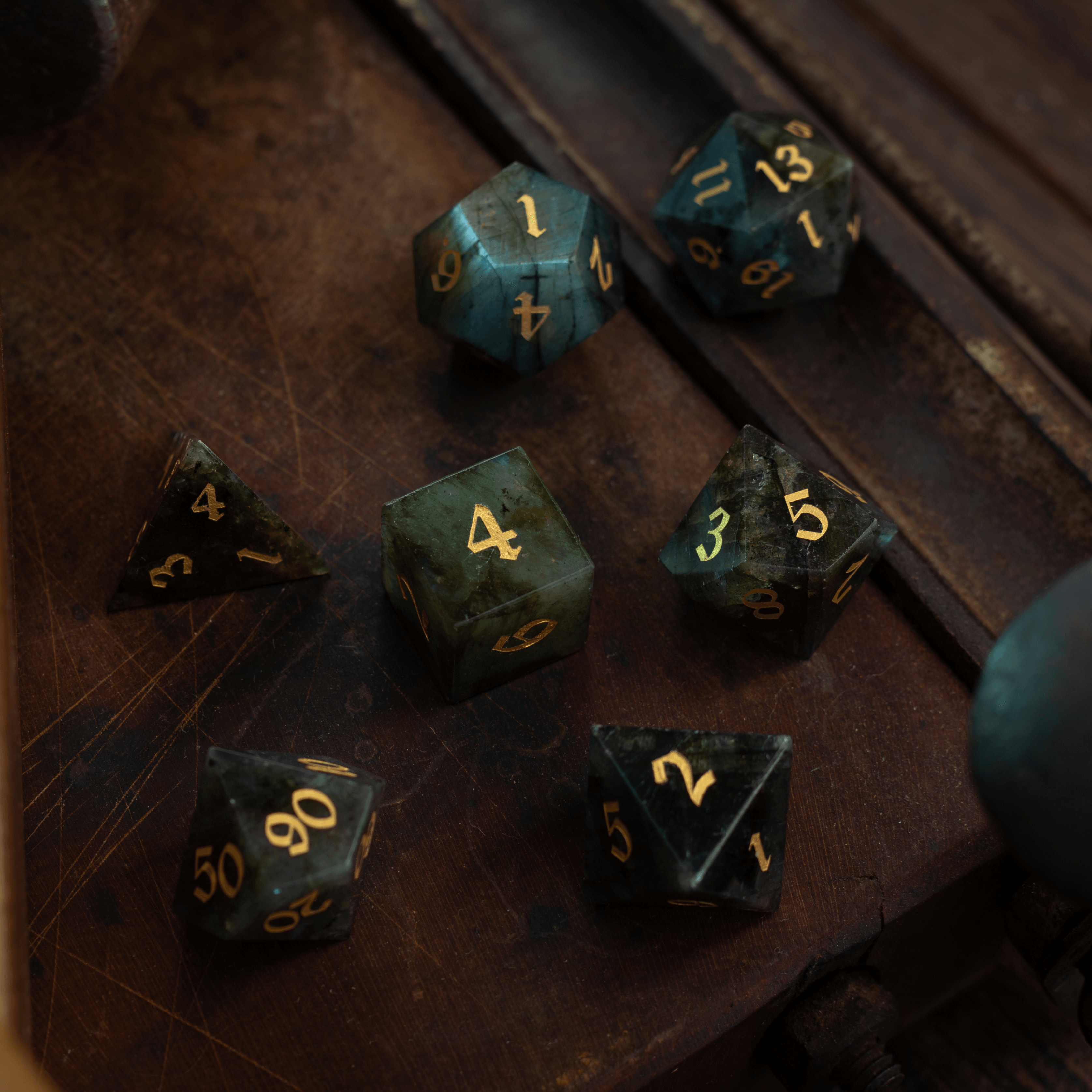
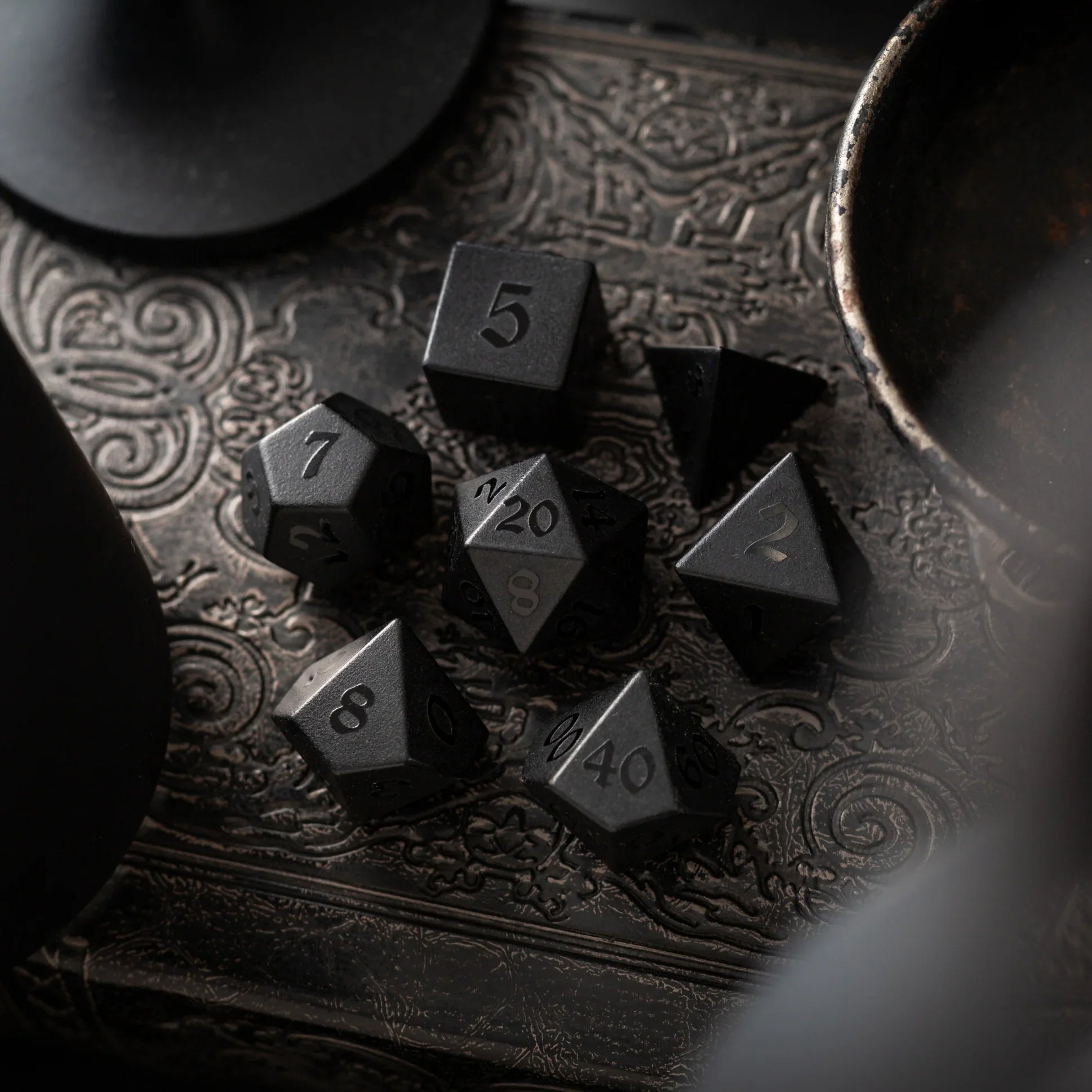
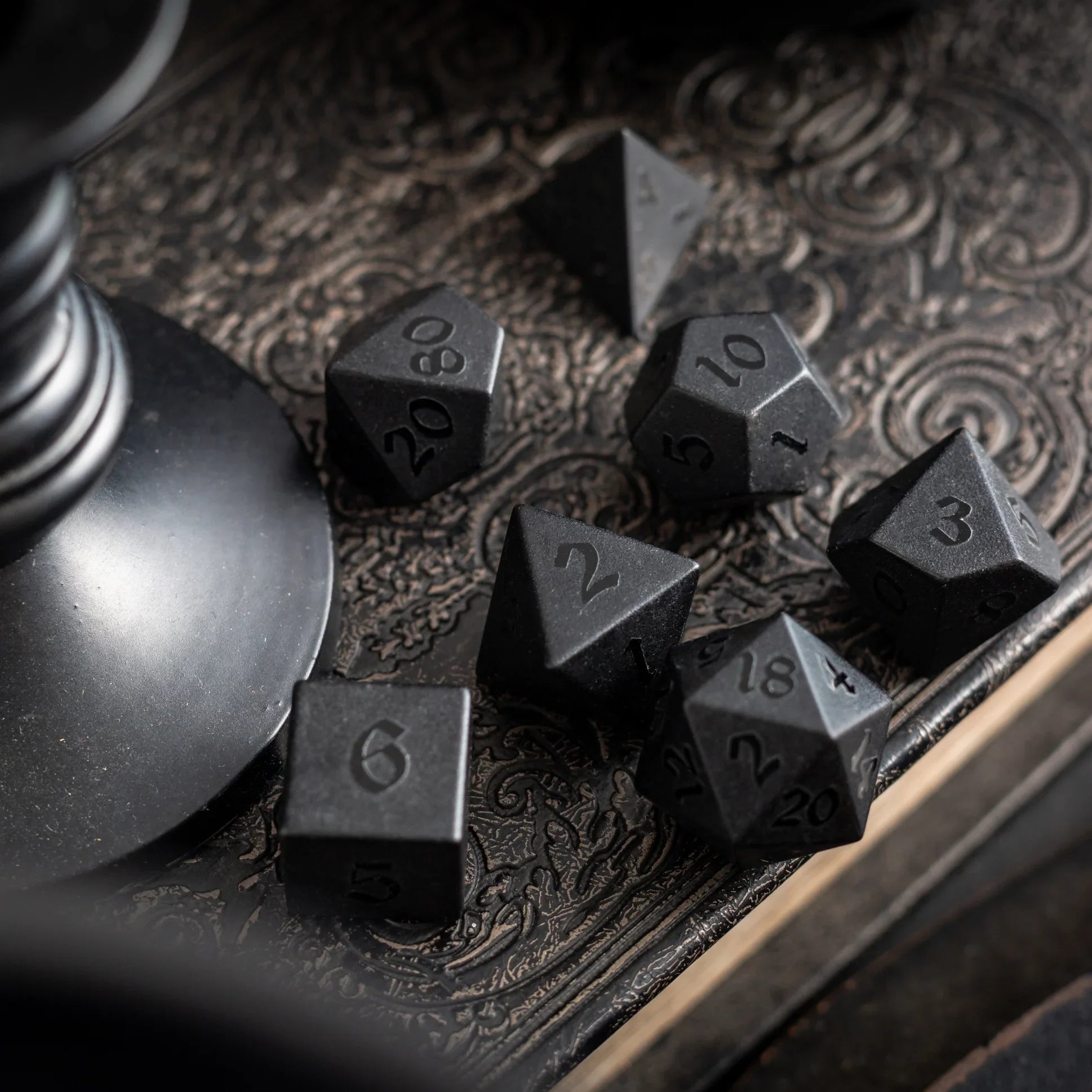
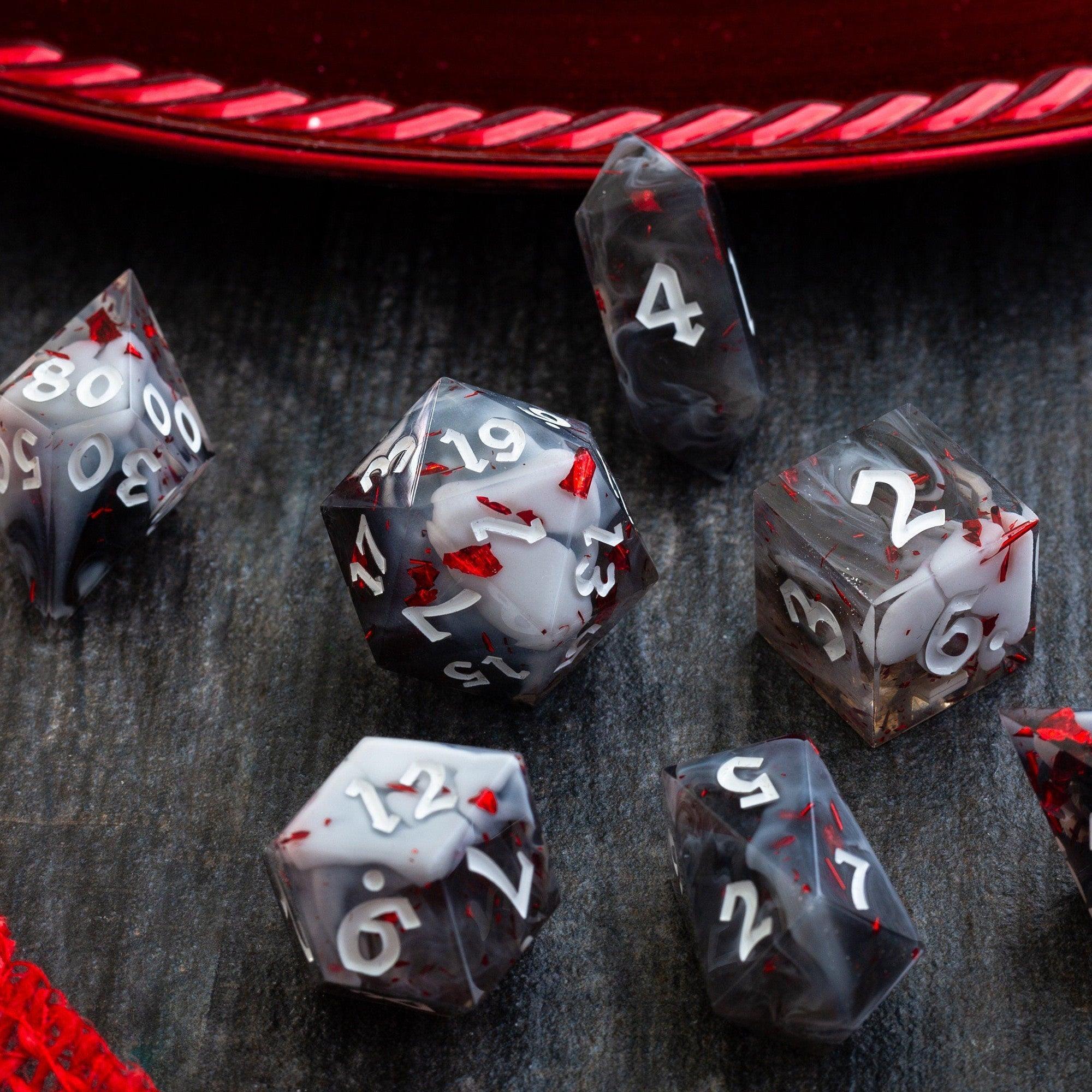
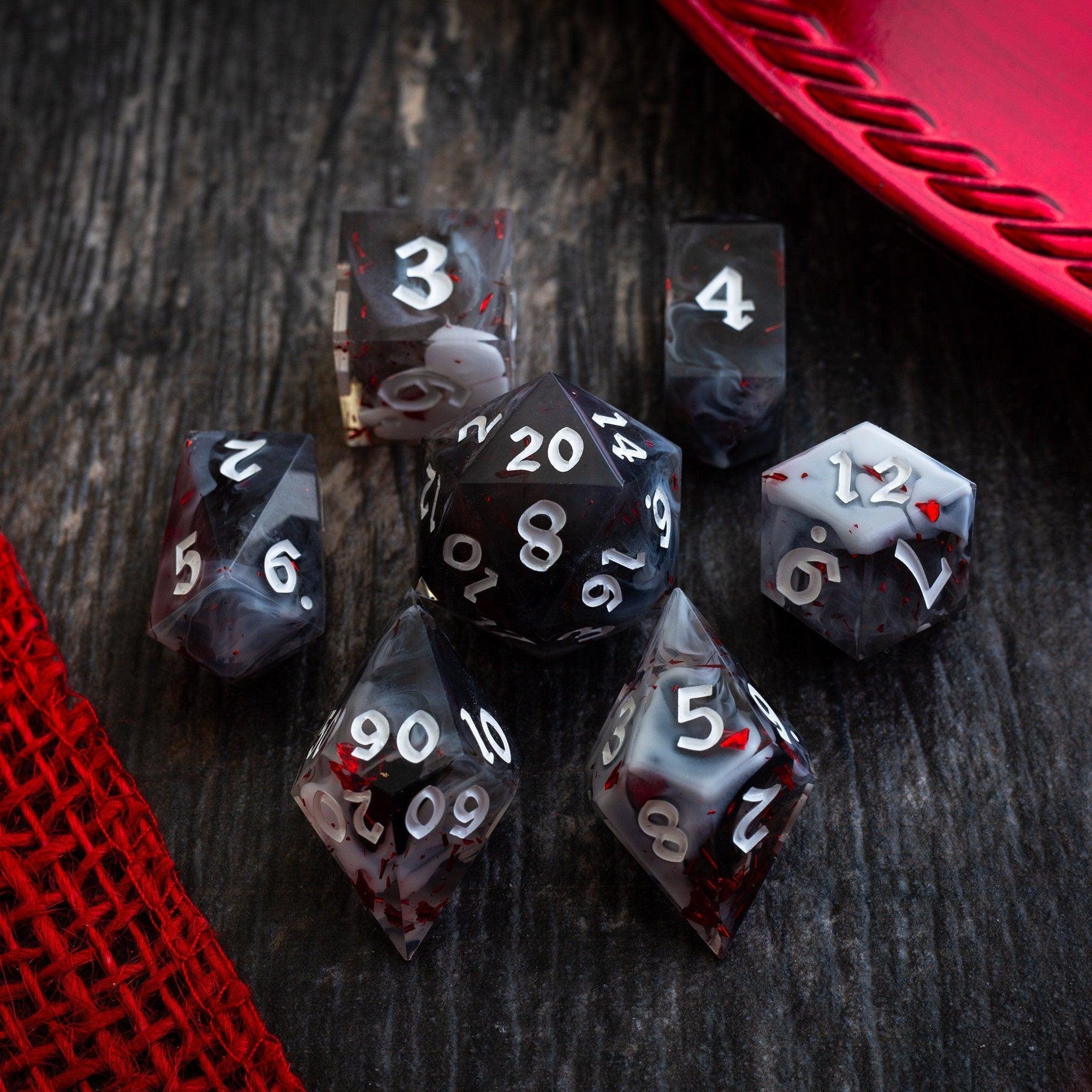
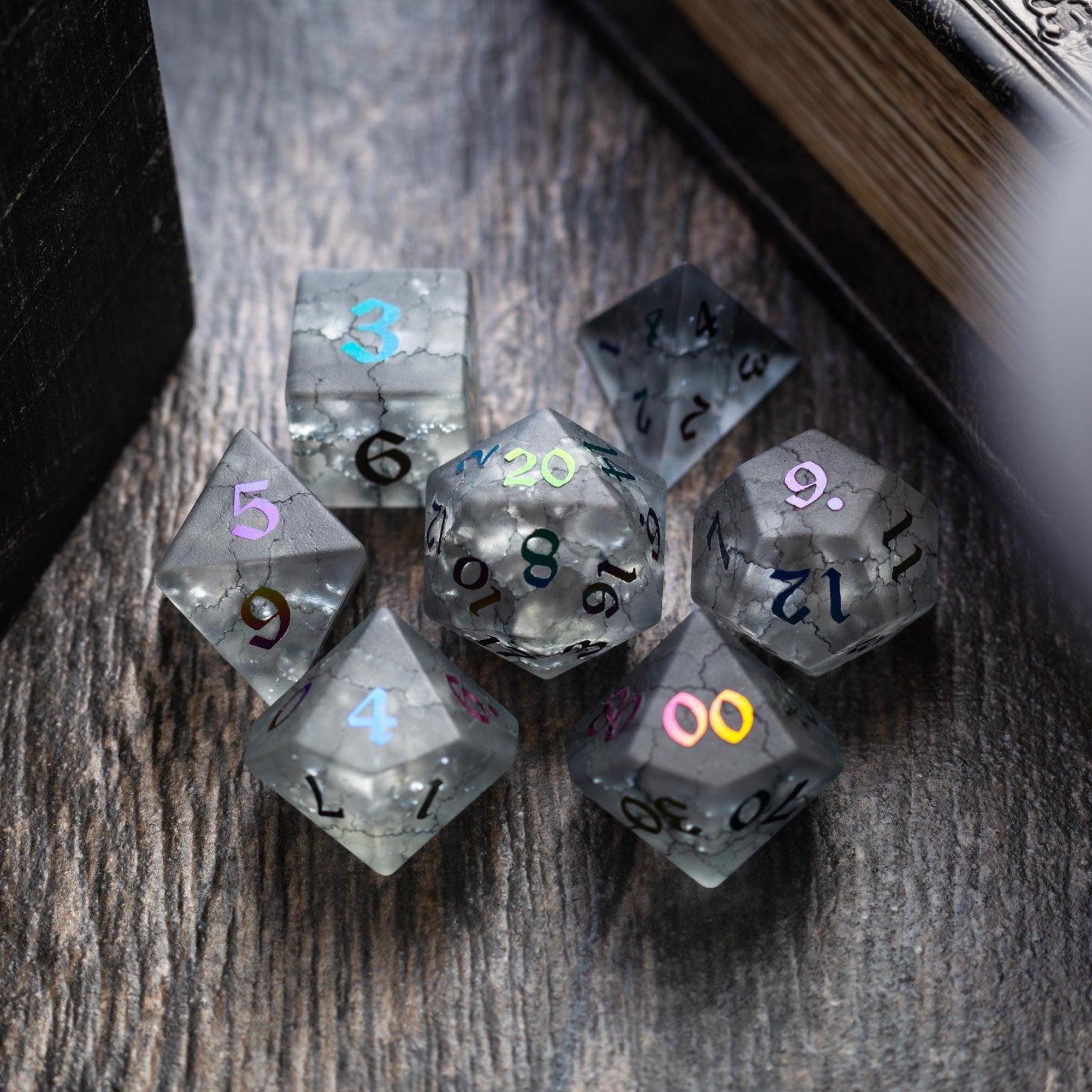
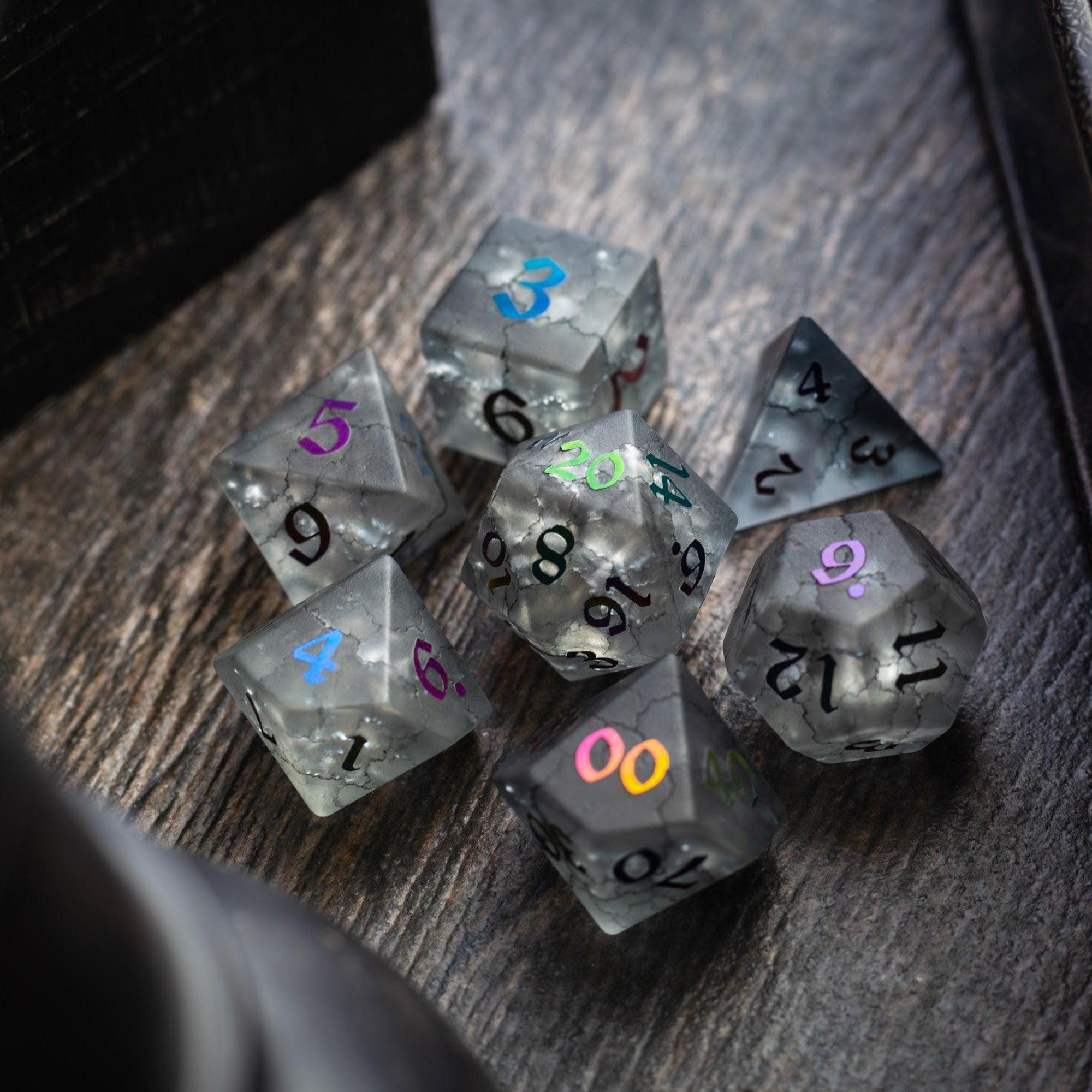
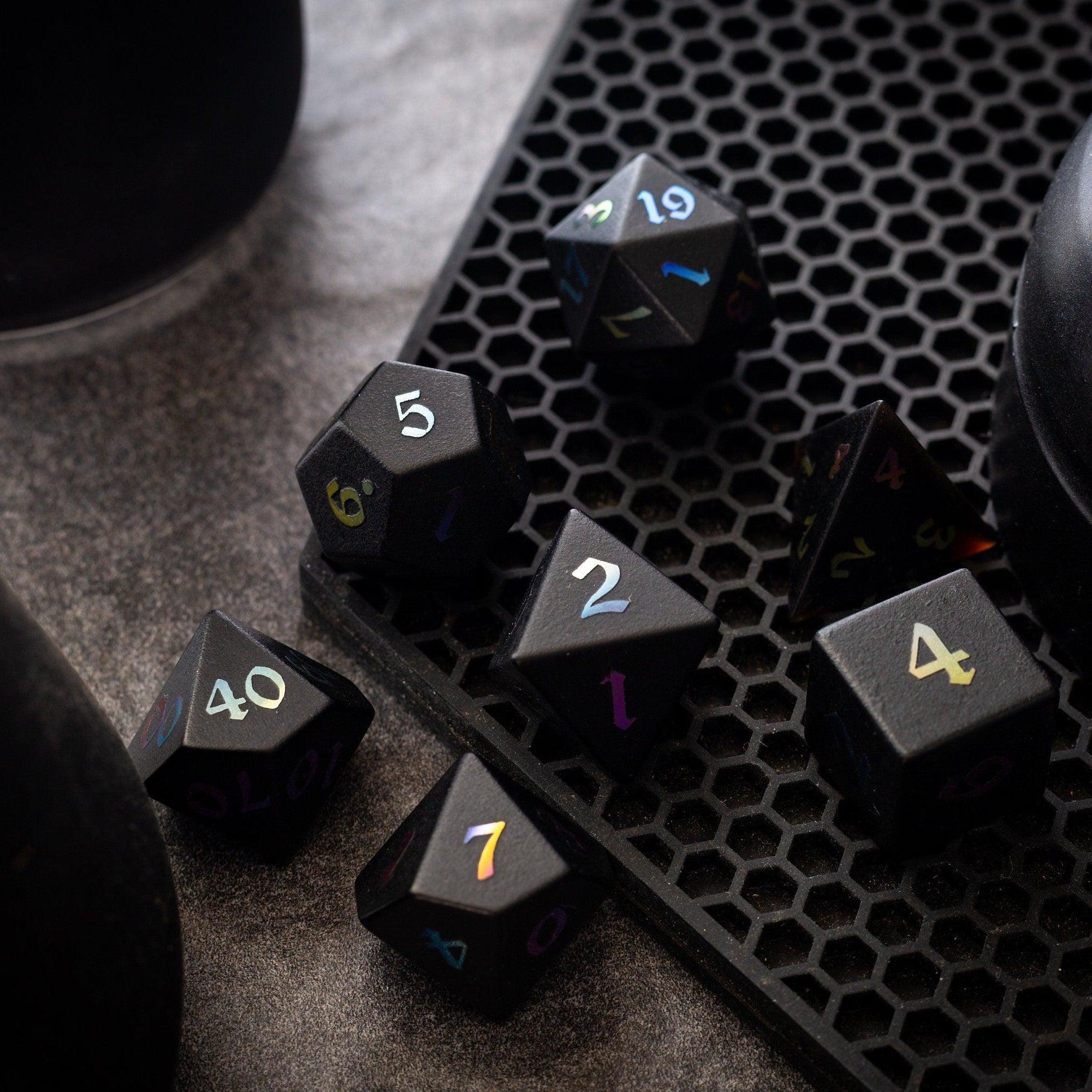
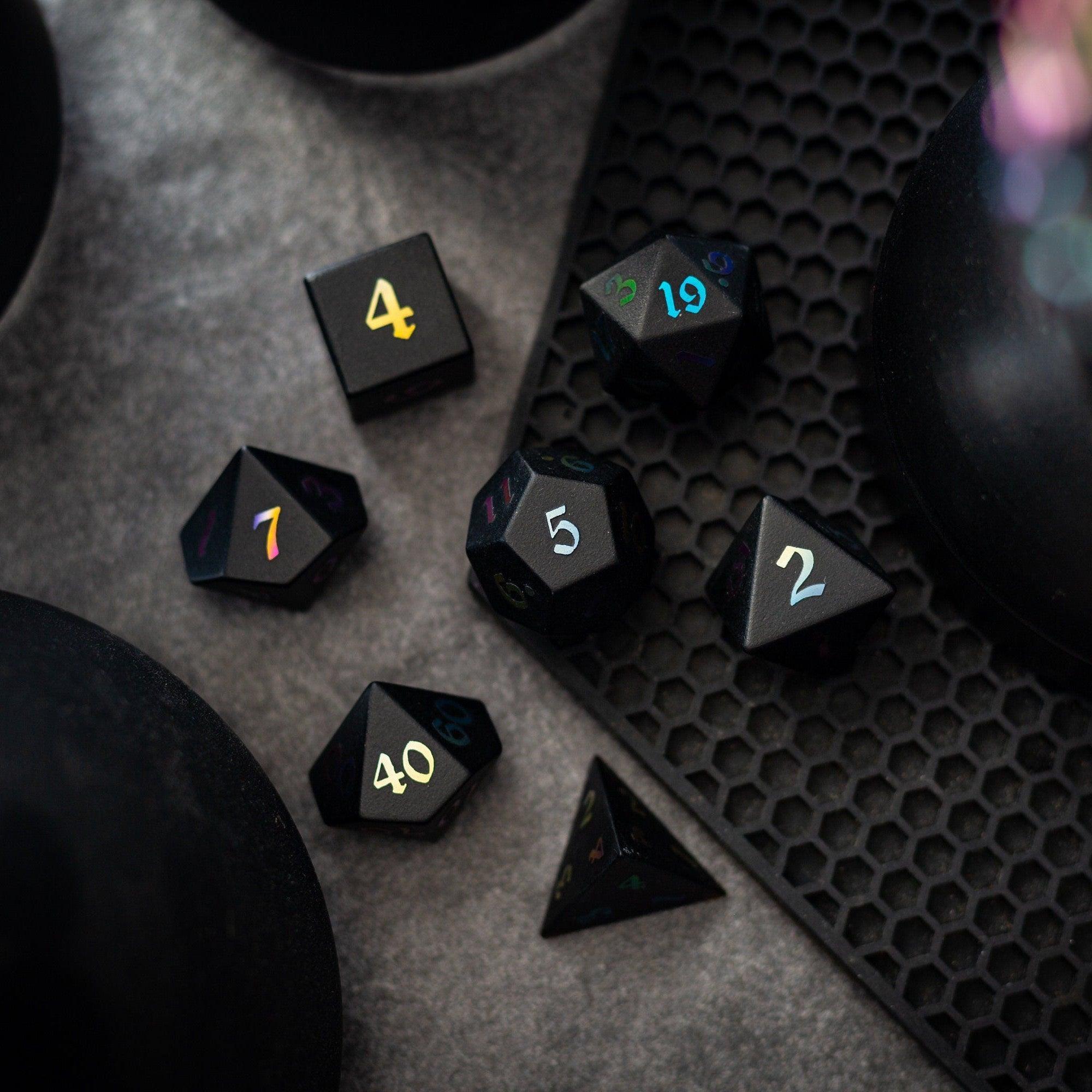
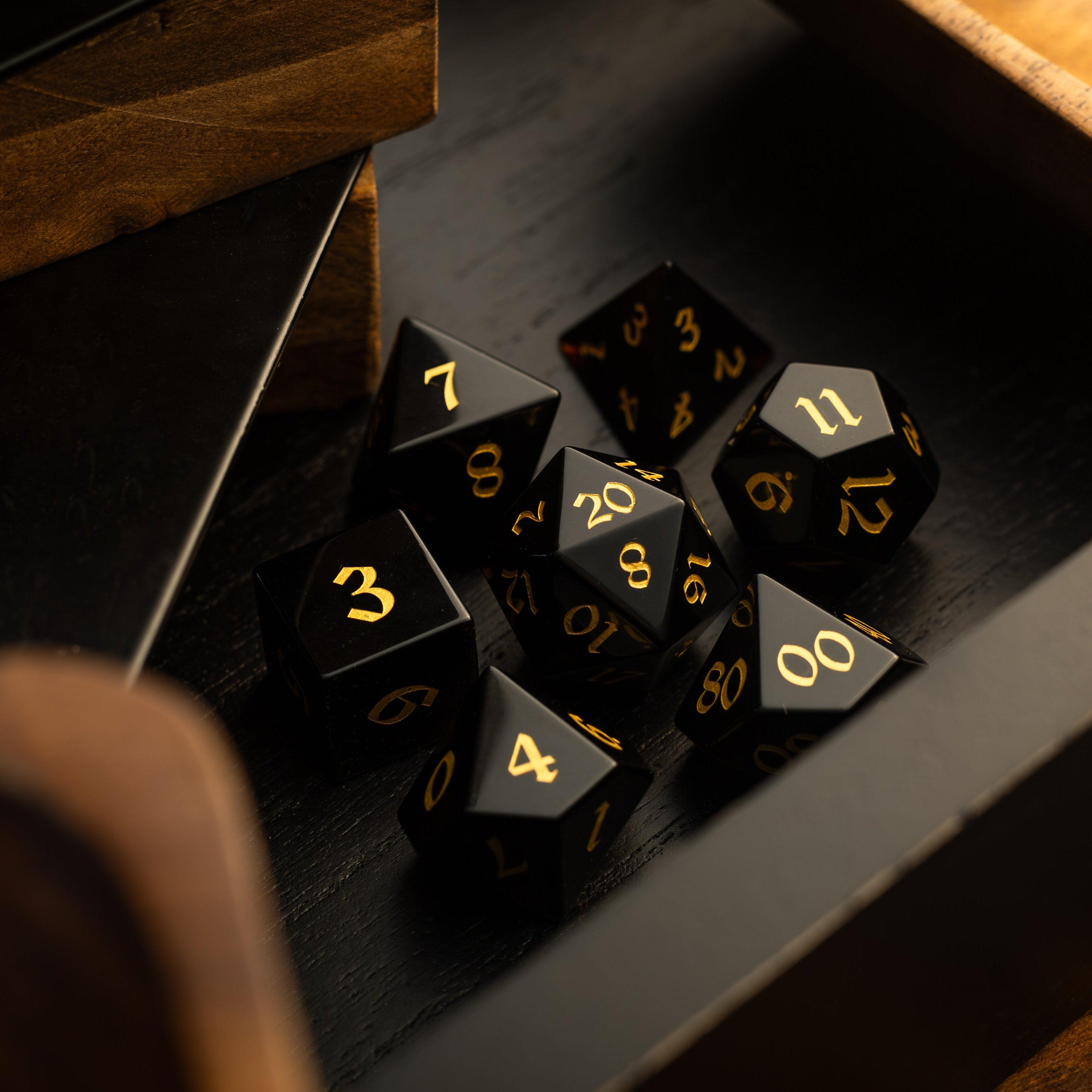
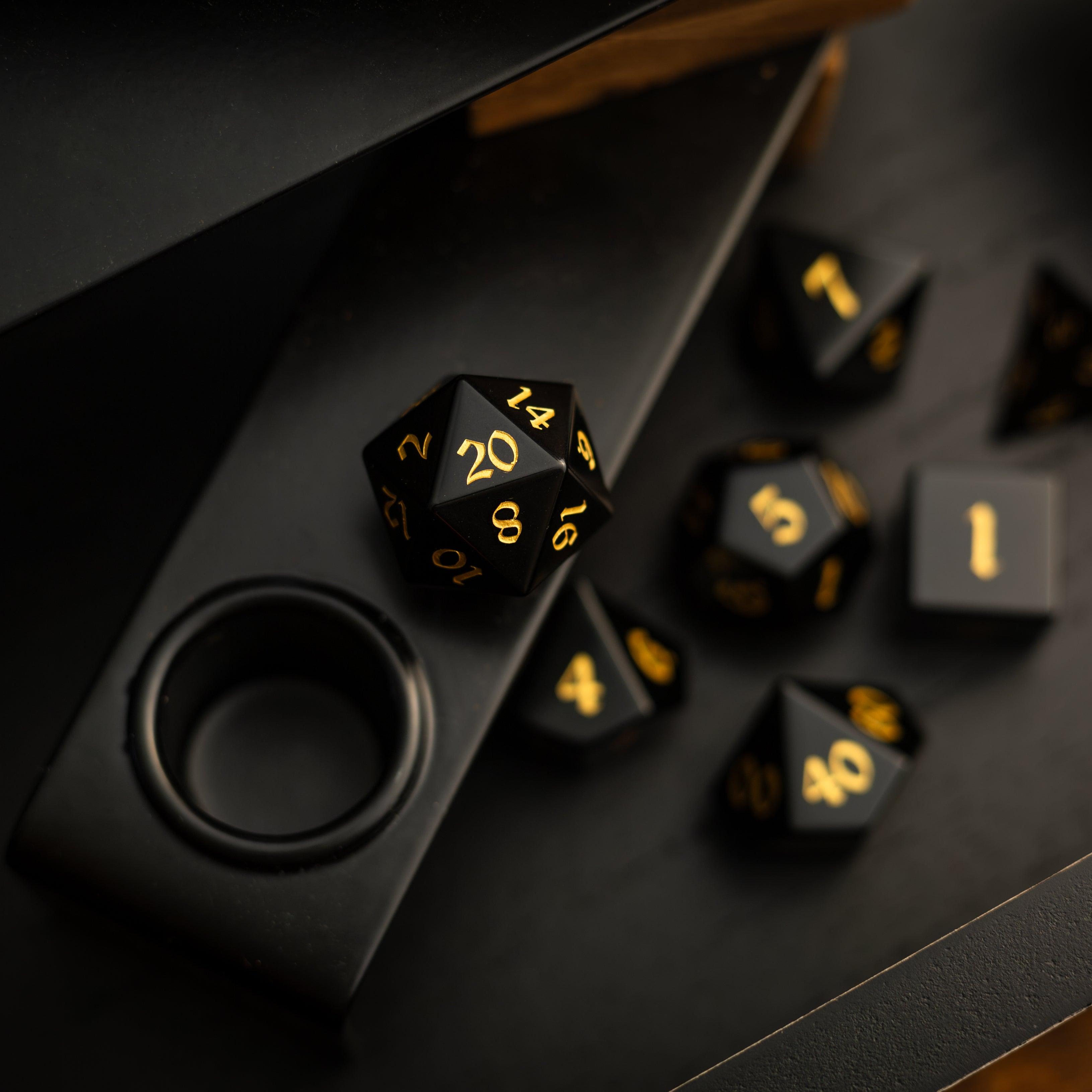
During playtesting, use the same dice and tracking tools you would use in a real session. Precision gemstone dice can be fun for testing probability because every roll feels intentional. Metal dice can make important playtest moments feel memorable, while resin dice are great for trying out character prototypes and subclass concepts. Themed dice can also help players connect with the identity of a custom subclass, especially once the design starts to feel campaign-ready.
Subclass Evaluation Table
| Area | Questions to Ask | Warning Signs |
|---|---|---|
| Damage | Does it outperform similar subclasses? | Consistently dominates combat |
| Defense | Is survivability reasonable? | Rarely threatened |
| Utility | Does it solve too many problems? | Overshadows other players |
| Resources | Are abilities limited appropriately? | Unlimited power spikes |
| Fun Factor | Is it enjoyable without being overwhelming? | Creates frustration or imbalance |
Use this table after each playtest session. If one warning sign appears once, it may not be a problem. If it appears again and again, the subclass probably needs revision.
Gathering Useful Player Feedback
Player feedback is one of the most valuable parts of subclass playtesting. Numbers matter, but the table experience matters just as much.
Ask simple questions like:
-
Did the subclass feel fun to play?
-
Were the features clear?
-
Did any ability feel too strong?
-
Did any ability feel too weak?
-
Did the subclass create interesting choices?
-
Did it support the party or steal attention from others?
-
Did it create good roleplaying opportunities?
Be careful with feedback like “it felt awesome.” That is useful, but it does not always mean the subclass is balanced. Ask what made it feel awesome. Was it the theme, the choices, the damage, or the ability to solve every problem?
Also ask the other players how it felt from their side of the table. A subclass can feel great to one player while making everyone else feel less useful.
Making Smart Adjustments
When a homebrew subclass has a problem, do not rewrite the whole thing right away. Start with small changes.
Good adjustments include:
-
Reducing bonus damage slightly
-
Adding a limited number of uses
-
Changing a bonus action ability into an action
-
Moving a strong feature to a later level
-
Shortening a condition duration
-
Simplifying confusing wording
-
Removing one benefit from an overloaded feature
Small changes are easier to test. If you change five things at once, it becomes harder to know what fixed the problem.
For example, if a subclass feature lets a character teleport, deal bonus damage, and impose disadvantage on an enemy all with one bonus action, you may not need to delete the feature. You could limit its uses, remove one effect, or require the player to choose one benefit each time.
After revising the subclass, test it again. Subclass balance is a process, not a one-time decision.
When a Subclass Is Ready for Campaign Play
A homebrew subclass is probably ready when it performs well across several kinds of encounters without causing repeated problems.
Look for these signs:
-
The subclass feels exciting but not overwhelming
-
The player has meaningful choices
-
Other party members still get moments to shine
-
The Dungeon Master does not need to redesign every encounter around it
-
Features are easy to understand during play
-
Resource limits feel fair
-
The subclass supports long-term campaign play
A ready subclass does not need to be perfect. Even official subclasses vary in strength. What matters is that the subclass feels fair, fun, and reliable enough for your table.
Final Thoughts
Subclass playtesting is not about draining the creativity out of homebrew. It is about making sure your best ideas actually work during real games.
The strongest subclass is not always the best subclass. The best custom subclasses create memorable moments, support the party, and give players a clear identity without taking over the campaign.
Whether you are building a haunted ranger, a storm-powered monk, or a bard who rewrites fate through music, take the time to test it. Compare it against official options. Watch how it performs in combat and roleplay. Listen to your players. Make small changes. Then roll again.
That is how a cool homebrew subclass becomes something your table will remember for years.

Leave a comment
This site is protected by hCaptcha and the hCaptcha Privacy Policy and Terms of Service apply.