
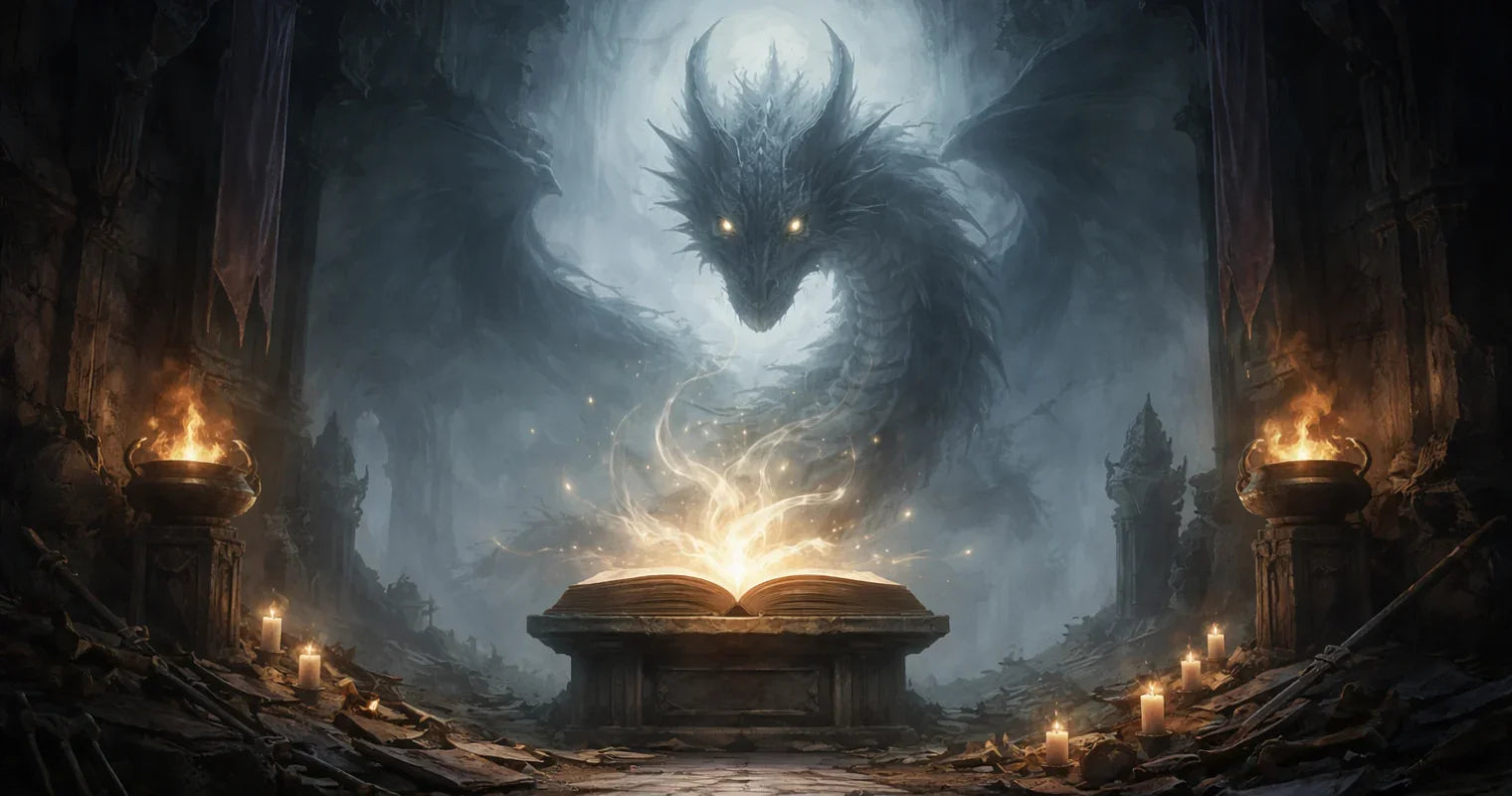
The Book of Dragons Lore: A Dungeon Master's Guide to Dragon Campaigns

Dragons are not just monsters. They are legends with wings.
In Dungeons & Dragons, few creatures carry as much weight as a dragon. The moment one appears, the whole table feels it. Players sit up straighter. The Dungeon Master slows their voice. Even before initiative is rolled, everyone knows they are standing in the shadow of something ancient, powerful, and unforgettable.
That is what makes dragon lore such a useful tool for campaign design. A dragon can be a final boss, a mysterious patron, a forgotten god, a tyrant king, or the last living witness to a world that no longer exists. When used well, dnd dragons become more than combat encounters. They become the heart of the story.
This dungeon master dragon guide explores how to use dragon mythology, dragon legends, and fantasy dragons to build richer campaigns that feel epic from the very first rumor.
Why Dragon Lore Matters in Campaign Design
Dragon lore gives your world history.
A bandit camp might create a fun session. A goblin cave might make a great starting quest. But a dragon’s presence can shape entire kingdoms. Villages may build festivals around surviving its wrath. Noble families may claim descent from dragon-blooded heroes. Ancient ruins may exist because a wyrm burned an empire to ash centuries ago.
Good dragon storytelling adds:
-
Ancient history
-
Powerful factions
-
Regional fear or worship
-
Legendary treasure
-
Moral choices
-
Long-term campaign stakes
The best dragon adventures usually begin before the party ever sees the dragon. Maybe they find claw marks carved into stone towers. Maybe every map labels one mountain range as “Do Not Cross.” Maybe old soldiers still whisper about the night the sky turned red.
That kind of dragon worldbuilding makes the creature feel real before it ever lands at the table.
Understanding Dragon Archetypes
One of the easiest ways to build strong dragon campaign ideas is to start with the dragon’s type. In D&D, chromatic and metallic dragons often carry different themes, personalities, and story roles.
Chromatic Dragons
Chromatic dragons are often tied to greed, cruelty, domination, and destruction. They make excellent villains, but each color brings a different flavor.
Red dragons are classic tyrants. They love power, treasure, fear, and conquest. A red dragon might rule from a volcanic fortress, demanding tribute from nearby kingdoms.
Blue dragons are patient, proud, and strategic. They work well in desert campaigns, political plots, and stories involving manipulation from afar.
Green dragons are masters of deception. They are perfect for forest adventures, poison-themed plots, corrupt courts, and stories where the villain hides behind charm.
Black dragons fit ruined kingdoms, swamps, cursed temples, and cruel old grudges. Their lairs should feel rotten, dangerous, and haunted by history.
White dragons are primal hunters. They work beautifully in survival campaigns, frozen wastelands, and stories where nature itself feels hostile.
Metallic Dragons
Metallic dragons are often more noble, wise, curious, or complicated. They do not always need to be enemies.
Gold dragons feel mythic and divine. They can act as hidden guardians, ancient judges, or distant protectors of civilization.
Silver dragons are great for emotional stories because they often connect well with humanoids. A silver dragon might live among mortals in disguise.
Bronze dragons love justice, warfare, and coastlines. They fit naval campaigns, military adventures, and conflicts against sea monsters or tyrants.
Brass dragons are social and talkative. They are useful for desert lore, strange bargains, and roleplay-heavy encounters.
Copper dragons bring wit, trickery, and humor. They can be allies, rivals, puzzle-makers, or chaotic guardians of hidden places.
When choosing a dragon, think less about “what can it kill?” and more about “what kind of story follows it?”
Ancient Dragon Civilizations and Lost Empires
Some of the best dragon mythology starts with the past.
What if dragons once ruled the world? What if ancient wyrms built cities from obsidian, gold, and star-metal? What if today’s kingdoms are only living in the ruins of a forgotten dragon empire?
Ancient dragon civilizations can inspire:
-
Buried temples filled with dragon-script
-
Lost spells created by dragon sages
-
Old wars between chromatic and metallic dragons
-
Dragon-forged weapons hidden in royal vaults
-
Broken alliances between mortals and wyrms
-
Prophecies carved into mountain walls
This kind of history gives your campaign weight. A dungeon is no longer just a dungeon. It becomes the shattered library of a bronze dragon general. A magic sword is no longer just loot. It becomes the last weapon forged during the War of Burning Skies.
Dragon legends make ordinary locations feel legendary.
Dragon Campaign Ideas Table
| Campaign Theme | Dragon Role | Adventure Style |
|---|---|---|
| Dragon Tyrant | Main villain | Epic rebellion against a draconic ruler |
| Sleeping Wyrm | Ancient threat | Mystery, exploration, and forbidden prophecy |
| Dragon War | Faction leader | Military campaign with shifting alliances |
| Lost Dragon Empire | Historical force | Ruins, relics, and worldbuilding adventure |
| Dragon Cult | Hidden antagonist | Investigation, intrigue, and rising danger |
| Dragon Mentor | Secret ally | Roleplay, training, and moral choices |
| Stolen Hoard | Unstable power source | Heist, chase, and political fallout |
A great dragon campaign does not always need to begin with fire and destruction. Sometimes it begins with a single scale found in a farmer’s field.
Dragon Cults and Followers
A dragon does not need to appear in every session to influence the campaign.
Dragon cults are one of the best ways to make dragons feel powerful from a distance. Worshippers, priests, spies, merchants, and nobles might all serve a wyrm for different reasons. Some want power. Some want protection. Some truly believe the dragon is a god.
A dragon cult might include:
-
Robed priests who speak in draconic riddles
-
Knights sworn to a dragon queen
-
Merchants smuggling treasure into the mountains
-
Dragon-blooded champions with strange gifts
-
Nobles using dragon worship to gain political power
-
Villagers who offer sacrifices out of fear
This creates a more layered campaign. The party might fight cultists at low levels, uncover the dragon’s influence in the middle of the story, and only face the ancient wyrm near the end.
That slow reveal can make the final encounter feel earned.
Building Memorable Dragon Encounters
A dragon encounter should feel different from fighting a large beast with wings.
The lair matters. The mood matters. The dragon’s personality matters.
A green dragon might speak softly from behind a curtain of vines, offering the party exactly what they want for a terrible price. A red dragon might never negotiate unless the heroes kneel first. A silver dragon might test the party’s character before revealing its true form.
To make dragon encounters more memorable, focus on:
-
The environment before combat begins
-
The dragon’s voice and personality
-
What the dragon wants
-
What the dragon knows
-
What the party can gain through negotiation
-
How the lair reflects the dragon’s nature
Dragon lairs should feel alive. A black dragon’s swamp might be full of drowned statues and acidic pools. A blue dragon’s desert palace might hum with glassy lightning. A gold dragon’s hidden sanctum might feel like a temple, library, and treasure vault all at once.
Not every dragon encounter needs to end in battle. Sometimes the best session is the one where players survive a conversation.
Dragon Artifacts and Legendary Treasures
Dragon hoards are not just piles of coins. They are story engines.
A dragon’s treasure should reveal who the dragon is and what it has done. A red dragon may hoard crowns from fallen kings. A green dragon may keep letters, secrets, and blackmail alongside emeralds. A bronze dragon may guard weapons taken from defeated tyrants.
Dragon artifacts can include:
-
A shield made from an ancient dragon scale
-
A crown that lets the wearer command lesser drakes
-
A sword forged in dragonfire
-
A map burned into gold leaf
-
A spellbook written in draconic
-
A cracked egg from a forgotten bloodline
-
A horn that calls a dragon’s old army
These treasures can become future plot hooks instead of simple rewards. The party might win the weapon, then learn it belongs to a dragon who still lives.
That is when treasure becomes trouble.
Adding Dragon Atmosphere at the Table
Small details can help dragon adventures feel more immersive.
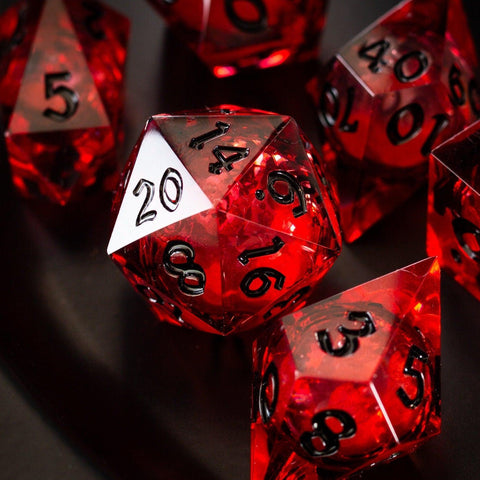
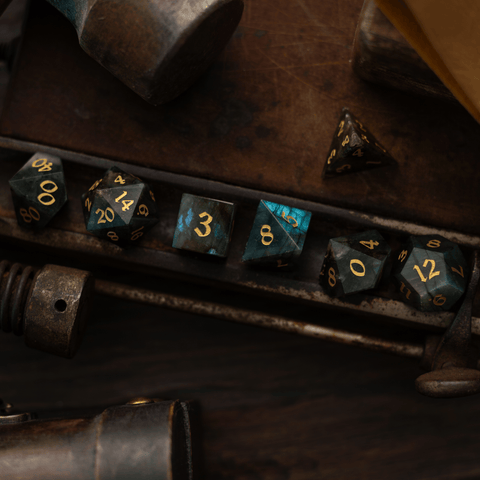
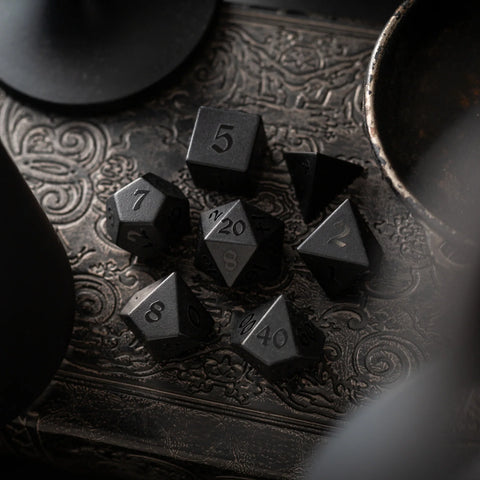
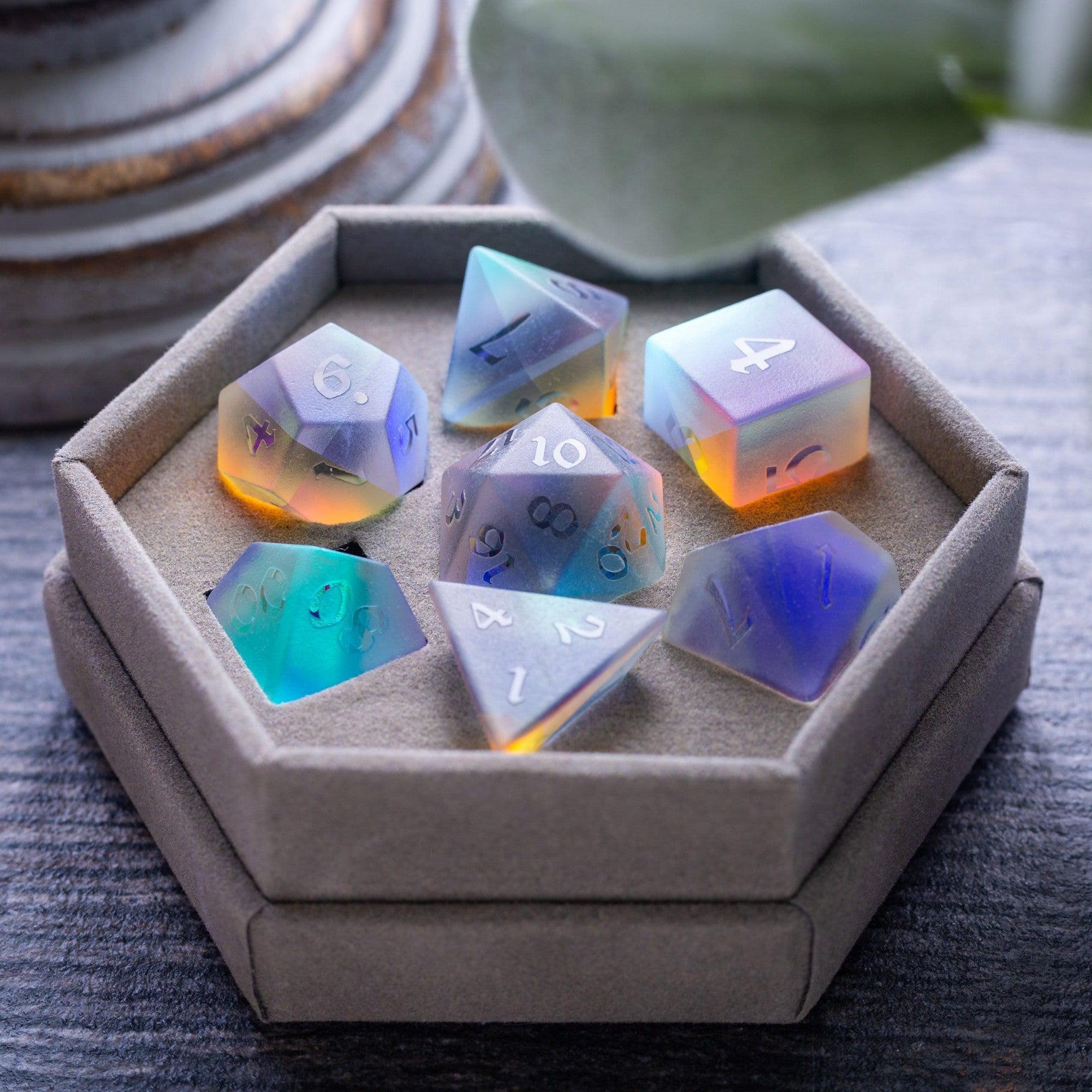
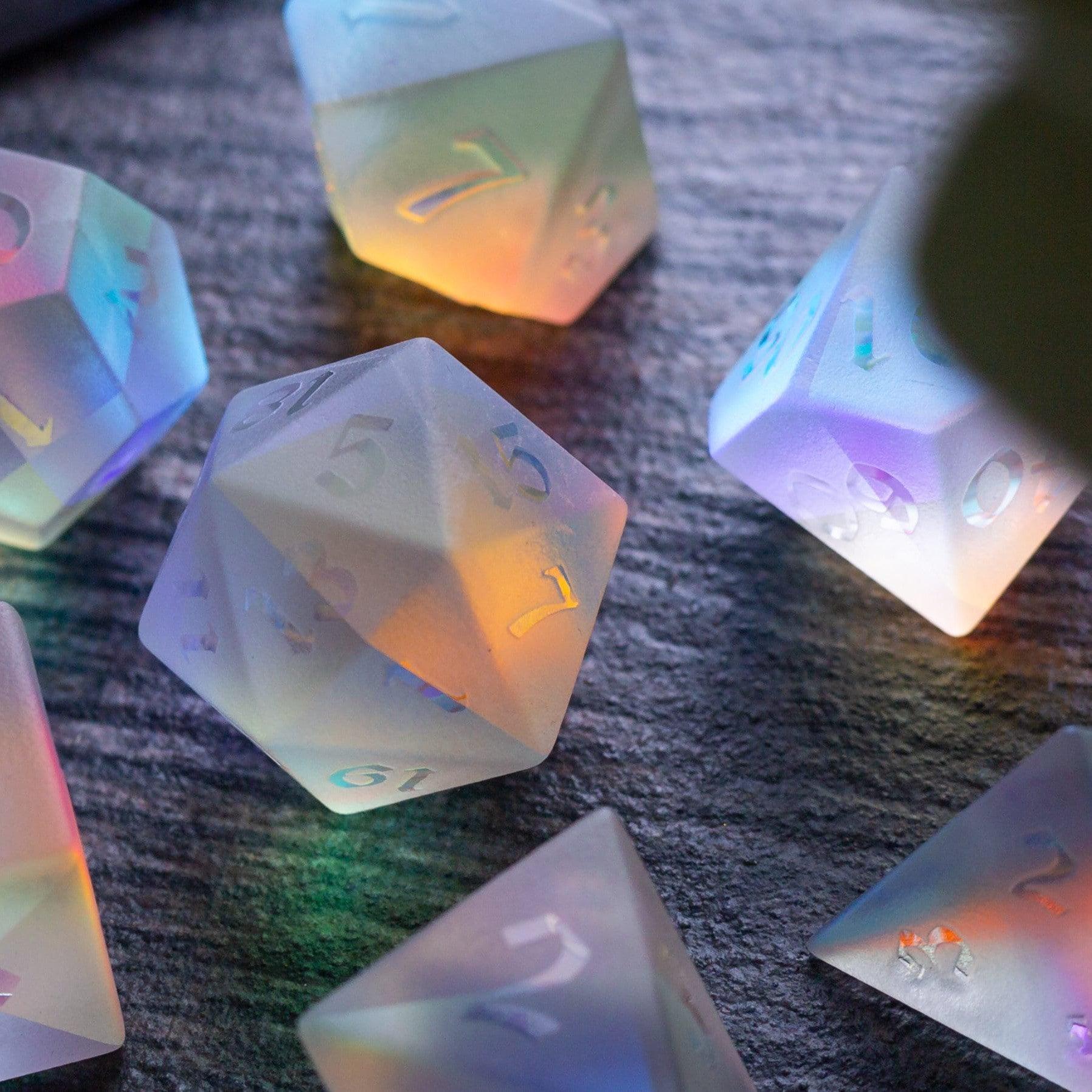
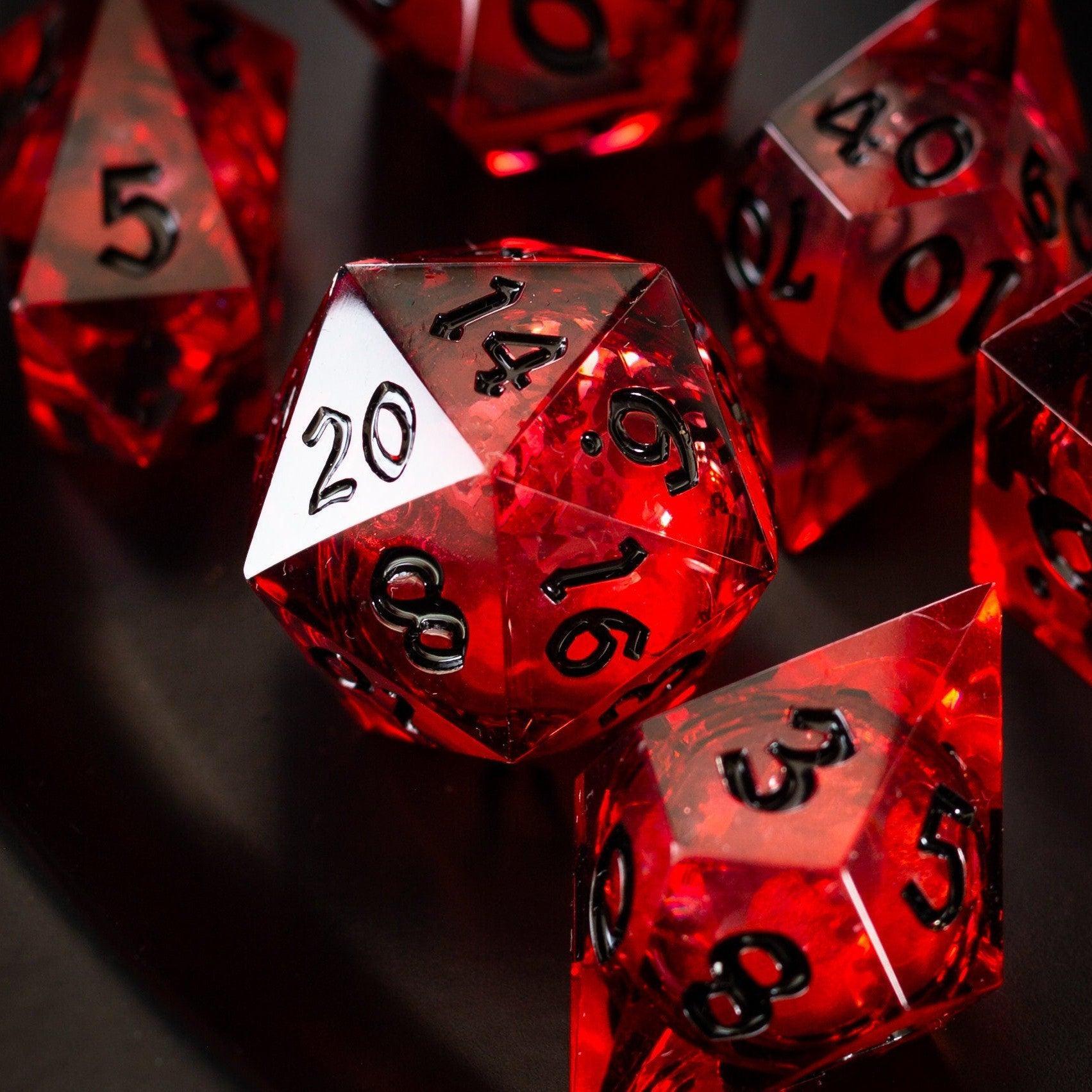
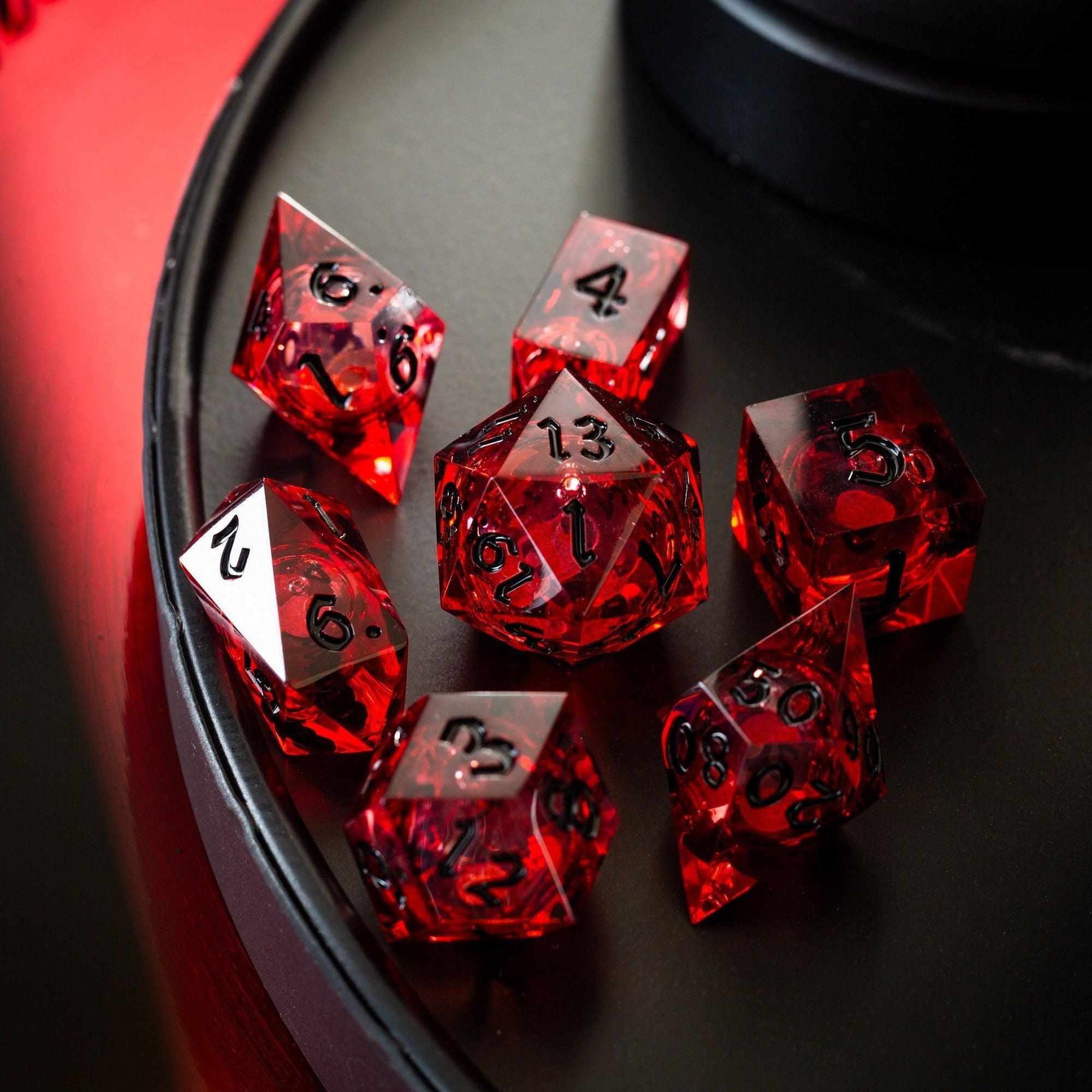
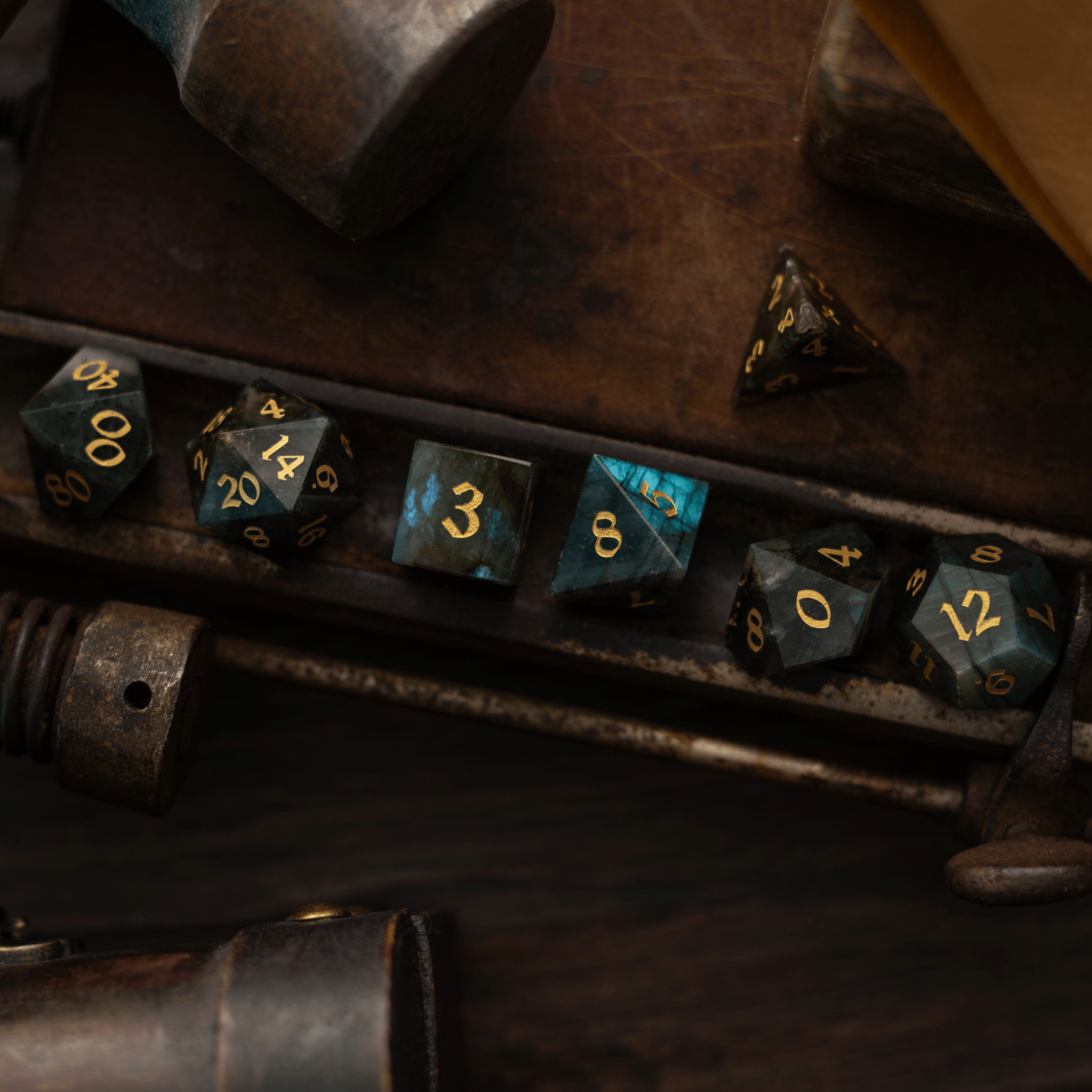
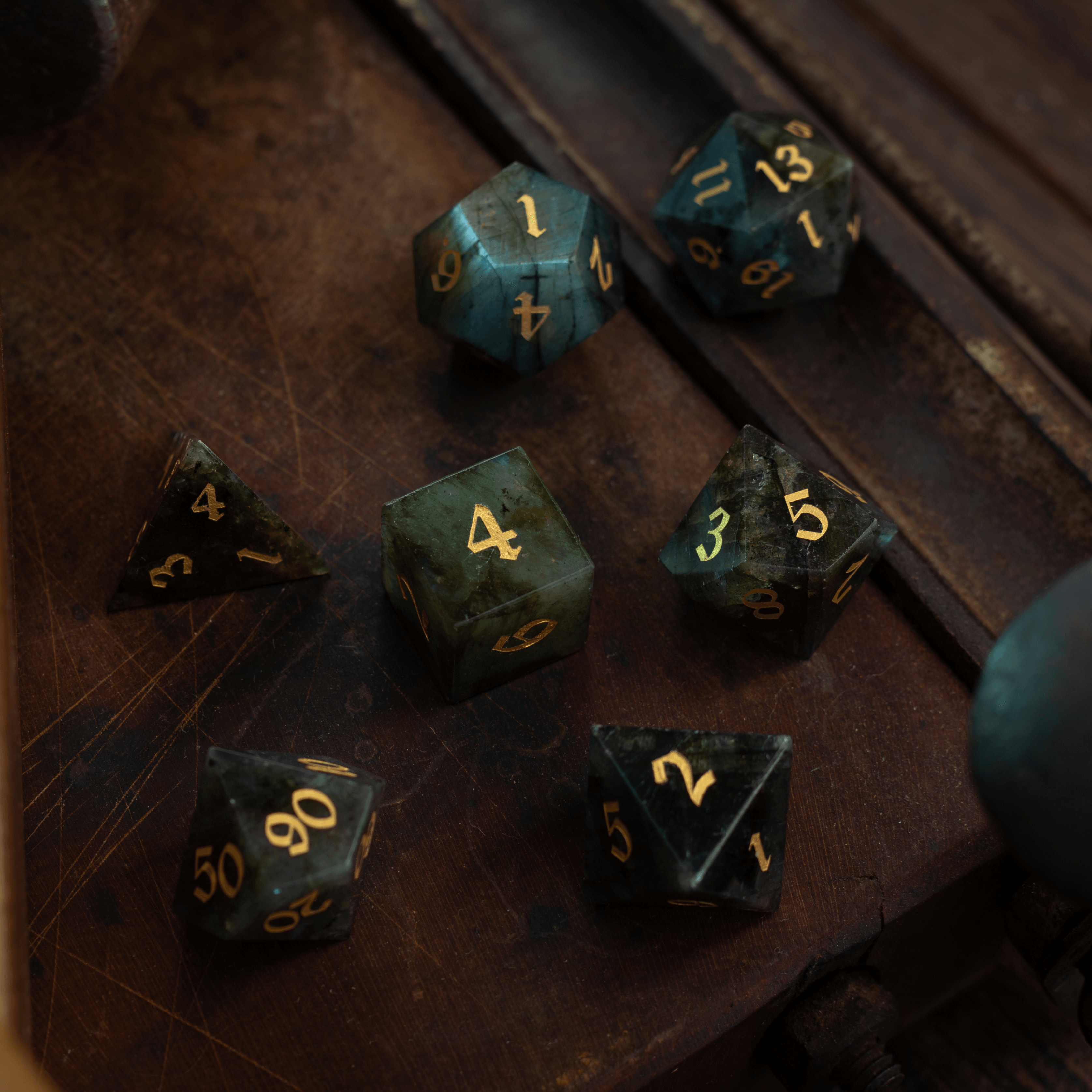
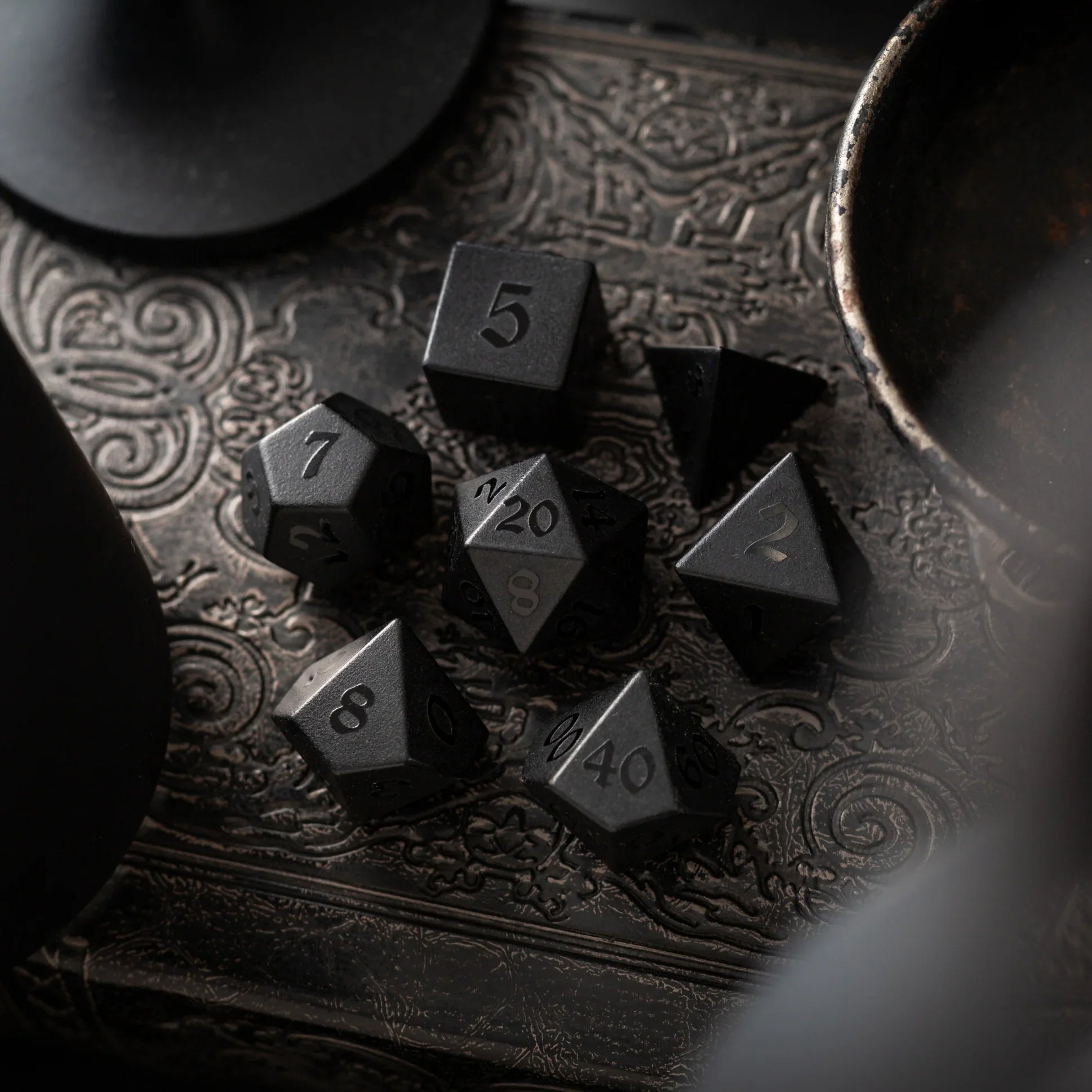
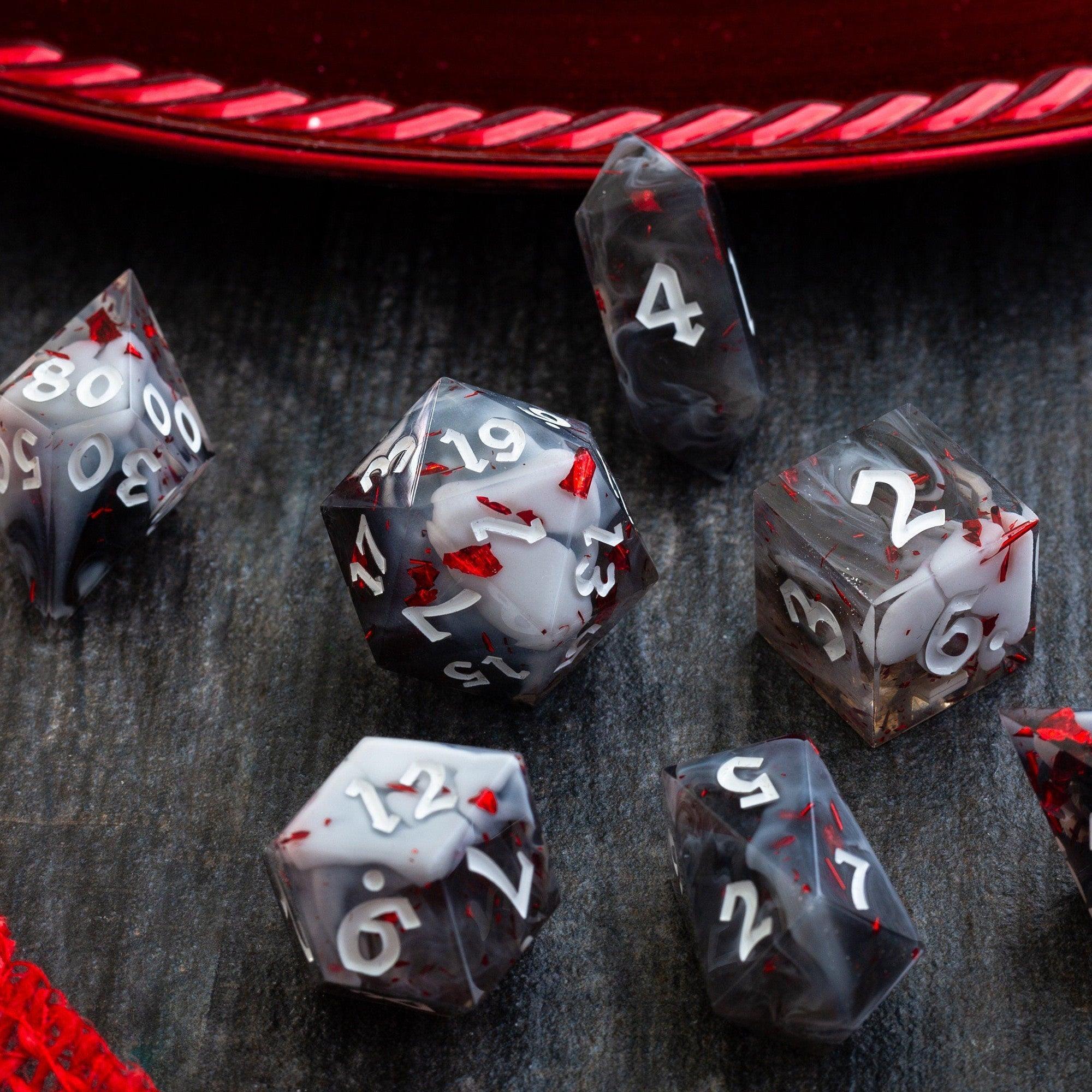
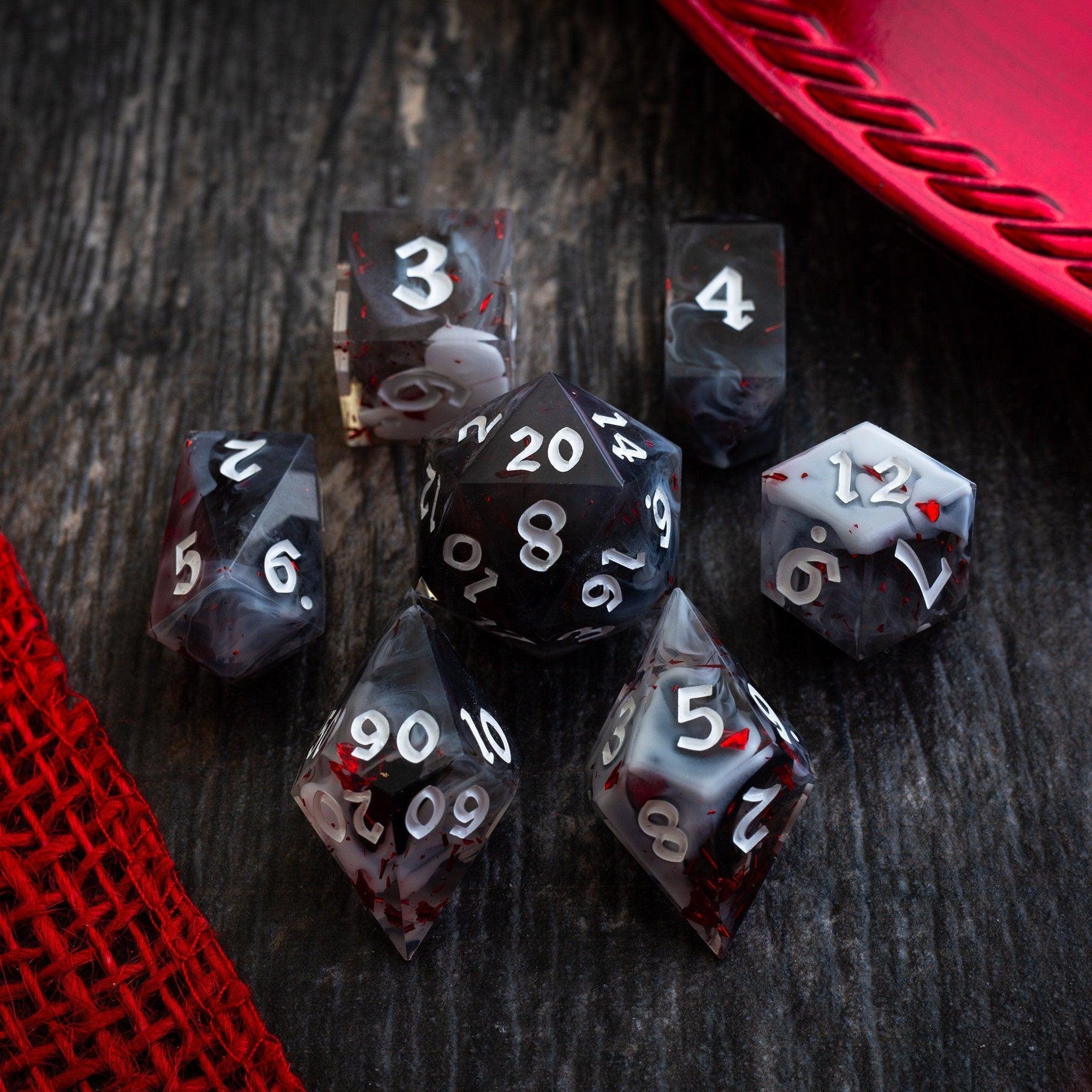
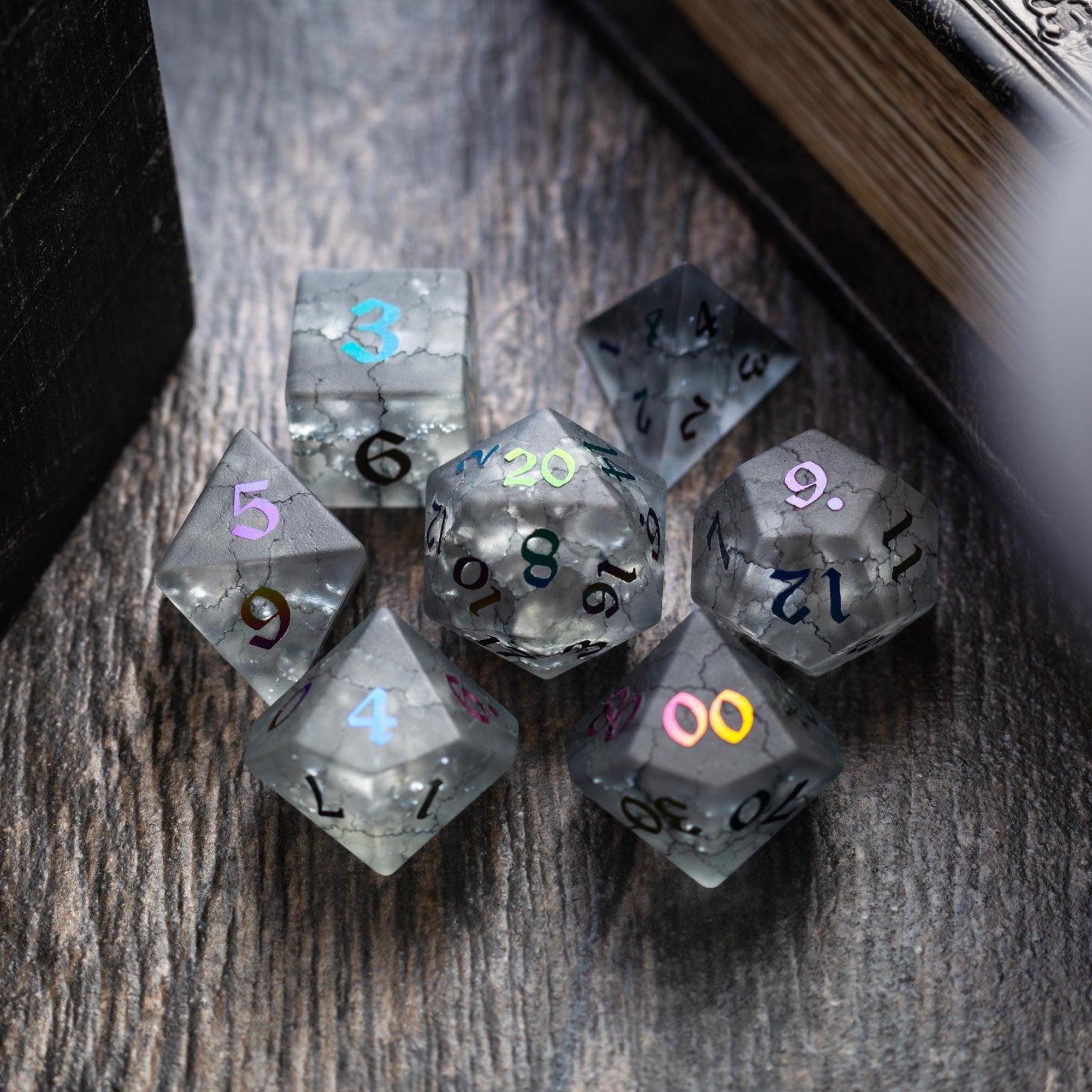
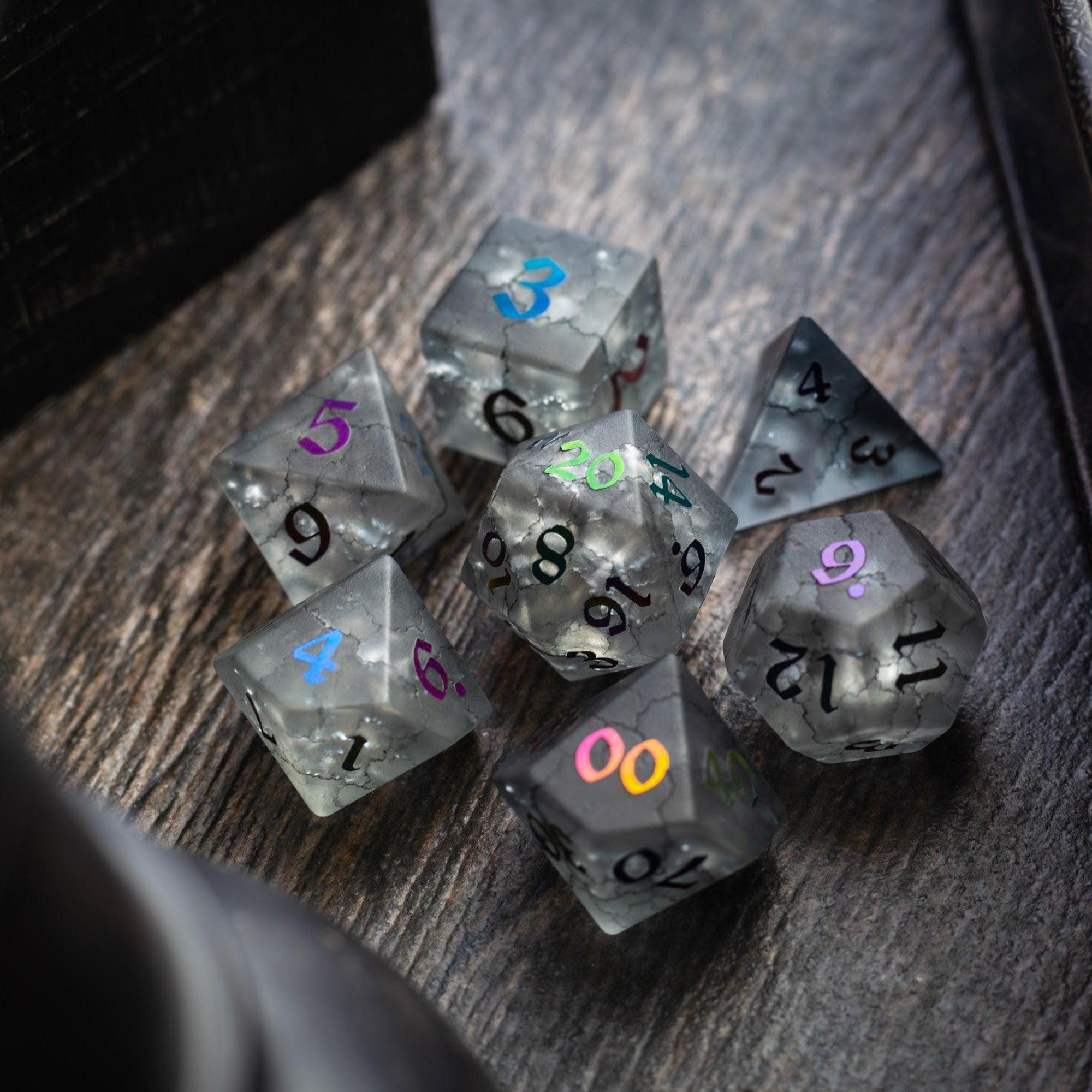
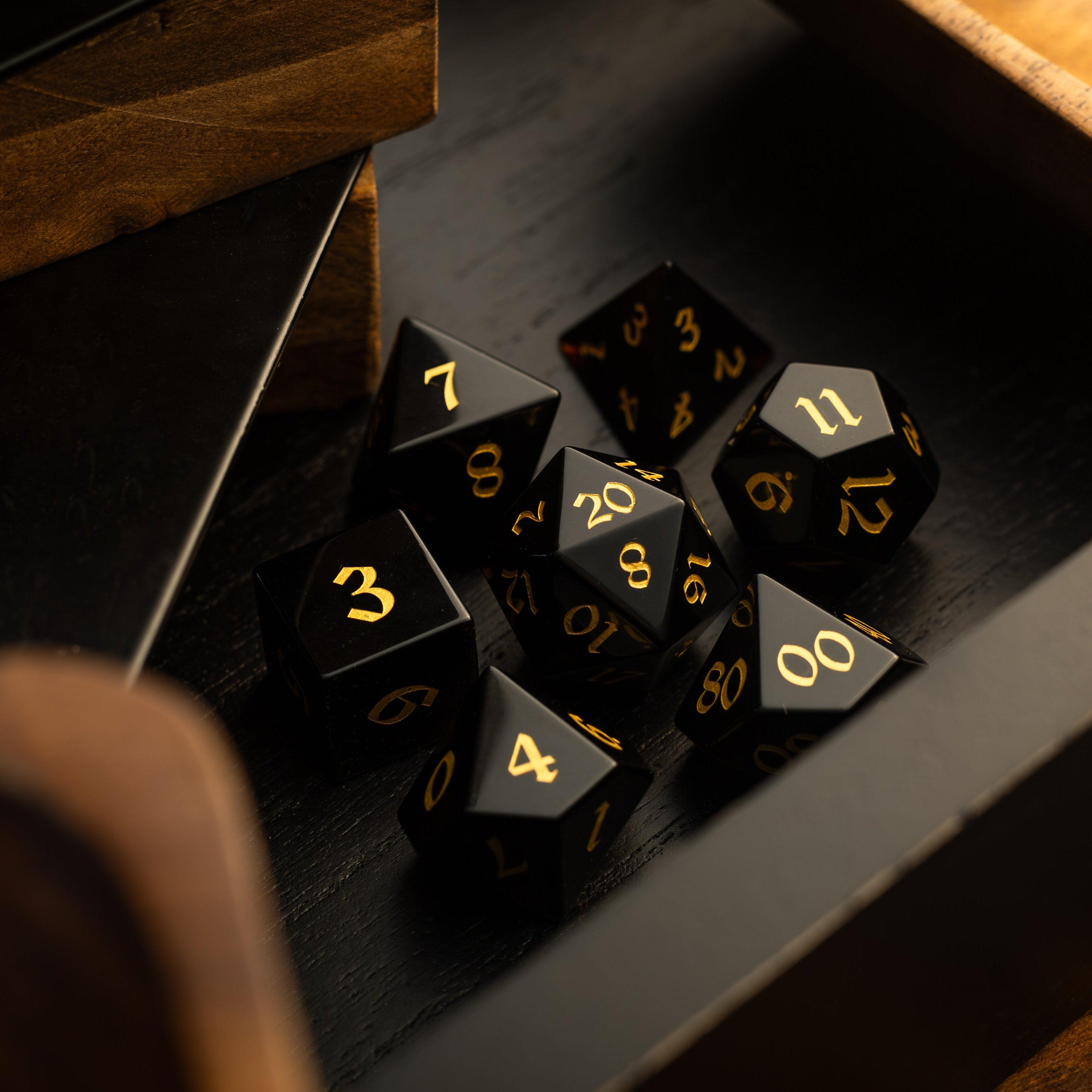
Maps, candles, handwritten prophecies, and dramatic music all help, but physical table accessories can also add to the mood. A set of gemstone dice can feel like something pulled from a dragon hoard. Metallic dice are perfect for dragon slayers, paladins, and armored heroes marching toward a wyrm’s lair. Liquid core dice can match elemental dragon magic, from swirling fire to stormy blue energy. Resin dice with bold colors can reflect chromatic and metallic dragon themes without distracting from the story.
For Runic Dice, this is where the table can feel like an adventurer’s guild preparing for a legendary hunt. The dice do not need to steal the spotlight. They simply help the moment feel special when the rogue makes the final saving throw, the wizard risks a desperate spell, or the fighter rolls the attack that becomes campaign history.
Using Dragon Lore for Long-Term Campaigns
Dragons work beautifully in long campaigns because they can change roles over time.
A dragon might begin as a rumor, become a distant threat, then later turn into a political force. Another dragon might act as a mentor, only for the party to discover it once committed terrible acts during an ancient war.
Long-term dragon storytelling can include:
-
A recurring dragon villain who tests the party over time
-
A metallic dragon mentor hiding in mortal form
-
A kingdom secretly ruled by a dragon
-
A prophecy involving the return of ancient wyrms
-
A war between dragon factions
-
A dragon god whose followers are awakening old temples
-
A region where every major conflict traces back to one hoard
The key is patience. Let the dragon’s shadow fall across the campaign long before the creature arrives.
Players remember dragons when they feel like part of the world, not just part of the monster list.
Conclusion: Make Dragons Legendary Again
Dragons are one of the strongest storytelling tools in fantasy roleplaying games. They carry power, mystery, greed, wisdom, fear, and wonder all at once. With the right dragon lore, a single wyrm can shape kingdoms, inspire cults, guard ancient artifacts, and turn a simple adventure into a legend your players talk about for years.
The best dnd dragons are not just enemies with breath weapons. They are rulers, survivors, gods, liars, mentors, tyrants, and living pieces of history.
So when you build your next dragon campaign, start with the legend. Decide what the dragon wants, what the world believes about it, and what secrets wait inside its hoard.
The battle may last one session.
The story can echo for an entire campaign.





Leave a comment
This site is protected by hCaptcha and the hCaptcha Privacy Policy and Terms of Service apply.