
Dice Notation Explained: A Beginner's Guide to RPG Dice Rolls

If you are new to Dungeons & Dragons or tabletop RPGs, dice notation can look confusing at first. You open a character sheet and see things like 1d20, 2d6, or 3d8+4, and suddenly it feels like the game is speaking in code.
The good news? Dice notation is much easier than it looks.
Once you understand how to read dice notation, a huge part of the game becomes clearer. Weapon damage, spell effects, hit points, saving throws, ability checks, and monster attacks all use this simple system. Think of this dice rolling guide as your first lesson from a friendly Dungeon Master, helping you understand what those little formulas mean before your next adventure begins.
What Is Dice Notation?
Dice notation is the shorthand tabletop RPGs use to tell you which dice to roll and how many.
The letter “d” stands for die or dice. The number before the “d” tells you how many dice to roll. The number after the “d” tells you how many sides the die has.
For example:
-
1d20 means roll one twenty-sided die.
-
2d6 means roll two six-sided dice.
-
3d8+4 means roll three eight-sided dice, add the results, then add 4.
This system is used in Dungeons & Dragons dice rules and many other fantasy roleplaying games because it is fast, clear, and easy to print in books, character sheets, and spell descriptions.
Breaking Down Common Dice Notation
Let’s walk through a few examples slowly.
1d20
This means you roll one d20.
In D&D, the d20 is the most important die. You usually roll it when your character tries to do something uncertain, such as attacking a monster, sneaking past a guard, climbing a wall, or resisting a spell.
Example:
Your Dungeon Master asks for a Dexterity saving throw. You roll 1d20, add your Dexterity saving throw bonus, and check if you succeed.
2d6
This means you roll two six-sided dice and add them together.
Example:
A greatsword deals 2d6 slashing damage. If you roll a 4 and a 5, the weapon deals 9 damage before any other bonuses.
3d8
This means you roll three eight-sided dice and add the results.
Example:
A spell might deal 3d8 radiant damage. If you roll 6, 2, and 7, the spell deals 15 damage.
4d10
This means you roll four ten-sided dice and add them together.
Example:
Some powerful spells or class abilities use larger pools of dice, such as 4d10. Roll all four d10s, add the numbers, and apply the total.
3d8+4
This notation includes a modifier. You roll three d8s, add the results, then add 4.
Example:
If you roll 5, 3, and 6, the dice total is 14. Then you add 4, making the final result 18.
Dice Notation Reference Table
| Notation | Meaning | Common Use |
|---|---|---|
| 1d4 | Roll one four-sided die | Small damage rolls |
| 1d6 | Roll one six-sided die | Weapons and spells |
| 1d8 | Roll one eight-sided die | Martial weapons |
| 1d10 | Roll one ten-sided die | Spells and class abilities |
| 1d12 | Roll one twelve-sided die | Greataxes and barbarians |
| 1d20 | Roll one twenty-sided die | Checks, saves, attacks |
| 1d100 | Roll percentile dice | Random tables and percentages |
| 2d6 | Roll two six-sided dice and add results | Greatsword damage |
| 3d8+4 | Roll three d8s and add four | Spell and ability effects |
| 4d10 | Roll four ten-sided dice | Strong spell or feature damage |
Where You’ll See Dice Notation in D&D
Once you know how to read dice notation, you will start seeing it everywhere.
Character Sheets
Your character sheet may list hit dice, weapon damage, spell attacks, and saving throw bonuses. A fighter might have a longsword that deals 1d8 damage, while a wizard might track spell damage like 3d6 or 4d8.
Weapon Descriptions
Weapons use dice notation to show damage. A dagger deals 1d4, a shortsword deals 1d6, a longsword often deals 1d8, and a greataxe deals 1d12.
Spell Descriptions
Spells often use multiple dice. A spell might deal 2d8, 3d10, or more depending on the spell level. Some spells get stronger when cast at higher levels, which means the dice notation may increase.
Monster Stat Blocks
Dungeon Masters use dice notation when running monsters. A monster’s bite, claw, breath weapon, or special attack usually lists damage in dice notation.
Class Features
Some class abilities use dice too. A bard’s inspiration die, a fighter’s hit dice, or a cleric’s healing spell may all use different dice.
Understanding Polyhedral Dice
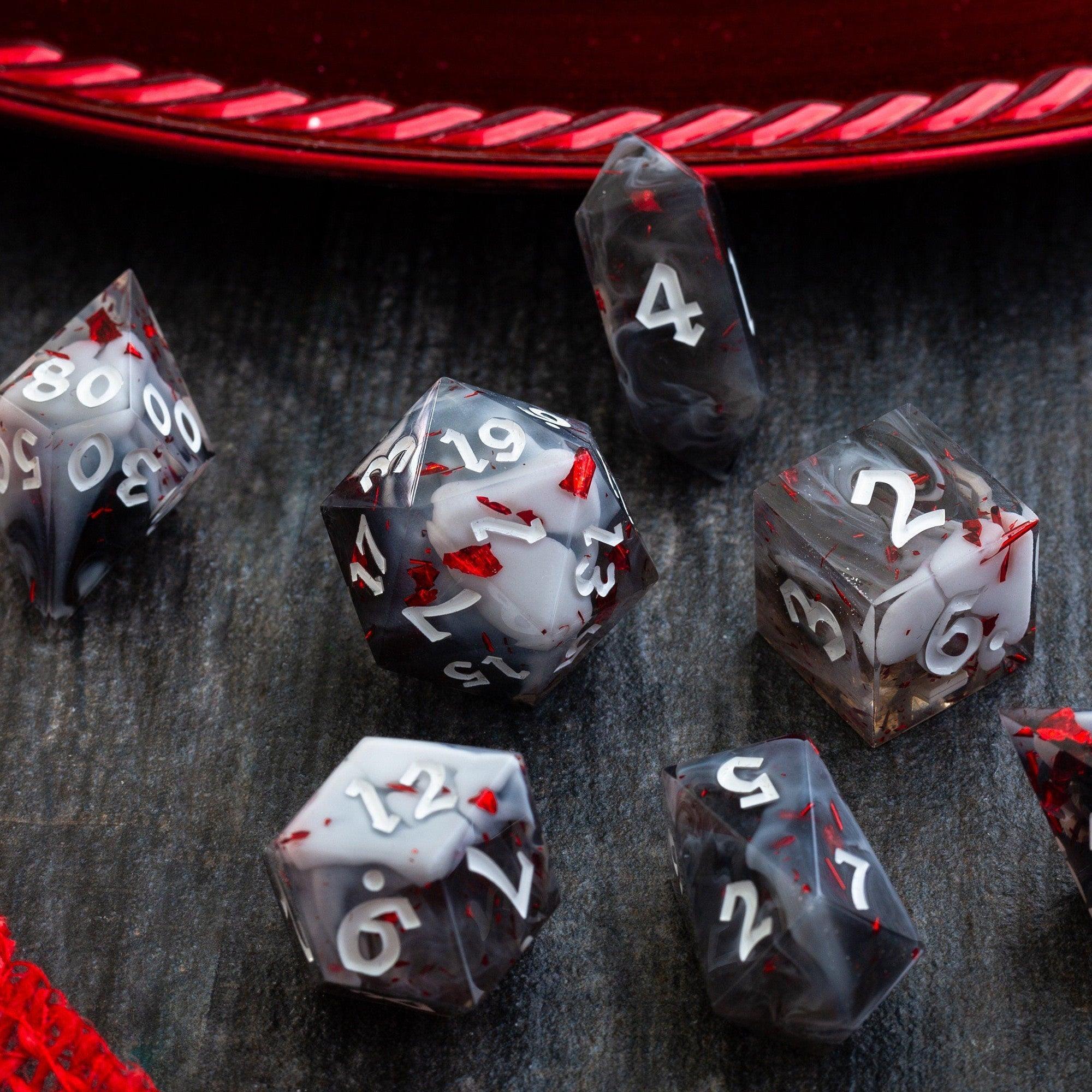
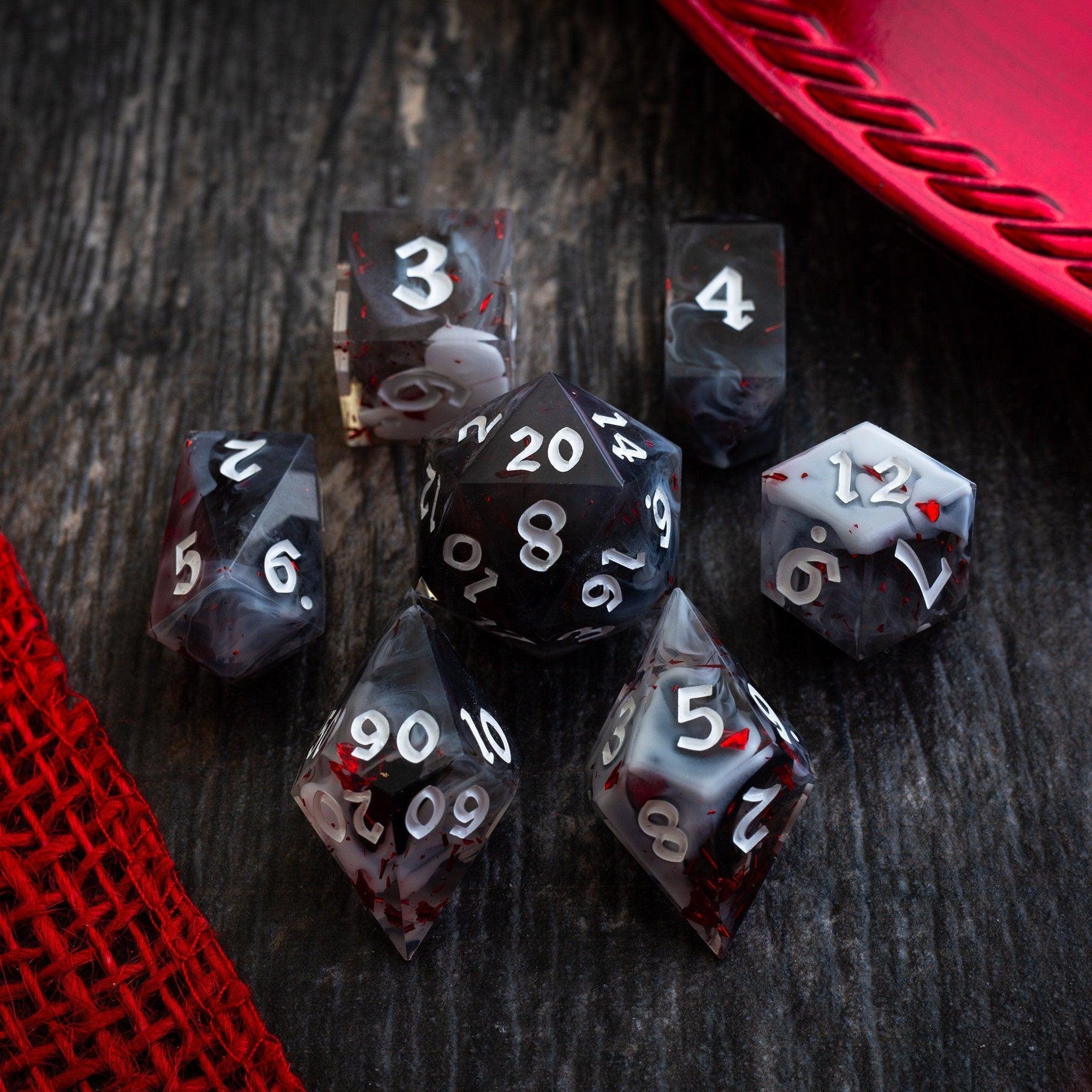
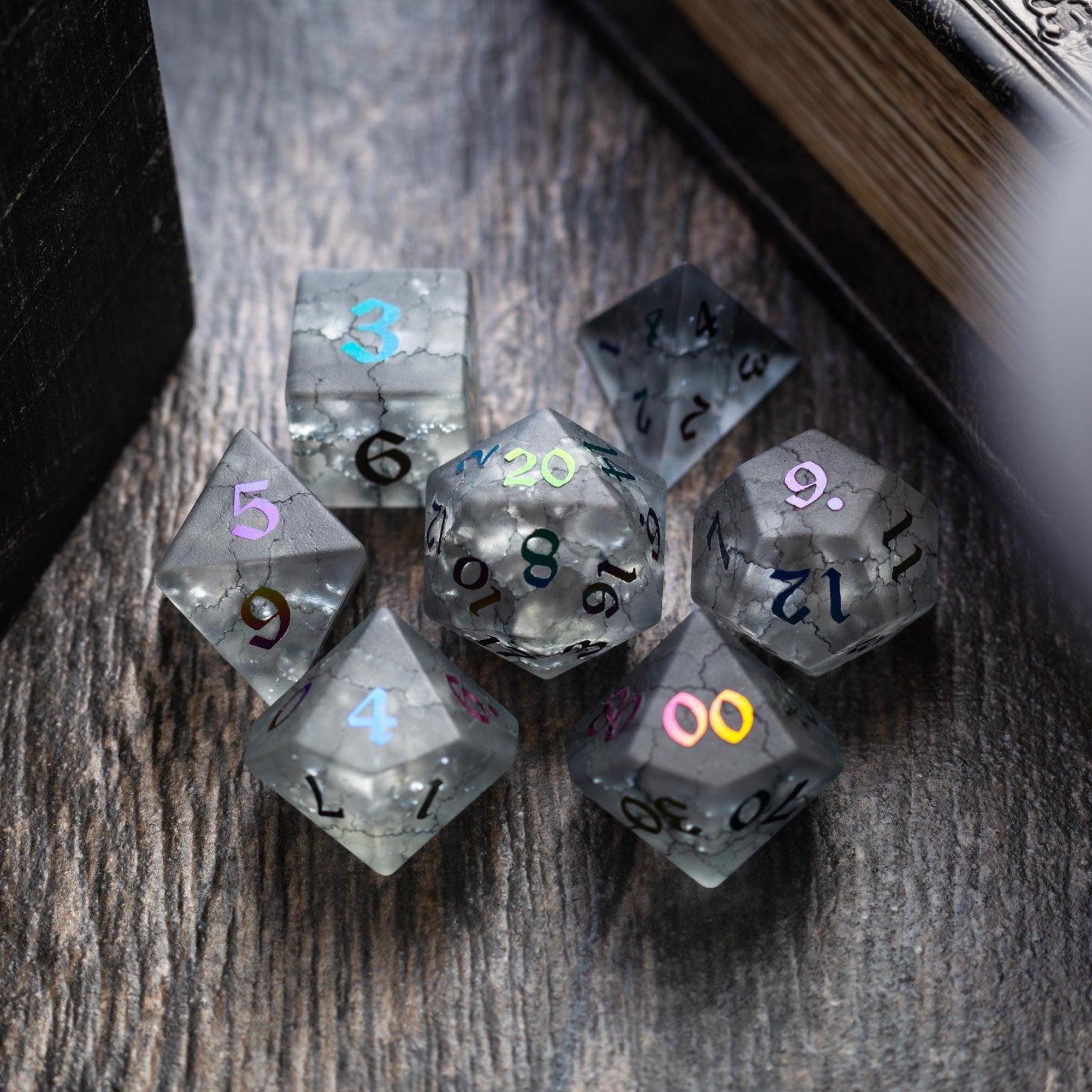
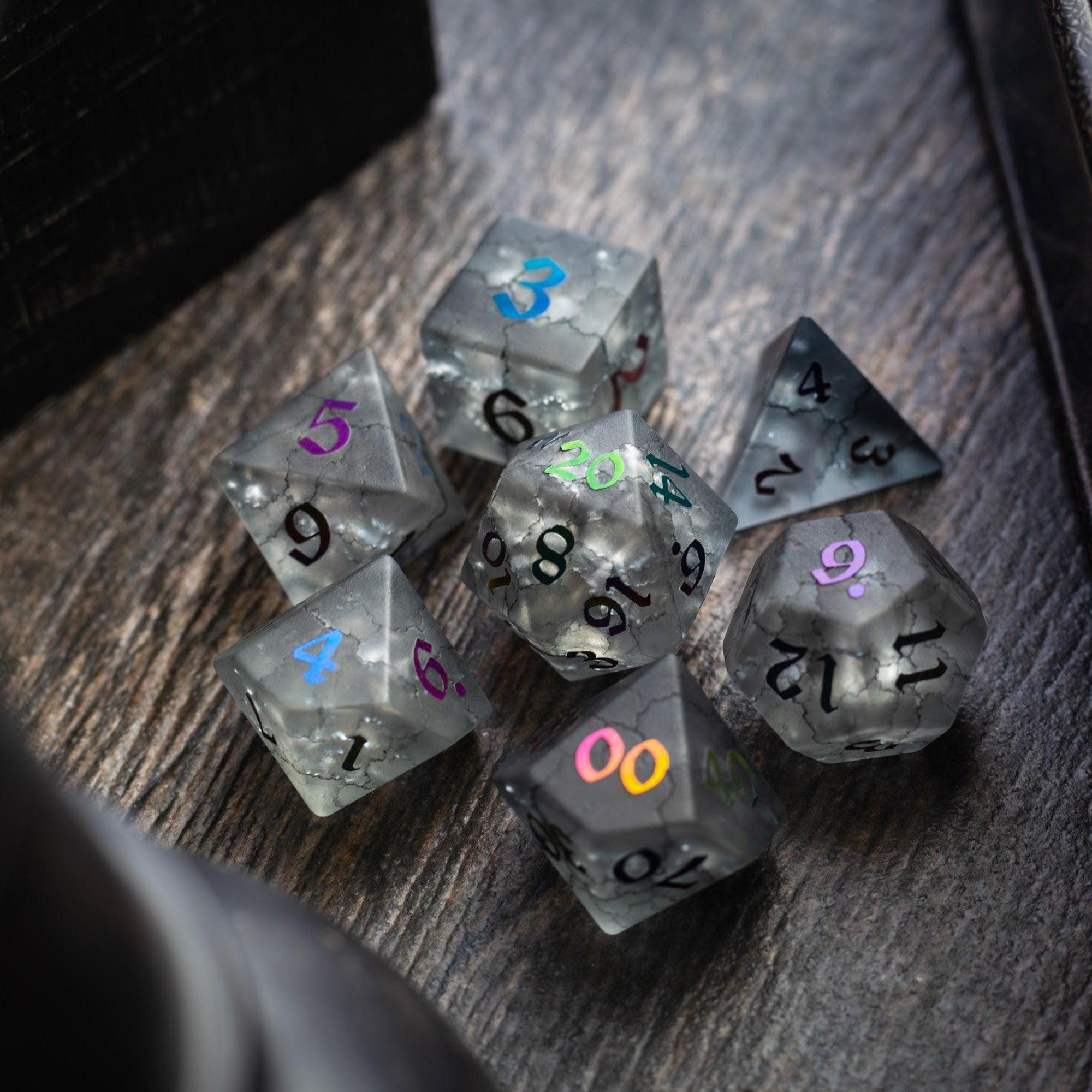
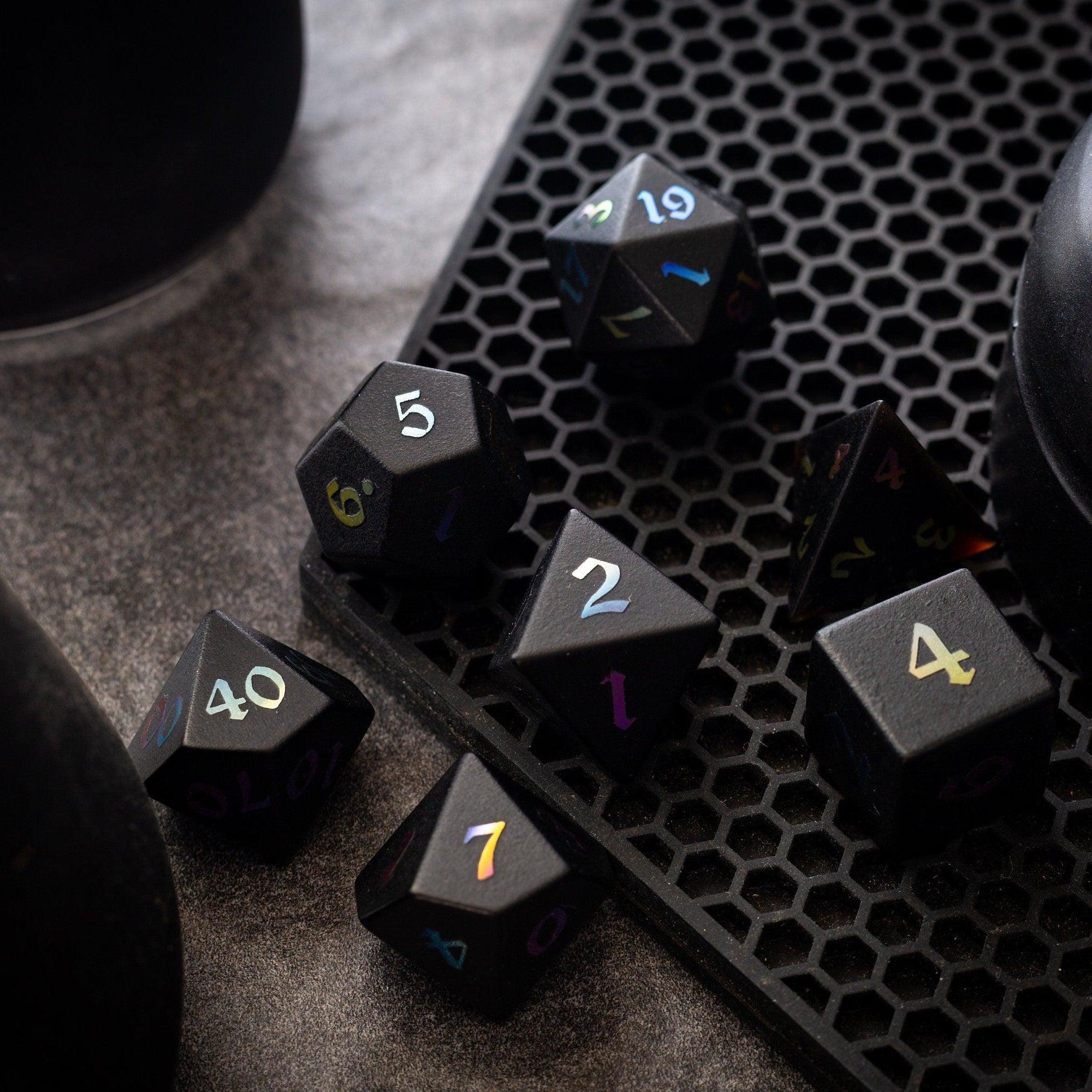
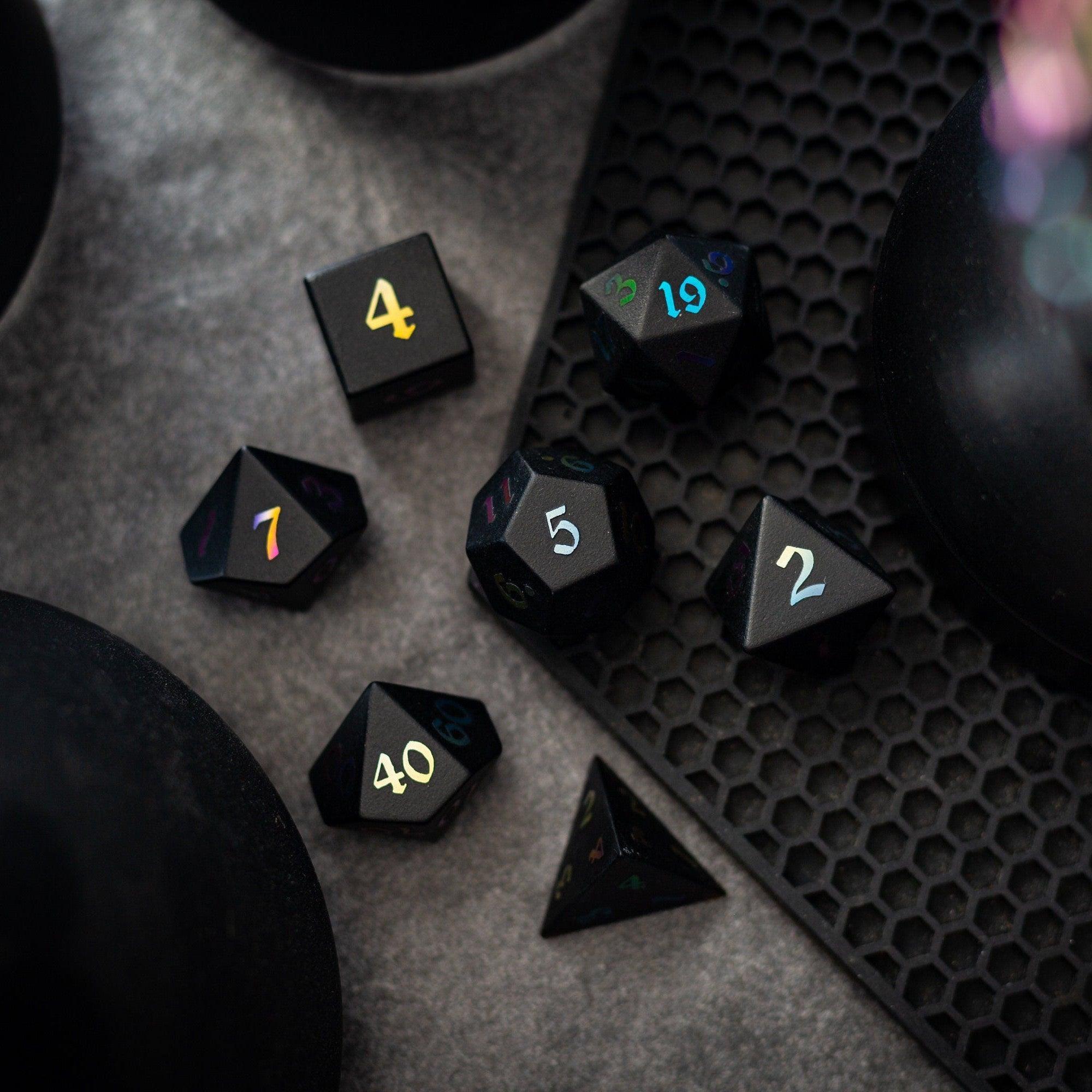
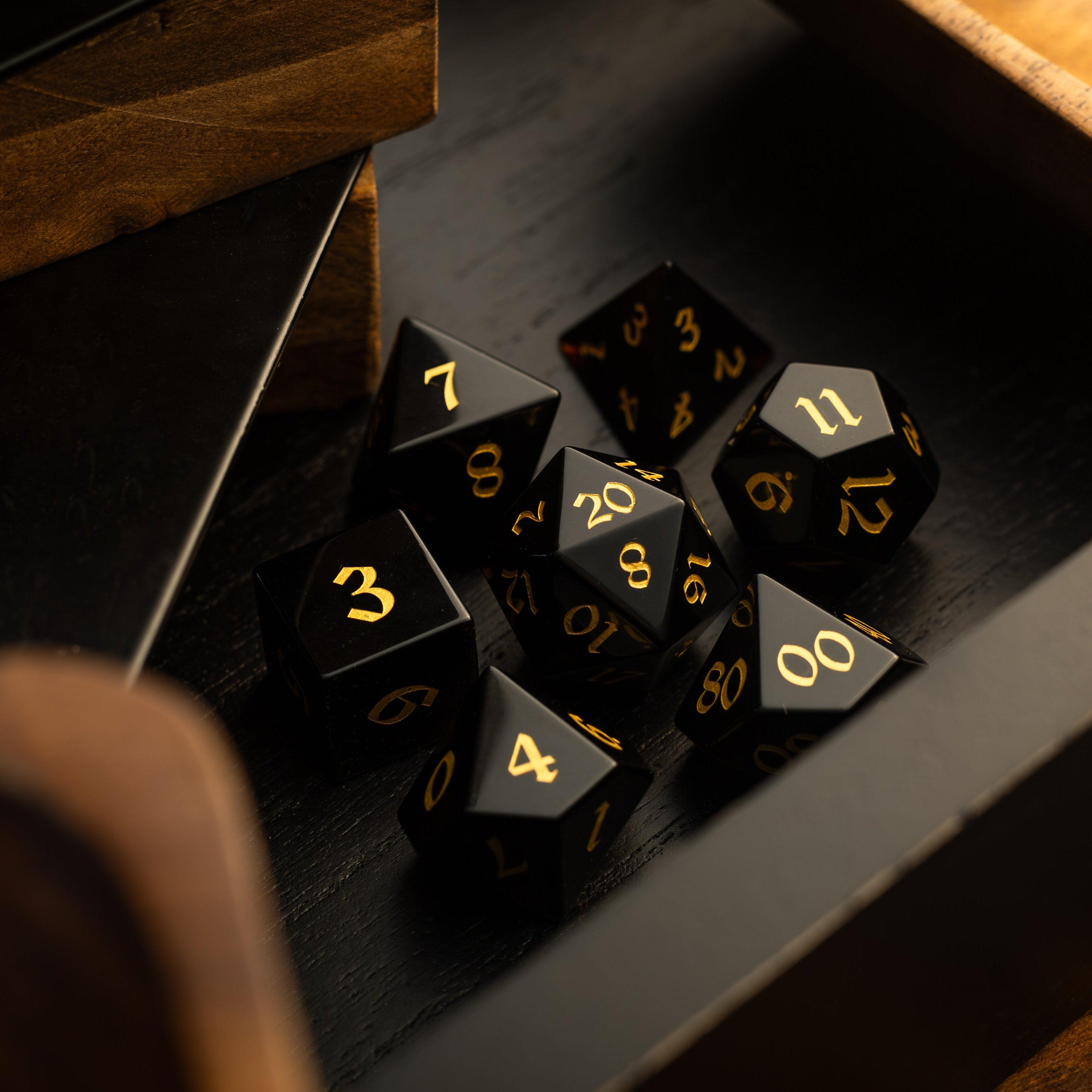
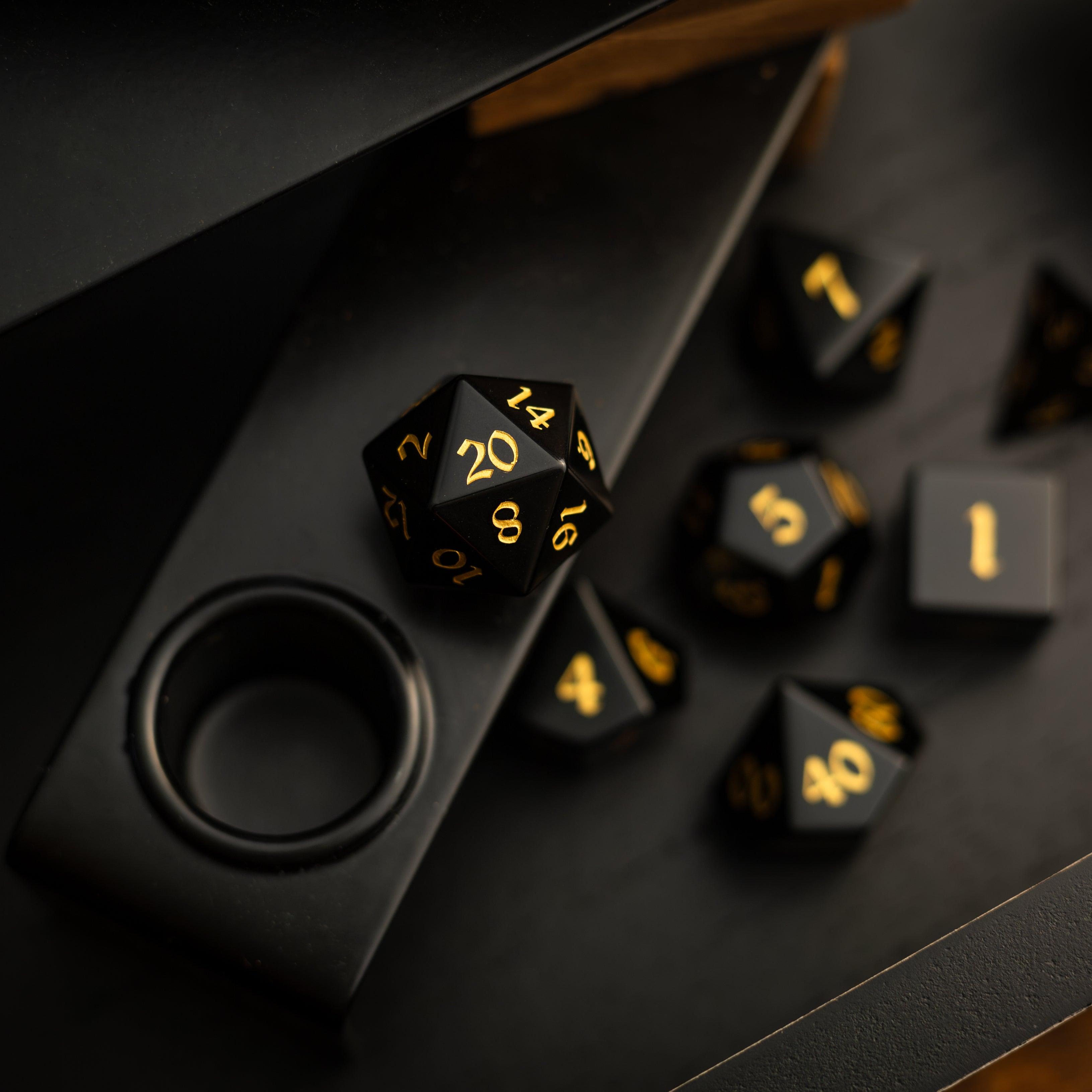
A standard set of tabletop RPG dice is called a polyhedral dice set. It usually includes seven dice:
-
D4: A four-sided die, often used for small weapons and minor effects.
-
D6: A six-sided die, used for many weapons, spells, and common rolls.
-
D8: An eight-sided die, often used for martial weapons, healing, and class features.
-
D10: A ten-sided die, used for certain spells and abilities.
-
D12: A twelve-sided die, famous for big weapons like greataxes.
-
D20: The main die for attacks, checks, and saving throws.
-
Percentile dice: Usually two d10s rolled together to create a number from 1 to 100.
When people talk about dungeons and dragons dice, they usually mean this complete seven-piece set.
Common Beginner Mistakes
Every new player makes a few dice mistakes. That is completely normal.
Confusing the d10 and d100
A d10 usually shows numbers from 0 to 9 or 1 to 10. A percentile die often shows 00, 10, 20, 30, and so on. Together, they create a d100 roll.
Rolling the Wrong Die
The d8 and d10 can look similar at a glance. Before rolling, check the shape and number range.
Forgetting to Add Bonuses
If your weapon says 1d8+3, do not stop after rolling the d8. Add the +3 too.
Adding Dice Incorrectly
For 2d6, roll both dice and add them together. You are not choosing the higher result unless a rule specifically tells you to.
Misreading Modifiers
A plus or minus after the dice matters. 3d8+4 is different from 3d8, and 1d20-1 means you subtract 1 from the roll.
Tips for Learning Dice Notation Faster
The best way to learn rpg dice notation is by using it during play. Still, a few simple habits can help.
-
Keep a dice notation reference table nearby.
-
Practice reading your character sheet before the session.
-
Learn your main weapon damage first.
-
Read spell descriptions slowly.
-
Group your dice by shape or size.
-
Use a complete matching dice set so you always know which die belongs to you.
-
Ask your Dungeon Master before rolling if you are unsure.
After a few sessions, dice notation explained this way will start to feel natural. You will stop thinking, “What does 2d6 mean?” and start reaching for the right dice automatically.
Choosing a Beginner-Friendly Dice Set
A good dice set can make learning easier. For new players, readability matters more than anything. Fancy dice are fun, but the numbers should still be clear across the table.
When choosing tabletop RPG dice, look for:
-
Clear number contrast
-
Easy-to-read fonts
-
A complete seven-piece polyhedral set
-
Comfortable weight and feel
-
A style that fits your character
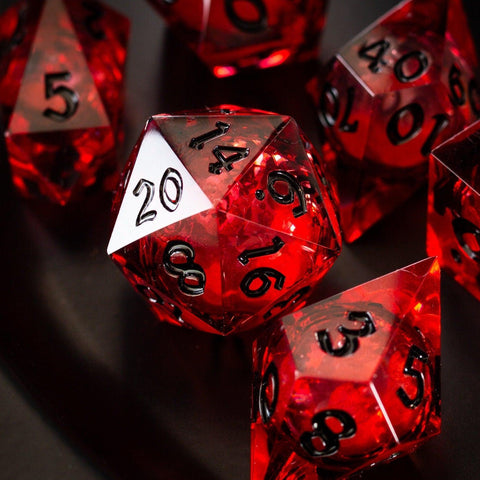
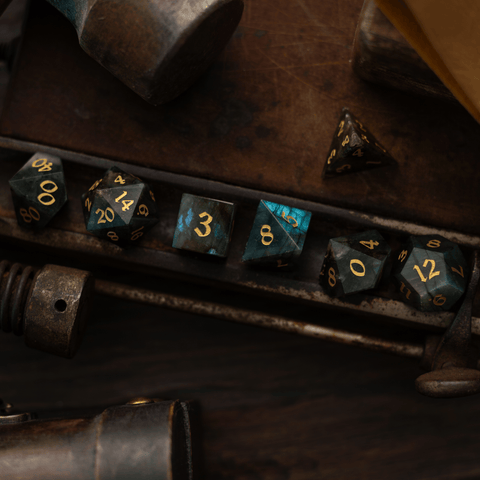
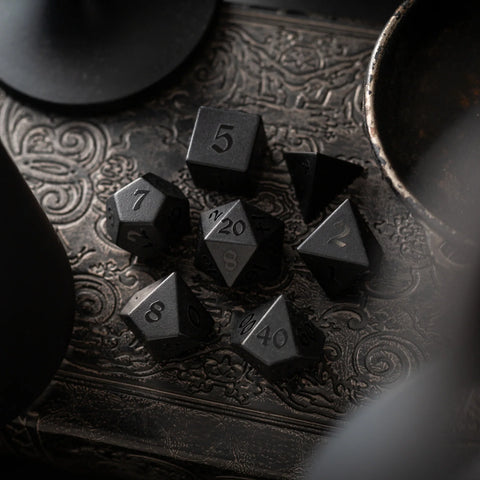
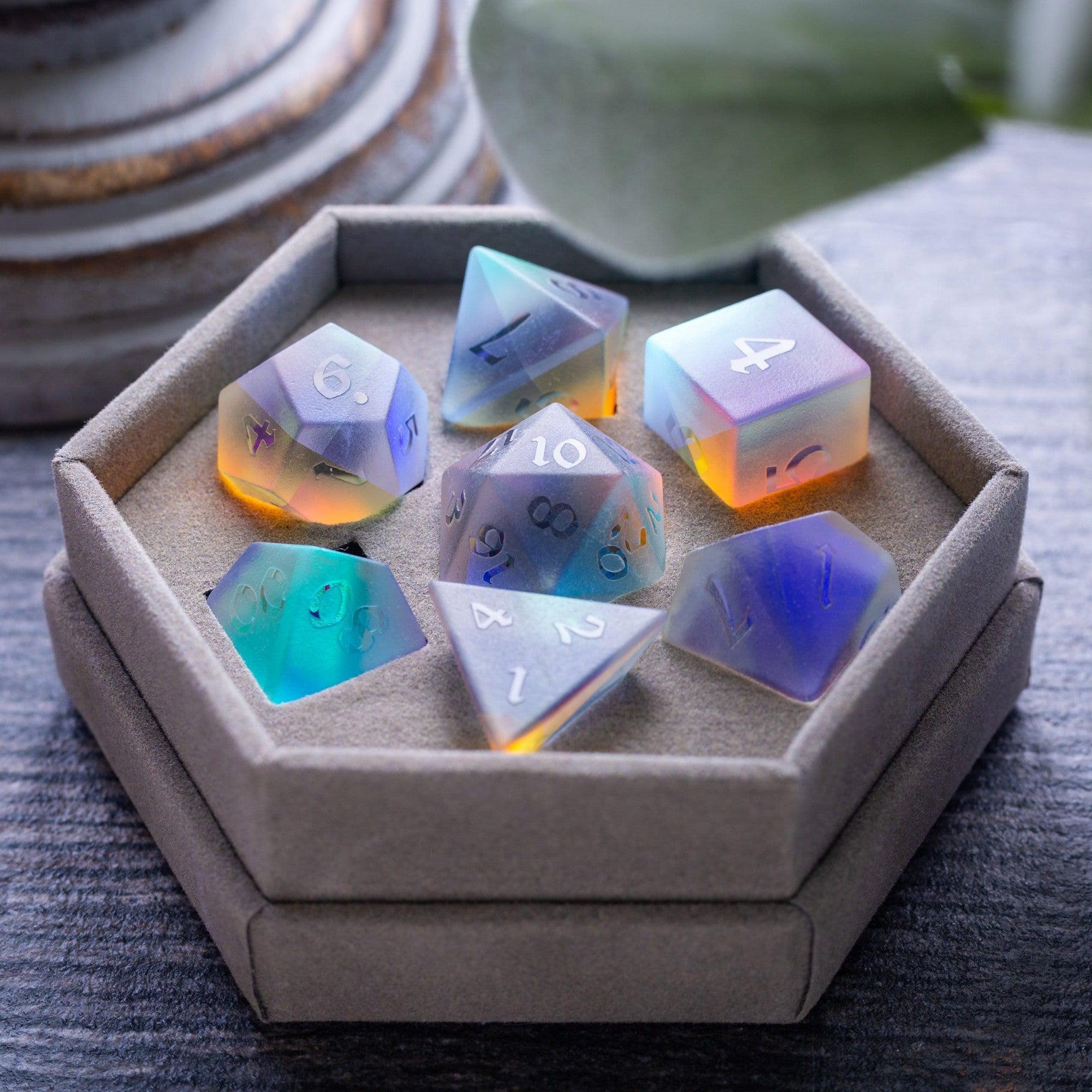
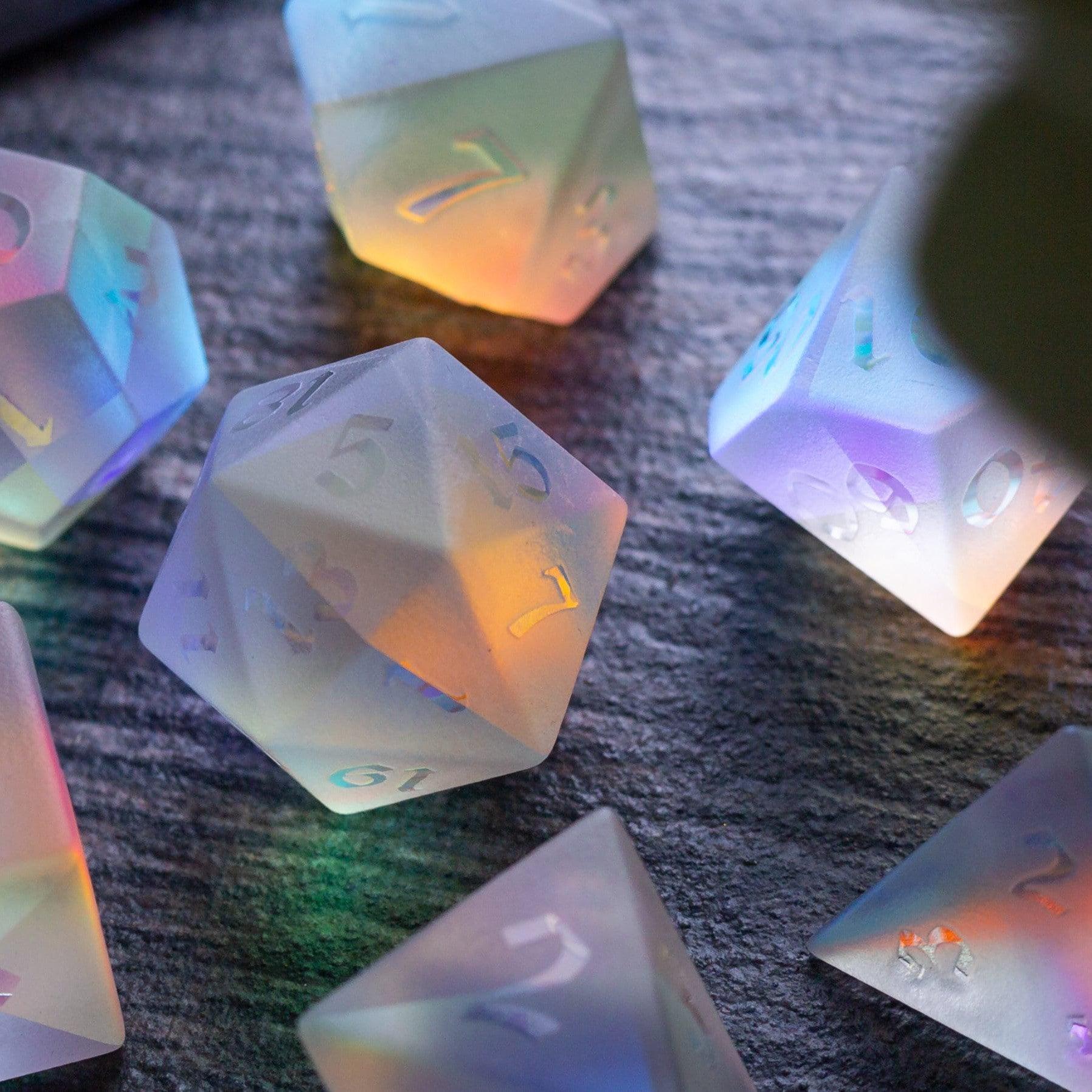
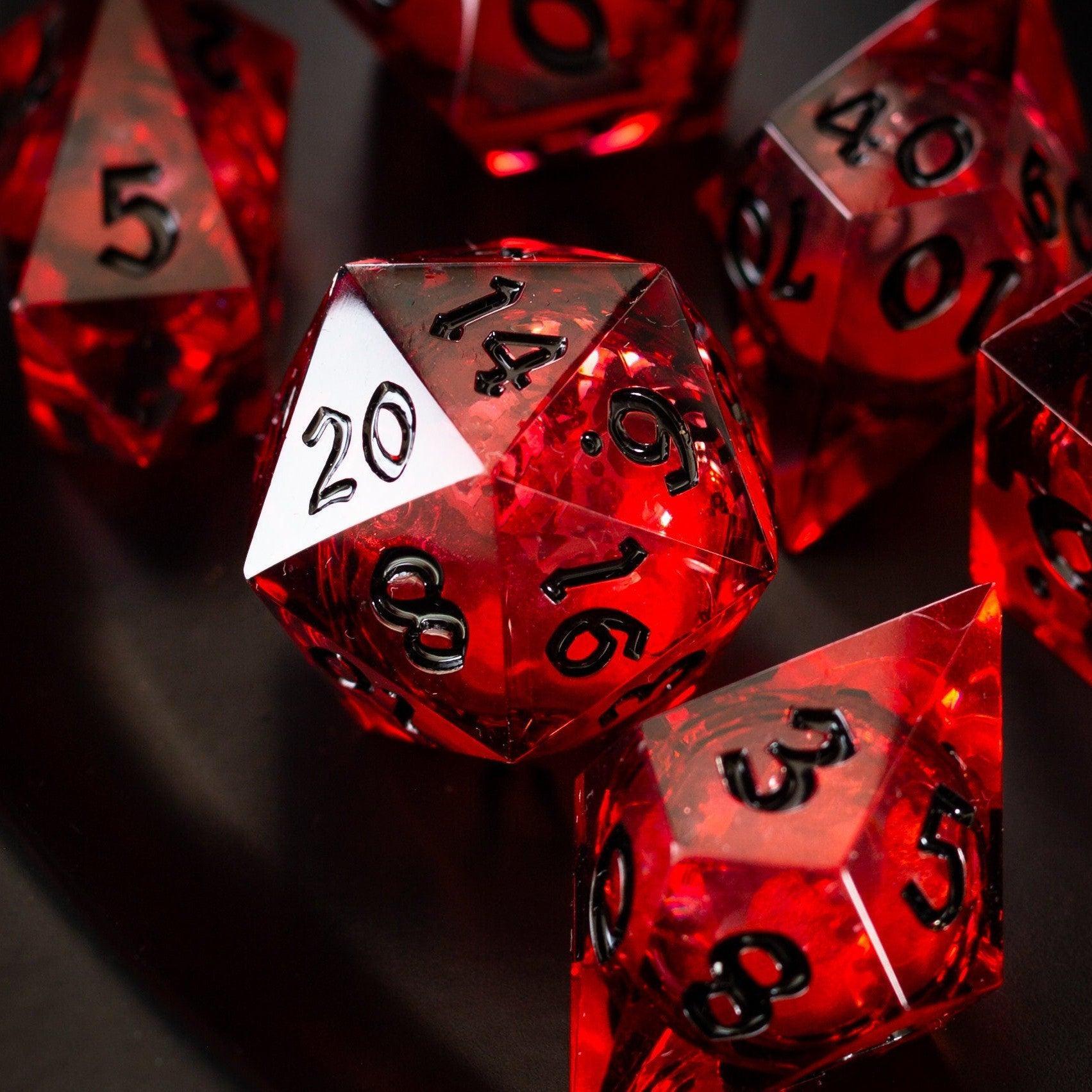
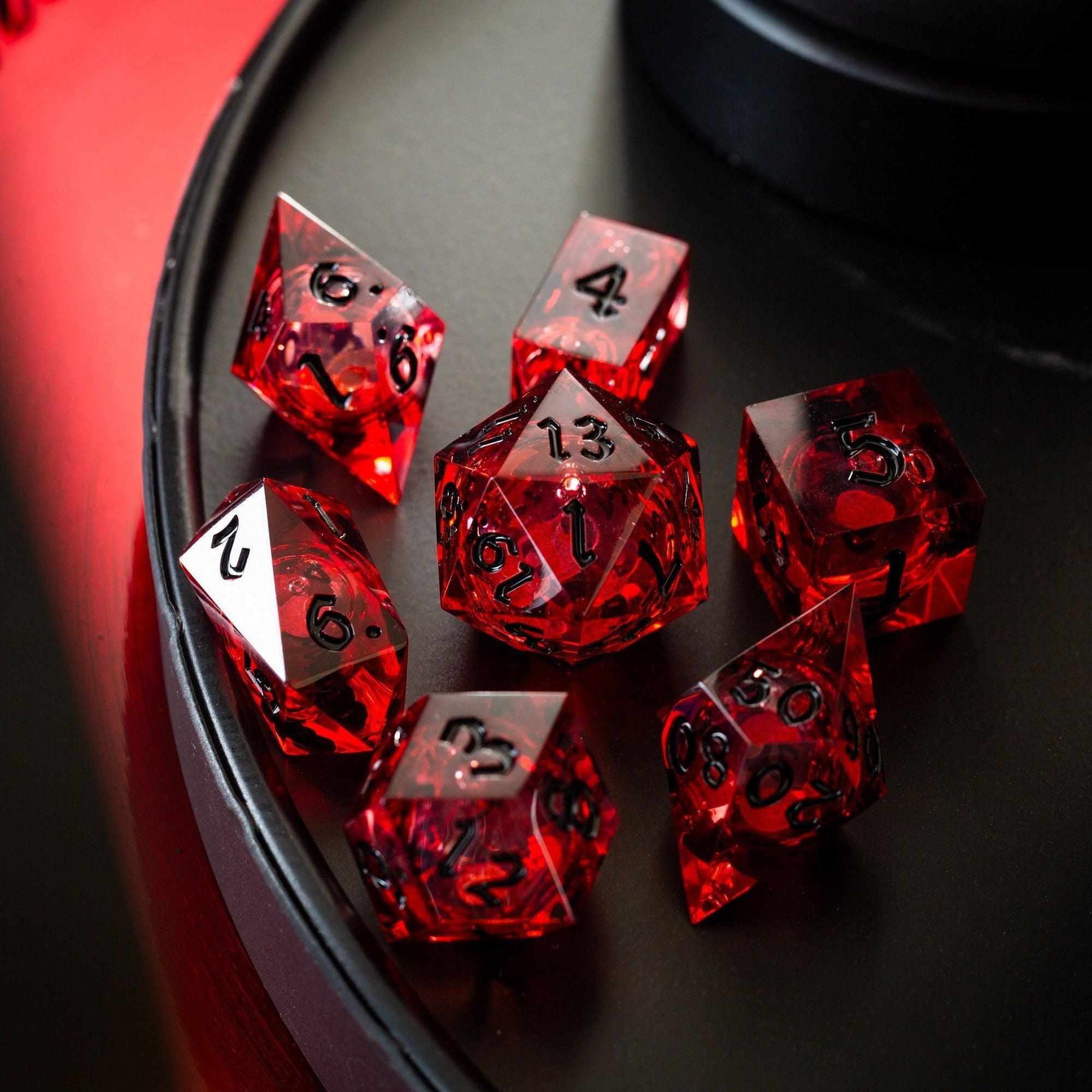
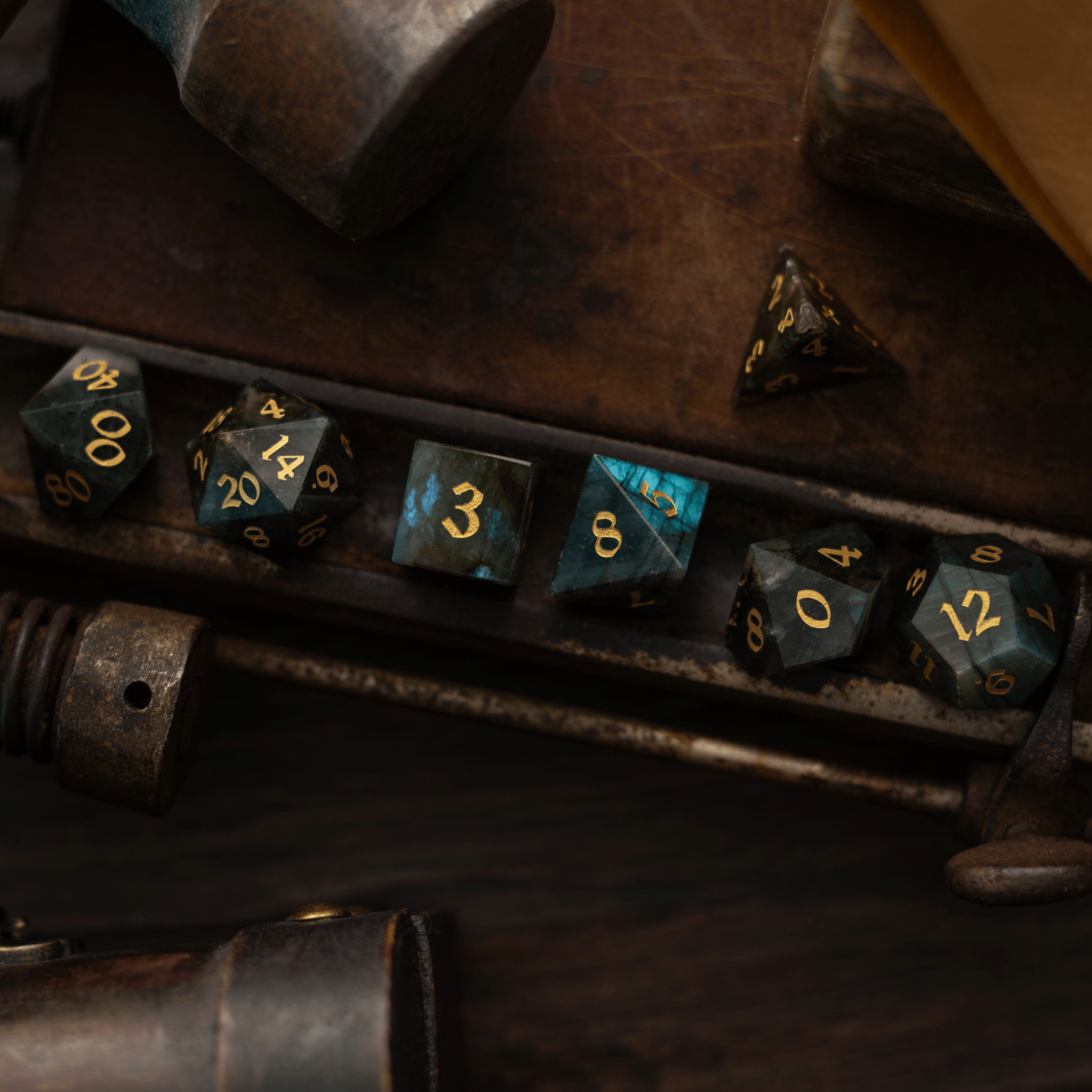
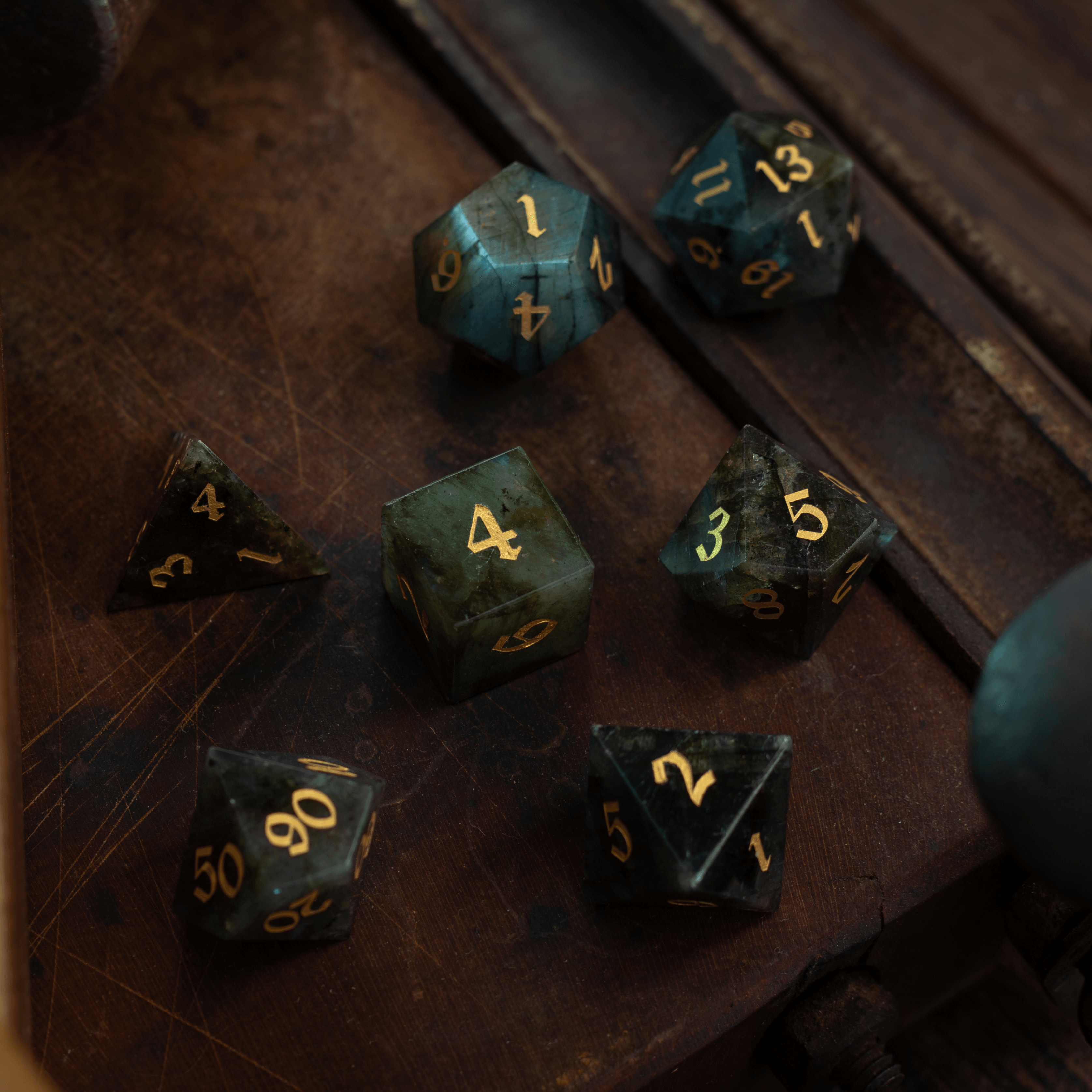
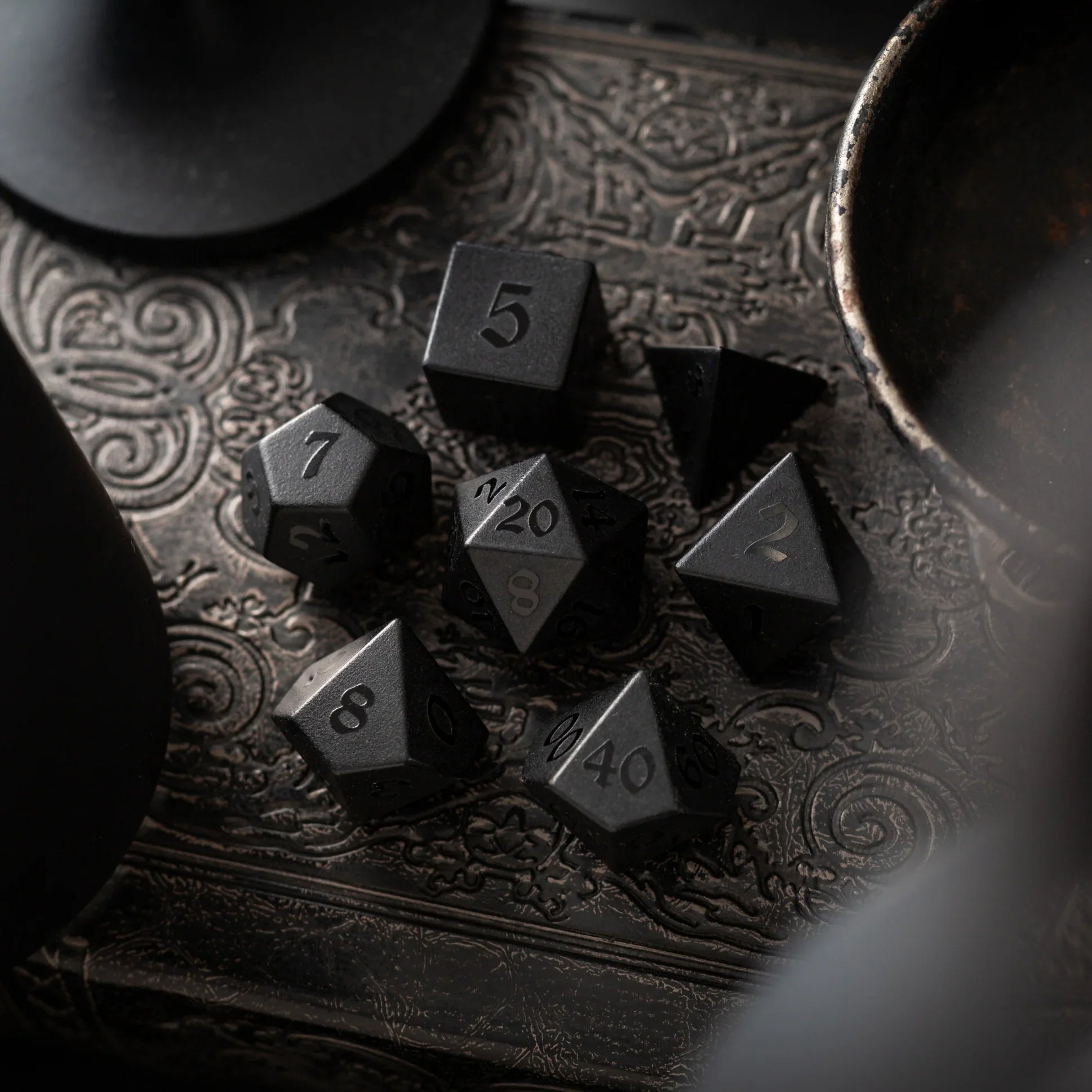
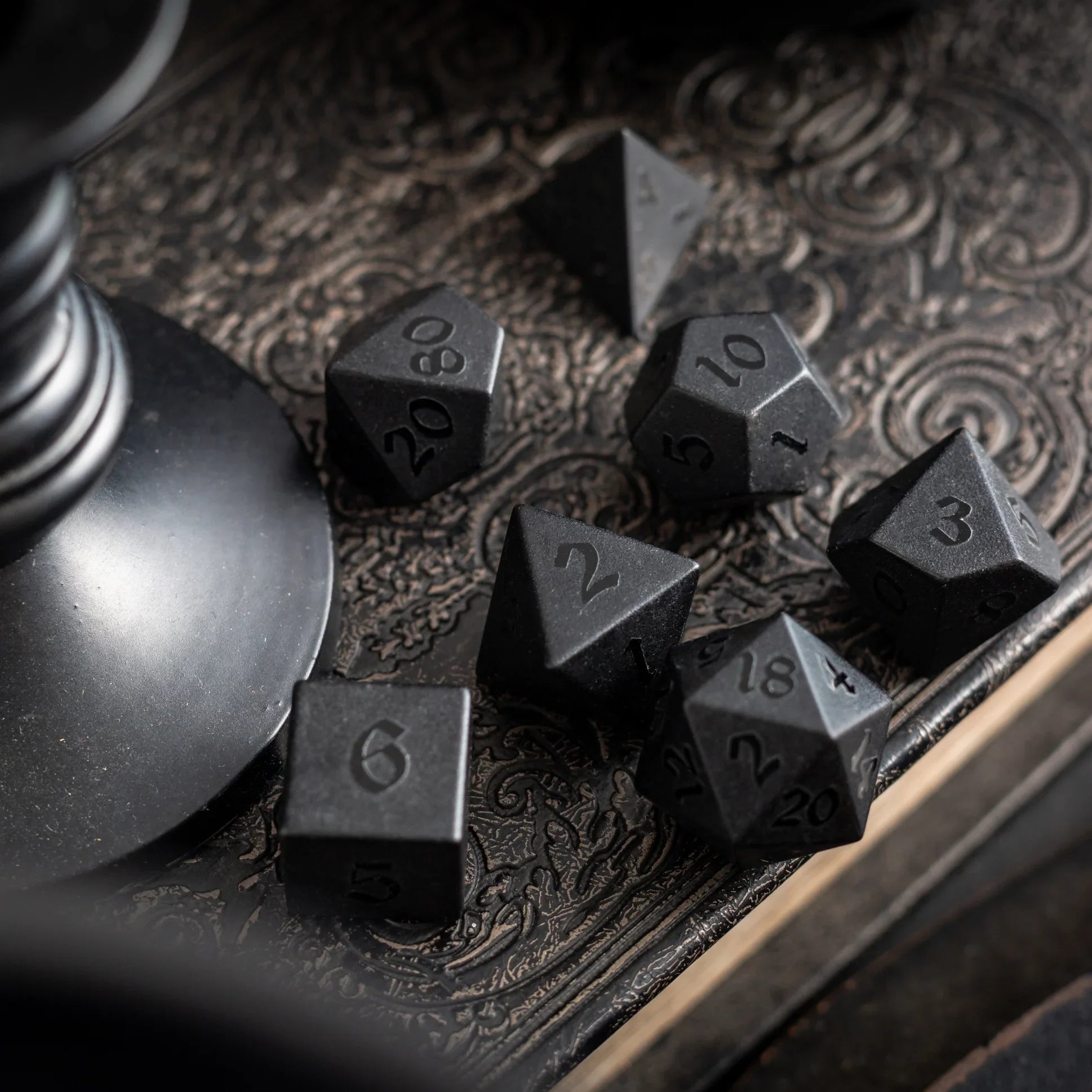
Runic Dice resin dice sets are a great everyday choice because they are light, colorful, and easy to use. Metal dice sets have a satisfying weight and strong table presence, which many players love once they are comfortable rolling. Gemstone dice sets feel special and collectible, while liquid core dice sets add motion and visual flair without changing how the dice work.
For beginners, the best dnd dice guide advice is simple: choose dice you can read quickly and enjoy rolling. A beautiful set is nice, but clarity helps you stay focused on the story instead of hunting for numbers.
Final Thoughts
Dice notation is one of the first RPG skills every player learns. At first, terms like 1d20, 2d6, and 3d8+4 may look strange, but they all follow the same simple pattern.
The number before the “d” tells you how many dice to roll. The number after the “d” tells you which die to use. Any number after that is added or subtracted from the total.
Once you understand how to read dice notation, character sheets, weapons, spells, and monster attacks become much easier to follow. You will roll faster, understand your options better, and feel more confident at the table.
So grab your polyhedral dice, read a few examples, and practice rolling. Before long, dnd dice notation will feel like second nature, and you will be ready for whatever adventure waits beyond the next dungeon door.

Leave a comment
This site is protected by hCaptcha and the hCaptcha Privacy Policy and Terms of Service apply.