

Subclass Options for Fantasy Roleplaying A Practical Guide
If you love building characters, you already know the magic happens in subclass options for fantasy roleplaying. The right path turns a basic concept into a legend, and it shapes every choice you make at the table. In this guide, we’ll unpack fantasy roleplaying subclass options and fantasy RPG subclass options in simple, practical terms. We’ll look at character class customization in fantasy RPGs, how to weigh style against power, and when multiclass options in fantasy roleplaying are worth it. By the end, you’ll have a reliable process for how to choose subclass options for a fantasy RPG character that fits your story and your playstyle.
Did You Know?
- Subclasses change not just abilities but also pacing—some peak early, others shine later.
- Two characters with the same class can feel completely different due to subclass features and spell lists.
- Many systems design subclasses to be viable across pillars: combat, exploration, and social play.
- Signature features often unlock at early milestones, so your subclass can impact play almost immediately.
- Fantasy roleplaying subclass options can signal role identity (protector, striker, controller, face), which helps your party coordinate.
What are subclass options for fantasy roleplaying?
Subclasses are specialized paths within a core class that give your character a distinct identity. Think of them as a lens that focuses your class’s theme: a stealth-focused archer, a storm-wielding mage, or a diplomatic knight. Good fantasy RPG subclass options clarify what you do best and how you do it—whether that’s protecting allies, delivering burst damage, manipulating the battlefield, or leading social encounters.
Best subclass options for fantasy roleplaying games
“Best” depends on your table’s goals. If your group loves tactical fights, “best” might mean steady, repeatable value. In a roleplay-heavy group, “best” could be subclasses with strong story hooks and social tools. The real win is alignment: matching subclass to campaign style and party needs. Below are reliable archetype strengths you can look for in any system:
- Defender archetypes: Damage mitigation, taunts, and protective reactions.
- Striker archetypes: Burst windows, precision hits, and mobility tools.
- Controller archetypes: Area denial, conditions, and terrain manipulation.
- Support archetypes: Buffs, healing, resource batteries, and action economy boosts.
- Face archetypes: Charm, fear, insight, and social advantage mechanics.
Expert Tips
- Define your spotlight moment. Pick subclass options for fantasy roleplaying that give you a clear “win condition” (e.g., locking down bosses, rescuing allies, or swinging the social scene).
- Check early, mid, and late features. You want a curve you’ll enjoy across multiple levels, not just a single spike.
- Make a synergy list. Note three class features, feats, spells, or equipment that your subclass amplifies—this exposes hidden power.
- Test action economy. If your subclass asks for reactions, bonus actions, and concentration at once, decide what you’ll prioritize.
- Ask the DM about campaign themes. Undead-heavy story? Pick radiant or control tools. Nautical travel? Lean into mobility and survival.
- Audit your party’s gaps. If nobody can scout or negotiate, a face/controller hybrid can redefine the group’s options.
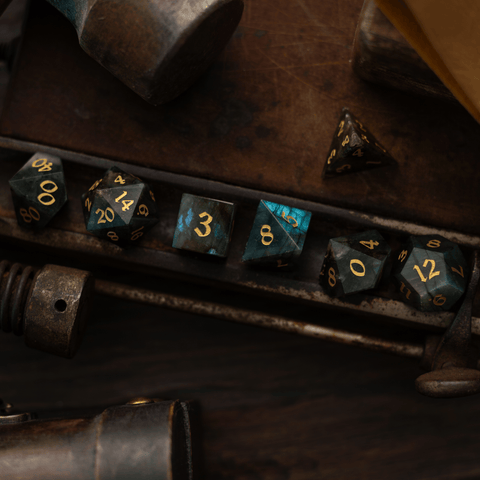
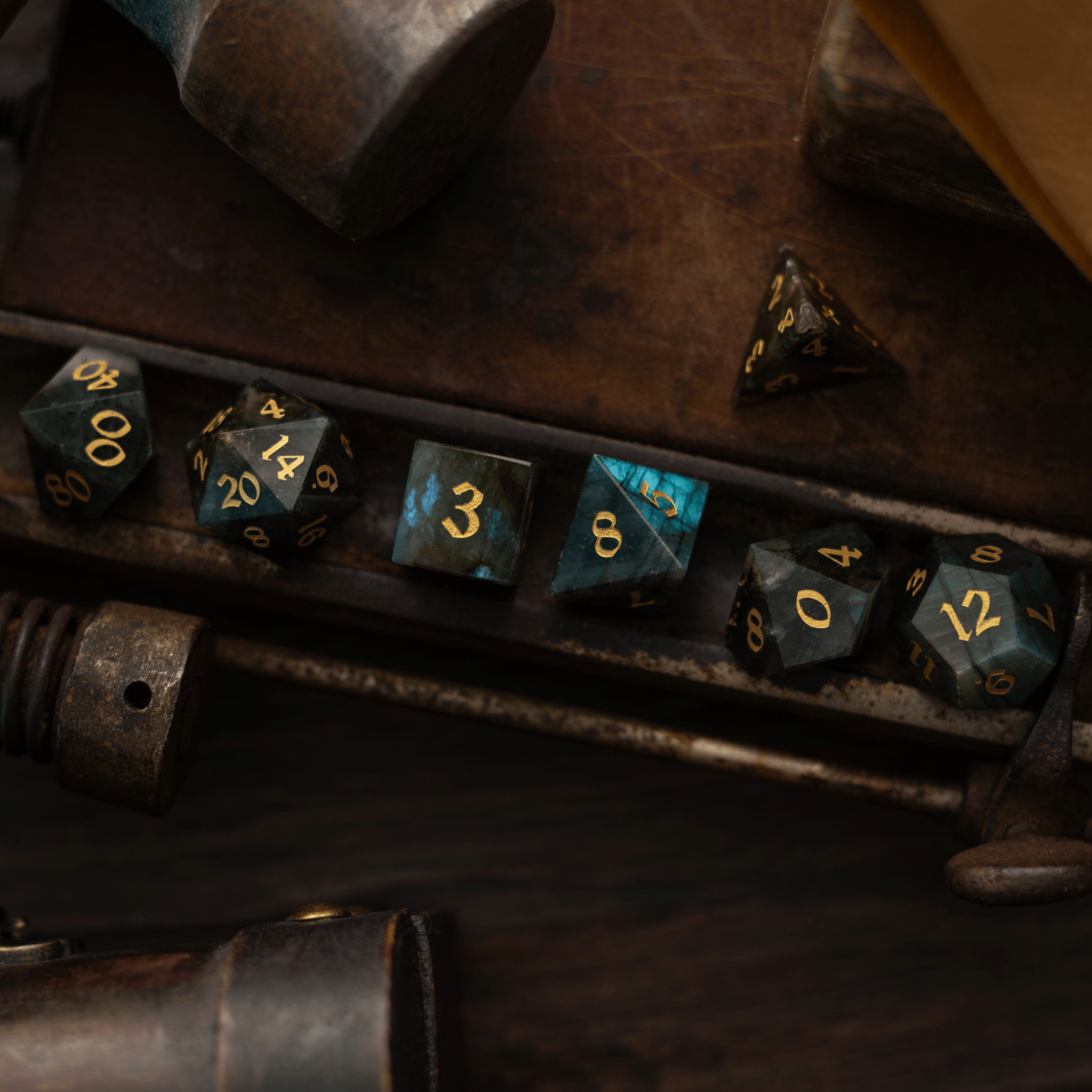
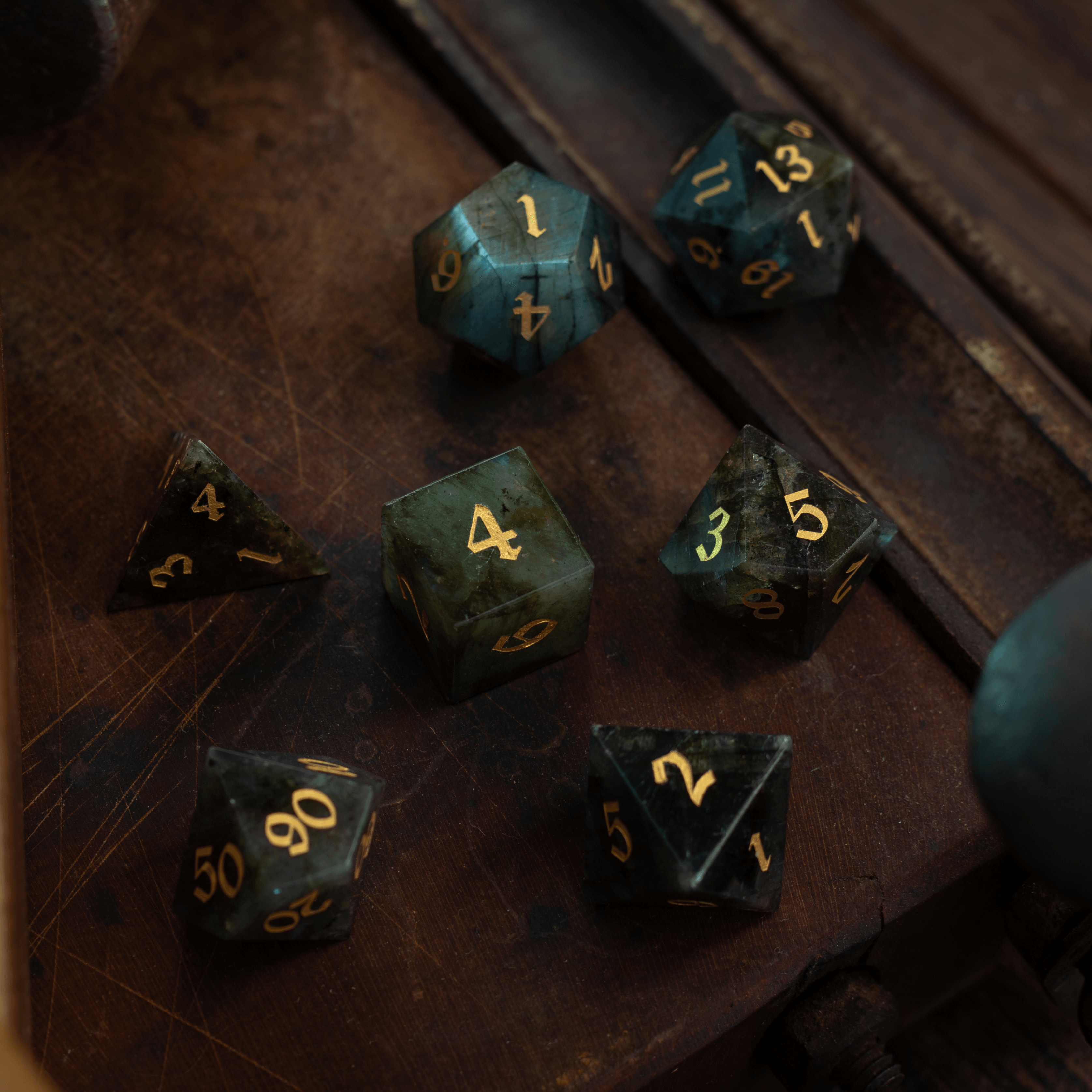
- Keep gear in mind. Visual identity can inspire your build. If you love a bold aesthetic, that energy will show up at the table. For ideas, explore the dice collections.
Character class customization in fantasy RPGs
Customization is more than picking a subclass. It’s an ecosystem of choices that includes backgrounds, feats or talents, spell selection, and equipment. The aim is coherence: everything should push the same story and gameplay angle.
- Theme coherence: Tie your background, subclass, and signature spell or technique to a single concept (“storm-scout,” “oathbound diplomat,” “shadow scholar”).
- Combat role clarity: Know your job. If you’re a controller, don’t compete for the same resources your striker needs for burst damage.
- Exploration footprint: Scout tools, languages, climbing aids, or travel spells make the wilderness feel like your home field.
- Social toolkit: Expertise, charm effects, or simply high insight give you steady wins in negotiations and investigations.
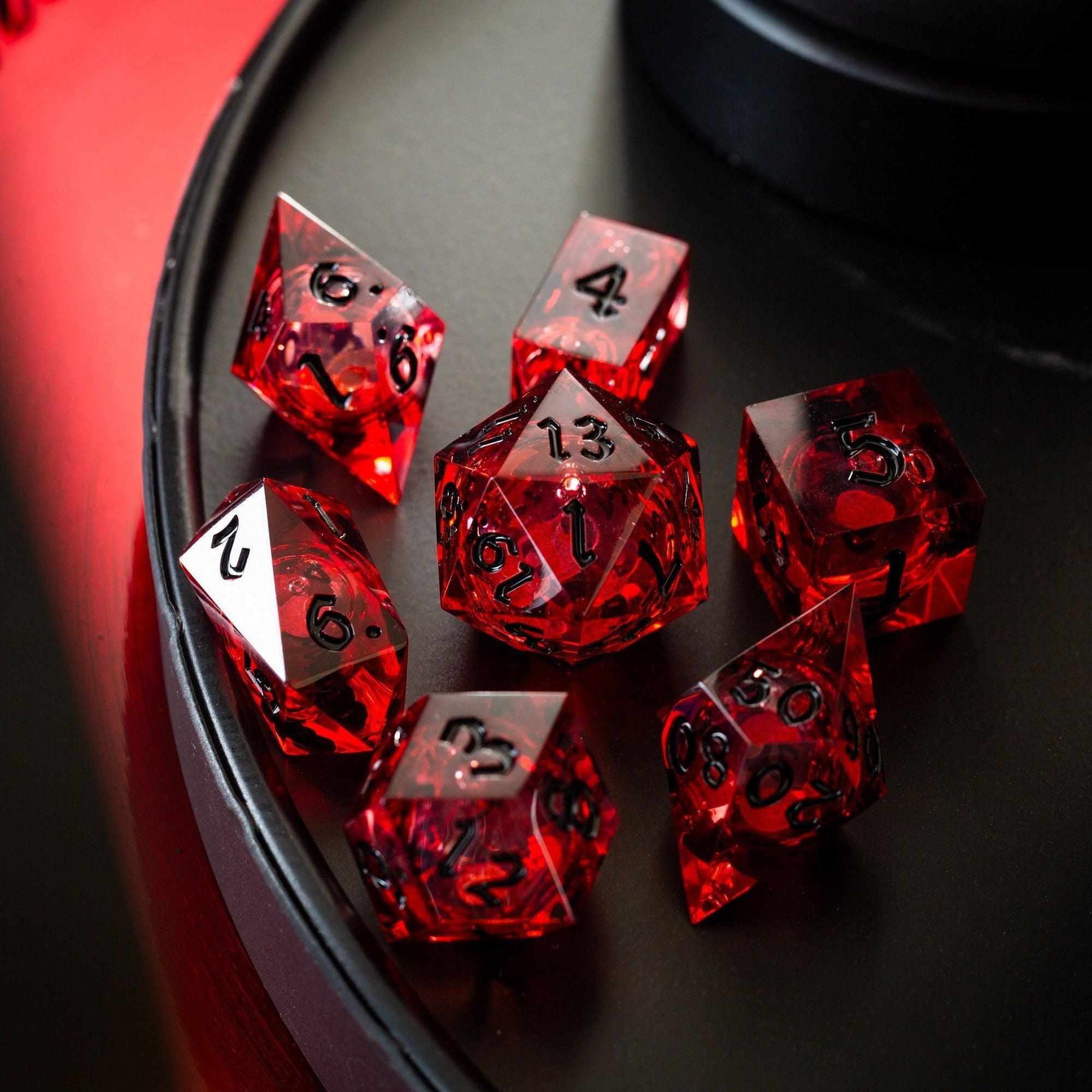
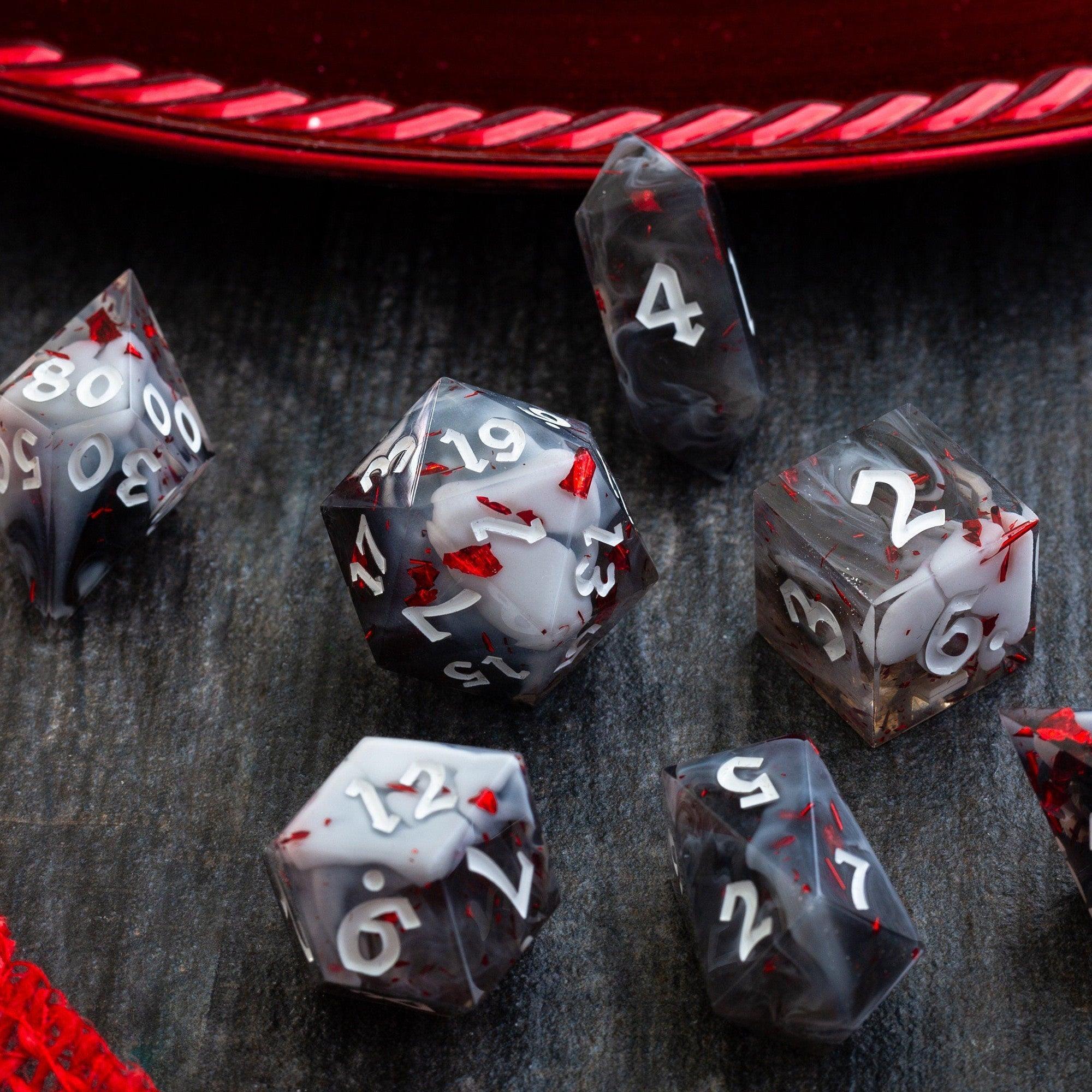
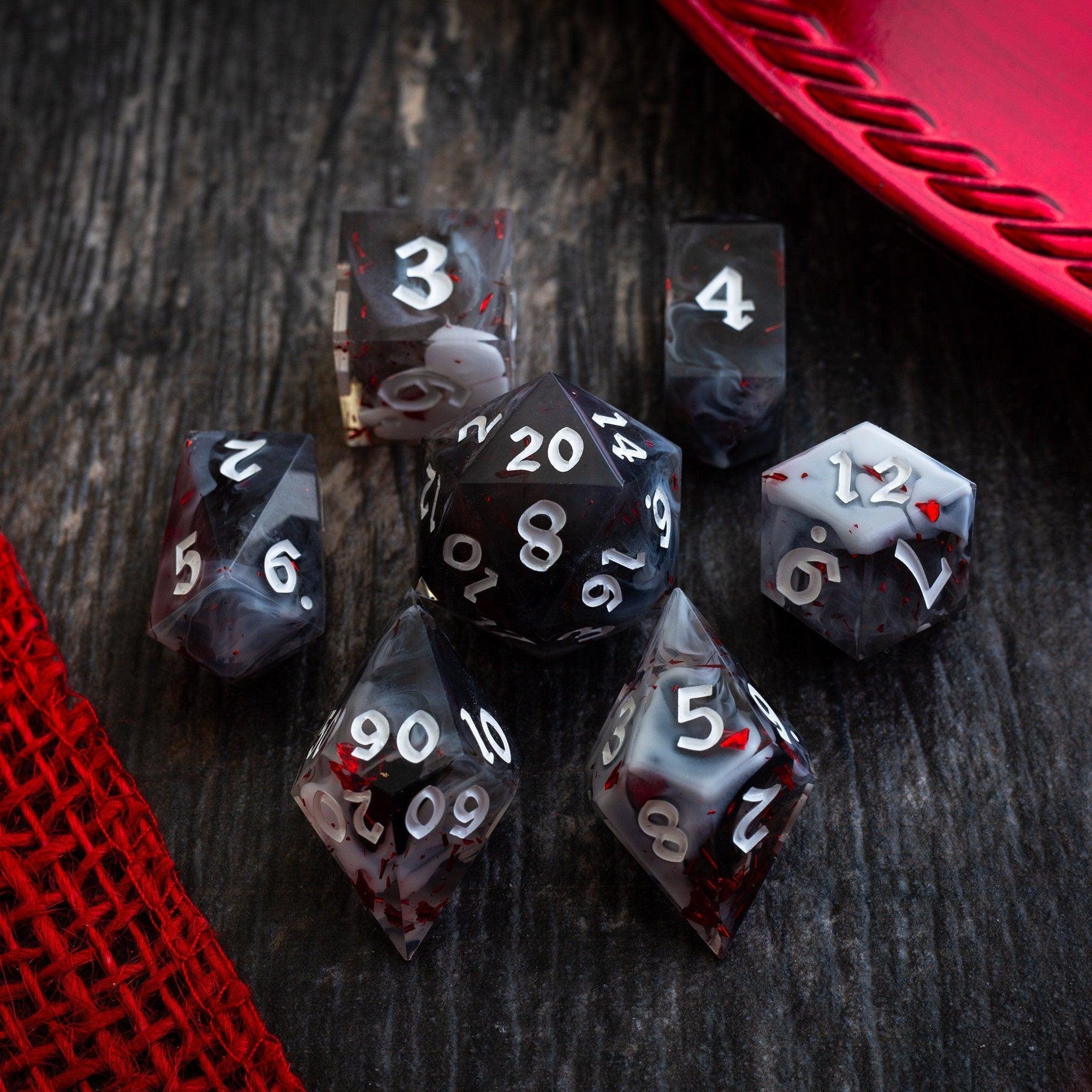
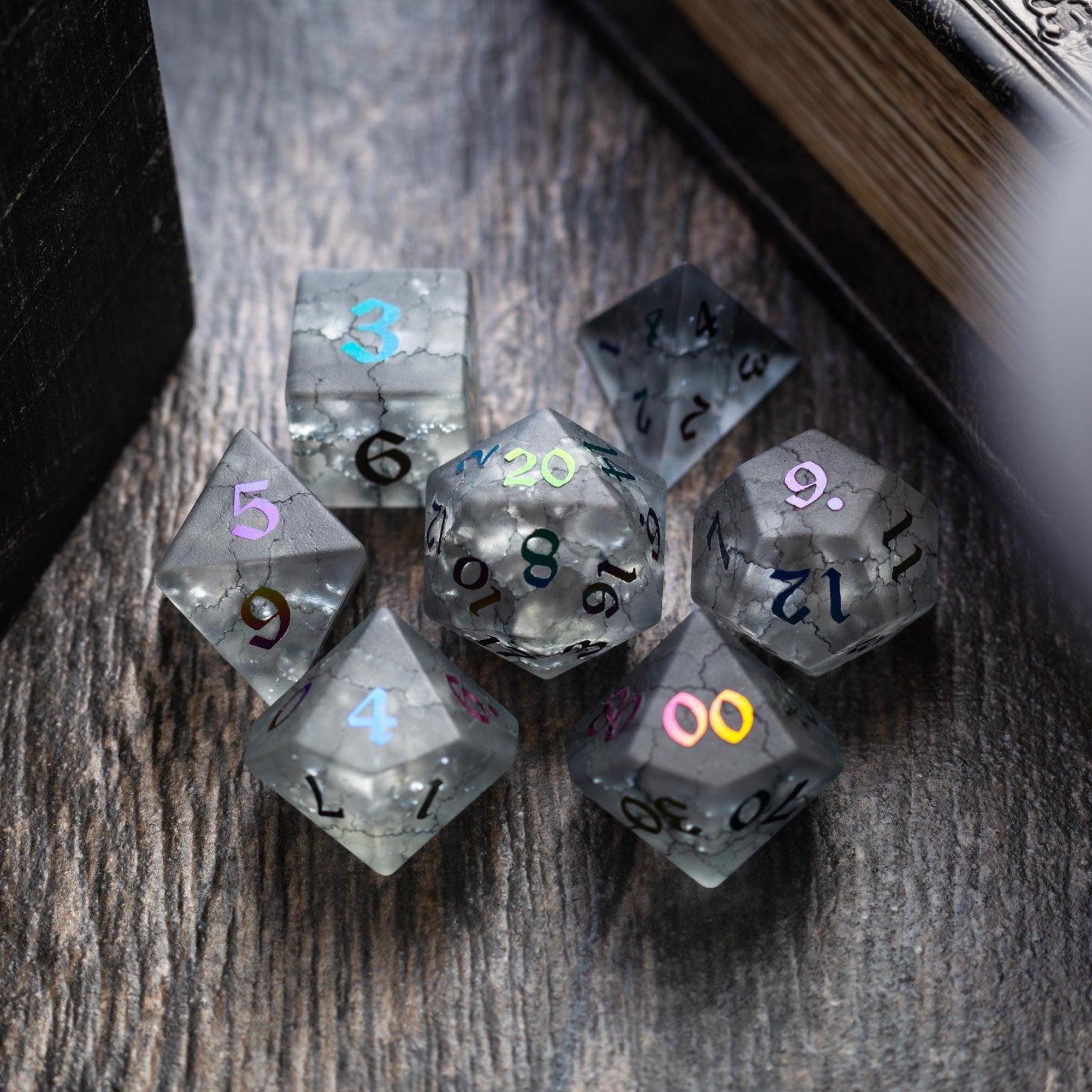
To tie mechanics to table presence, consider how your dice reflect your character’s vibe. A calculated support caster might love the clarity of a clean gemstone set like the amethyst gemstone set, while a dramatic striker might lean into a bold visual like the Smoke and Blood resin set.
Multiclass options in fantasy roleplaying
Multiclassing lets you blend playstyles—think battlefield control plus face skills, or defense with precision strikes. It’s powerful but comes with trade-offs.
- Pros: Early dip features, expanded spell lists, extra skill access, and flexible action economy.
- Cons: Delayed key features, split attributes, and more complex decision trees.
- When it shines: You need a targeted solution (e.g., armor proficiency, a familiar, or a specific mobility power) that your base subclass can’t cover.
Before jumping in, confirm with your DM how multiclass prerequisites, spell slot progression, or feature stacking work in your system. If your group loves high synergy builds, multiclass options in fantasy roleplaying can be rewarding. If your group prefers straightforward play, staying single-class with a synergistic subclass often feels smoother.
How to choose subclass options for a fantasy RPG character
Here’s a step-by-step checklist to help you pick with confidence.
- State your fantasy in one sentence: “A disciplined guardian who shields allies from harm.”
- Pick your primary pillar: combat, exploration, or social. Your subclass should excel there.
- Map your power curve: identify what you gain early, mid, and late. Make sure you’ll enjoy every stage.
- Lock your resources: decide how you’ll use your action, bonus action, reaction, and concentration (if applicable).
- Choose three synergies: feats/talents, spells/techniques, and equipment that boost your subclass features.
- Fill party gaps: confirm your role complements teammates. If two players are burst strikers, consider control or support.
- Stress-test with scenarios: “Rescue in a burning tower,” “Parley with a rival guild,” “Ambush on a bridge.” Can your subclass contribute in each?
- Commit to a signature move: pick one combo or tactic that will be your calling card.
- Express the vibe: lock in colors, motifs, and accessories that match your concept. For a flashy caster, a swirling liquid core dice set can underscore that kinetic feel.
Personal Anecdote
I once built a support-forward controller who kept missing their big moments. On paper, the subclass looked perfect. In play, I was constantly competing for the reaction my ally needed and burning concentration on effects that didn’t match our striker’s timing. I reworked the plan by shifting to a subclass that delivered value without hogging the same resources. Suddenly, my turns were smoother, our striker’s burst windows were cleaner, and the whole party felt more coordinated. The lesson stuck: your subclass options for fantasy roleplaying don’t live in a vacuum—they live in your action economy and your party’s rhythm.
And yes, I leaned into the theme with the most extra prop I could find. Kinetic casting felt even better rolling a set that looked alive in motion, so I grabbed a vivid option from the site’s lineup while browsing collections. It sounds small, but it reinforced my character’s energy every time I picked up the dice.
Summary & Takeaways
- Subclasses define how your character expresses a role—choose the one that fits your story and your table’s style.
- Look at the power curve across early, mid, and late play to avoid dead zones.
- Plan your action economy so features don’t fight each other for attention.
- Synergy beats raw power—stack small advantages that work together consistently.
- Multiclassing is a tool, not a goal. Use it to solve specific needs without undermining your core identity.
- Let your gear and table accessories reflect your character’s theme. A flashy blaster might love a dramatic set like a liquid core dice option, while a calmer support might prefer something elegant like an amethyst gemstone set.
What are the best subclass options for a fantasy roleplaying game?
The best subclass options for fantasy roleplaying games match your table’s goals and your role. If your group loves tactical encounters, look for reliable turn-by-turn value: mitigation for defenders, consistent advantage for strikers, and repeatable control for controllers. For story-first groups, pick subclasses with social hooks, exploration tools, and clear motives. A “best” subclass is the one that performs well where your campaign spends its time.
How do I choose the right subclass for my character in a fantasy RPG?
Start with a one-sentence concept, pick your primary pillar (combat, exploration, or social), and map your power curve. Then check action economy conflicts, pick three synergies that reinforce your theme, and verify you’re complementing your party. If you can picture a signature move you’ll love using every session, you’ve likely found the right fit.
When should I consider multiclass options in fantasy roleplaying?
Consider multiclassing when your concept needs a specific tool that your subclass can’t provide—like armor access, a familiar, or a key mobility feature. Make sure the benefits outweigh delayed core features and attribute spread. If you prefer simplicity or your subclass already covers your needs, staying single-class is usually smoother.
Can I change my subclass later if it doesn’t fit?
Talk to your DM about an in-story pivot—many tables allow a respectful respec tied to character growth or a narrative event. Keep it collaborative and aim for changes that preserve party balance and the story you’ve built together.














Leave a comment
This site is protected by hCaptcha and the hCaptcha Privacy Policy and Terms of Service apply.