Mastering a Fantasy Bestiary for Tabletop Campaigns
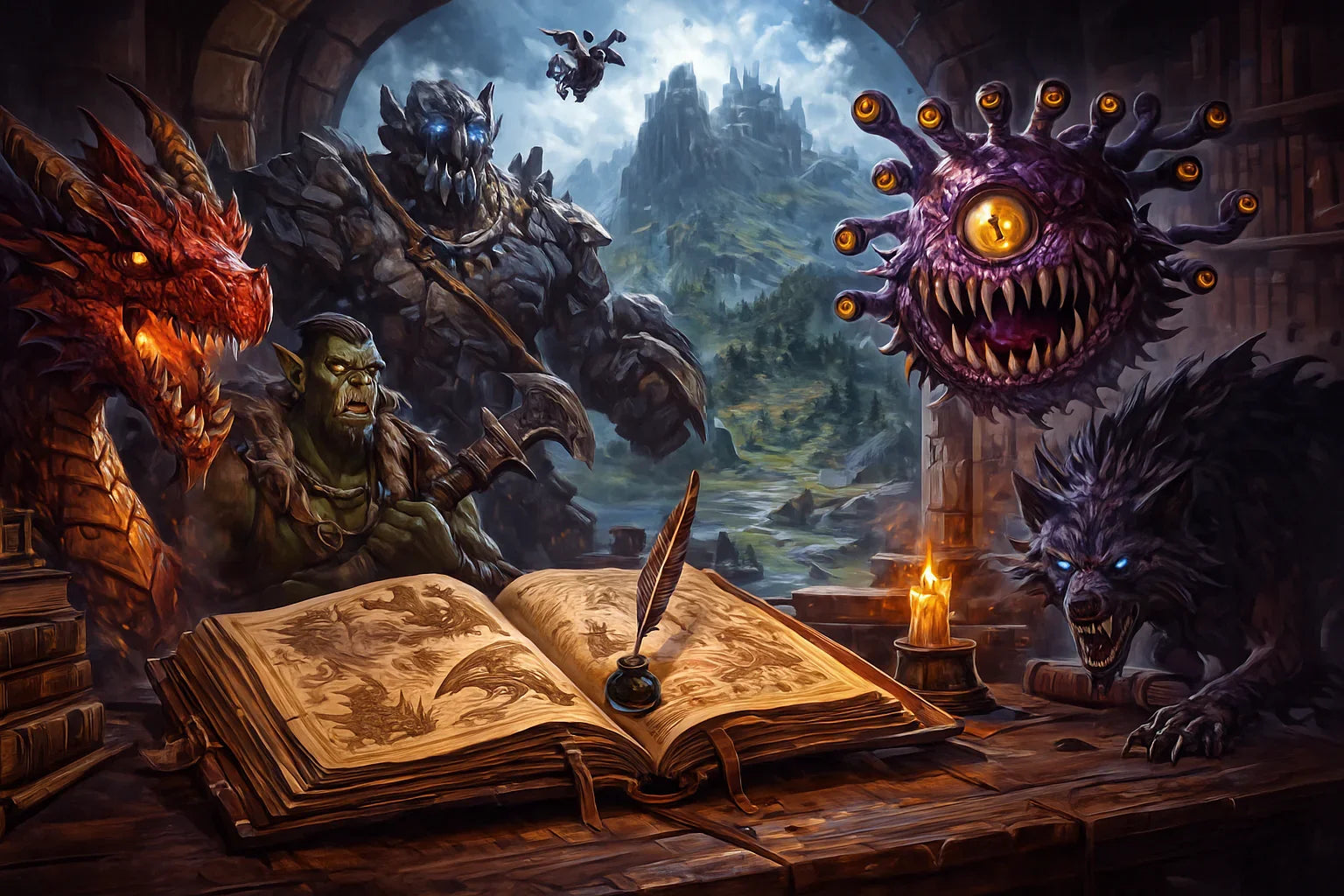
Fantasy worlds come alive through the creatures that inhabit them. From towering dragons guarding forgotten treasures to curious fey hiding in enchanted forests, every monster tells part of a world's story. A well-used fantasy bestiary is much more than a collection of creature statistics. It is a valuable reference that helps Game Masters create memorable adventures, expand their settings, and give players encounters they will remember long after the session ends.
Whether you are preparing your first adventure or managing a long-running campaign, learning how to use a tabletop campaign bestiary effectively can make session preparation easier while opening new storytelling possibilities.
It is important to remember that every roleplaying system approaches monsters differently. A D&D monster guide, a Pathfinder bestiary, or another publisher's creature book may organize information in unique ways. Creature abilities, lore, challenge ratings, and statistics should always be referenced from the official source that matches the game system and edition your group is playing.
Why Every Game Master Should Become Familiar with a Bestiary
Many new Game Masters first think of monsters as combat opponents. While exciting battles certainly have their place, a quality RPG monster guide offers much more than enemies waiting behind the next dungeon door.
A good bestiary helps you:
-
Build encounters that support your campaign's theme
-
Populate regions with believable fantasy creatures
-
Introduce mysteries through unusual monster behavior
-
Inspire quests based on creature lore
-
Create memorable NPCs connected to legendary beasts
-
Design exploration challenges beyond combat
For example, discovering signs of a griffon's nest can encourage investigation before any battle occurs. Likewise, hearing stories about a sleeping dragon may motivate diplomacy, stealth, or careful planning rather than immediate combat.
This broader approach allows tabletop RPG monsters to become living parts of the world instead of simple obstacles.
Understanding Creature Entries, Lore, Habitats, and Abilities
Most bestiaries organize information into consistent sections that help Game Masters quickly understand each creature.
Common entries often include:
Statistics
Statistics describe how a creature functions within the rules.
Depending on the game system, this may include:
-
Size
-
Creature type
-
Armor or defense
-
Hit points
-
Movement
-
Offensive abilities
-
Saving throws or resistances
-
Special traits
Always use the official statistics for your specific game system and edition.
Lore
Monster lore explains how creatures behave outside of combat.
You might learn:
-
Social structures
-
Intelligence
-
Motivations
-
Relationships with other species
-
Religious beliefs
-
Ancient legends
These details help monsters feel like inhabitants of the setting rather than random encounters.
Habitat
Habitats provide clues about where creatures naturally belong.
Ask yourself:
-
Does this monster fit the local environment?
-
Would nearby settlements know about it?
-
Does its presence affect trade, travel, or local legends?
Matching creatures to believable locations strengthens campaign worldbuilding.
Special Abilities
Unique abilities often define memorable encounters.
Instead of focusing only on damage, think about how these abilities influence storytelling.
For example:
-
Petrification creates rescue missions.
-
Illusions encourage investigation.
-
Shapechanging supports mystery adventures.
-
Flight changes battlefield tactics.
Choosing Monsters That Fit Campaign Themes and Player Progression
Not every monster belongs in every adventure.
A horror campaign filled with cursed villages calls for different creatures than a heroic wilderness expedition or a political fantasy centered around rival kingdoms.
Consider these factors when selecting monsters.
Match the Campaign Tone
Ask what emotional response you want.
Examples include:
-
Wonder through magical beasts
-
Fear through undead horrors
-
Curiosity through mysterious fey
-
Awe through ancient dragons
-
Suspense through hidden predators
Consider Character Progression
Players enjoy seeing the world evolve alongside their characters.
Early adventures may feature:
-
Wolves
-
Goblins
-
Giant spiders
Later campaigns can introduce:
-
Giants
-
Powerful fiends
-
Ancient dragons
-
Legendary aberrations
Escalating threats creates a satisfying sense of growth without making every session revolve around increasingly difficult combat.
Mix Familiar and Unexpected Creatures
Unexpected encounters often become the stories players remember most.
A peaceful giant protecting a sacred grove or an intelligent monster seeking negotiation can surprise players far more than another routine battle.
Fantasy Creature Reference Table
| Creature Type | Narrative Role | Typical Habitat | Encounter Difficulty* | Storytelling Opportunities |
|---|---|---|---|---|
| Dragon | Legendary villain, guardian, ruler | Mountains, ancient ruins | High | Ancient bargains, lost civilizations, political intrigue |
| Undead | Horror, mystery | Crypts, battlefields, haunted ruins | Low to High | Curses, forgotten history, restless spirits |
| Fey | Trickster, guide, ally | Enchanted forests | Moderate | Magical bargains, riddles, strange customs |
| Beast | Wilderness challenge | Forests, plains, mountains | Low | Survival, tracking, protecting settlements |
| Aberration | Cosmic mystery | Underground realms, forgotten temples | High | Ancient secrets, forbidden knowledge |
| Giant | Regional power | Hills, mountains | Moderate to High | Tribal diplomacy, territorial conflicts |
| Elemental | Environmental force | Volcanoes, oceans, storms | Moderate | Natural disasters, magical imbalance |
*Encounter difficulty varies by game system, edition, party level, and official creature statistics. Always consult the appropriate official monster reference for your game.
Using Monster Lore to Enrich Worldbuilding and Roleplaying
Some of the best sessions feature creatures that never roll initiative.
Monster lore creates opportunities for:
-
Negotiation
-
Investigation
-
Exploration
-
Diplomacy
-
Moral decisions
Perhaps villagers leave offerings to a forest spirit each spring. A local merchant hires adventurers to study migrating wyverns instead of hunting them. An ancient sphinx guards forgotten knowledge rather than treasure.
These stories help creatures become part of everyday life within your world.
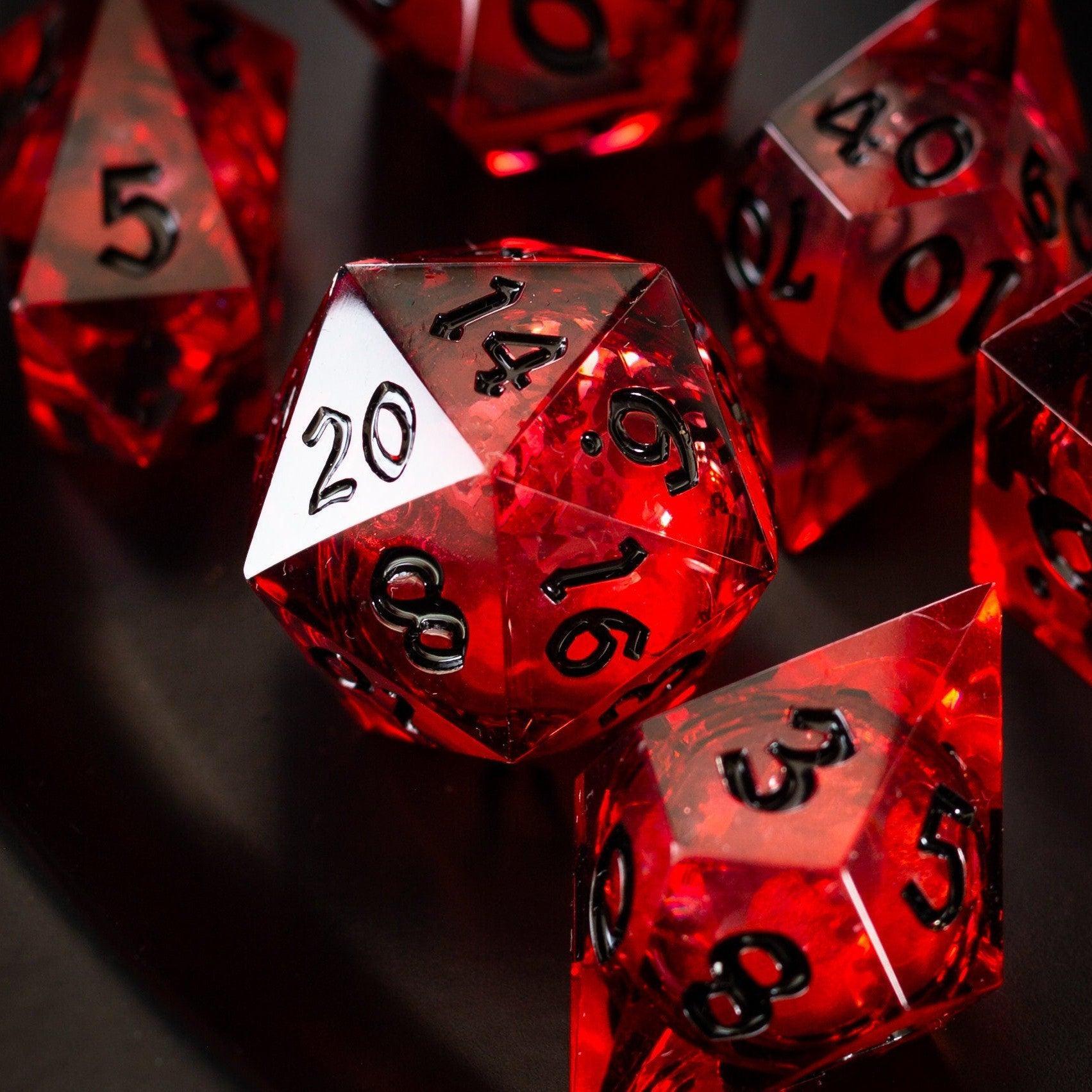
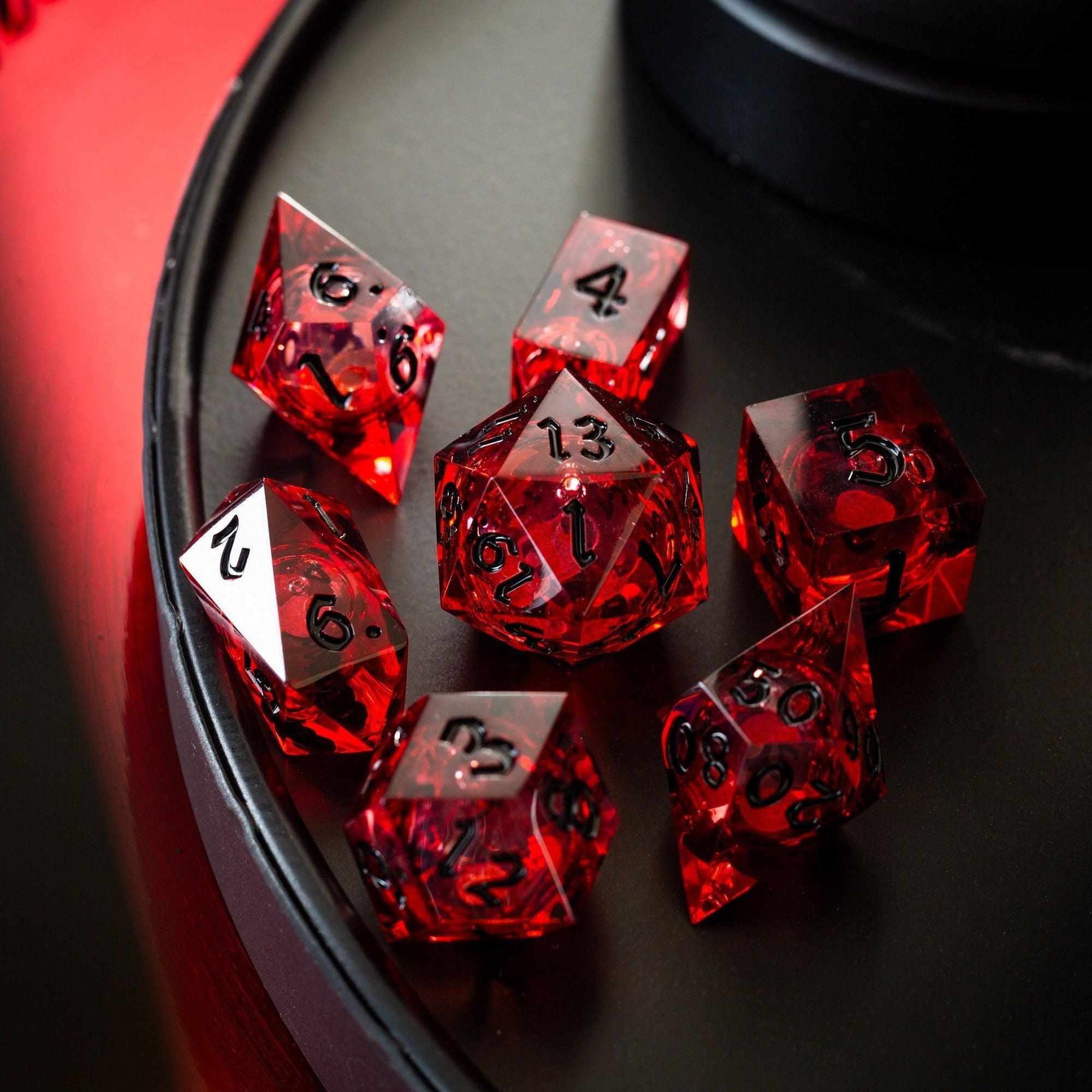
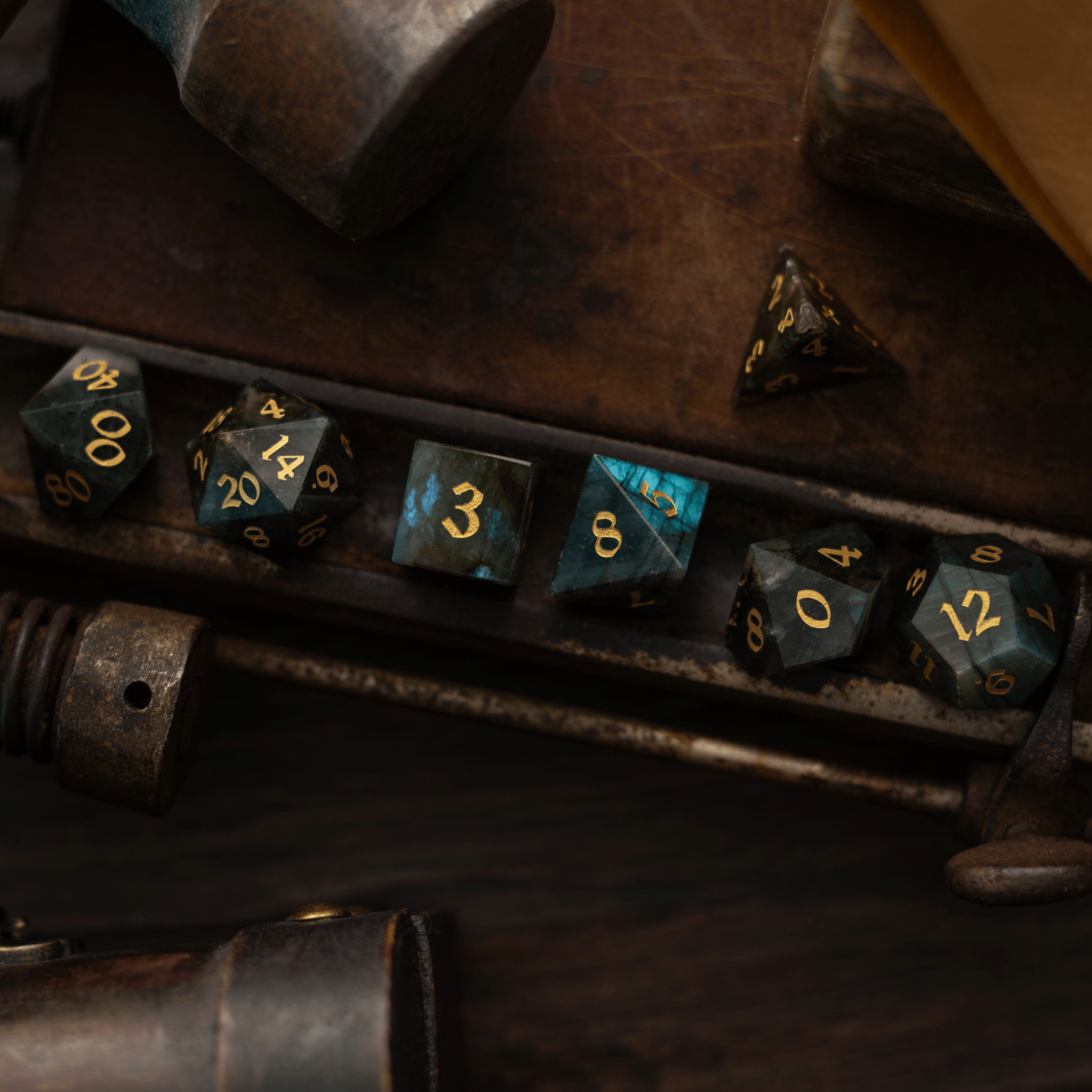
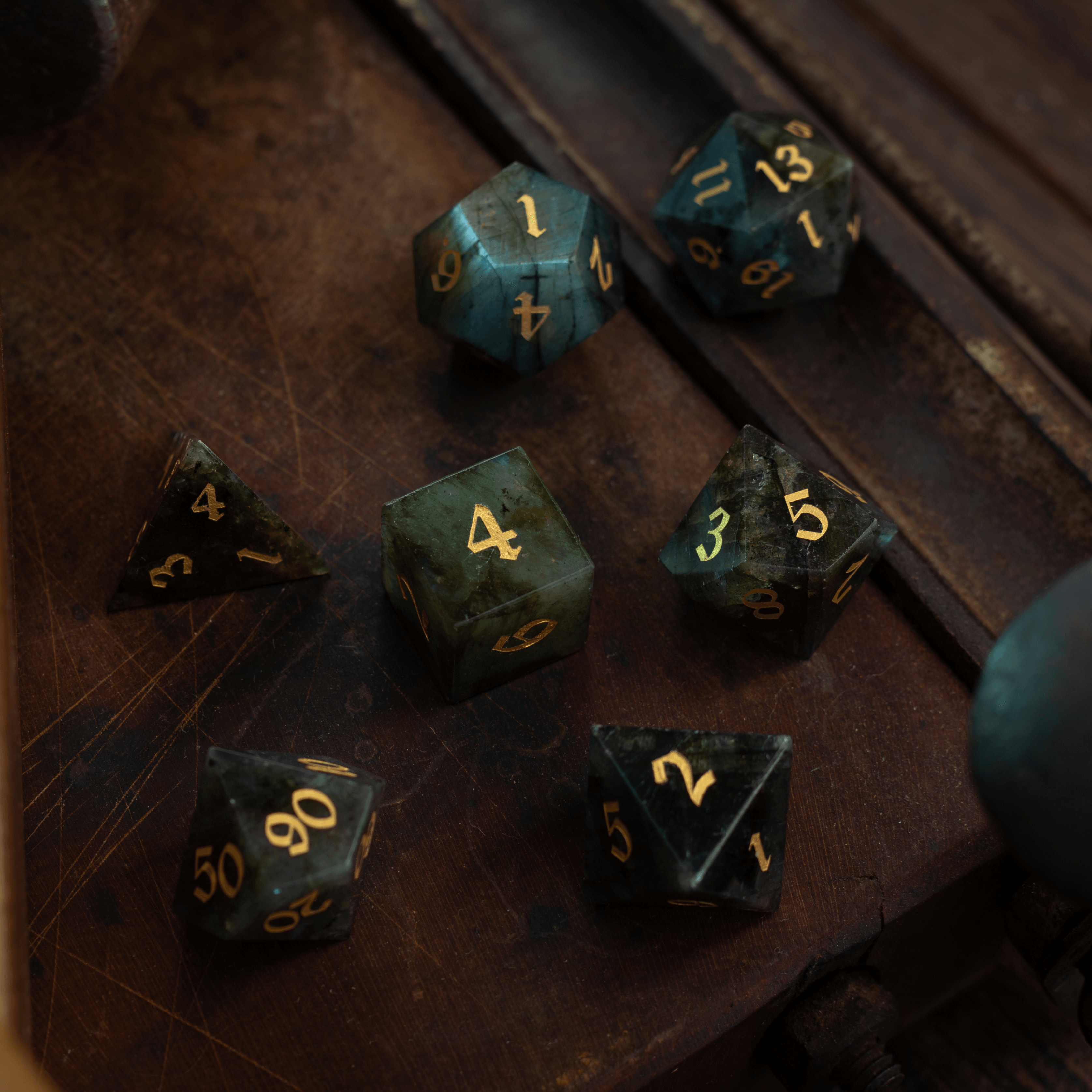
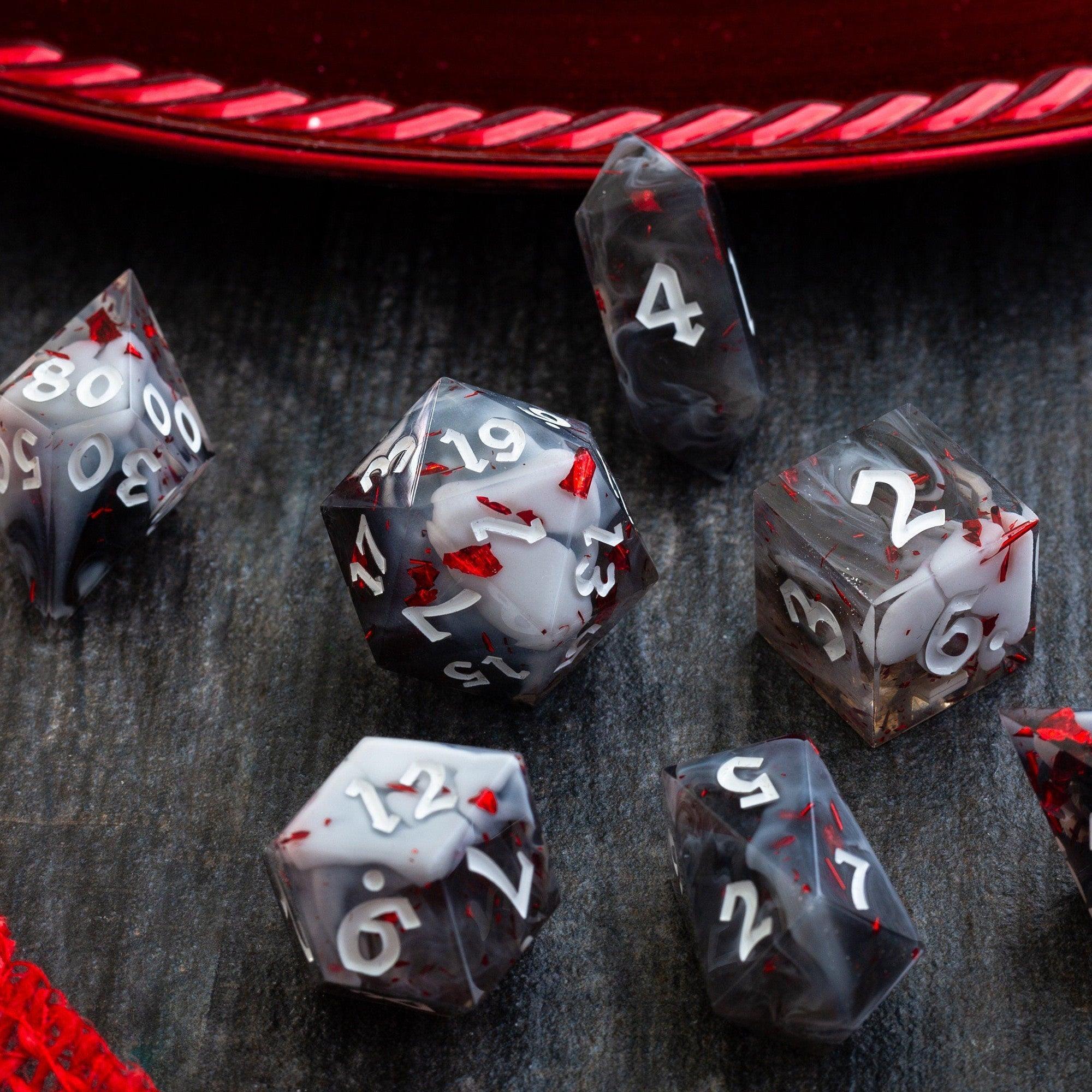
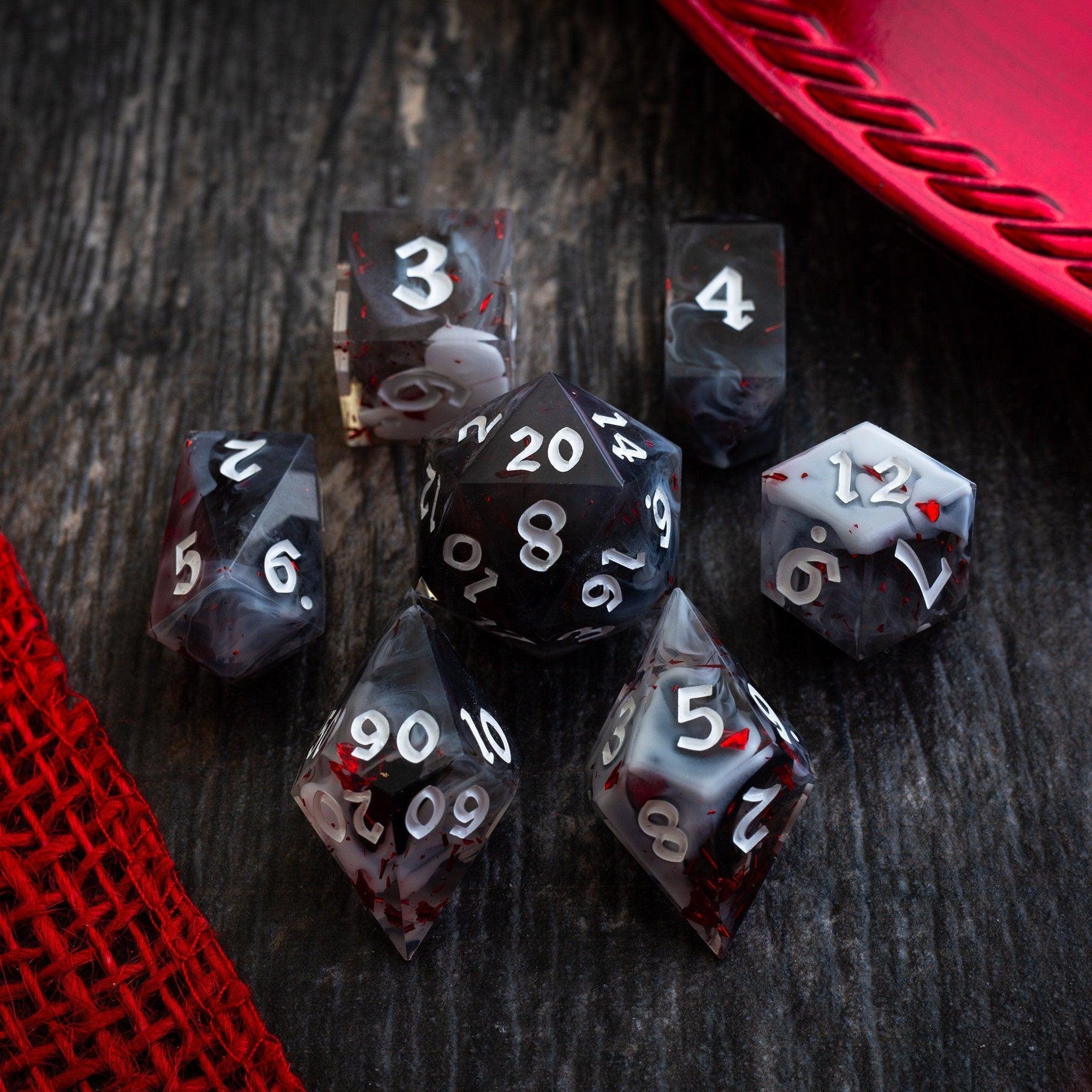
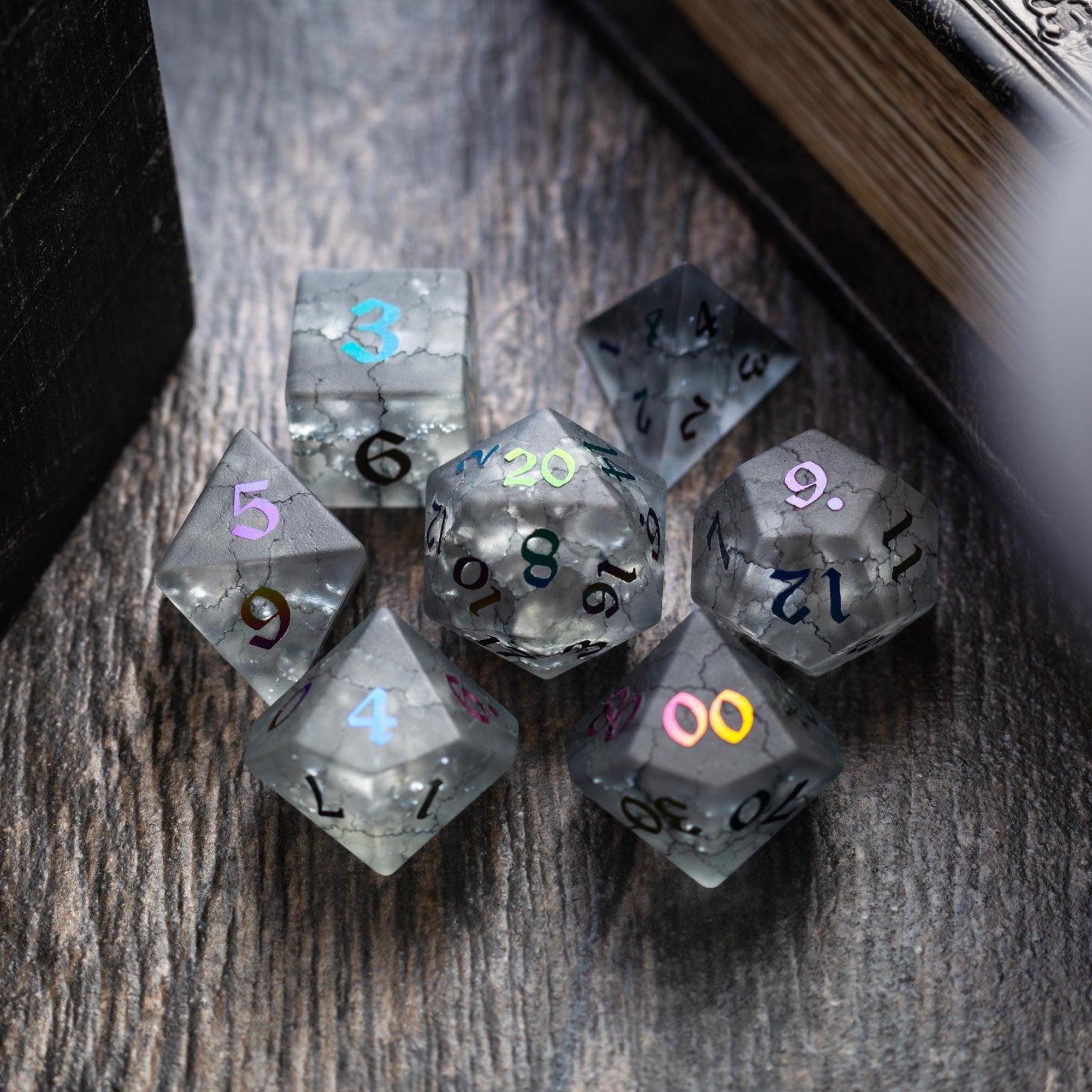
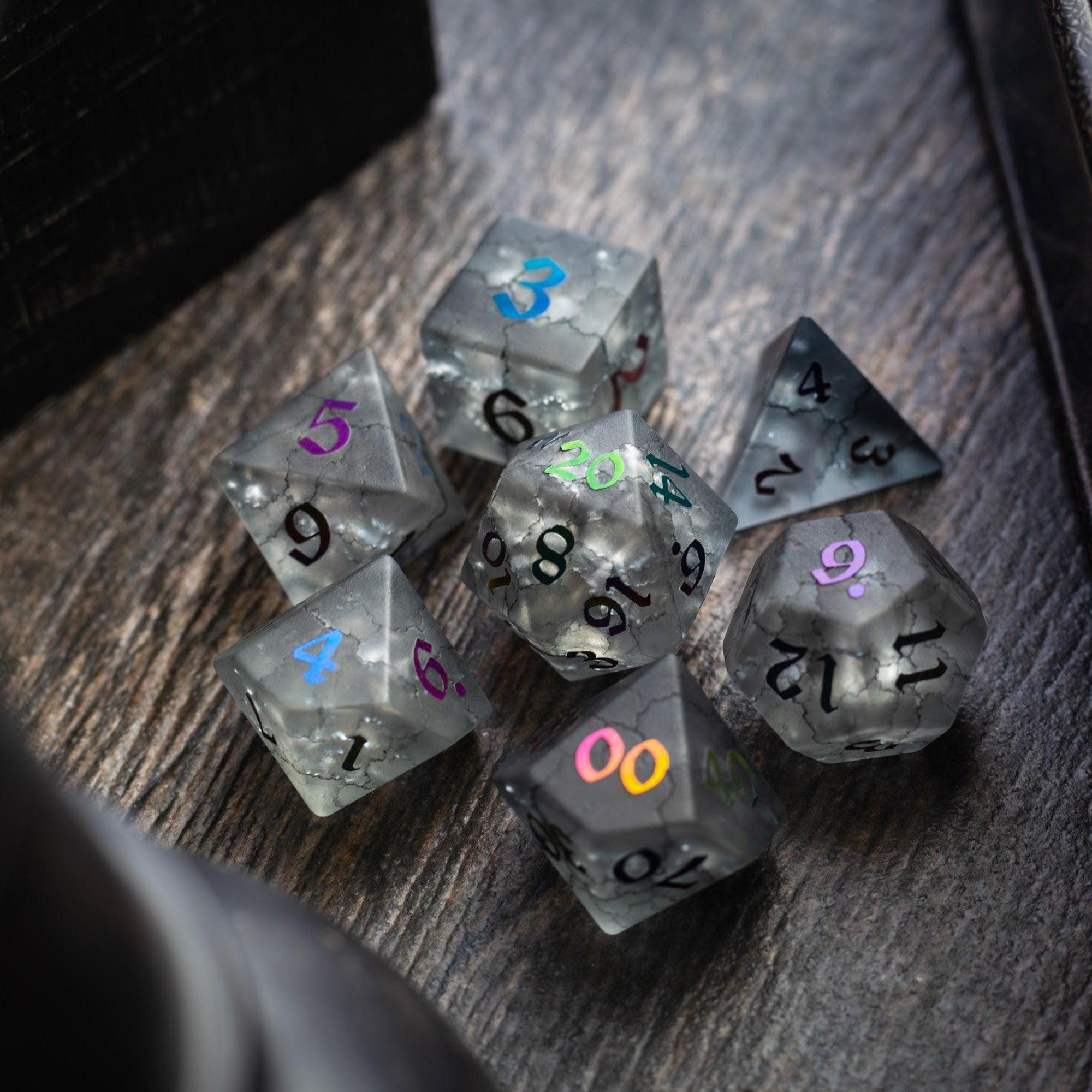
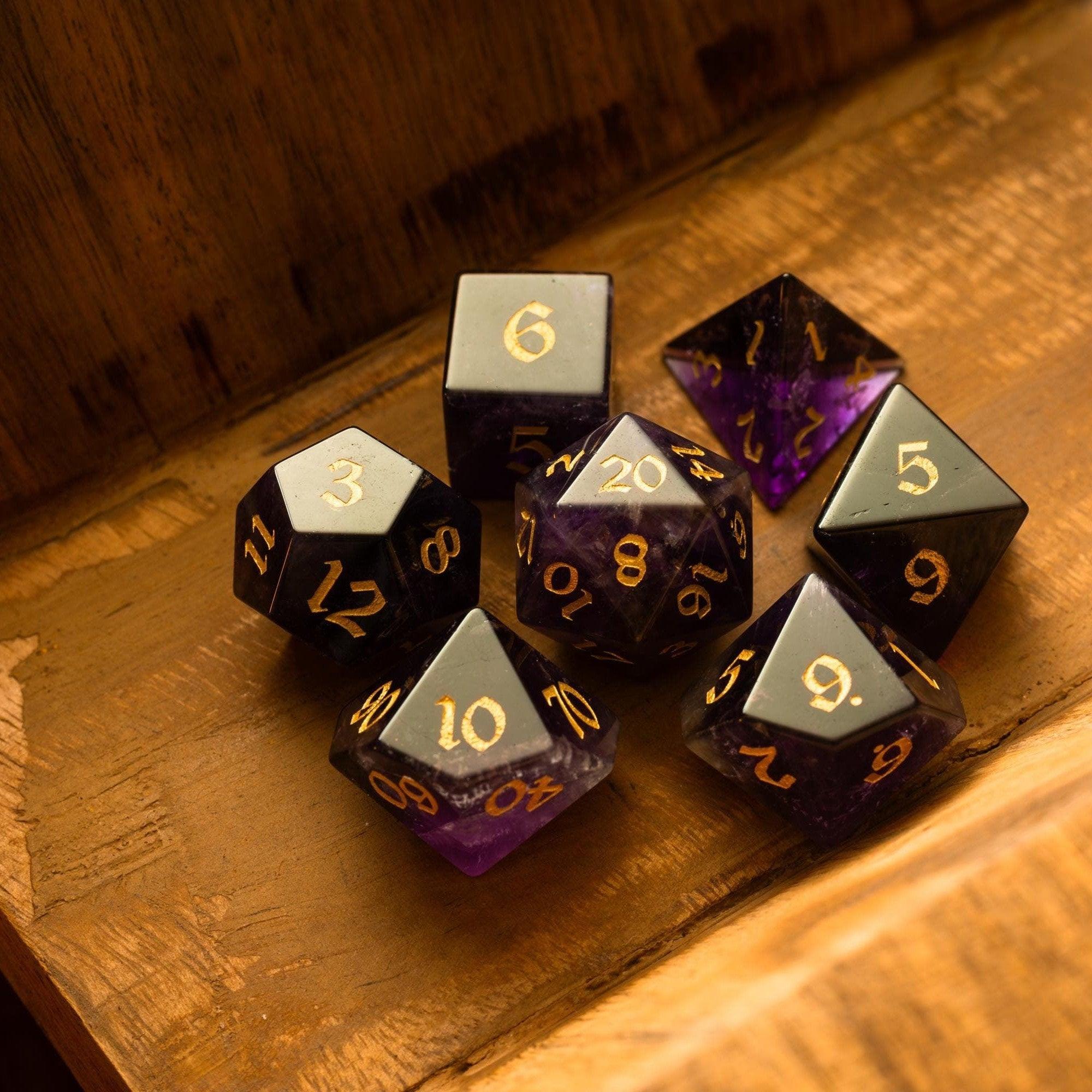
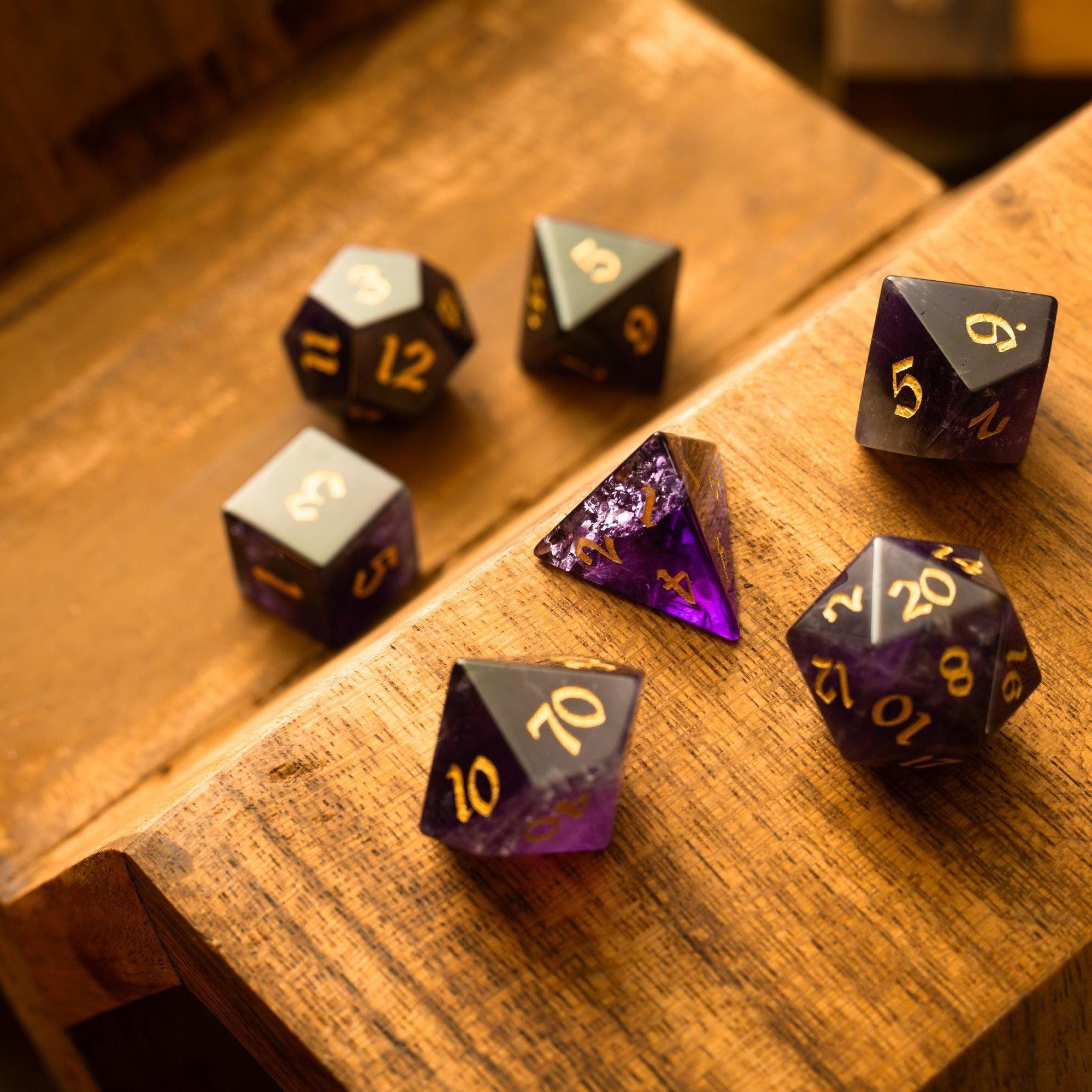
During combat-heavy adventures, organized tools also keep encounters flowing smoothly. Rolling premium gemstone, resin, or metal dice can make dramatic monster moments feel especially satisfying, while condition rings help Game Masters track ongoing effects across multiple creatures without losing track of important abilities.
Organizing Creature References for Faster Session Preparation
Even experienced Game Masters benefit from staying organized.
Helpful strategies include:
Create Encounter Categories
Organize monsters by:
-
Environment
-
Challenge level
-
Creature type
-
Story function
-
Campaign region
Finding suitable creatures becomes much faster during preparation.
Keep Quick Notes
Record useful reminders beside each creature.
For example:
-
Memorable personality
-
Voice ideas
-
Local legends
-
Plot hooks
-
Treasure connections
These notes reduce preparation time for future sessions.
Bookmark Frequently Used Pages
Many campaigns return to similar creature types.
Mark important sections for quick reference during play.
Prepare Encounter Materials Together
When planning large creature encounters, gather everything in one place:
-
Monster references
-
Battle maps
-
Miniatures
-
Initiative tracker
-
Campaign notes
A dice tray keeps rolls contained during encounters involving multiple monsters, while a dice tower provides consistent rolling for larger battles where many attacks are being resolved.
Common Mistakes When Selecting or Using Monsters
Even experienced Game Masters occasionally fall into these habits.
Choosing Creatures Only by Challenge Rating
Difficulty is important, but story relevance matters just as much.
Ask why the creature belongs in the adventure.
Ignoring Monster Behavior
Predators hunt differently than territorial guardians.
Smart creatures negotiate differently than mindless undead.
Using believable behavior creates richer encounters.
Forgetting Noncombat Uses
Many monsters support:
-
Exploration
-
Investigation
-
Social interaction
-
Environmental storytelling
Combat is only one part of what makes fantasy creatures memorable.
Mixing Sources Without Verification
Different editions and publishers often present creatures differently.
Before every session:
-
Confirm statistics
-
Verify challenge levels
-
Review abilities
-
Check lore
-
Use the official source that matches your campaign
This avoids confusion during gameplay.
Quick Fantasy Bestiary Checklist
Before introducing a creature, ask yourself:
-
Does it fit the campaign's theme?
-
Does its habitat make sense?
-
Have I reviewed the official statistics for this edition?
-
Can players learn about it through exploration or roleplaying?
-
Does it support the story beyond combat?
-
Have I prepared maps, notes, and miniatures if needed?
-
Do I have a clear way to track conditions and ongoing effects?
-
Will this encounter create memorable choices rather than simply another fight?
The most rewarding adventures often come from treating a fantasy bestiary as a source of inspiration rather than simply a catalog of opponents. Every creature has the potential to shape legends, influence kingdoms, guard forgotten ruins, or become an unexpected ally. By learning how to interpret monster entries, choosing creatures that complement your campaign's themes, and organizing your monster reference materials thoughtfully, you can build adventures that feel alive long before initiative is rolled. Combined with careful preparation, organized encounter tools such as condition rings, dice trays, and reliable rolling accessories, every bestiary becomes a gateway to richer campaign worldbuilding, unforgettable fantasy creatures, and tabletop stories your players will be eager to revisit.








Leave a comment
This site is protected by hCaptcha and the hCaptcha Privacy Policy and Terms of Service apply.