
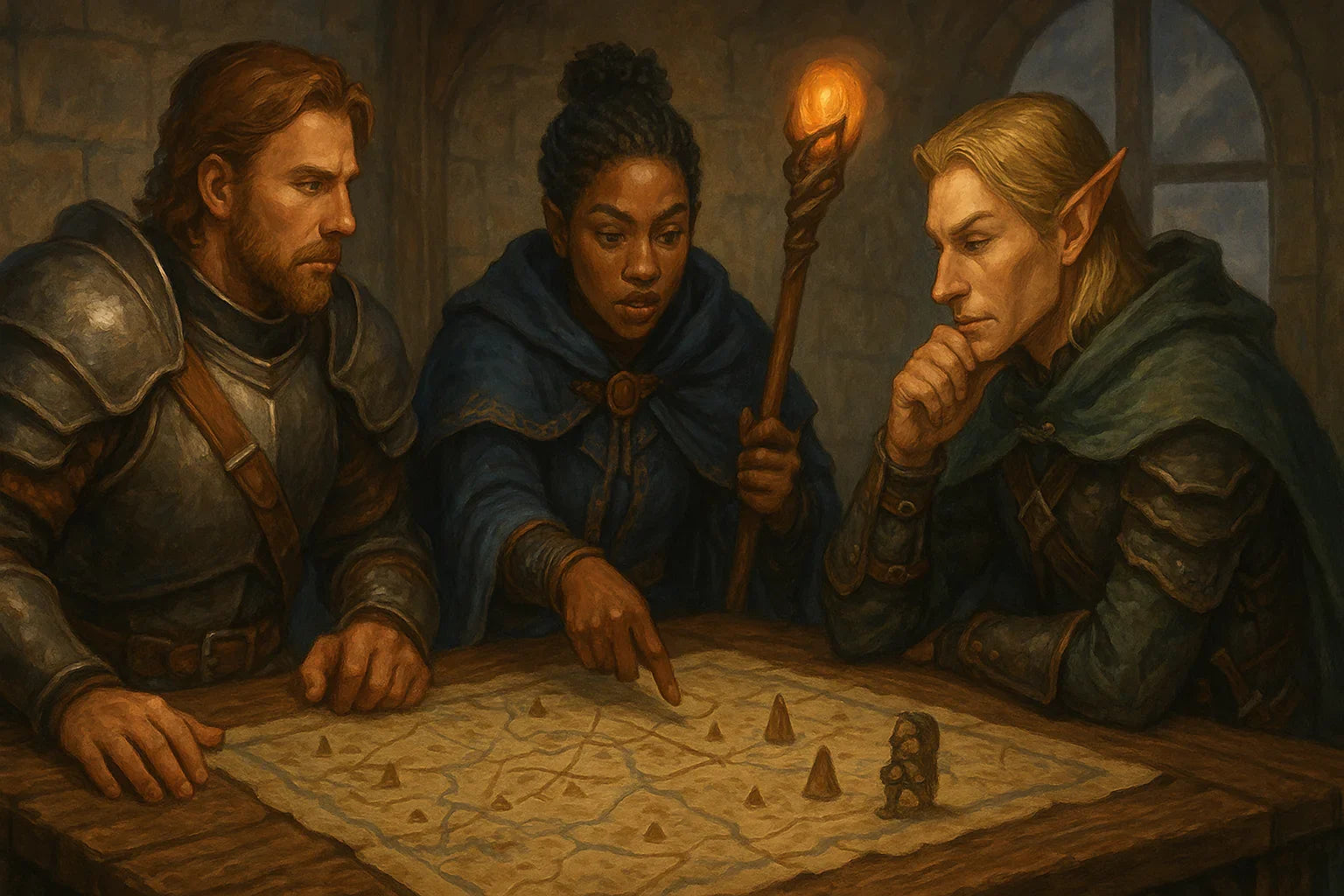
Multiclass Build Ideas for RPG Characters Strategy Tips
Updated on: 2025-11-25
Table of Contents
- Key benefits of multiclass build ideas for RPG characters
- Step-by-step guide: how to plan a multiclass build in an RPG
- Top multiclass build ideas for different RPG classes
- FAQ on multiclass build ideas for RPG characters

Planning multiclass build ideas for RPG characters is part art, part science. The right combination lets you blend theme and mechanics so your character feels unique and effective. In the first 100 words alone, here’s the promise: we’ll cover multiclass character build ideas for RPGs, show you multi-class builds for RPG characters that actually work at the table, and give you a simple RPG multiclass synergy guide you can reuse anytime. Whether you’re chasing the best multiclass builds for RPGs or just exploring something flavorful, you’ll find a plan you can trust.
Key benefits of multiclass build ideas for RPG characters
- Stronger synergy: Multiclassing lets you combine features for burst turns, sustained damage, or layered defenses that a single class can’t match.
- Flexible roles: You can cover gaps in your party by blending control, support, and utility into one character.
- Smoother scaling: Smart splits fix low-level weaknesses or add late-game power spikes.
- Richer role-play: Class choices reflect story beats—oaths broken, mentors found, or powers awakened.
- Personal expression: You’re not locked into a template; your multiclass is your signature.
Step-by-step guide: how to plan a multiclass build in an RPG
Define your role and fantasy
Start with the story and the job you want to do in the party. Are you a frontline protector, a ranged controller, or a stealthy striker with utility spells? Write one sentence that nails your fantasy: “A scholar-warrior who carves runes into the air and shields allies.” From there, pick a main class that best expresses that fantasy and a supporting class that fixes what’s missing.
Map your multiclass power curve
Multiclassing redistributes when you get key features. Sketch a curve: what’s your early game plan, your mid-game pivot, and your late-game finish? Delaying core class features to dip into another class can be fine if your curve stays smooth. Aim for milestones where you gain a defining feature every few levels, so your character never feels stuck.
Check multiclass prerequisites and synergy
Systems often place stat or feature requirements on multiclassing. Confirm you meet them, then look for synergy types:
- Action economy synergy: Features that stack in a round without competing for the same action type.
- Damage type synergy: Effects that share or multiply damage types for better scaling.
- Defense synergy: Layered mitigation, reactions, or temporary hit points.
- Support synergy: Auras, bonuses, or debuffs that magnify the party’s output.
Plan features, spells, and resource economy
Build a short list of signature turns. For each, write the sequence, resources spent, and expected result. Then weigh how many times per rest you can repeat those turns. A powerful sequence that you can only perform once isn’t as valuable as a good sequence you can repeat four or five times. This is where best multiclass builds for RPGs often separate themselves—they convert limited resources into reliable outcomes.
Balance viability and role-play
Here’s the longtail question many players ask: How do you balance multiclass builds for viability and role-play? Keep your mechanical choices rooted in your character’s story. Tie each class dip to an event or mentor. Then sanity-check numbers so you still meet the encounter expectations of your group. If your concept creates a weakness, acknowledge it and plan around it with gear, party tactics, or positioning.
Playtest, tweak, and document
Before committing long term, run a few mock combats or mini-scenarios. Track how often your turns work the way you expect. If you’re short on consistency, tweak the split or reorder levels. Document your plan with a one-page summary so leveling stays clear in the heat of the campaign.
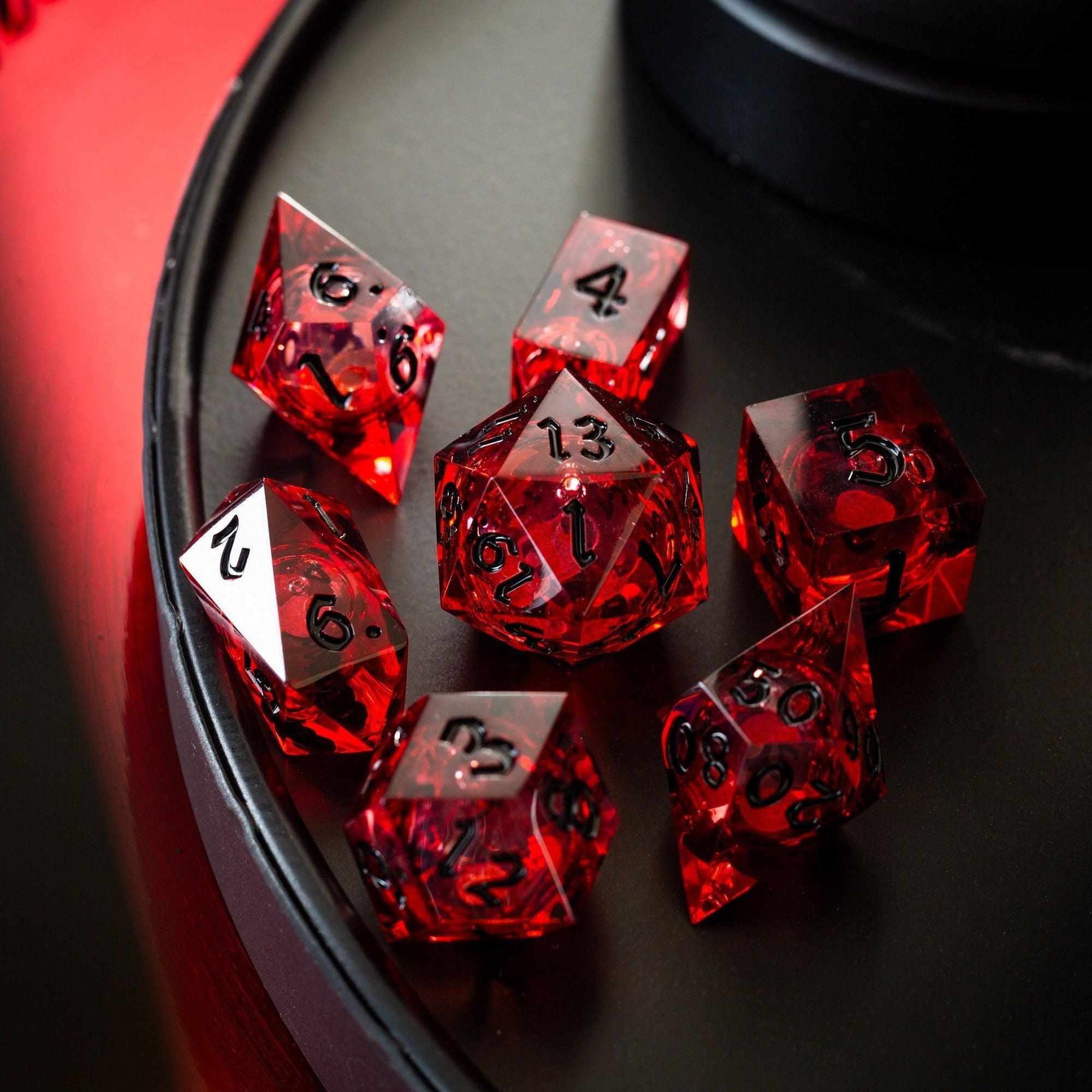
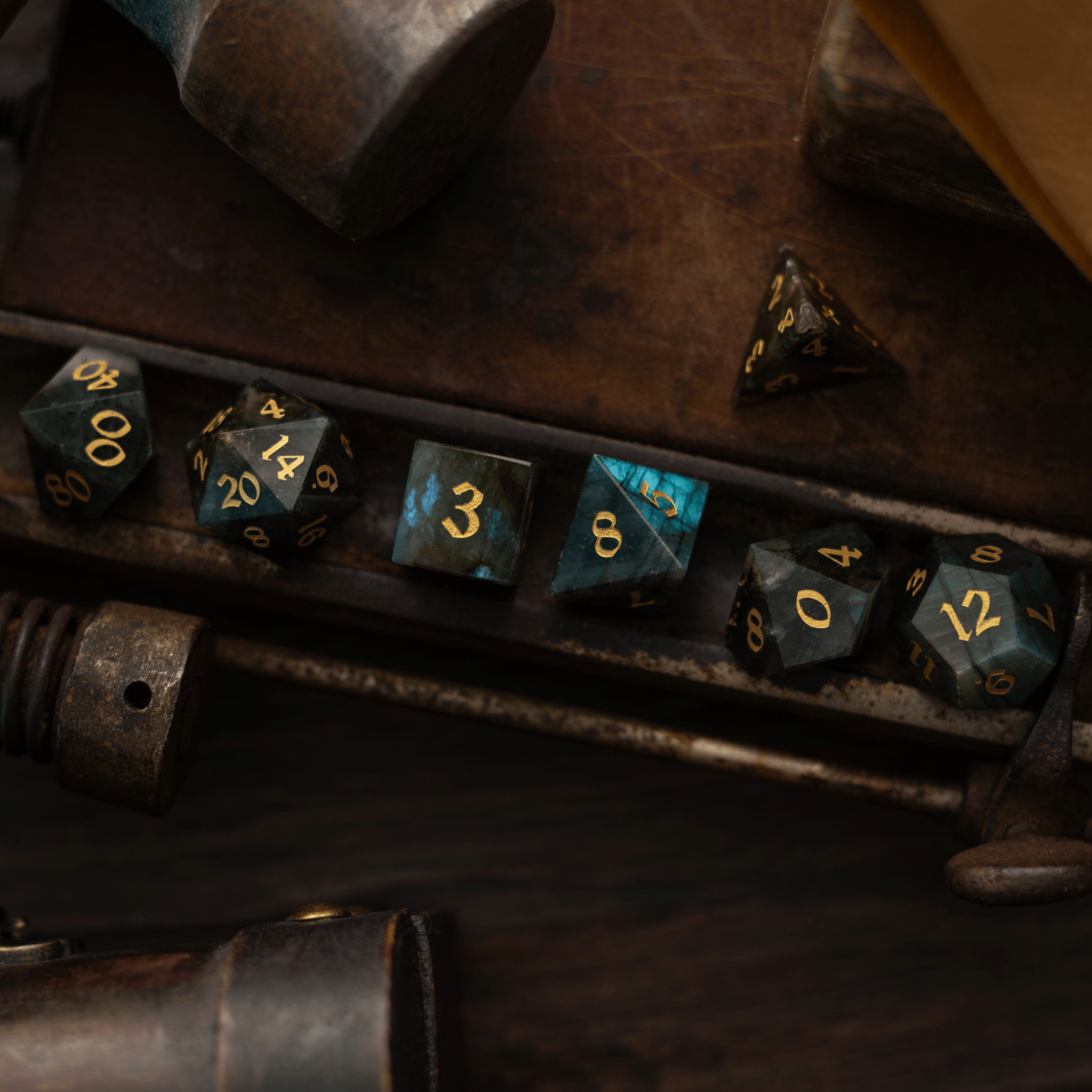
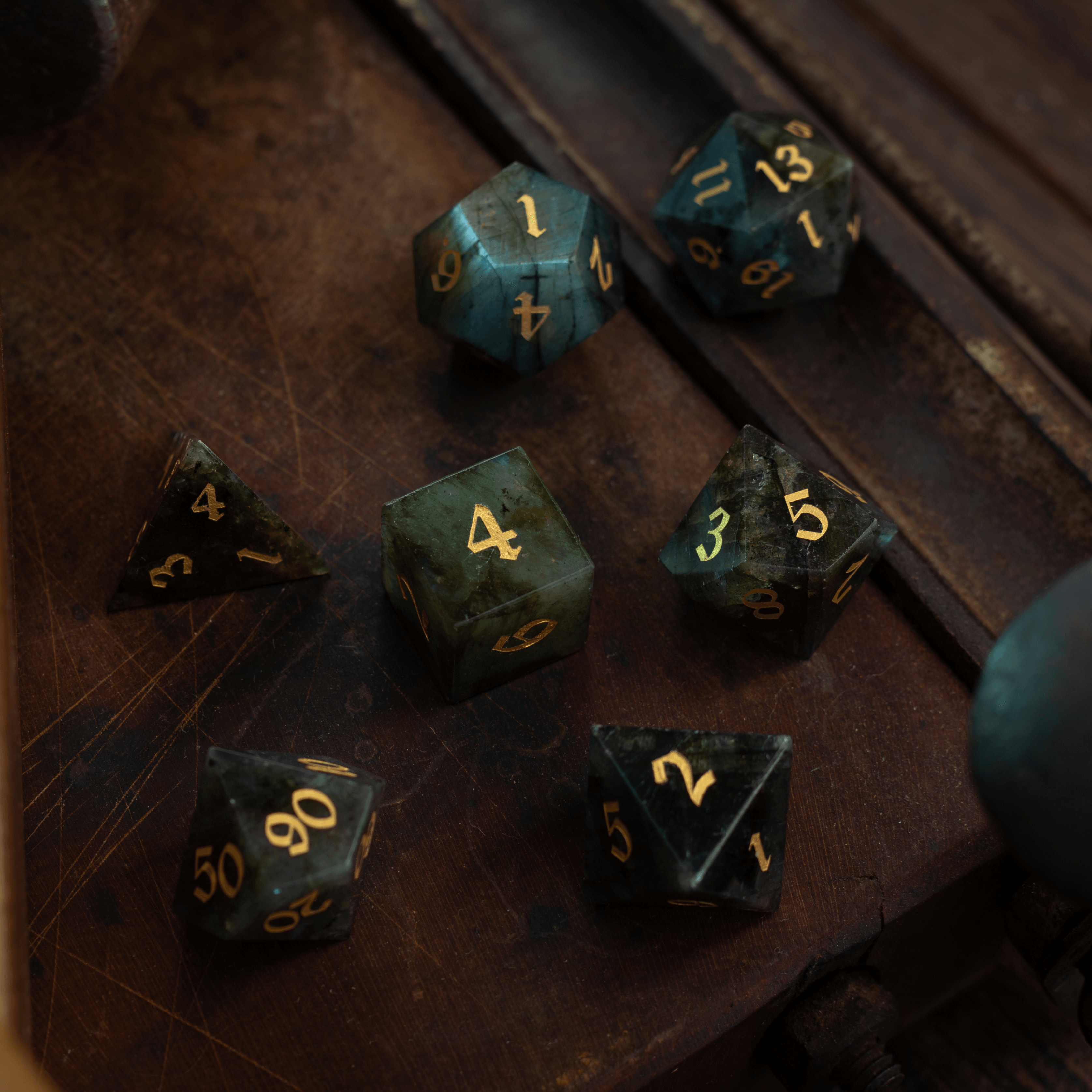
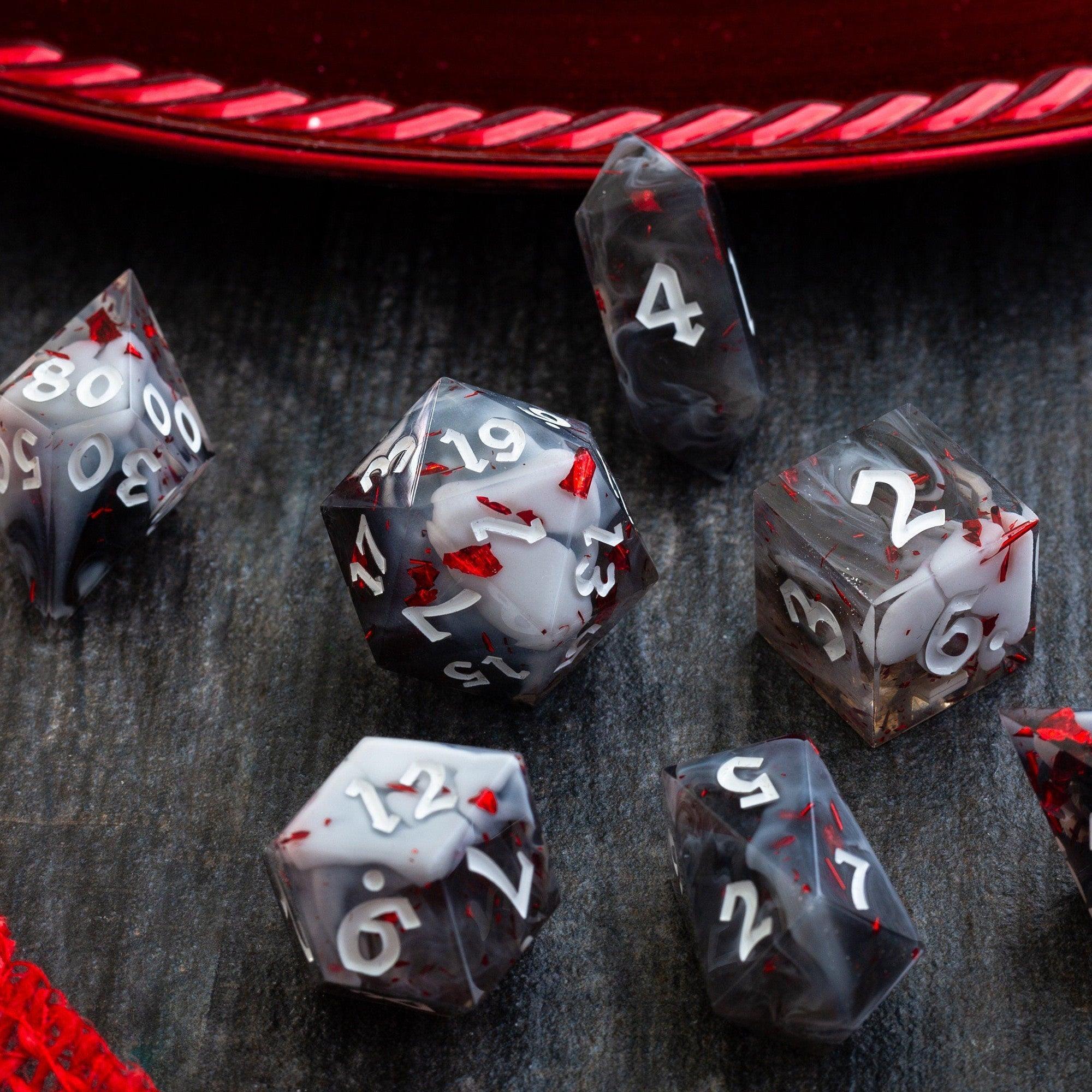
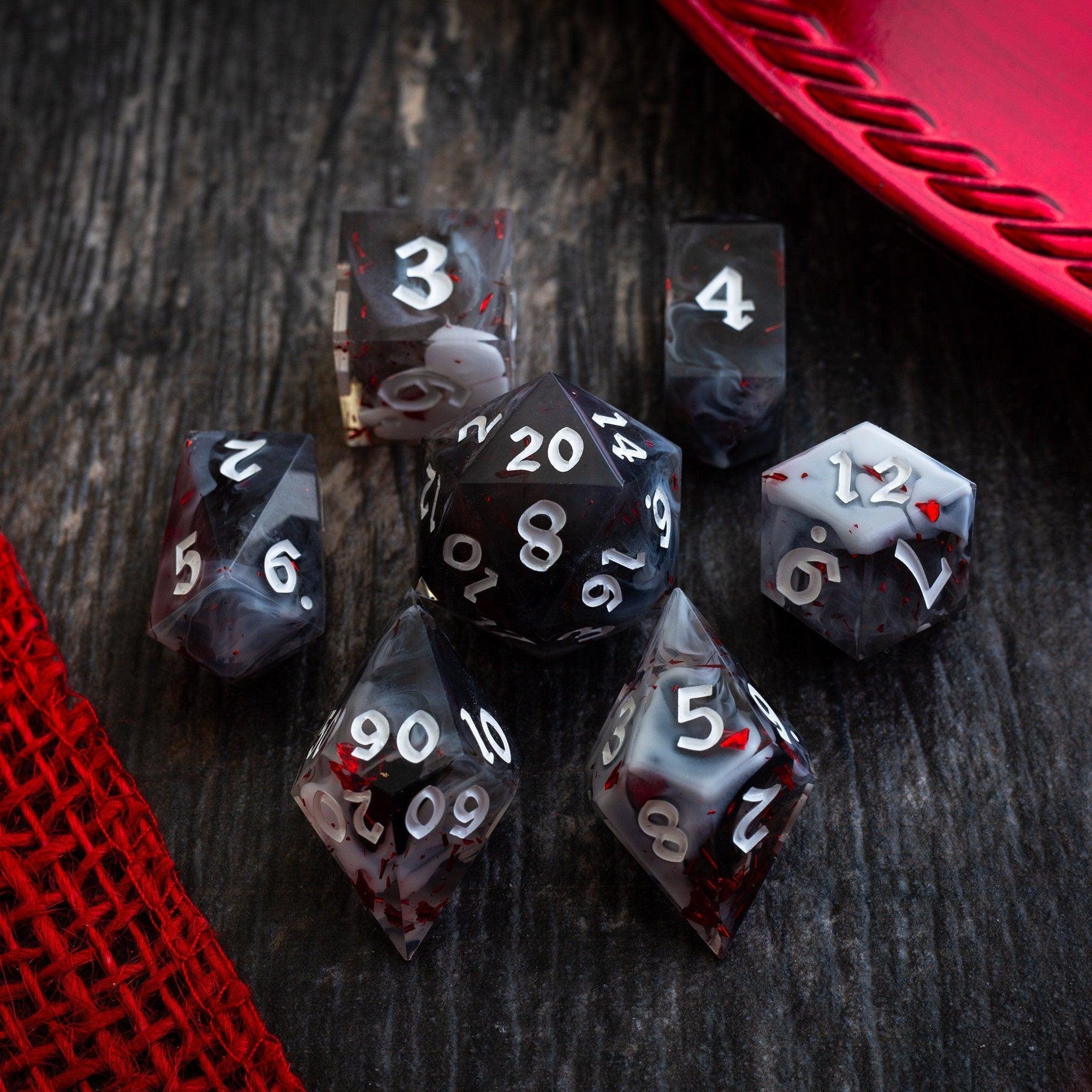
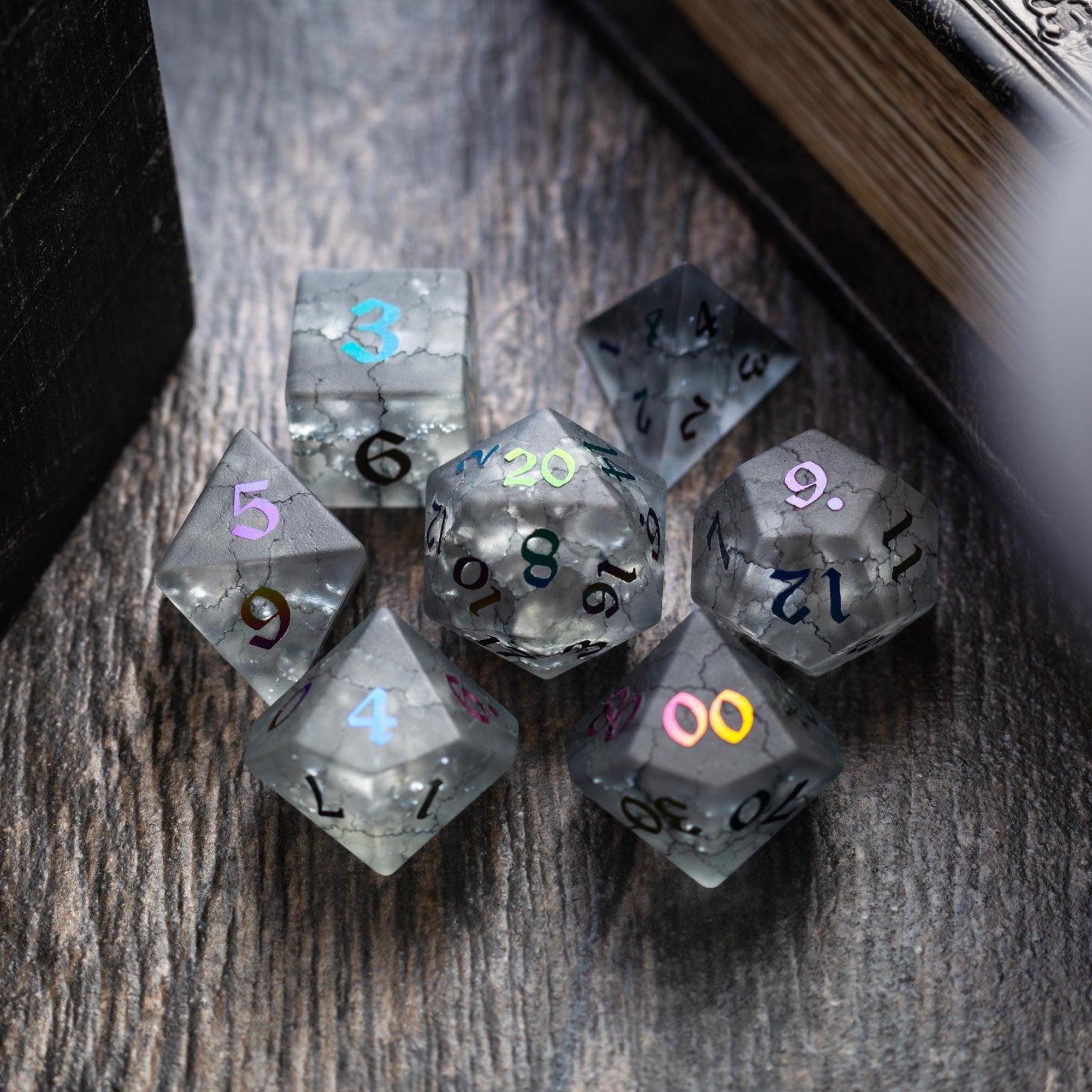
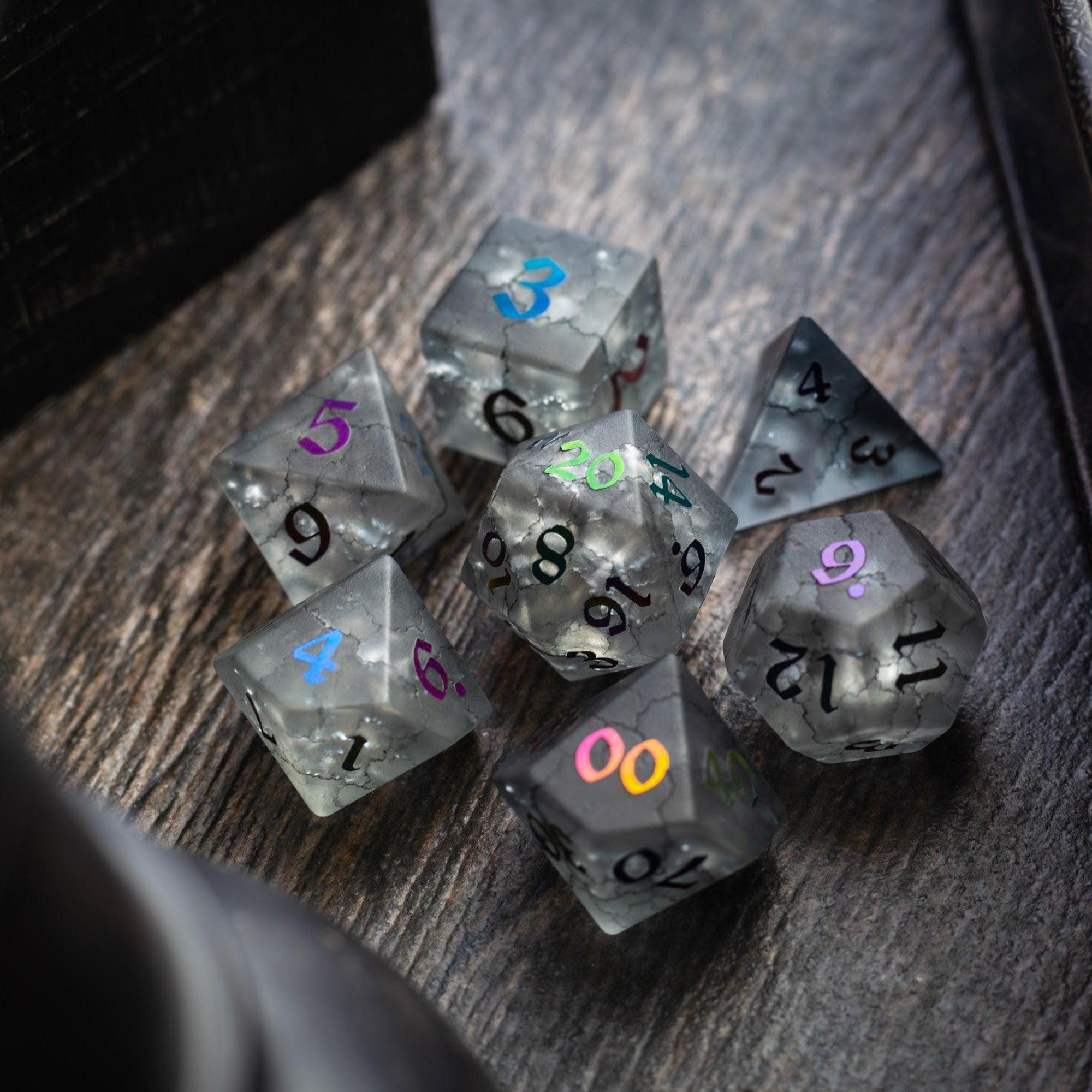
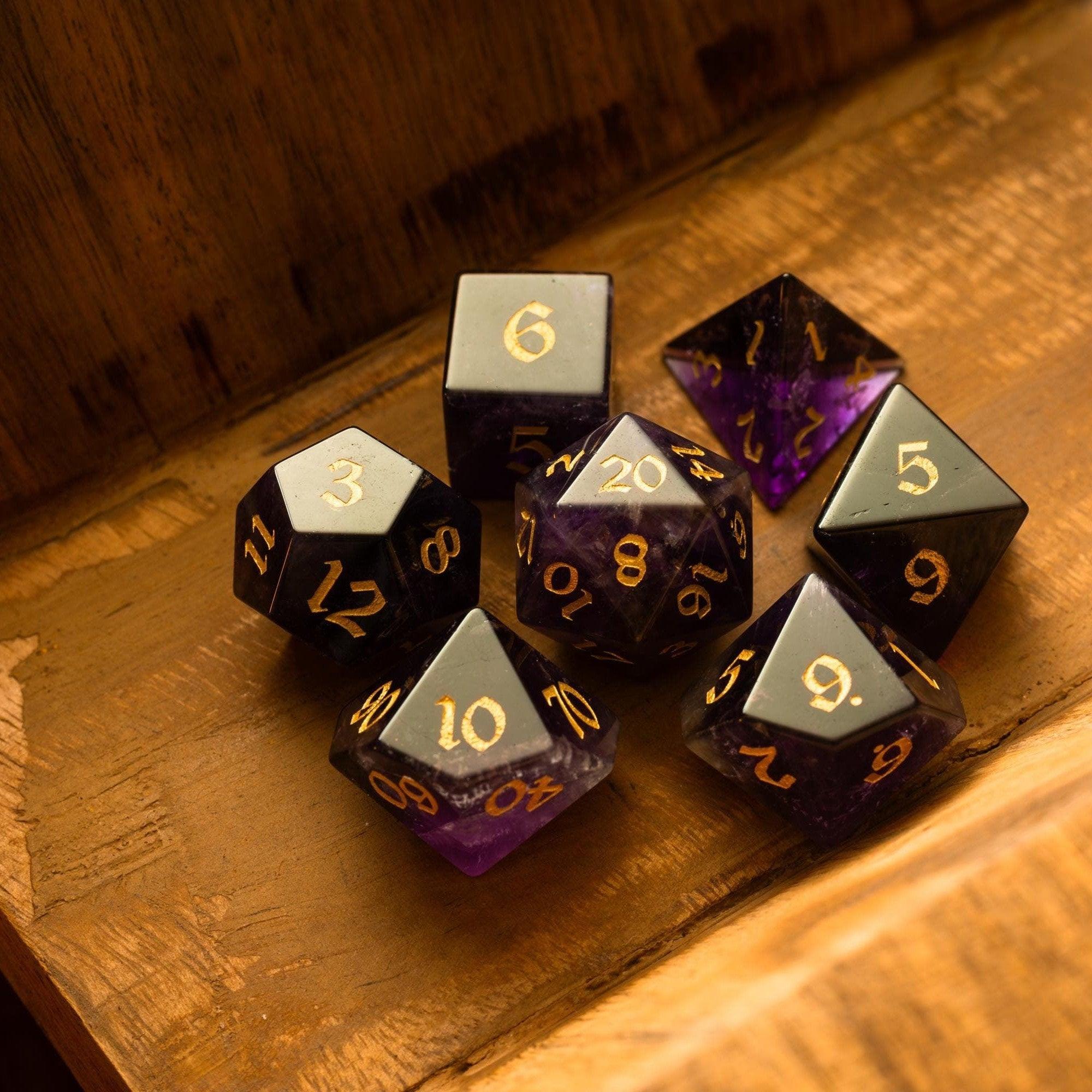
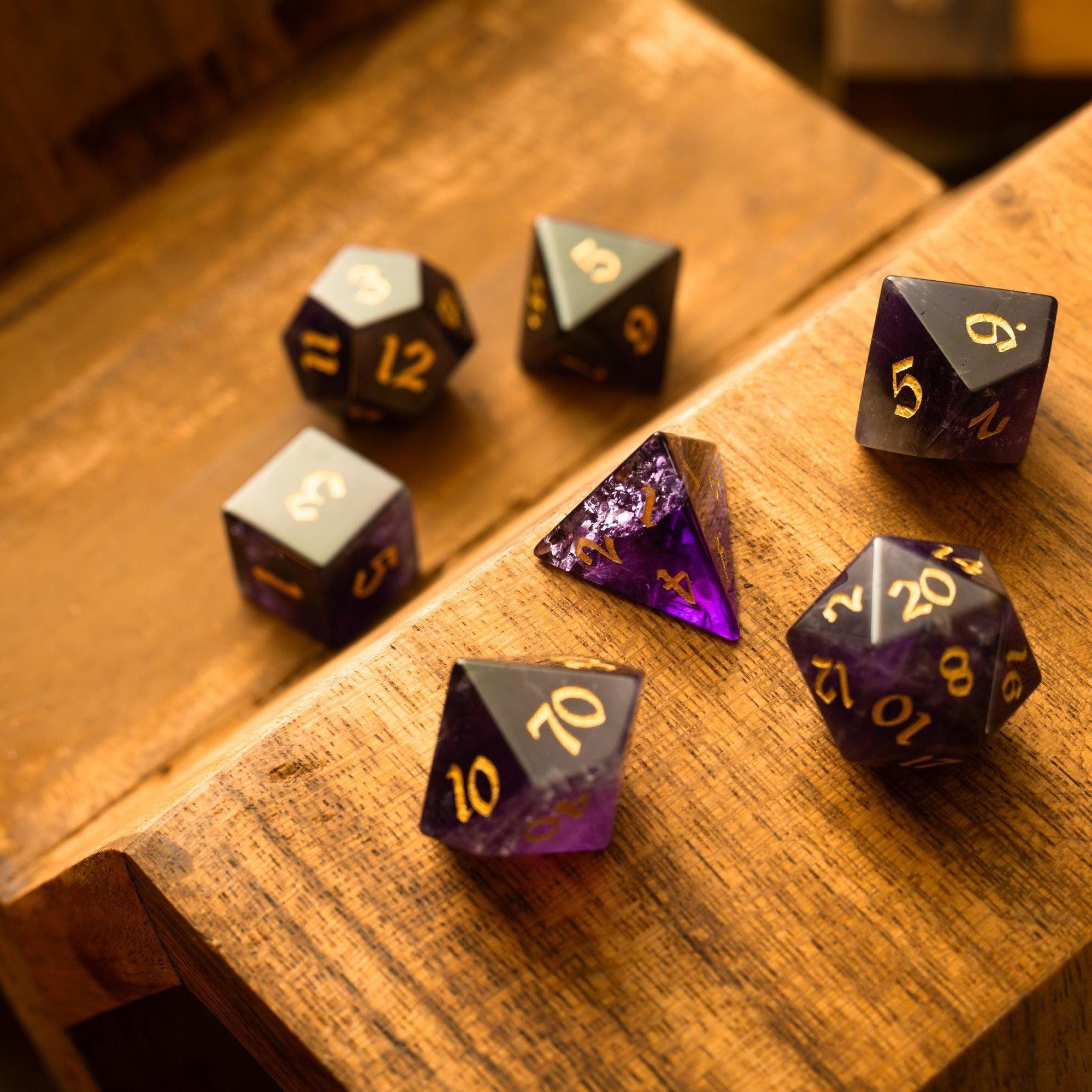
When you’re ready to bring the build to life at the table, a great dice set adds to the vibe. Explore curated sets and accessories here: Collections. If you like sets with mesmerizing movement during big crits, browse Liquid Core. For a character with elemental flair, the luminous Starlit Rift set is a striking match, while a nature-forward guardian pairs nicely with Labradorite.
Top multiclass build ideas for different RPG classes
Battlemage: Fighter + Wizard
Concept: A frontline duelist who blends weapon fundamentals with arcane control. This is a staple among multi-class builds for RPG characters because it’s intuitive and strong.
- Why it works: Martial survivability plus spell-driven burst and utility. You can lock down enemies with control spells, then capitalize with weapon attacks.
- Synergy notes: Use defensive reactions and short-duration buffs that don’t compete with your main action. Pick spells that scale without heavy resource burn.
- Leveling tip: Get your core weapon extras early, then layer in spells that match your action economy.
- Role-play hook: A sword-college graduate studying battlefield geometry as a magical discipline.
Shadow Skirmisher: Rogue + Ranger
Concept: A precision striker who hunts marked targets from the dark. This shows up often in top multiclass build ideas for different RPG classes.
- Why it works: Tracking, mobility, and advantage creation feed precision damage. You’ll excel in ambushes and objective play.
- Synergy notes: Stack bonuses that help you secure advantage without burning your main action every turn.
- Leveling tip: Invest in movement tools early so you can pick your engagements and avoid being trapped in melee.
- Role-play hook: A scout trained by monster hunters to end fights before they start.
Divine Avenger: Paladin + Warlock
Concept: A sworn champion who channels bound power through weapon strikes. Many RPG multiclass synergy guide entries point to this blend for explosive turns.
- Why it works: You combine reliable weapon attacks with pact-fueled magic and smite-like burst. The result is short, decisive combats.
- Synergy notes: Choose short-rest resources to keep your engine running across multiple encounters.
- Leveling tip: Don’t delay your core aura or defensive staples too long; survivability keeps your burst relevant.
- Role-play hook: An oath-bound emissary who made a pact to safeguard a realm, not personal power.

Warden: Druid + Barbarian
Concept: A primal defender who shapes the battlefield and anchors front lines.
- Why it works: Temporary durability paired with control and terrain manipulation keeps enemies where you want them.
- Synergy notes: Pick concentration-friendly effects that persist while you brawl; avoid overlapping action costs.
- Leveling tip: Secure your key defensive mode early, then lean into control for team value.
- Role-play hook: A protector of sacred sites, channeling storm and stone.
Tinkering Ghost: Rogue + Artificer
Concept: A trap-savvy infiltrator with gadgets for every heist.
- Why it works: Skill expertise pairs with flexible tools and infusions, letting you solve problems quietly and efficiently.
- Synergy notes: Augment mobility, infiltration, and out-of-combat utility to magnify party success beyond combat numbers.
- Leveling tip: Front-load skills and mobility; add gadget power when the party faces layered challenges.
- Role-play hook: A soft-spoken engineer perfecting devices to right old wrongs.
Mindblade: Psion + Fighter
Concept: A focused striker who channels mental power through disciplined combat forms.
- Why it works: Innate abilities enhance accuracy and control, while martial consistency keeps your floor high.
- Synergy notes: Use focus-based abilities that don’t compete with your main action bursts; invest in accuracy before raw damage.
- Leveling tip: Secure your bread-and-butter strike routine, then layer on rider effects that alter positioning and tempo.
- Role-play hook: A meditative guardian trained in mind and blade as one art.
If your table enjoys theme-forward props, matching your character concept to your accessories is a subtle but satisfying touch. A cosmic caster might love the shimmer of Starlit Rift, while a nature warden pairs beautifully with Labradorite. If you prefer kinetic flair for dramatic finishing blows, browse Liquid Core. To see everything in one place, explore the full Collections.
FAQ on multiclass build ideas for RPG characters
What is a multiclass build in RPGs and why use it?
A multiclass build combines levels from two or more classes to create hybrid play. You do it to unlock synergy, cover party gaps, or tell a specific story. Good multiclass build ideas for RPG characters produce consistent turns, not just rare combos. You’ll often trade a bit of peak specialization for flexibility and a better overall toolkit.
How do you balance multiclass builds for viability and role-play?
Tie each class choice to a character beat, then verify you still meet the baseline expectations of your table. Keep your defenses solid, maintain a reliable damage or support sequence, and invest in at least one encounter-swinging feature. If your story choice lowers a stat or delays a feature, plan compensations like positioning, teamwork, or alternative tools.
Are multiclass builds harder for beginners?
They can be, because you’re managing more moving parts. Start with one main class that carries most of your core actions and add a small dip only when it clearly solves a problem. Follow a simple rule: if the dip doesn’t improve your next three levels of play, wait. Even small, clean splits can feel great without becoming overwhelming.







Leave a comment
This site is protected by hCaptcha and the hCaptcha Privacy Policy and Terms of Service apply.