

Dungeons and Dragons Lore Deep Dives into Iconic Realms
Updated on: January 22, 2026
Whether you're a seasoned adventurer or picking up the game for the first time, understanding the rich tapestry of fantasy storytelling can transform your gameplay experience. This guide explores the foundational narratives, legendary characters, and epic worlds that make tabletop gaming so captivating. You'll discover how these intricate backstories enhance your sessions and help you create more immersive campaigns for your friends.
- Understanding Fantasy Narratives
- Core Worlds and Settings
- Legendary Characters and Deities
- Timeline and History
- Using Narratives in Your Gameplay
- Frequently Asked Questions
Understanding Fantasy Narratives
If you've ever wondered what makes Dungeons and Dragons lore so compelling, the answer lies in its layered storytelling. The narrative foundation of this beloved tabletop game spans decades of creative development, intricate world-building, and interconnected mythologies. It's not just about rolling dice and defeating monsters—it's about immersing yourself in worlds where your choices actually matter.
The beauty of these fantasy narratives is that they're designed to be flexible. Dungeon Masters (DMs) can draw from established storylines or create entirely new adventures. The game's lore serves as a springboard for creativity, giving you a framework while leaving plenty of room for imagination. Think of it as having a massive library of ideas at your fingertips, ready to enhance whatever adventure you're embarking on.
What makes this storytelling system so powerful is how it balances structure with freedom. You're working within established magical systems, historical events, and character backgrounds, yet you're never confined by them. This combination creates an environment where epic tales naturally emerge from gameplay itself.
Core Worlds and Settings
The foundational realms in these fantasy narratives are incredibly diverse and detailed. From the Sword Coast's bustling cities to the Underdark's mysterious caverns, each setting has its own culture, politics, and dangers. The most iconic world—the Forgotten Realms—spans an entire continent with hundreds of distinct locations, each with unique characteristics and storylines.
What's fascinating is how these worlds feel lived-in. They have histories stretching back thousands of years, with empires that have risen and fallen, ancient prophecies that still influence current events, and secrets waiting to be discovered. When you're exploring these realms, you're not just walking through empty spaces—you're navigating the consequences of centuries of conflict, magic, and human (or inhuman) drama.
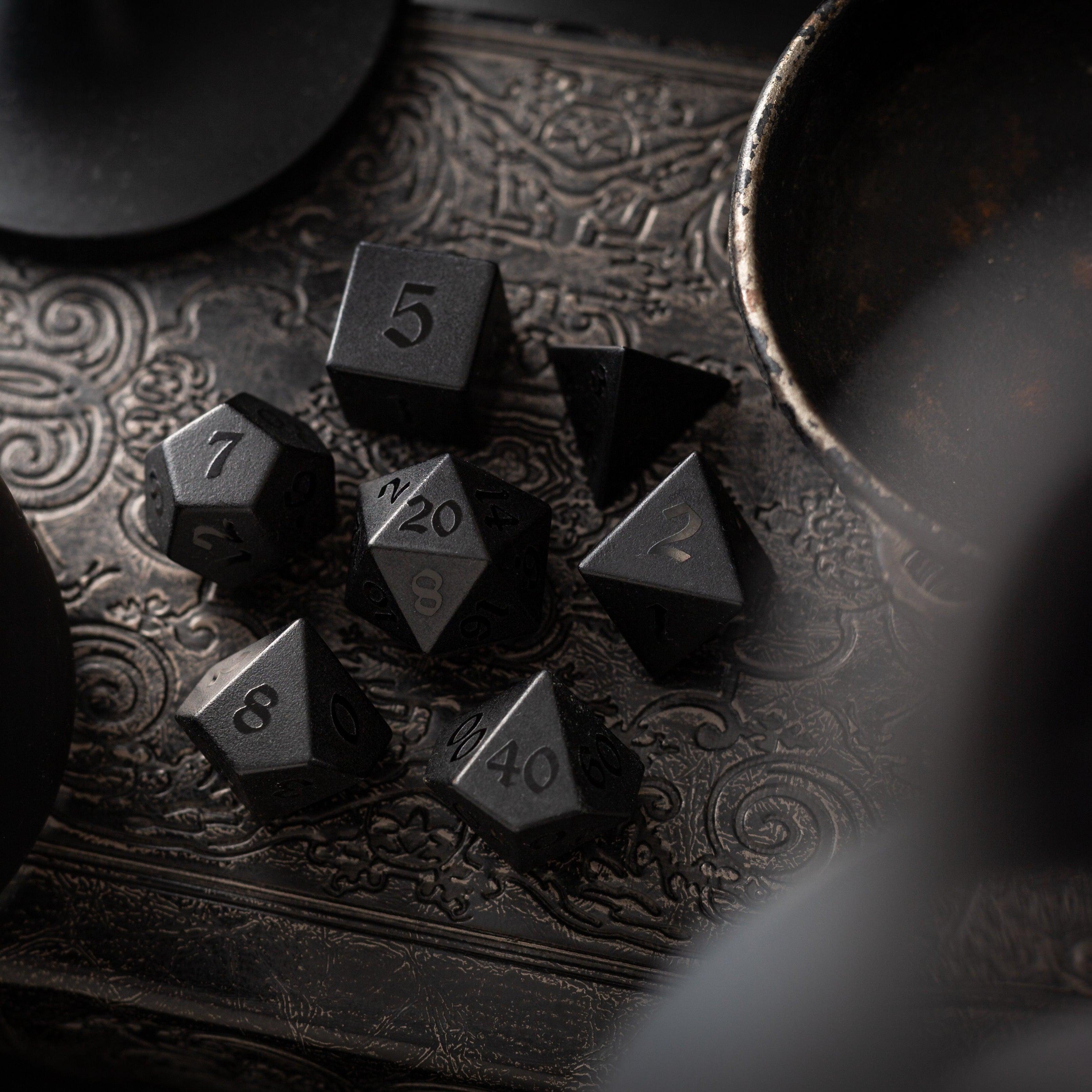
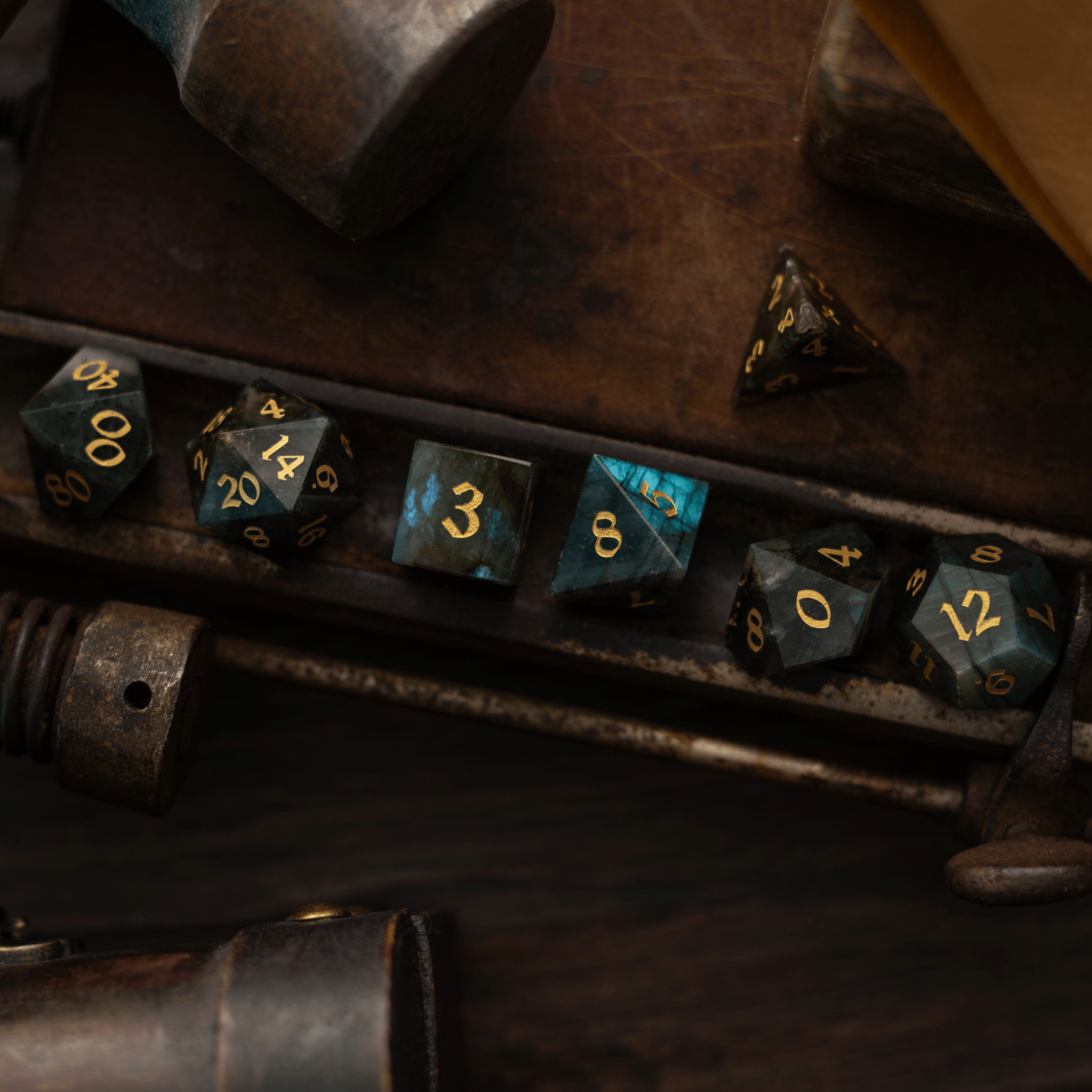
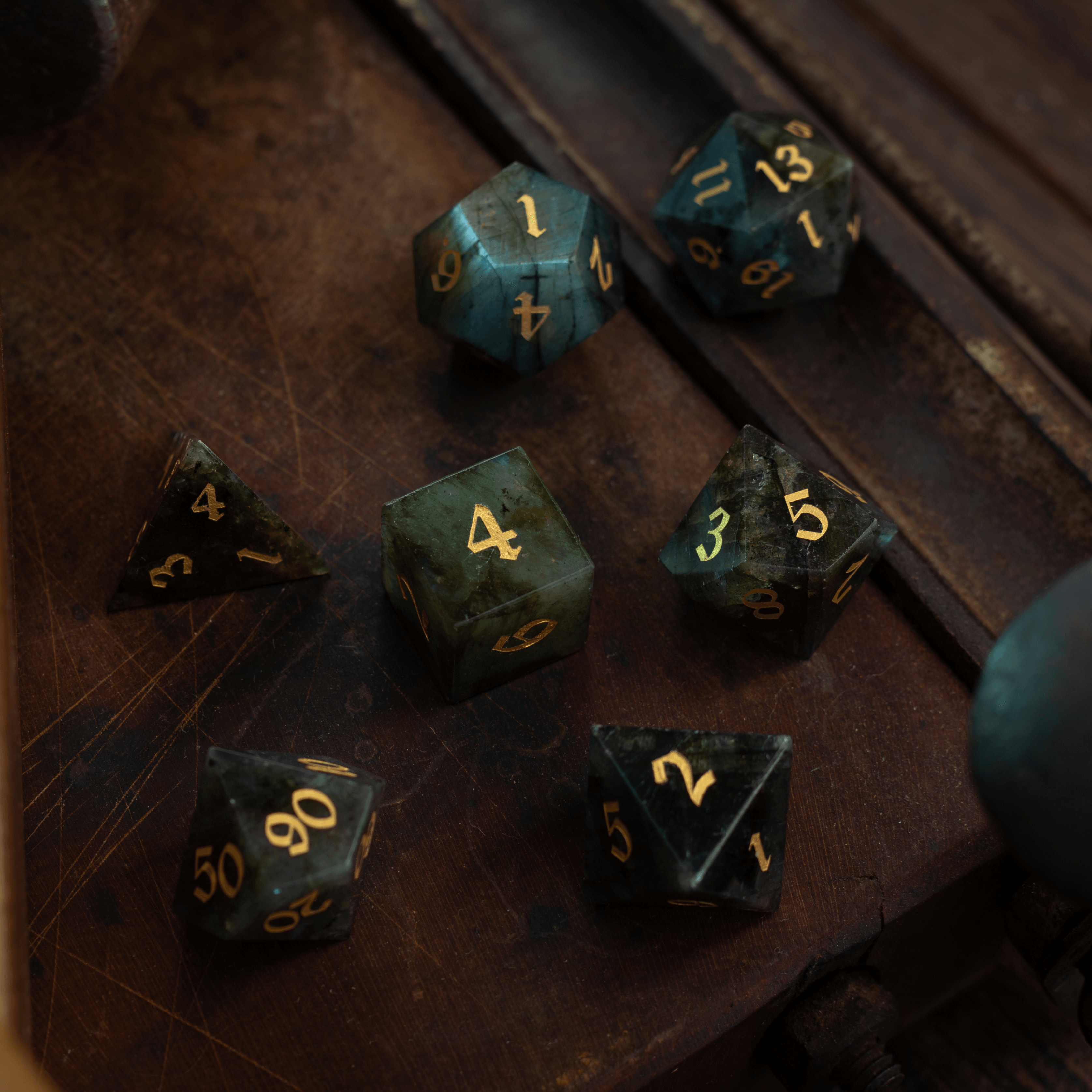
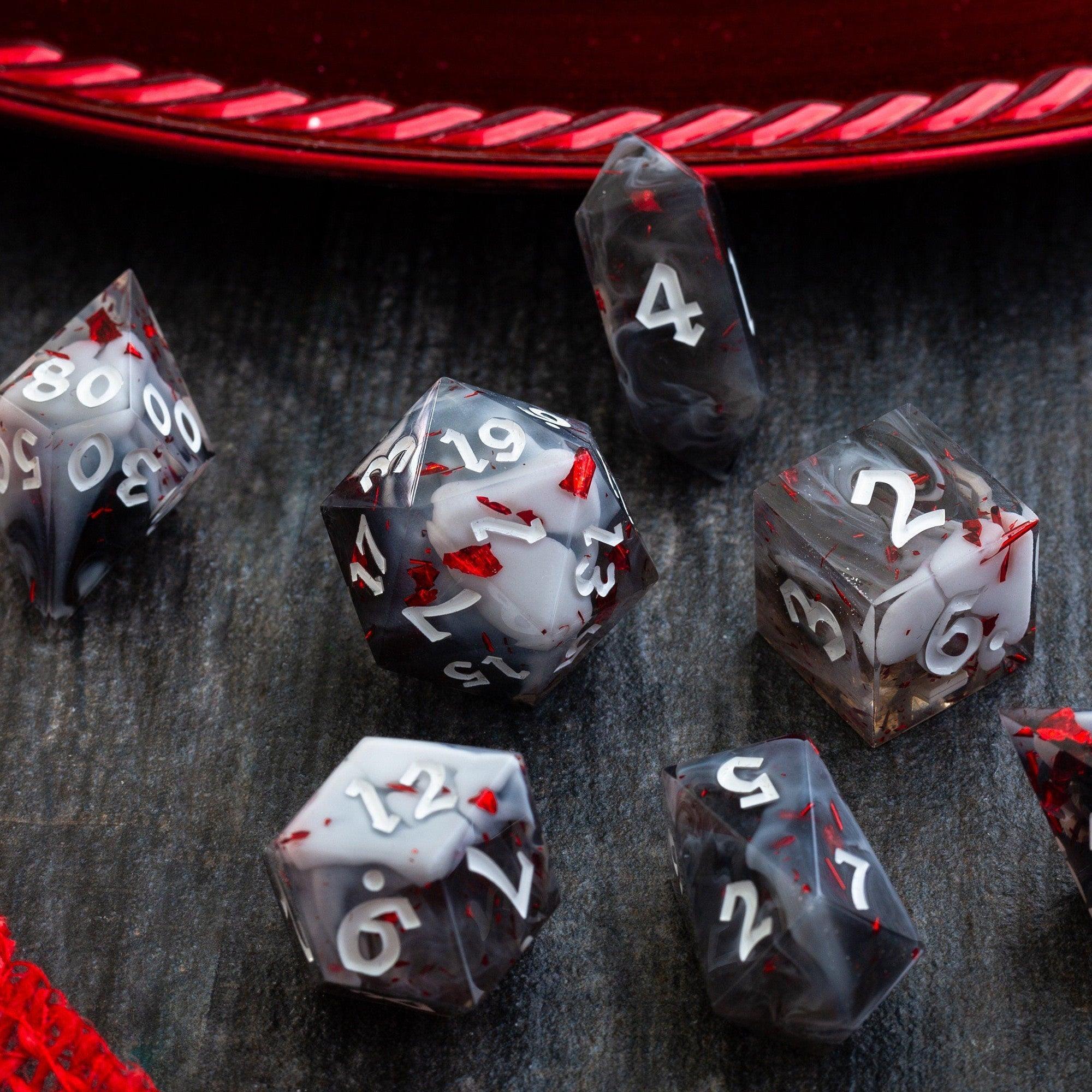
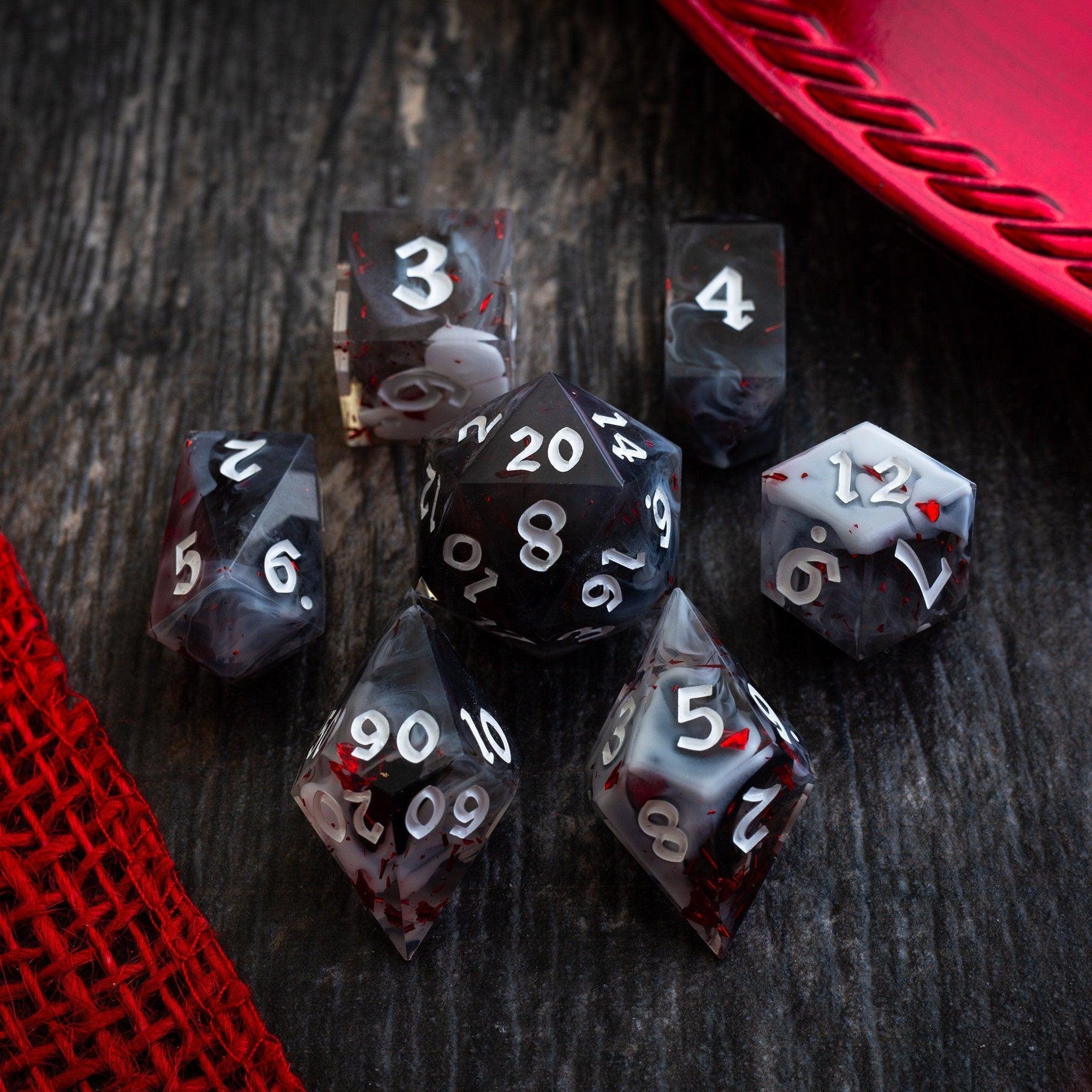
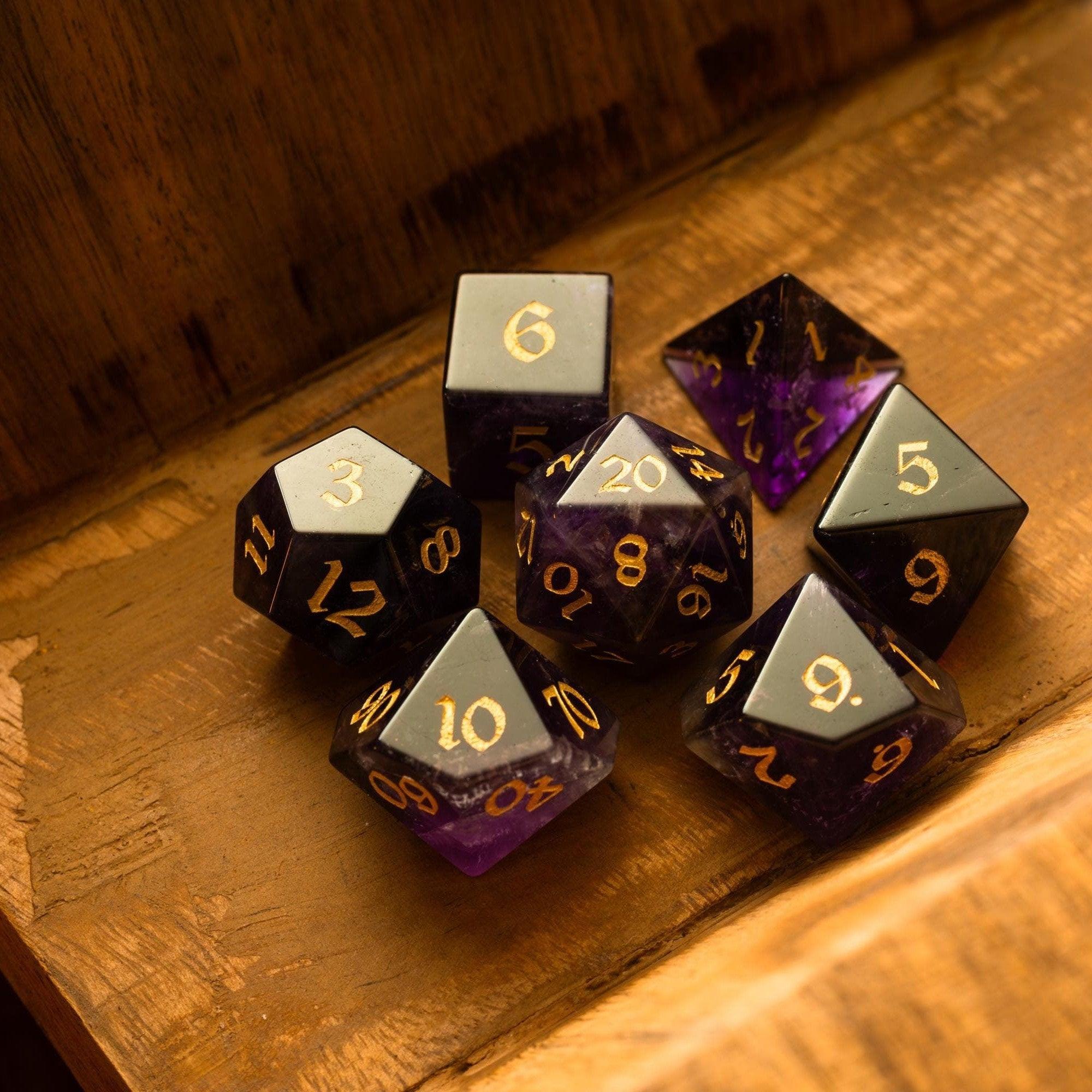
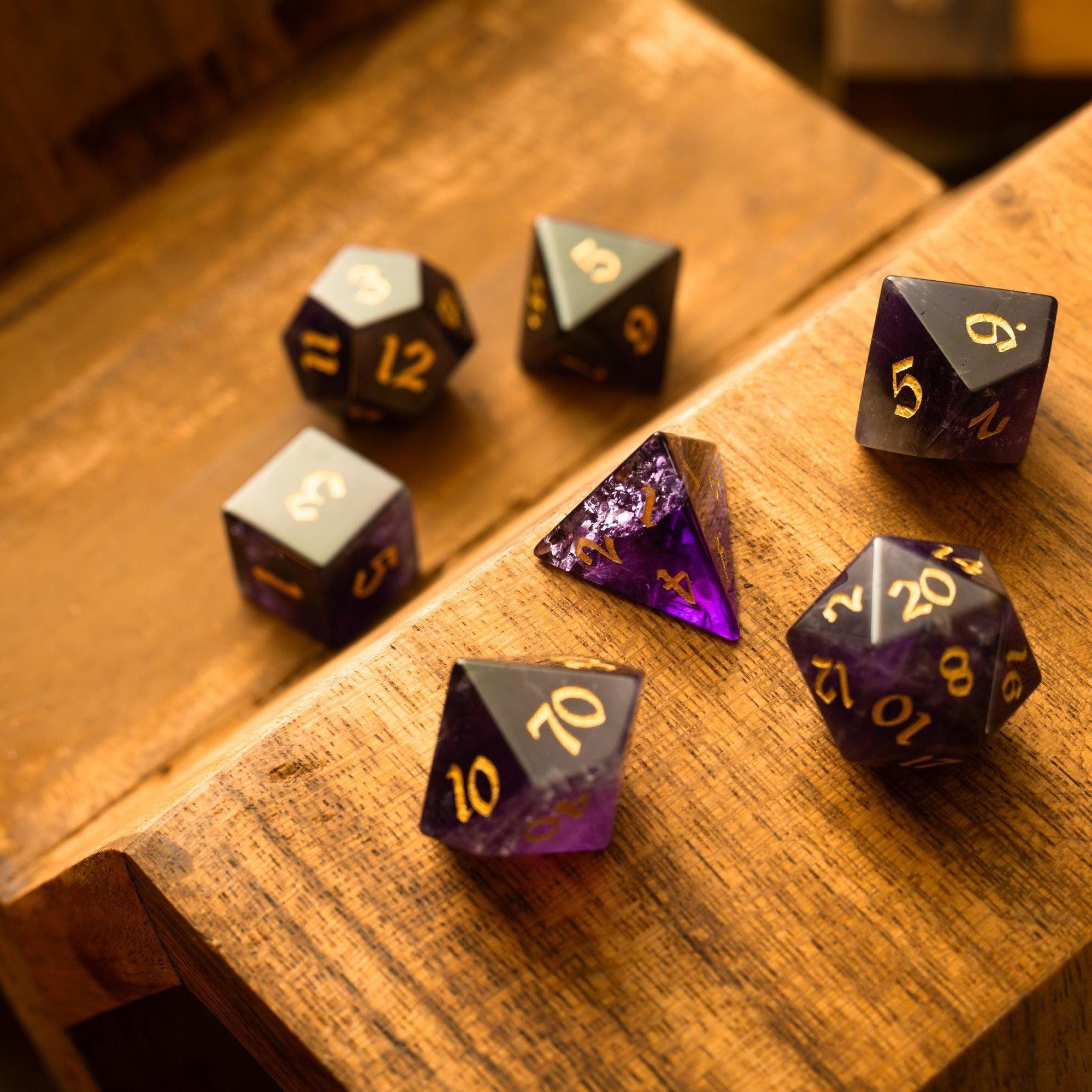
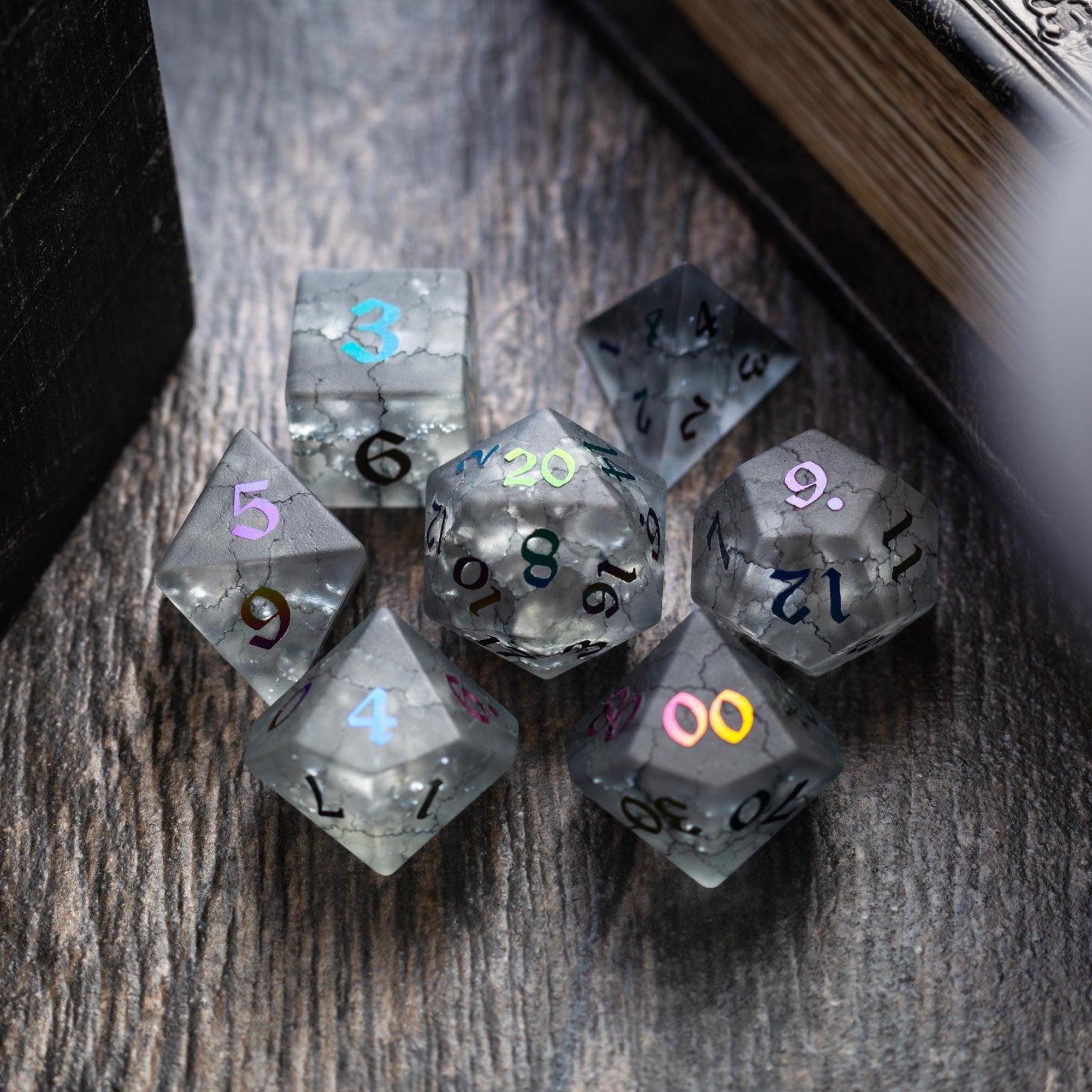
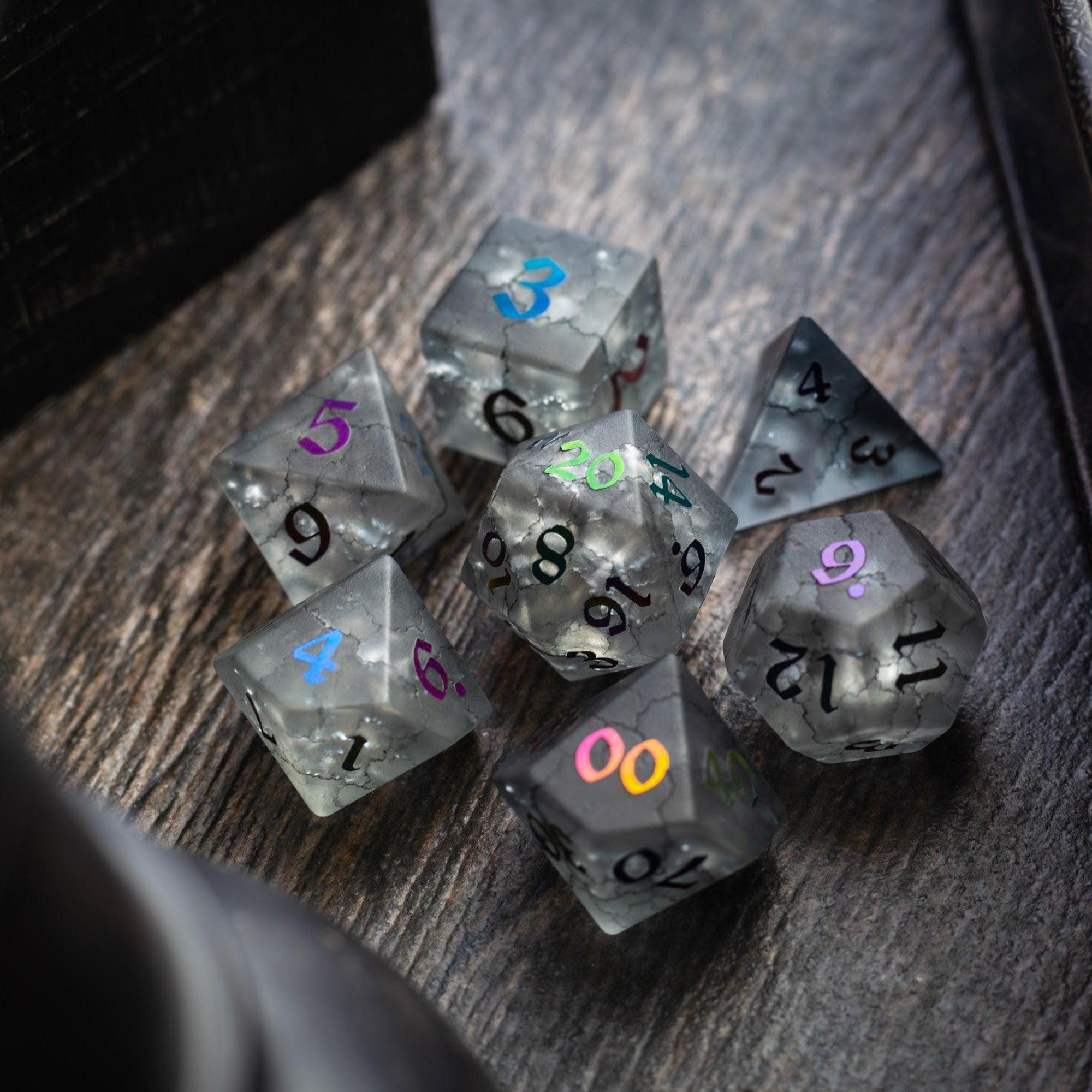
Consider exploring specialty dice collections like gemstone dice sets that match the aesthetic of your chosen world. The right tools can deepen your immersion in these incredible settings.
Different regions offer wildly different experiences. You might find yourself navigating the political intrigue of a royal court one moment and fighting for survival in a monster-infested dungeon the next. The variety keeps adventures fresh and engaging, ensuring that no two campaigns feel quite the same.
Legendary Characters and Deities
The pantheon of gods and legendary figures shapes everything in these fantasy narratives. These aren't distant, untouchable beings—they actively interfere in the mortal world, granting powers to their followers and advancing their own agendas. Understanding their relationships and objectives gives you incredible depth for storytelling.
Some deities are allies to mortals, offering guidance and protection. Others are outright hostile, demanding sacrifice and causing chaos. Still others remain neutral, interested only in maintaining balance. This complex divine hierarchy creates natural conflict and motivation for countless adventures. Your party might be caught in the middle of divine politics, serving as unwitting pawns in a god's grand scheme.
Beyond the gods, there are legendary heroes and villains whose actions echo through the ages. Powerful wizards, dragon lords, and ancient champions have left their mark on history. Some are long dead, their influence felt through magical artifacts and prophecies. Others remain active players in current events, making them potential allies or adversaries for your party.
These character archetypes provide templates for unforgettable NPCs (non-player characters) in your campaigns. A mysterious sage channeling a legendary wizard's knowledge, or a conflicted warrior bearing a dead hero's cursed weapon—these narrative threads add emotional weight to your adventures.
Timeline and History
Understanding the historical timeline of your chosen world is genuinely helpful for creating authentic campaigns. Major events shape current circumstances, and knowing what happened centuries ago explains why certain factions distrust each other or why ancient ruins hold forgotten treasures.
Many fantasy worlds operate on a clear chronological system. The Forgotten Realms, for example, uses the Dalereckoning calendar, marking years since significant historical events. This isn't just window dressing—it helps you understand the age of characters, the legacy of conflicts, and the evolution of magical knowledge over time.
Different eras have different magical prevalence, technological development, and geopolitical landscapes. A world in its Age of Wonders might have abundant magic and thriving civilizations, while a world recovering from cataclysm would feel desperate and dangerous. These historical contexts inform everything—the prices in shops, the types of monsters you encounter, and the likelihood of finding ancient magical artifacts.
Learning key historical moments also gives you incredible storytelling tools. A party discovering they're traveling through a haunted battlefield where an ancient army was slaughtered suddenly encounters a location filled with narrative weight. The adventure transforms from "clear this dungeon" to "uncover the secrets of a tragedy that shaped the world."
Using Narratives in Your Gameplay
Here's where these fascinating background stories become genuinely practical. The most memorable campaigns blend established lore with personal party stories. You don't need to memorize every detail of Dungeons and Dragons lore—just understand the key elements relevant to your adventures.
Start by choosing a setting that excites you. Whether you're drawn to dark, gritty locations or high-magic fantasy cities, pick a world that matches your group's interests. Then layer in the established history and politics selectively. Don't info-dump everything at once—let the world reveal itself gradually through exploration and conversation.
Create NPCs whose motivations connect to larger narrative themes. A merchant might be working for a shadowy faction. A seemingly innocent town could harbor ancient secrets. These connections transform standalone encounters into parts of a larger tapestry. Your players will start theorizing connections, investigating deeper, and becoming genuinely invested in understanding the world around them.
Consider using premium dice collections to enhance the atmosphere when major narrative moments unfold. The ritualistic act of rolling weighted dice adds gravitas to critical story moments.
Balance narration with action. While these fantasy narratives provide incredible depth, remember that games need pacing and player agency. Encourage your players to engage with the lore by asking what their characters know about locations and factions. This shared knowledge-building makes the world feel alive and collaborative.
Frequently Asked Questions
Do I need to memorize the entire fantasy narrative system to play?
Absolutely not. Most Dungeon Masters and players learn about their chosen world gradually through play. Start with the basics for your campaign region, then expand your knowledge as needed. The fantastic thing about these stories is their accessibility—you can enjoy meaningful adventures with just a general understanding of the world's framework.
Can I create my own world instead of using established settings?
Yes, completely. While many players love exploring existing worlds, creating your own gives you total creative freedom. However, understanding how established realms handle magic systems, mythologies, and history provides excellent frameworks you can adapt or reimagine for your custom world.
How do I help my players care about the narrative and history?
Connect the larger world story to personal character motivations. If a player's character is from a particular city, make that location meaningful. If there's a faction pursuing their character, bring that conflict alive through encounters and difficult choices. When players see how their personal stories intertwine with the broader world narrative, investment increases naturally.
What's the best way to introduce narrative elements without overwhelming players?
Use the "show don't tell" approach. Rather than lecturing about history, let players discover it. A weathered monument they stumble upon, an NPC with personal memories of historical events, or a location shaped by past conflicts all reveal narrative organically. Players remember details they uncover themselves far better than information you explain directly.
Should I stick strictly to published narrative elements or mix in my own?
Mix both. Established lore provides continuity and richness, while your original additions personalize the world for your group. A published city becomes memorable when you add unique NPCs, local conflicts, and secrets your party discovers. The best campaigns feel like they're both honoring source material and creating something entirely fresh.
Explore our full dice collection to find the perfect tools for bringing these narratives to life at your table.
Final Thoughts
The rich storytelling traditions in these fantasy worlds offer something special—they provide structure without restriction, history without limitation, and depth that grows richer the more you explore. Whether you're a Dungeon Master crafting campaigns or a player diving into adventures, engaging with these narratives transforms your experience from a simple game into genuine shared storytelling.
Start small. Pick one location or faction from the established lore that intrigues you. Learn its basics. Then let your imagination take over, filling in details and creating connections that make the world feel alive at your table. Your players will notice—and they'll appreciate the effort you've put into creating a world worth exploring.
Remember, the best campaigns balance established narrative with player agency, creating worlds that feel lived-in yet responsive to your party's choices. That's where the real magic happens—not in dusty books, but in the moments shared around a table with friends, rolling quality dice and discovering stories together.









Leave a comment
This site is protected by hCaptcha and the hCaptcha Privacy Policy and Terms of Service apply.