

Tabletop RPG Dice Balance Feel and Roll Mastery Guide
Updated on: 2025-12-01
Table of Contents
- What tabletop role-playing game dice include and why they matter
- How to choose tabletop role-playing game dice by material and style
- How-To Steps: picking and caring for tabletop role-playing game dice
- Buying guide: where to buy tabletop RPG dice online
- FAQ on tabletop role-playing game dice

If you’re building your first kit or upgrading your bag, tabletop role-playing game dice are more than shiny trinkets—they’re the tactile heartbeat of every session. From a compact RPG dice set to dice for tabletop games in unique materials, your choice shapes the feel of your rolls and the clarity of your results. Below, we’ll break down the standard pieces, compare materials, and share easy steps to pick the best tabletop RPG dice for your table.
What tabletop role-playing game dice include and why they matter
Most systems use familiar polyhedrals, but tabletop role-playing game dice vary by game, table, and preference. Your dice should be easy to read, fair in practice, and comfortable to roll. Durable dice save frustration over time, while readable faces cut down on rules questions and delays.
The standard RPG dice set explained
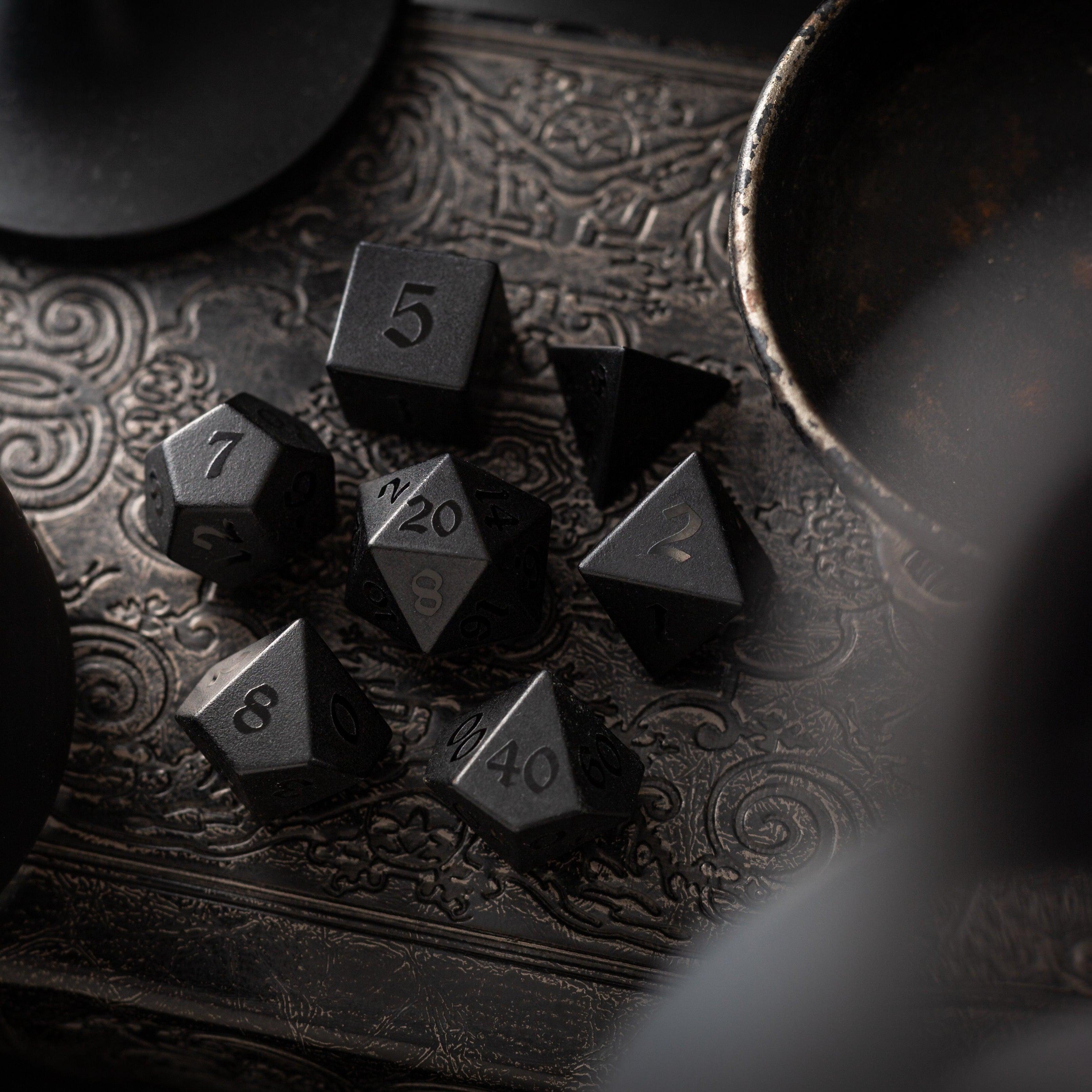
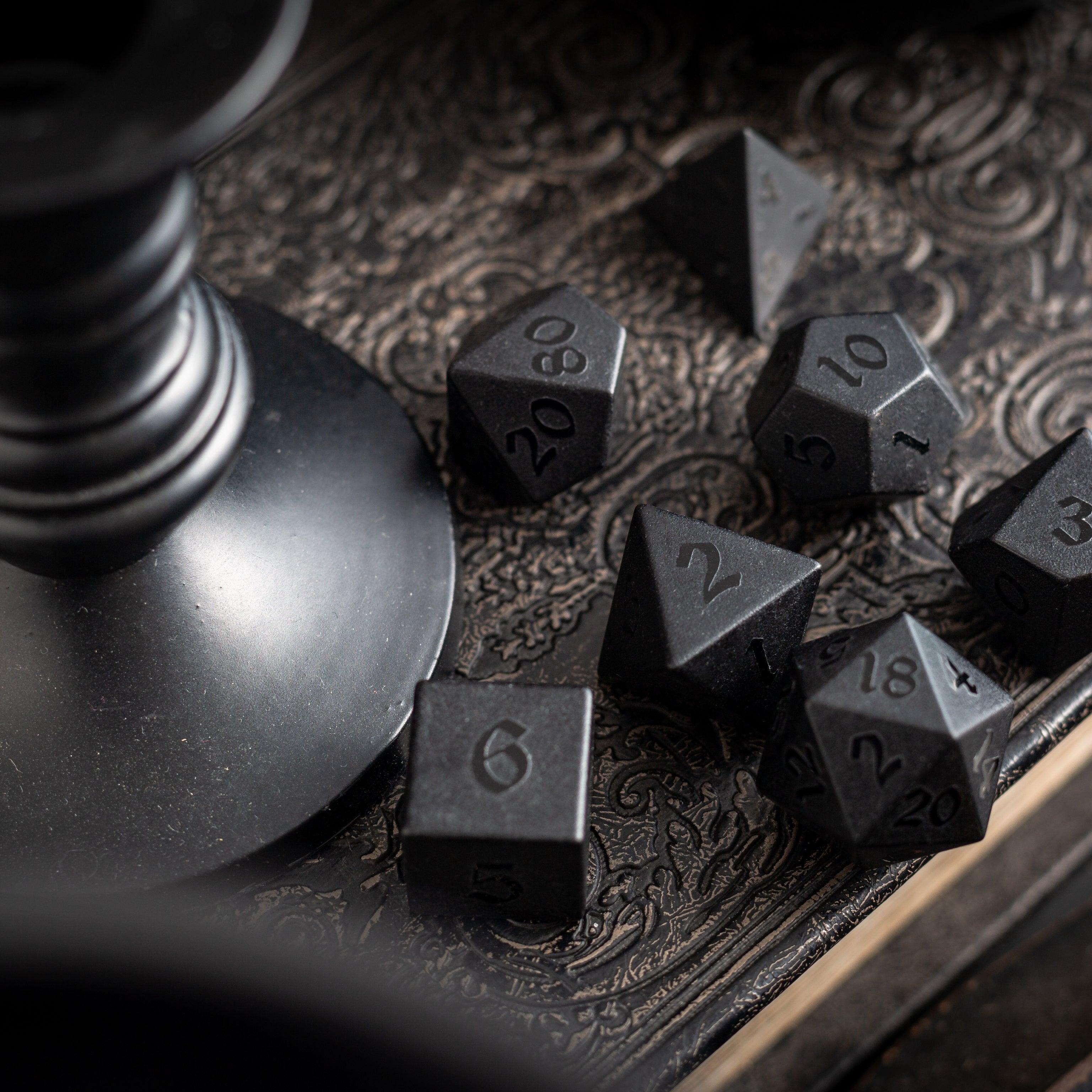
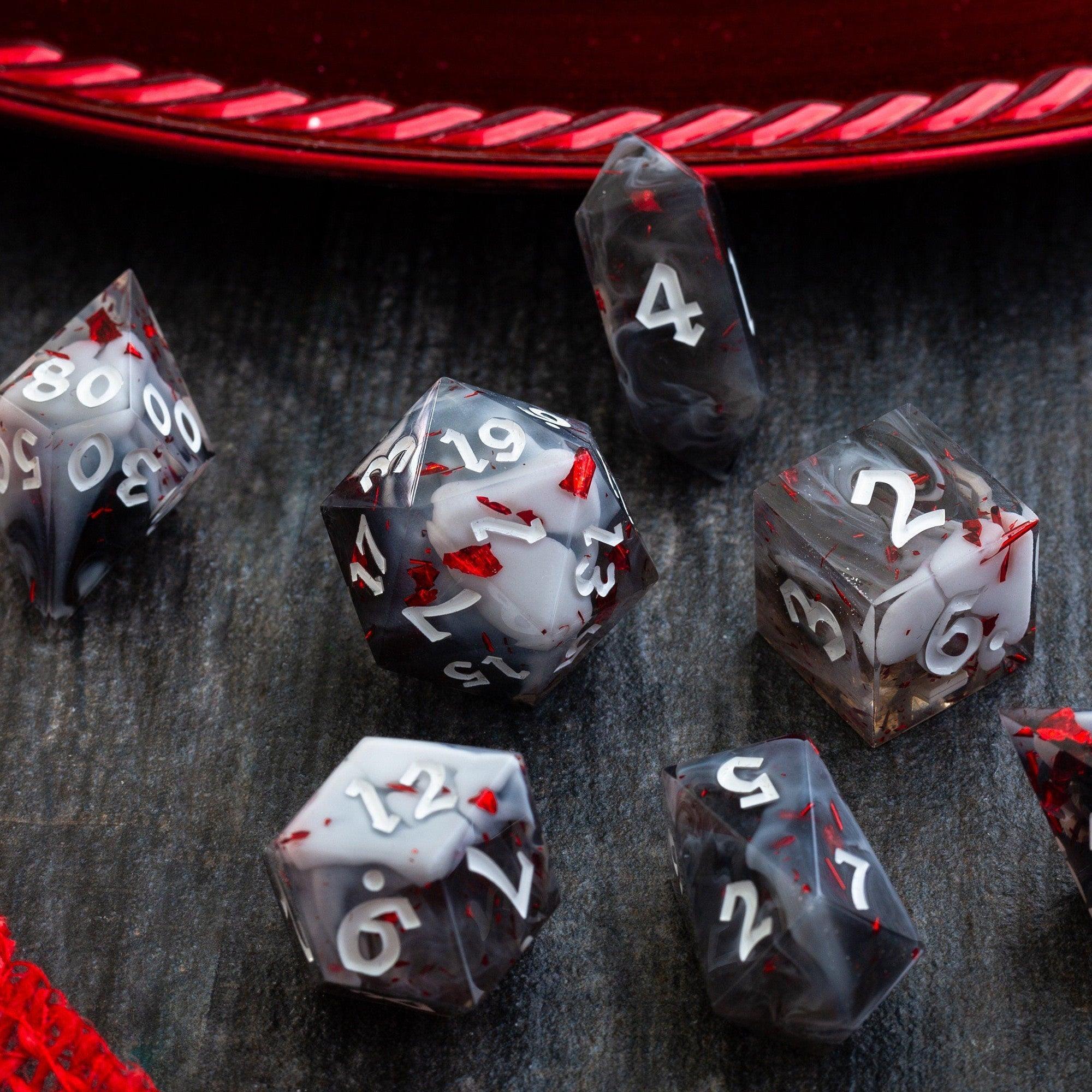
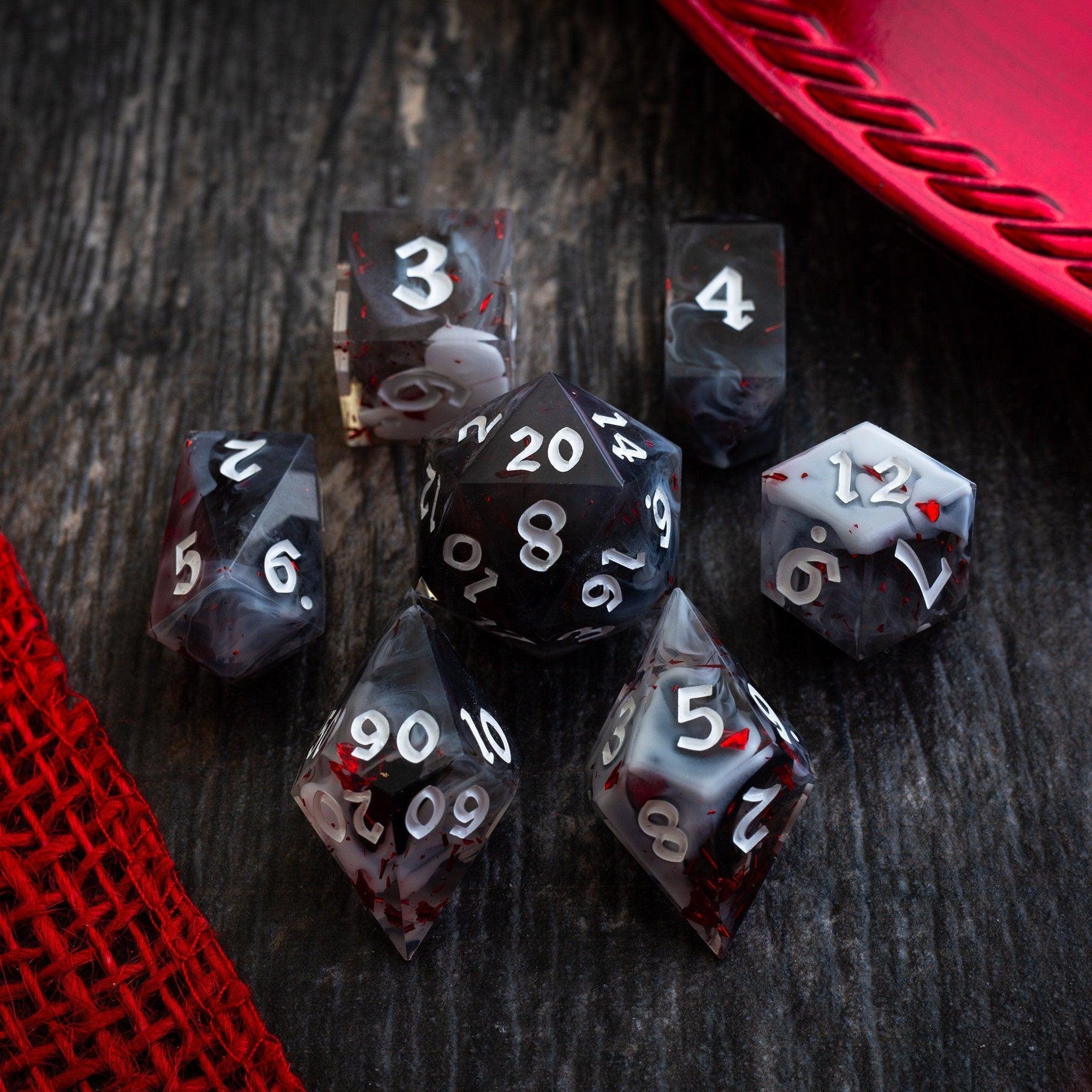
The standard set for many tabletop roleplaying dice collections includes seven pieces: a d4, d6, d8, d10, percentile d10 (marked 00–90), d12, and d20. That’s the answer to “What is the standard dice set for tabletop RPGs?”—the classic “7-dice set.” While some games use pools of d6 or d10, the seven-piece set covers most fantasy and adventure systems. If you want extra convenience, pick up a second d20 for advantage/disadvantage or a second d10 for cleaner percentile rolls.
How many dice you need for a session
Wondering “How many dice do you need for a typical tabletop RPG session?” A single seven-die set is enough to play, but two sets speed things up when rolling damage, spell effects, or advantage/disadvantage. If your system uses dice pools (for example, several d6s at once), a handful of matching d6s or d10s makes play smoother. That said, bring what you like—tabletop role-playing game dice are personal, and comfort matters as much as quantity.
How to choose tabletop role-playing game dice by material and style
Material shapes weight, durability, readability, and vibe. There’s no “best” for everyone, but there are best tabletop RPG dice sets for beginners and different options for collectors. Here’s how the most common materials compare.
Polyresin and acrylic dice for tabletop games
Polyresin and acrylic dice are favorites for beginners and veterans alike. They’re lightweight, affordable, and come in endless colors, swirls, inclusions, and finishes. Readability is often excellent thanks to high-contrast inking and crisp edges. If you value variety, resin sets can match any character theme—from storm sorcerer to forest ranger.
- Pros: Wallet-friendly, tons of styles, gentle on tables, easy to replace.
- Cons: Lower weight can feel less “hefty;” cheaper sets may have softer edges.
These make great dice for tabletop games where fast, casual rolling is the norm. For new players, they’re hard to beat.
Gemstone and glass tabletop roleplaying dice
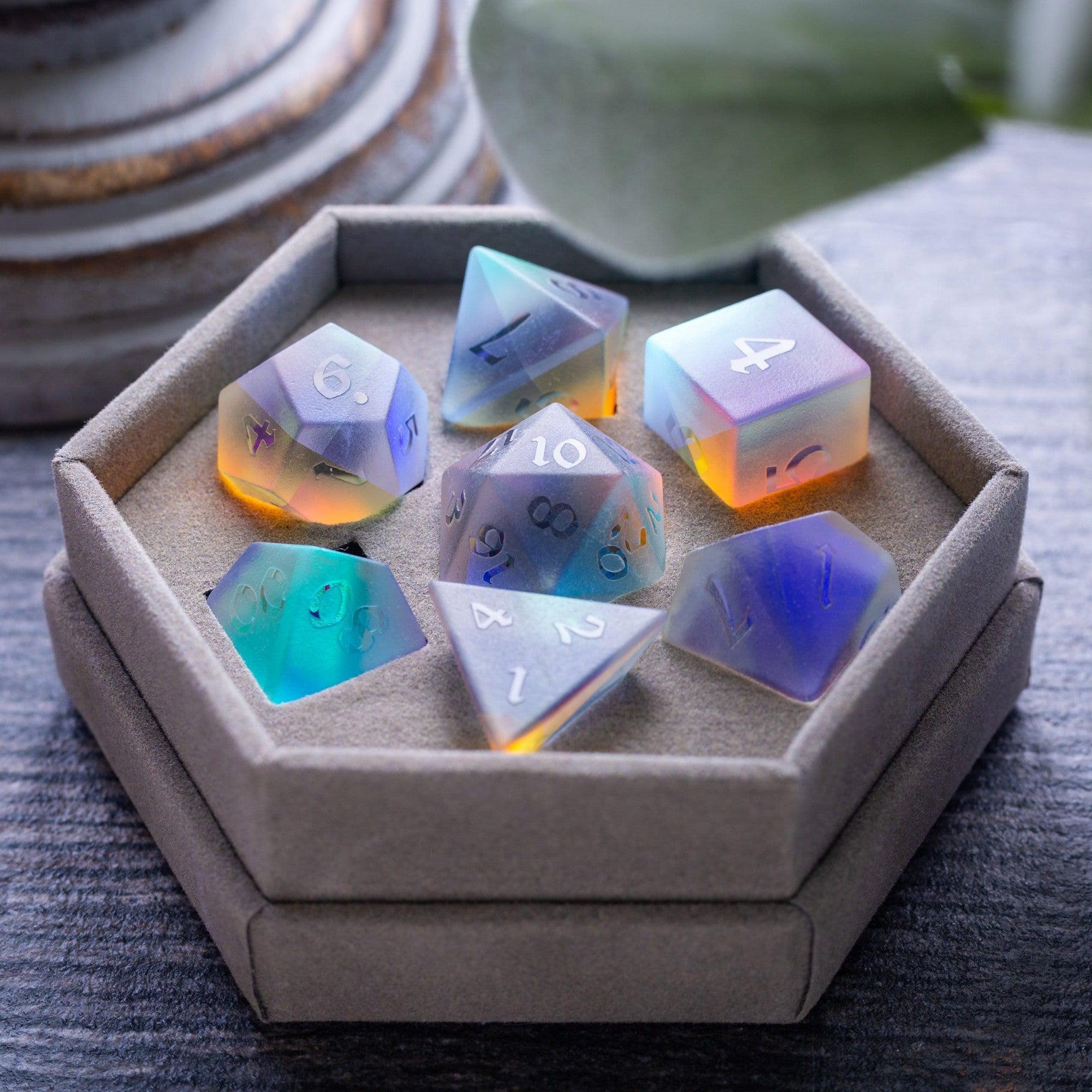
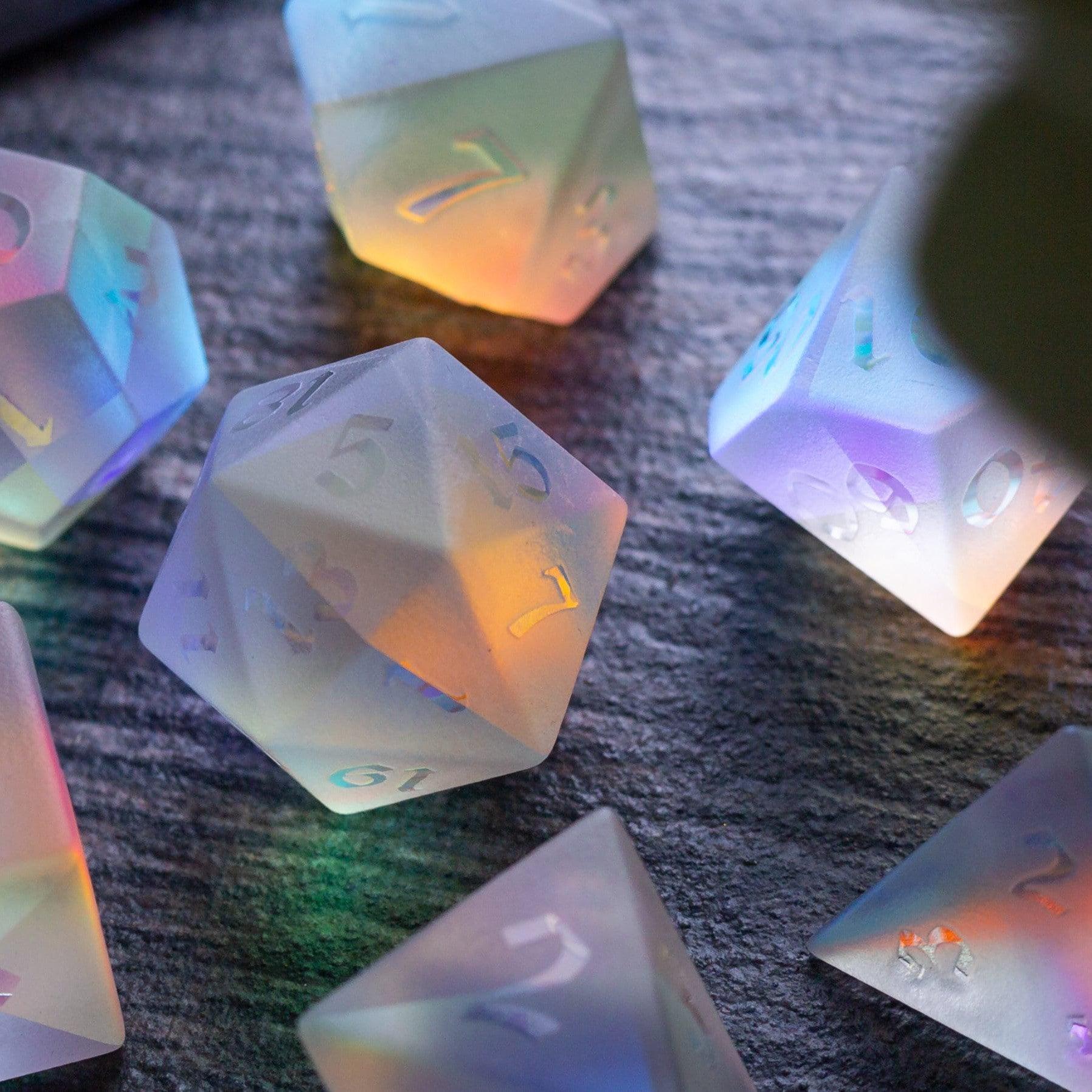
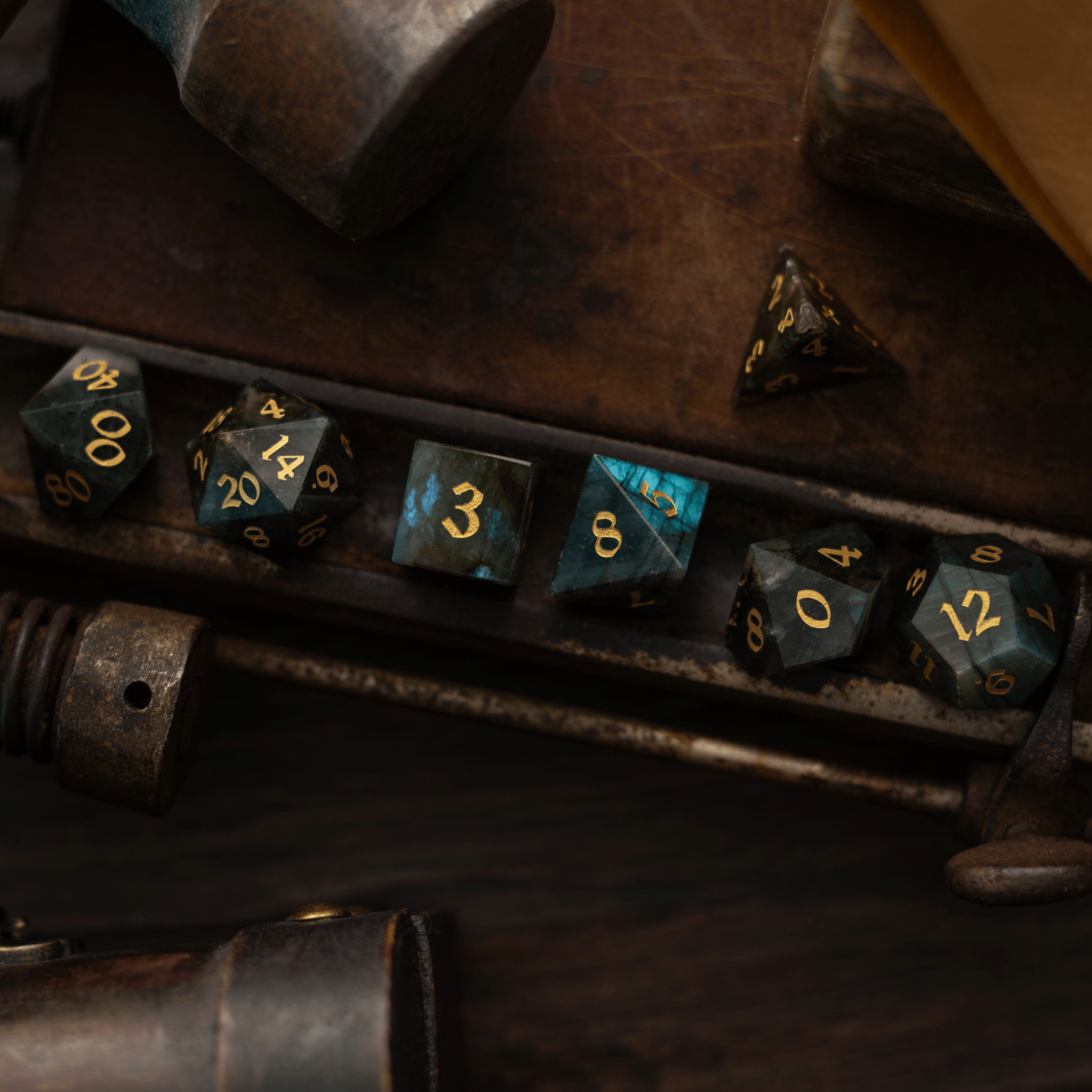
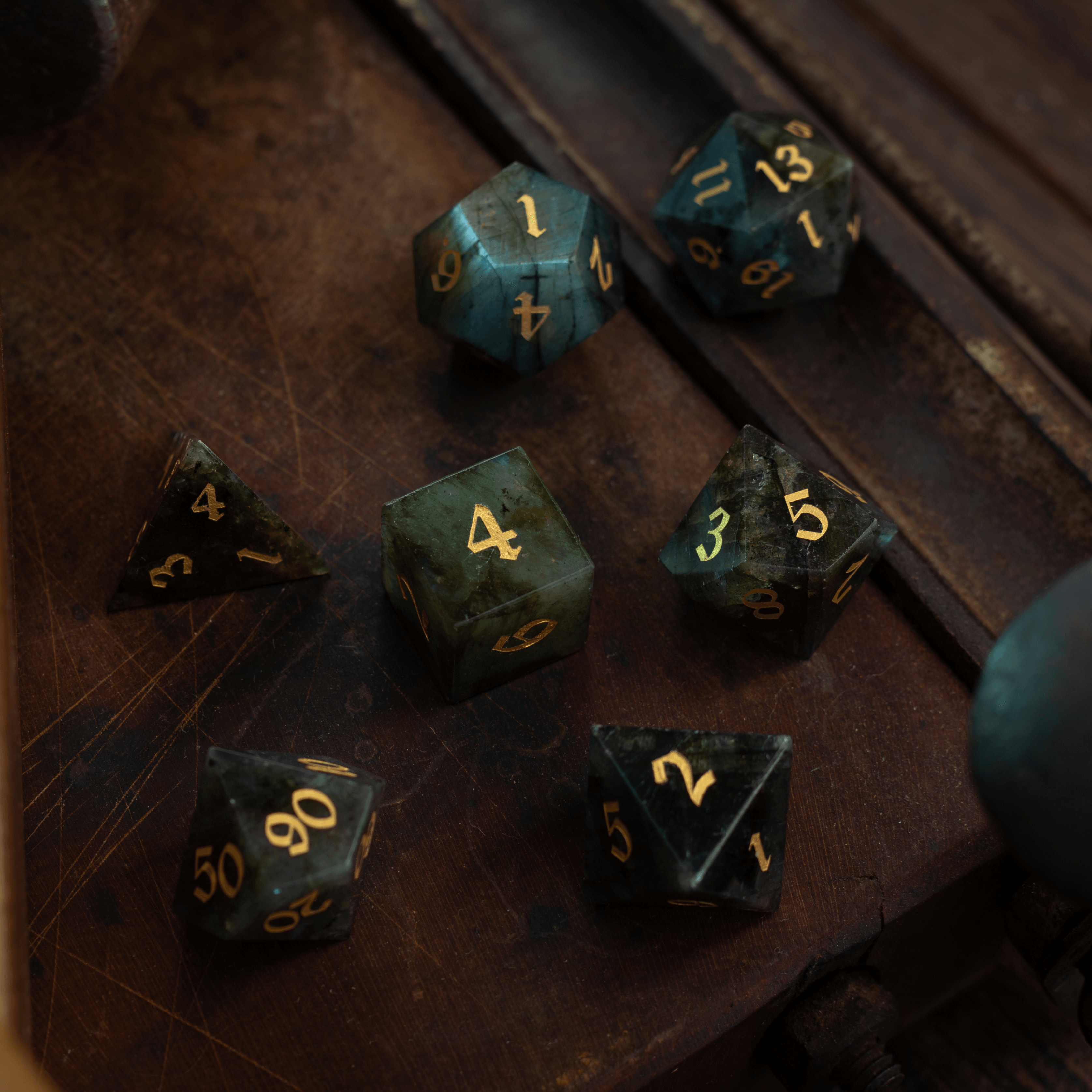
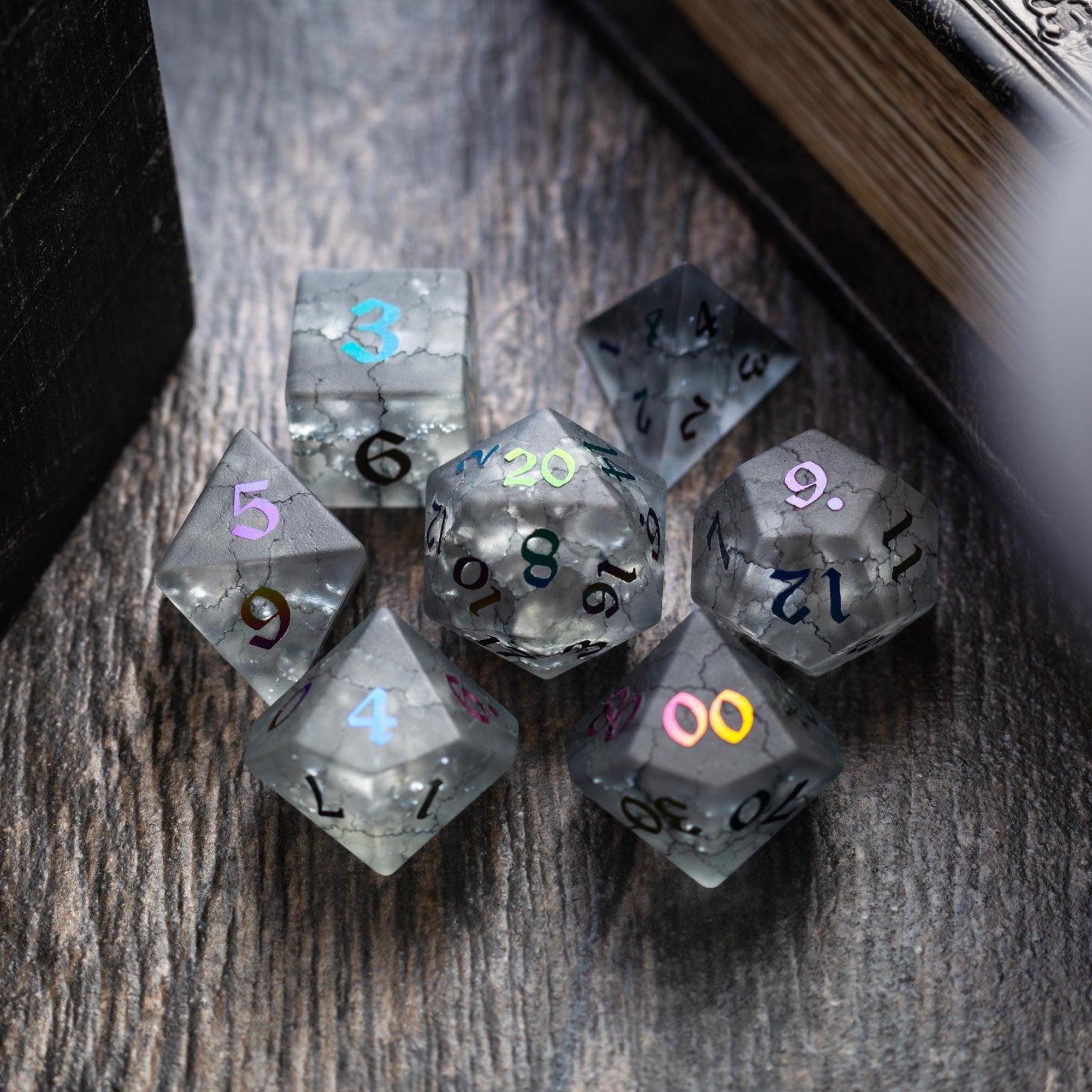
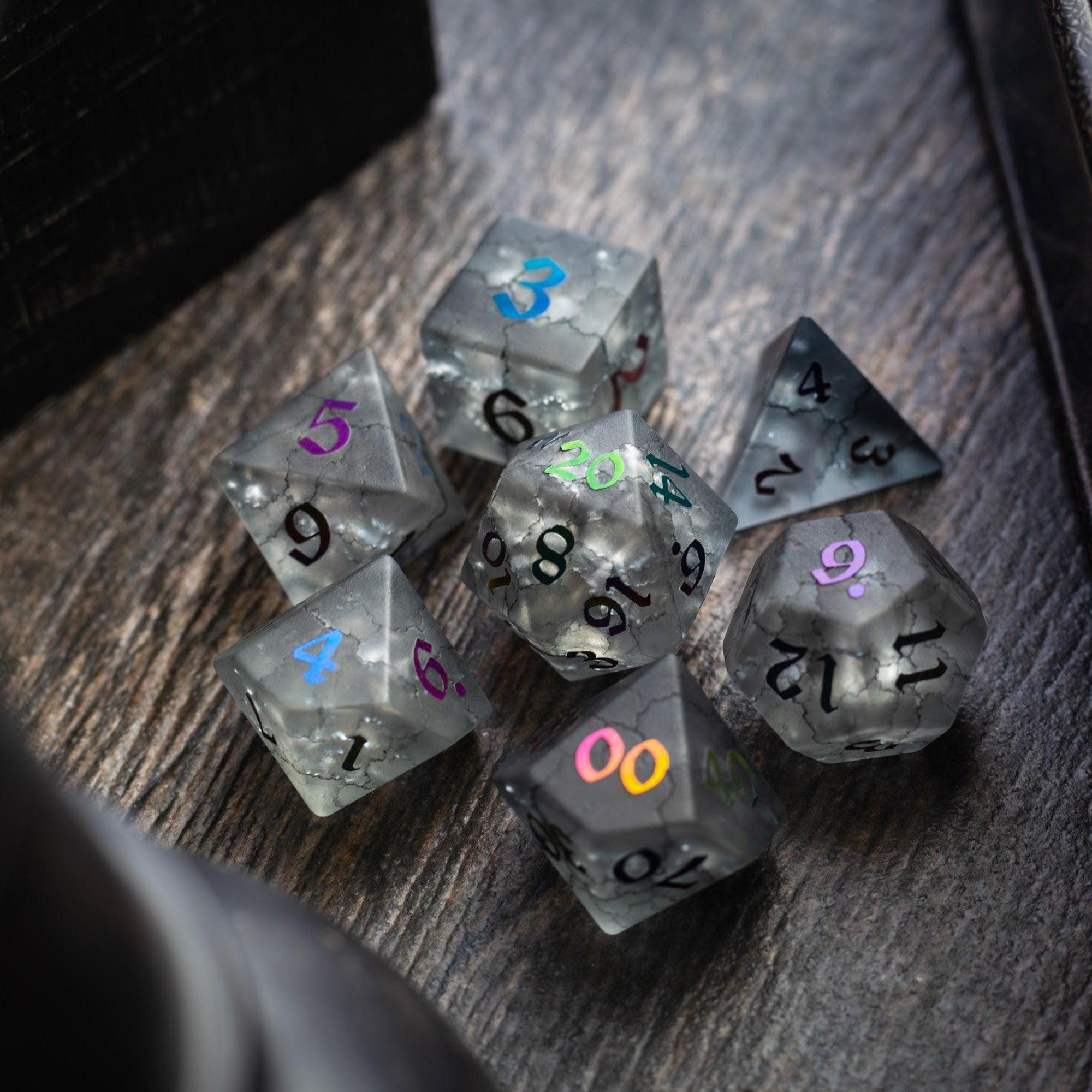
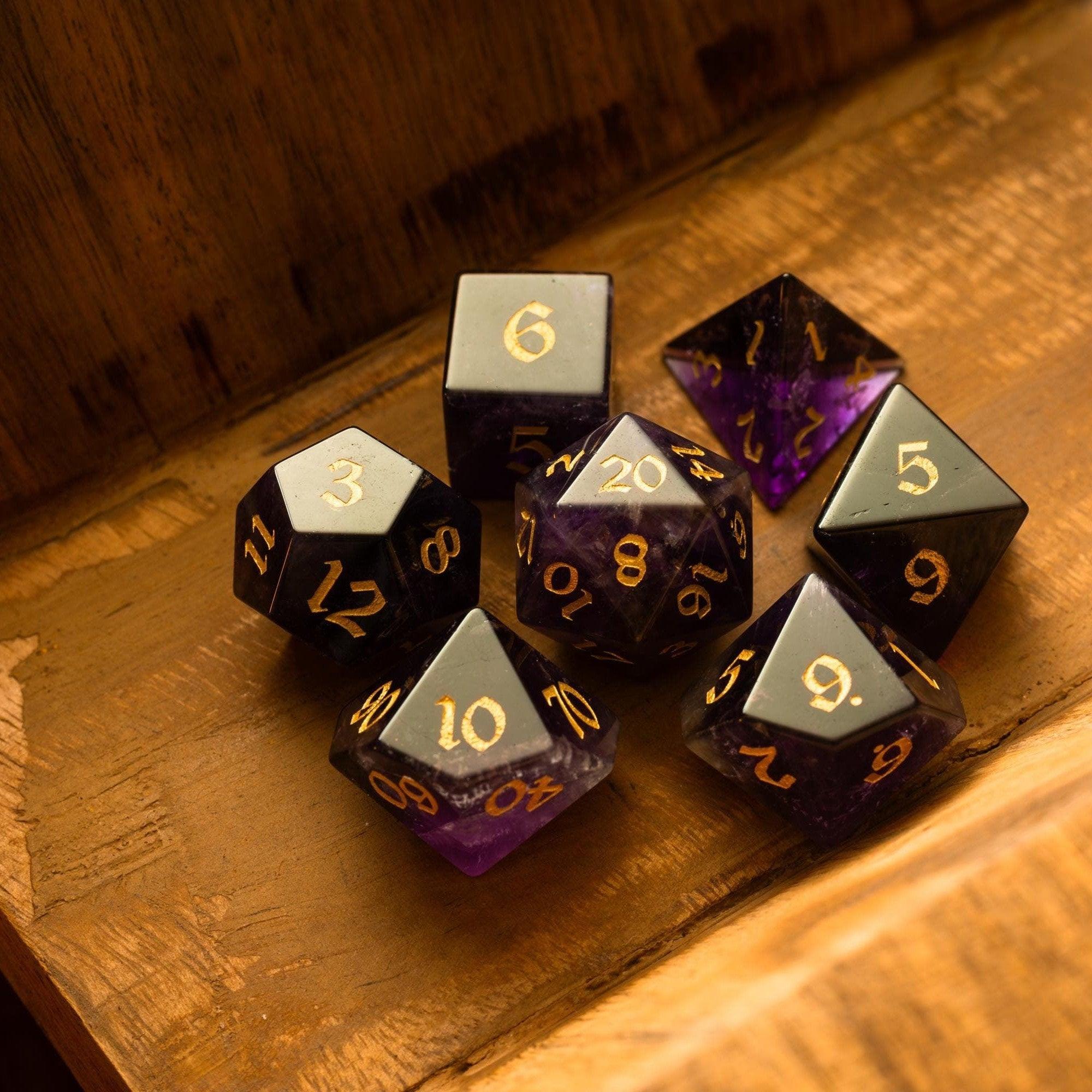
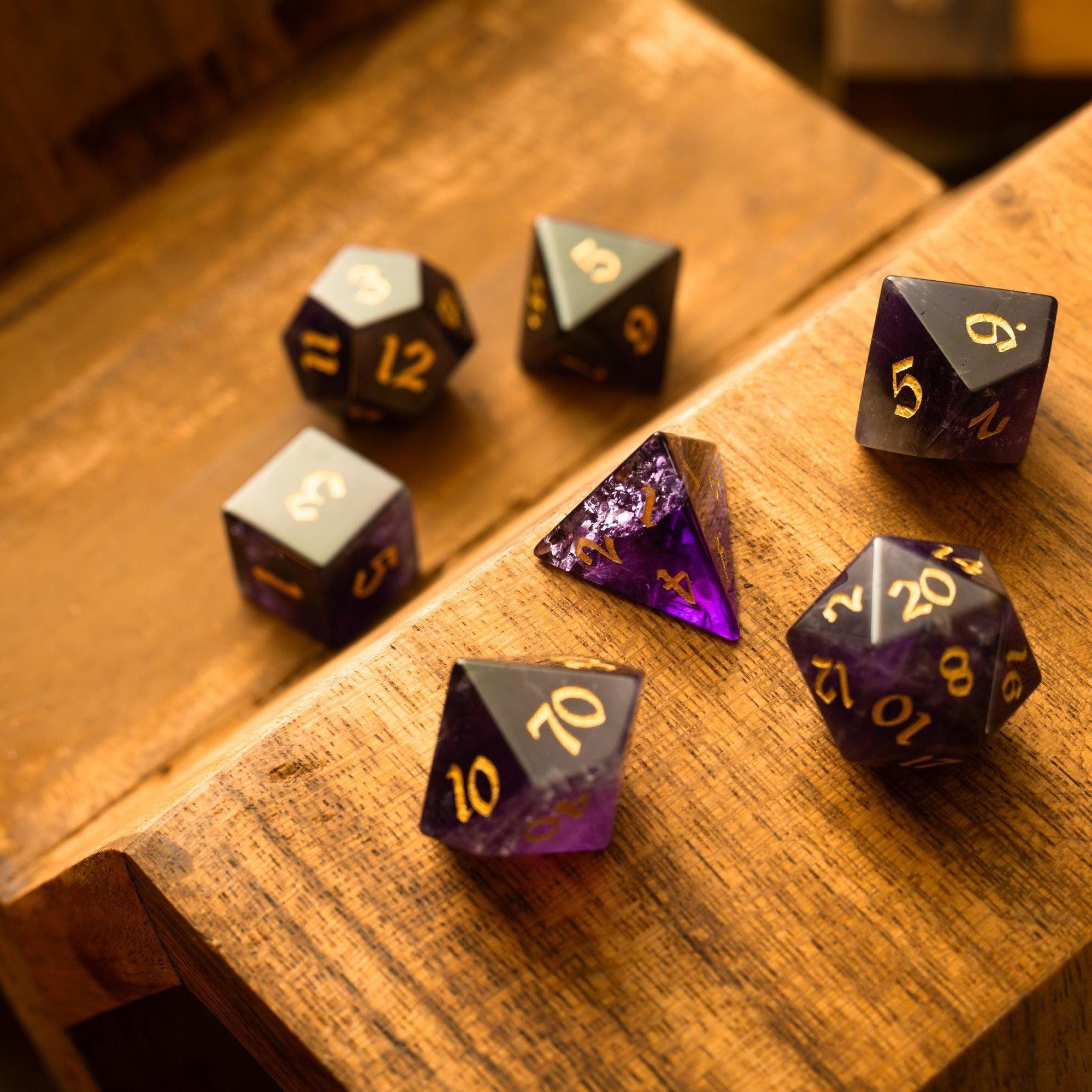
Gemstone and glass dice are statement pieces. They offer a premium feel and an eye-catching shine that photos rarely capture. If you want a set that feels special every time you roll, these deliver. You’ll find options like amethyst, obsidian, and dichroic glass with raised or engraved numerals. For a classic example of gemstone style with strong readability, see the Amethyst dice.
- Pros: Stunning aesthetics, satisfying heft (especially gemstone), durable when handled with care.
- Cons: Higher cost, require soft rolling surfaces, some styles have lower-contrast numbers.
If you’re building a display-worthy kit, gemstone and glass tabletop roleplaying dice are hard to top.
Metal tabletop RPG dice pros and cons
Metal dice carry weight, literally. Many players love the satisfying feel and sharp clack of metal rolls. They’re durable and precise, but they do need table protection. Use a dice tray or mat to avoid dents and noise.
- Pros: Heavy feel, crisp edges, long-lasting, bold presence on the table.
- Cons: Can scratch or dent surfaces, louder rolls, higher price than basic resin.
If you want authority in your roll and don’t mind a tray, metal tabletop RPG dice are a power move.
How-To Steps: picking and caring for tabletop role-playing game dice
Ready to pick the right set? Follow these simple steps to choose and care for tabletop role-playing game dice with confidence.

-
Decide on your budget and priorities
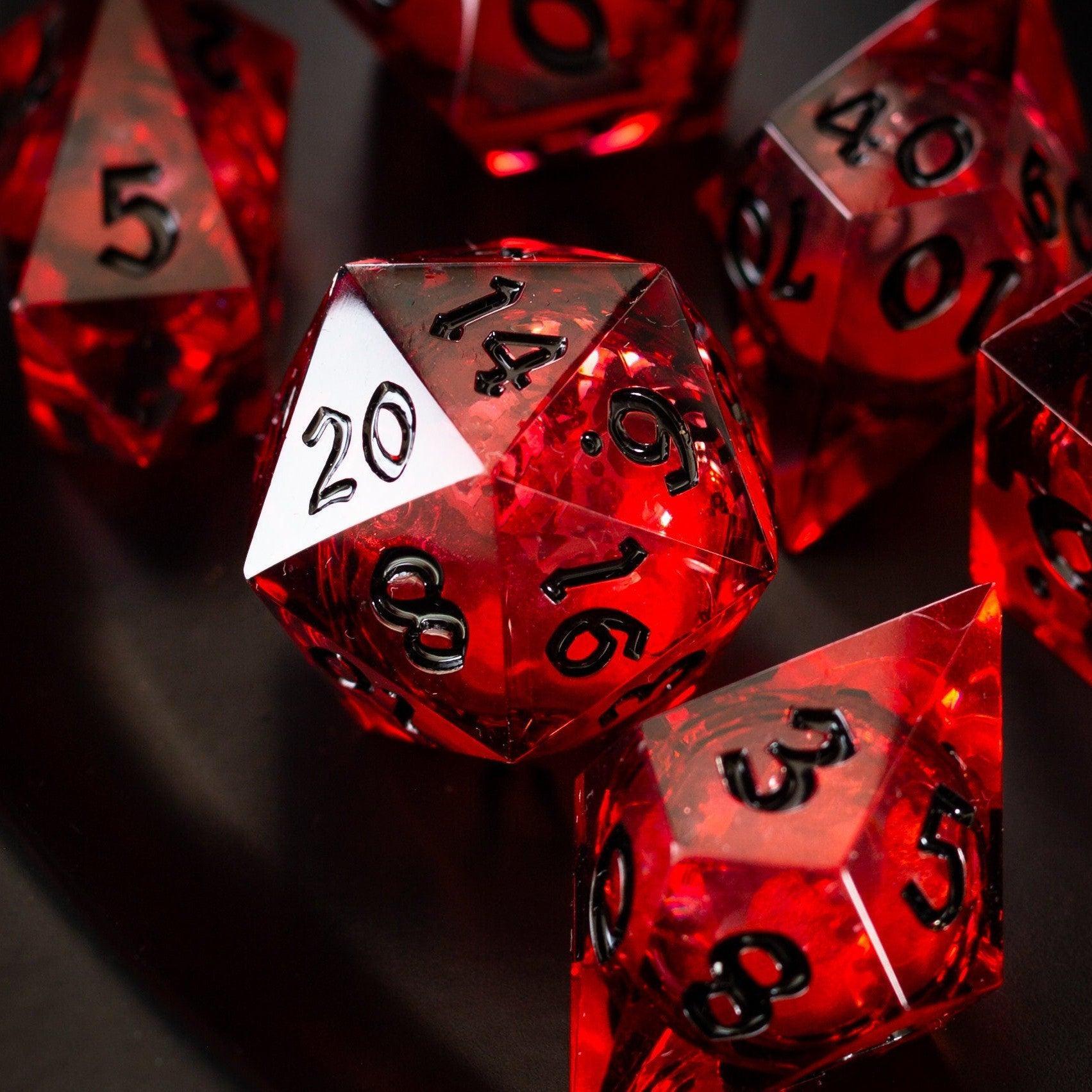
Start with what matters most: cost, looks, readability, or weight. You can often get two solid resin sets for the price of one premium set. If you value heft and presence, plan for metal or gemstone. If you love motion and sparkle, consider special effects like liquid cores.
-
Pick a material that matches your play style
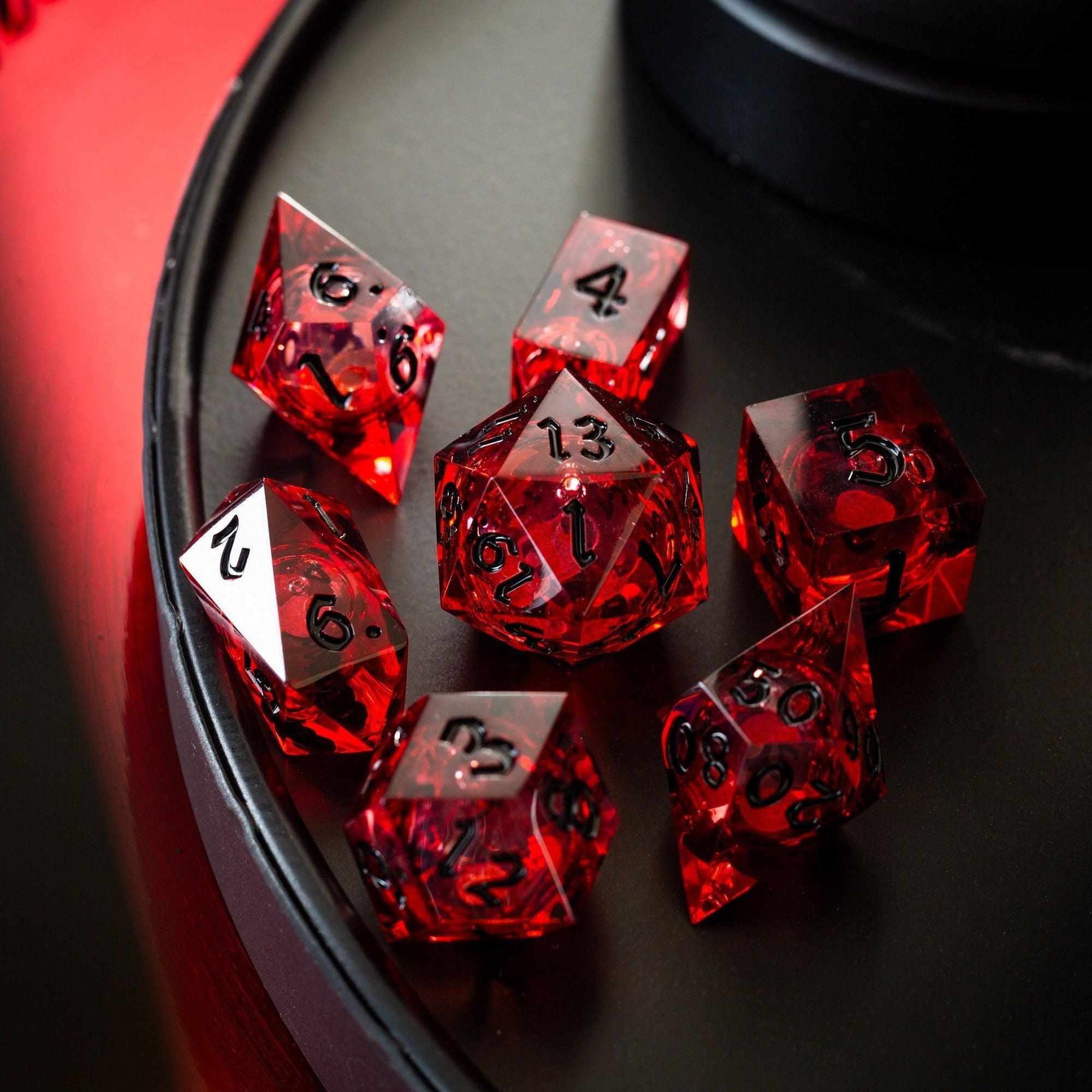
Casual games and travel? Lightweight resin keeps things easy. Home campaign with a dedicated dice tray? Metal or gemstone can shine. If you love mesmerizing visuals, explore Liquid core dice that shimmer as they roll.
-
Check readability in normal lighting
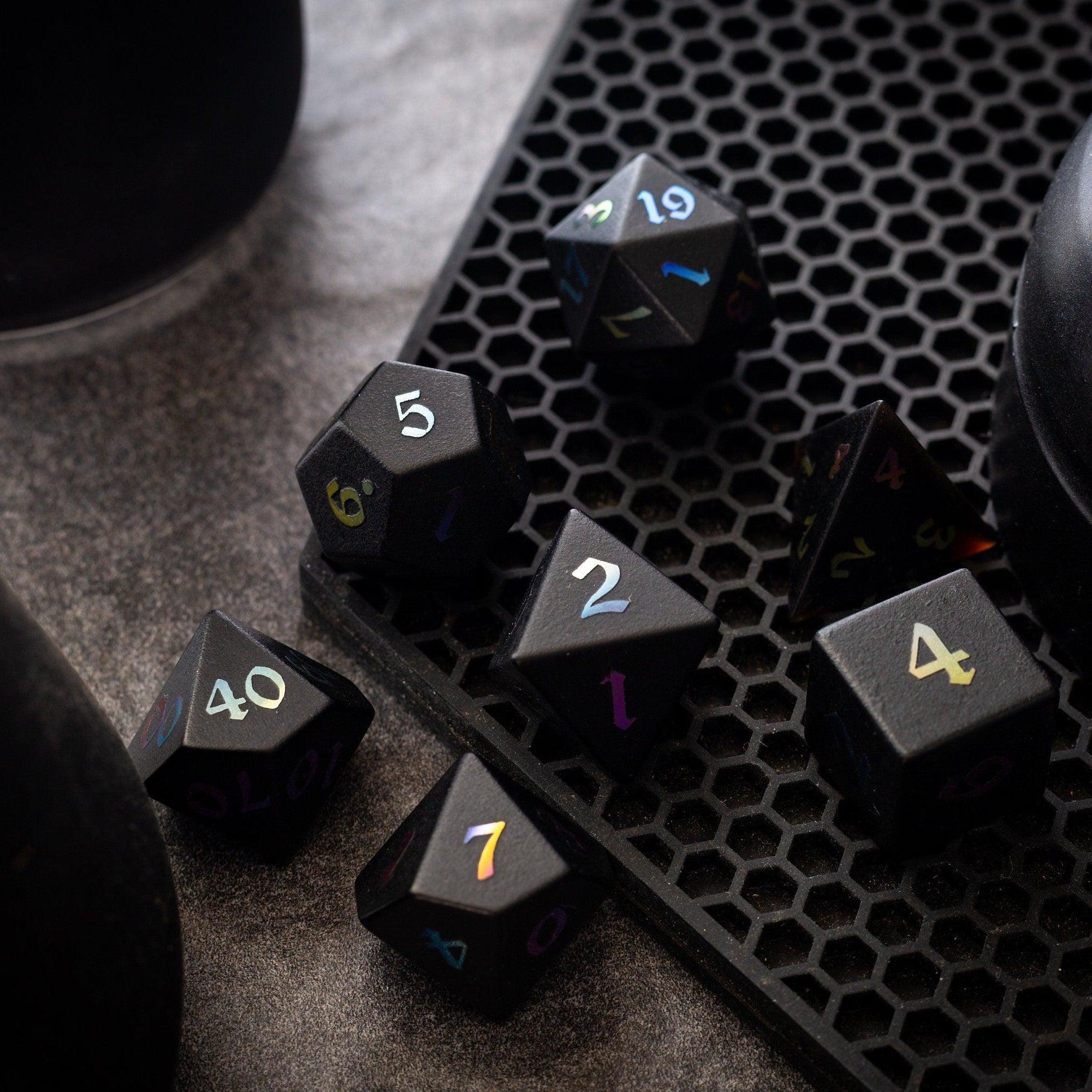
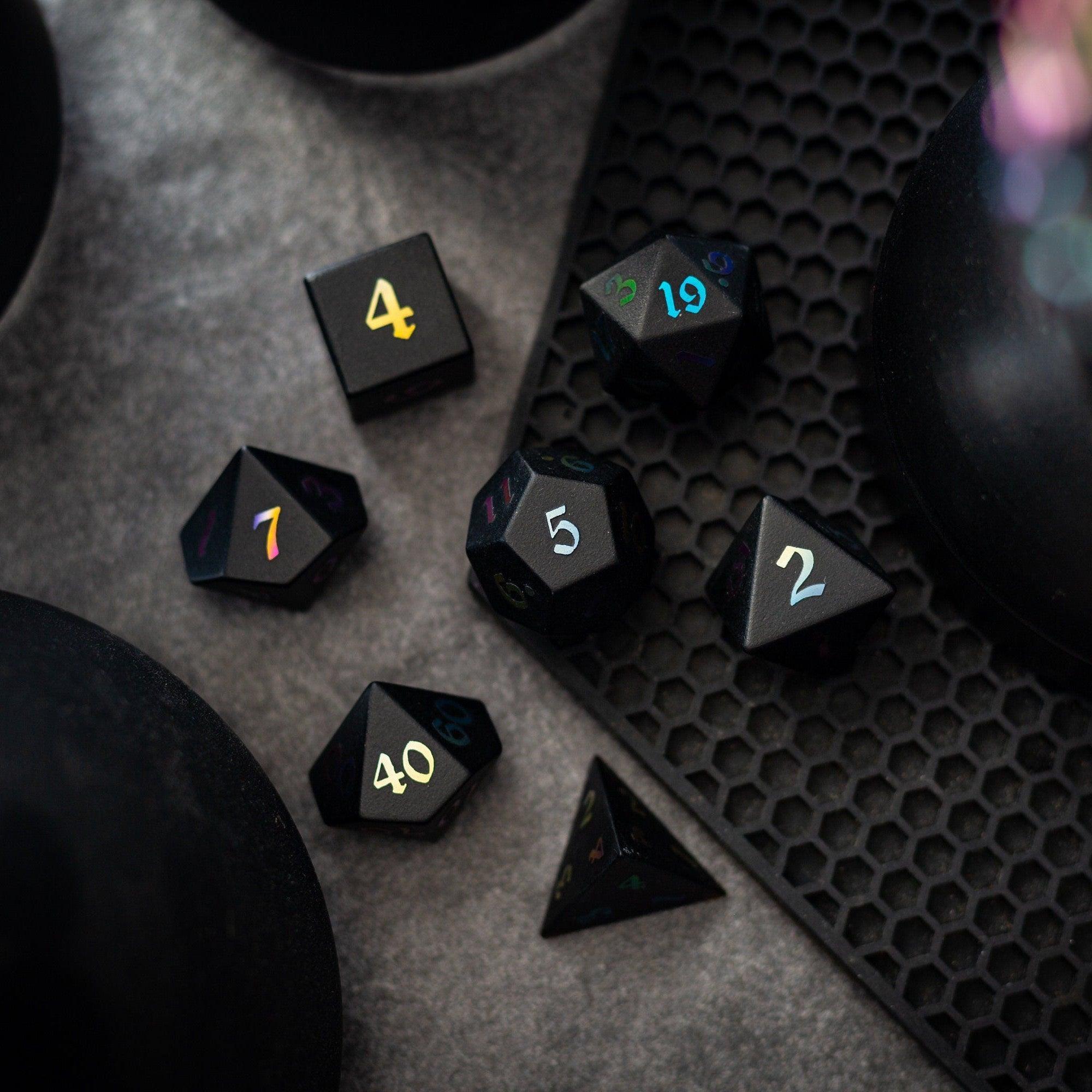
High-contrast numerals reduce misreads and speed up play. Try to view dice under typical room lighting. For darker sets, bright inking or raised numerals help. Remember: tabletop role-playing game dice should be easy to read from your seat, not just up close.
-
Test balance and comfort
Roll on a flat surface and see how the dice tumble. They should feel comfortable in your hand and consistent in movement. You don’t need lab tests—just a few sample rolls to see if the dice behave naturally.
-
Build around a standard seven-die set
Start with the classic set, then add a second d20 and extra d6s for damage or dice pools. This covers most tables. If you run a spellcaster or heavy-damage character, duplicate dice in the same style to speed up turns.
-
Match your character or campaign theme
Choosing tabletop role-playing game dice that fit your character is half the fun. Shadowy rogue? Deep blacks or smoky glitters. Radiant paladin? Gold ink, bright contrasts, or pearlescent finishes. Pick a look that makes you excited to roll.
-
Protect your table and your dice
Use a dice tray or mat—especially for metal, gemstone, or glass. Store dice in a soft pouch or lined box. Gentle care helps resin resist chipping and keeps gemstone and glass pristine.
-
Maintain and clean as needed
Wipe dust with a soft microfiber cloth. For resin, a damp cloth is fine. Avoid harsh chemicals on inking. For gemstone and glass, stick to soft, dry cloths and avoid drops or hard impacts. A little care keeps tabletop role-playing game dice looking great.
Buying guide: where to buy tabletop RPG dice online
If you’re wondering where to buy tabletop RPG dice online, look for a store that offers clear photos, close-ups of numerals, and reliable descriptions of materials. Transparent return policies and careful packaging are key, especially for glass and gemstone. A broad catalog makes it easier to compare styles side by side, from resin to metal to premium sets.
Browse a wide range of themes and materials in one place with All collections. If you love a premium, jewel-like feel, gemstone sets can deliver standout table presence. A richly hued example that balances beauty and readability is the Amethyst dice. And if you want dice that dance as they tumble, check out Liquid core dice.
As you compare, keep readability front and center. High-contrast numbering and crisp edges save time every turn. Also weigh the practical side: tabletop role-playing game dice that fit your table, your tray, and your play style will get used session after session.
FAQ on tabletop role-playing game dice
What is the standard dice set for tabletop RPGs?
The standard set is seven dice: d4, d6, d8, d10, percentile d10 (00–90), d12, and d20. This covers most fantasy and adventure systems. Some games focus on dice pools (like several d6s), but the seven-die set is the most common foundation for tabletop role-playing game dice.
How many dice do you need for a typical tabletop RPG session?
One seven-die set is enough to play. For smoother turns, add a second d20 and a few extra d6s (especially for damage-heavy builds or dice-pool systems). Many players carry two full sets for speed and theme variety.
Are metal dice safe for every table?
Metal dice are fine with a tray or mat. Rolling directly on soft wood, glass, or fragile surfaces can leave marks or chips. Use a protective surface and you’ll get the heavy feel without the risk.
How do I clean and store RPG dice sets?
Wipe dust with a microfiber cloth. Use a soft pouch or lined box for storage. Avoid harsh cleaners on inked numerals and keep gemstone or glass away from drops and hard impacts. Simple care keeps tabletop RPG dice looking sharp.


Leave a comment
This site is protected by hCaptcha and the hCaptcha Privacy Policy and Terms of Service apply.