

Stackable D&D Accessories: Organize Your Table and Streamline Every Session
A Dungeons & Dragons table rarely stays simple for long.
At first, a player may arrive with a character sheet, pencil, and one set of dice. A few campaigns later, the same table can be covered with multiple dice sets, spell cards, condition rings, miniatures, tokens, initiative trackers, notebooks, maps, rulebooks, drinks, and snacks.
Every item may be useful. The problem begins when useful tools become scattered across the table.
A crowded gaming space can make it harder to find the right die, locate a condition marker, move miniatures, or simply make room for a battle map. For groups with small tables or players who travel to sessions, organization becomes even more important.
Stackable D&D accessories offer a practical solution. By using storage and gaming tools that stack, nest, fold, or work together as modules, players and Dungeon Masters can keep their equipment contained without giving up the physical tools they enjoy using.
The goal is not to add more products to the table. It is to make the tools you already use easier to store, reach, protect, and transport.
What Makes an Accessory Stackable or Modular?
Not every compact accessory works in the same way. Some items are designed primarily for storage, while others can be separated and rearranged during play.
Useful stackable and modular RPG accessories often have features such as:
-
Flat or matching dimensions
-
Secure lids
-
Interlocking sections
-
Removable compartments
-
Nesting designs
-
Foldable construction
-
Multi-purpose components
-
Expandable storage
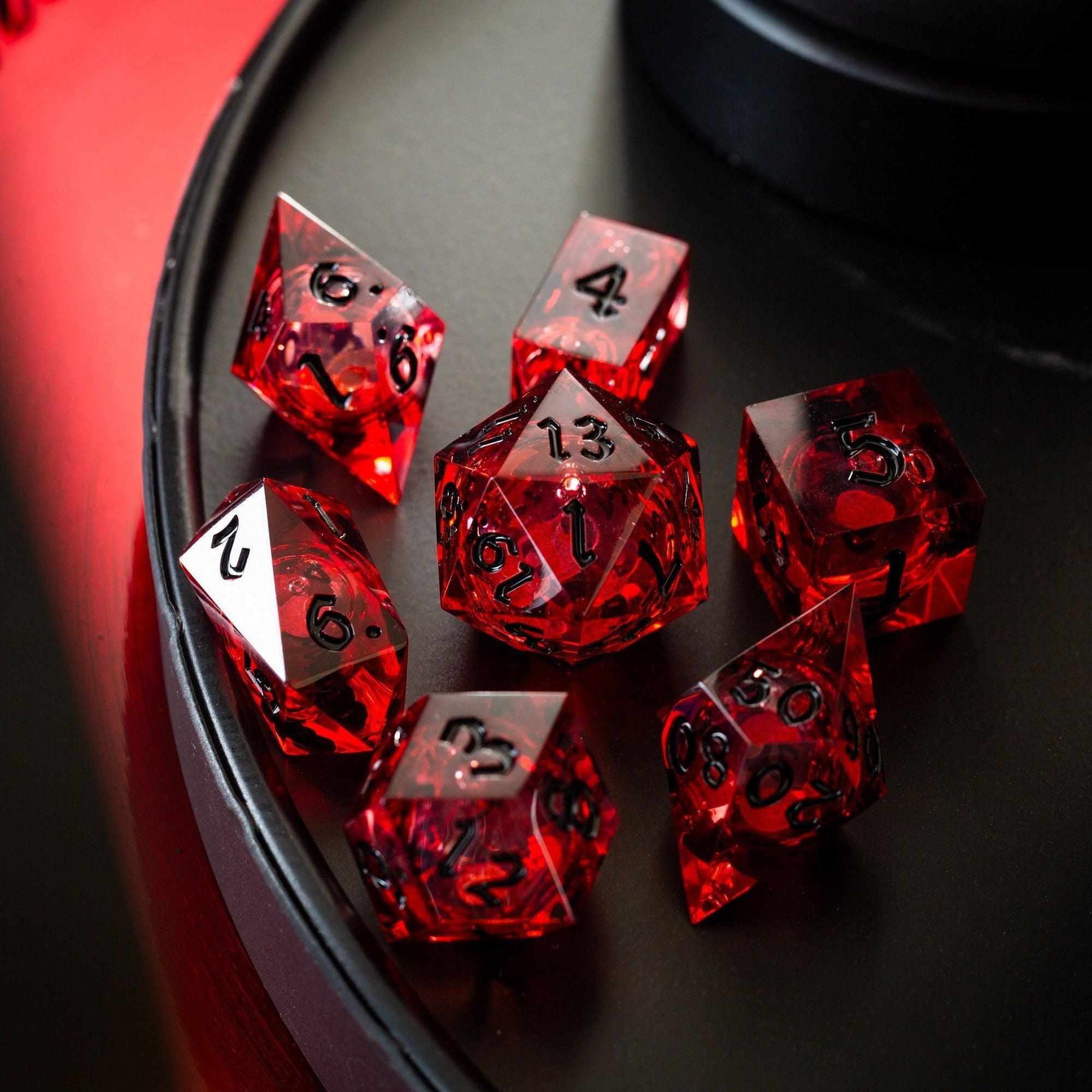
A stackable dice vault, for example, may remain closed during transport and sit neatly with other storage containers between sessions. A modular dice tray may separate into individual rolling areas during the game and reconnect when it is time to pack everything away.
The most useful systems usually have a clear purpose in both storage and play. They should make tabletop RPG organization simpler rather than creating another complicated system to manage.
Why Stackable Accessories Improve D&D Sessions
Good D&D table organization is not about making the table look perfectly arranged. It is about reducing small interruptions that slow the game.
Faster Setup
A modular setup allows players to place complete groups of accessories on the table instead of unpacking dozens of loose items.
A player might open one compact case containing dice, a pencil, spell cards, and a condition reference. A Dungeon Master might place a combat organizer beside the screen without unpacking every token or miniature in the collection.
Easier Cleanup
When every type of item already has a designated location, cleanup becomes much faster. Dice return to their compartments, condition rings return to their container, and cards go back into their holder.
There is less sorting at the end of a long session.
Better Use of Limited Table Space
Vertical storage and compact organizers can leave more room for the parts of the game that need a large surface, including maps, miniatures, character sheets, and notebooks.
Not every accessory needs to remain spread across the table for four hours.
Safer Storage
Premium dice and detailed miniatures can be damaged when thrown together in a loose bag. Separate compartments prevent heavy objects from striking more delicate materials.
This is particularly important when a collection includes metal, gemstone, glass, or sharp-edge dice.
Easier Transportation
A portable D&D setup is much easier to manage when several small accessories fit into a few secure modules.
This matters for groups that meet at game stores, conventions, cafés, or different players' homes. Fewer loose containers also means fewer opportunities to leave something behind.
Stackable Dice Storage
Dice collections have a habit of growing.
One character gets a dedicated set. Then another campaign begins. A player tries a new material, buys a backup set, or starts collecting colors that match different characters. Before long, dice storage becomes a real part of tabletop gaming storage.
Useful options include:
-
Individual dice vaults
-
Multi-set storage boxes
-
Removable compartment trays
-
Character-specific containers
-
Material-specific storage
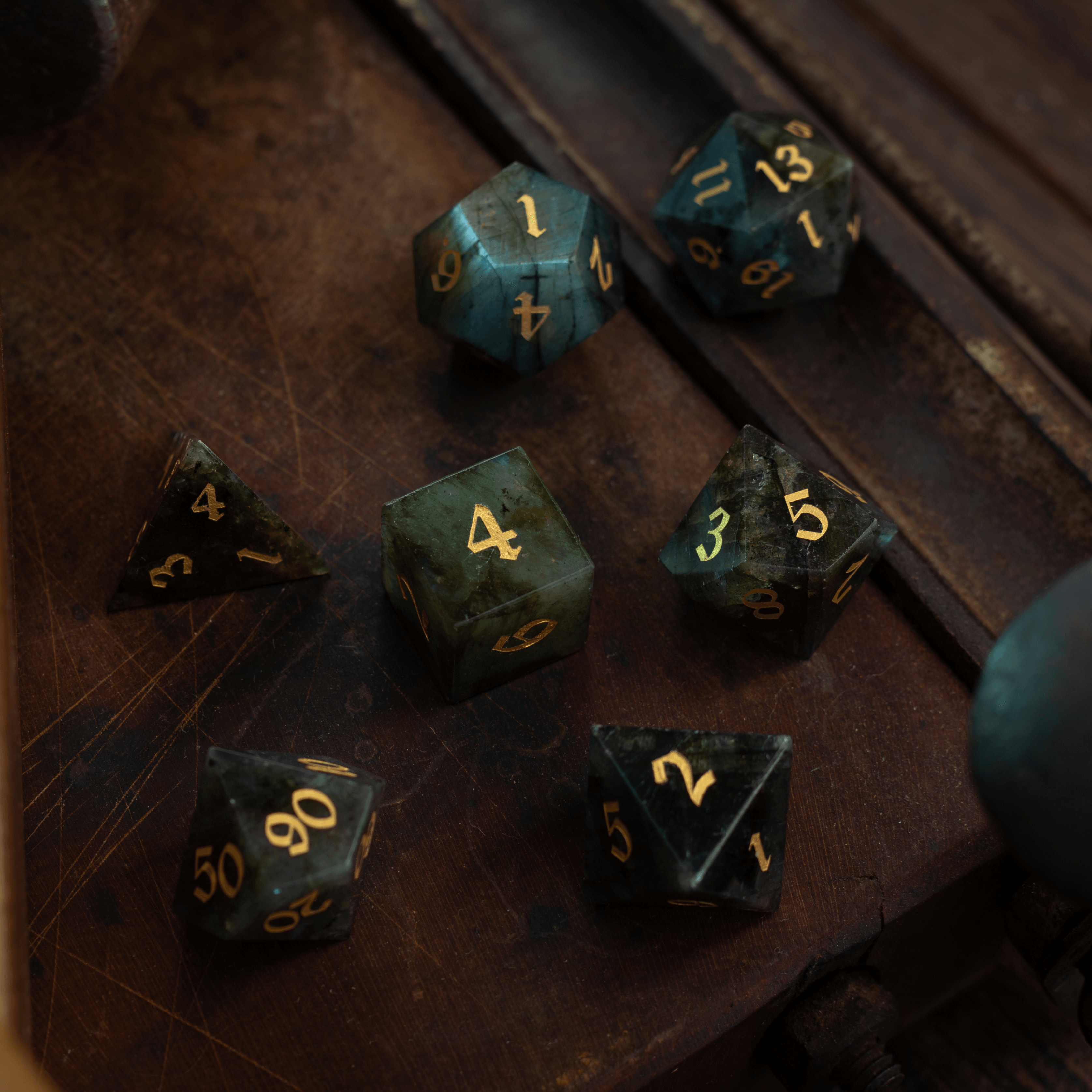
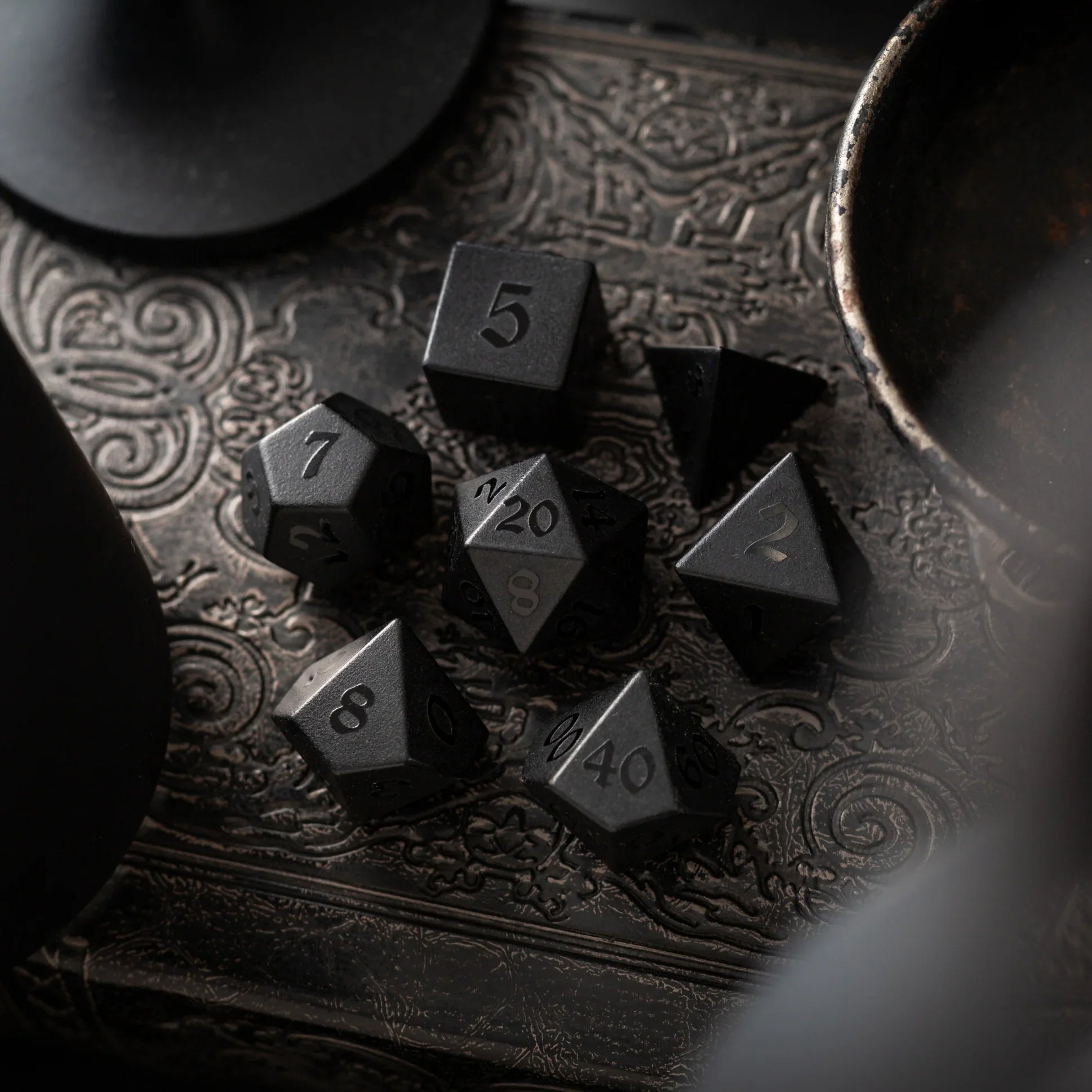
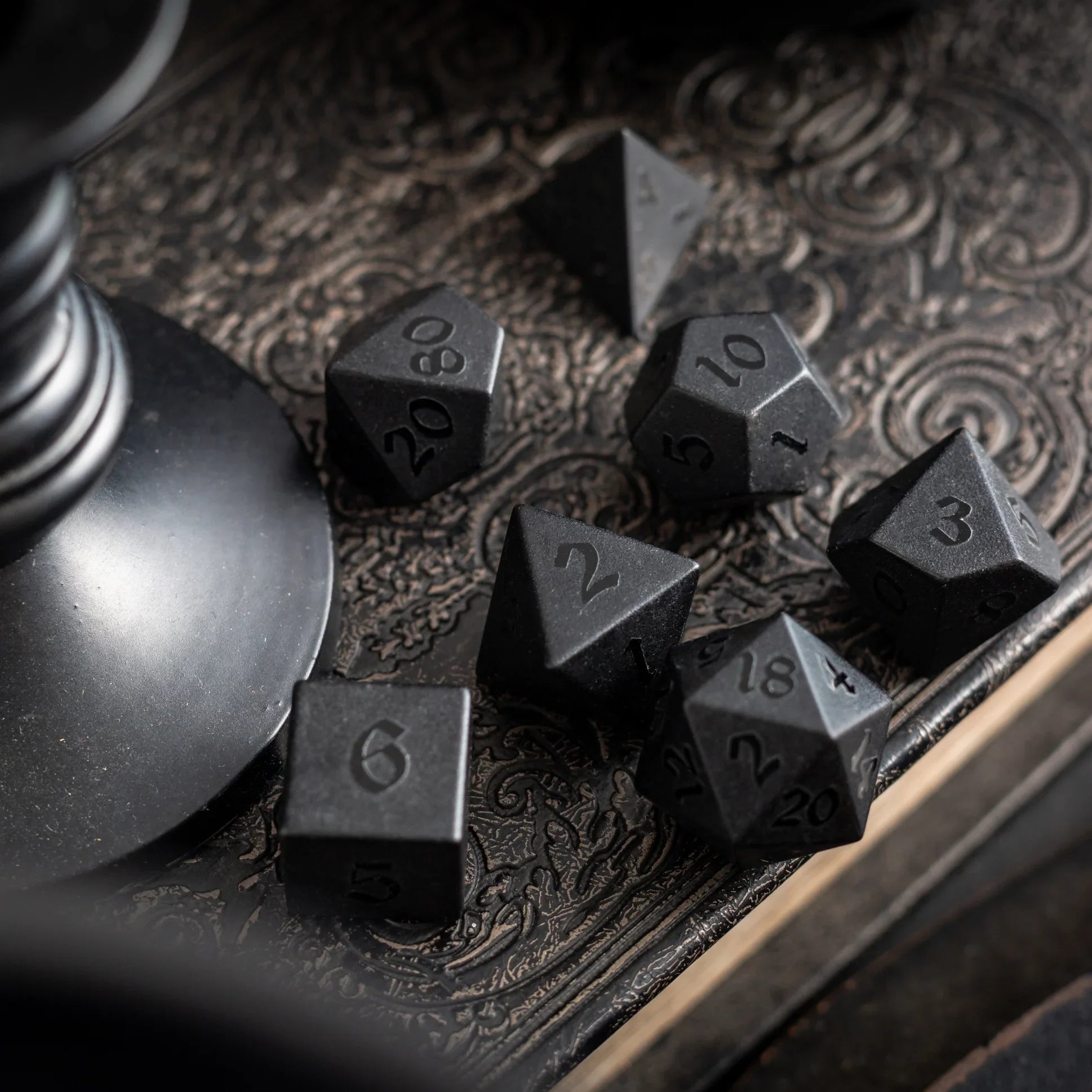
The material of the dice should influence how they are stored.
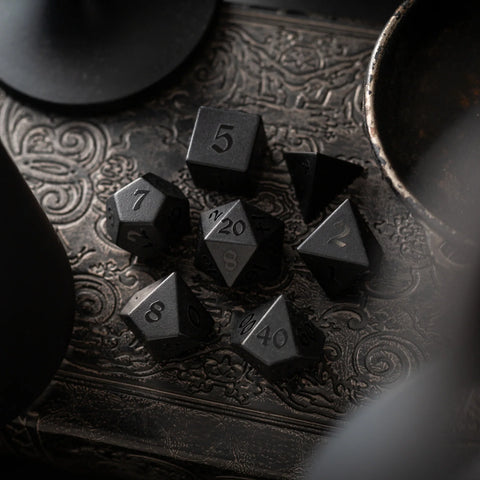
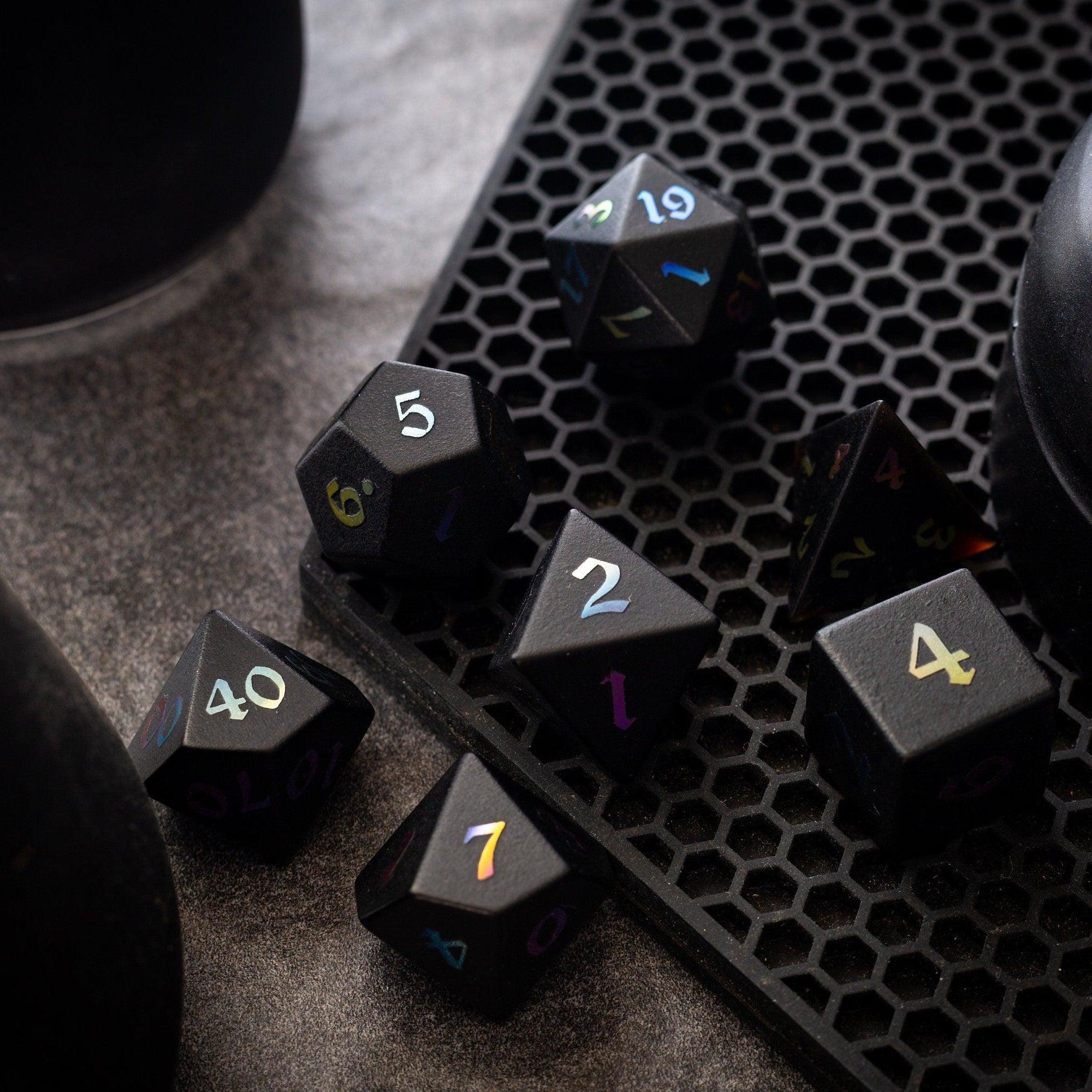
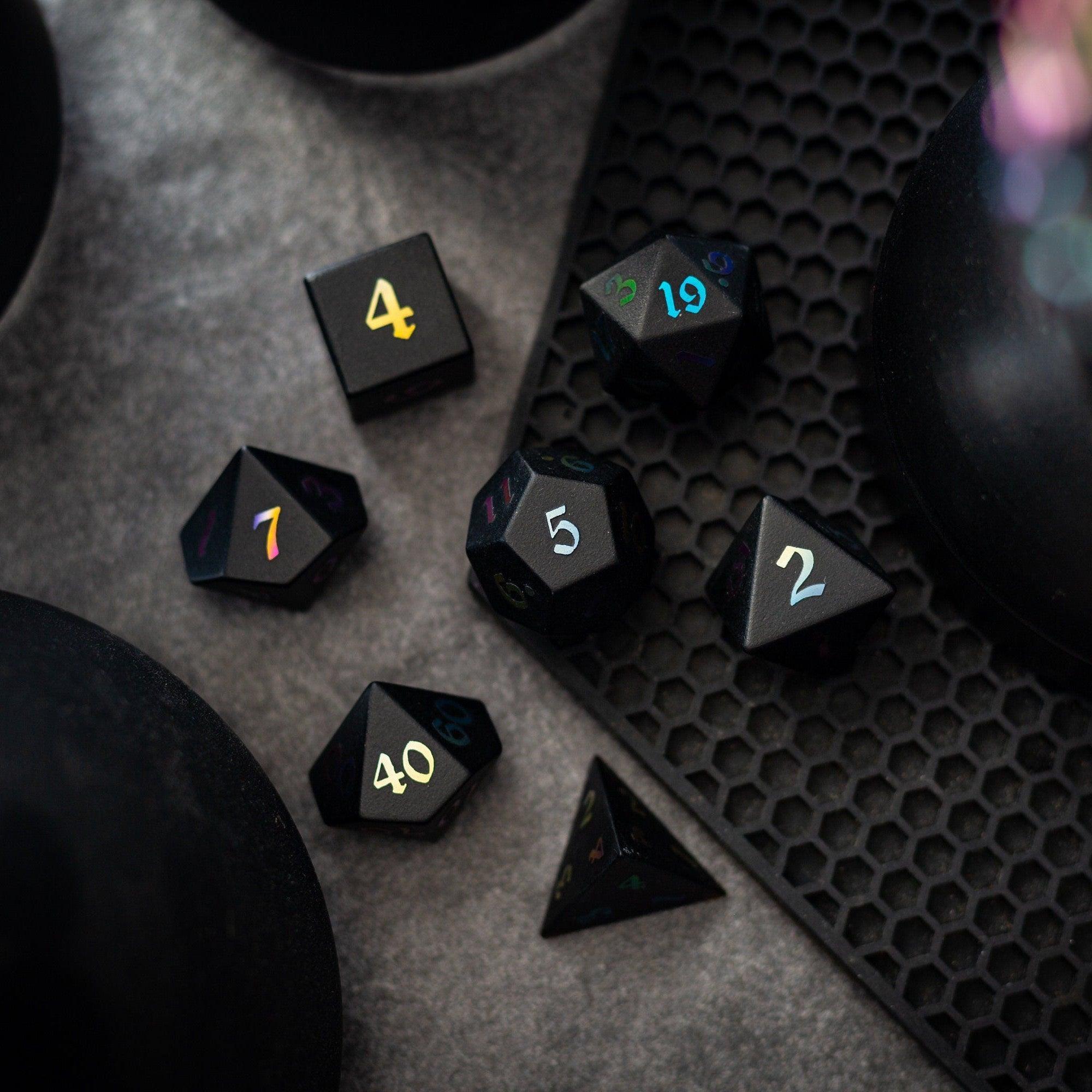
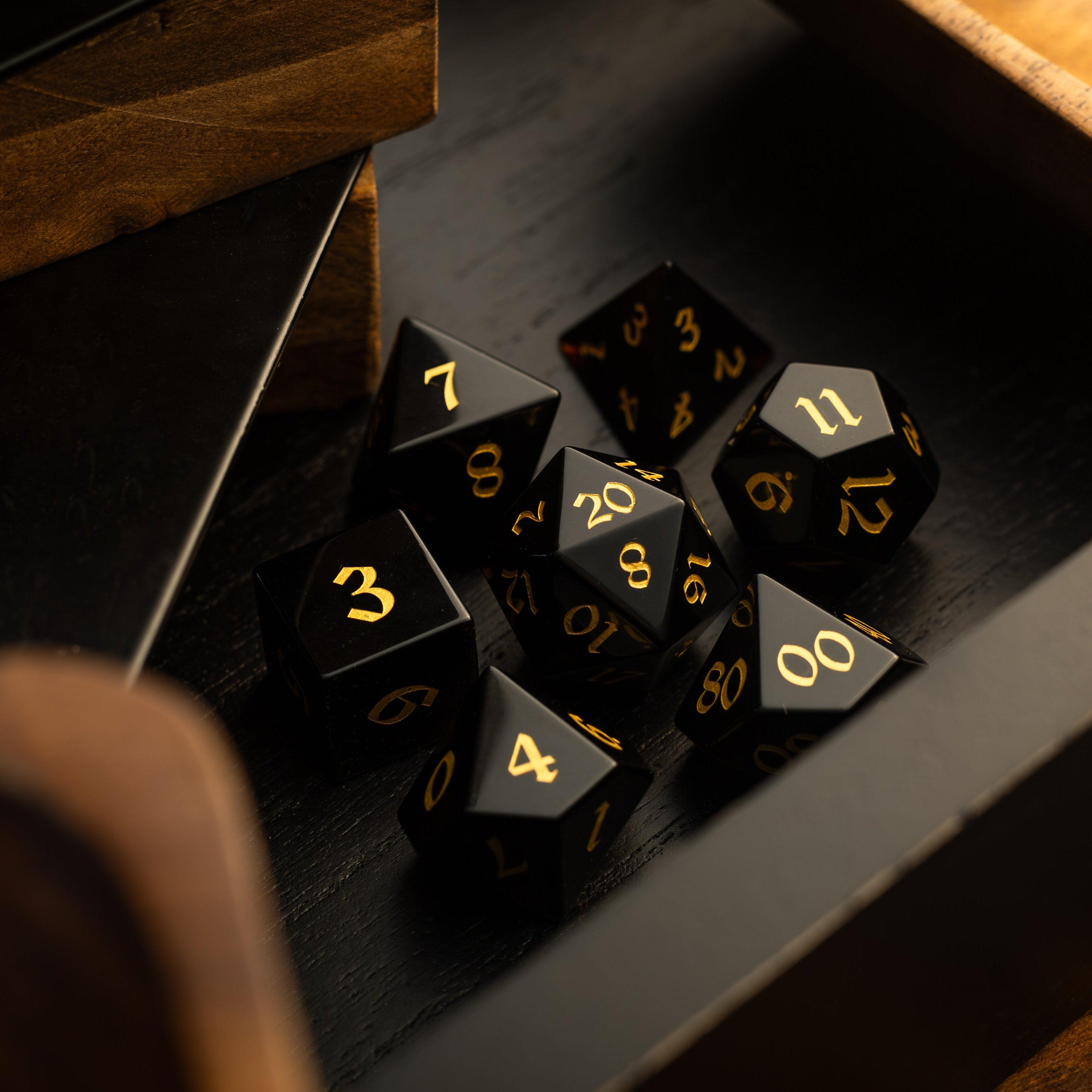
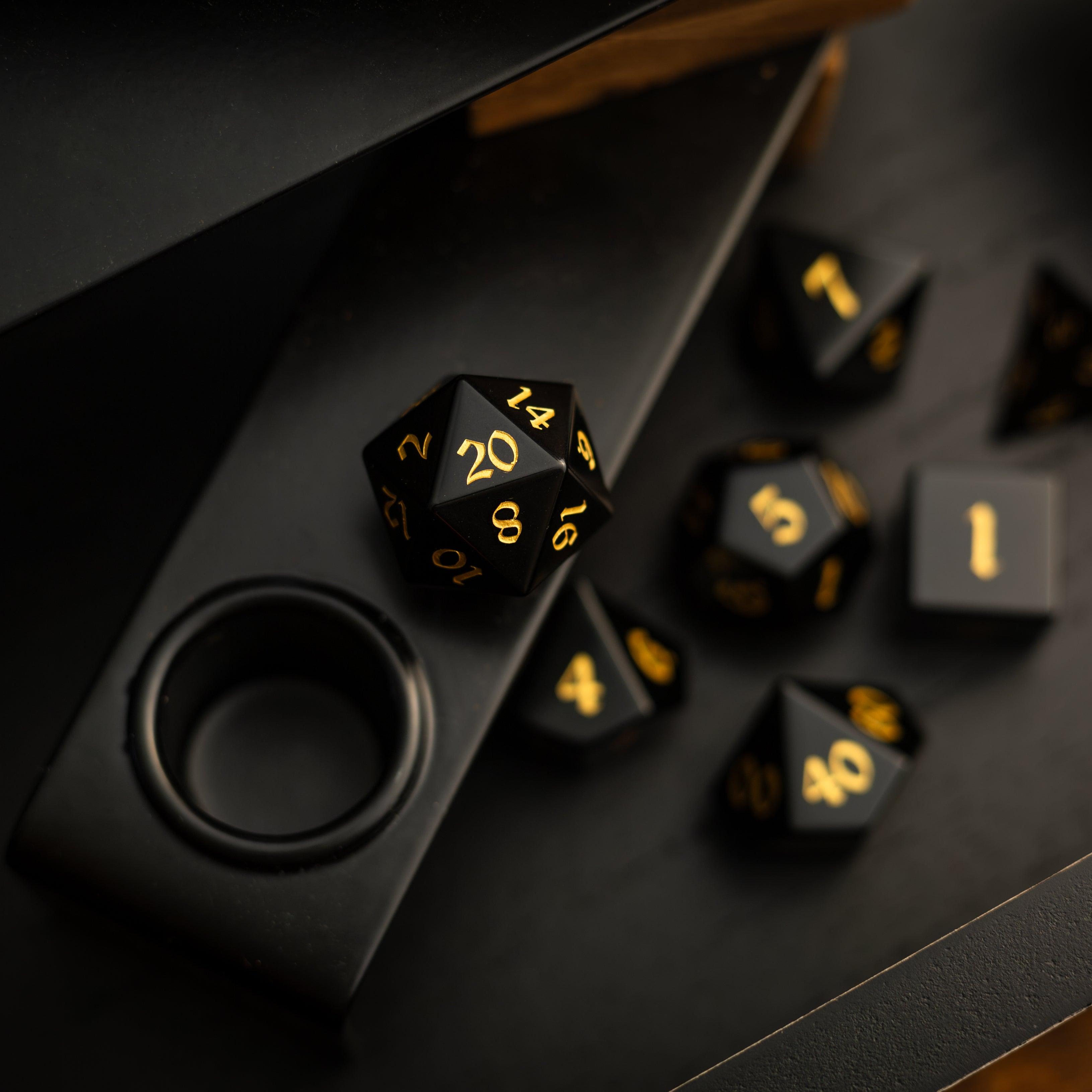
Metal dice are heavy and should generally be separated from glass and gemstone sets. If they move around together during transport, the heavier dice can chip or damage more delicate pieces.
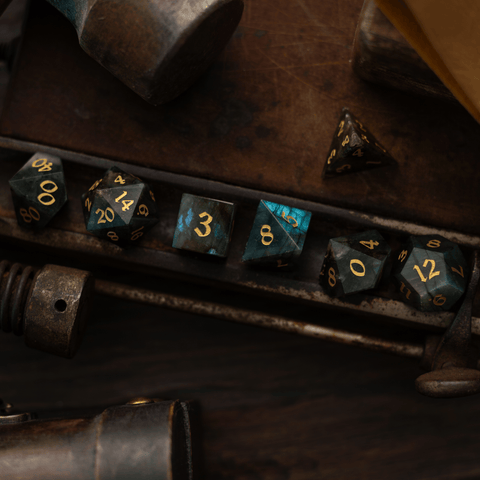
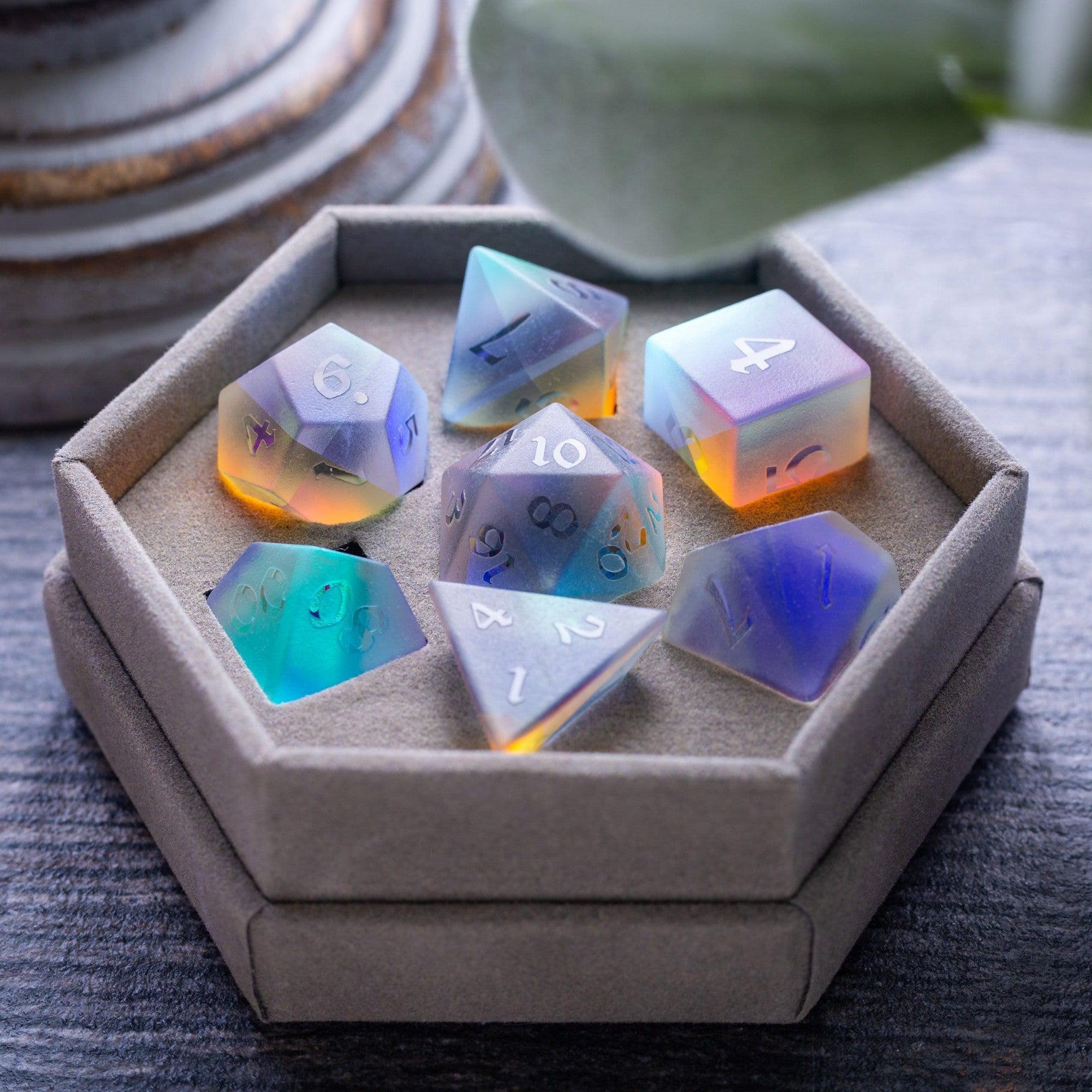
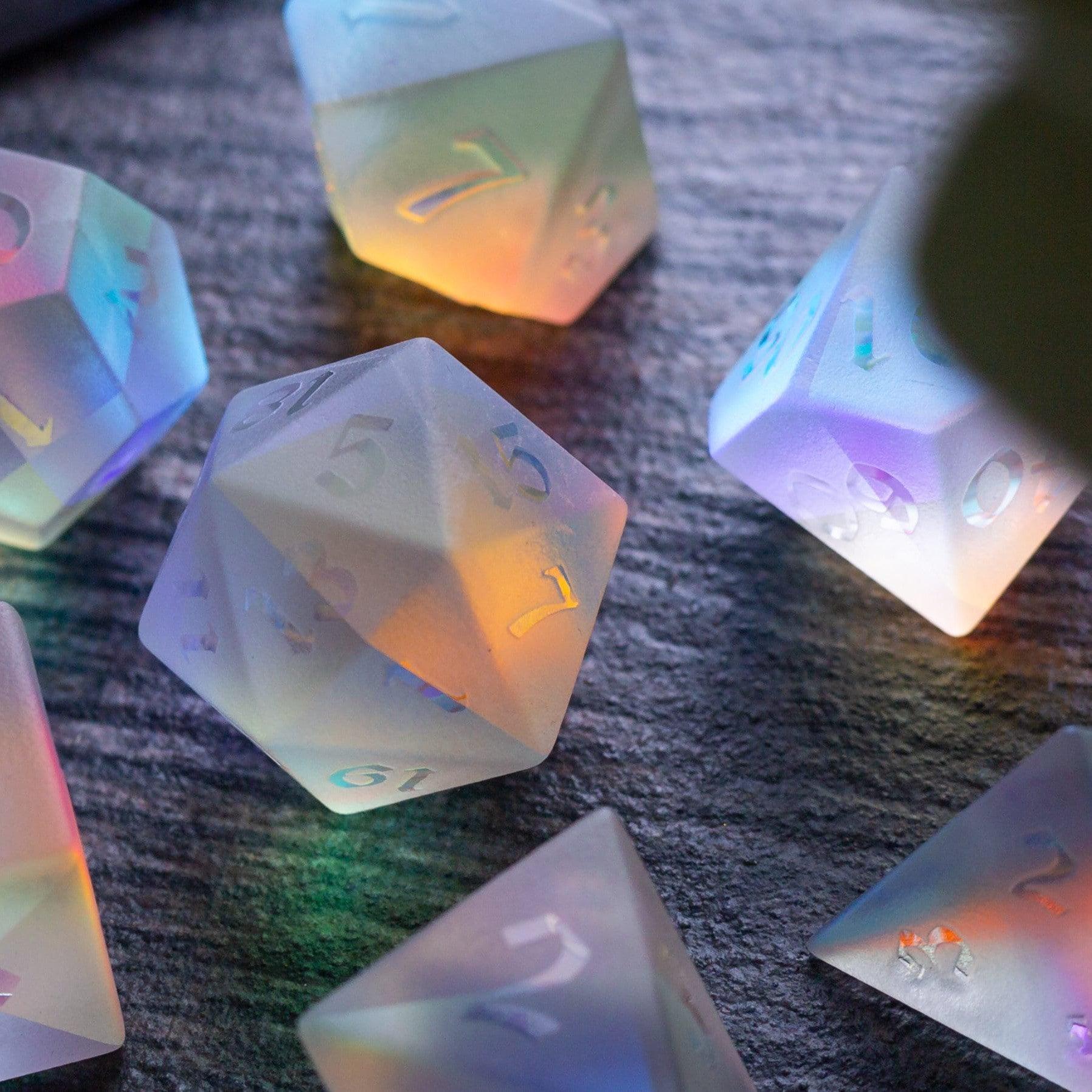
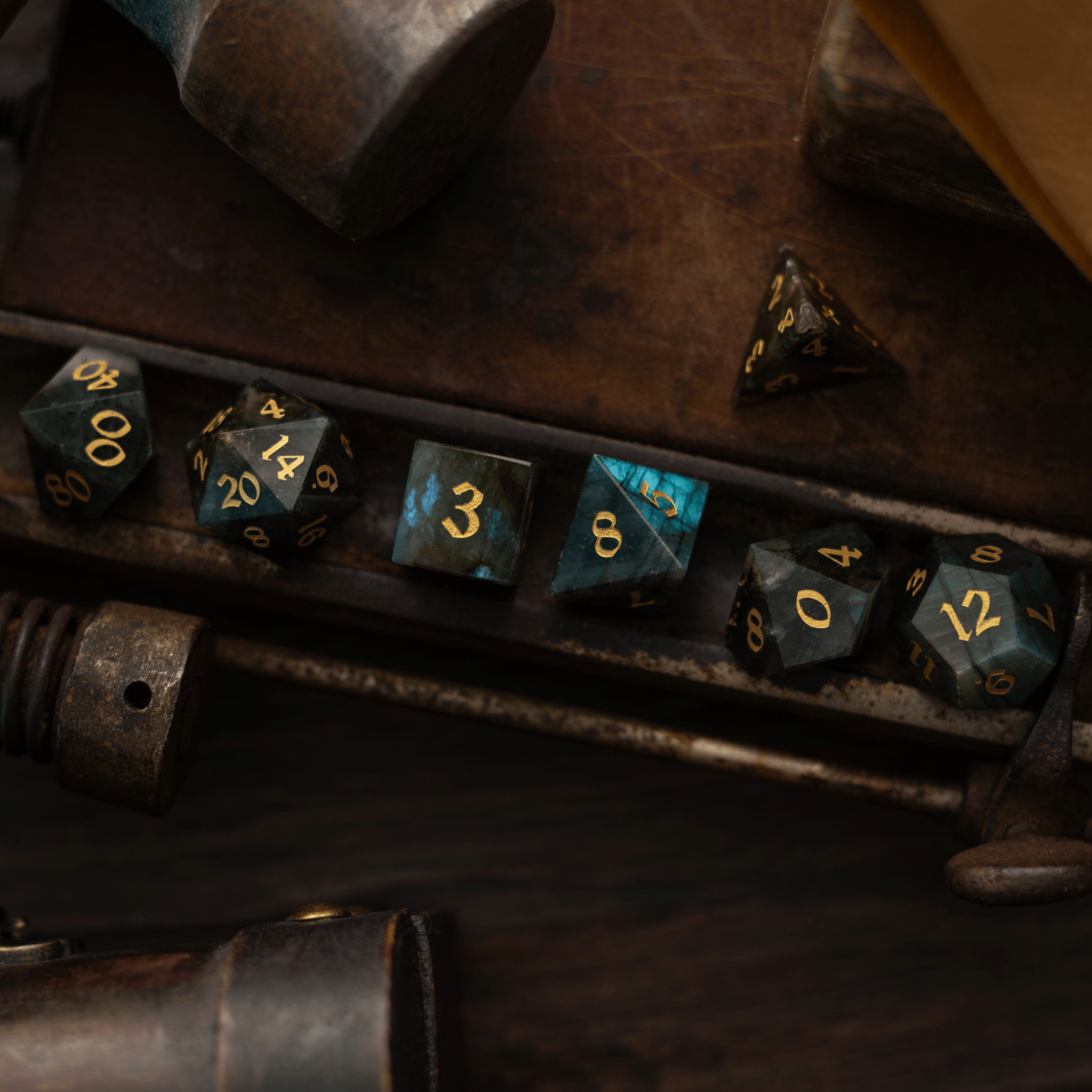
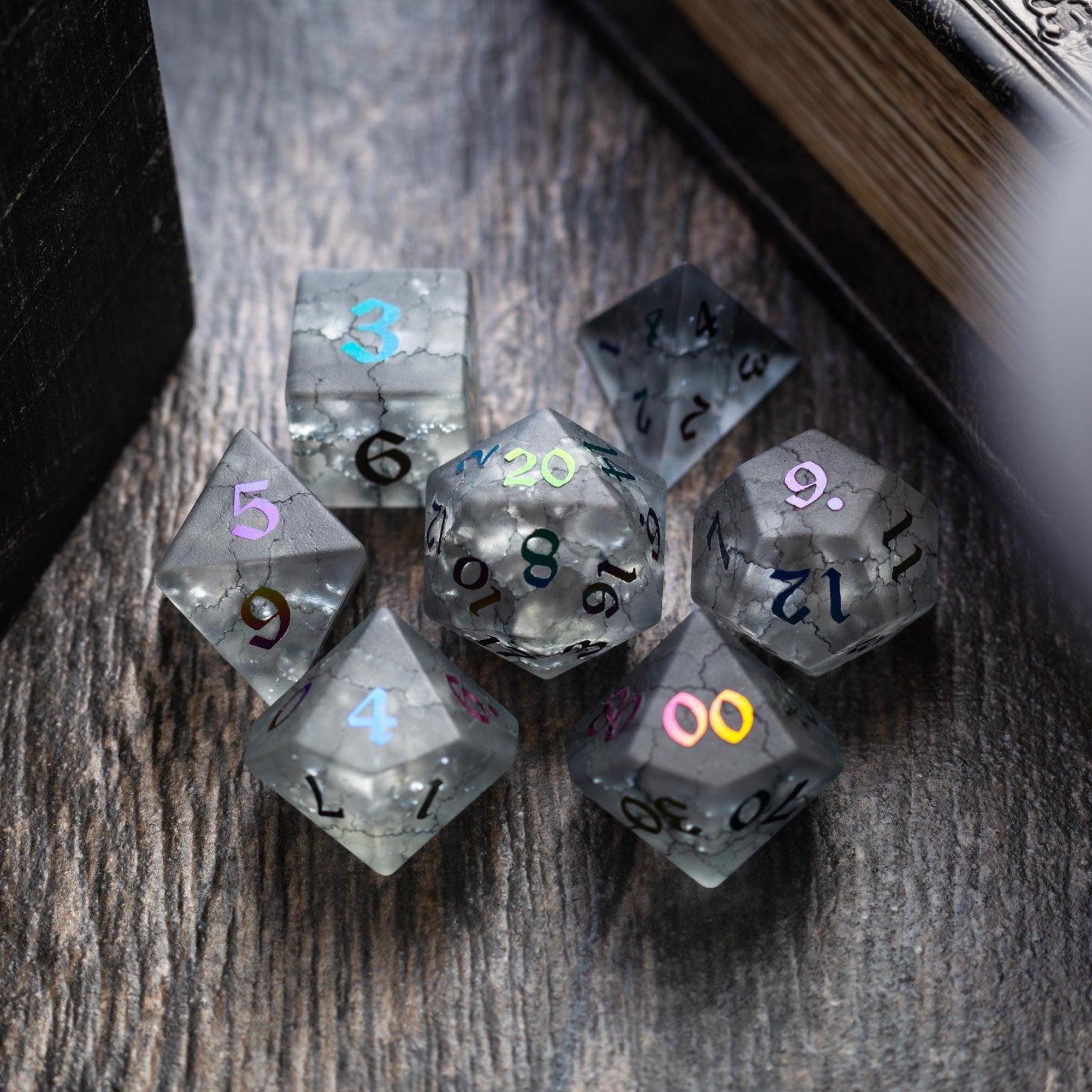
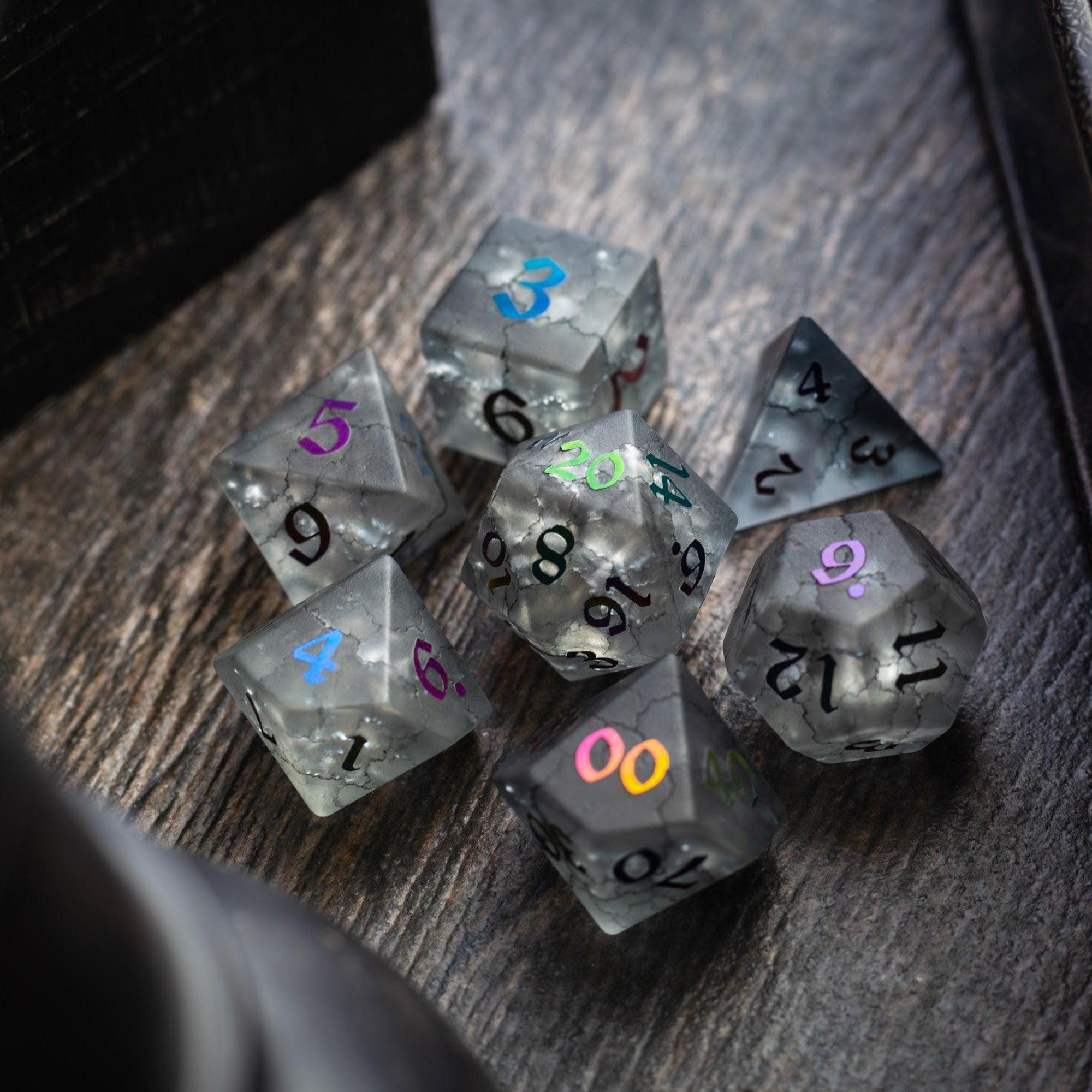
Gemstone and glass dice benefit from padded individual compartments. Sharp-edge dice are also better protected when their corners cannot repeatedly strike other hard objects.
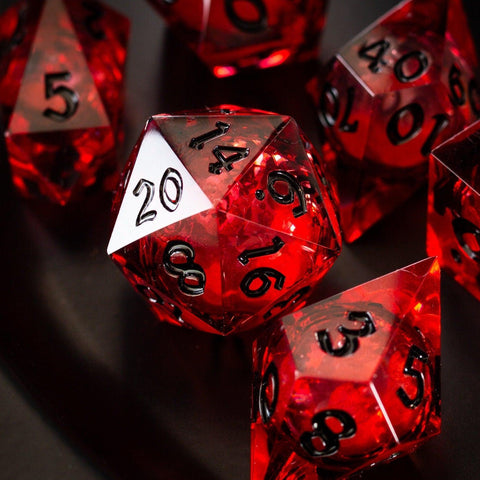
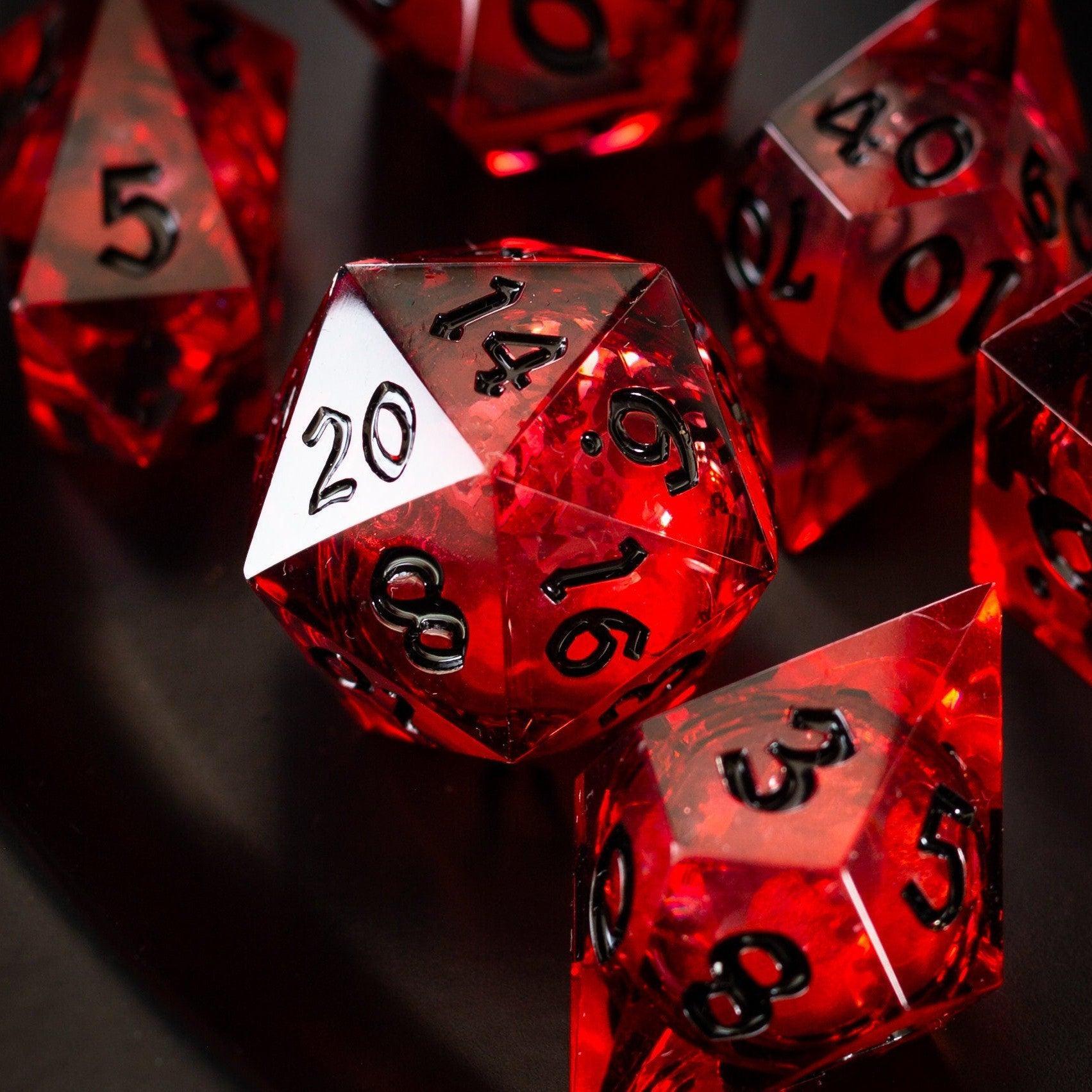
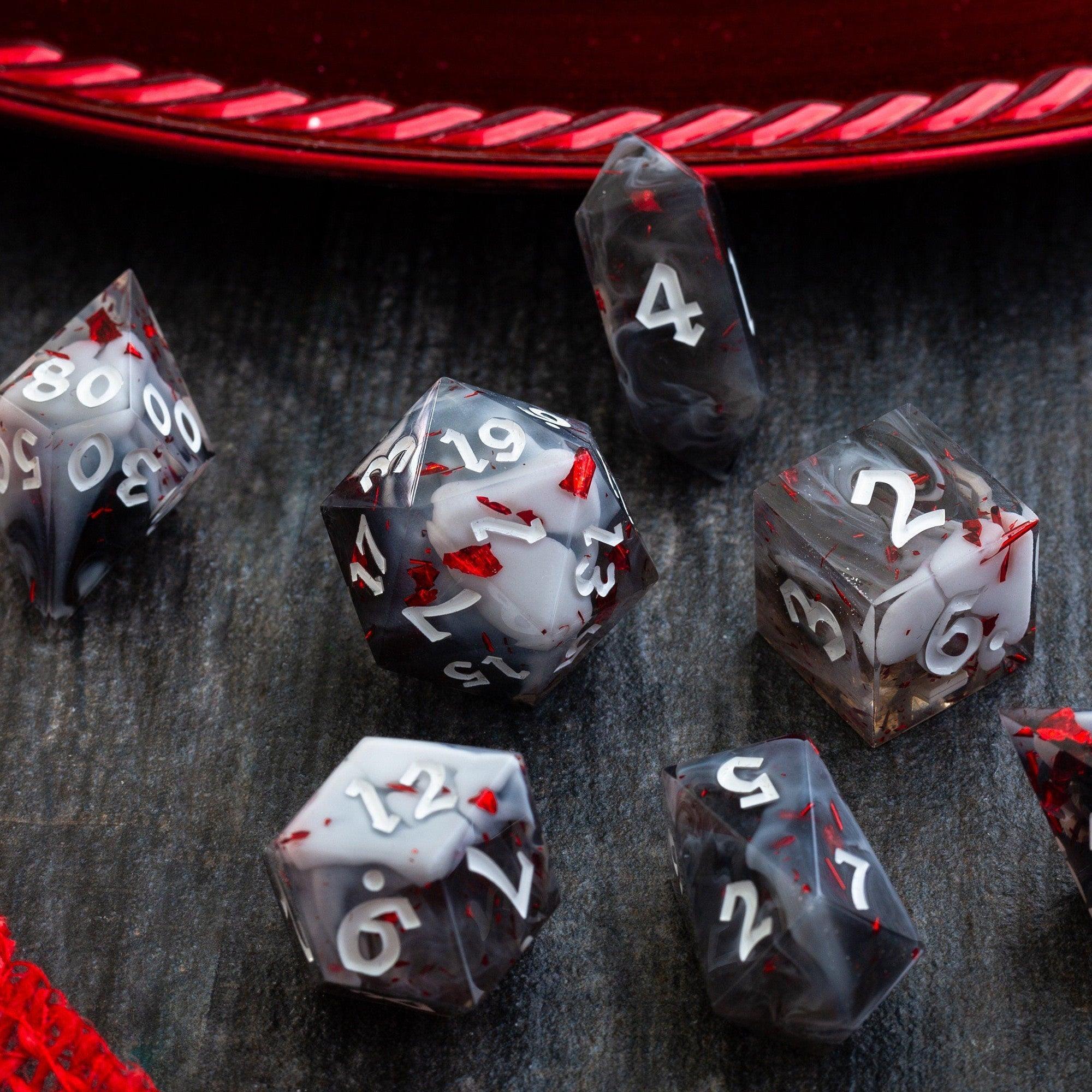
Resin dice are generally more forgiving, but grouping complete sets in separate compartments still makes them easier to find during play. Liquid core dice should also be stored securely instead of being left loose at the bottom of a crowded gaming bag.
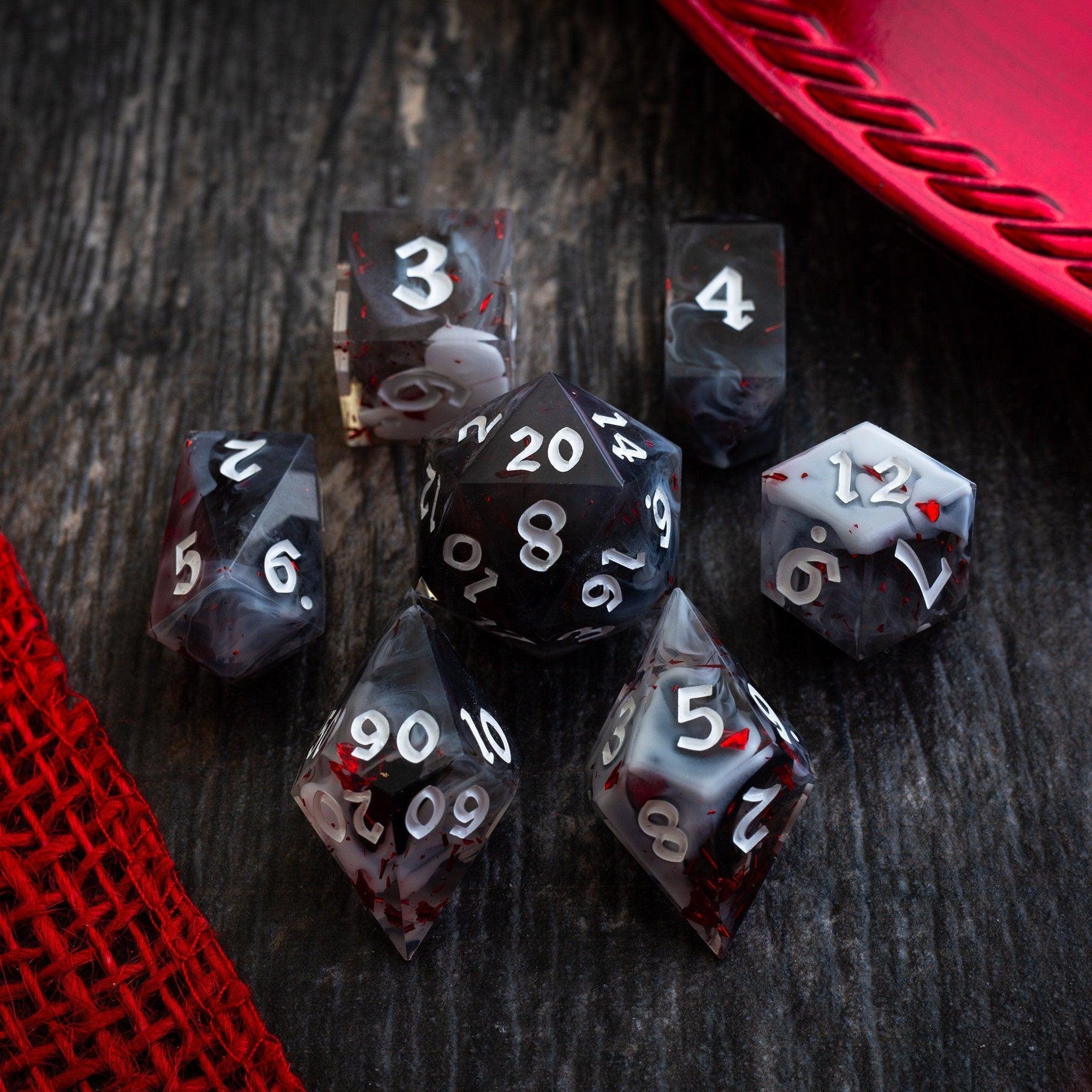
Players with several Runic Dice sets made from different materials may find it more practical to organize by material first and character second. The important part is preventing incompatible materials from repeatedly colliding during storage and travel.
Modular Dice Trays and Rolling Areas
A dice tray can do more than keep dice from bouncing into miniatures or knocking over drinks.
It can also create a clear organizational boundary.
Folding trays are useful for a portable D&D setup because they can lie flat during transport and quickly form a rolling area at the table. Nesting trays can provide separate rolling spaces while occupying less room in storage.
Other setups may use:
-
Trays with removable storage sections
-
Shared group rolling trays
-
Separate player and Dungeon Master trays
-
Compact trays that sit on top of storage cases
A player might keep an active dice set inside the tray while backup sets remain in a storage vault. This prevents every die in the collection from spreading across the table.
Padded rolling surfaces are especially helpful when using gemstone, glass, or metal dice. They provide a controlled rolling area while reducing impact against hard wooden or stone tabletops.
Organizing Condition Rings, Tokens, and Small Markers
Small accessories are often the easiest things to lose.
A single condition ring or initiative marker can disappear beneath a character sheet, map, or snack bowl. When many small pieces are stored together without a system, finding the correct one during combat can take longer than expected.
Divided and stackable containers work well for:
-
Condition rings
-
Spell-effect markers
-
Monster tokens
-
Inspiration markers
-
Initiative tools
-
Small terrain pieces
A Dungeon Master can create separate modules based on purpose. One container might hold conditions, another might hold monster tokens, and another might contain encounter-specific markers.
Only the required module needs to be opened.
For example, a social encounter probably does not require a full box of combat conditions. Keeping that container closed leaves more room for notes, character sheets, and drinks.
Labels can also help when several containers look similar. A simple label such as "Conditions," "Tokens," or "Initiative" is often more useful than opening three identical boxes to find the right one.
Stackable Accessory Comparison
| Accessory Type | Best For | Main Benefit | What to Consider |
|---|---|---|---|
| Stackable Dice Vaults | Multiple premium sets | Protects and separates dice | Interior padding |
| Modular Dice Trays | Players and DMs | Combines rolling and organization | Table footprint |
| Compartment Boxes | Tokens and condition rings | Keeps small pieces sorted | Labeling |
| Collapsible Dice Towers | Traveling groups | Saves transport space | Stability |
| Miniature Storage Modules | Tactical campaigns | Protects figures | Model size |
| Card Holders | Spell and item cards | Improves visibility | Number of cards used |
The best choice depends on what is actually creating clutter in your current setup. A player with three dice sets has different storage needs from a Dungeon Master transporting dozens of miniatures.
Building a Compact Player Setup
A player usually needs fewer tools during a session than they think.
A practical compact module might contain:
-
One active dice set
-
A folding dice tray
-
A small dice vault
-
Character or spell cards
-
One pencil
-
A condition reference
-
A notebook
Backup dice and rarely used accessories can remain in a bag until needed.
Dice material may change the storage arrangement. A gemstone or glass set is better suited to a padded vault with separate compartments. A resin set may travel comfortably in a durable compartment case.
The important question is simple: What does this character use during almost every session?
Those items deserve the easiest access.
Building a Modular Dungeon Master Setup
Dungeon Masters often carry more equipment, but that does not mean everything needs to be on the table at once.
A modular D&D organizer can divide supplies by function.
Combat Module
-
Initiative tracker
-
Condition rings
-
Monster tokens
-
Frequently used dice
Story Module
-
NPC cards
-
Location notes
-
Quest references
Map Module
-
Terrain pieces
-
Grid markers
-
Miniatures
Utility Module
-
Pencils
-
Erasers
-
Clips
-
Spare dice
This approach allows the Dungeon Master to bring out only what the current scene requires.
During exploration, the combat module can remain closed. When initiative begins, it can be placed beside the DM screen. A map module for a later encounter can stay hidden, preventing players from seeing miniatures or terrain that might reveal what is coming.
Stackable Terrain and Map Accessories
Modular terrain can make tactical encounters easier to build without requiring a completely different terrain collection for every location.
Useful options include:
-
Interlocking dungeon tiles
-
Stackable elevation pieces
-
Removable walls
-
Compact map sections
-
Modular platforms
A set of reusable walls, floors, and elevation pieces can represent ruins in one session and a dungeon in the next.
However, more terrain does not always create a better encounter.
Large collections require storage. Tall terrain can block player visibility. Complex builds may take longer to assemble than the encounter itself lasts.
For quick fights, a simple battle map may be more efficient. Modular terrain works best when it adds useful information, such as elevation, cover, walls, or important environmental features.
Digital and Physical Organization Working Together
A compact gaming setup does not need to be completely physical or completely digital.
Digital tools can reduce the number of reference materials competing for table space. Players may use:
-
Digital character sheets
-
Campaign notes on a tablet
-
Initiative apps
-
Digital spell references
-
Virtual maps
Physical tools can then remain focused on the tactile parts of the game, such as dice, trays, miniatures, condition rings, and tokens.
A spellcaster with hundreds of possible spell references may prefer keeping the full list on a device while placing only frequently used spell cards on the table.
The best balance depends on the group. The goal is simply to avoid using valuable table space for items that are rarely touched.
Choosing Accessories for Your Gaming Space
Before buying more space-saving gaming accessories, look at how and where your group actually plays.
Consider:
-
Table size
-
Number of players
-
Frequency of travel
-
Collection size
-
Use of miniatures
-
Dice materials
-
Available home storage
-
Setup and cleanup time
Small Table
Prioritize folding trays, shared organizers, and minimal terrain. Avoid spreading every accessory across the table.
Dedicated Game Room
Larger modular storage systems can remain near the gaming area. Display storage may also work for frequently used collections.
Traveling Group
Choose lightweight containers with secure closures. Collapsible dice towers, folding trays, and locking organizers can reduce the number of bulky items being carried.
Dice Collector
Prioritize padded compartments and material separation. Heavy metal dice should not rest directly against delicate glass or gemstone sets.
Common Tabletop Organization Mistakes
Even a modular system can become inconvenient if it is poorly planned.
-
Buying accessories that do not fit together: Check dimensions before building a stackable system.
-
Overfilling compartments: Leave enough room to remove items without dumping out the entire container.
-
Placing delicate items beneath heavy gear: Store fragile dice and miniatures where they will not carry unnecessary weight.
-
Mixing incompatible dice materials: Separate heavy metal dice from glass and gemstone sets.
-
Carrying too many unused tools: If an accessory has not been used for several sessions, consider leaving it at home.
-
Choosing appearance over accessibility: A beautiful storage box is less useful if opening it requires moving half the table.
-
Creating too many categories: Excessive sorting can make setup slower rather than faster.
-
Forgetting labels: Similar containers are much easier to identify when clearly marked.
-
Ignoring transportation: A storage system that works on a shelf may not work inside a gaming bag.
Good tabletop RPG organization should remove friction, not create new routines that are harder to maintain.
A Simple Tabletop Organization Blueprint
Step 1: Remove What You Do Not Use
Look at the accessories that actually appear during sessions. Store rarely used items separately.
Step 2: Group Items by Purpose
Create broad categories such as dice, combat tools, cards, miniatures, and notes.
Step 3: Separate Delicate Materials
Give glass, gemstone, sharp-edge, and metal dice appropriate compartments rather than storing everything loose together.
Step 4: Build Player or Encounter Modules
Store items based on when they are used. A combat module should contain the tools required for combat, not unrelated supplies.
Step 5: Choose Stackable Containers with Matching Dimensions
Matching sizes make tabletop gaming storage more stable and easier to transport.
Step 6: Test the Setup During a Real Session
Notice what is difficult to reach, what takes too long to unpack, and what never gets used.
Step 7: Simplify Again
Remove anything that creates more clutter than value.
Stack Smarter and Keep the Adventure Moving
A streamlined tabletop does not have to be an empty tabletop.
It is a gaming space where dice, cards, miniatures, tokens, condition rings, and other tools have a clear purpose and can be reached without interrupting the session.
Stackable D&D accessories and modular RPG accessories can help protect valuable dice and miniatures, reduce setup time, save table space, organize small pieces, and make traveling to sessions easier.
The key is to build gradually.
Start with the part of your setup that causes the most frustration. If dice are constantly mixed together, improve your dice storage. If tokens disappear during combat, create a dedicated organizer. If travel is difficult, replace bulky containers with a smaller modular system.
The best D&D organizer is not the one with the most compartments, trays, or accessories. It is the one that keeps the tools your group actually uses organized, protected, and ready for the next roll.

Leave a comment
This site is protected by hCaptcha and the hCaptcha Privacy Policy and Terms of Service apply.