

Spells Organized by Class and School: A Quick Guide
Whether you are creating your first wizard, preparing a cleric for tomorrow's adventure, or helping players as a Dungeon Master, navigating the D&D spell list can feel overwhelming. Hundreds of spells are spread across classes, levels, and magical traditions. The easiest way to make sense of them is to understand two labels that appear throughout the rules: class spell lists and schools of magic.
Understanding spells organized by class and school helps you find options your character can use and understand what each spell is designed to do. This guide explains the eight spell schools, current class spell lists, and how both systems make D&D spellcasting easier to manage.
Introduction to Organizing D&D Spells
In the current D&D rules, every spell belongs to one of eight schools of magic. A spell description also shows which class spell lists include that spell. These two details answer different questions:
- Class spell list: Which classes normally have access to the spell through their class rules?
- School of magic: What broad kind of magical effect does the spell represent?
For example, Fireball is a 3rd-level Evocation spell on the Sorcerer and Wizard spell lists in the 2024 core rules. Cure Wounds is a 1st-level Abjuration spell available to Bards, Clerics, Druids, Paladins, and Rangers. That second example is especially important for players returning from older rules, because Cure Wounds was classified as Evocation in the 2014 rules.
Spell access can also change through subclasses, feats, class features, and other official sources. Always use the rules version and sourcebooks your campaign has chosen.
Why Spells Are Grouped by Class and School of Magic
Class spell lists help define how spellcasters play. Wizard spells offer broad versatility through a spellbook. Cleric spells emphasize support, protection, healing, and divine power. Druid spells often focus on nature, transformation, weather, and control. Bards blend support and utility, Sorcerers shape spells with Metamagic, Paladins and Rangers mix martial play with magic, and Warlocks use Pact Magic.
Schools of magic do not decide who can cast a spell. They describe the spell's effect. Class lists answer access questions, while schools help you understand what kind of magic a spell represents.
Overview of the Eight Schools of Magic
Abjuration
Abjuration prevents or reverses harmful effects. It includes protective wards, magical defenses, many restoration effects, and several healing spells in the current rules. Spells such as Cure Wounds and Lesser Restoration show that Abjuration is not limited to shields and barriers.
Conjuration
Conjuration transports creatures or objects. Teleportation and many summoning spells fall into this school, making it useful for mobility and positioning.
Divination
Divination reveals information. These spells help with detection, scouting, communication, prediction, and finding hidden creatures or objects. They are especially useful during exploration and investigation.
Enchantment
Enchantment influences minds. These spells may charm, frighten, compel, confuse, or otherwise affect thoughts and decisions. They can matter in both social encounters and combat.
Evocation
Evocation channels energy to create effects that are often destructive. Many famous damage spells, including Fireball, belong here. Evocation can also create light, force, radiant effects, and other bursts of magical energy, so it is broader than simple elemental damage.
Illusion
Illusion deceives the mind or senses. Illusion spells can hide creatures, create false images or sounds, disguise appearances, and mislead enemies. They often reward careful timing and creative use of the environment.
Necromancy
Necromancy manipulates life and death. The school includes spells that drain life, interact with the dead, create or control undead, and restore life after death. A Necromancy spell is not automatically evil; the school describes the type of magic involved.
Transmutation
Transmutation transforms creatures or objects. These spells can change size, shape, movement, physical traits, or material properties, making the school useful for utility and creative problem-solving.
How Different Spellcasting Classes Access Unique Spell Lists
The 2024 core rules provide spell lists for Bard, Cleric, Druid, Paladin, Ranger, Sorcerer, Warlock, and Wizard. Features and subclasses can expand access.
Wizards
Wizards record spells in a spellbook and prepare a selection from that book. Their spell list covers every school of magic and supports damage, defense, control, utility, travel, and information gathering.
Clerics and Druids
Clerics and Druids prepare spells from their class lists and can change their prepared level 1+ spells after a Long Rest. This makes them especially flexible when they know what kind of adventure is coming next.
Bards, Sorcerers, and Warlocks
These classes also use prepared spells in the current rules, but they normally replace a limited number of prepared spells when they gain a level rather than freely rebuilding the whole list after every Long Rest. Their class features then shape how those spells are used.
Paladins and Rangers
Paladins and Rangers combine weapon-focused play with magic. Under the current rules, they can replace one prepared level 1+ spell after a Long Rest, giving them some flexibility without the full daily rebuilding available to Clerics and Druids.
Spell Organization Reference Table
| School of Magic | Primary Theme | Common Uses |
|---|---|---|
| Abjuration | Protection and recovery | Wards, defense, restoration, healing |
| Conjuration | Transport | Teleportation, summoning, movement |
| Divination | Information | Detection, scouting, foresight |
| Enchantment | Mental influence | Charm, control, emotional effects |
| Evocation | Energy | Damage, light, force, elemental effects |
| Illusion | Deception | Disguises, invisibility, false sights or sounds |
| Necromancy | Life and death | Life drain, undead, resurrection effects |
| Transmutation | Transformation | Shapechanging, movement, physical changes |
This table is a quick reference, not a rule for deciding class access. Always check the spell description or your class spell list for the final answer.
Tips for Choosing Spells Based on Character Role and Party Needs
Good spell selection is less about one universally "best" spell and more about covering situations your party expects to face. Consider healing, defense, control, exploration, and social challenges.
- Frontline support: protection, healing, movement, and defensive buffs.
- Battlefield control: area effects, forced movement, terrain changes, and debuffs.
- Exploration: detection, travel, communication, and utility magic.
- Social encounters: Divination, Enchantment, and Illusion can provide options that weapons cannot.
Also watch concentration. A character normally cannot maintain two concentration spells at the same time, so preparing several strong concentration options does not mean you can combine all of them during one encounter.
How Organized Spell Lists Speed Up Gameplay and Character Management
Preparation saves table time. Group your D&D spell list by level, then mark concentration, Ritual, and important Material requirements. You can also note each spell's main role, such as damage, defense, healing, control, exploration, or social utility.
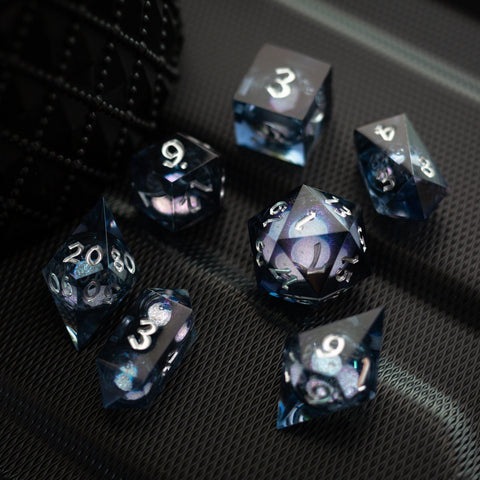
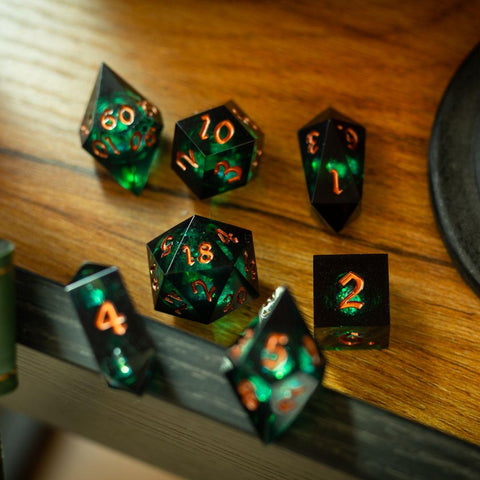
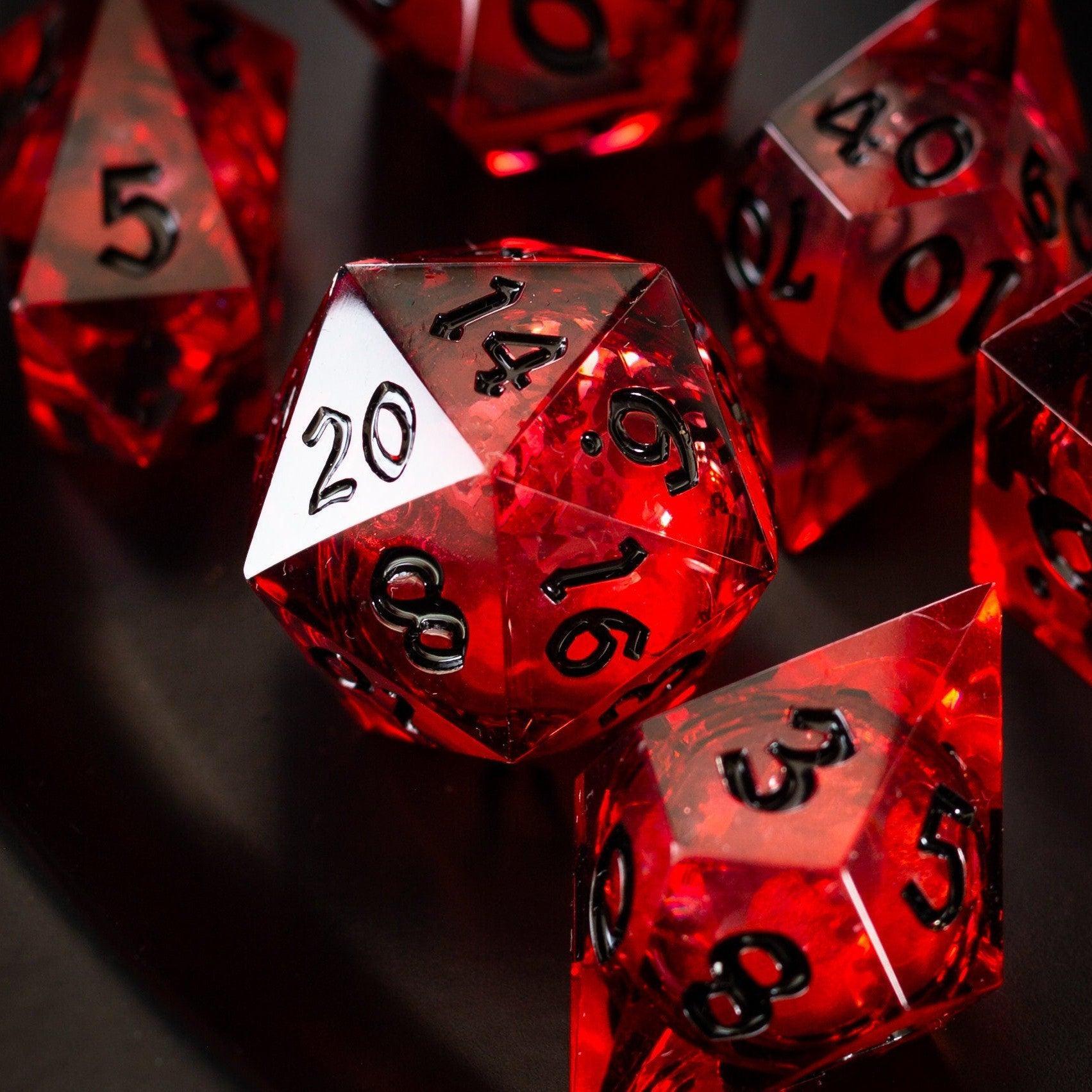
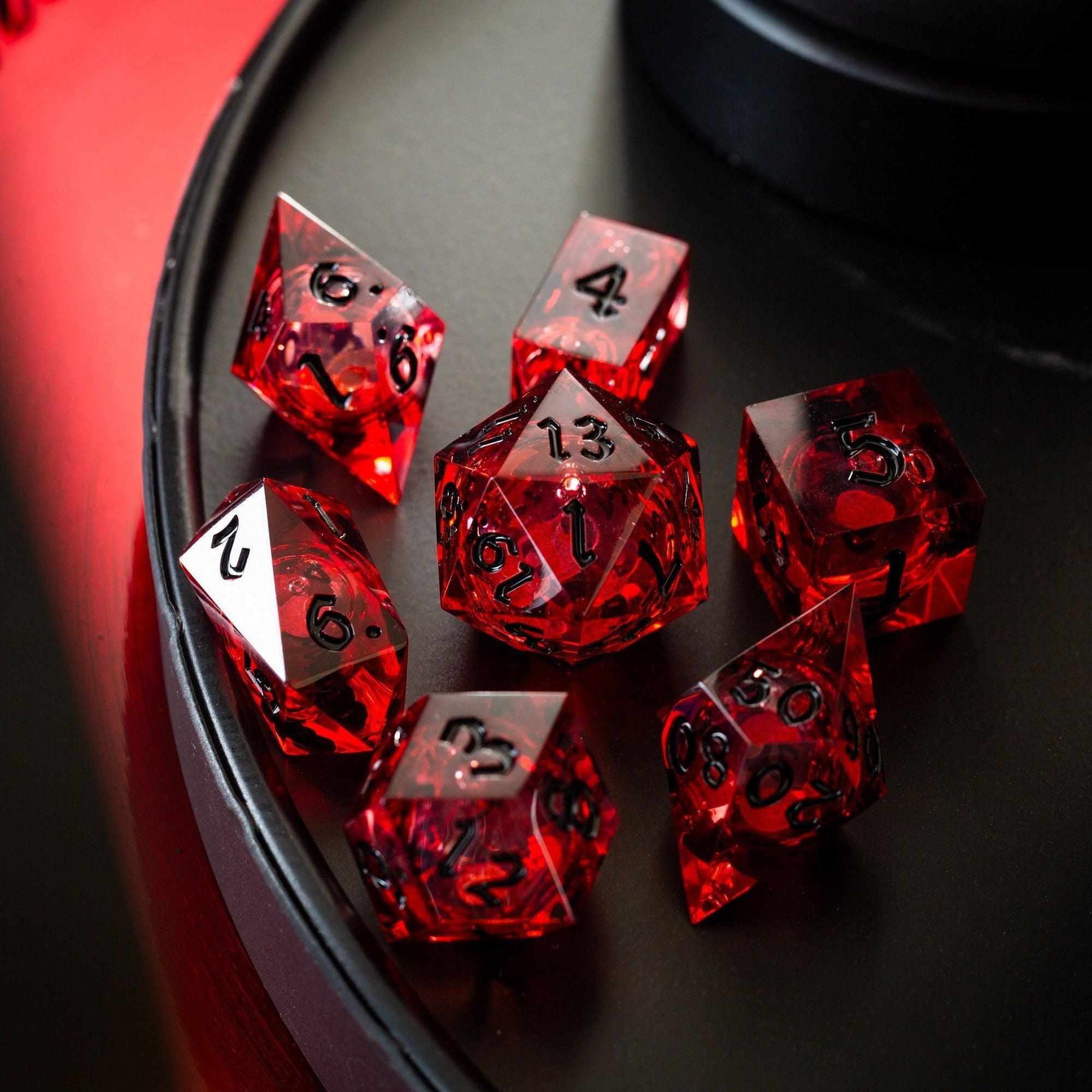
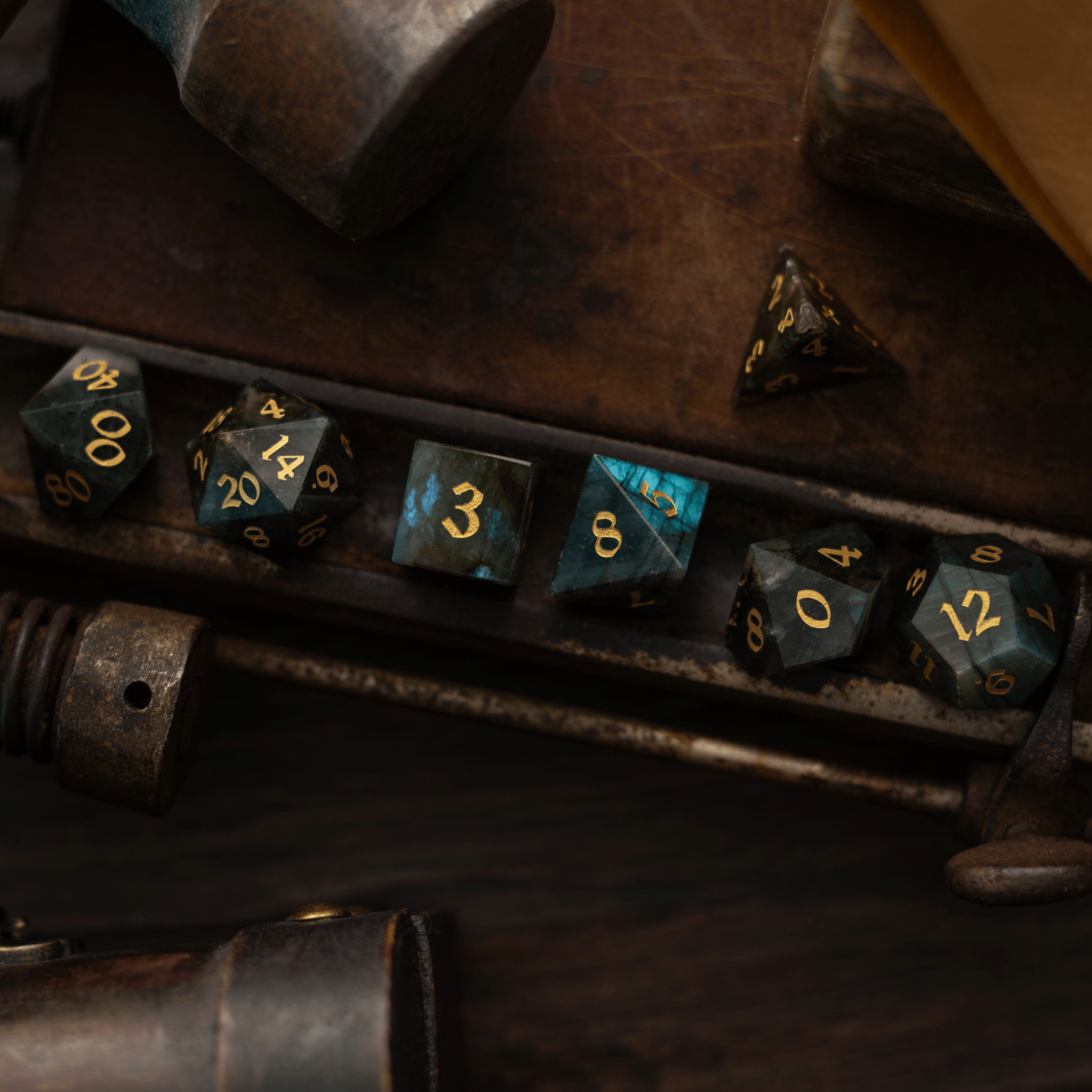
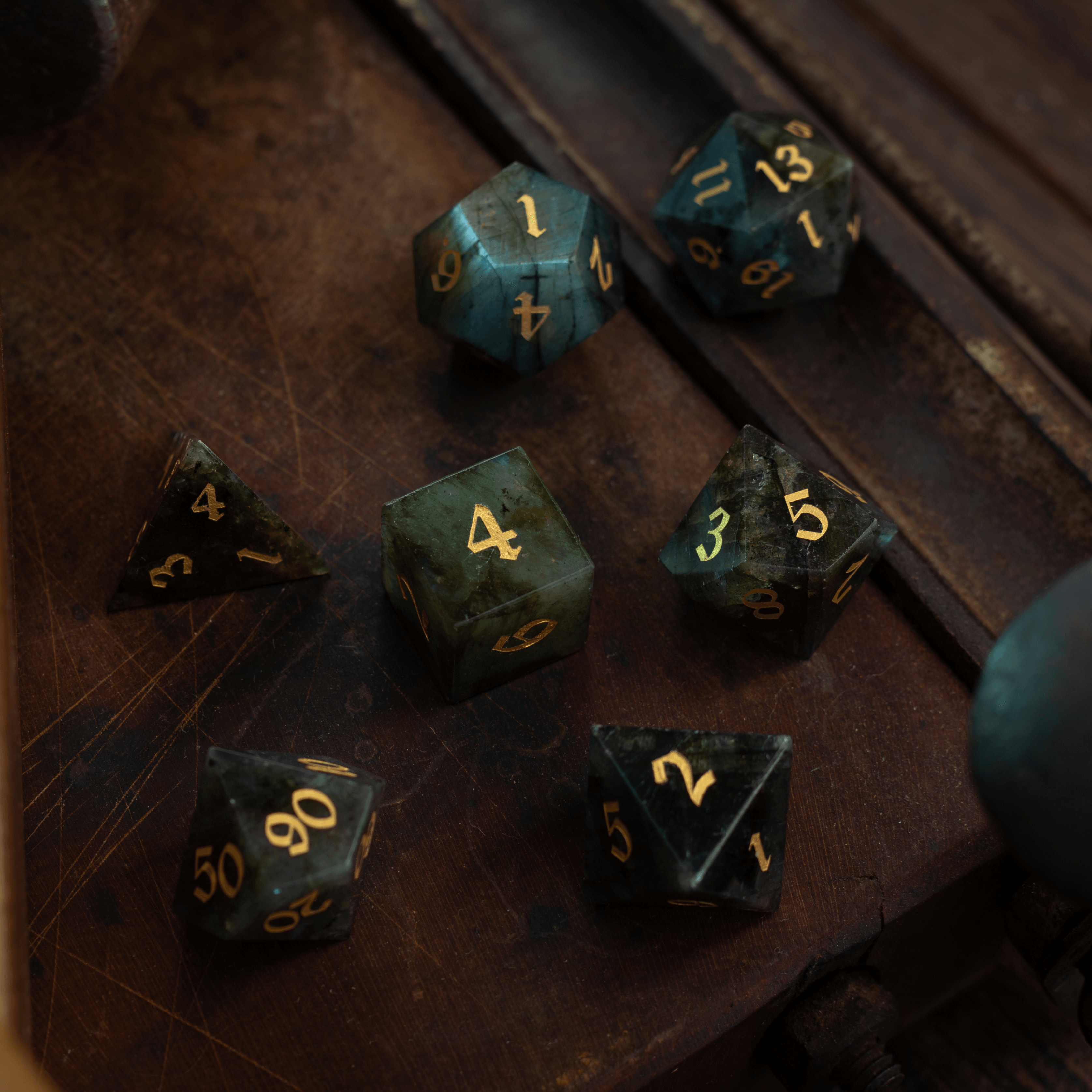
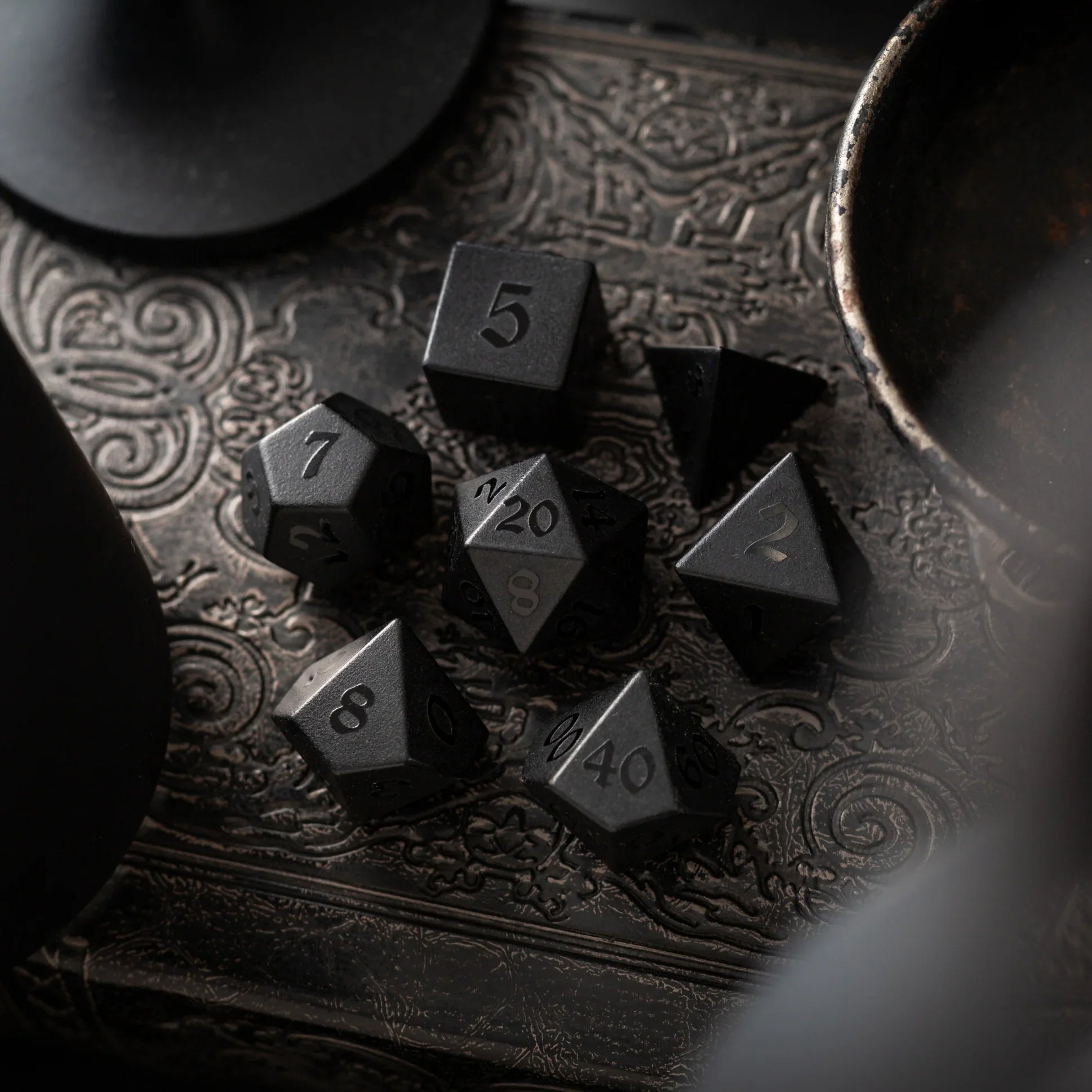
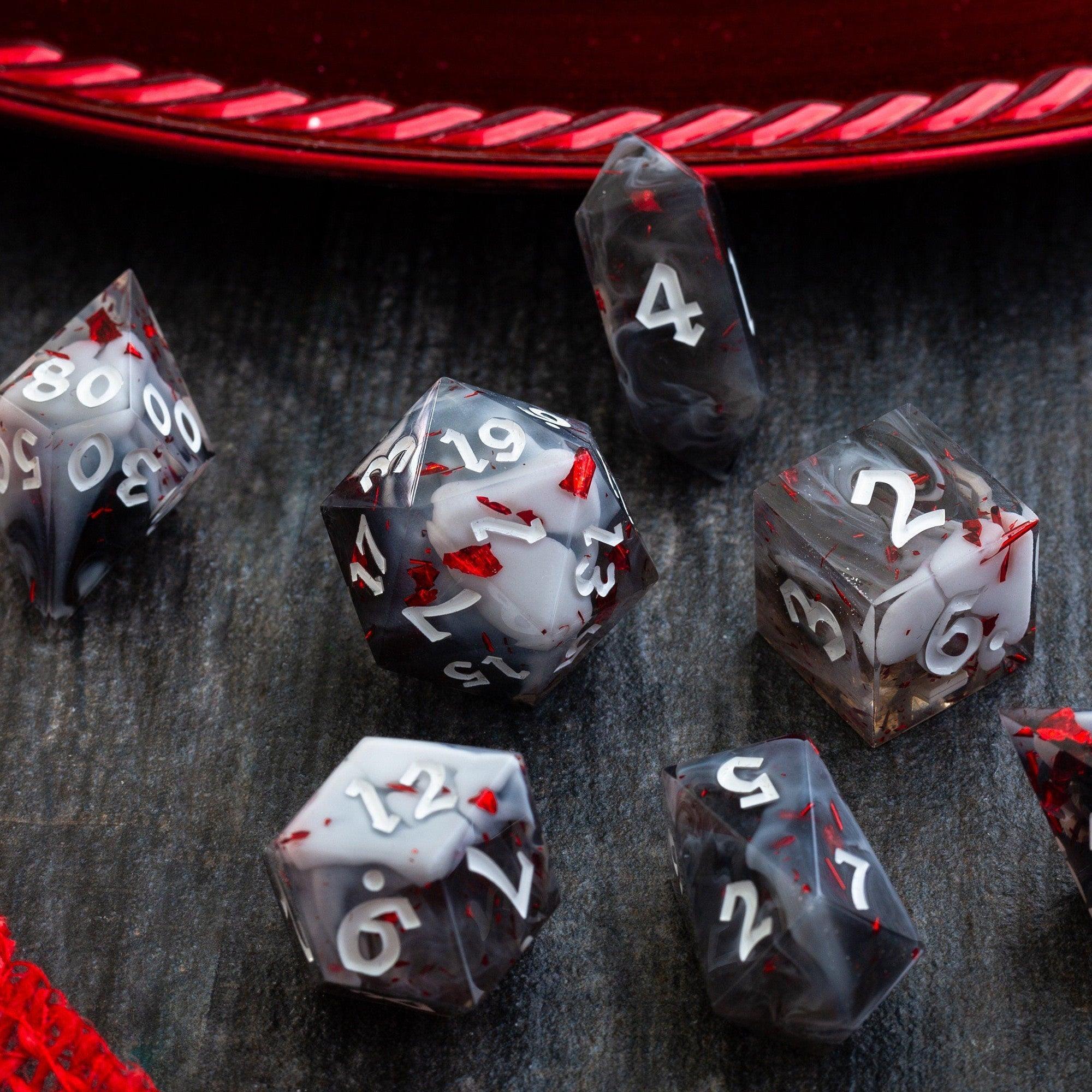
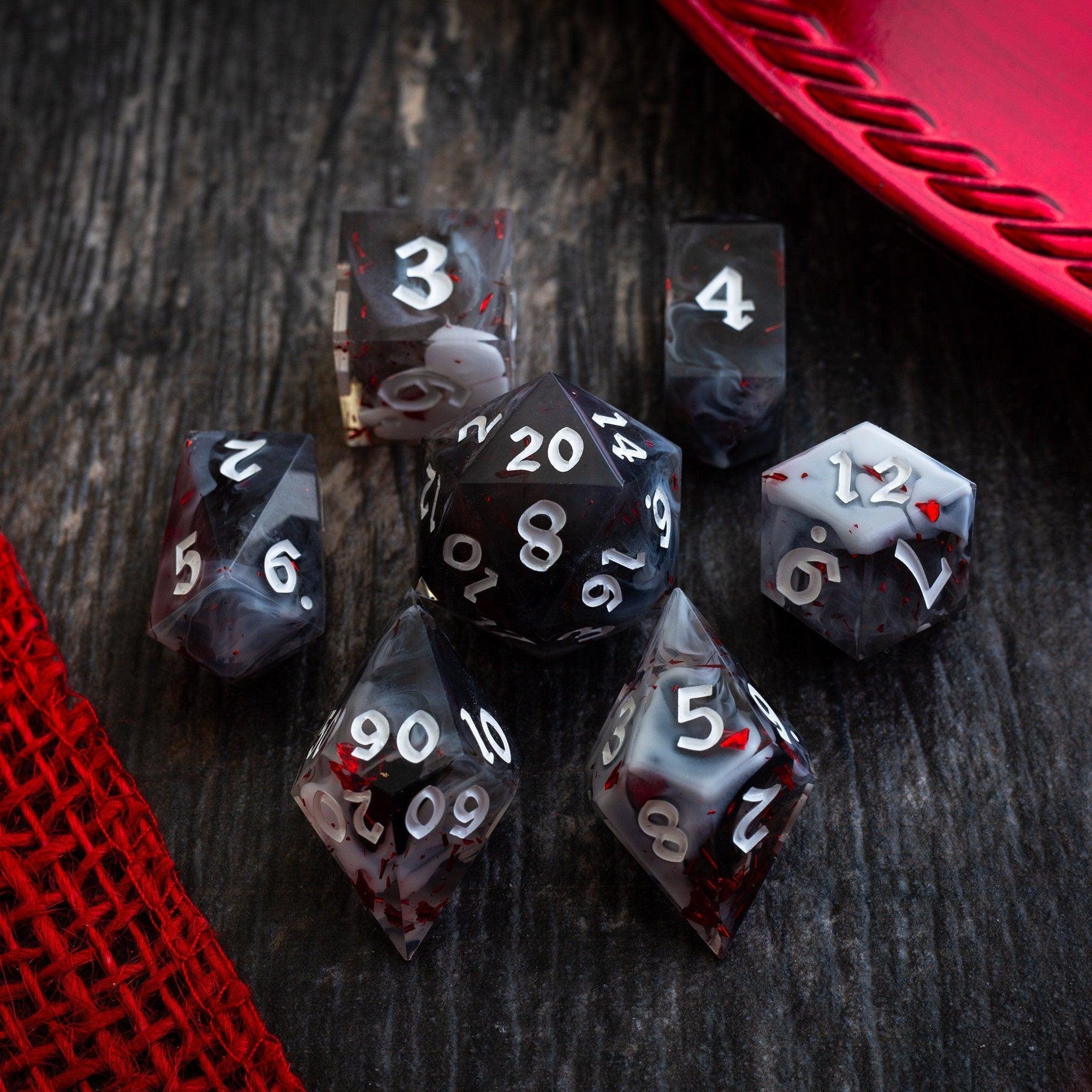
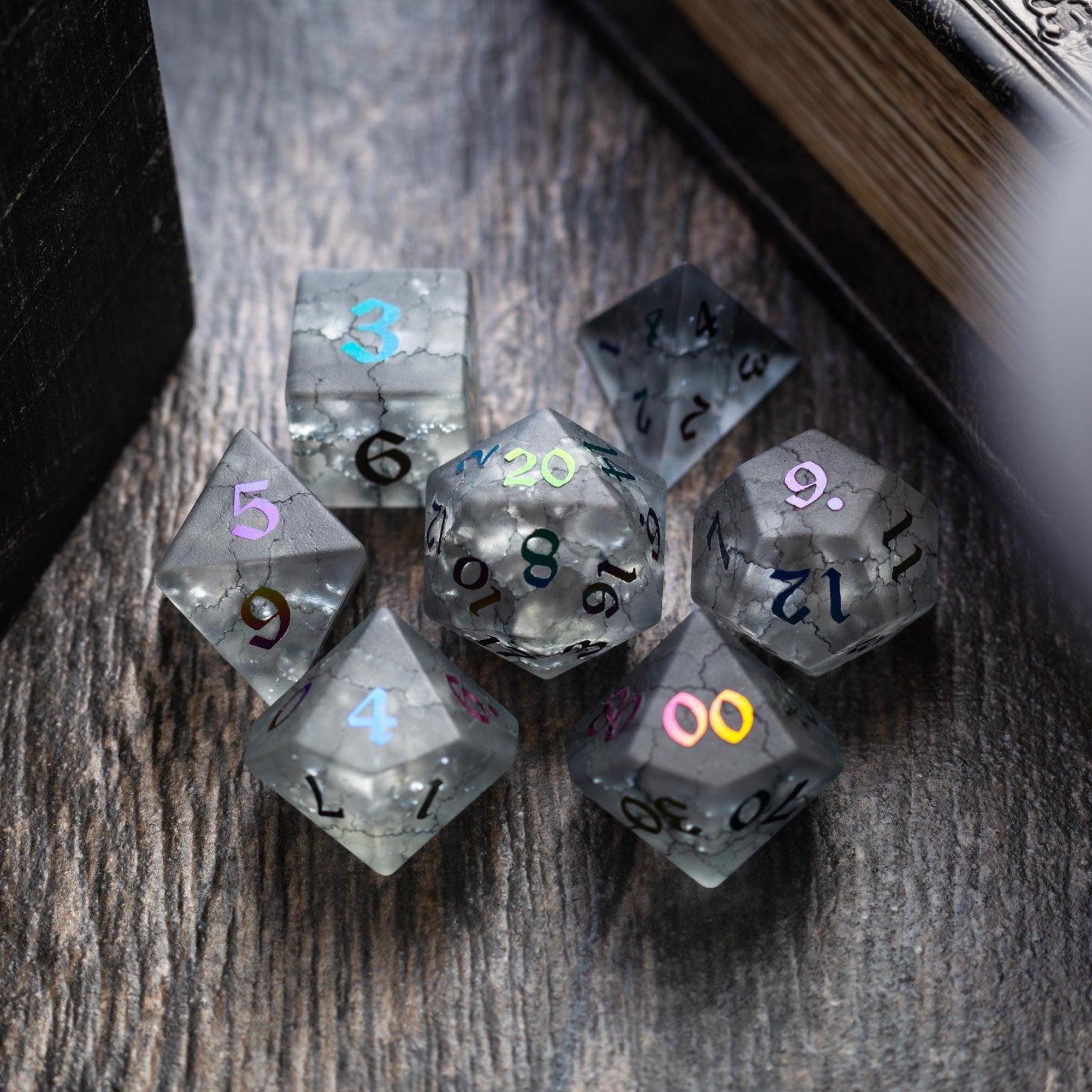
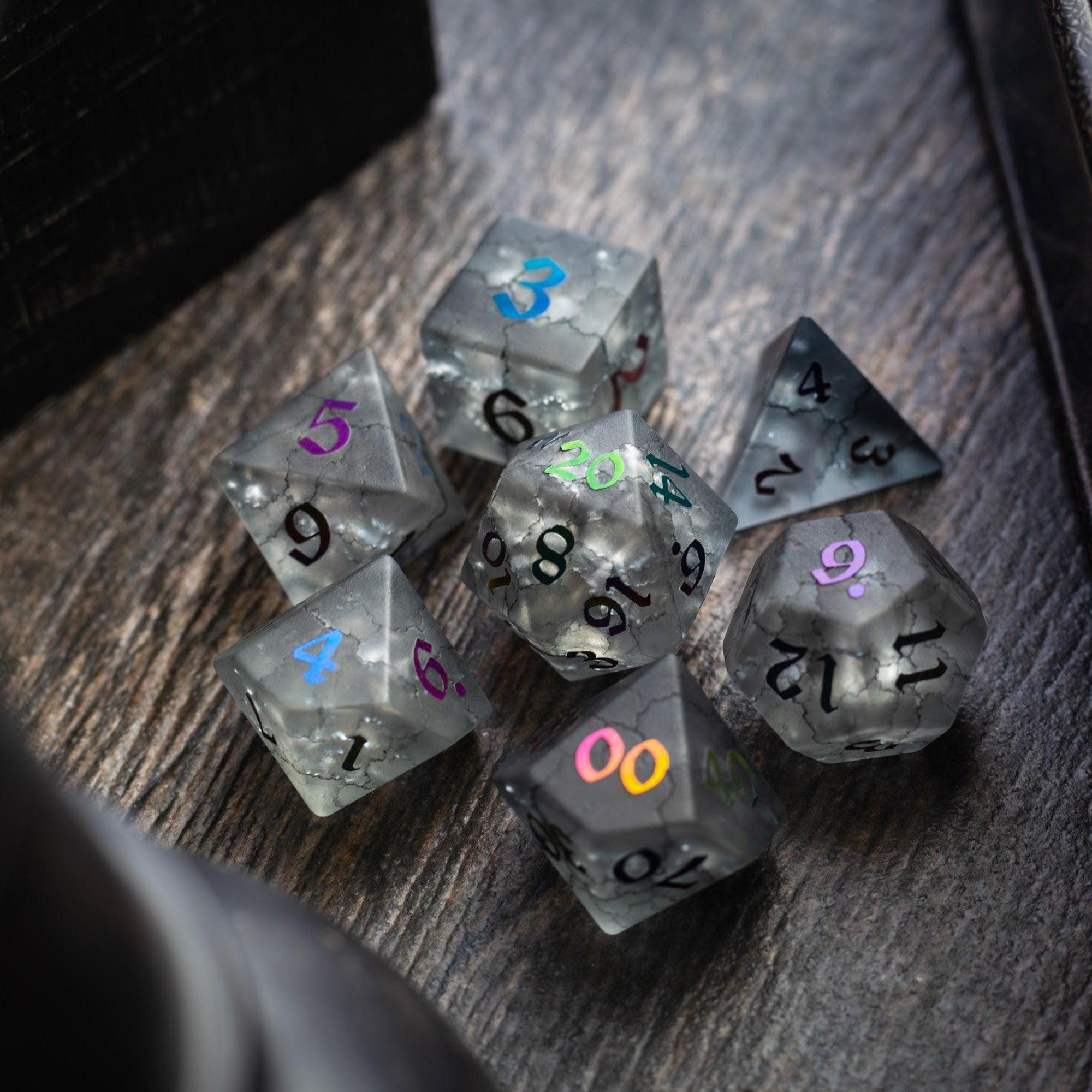
Printed cards, digital references, condition rings, and a simple dice tray can help keep active effects and table materials easy to track. The goal is not to create more paperwork. It is to make the information you need easy to find when your turn begins.
Common Misconceptions About Spell Schools and Class Spell Lists
Every class can eventually learn every spell
No. Each class has defined spell access, although subclasses, feats, and other features can add options. A spell being the right level does not automatically place it on your class list.
Schools determine who can cast a spell
No. A school describes the spell's magical category. Class spell lists and specific character features determine access.
One school is always stronger
No school is best in every situation. Evocation may solve a clustered combat problem, Divination may reveal the information that prevents a fight, and Abjuration may keep the party alive when an enemy spellcaster takes control of the battlefield.
Healing is always Evocation
Not in the current rules. Several major healing and restoration spells are now Abjuration, including Cure Wounds, Healing Word, and Mass Cure Wounds. Players using older books should check which rules version their campaign follows.
Quick Spell Organization Checklist
- Confirm that each spell is available to your class or granted by a feature.
- Separate spells by spell level.
- Mark concentration, Ritual, and costly or specific Material components.
- Keep options for combat, exploration, and social scenes.
- Check whether several chosen spells compete for concentration.
- Review what your party already covers before filling the same role twice.
- Verify spell text using the official rules source your campaign uses.
You do not need to memorize every entry in the D&D spell list. Once you understand how class spell lists and spell schools work together, choosing and using magic becomes much easier. Whether you are reviewing wizard spells, cleric spells, druid spells, or another class's options, good organization helps you make faster decisions and understand what each spell contributes to the party.
A useful spellcasting guide should help you find the right rule or spell when you need it. Organize by class to confirm access, use school to understand the magic's category, and keep important spell details visible. That makes D&D spellcasting easier to learn and run.









Leave a comment
This site is protected by hCaptcha and the hCaptcha Privacy Policy and Terms of Service apply.