
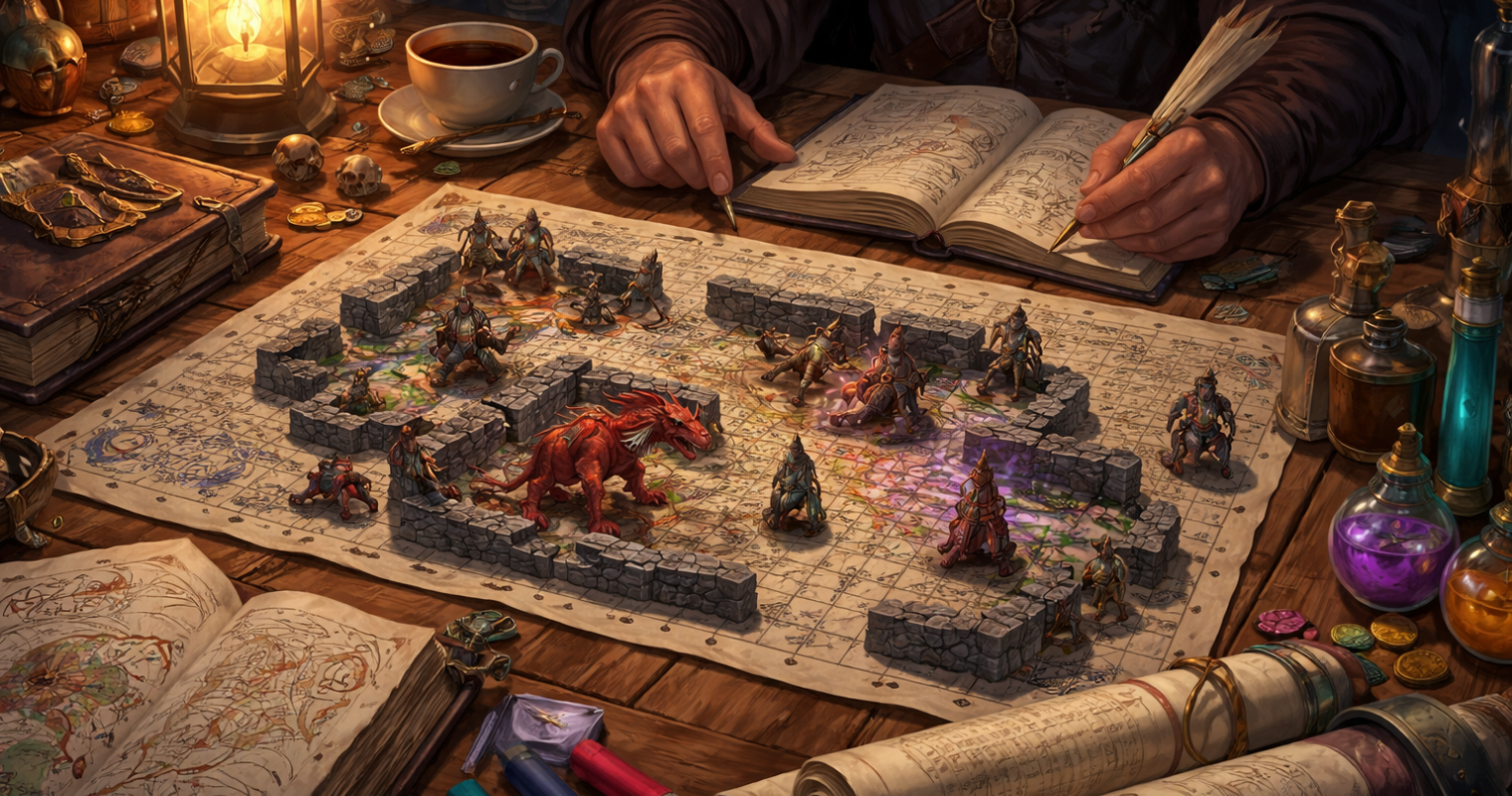
Techniques for Efficient Encounter Planning in RPG Campaigns
Updated on: 2025-12-30
Want smoother game nights, stronger pacing, and fewer prep headaches? This guide shows you how to streamline session prep with practical tools, simple frameworks, and time-saving habits. You’ll learn how to build balanced encounters, adapt on the fly, and keep tension high without overcomplicating your notes. We’ll also share a product spotlight to boost table presence and player immersion, plus clear answers to the most common GM questions.
Table of Contents
- Choosing the right prep tools
- Product Spotlight
- Myths vs. Facts
- Frequently Asked Questions
- Final Recommendations
If you’ve ever juggled stat blocks, initiative, and pacing while watching the clock, you know prep can get messy. The right mix of encounter planning tools for RPG campaigns, plus a few repeatable workflows, can turn chaos into clarity. In this article, we’ll break down the essentials: how to budget difficulty, what to track (and what to skip), and how to pivot smoothly when players zig where you expected a zag. You’ll find practical, low-friction tips you can copy tonight, along with a spotlight on table gear that adds tactile wow without slowing you down.
Choosing encounter planning tools for RPG campaigns
Let’s keep it simple: the best prep stack helps you answer three questions fast—What’s the goal of this scene, how hard should it feel, and what will keep it memorable? You don’t need a dozen apps. You need a small toolkit that does the heavy lifting and lets you improvise with confidence.
Start with a challenge budget. Whether you track XP or milestones, decide the intended “pressure level” of the scene—skirmish, set piece, or boss. Use a quick action-economy check to sanity-test difficulty: count how many meaningful actions your party can take per round versus the opposition. A lightweight calculator or a one-line spreadsheet can flag issues like too many enemy turns or lopsided damage. Add one dial you can turn mid-fight—backup reinforcements, terrain hazards, or a morale threshold—so you can scale intensity without rewriting the encounter.
Next, speed up creature selection. Build a short roster of foes that match your campaign’s theme and terrain: three minions, two elites, and one signature villain per region. Tag each with one unique twist (e.g., “skittering archer—poison volley,” “ritualist—mirror ward”). This gives you mix-and-match variety and an easy way to fine-tune difficulty by swapping one role without rebuilding the whole scene. A compact database or index cards beat scrolling endlessly.
Maps and movement deserve simple tools, too. Use modular tiles or a reusable grid with pre-marked features—cover, elevation, difficult ground. Keep a one-line trigger for each feature (“on round 3, lava vents open,” “falling crystals on crit”). Triggers create dynamic beats so the fight evolves, even if the stat blocks stay the same. A timer app or a physical turn tracker helps you keep those beats on schedule without mental overload.
For treasure and story seeds, keep generators that align with your campaign’s vibe. Pre-pick a few items with tags like “mystic,” “engineering,” or “wilds,” and connect them to an NPC or location. When rewards echo the world’s themes, they land better and feel less random. Finally, build a one-page encounter sheet: objective, stakes, enemy mix, twist, terrain, and exit conditions. It’s enough to run tightly while leaving space to riff.
Product Spotlight
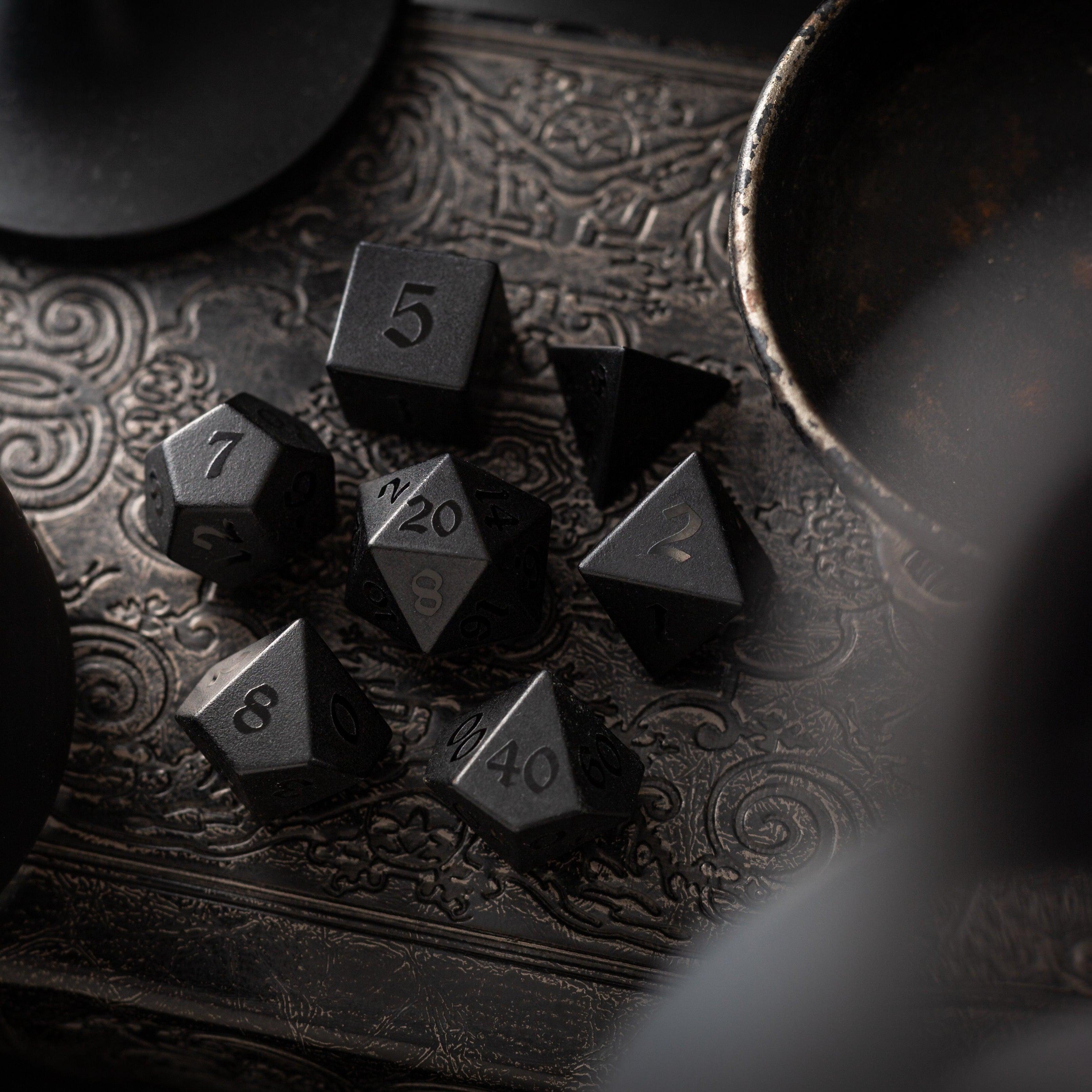
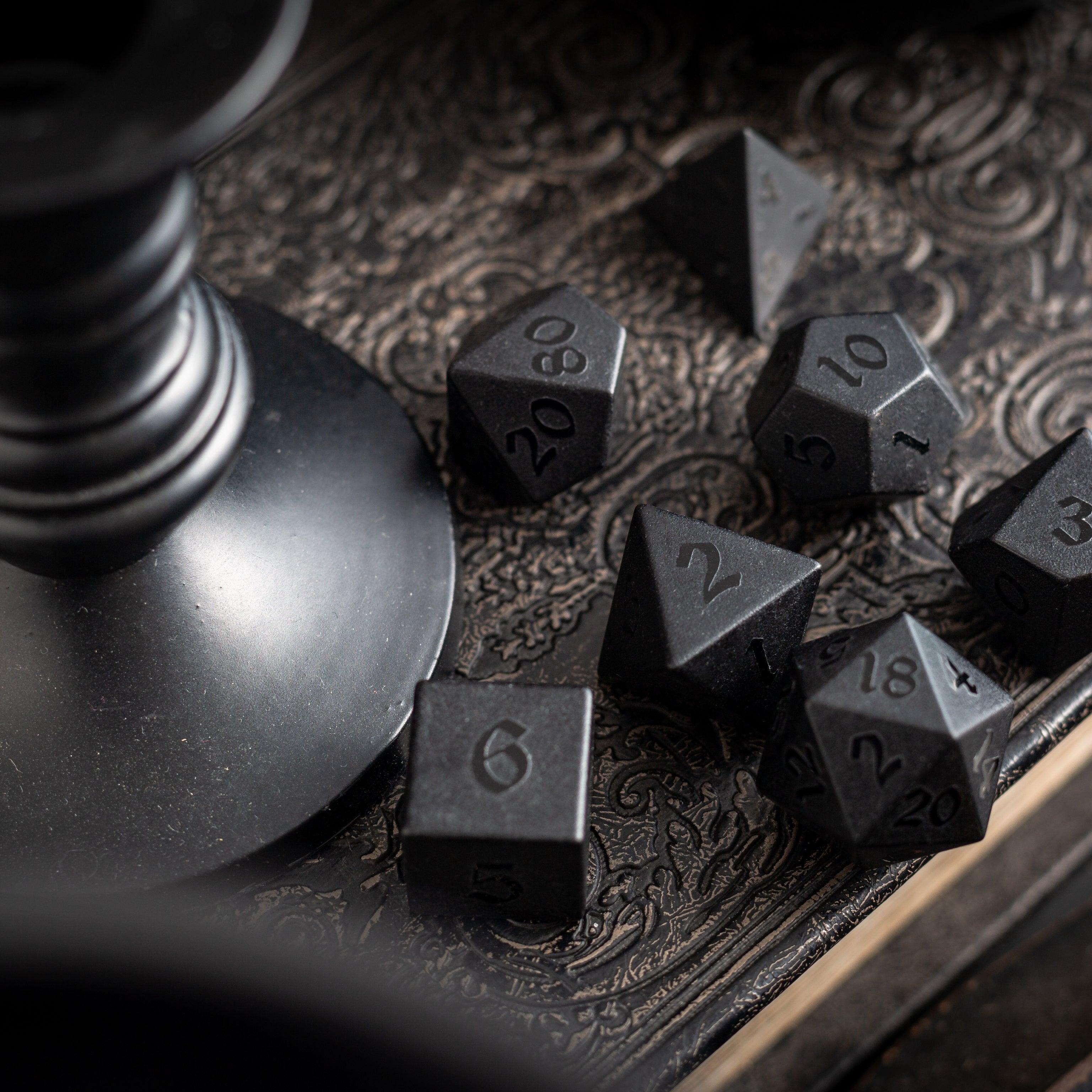
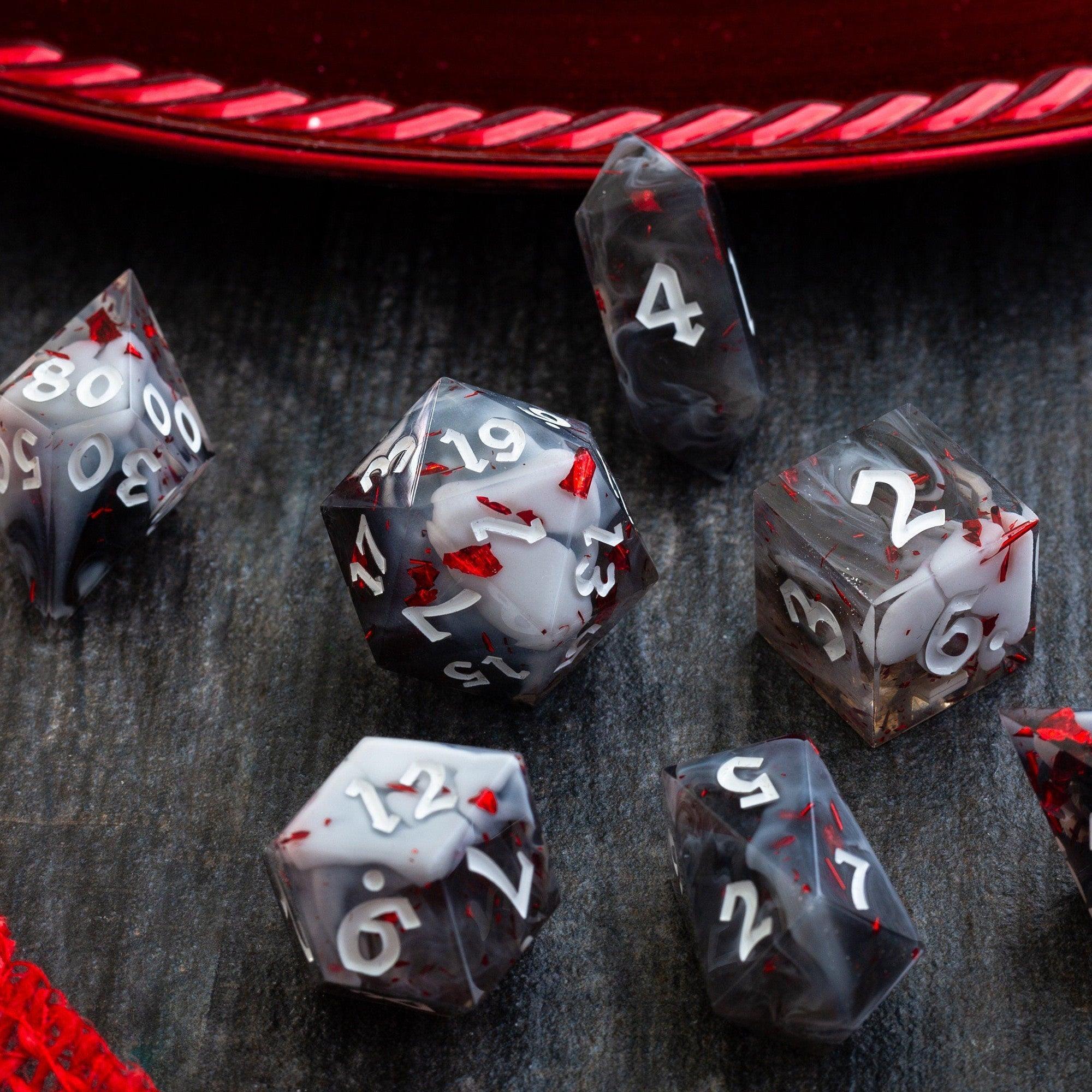
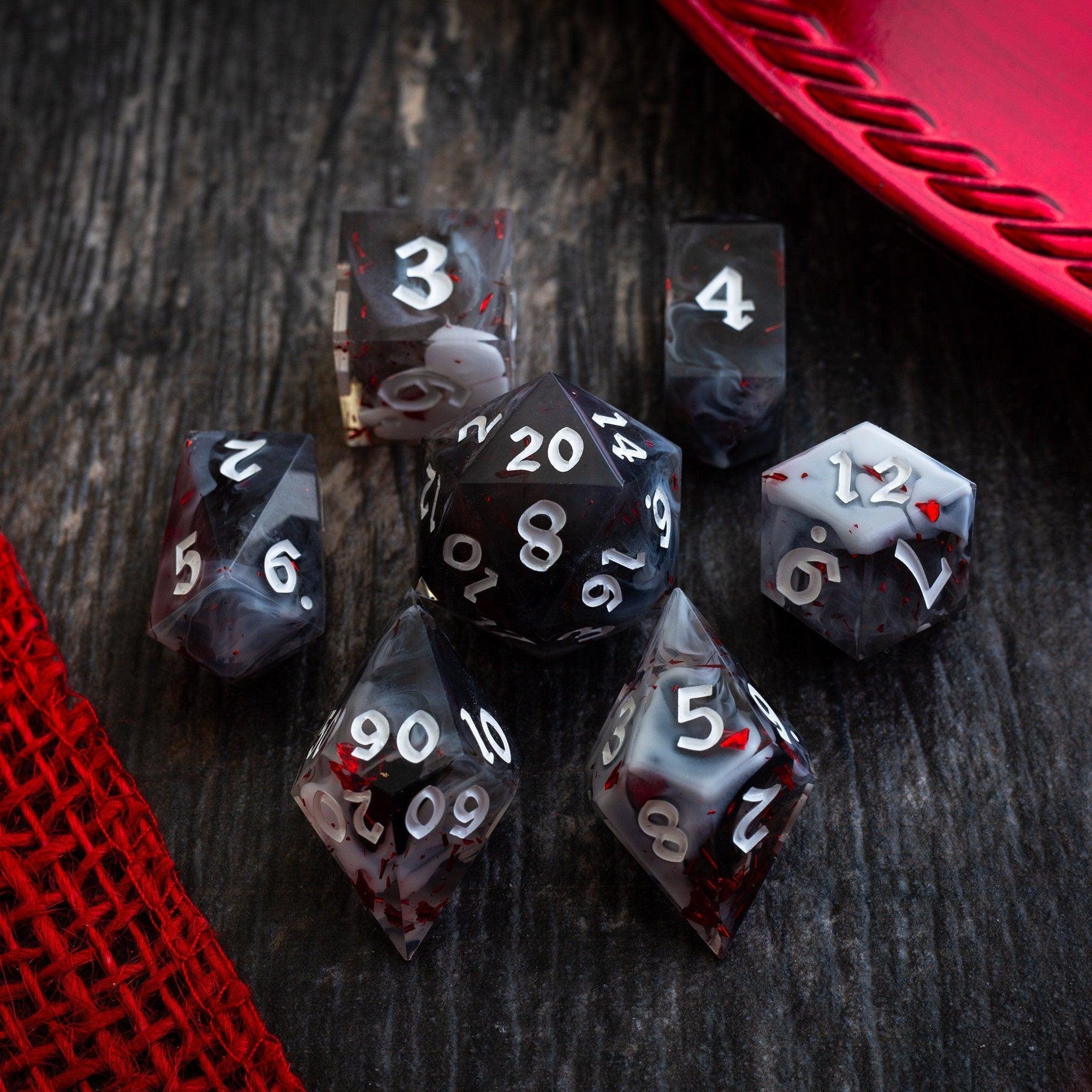
Great mechanics matter, but presentation sells the moment. If you want to raise the table’s energy without adding complexity, upgrade the tactile layer. A vivid set of dice, a tower for dramatic rolls, or a distinctive material can signal “boss fight” or “story milestone” in an instant. It’s a subtle GM tool: players lean in when they sense the stakes.
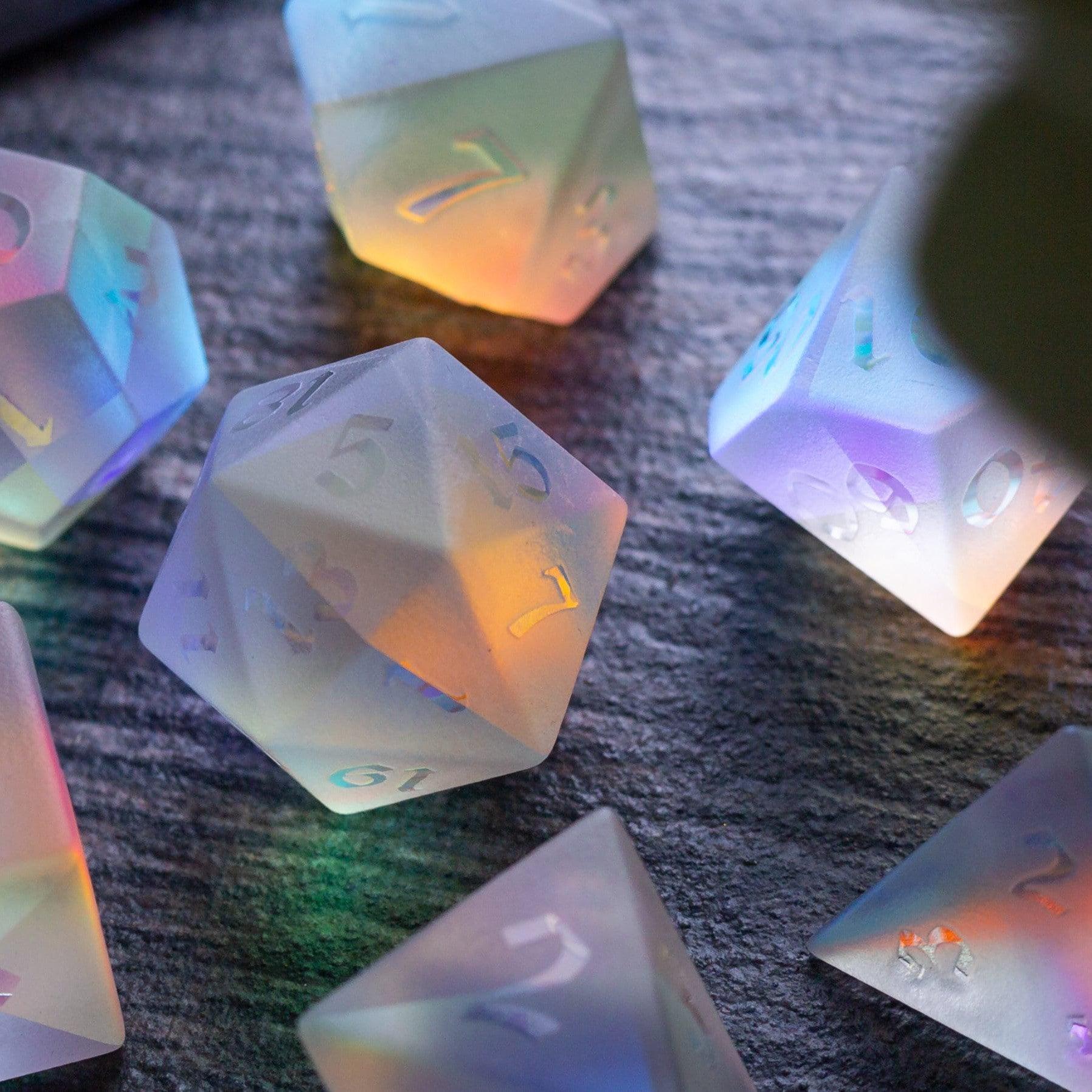
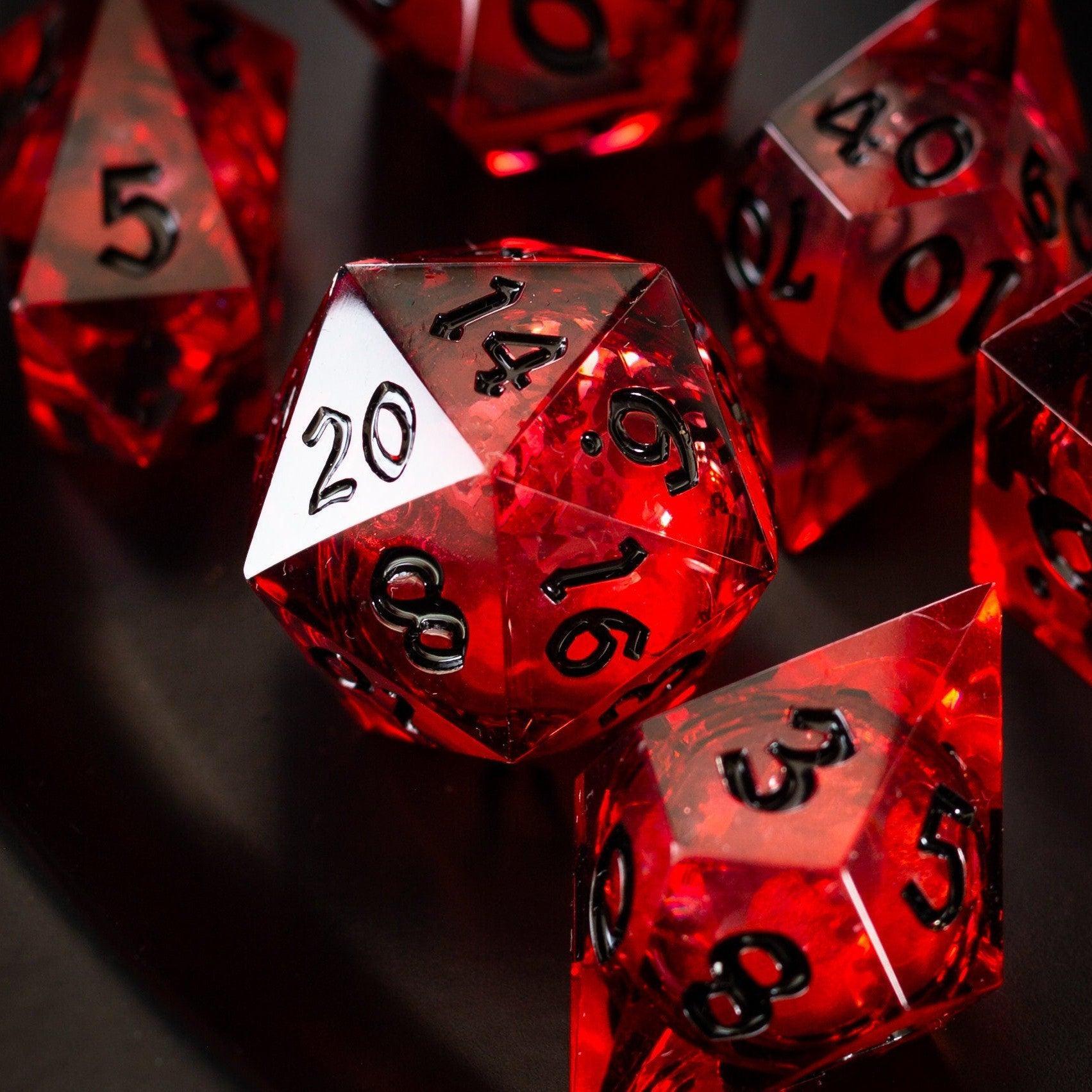
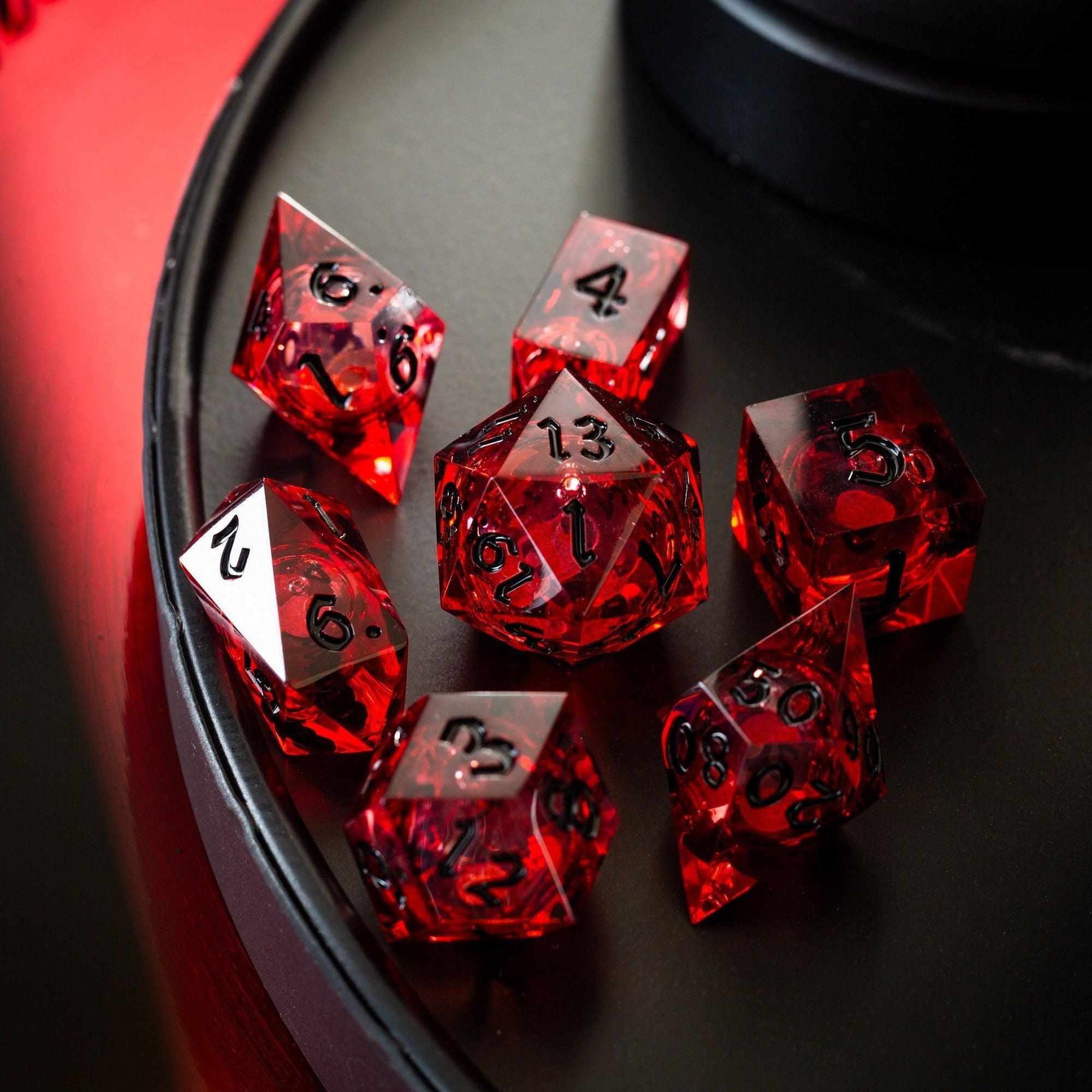
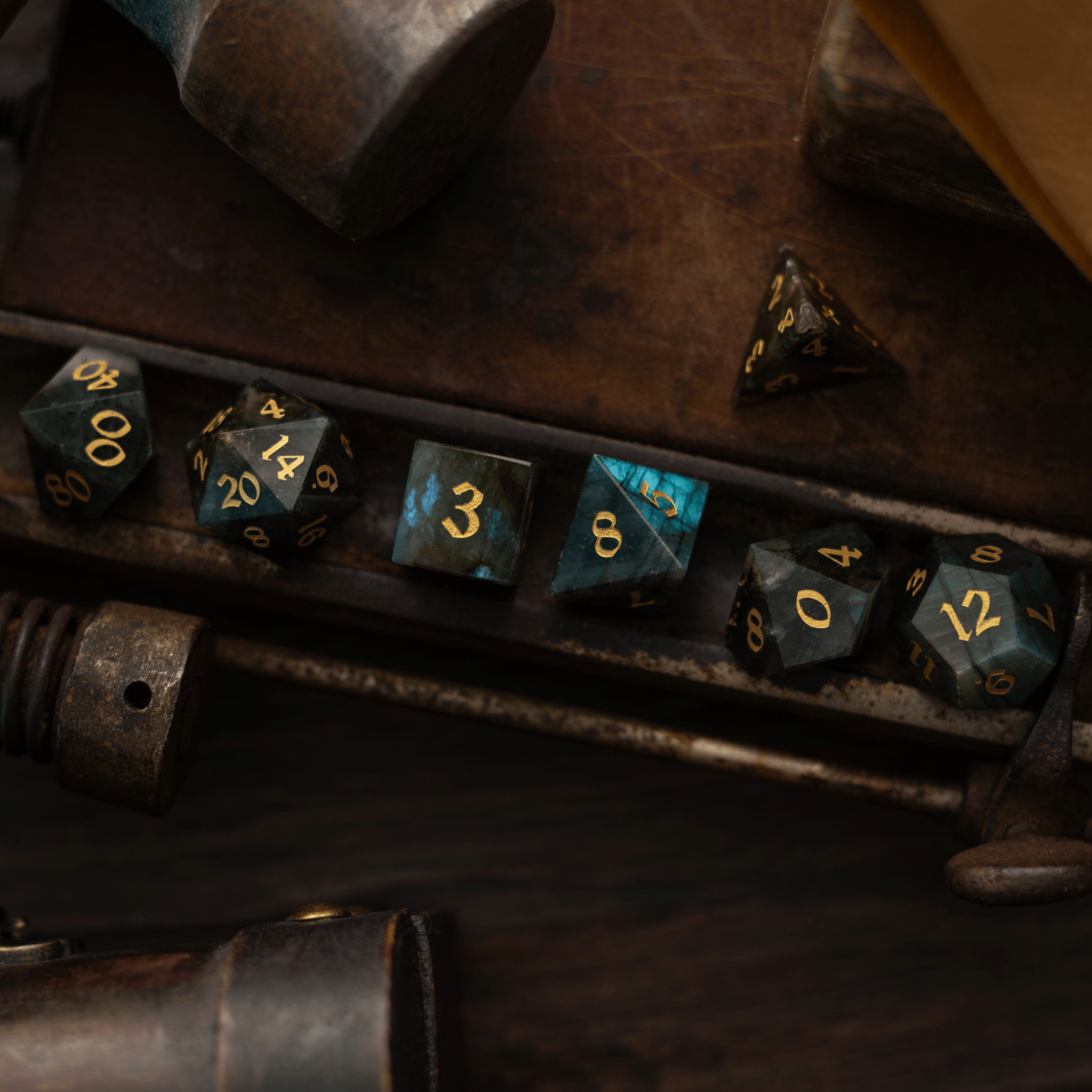
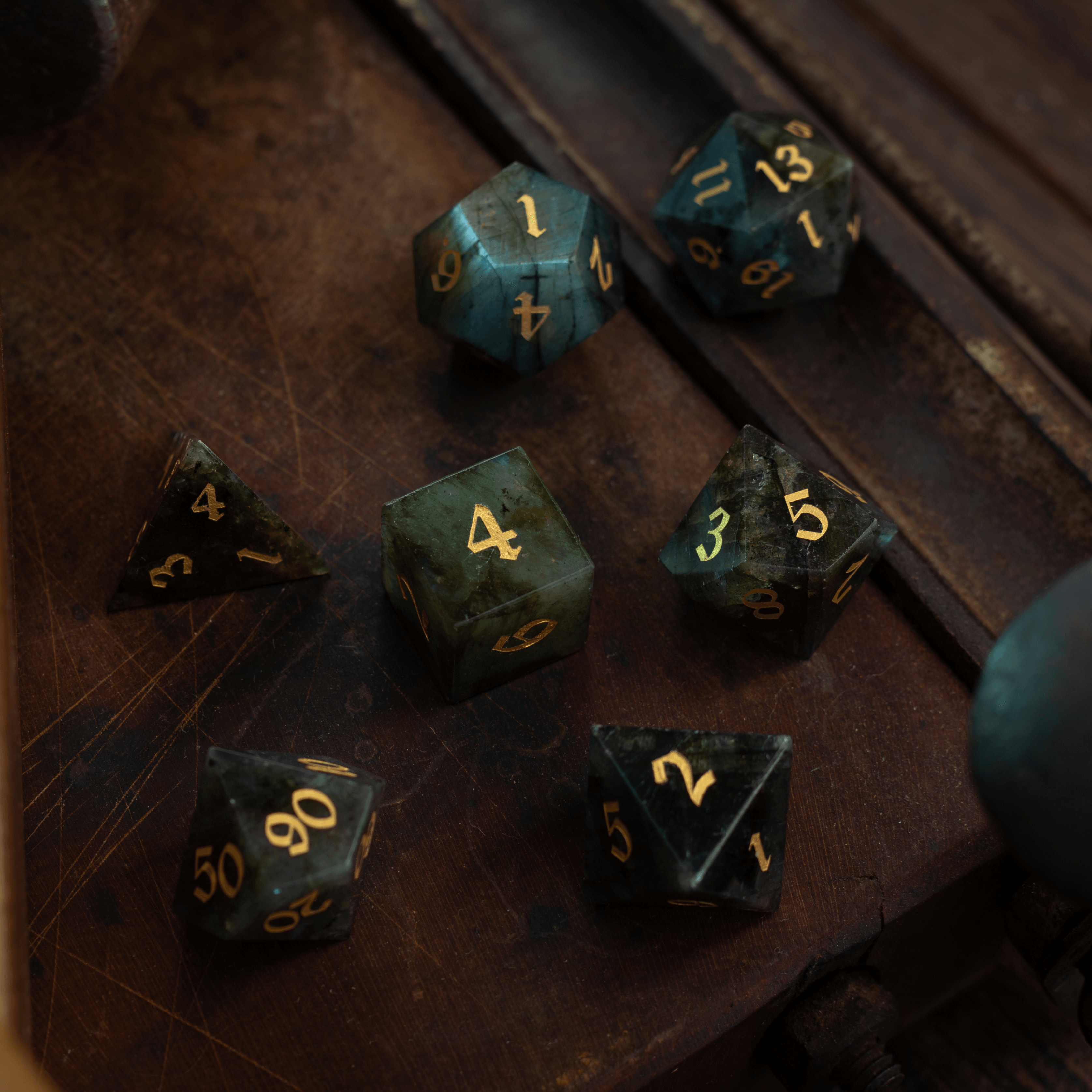
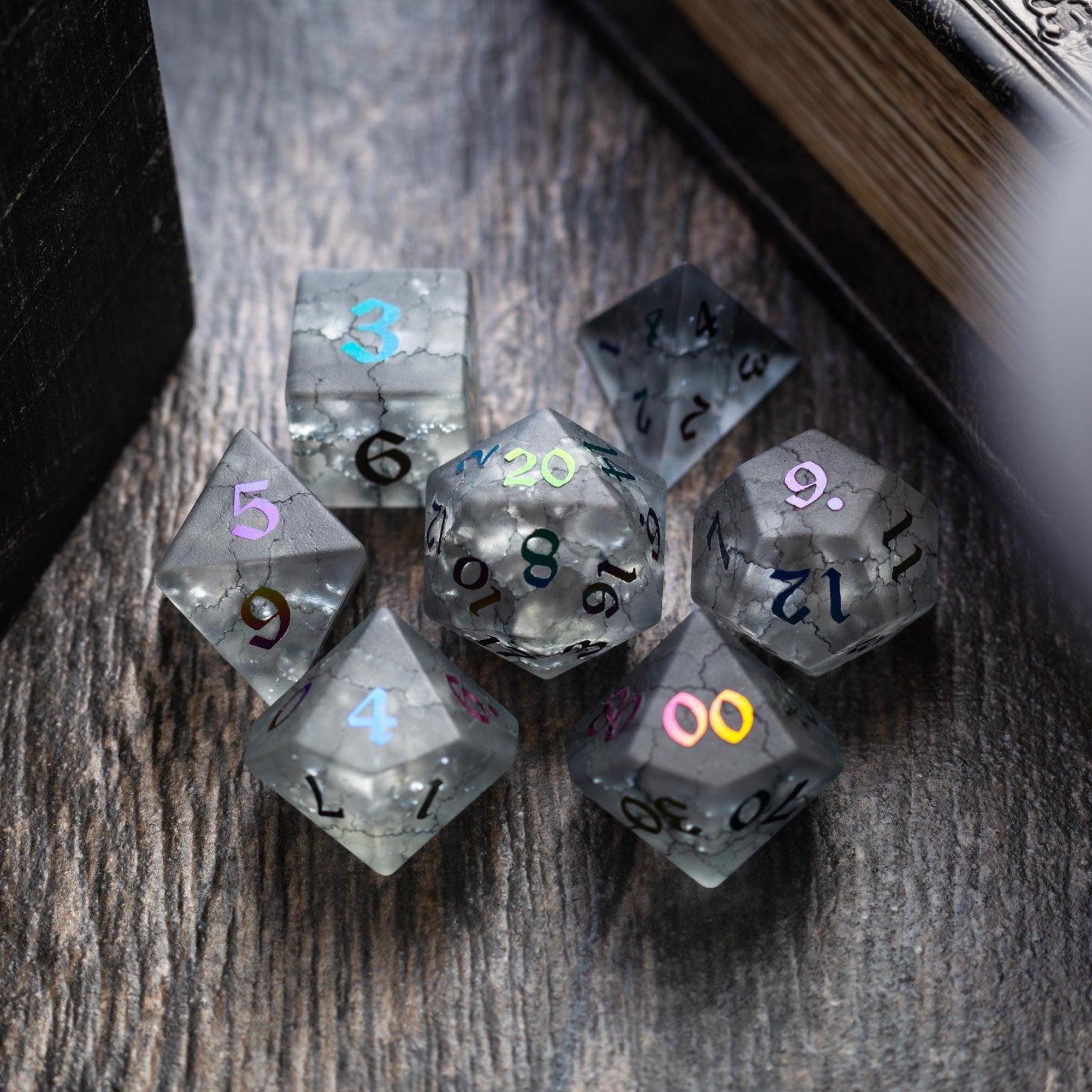
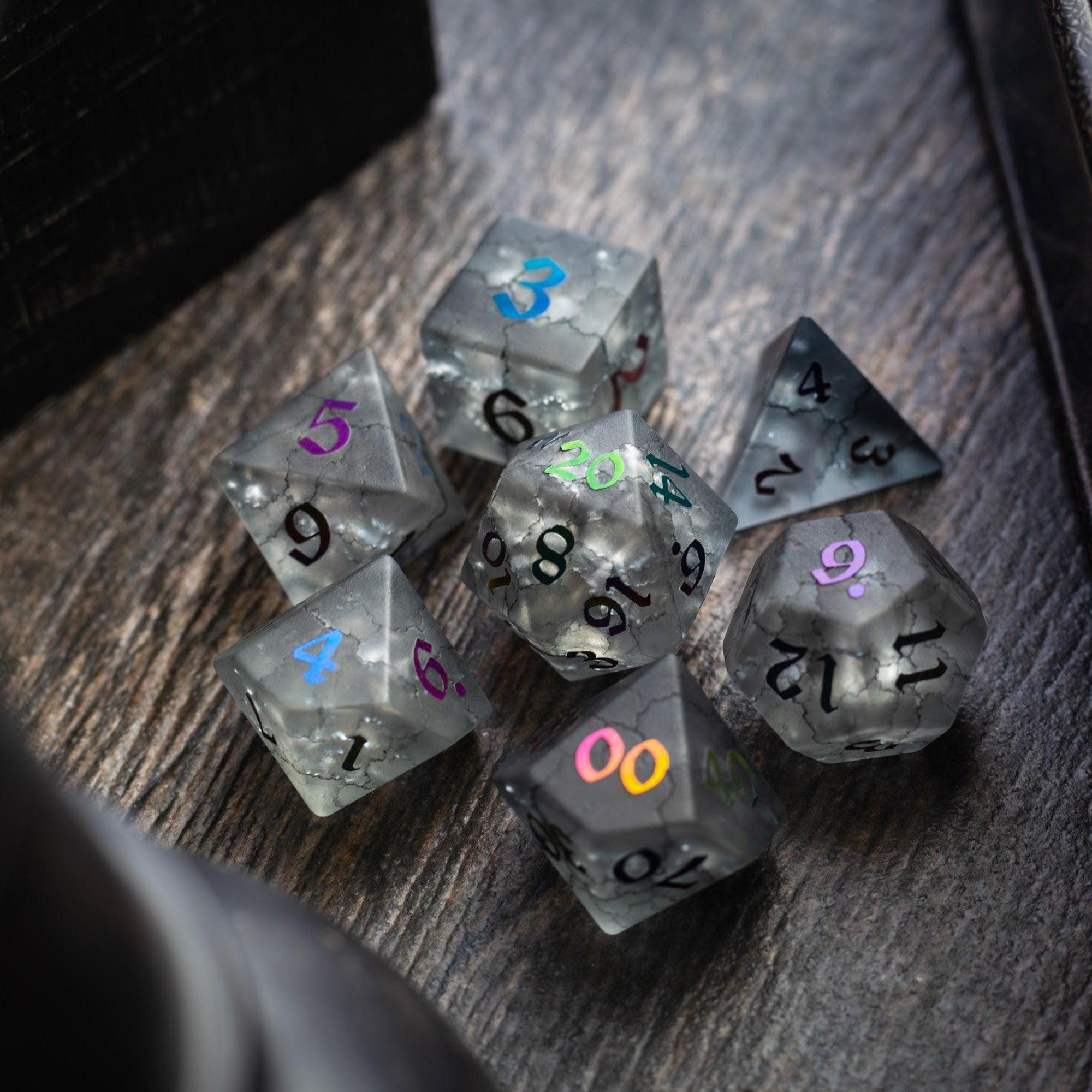
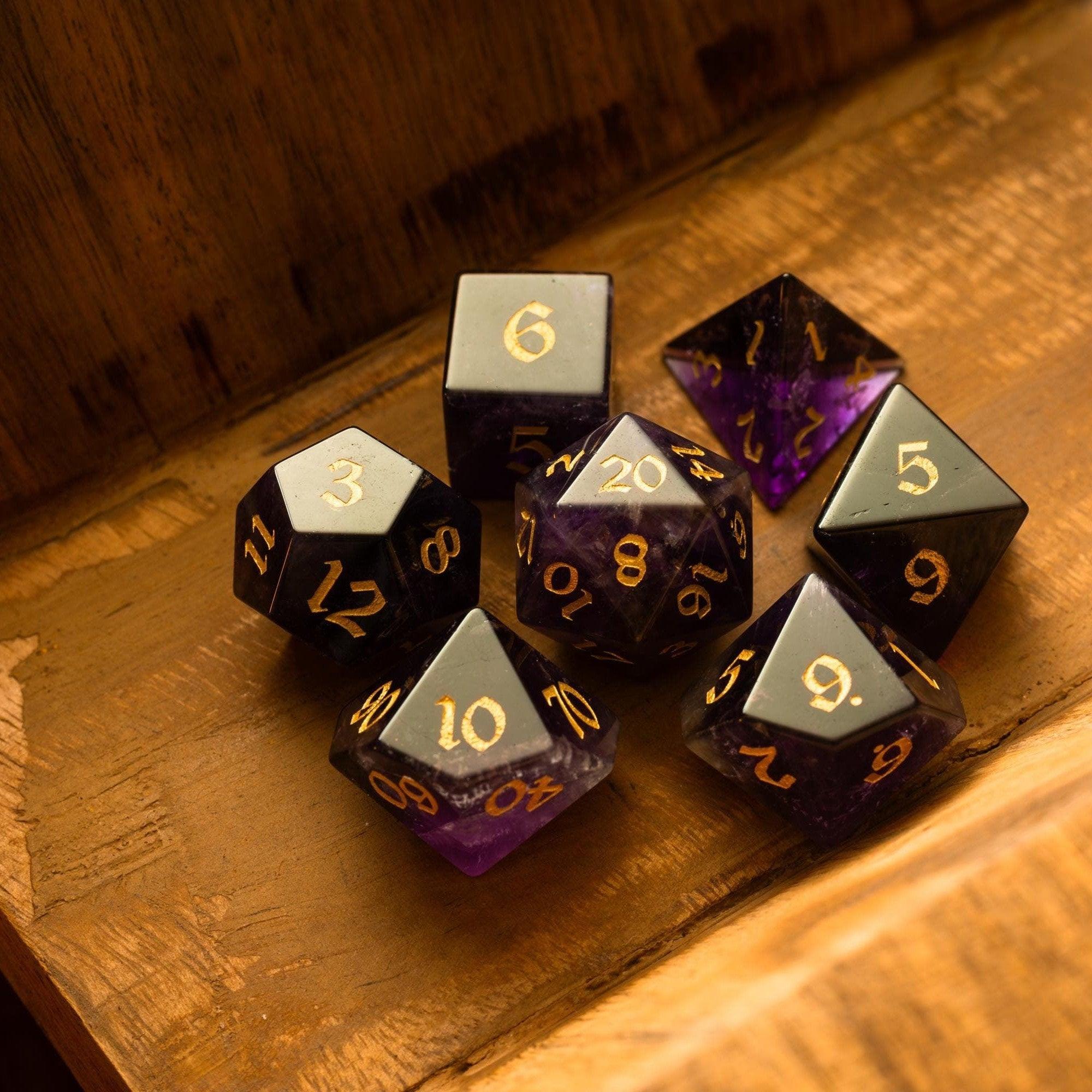
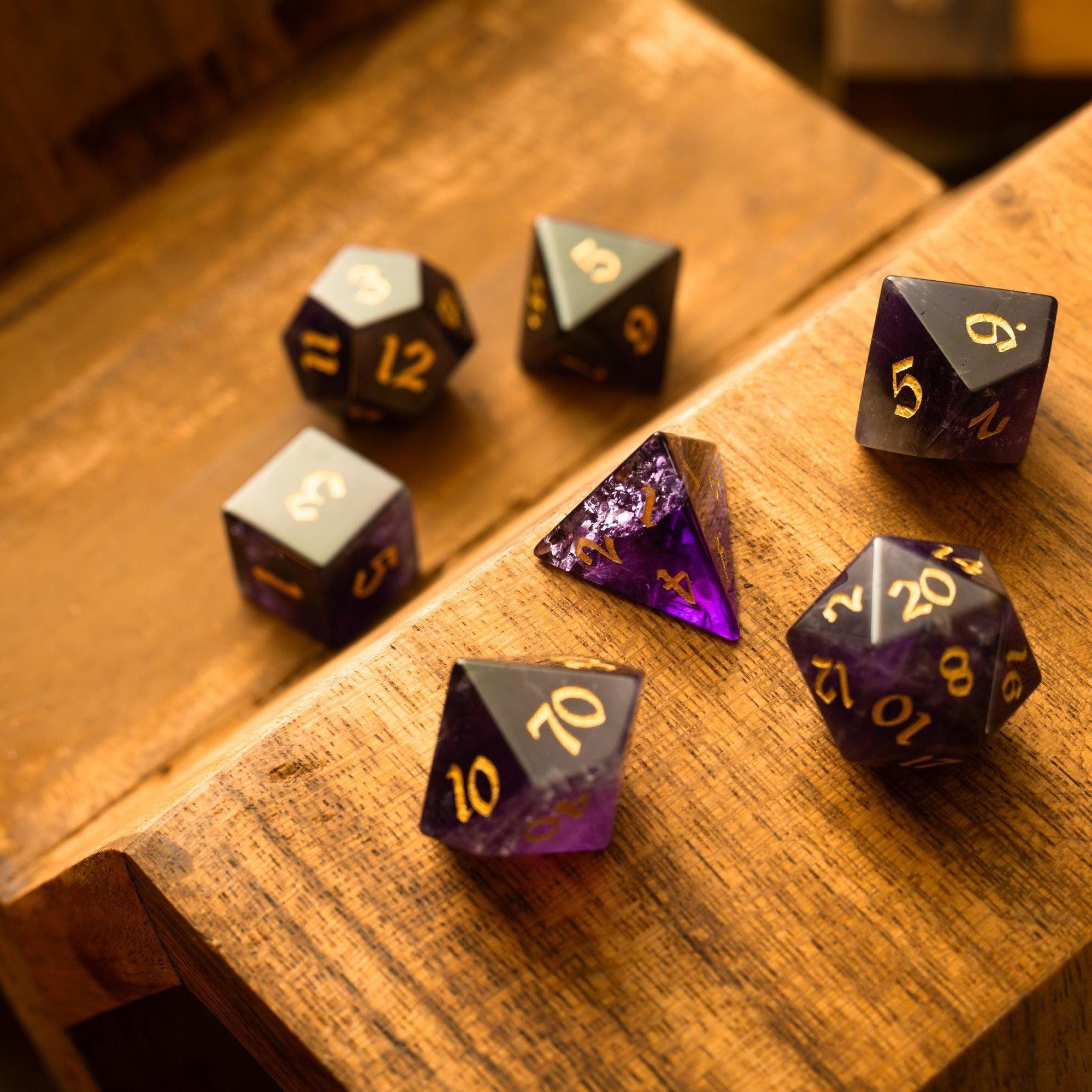
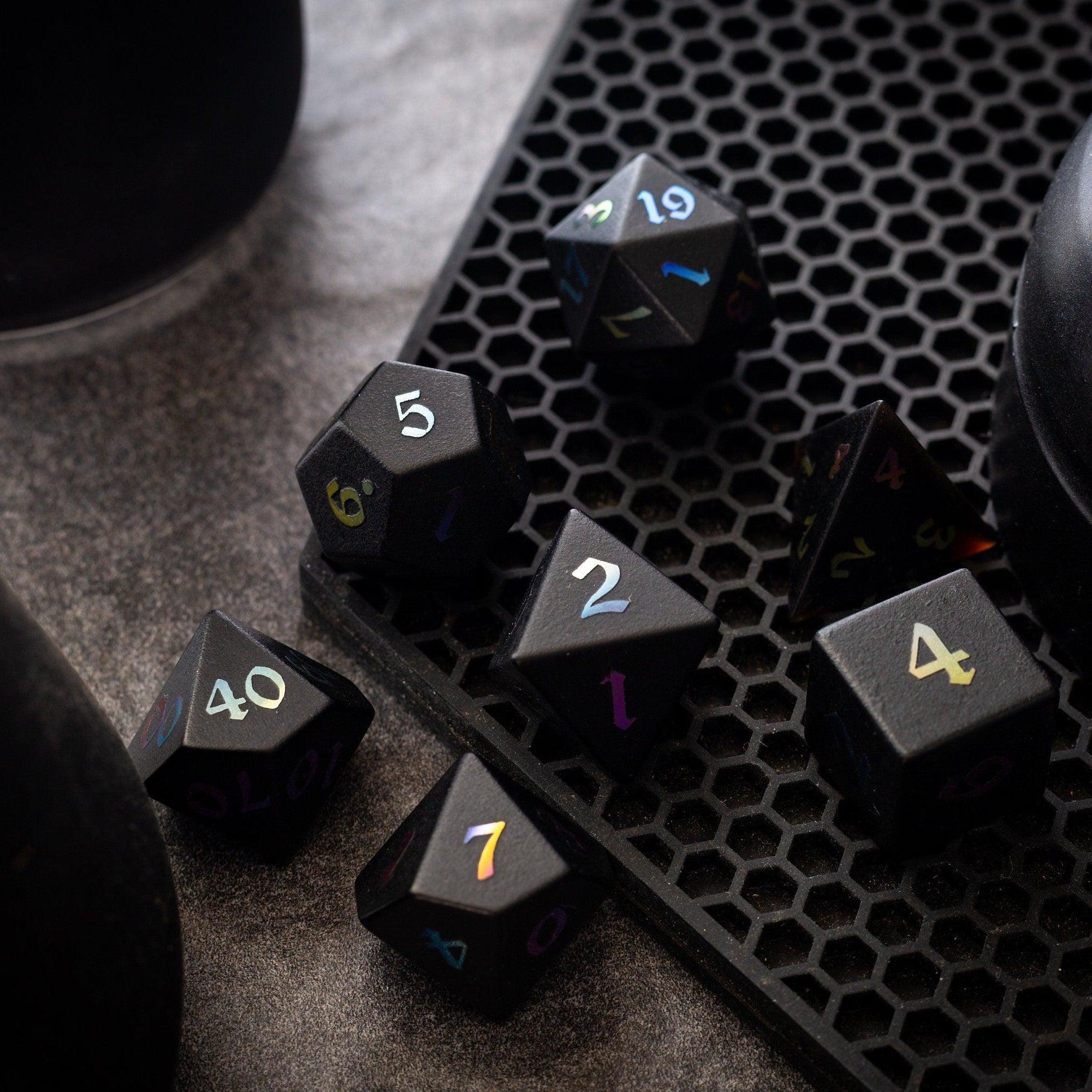
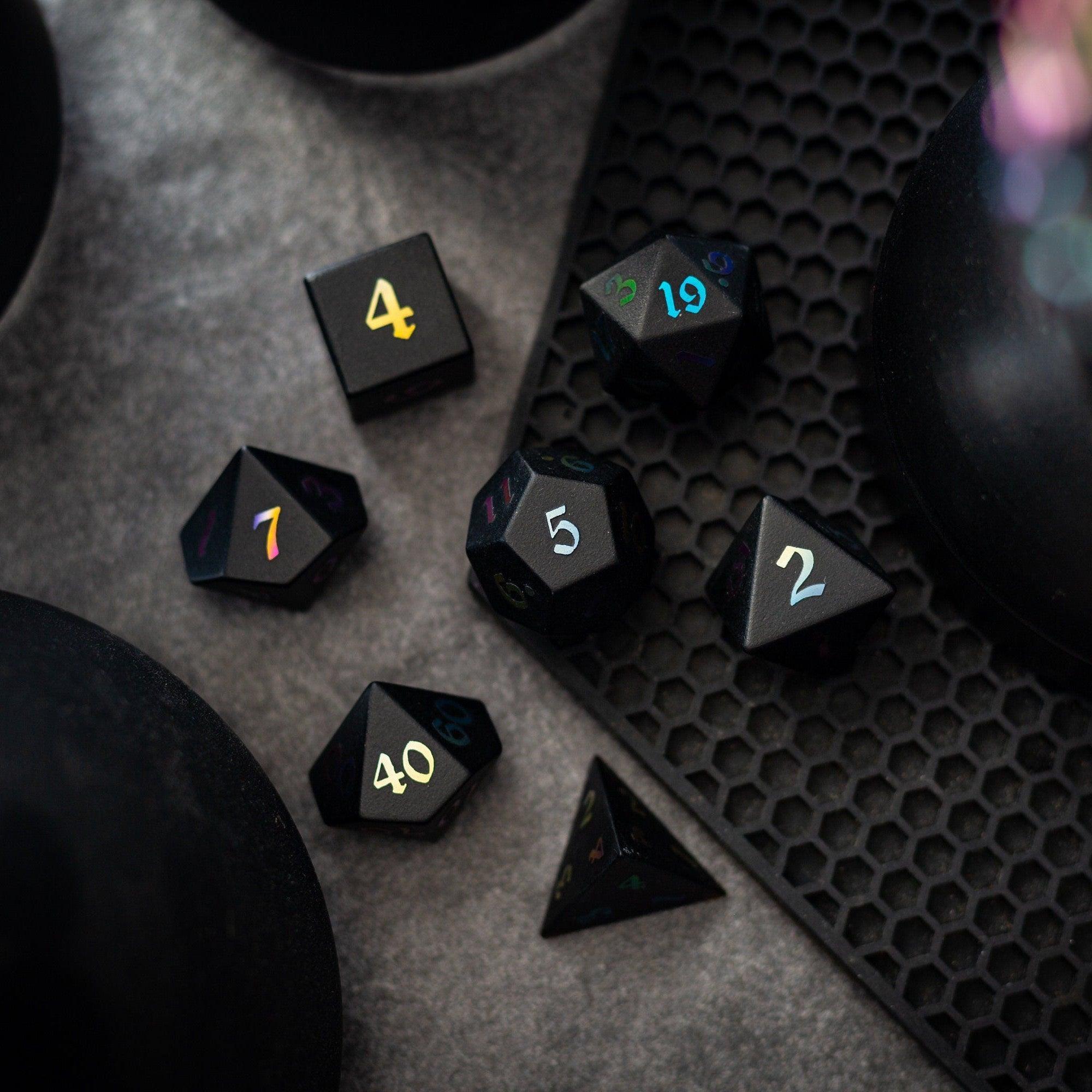
Looking for an eye-catching centerpiece for pivotal scenes? The Starlit Rift set delivers striking contrast that pops under normal room light. Prefer a timeless, weighty feel to match ancient ruins or courtly intrigue? Explore our curated gemstone dice to give important rolls a ceremonial touch that players remember. For reliable, suspense-building drops that cut through table chatter, a sturdy tower does wonders—browse our dice towers to streamline turn flow and keep rolls fair and visible. And when you want shimmer and motion that mirrors chaotic magic or shifting portals, our liquid core dice amplify the theatrical moment without any extra rules to track.
These tangible cues anchor your encounter beats. Switch to a distinctive set for the villain’s ultimatum, roll in the tower for environmental hazards, or reserve gemstone dice for divine intervention. You’re not just rolling—you’re staging the scene so your players feel every turn of the story.
Myths vs. Facts
- Myth: Balanced means boring. Fact: Balance is a baseline, not a ceiling. Use it to avoid one-shots and slogs, then add drama with terrain, timers, and objectives.
- Myth: More enemies equals more challenge. Fact: More turns can slow the game. A single elite with a reactive ability often creates cleaner tension than a swarm.
- Myth: You must script every outcome. Fact: Prep branches, not rails. Define stakes and consequences, then let player choices steer the path.
- Myth: Big numbers are the only way to raise stakes. Fact: Non-damage pressure—time limits, hostages, collapsing terrain—creates urgency without bloated health bars.
- Myth: Random tables make encounters feel arbitrary. Fact: Curated tables act like a creative spark. Tag results to your setting so even chance outcomes reinforce the theme.
Frequently Asked Questions
How do I balance difficulty fast?
Use a two-step check. First, estimate pressure with a quick budget: pick a difficulty band (easy, standard, hard, boss) and select foes that roughly fit that band for your group. Second, test the action economy: count party turns versus enemy turns and note any burst damage or control effects that might swing things. If enemies out-activate the party, remove one body or give them split entry (some arrive on round two). Add one dynamic terrain feature so you can raise or lower intensity on demand.
What’s the best way to prep for improvisation?
Prep in layers. Start with the scene’s purpose (rescue, delay, extract, negotiate). List three obstacles that could show up—an ambush, environmental hazard, or moral twist. Keep a small roster of reskinnable creatures and three names for NPCs you can drop anywhere. Store one surprise per location, like shifting cover or a secret escape route. With purpose, obstacles, and a toolbox of reskins, you can adapt to any player plan without stalling for notes.
How many encounters should I plan per session?
Aim for two set pieces or one set piece plus two micro-scenes, depending on table pace. A set piece has a clear objective, evolving terrain, and meaningful choices; it usually takes the lion’s share of a session. Micro-scenes are lighter skirmishes or tense social beats that move the story. Leave one flexible slot open so you can insert a consequence, a twist, or a breather moment. Over-planning often leads to unused pages; give yourself space to react.
Final Recommendations
Keep your toolkit lean. Use a straightforward challenge budget, a small creature roster with tagged twists, and one evolving terrain trigger per scene. A timer and a turn tracker drive momentum better than bloated stat sheets. Focus on stakes and objectives over perfect math, then adjust on the fly with reinforcements or morale shifts.
When you’re ready to elevate the mood, tie your tactile gear to the story beat—swap in distinctive sets for pivotal rolls, or drop a dramatic tower roll for environmental hazards. If you’re refining your prep stack for the long haul, lock in a repeatable workflow and support it with table tools you love using. That way, your session shines—and your encounter planning tools for RPG campaigns stay simple, flexible, and fun to run.



Leave a comment
This site is protected by hCaptcha and the hCaptcha Privacy Policy and Terms of Service apply.