

Spells by School Guide A Practical Reference for Wizards
Updated on: 2025-12-24
This article offers a thoughtful spells by school guide for tabletop role-players who enjoy planning character builds and session prep. You will find clear explanations of each school, practical selection tips, and gentle advice on how to match your choices to your party’s needs. The tone is beginner-friendly while offering useful insights for experienced players. You will also see a few optional tools and accessories that may help your table run smoothly.
- Introduction
- Spells by School Guide: Core Concepts
- Benefits & Reasons
- How to Choose Spells for Your Character
- Helpful Gear and Table Tools
- FAQ
Introduction
Choosing the right arcane options can feel exciting and a little overwhelming. The landscape of spell schools is broad, and each one carries a distinct style of problem-solving. A clear overview can help you compare strengths, understand limits, and pick options that support your story and your group.
In the sections below, you will find brief descriptions of every school, along with gentle suggestions for when each one shines. You will also see simple selection steps that respect both optimization and role-play. The aim is to help you feel confident, prepared, and creative at the table.
Spells by School Guide: Core Concepts
Each school of magic reflects a philosophy of how to influence the world. While individual systems may vary, these categories are widely recognized in fantasy role‑playing. Consider how your character’s values, class features, and party composition align with the core identity of each school.
Abjuration
Abjuration centers on protection and prevention. It sets boundaries, mitigates harm, and shuts down hostile effects. Defensive casting can be a reassuring choice for players who want to keep companions safe and secure. Abjurations often reward planning, subtle timing, and a steady hand in resource management.
Conjuration
Conjuration brings things from elsewhere to here. It may deliver allies, hazards, or tools at the exact moment they are needed. This school suits creative problem‑solvers who enjoy shaping the battlefield with positioning, terrain control, and timely assistance. It often pairs well with imaginative tactics and flexible preparation.
Divination
Divination is about knowledge, foresight, and clarity. It helps parties avoid surprises, detect hidden threats, and make informed choices. If you enjoy guiding the group with insight, this school offers supportive effects that enhance planning and reduce risk. Many tables appreciate the gentle steadiness that foresight brings.
Enchantment
Enchantment influences emotions and decisions. It can defuse tensions, shift social encounters, and shape outcomes without direct force. Players who like diplomacy and careful negotiation often find a natural home here. In combat, it can redirect danger by turning an enemy’s will against itself, though respectful table consent is always important for social effects.
Evocation
Evocation channels raw energy into focused outcomes. When the party needs straightforward impact, this school provides dependable power with clear results. Its strength lies in reliable damage, burst moments, and quick answers to urgent threats. Evocation is often chosen by players who prefer clean, bold actions.
Illusion
Illusion bends perception. It rewards clever narration, teamwork, and creativity. Rather than breaking obstacles, Illusion often suggests ways to slip past them. When used with care, it can conserve resources while delivering memorable role‑play. It is well suited to players who enjoy bluffing, misdirection, and theatrical flair.
Necromancy
Necromancy manipulates life force and vitality within fantasy settings. It can weaken foes, reinforce allies, or manage the flow of resilience on the field. At the table, it functions as a toolkit for endurance and attrition. When selected thoughtfully, it supports parties that plan for long days and careful recovery.
Transmutation
Transmutation changes properties of creatures and objects. It can reframe a challenge by altering size, weight, mobility, or material. This school is a friend to improvisers and puzzle‑solvers. If you like to adapt on the fly, the ability to change the rules of the physical world can be very satisfying.
Benefits & Reasons
Clarity leads to calmer choices. Understanding each school allows you to choose tools that match both party needs and your character’s personality. This reduces decision fatigue and makes prep feel lighter and more intentional.
Balance becomes simpler. When you view your toolkit through schools, you can spot gaps quickly. If your group already has heavy damage, consider control or information. If you are light on defense, a protective option can ease pressure on healers and frontline allies.
Conversation improves. A shared vocabulary—“We need more control,” “We are short on information,” “We could use a defensive layer”—helps the table align expectations without friction. Small adjustments from session to session can keep everyone engaged.
Storytelling deepens. Choosing schools that match your character’s background turns mechanics into narrative. A cautious scholar might favor Abjuration and Divination, while a bold battlemage leans into Evocation and Transmutation. This harmony keeps role‑play and tactics in step.
How to Choose Spells for Your Character
A gentle, step‑by‑step approach can make selection smooth and supportive:
- Start with your role. Decide whether you prefer damage, control, support, or utility. This narrows choices fast.
- Match one or two schools to that role. For reliable damage, look to Evocation. For control or mobility, consider Conjuration and Transmutation.
- Add a safety layer. A single protective effect can prevent a bad turn. Abjuration is a calm and steady choice.
- Reserve a slot for information. One Divination can save time, avoid traps, and help the group choose a path.
- Personalize with flavor. Choose something that suits your character’s voice—Illusion for tricksters or Enchantment for diplomats.
After a session, note which options you used most. Quietly retire what sat idle and replace it with a tool that covers a new need. Gentle iteration often delivers the best results.
Helpful Gear and Table Tools
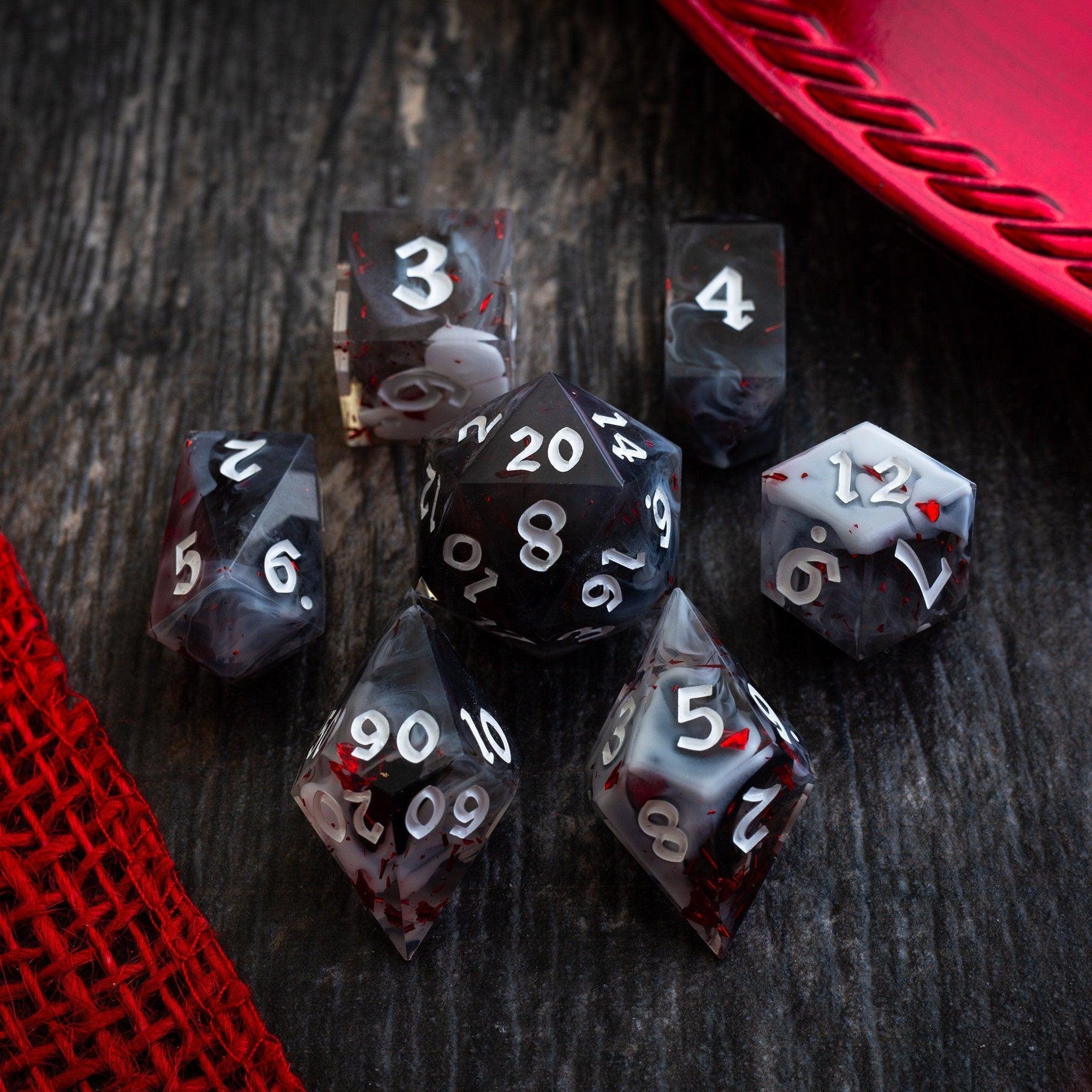
Comfortable tools can make each session smoother. If you enjoy tactile table play, you might like premium sets that are easy to read and pleasant to roll. For durability with a refined feel, consider exploring gemstone dice. For a blend of beauty and function, the labradorite set offers striking flashes that remain legible in varied lighting.
If you prefer vivid themes that match your character’s style, the starlit resin set provides a bright, cosmic look. To keep rolls contained and the table tidy, a stable dice tower may add consistency while keeping the focus on the story.
These accessories are optional, of course. If something adds calm, readability, or joy, it can be a kind addition to your sessions.
FAQ
How many schools should I focus on?
Two primary schools with one backup usually feels comfortable. One core for your role, one for your secondary focus, and a small safety net—often a protective or information effect—keep your kit versatile without becoming complex. This approach respects both efficiency and ease of play, and it makes each choice feel purposeful.
What if my party overlaps in roles?
Overlap can be gentle on pressure. It is helpful to talk about moments when each person would like to shine. Small adjustments can prevent crowding. For example, two damage‑focused casters might split responsibilities: one handles area control while the other covers precise strikes. Adding a touch of support or scouting can smooth the edges and open space for everyone.
How do I adjust choices between short and long adventures?
For short sessions, choose options with immediate impact and low overhead. Reliable damage, a quick defense, and a simple utility can carry the day. For longer arcs, add sustainable tools: effects that conserve resources, enhance travel, or maintain control across many encounters. Reviewing what you cast most between sessions helps you adapt with calm confidence.
As you refine your approach, a simple spells by school guide can serve as a steady reference. With a light touch and a clear plan, you can support your party, express your character, and make every session feel welcoming and fun.

















Leave a comment
This site is protected by hCaptcha and the hCaptcha Privacy Policy and Terms of Service apply.