
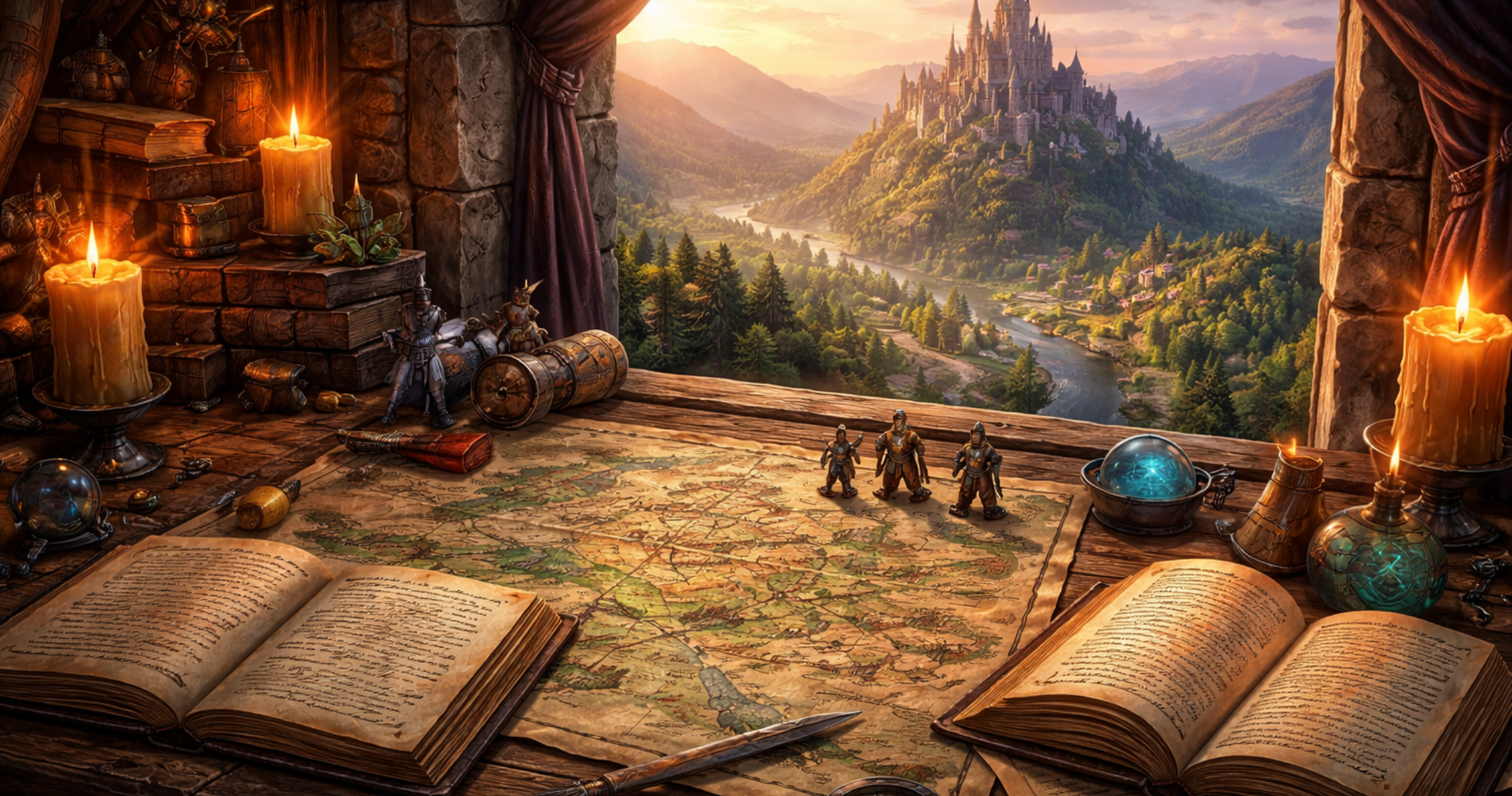
Campaign Planning for RPGs: A GM's Roadmap to Epic Sessions
Updated on: 2025-12-24
If you are looking for calm, dependable guidance on campaign planning for roleplaying games, this guide offers a tidy framework you can adapt to any system or playstyle. You will find clear steps, helpful tools, and ways to adjust as your table grows. The approach is light, flexible, and centered on player joy. Use it to reduce prep stress, add depth to your world, and keep sessions moving with ease.
- A gentle framework
- How-To Steps
- Practical tools and templates
- Session zero, tone, and table safety
- Measuring progress and adapting your arc
- FAQ
Many game masters want sessions that feel lively and coherent without hours of prep. This article shares a structure you can scale up or down. It favors small, reusable pieces over massive binders. You will see how to define a clear purpose, map short arcs, and prepare just enough detail to spark improvisation. The aim is a steady rhythm: plan a little, play a lot, adjust gently, and repeat.
Campaign planning for roleplaying games: a gentle framework
A friendly structure can reduce overwhelm while preserving creativity. Consider these pillars as you design your adventure path:
- Vision: Write one sentence that captures theme and stakes. For example, “Rebuild a shattered alliance while uncovering an ancient rift.” This anchors every decision.
- Scope: Choose a practical horizon. A three- to six-session arc is often a comfortable first milestone. You can add more arcs later.
- Player-first: Shape goals around character beliefs, bonds, and ambitions. Spotlight at least one character each session.
- Flexible prep: Build modular elements—short quests, portable NPCs, and reusable locations—so you can respond to the table.
- Rhythm: Alternate tension and relief. After a hard challenge, offer discovery, social scenes, or downtime.
When these parts work together, you gain clarity without rigidity. You know where you are going, yet you still leave space for surprises. The result is a campaign that breathes with the players’ choices, while you stay calm behind the screen.
How-To Steps
-
Set your north star. In one or two lines, define the campaign promise: tone, focus, and the core problem. This gives you a reference when choosing scenes or rewards.
-
Collect player intentions. Ask for character hooks, bonds, and lines you should not cross. Convert two or three of those hooks into immediate opportunities in session one.
-
Sketch the opening arc. Outline three beats: a catalyst, a rising obstacle, and a turning point. Each beat should resolve in one session if possible.
-
Prepare modular building blocks. Draft 5–7 quest seeds, 3 portable NPCs with goals, and 2 locations that fit many situations. Keep each on a half page or less.
-
Plan rewards that reinforce theme. Mix mechanical rewards with narrative ones: titles, allies, rumors, or shortcuts to future sites. Tie at least one reward to a character goal.
-
Right-size encounters. Pace variety across sessions—social, exploration, and combat. Adjust difficulty gently with terrain, timers, or optional objectives.
-
End with a choice. Close each session on a meaningful fork. Offer clear signals so players can plan their next move between sessions.
-
Review, then iterate. After each session, write three short notes: what landed, what dragged, and one idea to test next time. Keep it to five minutes.
Practical tools and templates
Simple tools can keep prep lean and sessions smooth. Consider a one-page campaign sheet with rows for theme, factions, current fronts, and three next hooks. Add a session tracker with three columns: scenes played, spotlight moments, and unresolved threads. A lightweight progress clock (four or six segments) helps you visualize threats advancing behind the scenes.
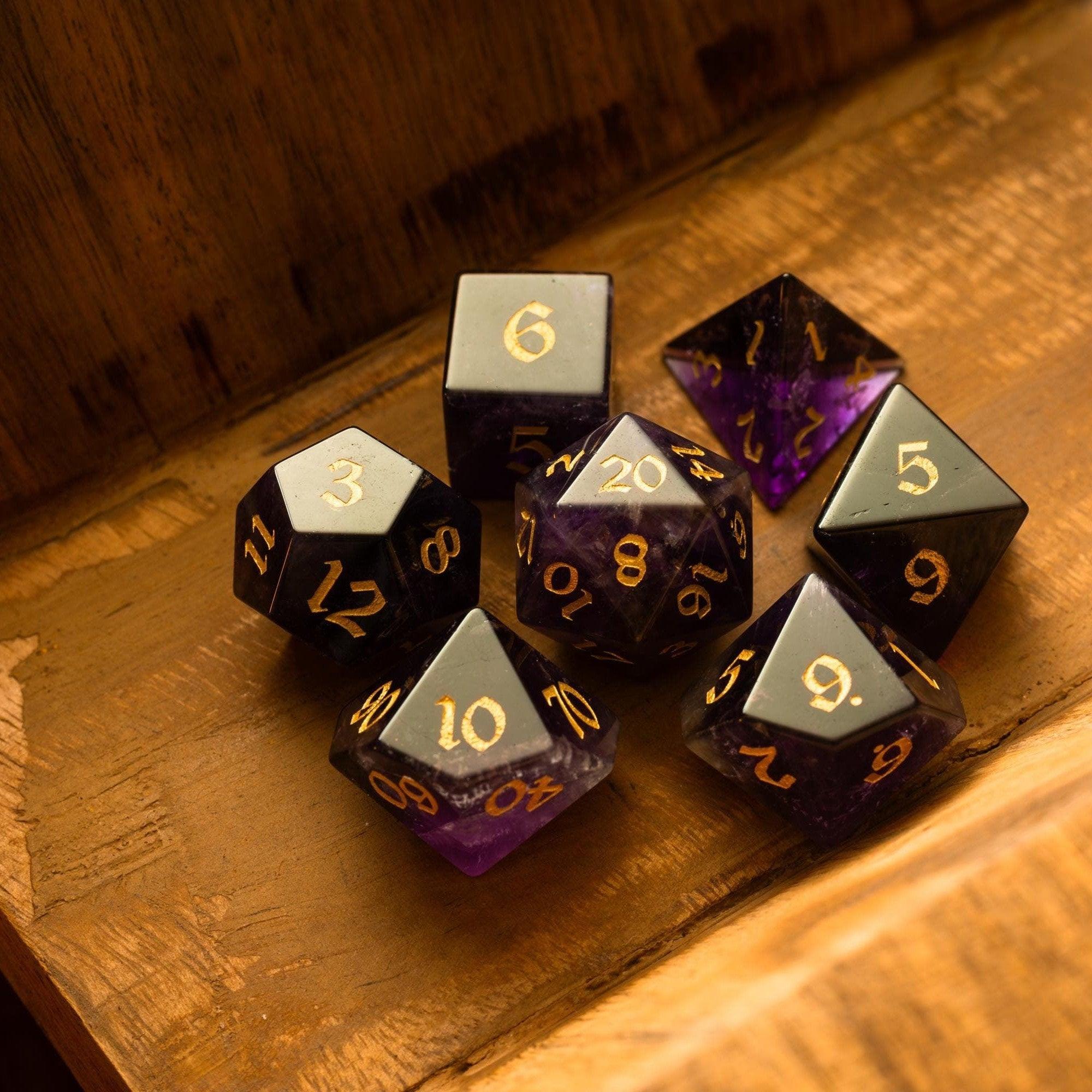
Props can support pacing and mood. A distinctive dice set can signal a new arc or a major villain’s presence, making table moments memorable. If you would like ideas, you might enjoy browsing gemstone dice for thematic resonance, or exploring shimmering liquid core dice for high-stakes scenes. For smoother logistics during play, sturdy dice towers can keep rolls tidy at a busy table. If you prefer to discover new styles, our new arrivals rotate seasonally.
Session zero, tone, and table safety
A brief session zero fosters shared expectations. Begin with tone: bright hope, grim survival, cozy exploration, or intrigue? Then discuss character spotlights and party ties. Clarify table norms for pacing, camera time, and how to pause or rewind scenes if needed. Safety tools—such as pre-game content preferences, check-in signals, or a simple “pause” card—offer a respectful way to care for one another.
Next, outline advancement and downtime so rewards feel consistent. If your game supports lifestyle costs, item crafting, or contacts, note how those systems will appear. Invite players to describe one thing they wish to see in the world—an order, a festival, or a rumor. These become ready-made hooks you can feature early.
Measuring progress and adapting your arc
Gentle tracking reduces rework. Every few sessions, gauge how the table feels: Are choices clear? Are stakes visible? Are scenes varied? A short poll or casual debrief can offer helpful signals. If the party wants more exploration, nudge your next prep toward travel, maps, and discovery. If they want character drama, expand factions and relationships.
When you approach campaign planning for roleplaying games as an iterative craft, you can pivot without losing coherence. Retire unused hooks, promote active villains, and sunset rules that add friction. Keep your north star visible, say yes to strong player ideas, and let the world react. This creates momentum that feels both intentional and alive.
FAQ
How long should a prep document be?
Many game masters find that one page per arc is enough. Put the vision at the top, then list factions, fronts, and three upcoming hooks. Add a short scene bank for the next session. If you need more detail for a complex location, keep it as a separate note you can reuse elsewhere. Smaller, modular notes tend to survive player surprises better than large, fixed outlines.
How do I balance sandbox play with story structure?
Offer several clear options, each pointing toward your theme. Prepare soft signposts—rumors, maps, and NPC requests—so players understand what might happen if they choose a path. Structure emerges from consequences: when a clock fills or a faction achieves a goal, the world shifts. You are not forcing a plot; you are presenting a living environment with understandable signals.
What if a player misses a session?
Consider flexible spotlight rotation. Plan scenes that do not require every backstory thread at once. Offer safe exits and re-entries in fiction—a courier mission, research at a library, or training with a mentor. At the table, give a brief recap and a small catch-up reward next time. This approach keeps momentum without penalizing absence.

















Leave a comment
This site is protected by hCaptcha and the hCaptcha Privacy Policy and Terms of Service apply.