
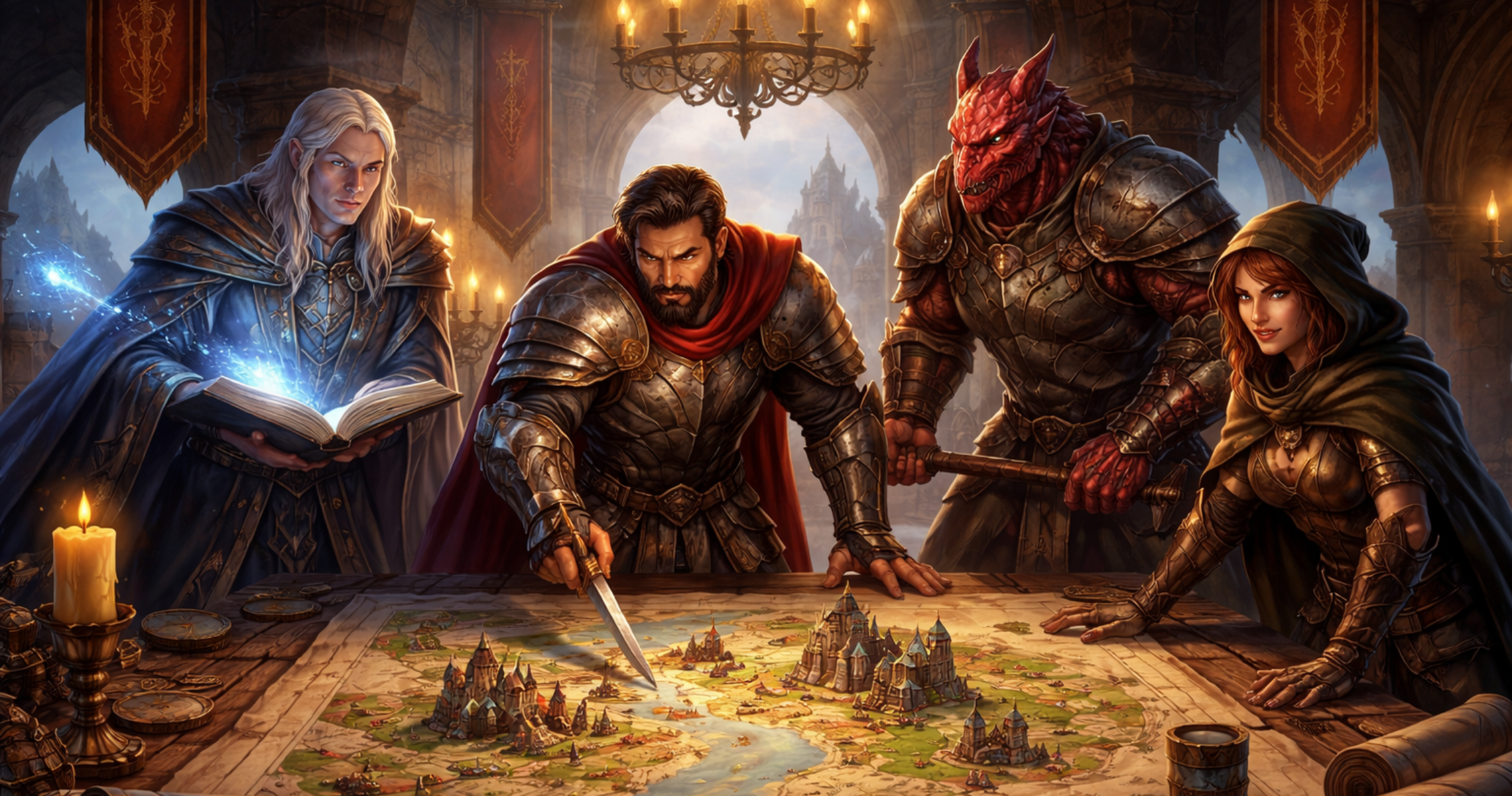
Managing Party Roles With A Practical Playbook For Campaigns
Updated on: 2025-12-24
Want smoother game nights and fewer table conflicts? This guide shows party role management strategies that keep everyone engaged, reduce overlap, and speed up decisions. You’ll learn simple, repeatable methods to clarify who does what, balance spotlight time, and prevent “quarterbacking.” Use these tips to create a kinder, quicker, and more collaborative table. The result: better teamwork, clearer expectations, and sessions that feel effortless.
You’ve probably seen it: two players trying to be the “face,” no one tracking resources, and the healer juggling everything. When roles are unclear, tension creeps in, choices drag, and fun takes a hit. Clear roles protect spotlight time and make teamwork easy. In this friendly guide, we’ll break down common myths, share practical steps you can use tonight, and answer questions players ask most. Whether you run a tactical dungeon crawl or a narrative-driven story, the ideas below keep your group aligned and your sessions smooth.
Myths vs. Facts
- Myth: Assigning roles kills creativity.
Fact: Roles create a baseline, not a box. When everyone knows their lane, they feel safer exploring, improvising, and sharing the spotlight because responsibilities aren’t a mystery. - Myth: One player must be the leader all the time.
Fact: Leadership can be situational. Let the scout lead stealth scenes, the scholar guide research, and the paladin front a negotiation with a rival order. Flexible leadership keeps energy fresh. - Myth: Roles are only “tank, healer, damage.”
Fact: Social, exploration, logistics, and support roles matter too. Think “face,” “navigator,” “quartermaster,” “note keeper,” “ritualist,” or “controller.” The best groups balance both combat and non-combat duties. - Myth: Reassigning roles is disruptive.
Fact: Short “role checks” at the end of an arc help morale. Rotating duties like note taking or caller keeps burnout low and lets more players contribute in new ways. - Myth: The GM must fill every gap.
Fact: The table can share the load. Players can track initiative, manage loot logs, and run travel checks. When the group owns logistics, the GM focuses on pacing and story.
Step-by-Step Guide: Party Role Management Strategies
-
Define your campaign pillars.
Decide what matters most: dungeon tactics, political intrigue, wilderness survival, or heists. Your pillars shape the roles you need. A heist game needs a planner, a face, a tech expert, and a scout; a survival game wants a forager, navigator, medic, and guardian.
-
Run a quick Session Zero check-in.
Ask each player where they want to shine. Use three prompts: “I want to be relied on for…,” “I’m happy to support…,” and “Please don’t assign me….” Capture answers in shared notes so everyone can see expectations.
-
Map roles to scenes, not just combat.
Create a short list: Combat (frontliner, controller, support), Social (face, scribe, cultural expert), Exploration (scout, navigator, quartermaster). When scenes shift, leadership shifts too. This keeps every player relevant.
-
Make roles visible at the table.
Use name tents, index cards, or a simple sheet in your binder. Visibility reduces confusion and cuts down table-talk. If you like tactile tools, set up a small rolling station; sturdy dice towers keep order when the action heats up.
-
Create a lightweight decision system.
In tense moments, pick a “caller” who summarizes the group’s choice after hearing input. Rotate this job each session. Summaries reduce back-and-forth and protect quieter players from getting overshadowed.
-
Balance spotlight time with scene cues.
Before a scene, ask, “Whose role fits best here?” Then tee up that player for the first move. After they act, invite others to contribute. This simple cue smooths pacing because everyone knows when to jump in.
-
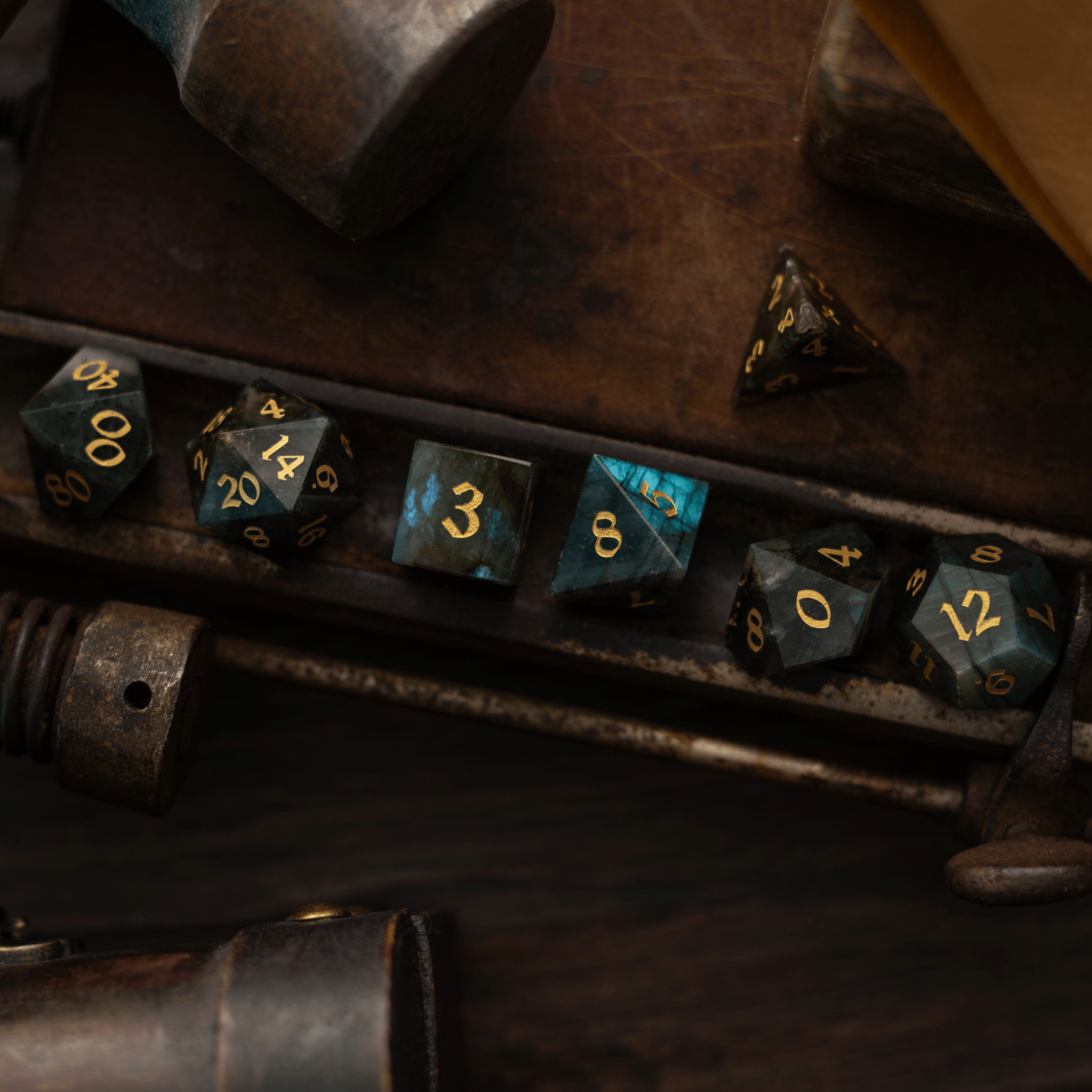
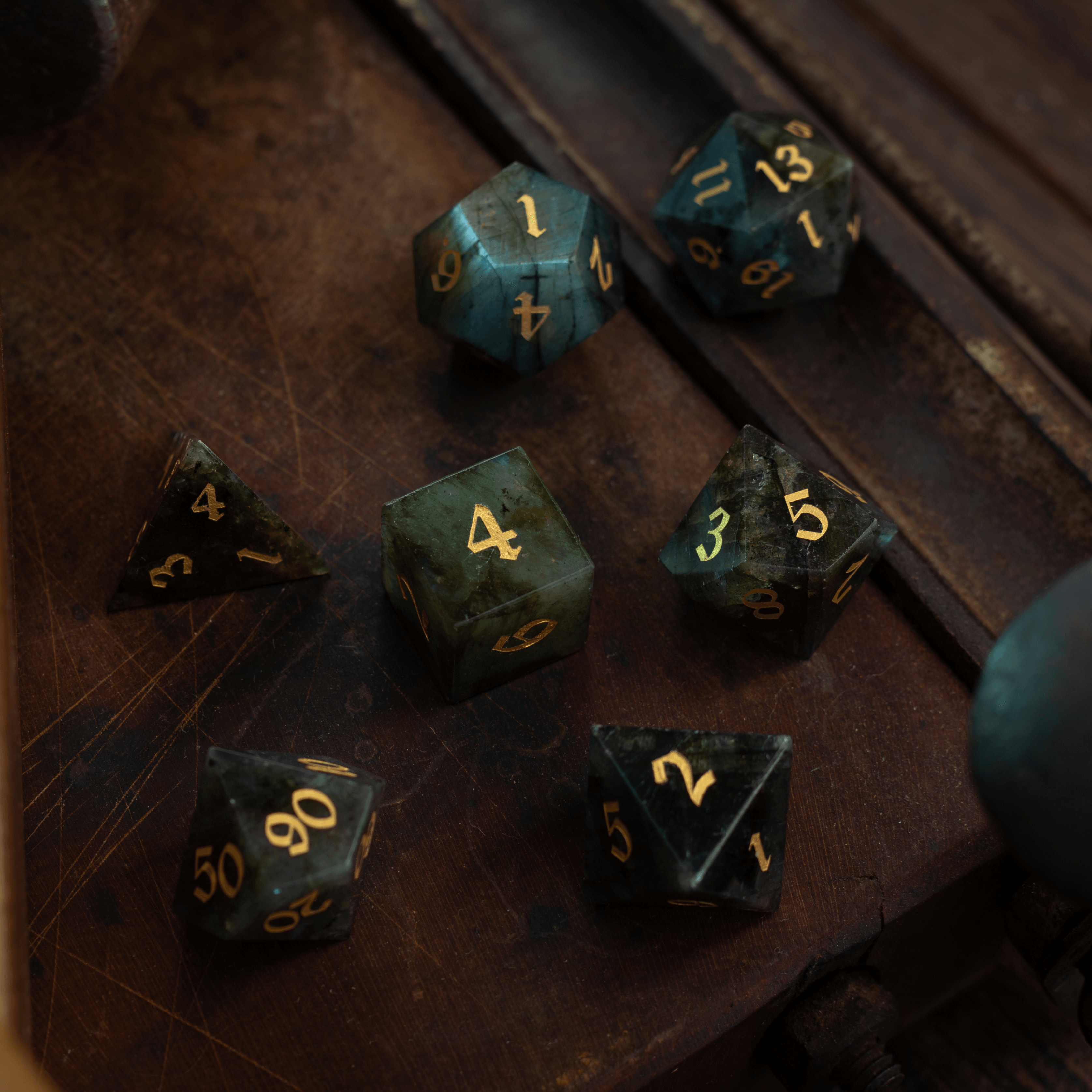
Use gear and tokens to reinforce identity.
Matching props help players “lock in” their role. A distinct dice set makes a role feel real. If your controller wants something eye-catching, consider a set like the shimmering starlit resin. For a bold defender vibe, the deep hues of raised obsidian feel sturdy. Prefer a fluid, arcane theme? Check out liquid core dice. You can browse more styles in our dice collections.
-
Establish a conflict-safety loop.
When players disagree, pause, restate goals, and propose two actionable options. Then vote or defer to the situational leader (scout for stealth, face for diplomacy). This loop contains conflict and keeps momentum.
-
Schedule role reviews at natural breaks.
At level ups or arc endings, ask: “Is anyone overloaded? Is a role underused? Does anyone want to try a new responsibility?” Small adjustments prevent burnout and keep enthusiasm high.
-
Keep notes simple and shareable.
The scribe tracks NPC names, clues, and promises the party made. Use one page per session with bold headings and short bullets. A shared document or notebook works; consistency matters more than fancy layouts.
Frequently Asked Questions
How do we assign roles without hurting feelings?
Start with a quick interest survey and focus on “opt-in” language. Ask what each player wants to own, what they’re curious to try, and what they’d rather avoid. Frame roles as support for fun, not as obligations. If a role is unclaimed, split it into lighter tasks. For example, two people can share logistics: one tracks rations and coin; the other records magic items and attunements. Praise the impact of each role at session breaks so the group sees and values the effort.
What if two players want the same role?
Co-roles work if you divide by scene type or objective. Two “faces” can alternate social leads based on who has the relevant bond or background. Two defenders can coordinate: one engages the frontline while the other protects the backline or controls choke points. Alternatively, let one player hold the lead while the other becomes “assistant lead,” stepping up when their niche fits better. Clear handoffs keep things friendly and prevent stepping on toes.
How often should we revisit our party roles?
Check in at predictable milestones: end of a story arc, level gains, or when a new character joins. A five-minute review is enough. Ask what’s working, what’s draining, and what needs a swap. Roles evolve as characters evolve. Treat reviews like tuning an instrument—small, regular adjustments keep your table in harmony without big overhauls.
Summary & Key Takeaways
Great groups don’t stumble into balance by accident, they plan for it. Start by naming what your campaign focuses on, then match roles to those scenes. Make responsibilities visible, set a simple decision system, rotate leadership, and review roles at natural breaks. Use props and clear notes to anchor identity and reduce friction. With thoughtful party role management strategies, your sessions run faster and feel friendlier because everyone knows how they contribute and when to shine.
Want an easy win before your next game? Choose a signature dice set that matches your character’s vibe so your role “clicks” the moment you sit down. The right tactile feel can spark confidence and intention at the table.
Disclaimer: Always tailor these ideas to your group’s comfort level. Collaborate, ask for consent on table norms, and adjust pacing, roles, and tools to fit your players’ preferences.
















Leave a comment
This site is protected by hCaptcha and the hCaptcha Privacy Policy and Terms of Service apply.