
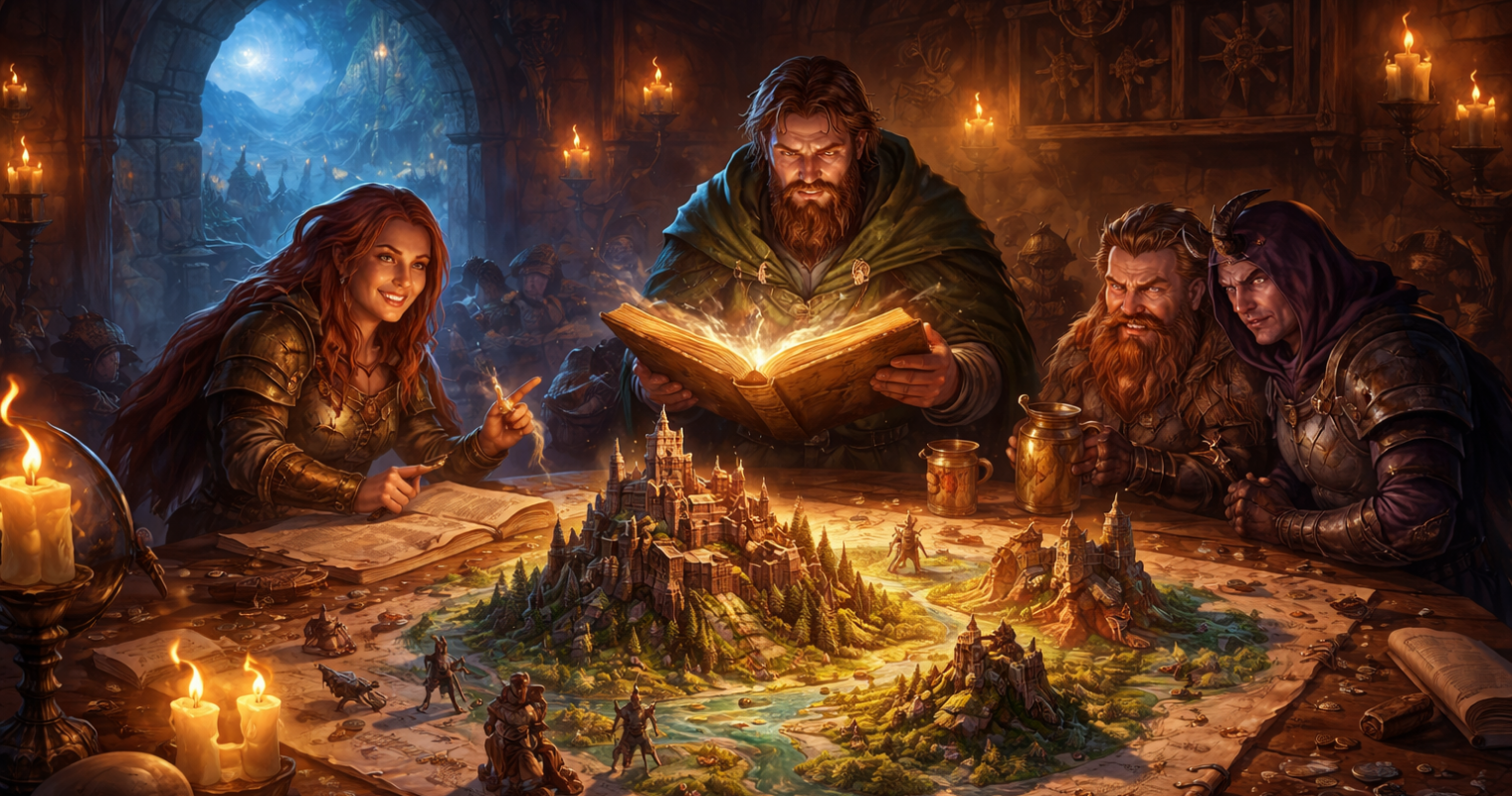
Spark Tabletop Adventure Planning Ideas for Campaigns
Updated on: 2025-12-29
Table of Contents
- Myths vs. Facts about tabletop adventure planning ideas
- Personal Experience
- Final Thoughts & Takeaways
- Q&A: How much prep time do I really need?
- Q&A: How do I keep players engaged between sessions?
- Q&A: What if a player cancels at the last minute?
Planning a great game night can feel exciting and a little overwhelming. Whether you run crunchy tactical systems or light narrative ones, a calm approach helps. If you are looking for tabletop adventure planning ideas that do not demand long hours, you are in the right place. This article focuses on small, repeatable habits that add up to memorable sessions, including simple story scaffolds, focused prep, and gentle ways to invite your players into the creative process.
Myths vs. Facts about tabletop adventure planning ideas
-
Myth: You must script every scene to run a smooth game.
Fact: Preparing a few flexible beats (hook, twist, resolution) and clear goals for NPCs often delivers smoother play than full scripts. -
Myth: The map has to be perfect before session one.
Fact: Start with a simple sketch and add details as players show interest. Build what they touch, not what they might ignore. -
Myth: Surprising players requires complex plot twists.
Fact: Small reveals—an ally’s hidden motive, a familiar landmark in ruins—create delight without heavy prep. -
Myth: Balance means every encounter is the same difficulty.
Fact: Variety keeps tension healthy. Offer safe paths, risky shortcuts, and social options so players can choose their own challenge. -
Myth: Props and accessories are “extra” and rarely help.
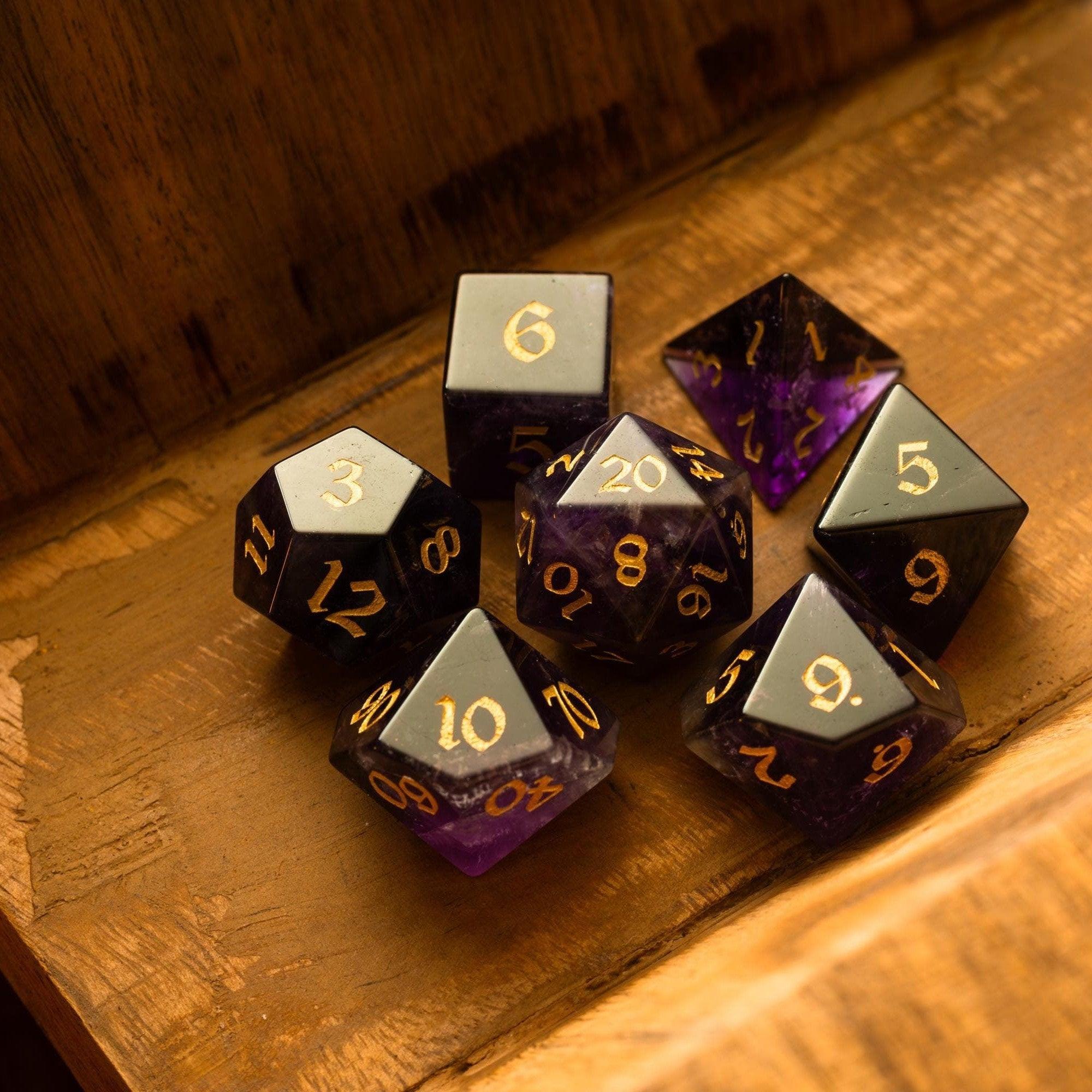
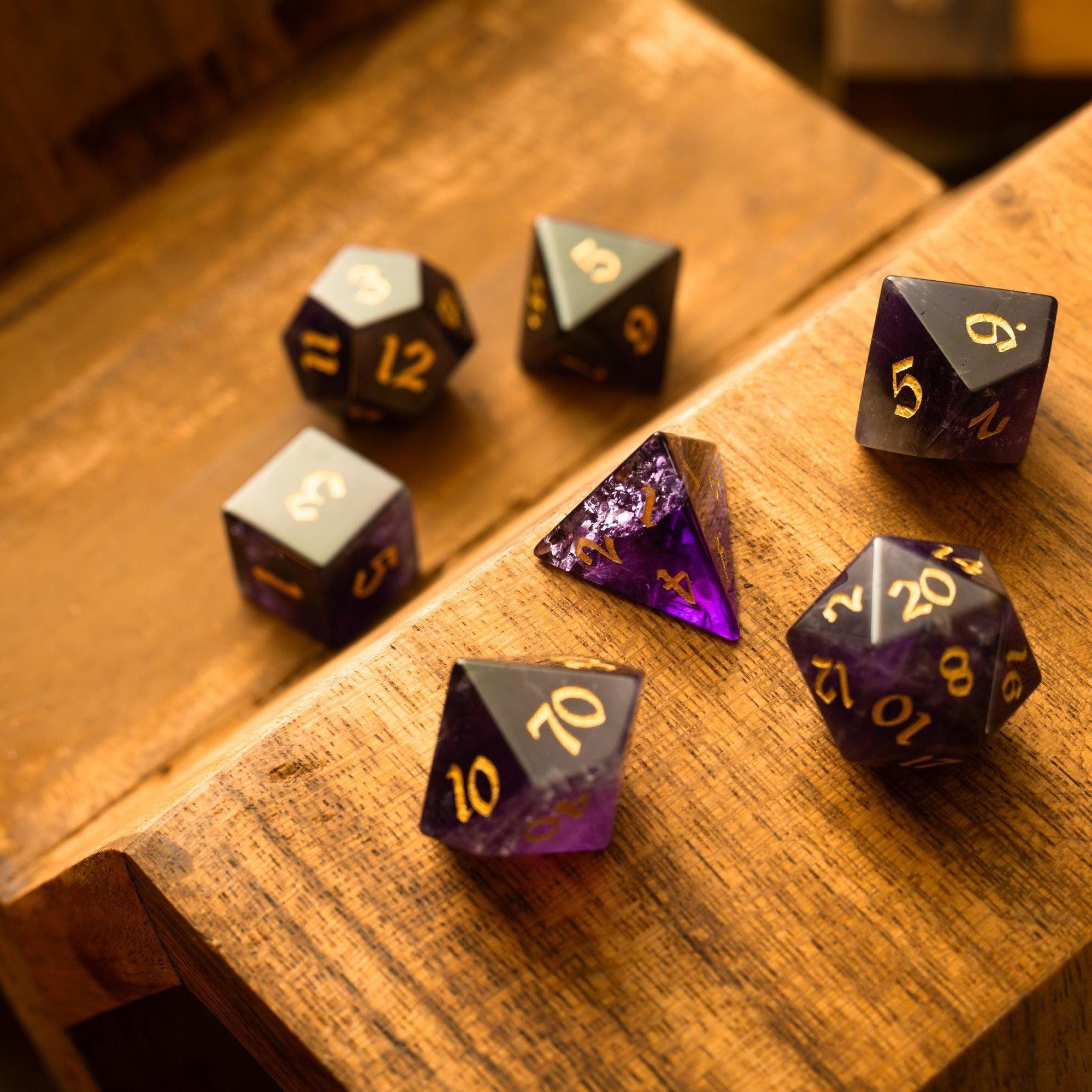
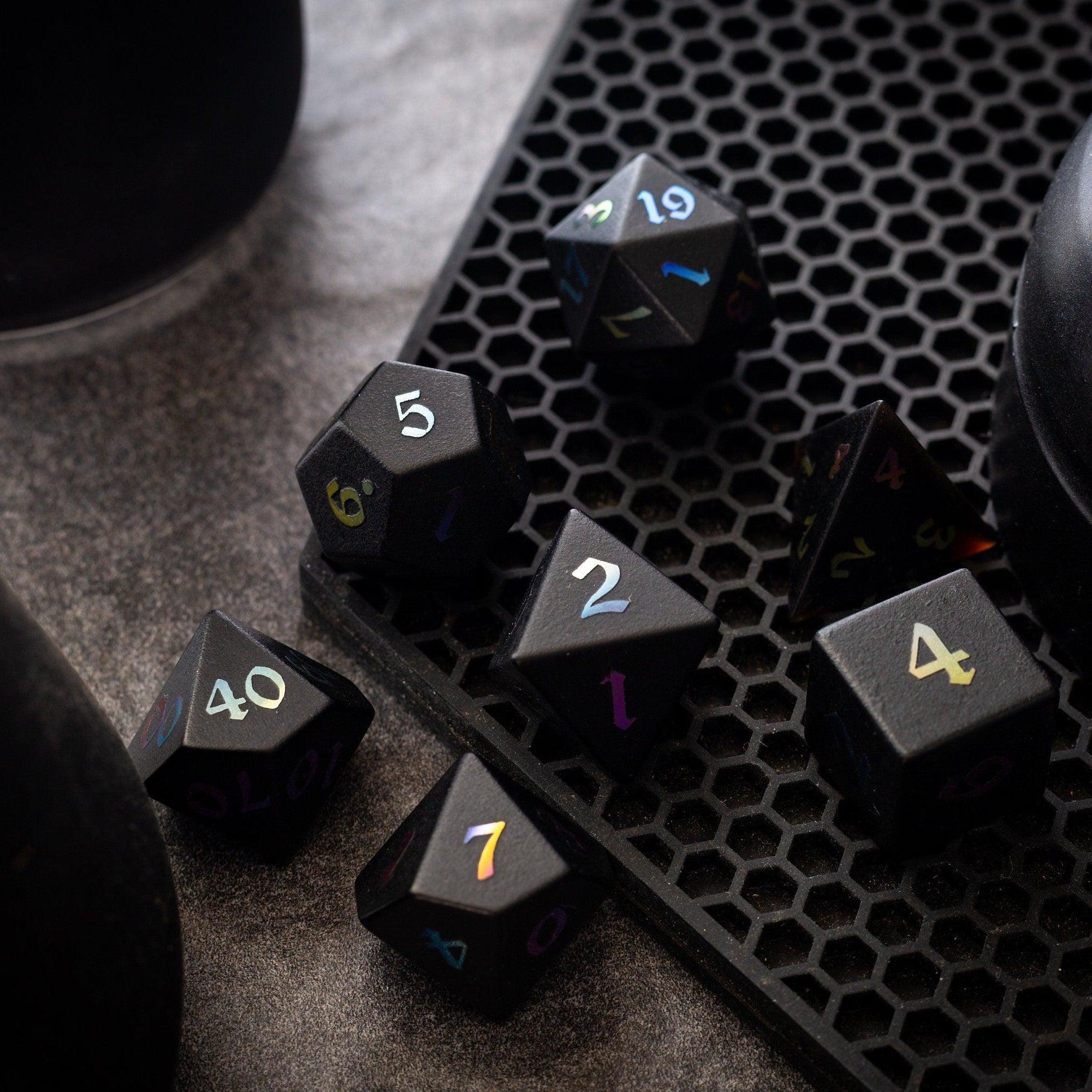
Fact: A single tactile piece, like a distinctive set of dice or a handout, can anchor attention and set the scene with minimal effort. -
Myth: If players derail the plan, the session is lost.
Fact: Treat left turns as signals of engagement. Reframe your prepared beats to fit their new direction rather than pulling them back. -
Myth: You need elaborate NPC backstories for depth.
Fact: Two traits and a desire are usually enough. Add detail only when the table shows ongoing interest. -
Myth: More prep time always equals a better session.
Fact: Focused prep beats longer prep. Ten minutes of goal-setting and clue placement can outperform hours of unused lore.
Personal Experience
Several years ago, I took over a weekly game with only a few days’ notice. My calendar was full, and I worried I could not deliver the kind of session the group deserved. I switched to a lean framework: three beats, three clues, and three names I could reuse. I also put a single visual prop in the center of the table to set the tone.
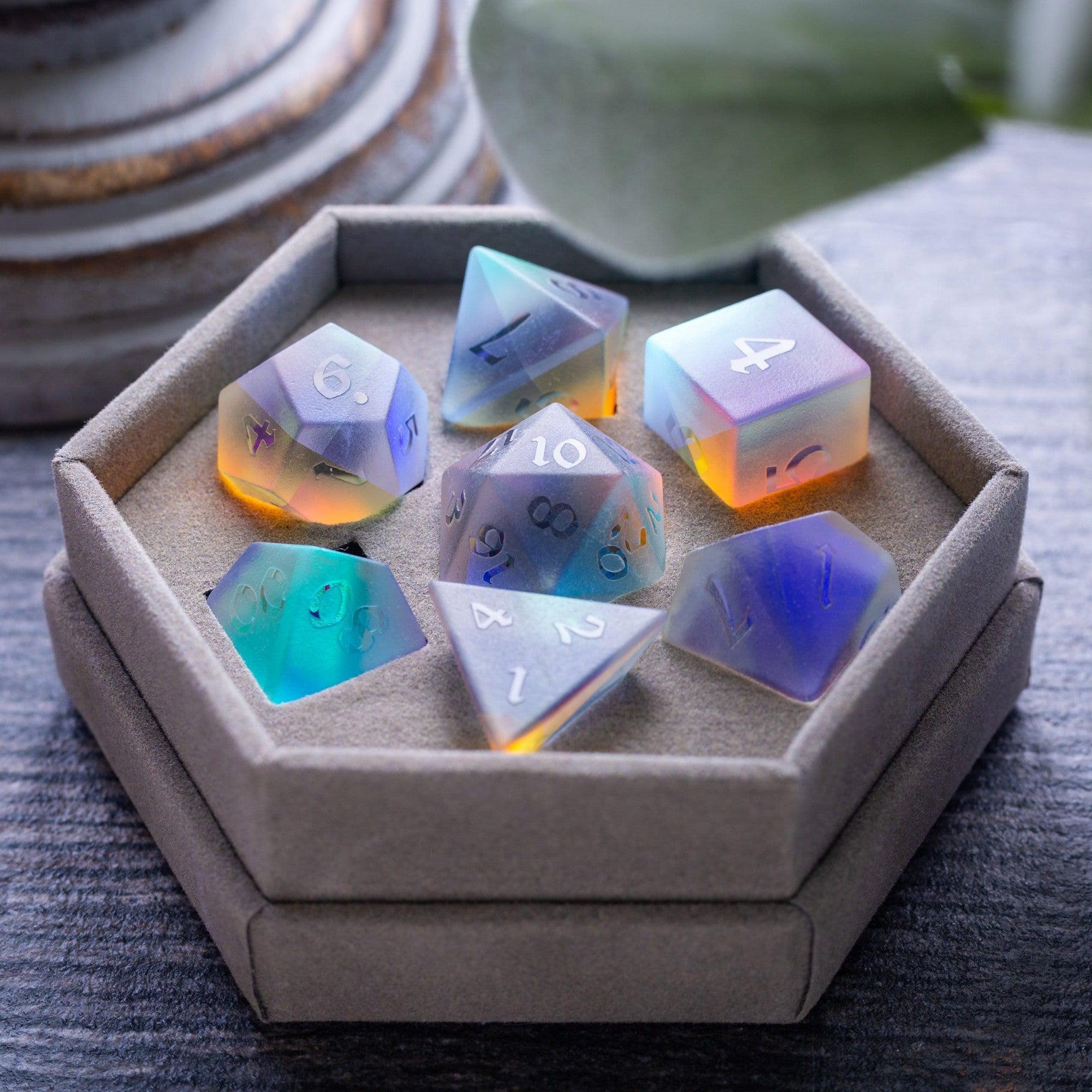
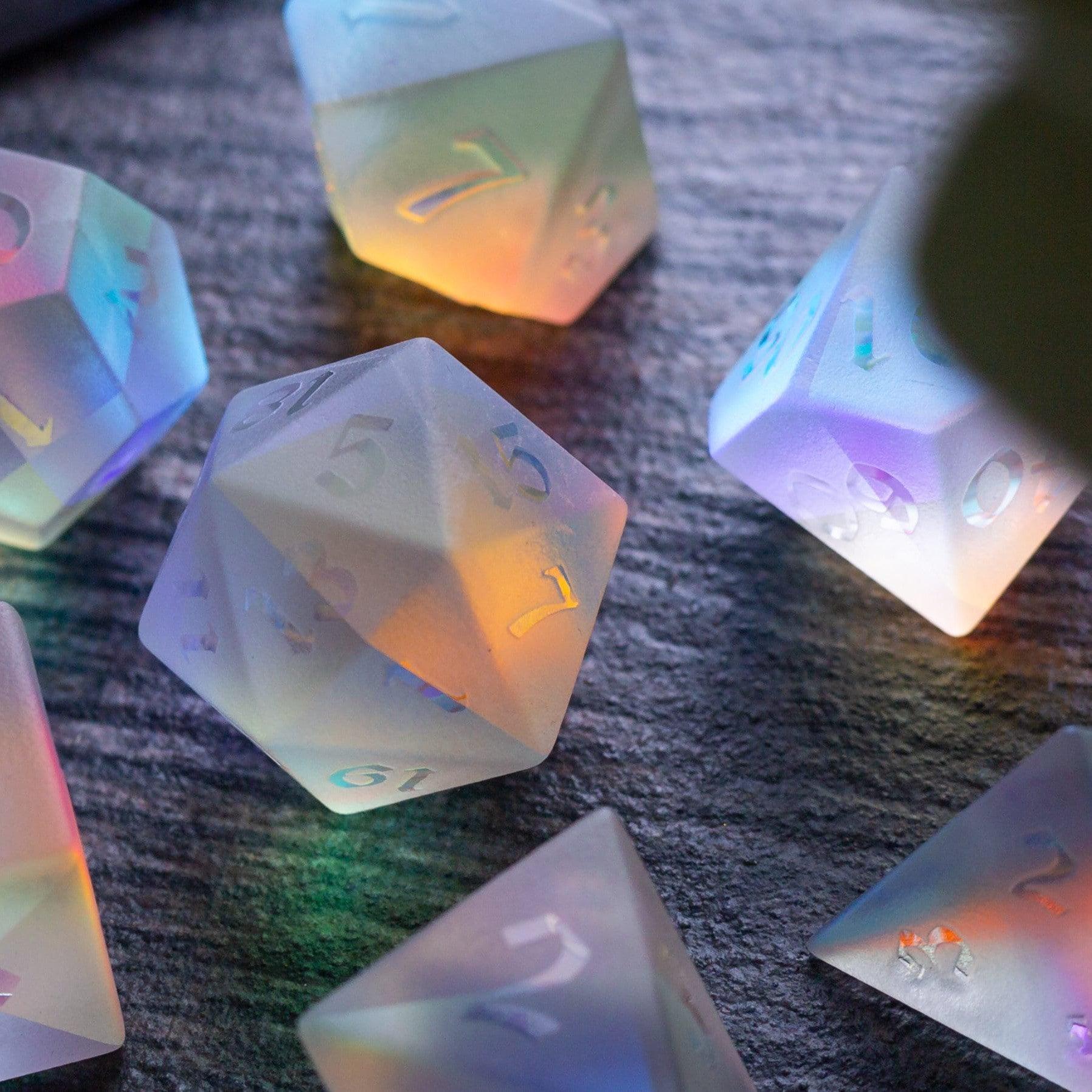
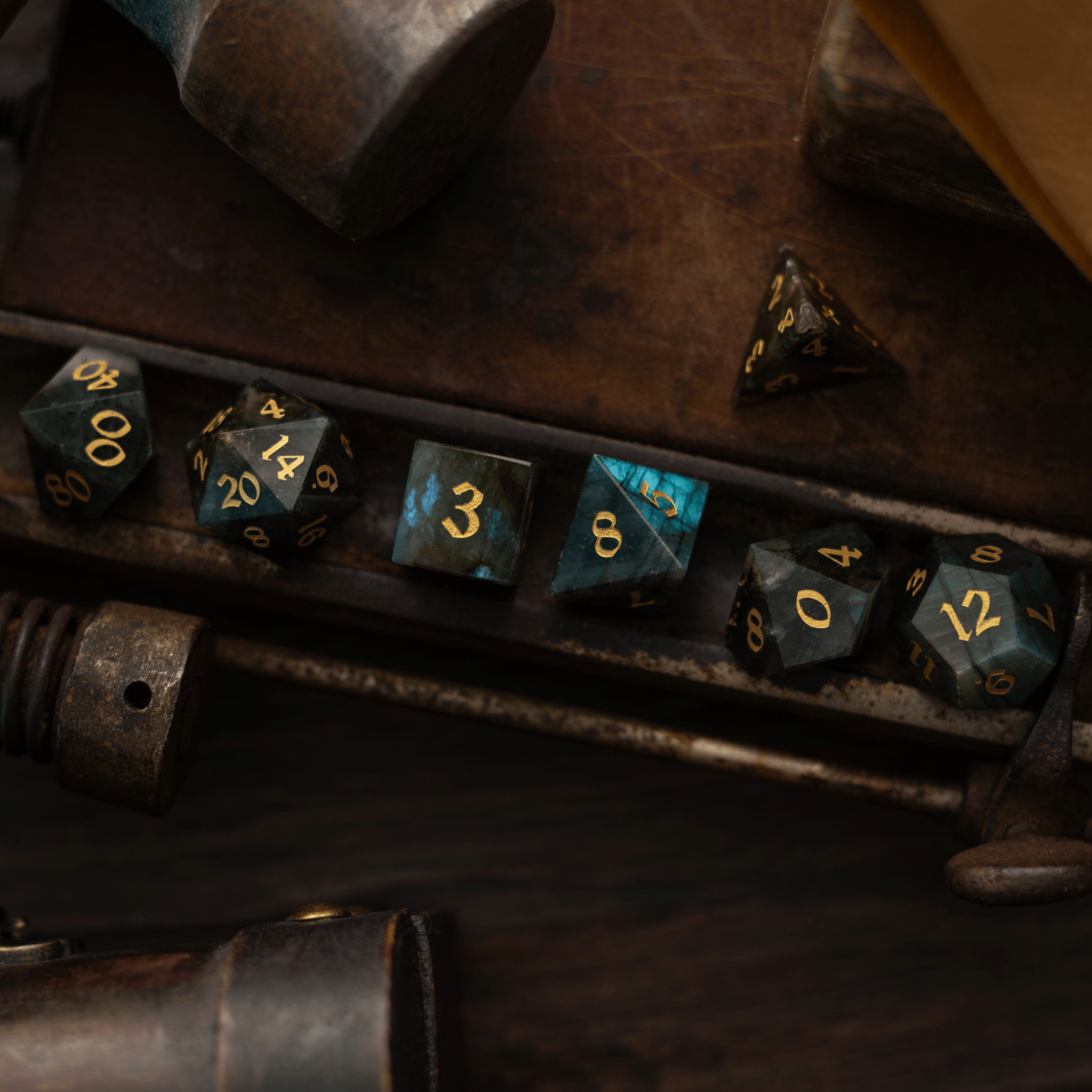
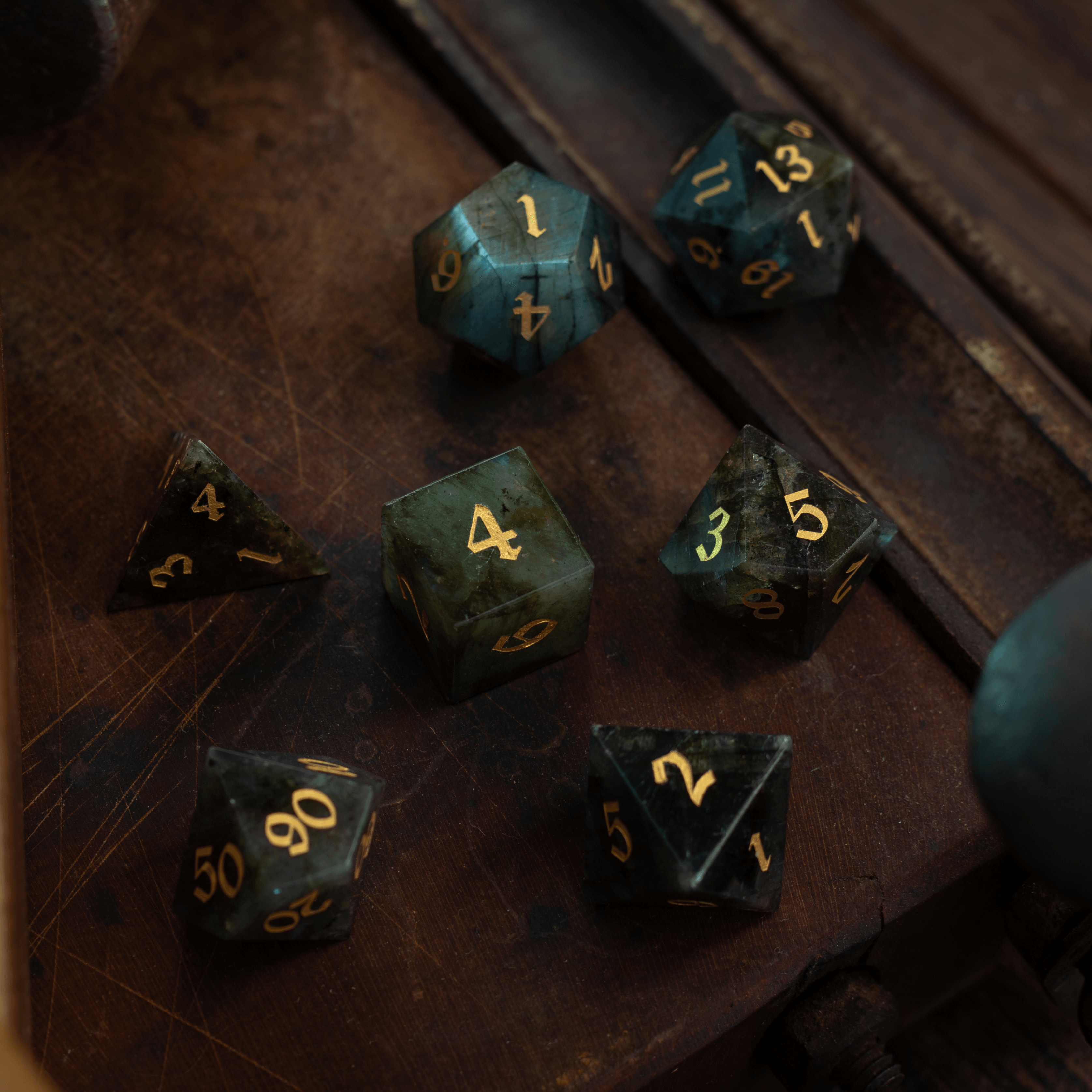
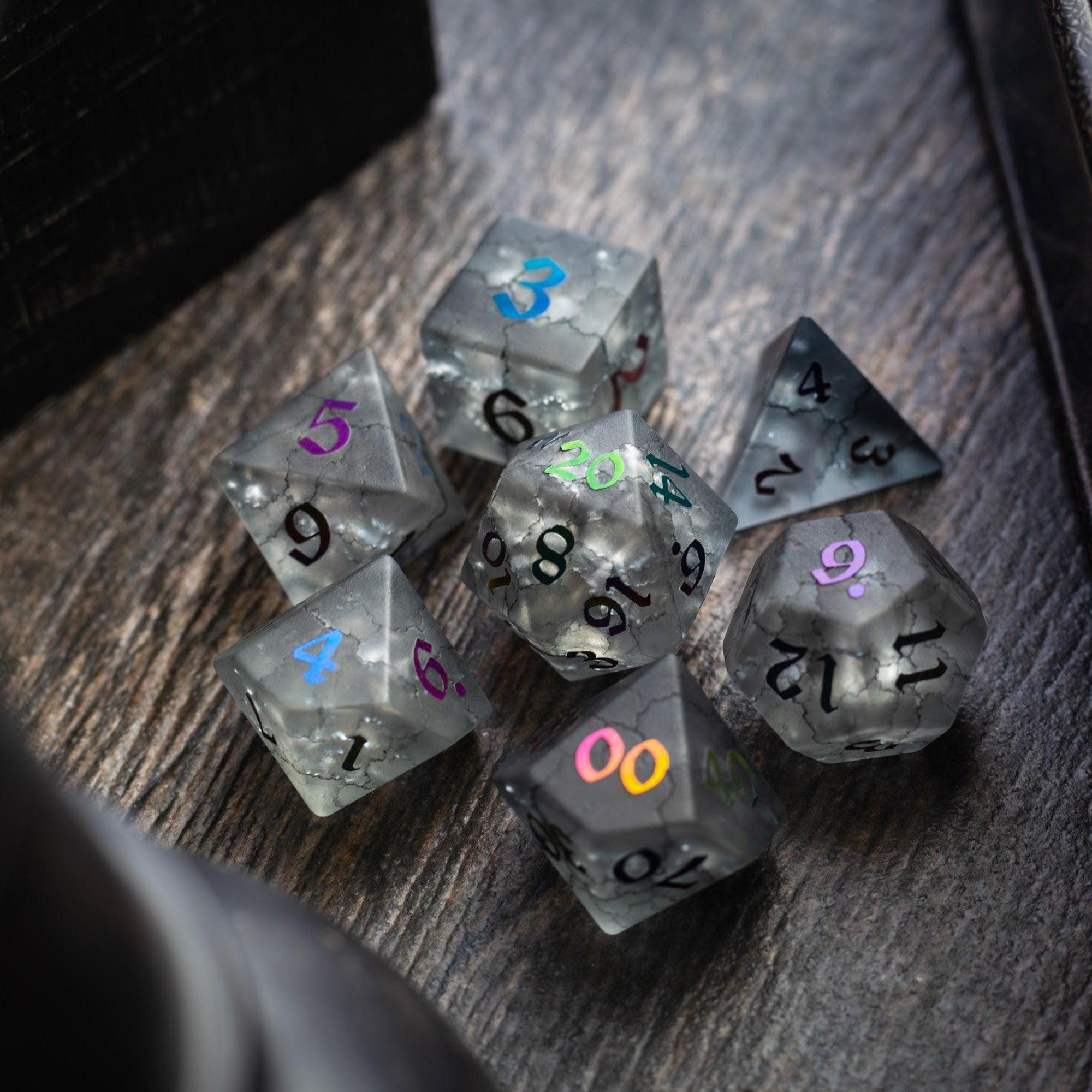
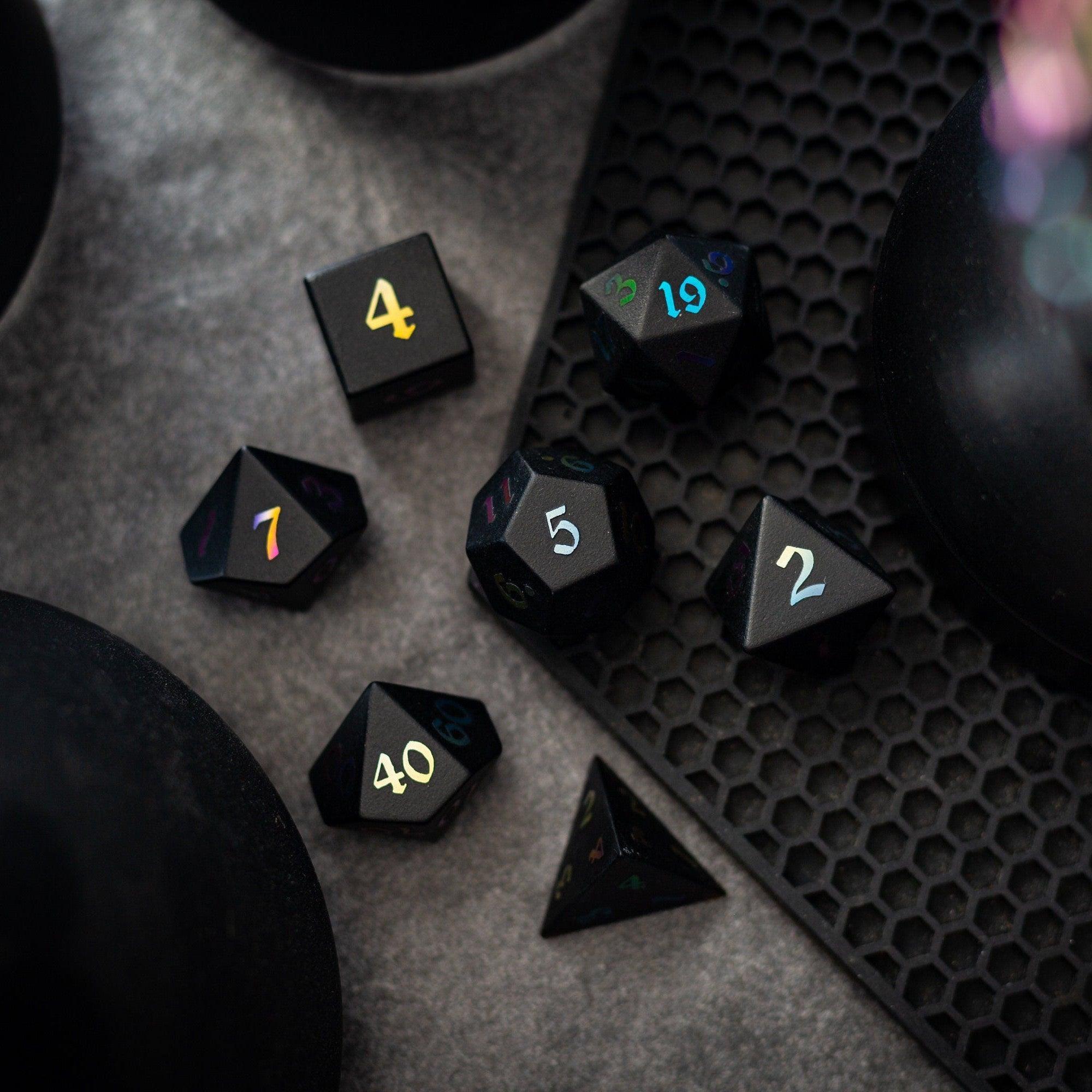
The difference was immediate. Because I planned less, I listened more. When the group fixated on a mysterious river ferry, I moved a key clue aboard and let their curiosity steer us. The game felt lively and personal, and prep stayed manageable. A small flourish—a glinting set of labradorite gemstone dice that became the “captain’s talisman”—helped everyone remember the NPC and setting without a long monologue. That night taught me that clarity, flexibility, and a single striking detail can carry a session far.
Final Thoughts & Takeaways
Good planning is less about predicting everything and more about being ready for anything. A few scaffolds, inviting prompts, and simple props can lift your table’s energy without adding stress. The aim is to create room for your players’ ideas while ensuring you always have a next step ready.
- Prep three beats: a hook that invites action, a midpoint twist, and a consequence the group can feel.
- List three portable clues that can appear in any location (a sigil, a rumor, a letter) so you never stall.
- Give every notable NPC two traits and a desire; add depth only as interest grows.
- Offer two approaches to every challenge: a direct route and a clever detour. Let the table choose.
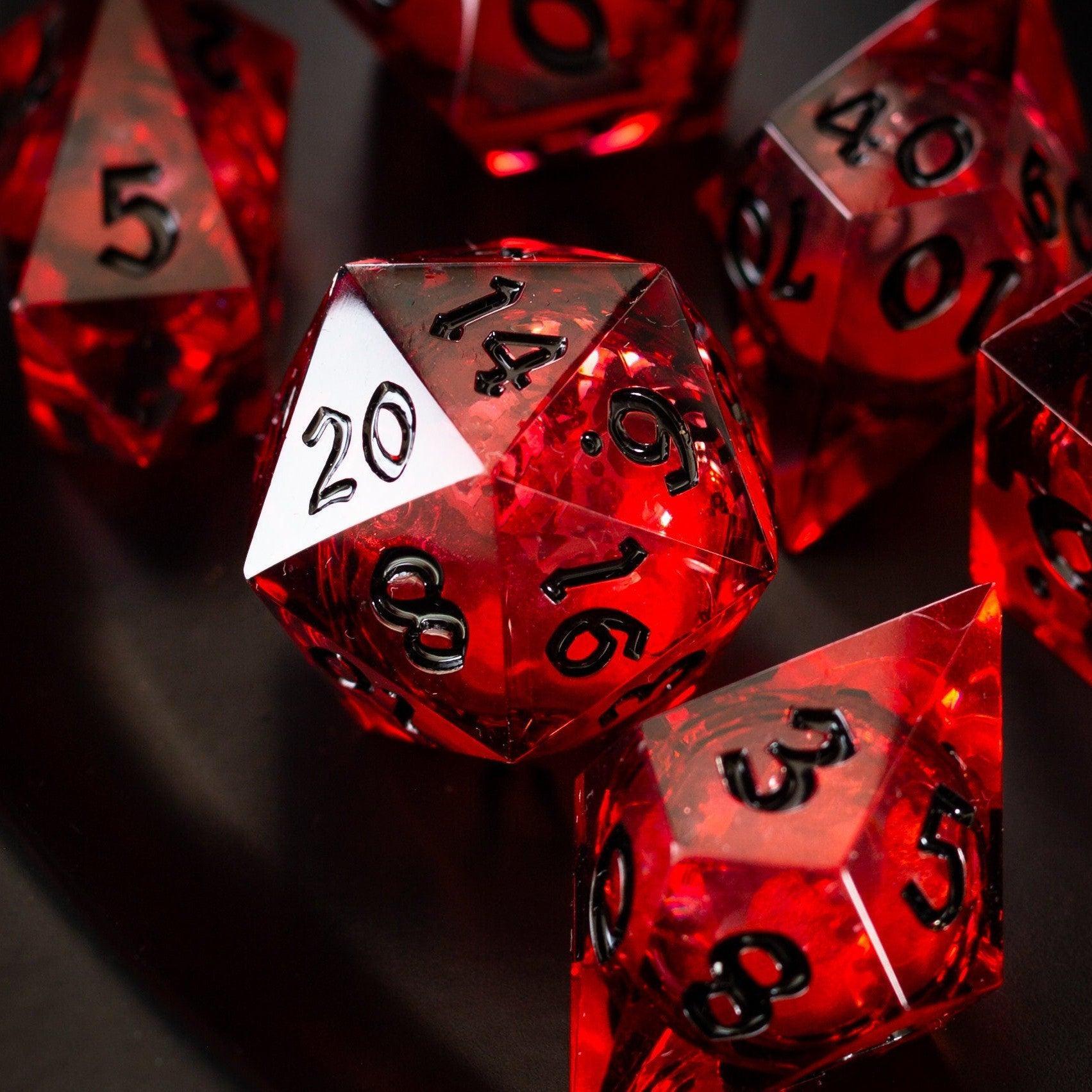
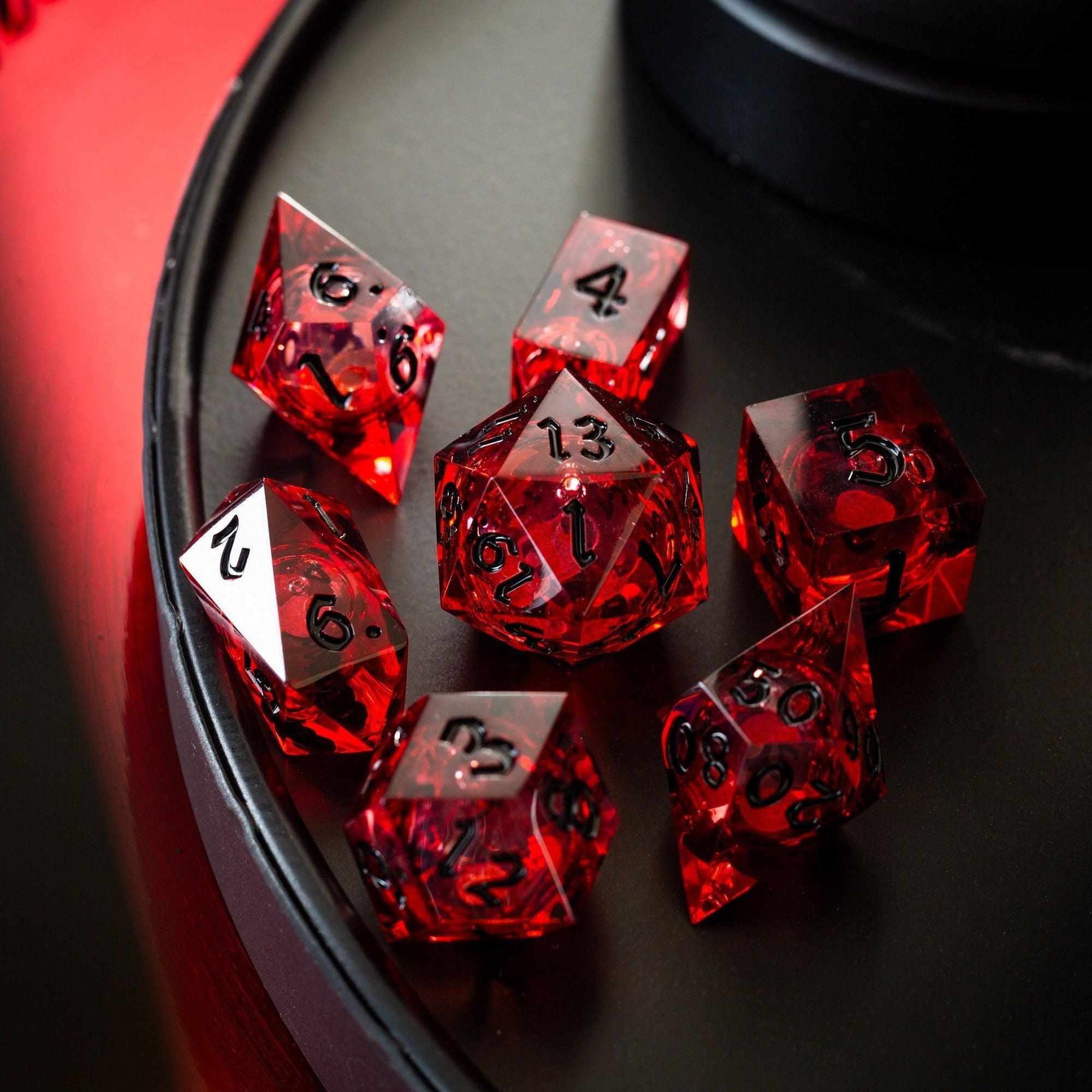
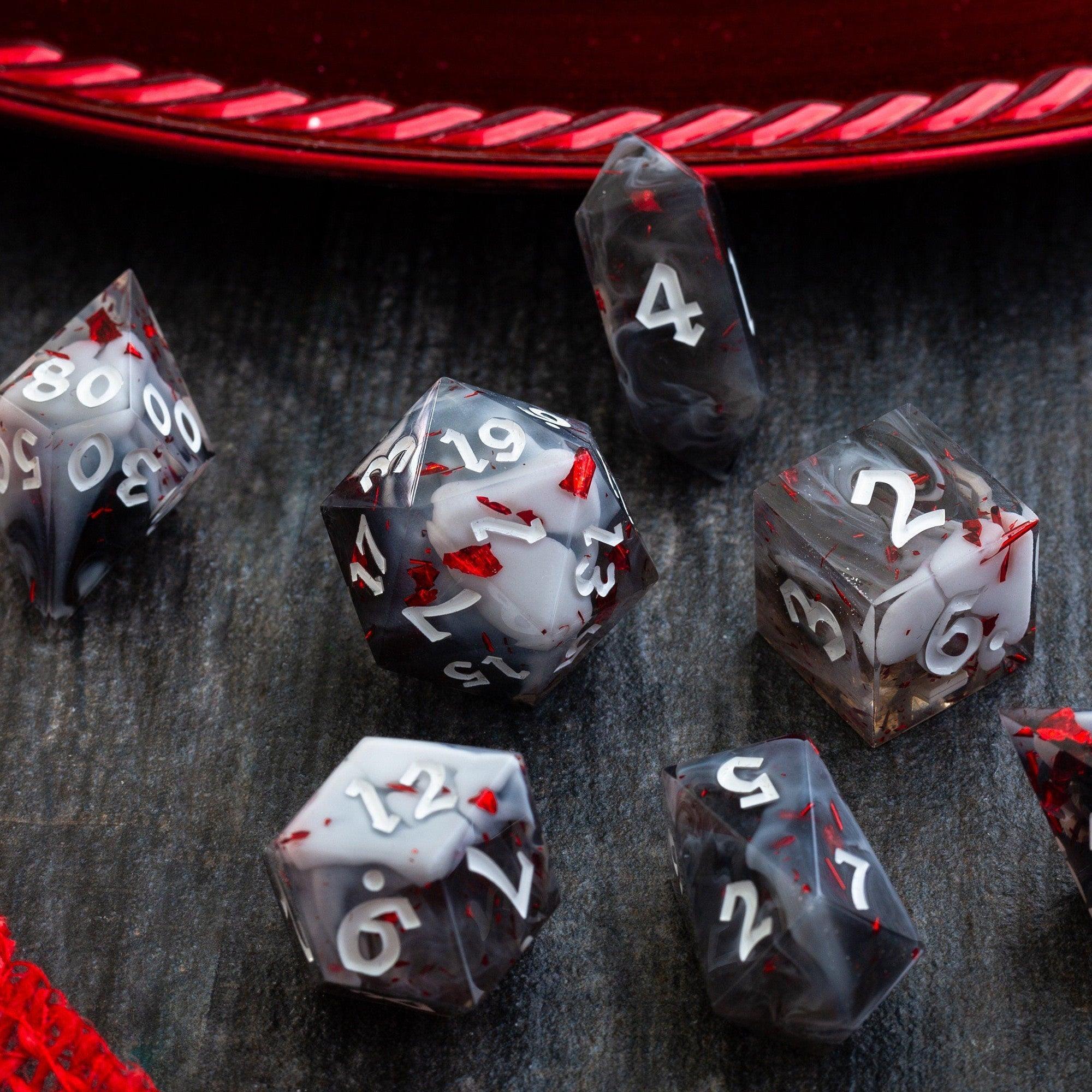
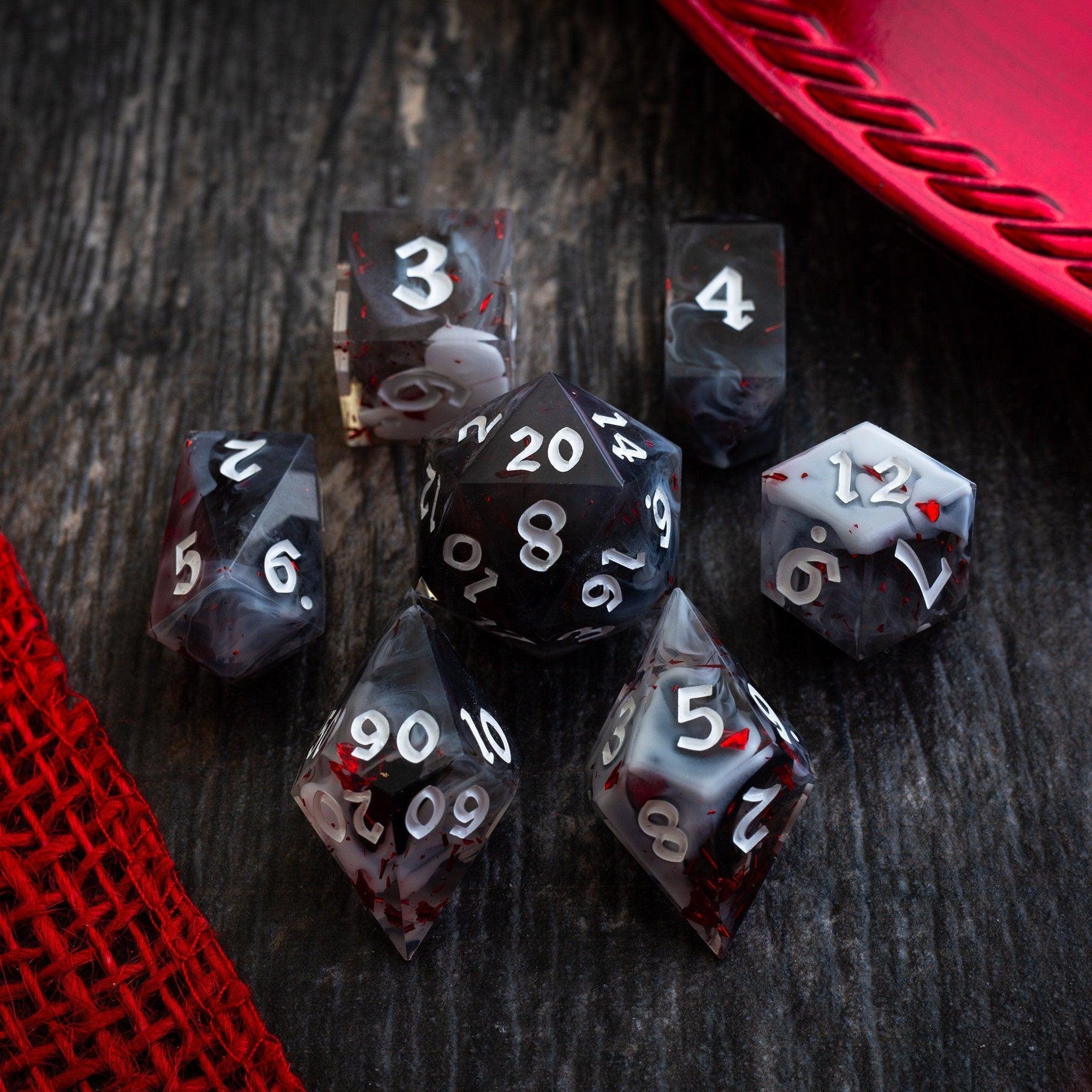
- Create a quick mood anchor—a song, a color palette, or a standout accessory like liquid core dice—to keep attention focused.
- End sessions with a gentle recap and a question, such as “Which thread should we pull next?” to guide your next prep pass.
- Keep your tools simple: a short checklist, reusable names, and a small deck of prompts can do a lot.
- Browse inspiring pieces in our featured collections or organize rolling space with sturdy dice towers to keep the table neat.
How much prep time do I really need?
It varies, but many game masters find that 20–45 minutes is enough for a clear, engaging session when focused on essentials. Try this rhythm: define a goal for the session, outline three flexible beats, and list three clues you can move anywhere. If you enjoy maps, sketch only the rooms or regions you expect to use. Preparing a couple of tactile aids or table tools—like organized trays or dice towers—can also streamline play, reducing pauses and cutting your overall prep needs.
How do I keep players engaged between sessions?
Close with a short recap and a gentle prompt, such as “What rumor should we chase?” or “Who do you want to talk to first next time?” Share a one-paragraph follow-up that lists known leads and unresolved questions. If your group likes collaboration, invite each player to add a rumor, contact, or small location for you to weave in later. Keep requests optional and light; enthusiasm grows when players feel welcomed rather than obligated.
What if a player cancels at the last minute?
Having a “flex session” outline helps. Keep a list of side scenes that fit any party size: a rival’s messenger, a social challenge, a scouting run, or a puzzle tied to recent clues. You can also zoom in on character spotlights or downtime activities that reward those present without advancing major plot too far. At the end, summarize what happened so the absent player returns feeling included and informed.


Leave a comment
This site is protected by hCaptcha and the hCaptcha Privacy Policy and Terms of Service apply.