
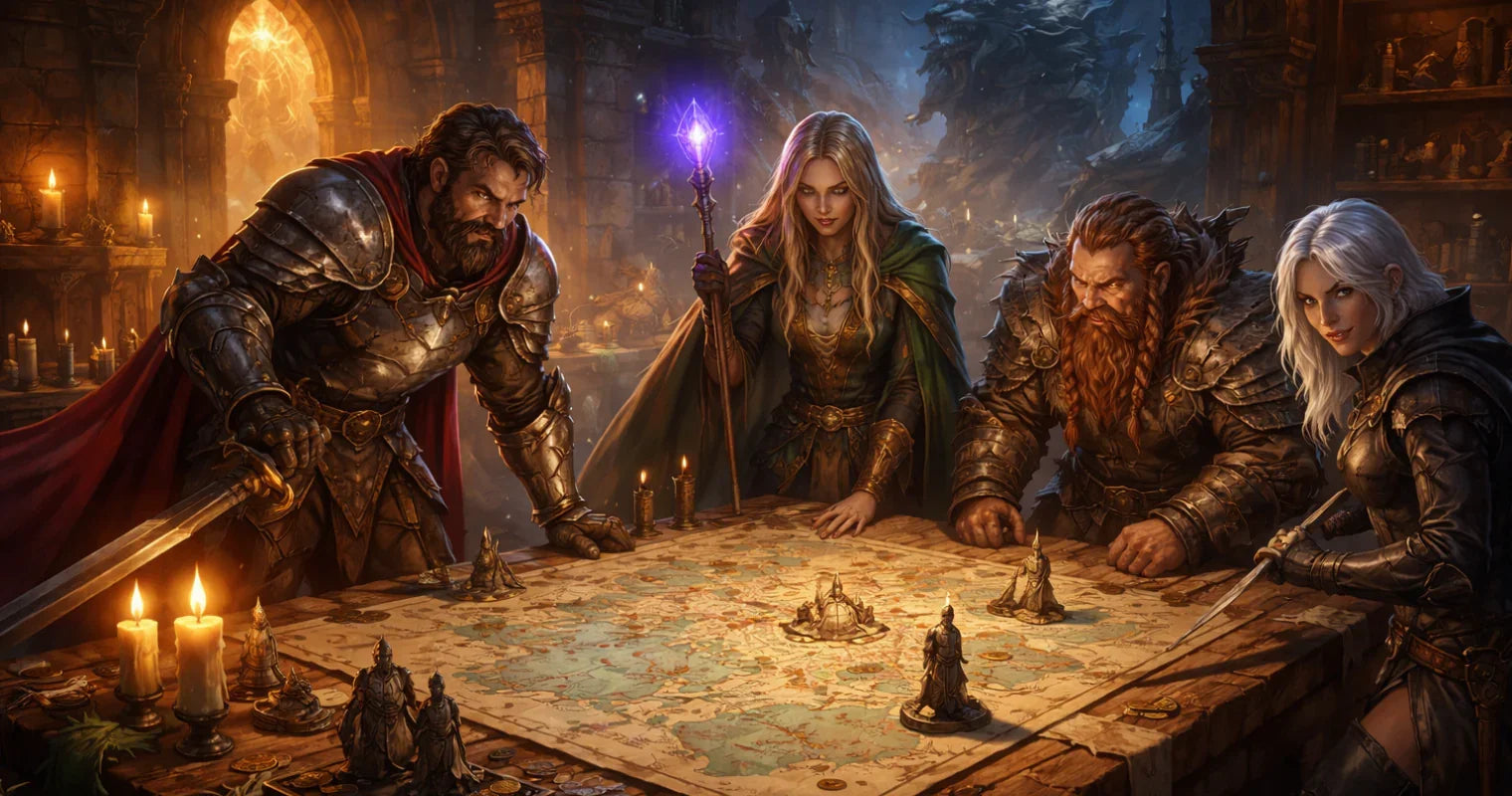
Roleplaying Game Analysis and Insights for Better Campaigns
Tabletop roleplaying games thrive on shared storytelling, creative problem solving, and memorable moments between players and Game Masters. While every campaign develops its own personality, taking time to reflect on how sessions unfold can reveal valuable opportunities for growth. This process of roleplaying game analysis is not about finding flaws or chasing a perfect formula. Instead, it helps groups recognize what they enjoy most and make thoughtful adjustments that support their preferred style of play.
Successful campaigns rarely depend on a single element. Strong mechanics, engaging stories, meaningful player choices, and cooperative teamwork all contribute to an enjoyable experience. Because every gaming group has different goals, preferences, and play styles, the best RPG insights come from understanding what works for your own table rather than copying someone else's approach.
Understanding Roleplaying Game Analysis
At its core, tabletop RPG analysis involves reviewing previous sessions to understand what created excitement, where momentum slowed, and how players responded to different situations.
Instead of asking whether a session was simply "good" or "bad," consider questions like:
-
Which moments generated the most excitement?
-
Did every player have opportunities to contribute?
-
Were challenges engaging without becoming frustrating?
-
Did the story move forward naturally?
-
Were important rules handled consistently?
Looking at these questions over several sessions helps reveal patterns that might otherwise go unnoticed.
A campaign should balance storytelling, mechanics, player agency, and overall group enjoyment. No single analysis method guarantees better campaigns because every table values different aspects of the game.
Why Reviewing Past Sessions Improves Future Campaigns
Every session creates useful information. Even unexpected twists can teach valuable lessons about pacing, preparation, and player preferences.
Many experienced Game Masters spend a few minutes after each session recording notes such as:
-
Memorable player decisions
-
Unexpected story developments
-
Encounters that felt too easy or too difficult
-
Rules questions that slowed play
-
Character moments worth revisiting later
These notes become increasingly valuable as campaigns grow longer.
A campaign journal, paired with organized accessories like a dice tray, can also help keep notes, initiative order, and rolled dice neatly contained during lengthy adventures. Small organizational habits often make post-session reviews much easier.
Analyzing Story Pacing, Player Engagement, and Decision Making
One of the most useful forms of RPG campaign analysis focuses on how players interact with the story.
Story Pacing
Good pacing keeps the adventure moving while allowing time for roleplaying and exploration.
Consider whether sessions included:
-
Meaningful story progression
-
Time for character conversations
-
Moments of suspense
-
Opportunities to recover between major events
-
A satisfying balance between action and quieter scenes
If every session feels like constant combat, players who enjoy roleplaying may lose interest. Likewise, campaigns with little action may leave tactical players wanting more.
Player Engagement
Every player enjoys different parts of tabletop games.
Watch for signs that players are actively participating:
-
Asking questions
-
Making creative plans
-
Staying involved during other characters' turns
-
Discussing future goals
-
Interacting with non-player characters
If certain players rarely contribute, consider whether upcoming adventures can include situations tailored to their character's strengths or personal story.
Decision Making
Interesting decisions create memorable campaigns.
Rather than offering only one obvious solution, provide situations with multiple reasonable options.
Players often become more invested when they can choose whether to negotiate, investigate, explore, or fight instead of feeling pushed toward a single outcome.
Evaluating Combat, Exploration, Social Encounters, and Resource Management
Balanced campaigns usually include a variety of gameplay experiences.
Combat
Combat analysis goes beyond asking who won.
Review:
-
Encounter difficulty
-
Variety of enemies
-
Battlefield features
-
Turn pacing
-
Opportunities for creative tactics
Condition rings can naturally support organized combat by helping everyone remember ongoing effects without repeatedly checking notes, allowing encounters to move more smoothly.
Exploration
Exploration encourages curiosity and discovery.
Ask yourself:
-
Did players have meaningful places to investigate?
-
Were clues rewarding?
-
Did travel feel purposeful?
-
Did exploration reveal story or character development?
Social Encounters
Roleplaying opportunities often become campaign highlights.
Consider whether:
-
NPCs had distinct personalities
-
Conversations affected future events
-
Players could solve problems through diplomacy
-
Different character skills mattered
Resource Management
Resources help shape meaningful decisions.
Review how players managed:
-
Spell slots
-
Healing
-
Equipment
-
Gold
-
Time
-
Rest opportunities
Resource pressure should encourage thoughtful choices without making progress feel impossible.
Campaign Analysis Table
The following framework can simplify campaign improvement after each adventure.
| Gameplay Element | Common Challenges | Warning Signs | Improvement Strategies |
|---|---|---|---|
| Story pacing | Sessions feel rushed or slow | Players lose focus between scenes | Alternate action with quieter roleplaying moments |
| Combat | Encounters feel repetitive | Every battle uses similar tactics | Introduce varied objectives, terrain, and enemy behaviors |
| Exploration | Locations feel empty | Players stop investigating | Add meaningful discoveries and environmental clues |
| Social interaction | NPC conversations become routine | Players avoid dialogue | Give NPCs clear goals and memorable personalities |
| Resource management | Supplies never matter or become overwhelming | Players ignore important choices | Adjust pacing and opportunities to recover resources |
| Player engagement | Some players participate less | Long periods without involvement | Rotate spotlight moments and connect adventures to character backgrounds |
Remember that these observations should always be adapted to your group's preferred style rather than treated as universal rules.
Identifying Patterns That Strengthen Long Term Campaigns
Individual sessions can vary widely, but long campaigns often reveal recurring trends.
Look for patterns such as:
-
Players consistently solving problems creatively
-
Certain encounter types generating excitement
-
Story themes that encourage discussion
-
NPCs players frequently revisit
-
Adventures that naturally build teamwork
Likewise, recurring problems deserve attention.
Examples include:
-
Similar combat every session
-
Important clues repeatedly overlooked
-
Long stretches without character development
-
Frequent rules confusion
-
Uneven spotlight time among players
Recognizing patterns allows Game Masters to make gradual improvements rather than dramatic changes.
Gathering Useful Feedback From Players
Some of the best RPG insights come directly from the group.
Keep discussions informal by asking questions like:
-
What was your favorite moment tonight?
-
Was anything confusing?
-
Did your character have enough opportunities to contribute?
-
What would you like to see more often?
-
Which NPCs or storylines interest you most?
Simple conversations often reveal useful perspectives that aren't obvious from behind the Game Master's screen.
Players may also notice pacing issues, encounter balance, or story opportunities that the Game Master overlooked.
Common Mistakes When Analyzing RPG Campaigns
Analysis becomes most effective when it remains practical and flexible.
Avoid these common mistakes:
-
Assuming one successful campaign structure fits every group
-
Focusing only on combat performance
-
Ignoring player preferences
-
Changing too many things at once
-
Treating every unexpected player decision as a problem
-
Measuring success only by difficulty or challenge
Campaigns evolve over time. Adjustments should support the group's goals rather than force every session into a rigid structure.
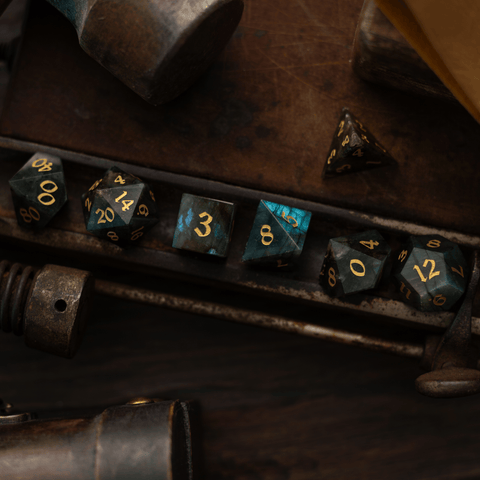
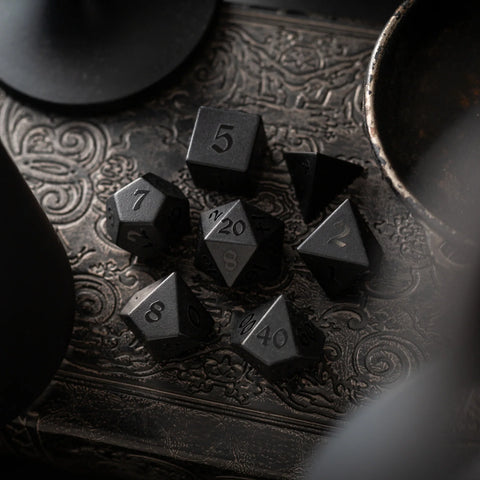
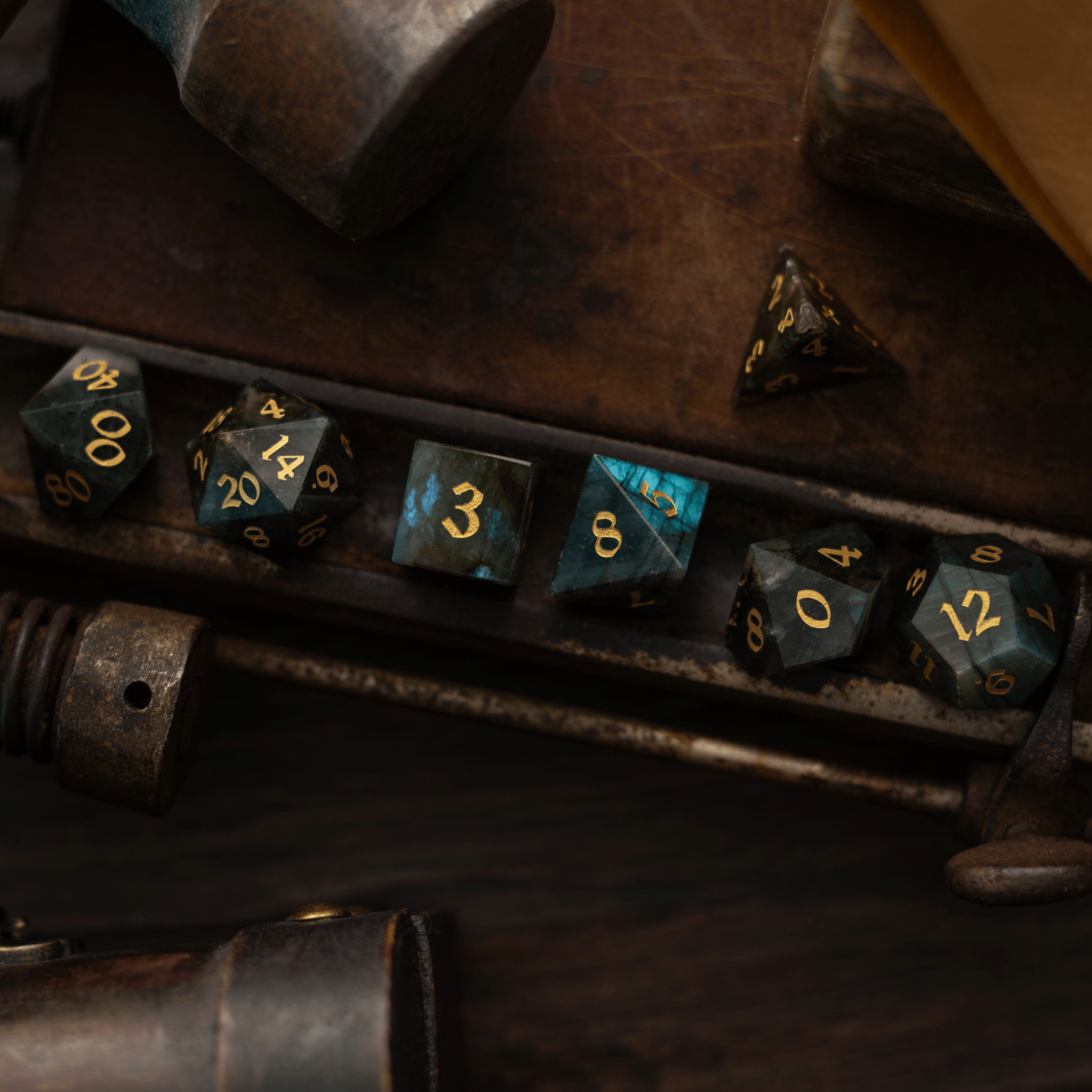
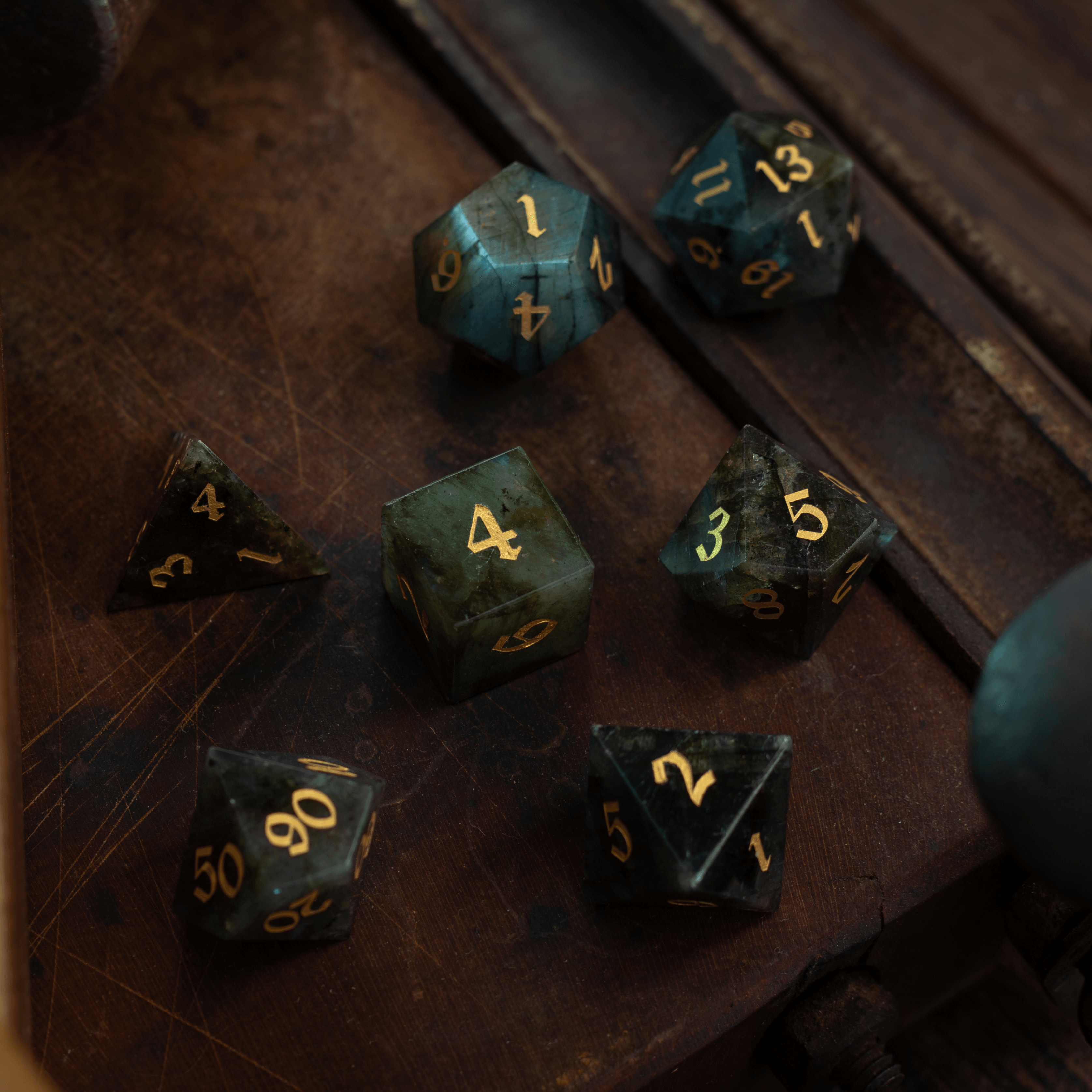
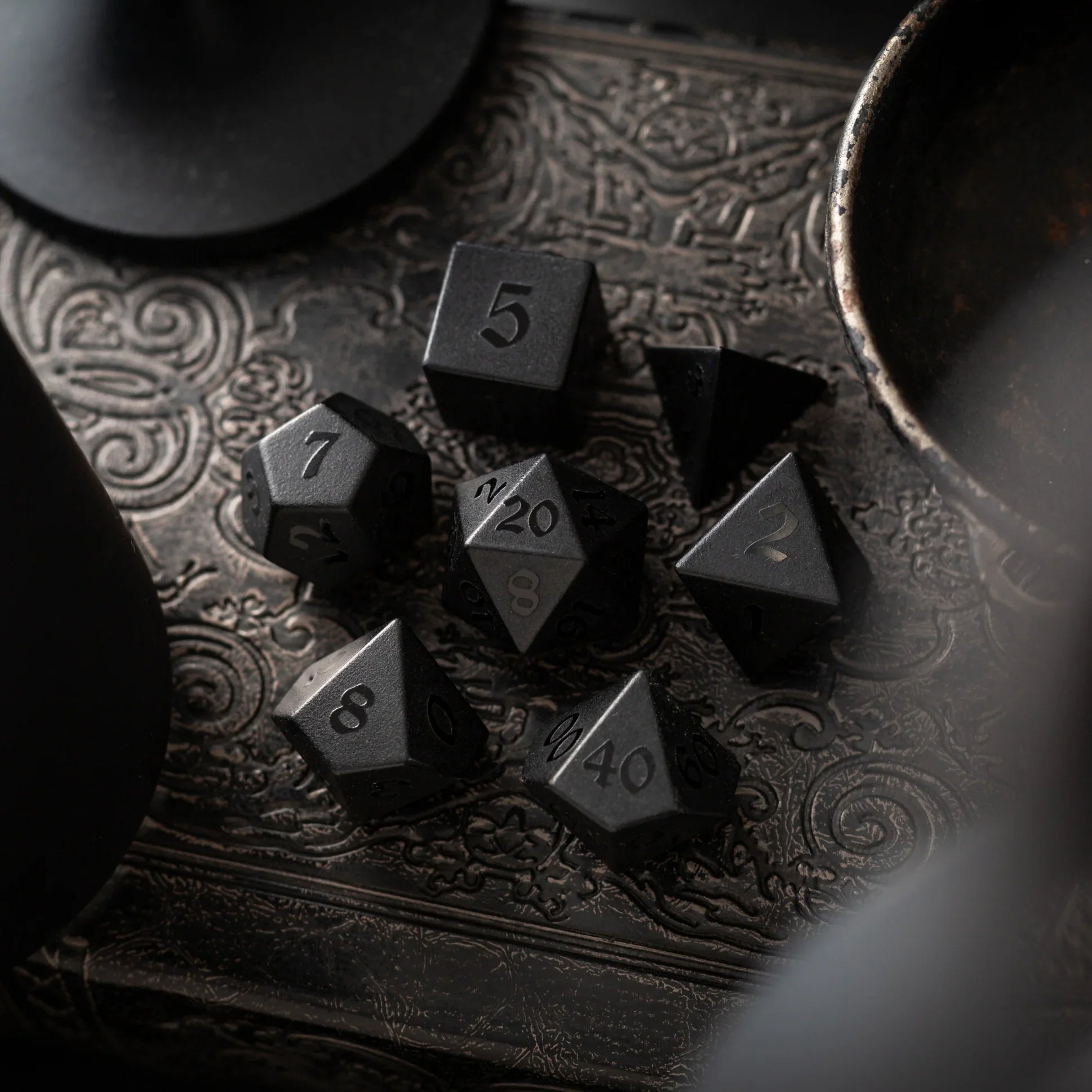
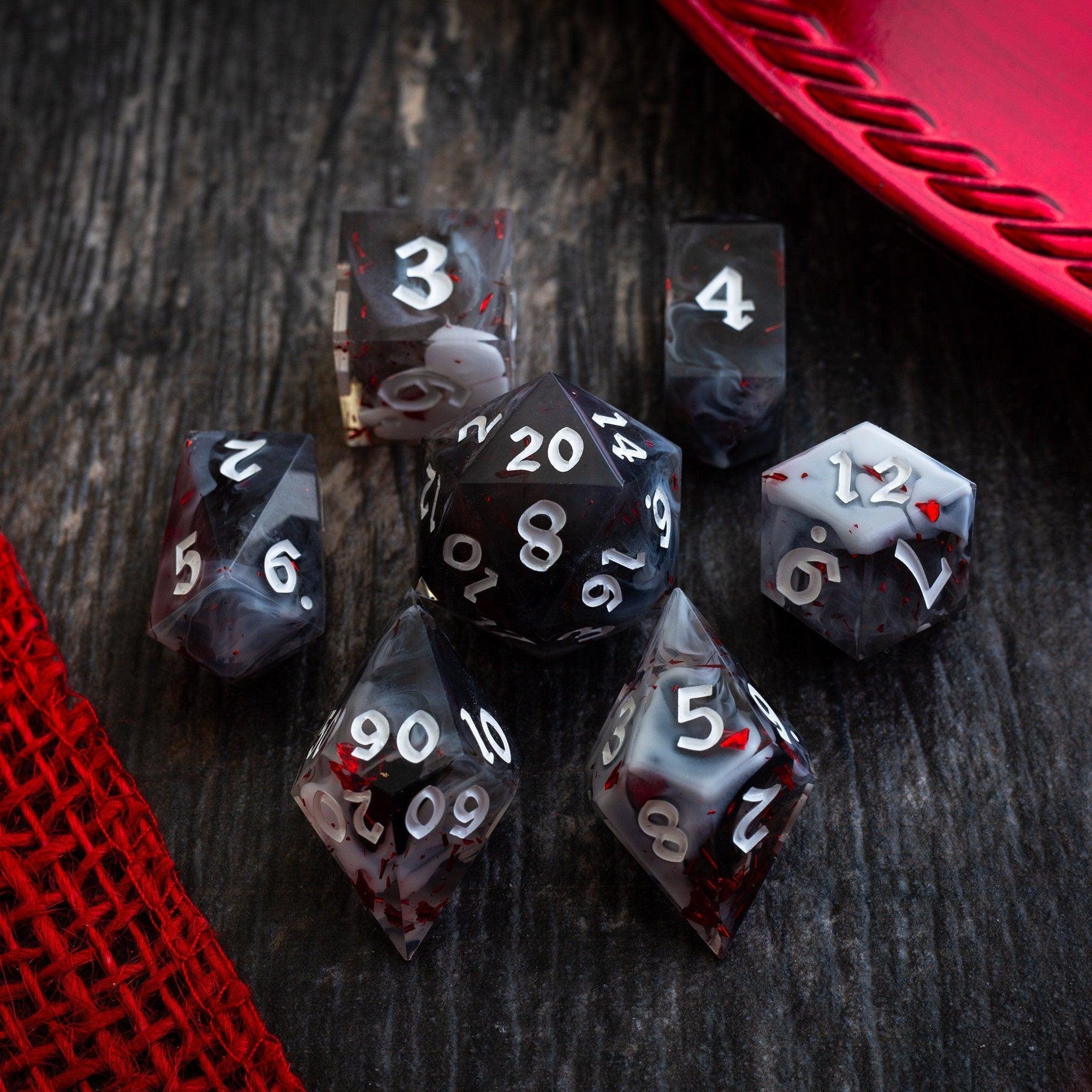
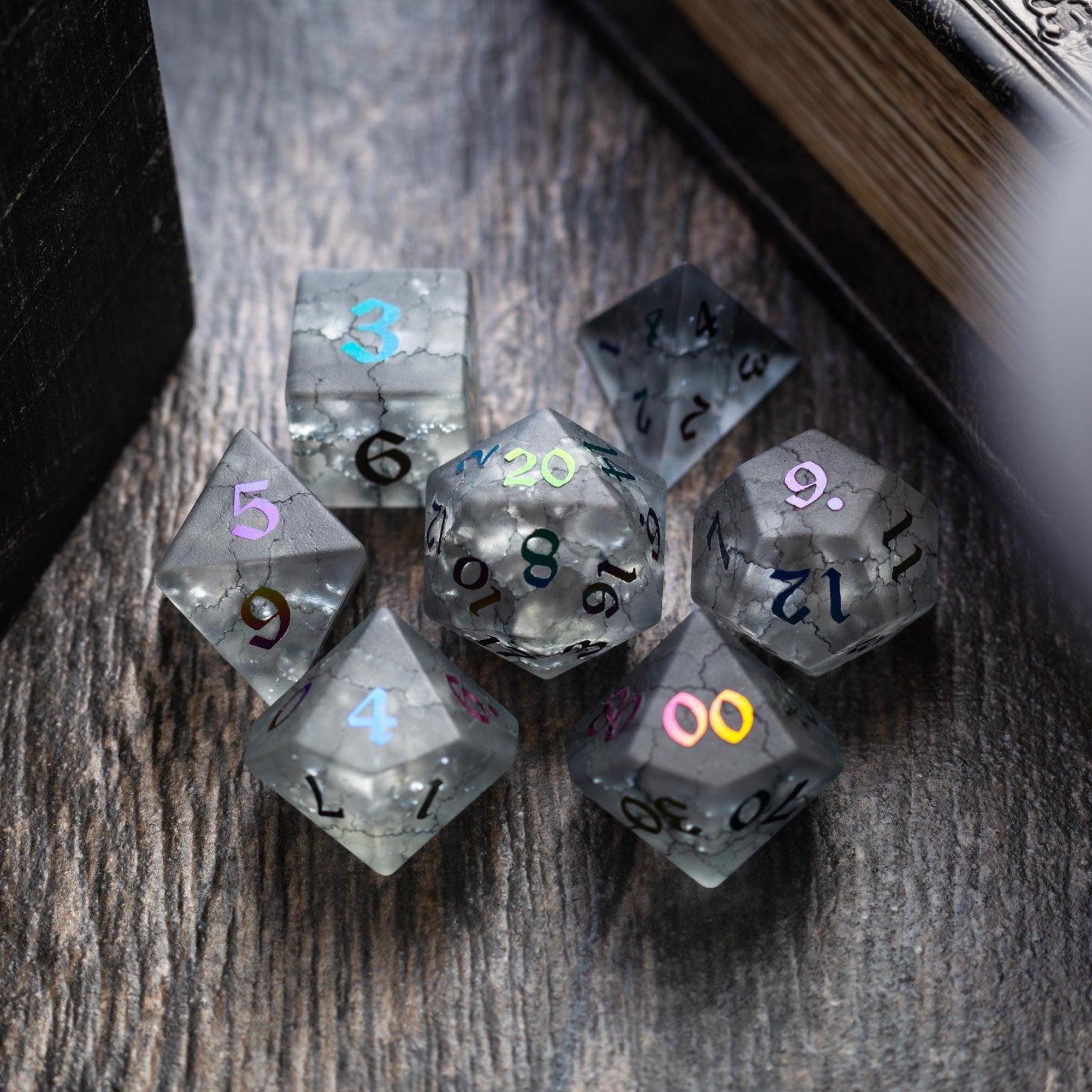
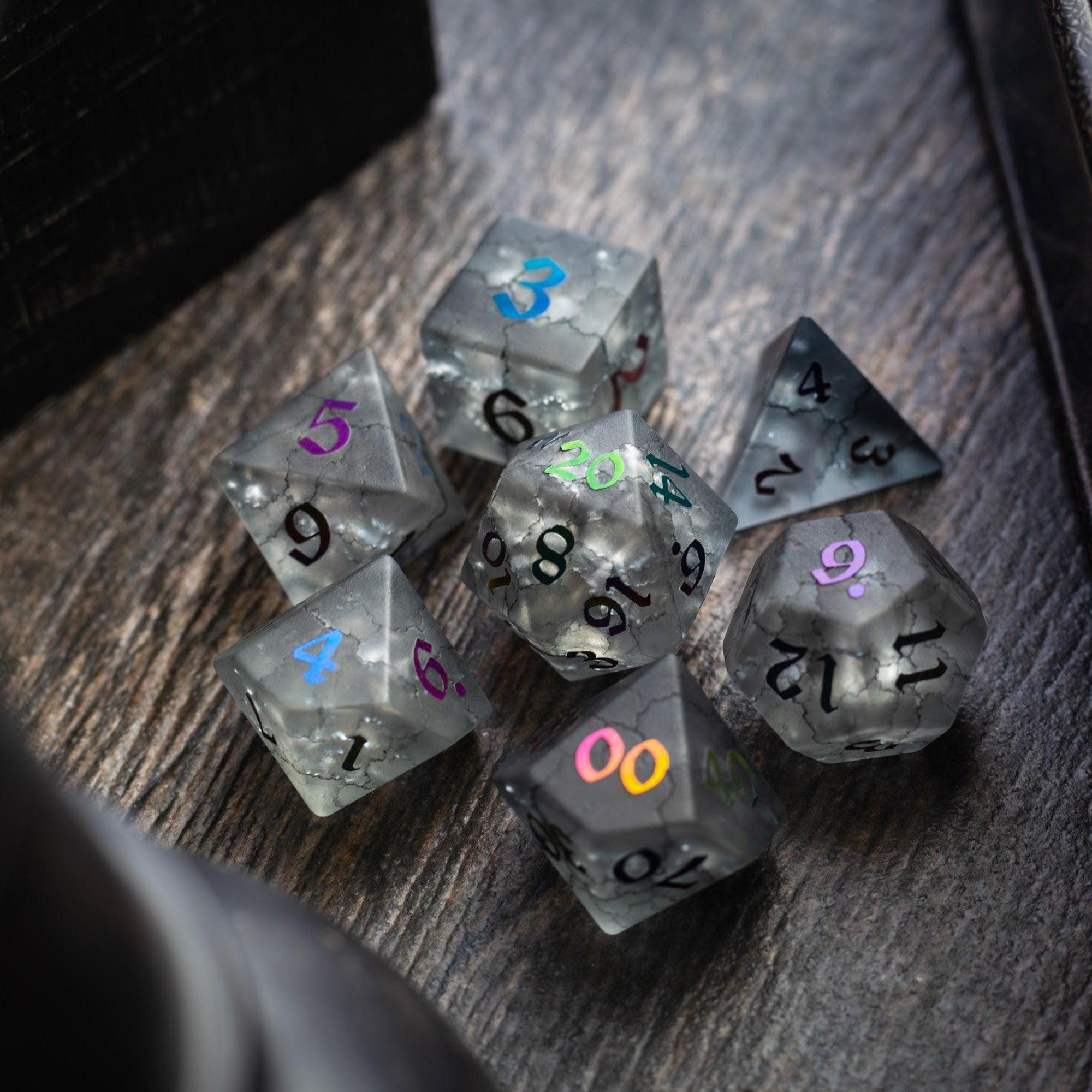
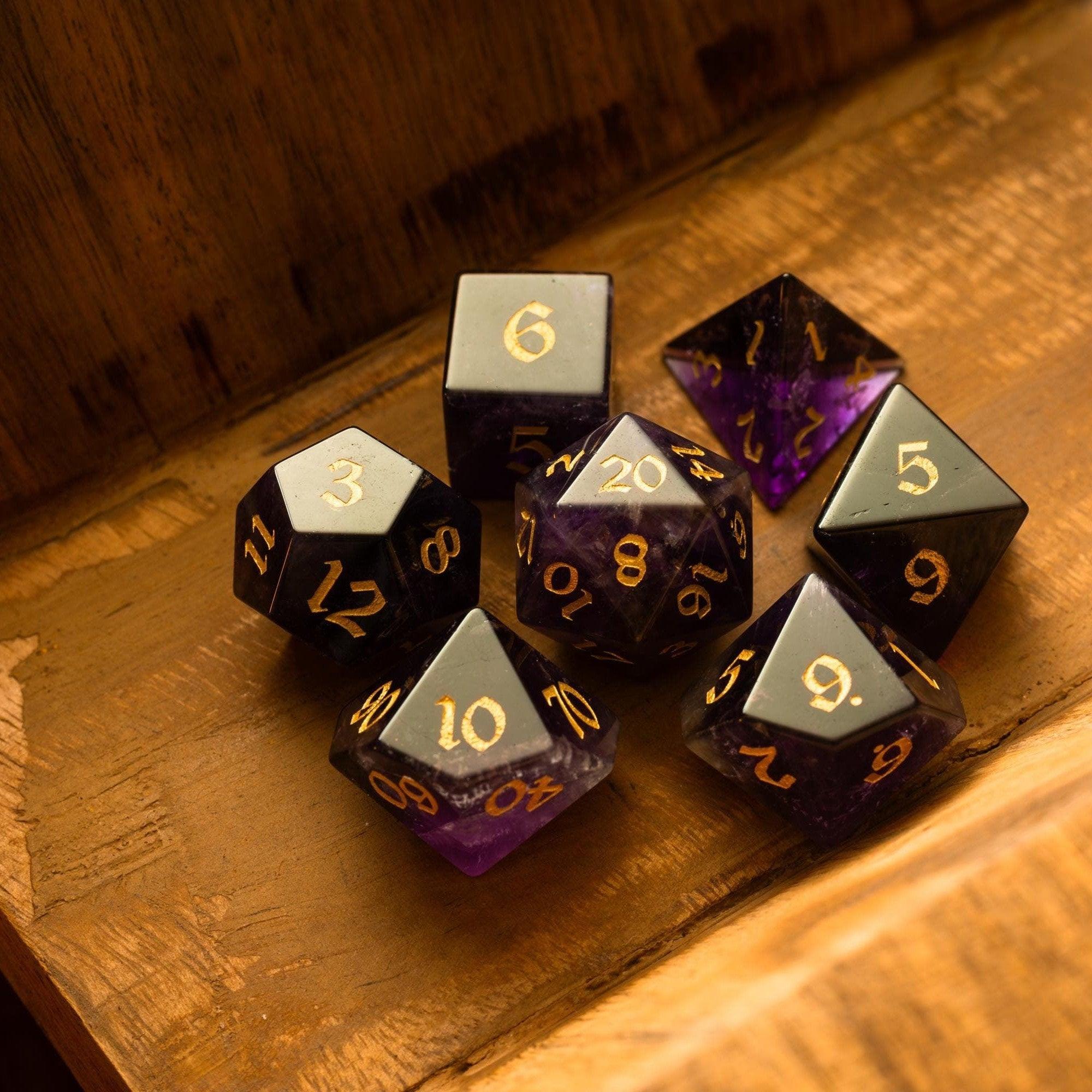
Organized play also helps reduce unnecessary distractions. Keeping dice, notes, and initiative organized, along with using premium resin, gemstone, or metal dice that remain easy to read throughout long sessions, allows players to spend more time focused on the adventure instead of searching for equipment. Dice towers can also help keep energetic rolls contained while maintaining a steady pace during busy encounters.
Quick Campaign Review Checklist
After each session, spend a few minutes reviewing the following:
-
Did every player have meaningful opportunities to participate?
-
Was the pacing comfortable for the group?
-
Were combat, exploration, and social encounters reasonably balanced?
-
Did player choices influence the story?
-
Were important rules handled consistently?
-
Which moments generated the most excitement?
-
Were resources challenging without becoming frustrating?
-
Did the session move the overall campaign forward?
-
What should return in future adventures?
-
What could be adjusted next session?
Small improvements made consistently often have a greater impact than major changes made all at once.
Every campaign tells its own story, shaped by the creativity, teamwork, and imagination of everyone around the table. Regular reflection helps Game Masters and players recognize both memorable successes and opportunities to grow without losing sight of what makes their group unique. Thoughtful roleplaying game analysis, practical campaign strategy, and open communication create space for adventures that continue evolving over time. As each session builds on the last, taking a few moments to celebrate what worked, learn from unexpected moments, and refine future plans can help every campaign become richer, more collaborative, and even more enjoyable for everyone involved.











Leave a comment
This site is protected by hCaptcha and the hCaptcha Privacy Policy and Terms of Service apply.