

Must Have Tabletop Hobby Supplies for Every Serious Gamer
Updated on: 2025-12-29
Here’s a friendly, no-fluff guide to choosing and caring for tabletop hobby supplies that fit your play style, space, and budget. You’ll learn what to prioritize for roleplaying sessions, board games, and miniature painting, plus how to store and protect your gear. We’ll cover practical checklists, budget tips, and simple maintenance so your tools last. By the end, you’ll feel confident assembling a kit that’s fun, tidy, and ready for game night.
Shopping for game gear can feel overwhelming, especially when you play in different ways—one week it’s a cozy RPG session, the next it’s a tactical skirmish or a quick board game with friends. The good news: you don’t need everything at once. A small, well-chosen kit can make your table smoother, faster, and more immersive. In this guide, we’ll walk through the essentials, nice-to-haves, and smart upgrades. You’ll get simple checklists, quick care tips, and clear advice on where to spend and where to save. Think of it as a practical framework you can personalize, whether you’re a weekly GM, a miniature painter, or the friend who brings the accessories that make game night better for everyone.
Benefits of tabletop hobby supplies
Great gear doesn’t replace great storytelling or strategy—but it does make the experience easier, cleaner, and more enjoyable. The right tools reduce friction so you can focus on the game and the people at the table.
- Consistency and speed: Dedicated tools—like clear dice, solid reference aids, or a good tower—reduce rerolls and rule lookups. Less downtime, more play.
- Immersion: Quality dice, themed tokens, and neat terrain add a sense of place and drama. Small details can spark bigger moments.
- Durability: Better-made items hold up to frequent use. You’ll replace less and enjoy more.
- Comfort and flow: Rolling mats, trays, and organizers keep the table tidy so everyone can see, reach, and act without clutter.
- Personal expression: Your tools show your style. A set that feels “you” can make every session feel special.
These benefits compound. A smooth rolling surface protects your dice and your table. Clear storage keeps minis safe and ready to deploy. And streamlined tools let you teach faster and welcome new players with confidence.
Build Your Kit: Essentials for RPGs, Miniatures, and Board Games
Start small and build intentionally. Use this menu to assemble the kit that fits your games and space.
Dice and rolling
- Everyday sets: Choose sets that are readable under typical room lighting. Sharp-edged resin is crisp; rounded edges feel classic.
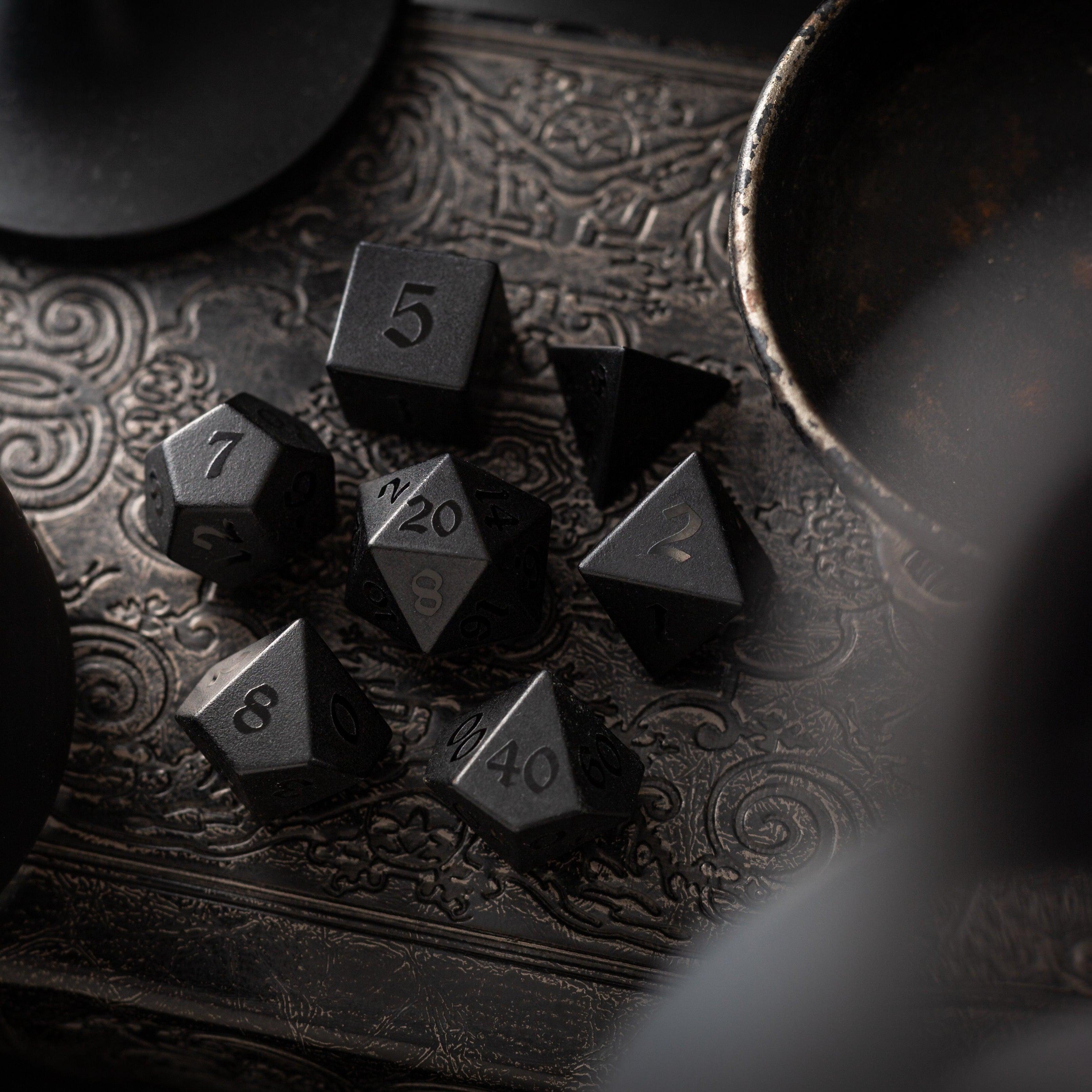
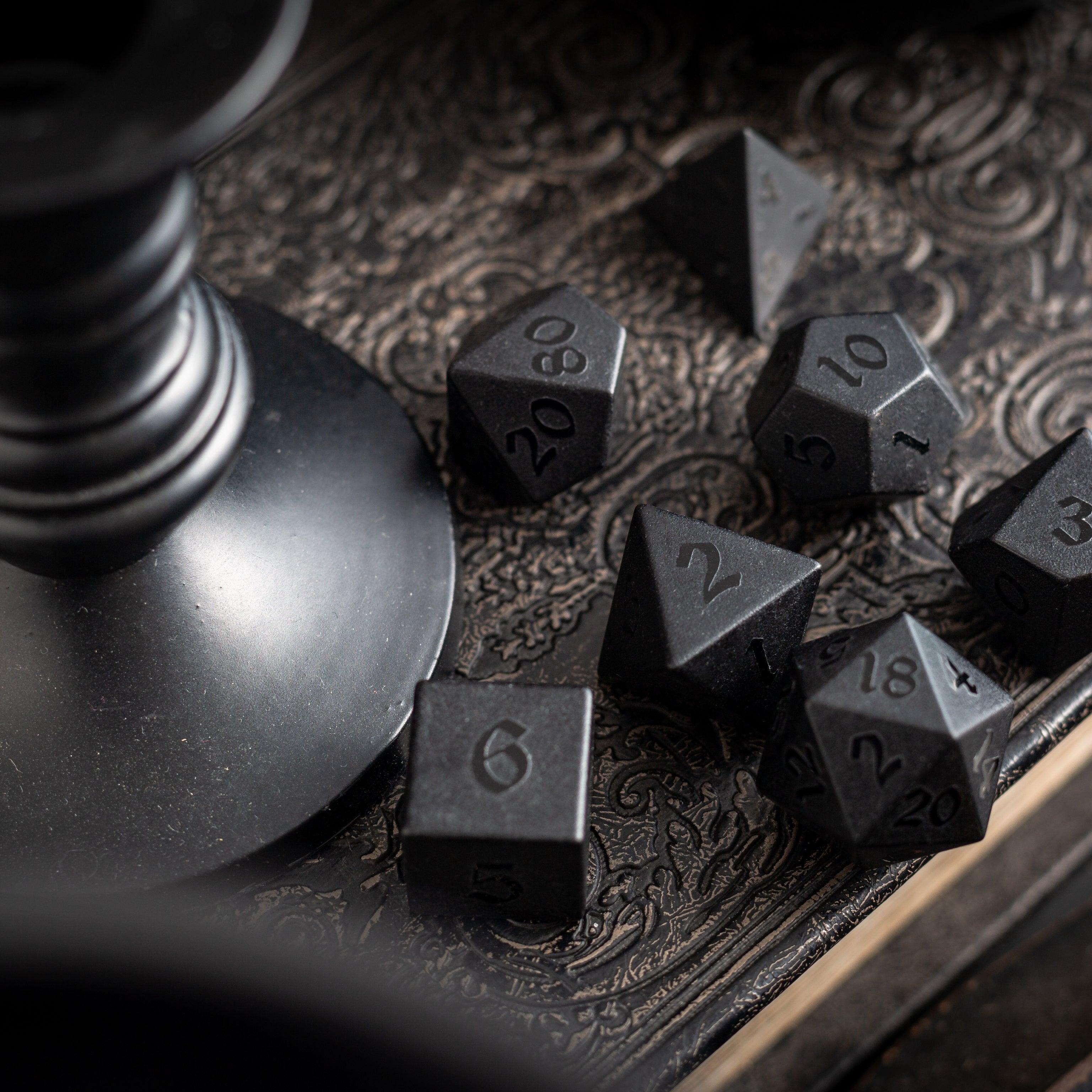
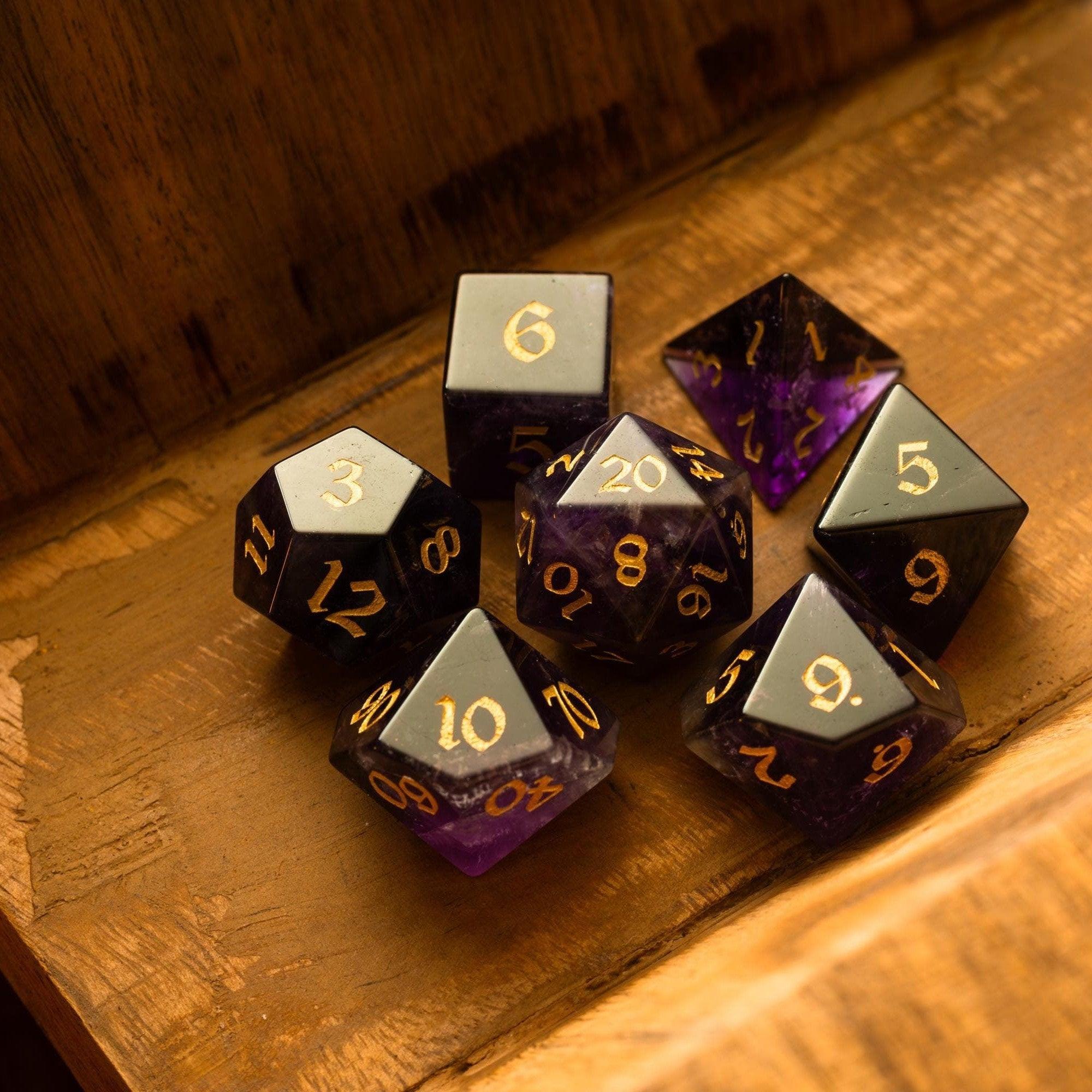
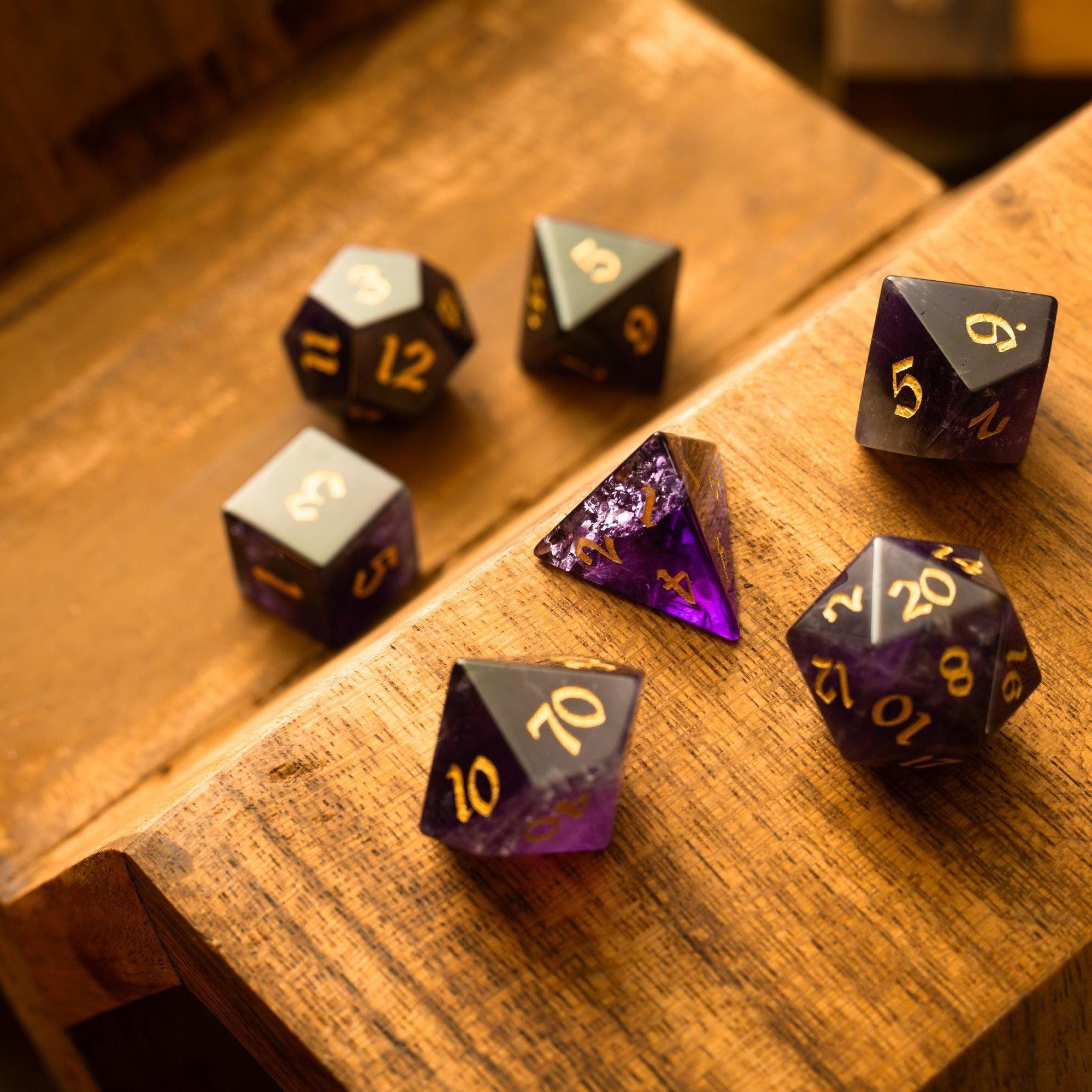
- Statement pieces: If you enjoy table presence, try unique materials and finishes. Explore gemstone dice for weight and sparkle, or browse mesmerizing liquid core dice for eye-catching rolls.
- Rolling surface: A mat or tray protects both your dice and the table, reduces scatter, and keeps results clear.
- Dice towers: Helpful for fair, consistent rolls and small tables. See sturdy designs in dice towers.
Miniature painting basics
- Core tools: Primer, a small brush set (detail, standard, dry brush), a water cup, and paper towels.
- Paints: Start with a handful of staple colors and a metallic. Expand as projects demand.
- Workspace: Good light and ventilation help. A desk lamp and a cutting mat make a big difference.
- Basing: Sand, cork, or texture paste adds character. Seal finished minis for durability.
Board game and RPG accessories
- Organizers: Zip bags, small cases, or foam trays keep tokens and minis safe between sessions.
- Playmats: Provide a soft, defined space for cards, dice, and minis. They also dampen table noise.
- Reference aids: Condition rings, initiative trackers, or quick rules cards keep the flow moving.
- Showpiece set: Keep one favorite set on standby for big moments—boss fights, finales, or special sessions. For example, the shimmering Starlit Rift set can mark milestone scenes.
Terrain and tools
- Measuring and cutting: Metal ruler, hobby knife, and a cutting mat are versatile and inexpensive.
- Adhesives: Super glue for quick bonds; PVA for basing and paper.
- Transport: A hard case or foam-lined box protects finished terrain and minis between meetups.
Pro tip: Bundle your go-to gear into a compact “session bag.” Include your rolling set, tray or mat, a pencil, tiny notepad, a few markers, and condition tokens. Having a pre-packed kit trims your setup time to minutes.
Buying Guide and Budget Tips
Not all tools need to be premium. Spend where it matters most for your style and upgrade over time.
- Define your use cases: Do you GM weekly? Paint a few minis a month? Travel to game nights? Let real habits choose your tools.
- Invest in touchpoints: Focus your budget on tabletop hobby supplies you interact with every session—dice clarity, tray quality, storage that actually fits your bag or shelf.
- Readability first: High-contrast faces and legible numerals beat intricate designs you can’t read at a glance.
- Material choices: Resin is versatile and affordable. Metal feels hefty but requires a mat or tray. Stone and glass look stunning; roll on soft surfaces.
- Scale smartly: Start with one everyday set and one showpiece. Add a playmat, then organizers. Expand paints as projects demand.
- Care equals savings: Proper storage and cleaning keep your gear performing longer, which saves money over time.
If you like upgrading selectively, consider a signature set alongside a practical daily driver. For dramatic tableside flair, check out shimmering options in liquid core dice or elegant stones in gemstone dice. Pair them with a reliable tray or tower for consistency.
Care, Storage, and Safety
A few simple habits protect your investment and keep your table tidy.
- Rolling surfaces: Use a mat, felt-lined tray, or tower to protect sharp edges and keep rolls fair.
- Cleaning: Wipe resin and metal with a soft, dry cloth. For stubborn smudges, slightly damp microfiber works—avoid harsh chemicals and abrasive pads.
- Stone and glass: Treat as delicate. Roll on soft surfaces and store in padded compartments or original boxes.
- Storage: Keep sets together in small cases or trays. Separate heavy metal or stone from softer items to prevent dings.
- Paint and tools: Seal paint bottles tightly, store brushes bristles-up, and keep blades capped. A small caddy prevents clutter and accidents.
- Transport: Choose a case with compartments. Foam or soft pouches reduce rattling and micro-scratches.
When in doubt, follow any care notes that come with your gear. If a piece looks fragile or ornate, err on the gentle side—soft surfaces, padded storage, and light cleaning go a long way.
FAQ
Are premium dice worth it for regular play?
It depends on what you value. If you want reliable legibility and a comfortable roll, a solid everyday set plus a rolling surface can be all you need. If aesthetics and table presence bring you joy—and help you stay engaged—then a premium material or finish can be a great upgrade. Many players keep a “workhorse” set for weekly use and a showpiece set for special scenes or events. Either way, roll on a mat or tray to protect edges and keep results consistent.
What do I need to start painting miniatures at home?
Begin with a primer, three brushes (detail, standard, and dry brush), a handful of paints, and a desk lamp. Add a cutting mat, hobby knife, and PVA glue for simple basing. Start with basic techniques—basecoat, wash, highlight—and practice on a spare mini or test sprue. Good lighting and a steady surface matter more than expensive tools. Expand your palette and brushes only as you find gaps. Consistent, short sessions often beat long, rare ones for skill growth.
How do I keep components organized between sessions?
Use small, labeled bags or bins for tokens and cards, and separate minis in foam or padded trays. Keep a “grab-and-go” session bag with your core tools so you’re always ready: everyday dice, tray or mat, pencils, markers, and a small notepad. For rolling consistency and table control, add a compact tower—browse options in dice towers. A simple routine—reset, bag, label, stow—turns cleanup into a five-minute habit.
General note: Always follow the manufacturer’s care instructions for the materials you own. This article is for general information and is not a substitute for product-specific guidance.














Leave a comment
This site is protected by hCaptcha and the hCaptcha Privacy Policy and Terms of Service apply.