

Smart Strategies for DND Campaigns Create Engaging Tales
Updated on: 2026-02-06
Running tabletop role-playing adventures requires more than just imagination and a character sheet. Discover how the right dice, storytelling techniques, and player engagement strategies can transform your sessions into unforgettable experiences. Learn what makes successful fantasy adventures tick, explore essential gear recommendations, and find answers to common questions that keep new and experienced game masters up at night.
- Product Spotlight: Premium Dice Collections
- Did You Know? Fascinating Facts About Tabletop Gaming
- Pros & Cons Analysis: Digital vs. In-Person Sessions
- Frequently Asked Questions
Getting Started with Your Next Epic Adventure

So you're thinking about launching your first D&D campaigns? That's awesome! Whether you're a seasoned game master or picking up the rulebook for the first time, there's something magical about gathering around a table with friends and diving into a world where anything's possible. The beauty of running fantasy adventures is that you don't need fancy equipment or years of experience to create something truly memorable.
What you really need is passion, a willingness to improvise, and maybe some quality dice that feel good in your hand. The right tools make a difference, and we're here to help you understand what matters most when you're preparing to launch your next epic session. From selecting the perfect dice set to mastering storytelling techniques, we've got you covered.
Product Spotlight: Premium Dice Collections
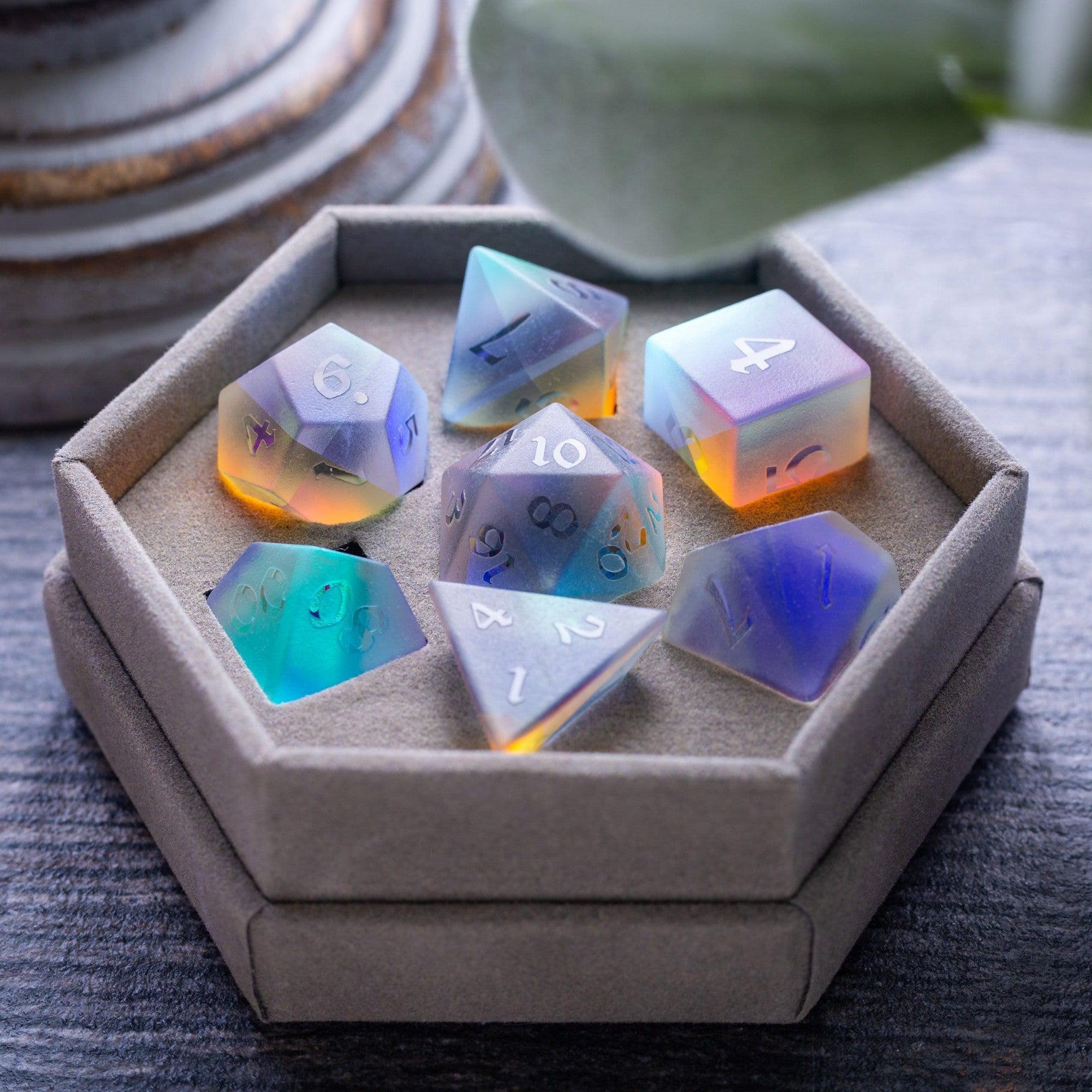
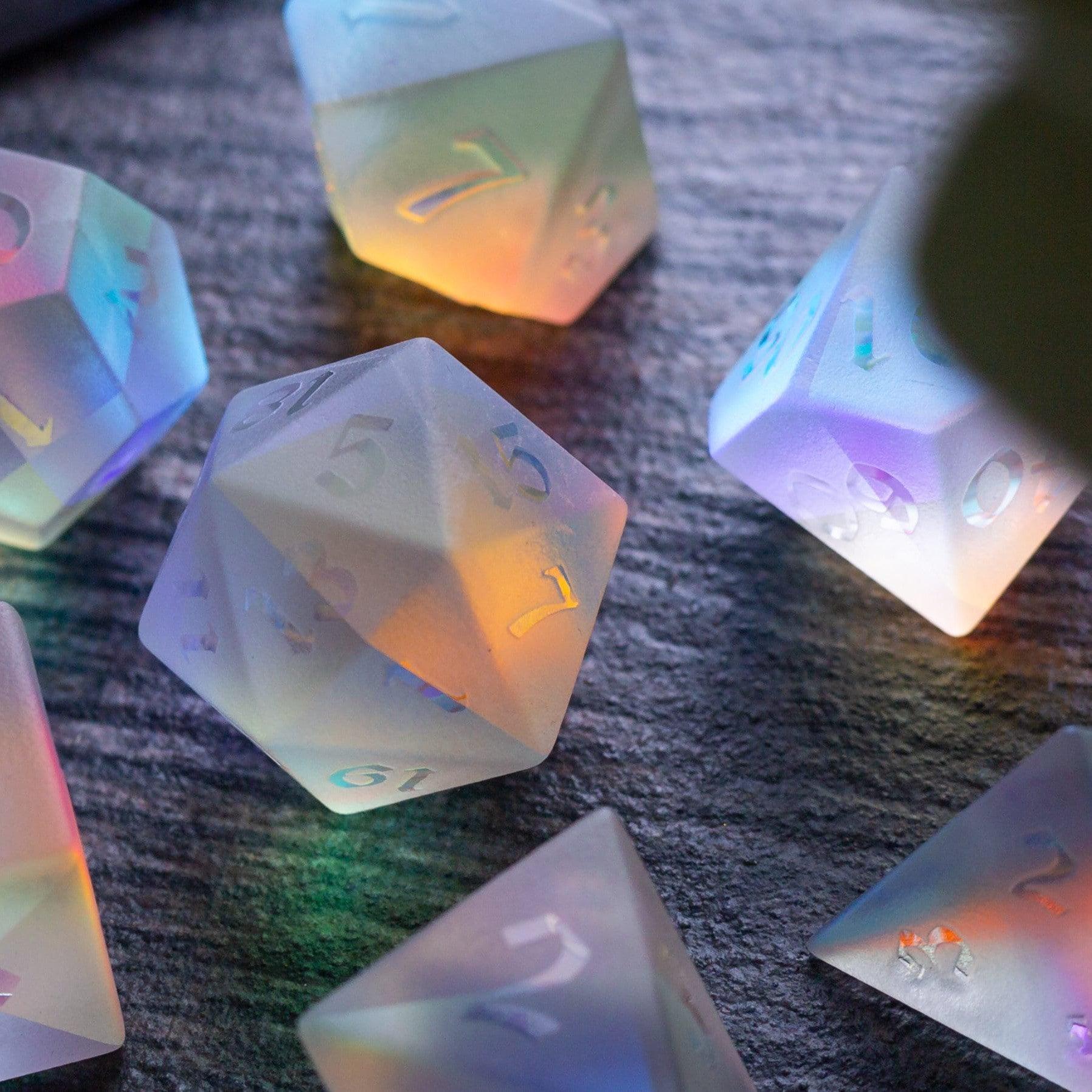
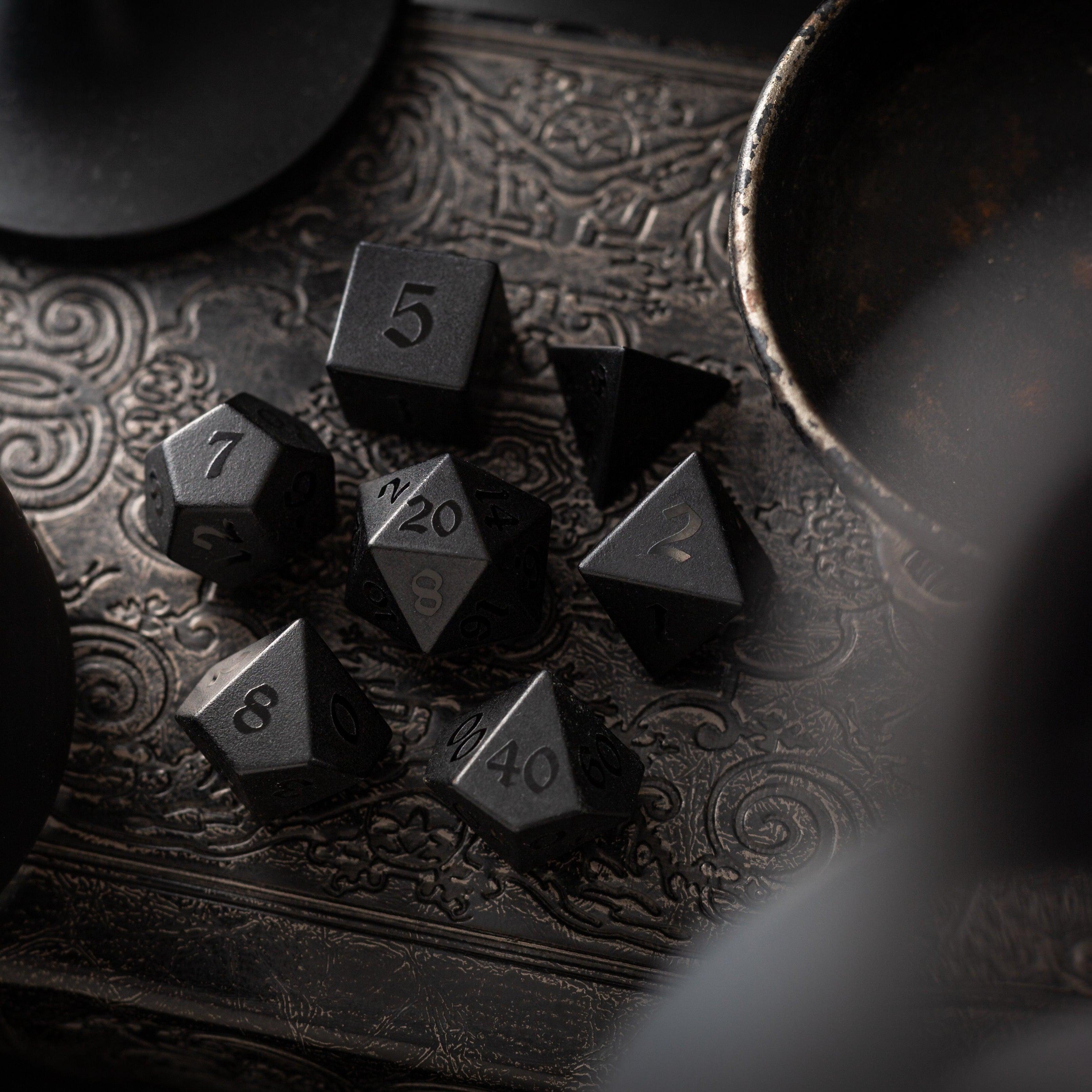
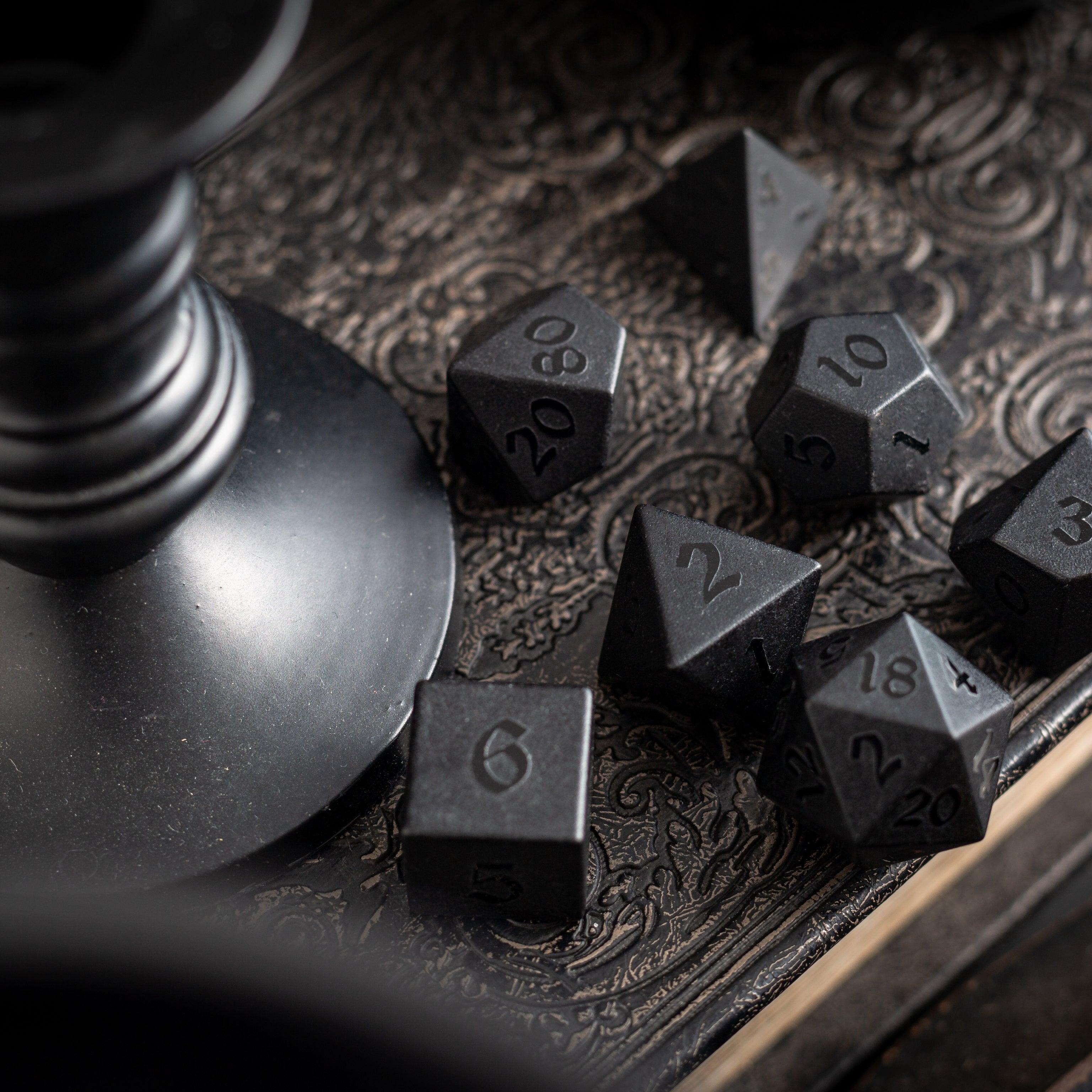
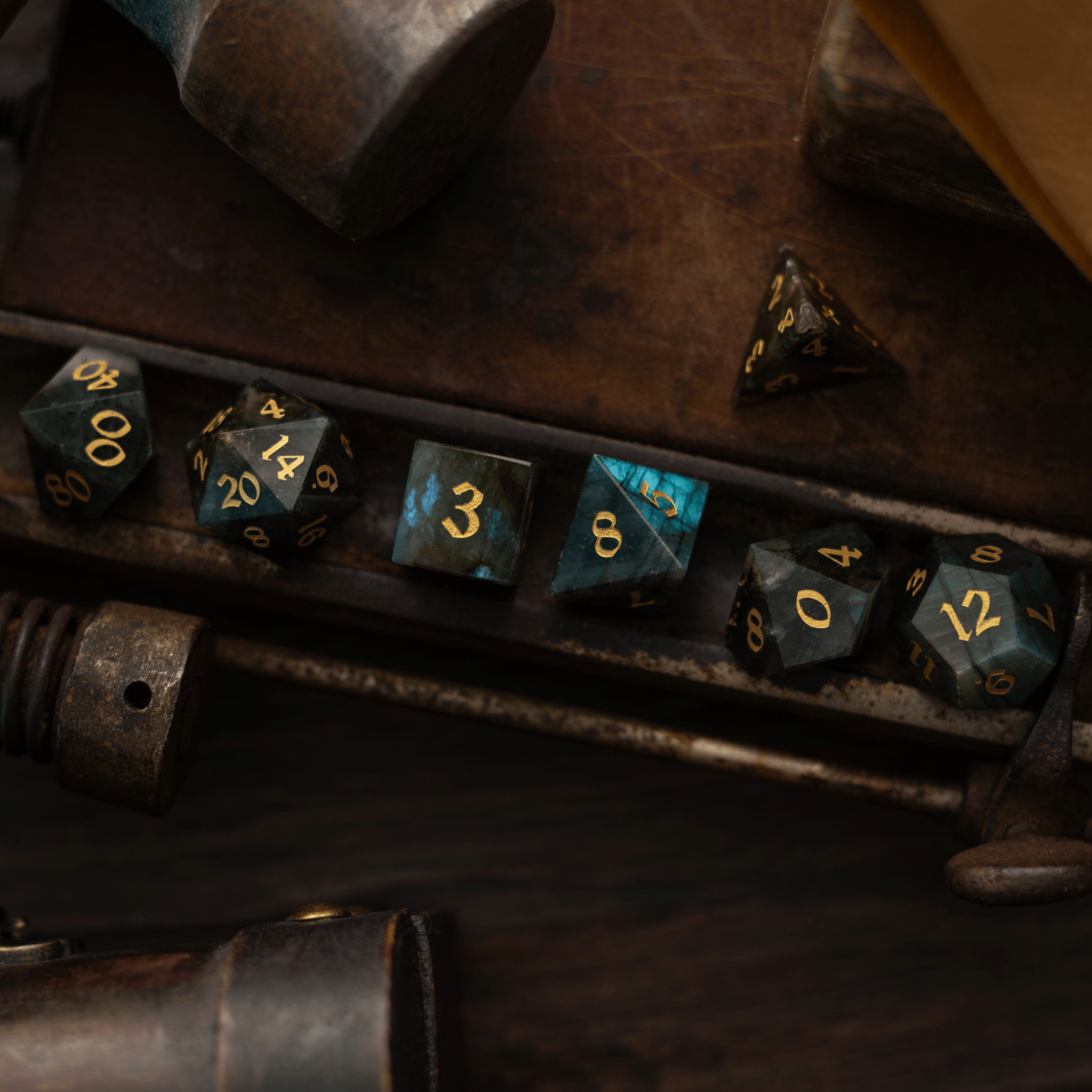
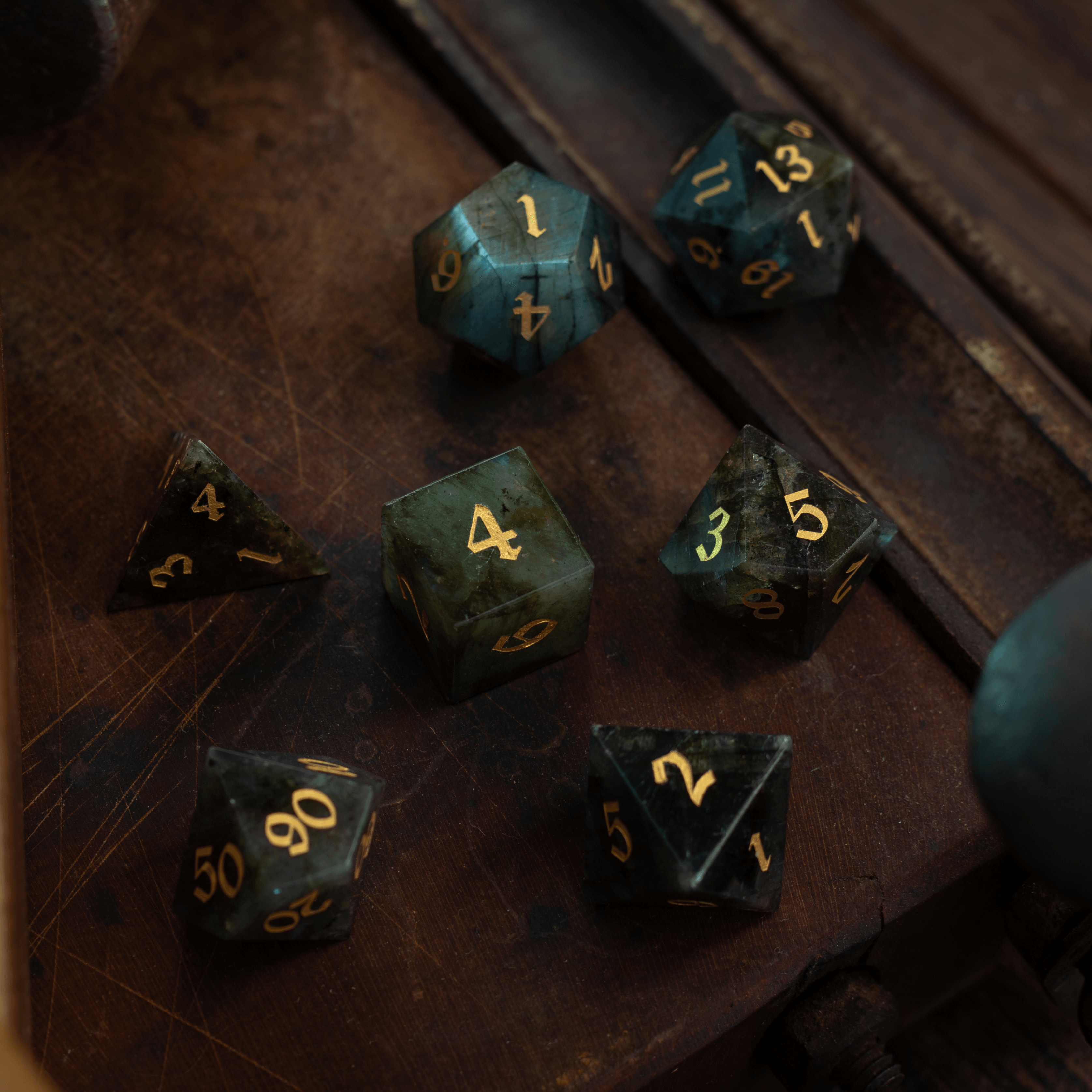
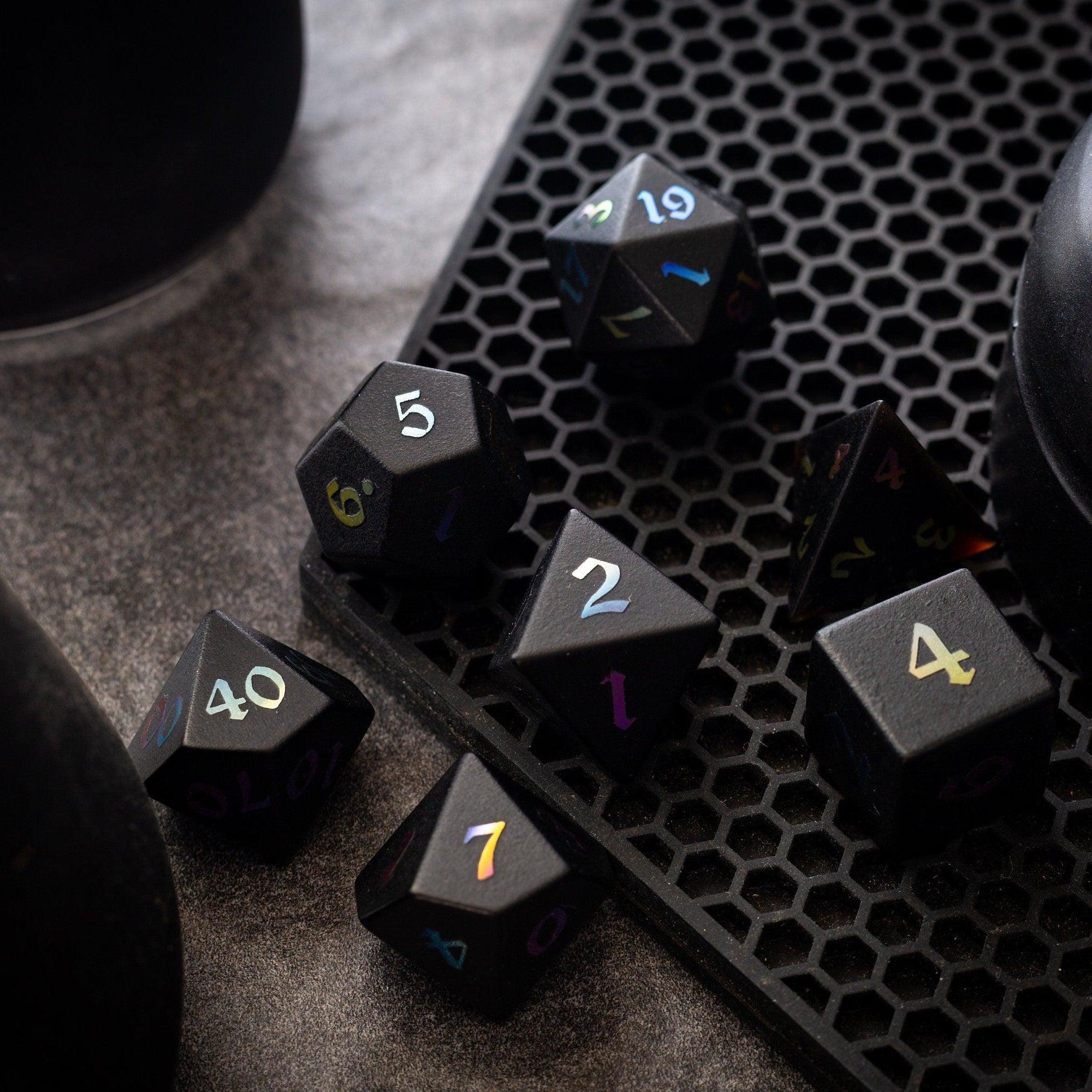
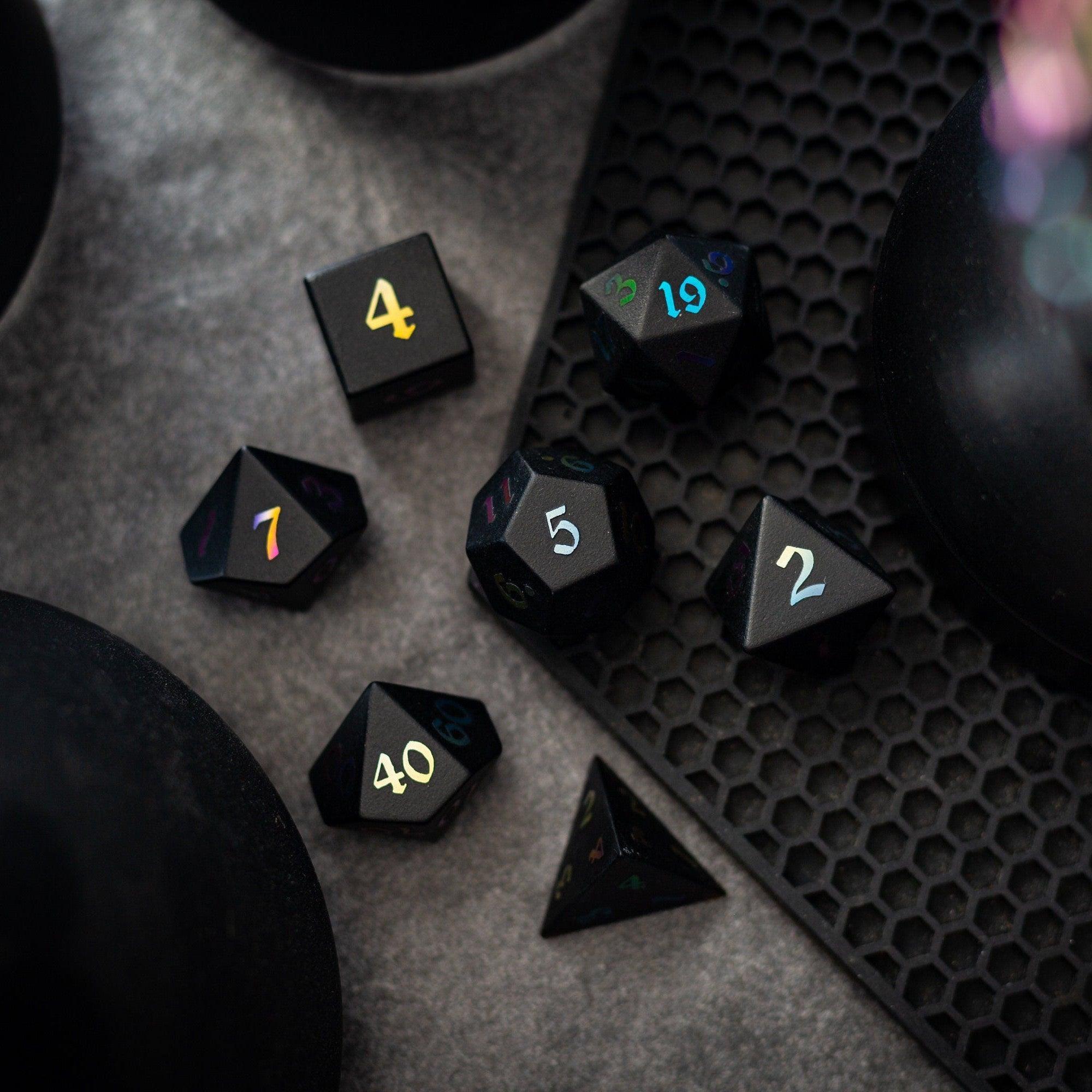
Let's talk about something that genuinely elevates your gaming experience: beautiful, functional dice. When you're rolling for initiative, casting spells, or attempting that risky persuasion check, having dice you love in your hands makes the moment feel special. Premium dice aren't just about aesthetics—they're about connection and immersion.
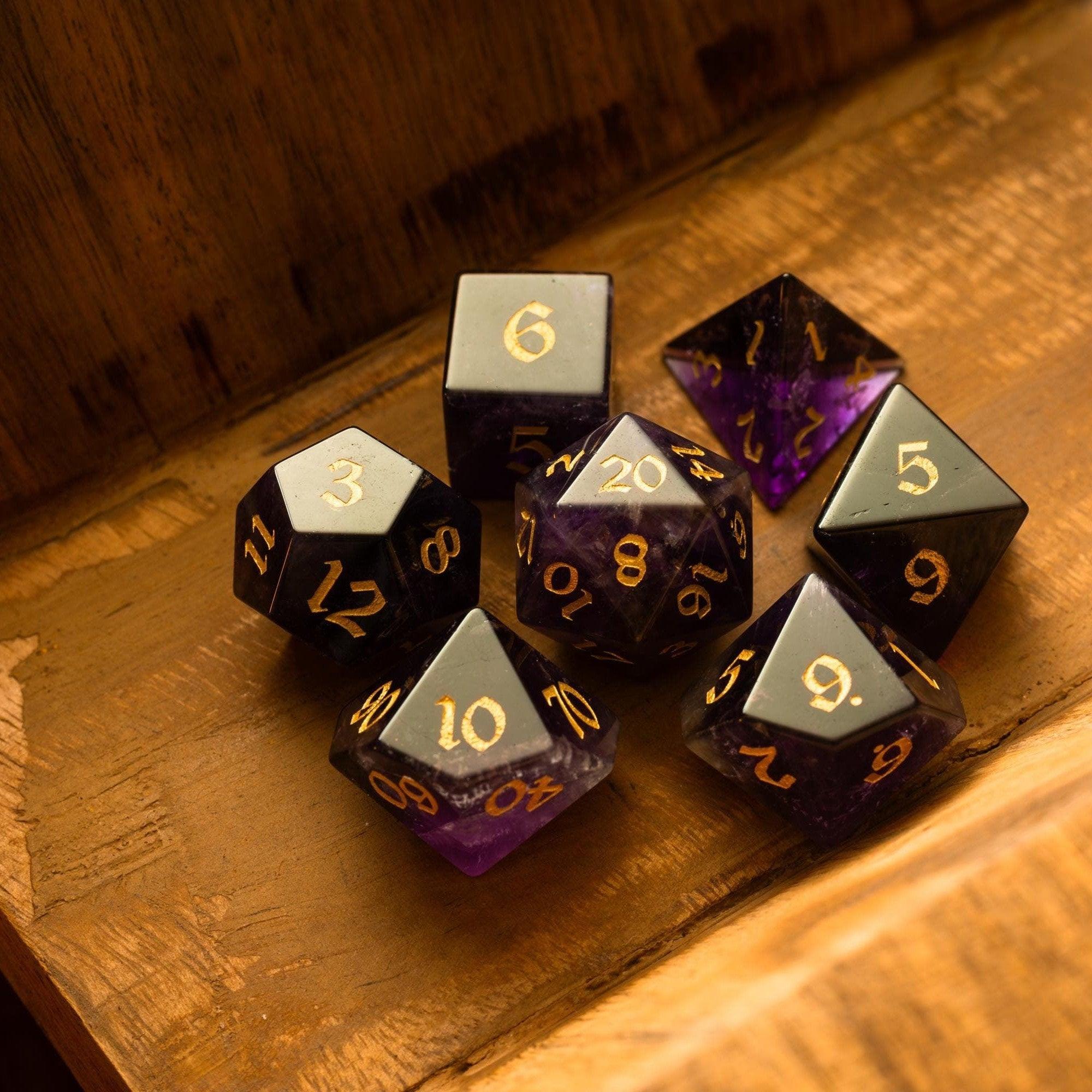
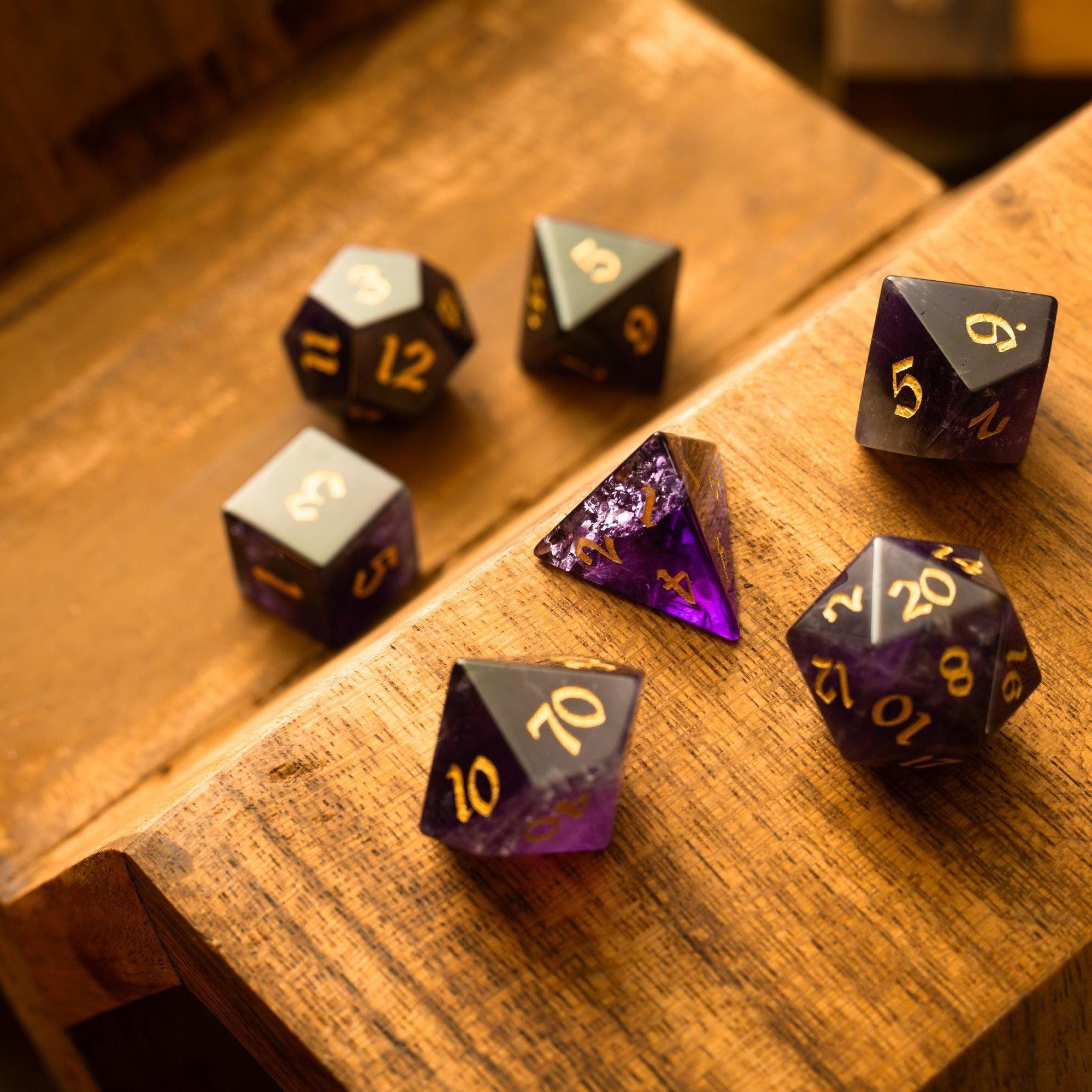
Consider the Purple Striped Agate Gemstone Set. This collection features natural gemstone craftsmanship that brings authentic beauty to your table. Each roll feels substantial, intentional. The weight and balance of quality dice make every action feel significant, which is exactly what you want when stakes are high in your campaign.
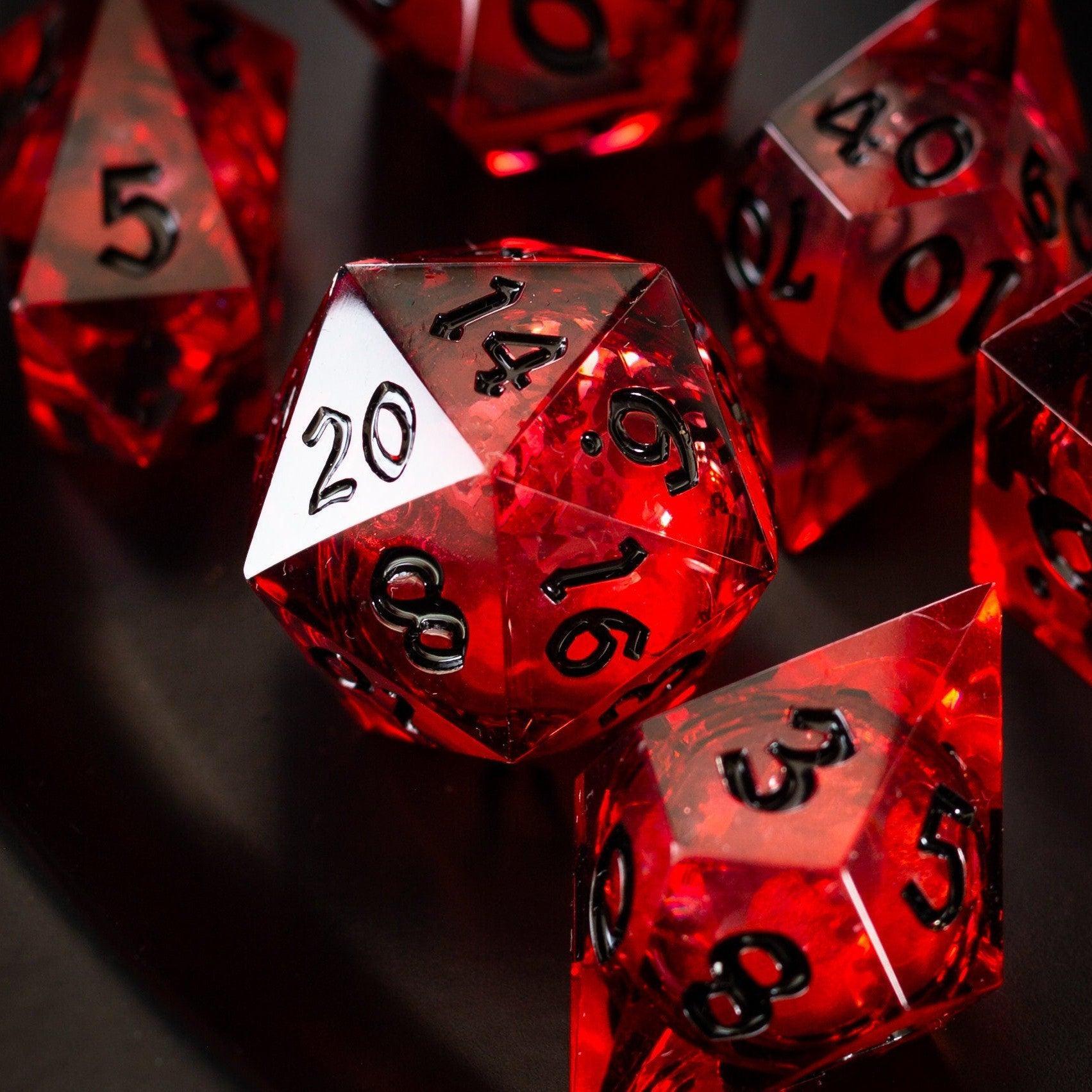
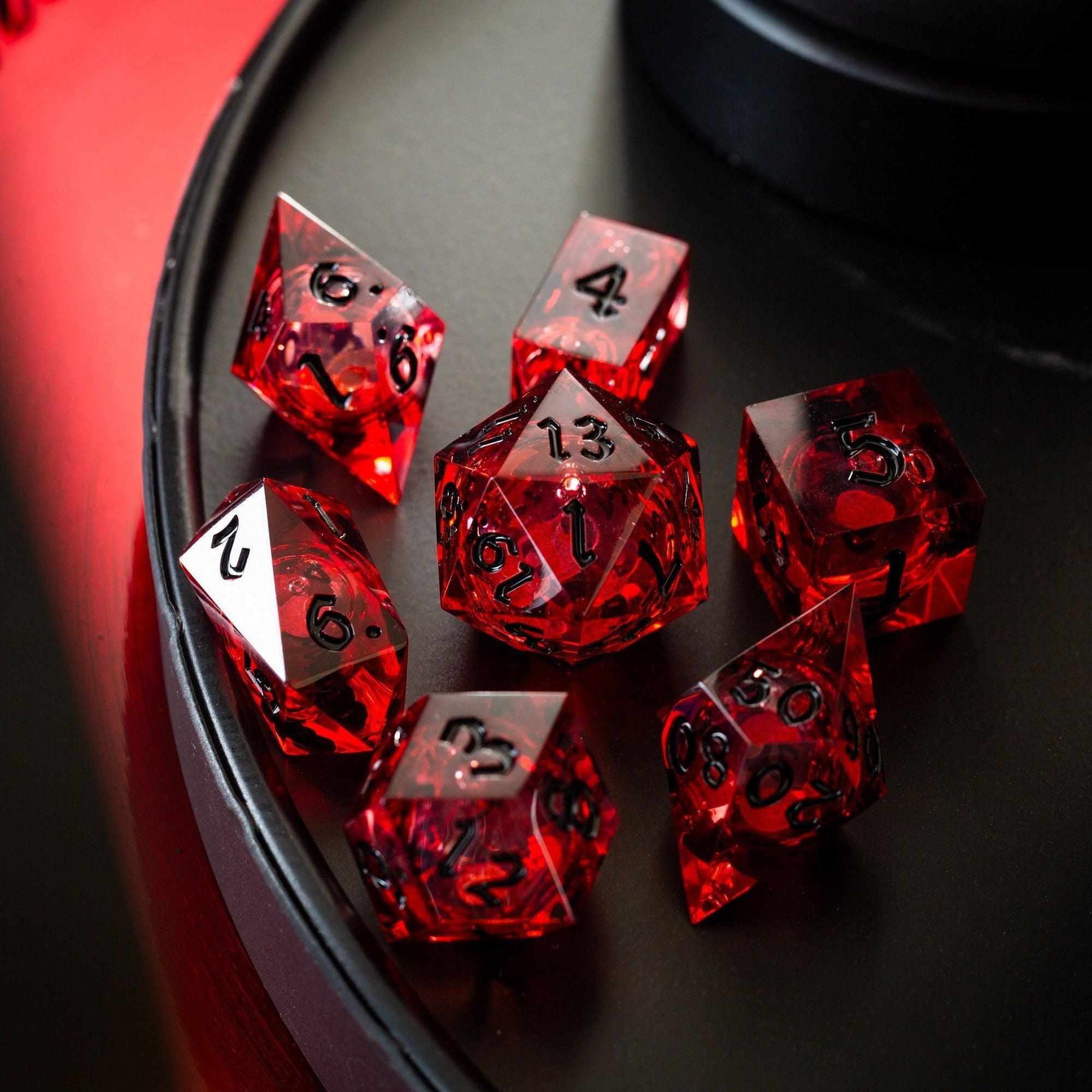
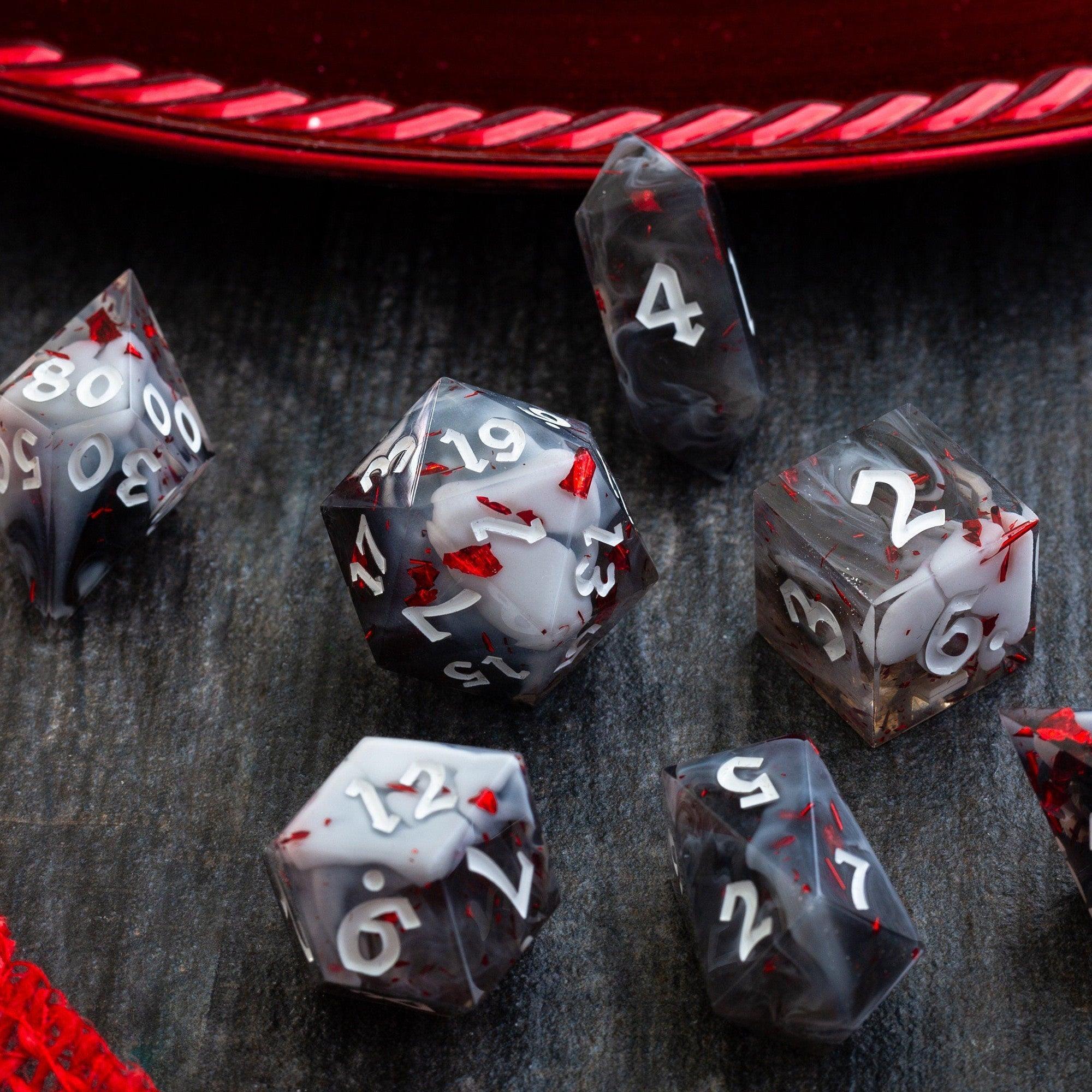
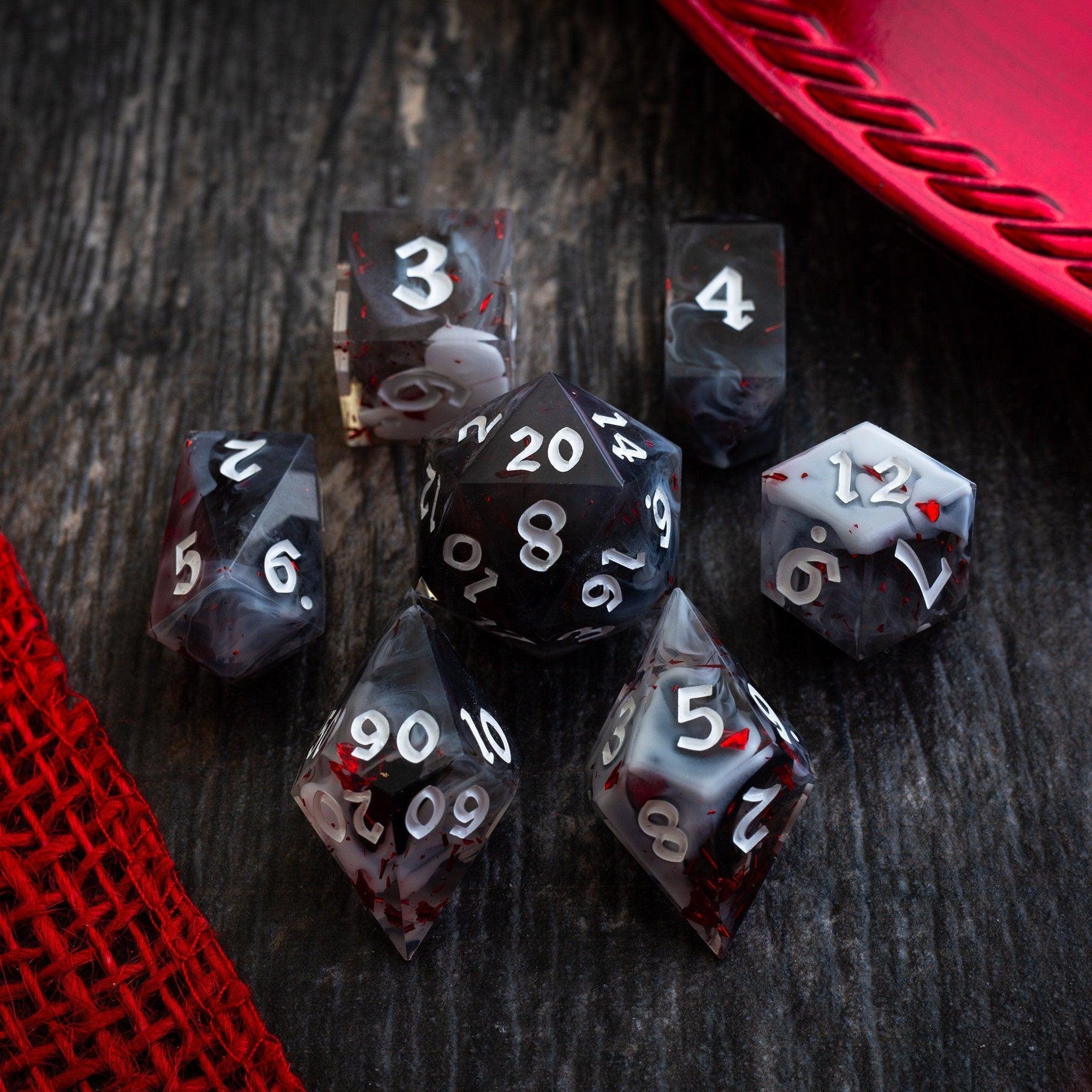
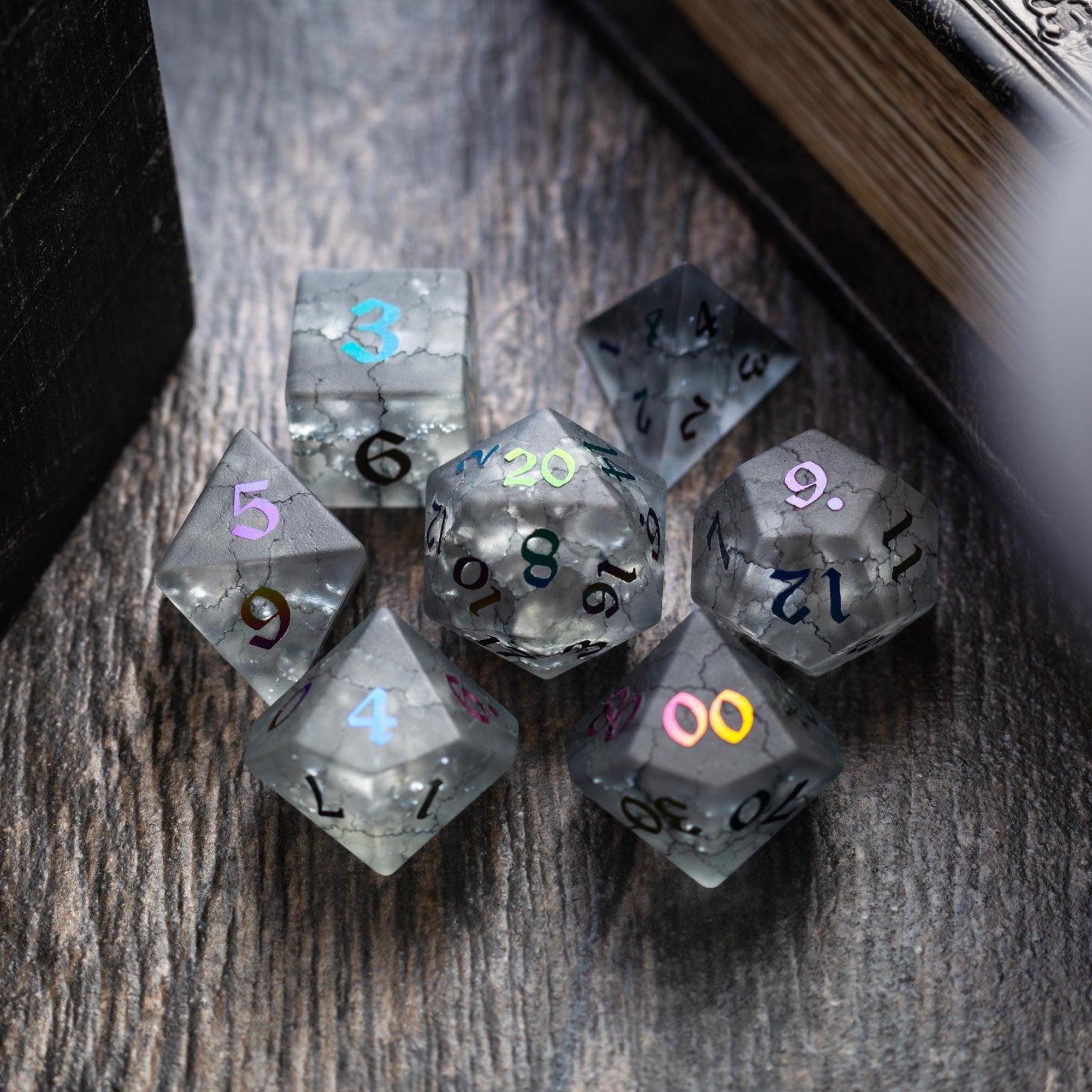
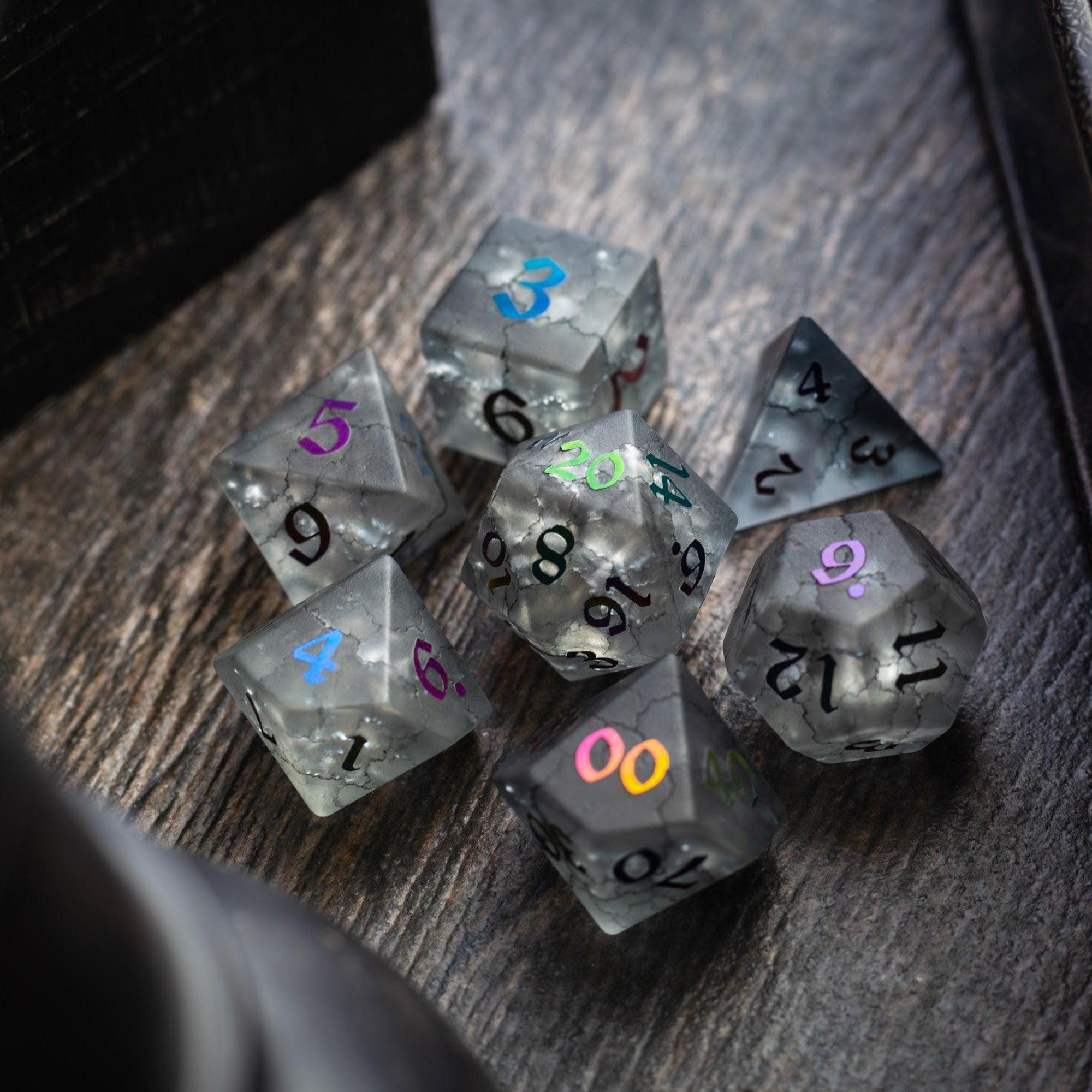
If you're drawn to darker aesthetics, the Black Inked Lightning Glass Cracked dice offer striking visual appeal combined with smooth rolling action. The cracked glass effect creates an almost mystical appearance that fits perfectly with darker, grittier narratives.
For those who love handcrafted artistry, Starlit Rift Resin dice capture cosmic wonder with their iridescent cores and swirling patterns. These aren't just dice—they're conversation starters that help set the tone for adventure before the session even begins.
If you want to build a collection or stock up for multiple groups, check out our gemstone dice collection for curated selections of premium sets.
Did You Know? Fascinating Facts About Tabletop Gaming
- The modern tabletop RPG industry generates over a billion dollars annually, with player communities growing stronger each year across all age groups and backgrounds.
- Studies show that role-playing campaigns improve creative thinking, problem-solving abilities, and social connection—making them valuable far beyond entertainment.
- The oldest polyhedral dice used in fantasy games date back to ancient times, but standardized multi-sided sets for gaming only became popular in the 1970s alongside the first published adventure systems.
- Professional voice actors, celebrities, and authors have publicly shared their passion for running and playing in campaigns, bringing mainstream visibility to the hobby.
- Online communities dedicated to game masters and players span the globe, sharing homebrew content, house rules, and character inspiration daily.
Pros & Cons Analysis: Digital vs. In-Person Sessions
When planning your tabletop adventures, you'll eventually face a choice: gather everyone around a physical table or meet online? Both approaches have real advantages and genuine drawbacks.
In-Person Gaming Sessions
Pros:
- Immediate social connection and face-to-face interaction build stronger bonds between players.
- Physical dice rolls create tangible, undeniable results that feel more authentic and exciting.
- Snacks, drinks, and informal chat during breaks enhance the social experience.
- Easier to manage handwritten notes, battle maps, and physical miniatures.
- Less technical troubleshooting—just gather and play.
Cons:
- Scheduling becomes challenging with multiple players across busy lives.
- Geographic distance makes gathering impossible for some groups.
- Setup and breakdown require dedicated space and time.
- Higher cost if purchasing terrain, miniatures, and printed materials.

Online Gaming Sessions
Pros:
- Play with friends across different cities, countries, or time zones.
- Flexible scheduling with recorded sessions available for those who miss live play.
- Digital tools automate dice rolling, character tracking, and rulebook lookups.
- Lower overall equipment investment needed.
- Accessibility features help players with mobility or sensory considerations.
Cons:
- Technology issues interrupt flow—connection drops, audio problems, software glitches.
- Less spontaneous interaction and harder to read player reactions.
- Screen fatigue after several hours of video conferencing.
- Requires learning new software platforms and digital tools.
- Physical dice rolls lose their ceremonial importance.
Building Engaging Story Arcs
The heart of every great campaign lies in compelling storytelling. Your narrative doesn't need to be Hollywood-level complex—it needs to be interesting to your specific group of players. Think about what hooks your players personally. Does your group love political intrigue, monster hunting, mystery solving, or exploring strange new lands?
Start with a simple premise and expand it organically based on player choices. The magic happens when you respond to what your players actually do rather than forcing them down a predetermined path. This flexibility creates genuine investment because their decisions genuinely matter.
Consider weaving personal stakes into your adventures. If your rogue has a rival thief, make that rivalry matter. If your cleric serves a particular deity, let their faith influence the world around them. These threads transform generic quests into deeply personal journeys.
Creating Memorable NPCs
Your non-player characters are the supporting cast that brings your world alive. You don't need voices or theatrical gestures—simple, consistent personality traits work wonderfully. Give important NPCs a quirk or memorable speech pattern. Maybe your tavern keeper always says "well now" before answering questions, or your wizard scratches his beard when thinking through problems.
The best NPCs serve multiple purposes. They advance the plot, offer quests, provide comic relief, and create emotional stakes. A well-developed NPC that your players grow to care about creates powerful moments when they succeed or fail to help that character.
Balancing Challenge and Fun
This is where many new game masters struggle: finding the sweet spot between challenges that feel meaningful and encounters that aren't impossibly frustrating. Your players should feel genuine tension during important moments, but they should also feel capable.
Pay attention to your group's preferences. Some tables love hardcore, deadly encounters where character death lurks around every corner. Others prefer a more cinematic approach where dramatic failures create story rather than dead characters. Neither approach is wrong—they're just different playstyles.
Start by building encounters slightly easier than you think necessary. You can always improvise difficulty adjustments during play. It's harder to dial back extreme danger once it's in motion.
Frequently Asked Questions
What's the best way to handle player conflict or difficult personalities at the table?
Address issues directly but kindly before they escalate. Talk privately with the problematic player outside of session time. Explain how their behavior affects the group's fun. Most people respond well to honest, respectful feedback. If problems persist, you have every right to ask someone to step back from your group. Your table should be a safe space where everyone enjoys themselves.
How long should a typical campaign last?
There's no universal answer—campaigns range from single sessions to multi-year commitments. Short campaigns work great for testing new systems or welcoming new players. Long campaigns build deeper relationships and allow complex character arcs. Most successful groups play consistently for several months to years, meeting regularly. Start with a clear end goal in mind, then adjust based on how much fun everyone's having.
I'm nervous about improvising when players do unexpected things. How do I prepare?
Overpreparation on details you can't control is counterproductive. Instead, prepare your world's rules, major NPCs, and plot hooks. Know what factions exist, what they want, and how they'll react to player actions. When players surprise you—and they will—use your world's logic to determine what happens next. "That's a cool idea, let me think about how your character's abilities would handle that" buys you thinking time. Improvisation is a skill that improves with practice, and your players will forgive rough moments if you're clearly trying your best.
Should I invest in expensive miniatures and terrain right away?
No. Start simple—use coins, buttons, or tokens on graph paper. Many successful groups never upgrade beyond basic representations. As your campaign grows and your budget allows, gradually invest in tools that enhance your specific table's experience. Quality dice sets like our sharp edge resin collection provide better value early because they directly enhance every session.
How often should we play, and how long should sessions be?
Most groups play weekly or biweekly for two to four hours. Some prefer longer monthly sessions. The best schedule is whatever your group can commit to consistently. Regular play builds momentum and helps players remember details, while giving longer breaks between sessions means less pressure on preparation.
Final Thoughts on Running Great Adventures
Building memorable role-playing campaigns comes down to showing up, being present with your players, and caring about creating fun together. You don't need perfect preparation, professional-grade equipment, or years of experience. You need enthusiasm, flexibility, and the willingness to learn as you go.
Your first campaign probably won't be your best, and that's perfectly fine. Each session teaches you something about what works for your group. Each attempt gets better. The communities around tabletop gaming are welcoming and generous with advice because everyone remembers their first time leading an adventure.
When you're ready to elevate your setup with quality dice that feel amazing to roll, we're here to help. Beautiful dice make the experience more immersive for everyone. Beyond gear, remember that your players are there for the shared story and social connection. Everything else is just supporting that core magic.
Now go gather your party and make some memories. Your next epic adventure awaits.

Leave a comment
This site is protected by hCaptcha and the hCaptcha Privacy Policy and Terms of Service apply.