

Origins of Dice in Gaming: A History of Chance and Strategy
Updated on: 2026-02-05
Have you ever wondered where dice come from and why they've been so central to gaming for thousands of years? This article explores the fascinating history of how dice shaped entertainment, strategy, and culture across civilizations. From ancient Mesopotamia to modern tabletop gaming, discover how these simple cubes became tools for adventure and chance.
- Ancient Roots of Gaming Cubes
- Evolution Through the Ages
- Cultural Significance and Spread
- Modern Gaming and Dice Culture
- Benefits and Why We Love Them
- Frequently Asked Questions
Ancient Roots of Gaming Cubes

The story of gaming cubes is one of humanity's oldest tales. When we talk about the origins of dice in gaming, we're really talking about the birth of chance-based entertainment itself. Archaeological evidence suggests that the earliest cube-shaped objects used for games appeared in ancient Mesopotamia around 3000 BCE. These weren't the perfectly balanced cubes we know today—they were often made from animal bones, teeth, or wood and had uneven sides.
What's really cool is that ancient cultures didn't just stumble upon the idea. They deliberately created these objects because they understood something fundamental: adding an element of unpredictability made games way more exciting. Imagine sitting around a fire with your friends, and instead of knowing exactly what happens next, there's genuine suspense about the outcome. That's the magic these early gaming pieces brought to gatherings.
The ancient Egyptians were also huge fans of gaming cubes. Archaeological digs have uncovered evidence that Egyptians played games with four-sided and six-sided cubes made from bone and ivory. These weren't casual toys either—they were status symbols. Wealthy Egyptians kept elaborate sets, and some were even buried with their owners for use in the afterlife. Talk about commitment to gaming!
Evolution Through the Ages
As civilizations advanced, so did the craftsmanship of gaming cubes. By the time we reach the Roman Empire, we see much more sophisticated designs. The Romans actually called their six-sided cubes "astragali," though they also used what they called "tali"—four-sided versions made from animal bones. These became wildly popular across the empire, and soldiers would often gamble with them during downtime.
What's fascinating is that people were already thinking about fairness. The Romans knew that uneven cubes could be weighted to favor certain outcomes, and this became a problem serious enough that there were laws against cheating with rigged gaming pieces. Some wealthy Romans would commission specially crafted versions made from materials like jade or stone to ensure honest play. This early concern about balance shows that the importance of fair gaming goes back centuries.
During the Middle Ages in Europe, gaming cubes became even more refined. They were often made from bone, ivory, or wood, and artisans started decorating them with intricate designs and engravings. The medieval period saw these items become luxury goods, especially for nobility. Monks in monasteries even made gaming pieces, and some historical records show that the Church had quite a lot to say about people gambling with them—which tells you how popular they'd become.
The invention of better manufacturing techniques gradually changed everything. When precision tools became available, craftspeople could create cubes that were geometrically perfect and fair. This advancement removed much of the skepticism around gaming, and these objects transitioned from items associated with vice to legitimate entertainment tools. By the Renaissance, gaming sets were considered refined entertainment for all social classes.
Cultural Significance and Spread
What's remarkable about the history of gaming cubes is how universal they became. Whether you look at ancient Asia, Africa, Europe, or the Americas, you find evidence of cube-based games. This wasn't because cultures were copying each other—it's because the concept is so intuitive and satisfying. Humans naturally gravitate toward tools that combine strategy with chance.
In ancient India, gaming was deeply woven into cultural stories. The Mahabharata, one of the world's oldest epics, features a famous dice game that shapes the entire narrative. This shows that gaming cubes weren't just entertainment—they held philosophical and spiritual significance. They represented fate, destiny, and the unpredictable nature of life itself.
Chinese civilizations developed their own versions, using them not just for gambling but for divination and religious purposes. Japanese culture also embraced gaming cubes, creating beautiful and intricate designs that reflected artistic traditions. By the time European explorers began their voyages, gaming cubes had already traveled and evolved across nearly every continent.

Modern Gaming and Dice Culture
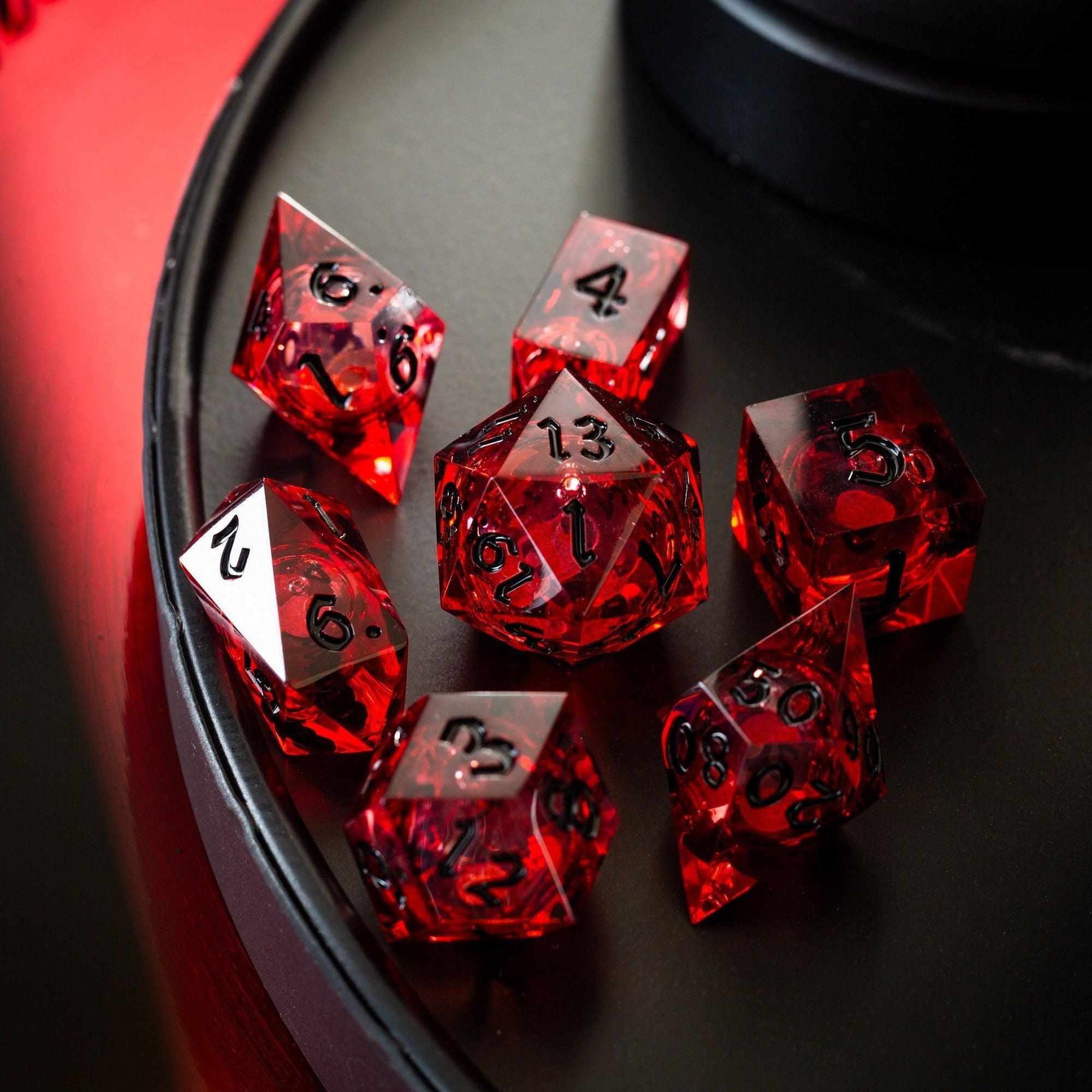
Fast forward to the twentieth and twenty-first centuries, and gaming cubes have become essential to entire entertainment industries. The rise of tabletop role-playing games like Dungeons & Dragons in the 1970s gave these ancient objects a whole new purpose. Suddenly, gamers needed polyhedron-shaped versions—not just six-sided cubes, but four-sided, eight-sided, ten-sided, twelve-sided, and twenty-sided variations.
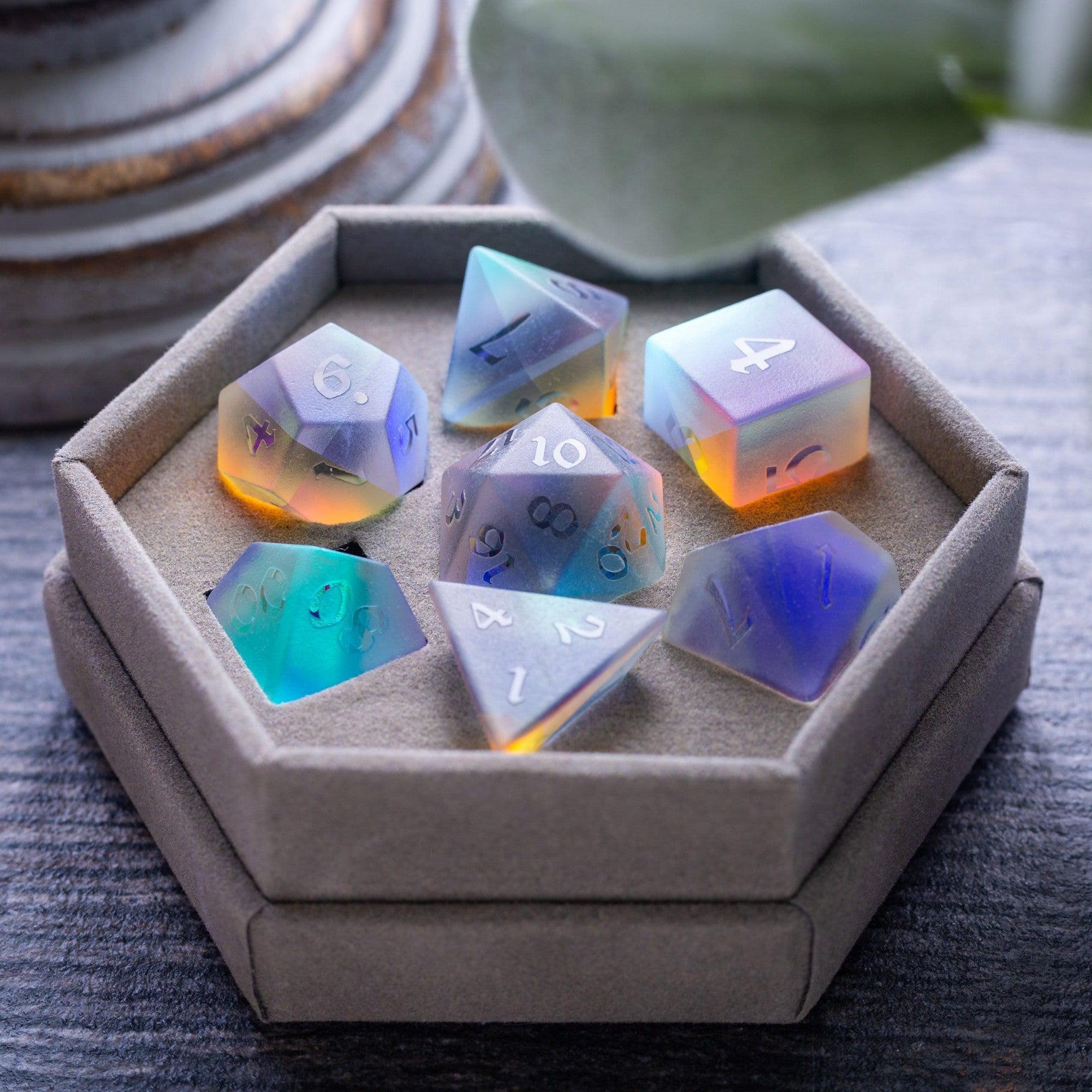
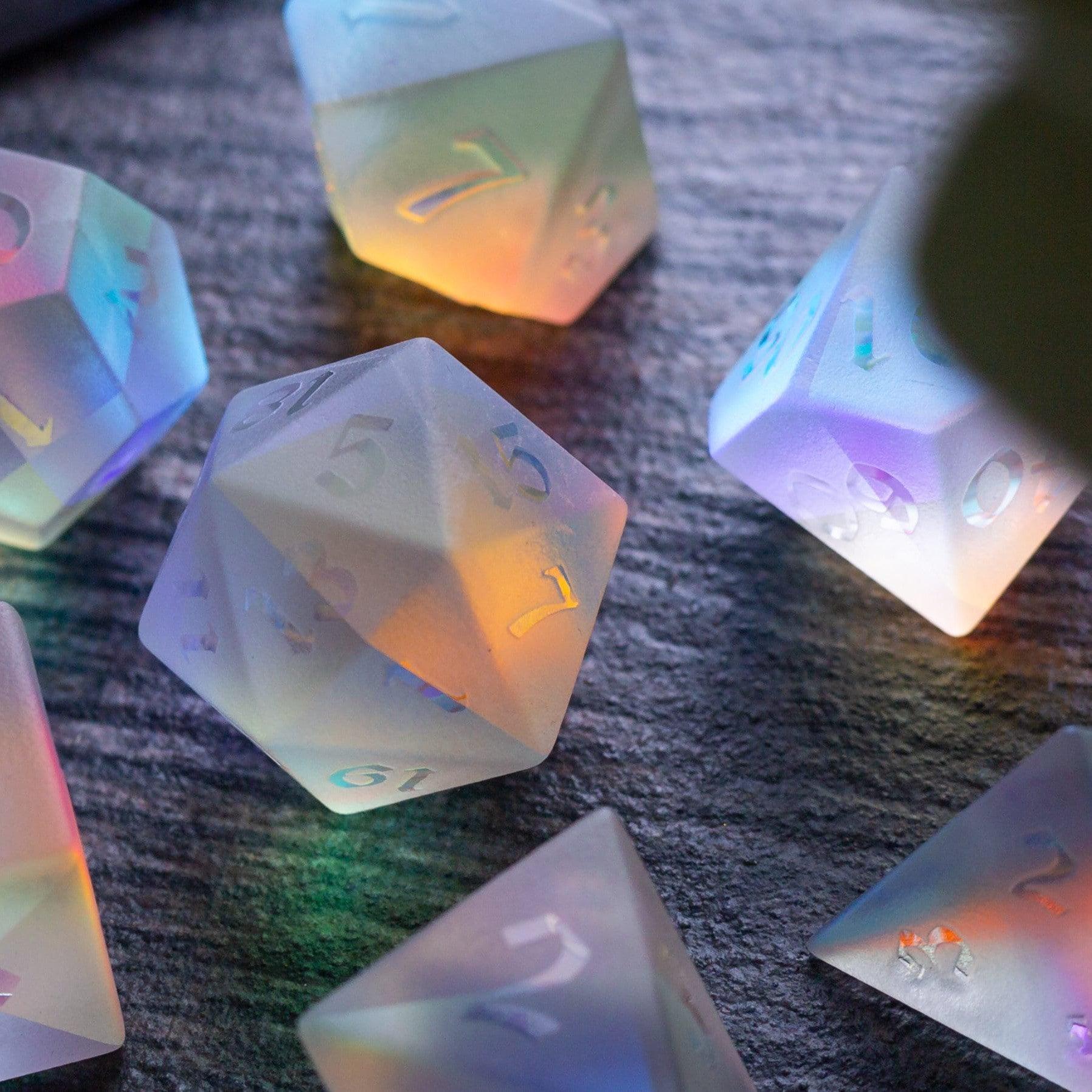
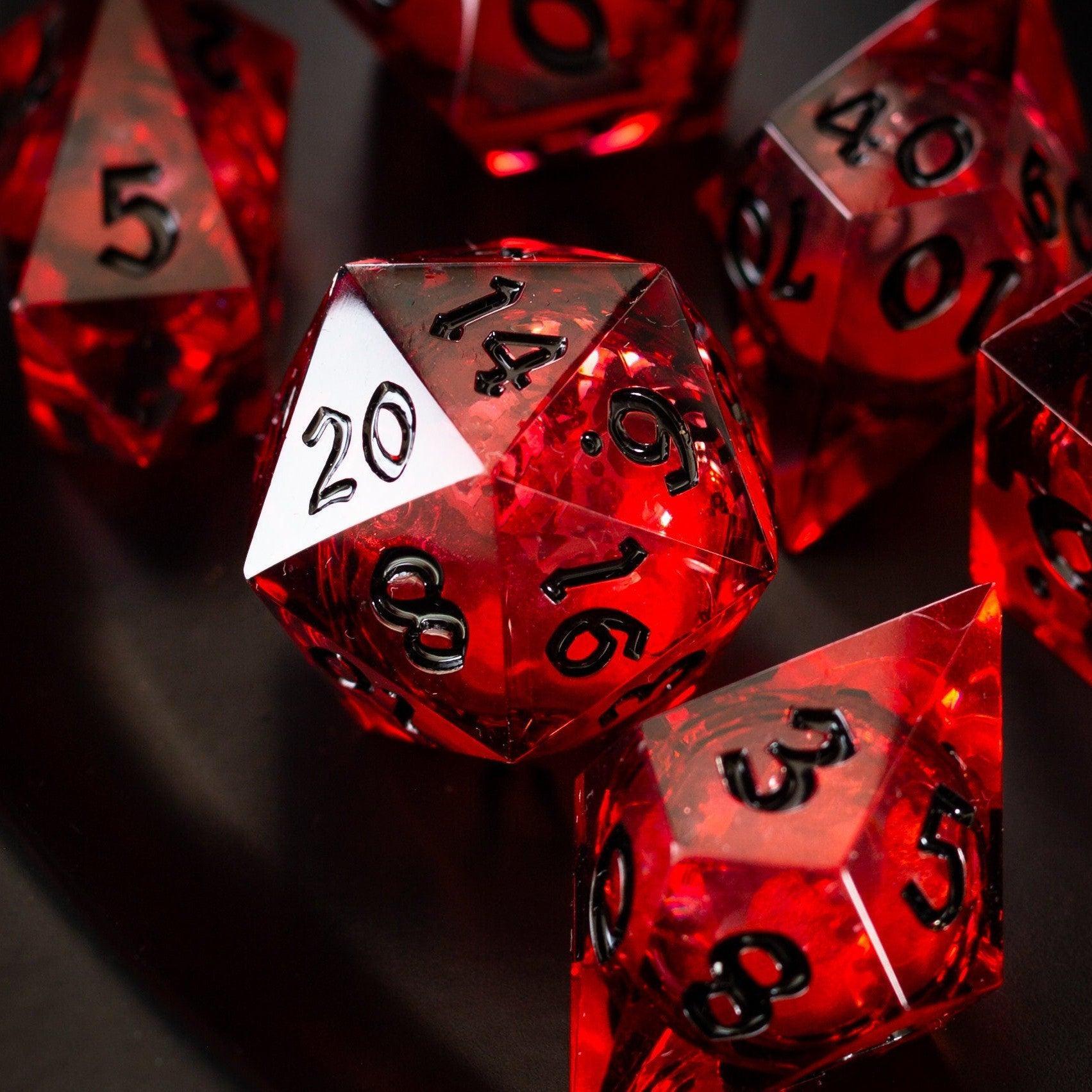
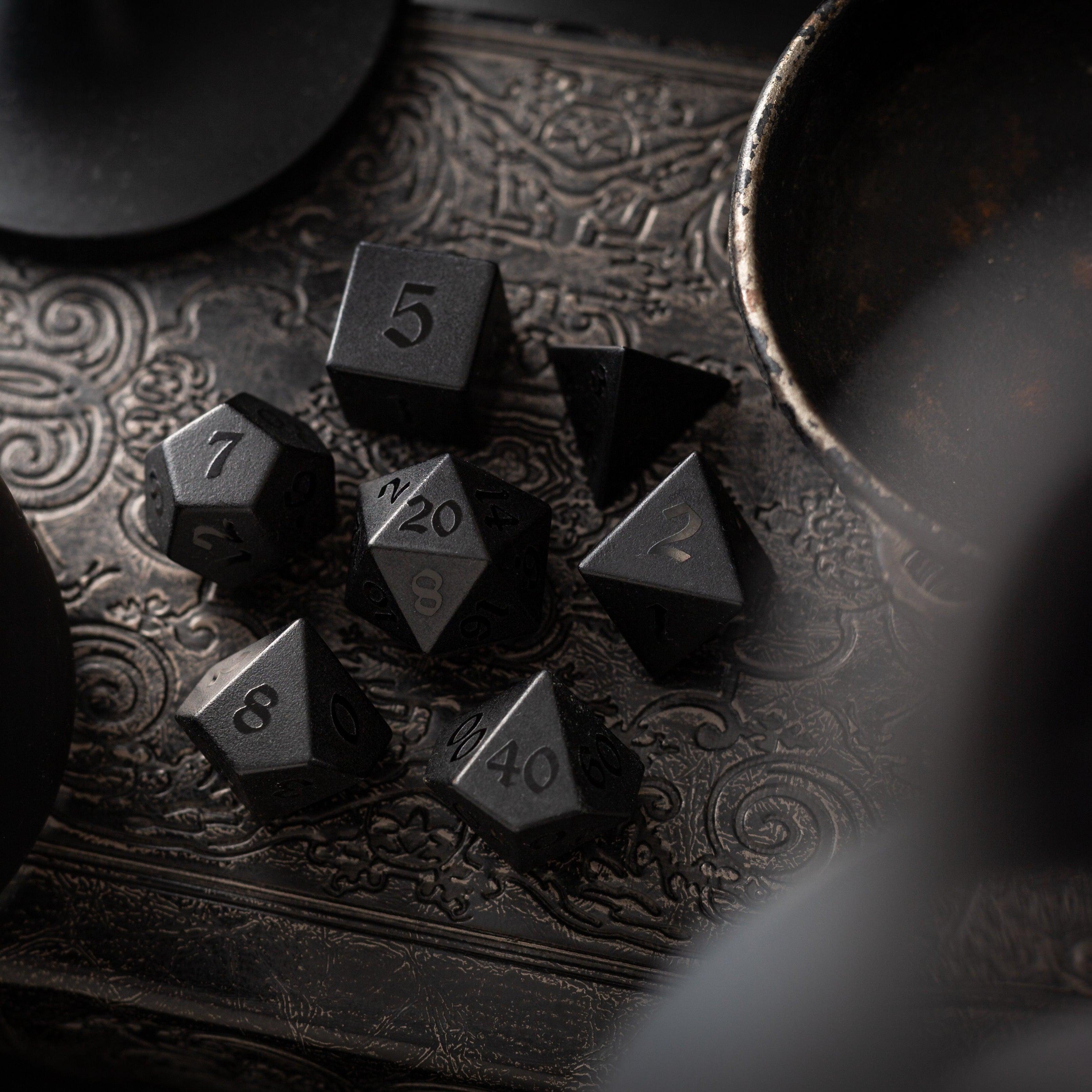
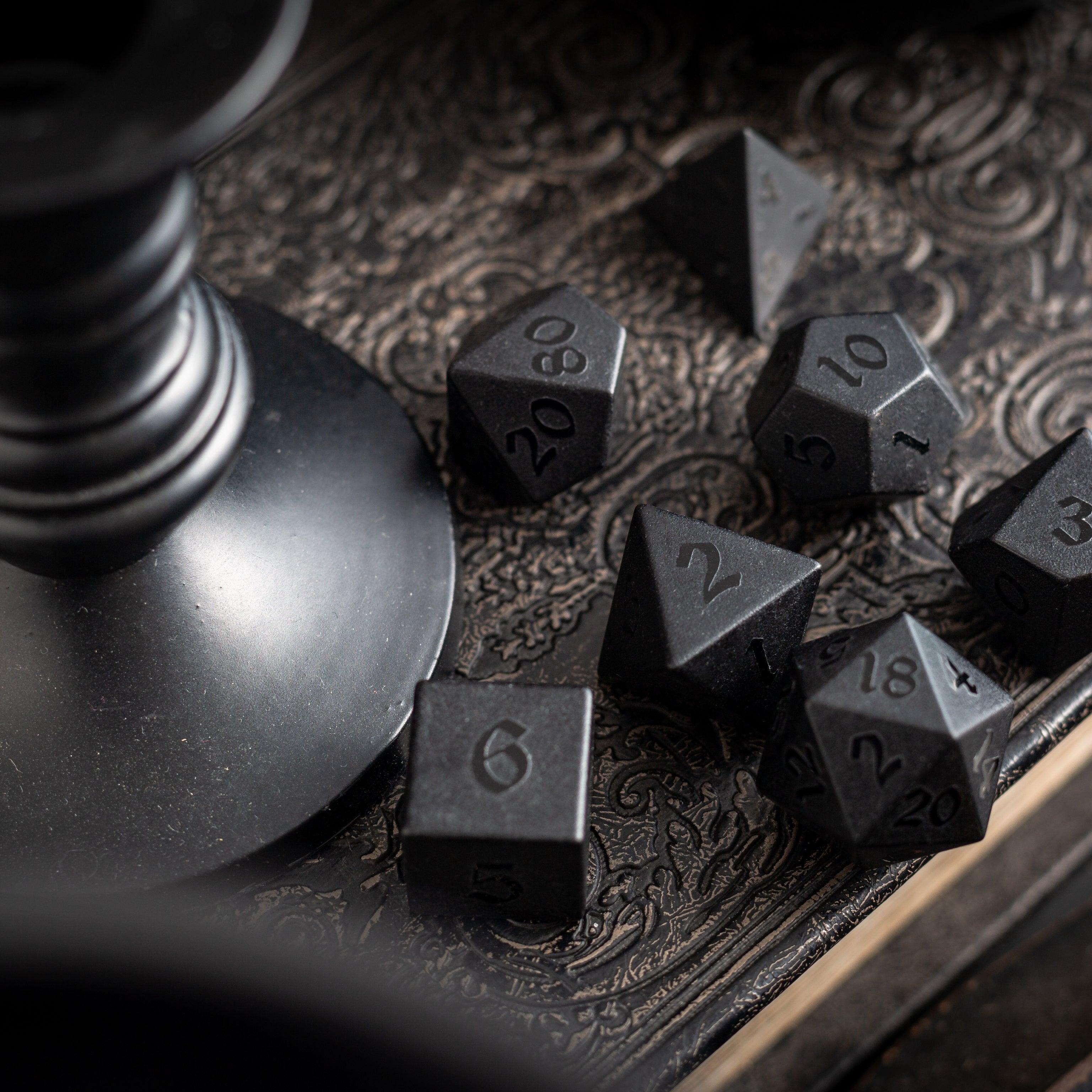
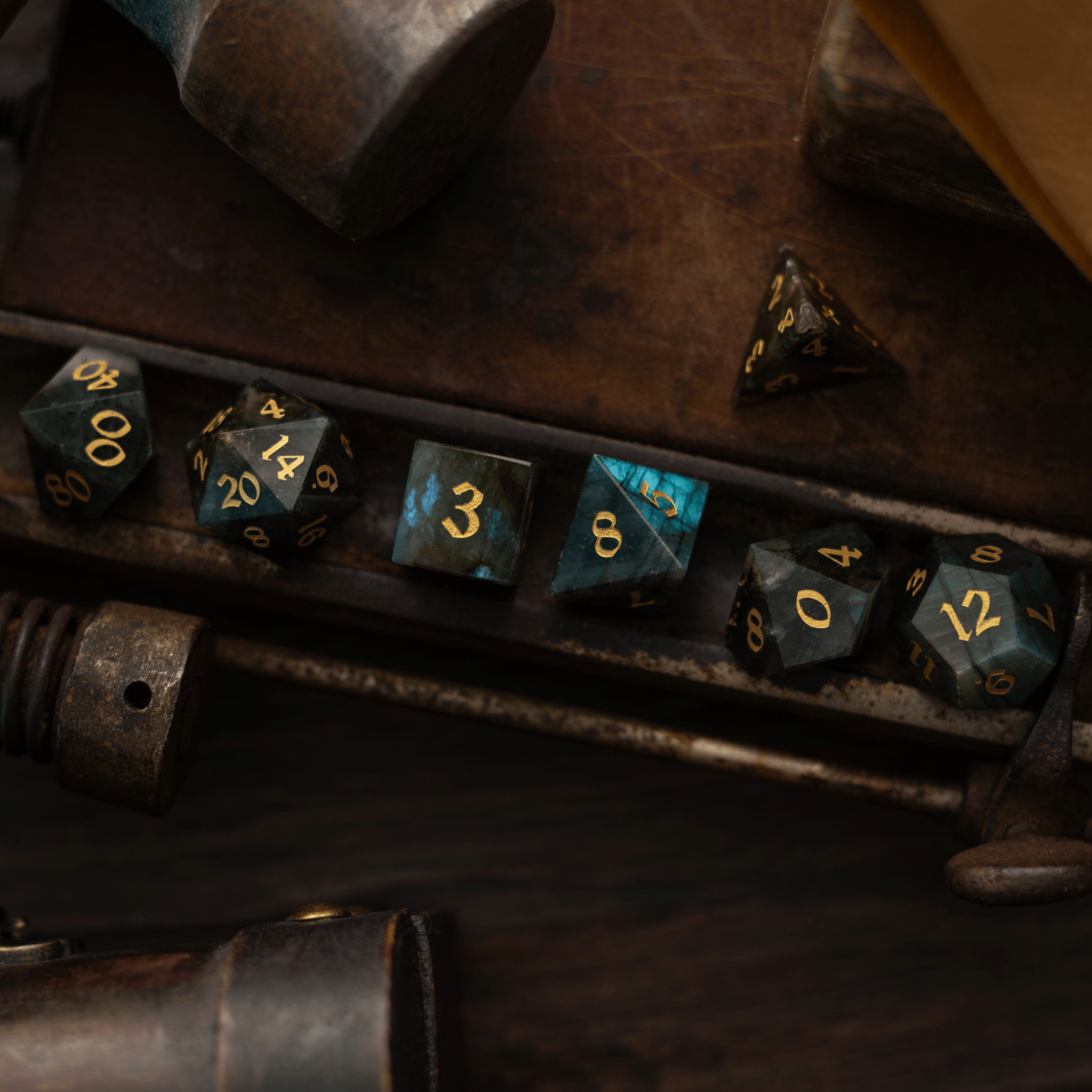
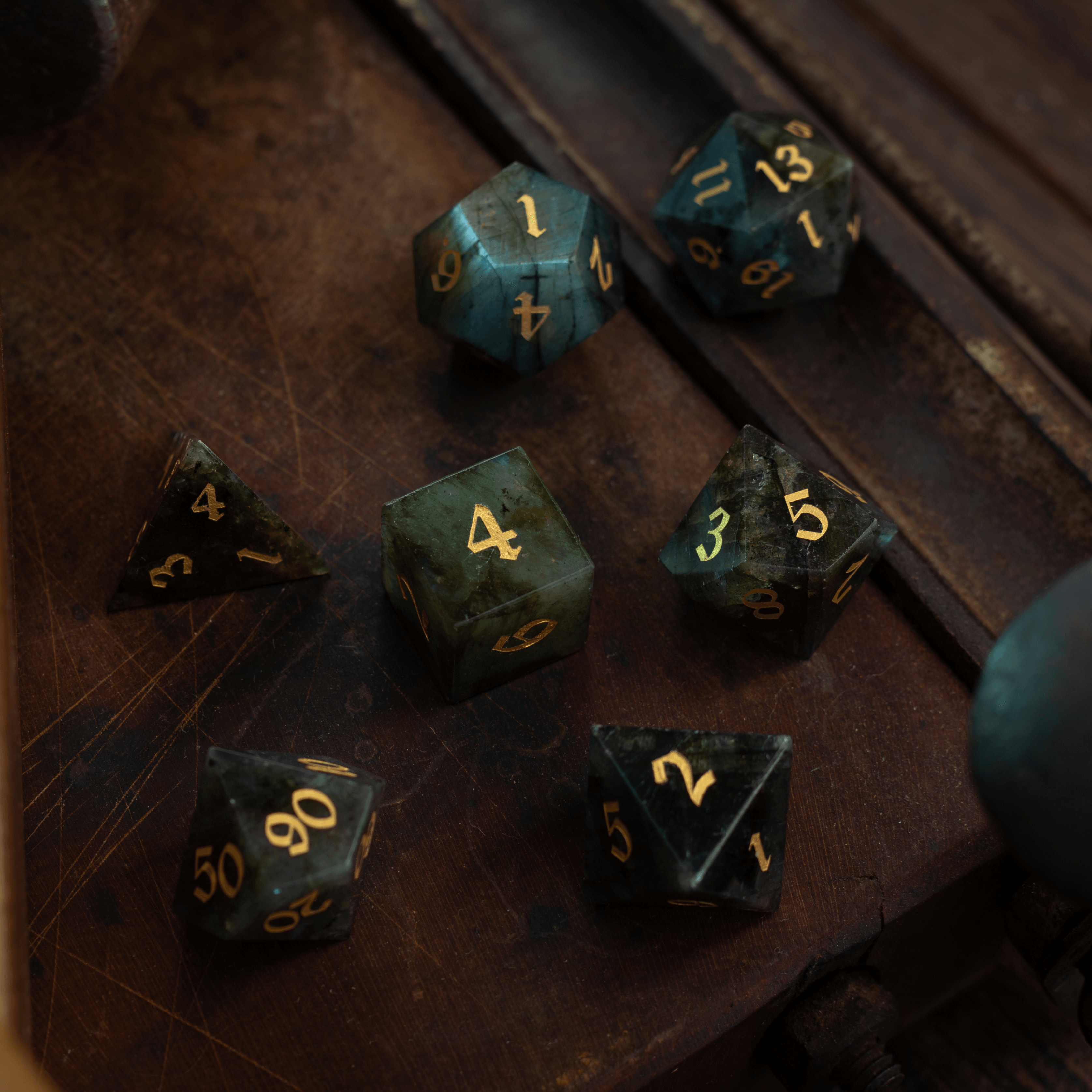
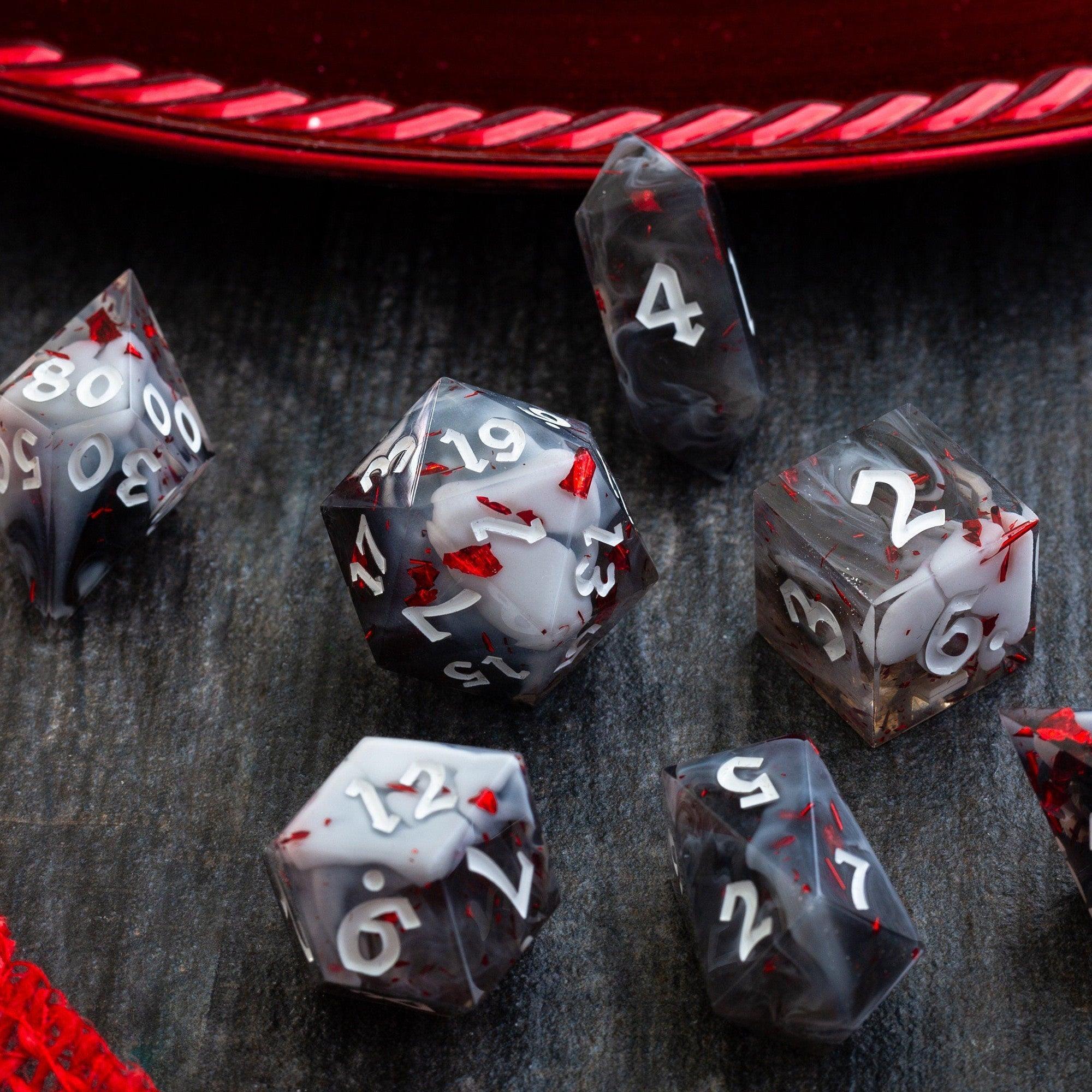
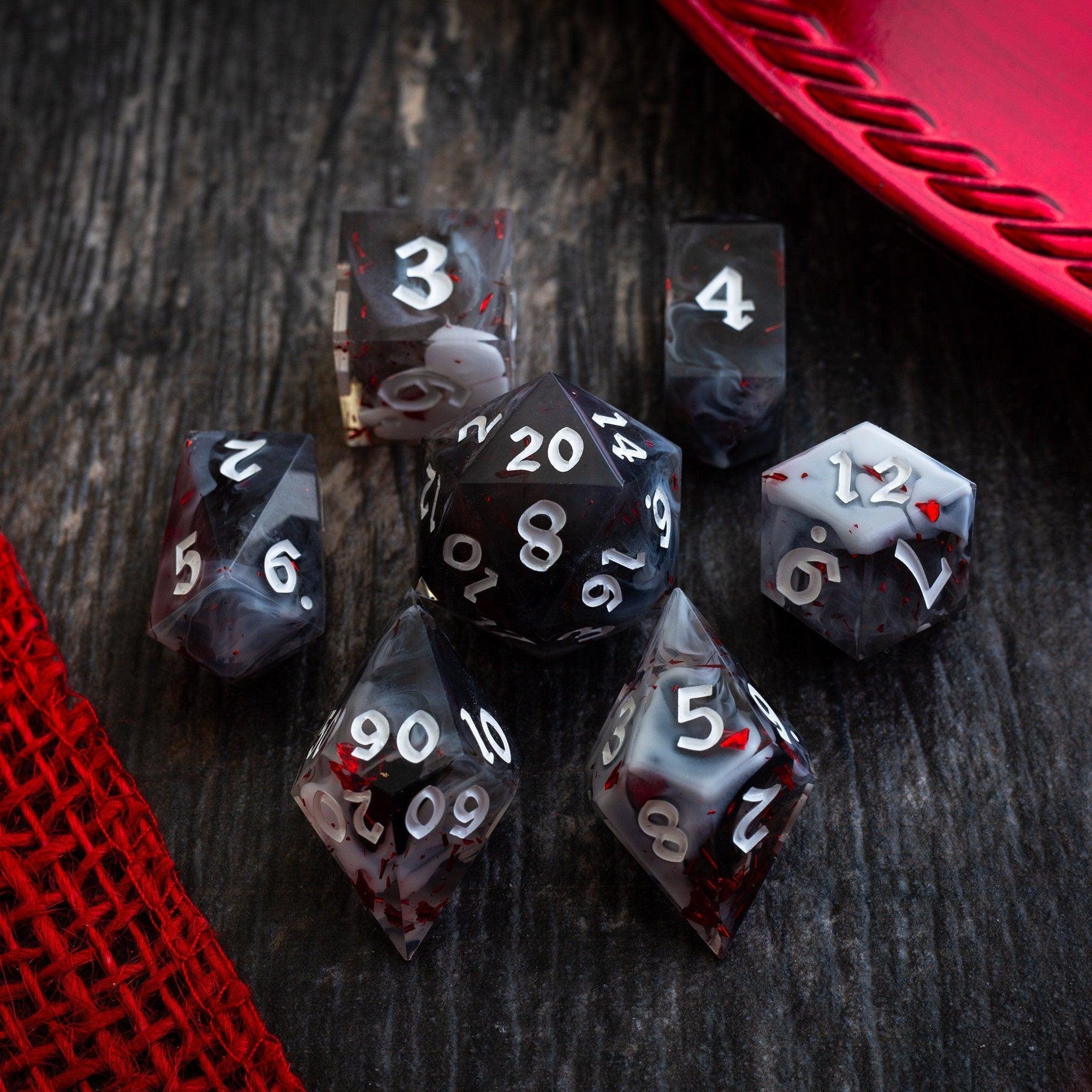
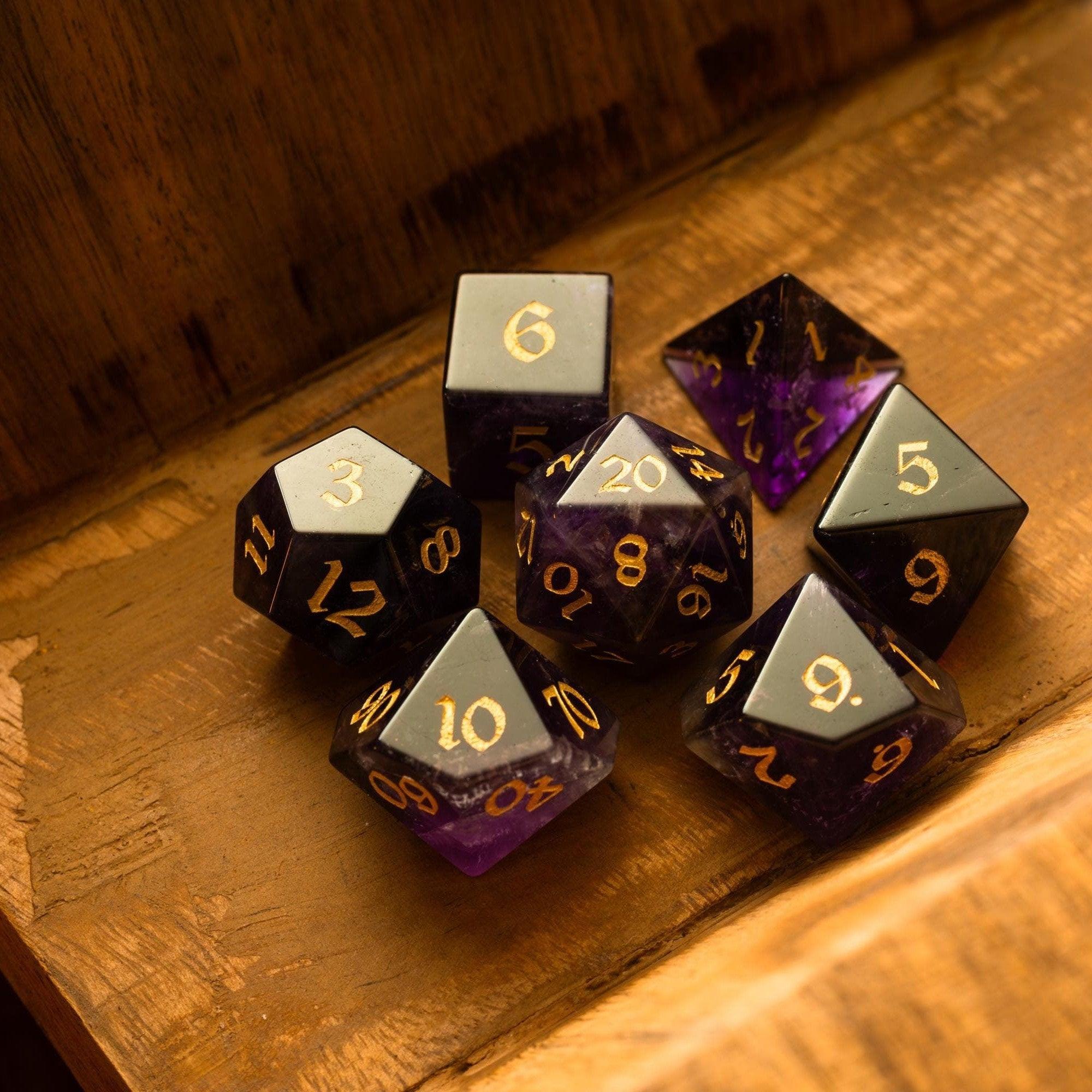
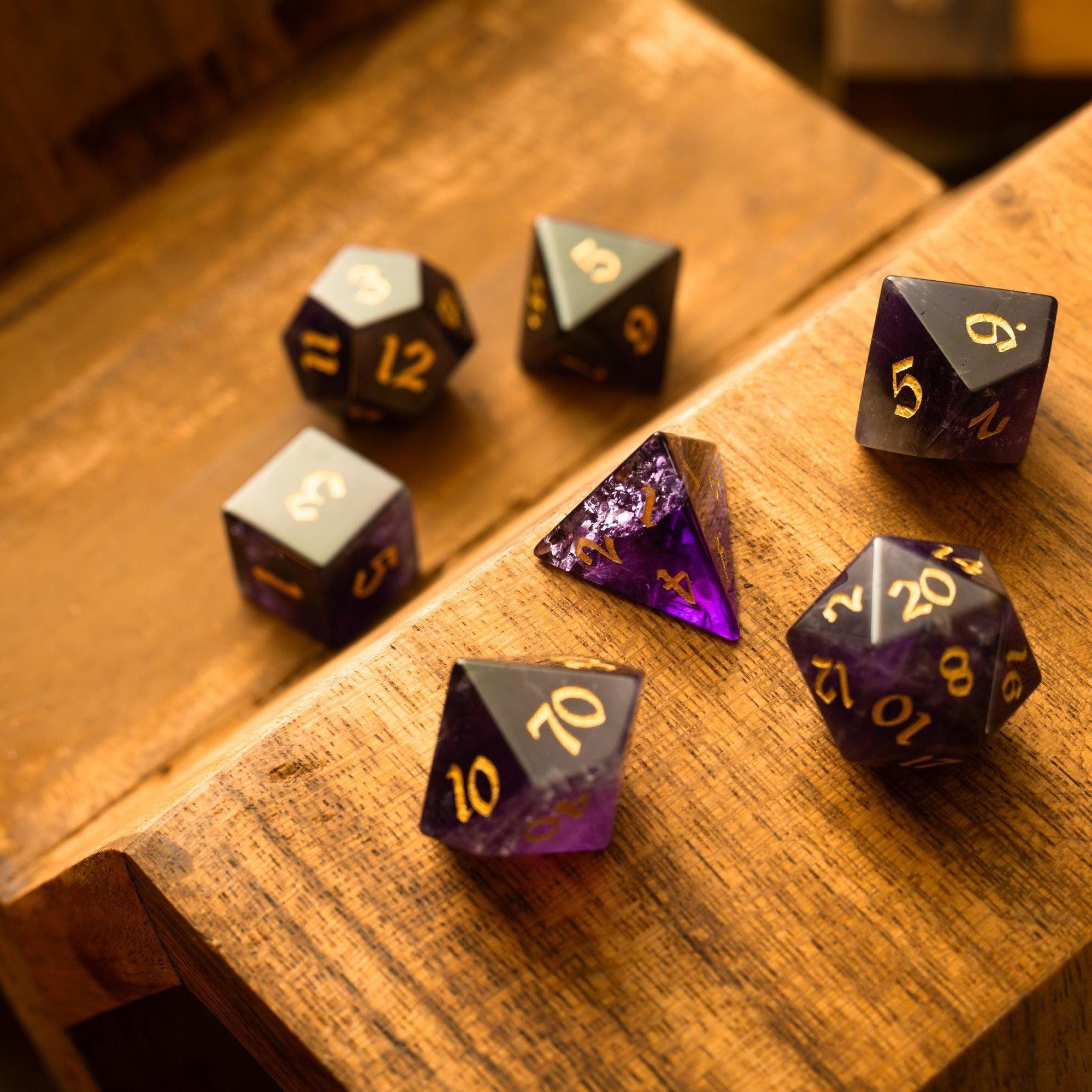
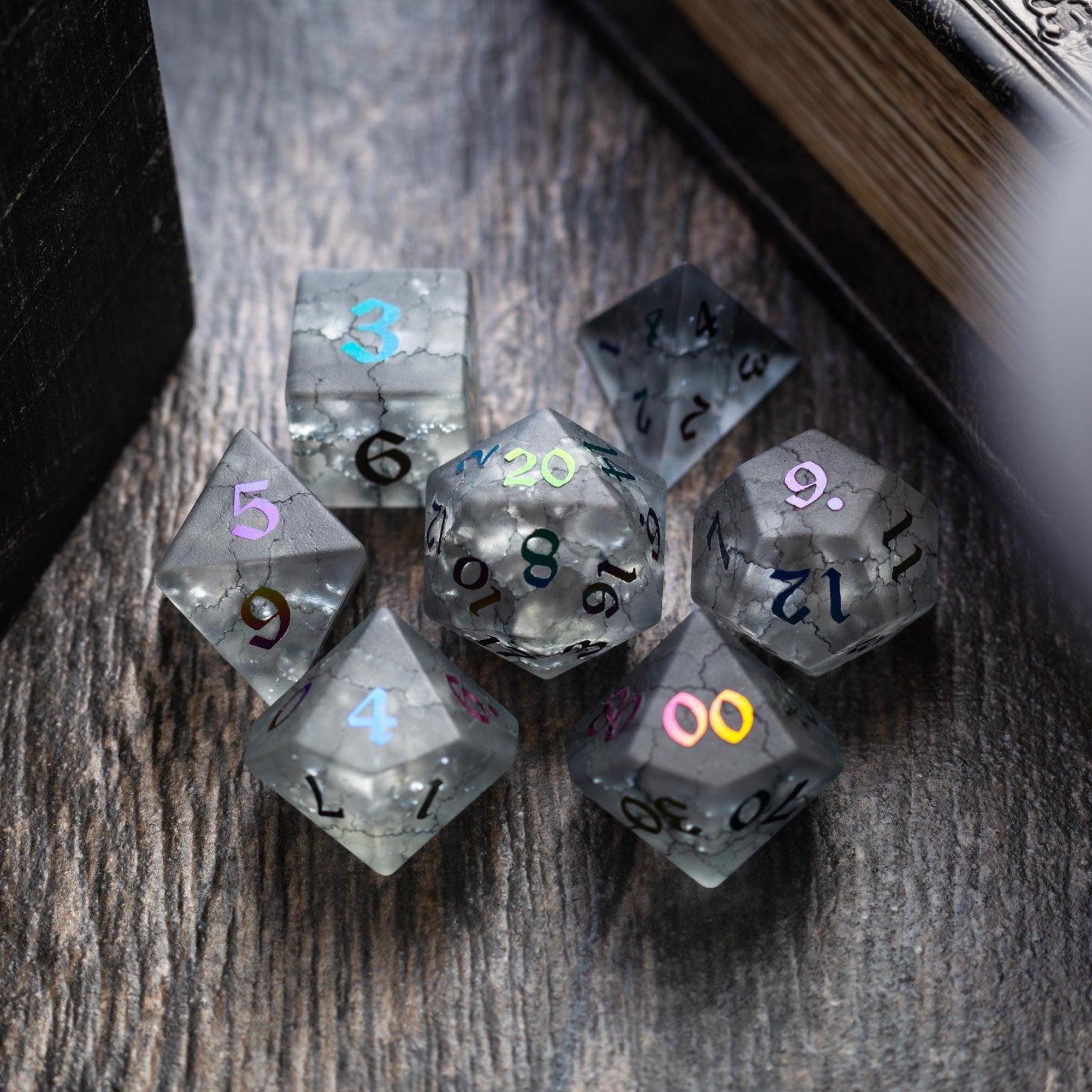
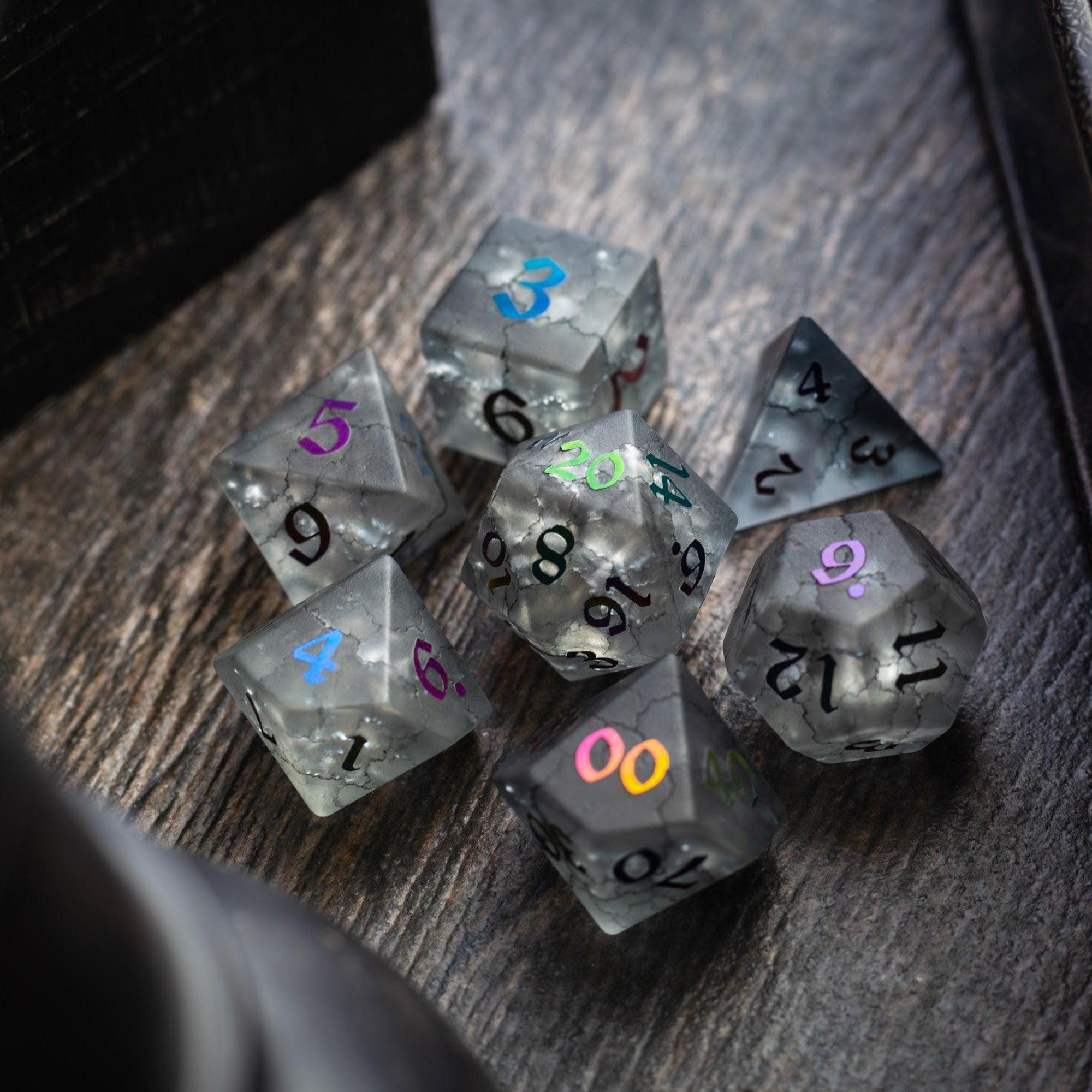
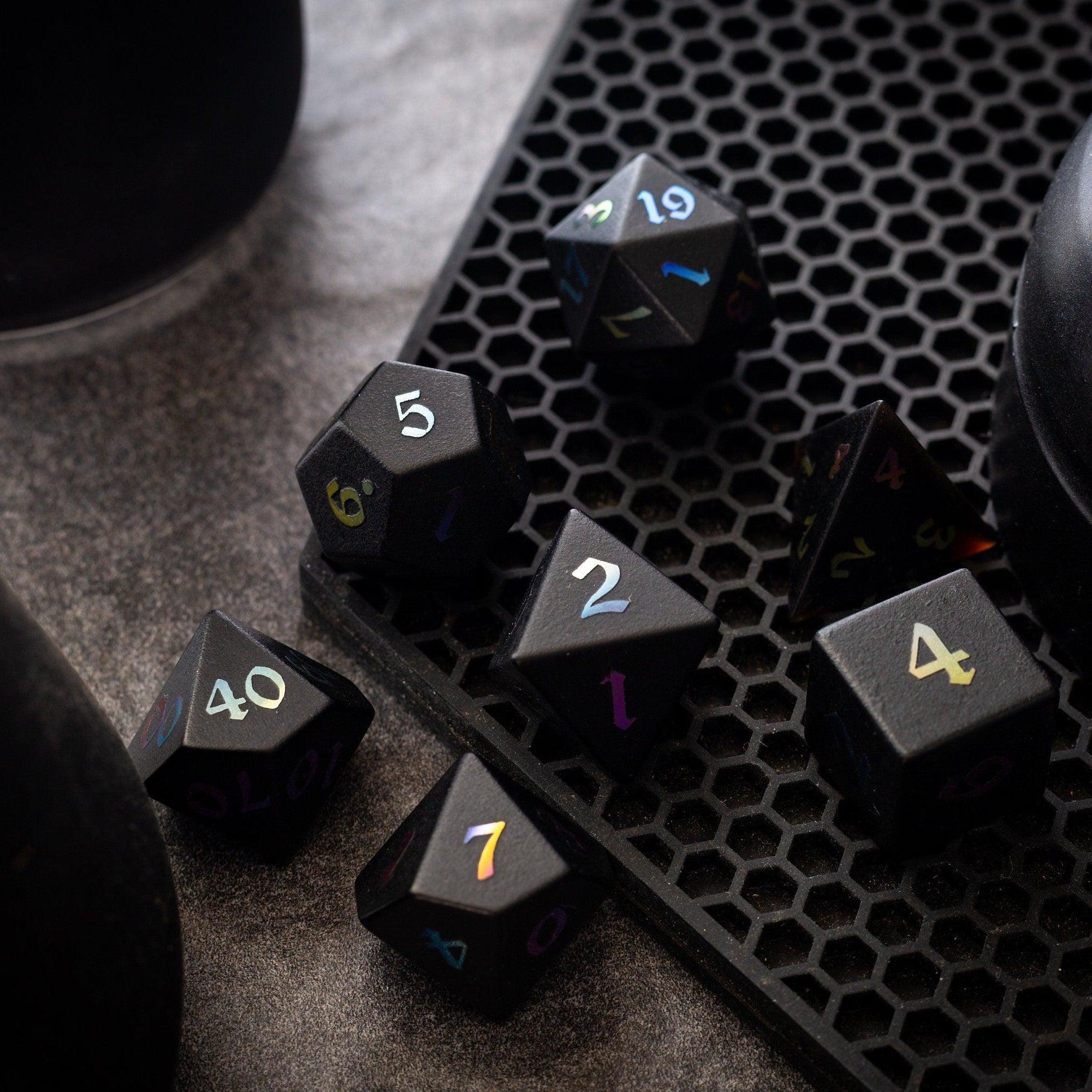
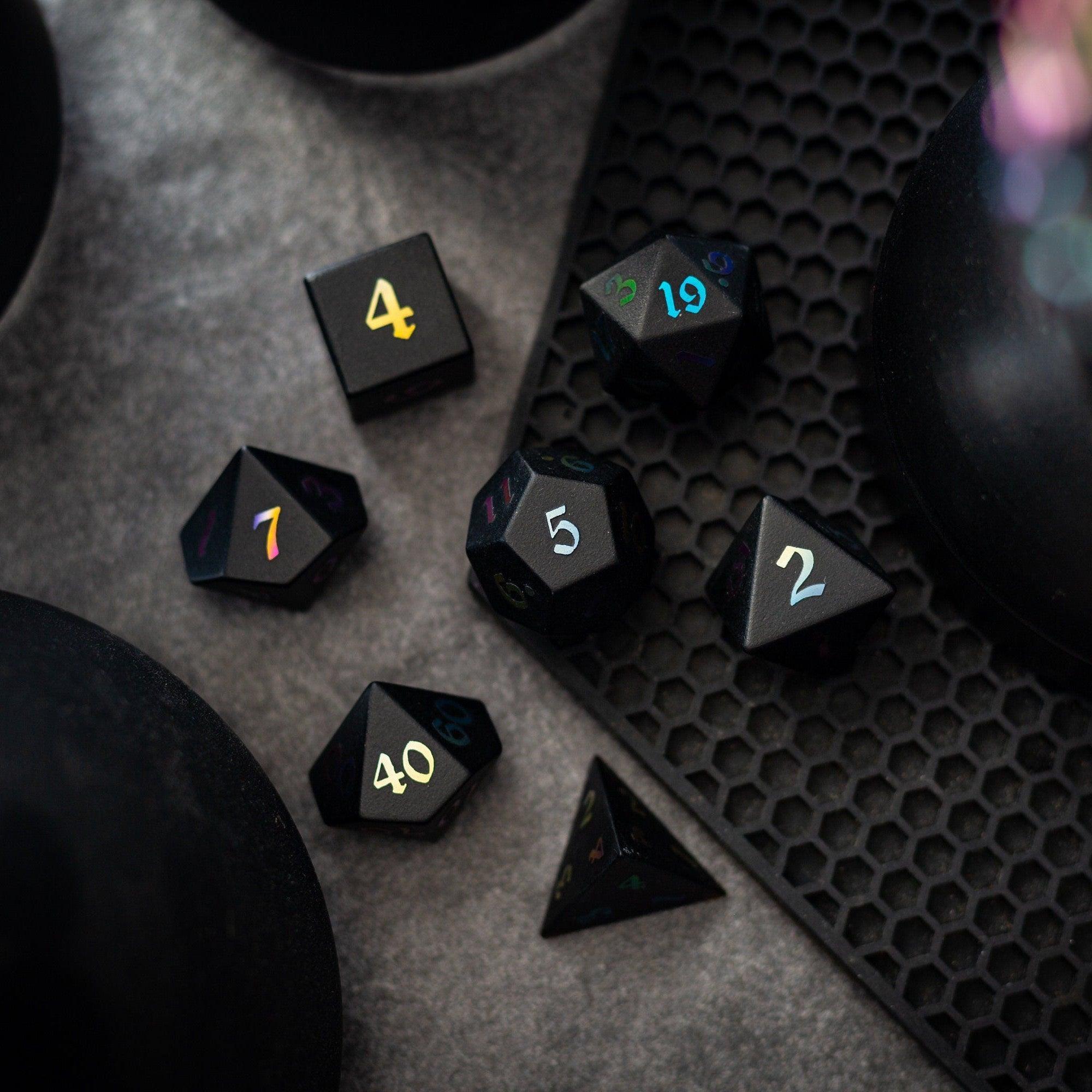
This revolution transformed gaming culture completely. Players began collecting beautiful, unique sets that reflected their personality and gaming style. Artisans started creating incredibly detailed handmade versions using materials like resin, gemstone, and metal. Today, you can find everything from simple plastic sets to premium handcrafted collections that are genuinely works of art. Whether you're looking for gemstone dice collections or intricate resin designs, the variety is astounding.
The gaming dice market has exploded because people understand something ancient civilizations knew intuitively: these objects make games better. They add tension, excitement, and a sense of shared fate to group activities. Whether you're playing board games, video games with physical components, or tabletop RPGs, the presence of these gaming pieces creates genuine emotional investment in outcomes.
Modern manufacturing has also made premium options accessible. Materials like gemstone sets that would've been impossibly expensive for regular people centuries ago are now available to anyone who wants them. This democratization of beautiful gaming pieces means that anyone can experience the joy of collecting and using high-quality equipment.
Benefits and Why We Love Them
There are so many reasons why gaming cubes have remained popular for millennia. First, they add genuine unpredictability to gameplay. Unlike games where skill alone determines outcome, the inclusion of chance creates dramatic tension and keeps everyone engaged. You might be losing, but a lucky roll could turn everything around. That possibility keeps players invested until the very end.
Second, these objects serve a social function that's irreplaceable. Gathering around a table to roll gaming pieces is fundamentally a communal activity. It creates shared experiences and memories. Friends remember the time someone rolled a critical success, or the dramatic moment when the odds shifted unexpectedly. These moments build bonds between players in ways that other activities sometimes don't.
Third, there's something tactile and satisfying about physically throwing gaming cubes. It engages multiple senses—you feel the weight in your hand, hear the satisfying clatter as they tumble across the table, and see the results reveal themselves. This physical interaction is deeply satisfying in a way that digital randomization simply can't replicate. Many gamers specifically prefer physical versions because of this sensory experience.
Fourth, beautiful gaming pieces like dwarf-cut gemstone sets or handmade resin designs transform them into collectibles. People genuinely enjoy owning beautiful objects. Premium gaming sets become conversation pieces, items people proudly display, and sources of personal pride. The craftsmanship involved in creating high-quality sets means you're supporting artisans and getting genuine art.
Finally, using quality gaming pieces adds psychological weight to decisions. When you're rolling an expensive, beautiful set of gemstone or resin gaming pieces, every roll feels significant. The investment in quality equipment makes players take games more seriously and enjoy them more deeply. It's the difference between casually tossing a plastic piece and reverently rolling a handcrafted gem.
Frequently Asked Questions
Why have gaming cubes remained popular for so long?
Gaming cubes have survived thousands of years because they solve a fundamental human need: adding excitement and unpredictability to social activities. Humans love games, and cubes make games more engaging by introducing chance. The simplicity of the concept—roll an object, accept the result—is elegant and universal. Whether you're in ancient Rome or modern-day gaming sessions, this basic mechanism remains satisfying and fun.
What makes modern gaming pieces different from ancient ones?
The main differences are precision, materials, and aesthetics. Ancient versions were often irregular and hand-carved, while modern pieces are geometrically perfect and fairly balanced. Today's options range from basic plastic to premium gemstone and handmade resin sets. Modern pieces also come in multiple polyhedron shapes beyond the traditional six-sided cube, giving gamers more variety. The craftsmanship has also evolved dramatically, transforming gaming pieces into true artistic creations.
Are expensive gaming pieces worth the investment?
That depends on your priorities. If you play regularly and want pieces that feel substantial and beautiful, quality sets absolutely add value to your experience. Premium materials like gemstone and handcrafted resin aren't just functionally superior—they create emotional connections to your gaming. However, if you play casually, basic sets work perfectly fine. The choice really comes down to whether you want gaming pieces that are purely functional or items that bring extra joy to your hobby.
The fascinating journey of gaming cubes from ancient bone fragments to modern artistic masterpieces shows how powerful this simple concept really is. Whether you're a casual player or a dedicated collector, you're participating in a tradition that spans millennia. The next time you roll the dice, you're connecting with humans across history who sought that same thrill of chance and community.

Leave a comment
This site is protected by hCaptcha and the hCaptcha Privacy Policy and Terms of Service apply.