Smart Feats for Dungeons and Dragons: Build Power Fast

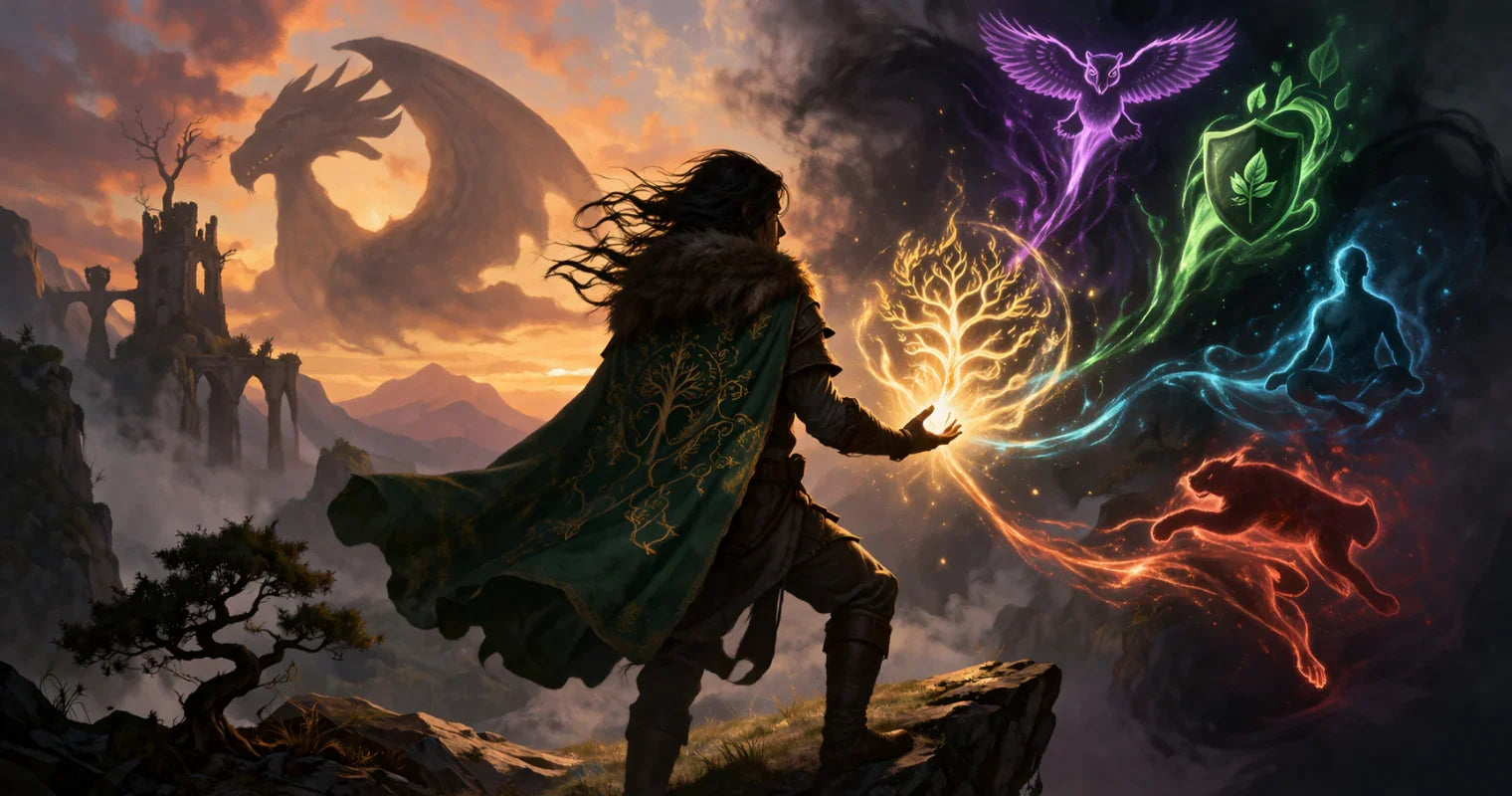
Leveling up in Dungeons & Dragons always feels exciting, but few choices change a character as dramatically as feats. One smart feat can transform a cautious fighter into a battlefield menace, turn a wizard into an unshakable spellcaster, or give a rogue entirely new tricks for surviving dangerous encounters.
For many players, feats are where a character truly starts to feel personal. They shape fighting styles, create memorable moments, and help characters grow beyond basic class features. A barbarian swinging a greataxe with devastating force feels completely different from a tactical sentinel guarding allies at the front line.
The best part is that you do not need to be an expert optimizer to enjoy them. A good feat choice simply makes your character feel stronger, more flavorful, and more fun to play.
What Are Feats in D&D 5e?

Feats are optional character upgrades in D&D 5e that grant special abilities, combat bonuses, magical talents, or utility powers. Most classes gain access to feats whenever they would normally receive an Ability Score Improvement.
That means players usually face a choice:
-
Increase ability scores like Strength or Intelligence
-
Take a feat that grants special abilities
Ability score increases improve consistency, but feats often add entirely new gameplay options.
For example:
-
Great Weapon Master adds massive damage potential
-
War Caster improves concentration and spellcasting control
-
Sentinel lets characters lock enemies in place
-
Fey Touched grants magical mobility and extra spells
This is why feats feel so exciting. They create unique character identities instead of simply adding bigger numbers.
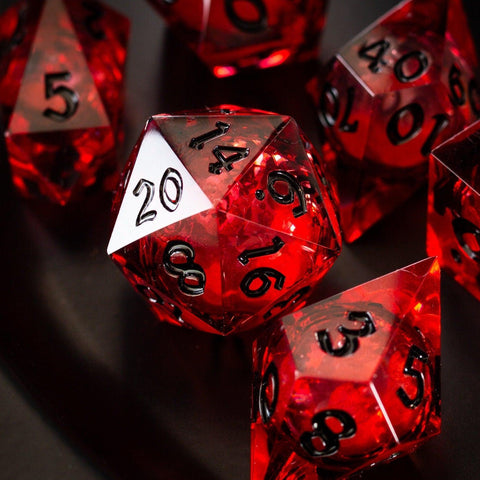
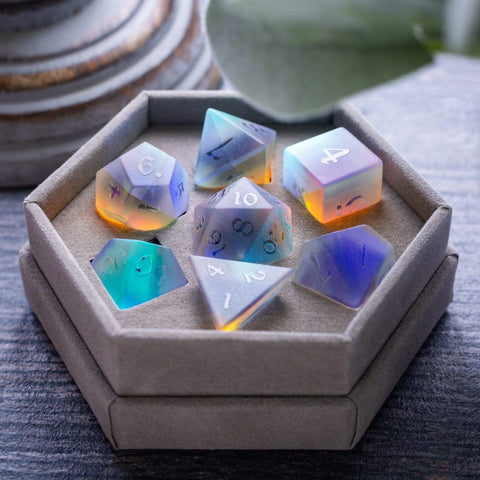
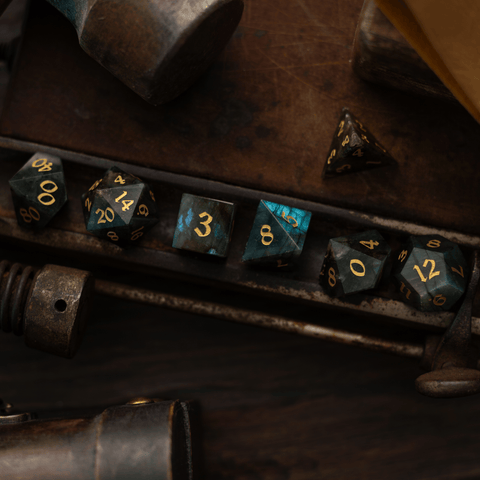
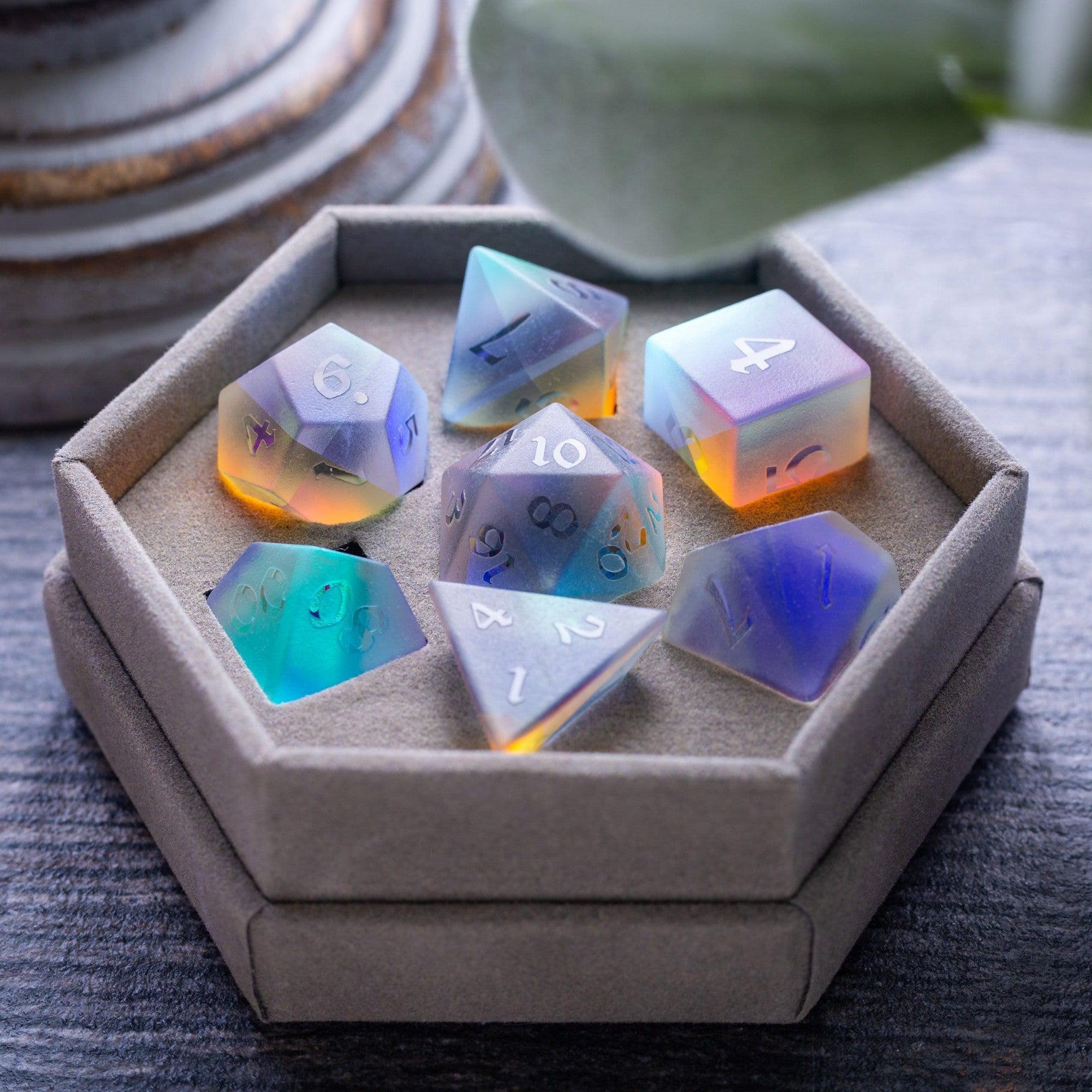
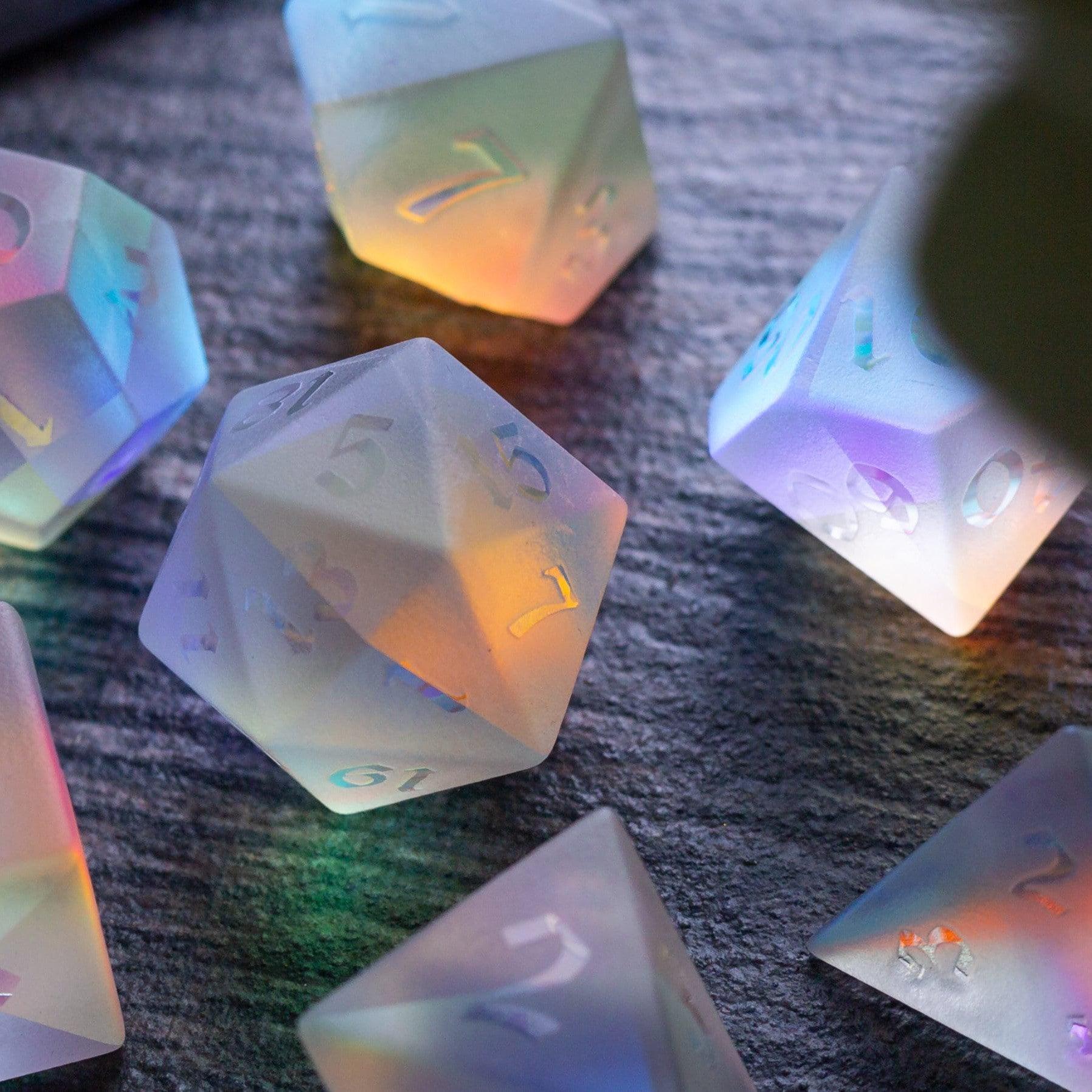
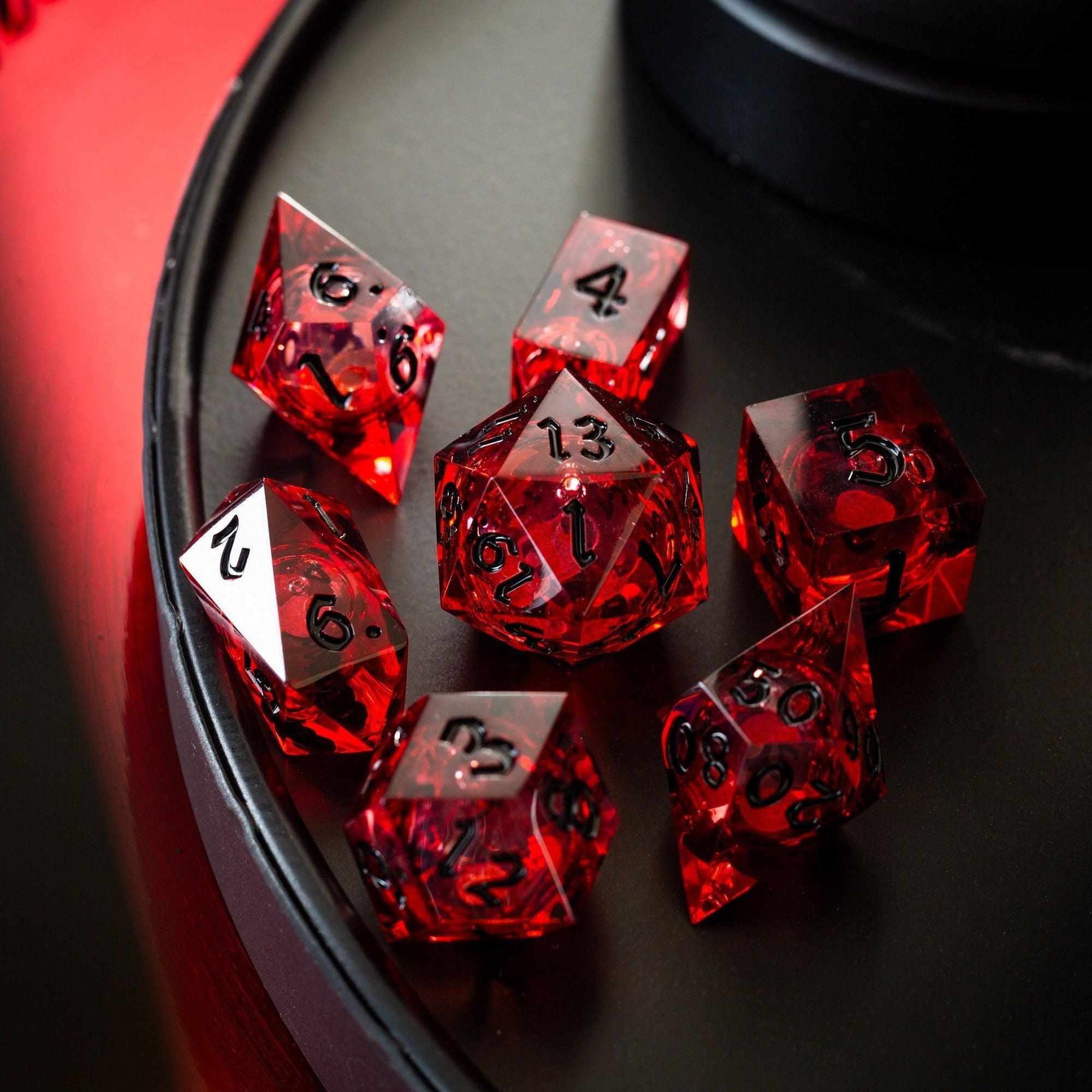
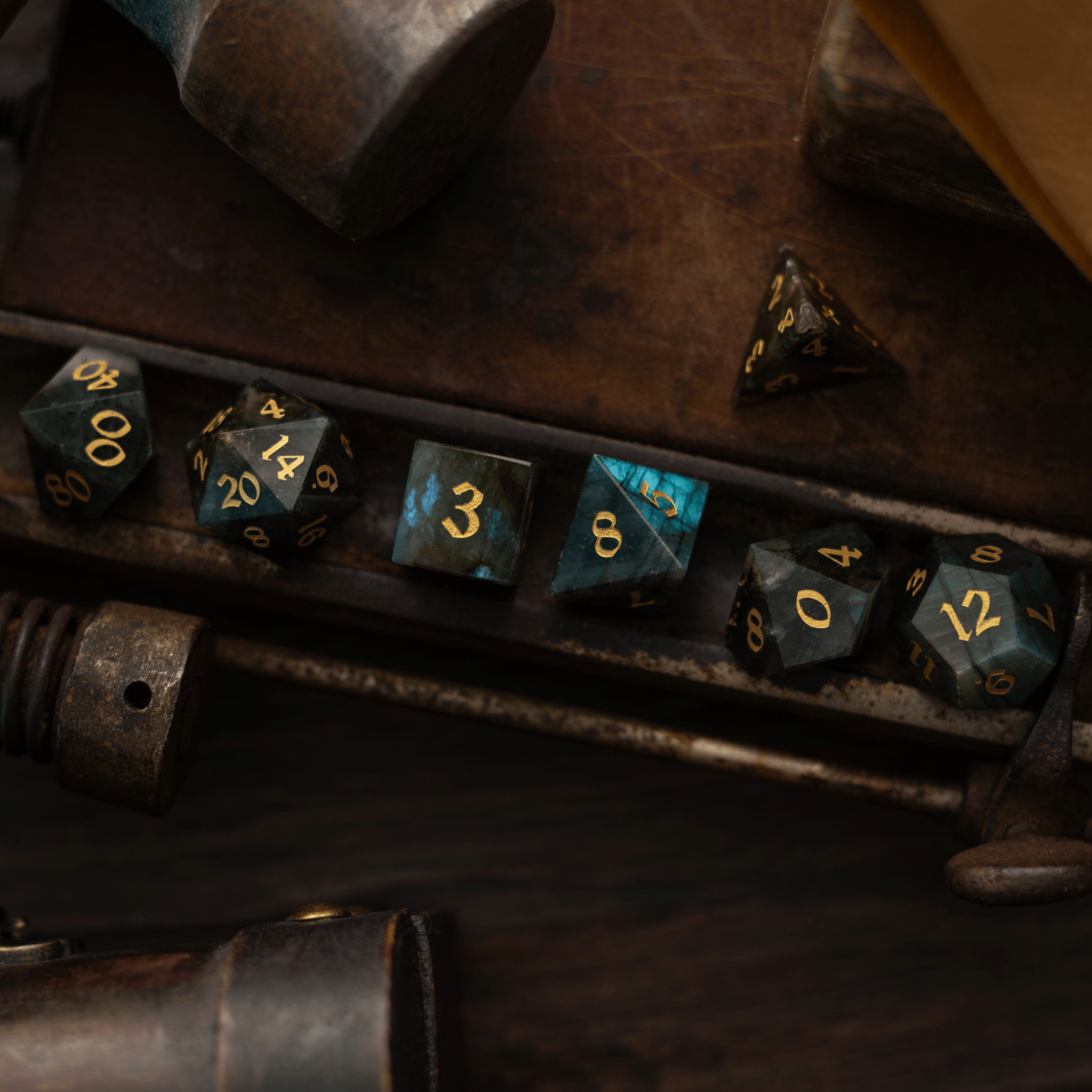
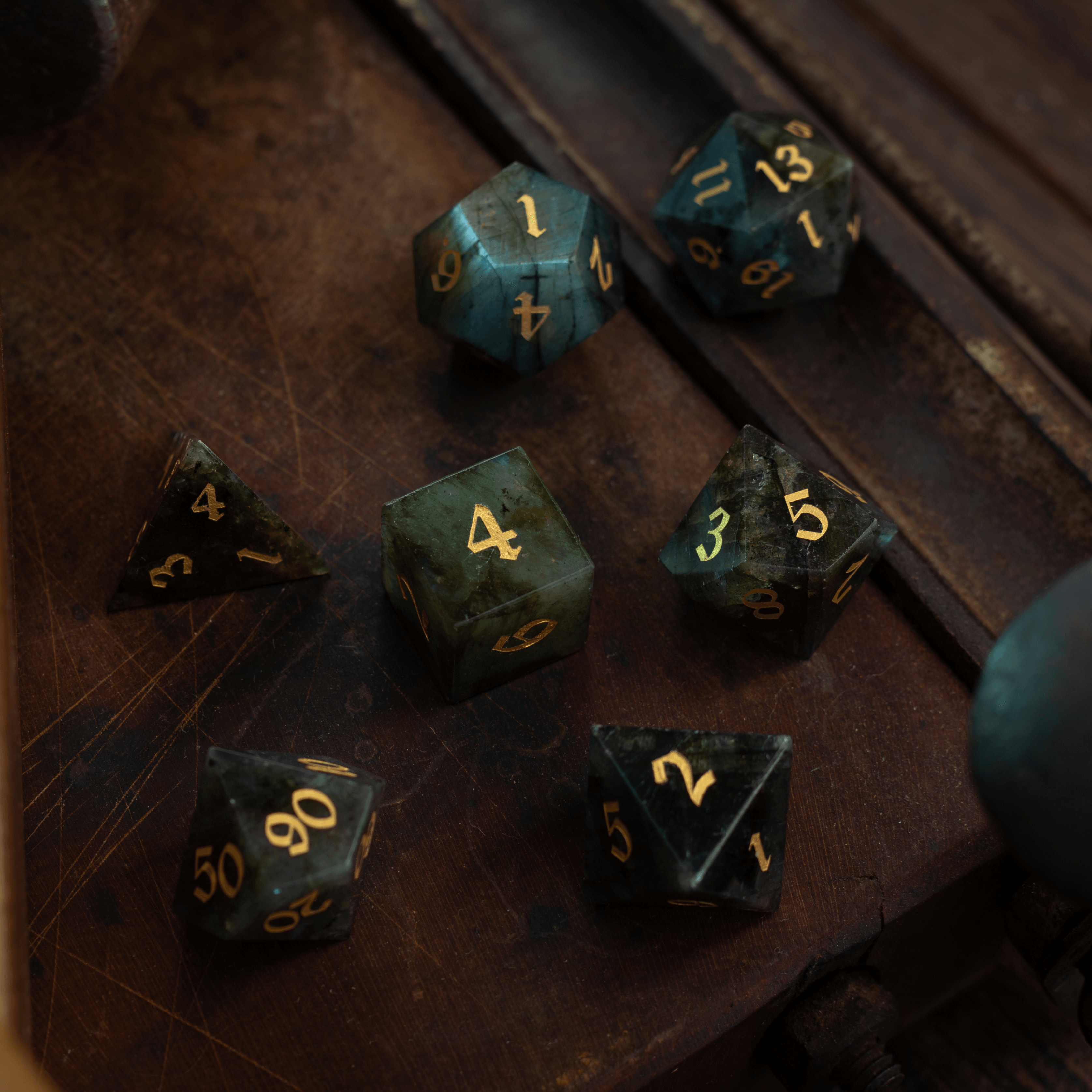
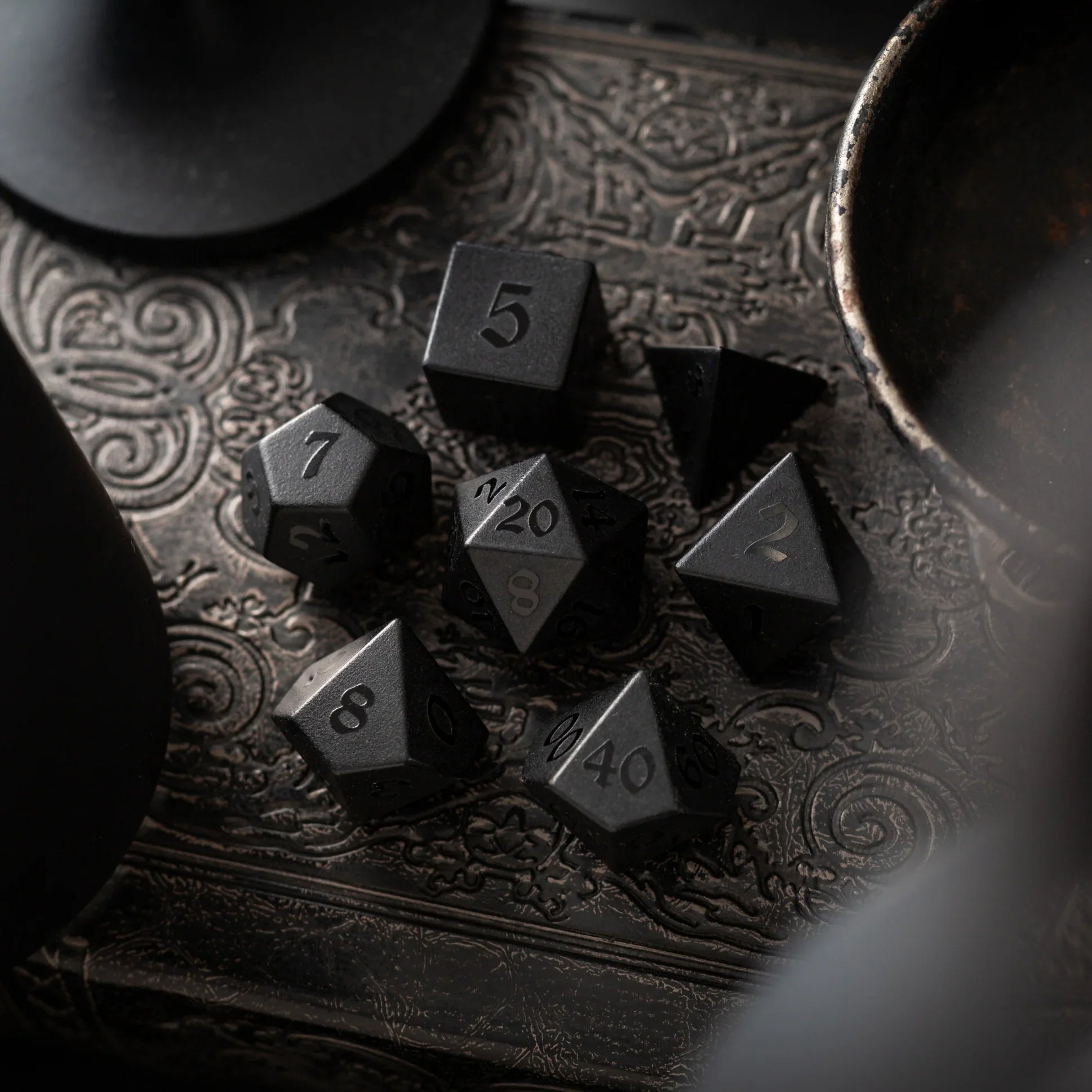
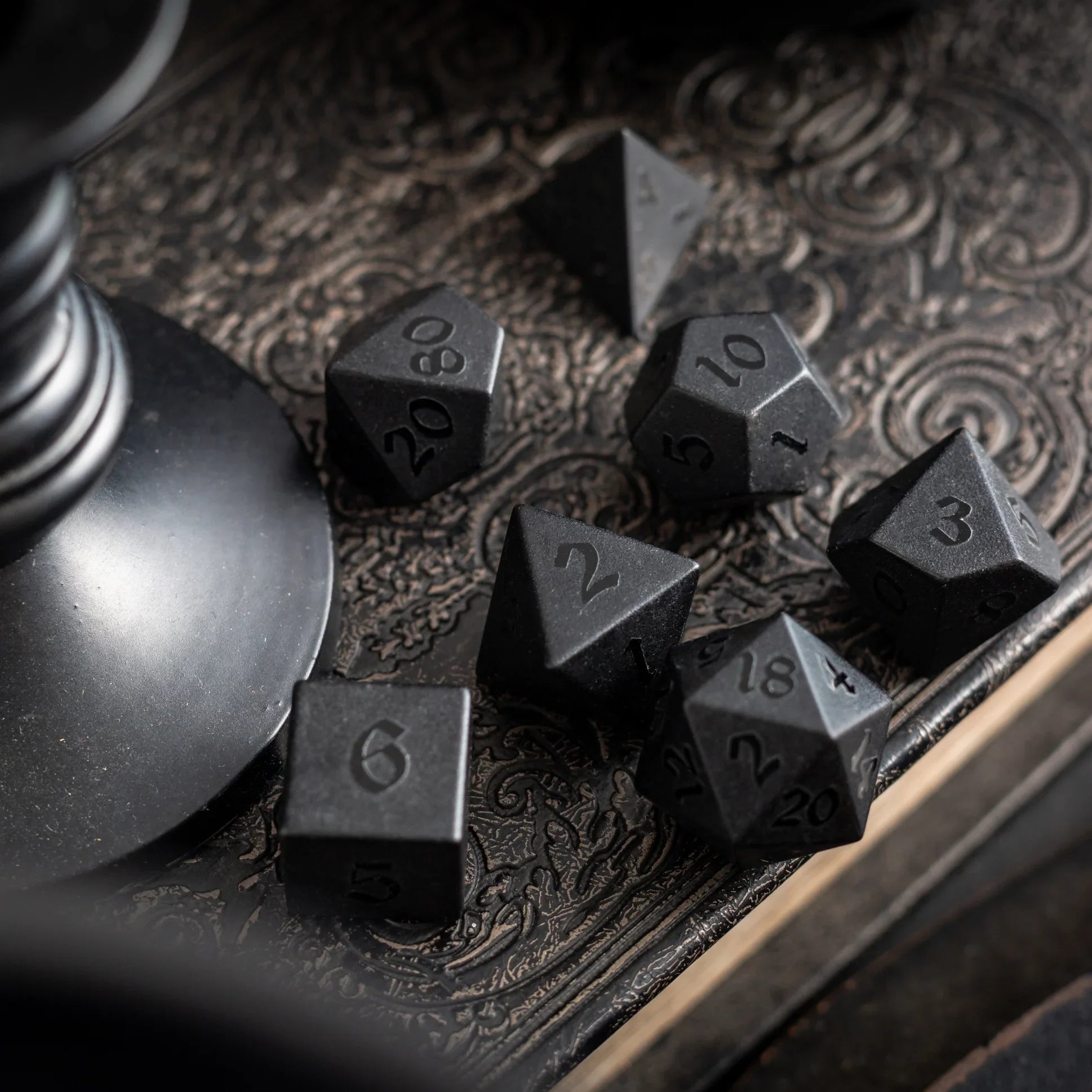
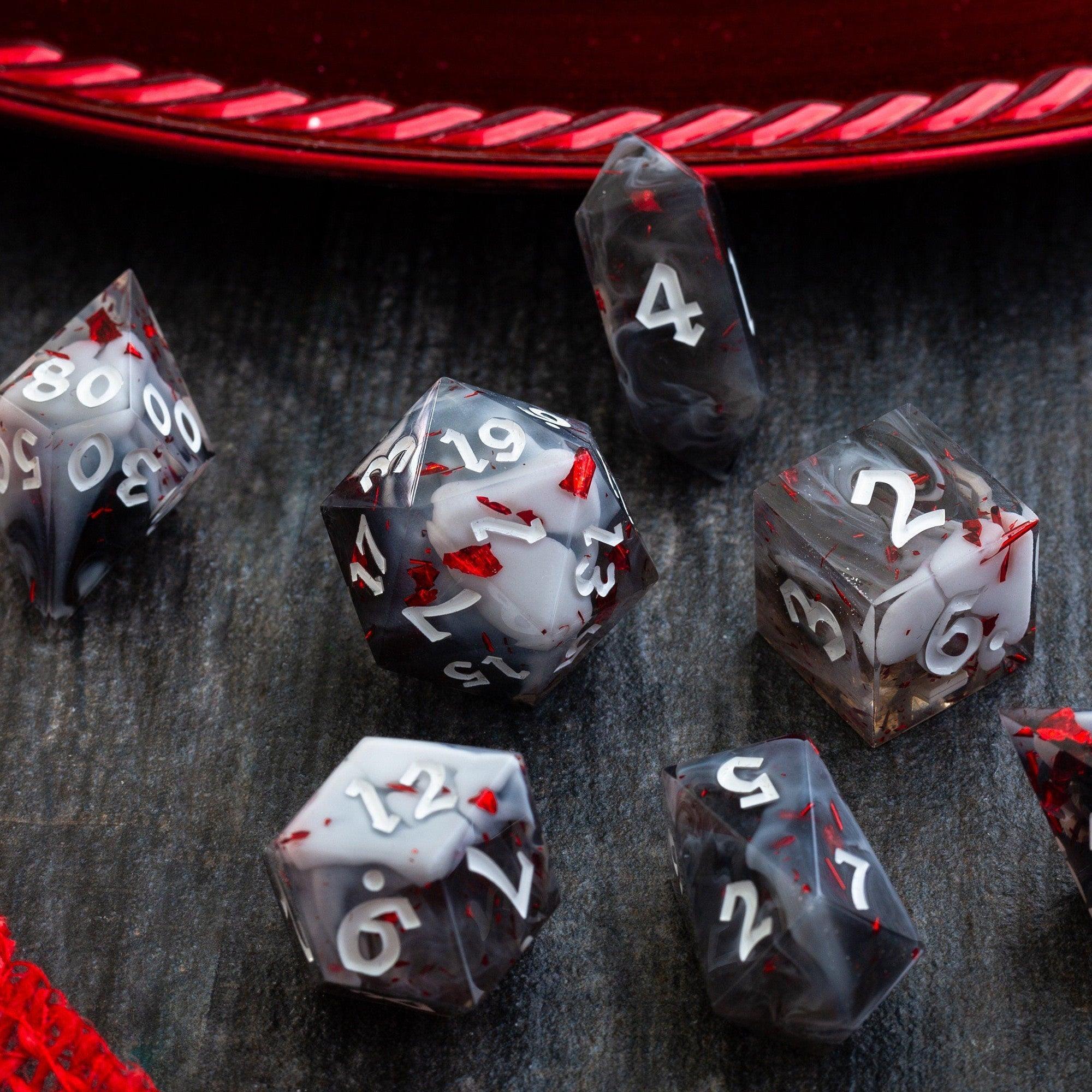
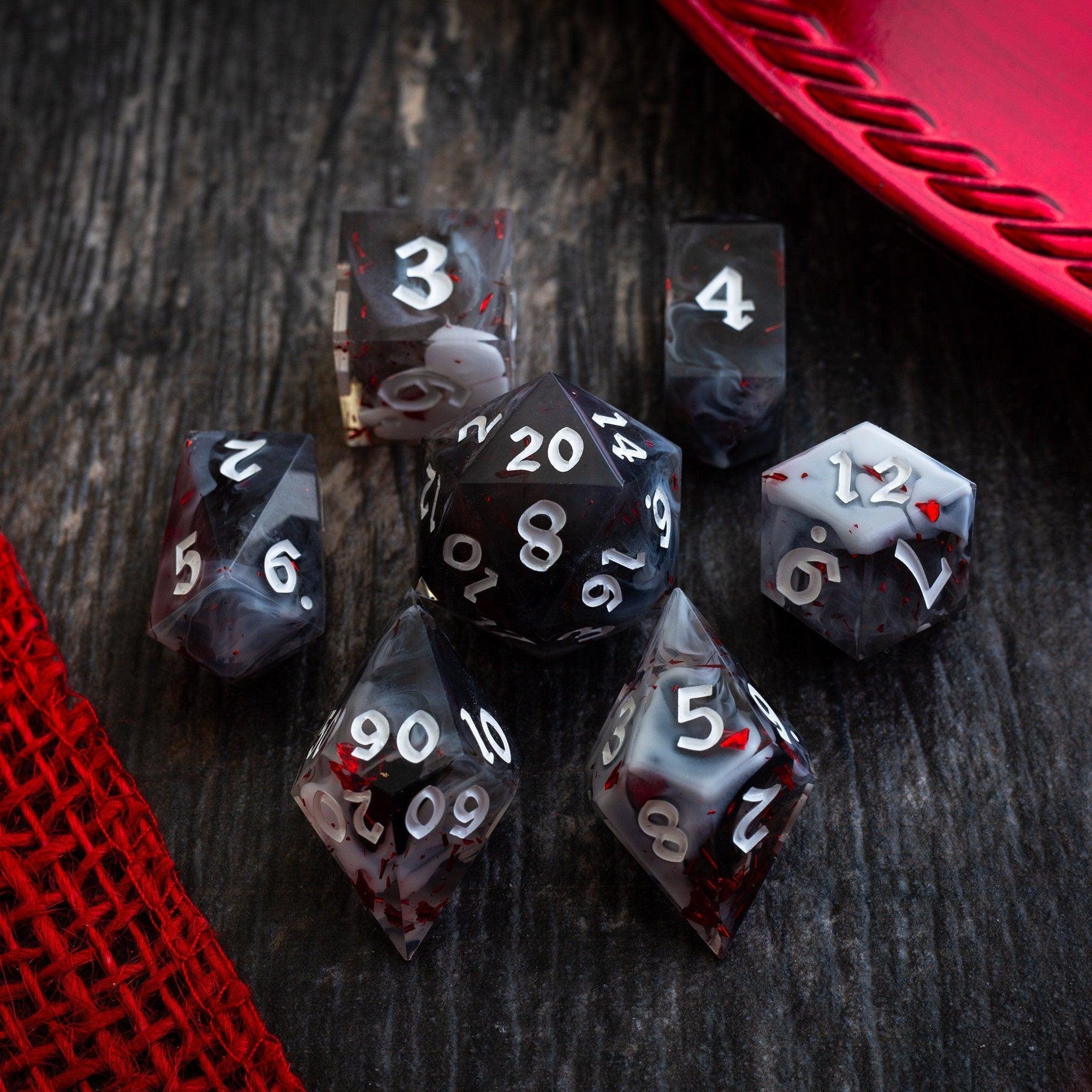
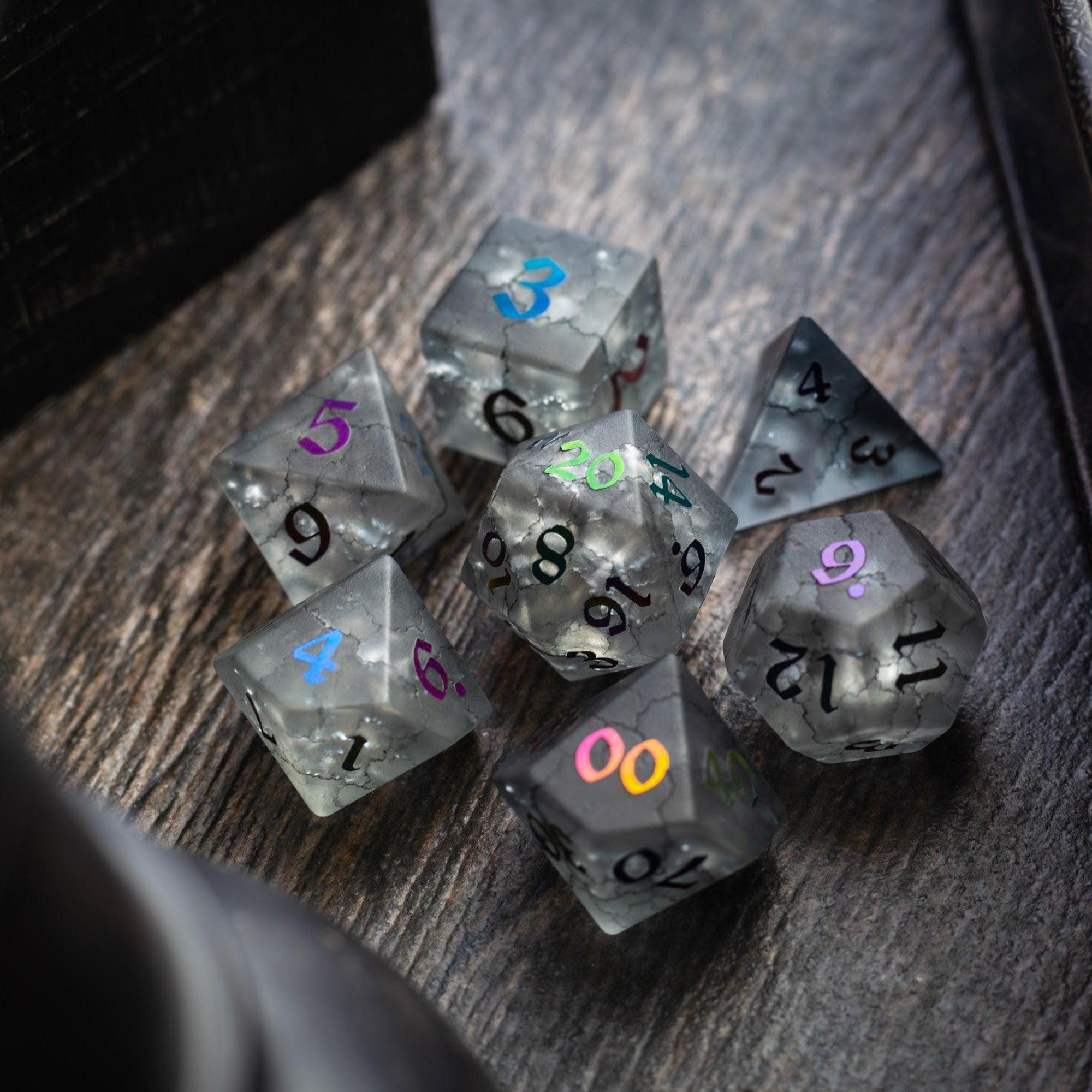
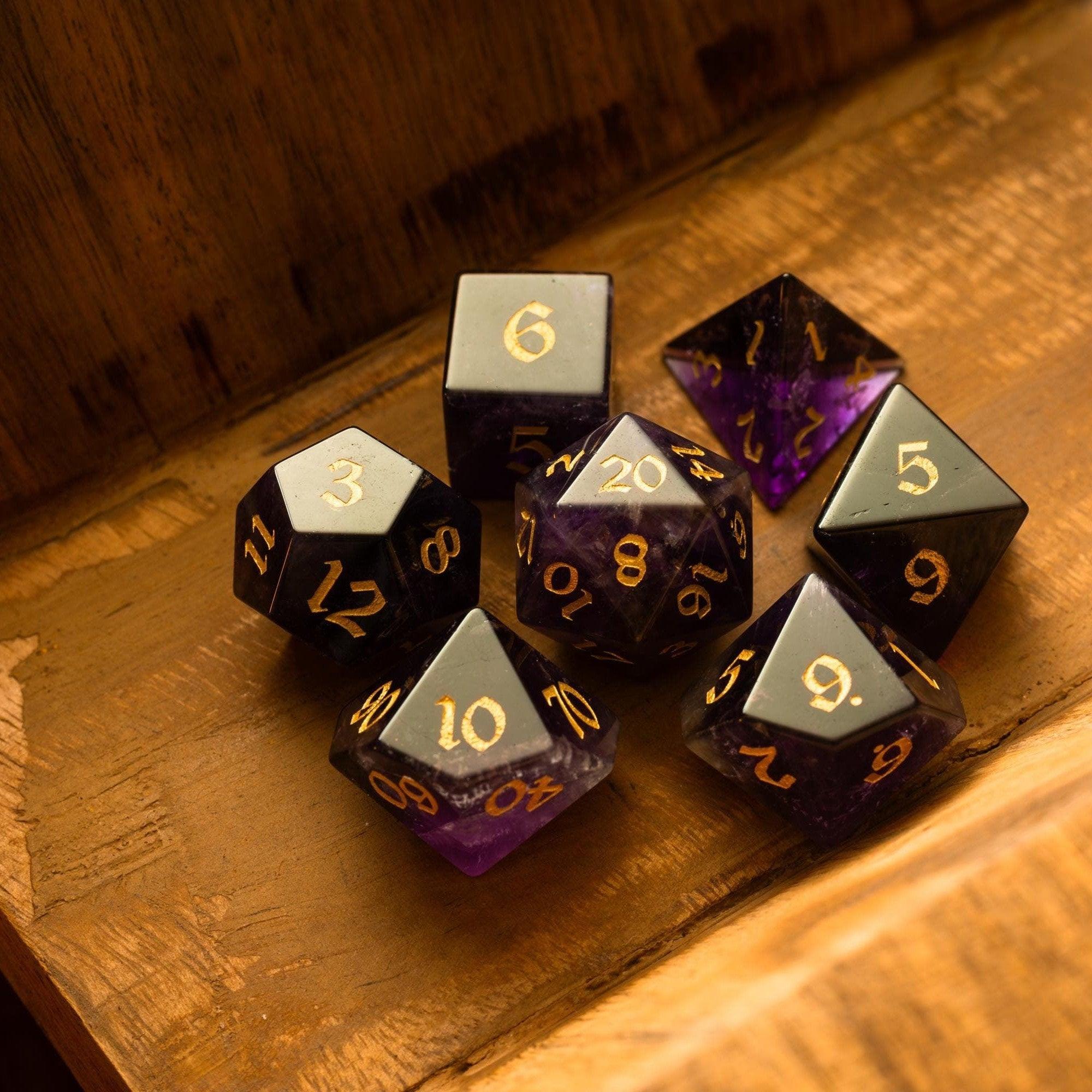
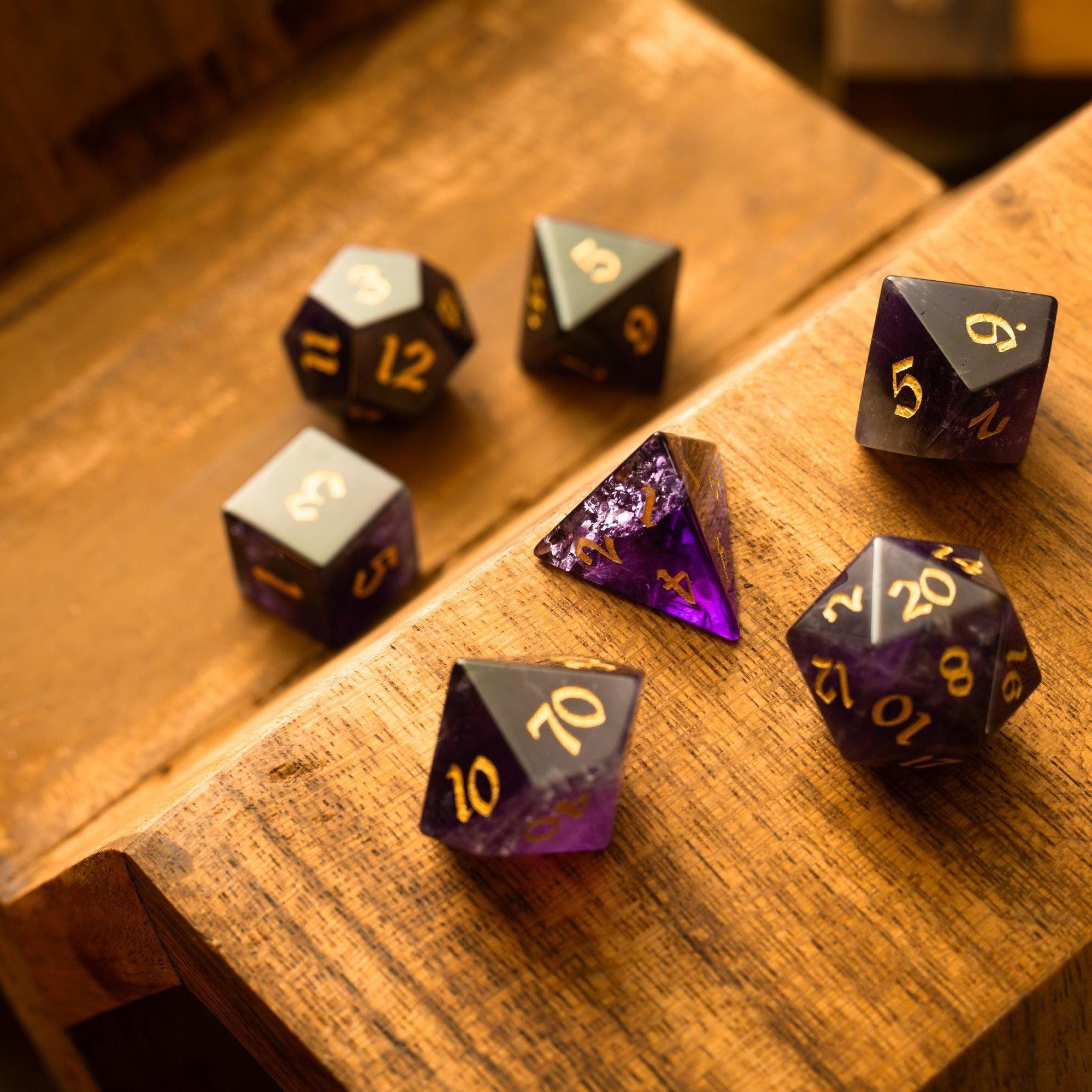
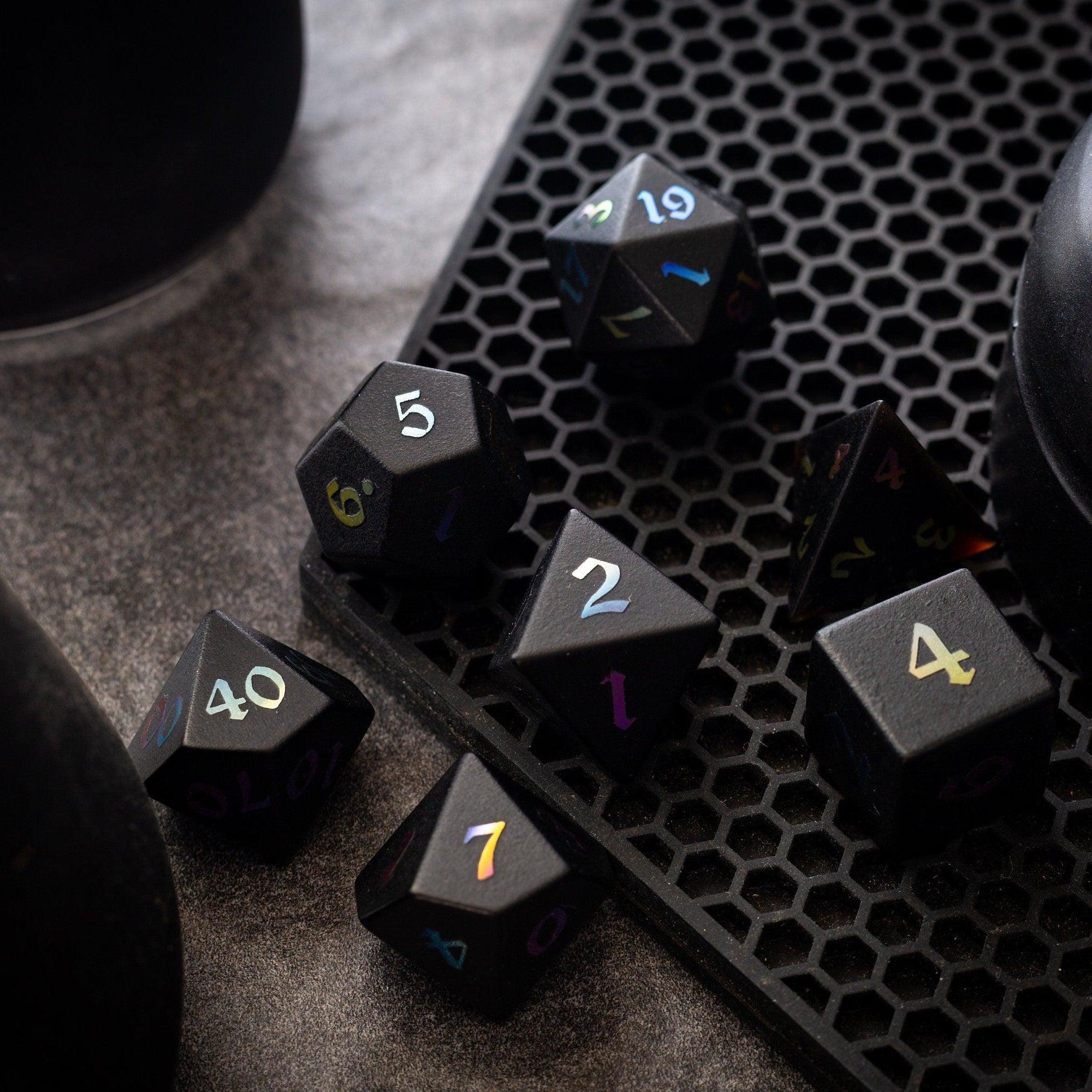
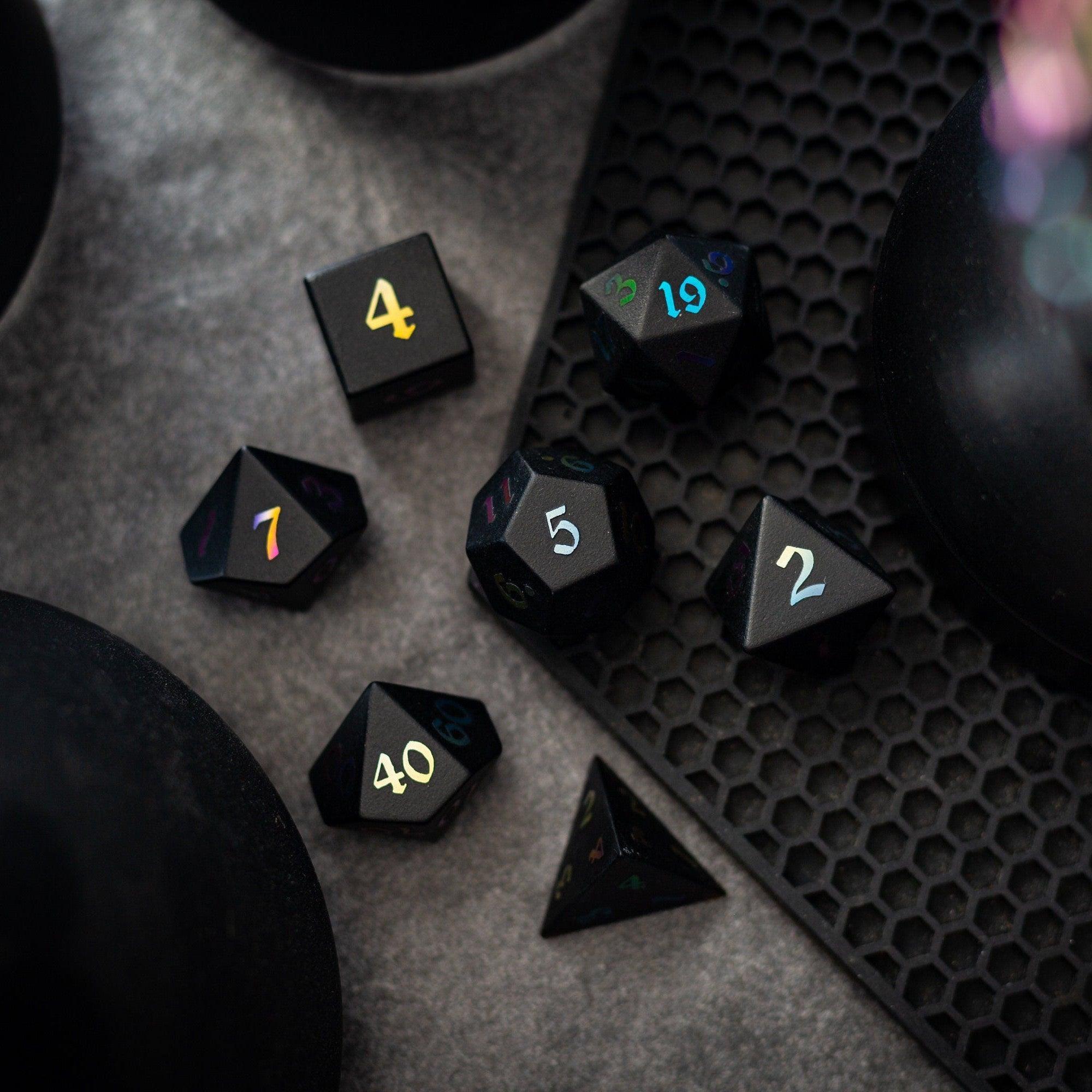
A heavily armored paladin rolling radiant damage with shimmering gemstone dice feels different from a shadowy rogue sneaking through ruins with dark resin dice beside their character sheet. Feats help reinforce those fantasy themes in play.
Best Martial Feats for Fast Power Growth
Martial characters often feel the impact of feats immediately. The right choice can dramatically improve combat effectiveness while also making turns more dynamic and cinematic.
Great Weapon Master
One of the most famous martial feats in D&D 5e, Great Weapon Master rewards aggressive playstyles.
Key benefits include:
-
Bonus attacks after critical hits or defeating enemies
-
The option to trade attack accuracy for massive damage
This feat feels incredible on:
-
Fighters
-
Barbarians
-
Paladins
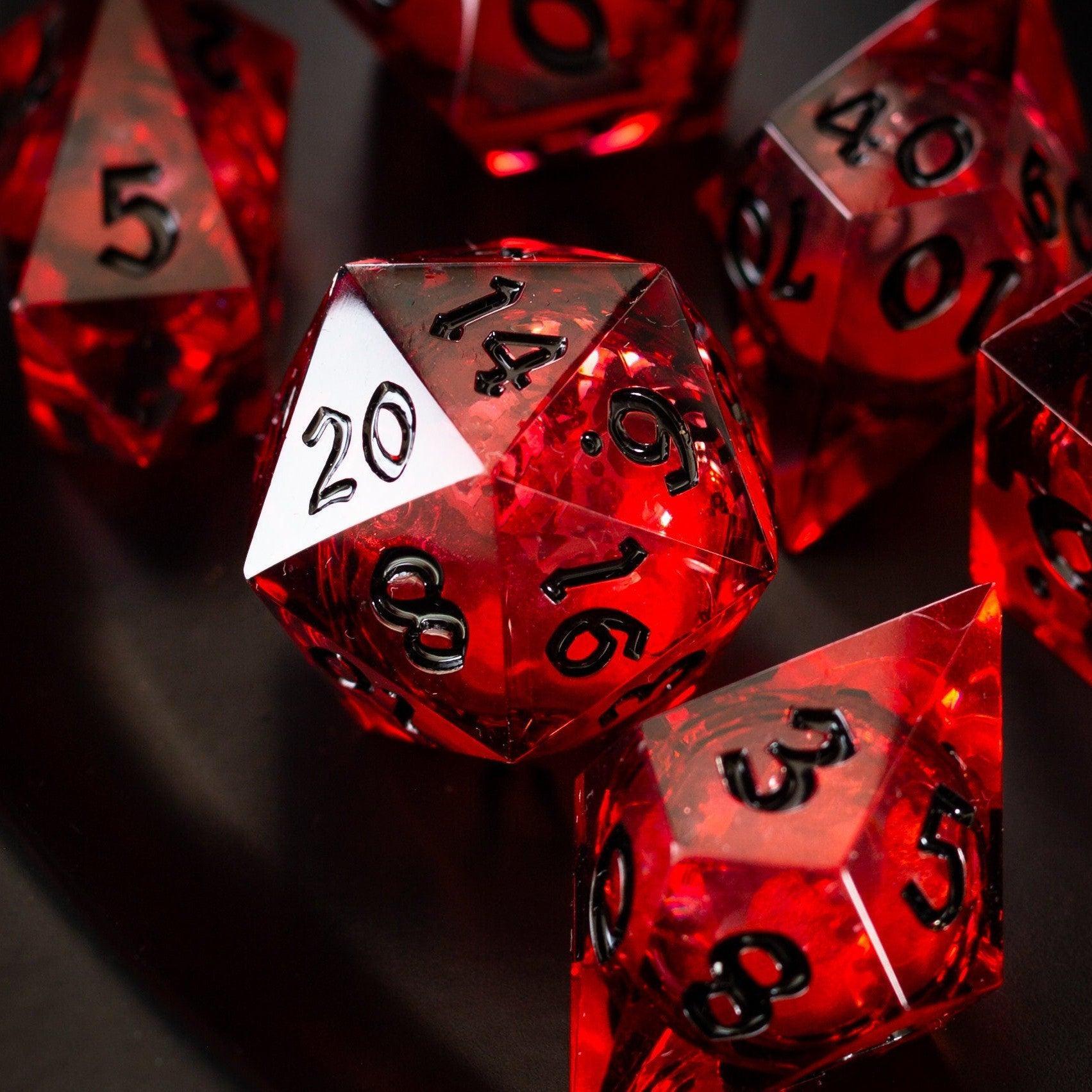
Heavy weapon users often create unforgettable combat moments with this feat, especially when rolling giant handfuls of damage dice after a critical hit. Many players love pairing those moments with oversized resin chonk dice that make every attack feel dramatic at the table.
Crusher
Crusher is simple, effective, and beginner-friendly.
It allows characters dealing bludgeoning damage to:
-
Push enemies around the battlefield
-
Create positioning advantages
-
Improve teamwork opportunities
Crusher works especially well for:
-
Monks
-
Warhammer fighters
-
Maul barbarians
The feat encourages tactical combat without becoming complicated. Instead of simply attacking repeatedly, players start thinking about positioning, chokepoints, and battlefield control.
Sentinel
Sentinel transforms defensive characters into terrifying guardians.
The feat allows players to:
-
Stop enemies from escaping
-
Punish foes who attack allies
-
Control movement near the front line
This feat shines in cooperative parties where protecting squishier allies matters. Fighters and paladins often become true frontline defenders with Sentinel.
A noble knight wielding radiant magic while rolling polished gemstone dice can feel especially thematic with this kind of protective build.
Polearm Master
Polearm Master gives martial characters more consistent action economy and battlefield reach.
It provides:
-
Bonus-action attacks
-
Opportunity attacks when enemies approach
Combined with Sentinel, it creates one of the most iconic defensive martial combinations in the game.
For newer players, though, Polearm Master is still valuable even on its own because it simply gives more opportunities to participate during combat rounds.
Best Spellcaster Feats
Spellcasters gain enormous value from feats because concentration, mobility, and utility matter so much in D&D 5e.
War Caster
War Caster is often considered one of the best feats 5e spellcasters can take.
It helps with:
-
Maintaining concentration
-
Casting while holding weapons or shields
-
Using spells for opportunity attacks
This feat is especially strong for:
-
Clerics
-
Hexblade warlocks
-
Bladesinger wizards
-
Druids
Concentration spells become much more reliable, which means fewer frustrating moments where a powerful spell disappears after one hit.
Fey Touched
Fey Touched adds magical flexibility while boosting an important mental ability score.
Players gain:
-
Misty Step
-
An additional 1st-level spell
-
A small ability score increase
The feat feels flavorful, magical, and versatile without overwhelming beginners.
Characters with Fey Touched often lean into mysterious fantasy themes. Liquid core dice fit these builds beautifully because their swirling interiors resemble unstable magical energy or Feywild enchantment.
Shadow Touched
Shadow Touched offers similar benefits with darker magical flavor.
Players gain:
-
Invisibility
-
Another illusion or necromancy spell
This feat works wonderfully for:
-
Rogues
-
Warlocks
-
Shadow-themed sorcerers
-
Intrigue-focused bards
It encourages stealthy creativity and roleplay opportunities beyond combat.
Metamagic Adept
Metamagic Adept gives non-sorcerers access to flexible magical manipulation.
It allows players to:
-
Extend spell range
-
Cast subtly
-
Alter spell effects creatively
This feat rewards imaginative play rather than raw power alone.
Feat Comparison Table
|
Feat |
Best For |
Playstyle Benefit |
Fantasy Vibe |
|
Great Weapon Master |
Fighters, Barbarians |
Huge damage bursts |
Reckless battlefield destroyer |
|
Sentinel |
Paladins, Fighters |
Defensive control |
Loyal guardian knight |
|
Crusher |
Monks, Strength builds |
Tactical positioning |
Brutal close-combat warrior |
|
War Caster |
Clerics, Wizards |
Better concentration |
Arcane battle mage |
|
Fey Touched |
Bards, Sorcerers |
Magical versatility |
Mystical wanderer |
|
Shadow Touched |
Rogues, Warlocks |
Stealth and deception |
Shadowy infiltrator |
|
Lucky |
Any class |
General survivability |
Fate-blessed adventurer |
|
Sharpshooter |
Rangers, Fighters |
Long-range burst damage |
Deadly precision archer |
Choosing Feats for Your Class
Not every feat works equally well for every character. The smartest choices usually support your class fantasy instead of fighting against it.
Fighters and Barbarians
These classes benefit most from aggressive martial feats.
Popular choices include:
-
Great Weapon Master
-
Sentinel
-
Crusher
-
Polearm Master
These feats make melee combat feel explosive and impactful.
Rogues and Rangers
Mobile, precise characters often prefer tactical feats.
Strong options include:
-
Sharpshooter
-
Fey Touched
-
Alert
-
Shadow Touched
Stealth-focused characters paired with sleek resin dice often create some of the most cinematic moments in a campaign.
Wizards and Clerics
Spellcasters thrive on consistency and utility.
Excellent feat choices include:
-
War Caster
-
Fey Touched
-
Metamagic Adept
-
Resilient (Constitution)
These feats help maintain powerful spells during dangerous encounters.
Bards and Warlocks
Charisma-based characters often enjoy flexible, flavorful feats.
Good choices include:
-
Fey Touched
-
Shadow Touched
-
Inspiring Leader
-
Lucky
These feats support both roleplay and combat effectiveness.
Roleplay Benefits of Feats
Feats do more than improve combat numbers. They also help define personality and fighting style.
A character with Sentinel might act like a disciplined bodyguard who never abandons allies.
A wizard with Fey Touched may have mysterious ties to the Feywild.
Crusher can reflect a tavern brawler who fights with raw physical force rather than elegant swordplay.
These small mechanical choices create memorable roleplay hooks that make characters feel alive.
Many players even match their dice to their build themes as characters evolve:
-
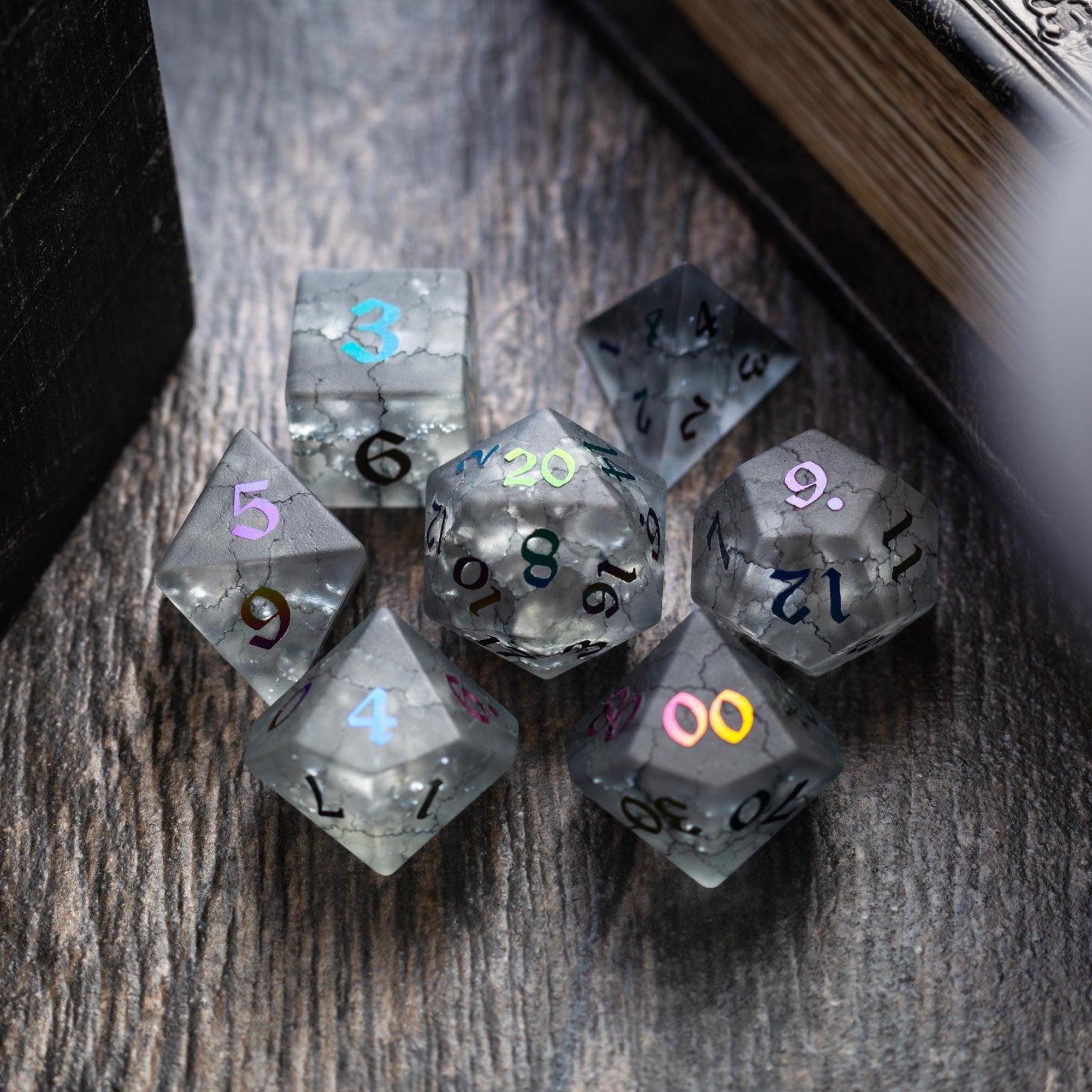
Gemstone dice for divine champions and ancient scholars
-
Liquid core dice for unstable magical energy
-
Resin dice for stealthy scouts and adaptable adventurers
-
Resin chonk dice for massive damage-focused warriors
Those little details make leveling up feel even more immersive.
Common Beginner Mistakes with Feats
Choosing Feats Too Early Without a Plan
Some feats work best after core ability scores improve first.
A fighter with low Strength may struggle to use Great Weapon Master effectively early on.
Ignoring Core Stats Completely
Feats are exciting, but ability scores still matter.
Balancing both creates stronger long-term characters.
Picking Feats Only Because They Are Popular
A feat might be powerful online but not fit your playstyle at all.
The best feat is usually the one that supports the fantasy you actually want to play.
Smart Build Planning Tips
Planning ahead makes feat choices feel much smoother.
Try asking yourself:
-
What fantasy archetype am I building toward?
-
Do I want damage, defense, utility, or roleplay flavor?
-
Which feat would make my turns feel more exciting?
Good build planning is less about perfection and more about consistency.
A character built around a clear fantasy concept often becomes more memorable than one built purely for numbers.
Tips for Dungeon Masters
Feats can sometimes feel intimidating for newer players, but they usually make campaigns more exciting.
Dungeon Masters can help by:
-
Explaining feats during level-up sessions
-
Encouraging thematic choices
-
Designing encounters that reward creativity
-
Letting players experiment
Feats also help players feel attached to their characters because they reinforce individuality and playstyle.
When a player combines Sentinel with clever positioning to save the party wizard, that becomes a story everyone remembers.
Why Feats Make D&D More Fun
Feats add personality to every level-up decision.
They create:
-
More customization
-
More tactical options
-
More memorable moments
-
More unique character identities
A fighter with Great Weapon Master feels completely different from one using Sentinel and Polearm Master. A wizard with War Caster plays differently from one using Fey Touched and illusion magic.
That variety is part of what makes Dungeons & Dragons endlessly replayable.
Conclusion
The best feats in D&D 5e are not always the mathematically strongest ones. The smartest feats are the ones that make your character feel exciting every time you sit down at the table.
Whether you are smashing enemies with Crusher, protecting allies with Sentinel, or teleporting through danger with Fey Touched, feats help transform ordinary adventurers into unforgettable heroes.
Experiment with combinations that match your fantasy style, embrace the moments that make your table cheer, and do not be afraid to build characters around fun instead of perfection.
After all, some of the greatest Dungeons & Dragons stories begin with a simple level-up choice and one very lucky roll.

Leave a comment
This site is protected by hCaptcha and the hCaptcha Privacy Policy and Terms of Service apply.