Skip to content

Cart

Your cart is empty

Article: Lineages in Dungeons and Dragons 5e for New Players

D&D 5e Lineages - Lineages in Dungeons and Dragons 5e for New Players

Lineages in Dungeons and Dragons 5e for New Players

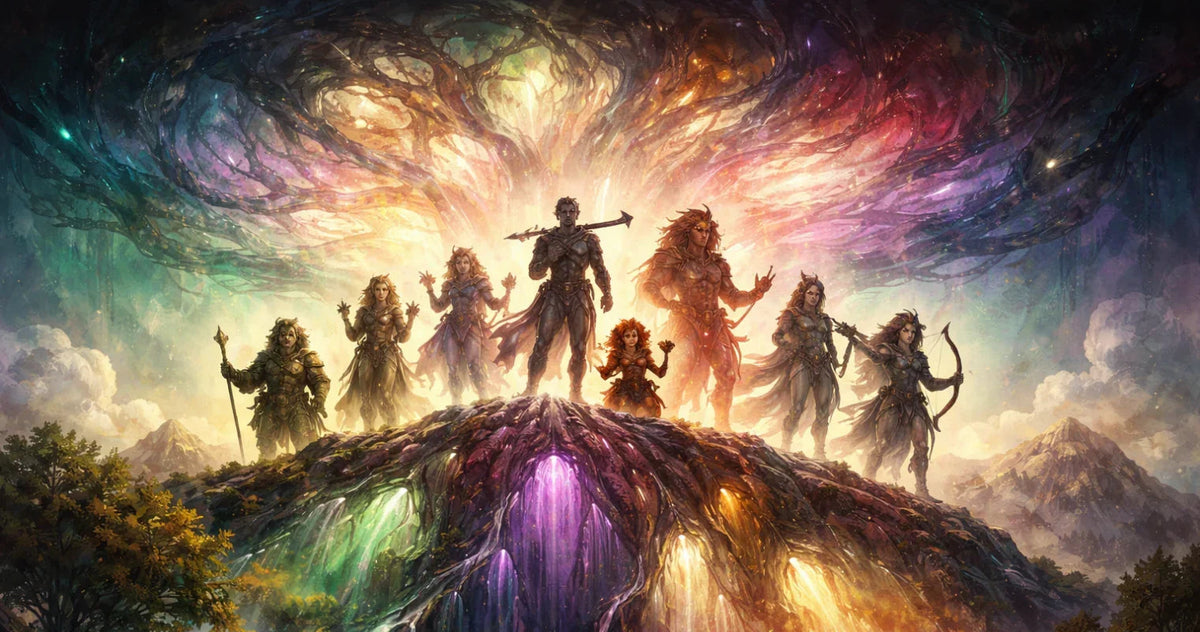
Diverse fantasy adventurers representing different lineages

Choosing who your character is can be one of the most exciting parts of D&D character creation. Before you pick spells, weapons, or a heroic name, you get to imagine something deeper: What kind of being are you in this fantasy world?

Maybe you picture a moonlit wanderer with a mysterious hunger. Maybe you want to play a small winged spellcaster who treats magic like mischief. Maybe your hero woke from death with only fragments of a former life.

That is where lineages in DnD 5e become so memorable.

Lineages let players build characters who feel touched by magic, curses, strange transformations, or unusual origins. They are perfect for players who want their character’s identity to carry a strong emotional story from the very first session.

In official 5e material, the term lineage is most closely tied to the gothic character options from Van Richten’s Guide to Ravenloft: the Dhampir, Hexblood, and Reborn. These options can replace a traditional race during character creation or even represent a major change in an existing character’s story. Meanwhile, options like the Fairy and Owlin are published as newer fantasy ancestry choices often discussed alongside lineages because they offer similarly distinctive identities and imaginative roleplay hooks. 

What Are Lineages in D&D 5e?

Rolling a Lineage? 20% Off Dice Set

20% OFF YOUR NEXT DICE SET

Use code LUCKYROLL20 at checkout to unlock your discount

Shop now

A lineage is a character origin that focuses less on a broad fantasy people and more on a specific supernatural condition, transformation, or unusual inheritance.

Traditional fantasy races in older 5e books, such as elves, dwarves, or halflings, are usually presented as peoples with cultures, communities, and shared histories. A lineage feels more personal. It often answers a question like:

  • What changed you?

  • What strange power now lives in you?

  • What part of your past no longer feels fully ordinary?

For example:

  • A Dhampir might be touched by vampiric influence.

  • A Hexblood may carry the mark of hag magic or eerie fey transformation.

  • A Reborn might have returned from death, awakened from magical reconstruction, or survived something that should have ended them.

These ideas create strong roleplay foundations without requiring a complicated backstory.

It is also worth noting that D&D terminology has continued to evolve. The 2024 Player’s Handbook uses species in place of the older term “race,” while “lineage” still appears in specific contexts and legacy 5e materials. For a beginner reading across books and online guides, it is normal to see dnd races and lineages, species, and ancestry-style options discussed together. 

Popular D&D Lineages and Lineage-Style Options for New Players

Dhampir: The Beautifully Haunted Wanderer

A Dhampir is a character marked by vampiric traits without necessarily being a full vampire. Some Dhampirs feel elegant and tragic. Others feel feral, predatory, or strangely charming.

This lineage is a wonderful choice for players who enjoy:

  • Gothic fantasy

  • Secret cravings or inner conflict

  • Characters who seem calm on the surface but carry danger underneath

  • Rogues, warlocks, bards, or shadowy spellcasters

A Dhampir character might be trying to resist a supernatural hunger, investigate the origin of their curse, or prove they are more than the darkness people expect from them.

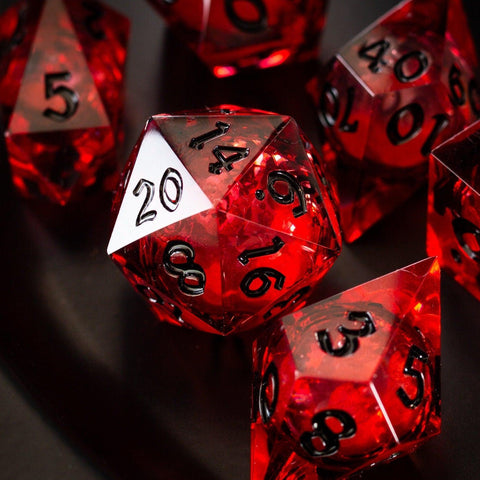
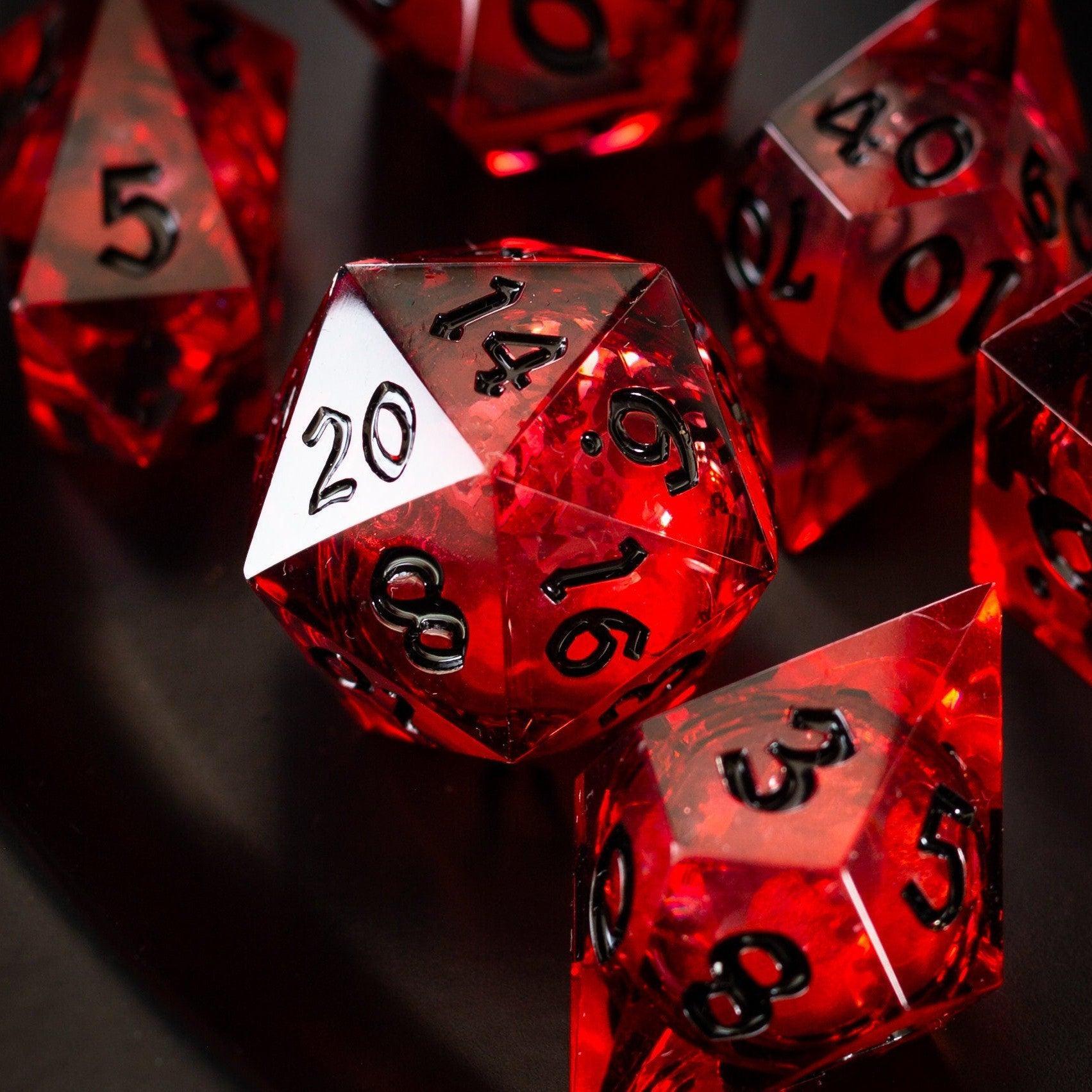
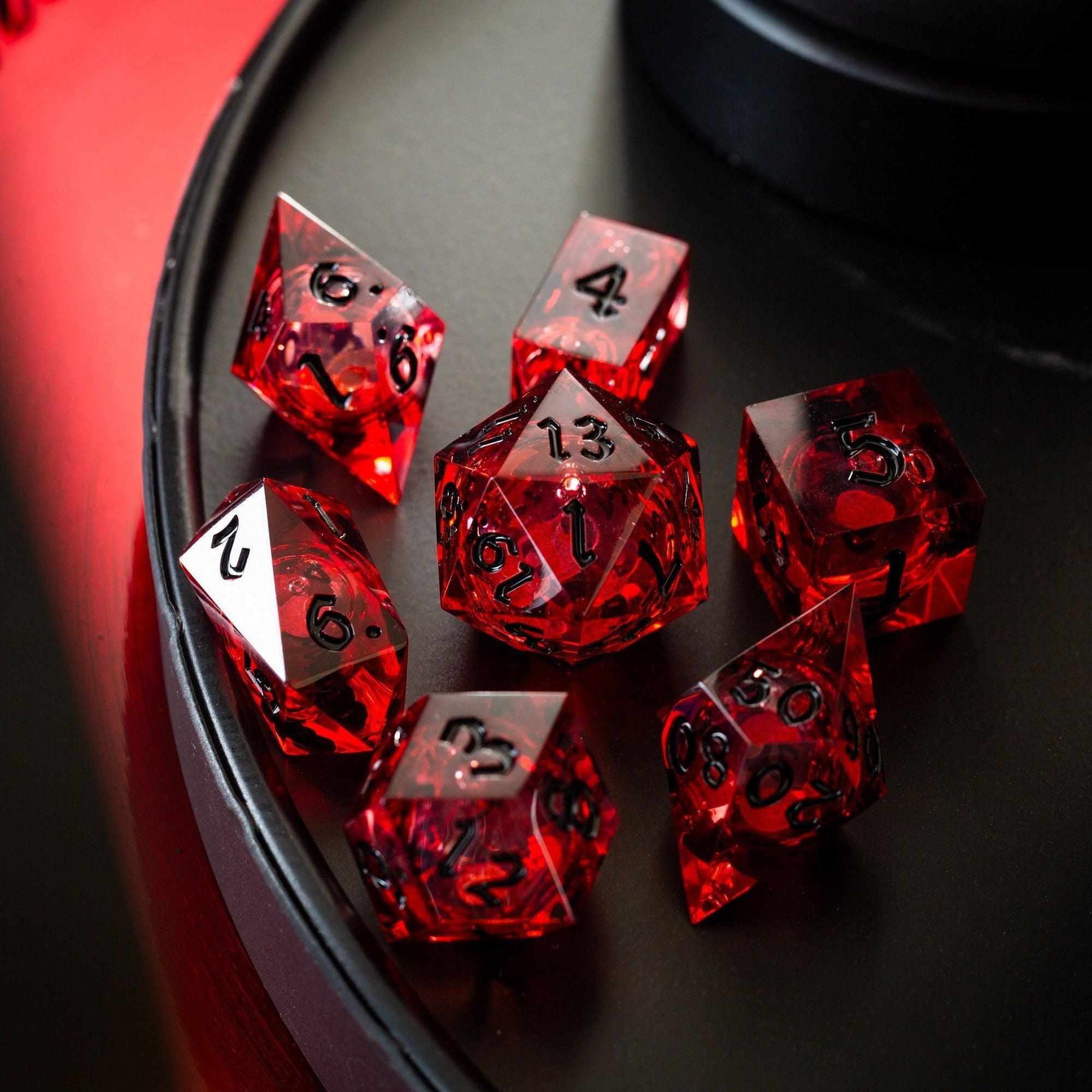
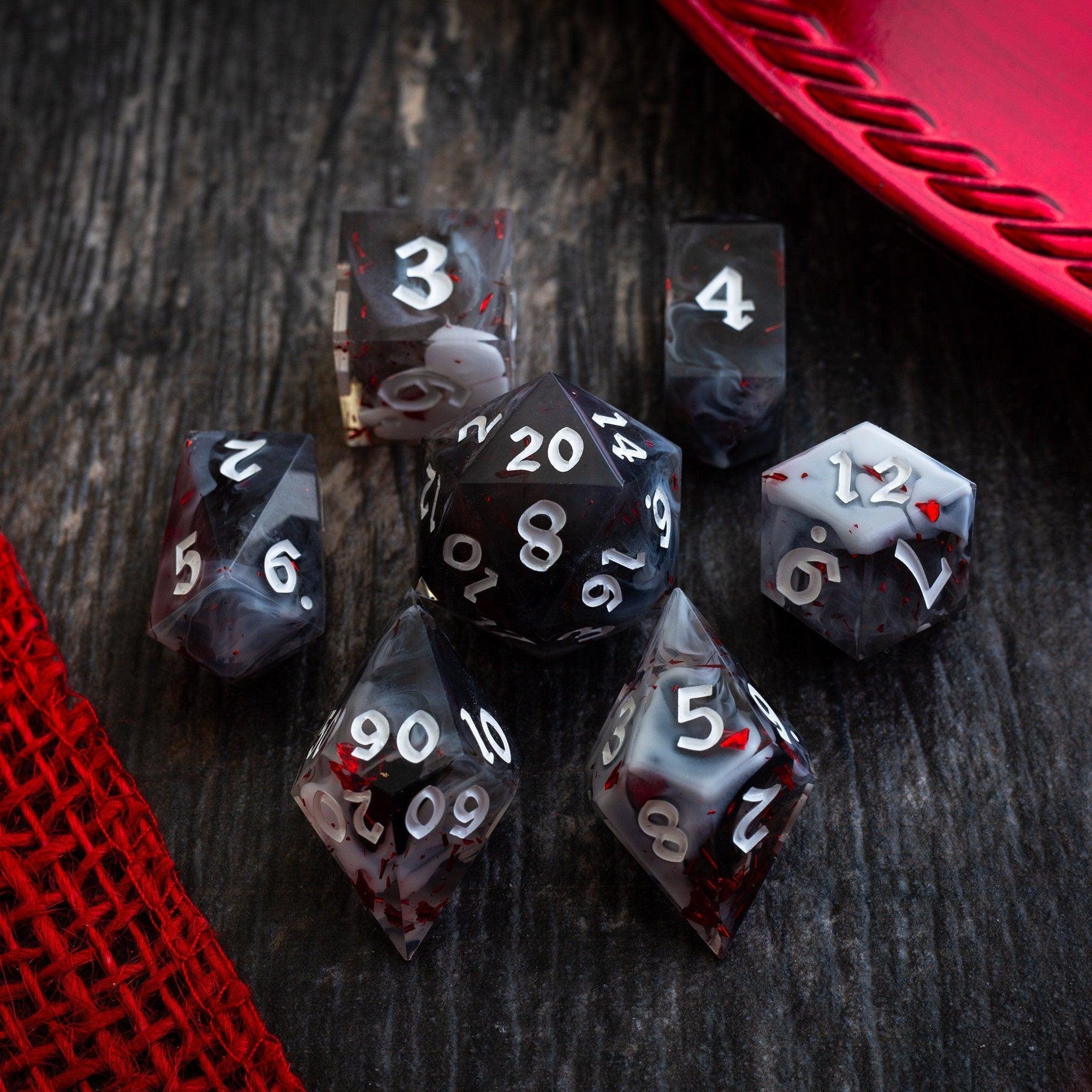
For players who like roleplay accessories that echo character mood, liquid core dice can pair beautifully with supernatural lineages like Dhampirs. The swirling center gives every roll a sense of motion and mystery, especially during tense persuasion checks, stealth scenes, or dramatic attacks. The dice do not define the character, but they can make those moments feel more vivid at the table.

Hexblood: The Character Touched by Witchcraft

A Hexblood carries a magical transformation connected to hags, eerie fey forces, or strange bargains. Their appearance might include unusual skin tones, crown-like growths, shifting eyes, or subtle signs that they are not entirely ordinary.

Hexbloods are especially fun for players who like:

  • Folklore-inspired fantasy

  • Witchy magic and unsettling bargains

  • Characters with secrets

  • A balance of eerie and whimsical storytelling

A Hexblood does not need to be evil or grim. They might be kindhearted but feared by villagers. They might use strange magic to protect others. They might be searching for the hag who changed them or trying to decide whether that transformation was a curse or a gift.

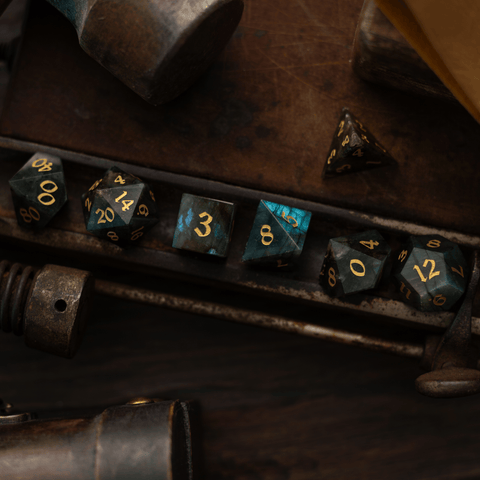
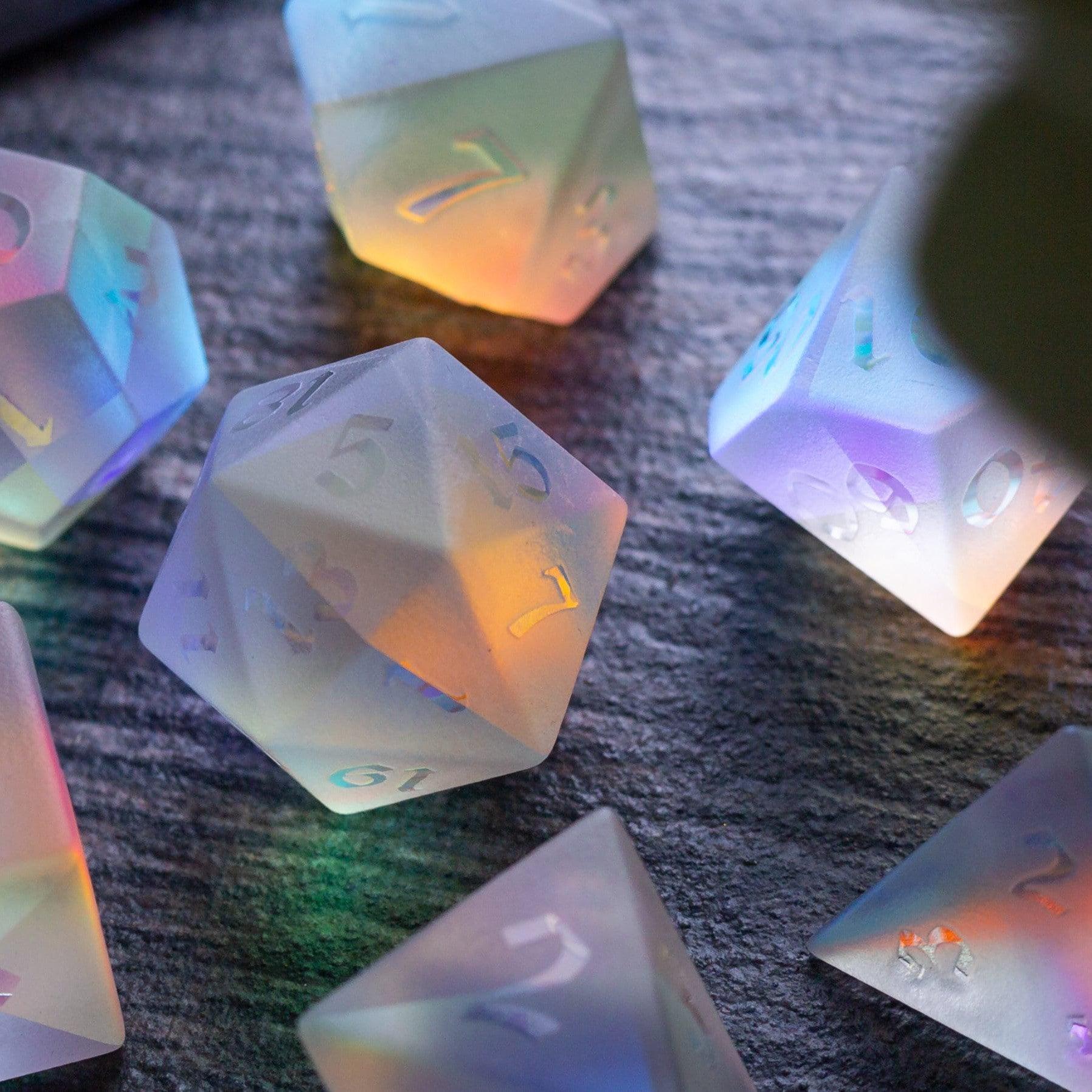
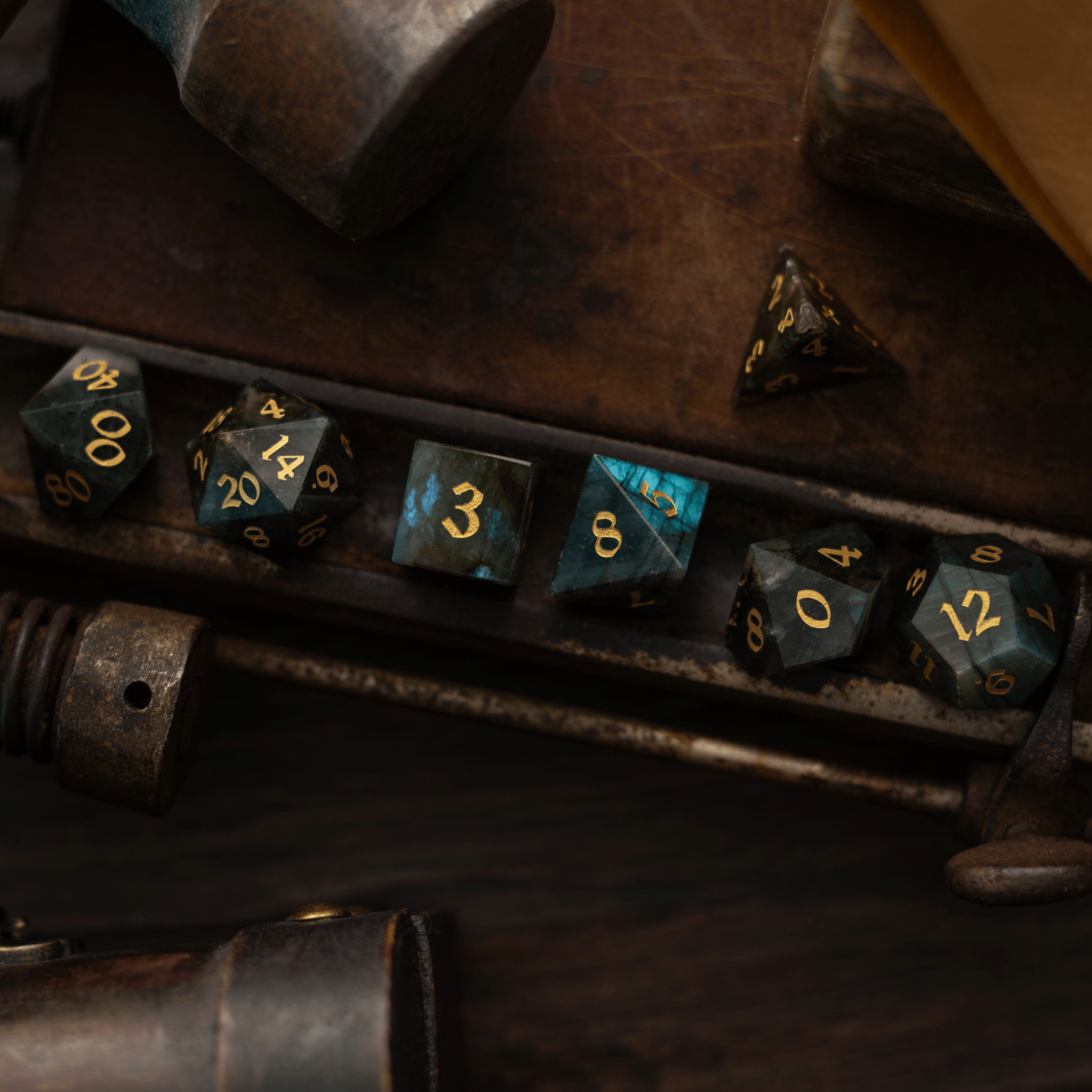
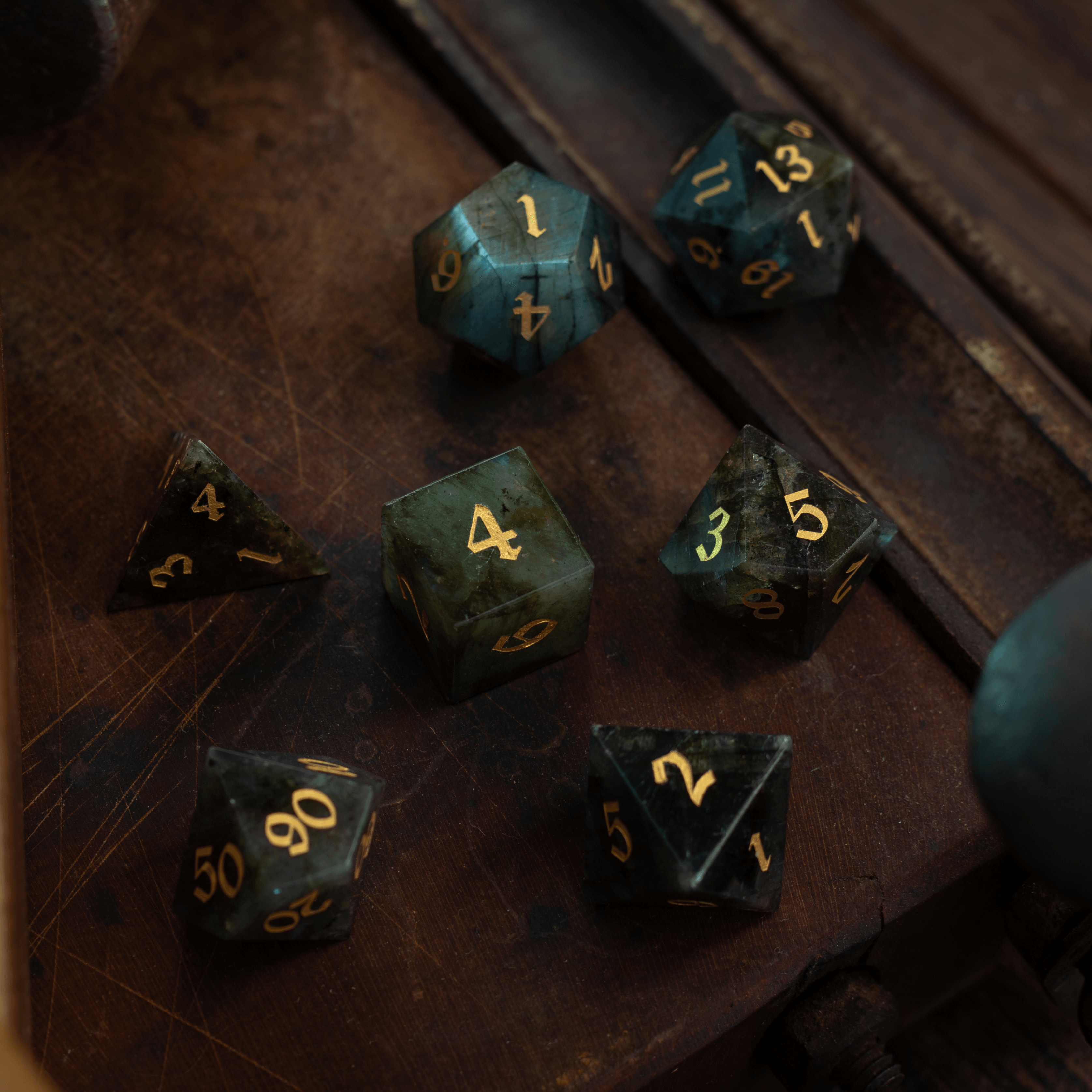
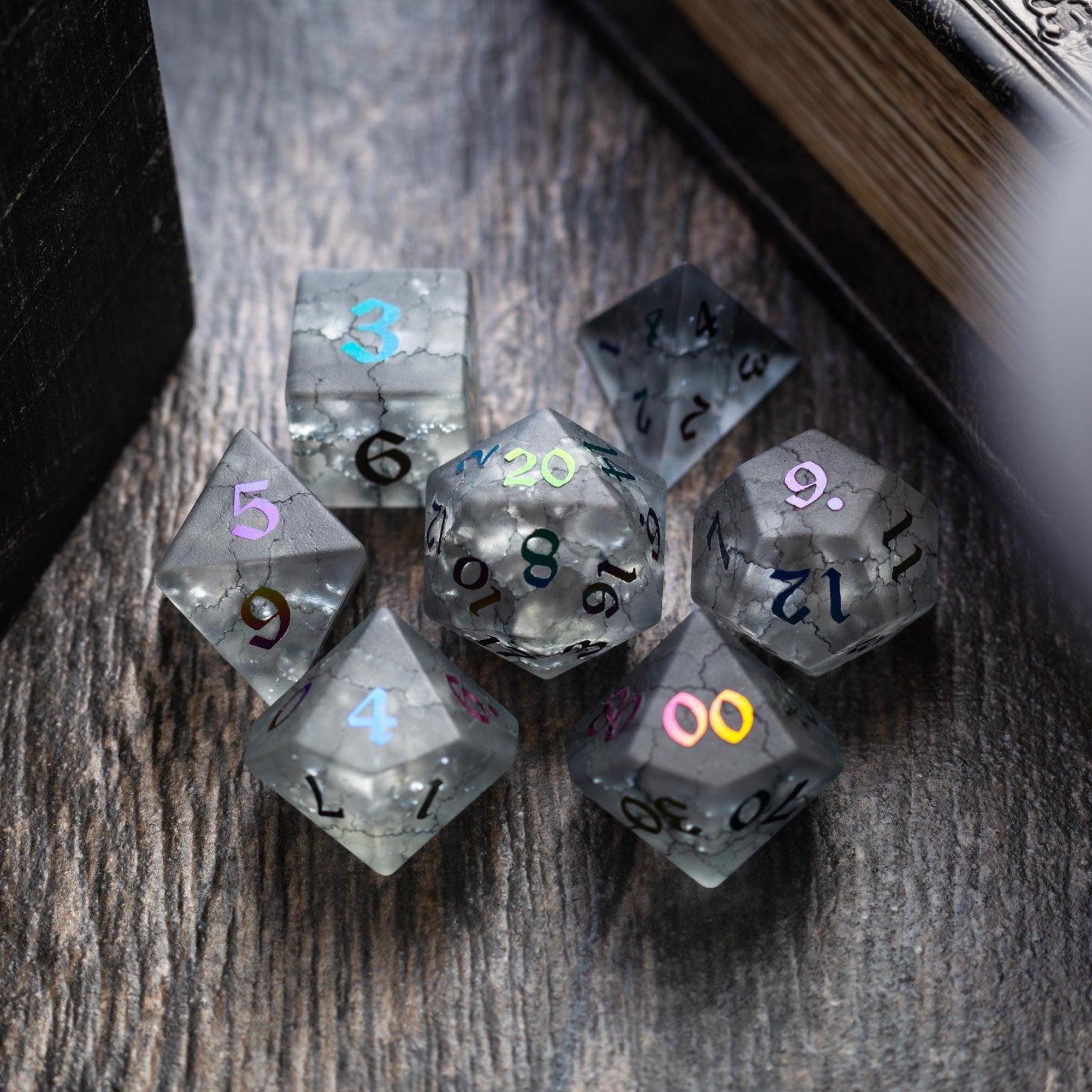
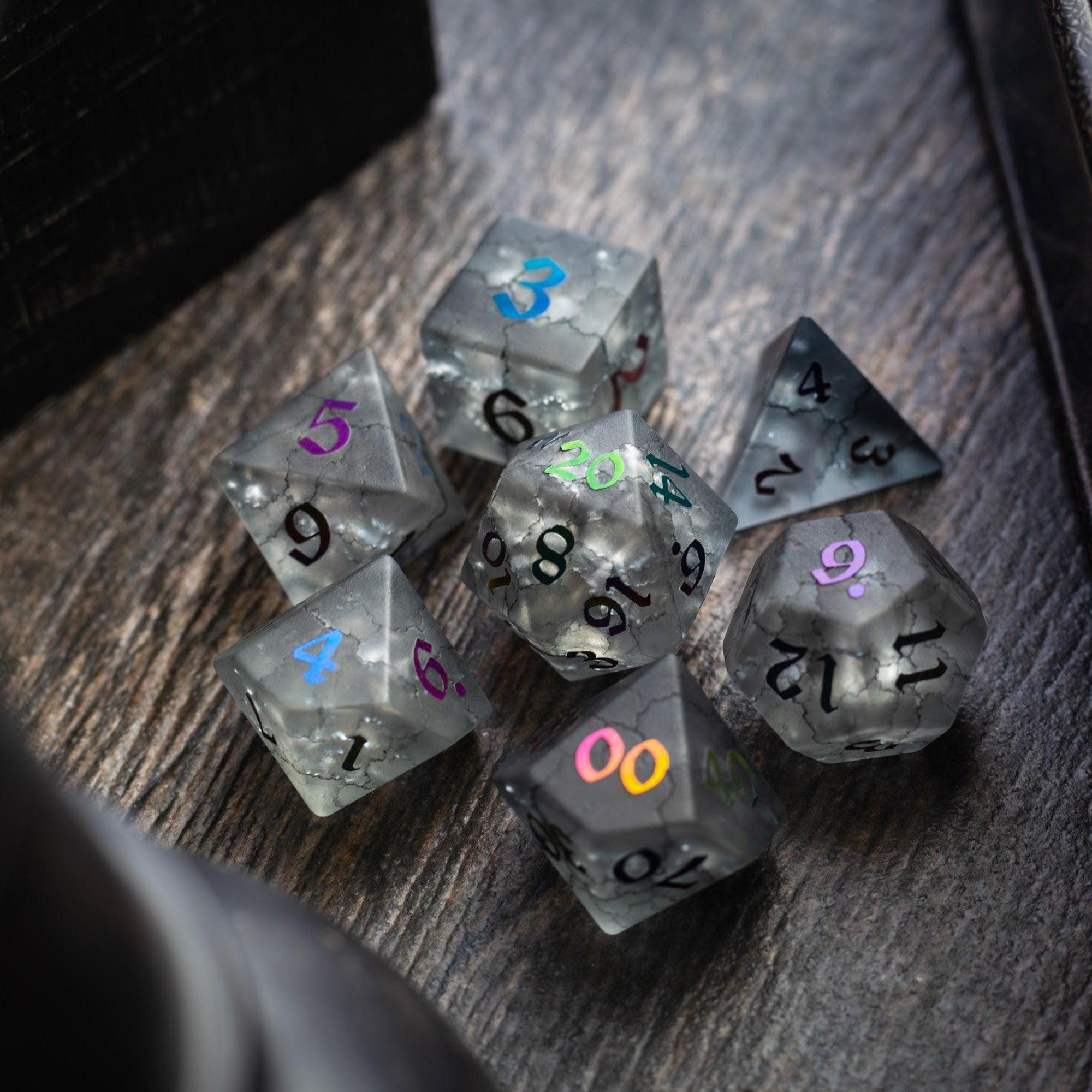
Gemstone dice can complement this type of character beautifully. Their natural patterns and polished surfaces feel ancient, ritualistic, and slightly mysterious, which makes them a lovely fit for characters shaped by old magic.

Reborn: The Hero Who Returned Changed

A Reborn has lived through death, reconstruction, magical alteration, or a mysterious second beginning. They might remember everything clearly, only possess flashes of a former life, or wonder whether they are still the same person they once were.

Reborn characters appeal to players who enjoy:

  • Lost memories

  • Questions of identity

  • Quiet emotional depth

  • Characters who feel calm, uncanny, or deeply determined

A Reborn fighter might carry instincts from a forgotten battlefield. A Reborn cleric might believe their return serves a divine purpose. A Reborn ranger might roam the land searching for clues about who they used to be.

This lineage works especially well in a dnd beginner guide because it gives players an immediate story question to explore: Who was I, and who do I want to become now?

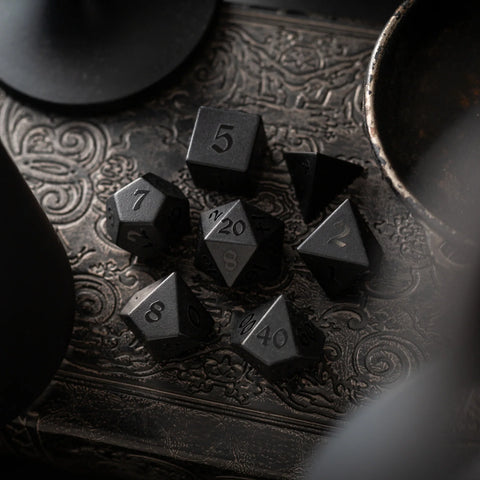
For a Reborn with a solemn, ancient, or ceremonial feel, gemstone dice can help reinforce that grounded fantasy identity. A carefully chosen set can feel like a relic carried from a former life.

Fairy: The Whimsical Spark of the Feywild

The Fairy is not technically one of the gothic lineages, but it is a beloved newer fantasy ancestry option that new players often explore alongside them. Fairies bring a completely different energy to the table: light, playful, magical, and expressive. They appear in The Wild Beyond the Witchlight as a new playable option tied to Feywild wonder.

Fairy characters are ideal for players drawn to:

  • Bright magical aesthetics

  • Trickster energy

  • Tiny heroes with huge personalities

  • Sorcerers, druids, bards, or wizards

A Fairy might be an eager traveler who finds the Material Plane terribly serious. Another might be a noble exile from a strange fey court. Another could be a fierce defender of small forest spirits.

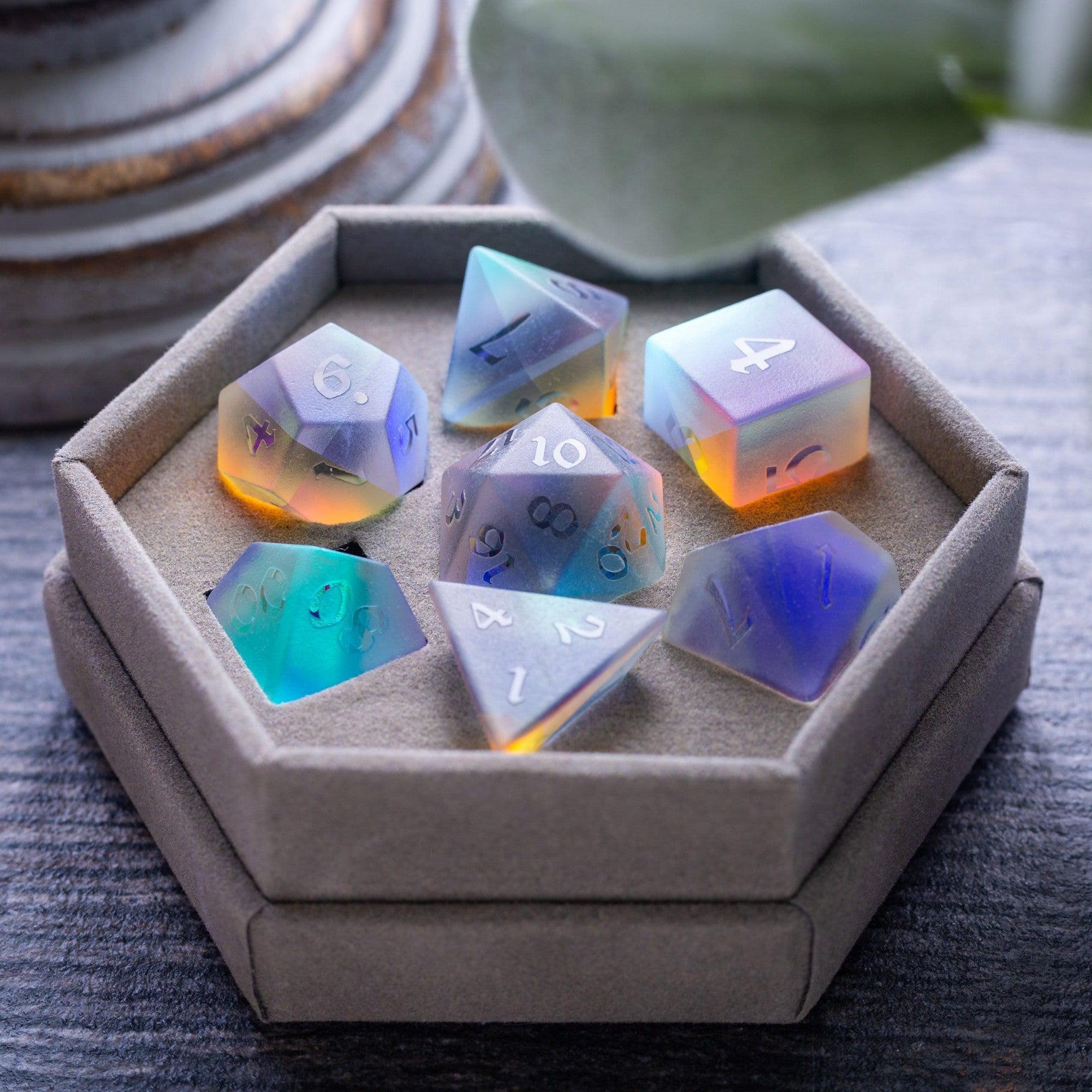
Resin dice can be a lovely match here, especially in colorful, layered, or luminous designs that reflect a Fairy character’s playful magic. They can make spellcasting rolls feel especially lively without pushing the story into comedy.

Owlin: The Quiet Scholar or Moonlit Scout

The Owlin, introduced in Strixhaven: A Curriculum of Chaos, are owl-like humanoids connected to the Feywild. They are often imagined as bookish, observant, gentle, stealthy, or dignified, though players can shape them in many directions. 

Owlin characters are a strong choice for players who like:

  • Wise or curious adventurers

  • Nighttime imagery and moonlit travel

  • A scholarly or magical academy vibe

  • Wizards, clerics, rogues, or rangers

An Owlin might be a traveling researcher, a nervous first-time adventurer, or a calm scout who notices what everyone else misses.

For a bold Owlin ranger, mysterious Dhampir warrior, or proud Reborn champion, resin chonk dice can bring a satisfying sense of drama to the table. Their larger size makes big moments feel weighty: the final saving throw, the risky attack roll, the decision that changes a character’s path.

Choosing a Lineage Based on Fantasy Style

The best lineage is not the one with the “strongest” mechanics. It is the one that sparks a character idea you actually want to play.

For Dark and Mysterious Characters

Choose:

  • Dhampir

  • Hexblood

  • Reborn

These characters often feel wrapped in secrets, transformation, and eerie history.

For Whimsical Magical Characters

Choose:

  • Fairy

  • A lighter, more mischievous take on Hexblood

These options fit players who enjoy enchanted forests, curious magic, and personalities that stand out instantly.

For Heroic Adventurers

Choose:

  • Owlin

  • Reborn

  • A Dhampir who struggles against a darker legacy

These characters can feel brave, thoughtful, and deeply motivated.

For Cursed or Supernatural Wanderers

Choose:

  • Dhampir

  • Hexblood

  • Reborn

They naturally support stories about searching for answers, mastering strange powers, or deciding what kind of person to become.

Lineage Comparison Table

Premium Dice Set

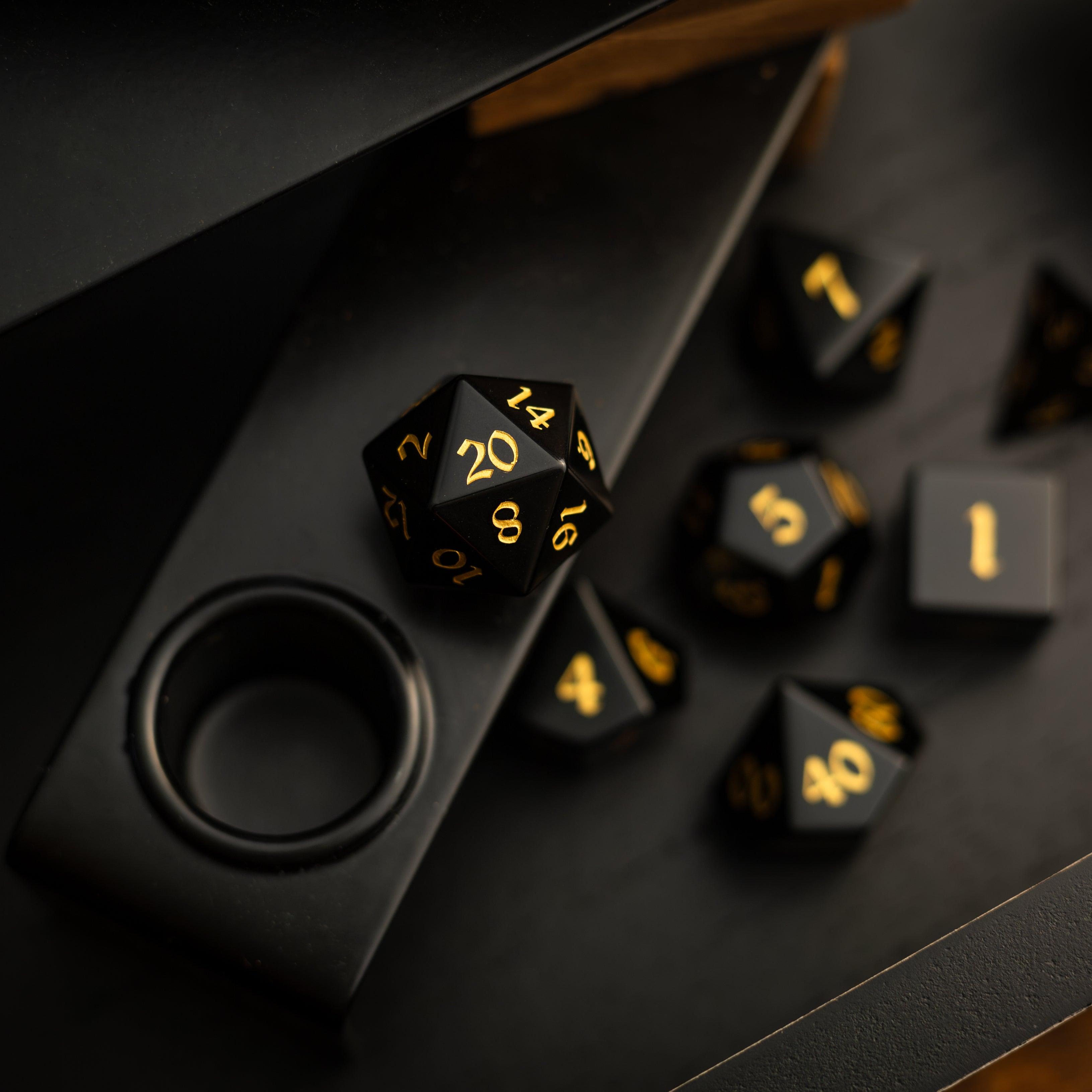
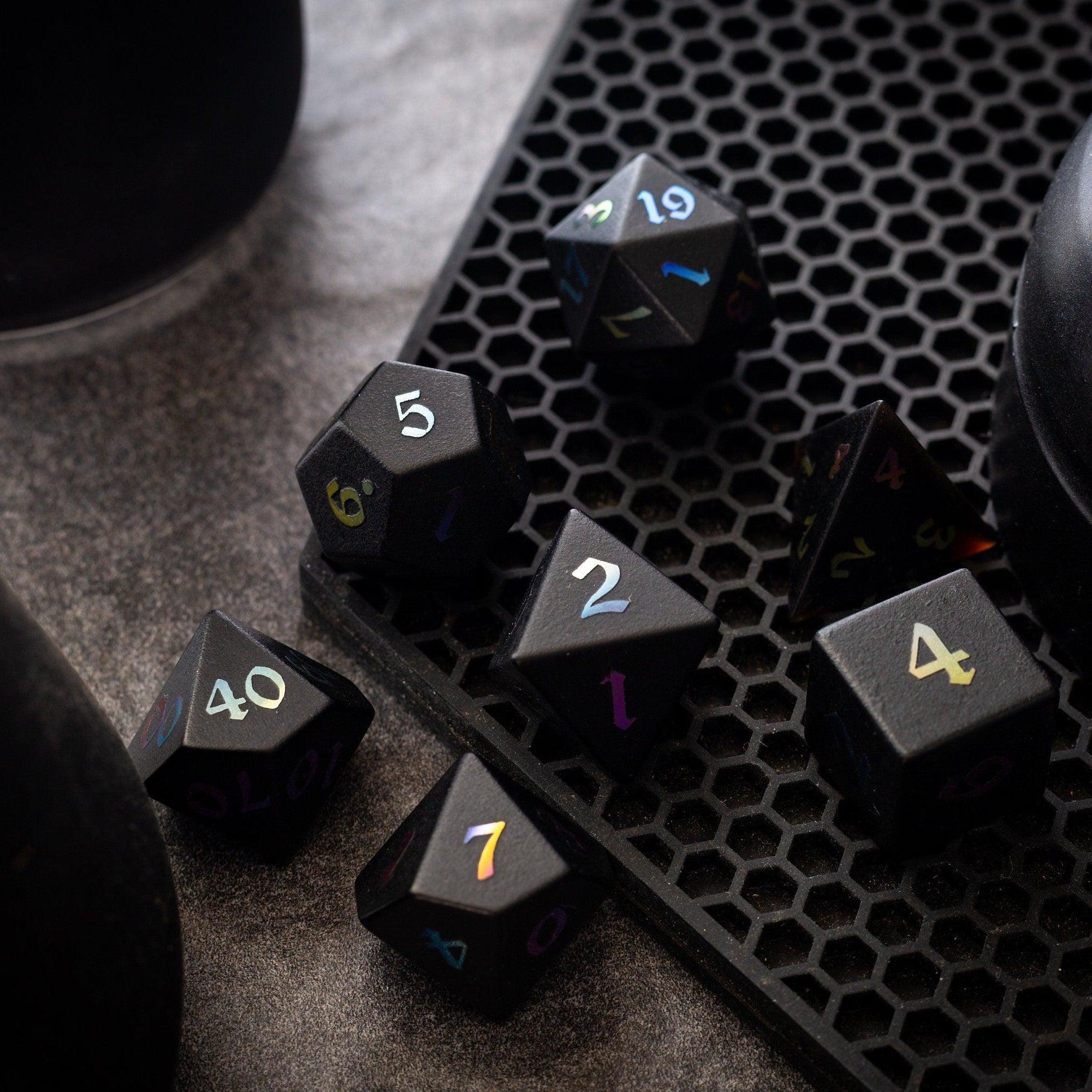
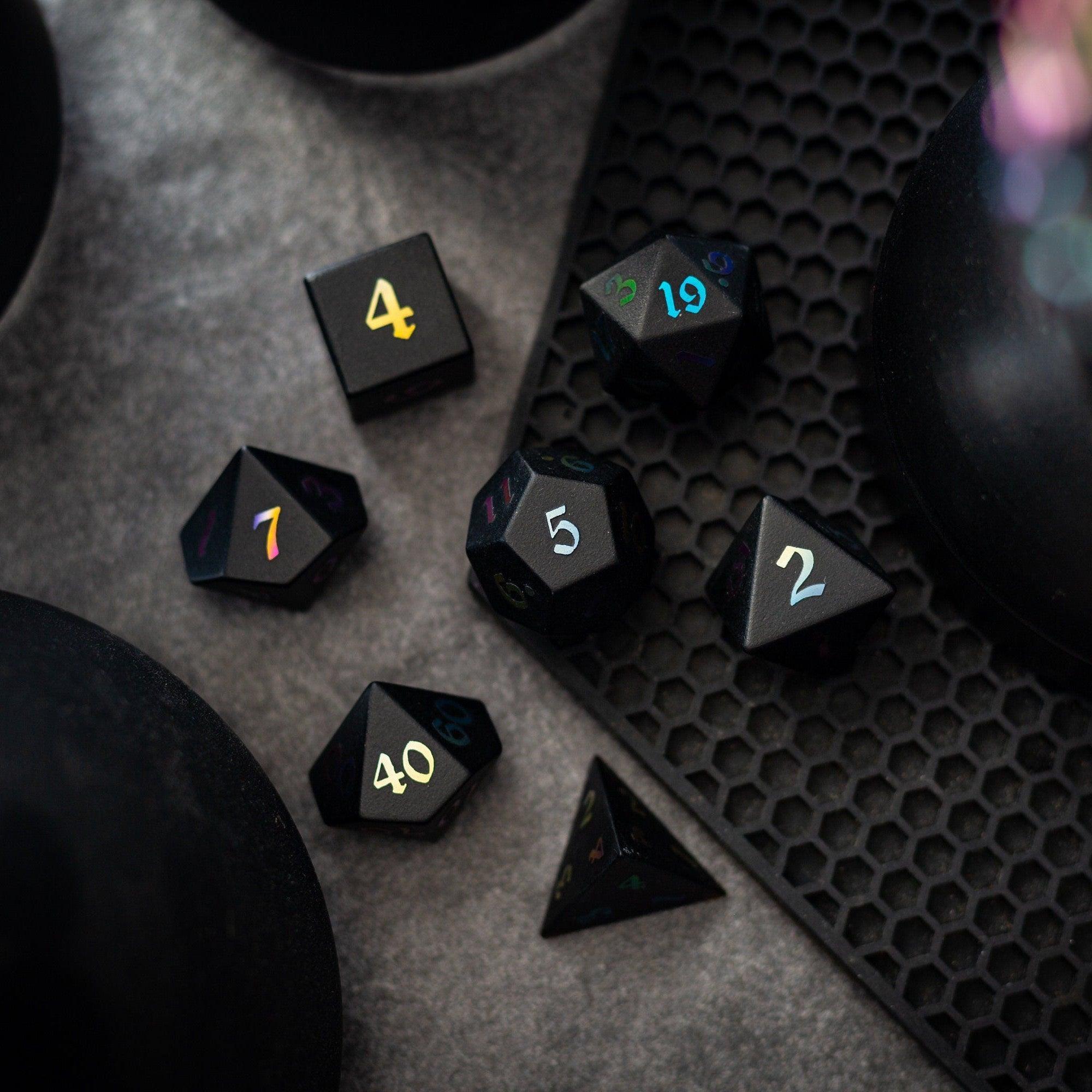
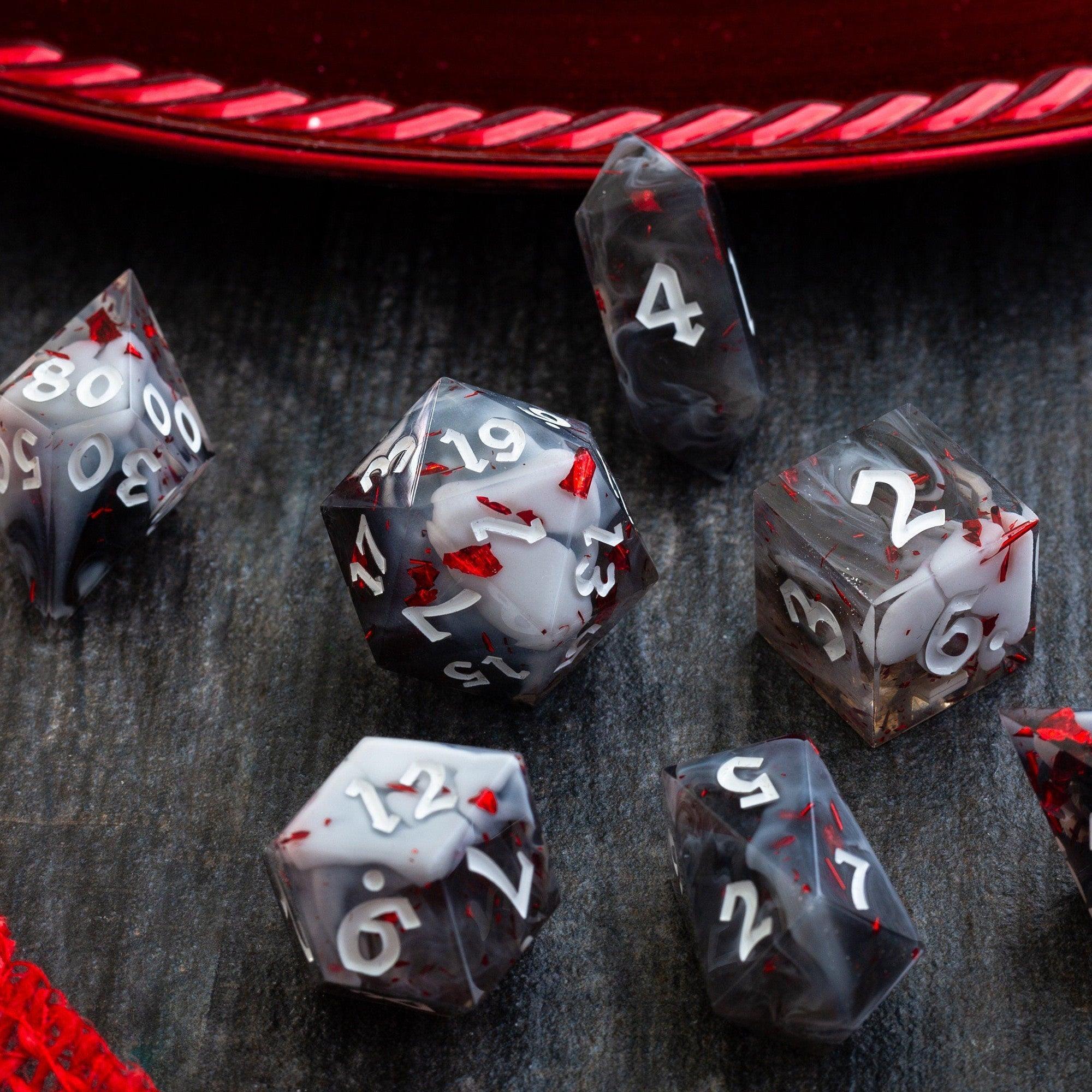
Dwarf Cut Smoky Midnight Resin Dice Set

Shape your lineage and cast dice on epic fantasy quests now.

Shop now

Lineage or Option

Fantasy Vibe

Roleplay Theme

Beginner-Friendly Appeal

Dhampir

Gothic, alluring, dangerous

Hunger, restraint, hidden nature

Strong mood and easy story hooks

Hexblood

Witchy, eerie, folkloric

Bargains, transformation, strange magic

Great for players who love fairy-tale mystery

Reborn

Quiet, uncanny, emotional

Memory, identity, second chances

Simple concept with deep character potential

Fairy

Bright, magical, playful

Wonder, curiosity, fey charm

Easy to imagine and full of personality

Owlin

Wise, gentle, nocturnal

Observation, knowledge, independence

Great for thoughtful or scholarly heroes

Roleplay Tips for Different Lineages

A lineage becomes memorable when it shapes how your character sees the world.

Speech and Personality Ideas

  • A Dhampir may speak carefully, as though constantly measuring their own reactions.

  • A Hexblood might use odd sayings learned from a mysterious mentor.

  • A Reborn may pause when something feels familiar but they cannot explain why.

  • A Fairy could ask cheerful questions about ordinary customs others take for granted.

  • An Owlin might be soft-spoken but sharply observant.

Cultural Background Concepts

You do not need a fully written novel before session one. A few imaginative details go a long way:

  • Who raised you?

  • What place feels like home?

  • What do strangers usually assume about you?

  • What truth about yourself are you still trying to understand?

Strengths, Flaws, and Motivations

Try pairing one strength with one emotional complication:

  • Brave, but afraid of losing control

  • Curious, but too trusting

  • Loyal, but secretive

  • Gentle, but haunted by a violent past

  • Clever, but unsure where they truly belong

These details can make your lineage feel personal instead of generic.

Matching Lineages with Classes

This part of a dnd 5e character guide is where imagination really opens up. You do not need to chase perfect optimization. Instead, ask which class makes the lineage’s story feel richer.

Fairy Spellcasters

Fairies feel natural as:

  • Sorcerers with magic that bursts from emotion

  • Druids connected to flowers, mushrooms, and fey groves

  • Bards who turn every conversation into a performance

A Fairy spellcaster rolling shimmering resin dice or flowing liquid core dice can feel wonderfully aligned with that bright, magical identity.

Dhampir Rogues or Warlocks

Dhampirs pair beautifully with:

  • Rogues who move like shadows through a manor or moonlit alley

  • Warlocks whose pact deepens the mystery of their condition

  • Bards whose charm hides a more dangerous side

This combination creates dramatic scenes full of tension and style.

Reborn Fighters or Clerics

Reborn characters can shine as:

  • Fighters with old instincts they cannot fully explain

  • Clerics who believe their return was divine

  • Paladins determined to give their second life a purpose

A resin chonk die can be especially fun for a Reborn warrior’s decisive strikes or a cleric’s important healing moment, adding a little extra table presence to big scenes.

Making Your Character Feel Unique

Even if another player chooses the same lineage, your character can still feel completely different.

Start with a Personal Goal

Ask:

  • What do I want right now?

  • What memory, promise, or mystery keeps me moving?

  • What would make me feel truly at peace?

Build a Visual Identity

Your lineage can influence clothing, color palette, accessories, or even the way magic appears.

  • A Dhampir’s spells might flicker like red-black candlelight.

  • A Fairy’s magic might glitter like pollen in sunlight.

  • A Reborn cleric might wear symbols from a faith they only half remember.

  • An Owlin wizard may keep ink stains on their sleeves from constant note-taking.

Players often enjoy choosing dice that match this emotional visual language. Gemstone dice can suit elegant, ancient, or sacred themes. Liquid core dice can suggest living magic or unstable power. Resin dice can capture color-rich characters. Resin chonk dice can make larger-than-life heroes feel even more theatrical in play.

Let the Lineage Shape Personality, Not Limit It

A Dhampir does not have to be brooding. A Fairy does not have to be silly. A Reborn does not have to be tragic.

Your lineage provides a doorway. You decide what kind of person walks through it.

Common Beginner Mistakes When Choosing a Lineage

Picking Only Based on Mechanics

It is easy to ask, “Which one is best?” But for most new players, a better question is:

Which one makes me want to roleplay?

The character you feel excited to portray usually becomes more rewarding than the one chosen only for efficiency.

Overcomplicating the Backstory

A mysterious character does not need twelve pages of lore. Start with a few strong ideas and discover the rest during the campaign.

Ignoring Roleplay Opportunities

A lineage is not just an entry on a character sheet. It can influence:

  • How NPCs react to you

  • What your character fears

  • What makes them feel at home

  • What kind of stories they naturally attract

Tips for Dungeon Masters

Dungeon Masters can help new players get the most from dnd lineages 5e by treating them as story invitations rather than rules complications.

Help Players Explore Their Lineage Creatively

Ask gentle questions during character creation:

  • “Who first noticed you were different?”

  • “What about your lineage feels like a gift?”

  • “What about it feels difficult?”

Integrate Unique Lineages into the Campaign World

A town might have legends about Hexbloods. A ruined chapel might trigger a Reborn’s memory. A Fairy could recognize a symbol from a fey court. These small touches make players feel seen.

Encourage Imaginative Storytelling

Lineages thrive when the world reacts to them with curiosity, not punishment. Give players chances to explore the wonder, tension, and emotion built into their characters.

Why Lineages Add So Much to D&D

Lineages bring more variety into character creation. They help players move beyond “I am an elf ranger” or “I am a dwarf fighter” and ask more personal questions:

  • What strange story shaped me?

  • What do I carry that others cannot see?

  • What fantasy identity feels exciting to inhabit?

That is why lineages in DnD 5e work so well for new players. They provide instant imagination. They turn character creation into storytelling. They give a player something vivid to hold onto before the first adventure even begins.

And when your dice, character sheet, and chosen fantasy all feel connected, the table starts to feel a little more magical.

Conclusion

The best lineage is the one that makes you lean closer to the table and say, “I want to know what happens to this character.”

Choose the Dhampir if you love elegant darkness. Choose the Hexblood if old magic and strange bargains fascinate you. Choose the Reborn if you want a hero shaped by mystery and second chances. Explore Fairy or Owlin if your imagination is drawn toward wonder, flight, moonlight, or fey magic.

D&D is not about building the most efficient character possible. It is about creating someone you are excited to follow into danger, friendship, and discovery.

So choose the lineage that inspires you most, gather your character sheet, pick up the dice that feel right in your hand, and step into the story. An unforgettable adventure may begin with a single strange origin.

Leave a comment

This site is protected by hCaptcha and the hCaptcha Privacy Policy and Terms of Service apply.

All comments are moderated before being published.

Want more guides? Every D&D class and subclass guide, organized in The Runic Codex. Browse class guides →