

DnD Spell Components: A Clear Guide to Casting Basics

Spellcasting is one of the most iconic parts of Dungeons & Dragons. Whether you’re hurling a fireball across a dungeon hallway or whispering a healing prayer beside a campfire, magic gives D&D its sense of wonder and mystery.
For many new players, though, spell components can feel confusing at first. What exactly are verbal, somatic, and material components? Why do some spells need gestures while others need strange ingredients? And what happens if your wizard’s hands are tied?
The good news is that spellcasting components are much easier to understand once you see how they work in actual gameplay. Better yet, they add atmosphere, tension, and roleplay opportunities that make magic feel alive instead of mechanical.
What Are Spell Components?
In D&D 5e, most spells require one or more “components” to cast successfully. These represent the physical actions, words, or magical objects needed to channel arcane or divine power.
The three types of spell components are:
-
Verbal (V): Spoken magical words or chants
-
Somatic (S): Hand gestures and physical movements
-
Material (M): Special objects or magical ingredients
You’ll see these listed beside spells in the rulebooks. For example:
-
Mage Armor → V, S, M
-
Fire Bolt → V, S
-
Detect Magic → V, S
These requirements help make spells feel distinct and flavorful. A wizard muttering ancient phrases while tracing glowing runes in the air creates a much more immersive scene than simply saying, “I cast a spell.”
Understanding these basics also helps gameplay run smoothly, especially during combat or tense roleplay moments.
Verbal Components Explained
Verbal components are the spoken words behind a spell. These are not casual conversations or whispered suggestions. They are powerful magical phrases spoken with intention and energy.
A cleric might invoke divine names during a healing spell. A wizard could chant ancient arcane syllables that hum with unstable power. A bard may weave magic through song or poetic rhythm.
Why Verbal Components Matter
Because verbal components require speech:
-
You usually cannot cast while completely silenced
-
Magical silence effects can shut down many spells
-
Gagged or underwater spellcasters may struggle to cast
Many beginners ask if they can whisper verbal components quietly during stealth scenes. In most games, verbal components are noticeable enough that nearby creatures can hear them. They are magical incantations, not secret murmurs.
That creates exciting gameplay moments. Imagine your party sneaking through a castle while the wizard debates whether casting Invisibility is worth the risk of being overheard.
Adding Flavor to Verbal Magic
Spellcasting becomes much more cinematic when players describe their magical words.
Examples include:
-
A sorcerer speaking in crackling draconic syllables
-
A cleric chanting prayers beneath flickering torchlight
-
A warlock whispering eerie phrases taught by their patron
-
A bard singing rhythmic verses that ripple with illusion magic
Even simple descriptions make magic feel memorable.
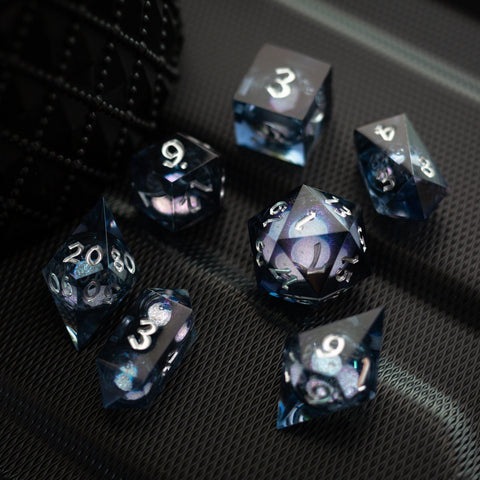
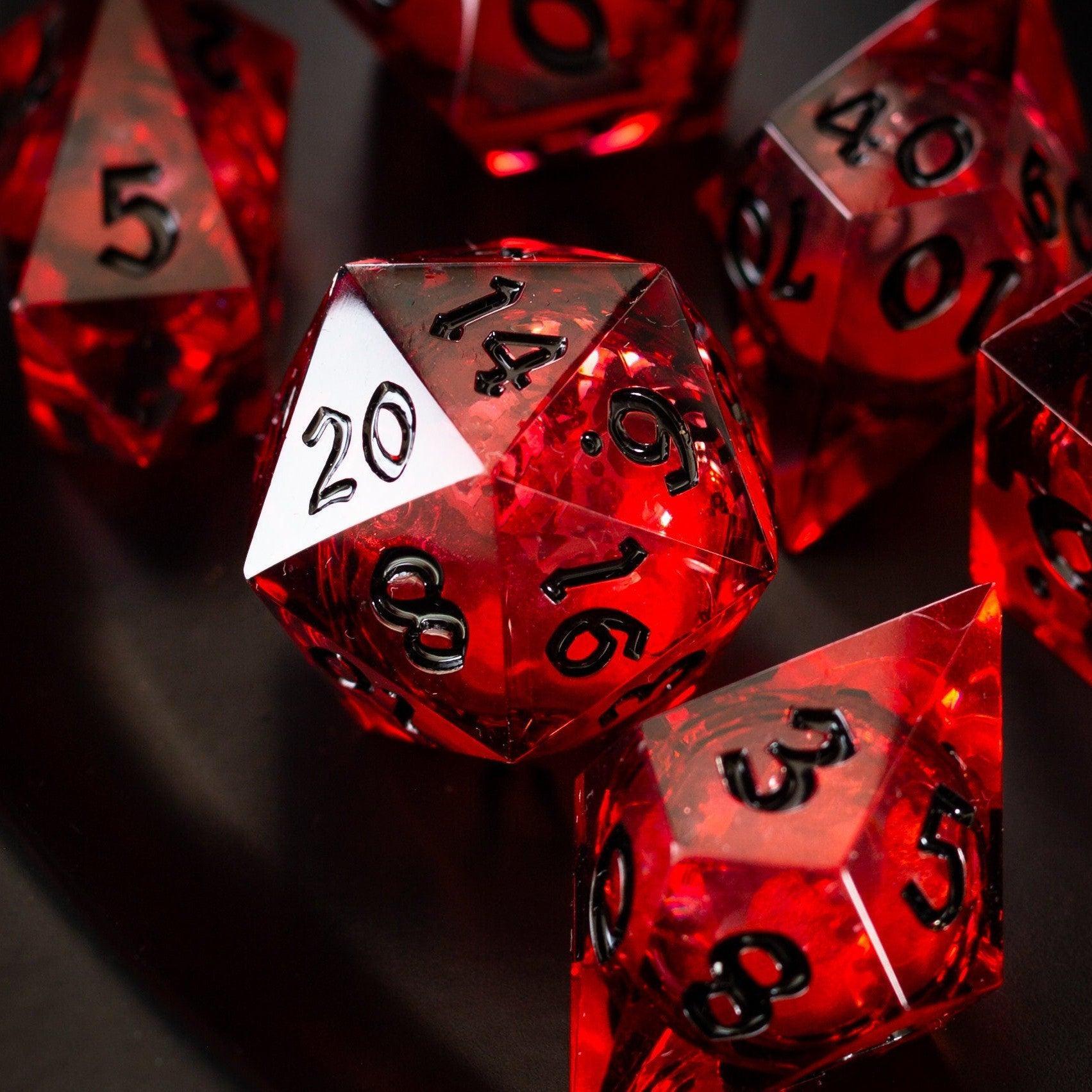
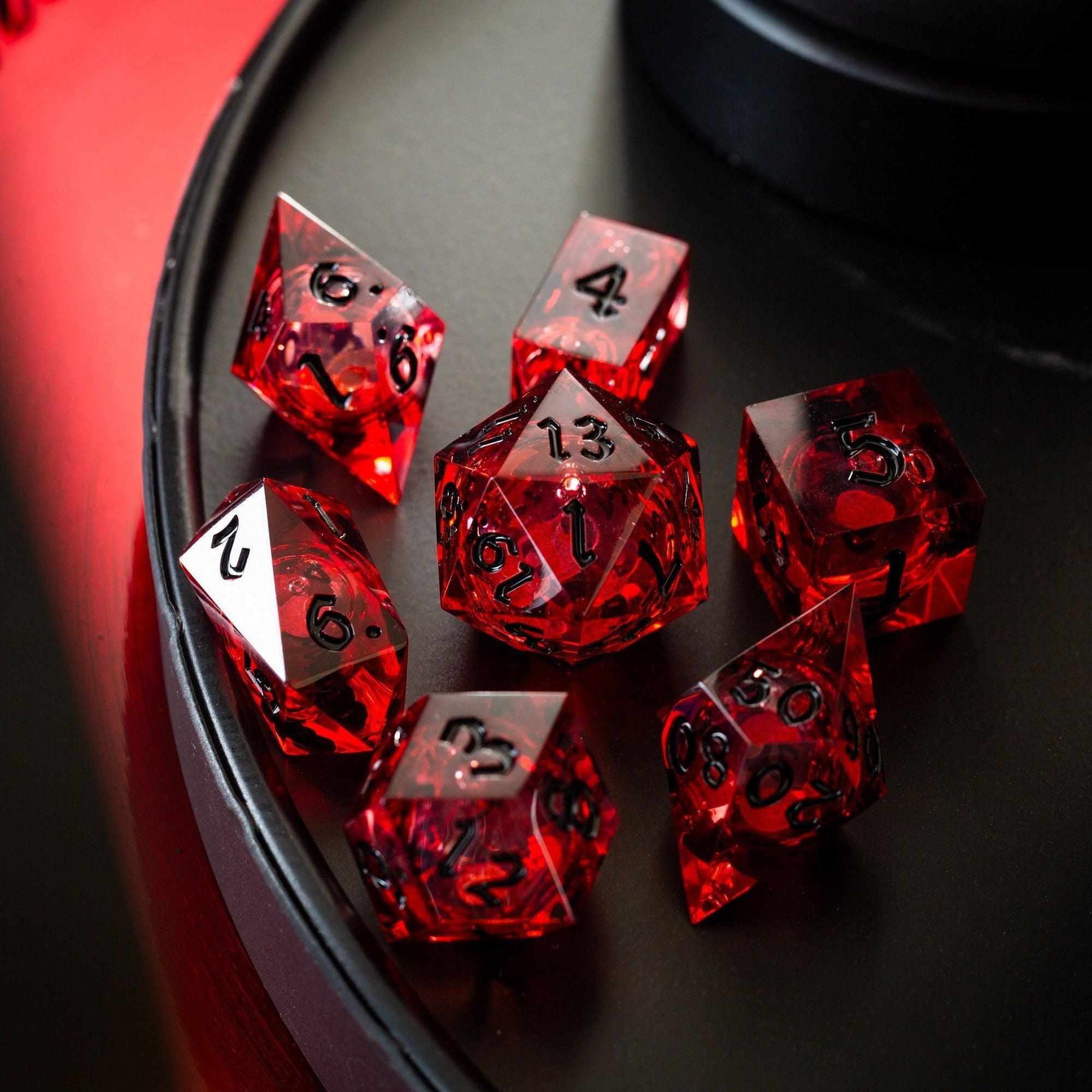
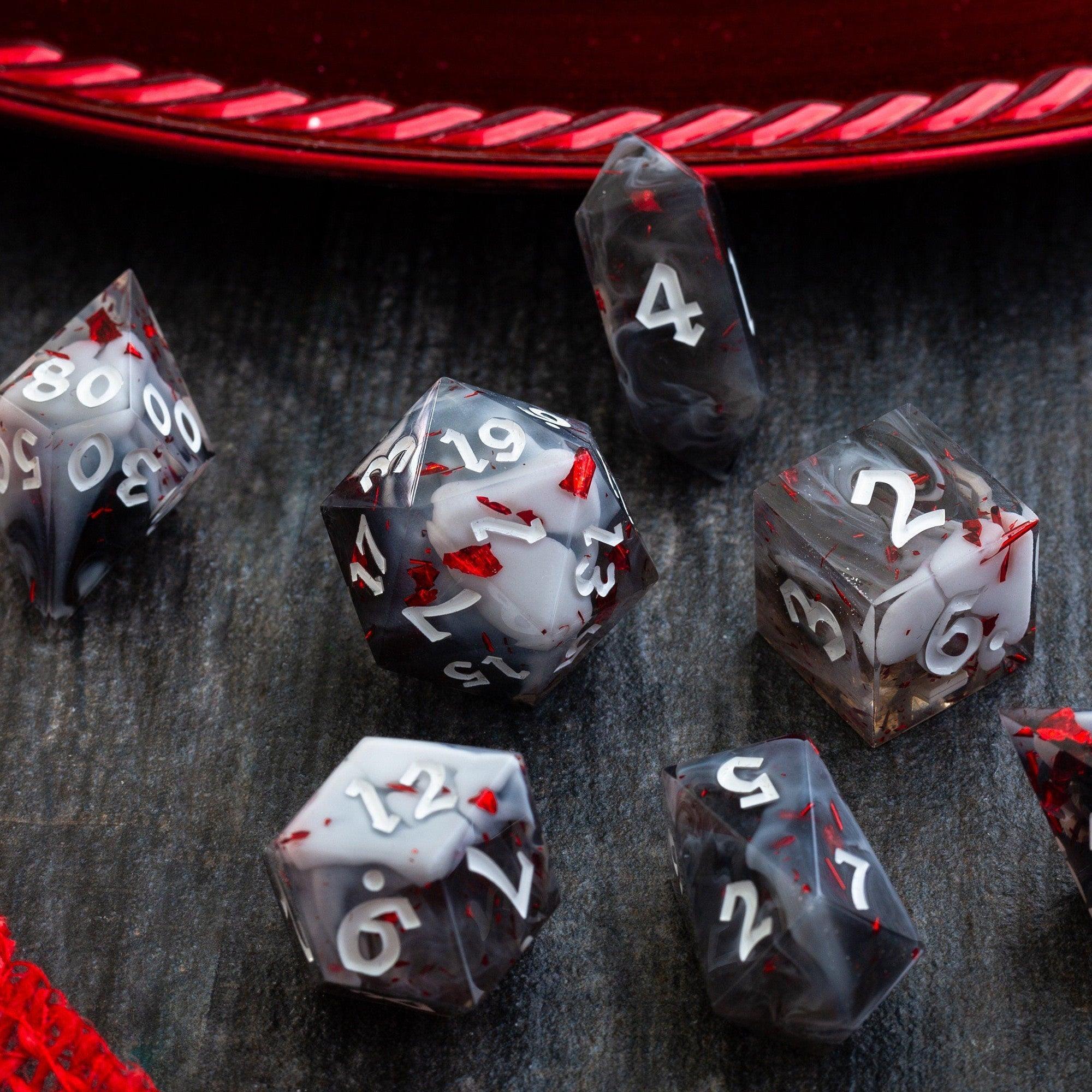
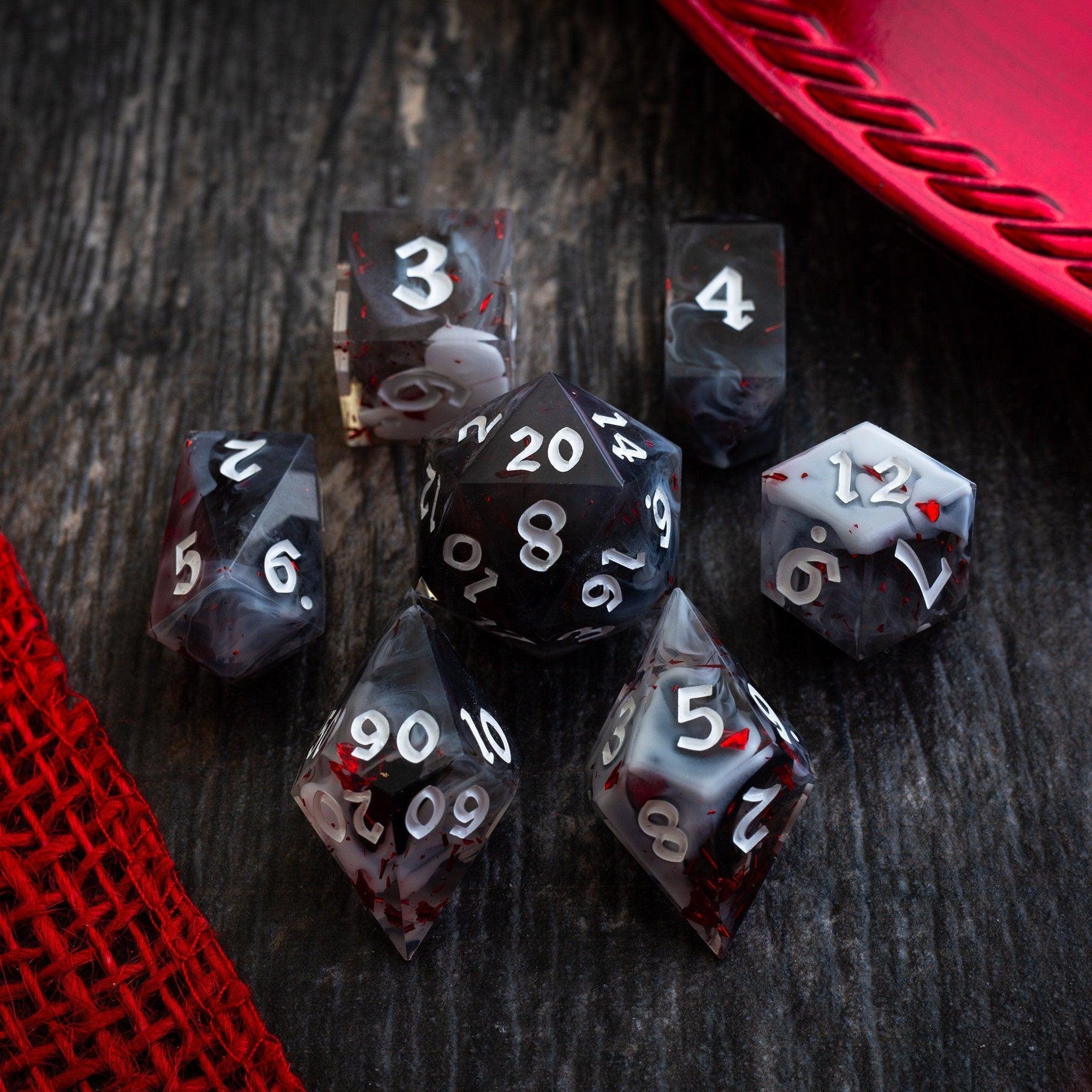
A set of swirling liquid core dice can also add to those moments at the table, especially when rolling powerful spells that feel unstable or arcane. The visual energy matches the atmosphere of spellcasting surprisingly well.
Somatic Components Explained
Somatic components are physical gestures required to shape magical energy. Think of them as the movements that guide a spell into existence.
A mage might:
-
Trace glowing symbols in the air
-
Snap their fingers with precise timing
-
Extend a staff dramatically
-
Form magical signs with both hands
These movements can be subtle or dramatic depending on the character.
Why Free Hands Matter
Somatic components are the reason spellcasters sometimes need a free hand.
If your character is:
-
Restrained
-
Bound with ropes
-
Holding weapons and shields awkwardly
-
Climbing a wall
…casting certain spells may become difficult.
This rule adds tension without becoming overly complicated. A wizard trapped by vines while trying to cast Misty Step suddenly feels like part of an action scene instead of just a rules interaction.
Visualizing Spellcasting in Combat
Combat becomes far more exciting when spell gestures are described vividly.
Instead of saying:
“I cast Lightning Bolt.”
You might say:
“Blue sparks crawl across the wizard’s fingertips as she thrusts both hands forward, unleashing a roaring line of lightning down the corridor.”
Those details make encounters feel cinematic.
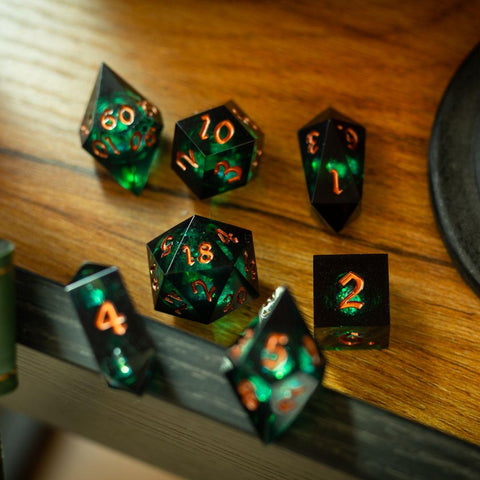
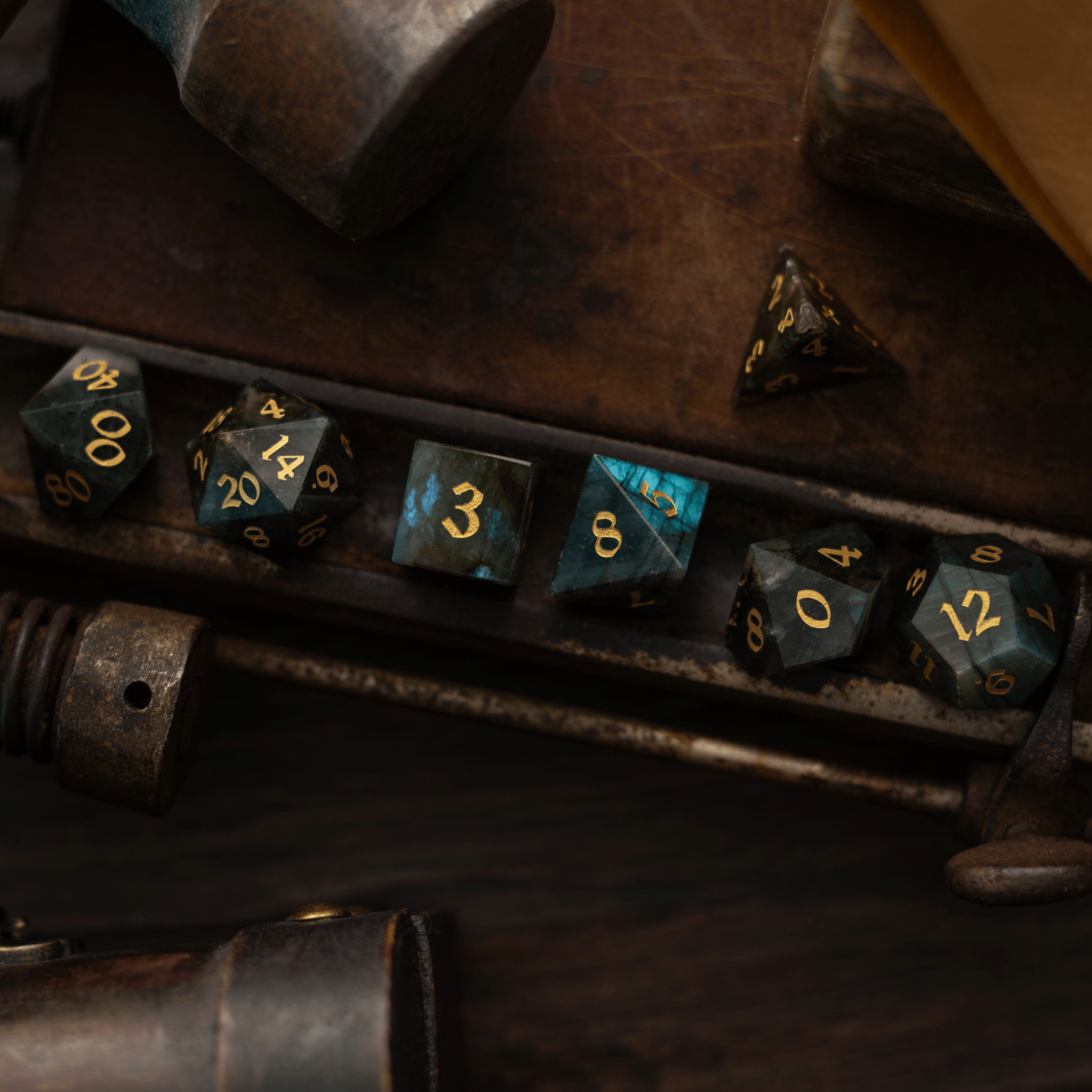
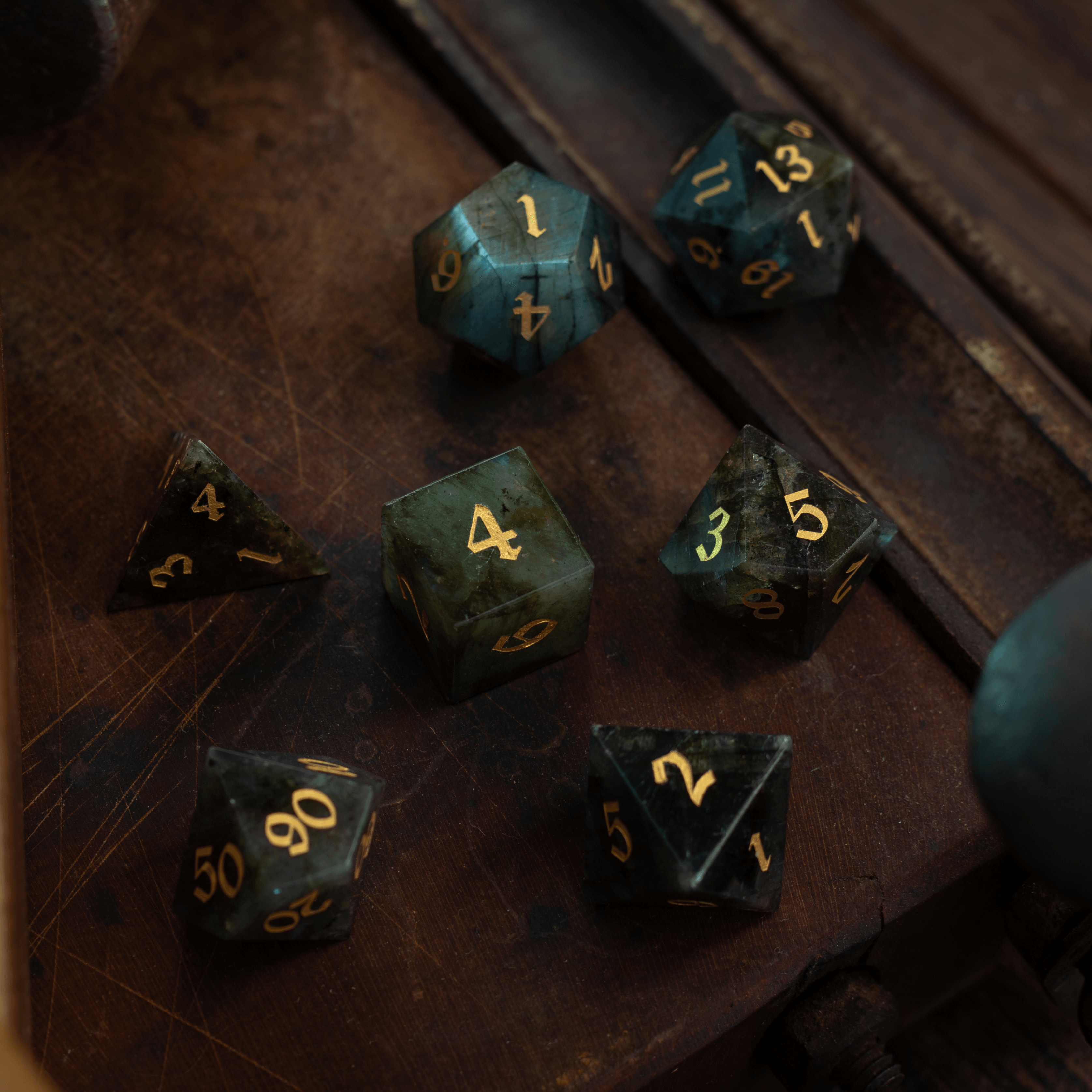
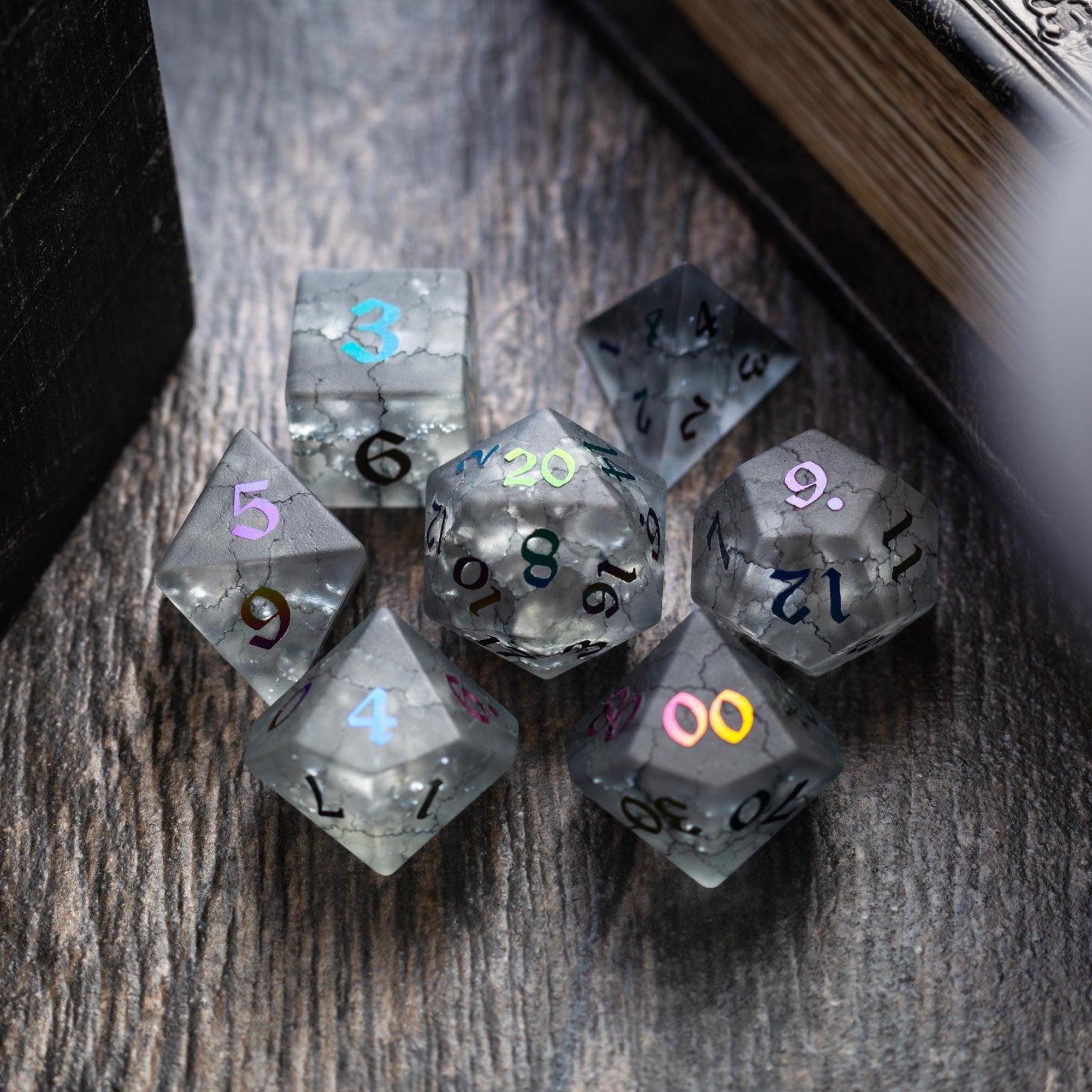
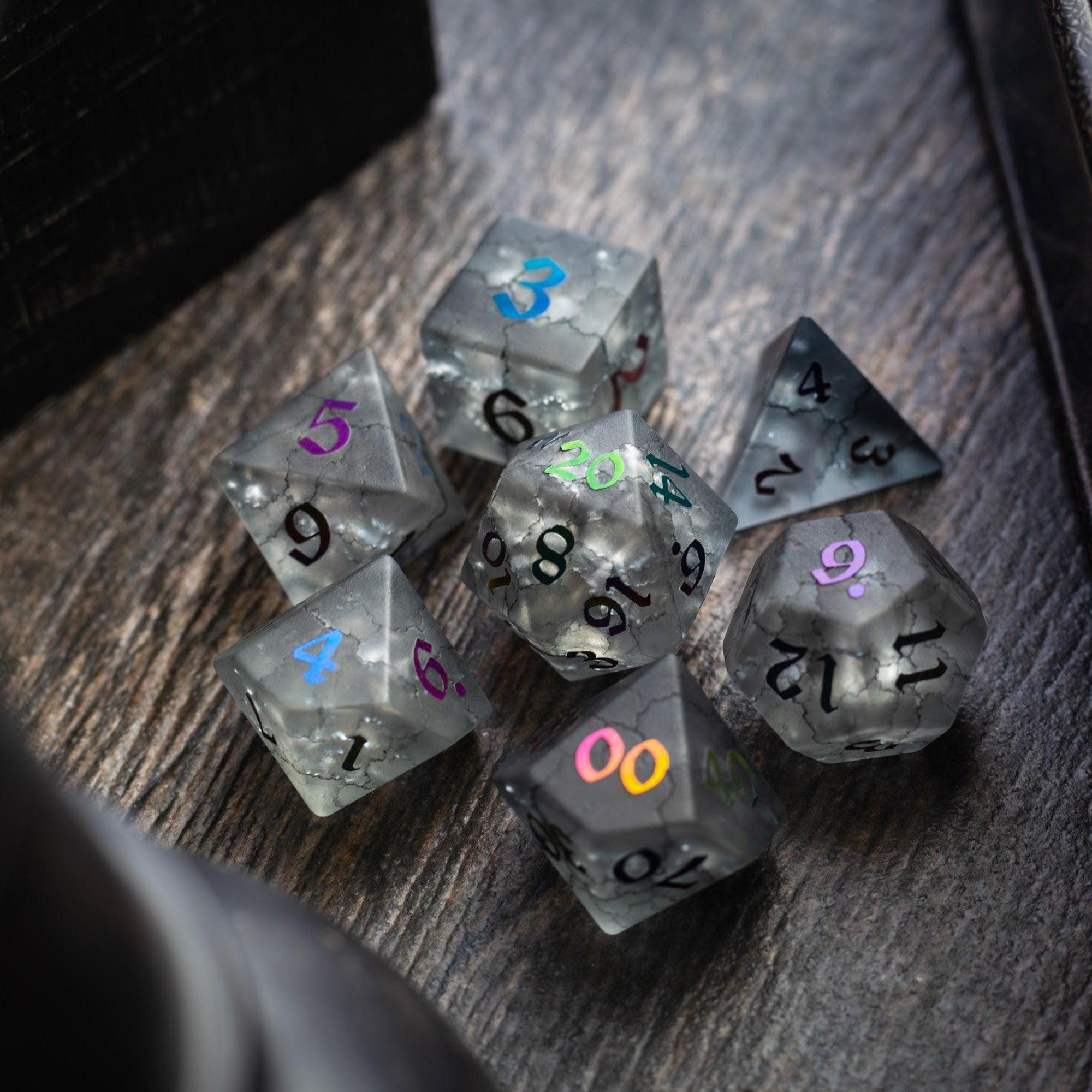
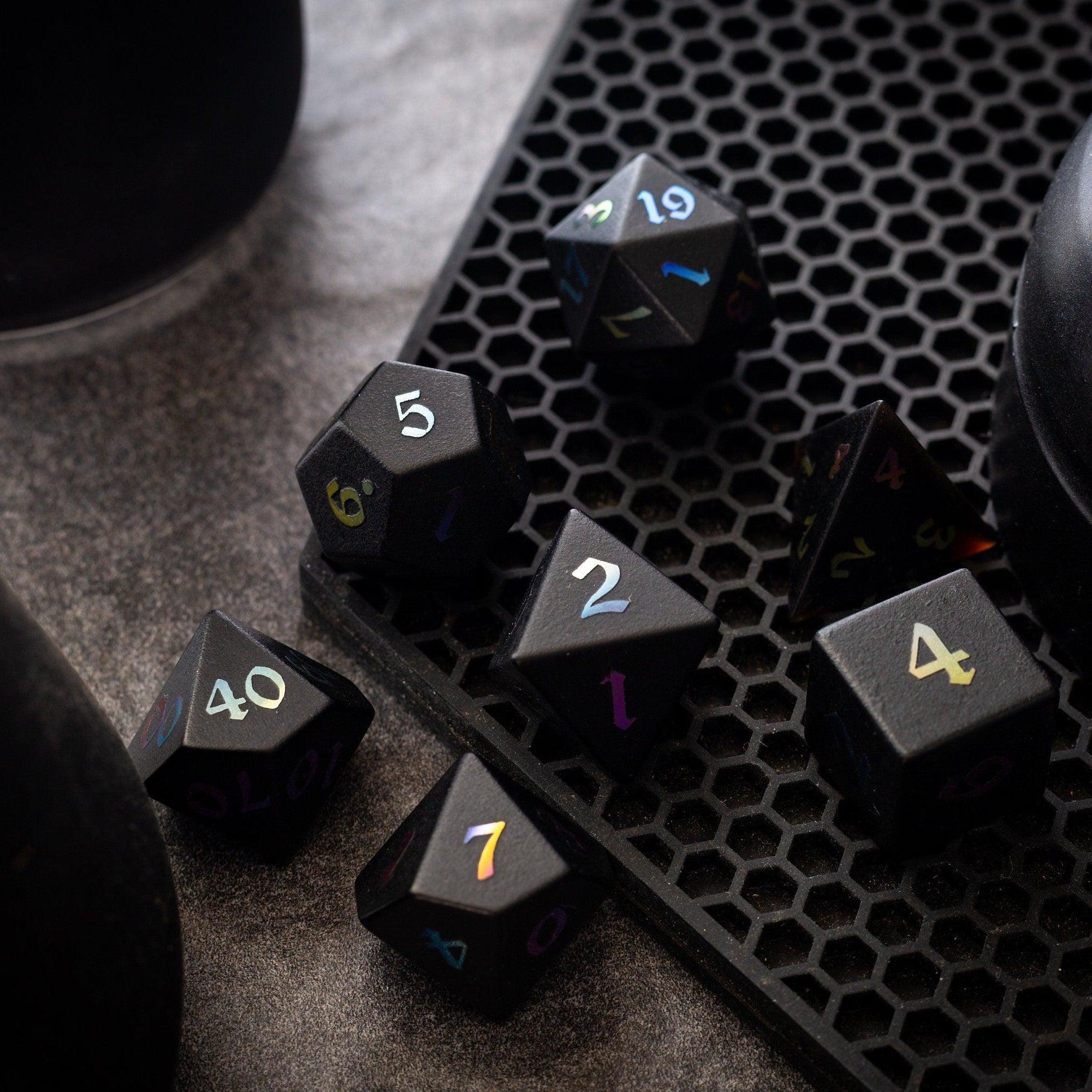
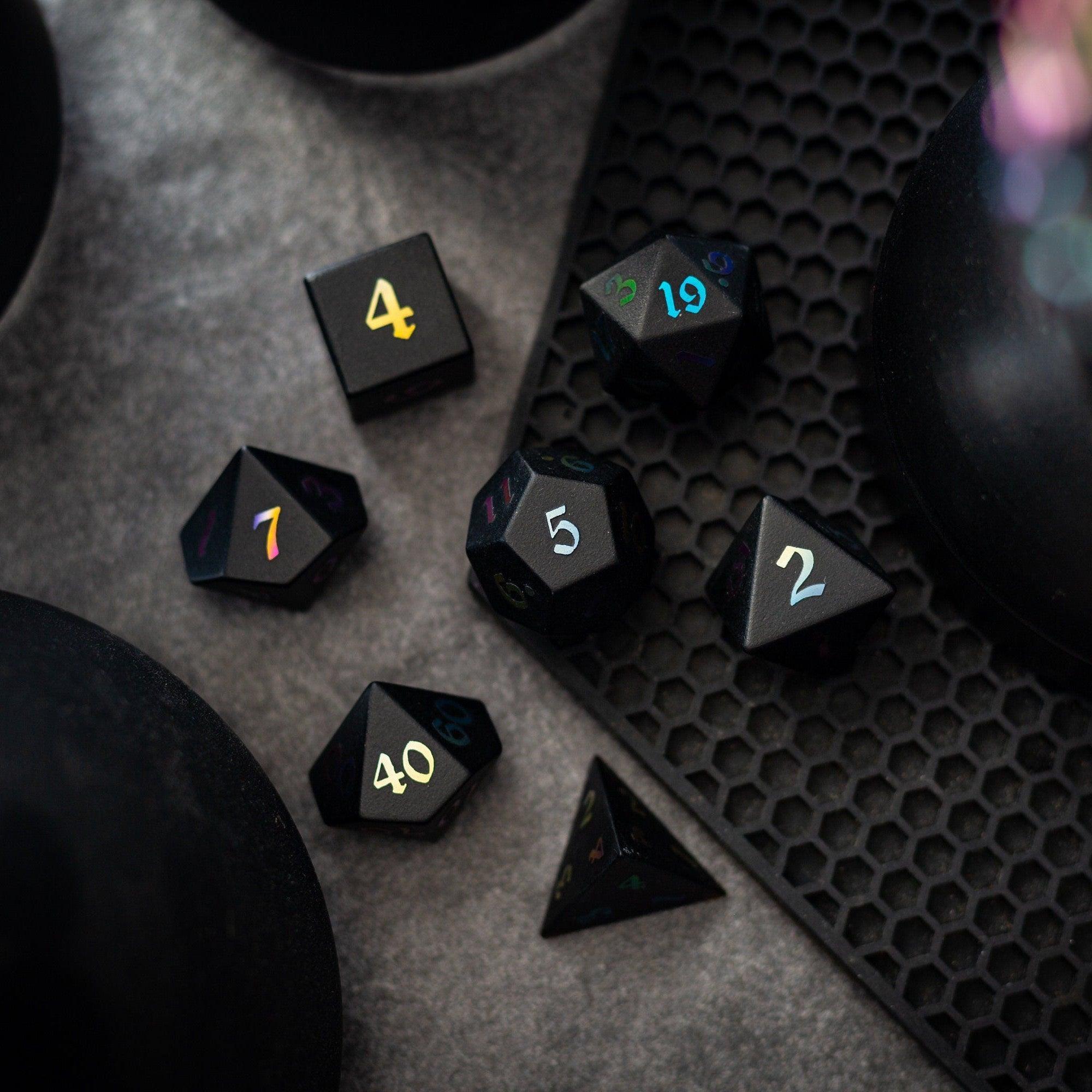
Many players enjoy pairing their character aesthetic with themed resin dice or gemstone dice that reflect their magic style. A frost mage rolling icy blue resin dice or a radiant cleric using polished gemstone dice can subtly reinforce a character’s identity during dramatic casting scenes.
Material Components Explained
Material components are physical objects used during spellcasting.
Some are simple and symbolic:
-
A pinch of sand
-
A bit of fleece
-
Tiny crystals
-
Herbs or ash
Others are rare and valuable.
For example:
-
Revivify requires expensive diamonds
-
Identify uses a pearl
-
Chromatic Orb needs a diamond worth at least 50 gold
Component Pouches vs Spellcasting Focuses
Most spellcasters use one of two options:
Component Pouch
A small bag containing common magical ingredients.
This lets casters assume they have access to ordinary spell materials without tracking every tiny item individually.
Spellcasting Focus
An object used instead of common materials.
Examples include:
-
Wands
-
Holy symbols
-
Crystal orbs
-
Staffs
-
Musical instruments
A focus simplifies gameplay because it replaces many non-costly material components.
However, expensive materials listed with a gold cost are still required even if you have a focus.
That means your wizard cannot replace a 300-gold diamond with a wand during resurrection magic.
Spell Components Comparison Table
|
Component Type |
What It Represents |
Common Gameplay Situations |
|
Verbal (V) |
Spoken magical words |
Silence spells, stealth casting, underwater casting |
|
Somatic (S) |
Hand gestures and movements |
Restrained characters, occupied hands, dramatic combat casting |
|
Material (M) |
Magical ingredients or focuses |
Component pouches, expensive spell items, ritual magic |
Common Beginner Questions About Spellcasting
Can You Cast While Restrained?
Sometimes, but it depends on the spell.
If the spell requires somatic components and your hands cannot move properly, casting may fail. If the spell only uses verbal components, you may still be able to cast it.
Can You Whisper Verbal Components?
Usually no.
Verbal components are generally noticeable magical incantations. They are not intended to be perfectly silent.
What Happens If You Lose Your Focus?
You can still cast many spells if you have the required material components available another way.
A focus simply replaces common materials. It is helpful, but not always mandatory.
Do All Spells Need Components?
No.
Some spells only use one type of component, while others use multiple. A few rare spells have no components at all.
Making Spellcasting Feel Cinematic
One of the best ways to improve D&D roleplay is describing how magic looks and feels.
Spellcasting does not need lengthy speeches. Even one sentence of flavor can transform a scene.
Build Unique Spellcasting Habits
Think about how your character channels magic.
Examples:
-
A druid gathers leaves and swirling wind around their hands
-
A wizard carefully sketches glowing runes in the air
-
A cleric’s prayers echo with divine light
-
A warlock’s shadows twist unnaturally during incantations
These details help every spell feel personal.
Use Components as Roleplay Tools
Material components can become memorable storytelling elements.
A necromancer carrying strange ritual powders feels different from a cheerful bard using enchanted music notes.
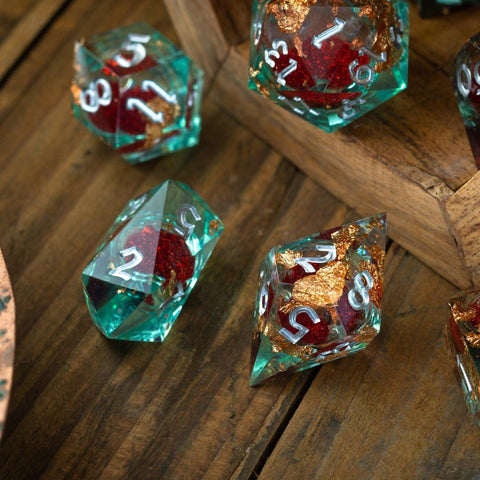
Some players even enjoy bringing thematic accessories to match their characters. Large resin chonk dice can make high-level spell attacks feel especially dramatic during huge cinematic moments like Disintegrate or Chain Lightning.
Common Spellcasting Mistakes
New players often make a few simple mistakes when learning magic.
Ignoring Free-Hand Requirements
A spellcaster holding a shield and weapon may not always have a free hand for somatic components.
Forgetting Expensive Materials
Costly spell ingredients matter. Resurrection magic often becomes more meaningful because rare materials are required.
Treating Magic as Purely Mechanical
The biggest mistake is reducing spells to numbers only.
D&D magic becomes unforgettable when players describe sounds, gestures, glowing energy, strange symbols, or emotional intensity.
Tips for Dungeon Masters
Dungeon Masters can make spellcasting easier and more immersive for beginners.
Keep Explanations Simple
New players do not need every edge-case rule immediately. Focus on helping them understand the basics first.
Prioritize Fun Over Perfection
If someone forgets a component occasionally, gentle reminders usually work better than strict punishment.
Encourage Creative Descriptions
Reward players who describe their magic creatively.
Even short descriptions help transform combat into storytelling.
Use Components for Atmosphere
Spellcasting components are fantastic worldbuilding tools.
A temple filled with incense and chanting priests feels different from a wizard tower cluttered with crystal shards and glowing runes.
Why Spell Components Make Magic More Interesting
Spell components do more than balance gameplay.
They make magic feel mysterious, ancient, and powerful.
Components add:
-
Atmosphere
-
Tension
-
Visual storytelling
-
Character identity
-
Memorable roleplay moments
Without components, spells can feel like buttons on a game controller. With them, magic becomes part of the world itself.
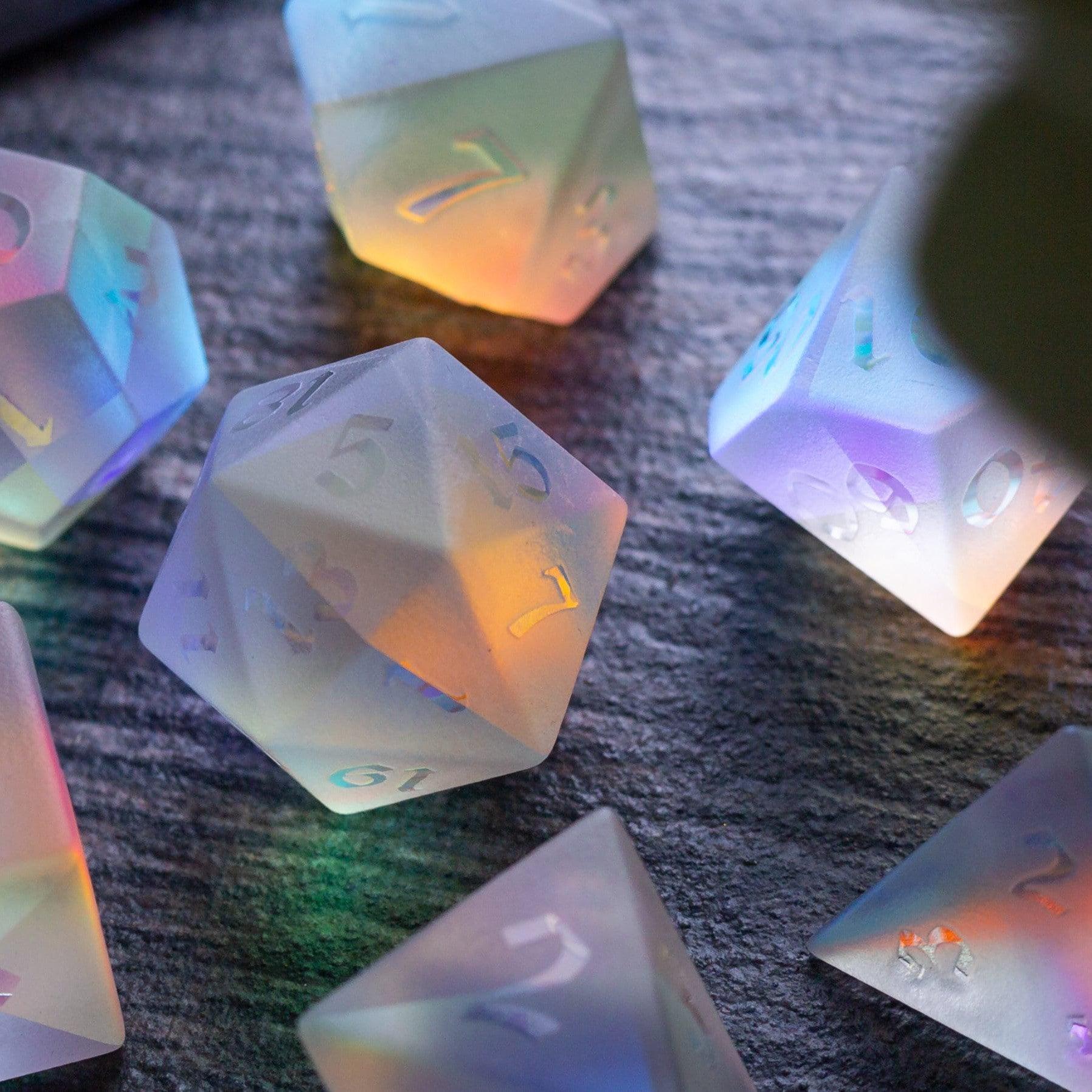
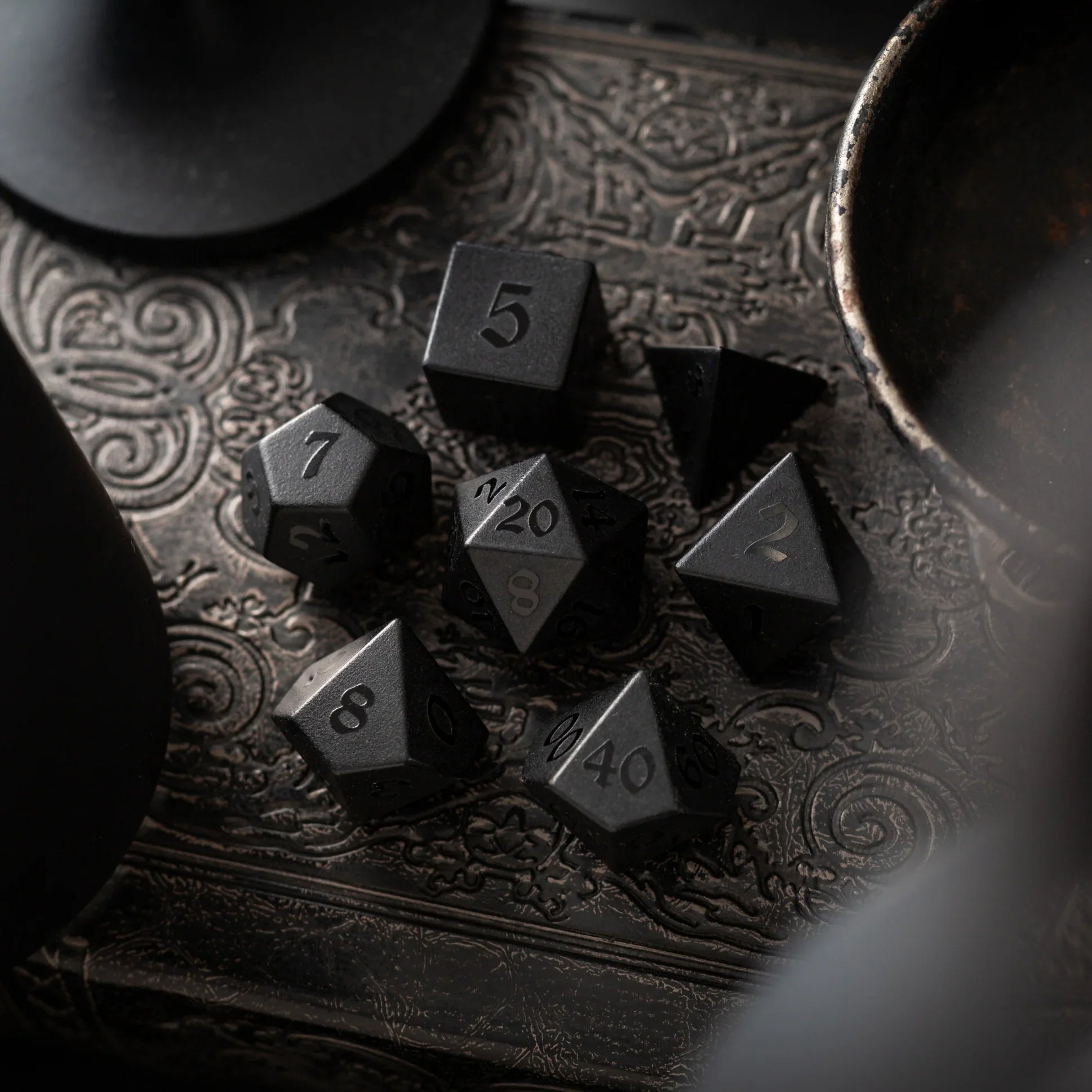
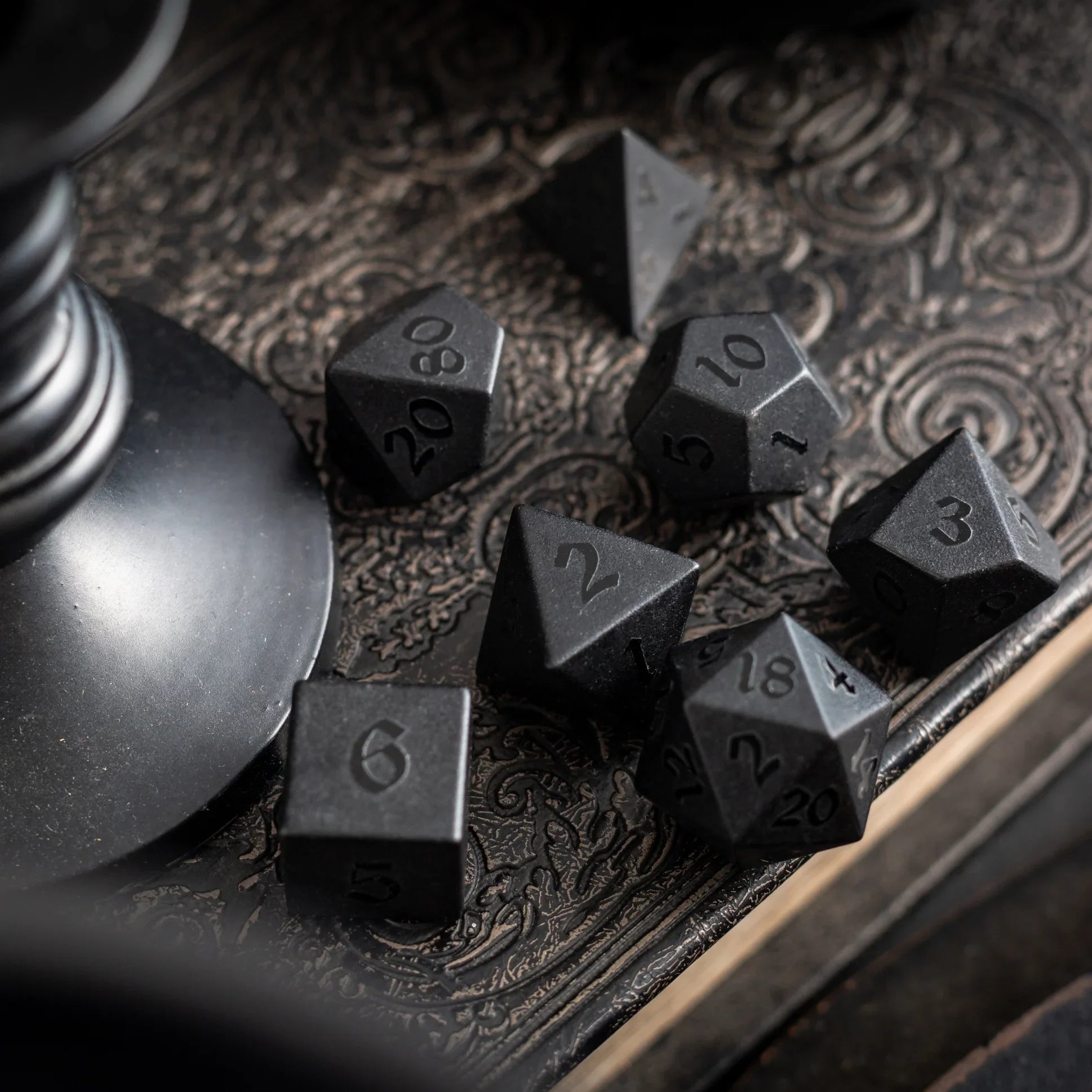
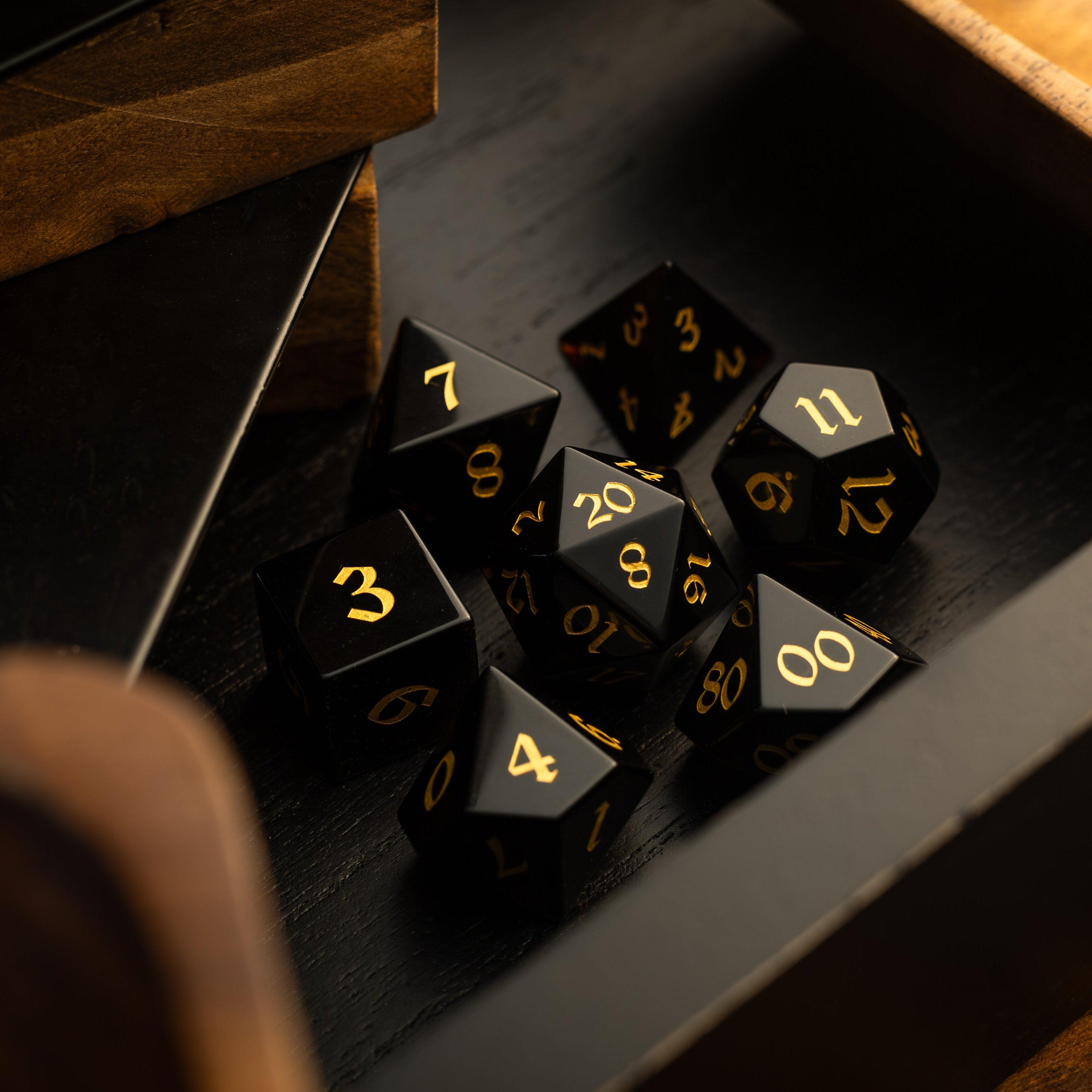
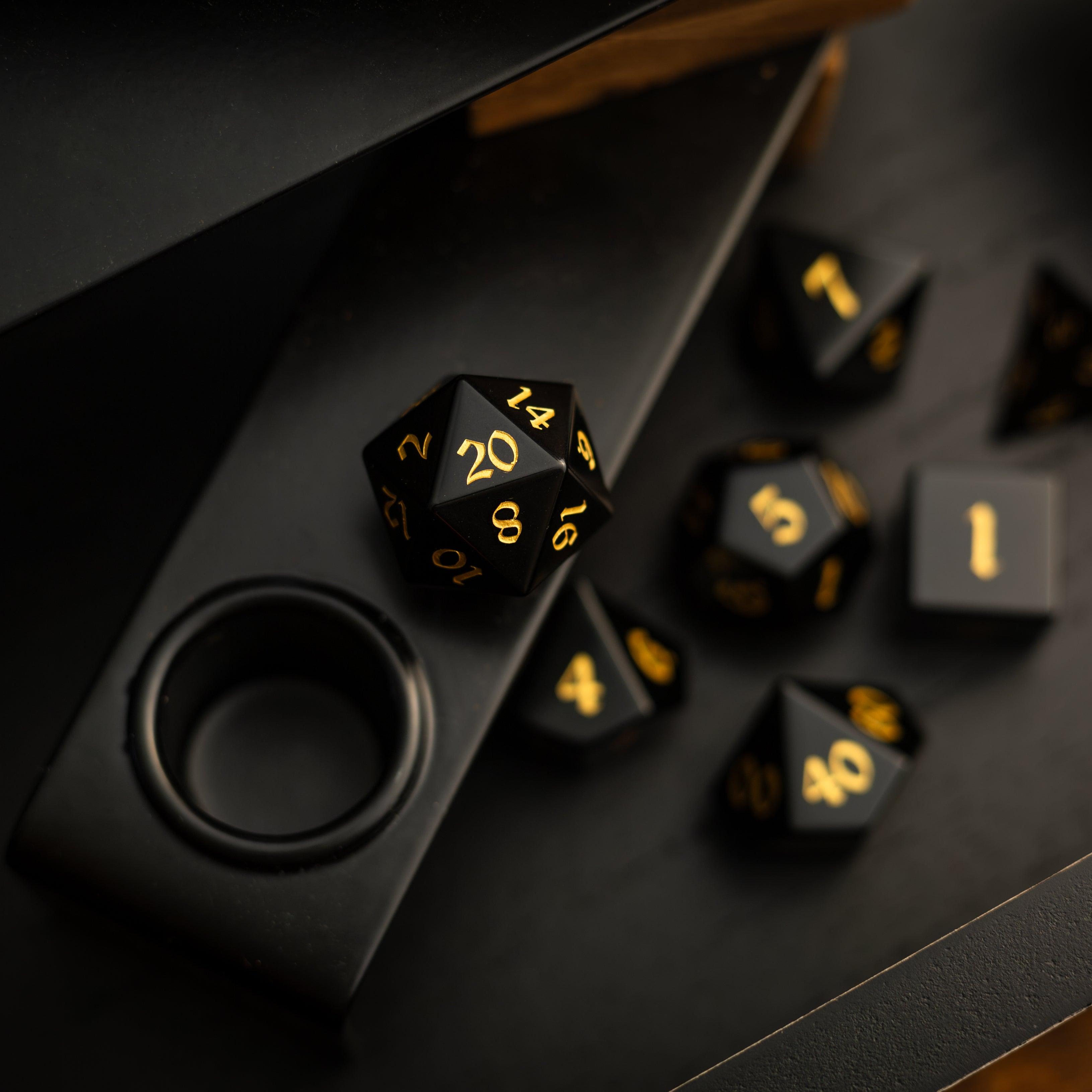
A sorcerer gripping glowing gemstone dice during a dramatic spell roll or a wizard using swirling resin dice beside stacks of spell cards can subtly reinforce the fantasy experience around the table. Small details like that help every spellcasting moment feel special.
Conclusion
Spellcasting in D&D 5e becomes far less intimidating once you understand the basics behind verbal, somatic, and material components.
More importantly, those components are what make magic feel alive.
The whispered incantations. The glowing hand gestures. The strange ritual ingredients scattered across a candlelit table. These details transform simple mechanics into unforgettable fantasy storytelling.
The next time your character casts a spell, take a moment to imagine how the magic actually appears in the world. Describe the sparks, the chants, the swirling energy, or the eerie silence before the spell erupts into action.
That is where D&D spellcasting truly shines.


Leave a comment
This site is protected by hCaptcha and the hCaptcha Privacy Policy and Terms of Service apply.