

Smart DnD adventure recommendations for your next quest
Updated on: February 26, 2026
Looking for your next epic campaign? Whether you're a seasoned dungeon master or just starting out, finding the right adventure can make or break your gaming experience. This guide covers some of the best D&D adventure recommendations across different playstyles, difficulty levels, and campaign lengths. We'll help you discover stories that'll keep your party engaged and entertained for months to come.
- Myths vs. Facts About Campaign Selection
- Step-by-Step Guide to Choosing Your Next Adventure
- Frequently Asked Questions
- Summary & Key Takeaways
Myths vs. Facts About Campaign Selection

When it comes to D&D adventure recommendations, there's a lot of misinformation floating around the community. Let's clear up some common misconceptions that might be holding you back from finding your perfect campaign.
Myth: All published adventures are too restrictive and don't allow for player creativity.
Fact: Modern adventures are designed with flexibility in mind. They include sidebars for improvisation, optional encounters, and branching paths that encourage your players to make meaningful choices.
Myth: You need to be an experienced dungeon master to run a published adventure.
Fact: Beginner-friendly adventures like "Lost Mine of Phandelver" are specifically designed with new DMs in mind. They include clear instructions, balanced encounters, and helpful guidance throughout.
Myth: Homebrew campaigns are always better than official adventures.
Fact: Both have merit. Published adventures offer polish, balance, and professional writing, while homebrew campaigns offer personal creativity. Many DMs successfully blend both approaches.
Myth: Long campaigns are always more rewarding than shorter adventures.
Fact: The quality of storytelling matters more than length. A well-crafted adventure that runs for five sessions can be just as memorable as an epic year-long campaign.
Finding the Perfect Adventure for Your Table
Choosing the right D&D adventure recommendations depends on several factors unique to your gaming group. Your party's experience level, available time, and preferred playstyle all matter when making this decision. Let's explore what makes certain adventures shine for different types of players and dungeon masters.
Consider your group's experience first. Newer players benefit from adventures with clear structure and straightforward encounters. Experienced parties might crave complex political intrigue, moral ambiguity, and challenging combat encounters that push them to think strategically. Your adventure should match where your table currently stands, not where you wish it would be.
Time commitment is equally important. Some groups meet weekly for three-hour sessions, while others gather monthly for marathon eight-hour events. Modular adventures allow you to run sessions of various lengths, making them ideal for inconsistent schedules. Knowing your realistic time commitment helps you pick something sustainable rather than abandoning halfway through.
Your party's interests shape everything. Some groups love dungeon delving and monster slaying, while others prefer roleplaying, mystery-solving, and character-driven narratives. Some want political intrigue and faction wars, others crave exploration and discovery. There's no wrong preference, just different paths to enjoyment. The best adventure recommendations align with what genuinely excites your players.
Step-by-Step Guide to Choosing Your Next Adventure
Follow these practical steps to narrow down the perfect campaign for your group.
Step One: Assess Your Group's Level and Experience
Before anything else, know where your party stands. Determine if players are brand new, returning after a break, or veterans of dozens of campaigns. New groups need clear guidance and forgiving mechanics. Experienced groups want challenge and complexity. This assessment directly influences which adventures will resonate with your table.
Step Two: Define Your Time Commitment
Have an honest conversation about how long your campaign should run. Are you looking for something you can complete in three months? Six months? A year or longer? Do you want a series of connected adventures or one epic saga? Clear expectations prevent frustration and abandoned campaigns.
Step Three: Identify Your Party's Playstyle Preferences
Talk with your players about what excites them most. Combat-focused groups might love tactical dungeon encounters with interesting terrain. Narrative-focused groups prefer rich storytelling and character moments. Exploration-focused groups want discovery and mystery. Most groups enjoy a mix, but knowing the balance your party prefers guides your selection significantly.
Step Four: Research Multiple Options
Don't settle on the first adventure that catches your eye. Read reviews from other dungeon masters, watch preview videos, and flip through the actual books if possible. Browse community recommendations to see what's working at other tables. Spend time with your options before committing.

Step Five: Consider Supplemental Materials
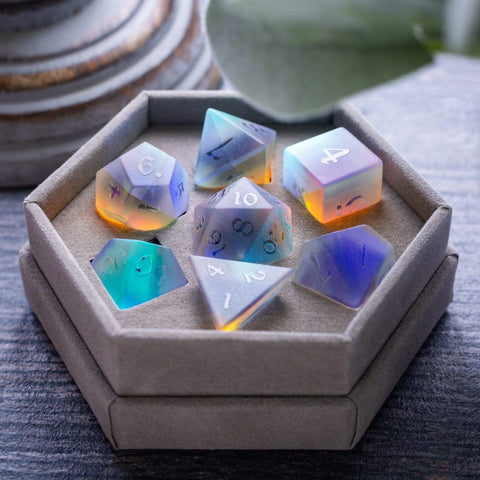
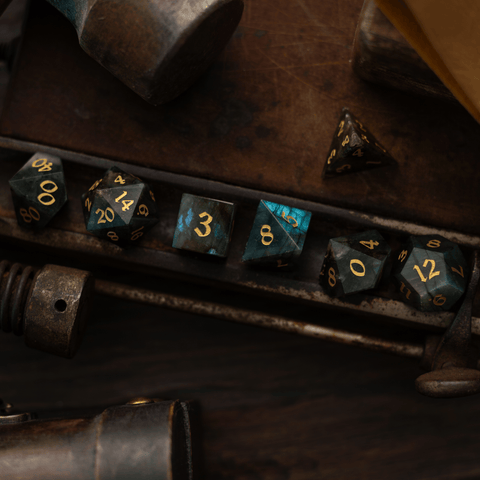
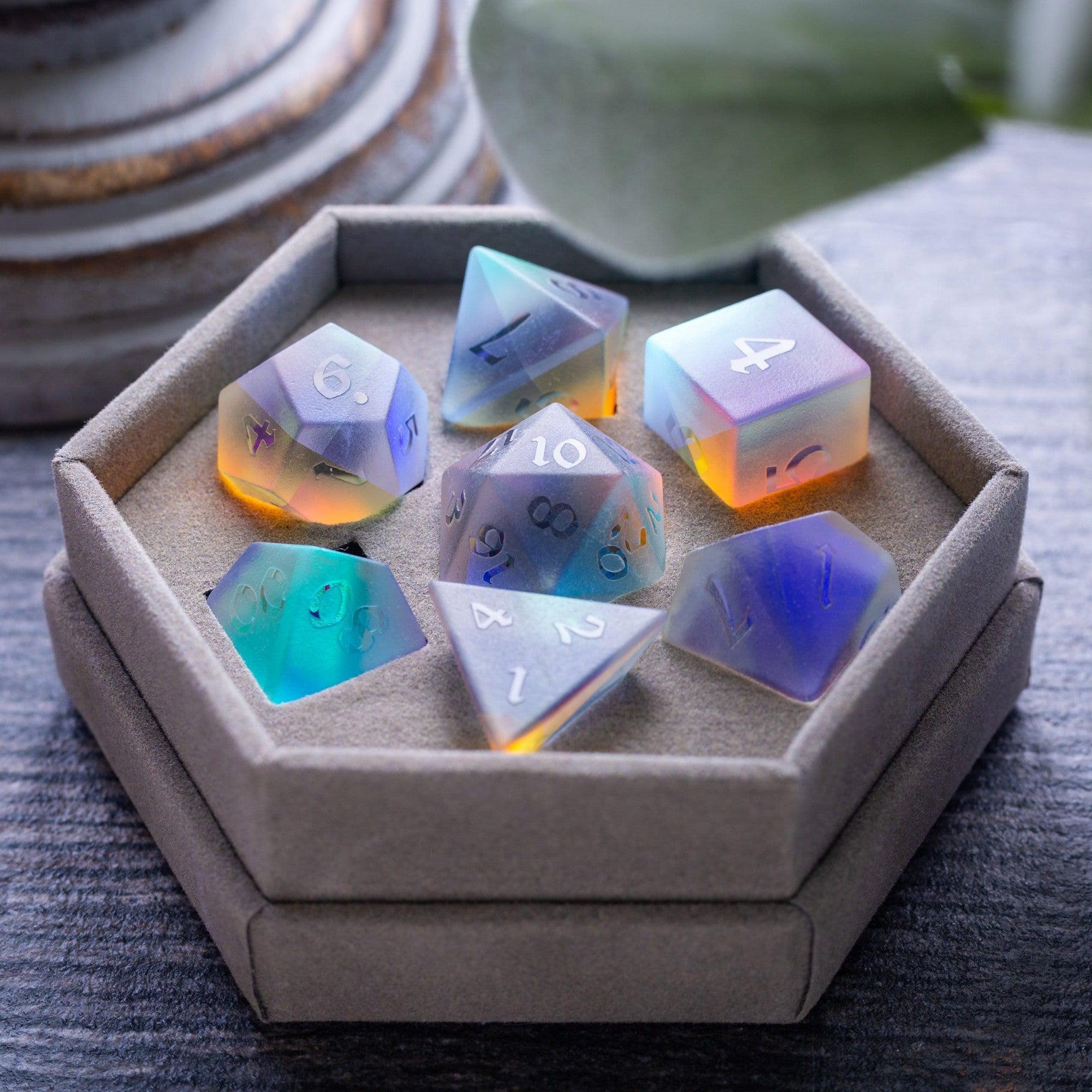
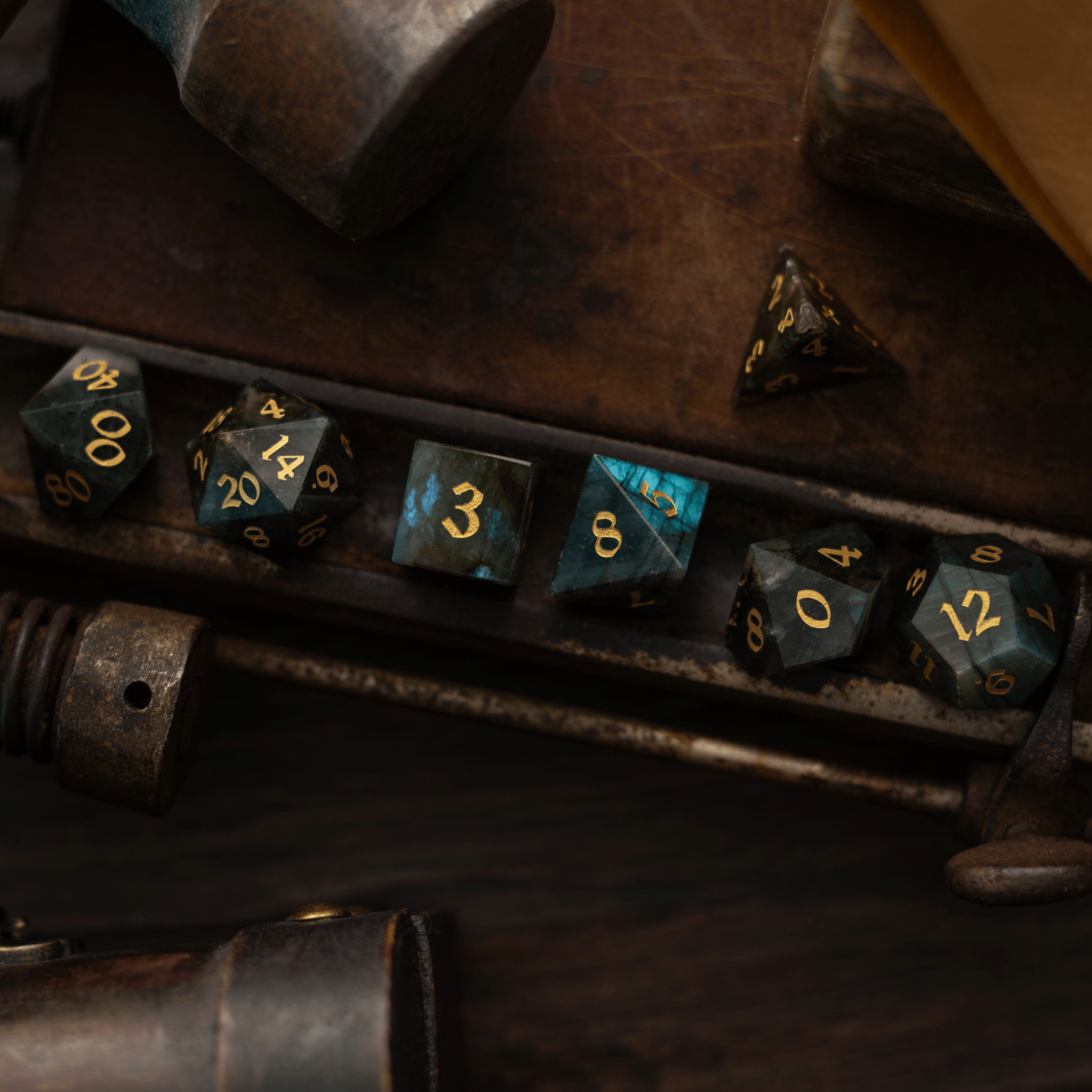
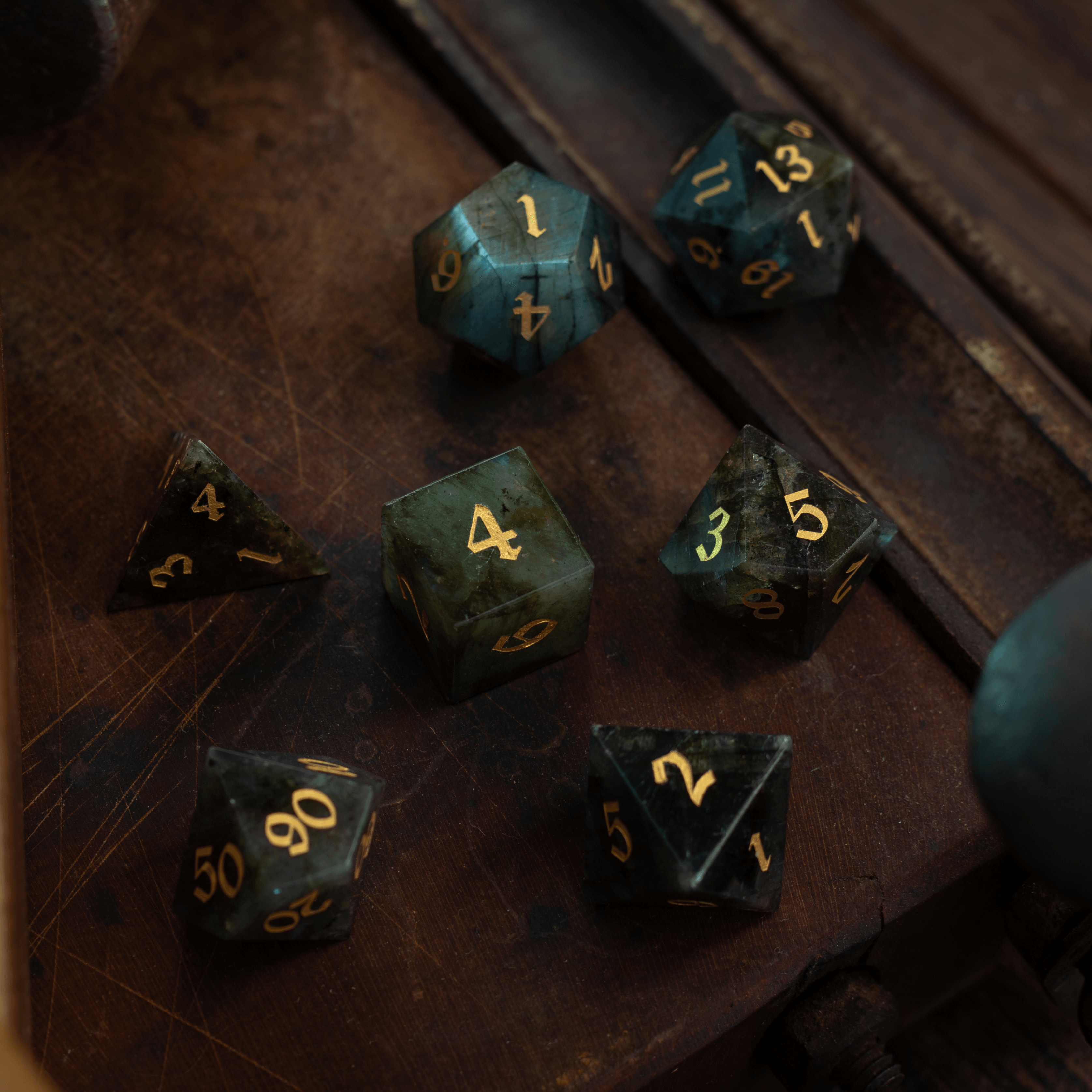
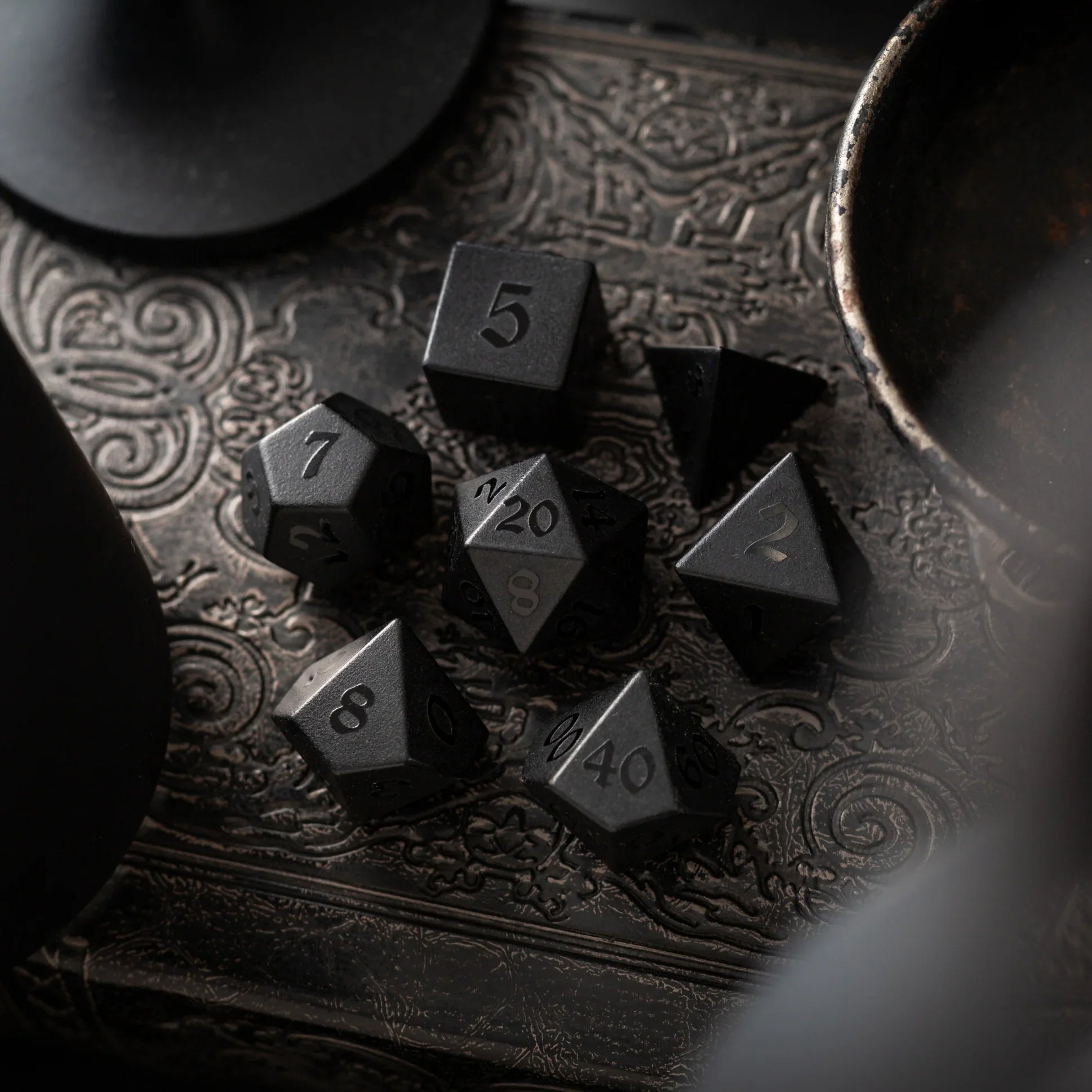
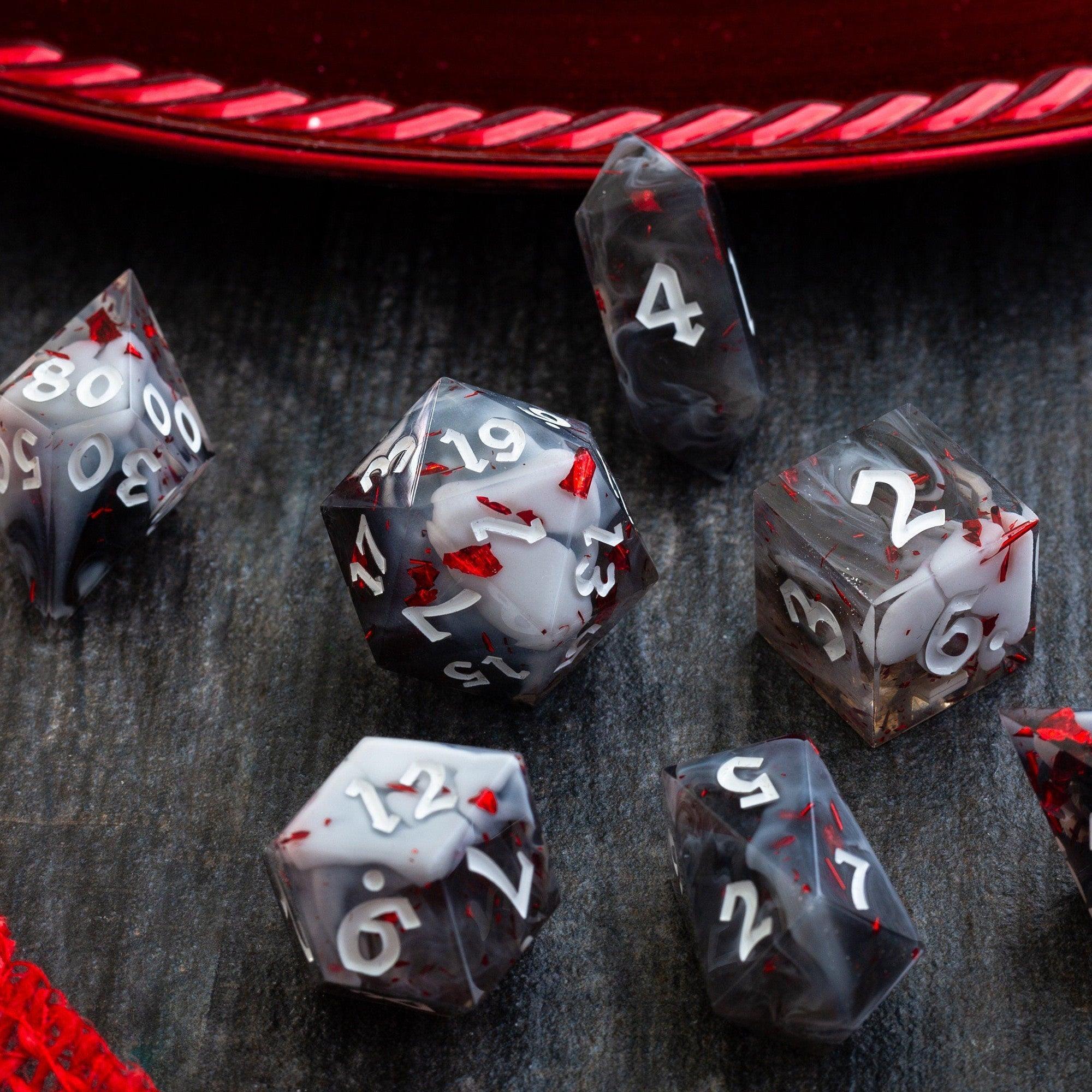
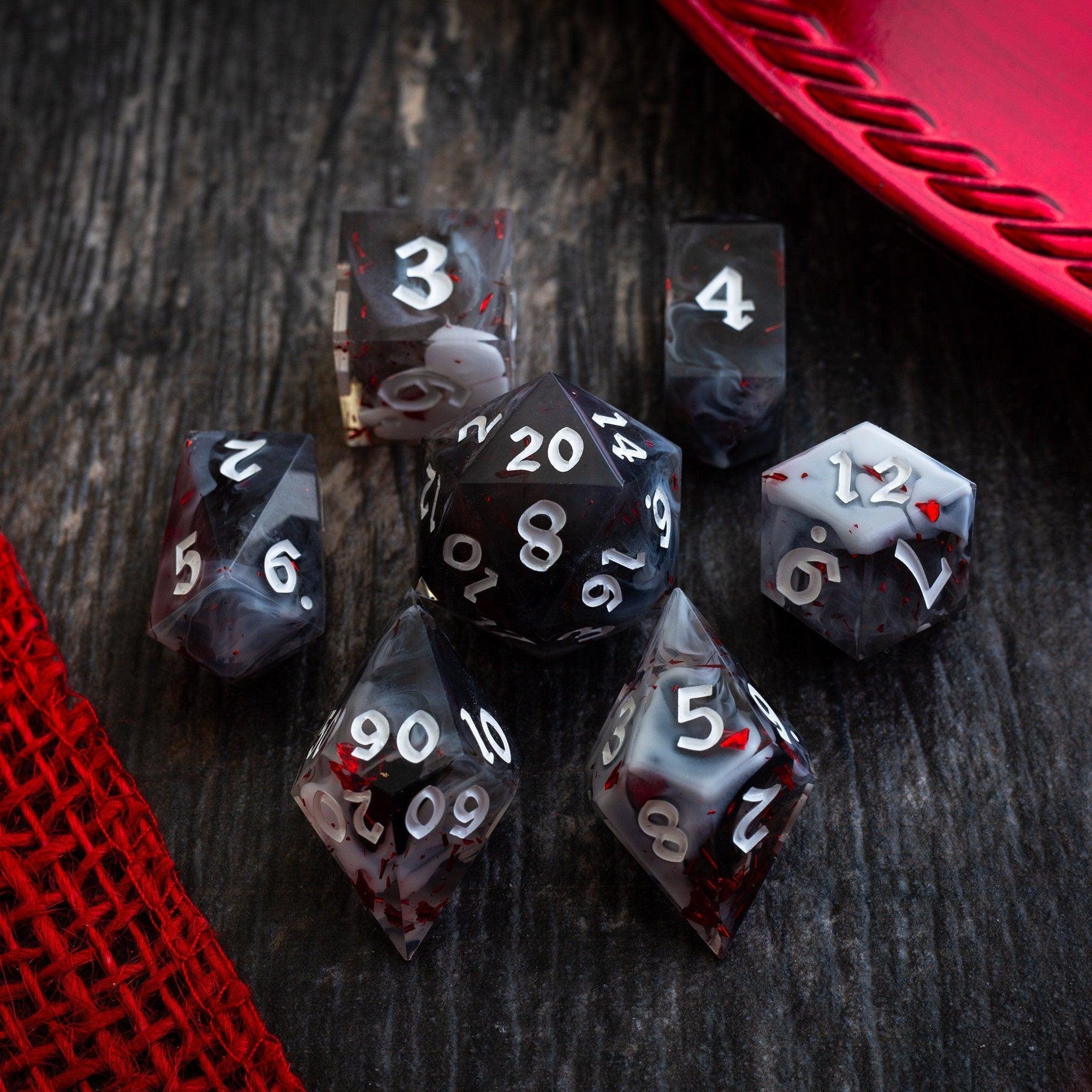
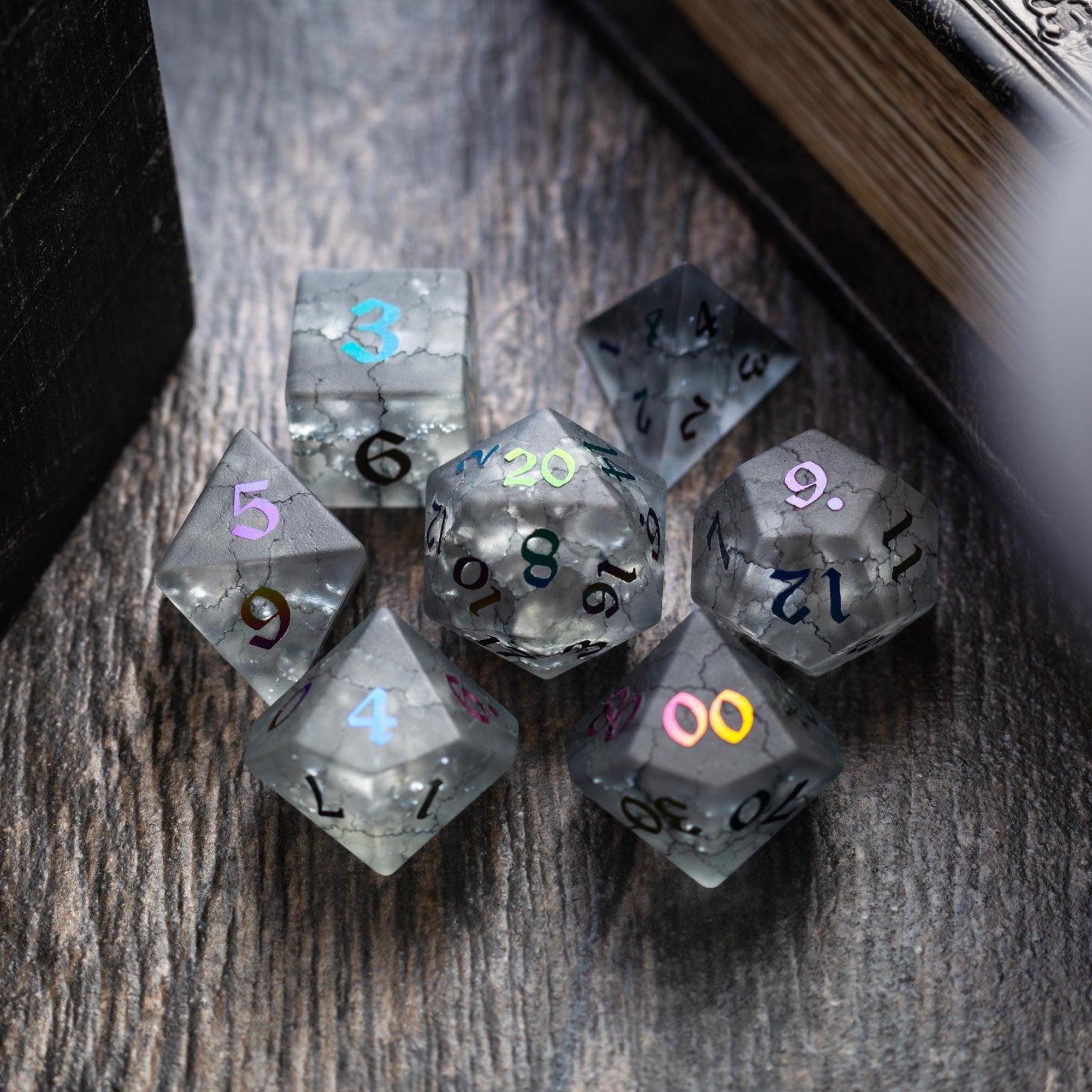
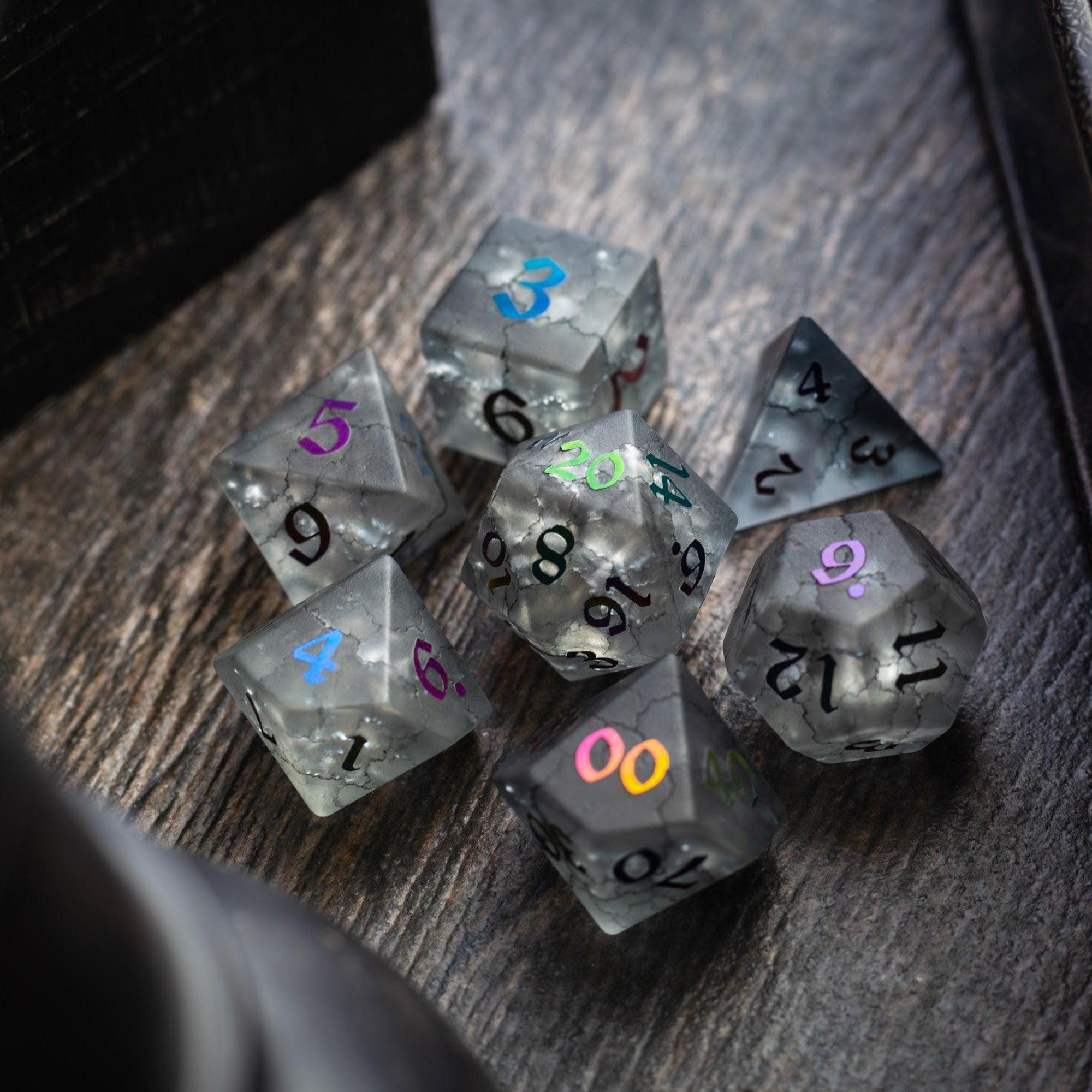
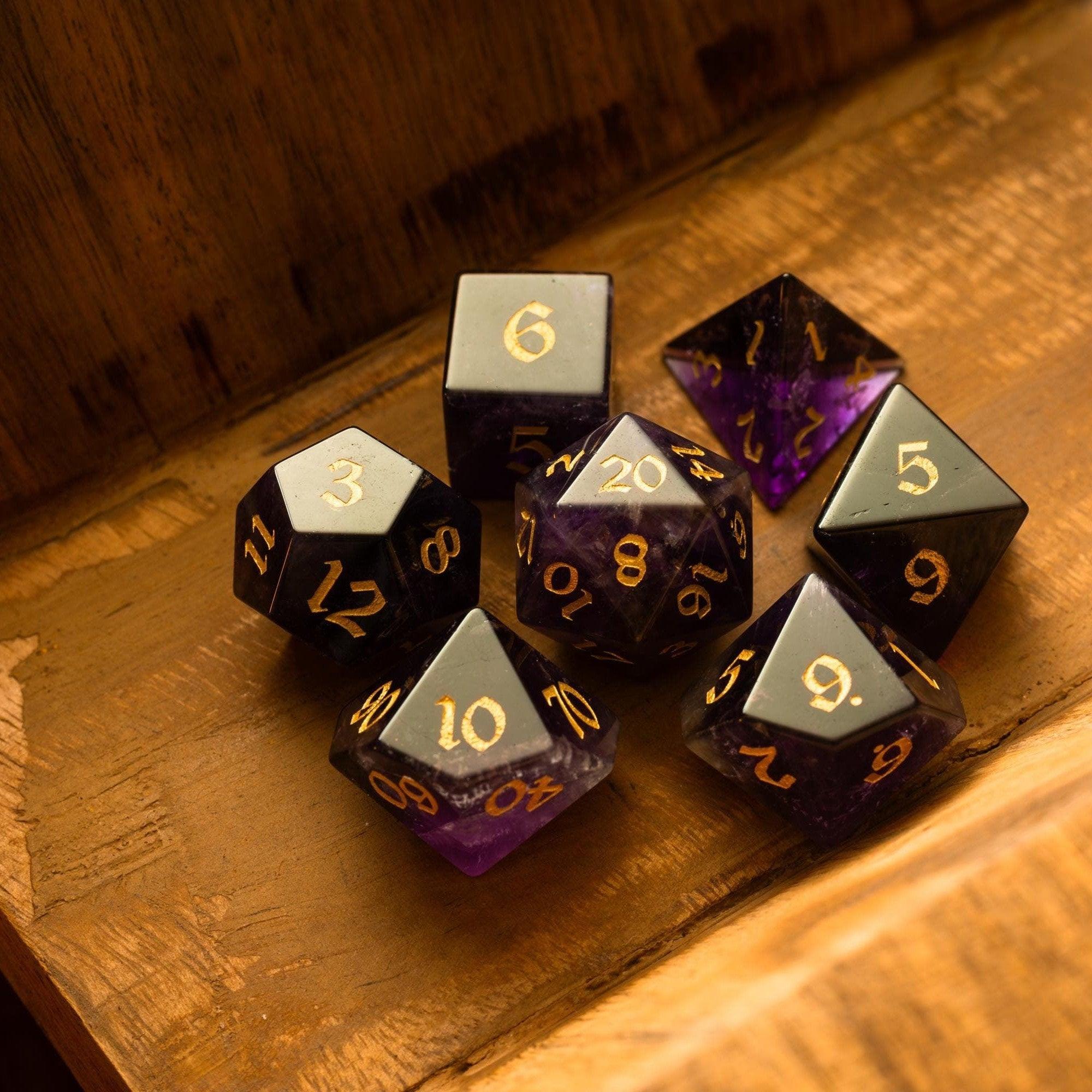
Some adventures work beautifully with thematic gaming components. Quality dice can enhance your storytelling, and specialized dice sets add atmosphere to crucial moments. Consider dice that match your adventure's tone—darker themes pair well with obsidian sets, while mystical campaigns benefit from gemstone collections.
Step Six: Prepare Your Customization Plan
Accept that you'll modify parts of any adventure. Plan what you'll change before running, whether that's adjusting difficulty, adding personal NPCs, or reshaping plot hooks to fit your world. This preparation prevents scrambling mid-session.

Popular Adventure Types and Their Best Uses
Different adventures serve different purposes in your D&D journey. Understanding what each type offers helps you pick the right one for your current needs.
Linear dungeon crawls work beautifully for newer players because they provide clear direction and straightforward challenges. Players enter, explore rooms, defeat monsters, and find treasure. The simplicity doesn't mean boring—excellent dungeon design creates memorable moments through clever trap placement, interesting room layouts, and creative encounters.
Sandbox adventures give players freedom to explore and make choices that actually matter. These work best for experienced groups comfortable with less structure. They reward player creativity and allow for unexpected solutions to problems. However, they demand more preparation and improvisation from your dungeon master.
Story-driven campaigns weave complex narratives with multiple factions, NPCs, and moral choices. They appeal to groups that want their decisions to reshape the world. These adventures typically work best over longer campaign arcs where consequences accumulate and character relationships deepen.
Episodic adventures offer self-contained stories that connect loosely. Perfect for groups with inconsistent attendance, these adventures let players enjoy meaningful sessions without requiring everyone every week. You can run one episode with whoever shows up, then continue with new members next session.
Frequently Asked Questions
How do I know if an adventure is too difficult for my party?
Check the recommended character levels and compare them to your actual party composition. Read encounter-building guidelines and calculate adjusted XP thresholds. Most published adventures include difficulty guidance. If uncertain, start slightly easier than recommended—you can always increase challenge as the campaign progresses. Watch your players' engagement during combat; if encounters consistently crush them or bore them, difficulty needs adjustment.
Can I modify a published adventure without ruining it?
Absolutely. Published adventures are frameworks, not gospel. Change NPC names to match your world, adjust encounter difficulty, add sidequests, or completely reshape locations. The best dungeon masters use adventures as starting points, not scripts. Your personal touches make stories resonate with your specific group in ways no generic adventure ever could.
What's the best adventure for a group that's never played D&D before?
Start with beginner-friendly options designed for new players. Look for adventures with clear instructions for dungeon masters, balanced first encounters, and straightforward story hooks. These teach game mechanics naturally while remaining engaging. After completing a beginner adventure, your group has experience to tackle more complex campaigns. Many recommend quality dice sets for that first game—using beautiful components creates memorable first experiences.
How long should my first campaign run?
Aim for eight to twelve sessions for your first campaign. That's typically two to three months of weekly play. Long enough to develop meaningful stories and character growth, but short enough to provide closure and allow pivoting if things aren't working. You can always run a sequel or start something new.
Summary & Key Takeaways
Selecting the right D&D adventure recommendations requires honest assessment of your group's needs, preferences, and constraints. Consider experience levels, time commitment, and playstyle when choosing between countless options. Remember that myths about published adventures being restrictive are false—modern adventures support creativity and player agency beautifully.
Whether you choose linear dungeon crawls, sandbox exploration, narrative-driven campaigns, or episodic adventures, success comes from alignment with your party's interests. Don't hesitate to modify adventures to fit your world and style. The best campaigns blend published material with personal touches.
Start with clear expectations, research your options thoroughly, and commit to building an experience your players will remember for years. Your adventure awaits, and your table is ready for whatever epic story you choose to tell together. Make it meaningful, stay flexible, and enjoy every moment at the table with your fellow adventurers.









Leave a comment
This site is protected by hCaptcha and the hCaptcha Privacy Policy and Terms of Service apply.