
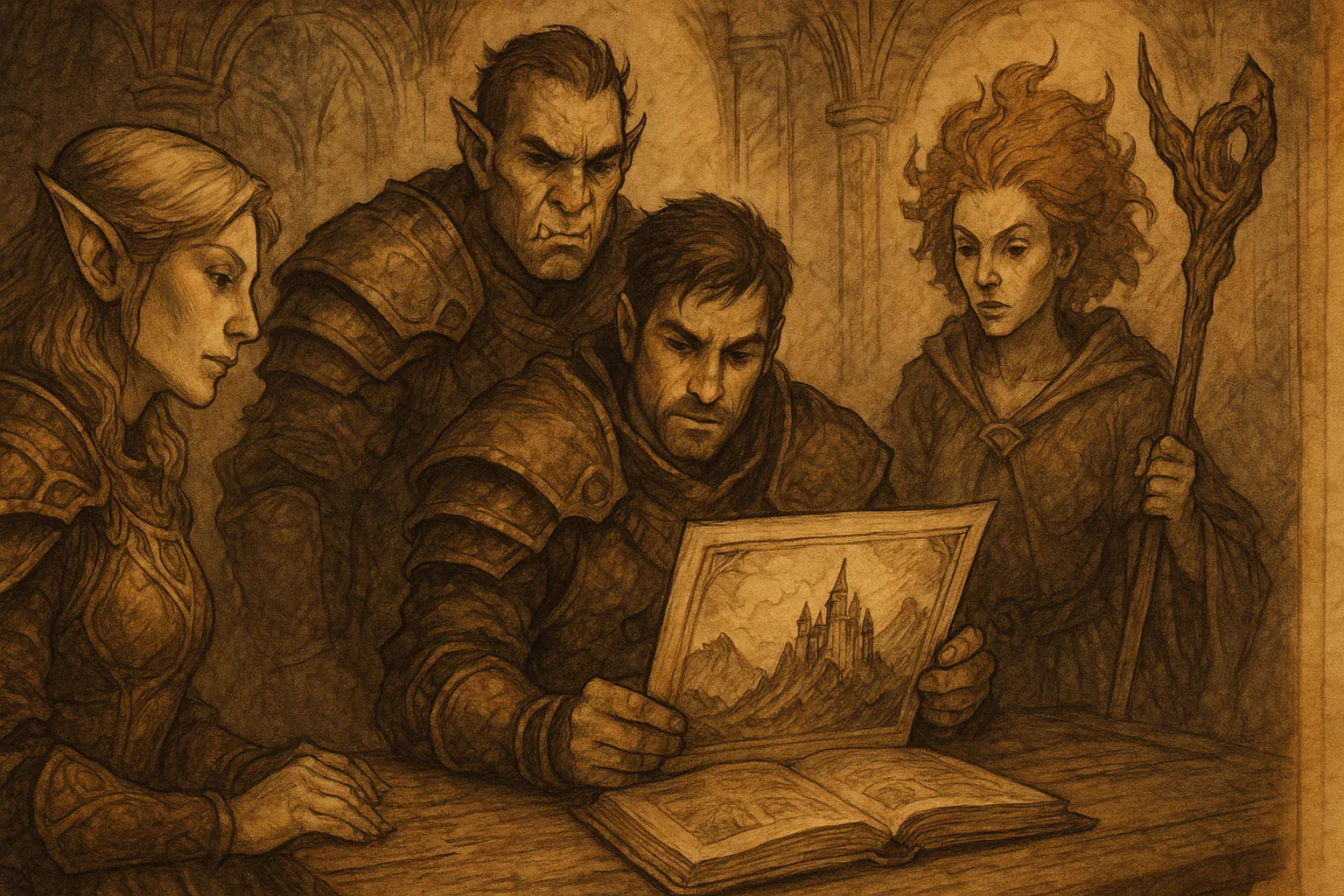
Smart Adventure Module Recommendations for GMs and Players
Updated on: 2025-12-01
- Adventure Module Recommendations: A Simple Framework
- Did You Know?
- Expert Tips
- Personal Anecdote
- Summary & Takeaways
- Q&A
If you’ve ever searched for adventure module recommendations and then felt overwhelmed by the options, you’re not alone. Picking the right scenario can feel like shopping for shoes online—you can’t “try it on” before game night, and the size depends on your table, not just the label. The good news: there’s a practical way to evaluate any module quickly, match it to your group, and minimize prep without sacrificing the fun. Let’s walk through it together.
Adventure Module Recommendations: A Simple Framework
Here’s a field-tested checklist you can run in 10 minutes or less before committing to a module:
- Timebox fit: Confirm the expected runtime and add a buffer. For one-shots, plan a 3-hour module for a 4-hour session. For campaigns, locate natural “chapter breaks” every 2–3 sessions.
- Tone and themes: Is it heroic or grim, whimsical or mysterious? Skim the introductory section and encounter summaries. If the vibe doesn’t match your players’ tastes, move on.
- Difficulty curve: Note level range and encounter density. Look for safety valves (retreat routes, social resolutions, clever bypasses) so you can adapt on the fly.
- Map complexity: If there are sprawling dungeons with many branches, build a quick flowchart. This prevents dead-ends and keeps pacing snappy.
- Player agency: Are there meaningful choices? Modules that support multiple paths are easier to tailor to your party’s instincts.
- Prep-light potential: Count unique NPCs, custom mechanics, and special items. Fewer bespoke elements mean faster setup, especially for short sessions.
- Handouts and props: Check for ready-to-use handouts, maps with labels removed, or quick reference pages. These save time and help immersion.
- Lines and boundaries: Scan for content that might be sensitive. Use a quick check-in with your group so everyone feels comfortable.
If a module hits at least five of these eight points for your table, it’s a strong pick. And if you find a module that’s perfect except for one sticky element, you can swap that piece, reskin it, or reposition it in your world without breaking the story.
Did You Know?
- Most one-shots aim for 8–12 key beats; trimming to 6–8 beats helps groups that love roleplay.
- Many classic “dungeon crawls” play faster if you treat entire rooms as a single scene with two or three dramatic choices.
- Swapping a monster for a same-CR enemy with a clearer story hook often improves table engagement.
- Revealing the end-state early (e.g., “the village floods at midnight”) increases urgency and reduces meandering.
- “Boxed text” works best as bullet points; read, then paraphrase to match your table’s tone.
Expert Tips
- Calibrate encounters: Plan one fewer combat than you think you need; your table will fill the time with exploration and banter.
- Front-load clarity: In the opening five minutes, define the goal, the stakes, and the clock (real or fictional). Clarity creates momentum.
- Use scene clocks: Divide each act into three “ticks.” When a tick completes, raise tension—new clue, rival move, or changing terrain.
- Prep names, not speeches: Keep a list of five NPC names with a one-line motivation. Improv improves when you’re not hunting for names.
- Make loot meaningful: Replace generic rewards with flavorful boons tied to character backstories.
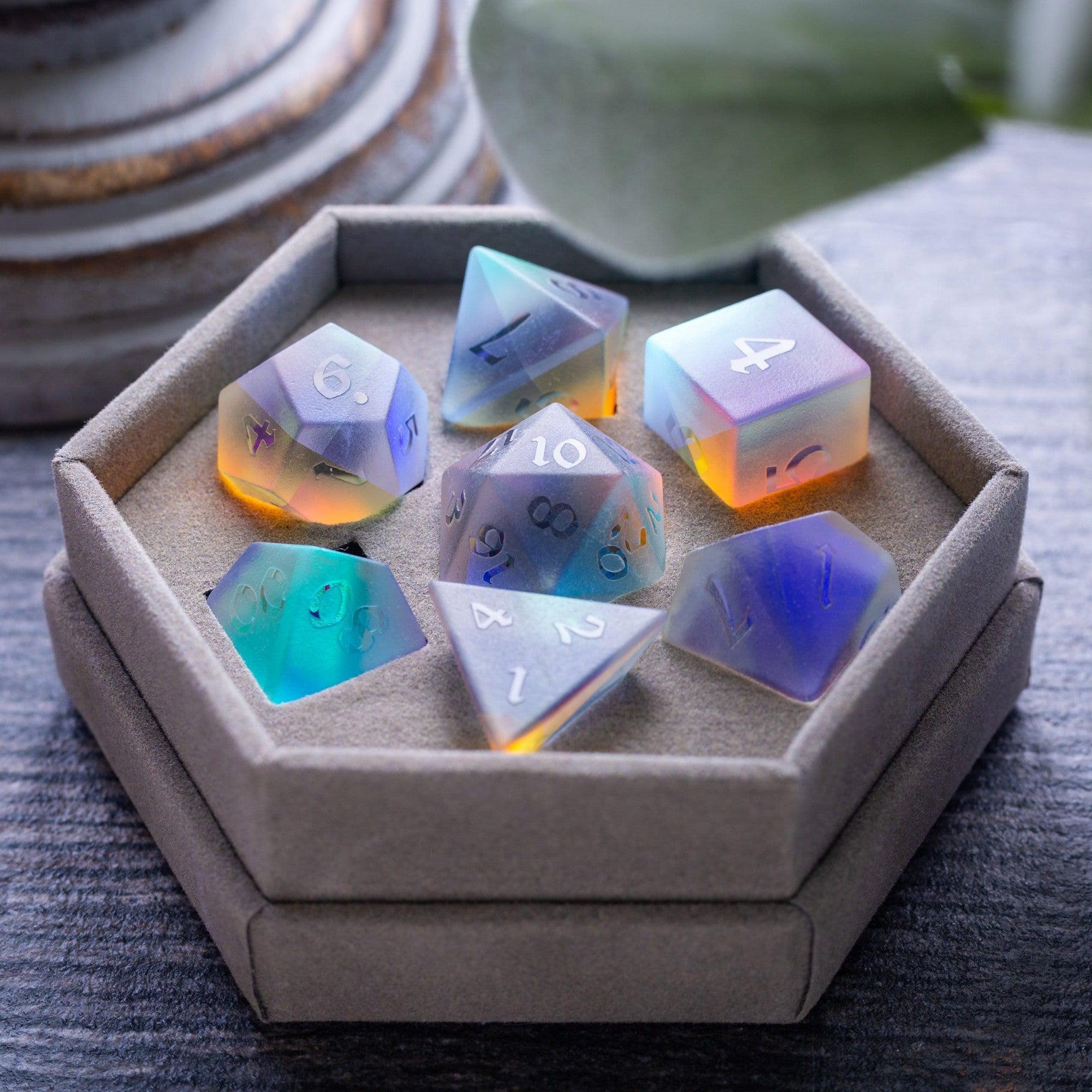
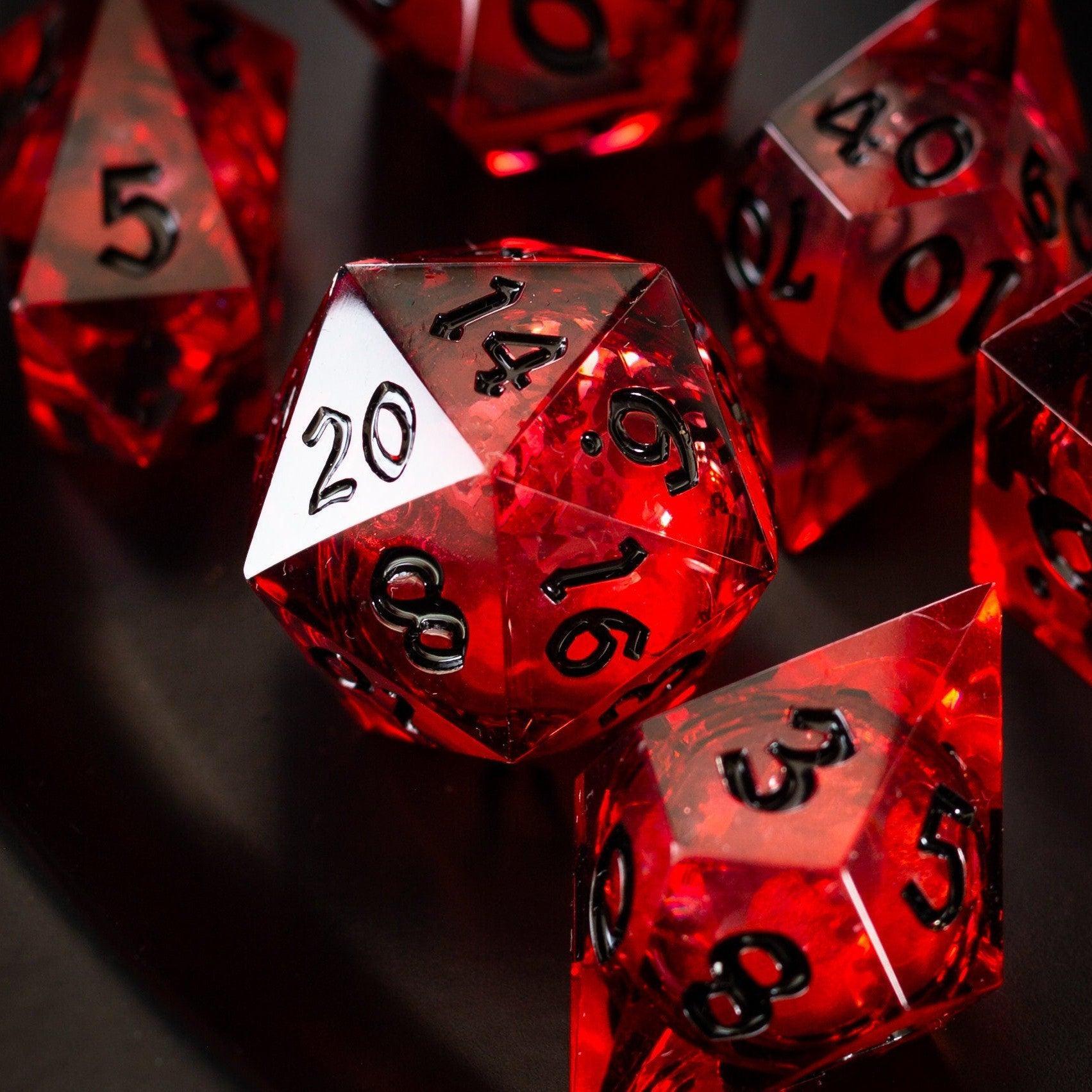
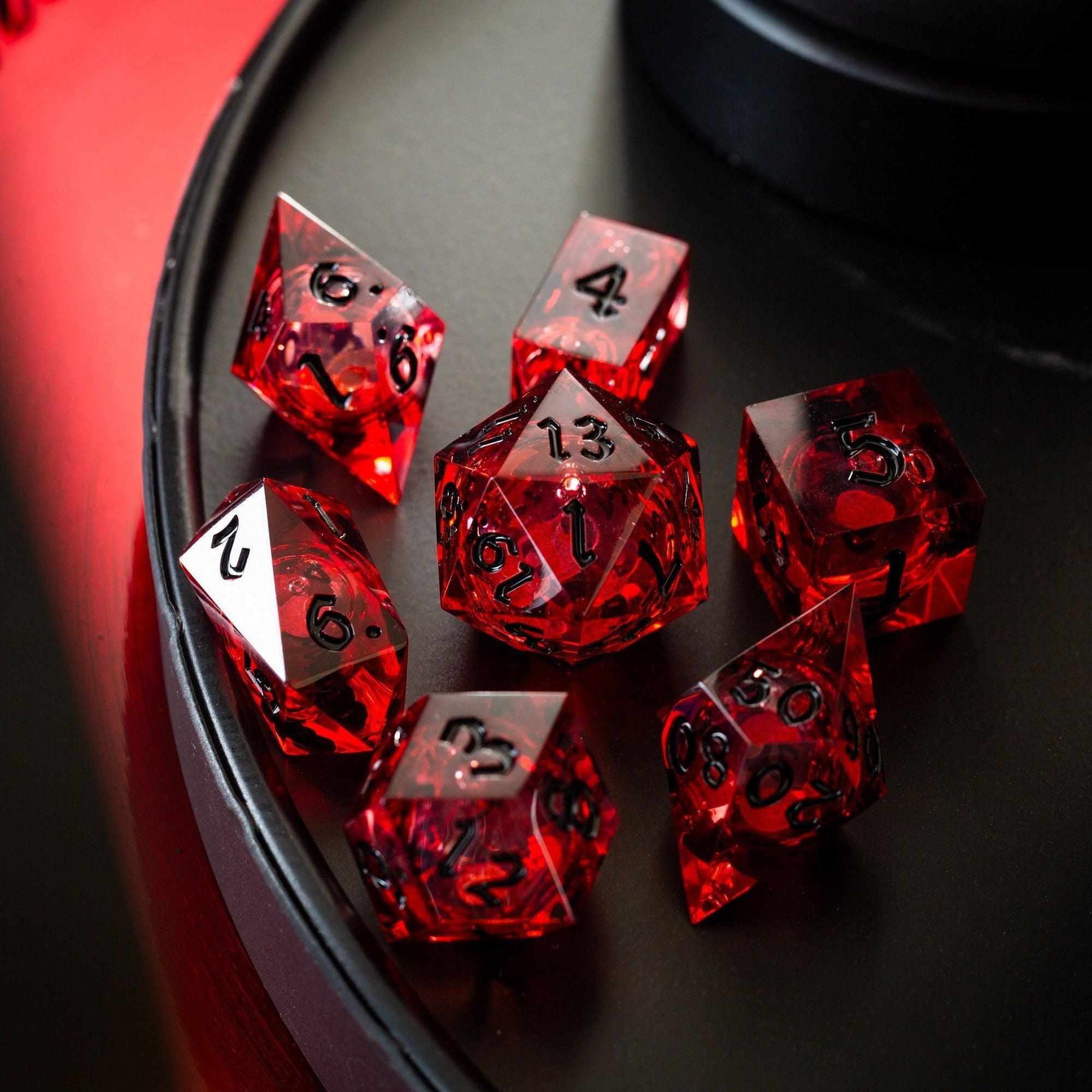
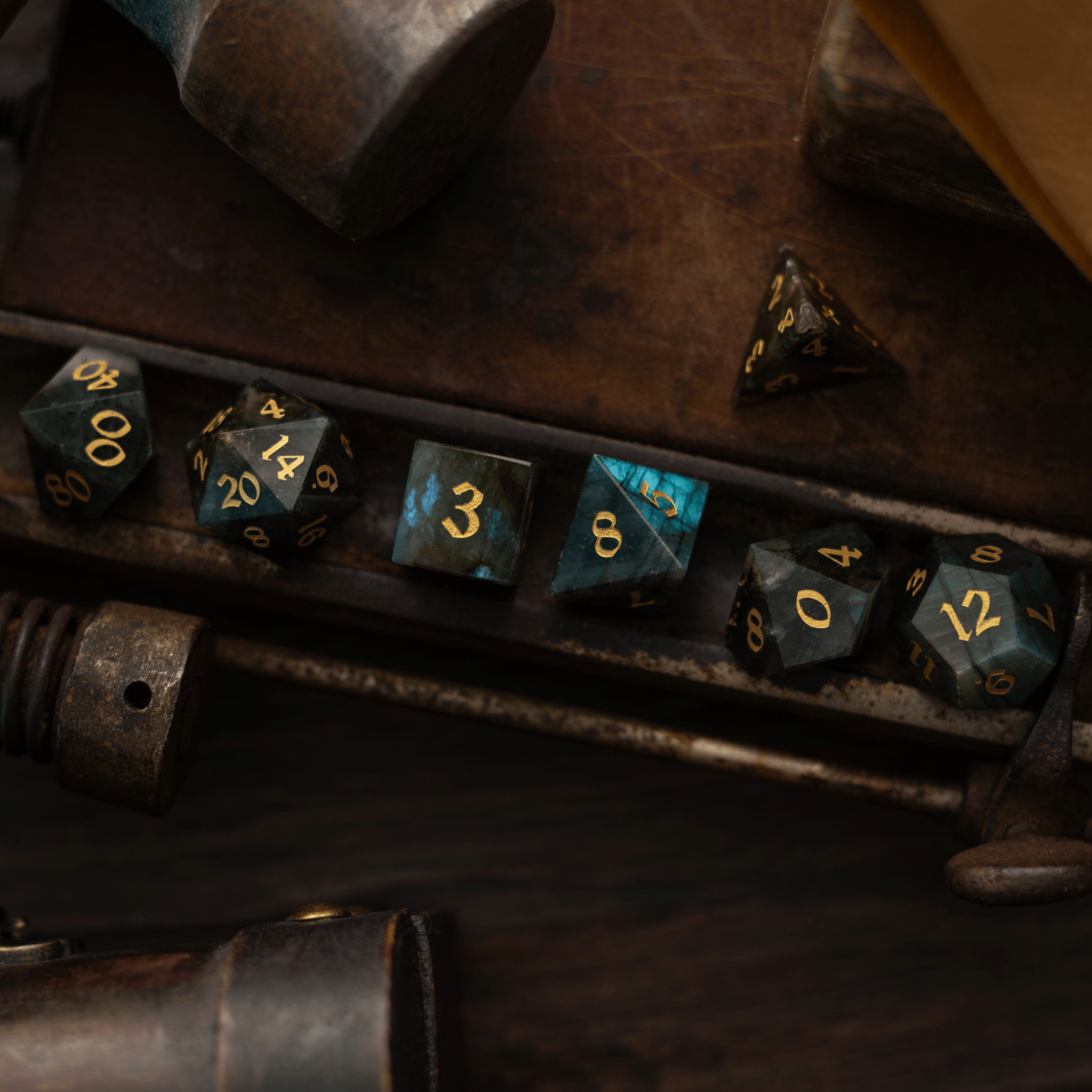
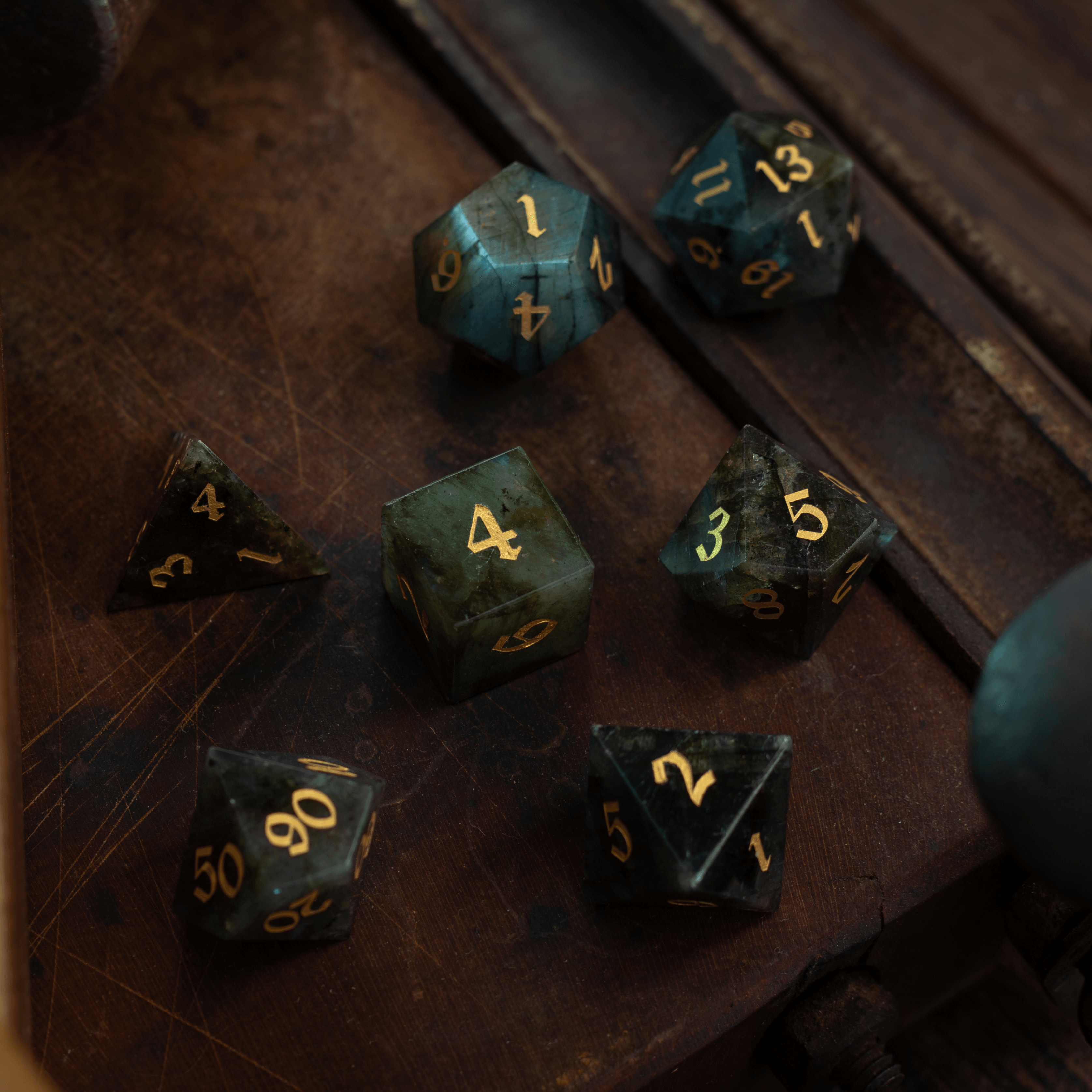
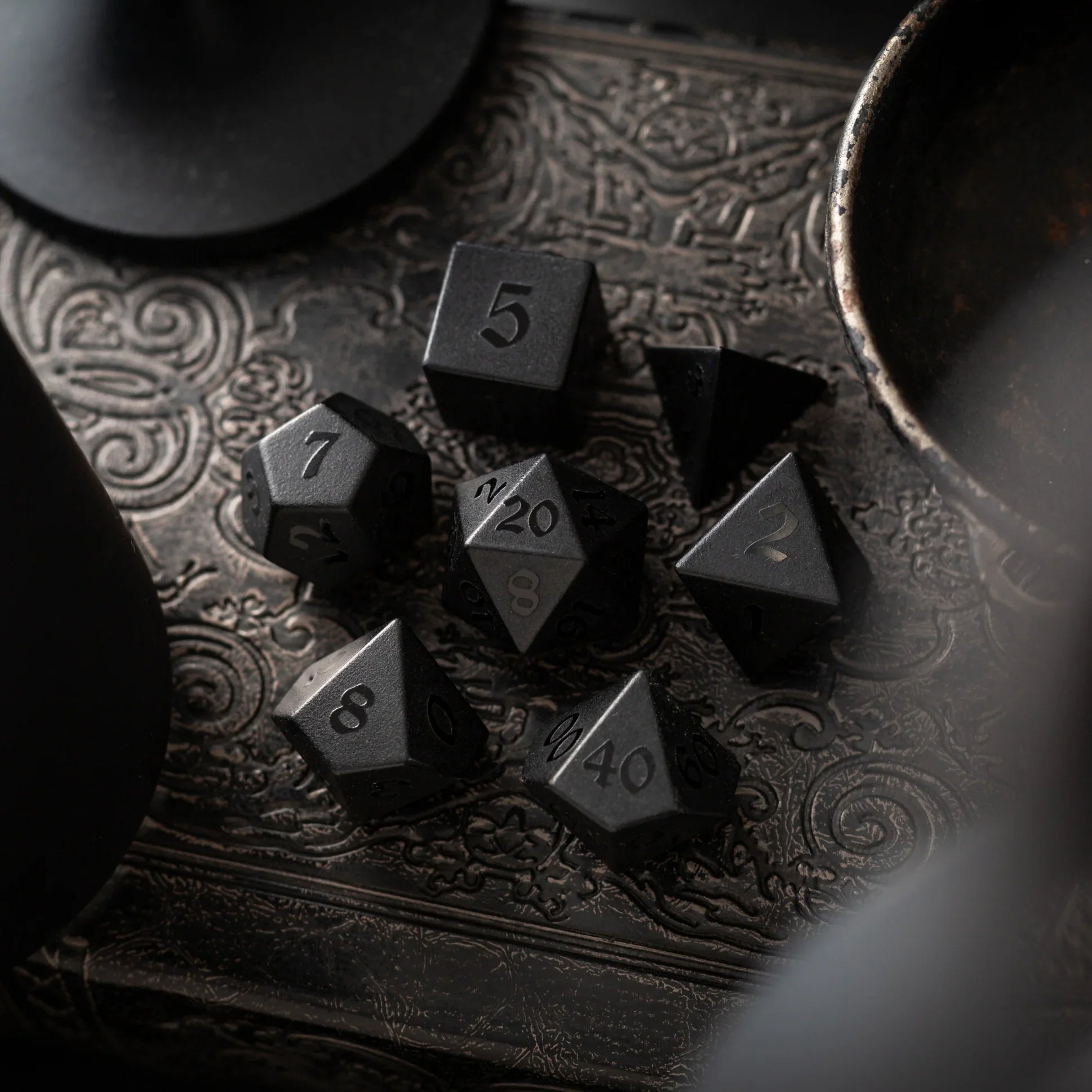
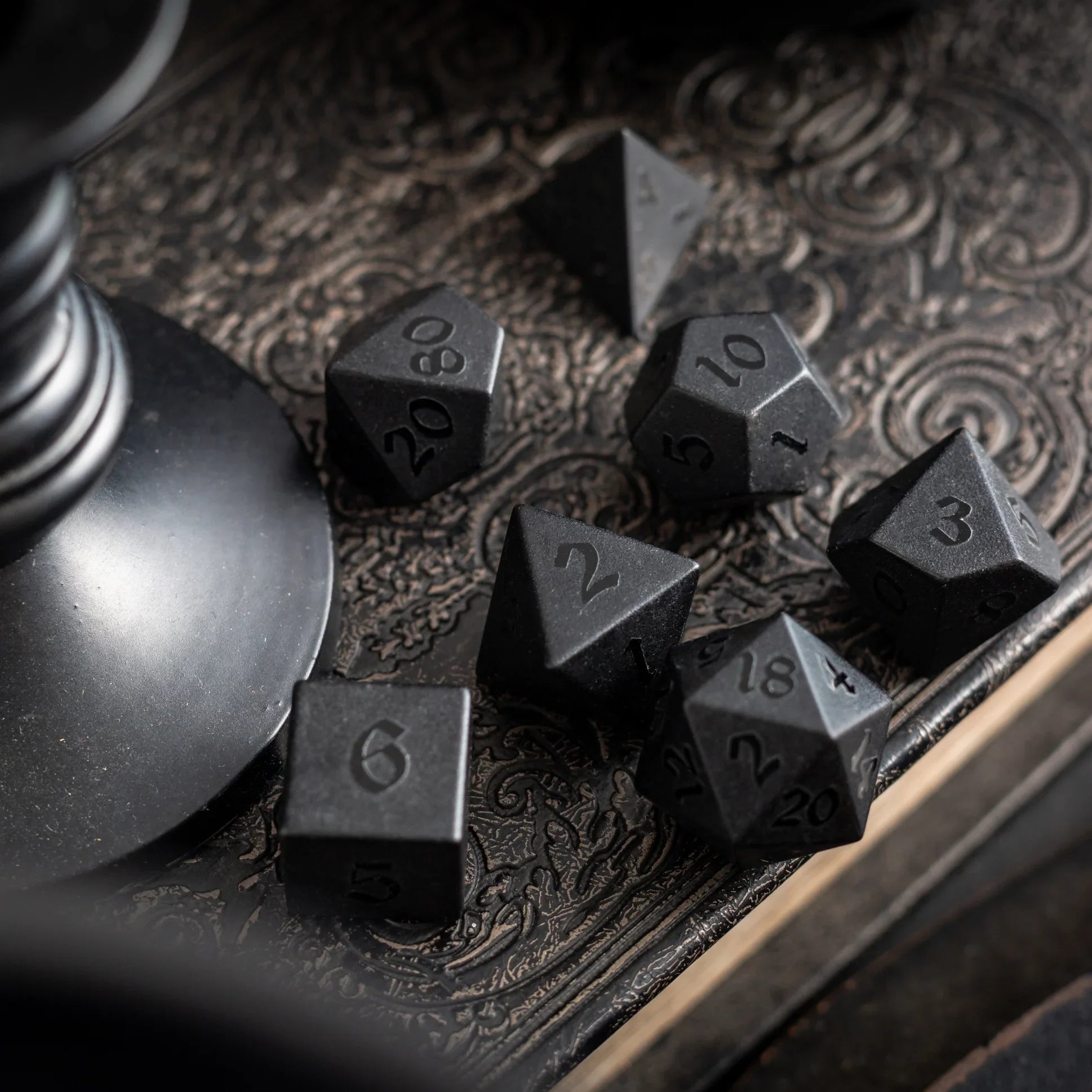
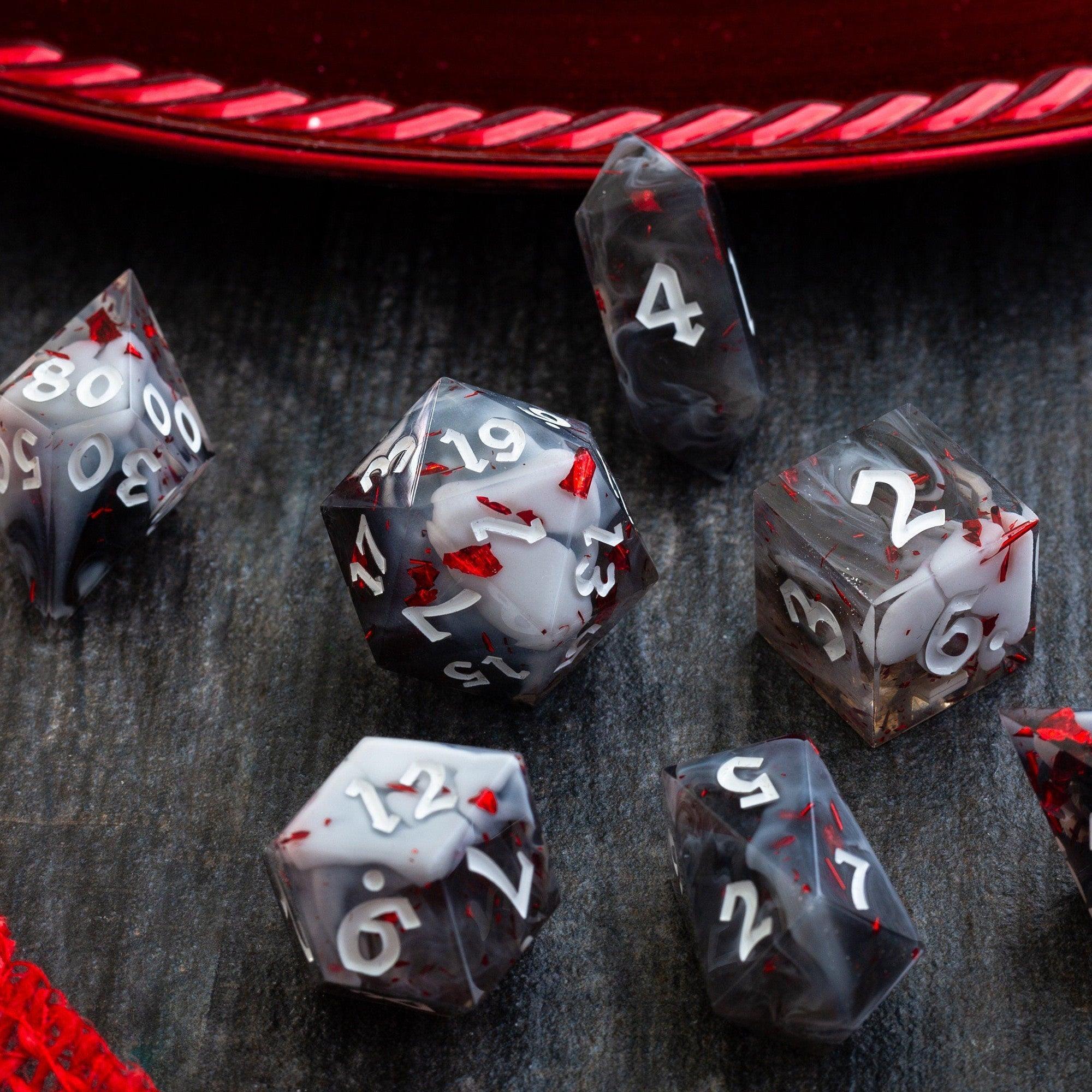
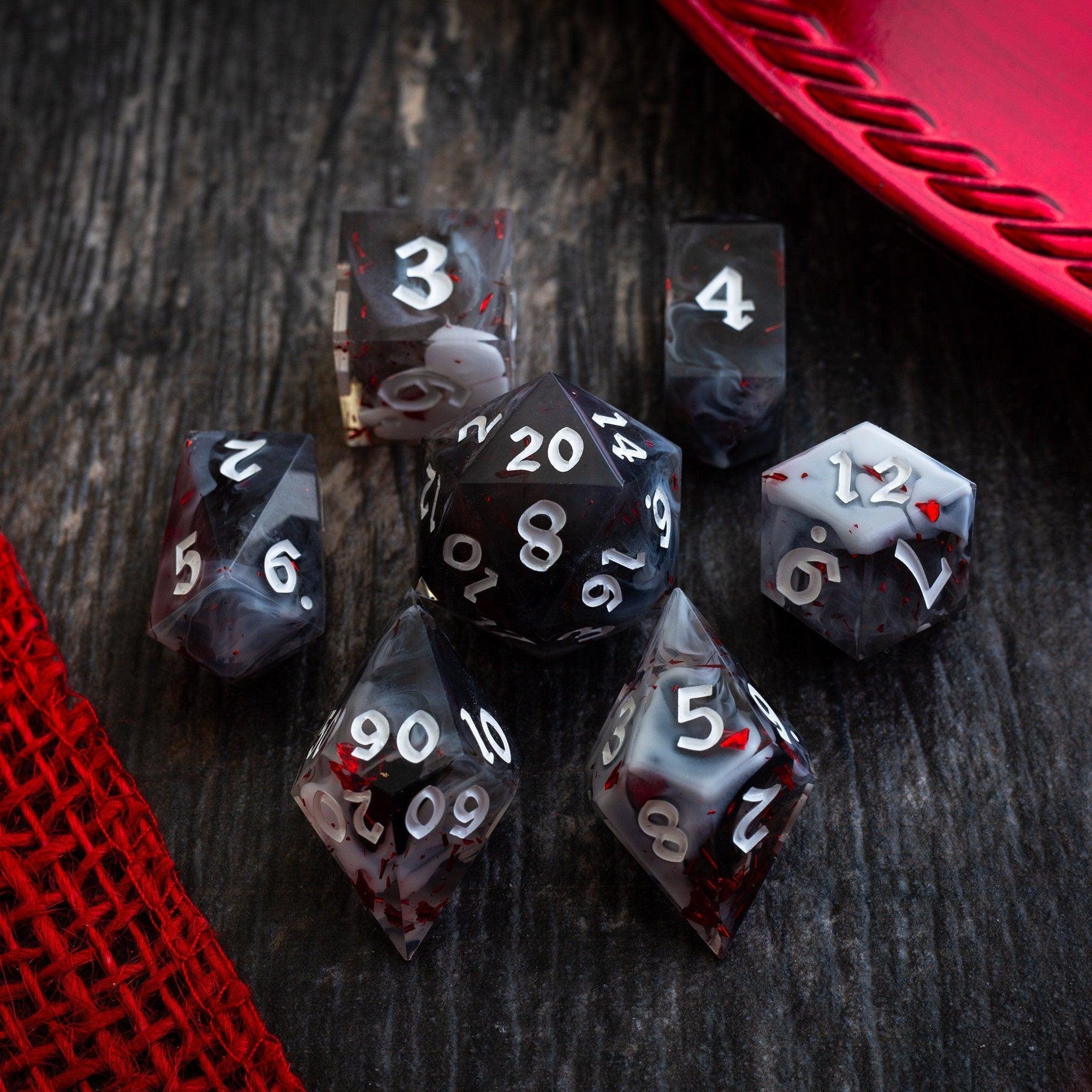
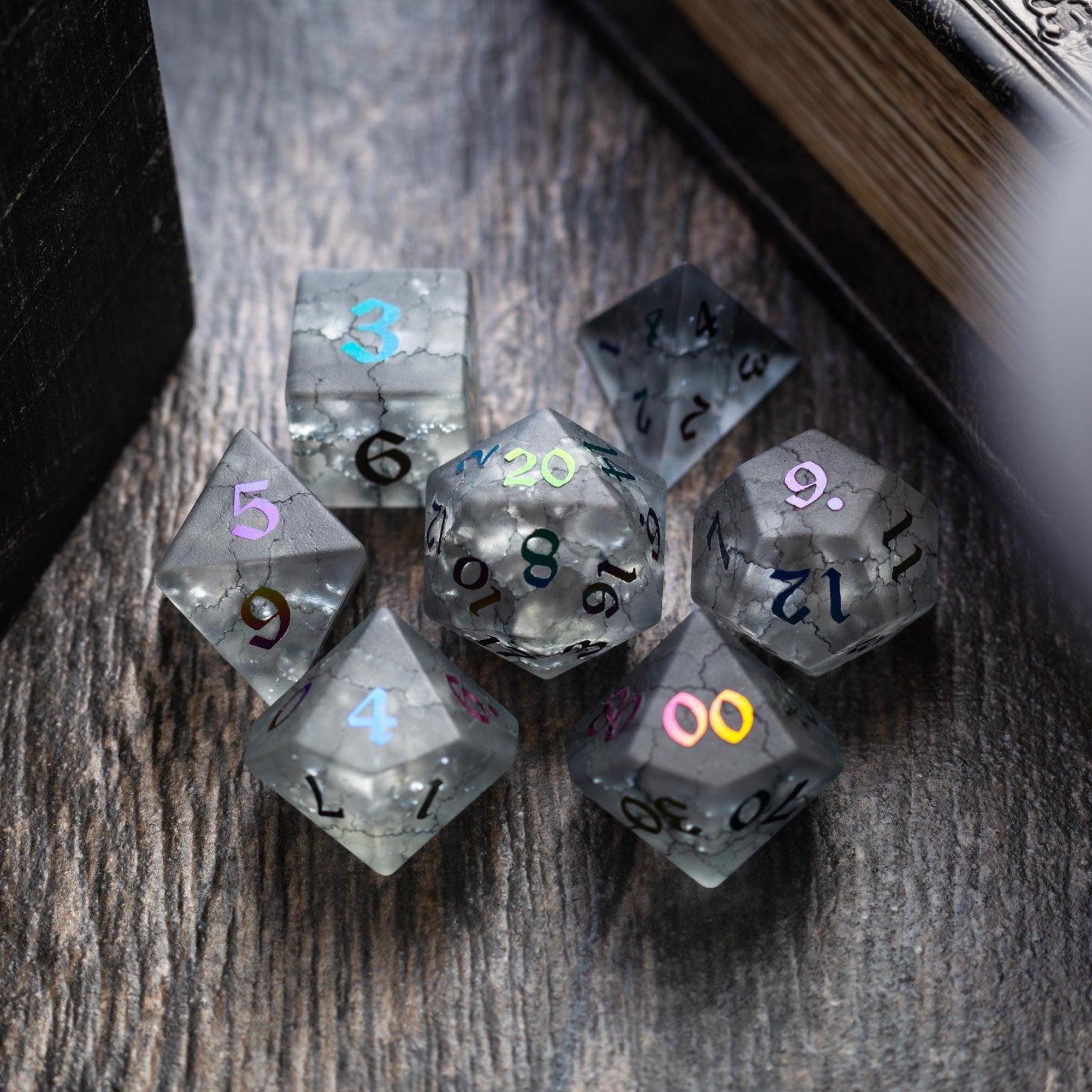
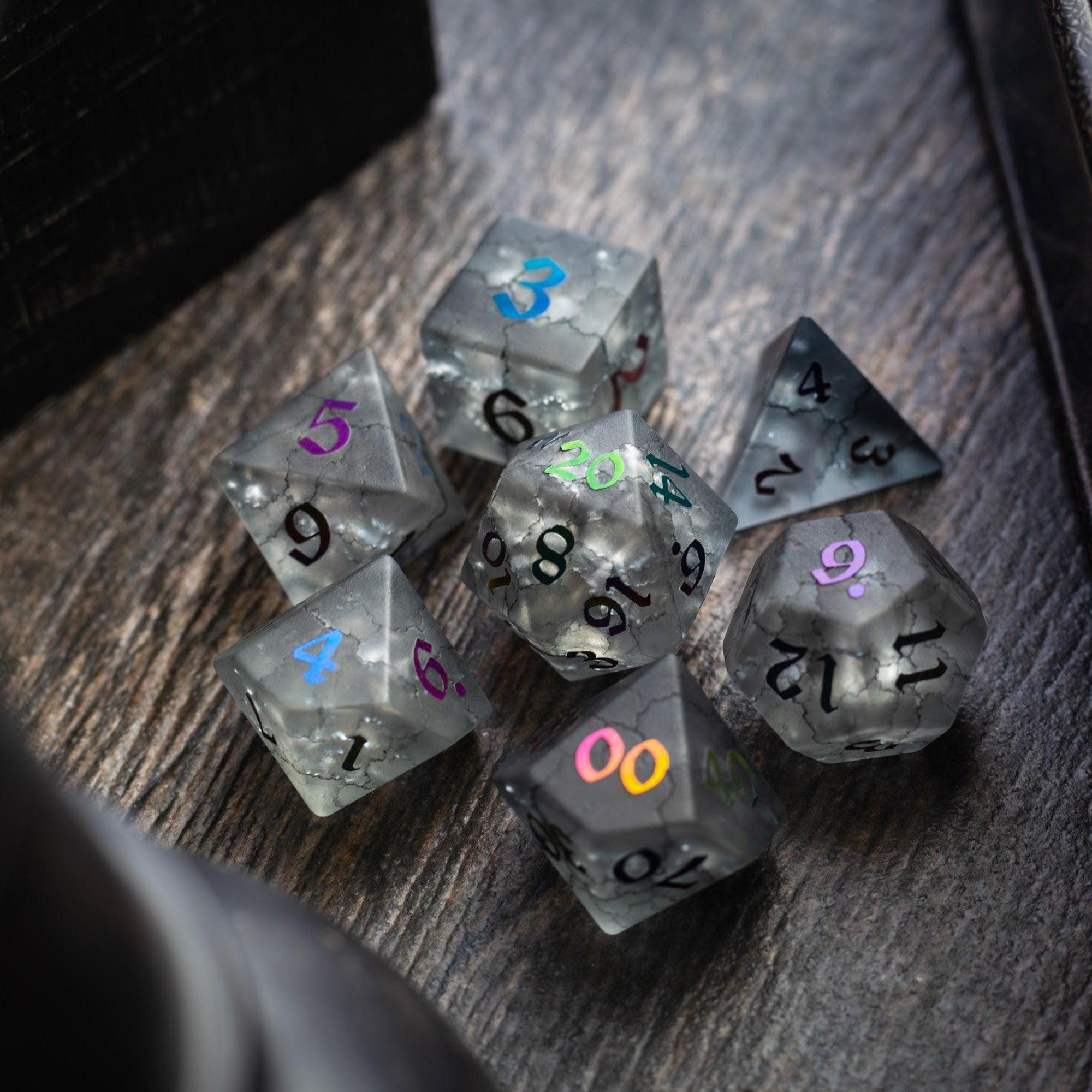
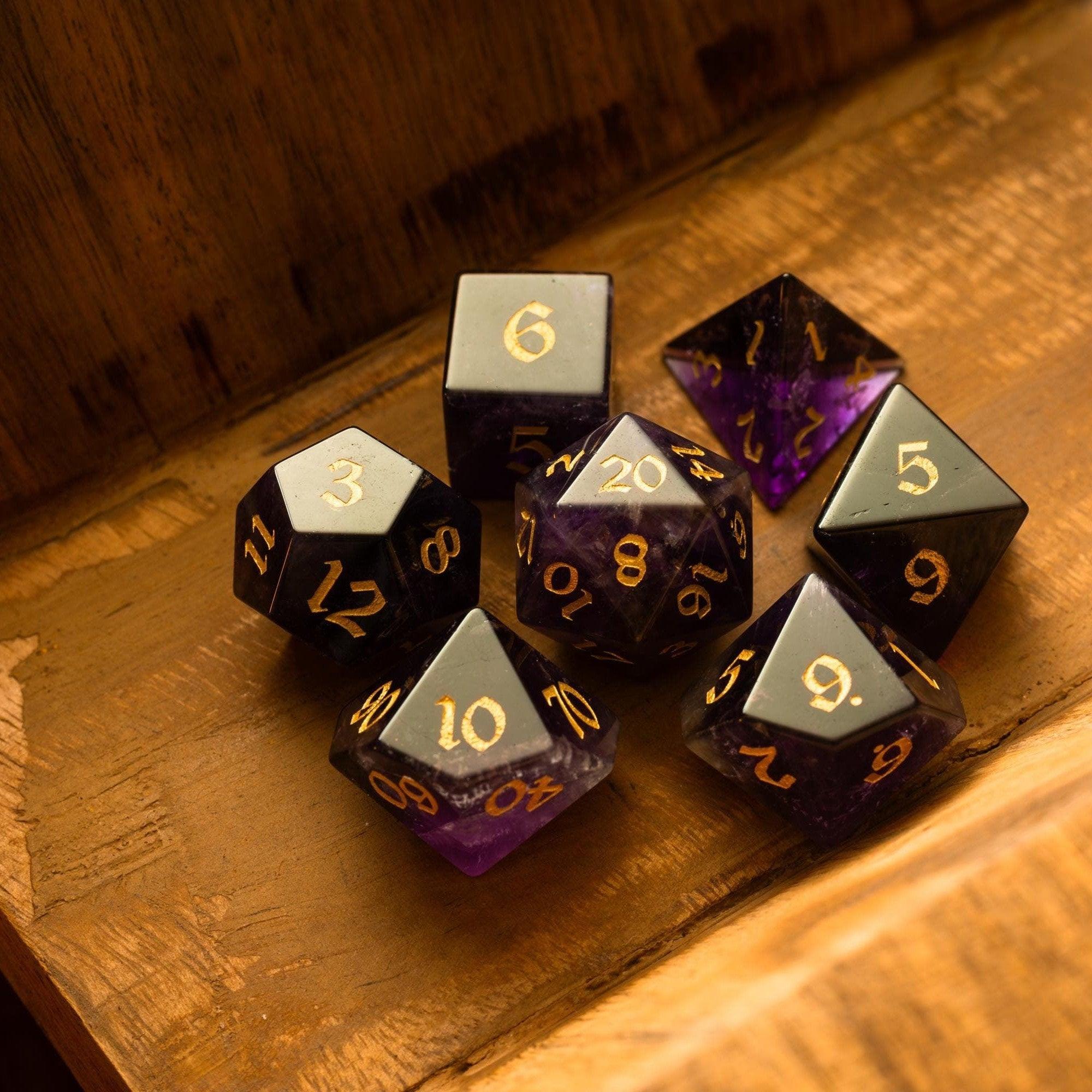
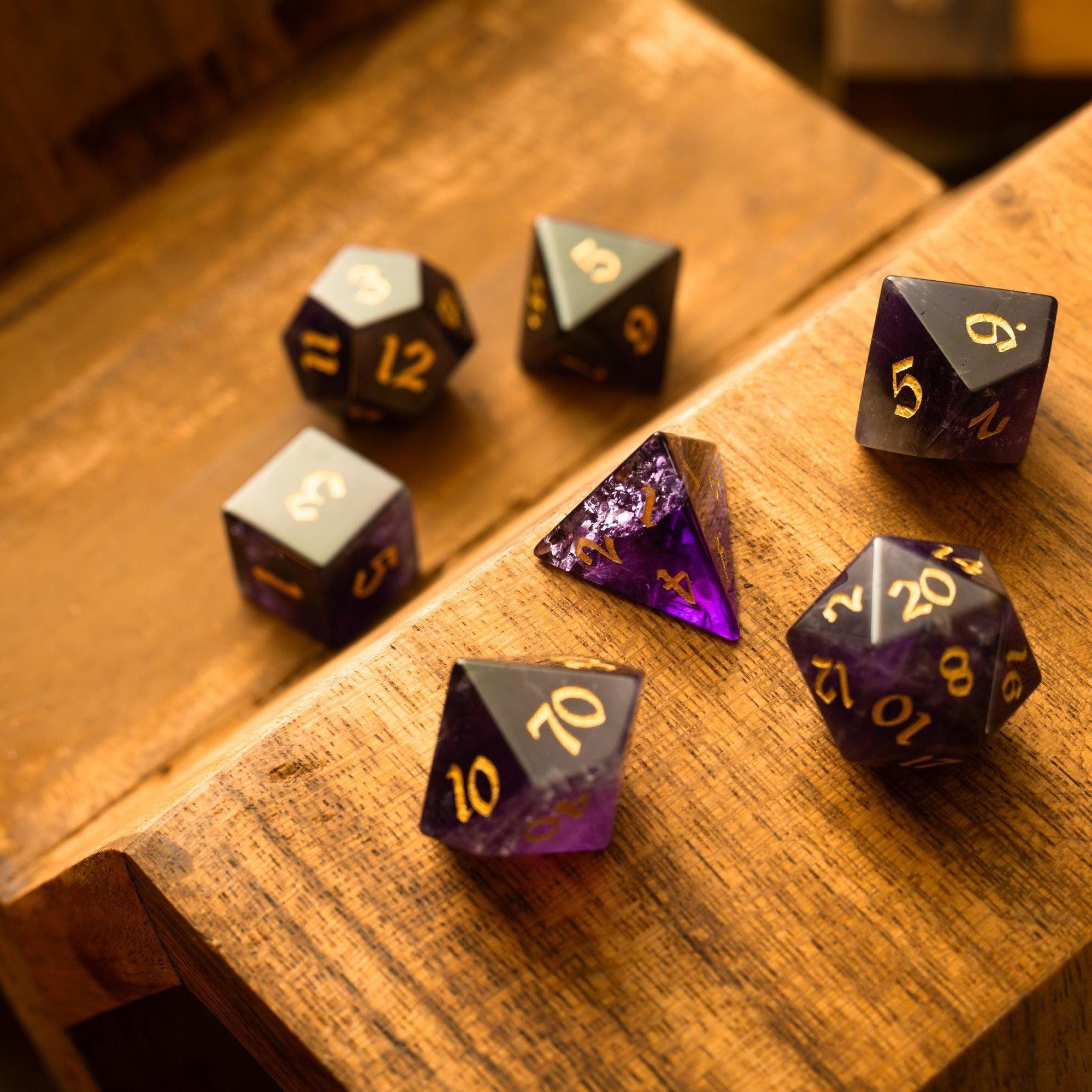
- Bring tactile flair: A distinct dice set signals “big moment” energy. Consider elegant gemstone dice for boss fights or finales.
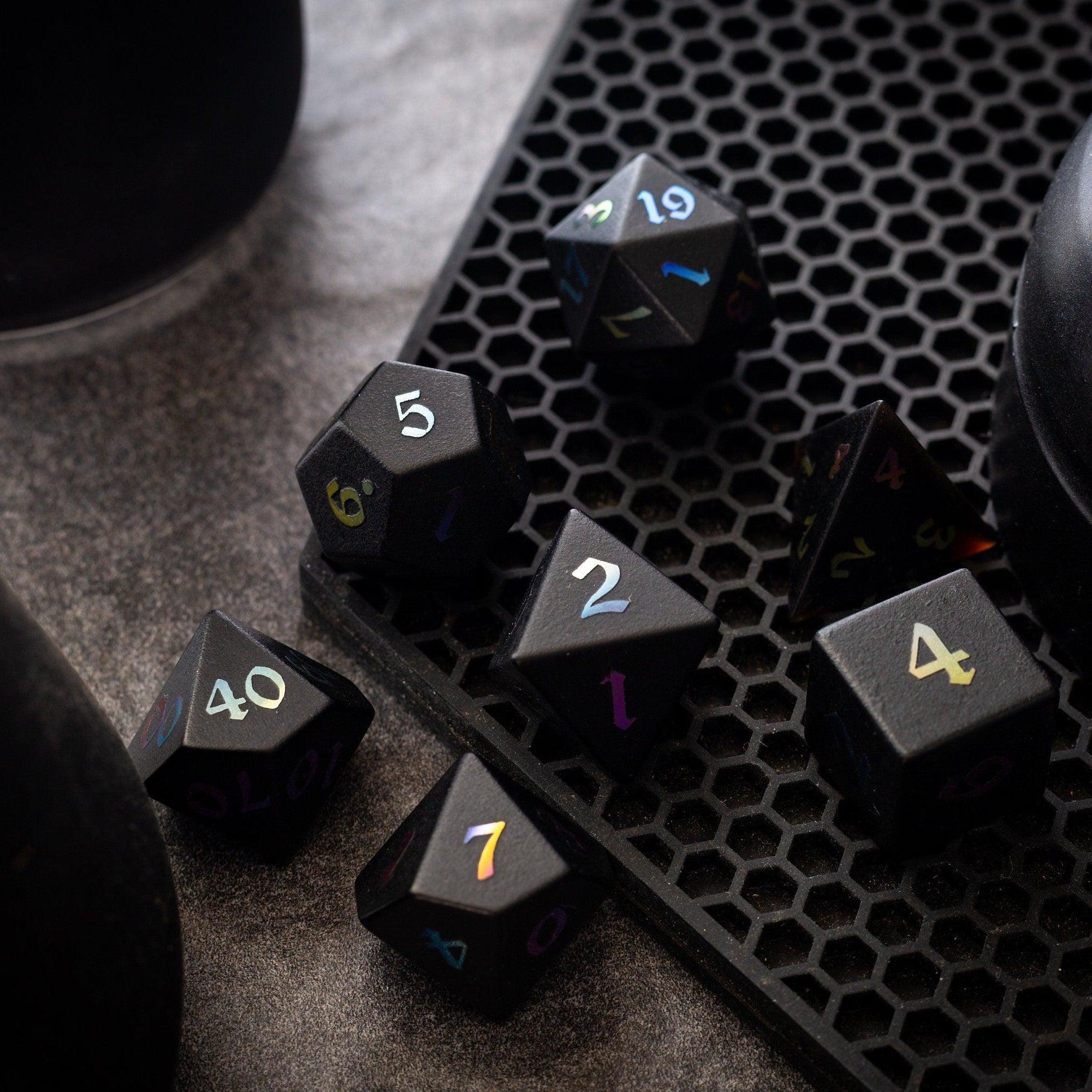
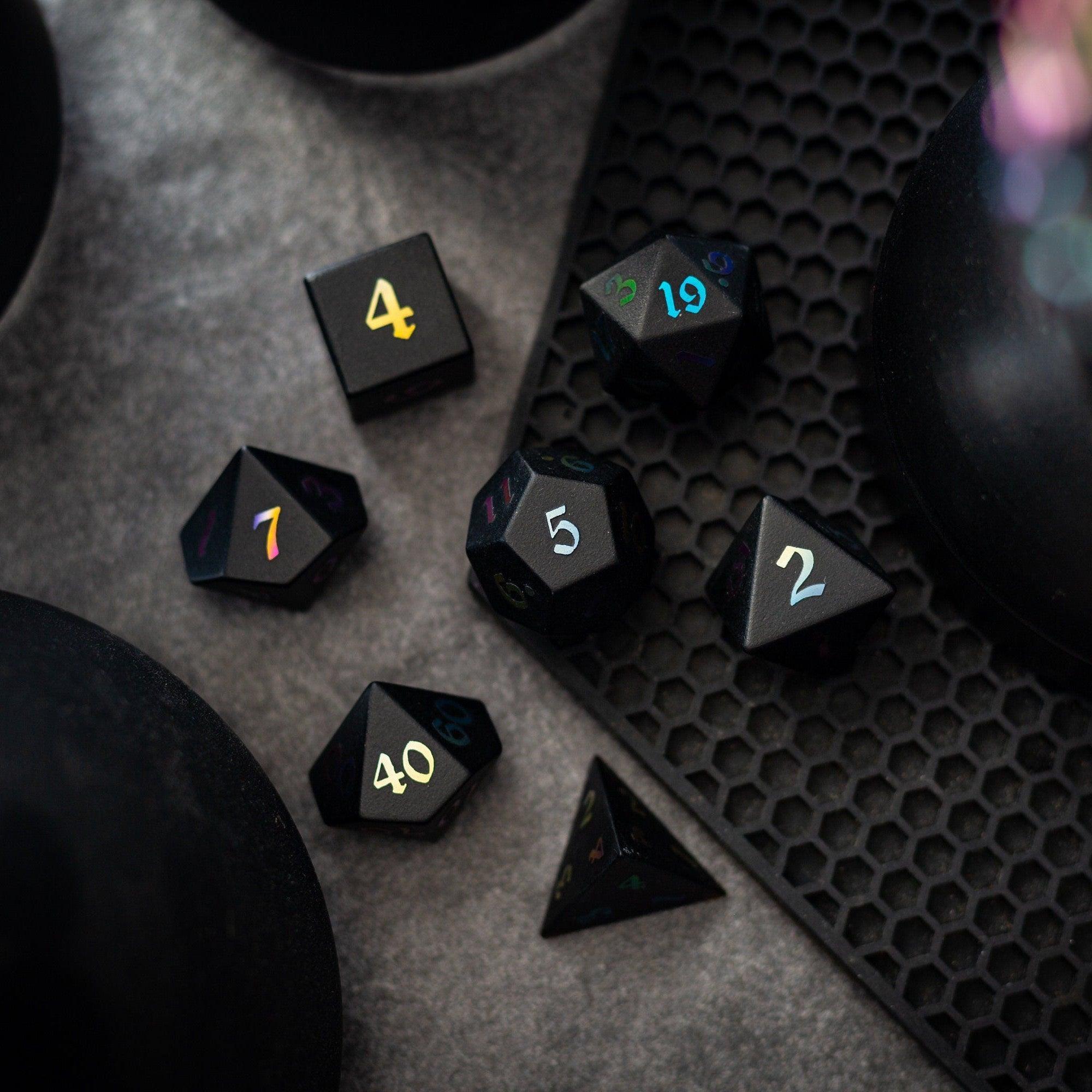
- Match table vibe: Bright, flashy sets amp up excitement for climactic scenes—peek at shimmering liquid core sets when you want spectacle.
- Streamline rolling: If your group loves towers, keep turns crisp with sturdy dice towers so everyone sees the results.
- Create a “save point”: Identify one safe, narrative-heavy scene you can end on if time runs short.
- Have a spotlight plan: Note one moment per player where their background or class can shine.
- Reward curiosity: Seed two optional secrets; discovering either gives a helpful edge in the finale.
- Pocket a set piece: Keep a dramatic map or terrain piece ready. A showstopper like the Starlit Rift set pairs perfectly with cosmic or planar scenes.
Personal Anecdote
Last year, I ran a short mystery for a group that loved social play. On paper it looked ideal: three suspects, a creepy manor, and a midnight deadline. Two hours in, they were still chatting with the groundskeeper about mushrooms. Old me would’ve panicked about the clock, but I leaned on a simple tactic: shorten the middle and heighten the stakes. I advanced the storm, revealed a new clue in a lightning flash, and let a rival investigator arrive claiming the final piece of the puzzle. The table snapped to attention, and the last hour crackled. The lesson I carry now: don’t fight your group’s preferred pace—shape the module around it. The structure is a guide, not a cage.
Summary & Takeaways
Picking modules gets easier when you focus on fit, not hype. Start by matching time, tone, and difficulty to your group. Look for modules that offer multiple paths, tight goals, and clean handouts, then trim or reskin anything that slows your table’s fun. Build a light prep ritual—flowchart the map, prep names, plan a save point—and you’ll be ready for the unexpected. Finally, remember that momentum matters more than perfection; deliver clear stakes, offer meaningful choices, and celebrate player creativity.
Q&A
How do I choose a module for a mixed-experience group?
Pick something with simple goals and layered solutions. Make sure the first scene is easy to grasp—why you’re here, what’s at stake, and what success looks like. Favor locations with multiple routes (social, stealth, or combat) so veterans can flex while newcomers learn the ropes. Keep the first combat straightforward, then escalate complexity once the table warms up.
What if my players go off-script?
Great—follow them. Treat the module as a map of opportunities, not a railroad. Keep three portable clues that can appear in any scene, and shift them to wherever the players go. If they skip a boss, let that boss make a dramatic entrance later. Maintain the goal and stakes, but allow the route to evolve. This keeps agency intact and preserves your prep.
How much prep is “enough” for a one-shot?
90 minutes is usually plenty: read the intro and finale, skim encounter summaries, sketch a flowchart, list five NPC names, and prep one vivid location. Print or bookmark quick references and pre-roll a few NPC initiatives if you like. Anything beyond that should serve a specific need for your table’s style, not just add weight to your bag.


Leave a comment
This site is protected by hCaptcha and the hCaptcha Privacy Policy and Terms of Service apply.