
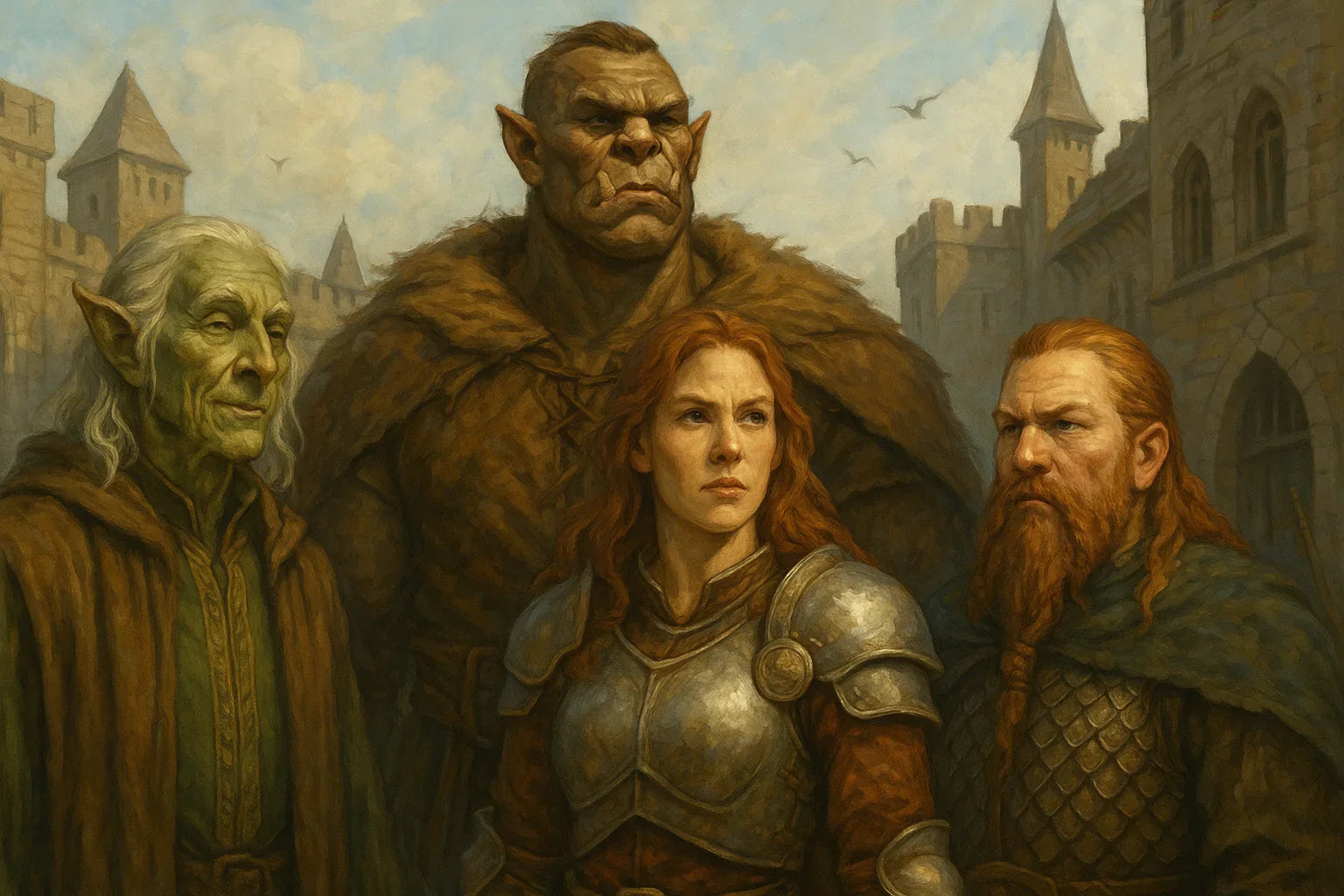
Races and Lineages: A Fantasy RPG Worldbuilding Guide
Updated on: 2025-12-01
Choosing and describing races and lineages for fantasy role-playing can feel delicate. This guide shares kind, practical ways to develop inclusive ancestries, cultures, and origins that support immersive character stories. You will find quick prompts, balanced benefits, and session-zero tools, plus ideas for matching your character’s theme with evocative dice. The goal is to help your table enjoy richer worlds with consideration and ease.
Table of Contents
- Introduction
- Personal Experience or Anecdote
- Key Advantages
- Quick Tips
- Designing Races and Lineages for Fantasy Role-Playing
- Summary & Next Steps
- Questions & Answers
Introduction
Many players enjoy exploring fictional peoples, cultures, and origins in tabletop games. Done thoughtfully, these choices can deepen character identity and strengthen a campaign’s theme. The challenge is balancing flavor with fairness while staying sensitive to language. This article offers gentle guidance for building ancestries and heritages that feel vibrant and respectful. You will find ideas to frame abilities from the world’s logic, prompts that encourage collaborative worldbuilding, and a few practical ways to keep rules balanced. Whether you are a gamemaster or a player, these suggestions aim to keep the focus on story, consent, and fun.
Personal Experience or Anecdote
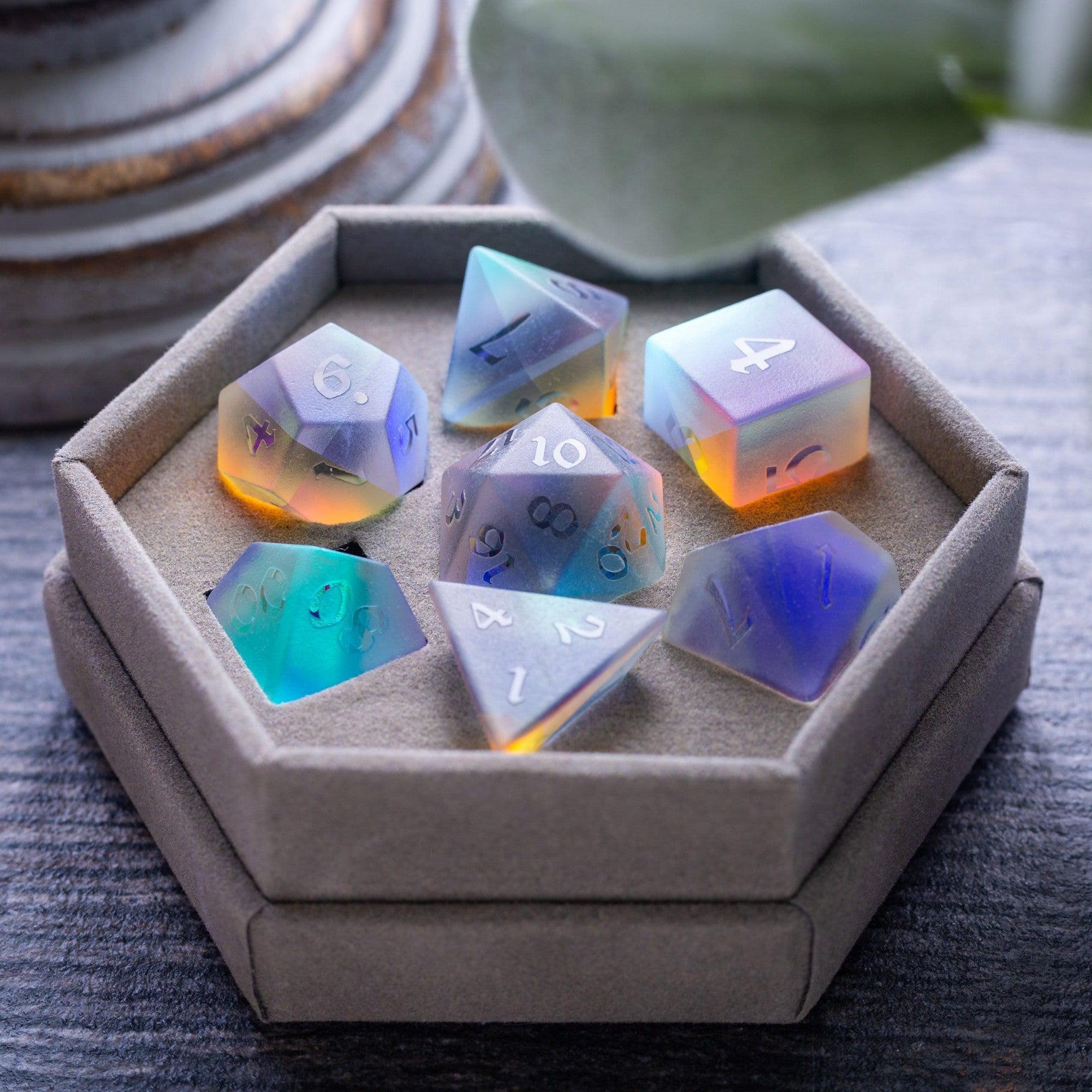
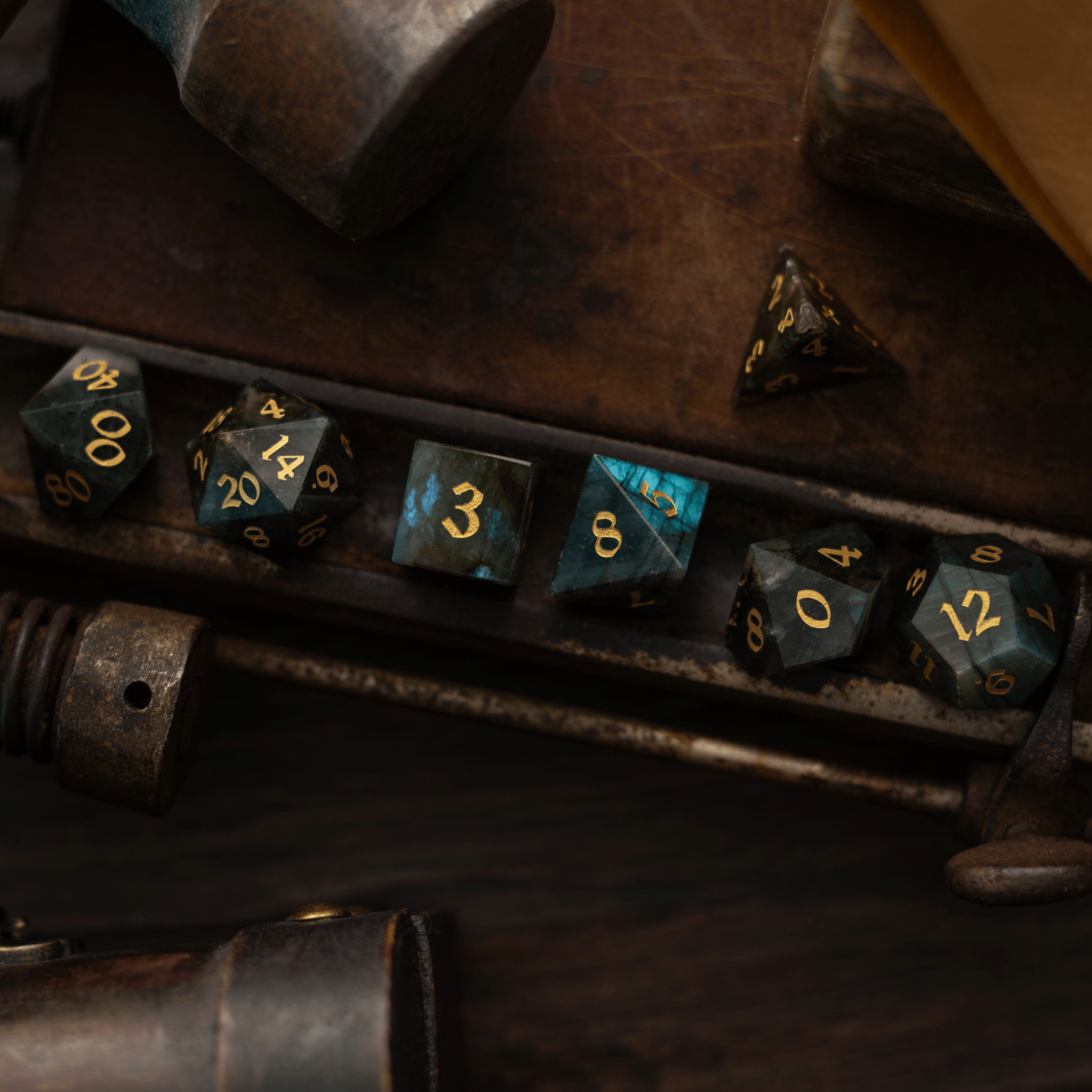
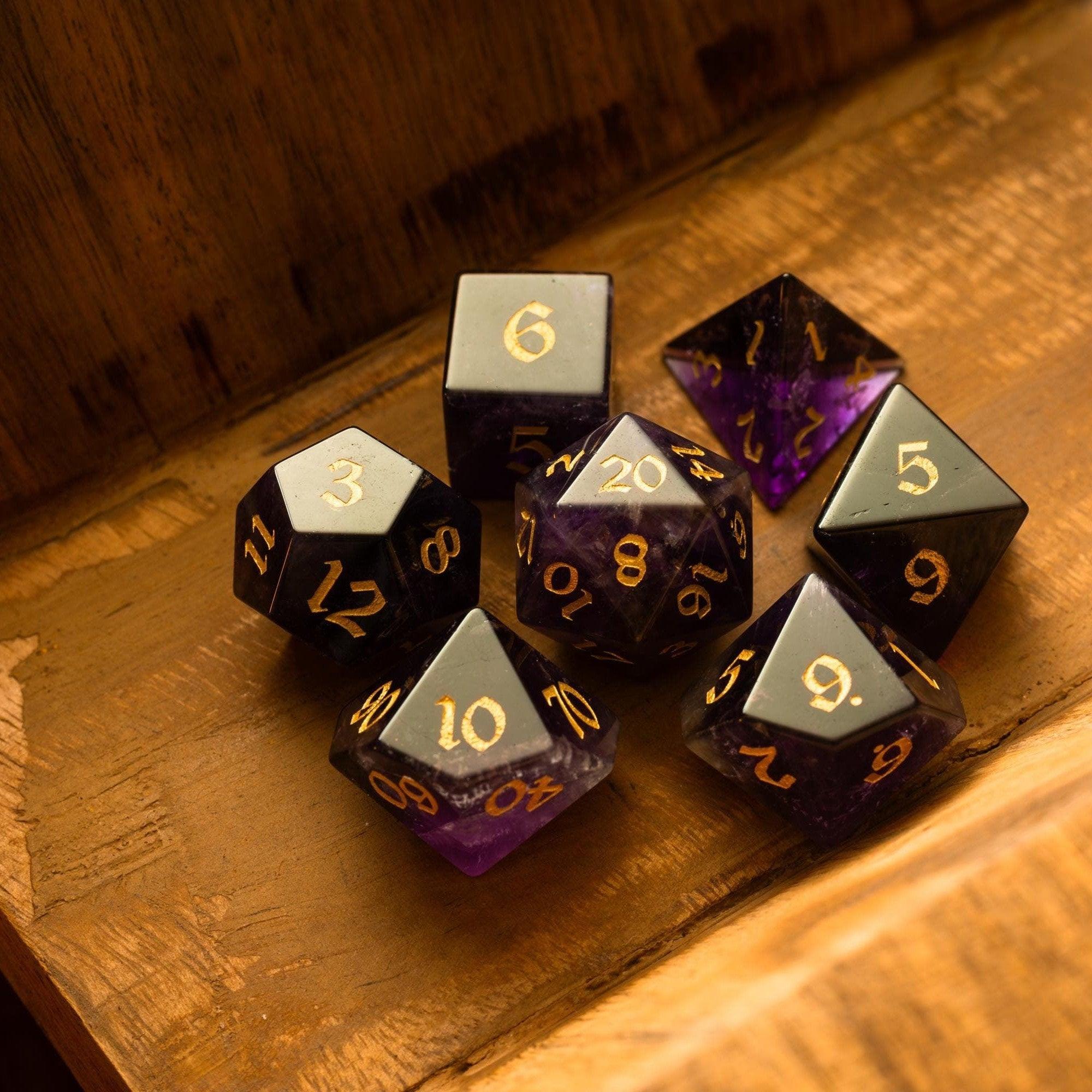
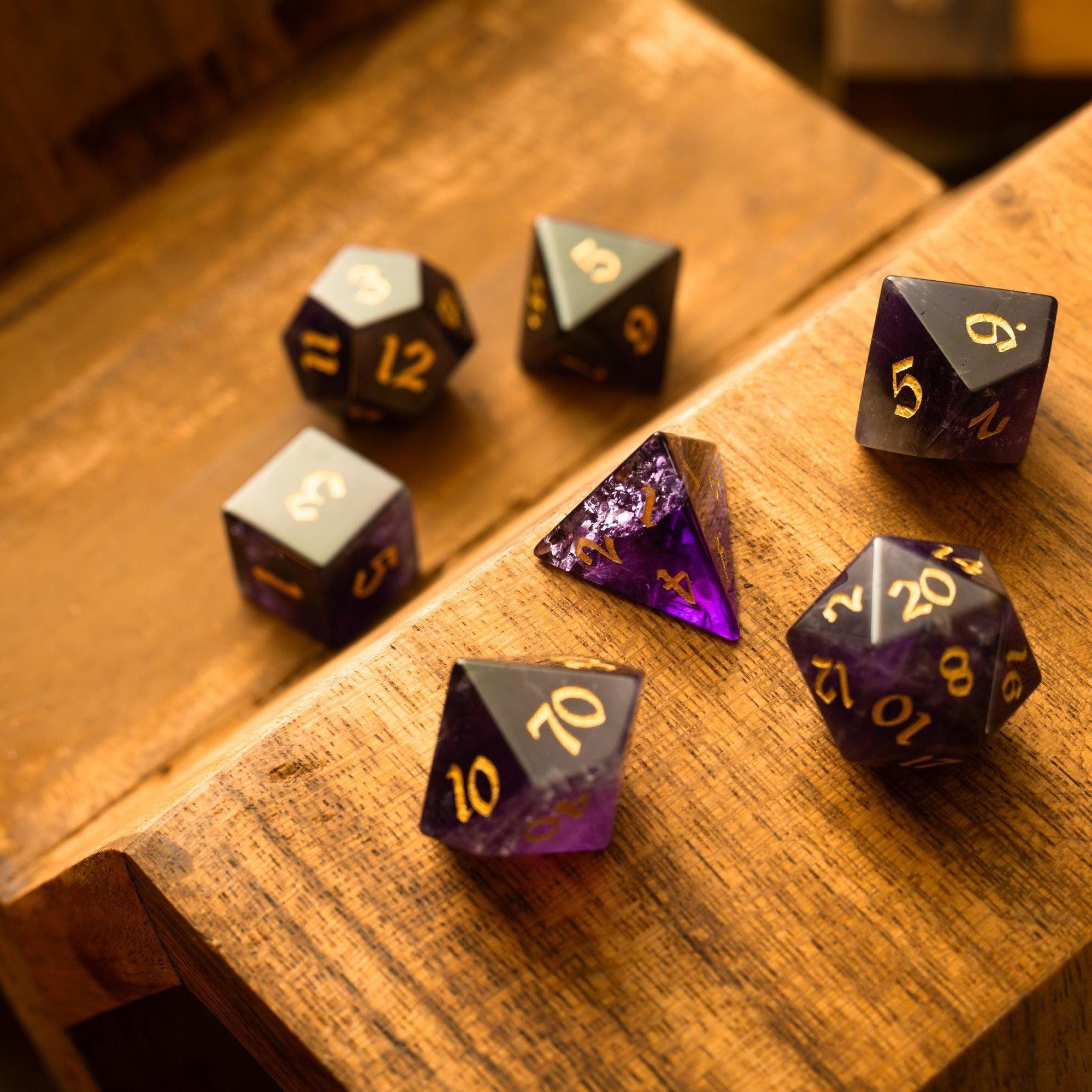
At my own table, a friend once wanted to play a wandering artisan from a mountain culture. Instead of defaulting to tired tropes, we asked what the craft meant to their community. The player described a tradition of sharing tools, recording history in etched metal, and viewing craftsmanship as a sacred promise to future generations. That simple conversation reshaped the character’s traits: endurance from high-altitude life, a calm focus learned at the forge, and a bond with mentors who taught them. We also chose props that echoed the theme—subtle, stone-like tones in their accessories and a soothing, crystalline sheen in the dice. Small details, backed by group consent, turned a common archetype into something tender and unique. If you enjoy props, the amethyst gemstone set can mirror a refined, earth-inspired heritage.
Key Advantages
- Clearer storytelling: Ancestry and culture become a narrative compass for voice, goals, and bonds.
- Balanced play: Framing traits around trade-offs keeps spotlight time fair for everyone.
- Inclusive tone: Thoughtful vocabulary and consent check-ins help every player feel safe and respected.
- Richer worldbuilding: Distinct languages, customs, and rites shape locations, factions, and conflicts.
- Long-term engagement: Characters with meaningful origins often inspire multi-arc growth and collaboration.
Quick Tips
- Start with values: What does this people cherish—craft, freedom, hospitality, or curiosity?
- Tie traits to environment: Abilities should reflect climate, terrain, and lifestyle.
- Offer trade-offs: Pair a benefit with a limitation to maintain fairness.
- Separate ancestry from culture: A shared origin can span many cultures, and vice versa.
- Use safety tools: A simple check-in keeps everyone aligned on tone.
- Keep names kind: Avoid real-world stereotypes; invent fresh customs and titles.
- Let players co-create: Invite short lore entries or travel notes between sessions.
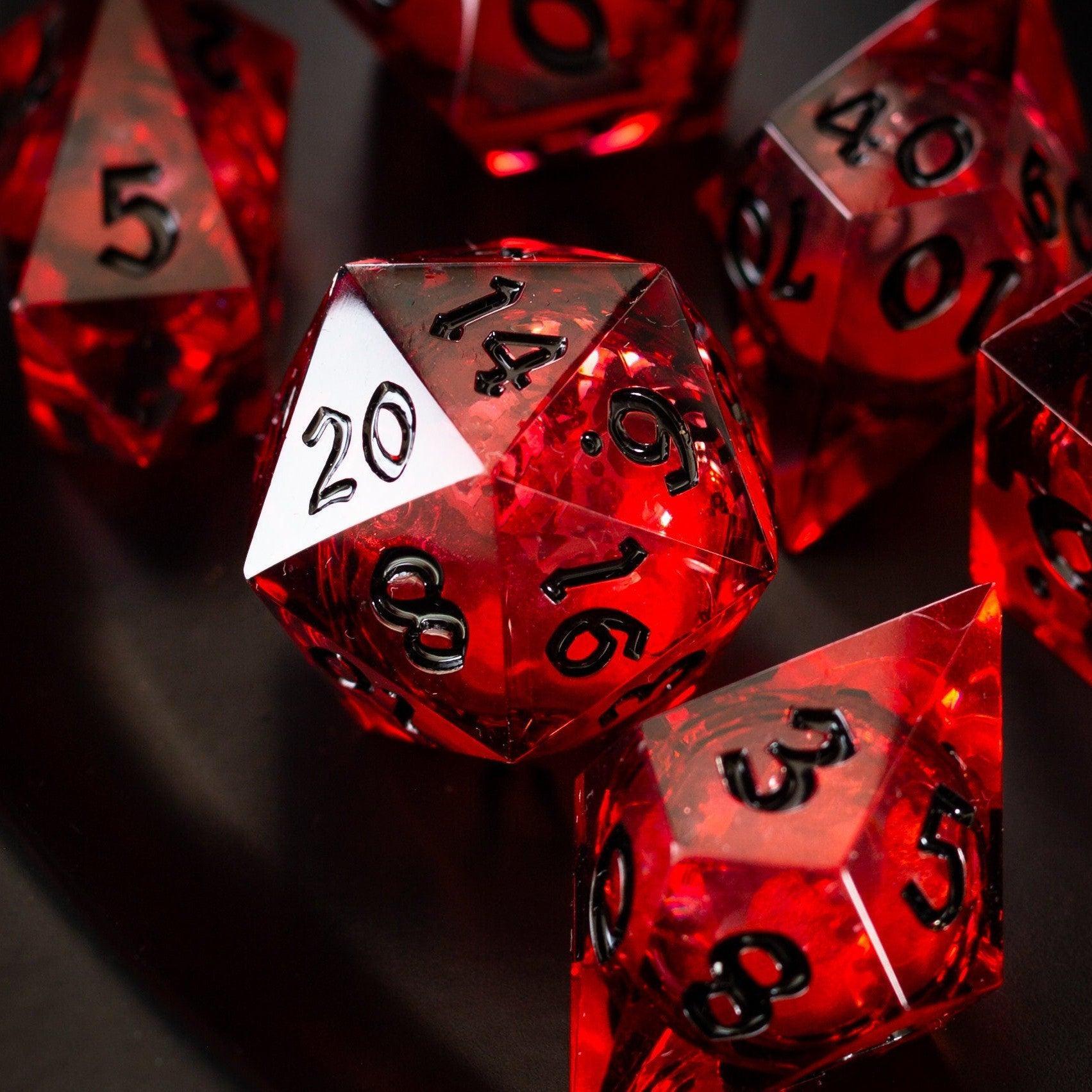
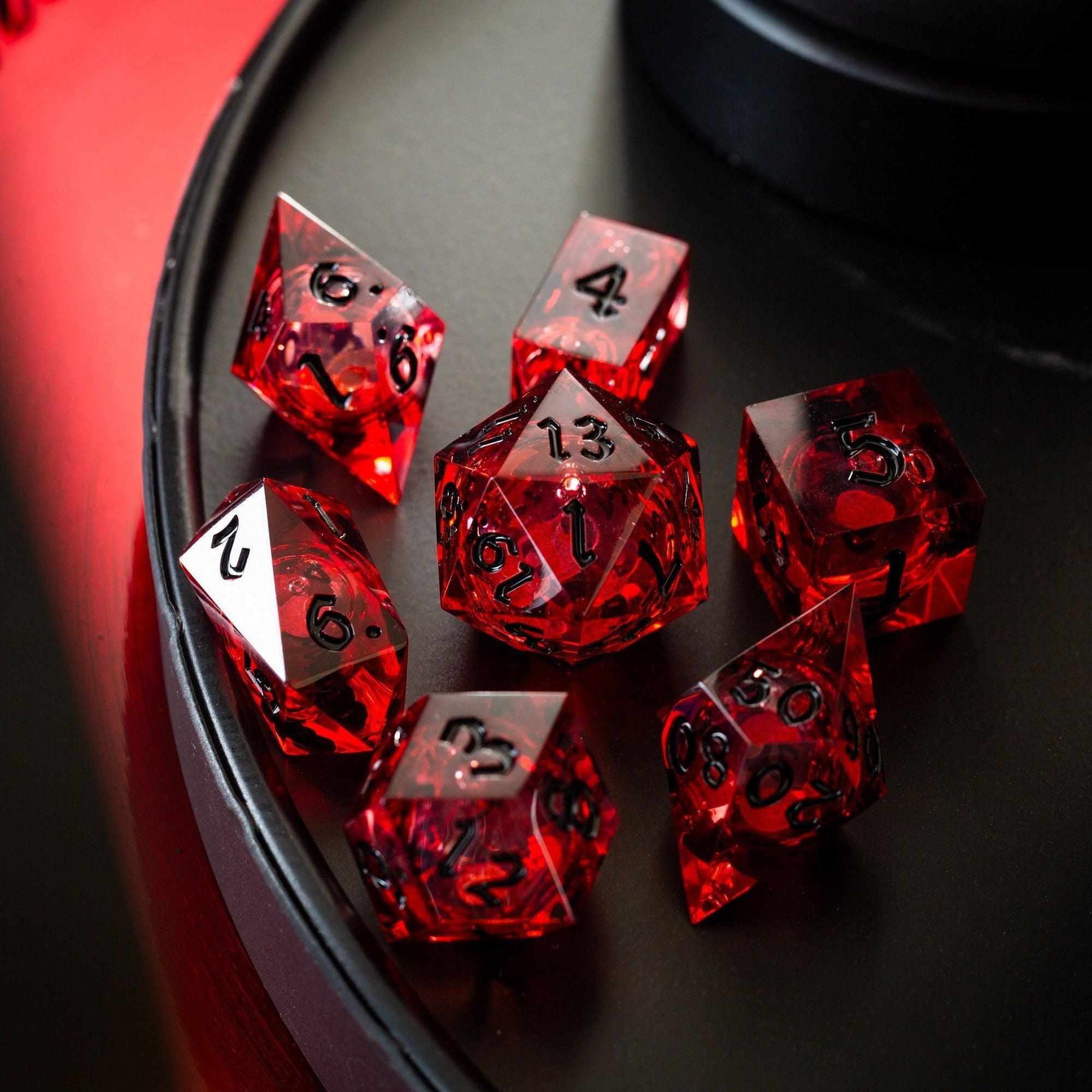
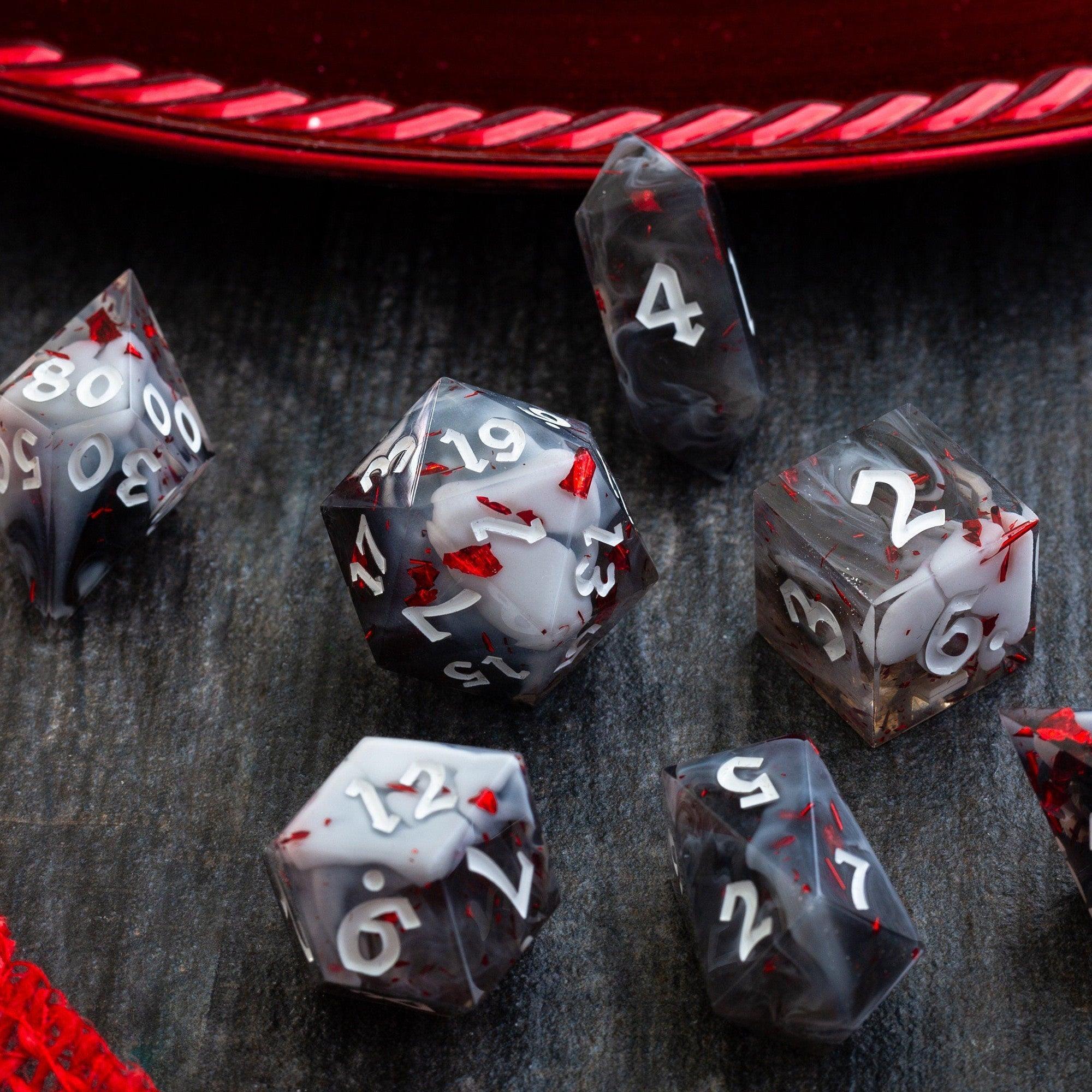
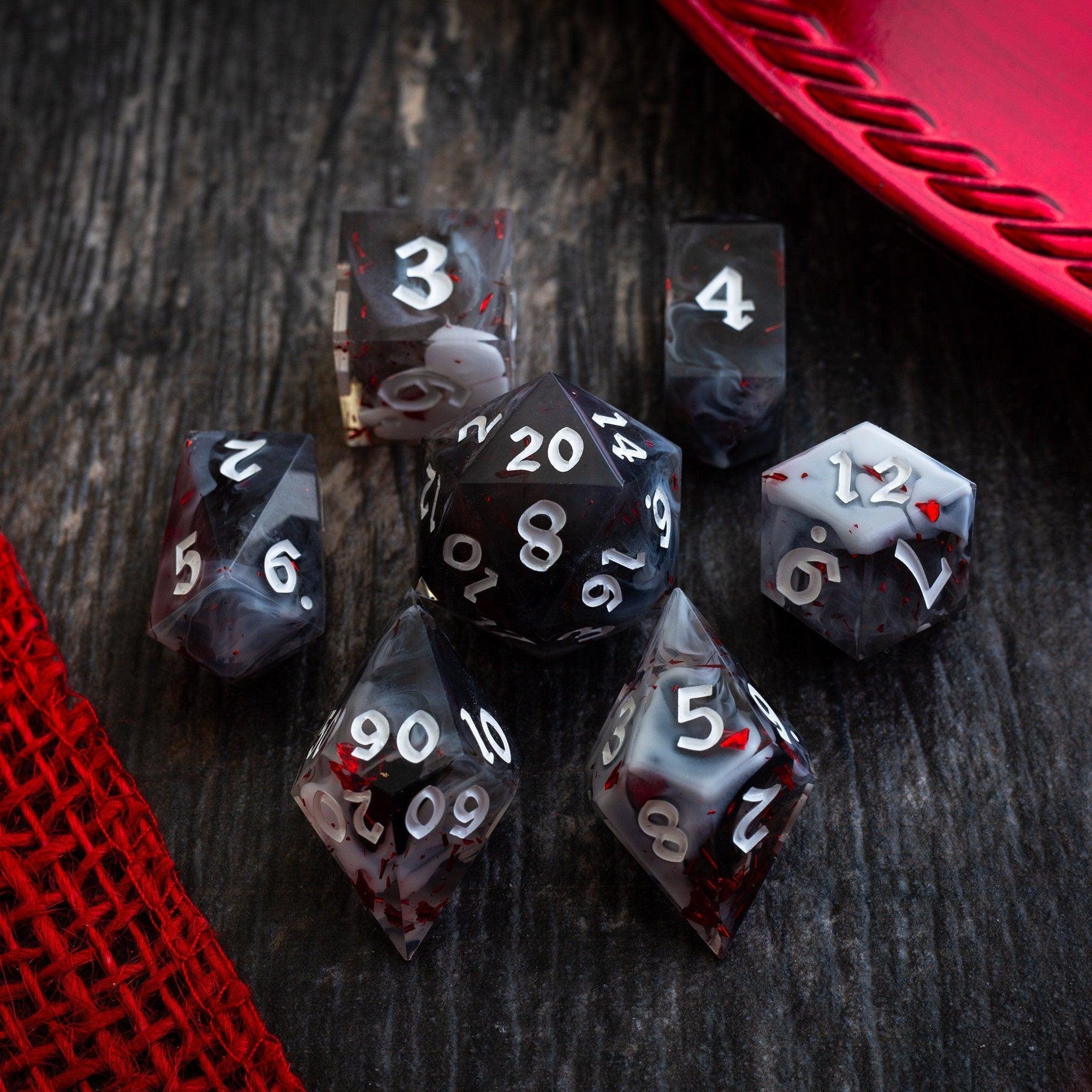
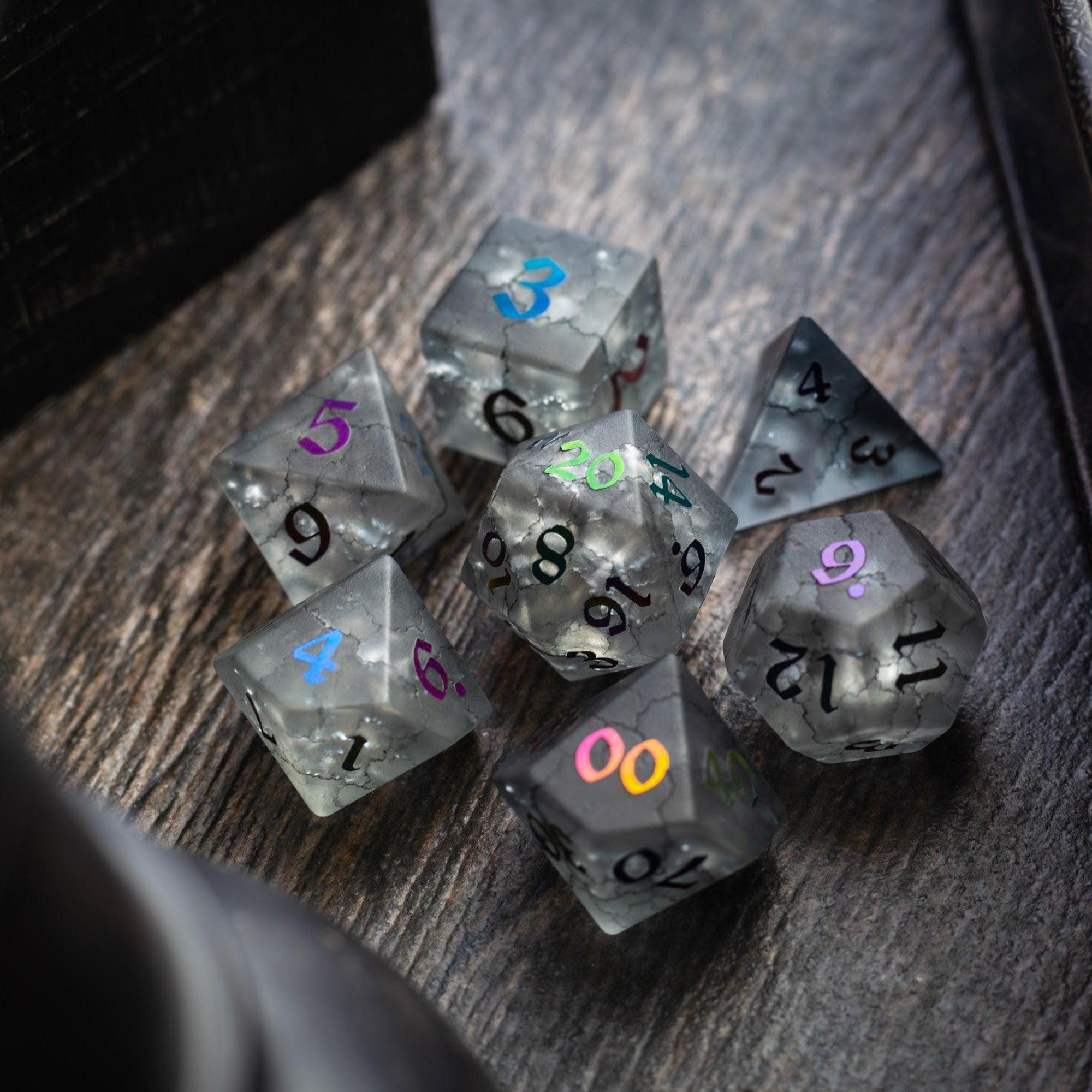
- Match table mood with props: Themes can be echoed with items like the shimmering starlit rift resin set or classic metal dice.
Designing races and lineages for fantasy role-playing
When you design fictional peoples, it may help to focus on three pillars: environment, values, and expression. Environment covers the physical context—altitude, seasons, tides, or magical fields. Values describe what communities prioritize—mutual aid, art, ritual, exploration, or scholarship. Expression shows how values meet daily life—food, textiles, architecture, music, and rites of passage. These pillars turn flat labels into living cultures.
Consider starting with a short profile: “Mountain foragers who prize hospitality and quiet excellence.” From there, sketch two modest abilities that flow from the setting. For instance, “steady footing on uneven ground” and “patient crafting that reduces time needed for delicate tasks.” Add a counterweight, such as “long acclimation when traveling to humid regions.” This balance keeps play fair and encourages story-driven choices.
Language matters too. Many tables prefer “ancestry,” “heritage,” or “people” because these words feel gentler and less loaded. Whichever terms your group chooses, it helps to be consistent and to revisit the choice if someone feels uneasy. A quick session-zero note like “We use ancestry and culture, and we avoid real-world analogies,” sets a respectful norm.
It is also helpful to separate physiological aspects (like darkvision in low-magic caverns) from learned customs (like dialects, tool-making, or etiquette). Doing so encourages mixed-background characters without mechanical confusion. For example, a character might have desert-born heat tolerance and adopt the maritime culture of a coastal city where they grew up. Mixed-background stories flourish when your group writes one or two traits from each influence, then chooses a key value that bridges them.
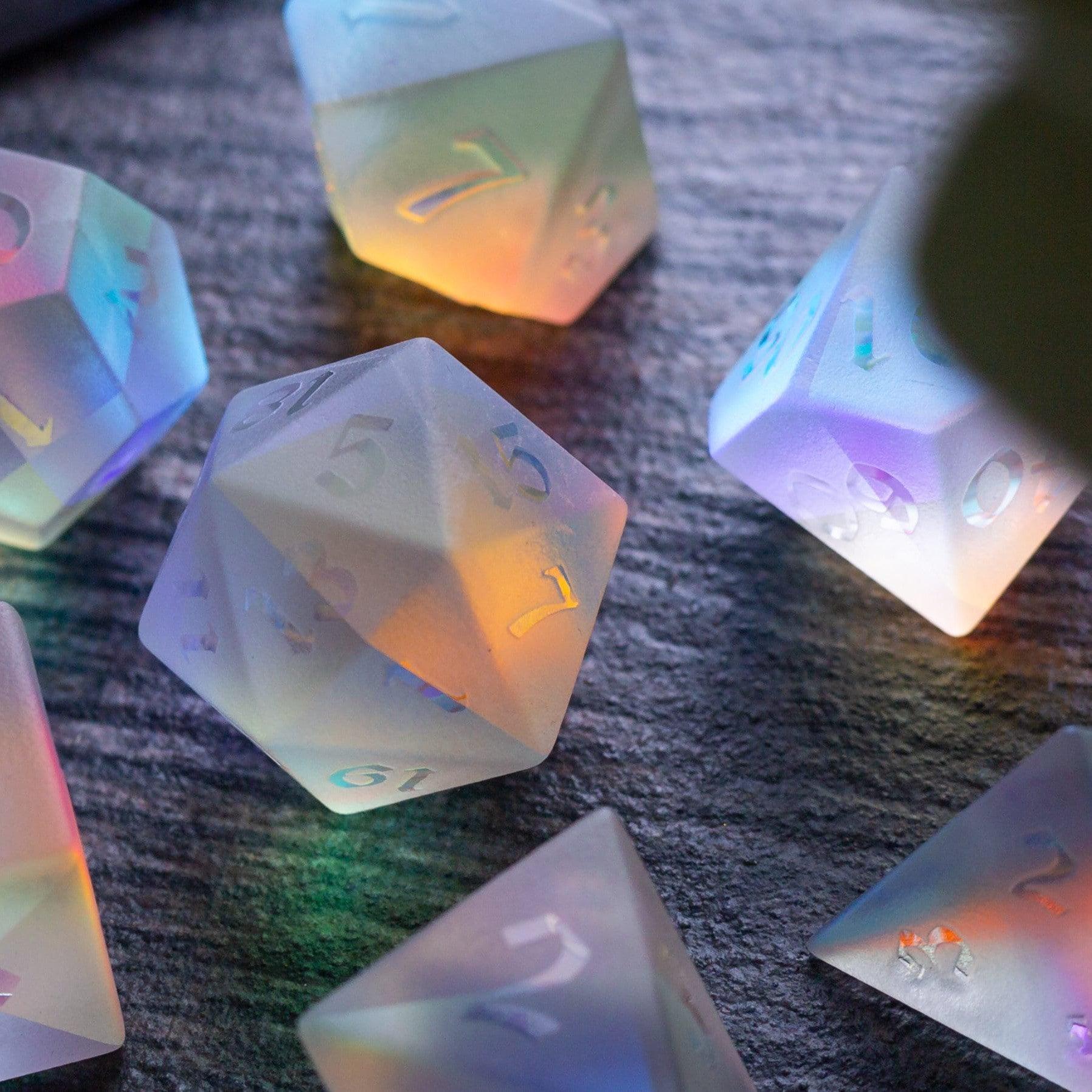
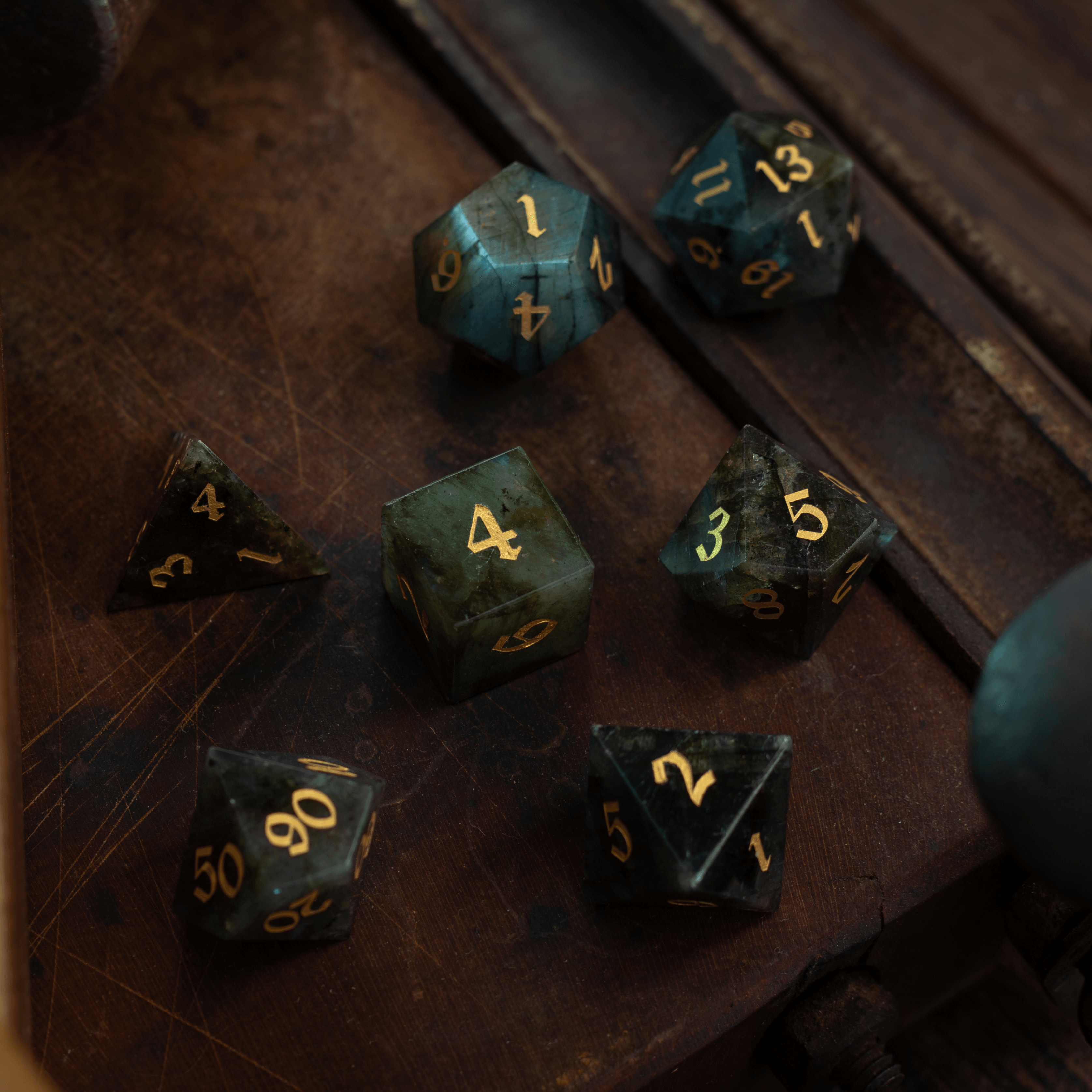
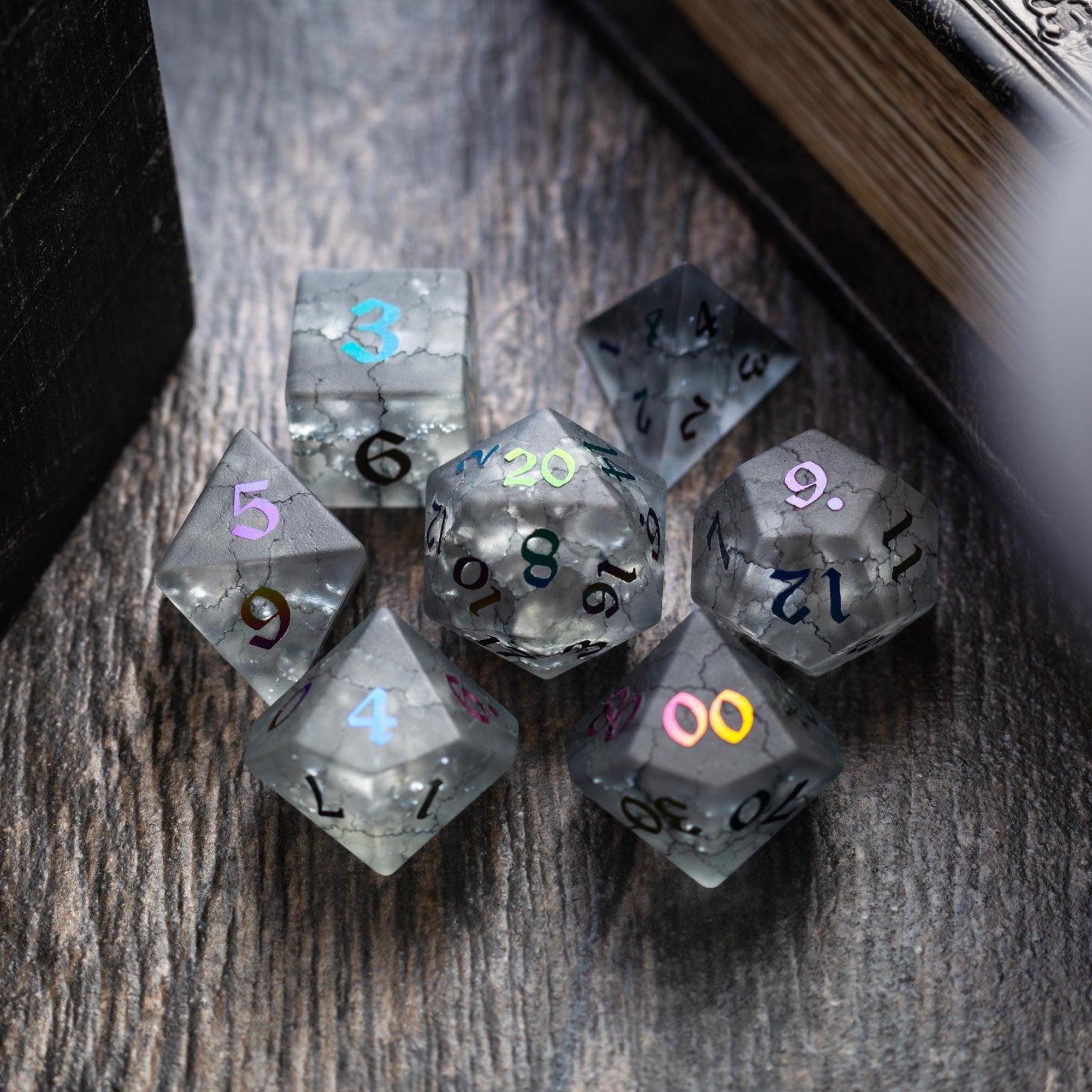
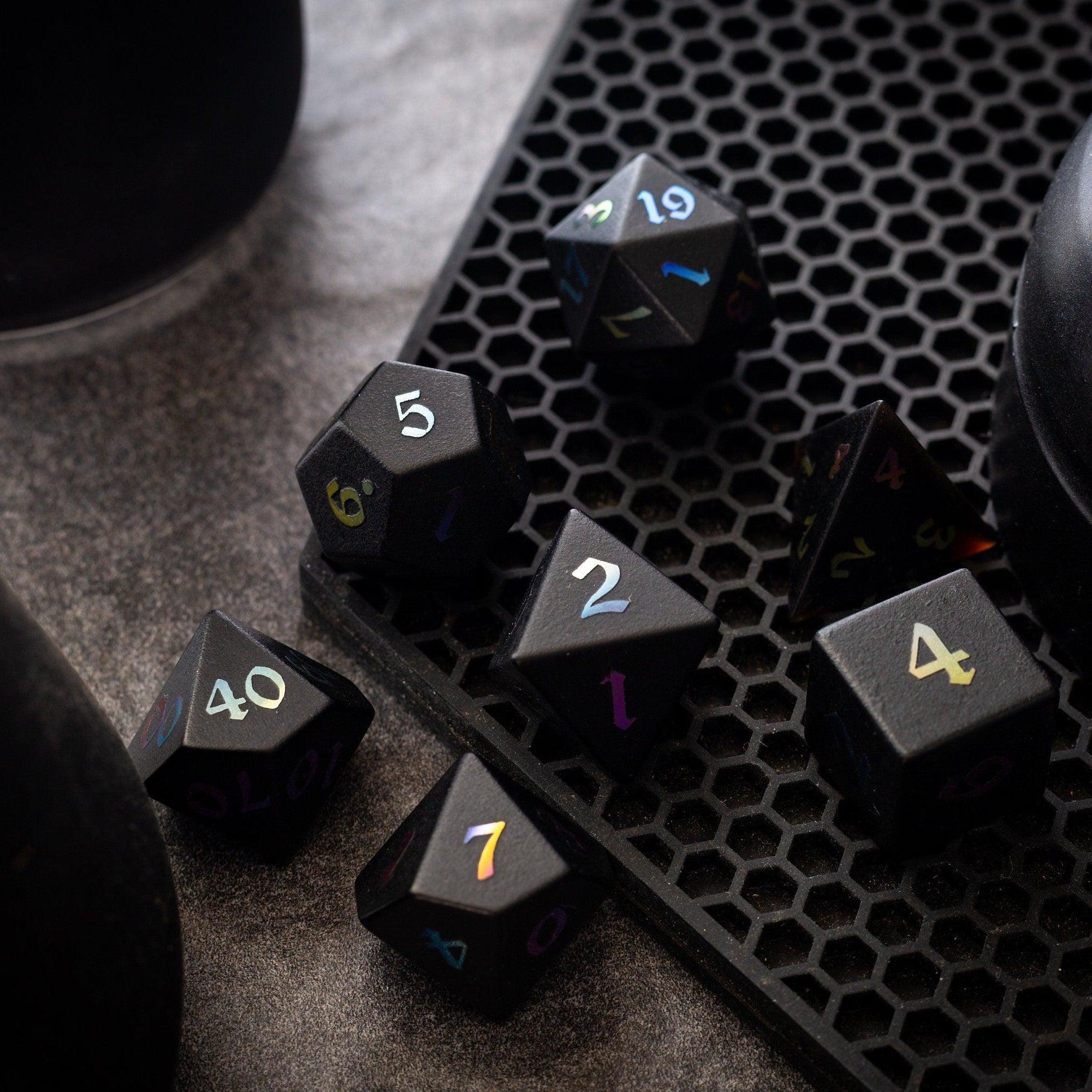
Finally, props can reinforce theme. If your explorer’s heritage whispers of auroras and night travel, a set with luminous specks or subtle glow can carry that mood to the table. Earthy, mineral-inspired dice support artisan lineages, while sleek metallic finishes suggest cosmopolitan guilds. If you are browsing for inspiration, you may enjoy the curated variety in our browse dice collections.
Summary & Next Steps
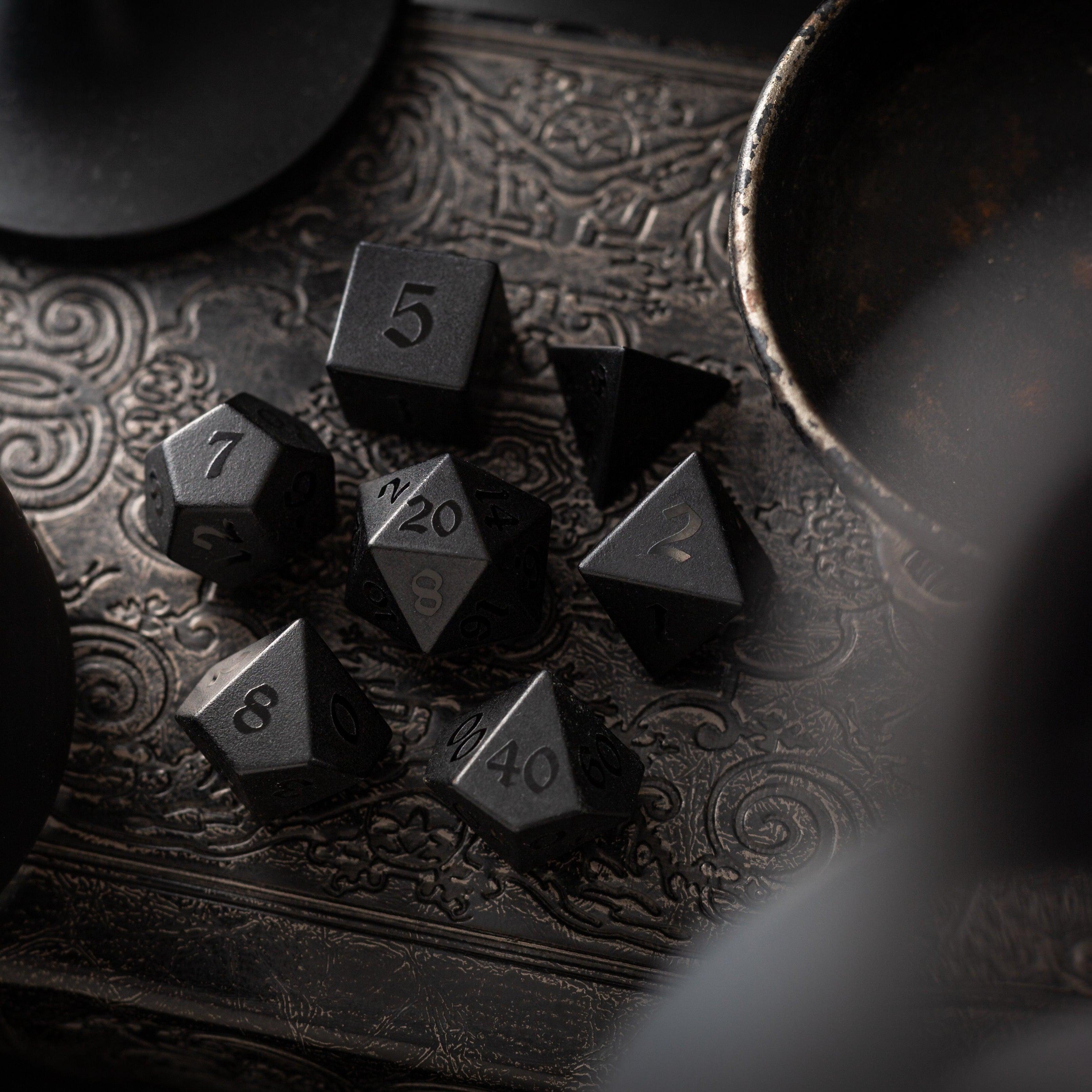
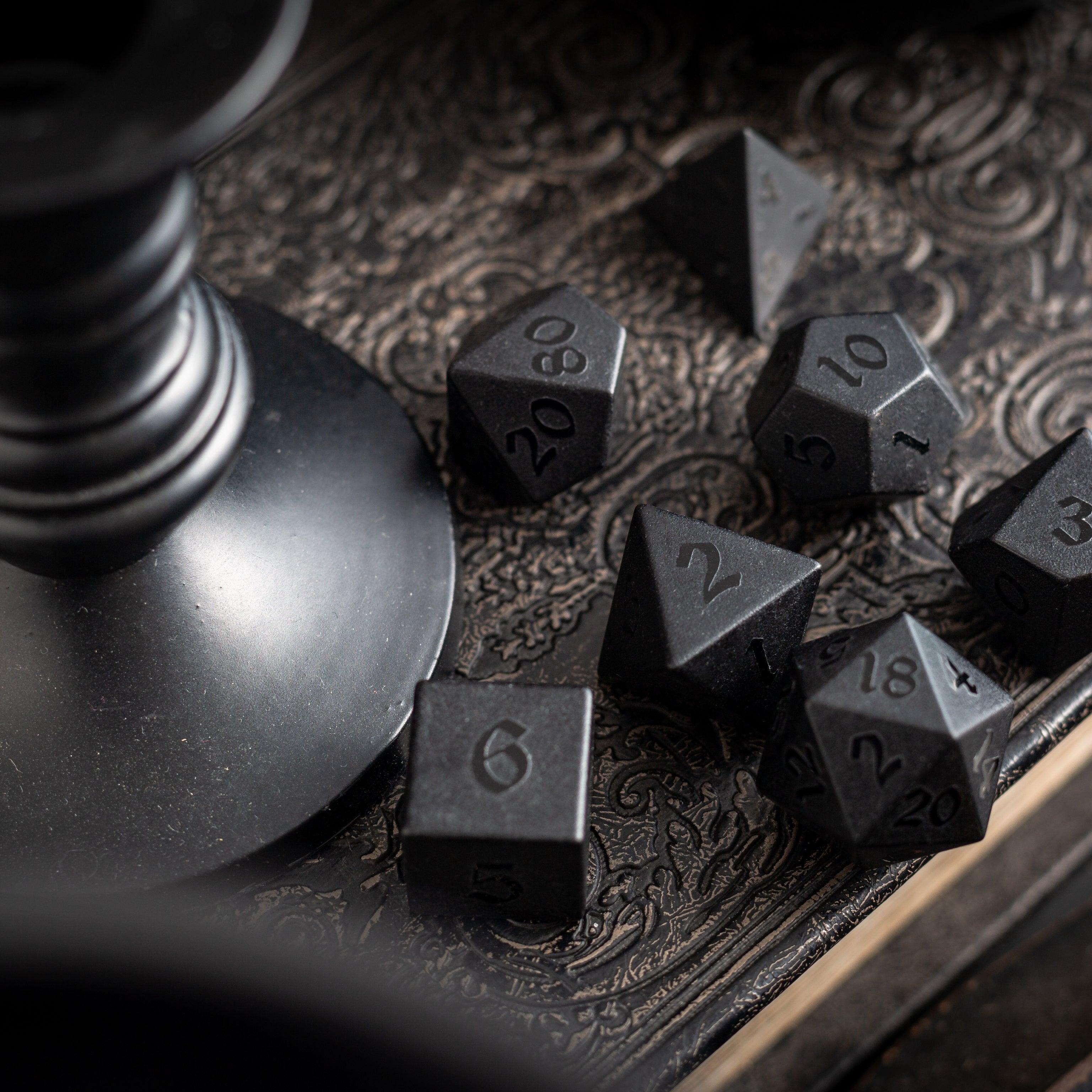
Thoughtful ancestry and culture design enriches character identity while keeping your table comfortable and engaged. Begin with environment, values, and expression, then anchor each trait in the logic of your world. Pair benefits with trade-offs, welcome mixed-background stories, and keep language gentle. As you play, remain open to feedback; small adjustments can preserve fairness and deepen immersion. If a physical touchstone helps you stay in character, choose pieces that echo your theme—earthy stone, starry shimmer, or polished metal. When you are ready to explore more styles, consider skimming our metal dice or the broader range in browse dice collections for visual cues that complement your next hero.
Questions & Answers
What is the difference between ancestry and culture in tabletop play?
Ancestry usually points to inherited traits influenced by environment and physiology, such as night vision or natural resistance to cold. Culture reflects learned elements like customs, languages, dress, etiquette, and crafts. Keeping these concepts distinct lets you mix backgrounds gracefully. A character can inherit traits from one origin while adopting the practices of the place where they were raised.
How can I balance unique traits without power creep?
Use small, flavorful abilities that connect to the world’s logic and pair each benefit with a soft limitation. For example, “sure footing on ice” could be balanced by “slower in extreme heat.” Avoid stacking many combat bonuses; mix narrative perks (navigation, crafting, social rituals) with modest mechanical advantages. Revisit balance after a session or two and invite group feedback.
What is a kind way to handle mixed-background characters?
Pick one or two traits tied to each influence, then choose a unifying value that binds them, such as hospitality, invention, or stewardship. Let the player write a brief origin note about how those influences met. Keep mechanical overlap low to avoid confusion. When in doubt, prioritize clarity and player comfort. A tasteful prop that matches the blended theme—perhaps a mineral-inspired piece like the amethyst gemstone set or a star-kissed look like the starlit rift resin set—can serve as a gentle cue at the table.



Leave a comment
This site is protected by hCaptcha and the hCaptcha Privacy Policy and Terms of Service apply.