

School of Illusion Wizard Guide for Beginners: Mastering Deception and Trickery in D&D 5e

The School of Illusion Wizard is built for players who would rather fool an enemy than fight one head-on. Illusion magic creates misleading sights, sounds, and appearances, helping you slip past guards, protect allies, and solve problems in unexpected ways.
The 2014 Player's Handbook calls this subclass the School of Illusion. The 2024 rules, now labeled D&D 5.5e, call it the Illusionist. This guide explains the updated features and key 2014 differences.
Why Play a School of Illusion Wizard?
Key Benefits
- Trickery and Misdirection: Create convincing distractions to mislead enemies or draw attention away from your party.
- Creative Combat Options: Make enemies question what they see instead of relying only on damage spells.
- Useful Exploration Magic: Conceal an entrance, disguise yourself, or create a sound that sends guards in the wrong direction.
- Strong Roleplay Potential: Play a clever investigator, theatrical performer, mysterious scholar, or practiced infiltrator.
Unlike an Evoker focused on direct damage, an Illusion Wizard rewards planning, teamwork, and knowing how creatures respond.
Core Features
Key Mechanics and Abilities (2024 Rules)
Illusion Savant (Level 3)
- Add two Wizard Illusion spells of level 2 or lower to your spellbook for free. You also gain another Illusion spell when you first gain access to a new spell-slot level as a Wizard.
- Expand your spellbook without paying to copy those spells.
Improved Illusions (Level 3)
- You can cast Illusion spells without verbal components. Their range increases by 60 feet when their normal range is at least 10 feet.
- You learn Minor Illusion, or another Wizard cantrip if you already know it. Your Minor Illusion can combine an image and sound, and you can cast it as a bonus action.
- Example: Make an illusory guard's helmet and the sound of approaching footsteps to distract someone watching a doorway.
Phantasmal Creatures (Level 6)
- Summon Beast and Summon Fey are always prepared. You can cast either as an Illusion spell to summon a spectral-looking creature.
- You can cast the Illusion version of each spell once without spending a spell slot per long rest. A creature summoned this way has half its normal hit points.
Illusory Self (Level 10)
- When an attack roll hits you, use your reaction to make an illusory duplicate take the hit instead, causing the attack to miss.
- You regain this feature after a short or long rest, or by spending a spell slot of level 2 or higher.
Illusory Reality (Level 14)
- When you cast an Illusion spell using a spell slot, you can make one inanimate, nonmagical object within that illusion real. You can also do so as a bonus action while the spell lasts.
- The object remains real for one minute but cannot deal damage or impose conditions. An illusory bridge that briefly becomes solid is a classic example.
Using the 2014 rules? That subclass begins at level 2 with Improved Minor Illusion. At level 6, Malleable Illusions lets you change certain ongoing illusions instead of summoning creatures. Its Illusory Reality wording also differs. Use your group's chosen rulebook. For an official overview of the changes, see D&D Beyond's Wizard rules comparison.
Suggested Ability Scores
- Intelligence: Your highest priority. It improves Wizard spell attacks and spell save DCs.
- Constitution: Helps you survive attacks and maintain concentration on ongoing illusions.
- Dexterity: Improves initiative and Armor Class, especially when you are not wearing armor.
- Charisma: Useful for deception-focused roleplay, but usually less important than keeping your Wizard alive.
Recommended Races
In 2024 rules, backgrounds provide ability score boosts, not species. Choose a species that fits your concept.
- High Elf: Additional magical options suit an illusion-focused scholar.
- Gnome (Forest or Rock): A fitting choice for a resourceful trickster, with useful defensive traits.
- Changeling: Shapechanging works well with disguise magic, if your DM allows this species.
- Half-Elf: A flexible roleplay choice for campaigns using older character options.
- Kenku: An entertaining option for imitation and misdirection, if permitted at your table.
Best Illusion Spells to Prepare
- Minor Illusion: Make a small image or a distracting sound. Your subclass lets you do both together.
- Disguise Self: Change your apparent appearance for conversations and infiltration.
- Silent Image: Create a larger visual distraction, such as a fake barricade or suspicious figure.
- Mirror Image: Create duplicates that help defend you without requiring concentration.
- Major Image: Build more convincing scenes with multiple sensory effects.
Illusions are not automatically solid. Touching an image might reveal it, and creatures can sometimes investigate it. You can normally concentrate on only one spell at a time.
Playing as a School of Illusion Wizard
Role in a Party
- Battlefield Manipulator: Distract enemies or create uncertainty while allies take better positions.
- Deception and Disguise Specialist: Use visual tricks and changed appearances during investigations.
- Creative Problem-Solver: Offer alternatives when fighting or forcing a door is a bad idea.
Tips for New Players
- Describe your goal: Tell your DM what you want the illusion to accomplish, not just what it looks like.
- Know each spell's limits: Minor Illusion cannot create a moving creature, and most images cannot physically block an attack.
- Save defensive spells: Even a clever illusion can fail when an enemy knows the trick.
- Support your team: Coordinate distractions with the Rogue's stealth or the Fighter's positioning.
Beginner-Friendly Build Example: Start with a High Elf Wizard and the Sage background, putting your best score in Intelligence. Choose Shield for defense, Disguise Self for social scenes, and Silent Image for distractions. At level 3, use your new subclass features to combine those tools. Ask your DM how enemies investigate illusions.
Gear and Dice Recommendations
Suggested Equipment
Weapons & Arcane Focus
- Spellbook and Arcane Focus: Keep your Wizard spells recorded and use a focus for eligible material components.
- Pearl of Power: A useful magic item that can restore an expended spell slot, within the item's limits.
Armor & Defensive Items
- Cloak of Displacement: Makes you harder to hit, though its protection is interrupted after you take damage.
- Ring of Mind Shielding: Helps guard against certain magical attempts to read your thoughts or discover information about you.
Magic Items
- Hat of Disguise: Lets you use Disguise Self repeatedly while wearing it, subject to the item's rules.
- Wand of the War Mage: Helps with spell attack rolls, although many illusion spells rely on saving throws instead.
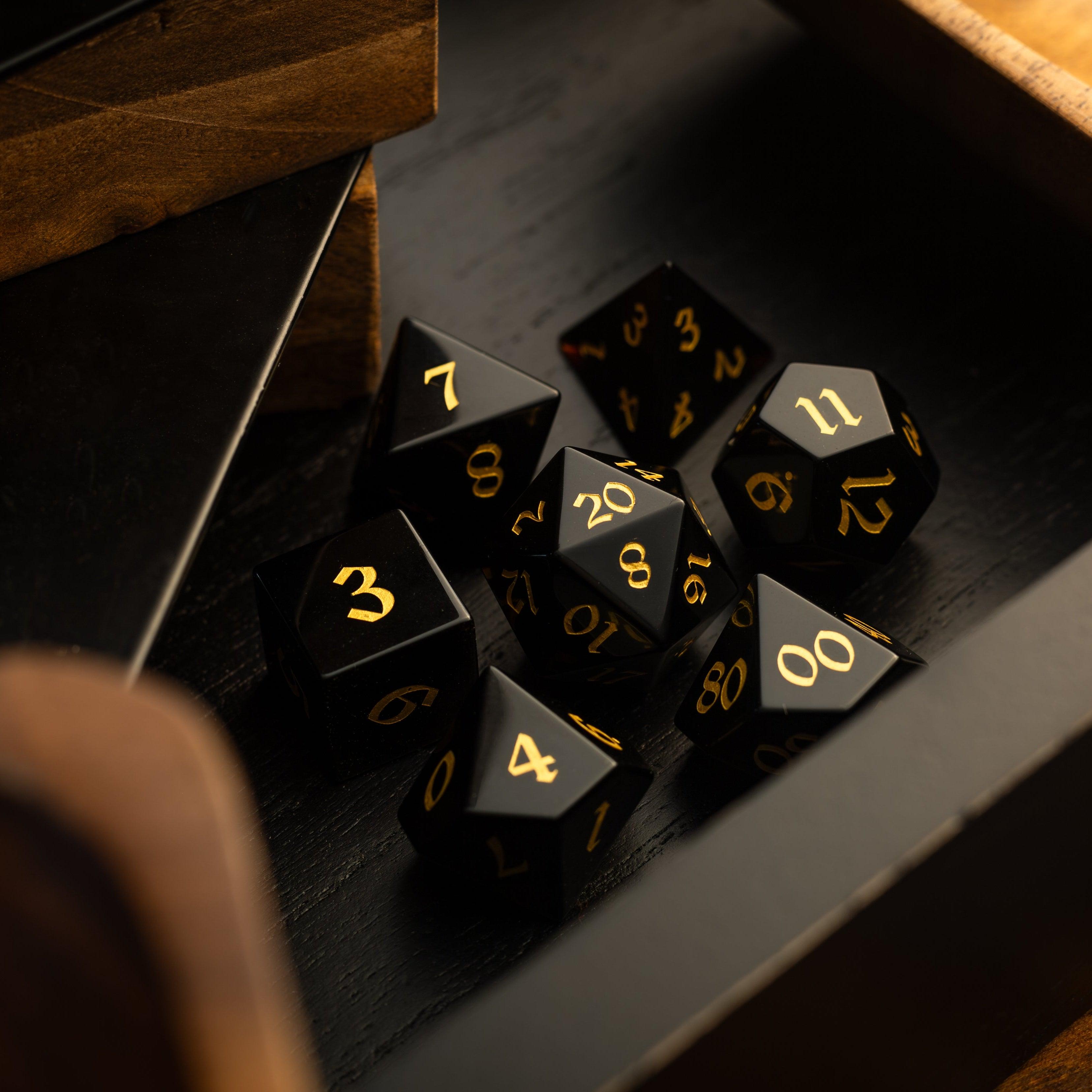
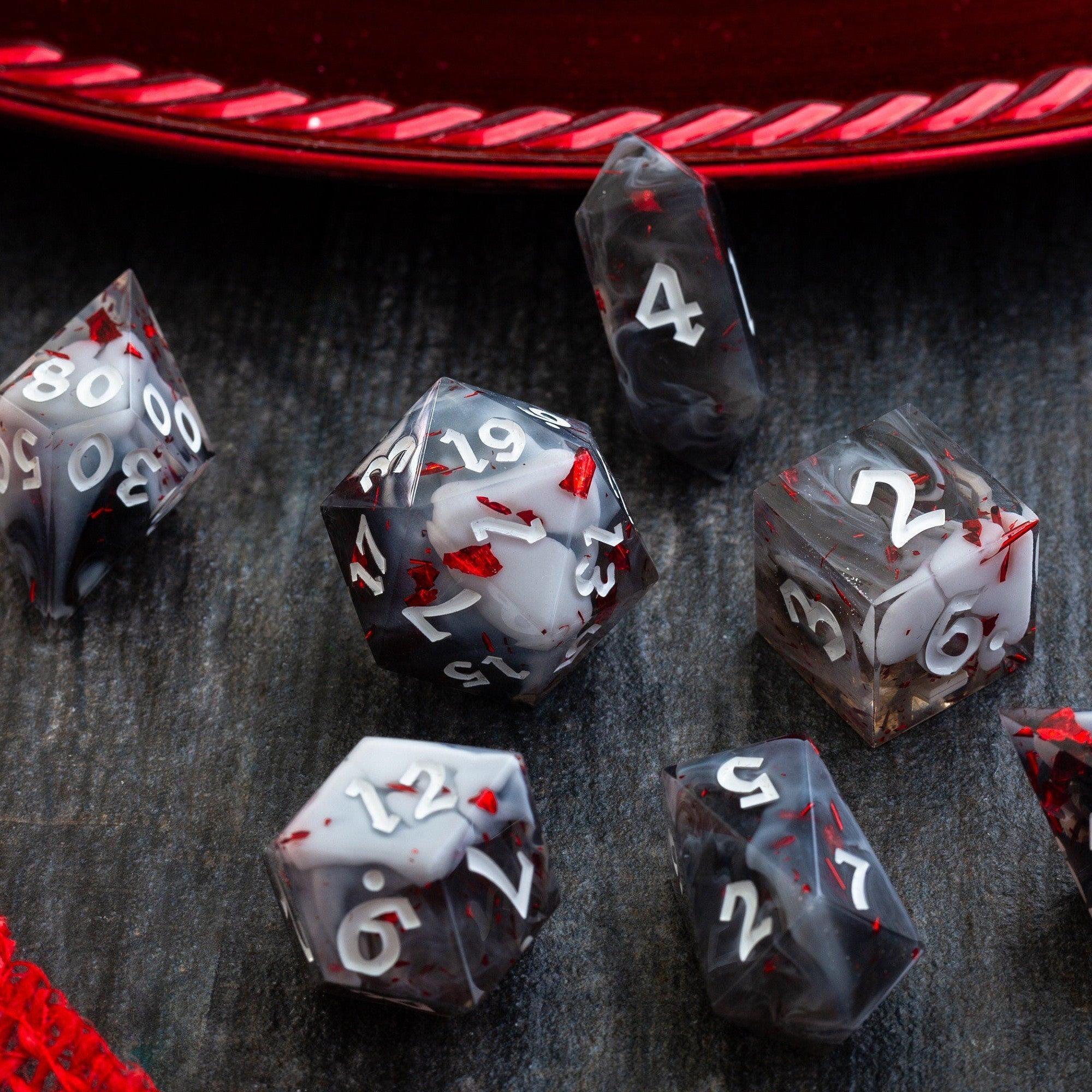
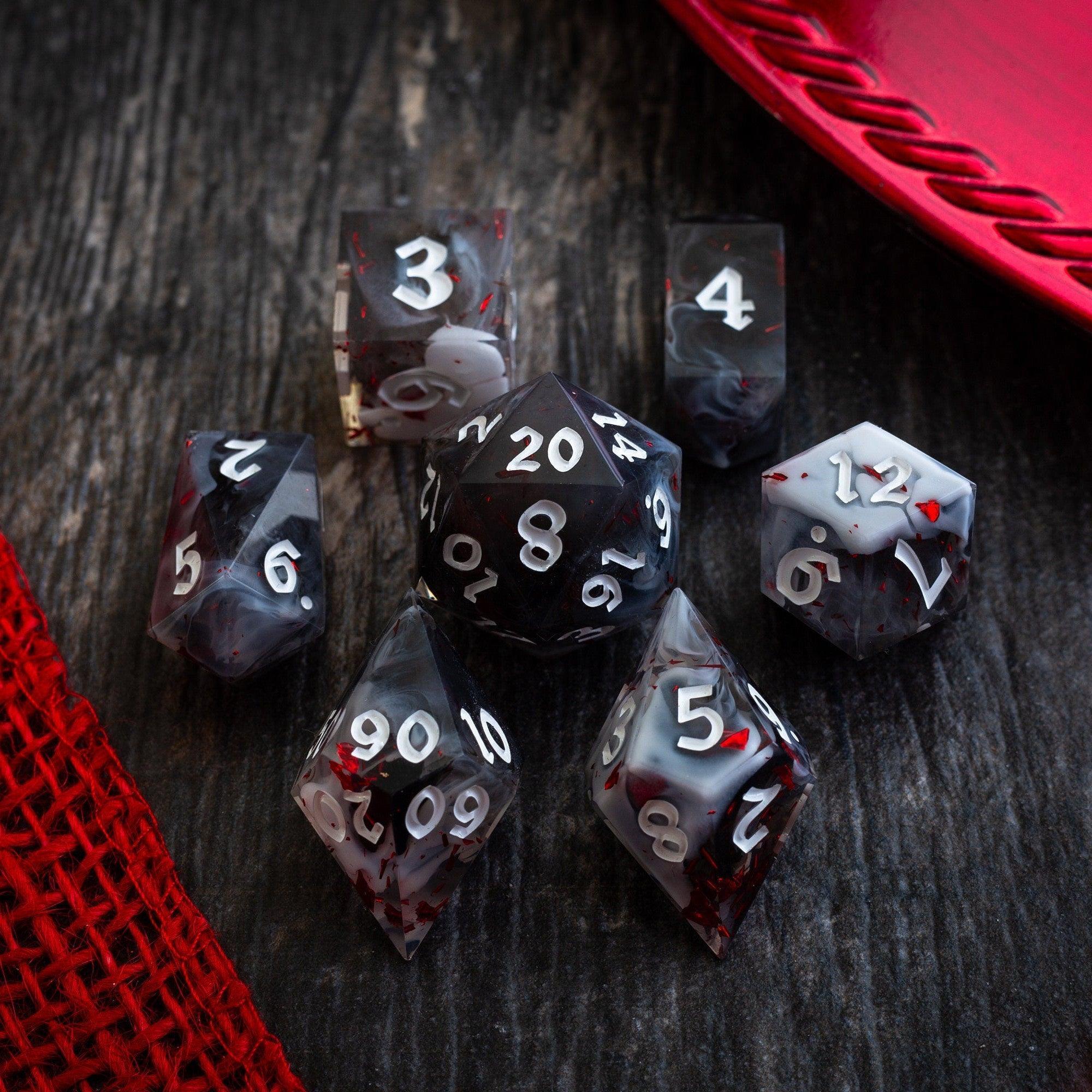
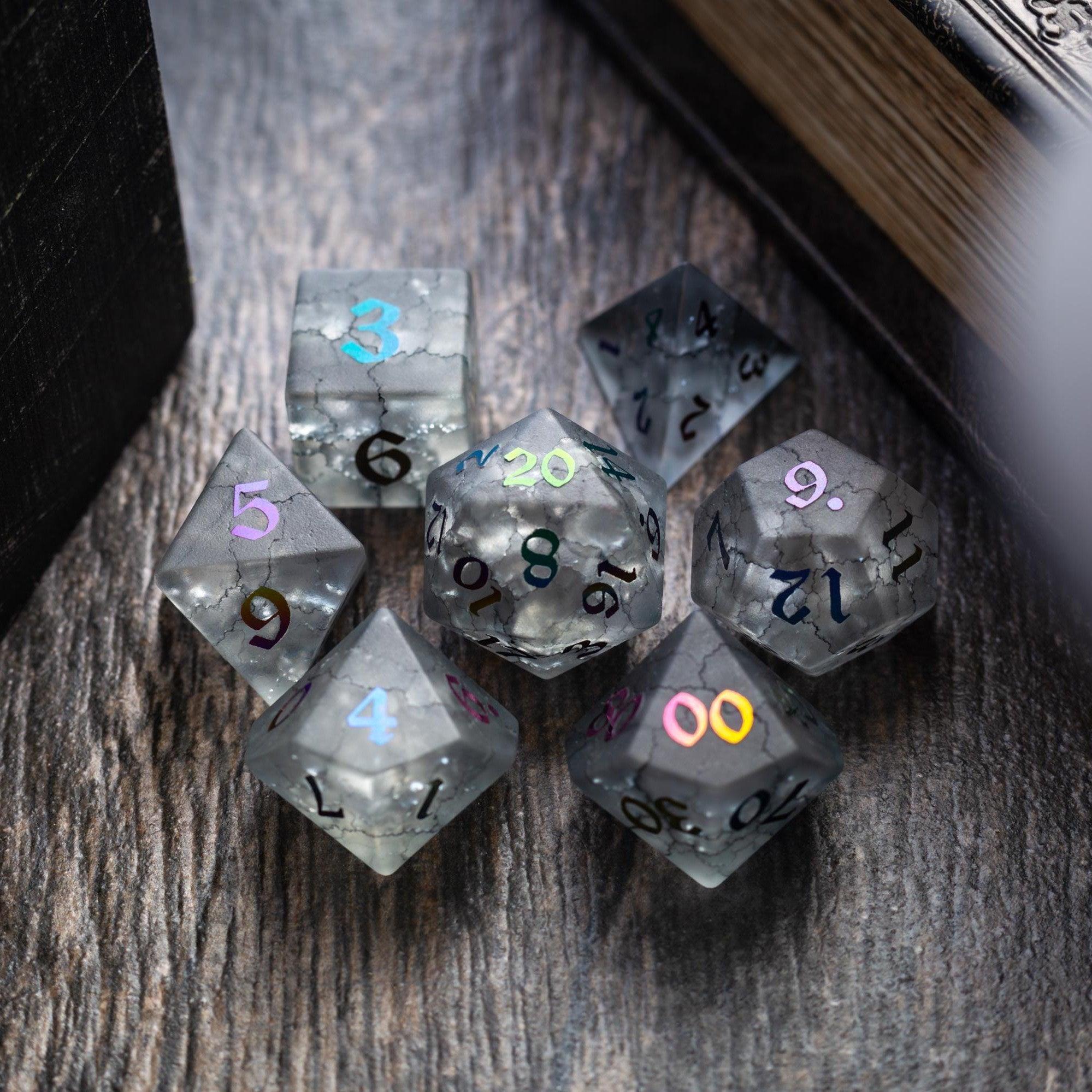
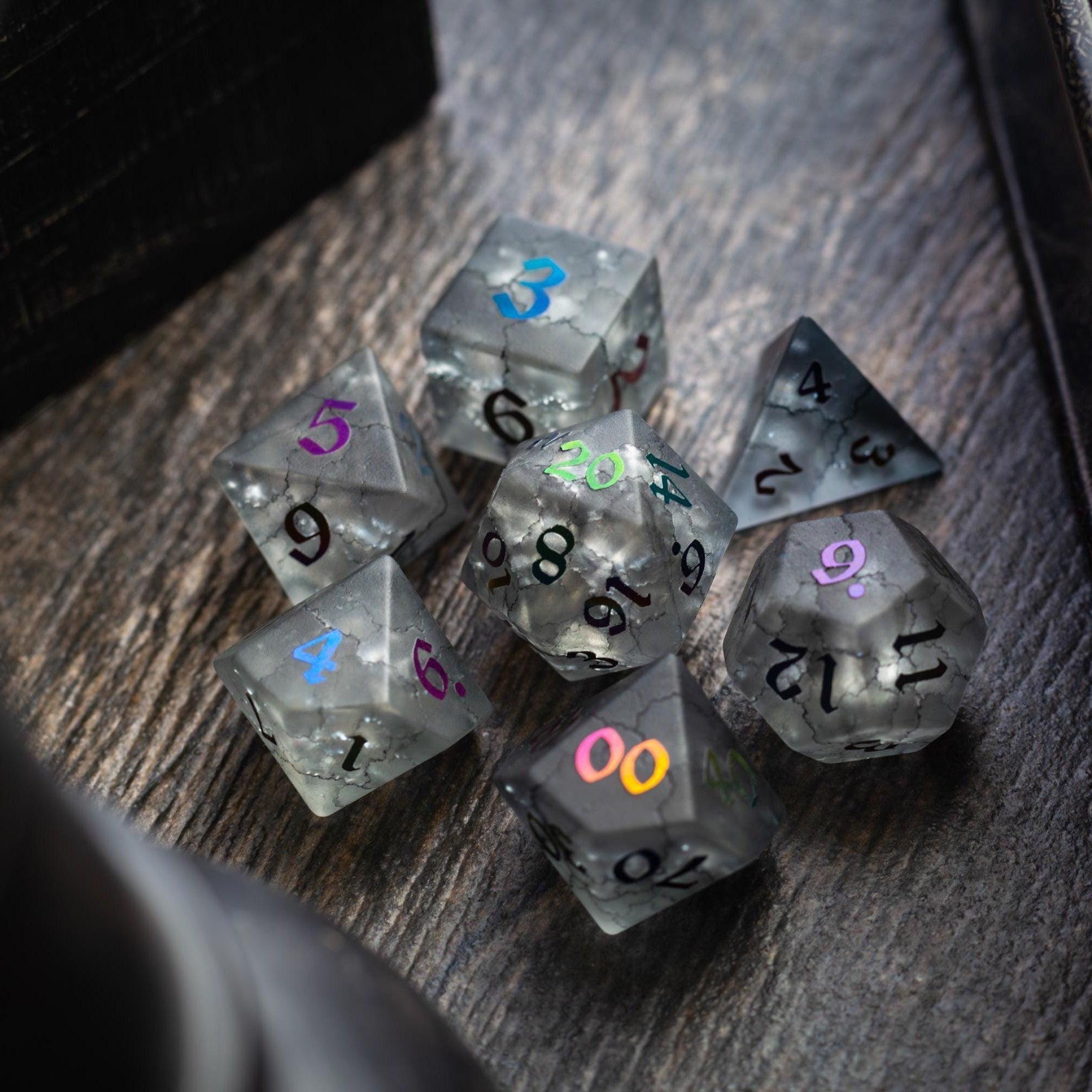
Dice Recommendations from Runic Dice
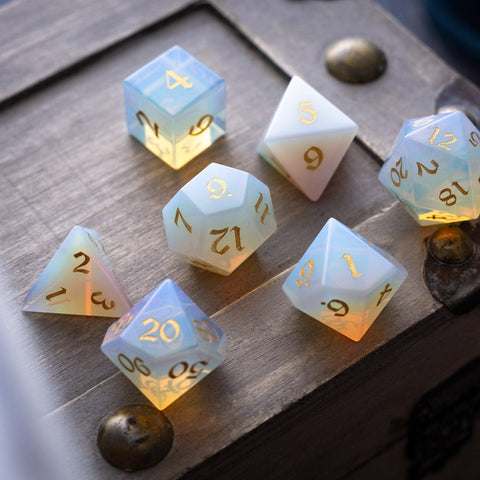
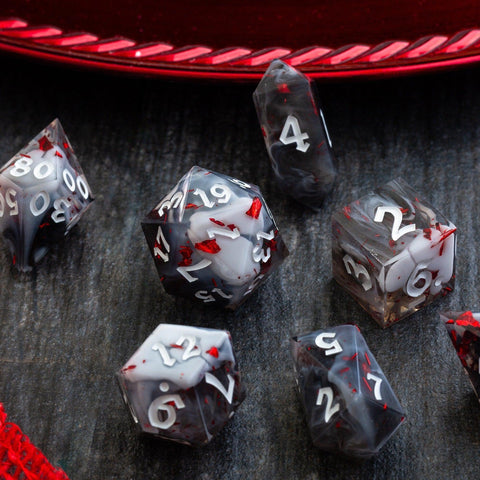
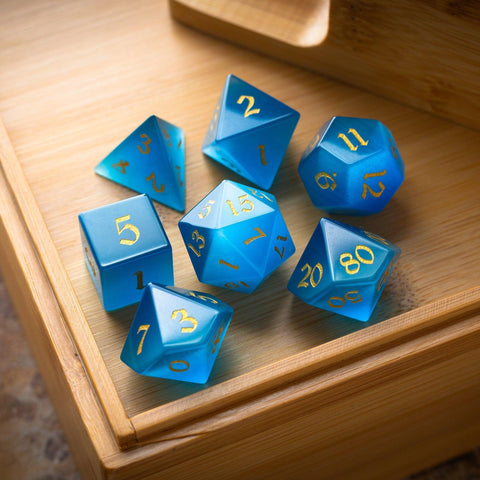
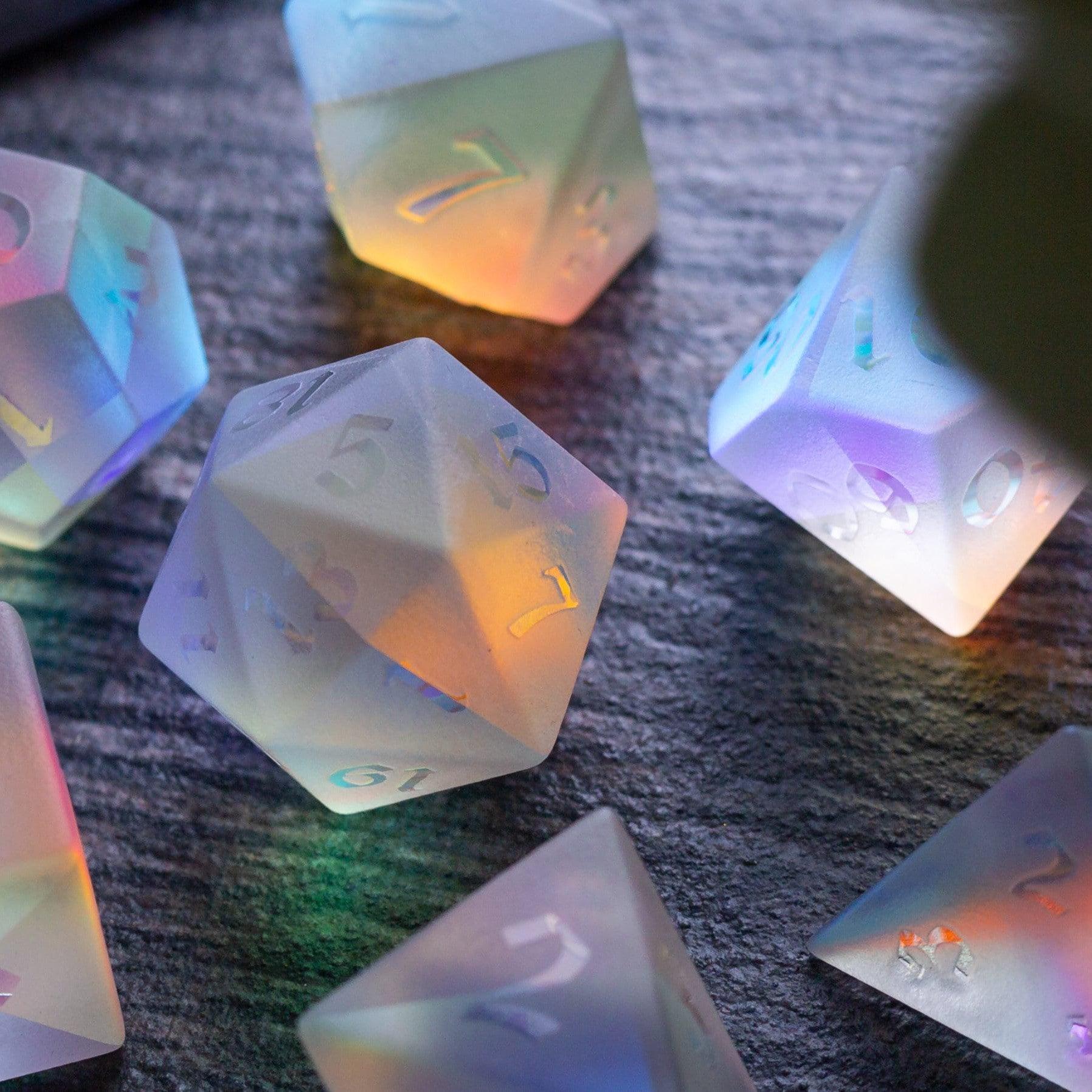
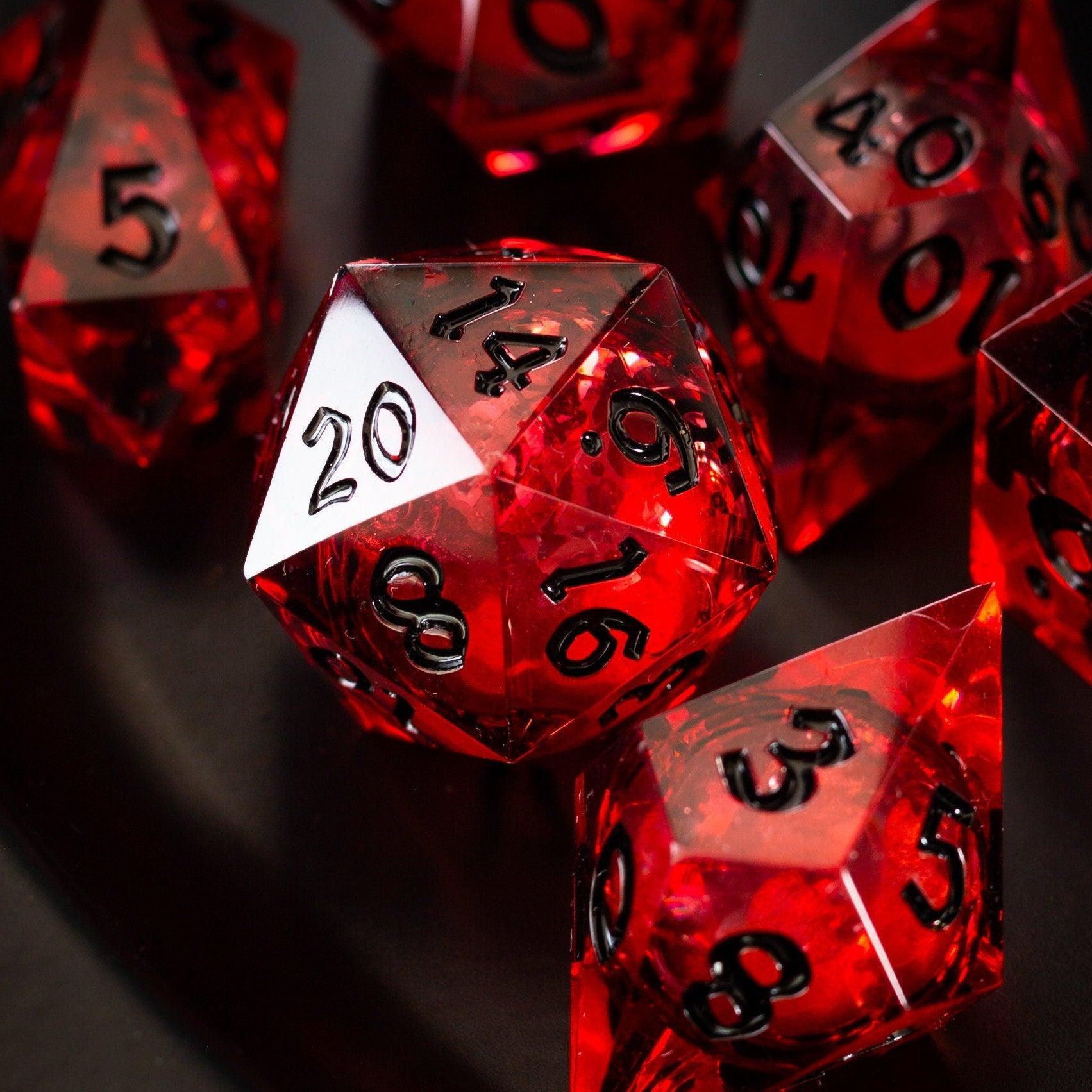
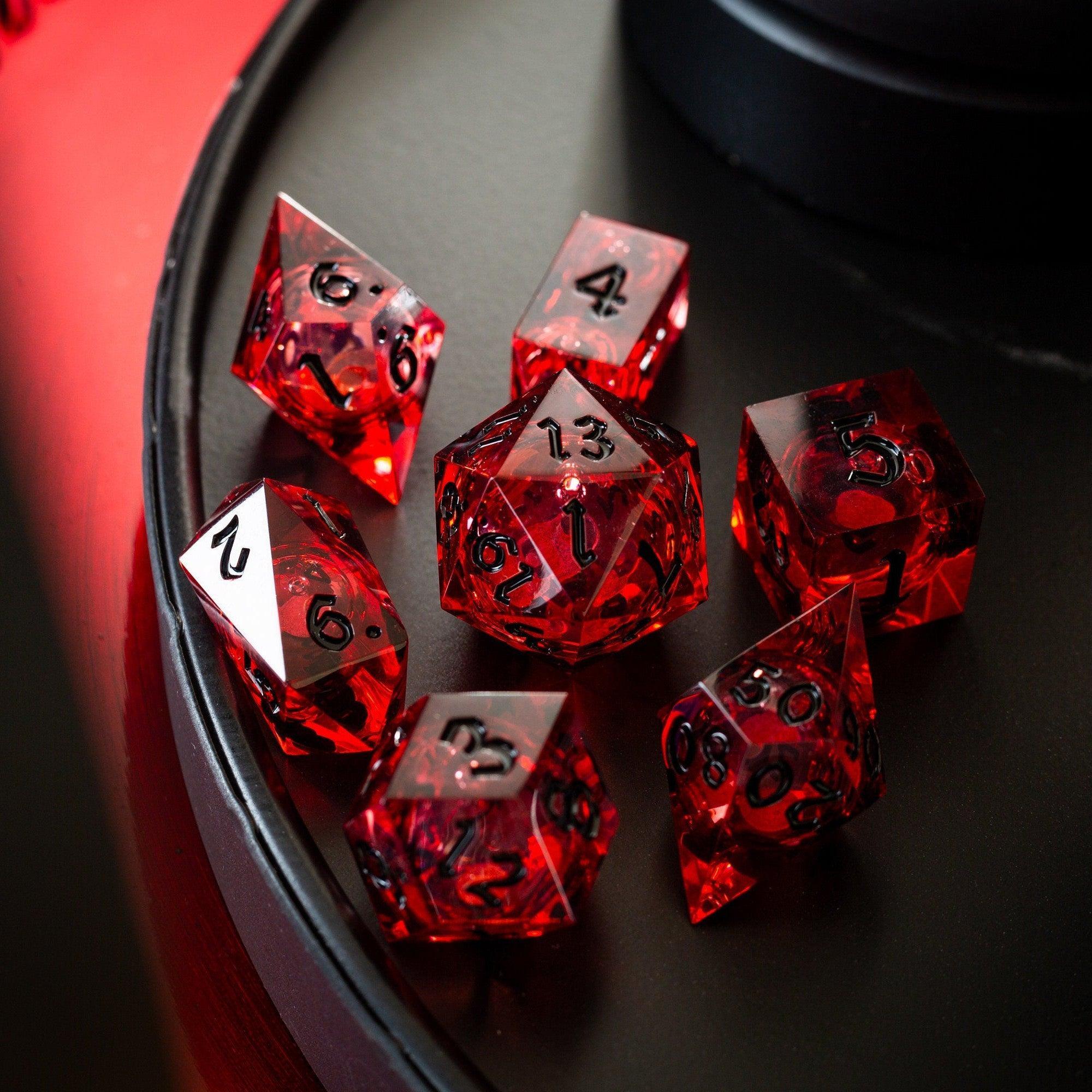
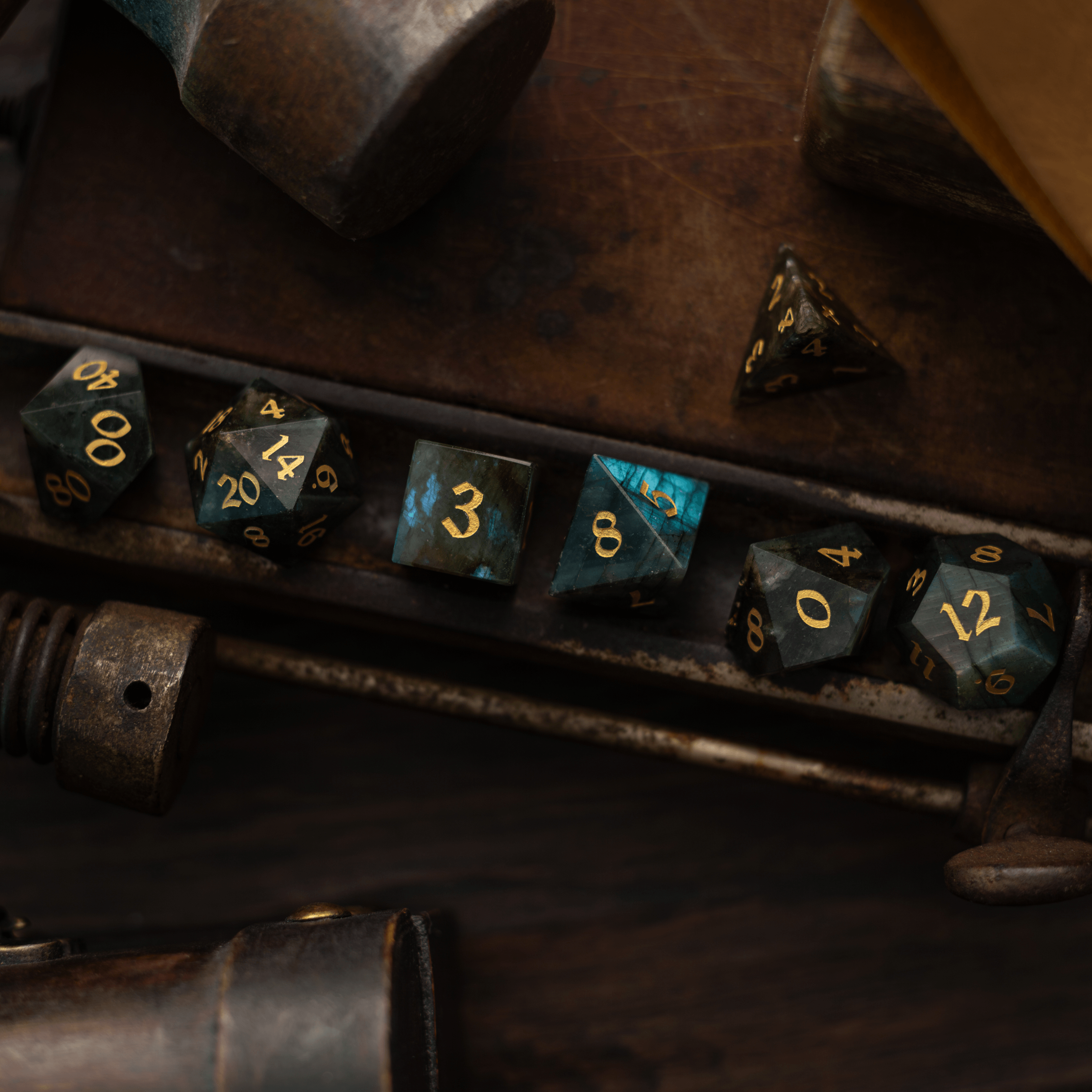
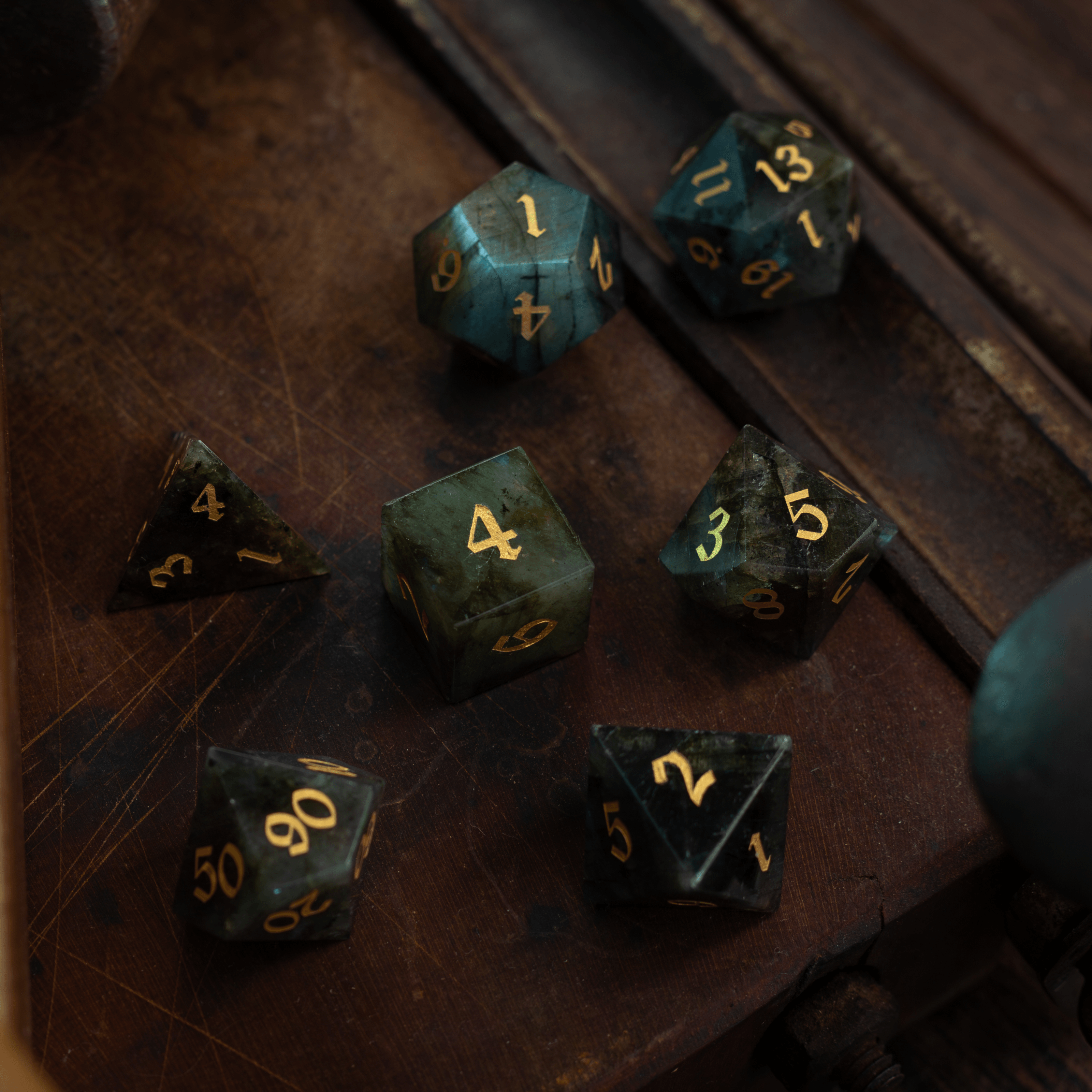
Illusion Wizards specialize in bending reality, tricking enemies, and creating dazzling displays of light and shadow. To match that theme, you’ll want DND dice sets that capture mystery, shimmer with unpredictable beauty, and look like they could hold secrets of their own.
- Phantom’s Trick Dice Set: For swirling purples and silvers representing deception and illusion, consider the Purple Gemstone Amethyst DND Dice Set. Handcrafted from genuine amethyst, these dice showcase deep purple tones, capturing the mystic essence of illusion magic.
- Fey Glamour Dice Set: To embody magical illusions with soft greens and pinks, the Bees and Flower Resin DND Dice Set is an excellent choice. This set features intricate designs of bees and flowers encapsulated within the resin, symbolizing the enchanting and whimsical nature of fey magic.
- Misdirection Dice Set: For deep blues and blacks reflecting hidden truths and trickery, the Blue Smoke Resin DND Dice Set offers a captivating blend of deep blue swirls, embodying the enigmatic and elusive qualities of misdirection.
With these dnd dice, your spellcasting feels as enchanting and deceptive as your subclass. Choosing between the polished elegance of gemstone dice sets and the shimmering unpredictability of resin dice sets lets you bring your character’s illusions to life on the table.
Advanced Tips and Tricks
Optimization Strategies
Best Feats for an Illusion Wizard
- War Caster: Helps protect concentration when you take damage, especially during combat.
- Resilient (Constitution): Improves Constitution saving throws, including checks to maintain concentration.
- Lucky: Offers extra protection or help on important d20 tests under the updated feat rules.
- Actor: Supports an identity-changing character, particularly in roleplay-heavy campaigns.
- Skilled: Adds skill proficiencies, which can support investigation, performance, or social deception.
Best Multiclass Options
- Wizard / College of Glamour Bard: Adds social and support abilities, but requires Charisma investment and delays higher-level Wizard magic.
- Wizard / Shadow Magic Sorcerer: A thematic option if your DM permits the older subclass; combining spellcasting classes requires careful planning.
- Wizard / Arcane Trickster Rogue: Adds stealth and skills for infiltration, though splitting levels delays important Illusionist features.
Single-class Wizard is simpler and reaches Illusory Self and Illusory Reality sooner.
The School of Illusion Wizard rewards planning, teamwork, and believable tricks. Know your spell limits and keep a defense ready when enemies see through your magic.







Leave a comment
This site is protected by hCaptcha and the hCaptcha Privacy Policy and Terms of Service apply.