
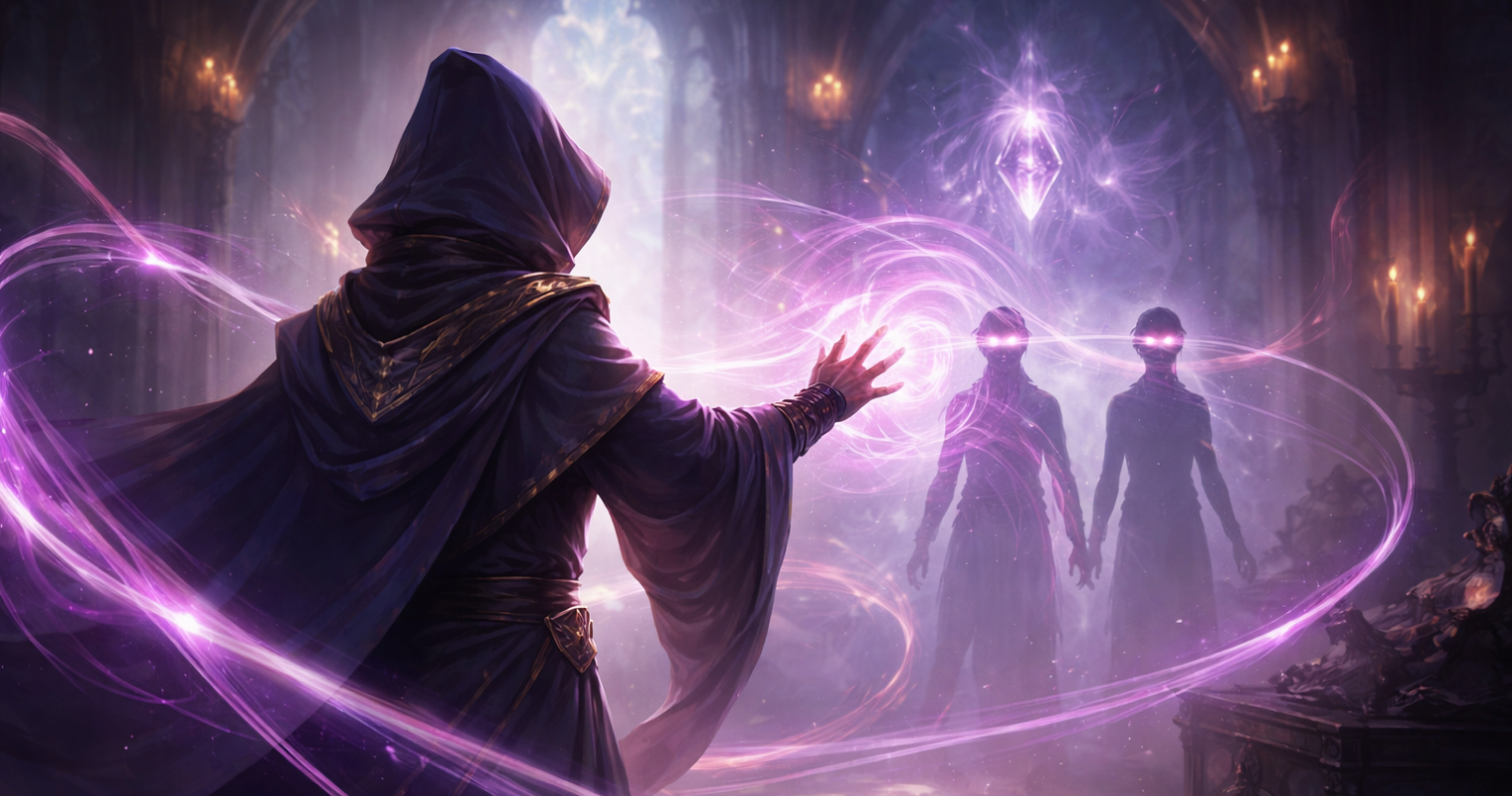
School of Enchantment Wizard Guide for Beginners: Mastering Mind Control in D&D 5e

The School of Enchantment Wizard specializes in influencing minds, stopping enemies, and handling tense conversations without drawing a weapon. If you enjoy clever spell choices and finding peaceful ways out of trouble, this is a rewarding D&D 5e Wizard to play.
Important 2026 rules update: The original School of Enchantment appeared in the 2014 Player's Handbook. September 2026's Arcana Unleashed introduced its updated version, called the Enchanter. This guide uses the current Enchanter features and notes where they differ from the older subclass. The Wizard class follows the 2024 rules, including choosing a subclass at level 3.
Why Play a School of Enchantment Wizard?
An Enchanter controls threats, creates openings for allies, and helps with difficult conversations.
- Strong crowd control: Hypnotic Presence can leave an enemy Charmed and Incapacitated.
- Useful social skills: Enchanting Conversationalist makes your Intelligence useful in a key Charisma skill.
- Efficient spells: Split Enchantment can add another target to qualifying spells without spending a higher-level slot.
- Better self-defense: Instinctive Charm can turn a successful attack into a miss.
- Great roleplay: Enchantment suits diplomats, investigators, spies, and characters who prefer negotiation.
Being Charmed does not force obedience. It prevents attacks against the charmer and helps certain social checks. Some creatures are immune, so prepare backup spells.
Core Features of the Enchanter Wizard (2026)
Level 3: Enchanting Conversationalist
Choose Deception, Intimidation, or Persuasion. You gain proficiency in that skill and add your Intelligence modifier to its ability checks, with a minimum bonus of +1. For example, a Wizard with high Intelligence can be an effective negotiator without investing heavily in Charisma.
Level 3: Enchantment Savant
Add two Wizard Enchantment spells of level 2 or lower to your spellbook for free. Whenever your Wizard class gains access to a new spell-slot level, you also add one eligible Enchantment spell to your spellbook. This gives you more choices without paying to copy every spell.
Level 3: Hypnotic Presence
As a Magic action, target a creature you can see within 10 feet. If it can see or hear you, it makes a Wisdom saving throw. On a failure, it becomes Charmed, Incapacitated, and unable to move for up to one minute. The effect ends early if it takes damage, moves more than 10 feet from you, or can no longer see or hear you.
You can use Hypnotic Presence a number of times equal to your Intelligence modifier (minimum once), regaining uses after a Long Rest. Unlike the original Hypnotic Gaze, the updated feature does not require you to spend an action each turn maintaining it. Stay close enough to keep the effect active, but remember that being within 10 feet of an enemy is risky.
Level 6: Split Enchantment
When you spend a spell slot on an Enchantment spell that can target an additional creature when upcast, you can treat the spell as one level higher for that purpose. You can do this a number of times equal to your Intelligence modifier per Long Rest.
For example, casting Hold Person with a level 2 slot can affect two humanoids when you use Split Enchantment, as though you had used a level 3 slot. This does not work on every Enchantment spell. Check whether its higher-level description actually adds another target.
Level 10: Instinctive Charm
When a visible creature within 30 feet hits you with an attack roll, you can use your Reaction to force a Wisdom saving throw. On a failure, the attack misses you. If another creature is within the attack's range, the attacker redirects the same attack roll against it; you choose between eligible targets.
After using Instinctive Charm, you normally recover it on a Long Rest, but casting an Enchantment spell with a spell slot also restores its use. Unlike the older feature, this triggers after a hit. Watch out for eligible targets who might be your allies.
Level 14: Alter Memories
When you cast an Enchantment spell with a spell slot that Charms a creature, you can select one target to remain unaware it was Charmed. Before that spell ends, you can use a Magic action to make it attempt an Intelligence saving throw. On a failure, you can erase up to 1 plus your Intelligence modifier hours of memory, limited by the spell's actual duration.
This is useful for infiltration, but it cannot rewrite beliefs or erase more time than the spell allows. Coordinate with your Dungeon Master about the consequences of influencing NPCs.
Best Enchanter Wizard Build for Beginners
Ability Scores and Species
Intelligence is your top priority because it powers spell attacks, saving throw DCs, and your subclass skills. Put your next good scores in Constitution for Hit Points and Concentration saves and Dexterity for Armor Class and initiative. Charisma is helpful for roleplay, but Enchanting Conversationalist reduces the pressure to raise it.
High Elf works well for its magical options, Human offers flexibility through an additional Origin feat, and Tiefling provides useful innate magic. A Changeling fits an undercover character if your table allows that species from an older source. Under the 2024 character rules, ability score increases generally come from your background, not your species.
Recommended Spells
- Charm Person: Useful in conversations; it is not automatic mind control, and the target normally realizes it was Charmed afterward.
- Hold Person: Paralyzes humanoids on a failed save and works especially well with Split Enchantment.
- Suggestion: Encourages a creature to follow a reasonable-sounding course of action, subject to the spell's limits.
- Confusion: Disrupts several creatures when a single target is not enough.
- Shield and Misty Step: Protect you when enemies close the distance or ignore your control spells.
Remember that Hypnotic Pattern, although excellent for crowd control, belongs to the Illusion school. It does not qualify for Split Enchantment. Keep a mix of saving throw types and non-charm options for difficult encounters.
Beginner-Friendly Build Example
Start with Intelligence as your highest score, take Persuasion through Enchanting Conversationalist at level 3, and prepare Charm Person, Shield, and Hold Person as you gain spell levels. In combat, control a threatening humanoid with Hold Person while allies handle other enemies. At level 6, Split Enchantment lets you attempt the same tactic on two targets using a level 2 slot. If the fight turns against you, use Misty Step to reposition instead of relying on charm magic alone.
Playing as a School of Enchantment Wizard
Your role is to remove threats, support the party's plans, and make social encounters less dangerous. Before using magic on a guard or merchant, consider whether ordinary conversation would achieve the same goal. Enchantment often has legal and personal consequences in the game world.
- Choose targets carefully: Check whether an enemy is likely to resist being Charmed.
- Protect Concentration: Many control spells require it, even though Hypnotic Presence itself does not.
- Mind your positioning: Hypnotic Presence requires you to remain near the target.
- Communicate with allies: Tell teammates not to damage a creature you are keeping Incapacitated.
Gear and Dice Recommendations
Carry a spellbook and an arcane focus, such as a wand or crystal. For magic items, a Pearl of Power helps recover a spent spell slot, a Cloak of Displacement can make you harder to hit, and a Ring of Spell Storing offers extra spellcasting flexibility. These items depend on what your DM makes available.
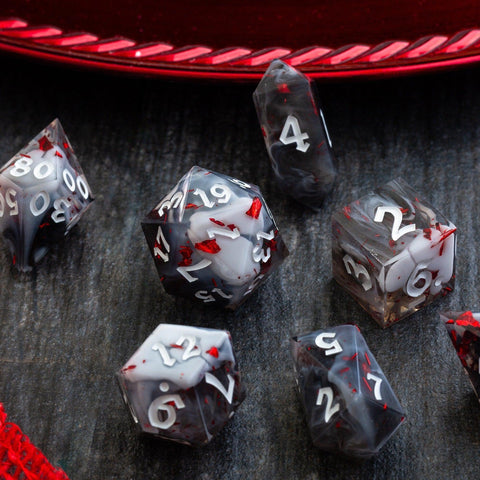
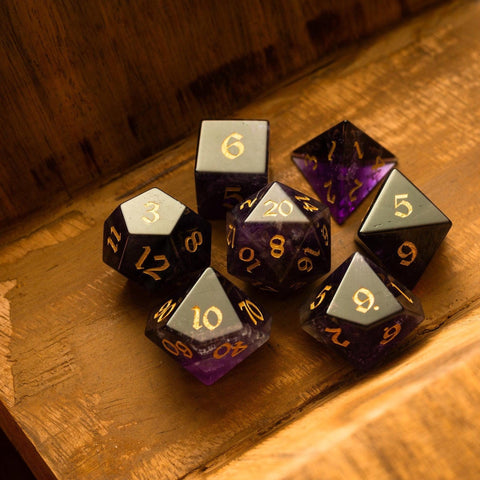
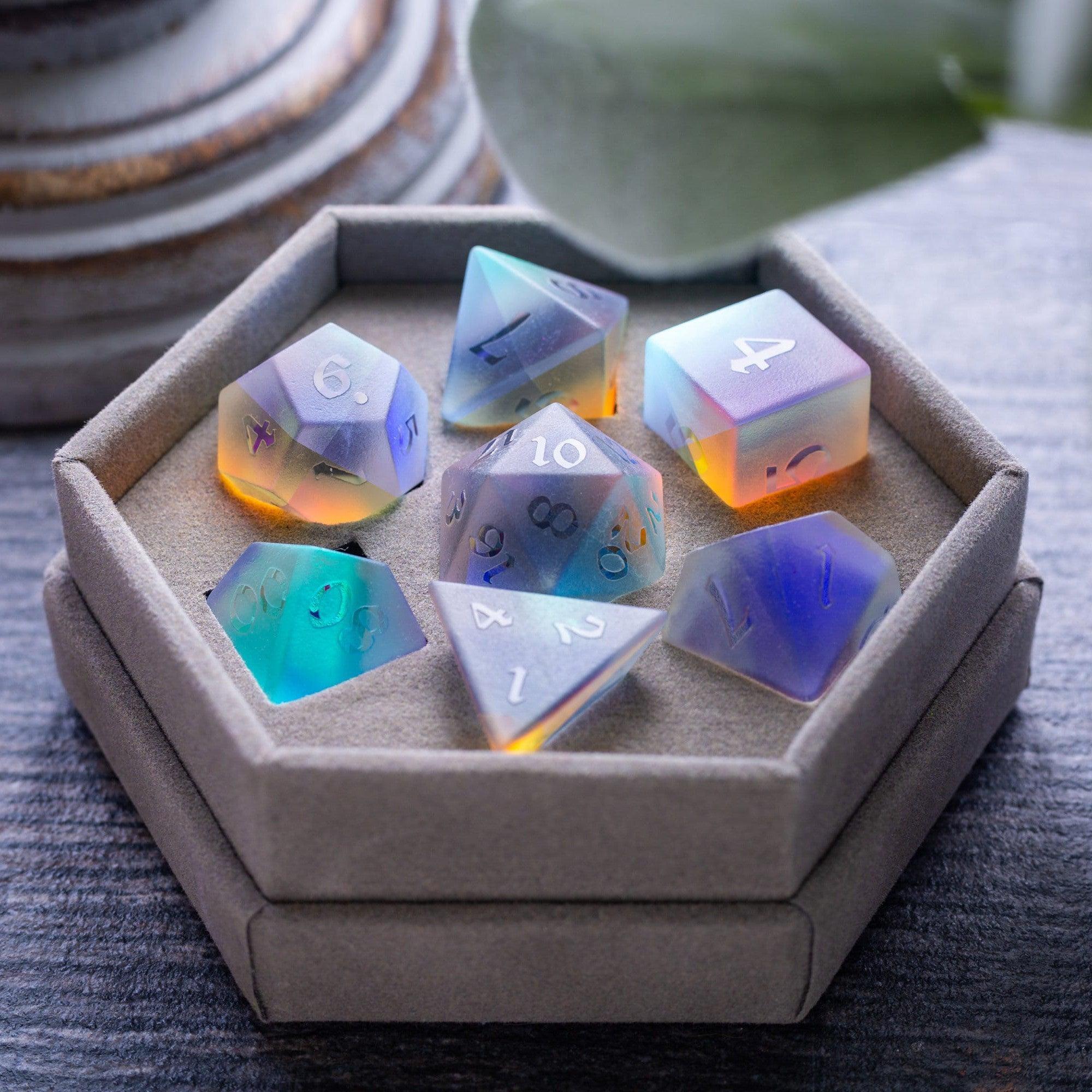
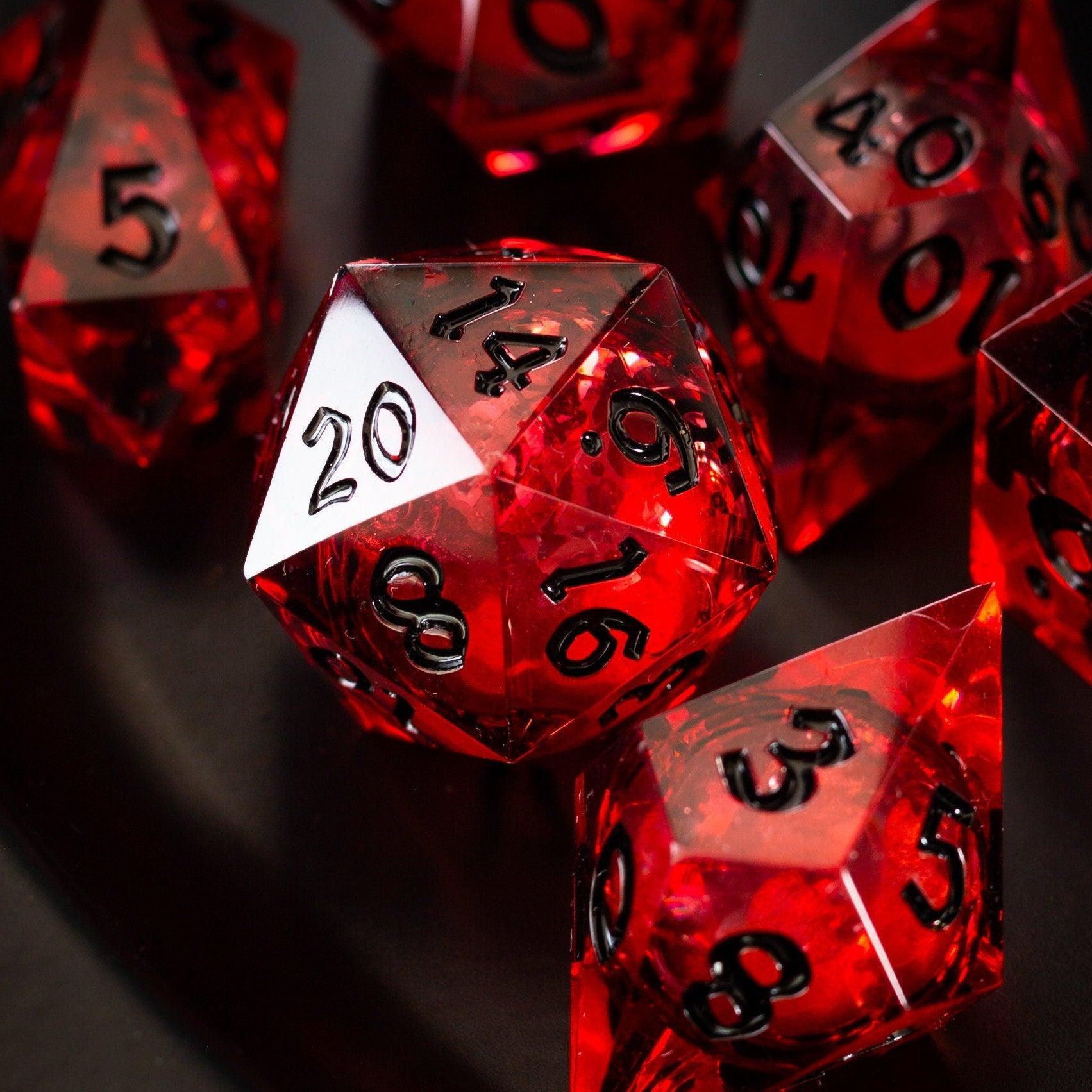
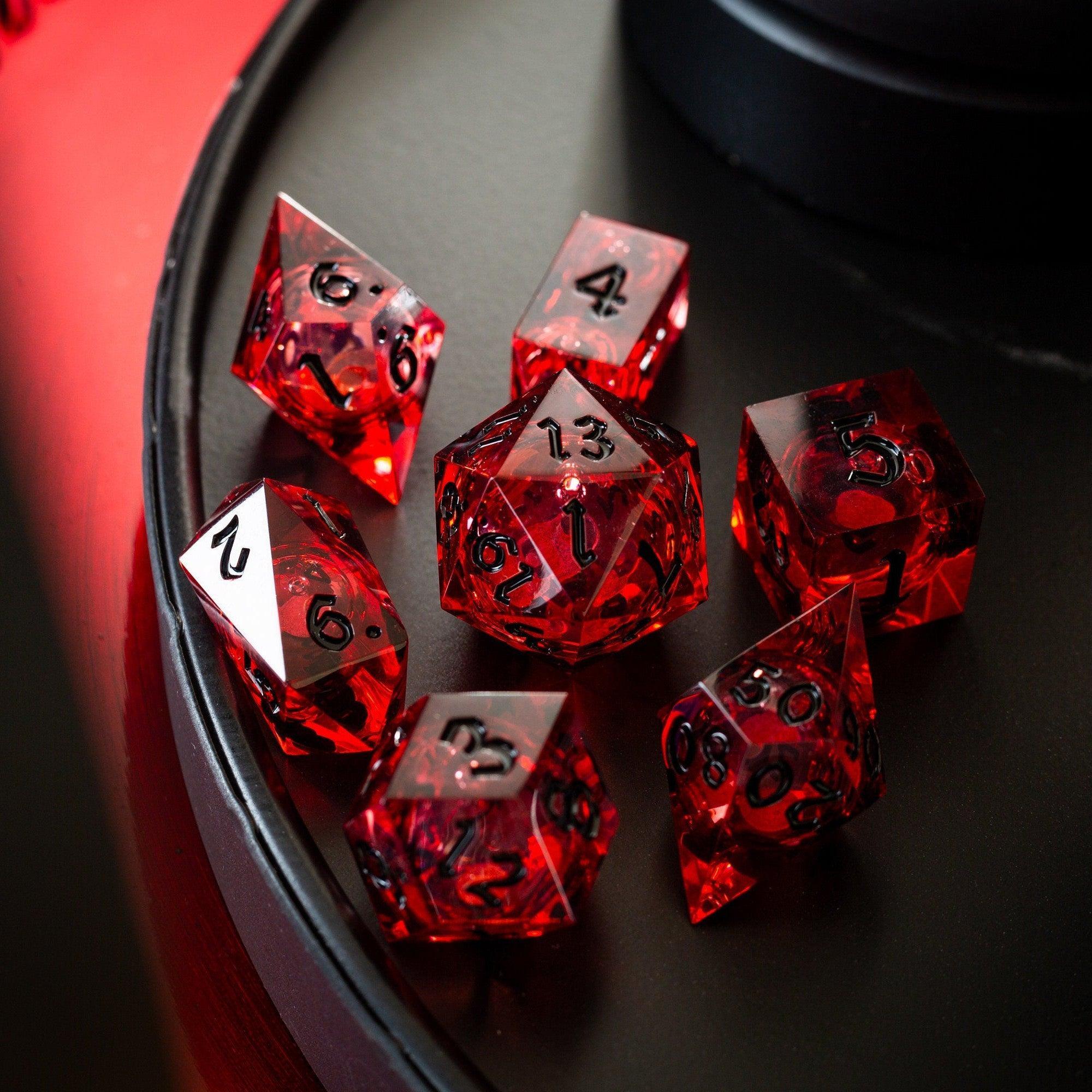
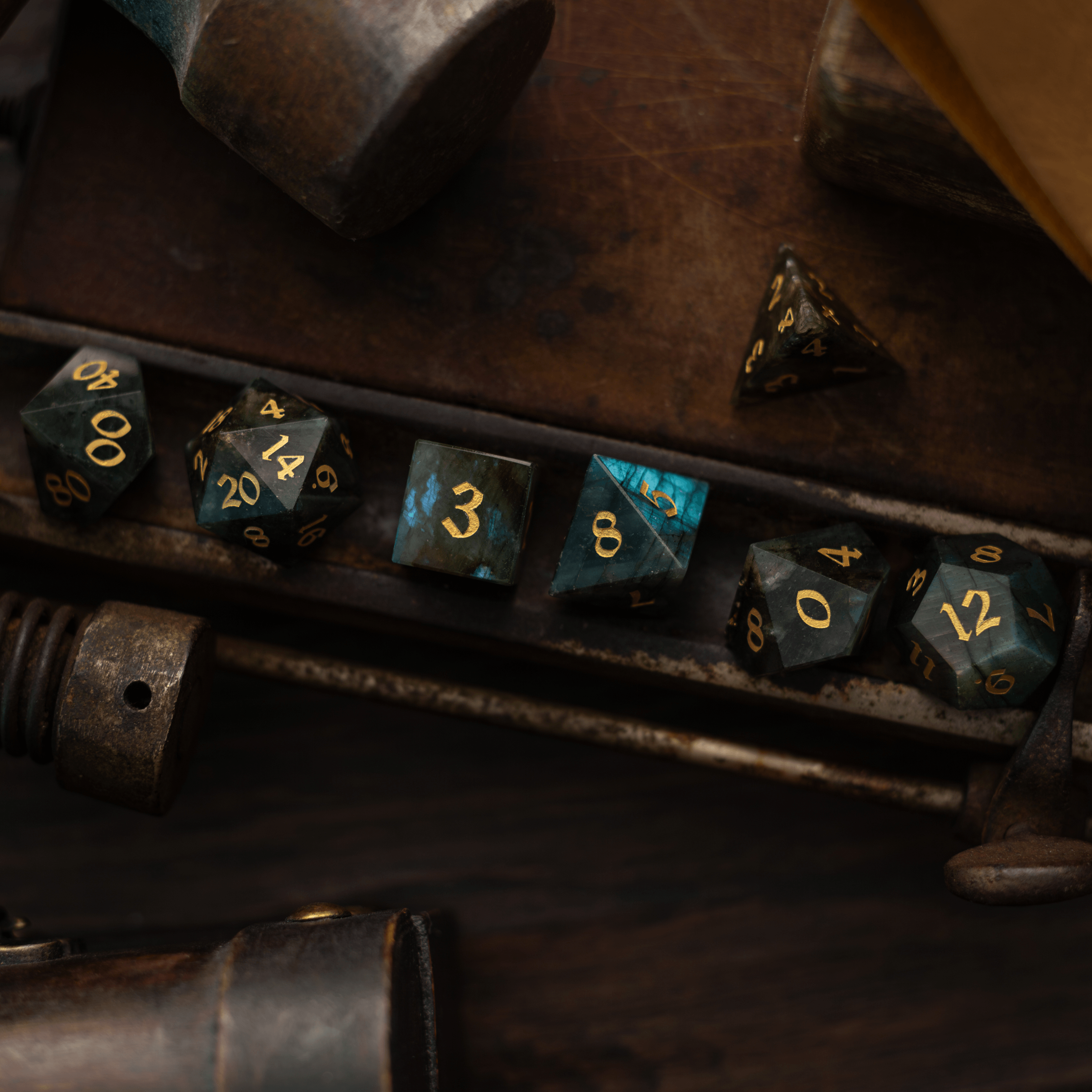
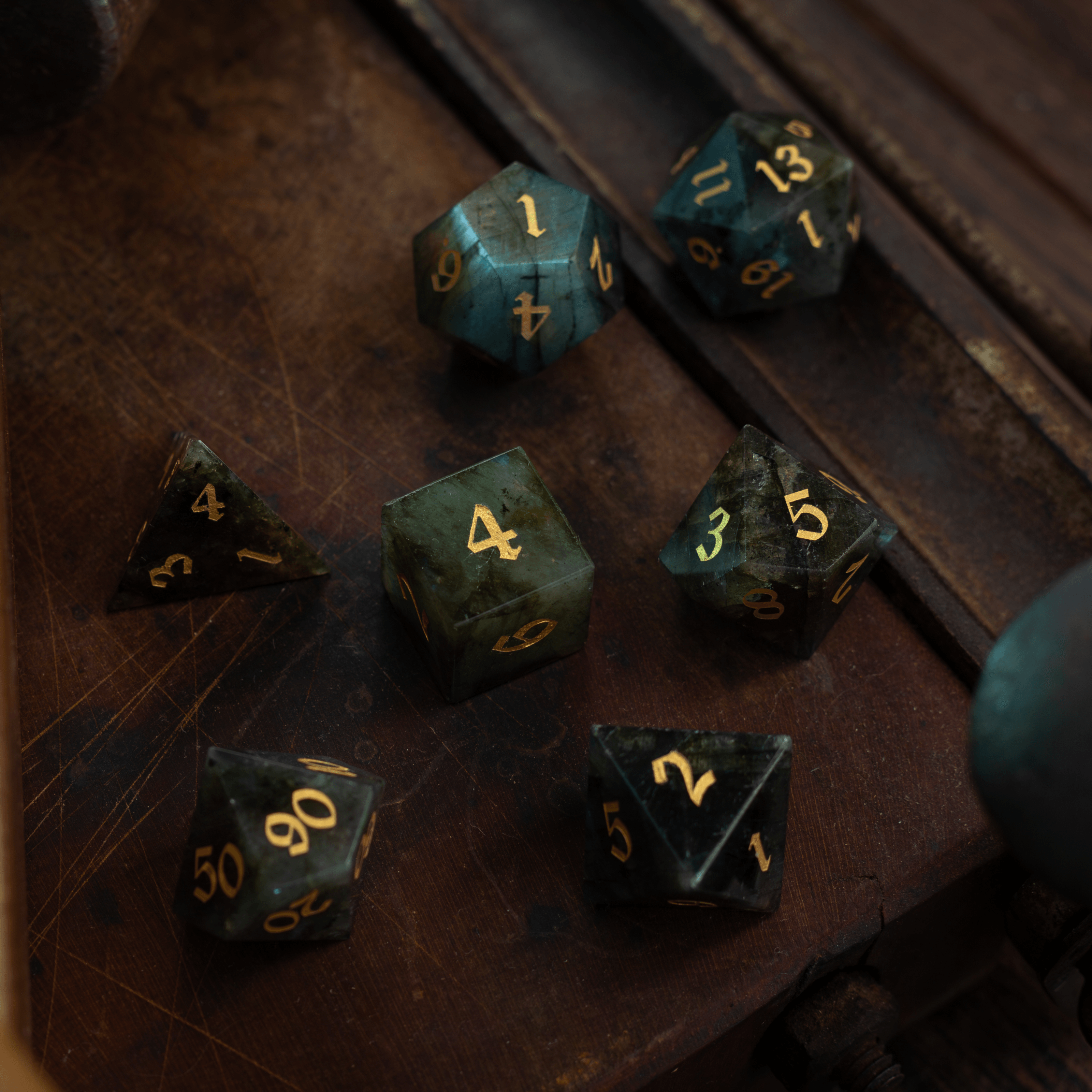
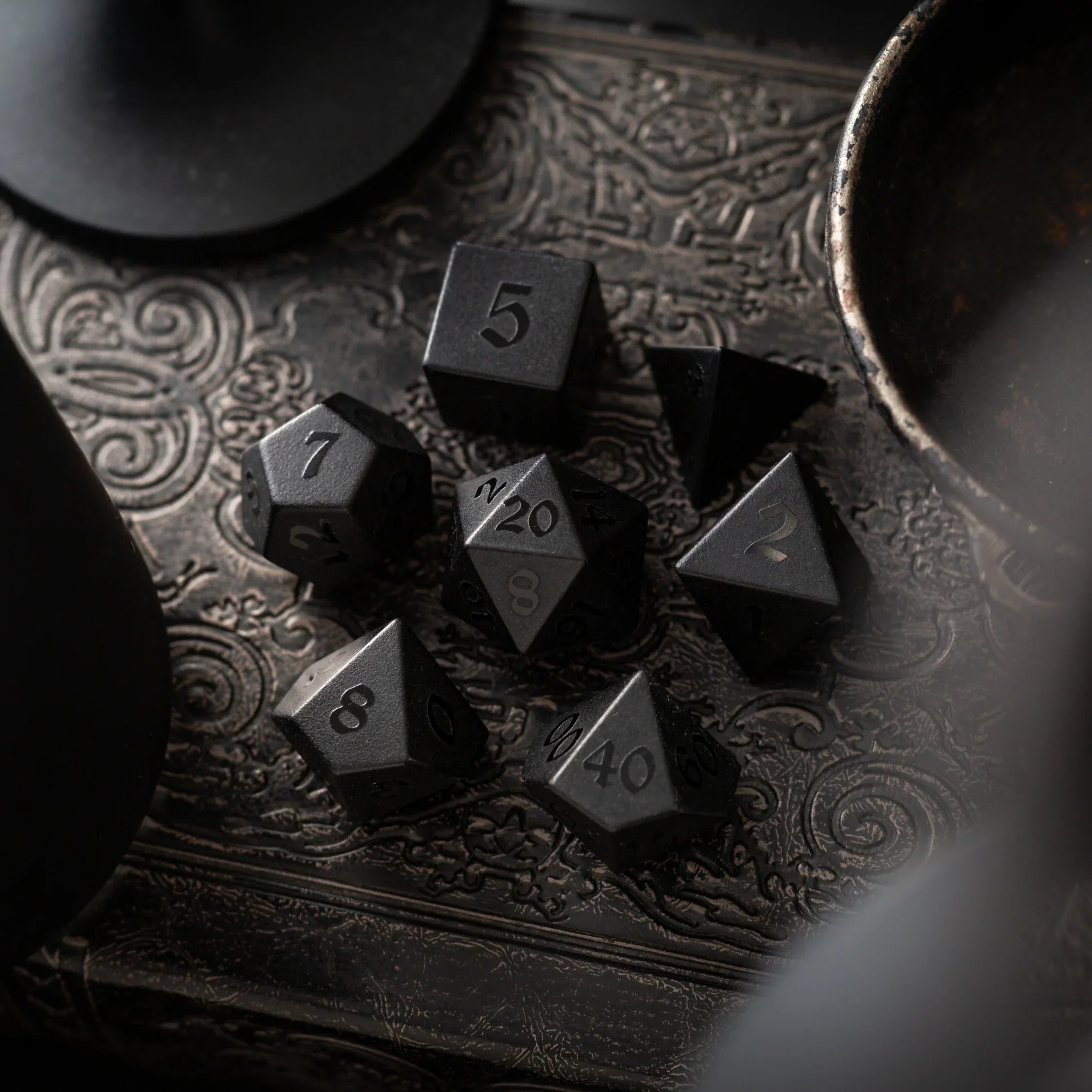
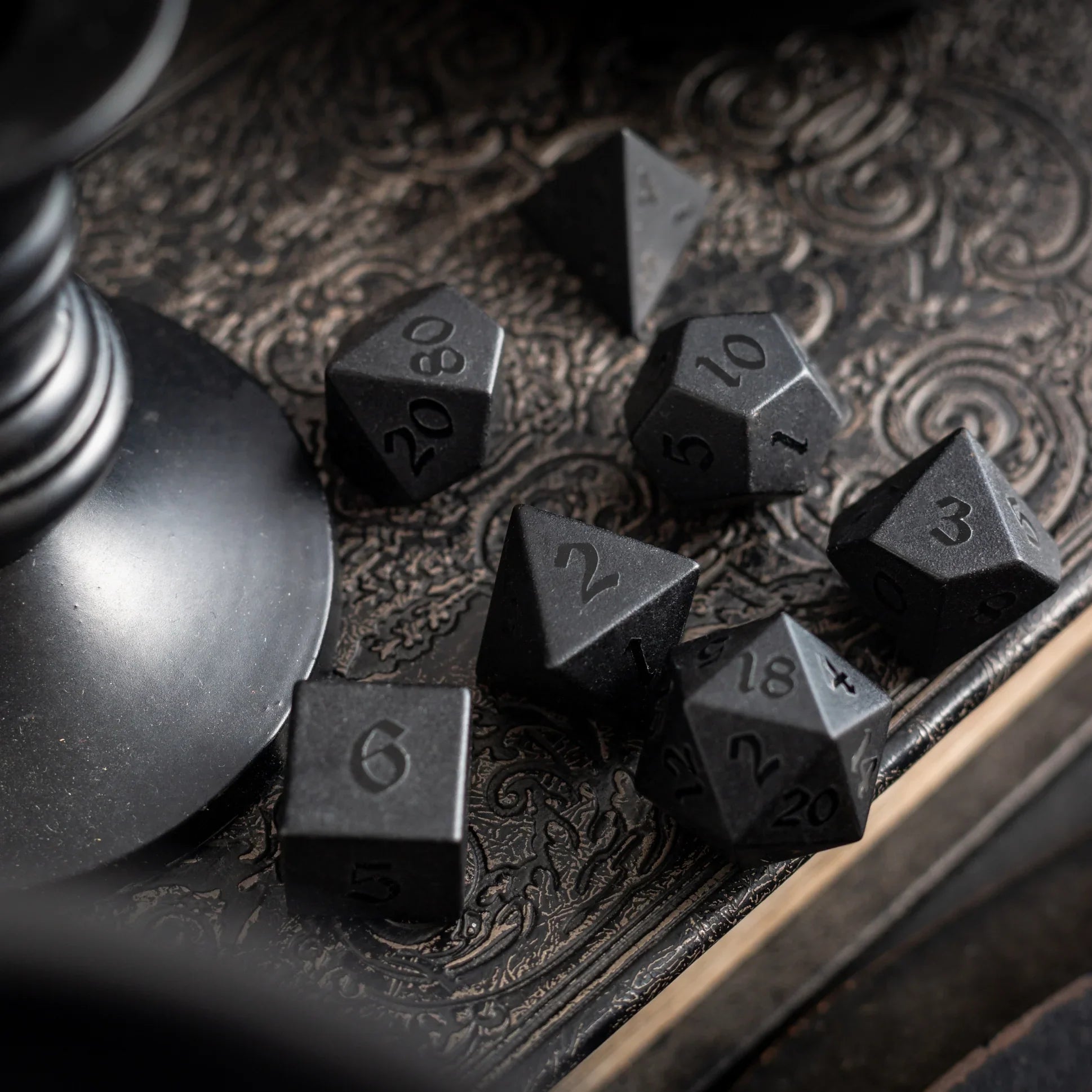
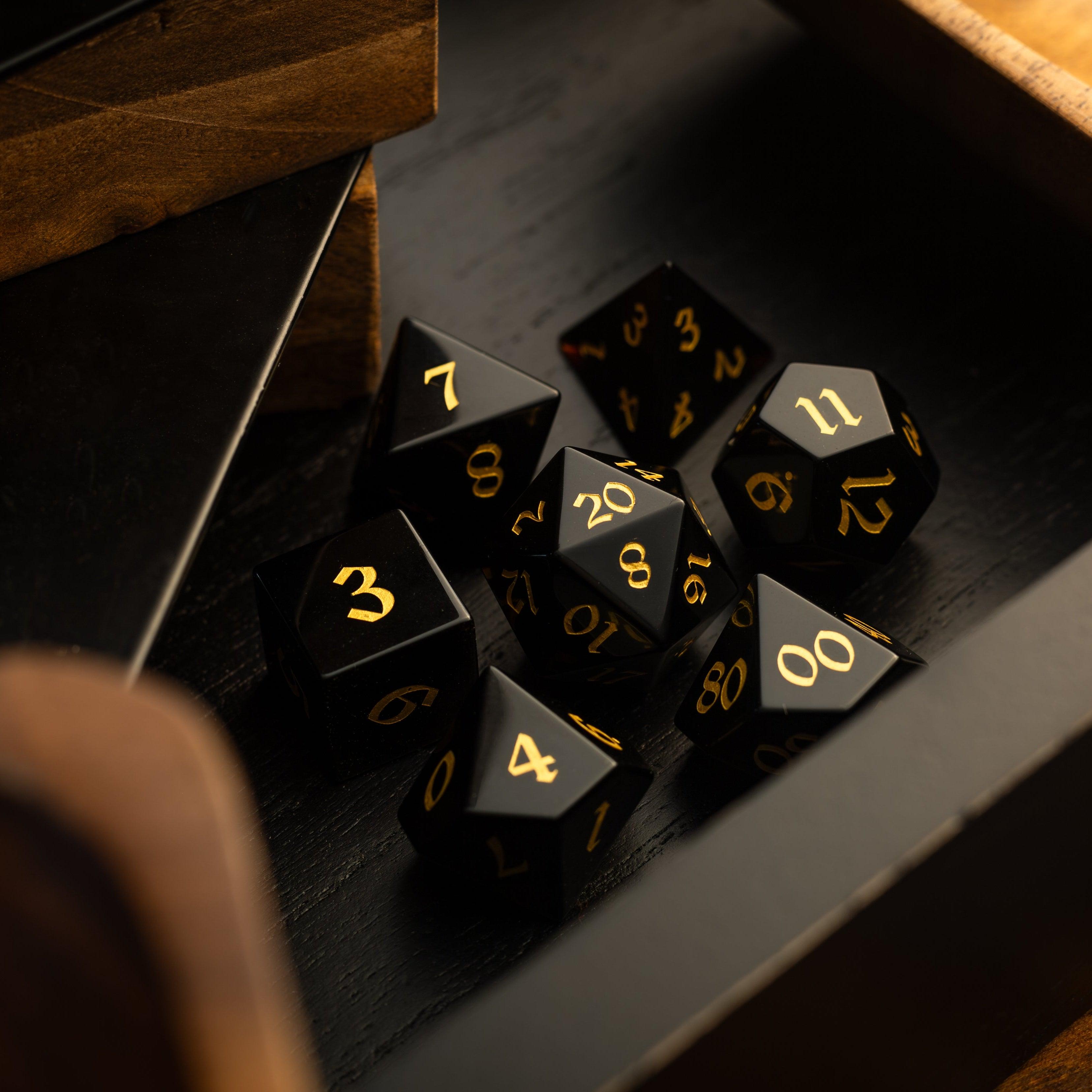
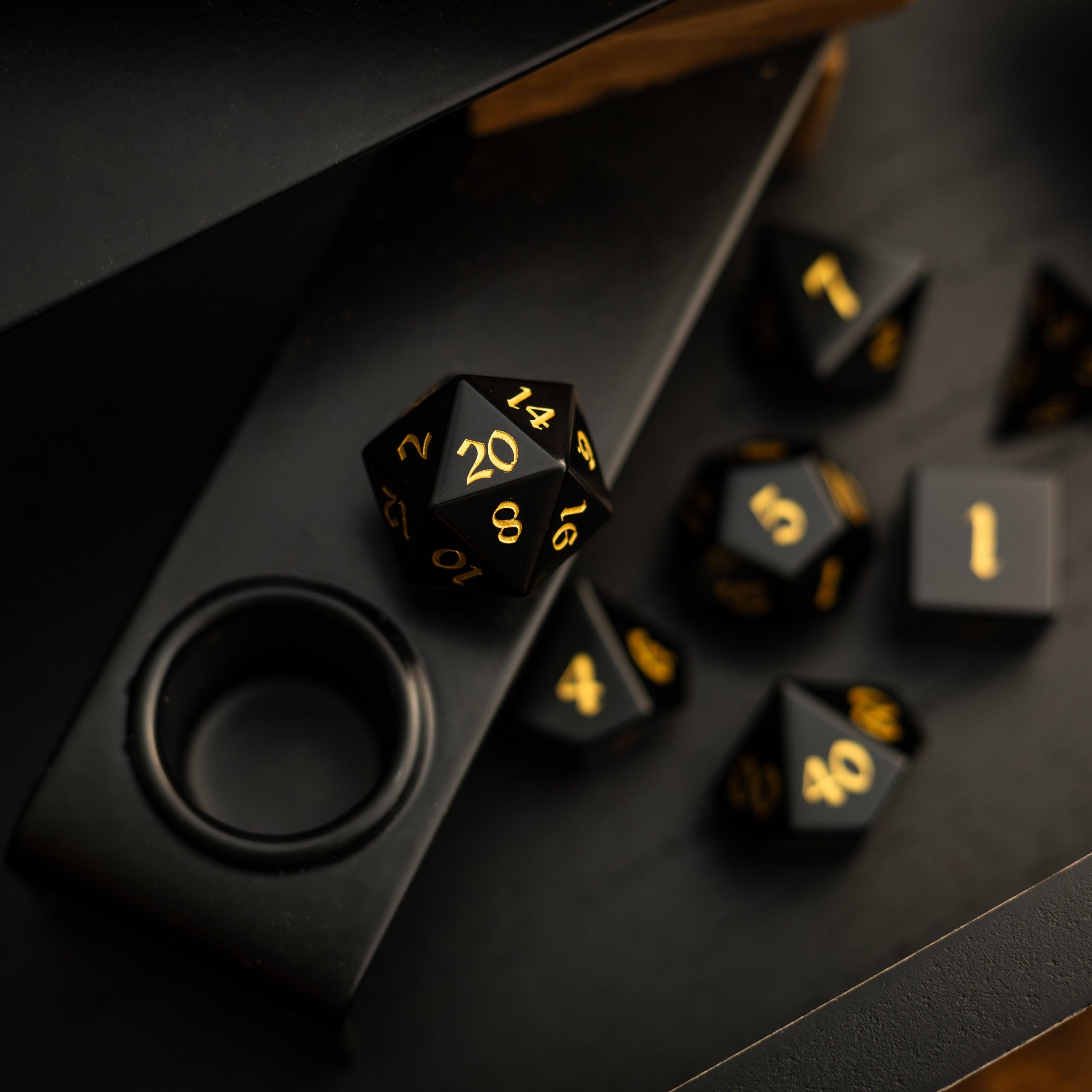
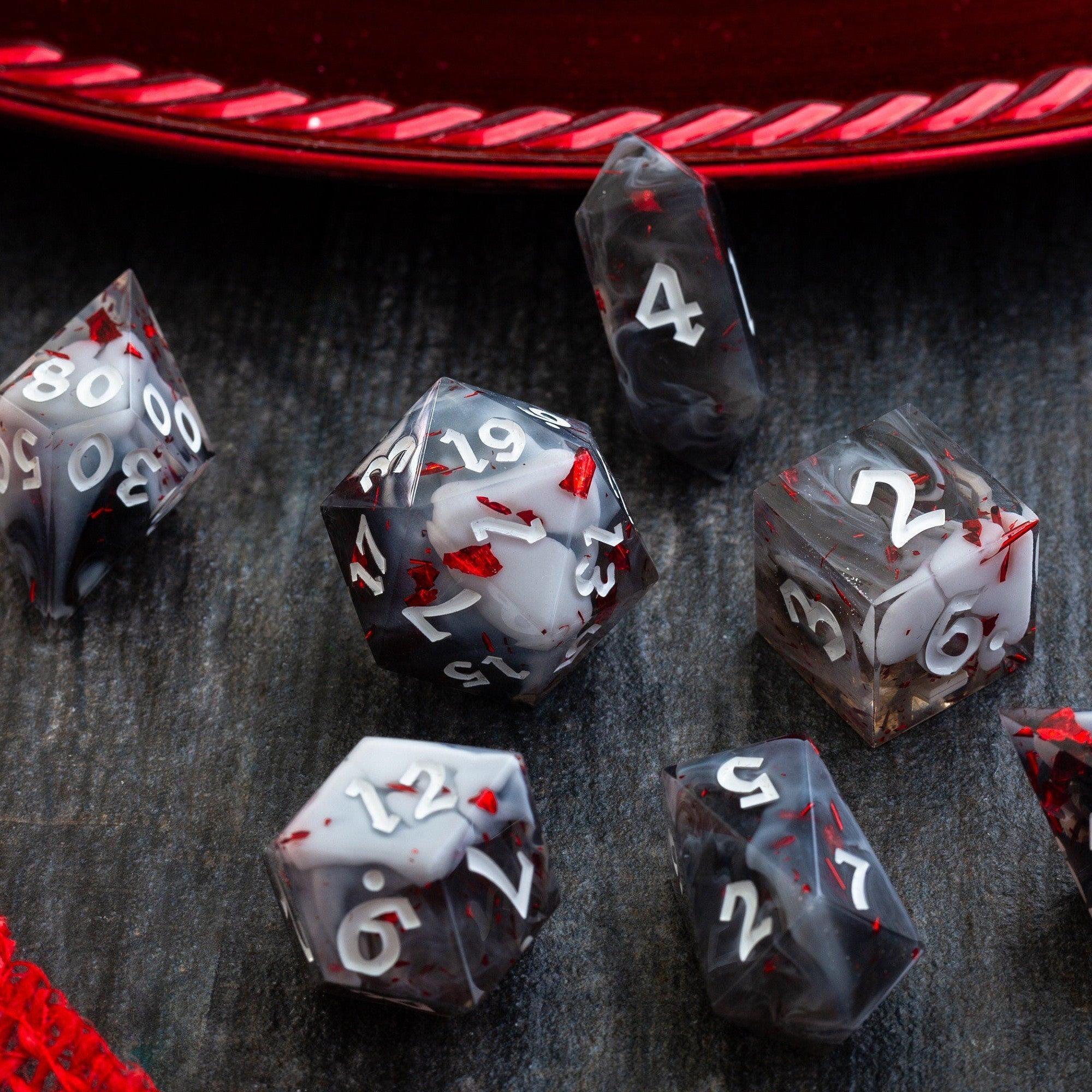
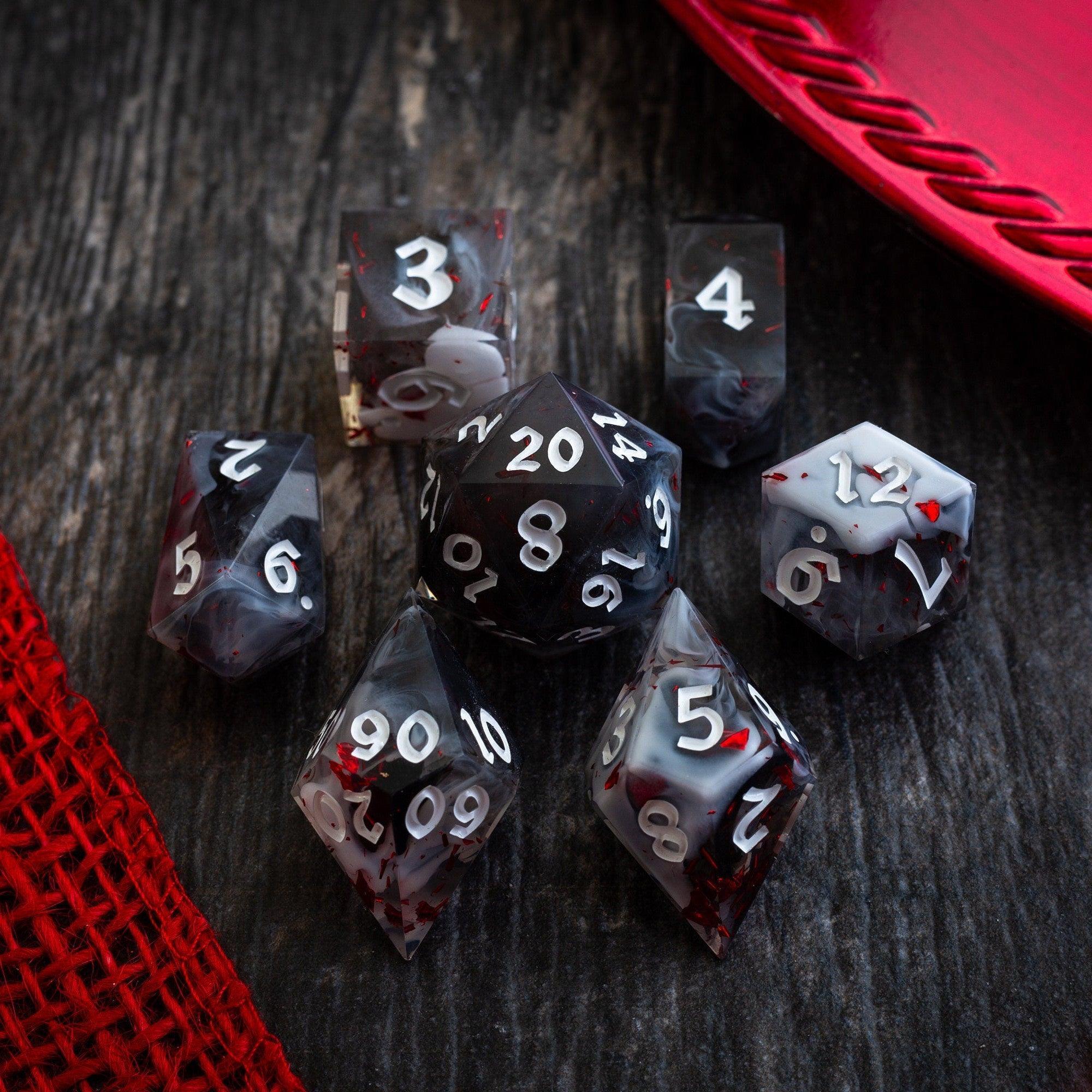
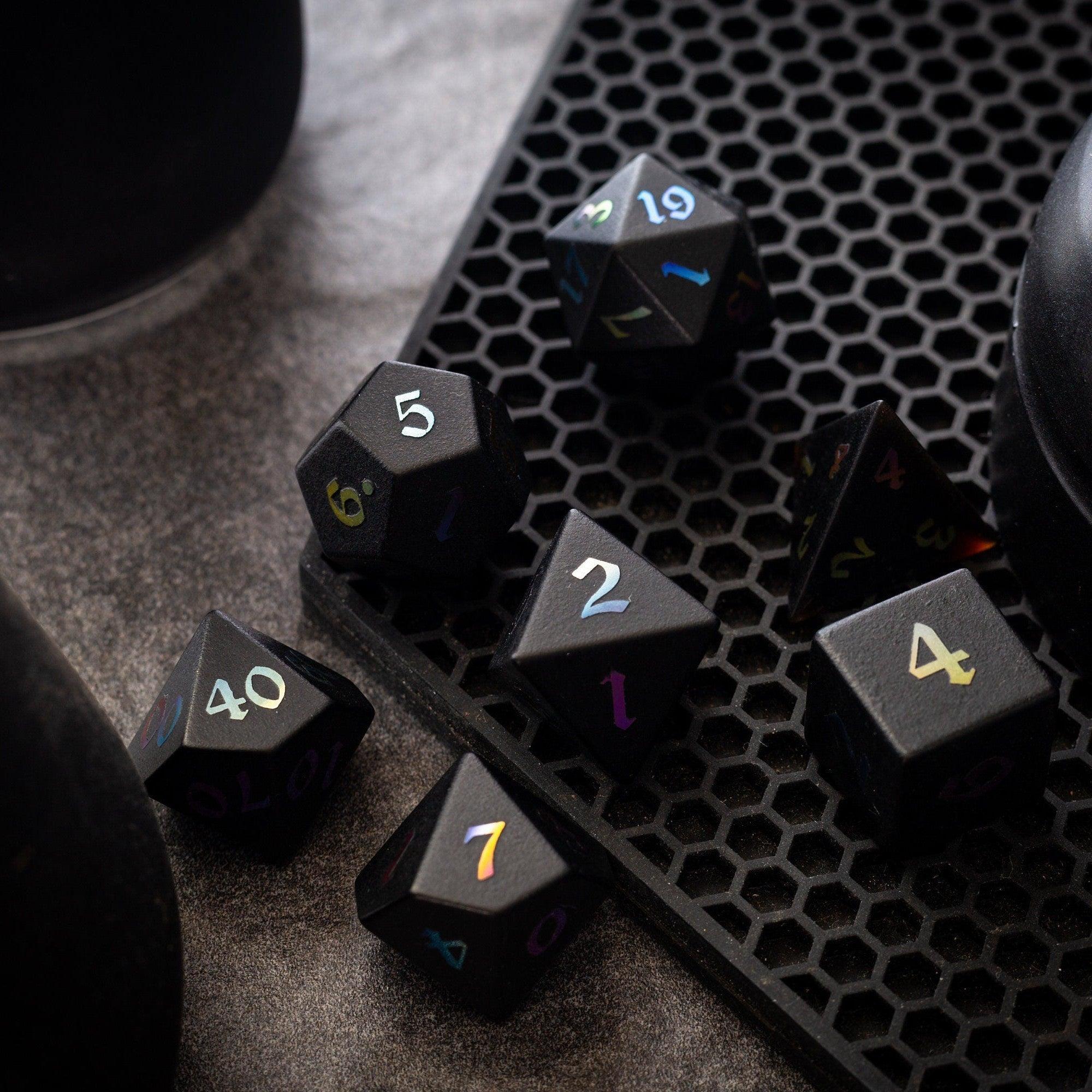
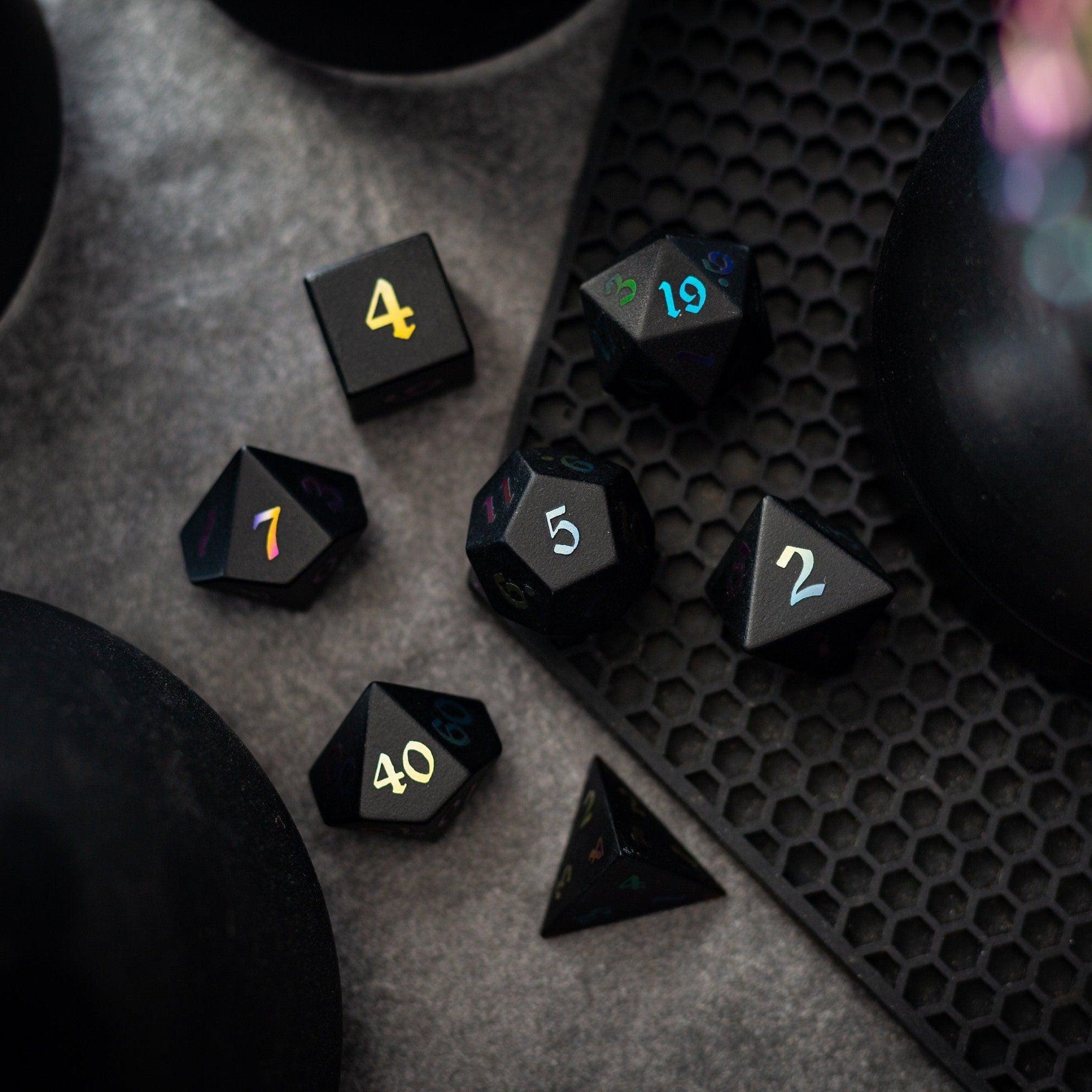
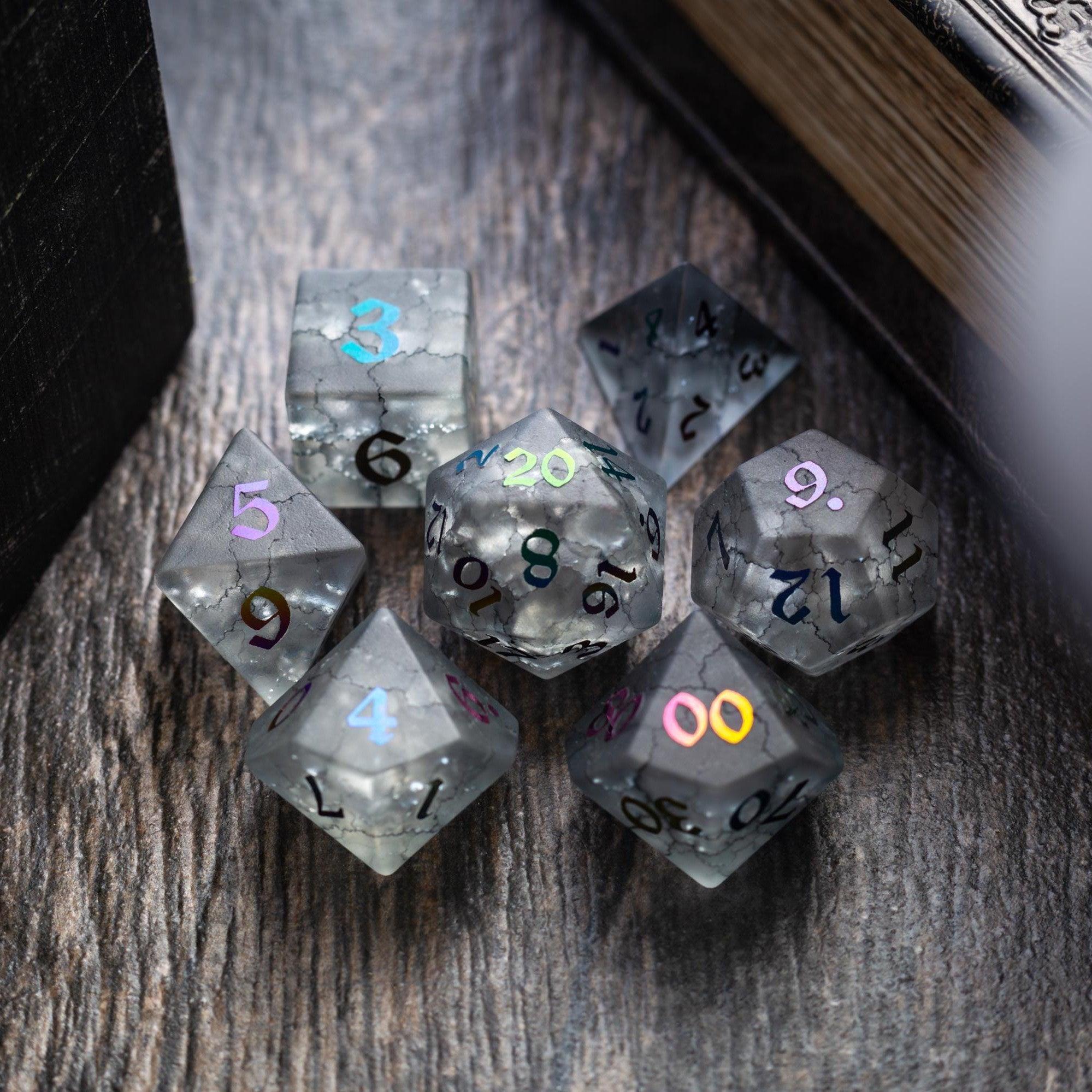
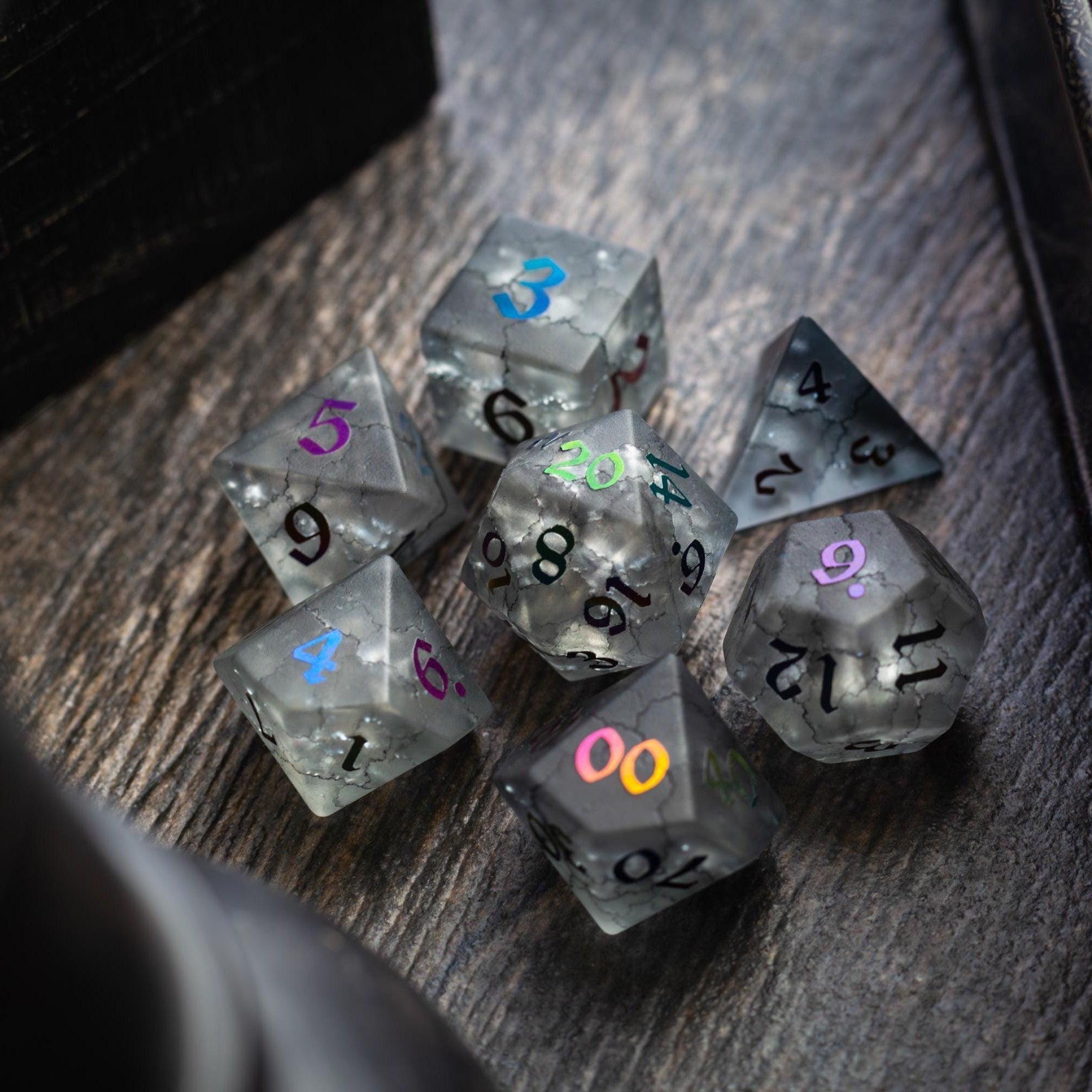
For a Wizard-themed set, the Purple Energy Handmade Resin DND Dice Set has a swirling magical look. The Blue Sandstone Silver Font Gemstone DND Dice Set offers a darker, sparkling style, while the Azurite Gemstone DND Dice Set suits a scholarly enchanter. Browse gemstone dice or resin dice sets to match your character. Use a padded dice tray for stone dice.
Advanced Tips and Tricks
Feats: War Caster helps maintain Concentration, Resilient (Constitution) supports crucial saves, and Actor suits impersonation-heavy campaigns. Alert can help you act before enemies, giving your control spells an earlier chance to matter. Check each feat's prerequisites and whether it is an Origin or General feat under your campaign's rules.
Multiclassing: Bard can add social skills and support magic, while Sorcerer offers Metamagic options for a character focused on subtle spellcasting. Both require enough Charisma to multiclass. For most new players, staying a single-class Wizard is simpler and gets you higher-level spells and Enchanter features sooner.
Is the Enchanter Wizard Good in 2026?
Yes, especially in campaigns with political intrigue, investigations, and enemies that can be affected by charm magic. The 2026 Enchanter has useful social tools, stronger action economy, and reliable ways to stretch selected spells. It is less effective against charm-immune creatures, and it rewards players who read spell descriptions carefully. Build around Intelligence, keep defensive spells ready, and treat each successful enchantment as one tool for helping the whole party.



Leave a comment
This site is protected by hCaptcha and the hCaptcha Privacy Policy and Terms of Service apply.