
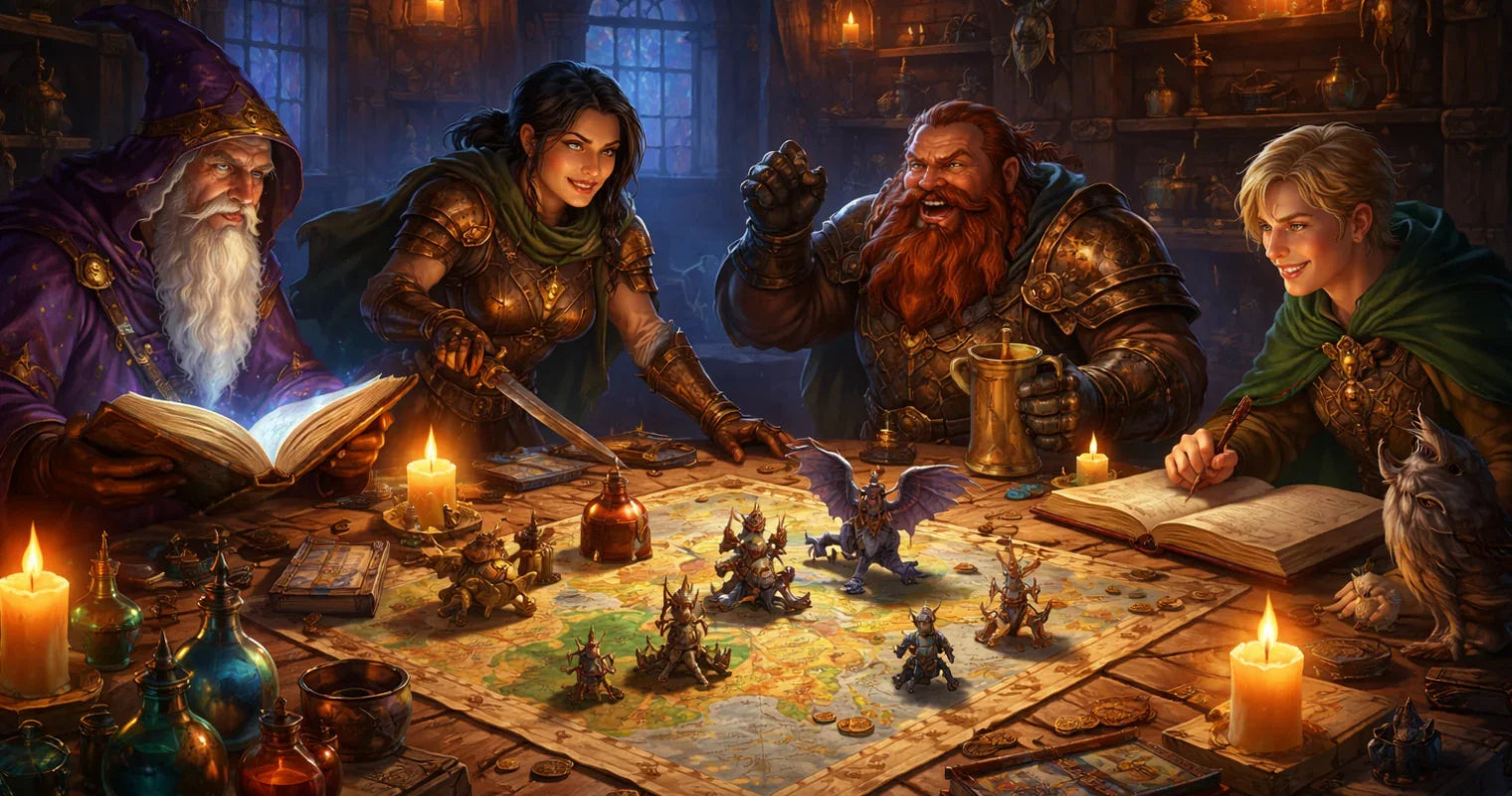
RPG Strategy Playbook for Every Skill Level in Tabletop
Tabletop roleplaying games are built on imagination, teamwork, and creative problem-solving. While every campaign is different, developing good strategic habits can help players make better decisions without limiting creativity or roleplaying. Whether you're playing your first Dungeons & Dragons adventure or have years of experience behind your character sheet, a thoughtful approach to gameplay helps every session feel smoother and more rewarding.
A strong RPG strategy playbook is not about finding one perfect solution to every challenge. Instead, it focuses on understanding your party, adapting to changing situations, managing resources wisely, and working together toward shared goals. Since every campaign has its own style, success depends on factors such as party composition, player experience, available resources, the Game Master's rulings, and the story being told.
Why Strategy Matters at Every Experience Level
Every tabletop group benefits from planning, communication, and flexibility. Good strategy helps players respond to unexpected events while keeping the game enjoyable for everyone.
A balanced tabletop RPG strategy can help your group:
-
Improve teamwork during encounters
-
Make better use of character abilities
-
Reduce unnecessary risks
-
Solve problems creatively
-
Keep every player involved in important decisions
-
Support storytelling alongside tactical play
The best adventures often come from combining careful planning with spontaneous roleplaying. Tactical thinking should enhance the story rather than replace it.
Core Habits That Improve Every Player's Decision Making
Regardless of experience level, a few simple habits consistently improve D&D gameplay.
Know Your Character
Understanding your character's abilities makes every turn more efficient.
Take time to learn:
-
Class features
-
Spell options
-
Equipment
-
Special abilities
-
Movement speed
-
Action economy
The better you know your character sheet, the less time you spend searching for information during the game.
Communicate Before Acting
Discussing plans with teammates often reveals better solutions than acting alone.
Before making a risky decision, consider:
-
Who can provide support?
-
Does another character have a useful ability?
-
Can multiple actions be combined?
-
Is there a safer alternative?
Good party strategy often comes from short conversations rather than complicated planning.
Think Beyond Combat
Many encounters can be solved without drawing weapons.
Creative alternatives include:
-
Negotiation
-
Investigation
-
Stealth
-
Distraction
-
Environmental interaction
-
Clever use of spells
A successful adventure values roleplaying and exploration just as much as combat.
Keep Resources in Mind
Spell slots, healing, consumable items, and class features are valuable resources.
Avoid spending everything during the first difficult encounter if more challenges are likely ahead.
Beginner Strategic Approaches
New players often focus on learning rules, but a few simple habits quickly improve confidence.
Stay Close to the Party
Splitting up may seem exciting, but it often creates unnecessary danger.
Remaining together allows players to:
-
Share healing
-
Protect vulnerable allies
-
Combine abilities
-
Respond quickly to threats
Focus on Your Role
Every character contributes differently.
Examples include:
-
Fighters protect allies.
-
Clerics support and heal.
-
Rogues scout and disable traps.
-
Wizards control the battlefield.
-
Bards strengthen the party while solving social challenges.
Playing your role well usually benefits the entire group.
Ask Questions
Experienced players and Dungeon Masters are valuable resources.
Don't hesitate to ask about:
-
Available actions
-
Environmental details
-
Rules interactions
-
Possible skill checks
Learning through discussion is part of every campaign.
Intermediate Strategic Approaches
Once players understand the basics, strategy becomes more about coordination.
Combine Character Abilities
Many abilities become stronger when used together.
Examples include:
-
Holding enemies in place before area spells.
-
Protecting spellcasters with frontline defenders.
-
Using scouting information before initiating combat.
-
Coordinating buffs before major encounters.
Working together usually produces better results than acting independently.
Control the Battlefield
Positioning often matters as much as dealing damage.
Consider:
-
High ground
-
Cover
-
Choke points
-
Difficult terrain
-
Enemy movement
-
Escape routes
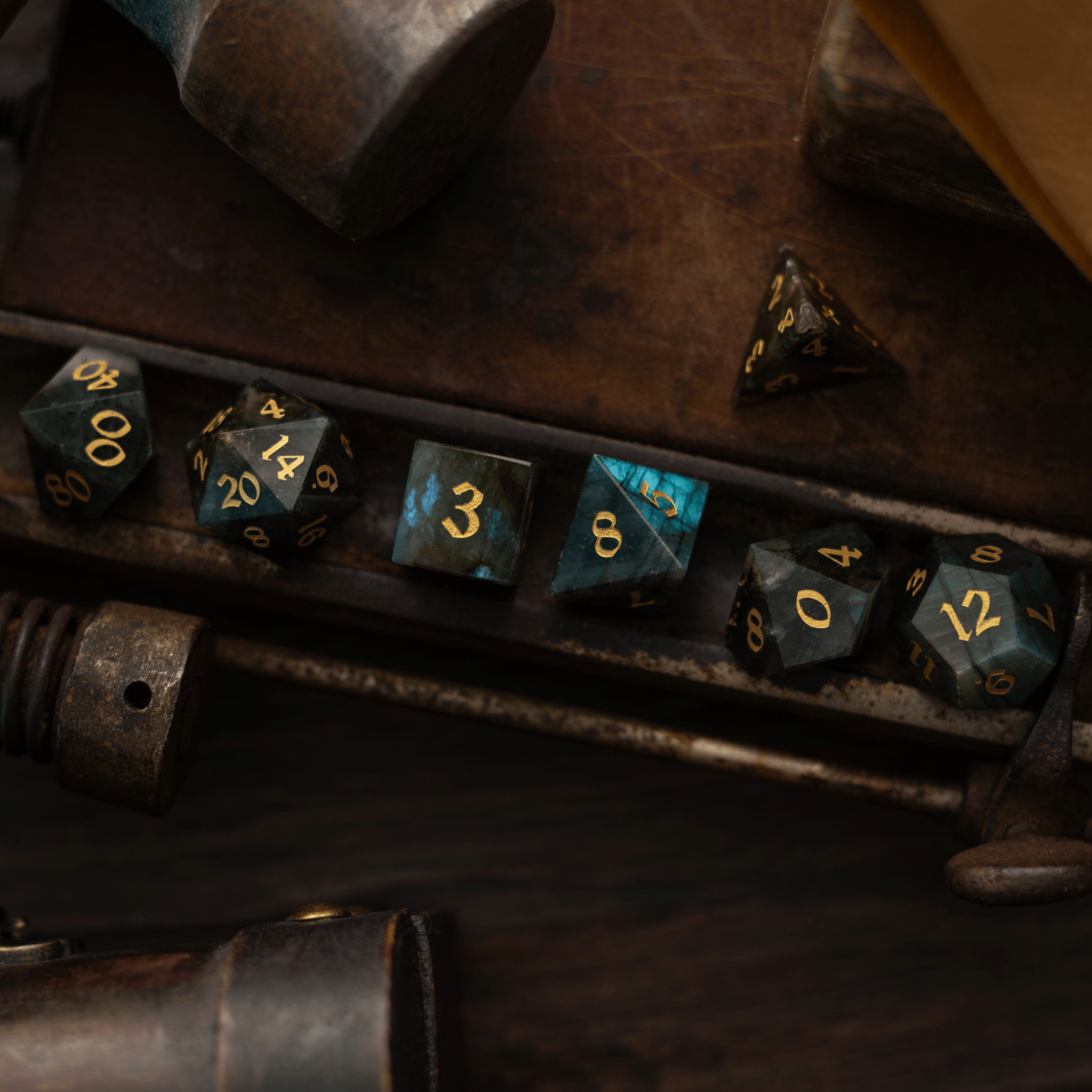
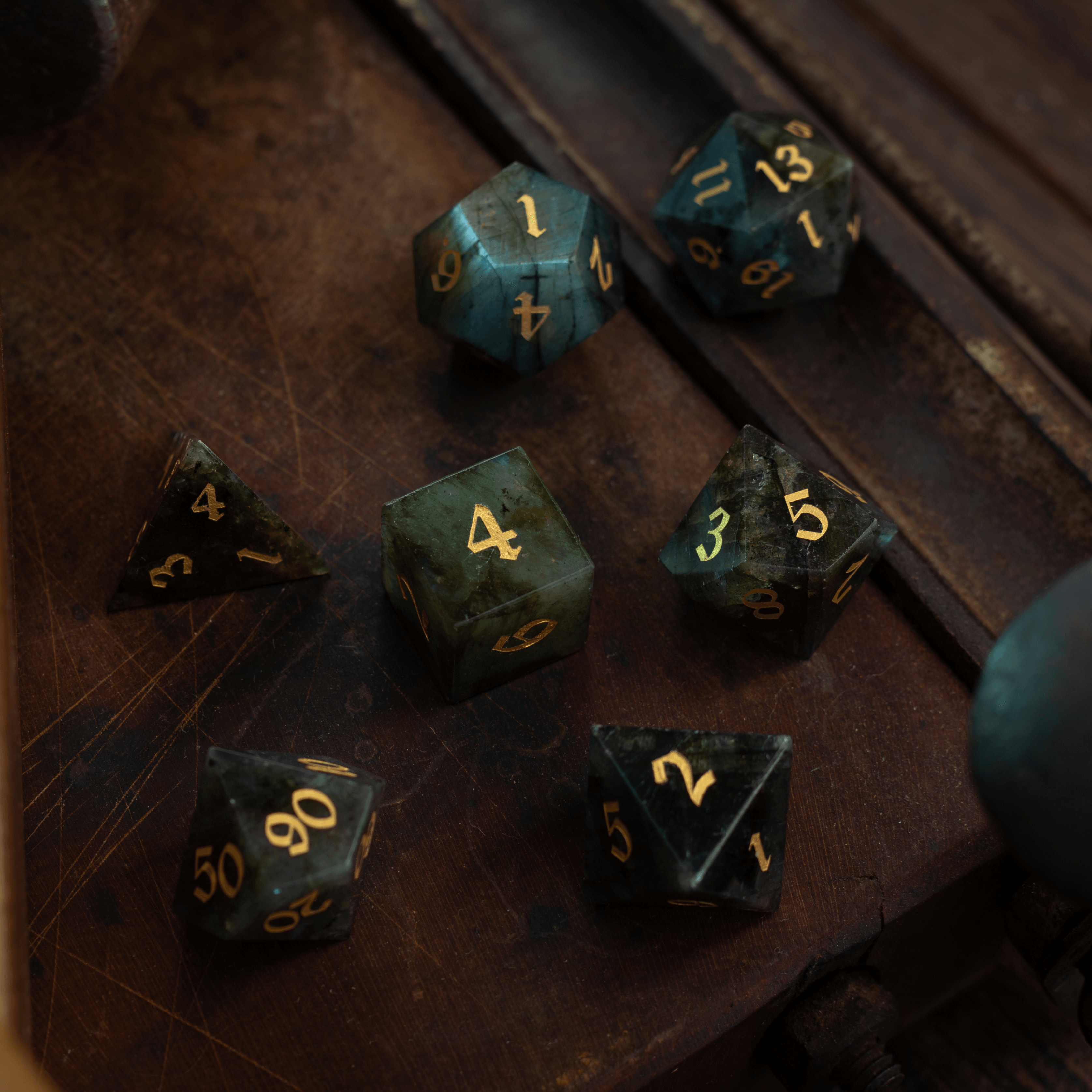
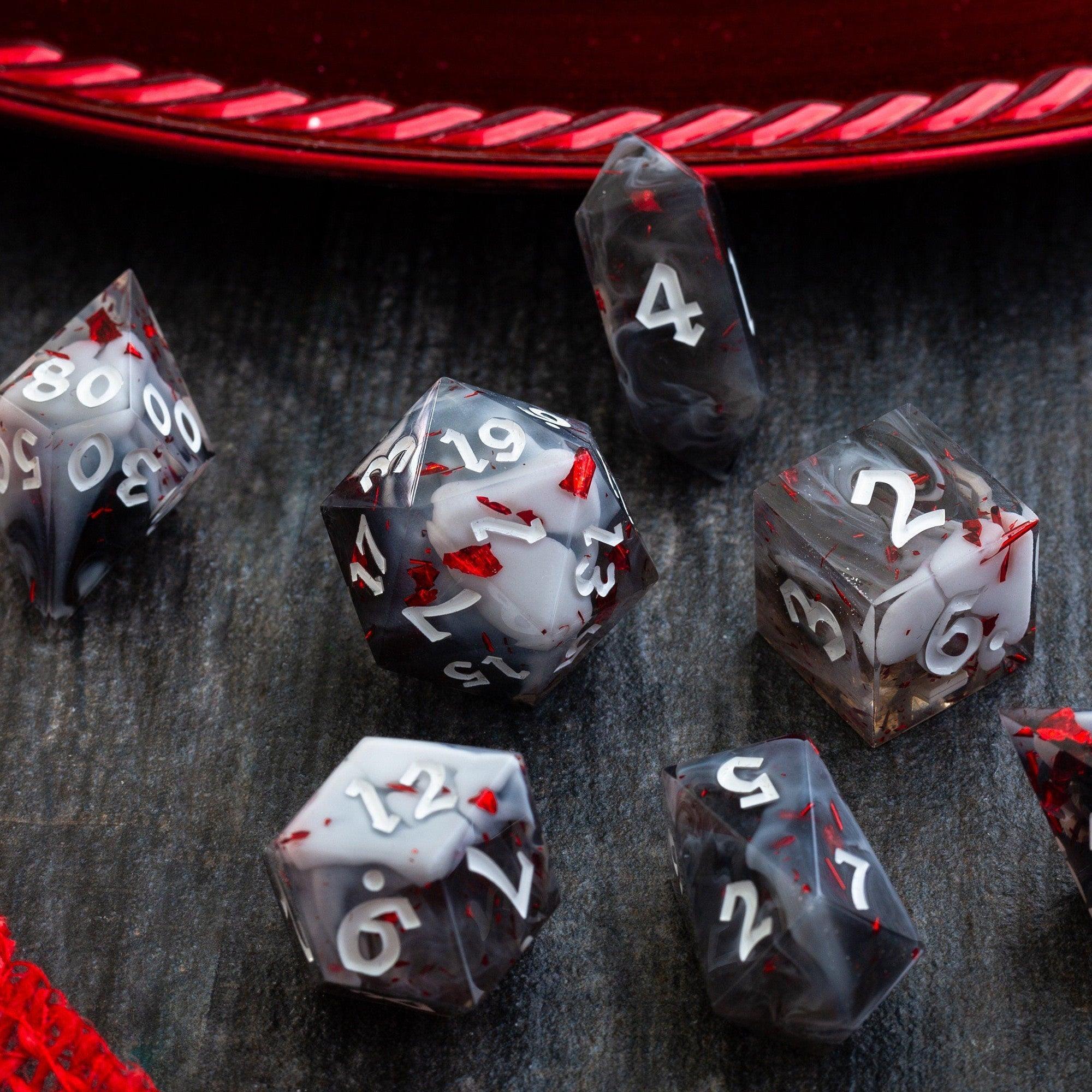
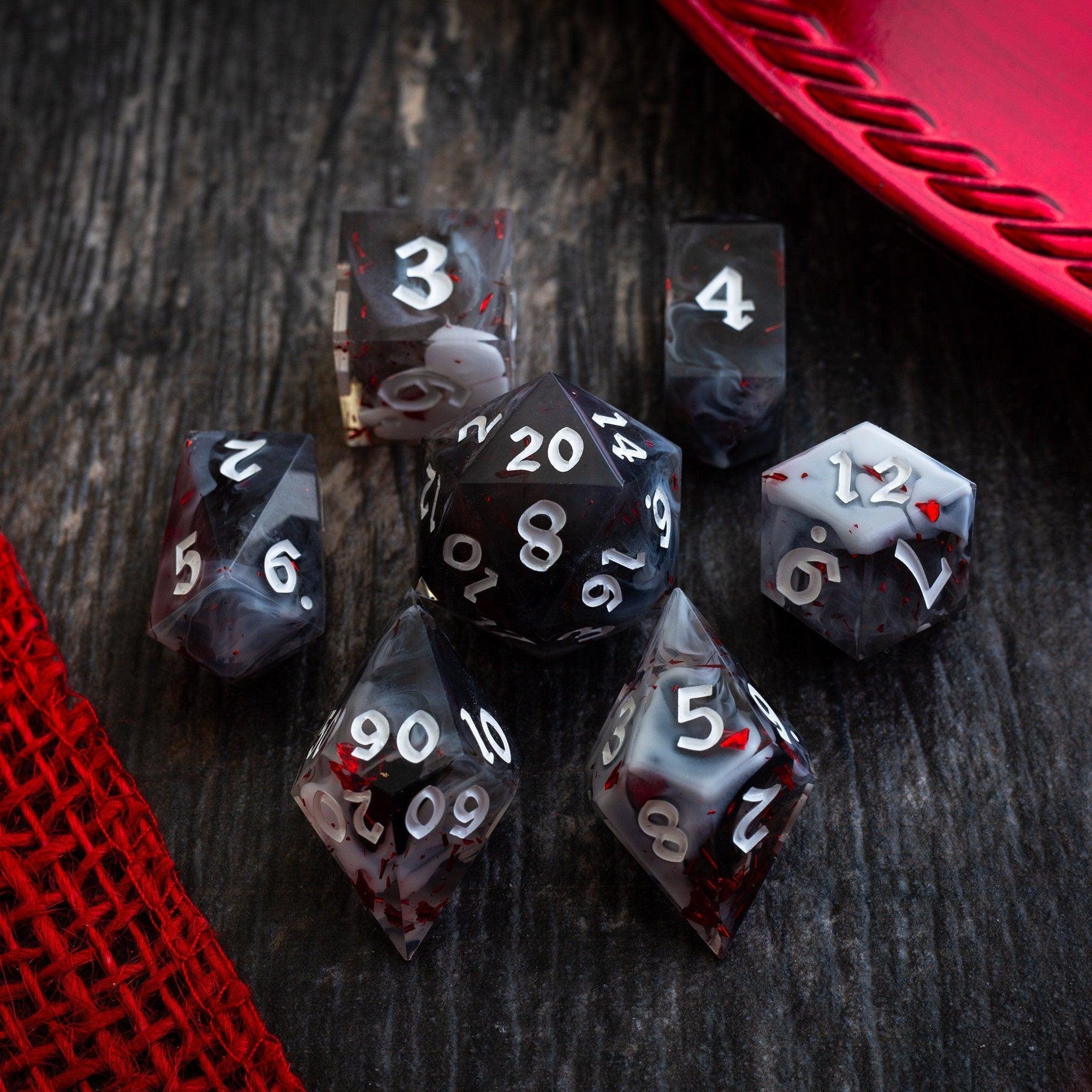
Using clearly readable premium gemstone, resin, or metal dice during complex encounters can make fast-paced turns easier to follow, while a dice tray helps keep rolls organized when multiple players are sharing limited table space.
Plan for Multiple Outcomes
No plan survives every encounter unchanged.
Ask yourself:
-
What happens if negotiations fail?
-
What if reinforcements arrive?
-
What if an important spell misses?
-
Is retreat an option?
Flexible planning reduces panic when circumstances change.
Advanced Strategic Approaches
Experienced players often think beyond individual encounters.
Consider Long-Term Campaign Goals
Strategic players look beyond today's objective.
Think about:
-
Building relationships with NPCs
-
Conserving rare resources
-
Supporting future quests
-
Developing party reputation
-
Preparing for recurring villains
Every decision can influence future adventures.
Adapt to the Campaign Style
Different campaigns reward different approaches.
For example:
-
Political campaigns emphasize diplomacy.
-
Survival adventures reward resource management.
-
Dungeon crawls prioritize exploration.
-
Investigation campaigns encourage observation and deduction.
The best roleplaying strategies match the tone established by the Game Master and the group.
Support Less Experienced Players
Veteran players help everyone enjoy the game.
Instead of directing every decision, encourage teammates by:
-
Explaining options
-
Offering suggestions
-
Sharing knowledge
-
Celebrating creative ideas
Helping others grow creates stronger parties over time.
Balancing Combat, Exploration, Roleplaying, and Resource Management
Successful RPG tactics involve more than winning battles.
Combat rewards teamwork and positioning.
Exploration rewards curiosity and preparation.
Roleplaying rewards communication and creativity.
Resource management rewards careful planning.
No single pillar is more important than another. Every campaign emphasizes these elements differently, so players should adjust their approach based on the group's goals and the Game Master's style.
Keeping status effects organized with condition rings makes it easier for everyone to remember ongoing buffs, debuffs, and other conditions, reducing interruptions while allowing players to stay focused on the unfolding story.
RPG Strategy Reference Table
| Skill Level | Strategic Focus | Common Mistakes | Improvement Tips |
|---|---|---|---|
| Beginner | Learn character abilities and cooperate with teammates | Acting alone, forgetting abilities, rushing decisions | Read your character sheet, ask questions, communicate often |
| Intermediate | Positioning, teamwork, and resource management | Overcommitting resources, ignoring terrain | Coordinate actions, plan ahead, conserve important abilities |
| Advanced | Campaign planning, adaptability, and leadership | Overplanning, solving every problem alone | Encourage collaboration, stay flexible, adjust to changing situations |
Working Effectively as a Party
Strong tabletop gaming tips often revolve around teamwork rather than individual optimization.
Healthy party habits include:
-
Listening to every player's ideas
-
Respecting different play styles
-
Sharing important information
-
Planning before major encounters
-
Supporting characters who fill different roles
-
Accepting that mistakes create memorable stories
The most successful parties communicate openly while giving every player opportunities to contribute.
Adapting Strategies When Plans Change
Unexpected twists are part of every tabletop RPG.
Perhaps the villain escapes.
An ally falls unconscious.
Negotiations suddenly fail.
A hidden passage appears.
Good players adapt instead of forcing their original plan.
Ask questions like:
-
What has changed?
-
What resources remain?
-
Can we regroup?
-
Does our objective need to change?
Dungeon Masters also benefit from remaining flexible. Preparing multiple possibilities instead of one fixed solution helps campaigns respond naturally to player choices.
Many Game Masters find that using a dice tower during busy sessions keeps rolls consistent and contained, especially when maps, miniatures, and notes already fill the gaming table.
Common Tabletop Strategy Mistakes to Avoid
Even experienced players occasionally develop habits that reduce teamwork.
Watch for these common issues:
-
Ignoring other players' ideas
-
Treating every encounter as combat
-
Forgetting exploration opportunities
-
Using valuable resources too early
-
Failing to communicate intentions
-
Relying on a single strategy for every challenge
-
Forgetting the campaign's story objectives
-
Trying to optimize every situation instead of embracing creativity
Remember that flexibility usually produces more memorable adventures than rigid planning.
Quick RPG Strategy Checklist
Before each session, review this simple checklist:
-
Know your character's abilities.
-
Communicate with your party.
-
Think about multiple solutions.
-
Watch your available resources.
-
Pay attention to positioning.
-
Support teammates whenever possible.
-
Adapt when circumstances change.
-
Keep roleplaying, exploration, and storytelling as important as combat.
-
Respect the Game Master's rulings and the campaign's style.
-
Focus on creating an enjoyable experience for the entire table.
The best D&D strategy guide is one that grows alongside your group. Every campaign presents new challenges, different characters, and unexpected twists that encourage players to think creatively. Continue experimenting with new ideas, learning from both successes and setbacks, and communicating openly with your fellow adventurers. As your group builds trust and experience together, thoughtful planning, adaptability, and shared storytelling will naturally become part of every memorable journey.















Leave a comment
This site is protected by hCaptcha and the hCaptcha Privacy Policy and Terms of Service apply.